


Currently reading: New Audi A2 revealed as ultra-efficient EV with 400-mile range

New EV follows trail blazed by 1990s supermini with big range and wind-cheating design

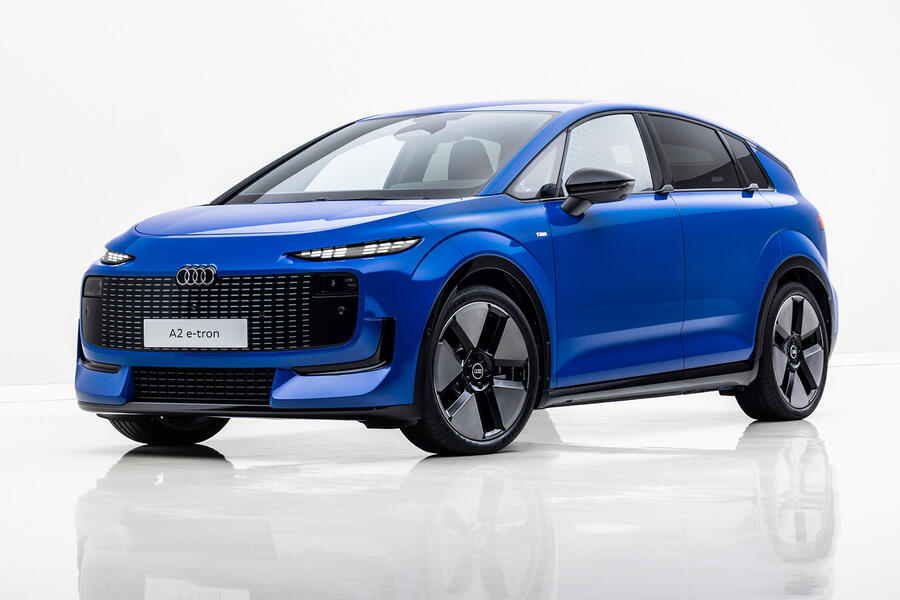
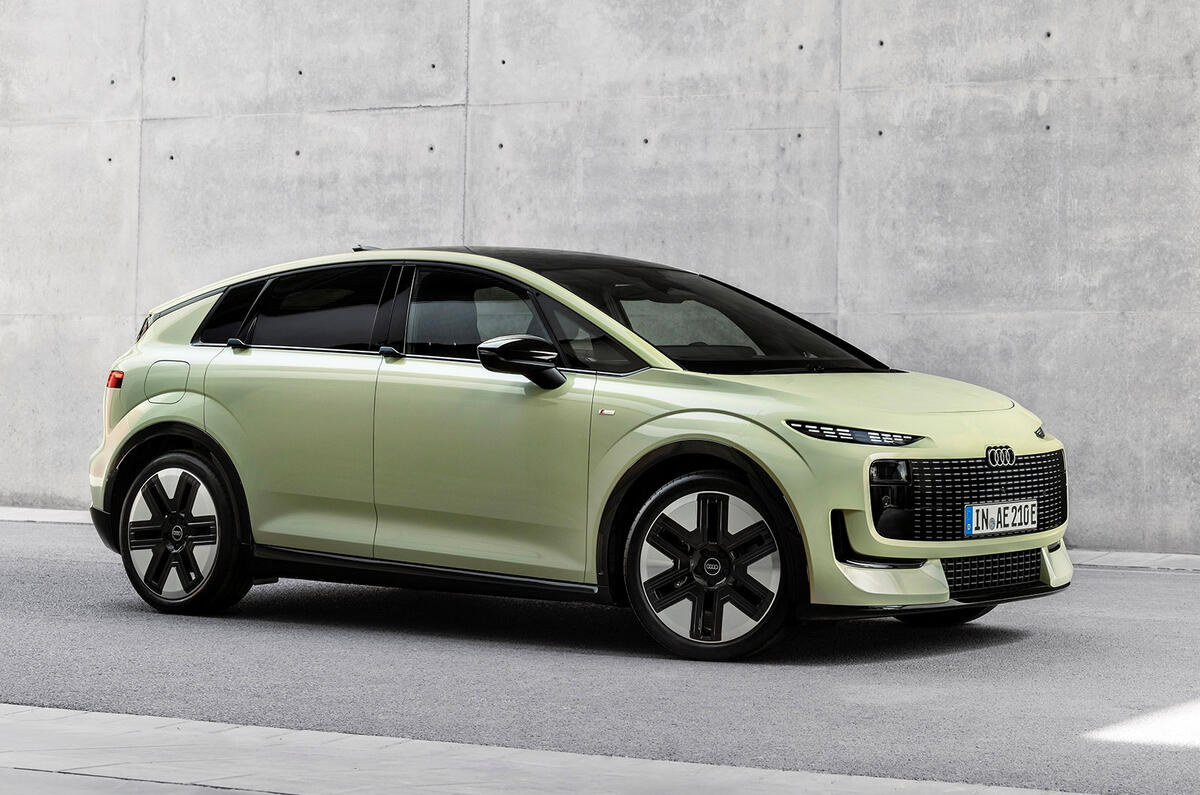
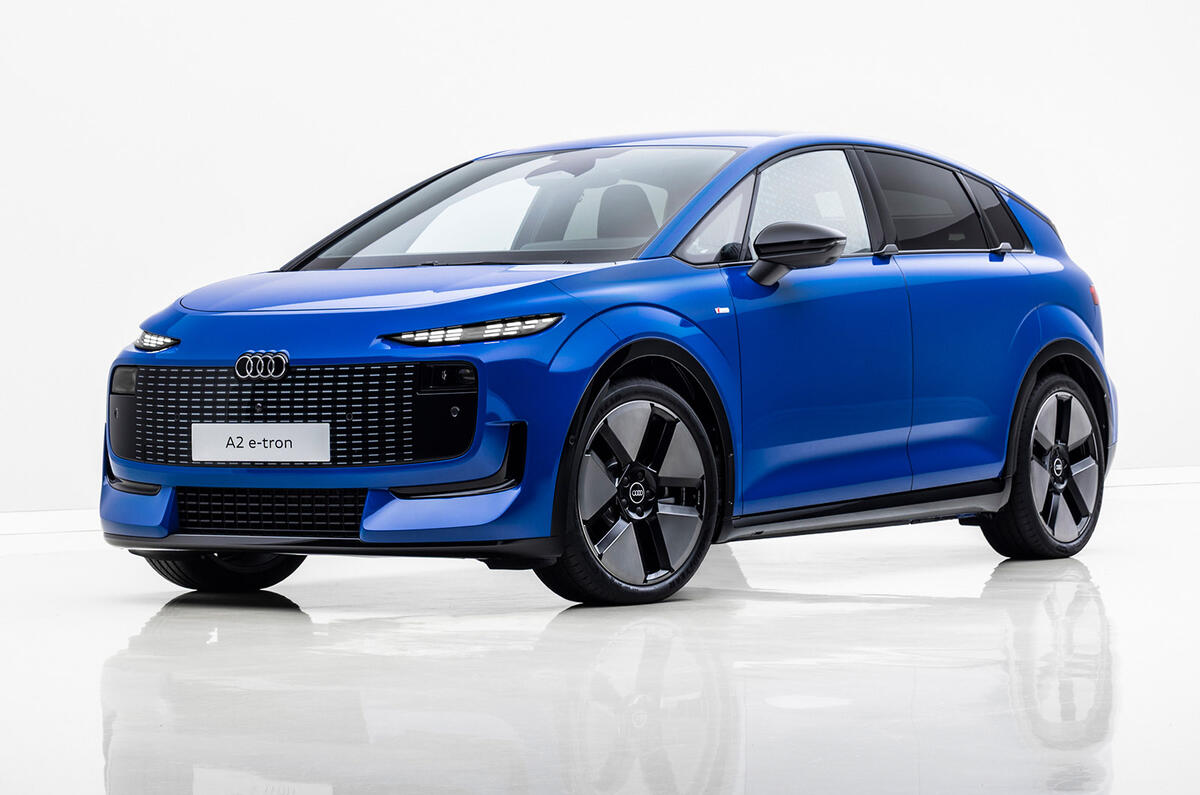
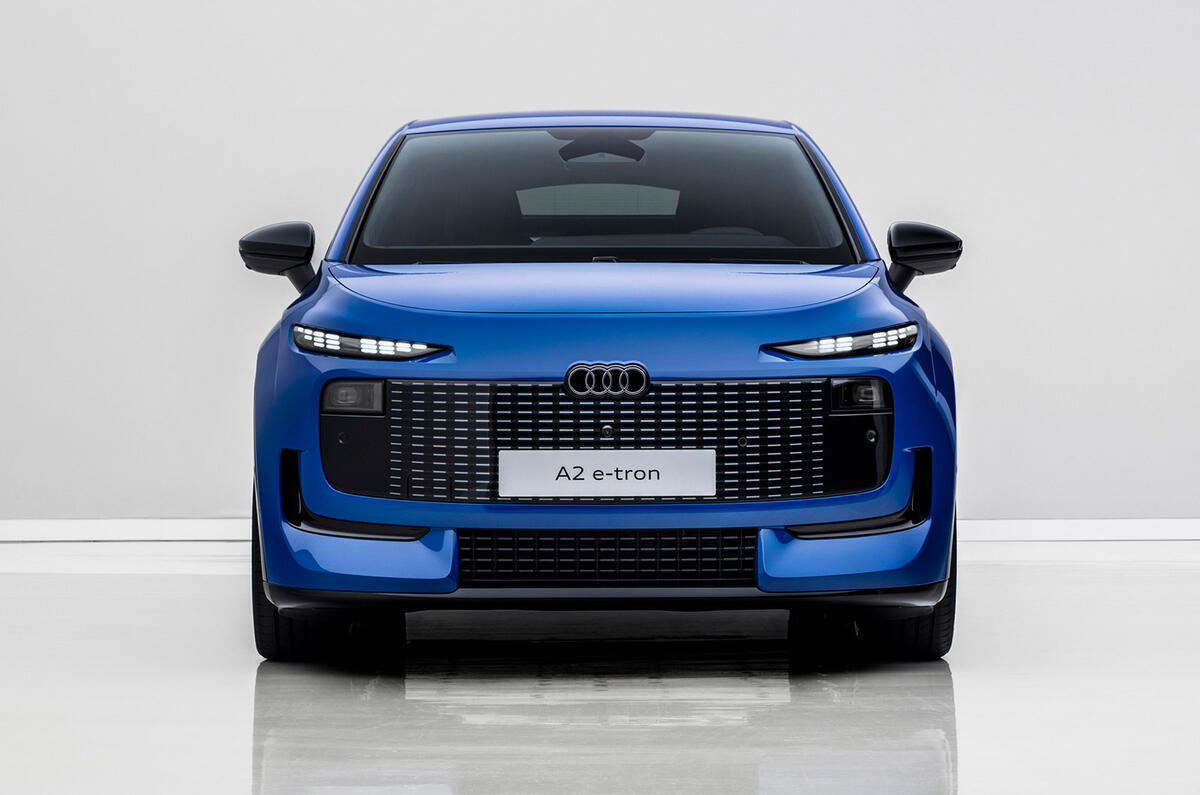
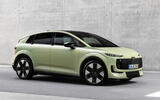
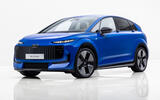
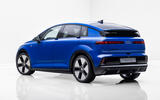
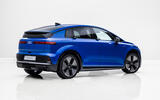
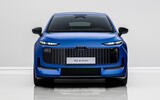
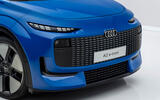
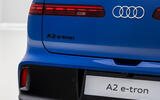
Audi has revived its seminal A2 supermini as a radically styled electric family hatchback which majors on efficiency and offers a maximum range of 401 miles.

On sale here next month ahead of deliveries early next year, the A2 E-tron is Audi's answer to the Volvo EX30, Mini Aceman and Cupra Born. It serves as an electric replacement for the A1 supermini and Q2 crossover, both of which retired earlier this year.

The A2 will be Audi's smallest car and its most affordable EV, with prices starting at £32,200 in the UK - making it only slightly more expensive than the A3. Autocar understands it is likely the cheapest variant will qualify for a £1500 discount under the Electric Car Grant scheme, which will bring the start price down to £30,700.
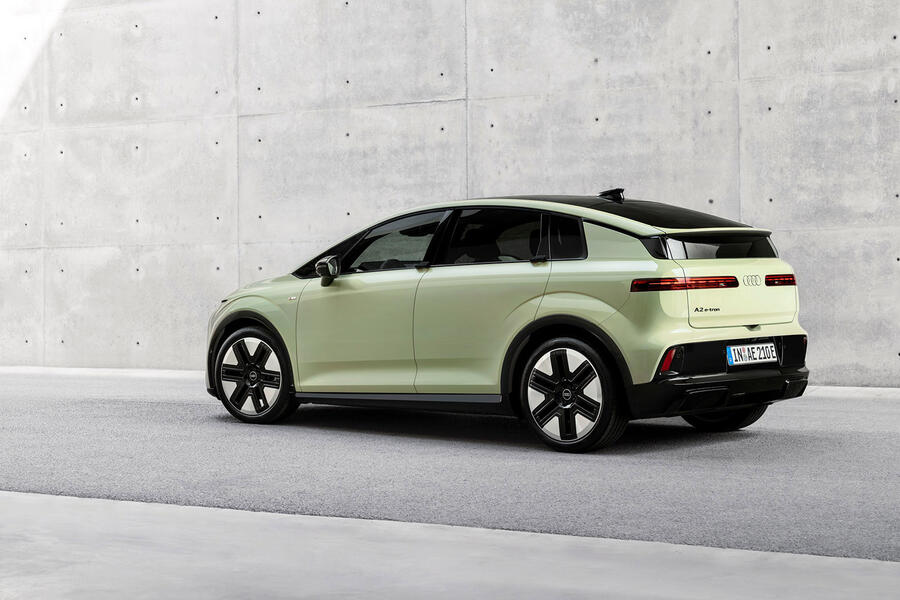
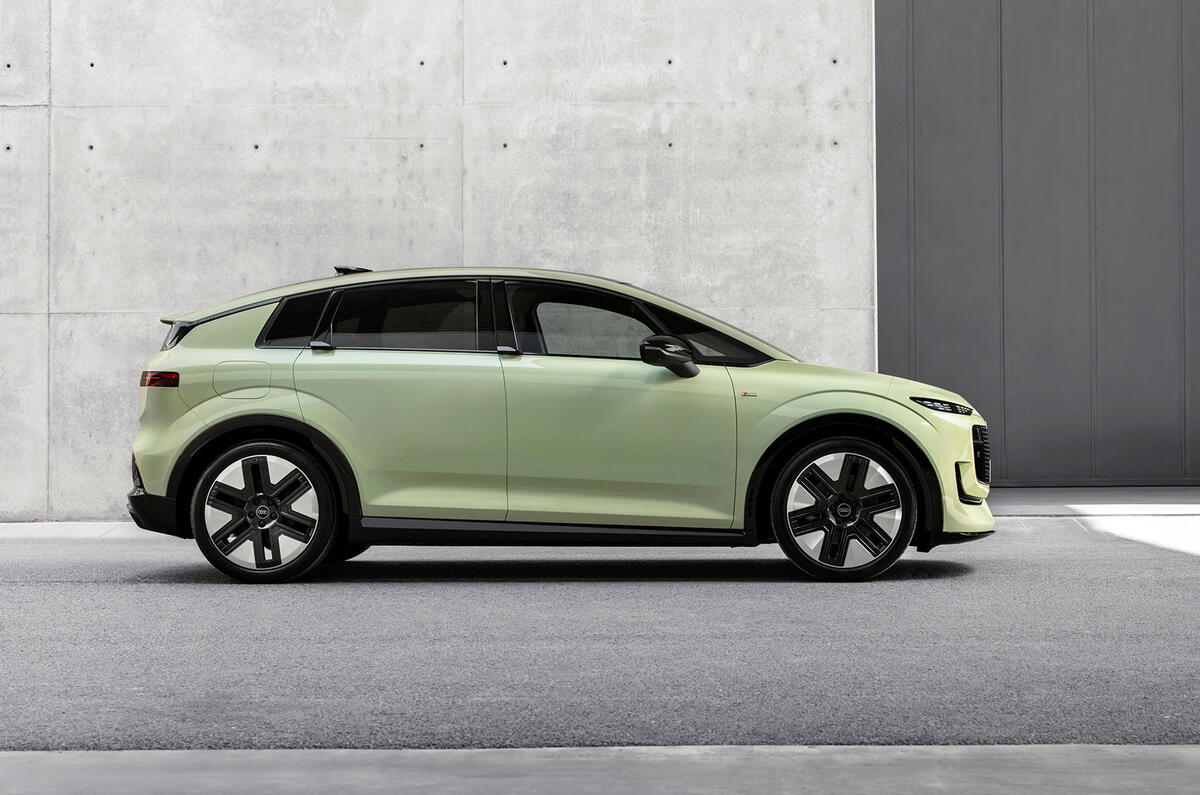
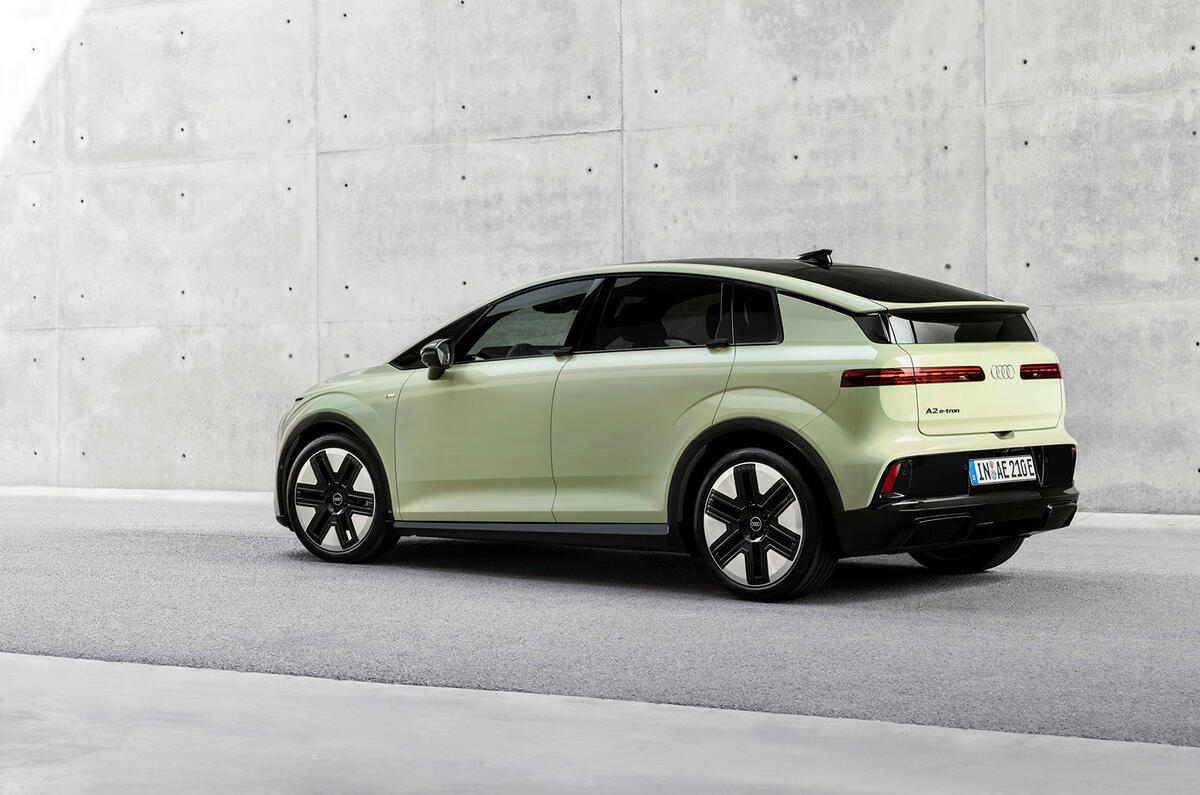
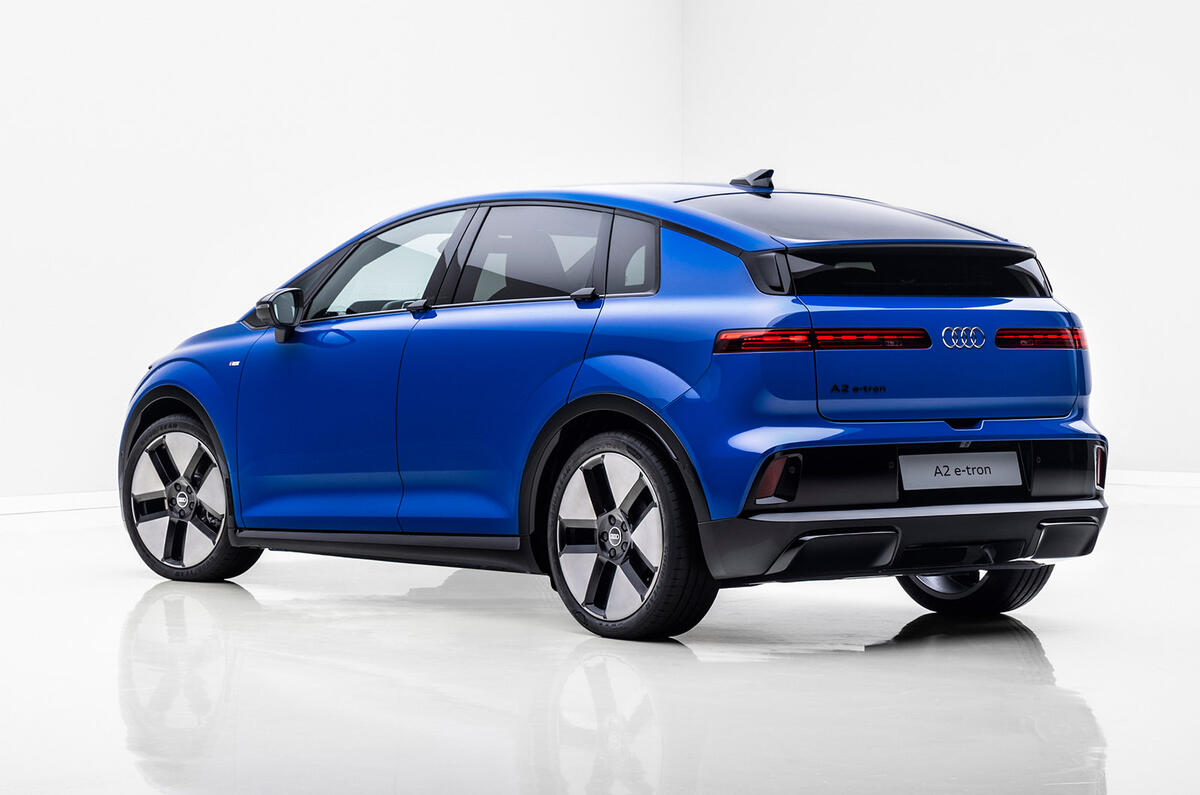
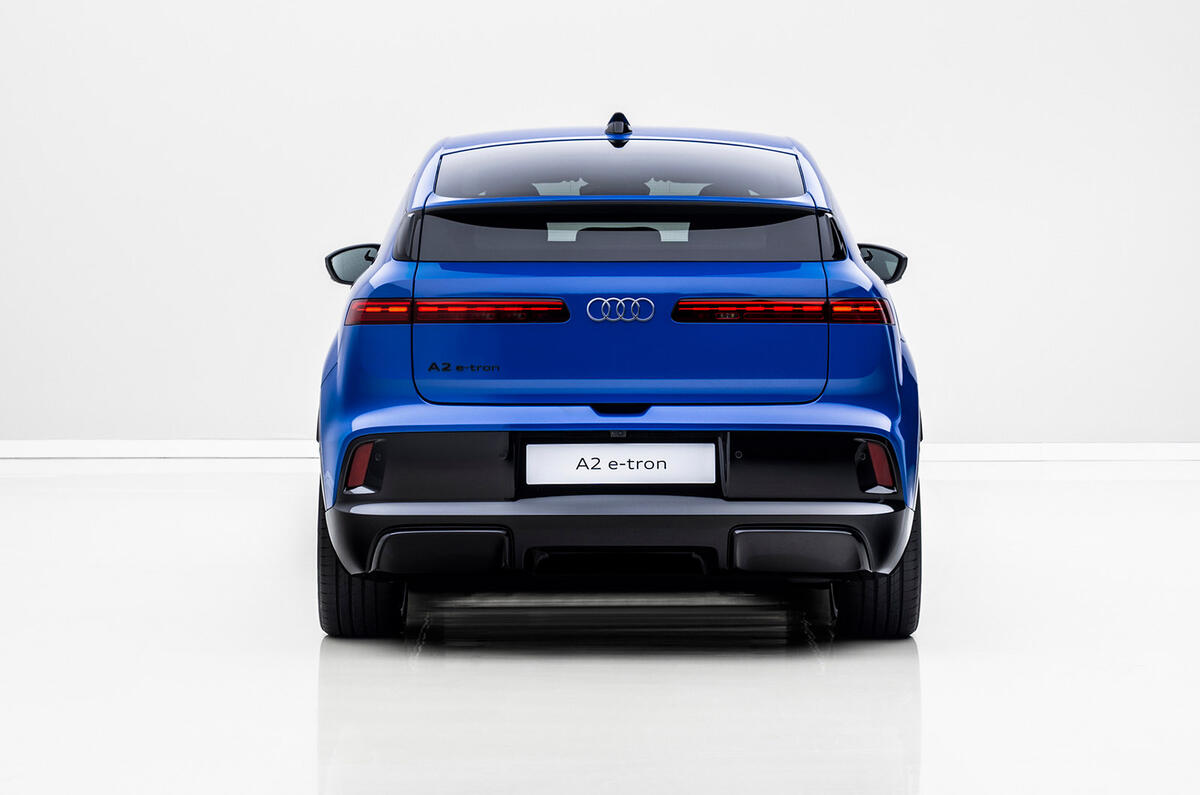
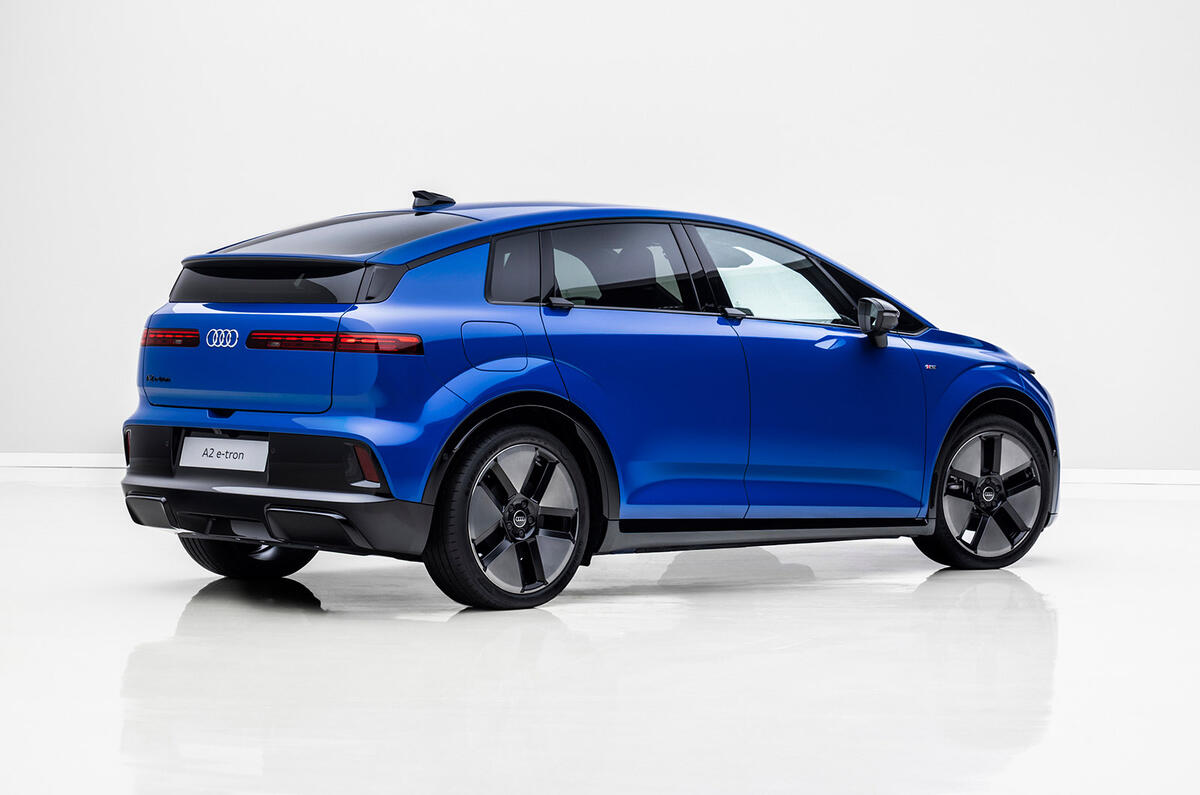
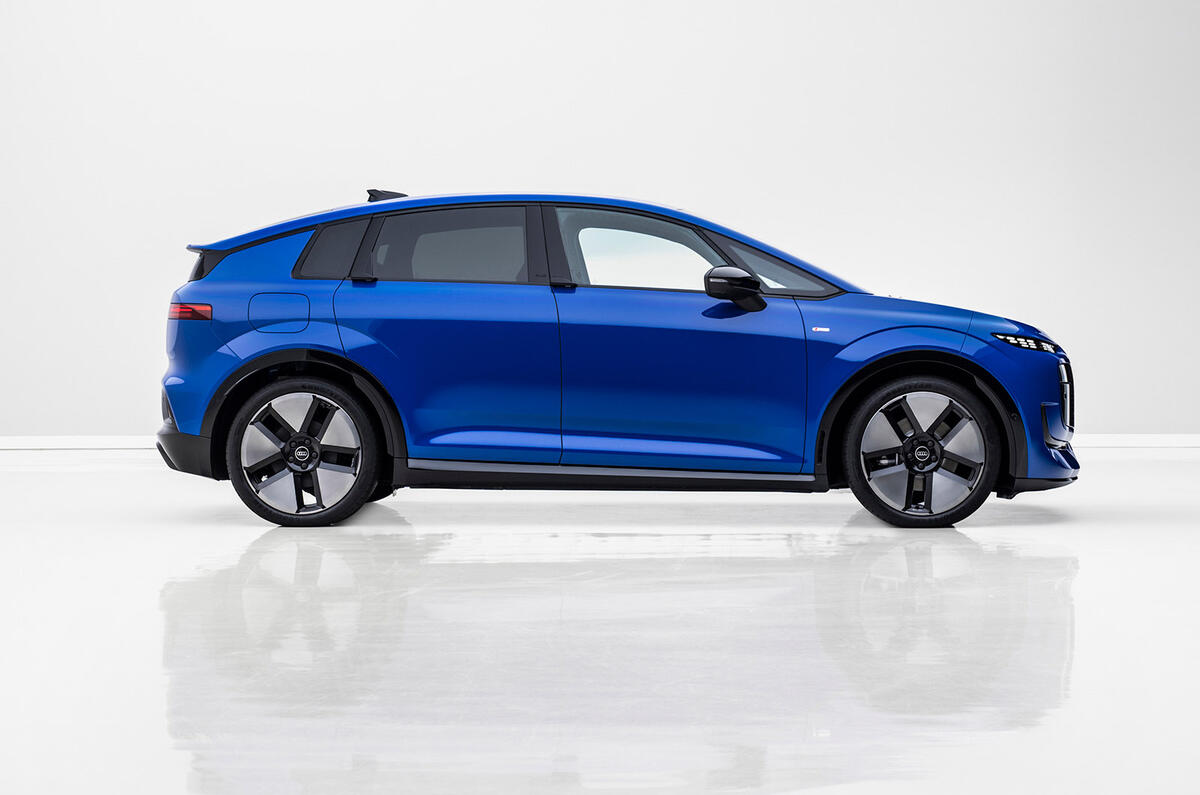
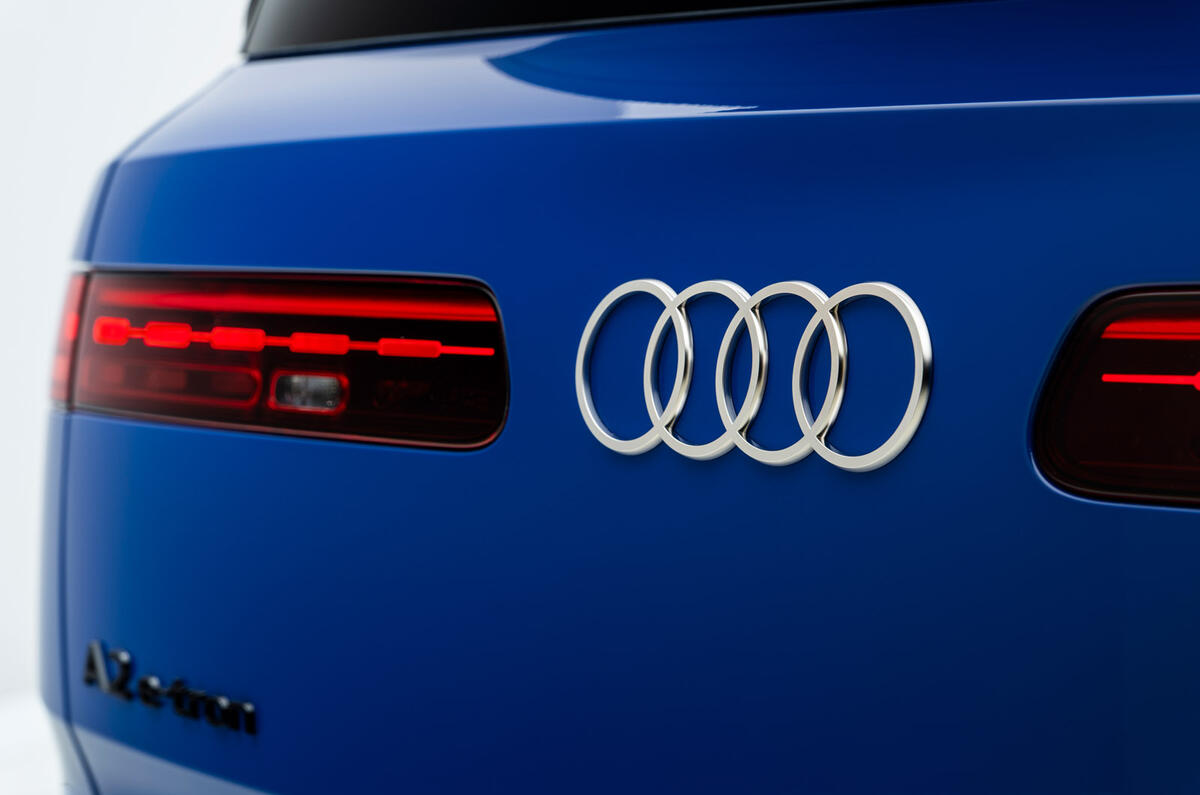
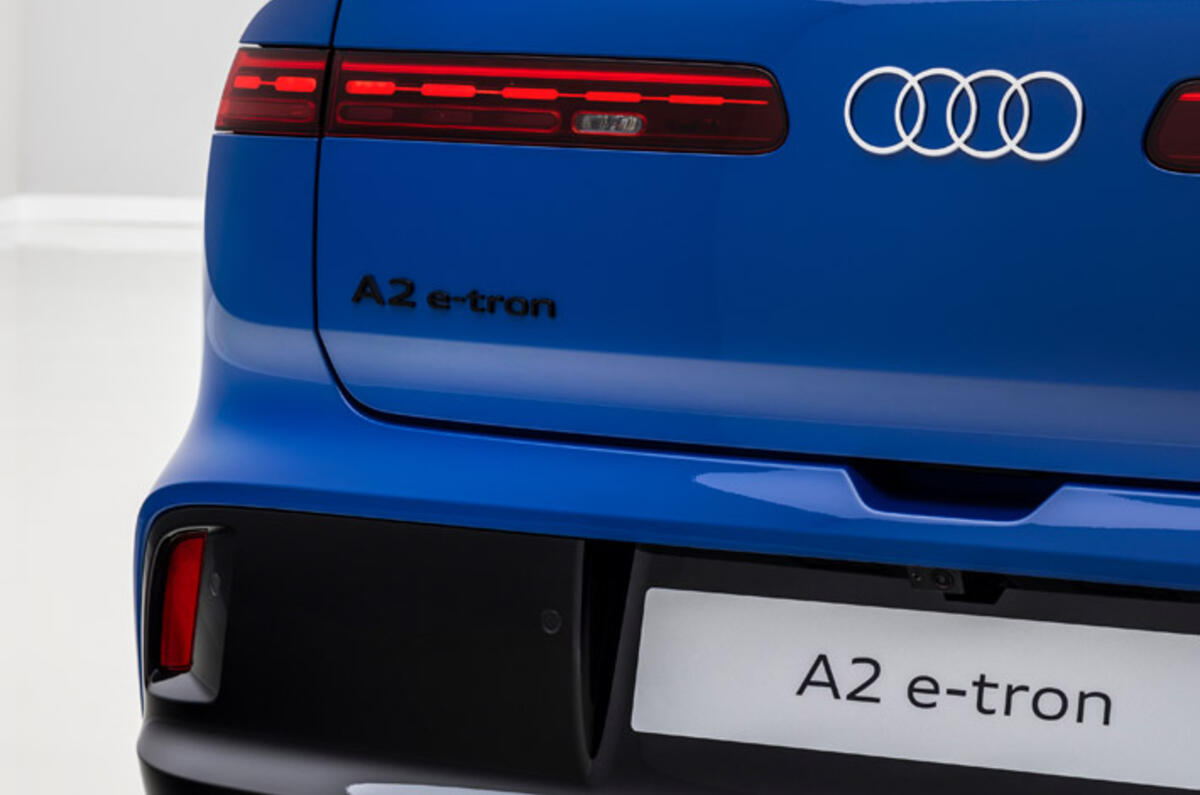
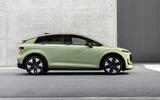
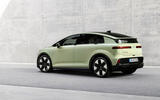
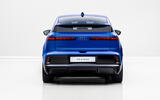
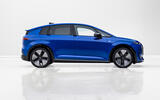
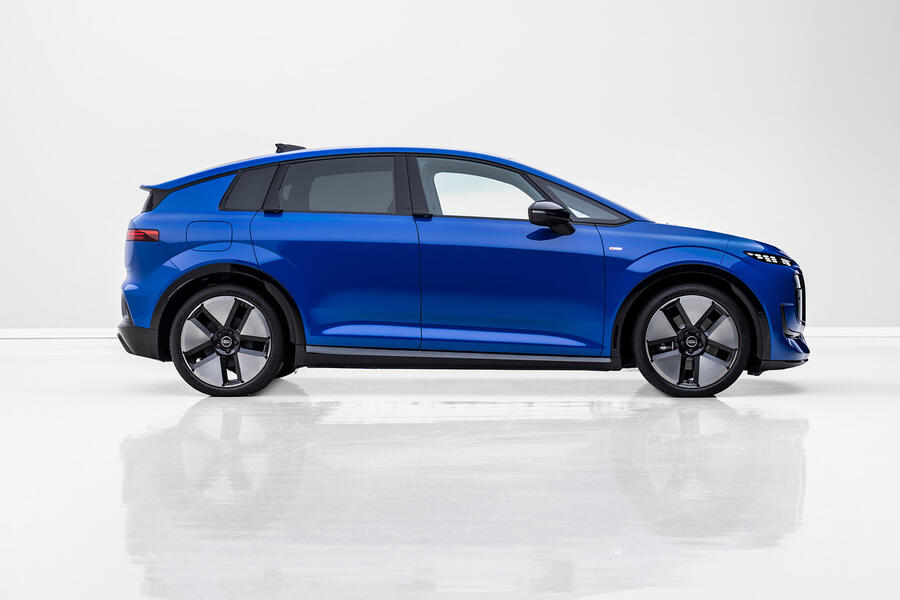
Measuring around 4.3m long and with a generous wheelbase of 2770mm, the A2 E-tron is significantly larger than its millennial namesake but maintains its distinctive rounded silhouette, short overhangs and bluff rear end in the name of maximising both aerodynamic efficiency and interior space.

The A2 rides on the same MEB modular platform as other Volkswagen Group EVs including the Volkswagen ID 3, Skoda Elroq and Audi Q4 E-tron - which has rear-wheel drive as standard. The architecture supports charging speeds of up to 183kW and can accommodate batteries up to 84kWh in capacity.

The cheapest A2 comes with a 52kWh pack that's good for 260 miles of range according to the WLTP cycle, while the mid-rung cor upgrades to a 61kWh pack for a 310-mile range. The top-tier 84kWh pack retums up to 397 miles, and that, with prices expected to top out in the mid-£40,000s, could make the A2 one of the longest-range EVs in its price bracket.
Back to top

The bigger battery employs nickel-manganese-cobalt (NMC) chemistry, while the smaller batteries use cheaper Ilthium-iron-phosphate (LFP) chemistry. Charging is limited to 105kW but it's said still to "deliver high performance even at low states of charge and cold outside temperatures"

There are four motor options available, all of the permanent magnet synchronous variety and all mounted at the rear of the car. They range in output from 168bhp and 258lb ft in the entry model to 322bhp and 402lb ft in the most powerful car, with Audi claiming average efficiency of around 4.2mpkWh.

The most potent A2 con get to 62mph from rest in a hot-hatchback-quick 5.7sec, while the urban-focused entry model needs 8.8sec for the benchmark sprint.

Audi says the APP350 and APP550 motors use silicon carbide semiconductors that help to ensure "exceptionally low conversion losses", while the gearbox has been optimised to further boost efficiency with polished gear teeth, low-friction bearings and new low-viscosity oil.

As a result of all this optimisation work, the most efficient version of the A2 can travel up to 4.85 miles for every kilowatt of electricity it consumes, making it "the most efficient Audi of all time".

The aluminium-bodied original A2 that first held that title was capable of triple-digit mile-per-gallon figures when hypermiled.

Back to top

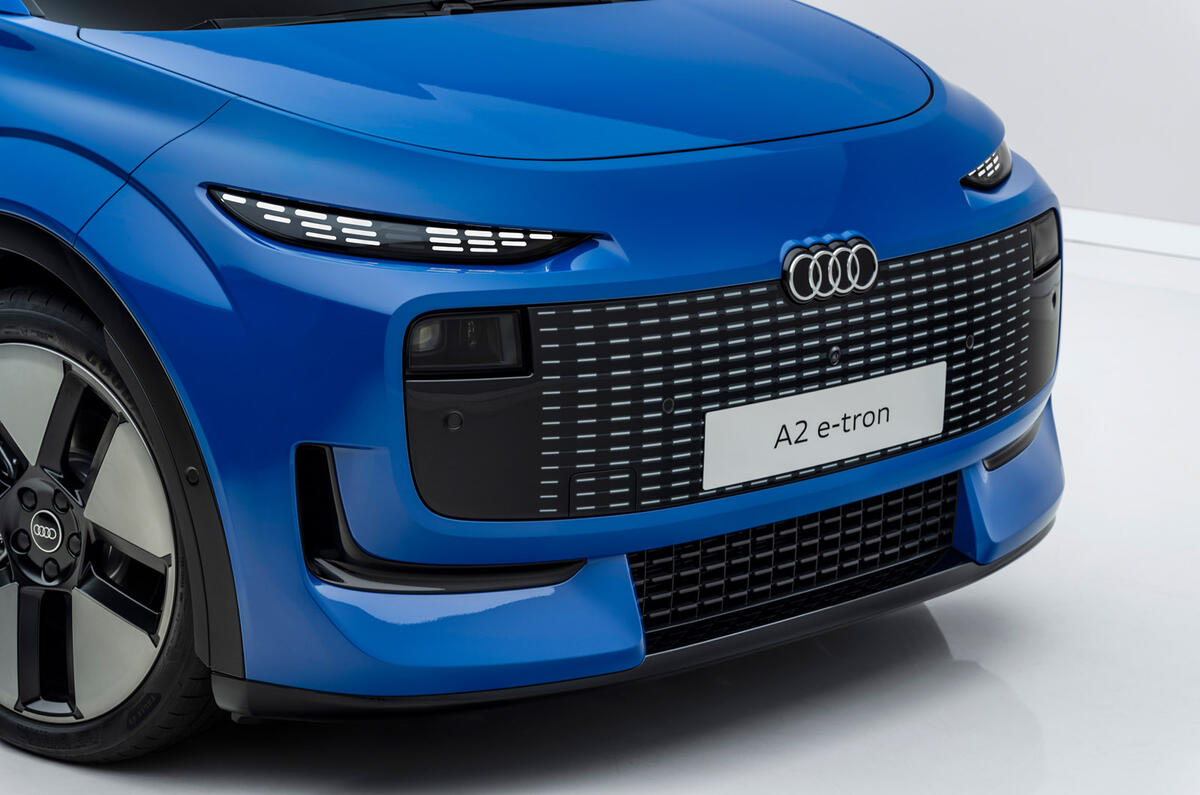
Helping the new A2 in that endeavour are a raft of wind-cheating and loss-mitigating design features that go well beyond the characteristically slippery silhouette, which draws on the original A2.

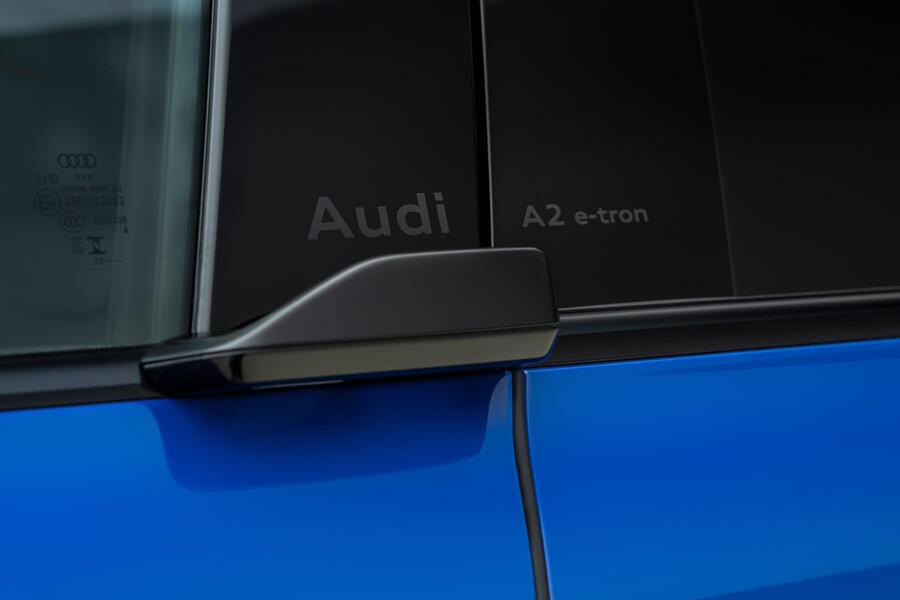
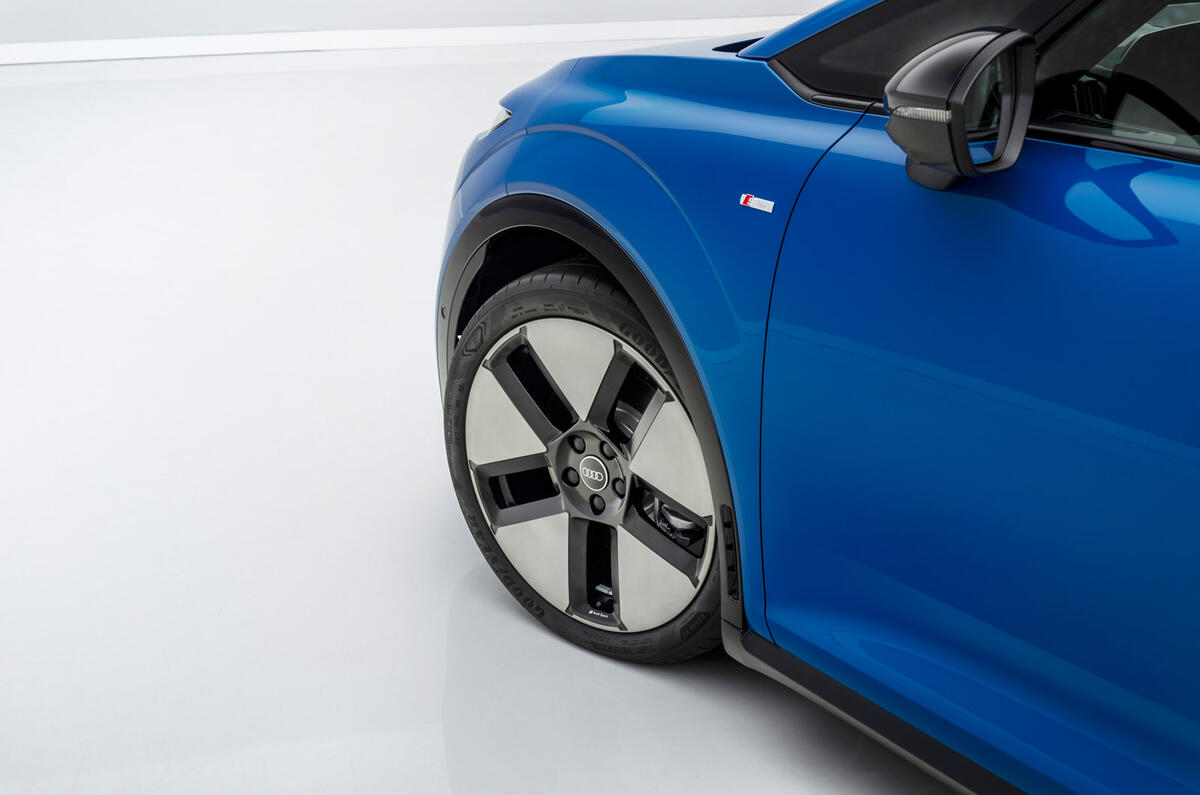
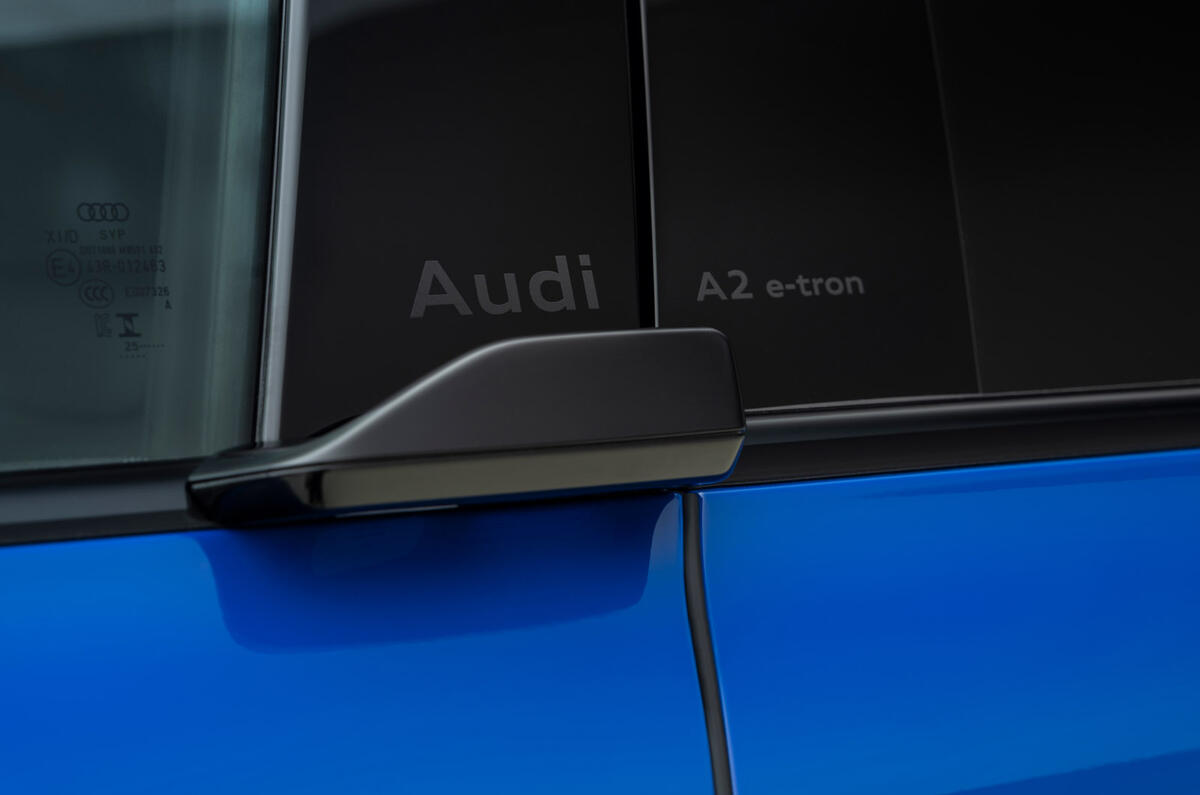
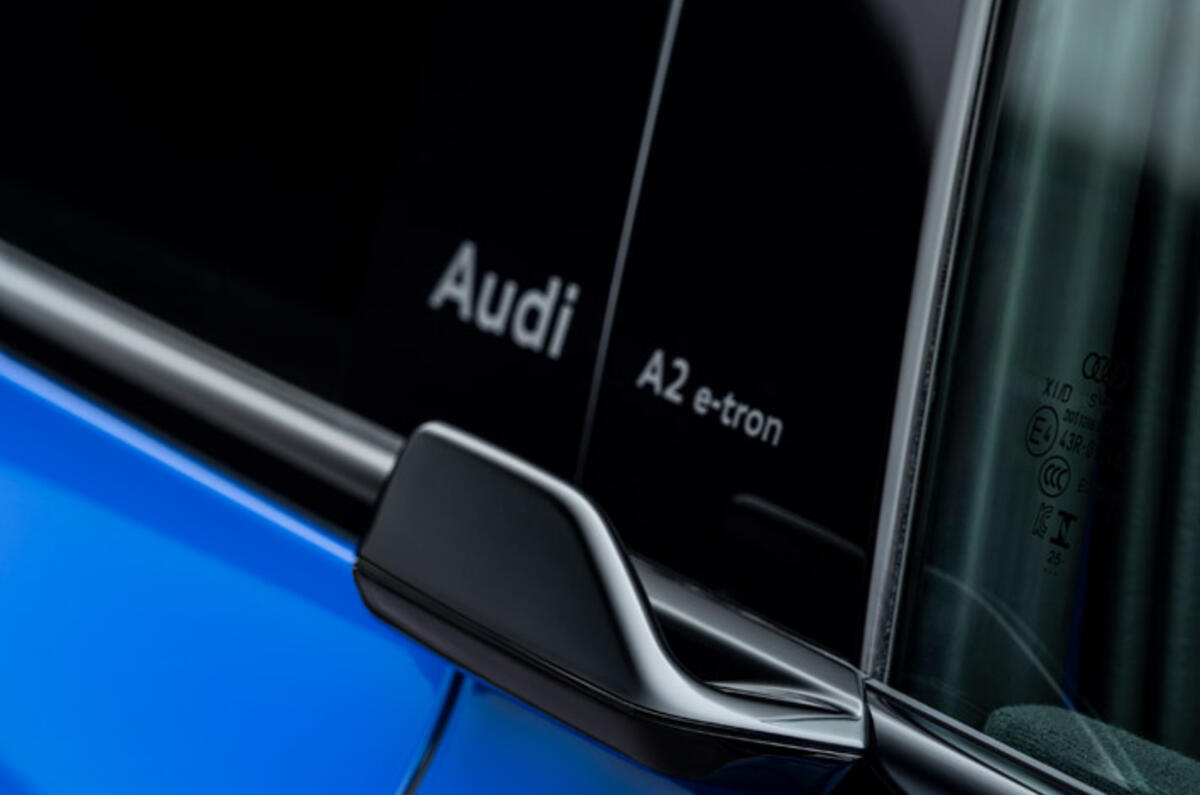
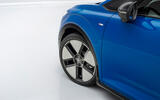
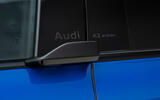
The underside is almost entirely closed off, for example, while the wheel arches are fitted with gap reducers that minimise the space between wheel and bodywork to reduce as much as possible any underbody turbulence on the move. The wheels themselves are newly developed 'aero' designs and even the door handles have been styled to cut through the air as cleanly as possible, hence the unusual wing-shaped design.

Audi claims a drag coefficient of 0.24, which is better than even the sloping-roofed Sportback version of the Q4 E-tron. It makes the A2 as slippery as the Lucid Gravity, BMW iX3 and Polestar 5.

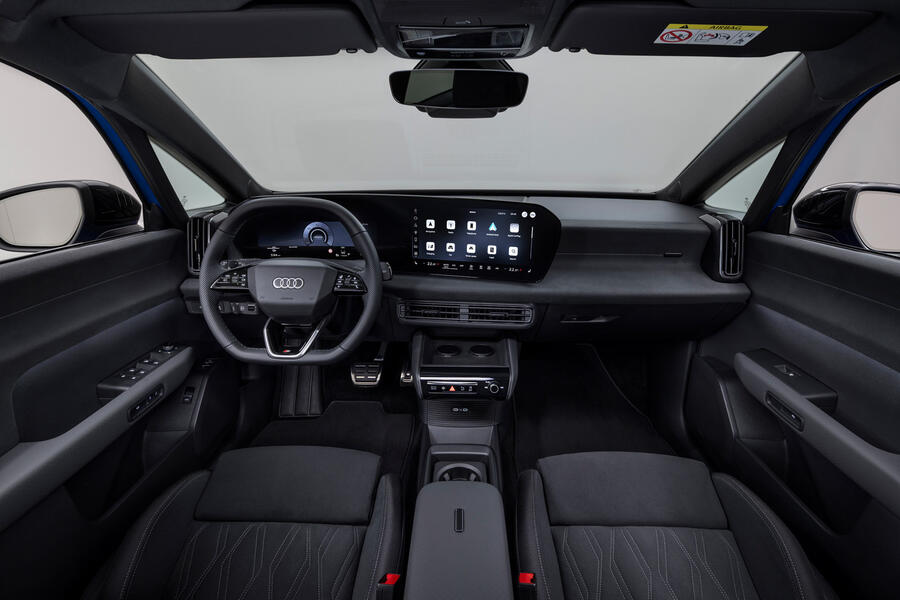
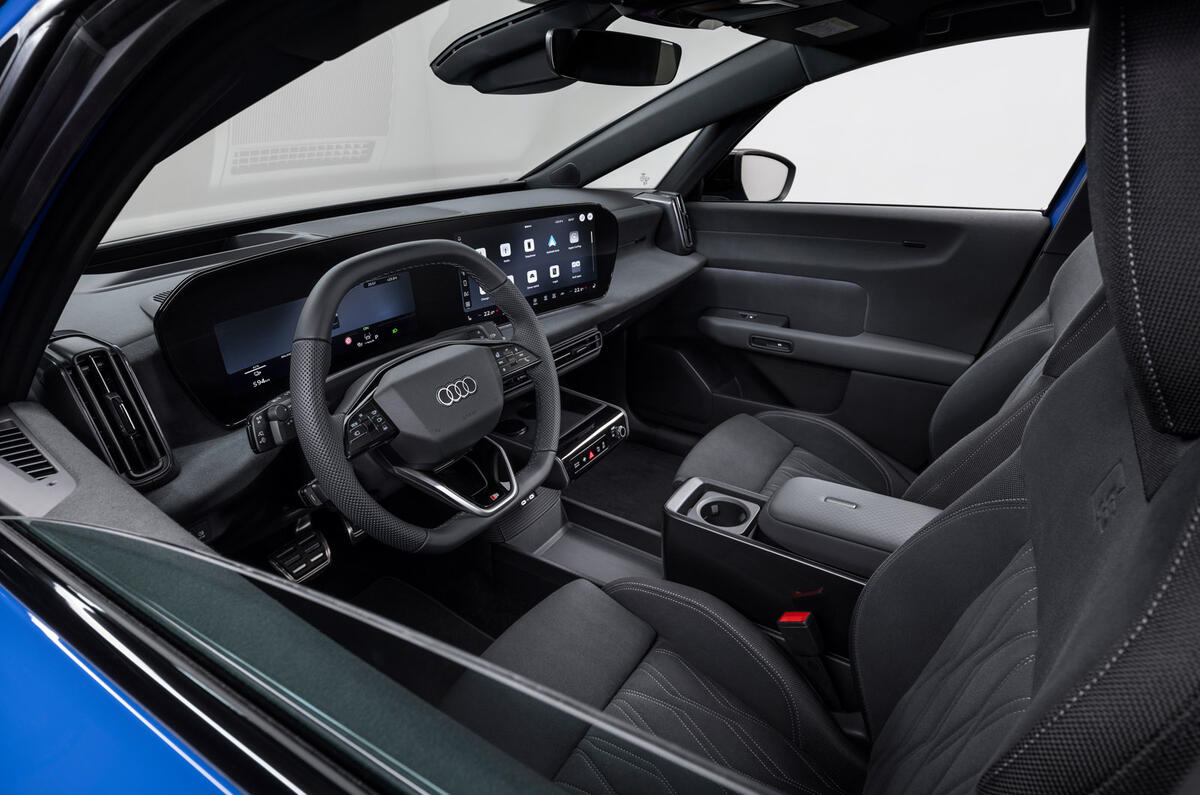
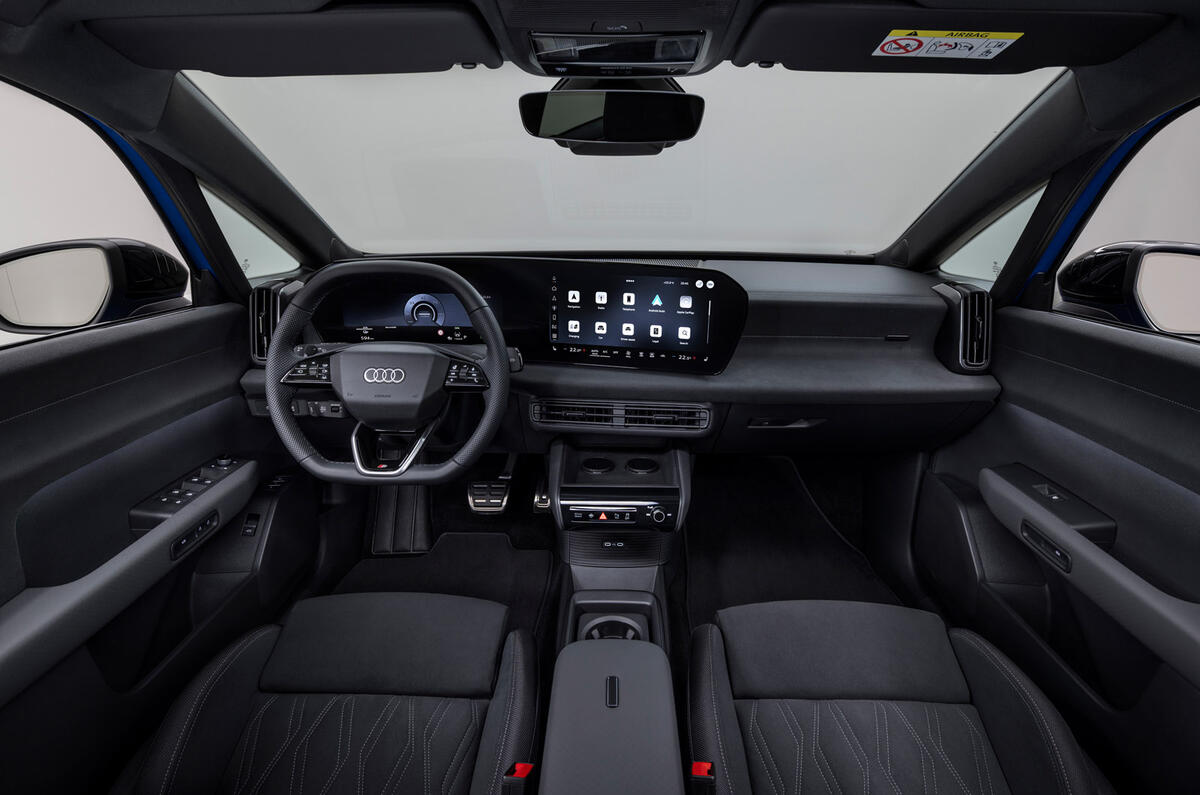
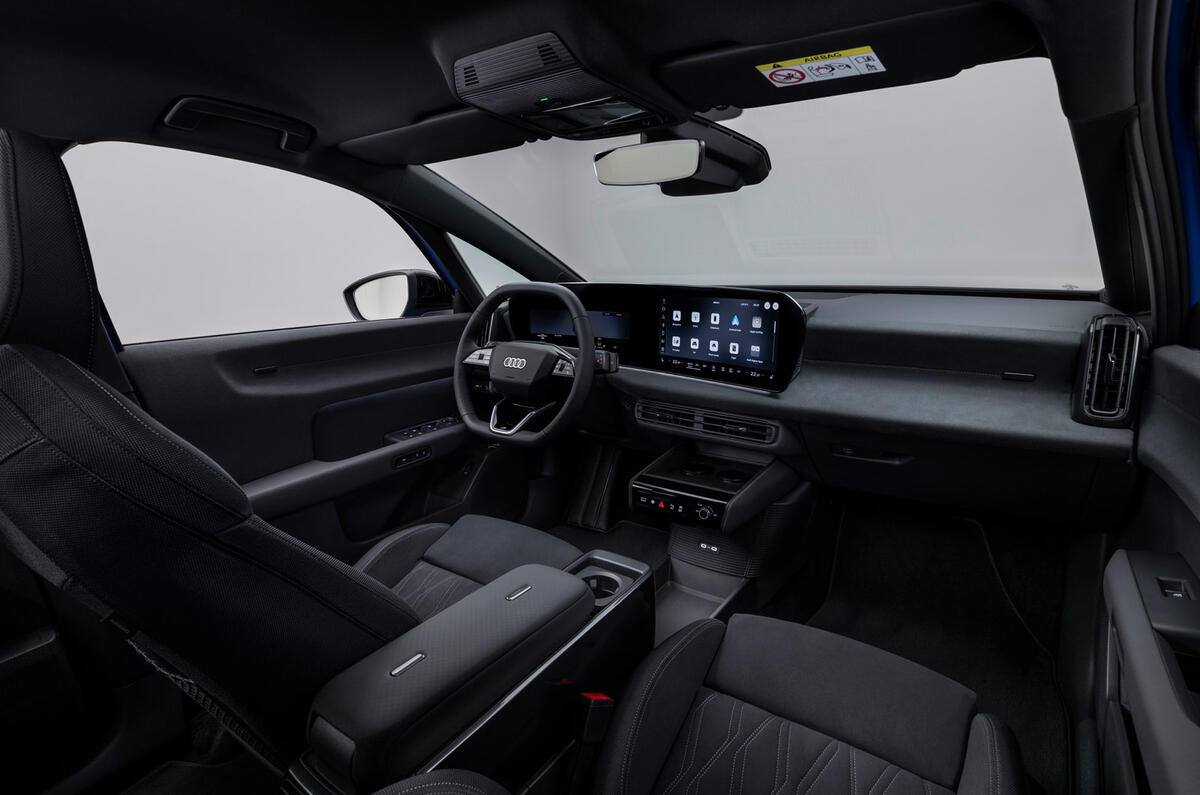
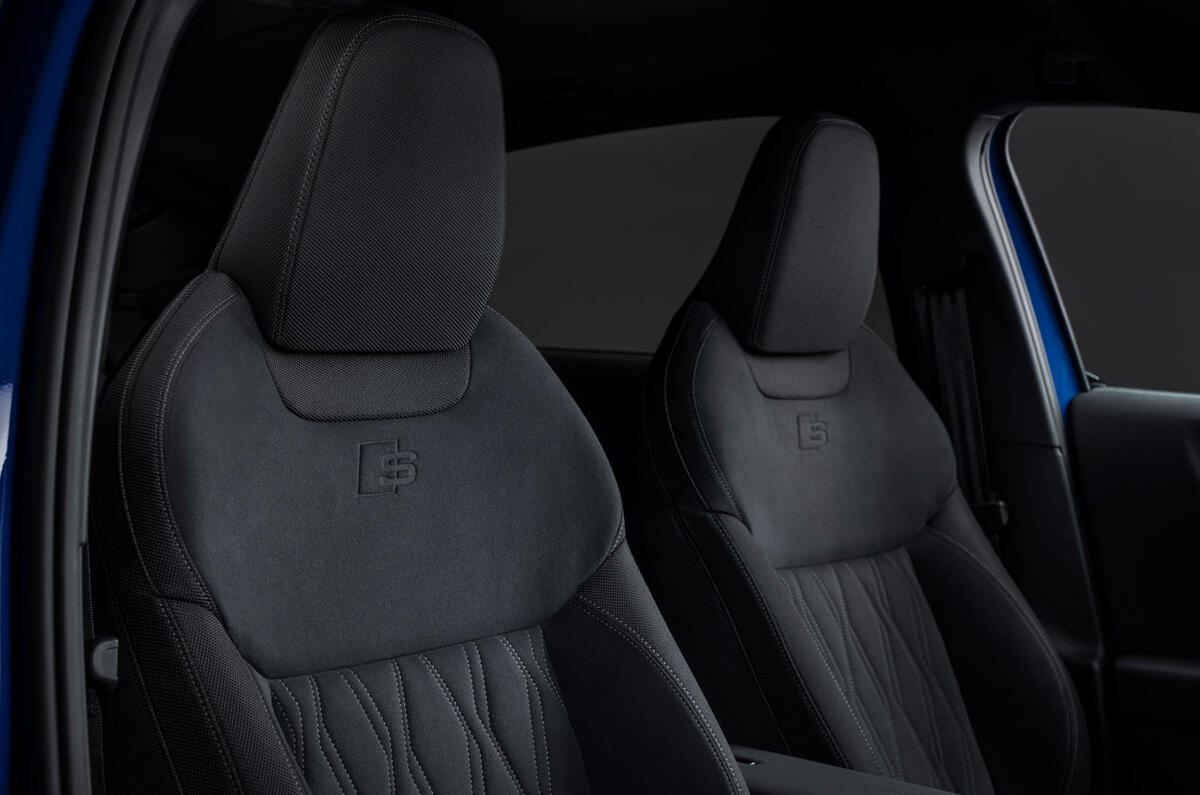
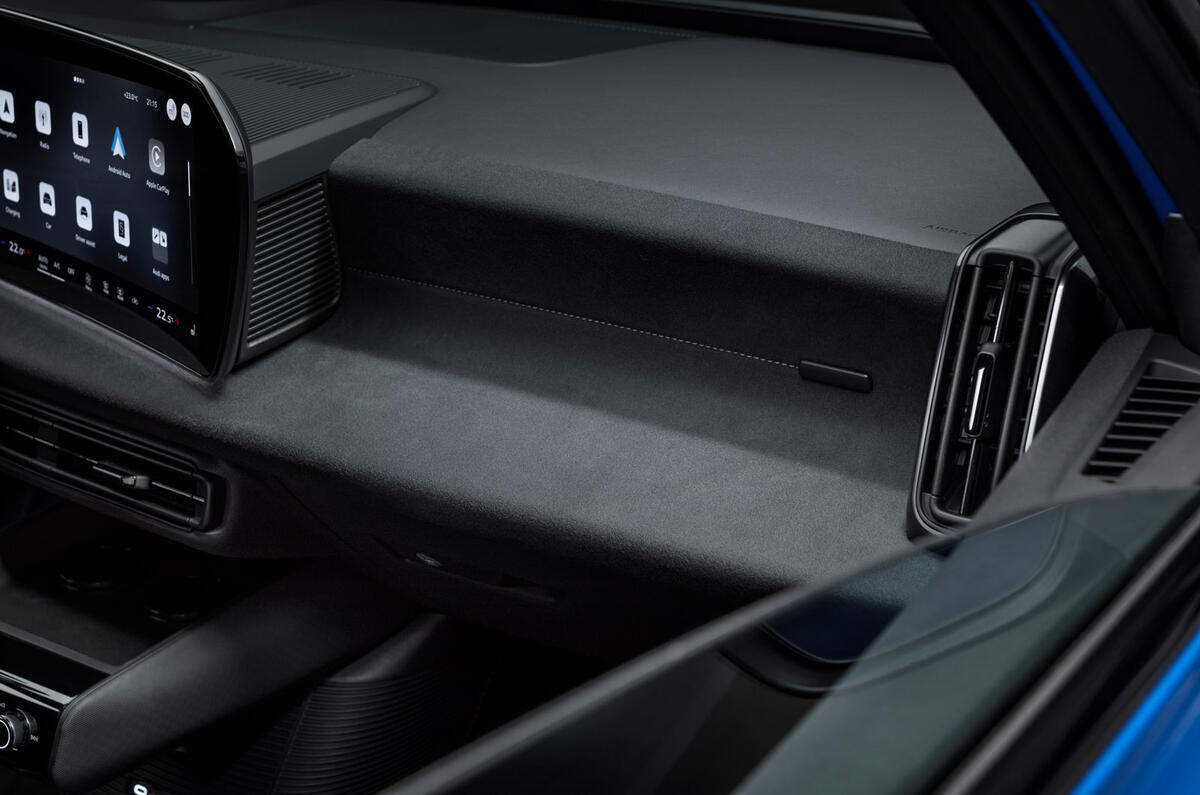
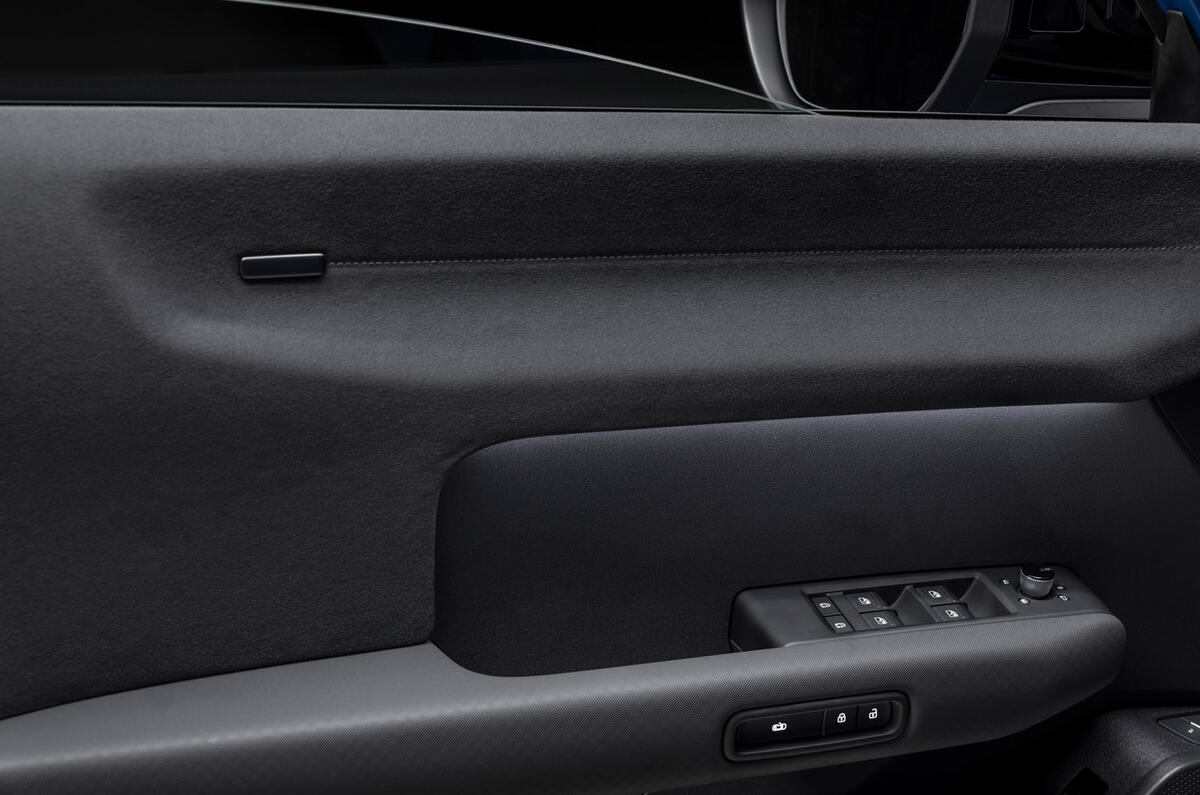
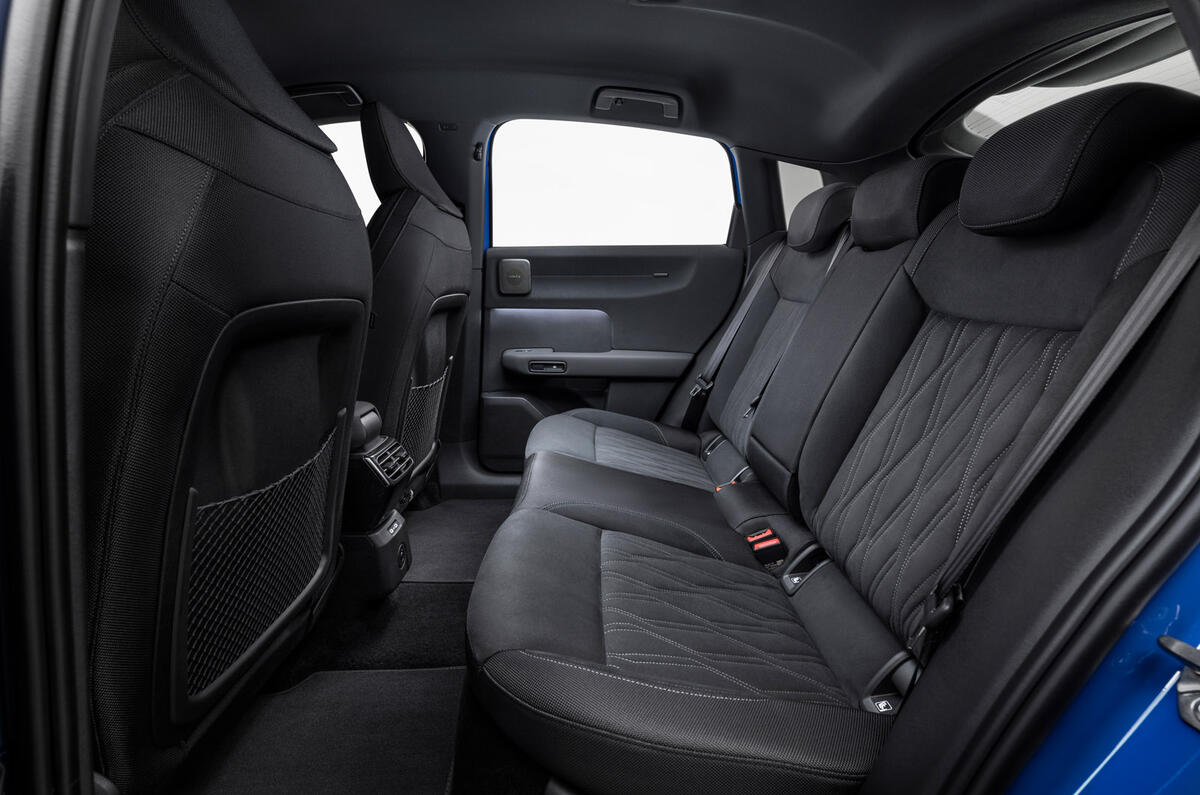
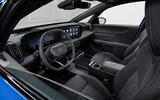
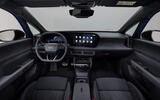
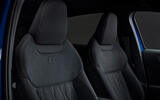
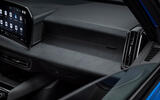
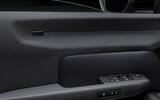
The interior is a departure from the cockpit treatment of Audi's other current. models, with a striking stepped dashboard, liberal use of a new recycled fabric called Softwrap and an overt focus on placing. controls "where they are most useful in daily driving" - which means the steering column and wheel host the bulk of the switches and buttons. The door handies feature haptic touch sensors in place of protruding levers or buttons, and each door has its own energy supply so they can be opened even if the car loses power.

There's a new panel behind the steering wheel to accommodate functions that would otherwise be housed on the centre console, including the handbrake, and the A2 is the latest Audi to adopt the new indicator switch that made its debut on the Q3. But the company nonetheless emphasised that all the lighting controls still "work in the usual way".

Back to top

The steering wheel controls are a blend of rollers and the touch-sensitive haptics that are being phased out of other VW Group models - although Audi said they are recessed and clearly divided here to make them easier to use while driving.

The main control suite is the 12.Bin touchscreen that is housed in a curved panel alongside the 11.9in driver display, which can itself be optionally supplemented with an augmented reality head-up display to show your speed, navigation instructions and audio player information.

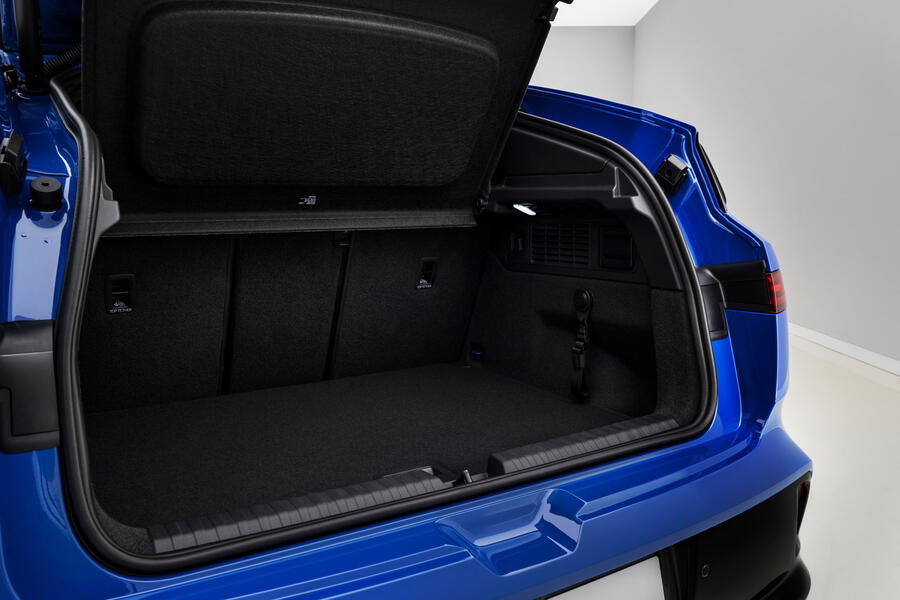
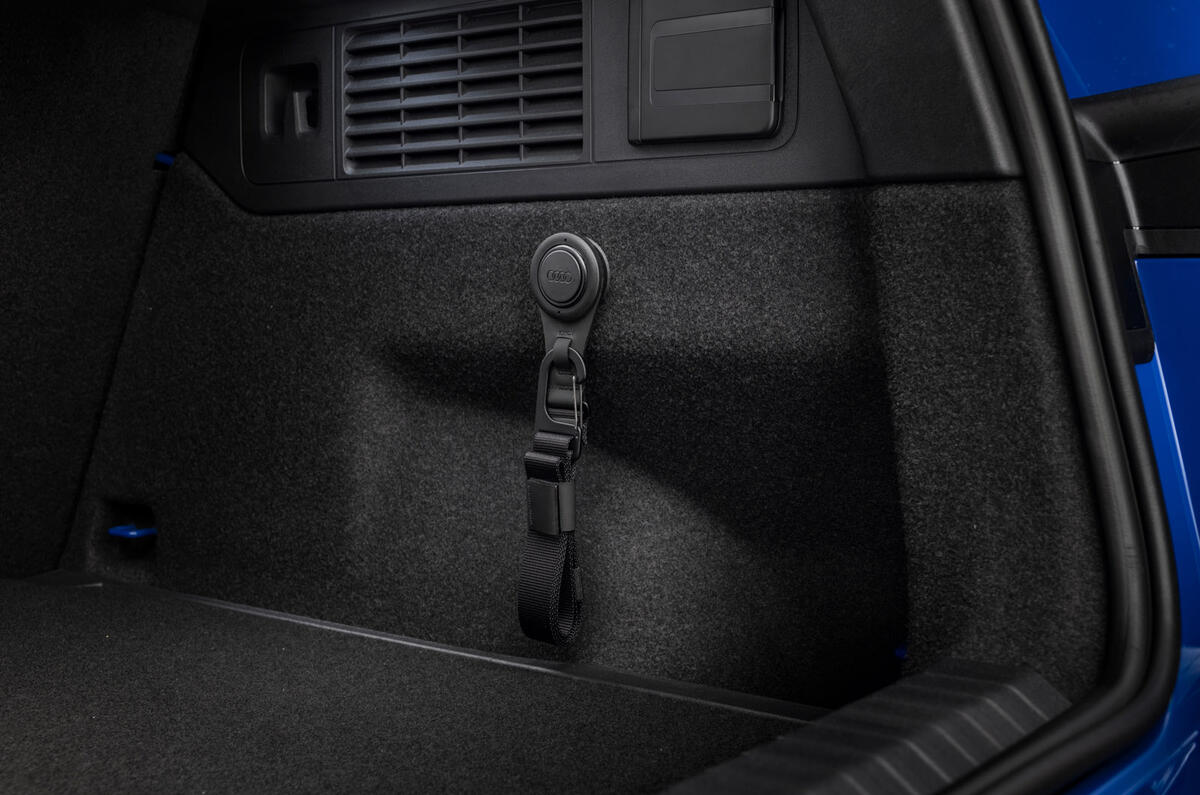
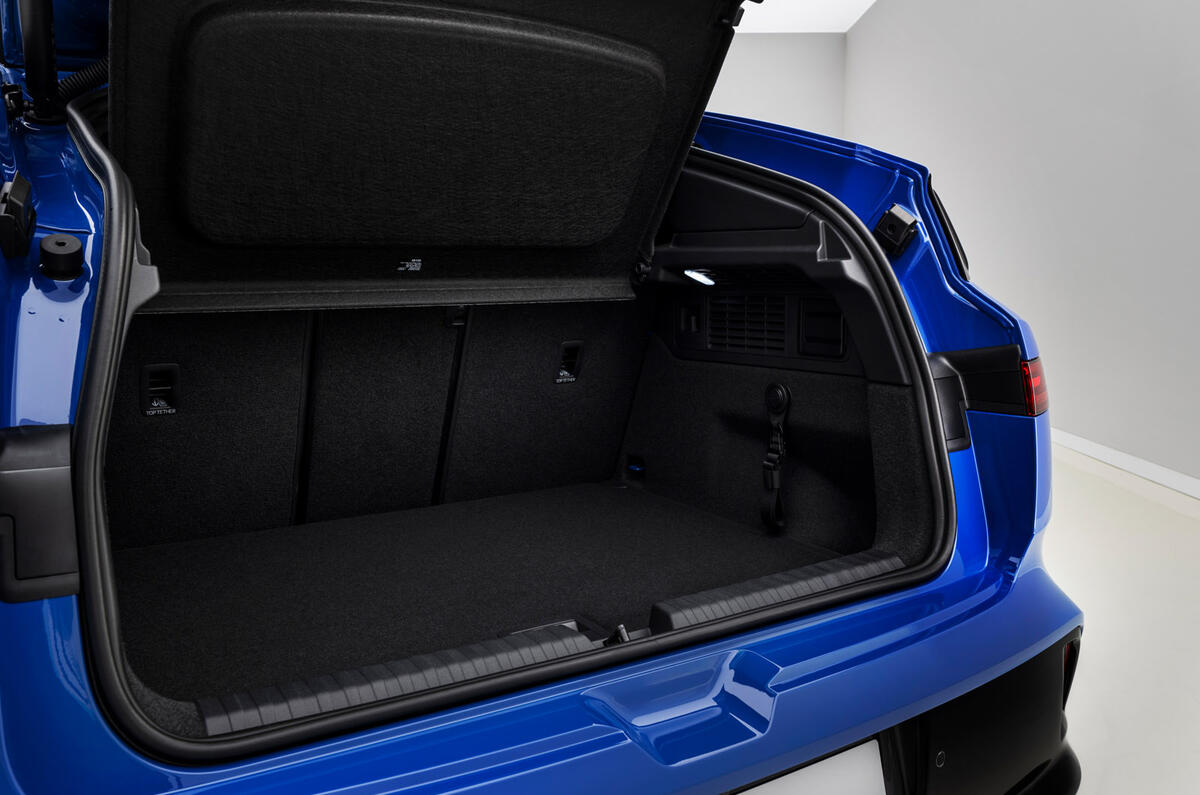
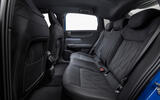
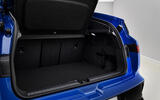
Boot space, at 396 litres with the rear seats up, is slightly better than that of both the Volkswagen ID 3 and the Audi A3.

Audi will give full UK pricing and specification details in the coming weeks as it prepares to open order books. Autocar understands It's likely the A2 will quality for a £1500 subsidy under the UK's Electric Car Grant scheme (as do its sub-£37k platform-mates), which would drop the entry price to just £30,700.

Join our WhatsApp community and be the first to read about the latest news and reviews wowing the car world. Our community is the best, easiest and most direct place to tap into the minds of Autocar, and if you join you’ll also be treated to unique WhatsApp content. You can leave at any time after joining - check our full privacy policy here.

Felix Page

Felix Page
Title: Deputy editor

Felix is Autocar's deputy editor, responsible for leading the brand's agenda-shaping coverage across all facets of the global automotive industry - both in print and online.

He has interviewed the most powerful and widely respected people in motoring, covered the reveals and launches of today's most important cars, and broken some of the biggest automotive stories of the last few years.