7

Chinese pick-up undercuts rivals despite PHEV power and generous kit

Find BYD Shark PHEV review: A £47k Ford Ranger rival with 435bhp deals
Other Services
Sell your car
84% get more money with

The financial argument in favour of double-cab pick-up trucks has taken a turn for the worse in the UK, because their previously enticing benefit-in-kind tax breaks have evaporated and they’re now simply viewed by HMRC as cars.

But BYD thinks differently. The Chinese firm reckons this is an ideal moment to launch its new Shark in the UK – for the following reasons. First, it comes only as a plug-in hybrid, the BIK tax on which is around a quarter of that charged for comparative diesels. Second, BYD has seen how successful Ford has been with the PHEV version of its market-dominating Ranger (nearing 30% in an arena formerly dominated by diesels). And third, albeit unspoken, BYD wants to offer a full line of models here and a pick-up flags that intention.

Advertisement

DESIGN & STYLING

8
BYD Shark review 2026 002

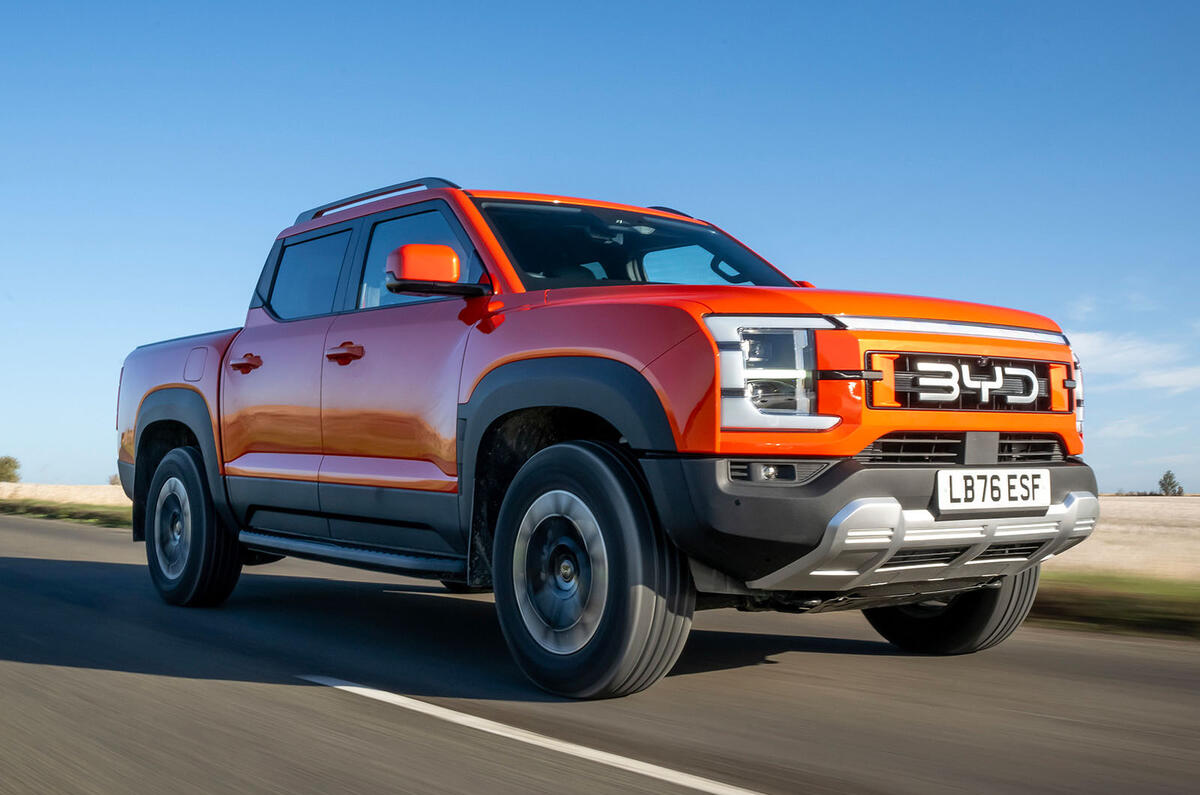
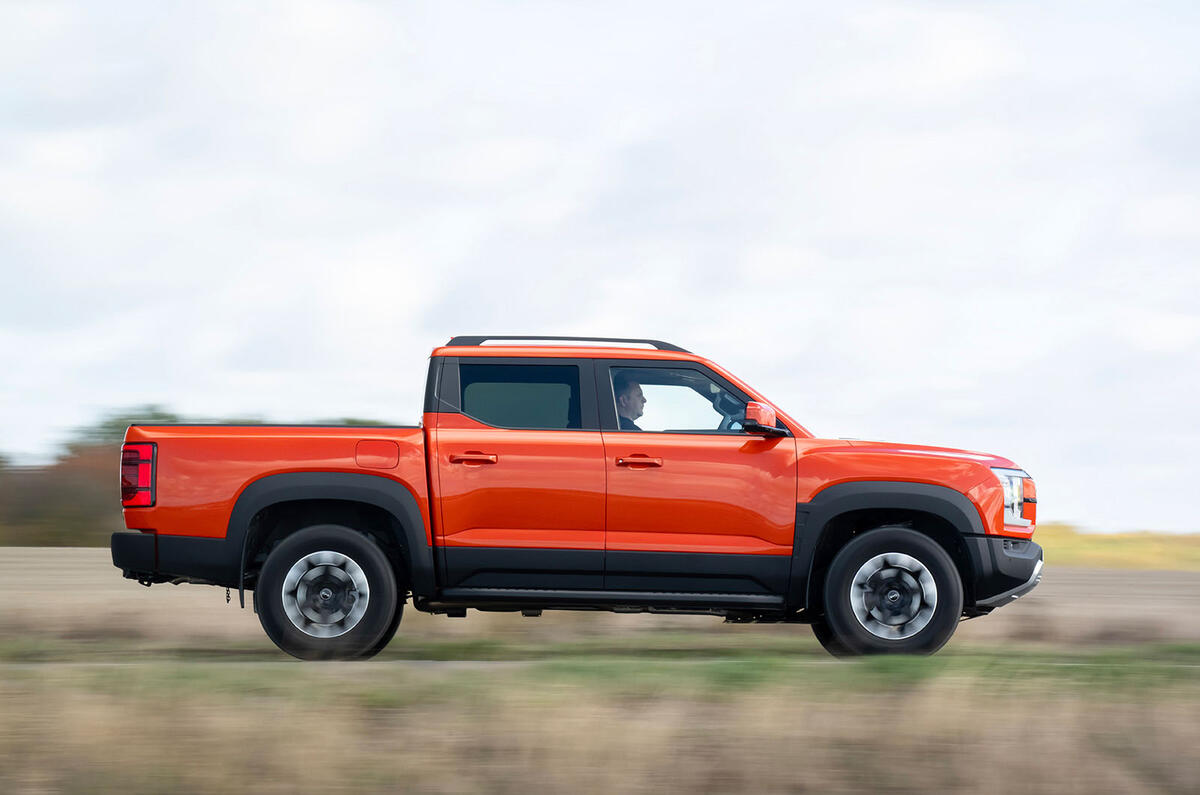
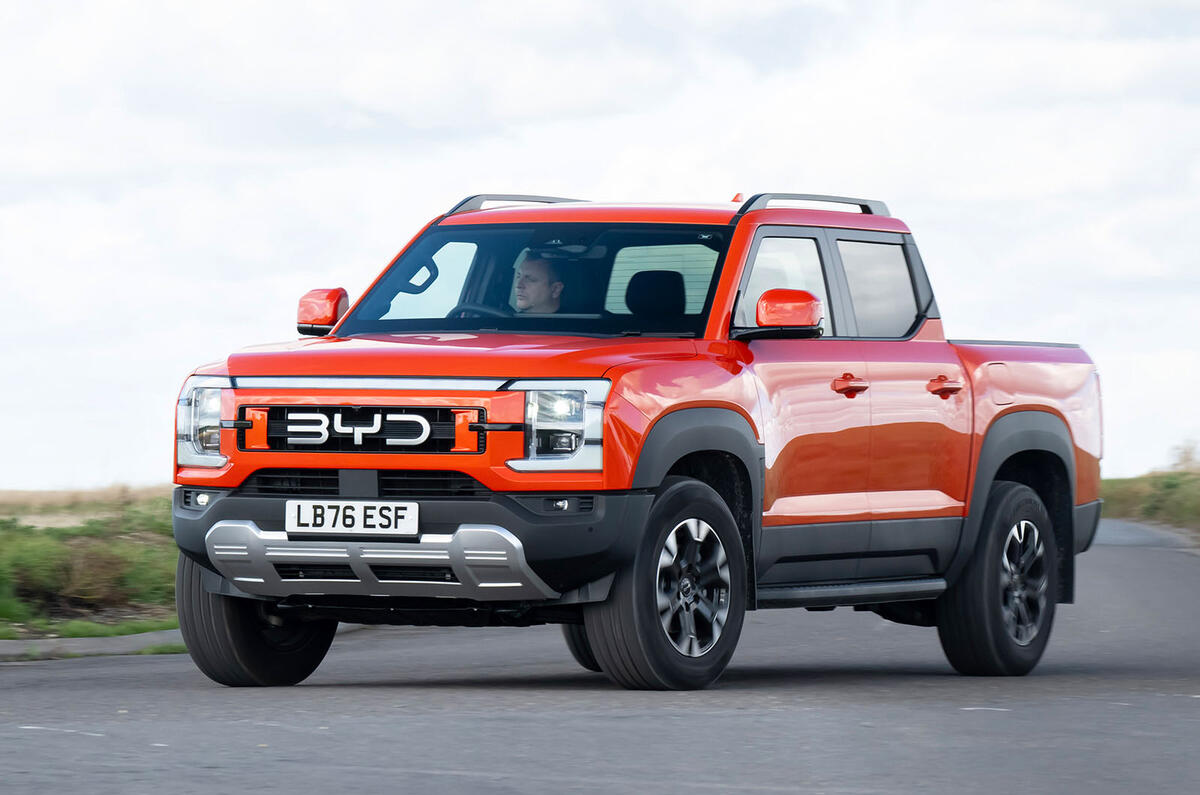
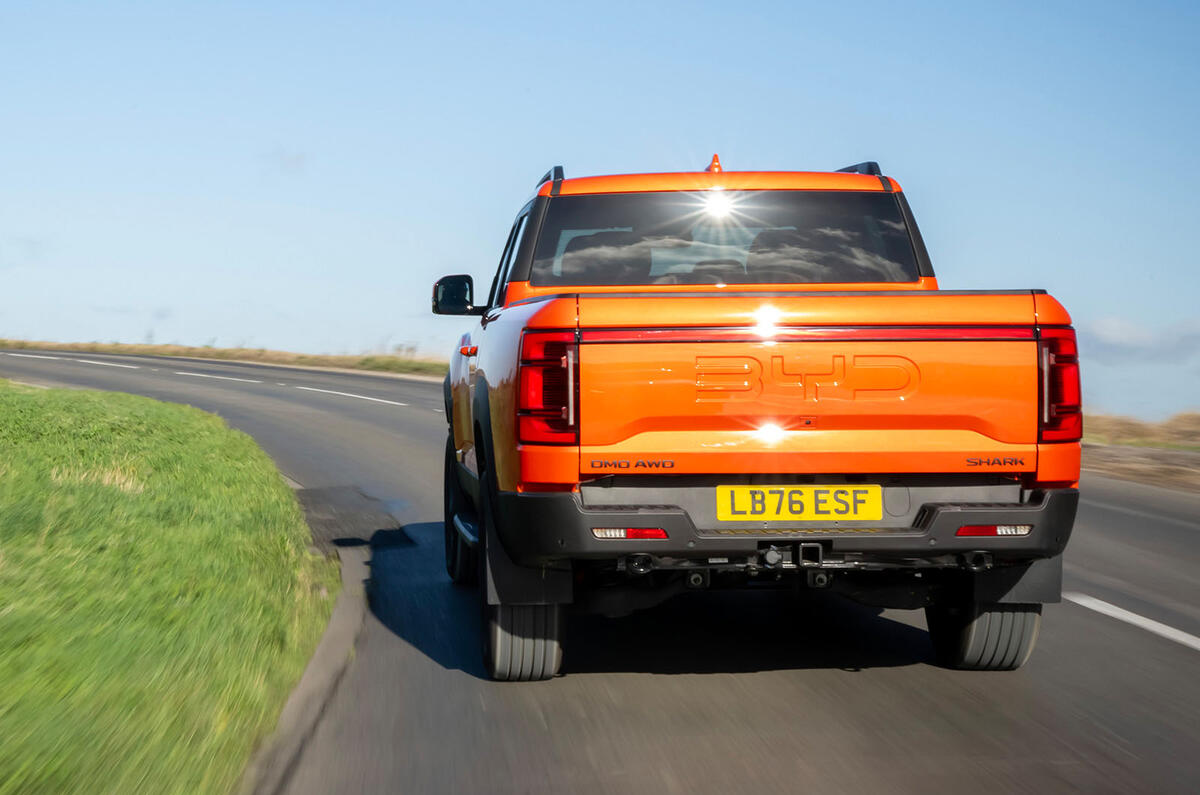
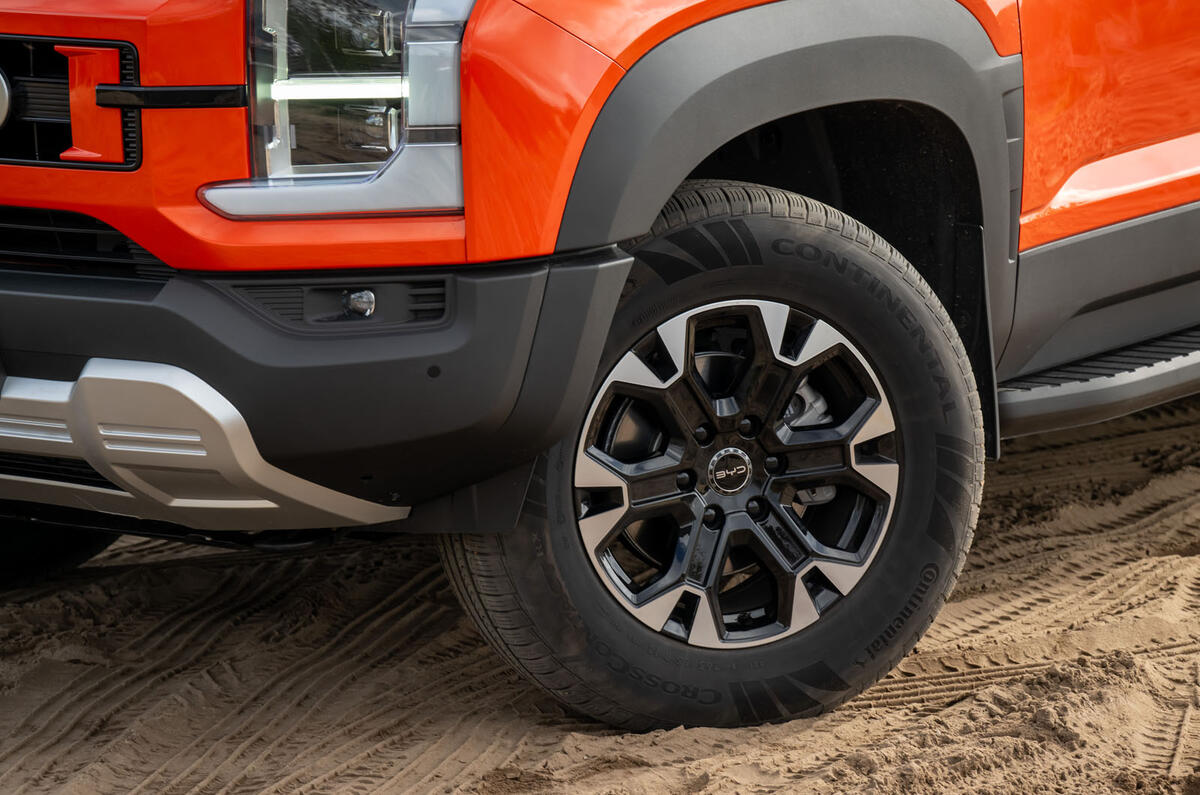
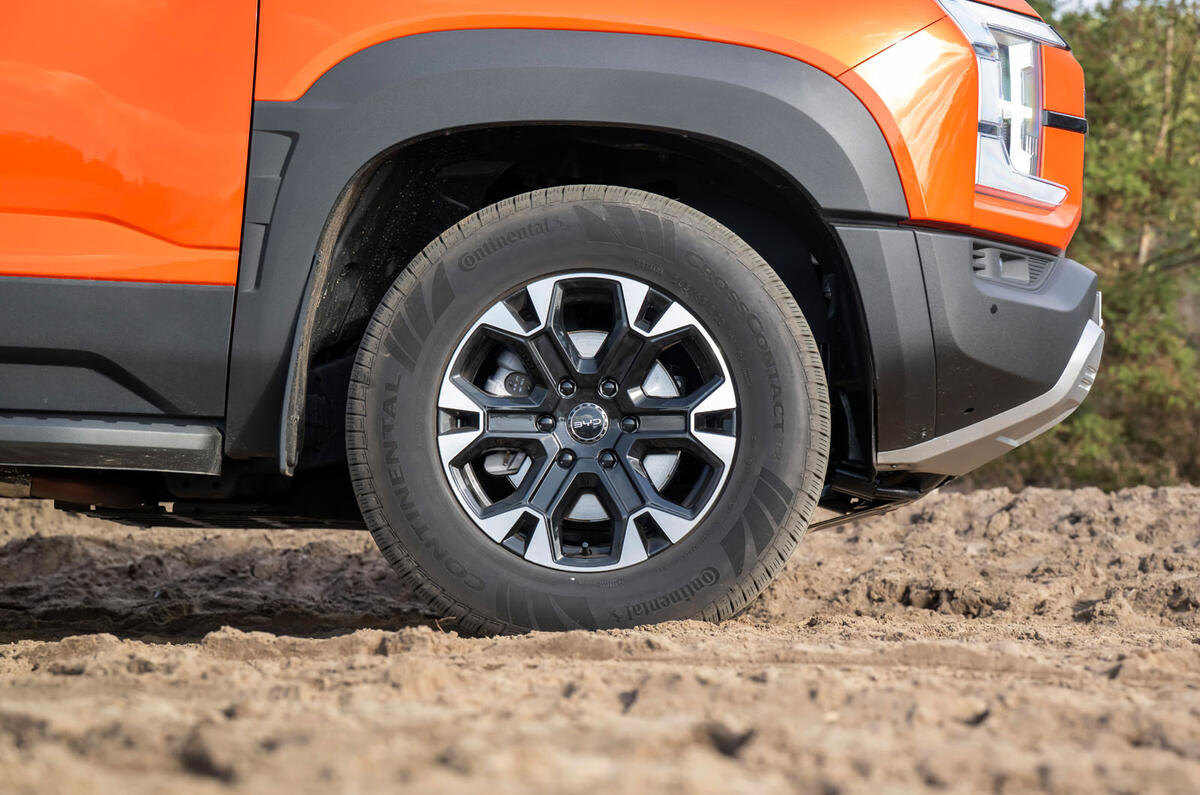
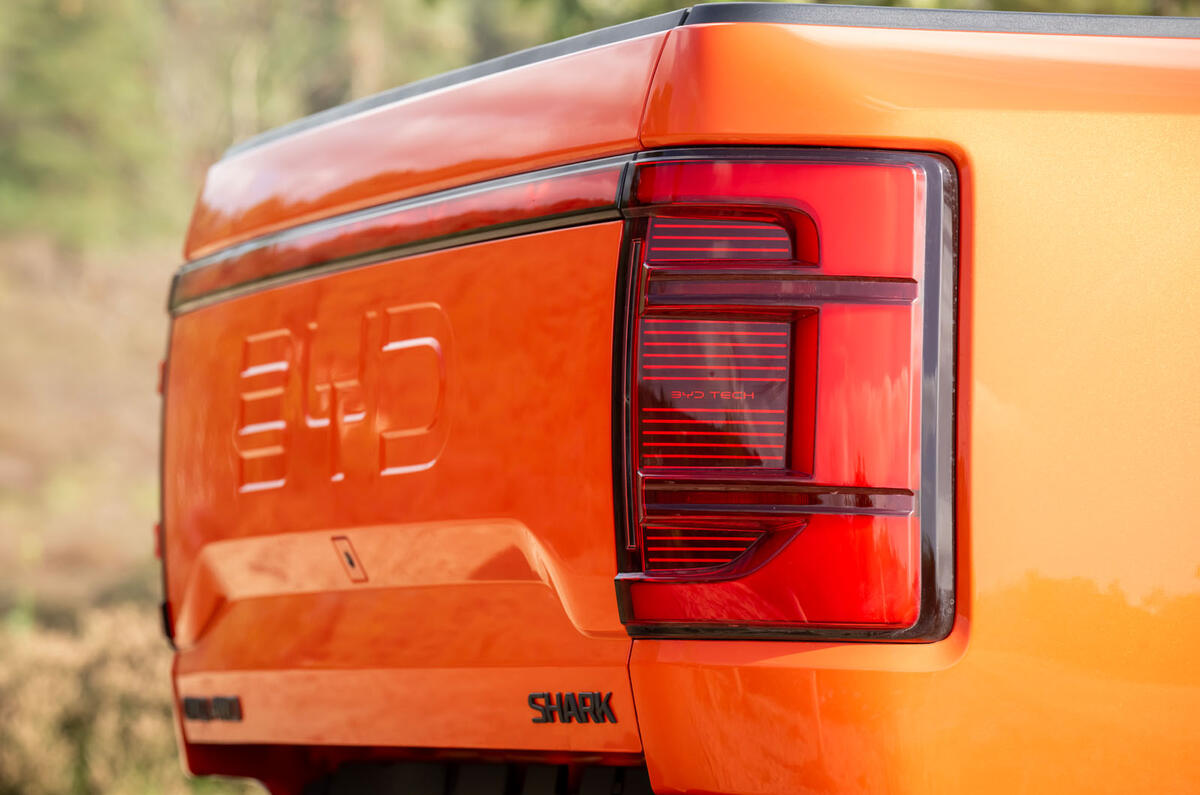
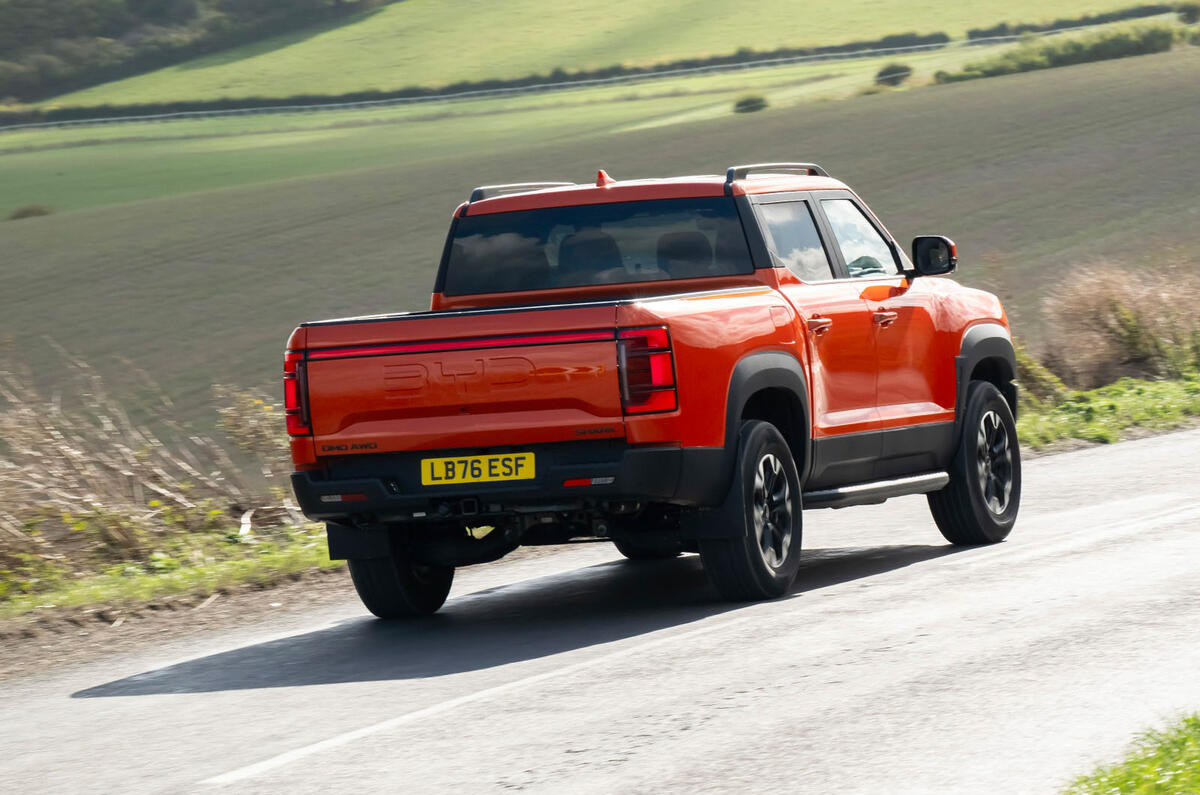
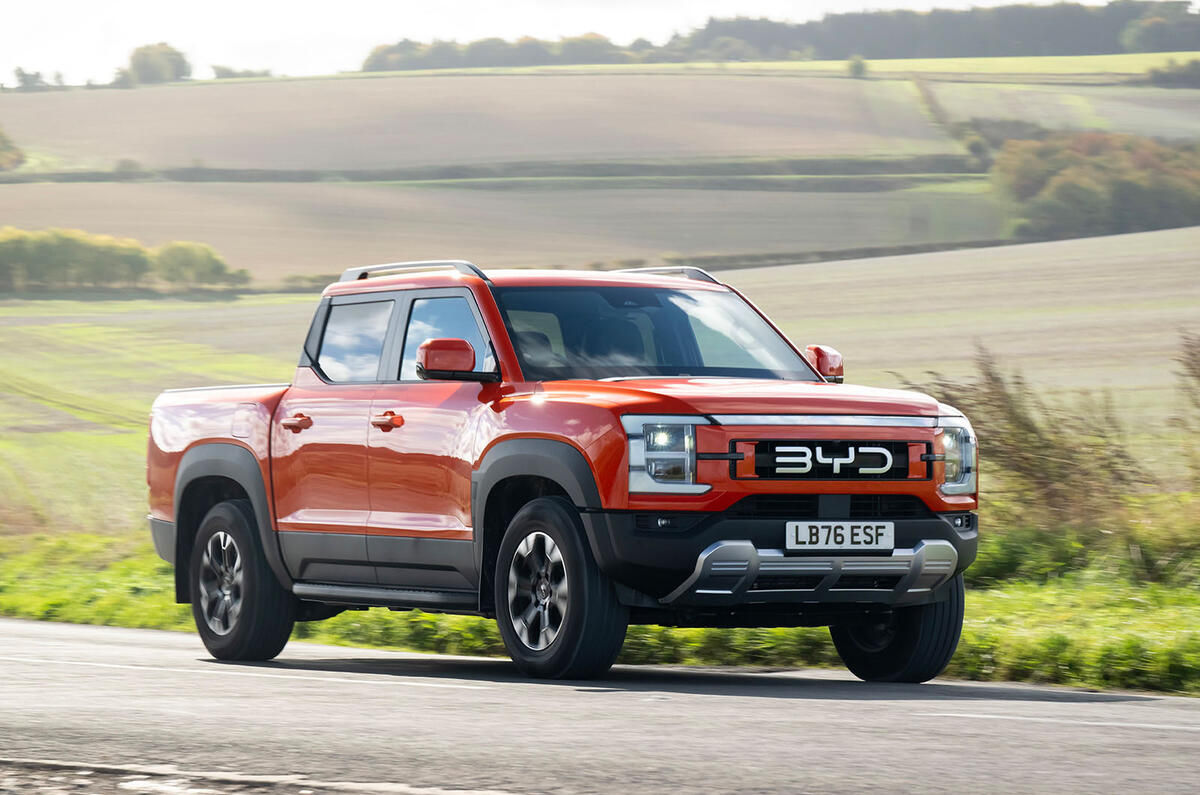
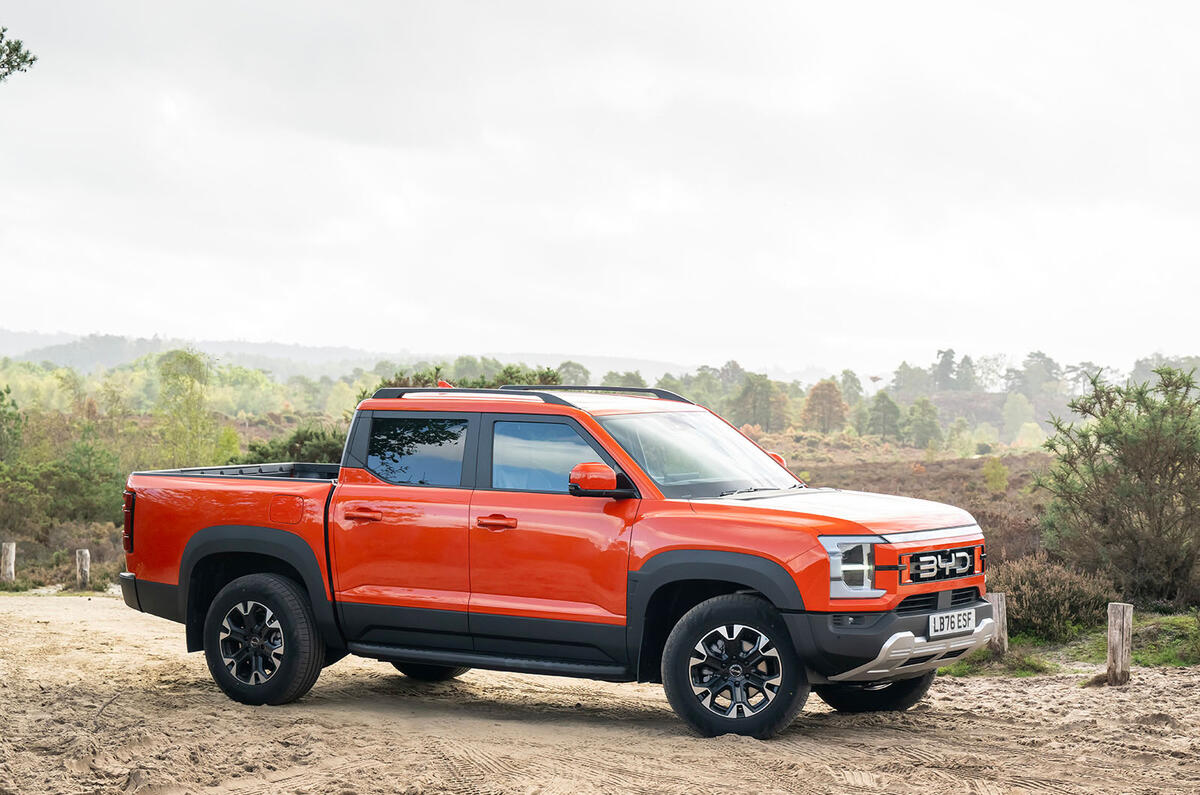
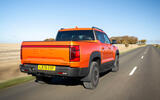
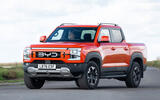
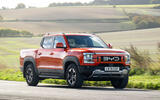
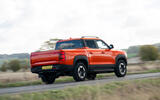
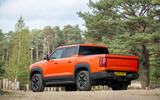
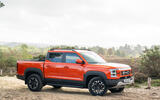
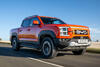
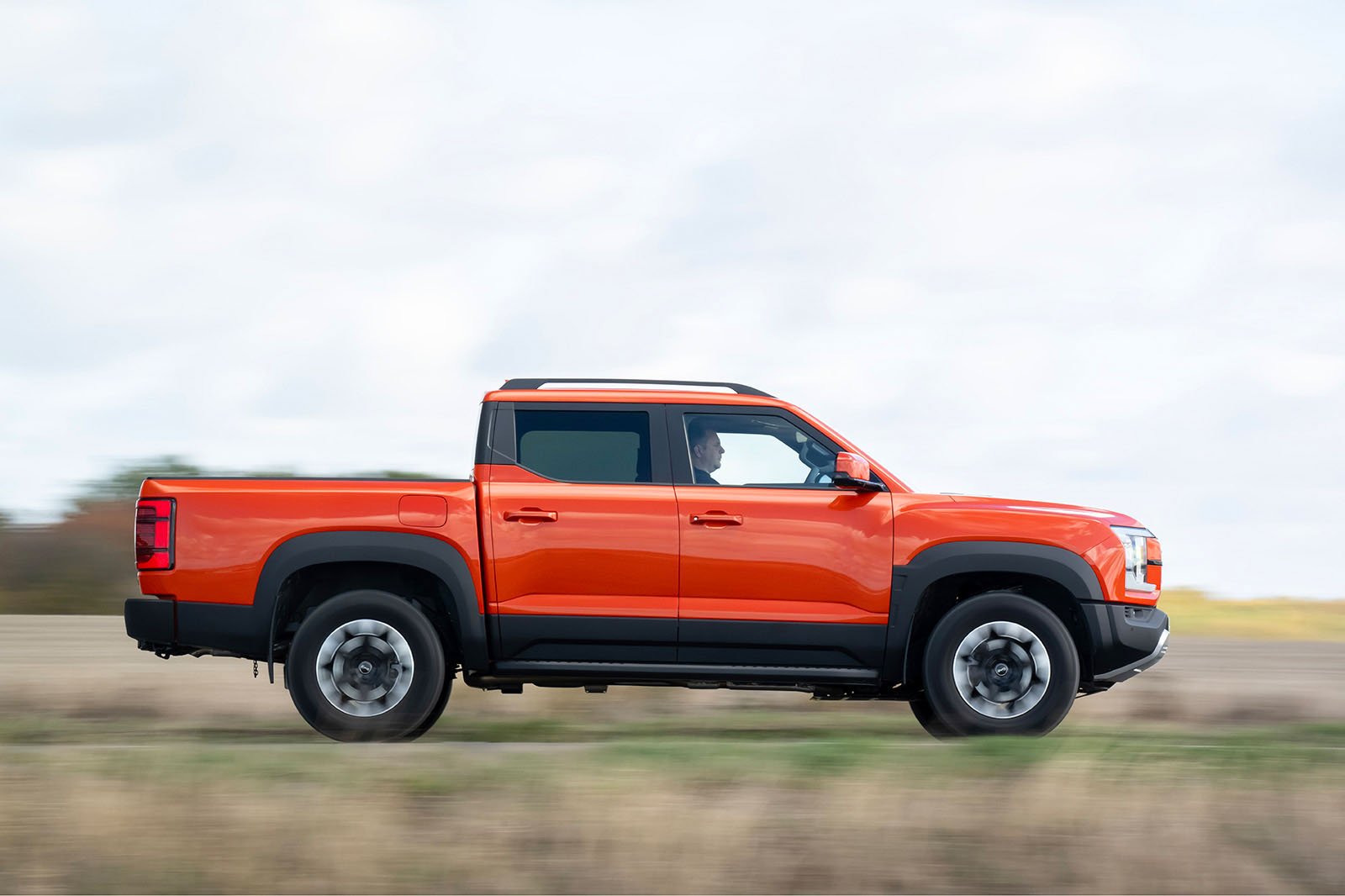
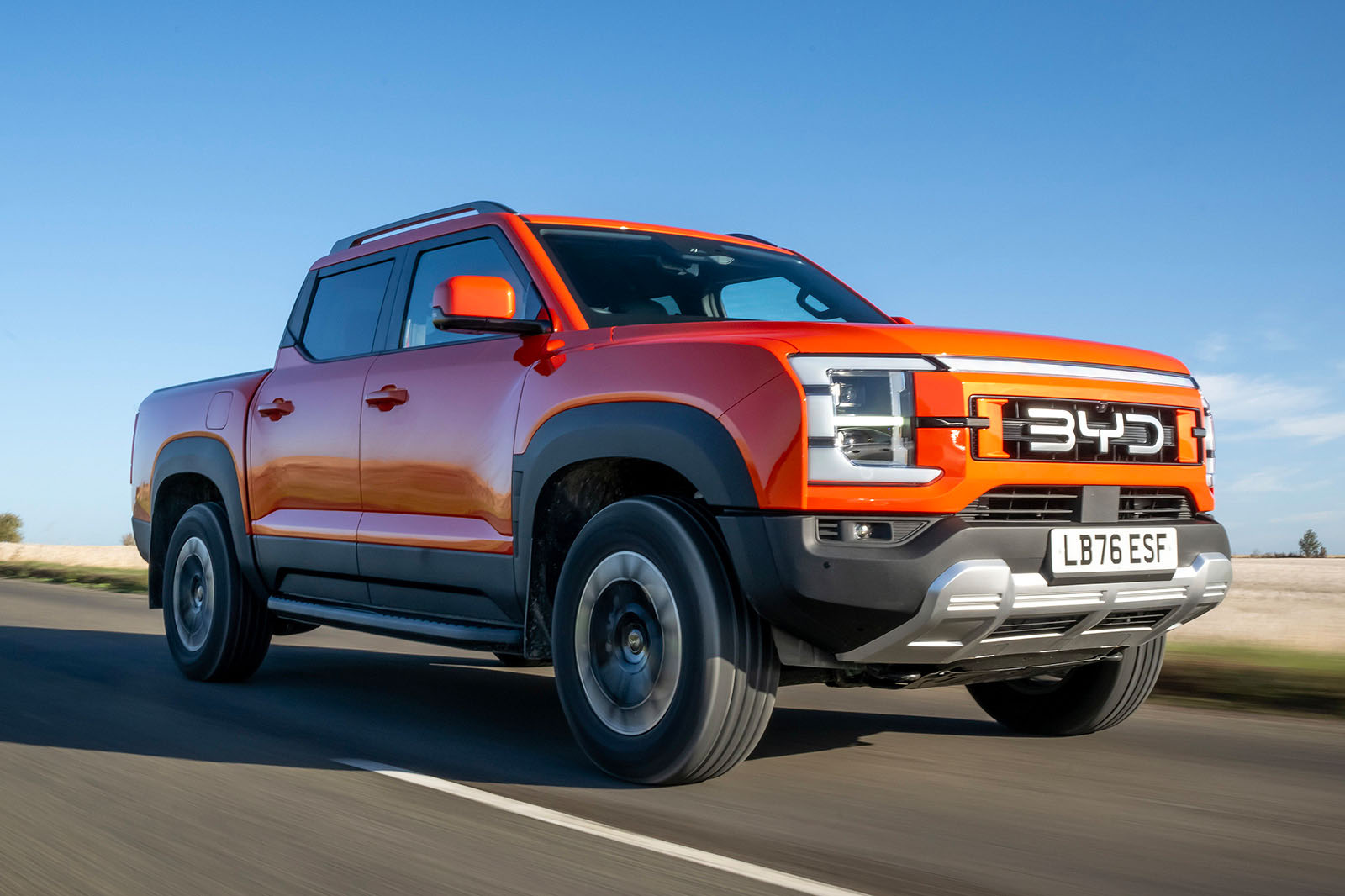
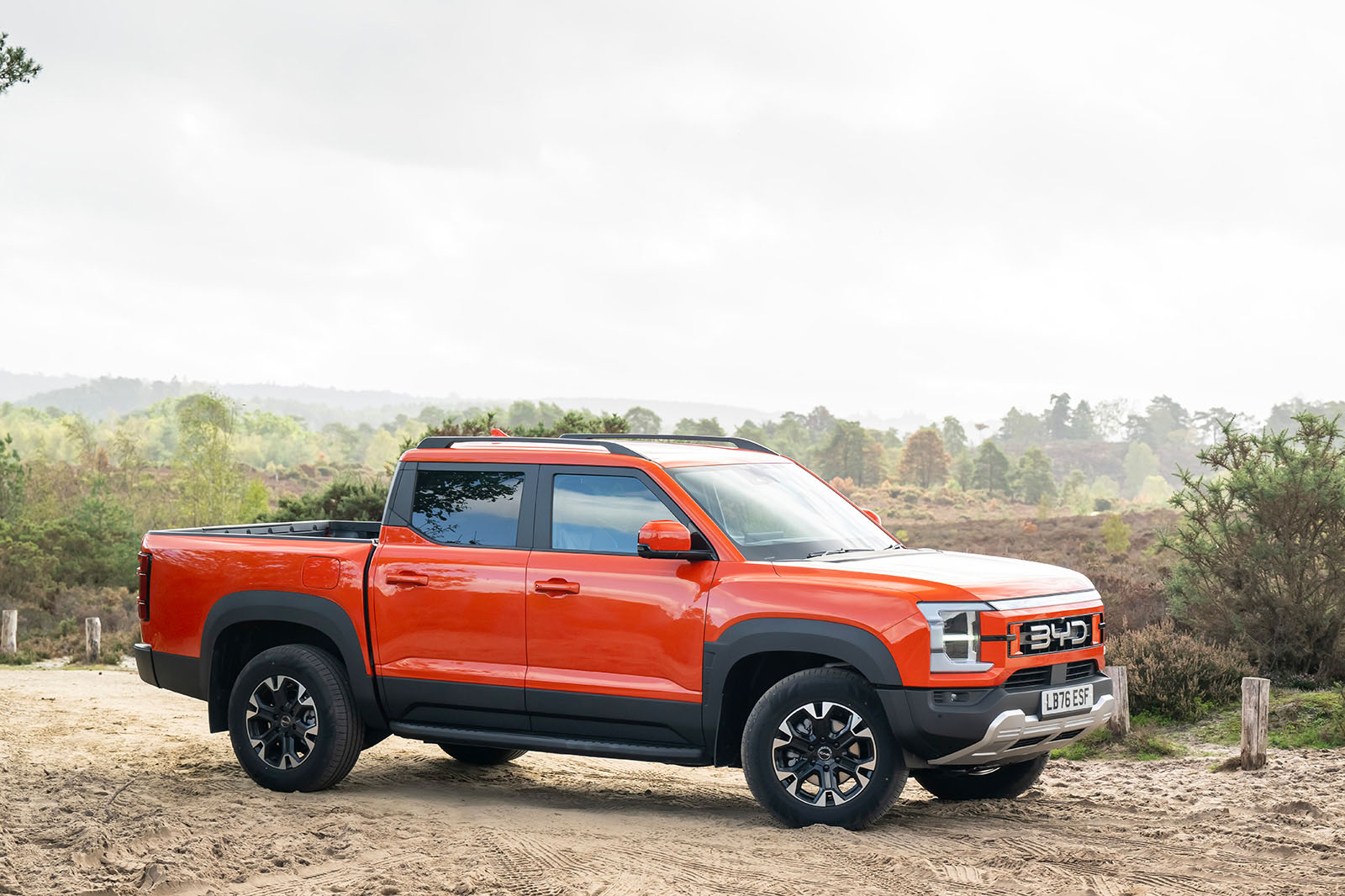
That the Shark wants to compete head-on with the Ranger is obvious from the size and stance of its Wolfgang Egger-designed body, its colours and wheel designs and the fact that it has the same kind of monumental wordmark set into a similarly huge front grille.

Under the skin, it sits on a steel ladder-frame chassis like every one of its main competitors: the Ranger, Toyota Hilux, Volkswagen Amarok and Isuzu D-Max. Of those only the Ford is available as a PHEV, but you can now buy a fully electric version of the Hilux if you want.

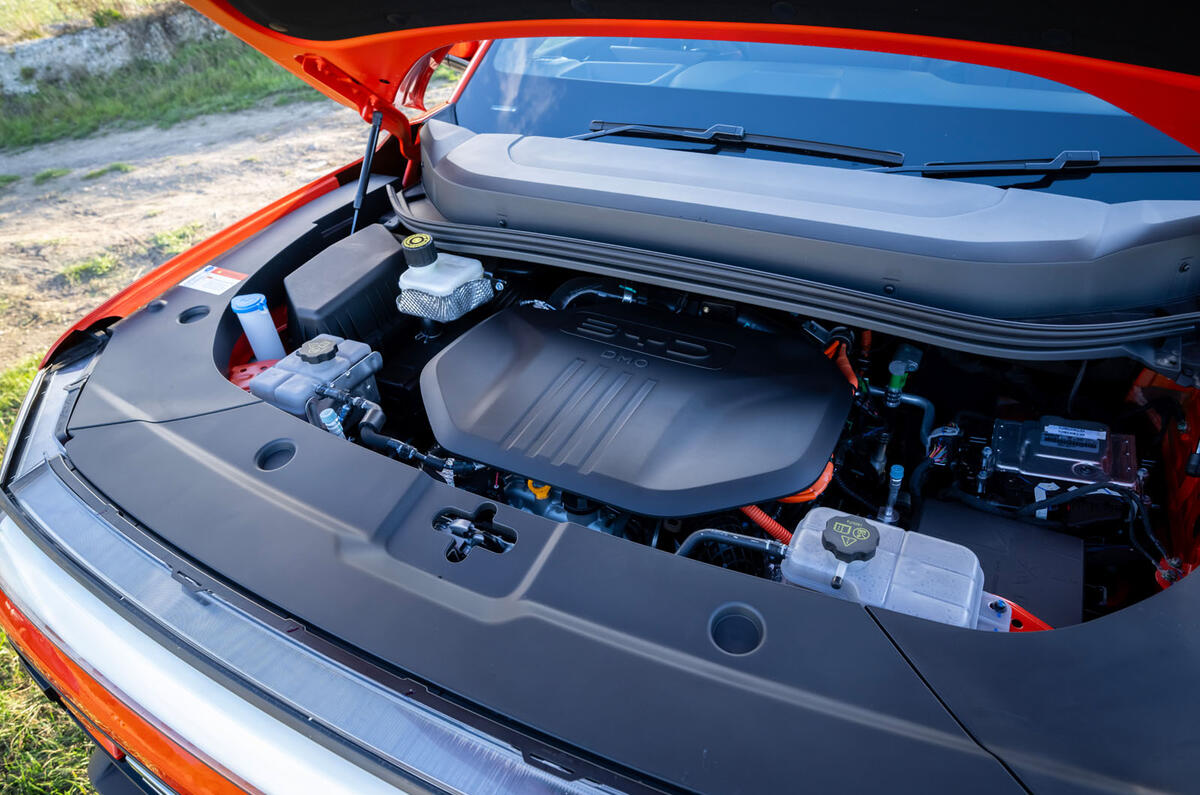
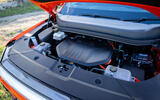
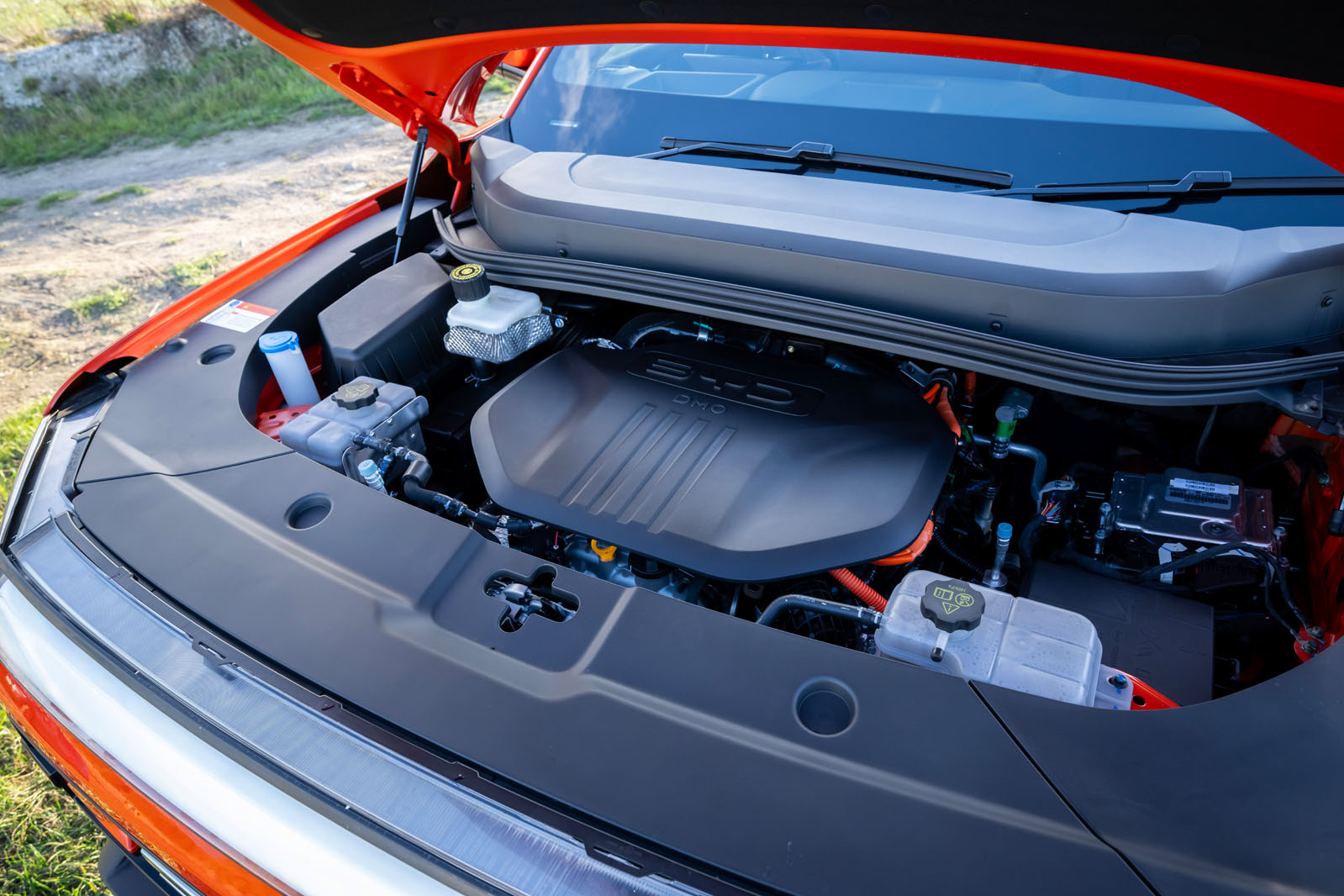
Otherwise, the Shark goes its own sweet way. Unusually, it has four-wheel independent suspension with double wishbones front and rear. Its powertrain uses what BYD calls a Dual Mode Offroad (DMO) system that consists of a front-mounted 1.5-litre four-cylinder turbocharged petrol engine that works mainly as a generator for the 32.2kWh traction battery, whose job is to power two electric motors – a 231bhp unit for the front wheels and a 204bhp one for the rears. At speed, the engine can provide drive for the front wheels via a single-speed gearbox.

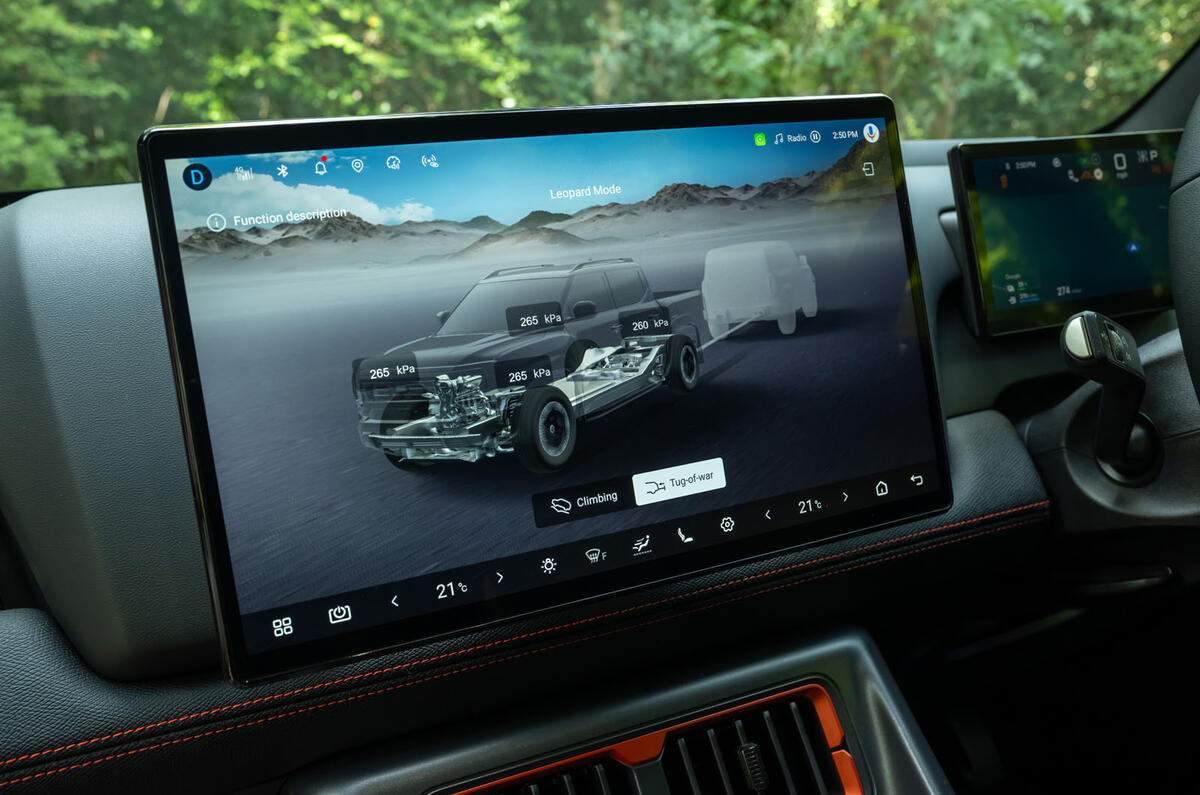
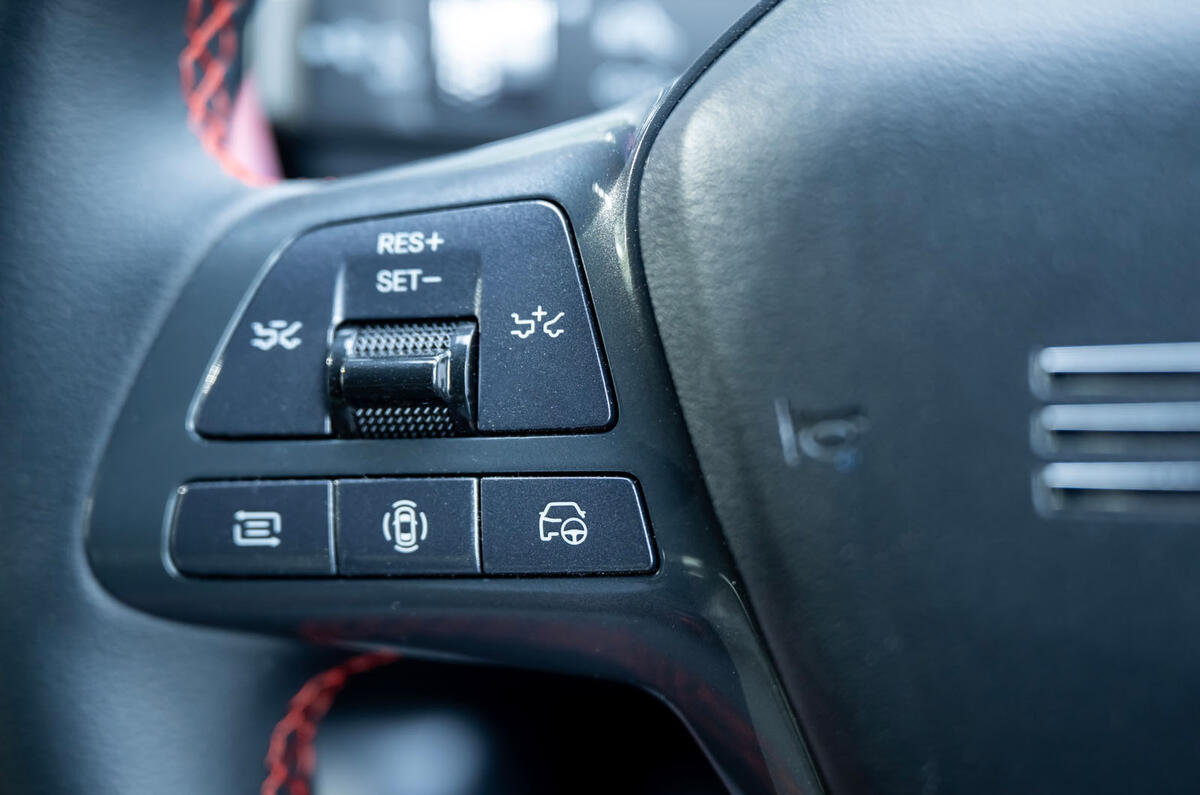
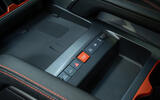
There’s no mechanical link between the front and rear axles, so there’s no need for transfer cases or differential locks. Electronics handle traction control and the front-to-rear torque split, although the driver can choose off-road driving modes (Mud, Snow and Gravel) from the cockpit.

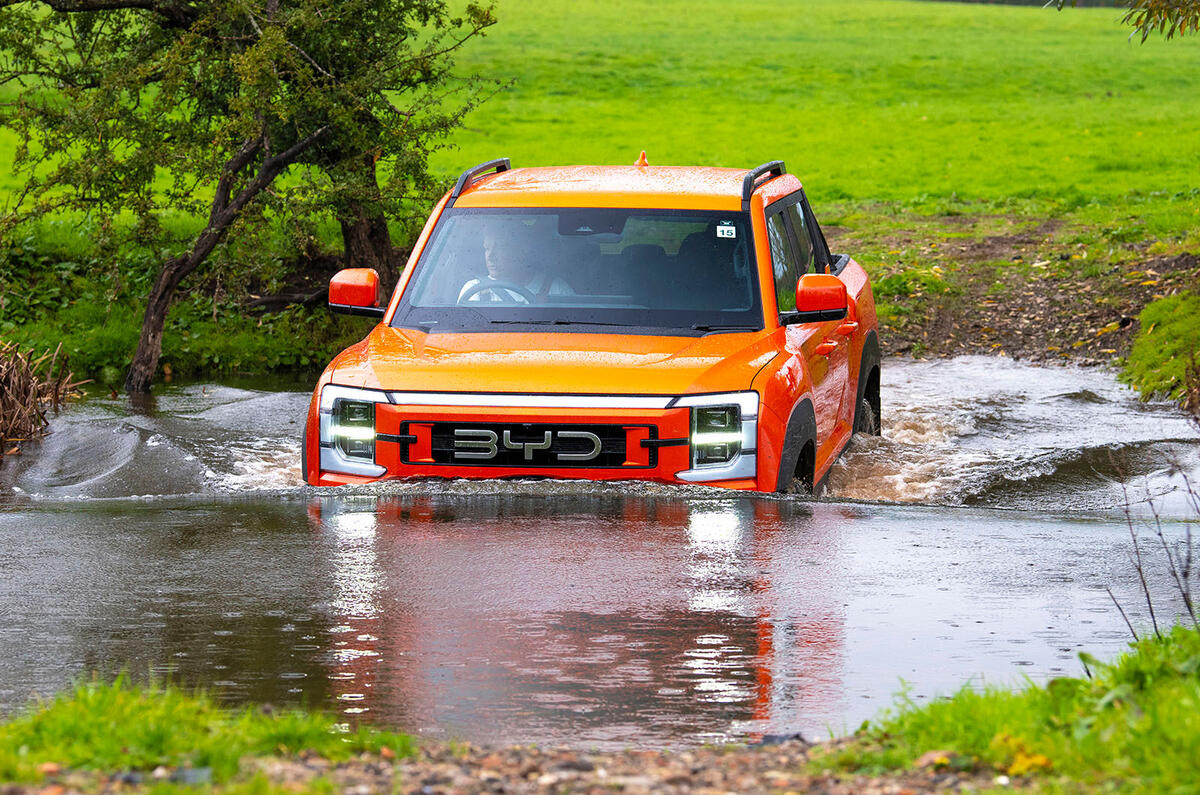
The Shark’s wading depth (700mm) and ground clearance (230mm) are class-leading.

It’s just as well there’s no need for a central driveshaft, because the Shark’s battery occupies the centre of the chassis. What BYD calls cell-to-chassis construction is used here to minimise its size and improve chassis rigidity.

The combined engine and motor outputs are 435bhp and 479lb ft of torque, which is why the Shark can turn a 0-62mph acceleration time of 5.7sec (and easily claim to be the market’s fastest double-cab pick-up) despite its 5457mm overall length and 2710kg kerb weight.

INTERIOR

7
BYD Shark review 2026 011

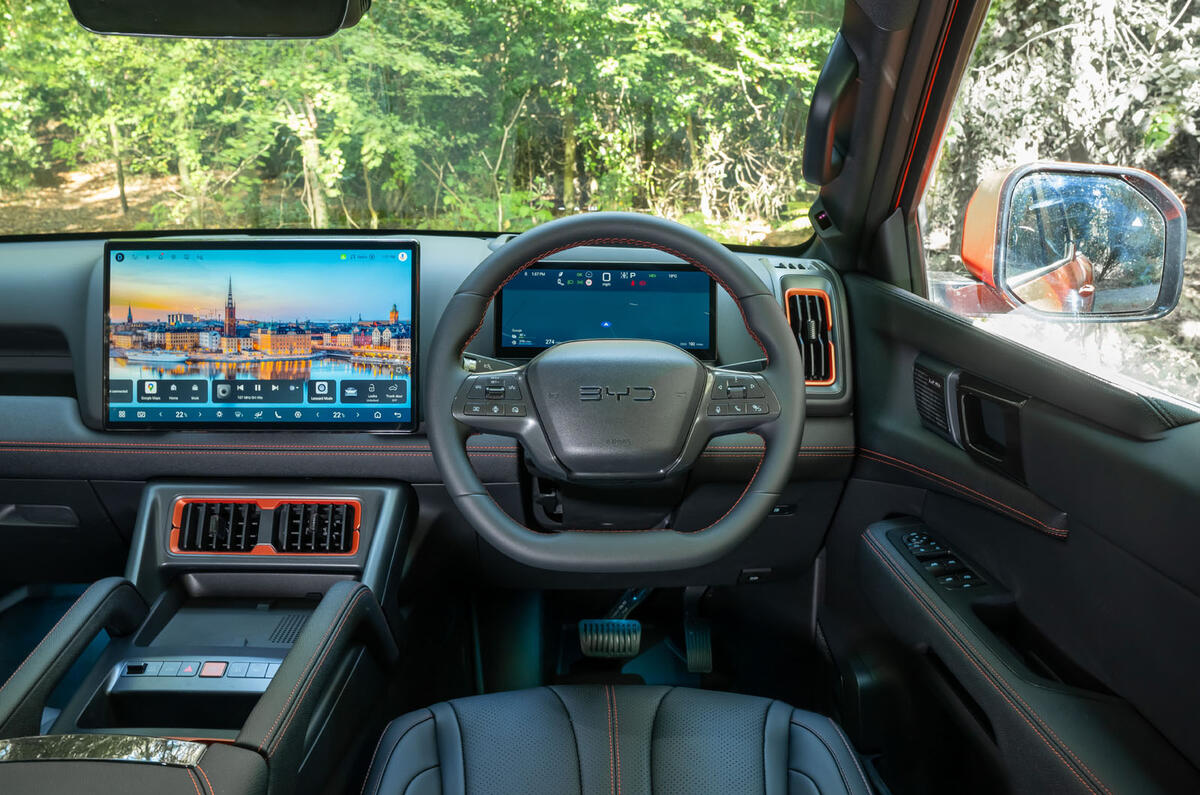
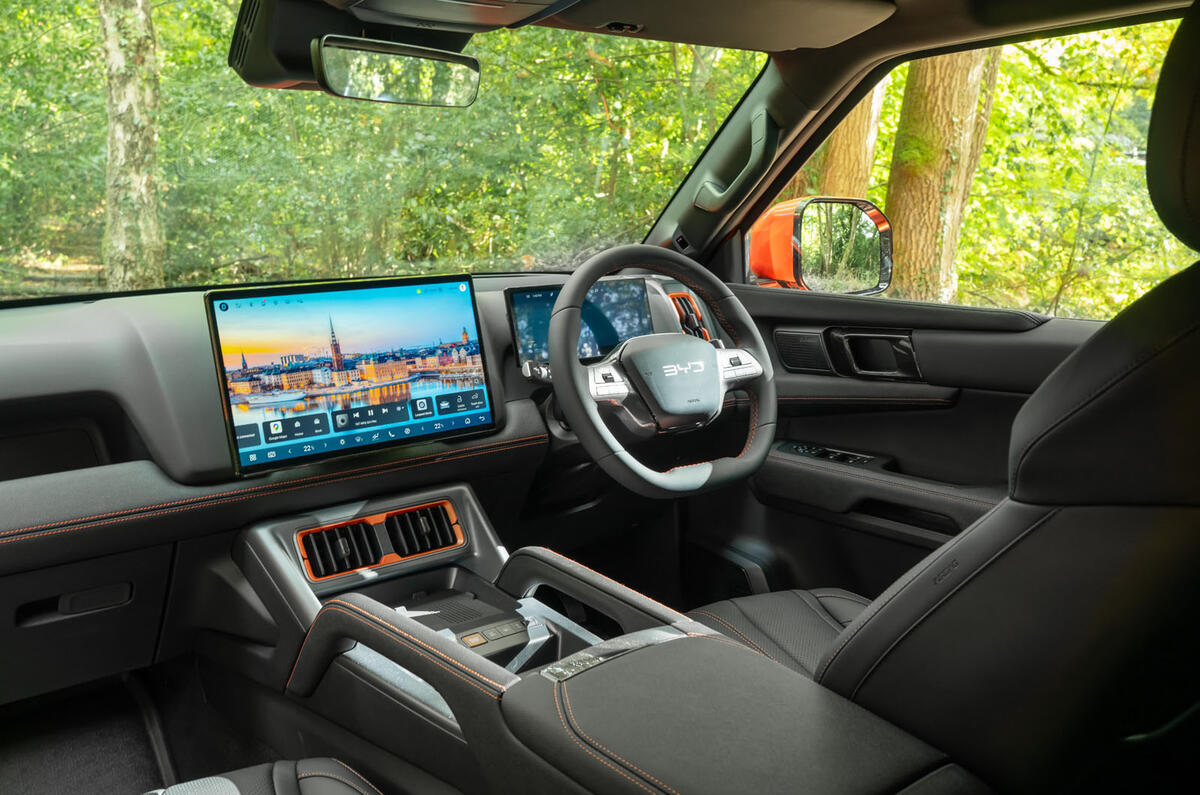
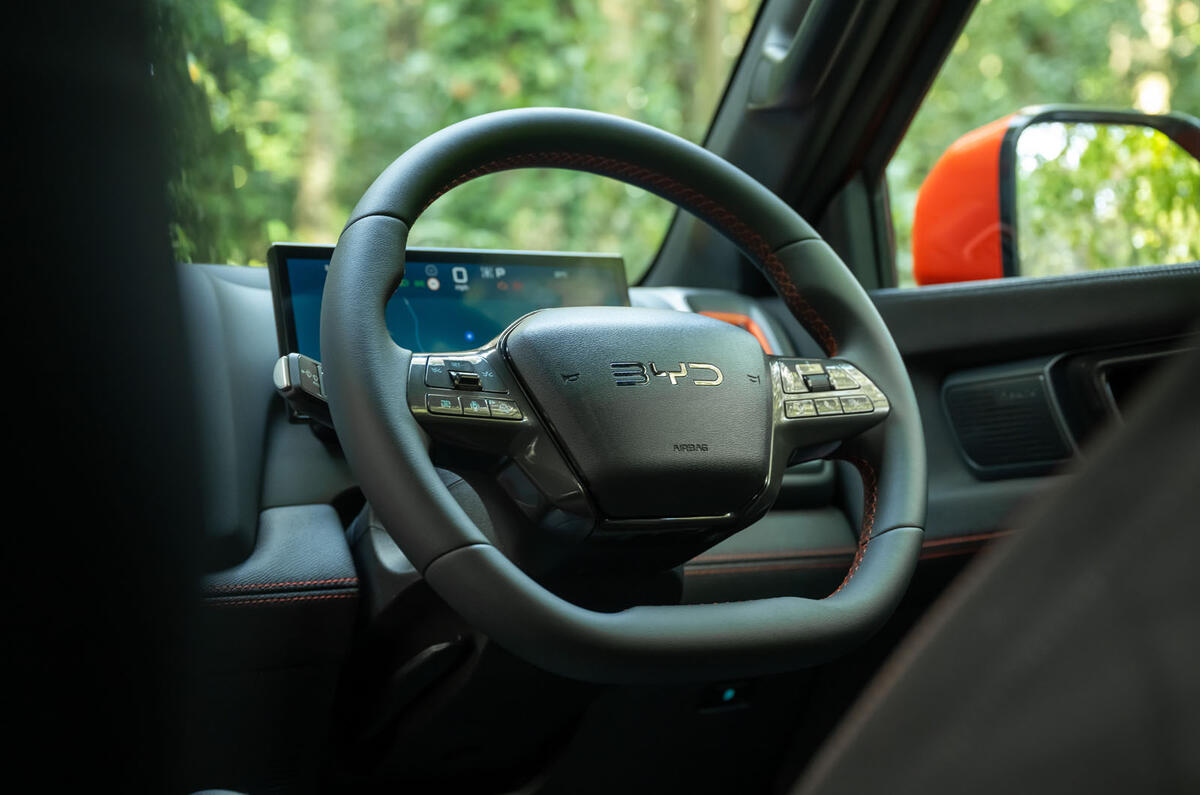
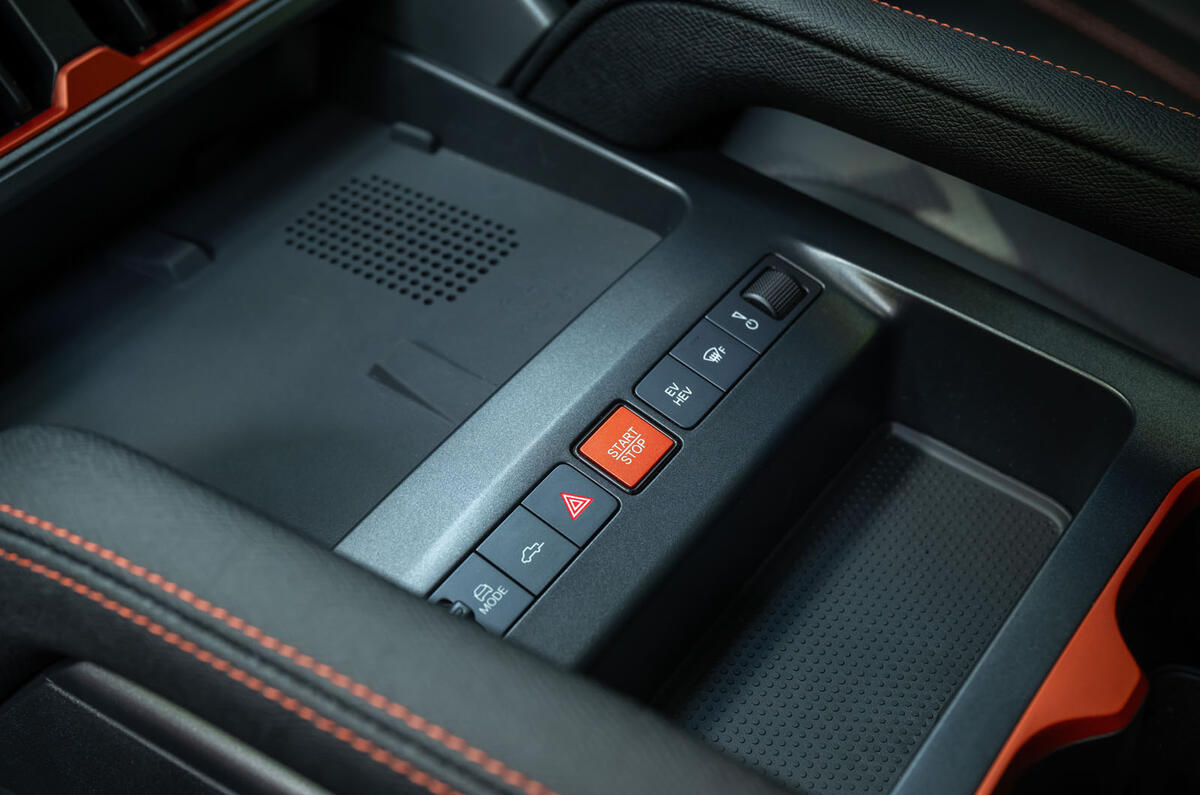
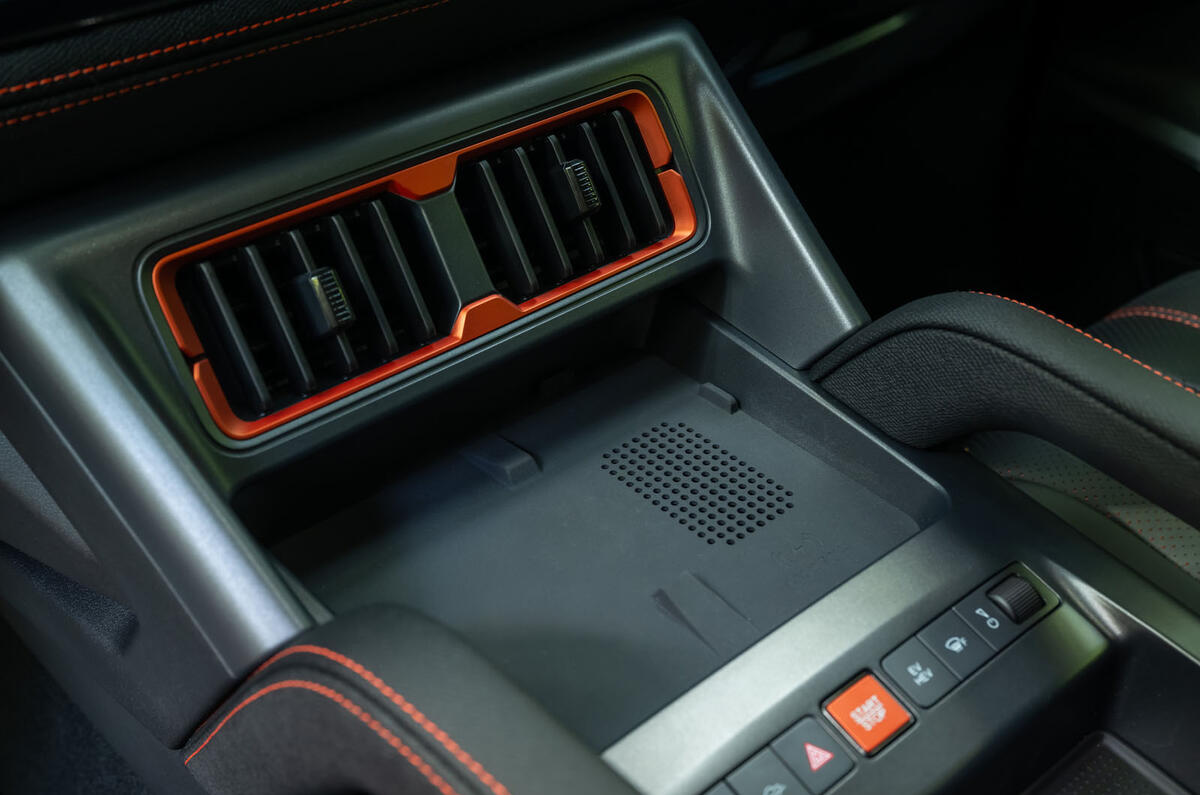
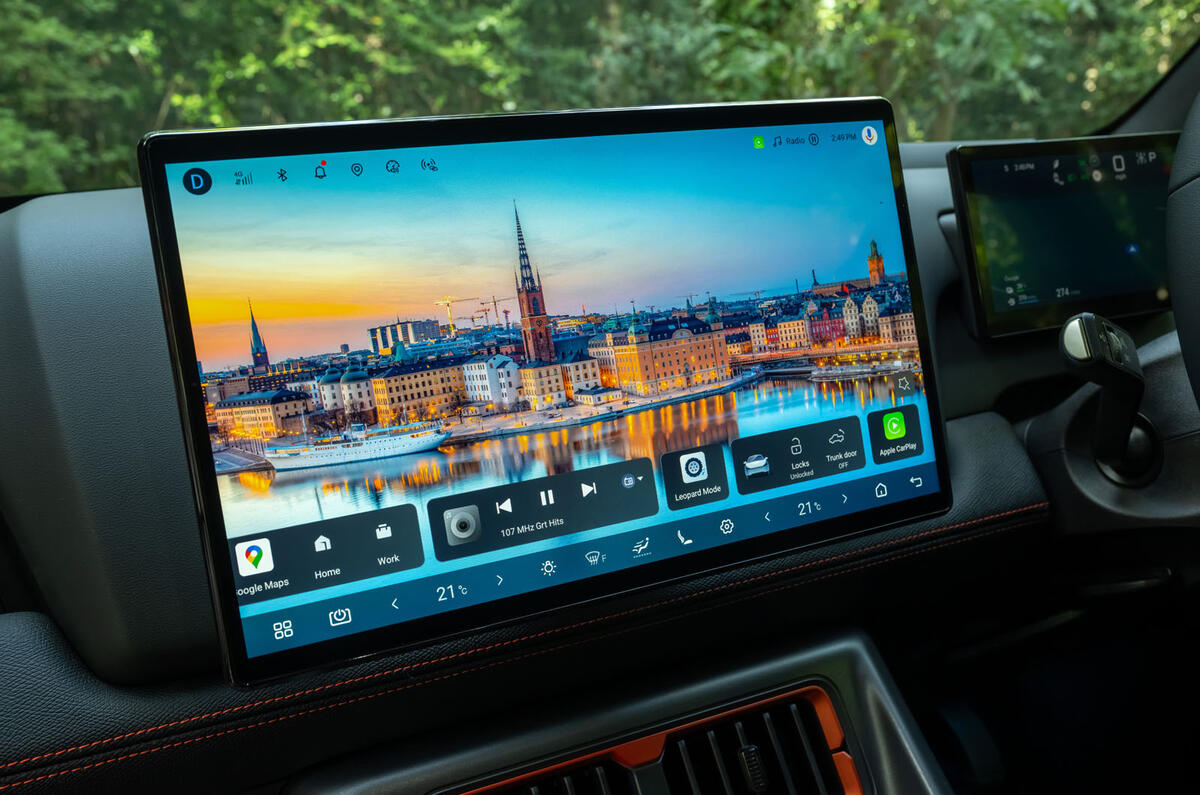
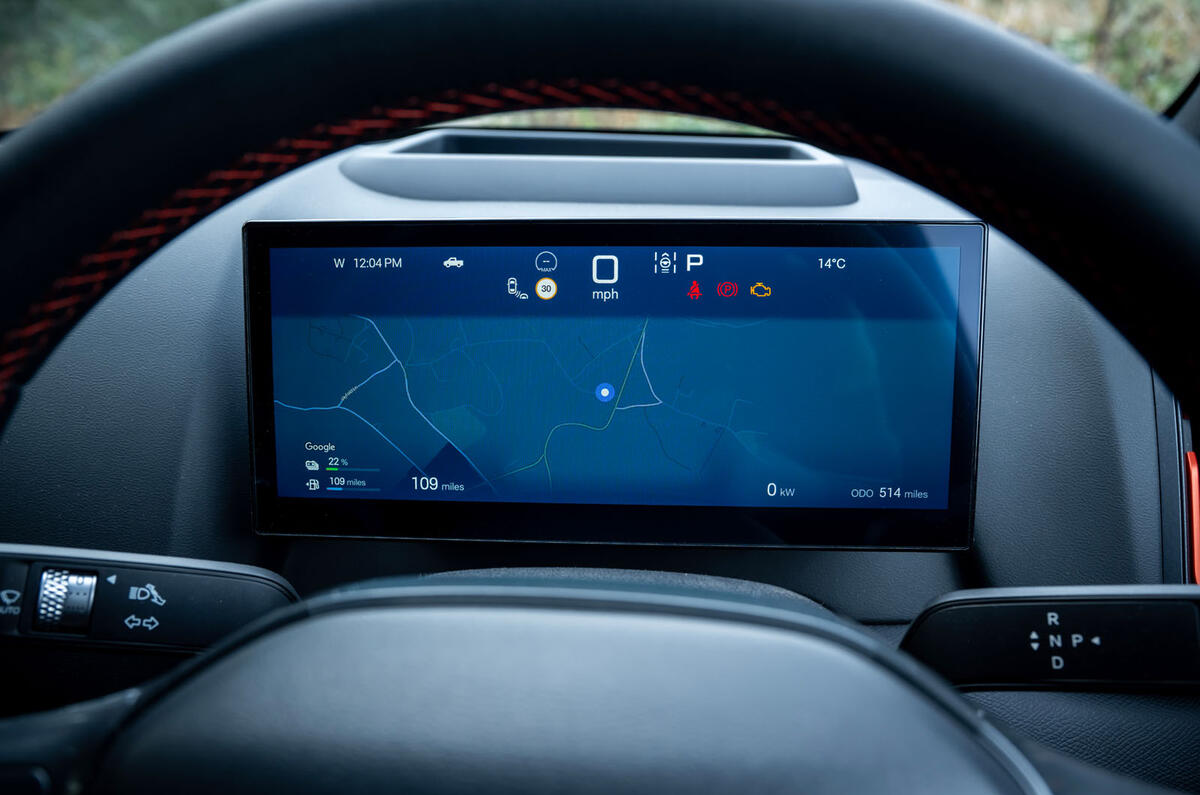
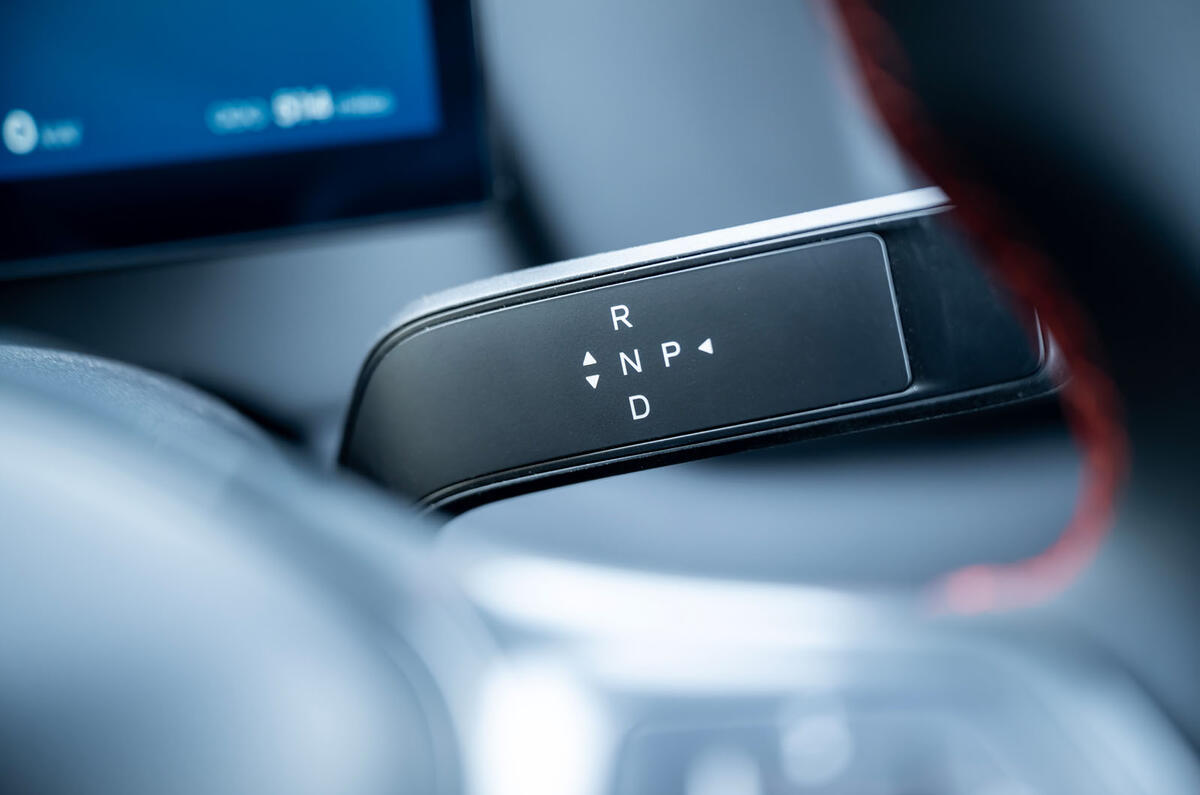
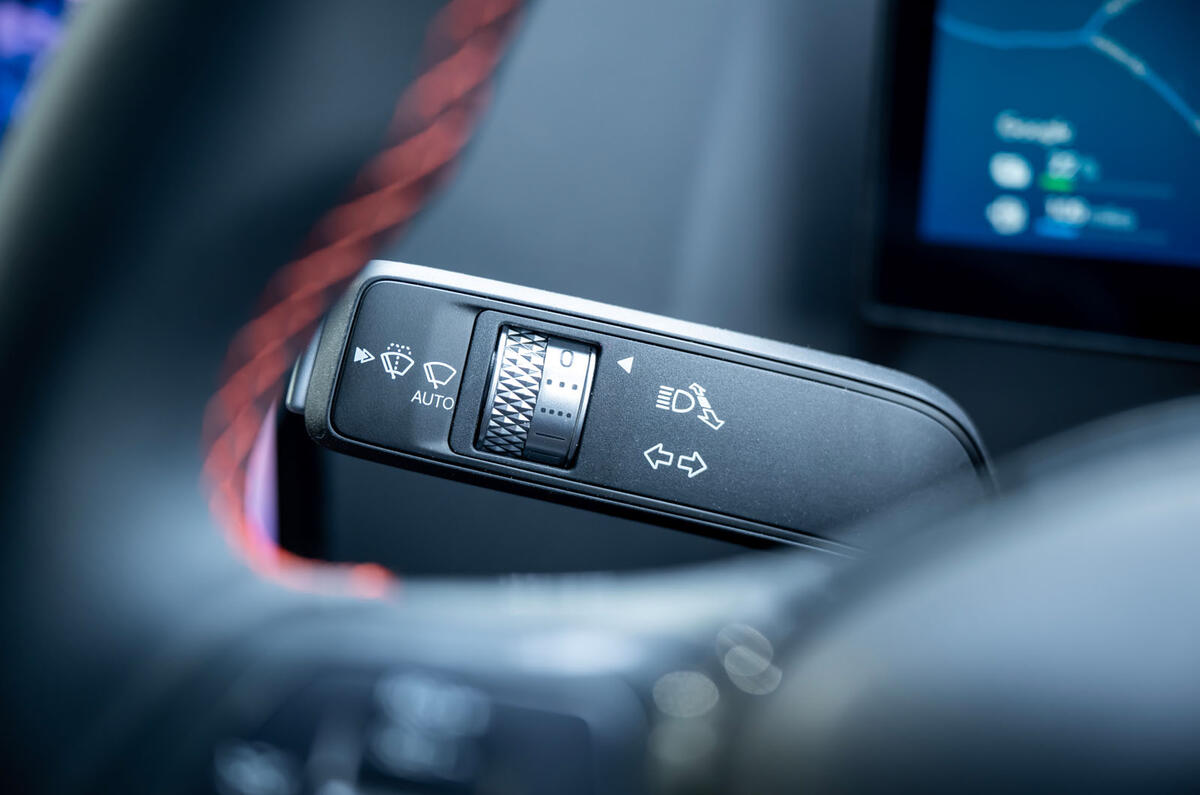
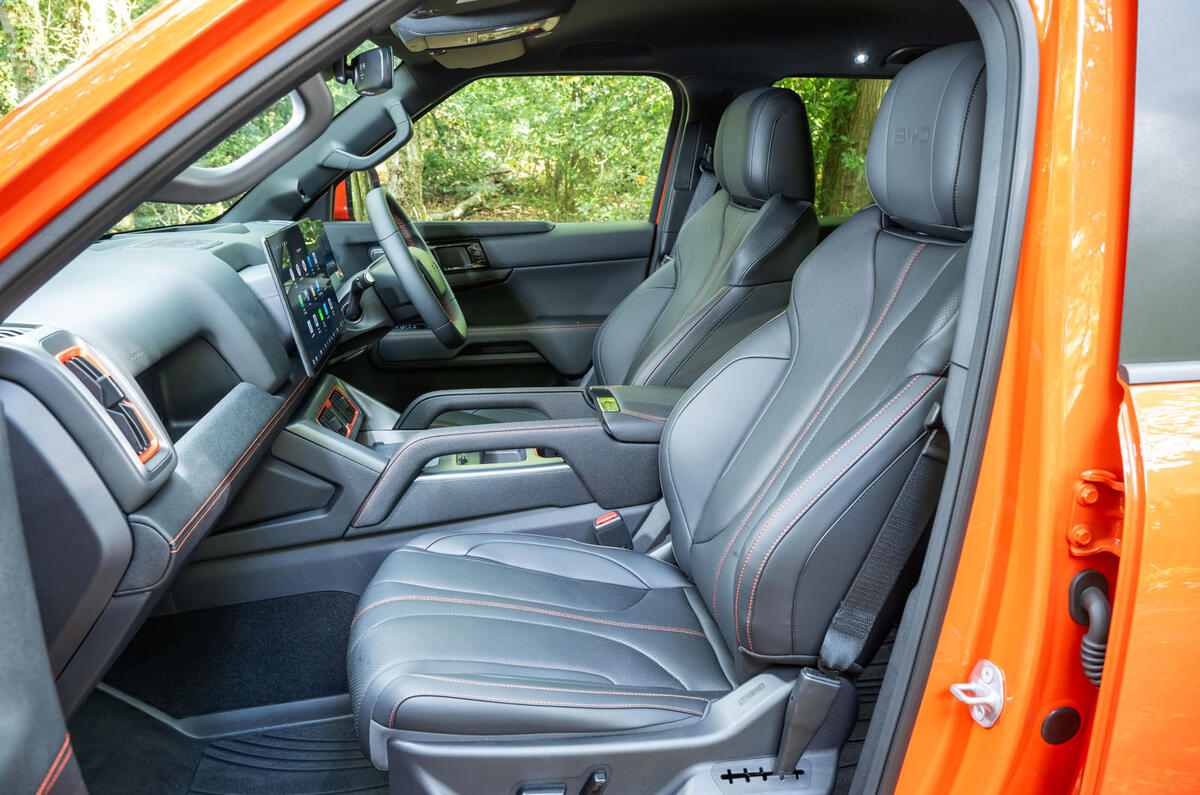
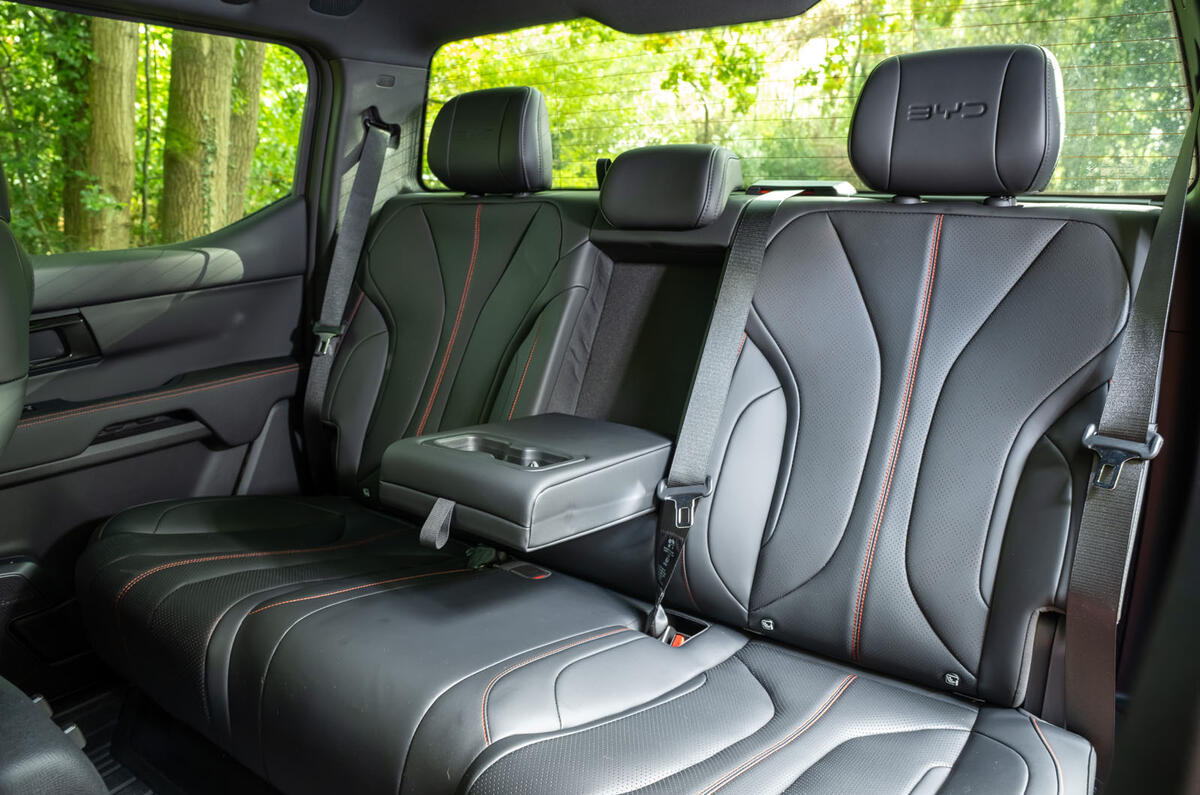
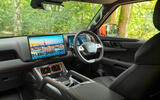
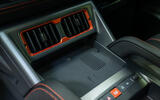
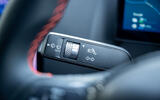
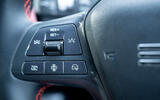
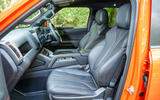
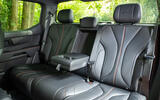
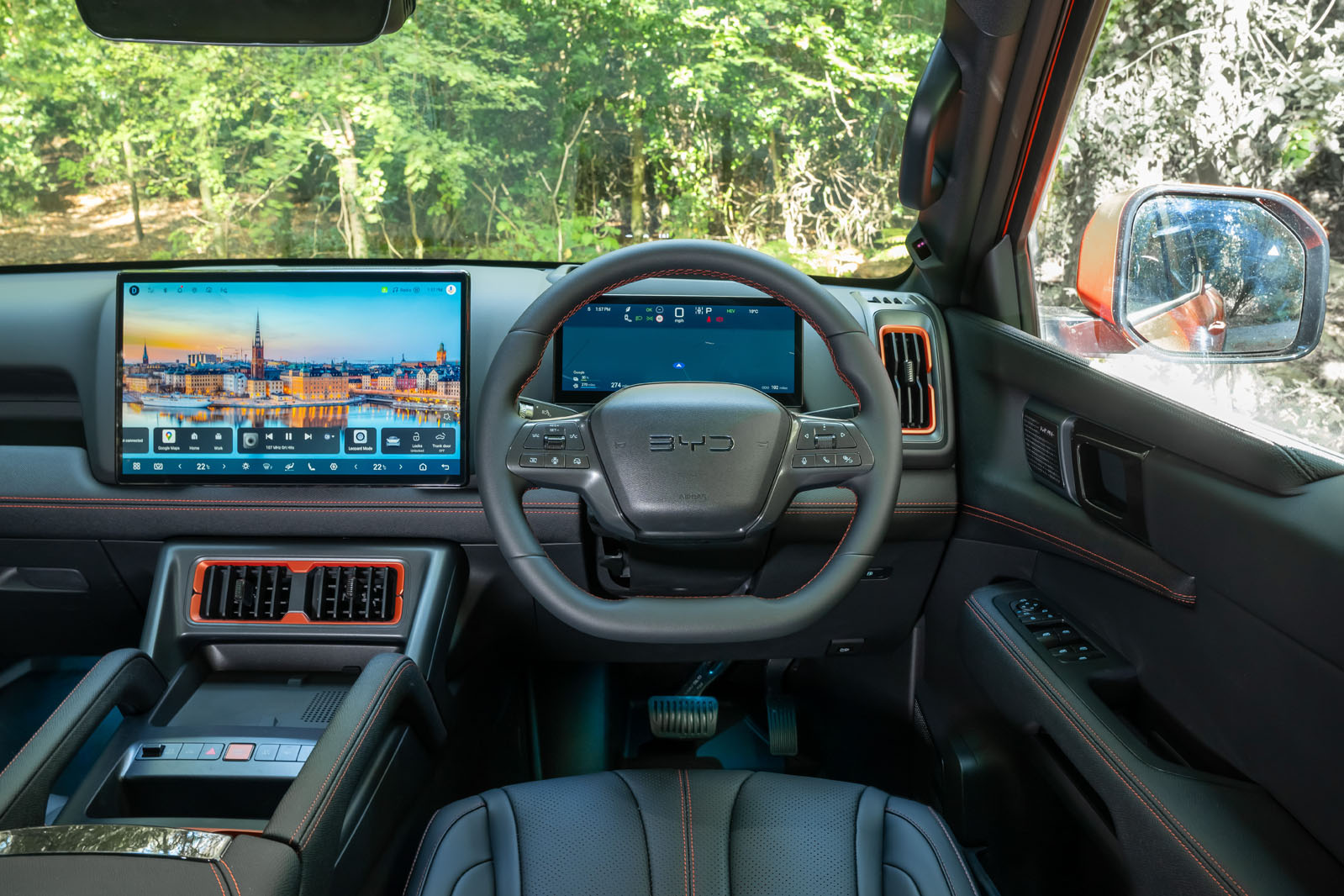
Step into the Shark and you will be impressed with the cabin, where attractive materials and neat stitching ride the border between luxury and durability. It has all the bells and whistles, including a 12-speaker audio system, faux-leather seats (heated and cooled up front), a 360deg camera and a head-up display. Plenty of executive saloons aren’t as well equipped.

ENGINES & PERFORMANCE

8
BYD Shark review 2026 024

As soon as you start to drive, one thing stands out: quietness. Because a fully charged Shark has 55 miles of electric range (twice the Ranger’s figure), it’s usually very subdued mechanically, and even when the engine is running (which happens more if you select HEV mode rather than EV mode), it’s smooth and barely raises a murmur. Only occasionally, when called upon to deliver maximum acceleration or to charge a depleted battery, does it burst into noisy life with a kind of rubber-band effect reminiscent of a car driven by a CVT.

RIDE & HANDLING

6
BYD Shark review 2026 025

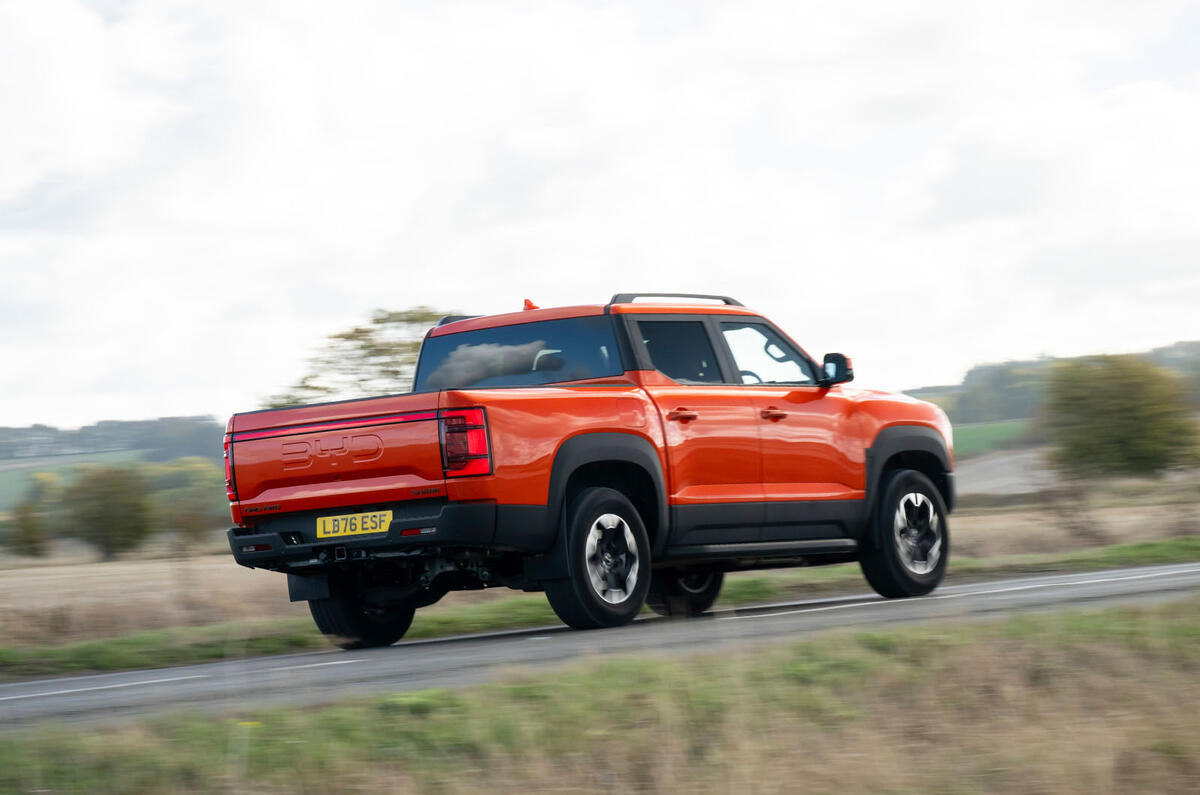
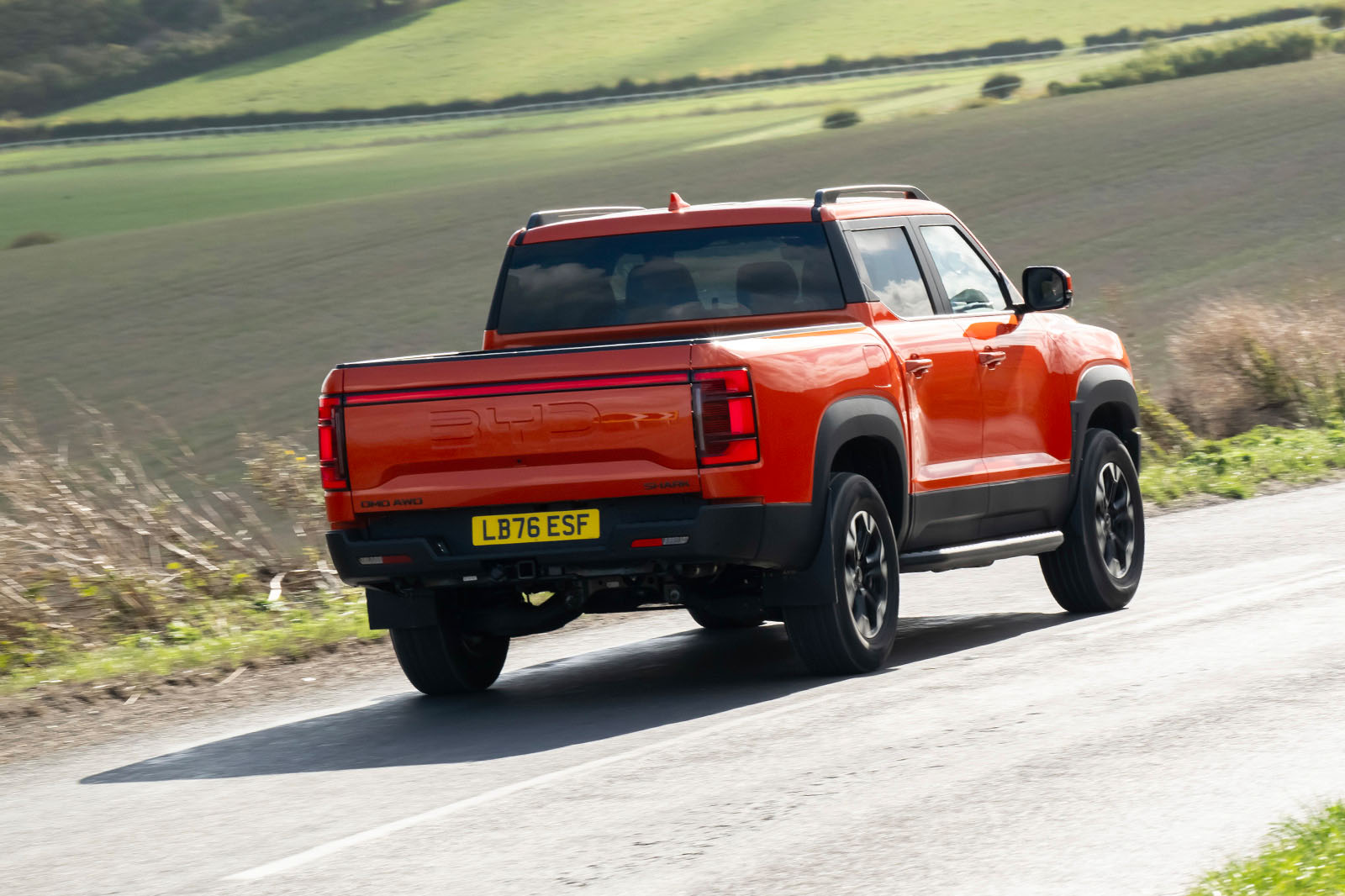
Despite the sophistication of double wishbones, the ride is lumpy at low speed when the Shark is unladen but smooths at speed. Road noise is low, as is often the case in ladder-frame pick-ups, and despite the boxy shape (for which BYD claims excellent aerodynamic performance) there’s little wind noise even at a fast motorway cruise.

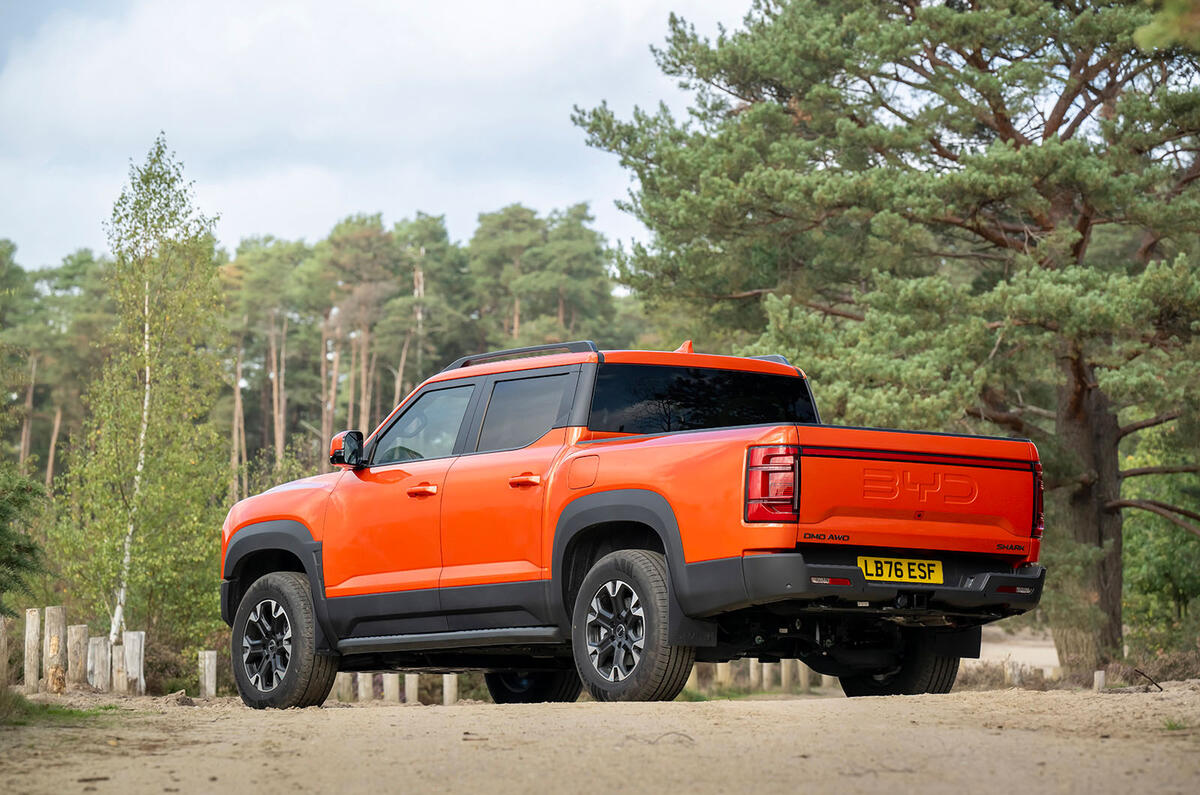
I was given an opportunity to try the Shark on a short but muddy off-road track, where it performed with stability and good traction on road-biased tyres, despite its considerable weight, but it might have benefited (as on road) from lower steering effort.
MPG & RUNNING COSTS

BYD Shark review 2026 001

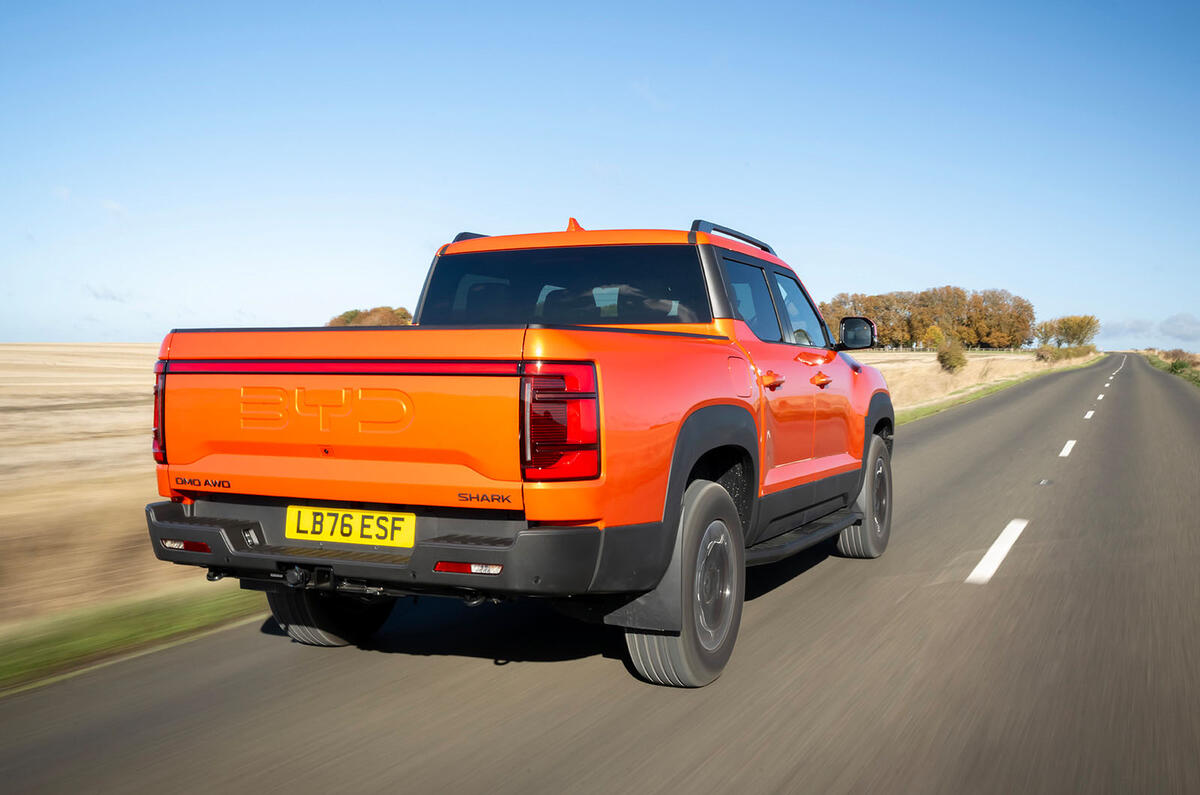
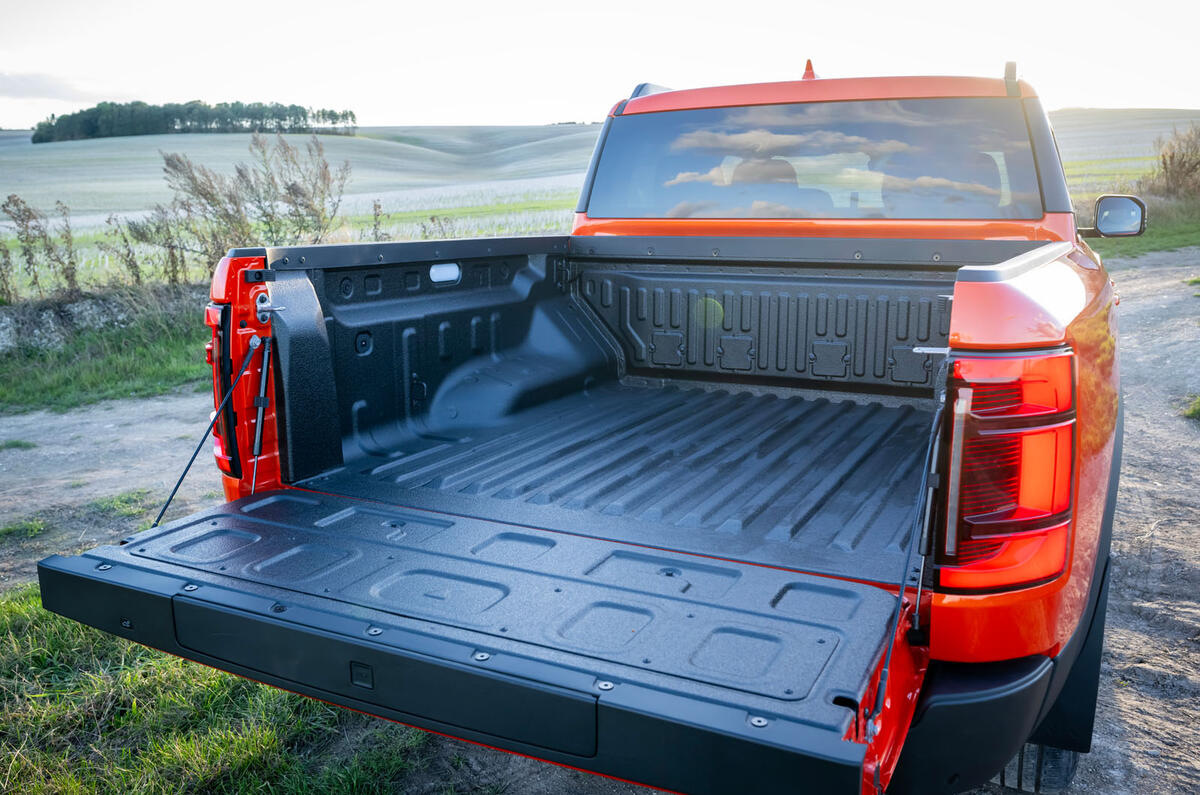
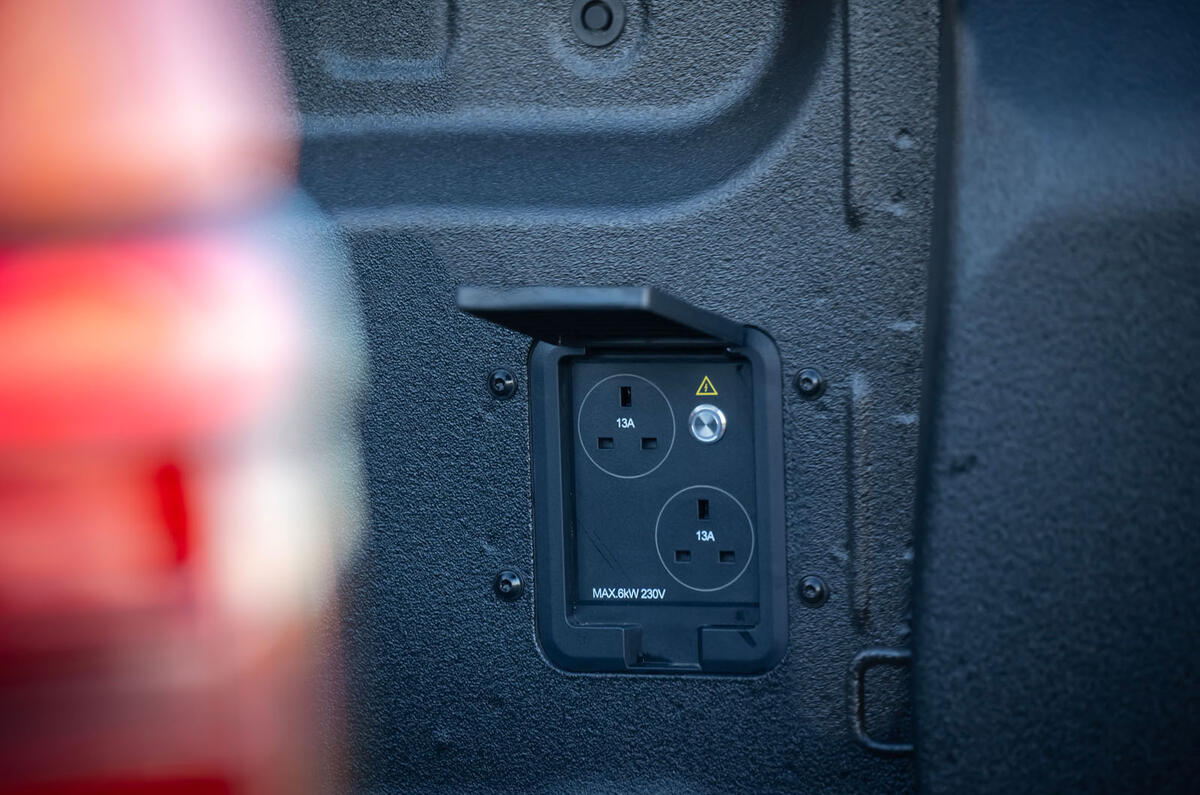
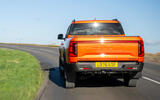
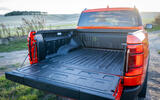
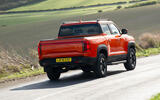
Given this size and mass, the Shark’s 790kg official payload is disappointing compared with the 1000kg-plus offered by rivals. So is its 2500kg towing limit, 1000kg lower than rivals’.
The restricted payload means business owners can’t reclaim VAT on a Shark as they can on a Ranger or Hilux, but BYD’s cute response is that the single-spec Shark, which costs £47,290 on the road, will cost the same as VAT-free rivals.

The Shark is likely to match the Ford Ranger PHEV’s real-world 35mpg-plus economy if owners are fastidious about charging it. But if they aren’t, its 60-litre fuel tank and 24-27mpg economy on a flat battery may be limitations.

VERDICT

In summary, the Shark is a very good and economical all-rounder, perhaps best for private owners. Despite the low price, the plug-in hybrid Ranger’s better payload and towing capacity probably keep its nose ahead of the pack for professionals.

But the Shark is an impressive entry that all potential buyers must take seriously.

Steve Cropley

Steve Cropley Autocar
Title: Editor-in-chief

Steve Cropley is the oldest of Autocar’s editorial team, or the most experienced if you want to be polite about it. He joined over 30 years ago, and has driven many cars and interviewed many people in half a century in the business. 

Cropley, who regards himself as the magazine’s “long stop”, has seen many changes since Autocar was a print-only affair, but claims that in such a fast moving environment he has little appetite for looking back. 

He has been surprised and delighted by the generous reception afforded the My Week In Cars podcast he makes with long suffering colleague Matt Prior, and calls it the most enjoyable part of his working week.