
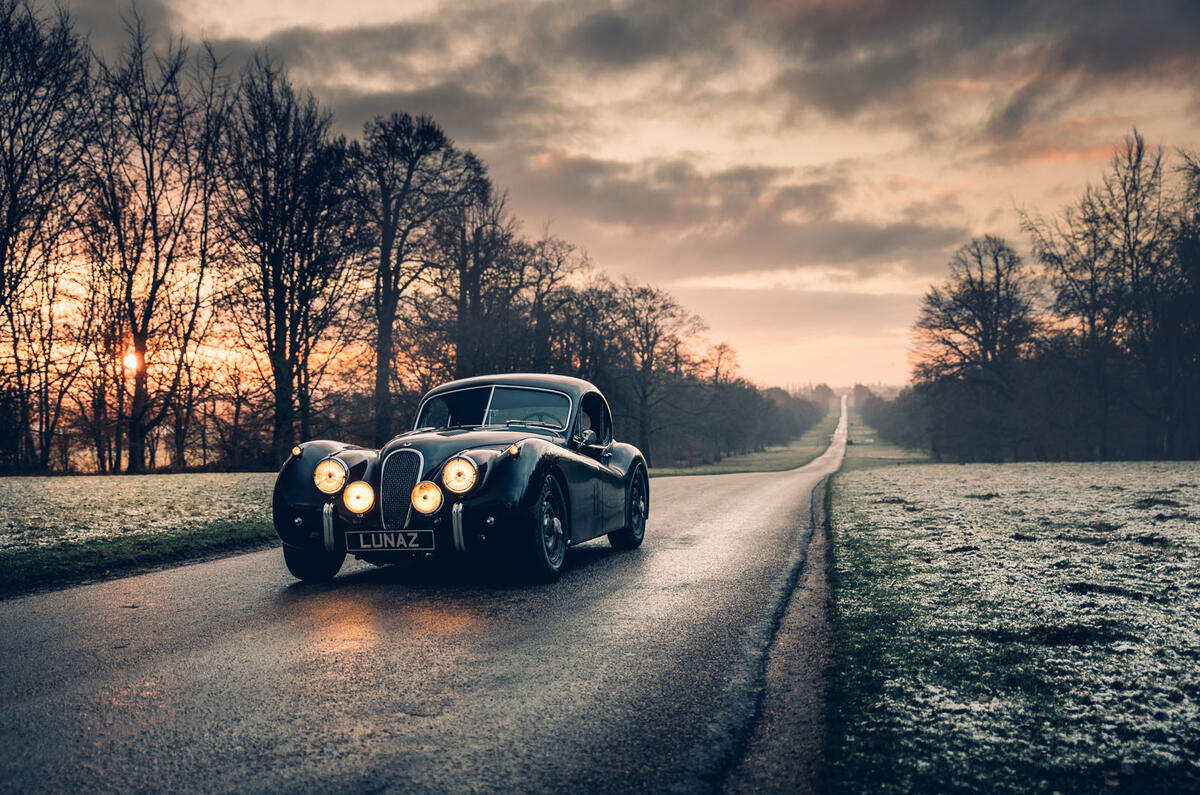





Lunaz, a new classic car electrification company, has chosen Silverstone as its global headquarters as it prepares to bring its first models to market.
The start-up, led by ex-Renault F1 technical director Jon Hilton, claims it will make “the most beautiful and celebrated cars in history ready for the future”, with a focus on fully electrifying mid-century British luxury and sports cars.
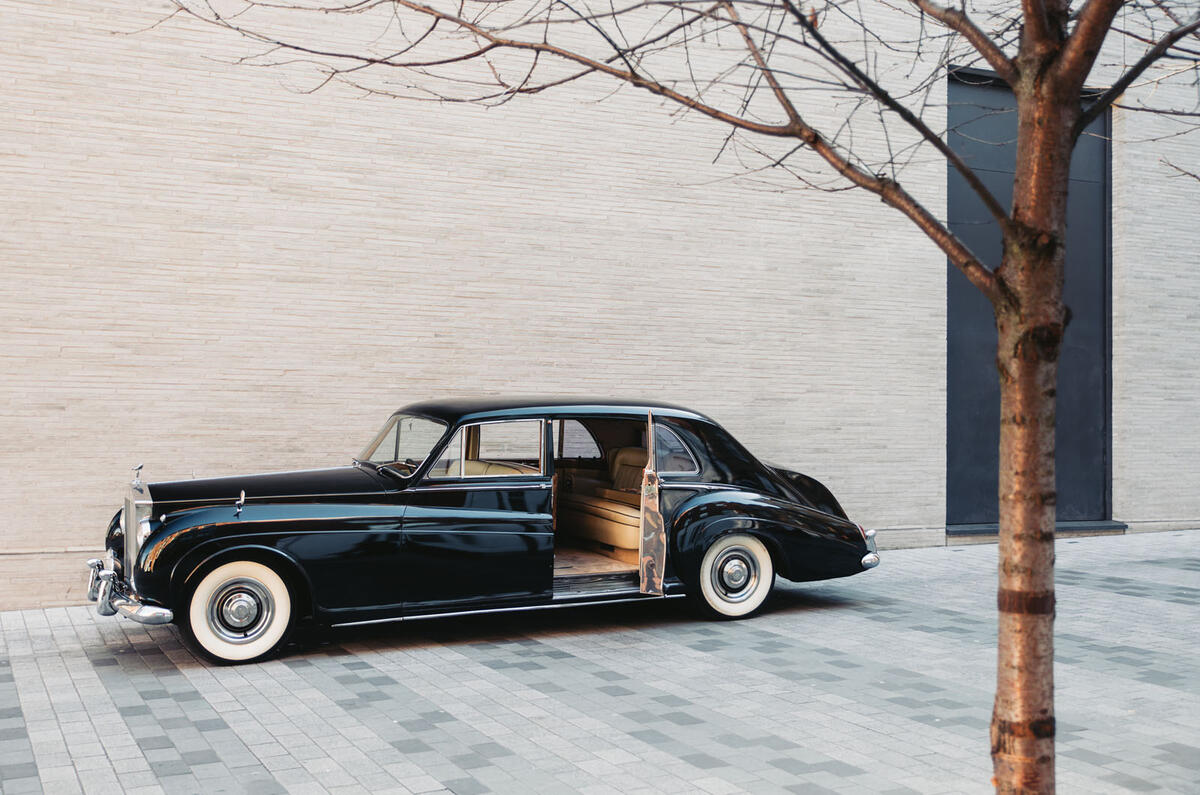
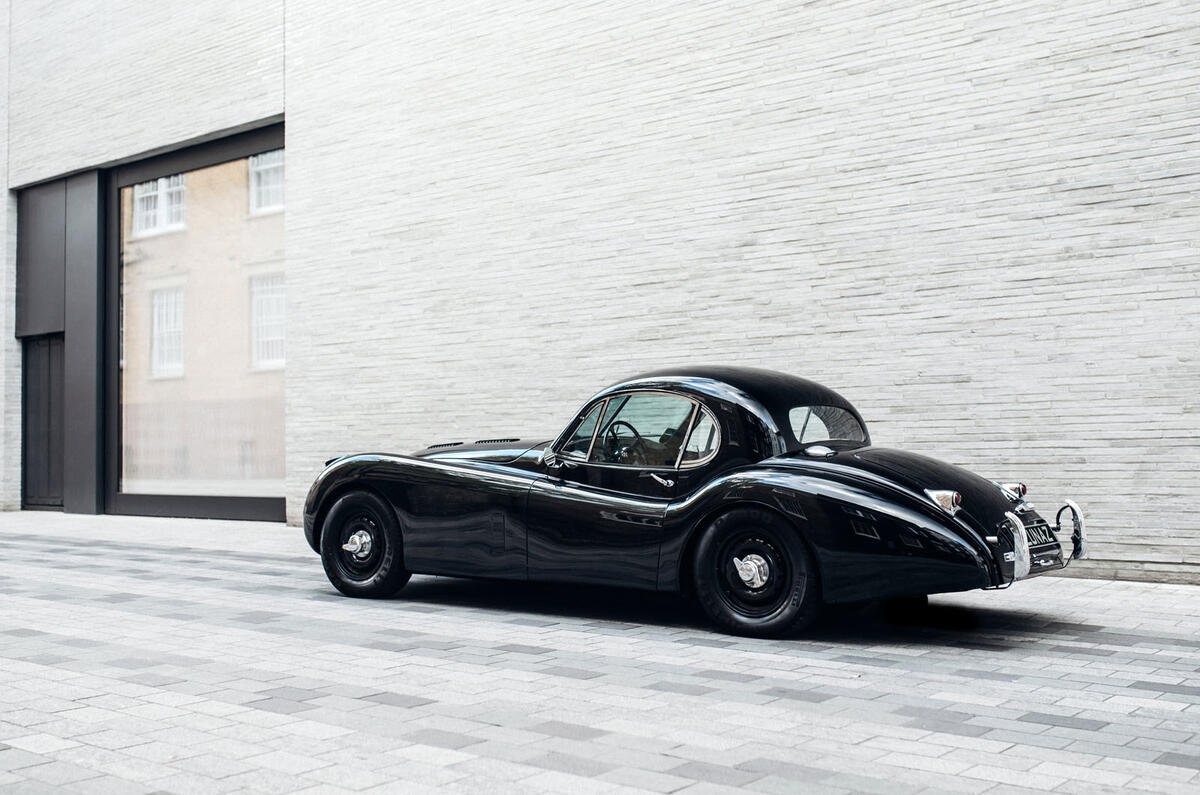
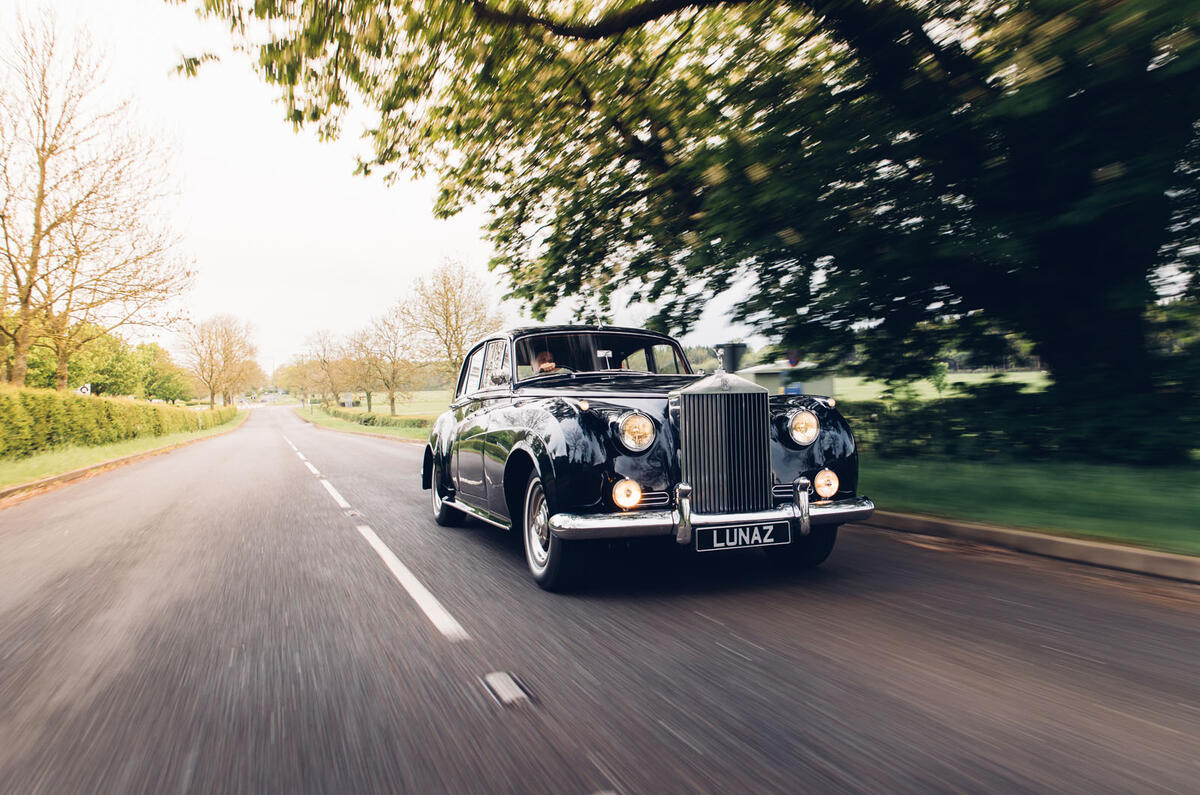
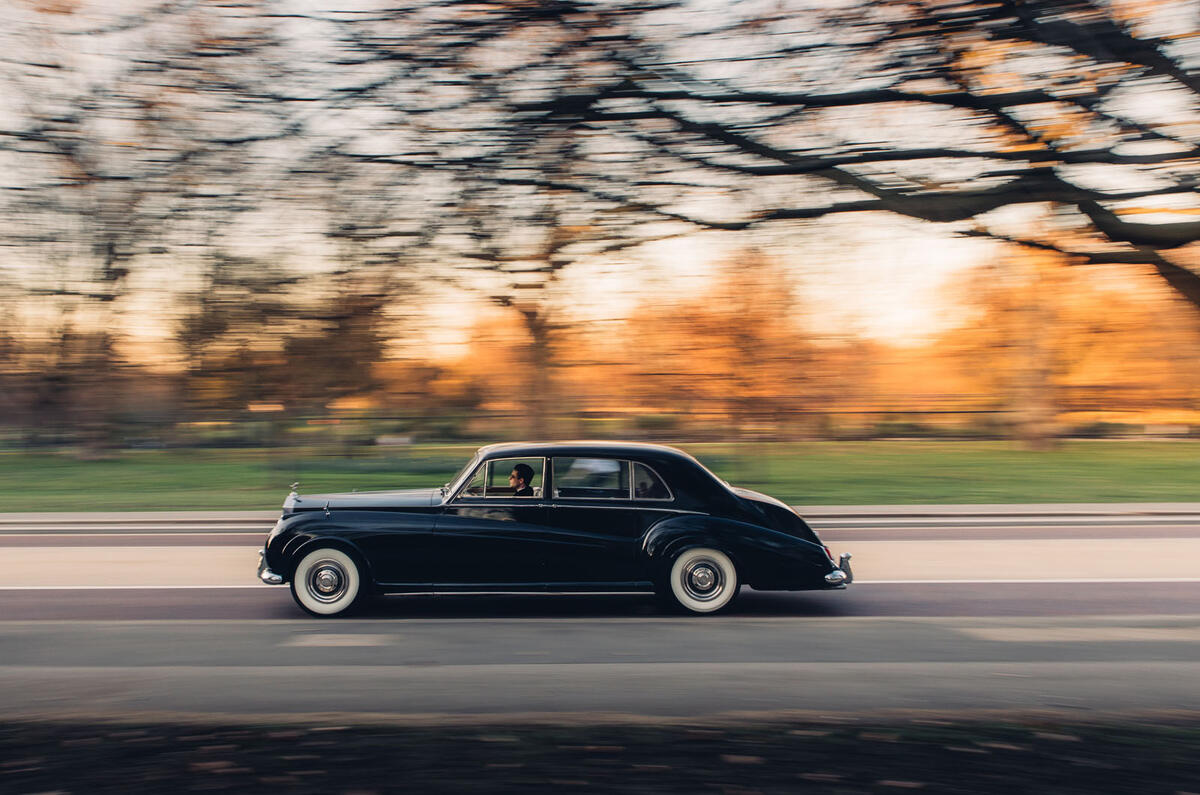
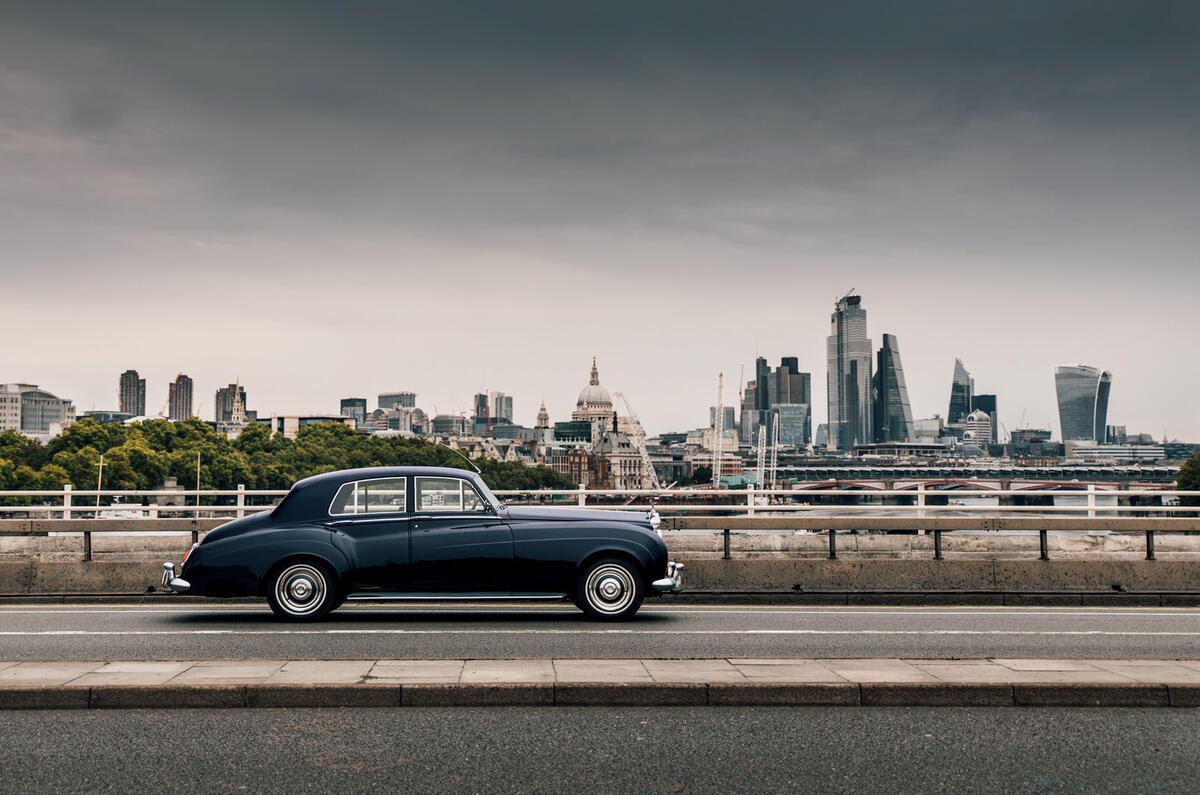
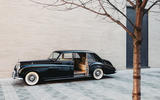
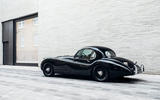
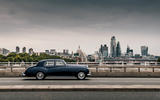
Currently under development are electric versions of the 1961 Rolls-Royce Phantom V, the 1956 Rolls-Royce Cloud and the 1953 Jaguar XK120. At the time of its launch, the latter was the fastest production car in the world.
Each car will be sympathetically restored before electrification, with Lunaz offering a range of one-off paint schemes and interior packages designed by bespoke automotive styling specialists.
The Phantom V, a large eight-seater, is equipped with a 120kWh battery pack, while the lighter Jaguar has an 80kWh unit. All models feature EV-specific functions, such as fast-charging capabilities and regenerative braking, with modern additions such as traction control and cruise control enhancing their usability.
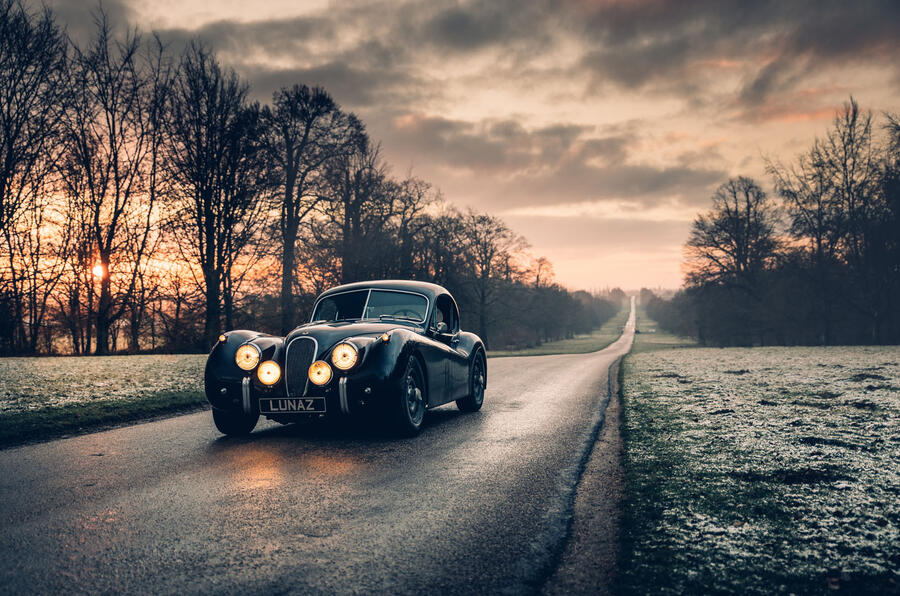
The XK120, powered by a twin-motor setup producing 375bhp and 516lb ft, is said to be undergoing its final stages of testing before it's launched as Lunaz’s first model. Lunaz has confirmed that the entire powertrain is built and assembled in-house but refused to give any more details.
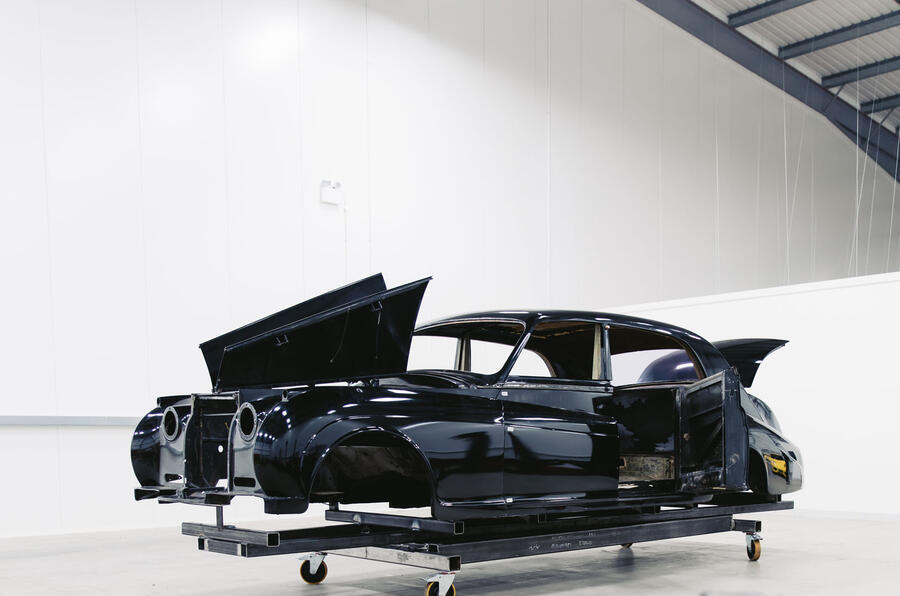
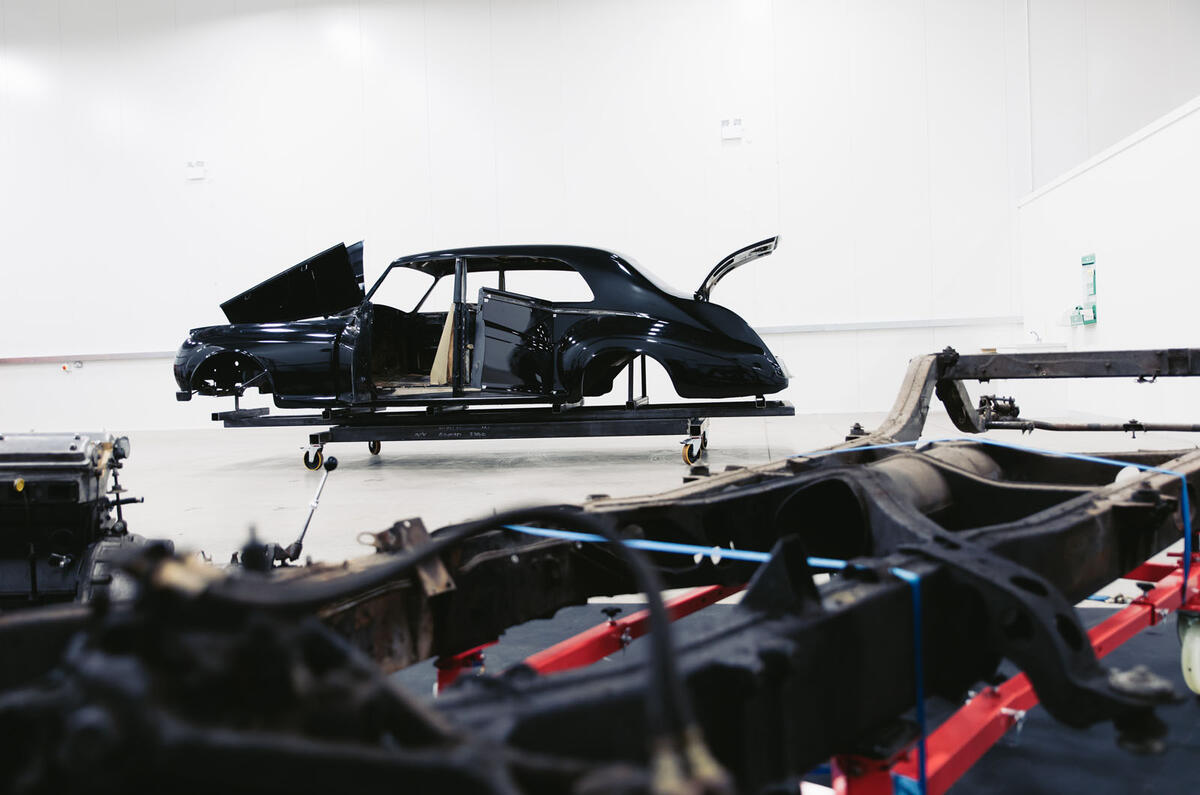
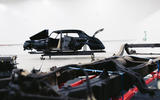
The process of electrifying each vehicle begins with a comprehensive analysis of its shape, weight and intended driving dynamics. The original powertrain and its associated hardware are then removed before the car is 3D-scanned so that Lunaz engineers can use scale models for reference.
The vehicle is then subject to a thorough restoration process that involves taking the paint back to bare metal and rectifying any imperfections by hand. Upon completion, the interior is modernised with the addition of sat-nav, wi-fi and a contemporary infotainment system.
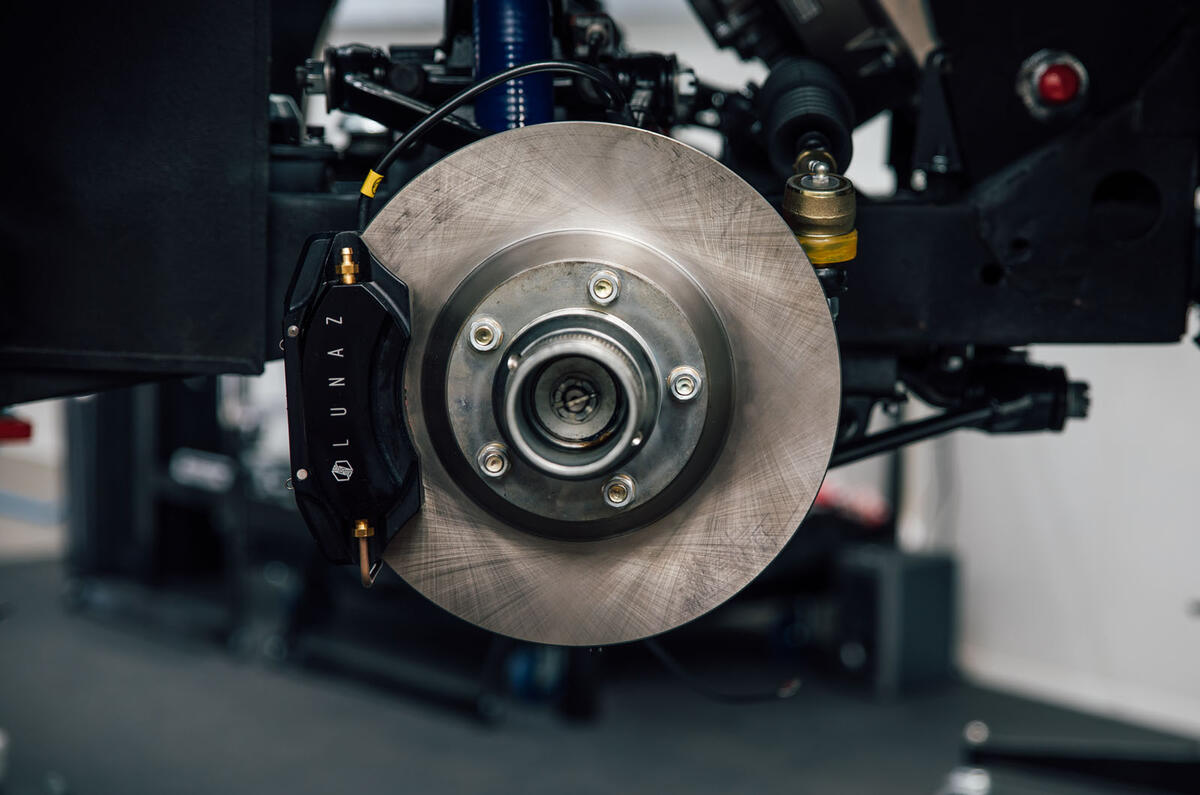
Existing vehicle hardware, including the fuel filler cap, dials and vents, is retained and reconfigured to suit the electric powertrain, but braking, suspension and steering components are uprated to cope with the added power.