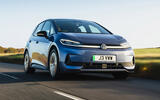
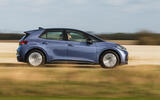























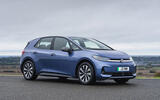

Volkswagen heavily revises the first car from its ID era, with promising results

Find Volkswagen ID 3 Neo: Feels like a VW at last – and a good one deals
Other Services
Sell your car
84% get more money with

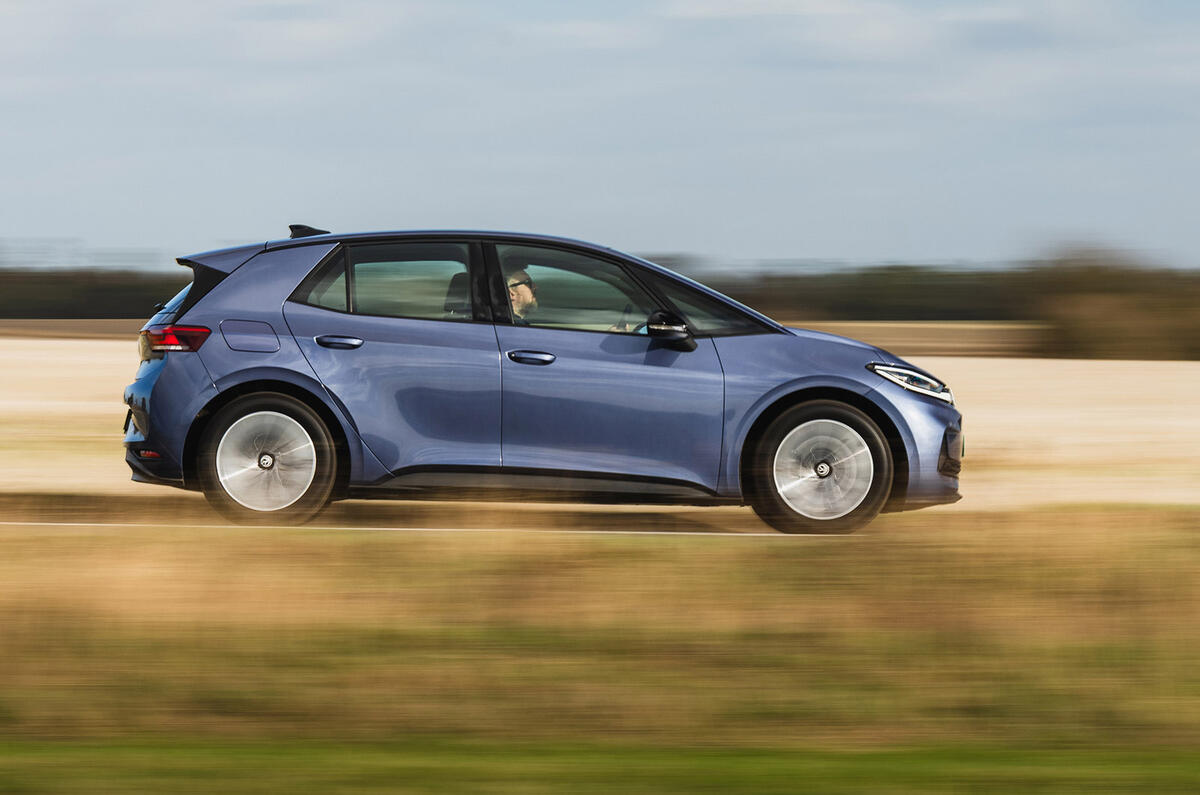
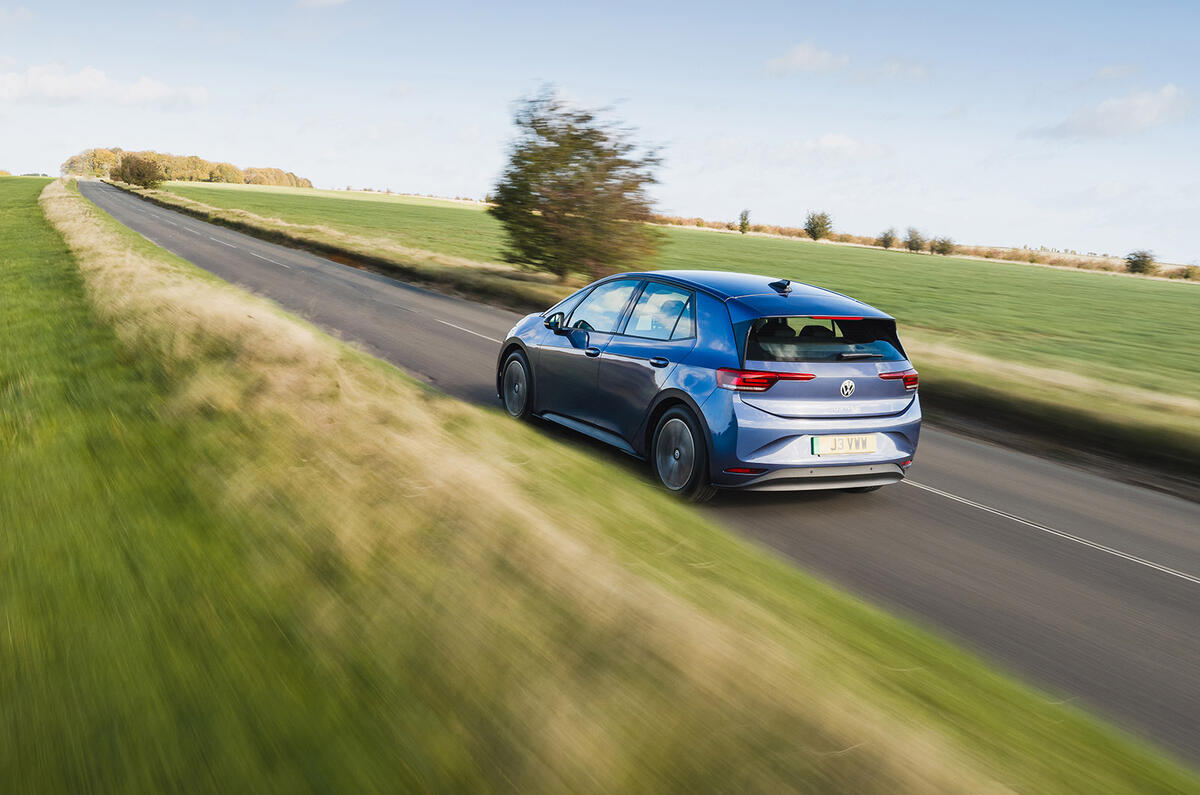
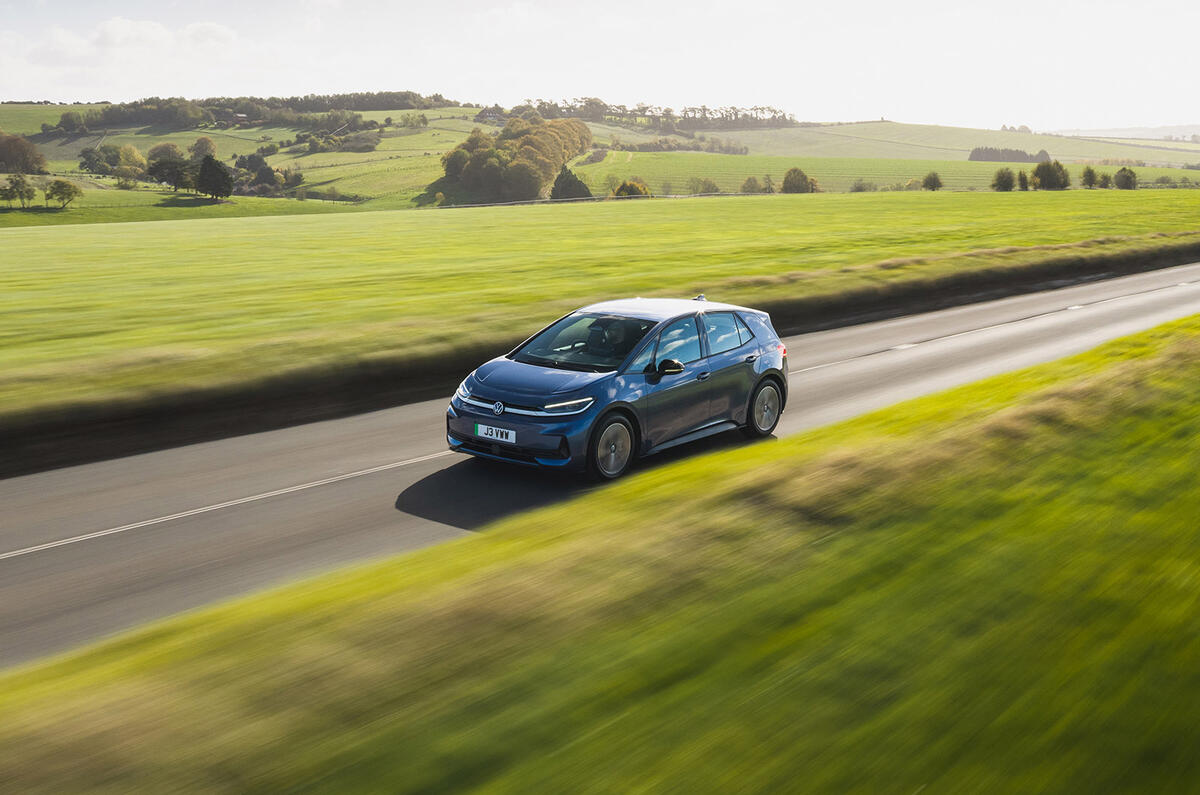
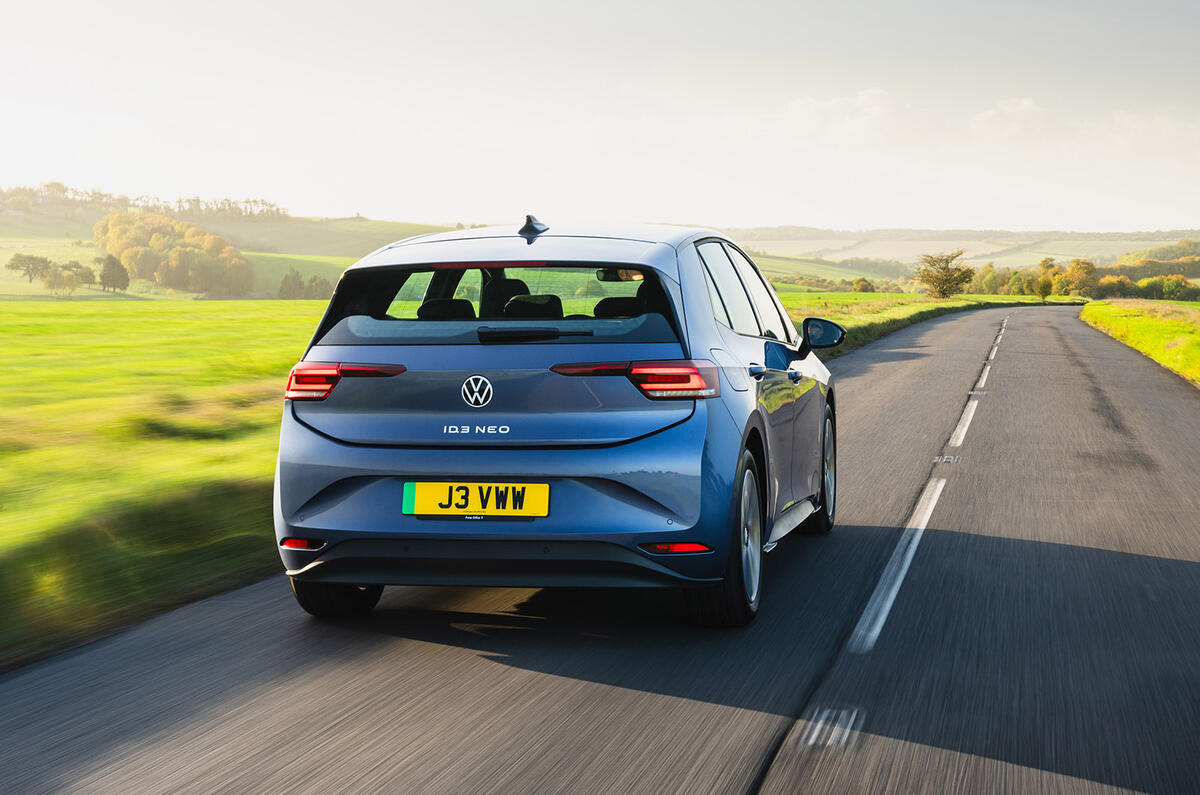
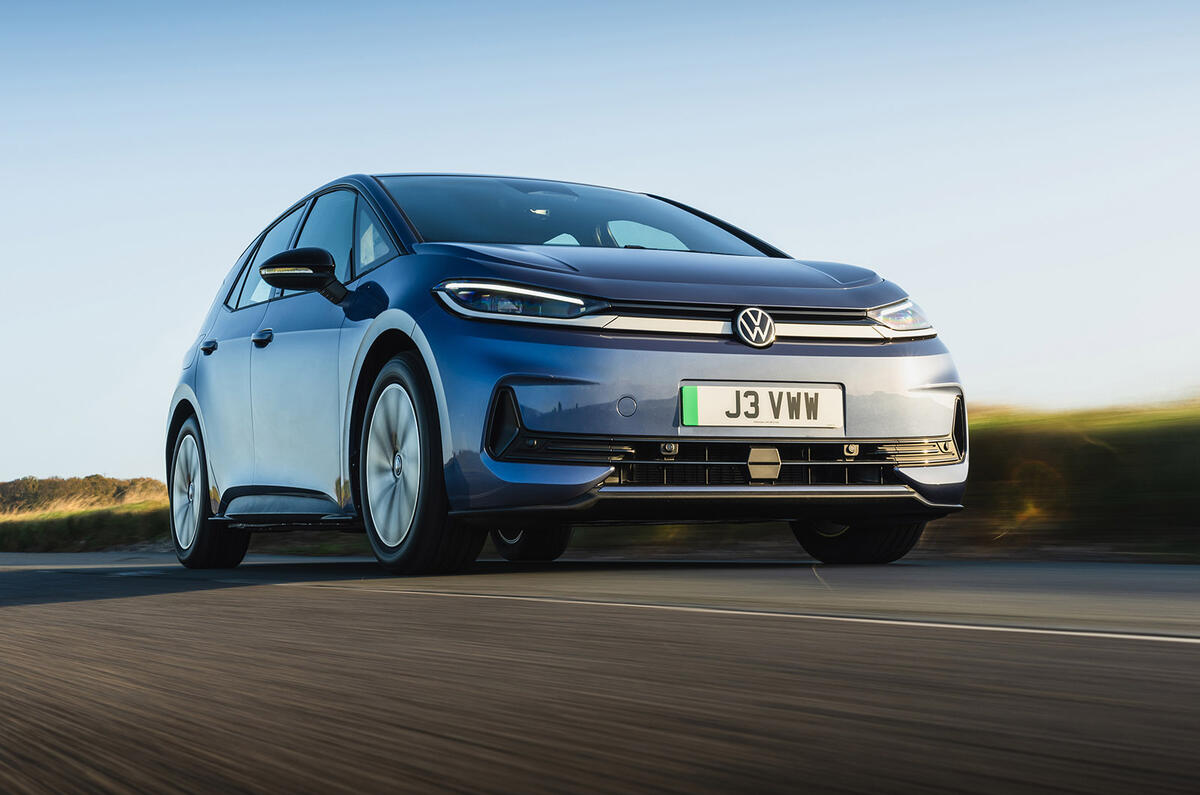
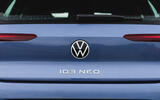
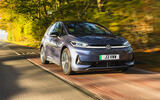
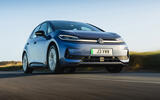
The Volkswagen ID 3 Neo is a comprehensive update to the Golf-sized EV that arrived with a fanfare and ambition that exceeded its influence on the world in 2020.

ID was meant to be Volkswagen’s third age after Beetle and Golf, only it turned out we weren’t quite ready to turn our backs on the Golf just yet. So after a modestly successful opening stanza, the ID 3 assumes Neo form, and will live alongside a Golf that continues to be the definitive Volkswagen.

Advertisement

DESIGN & STYLING

VW ID3 NEO review 2026 141

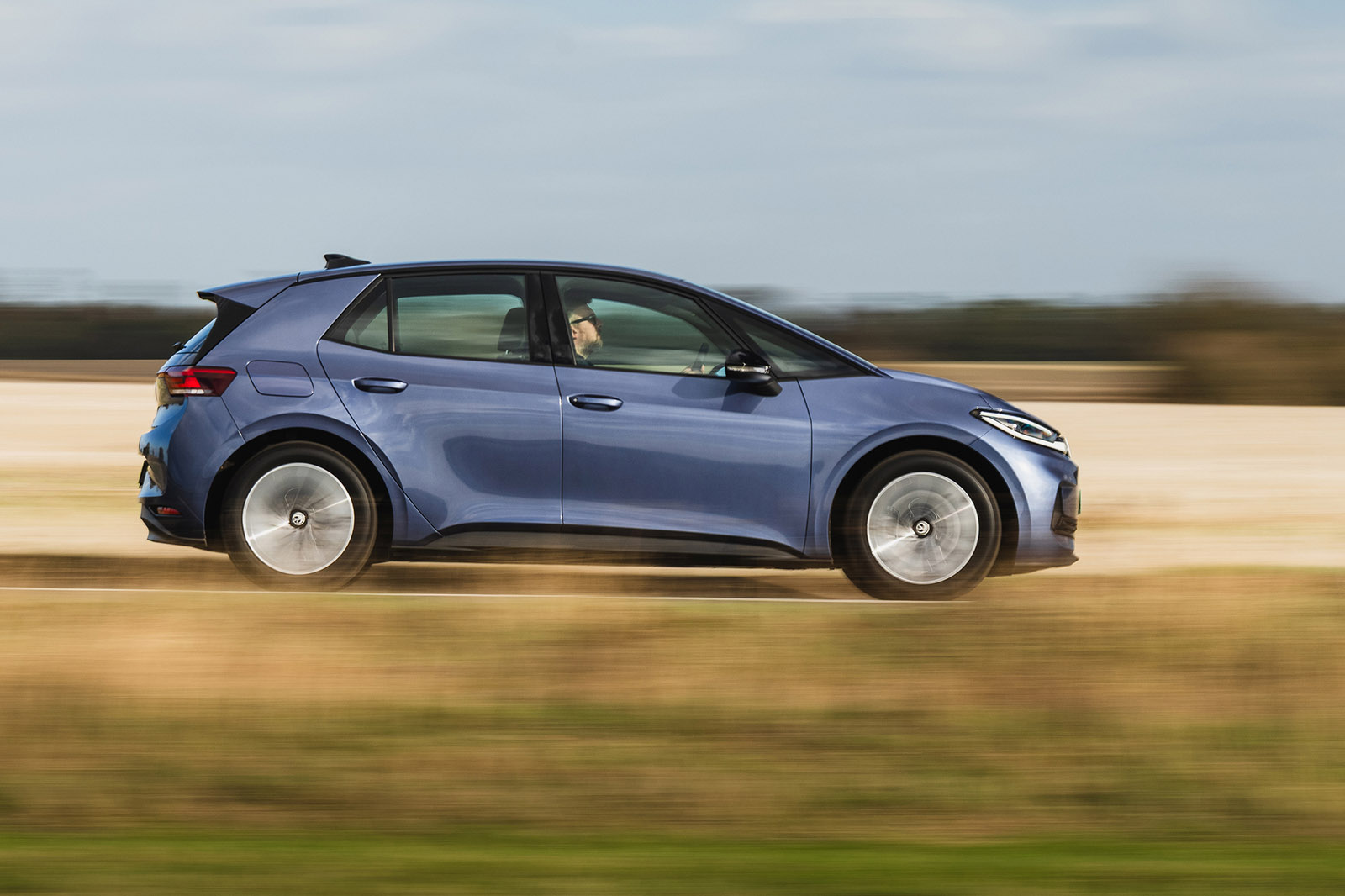
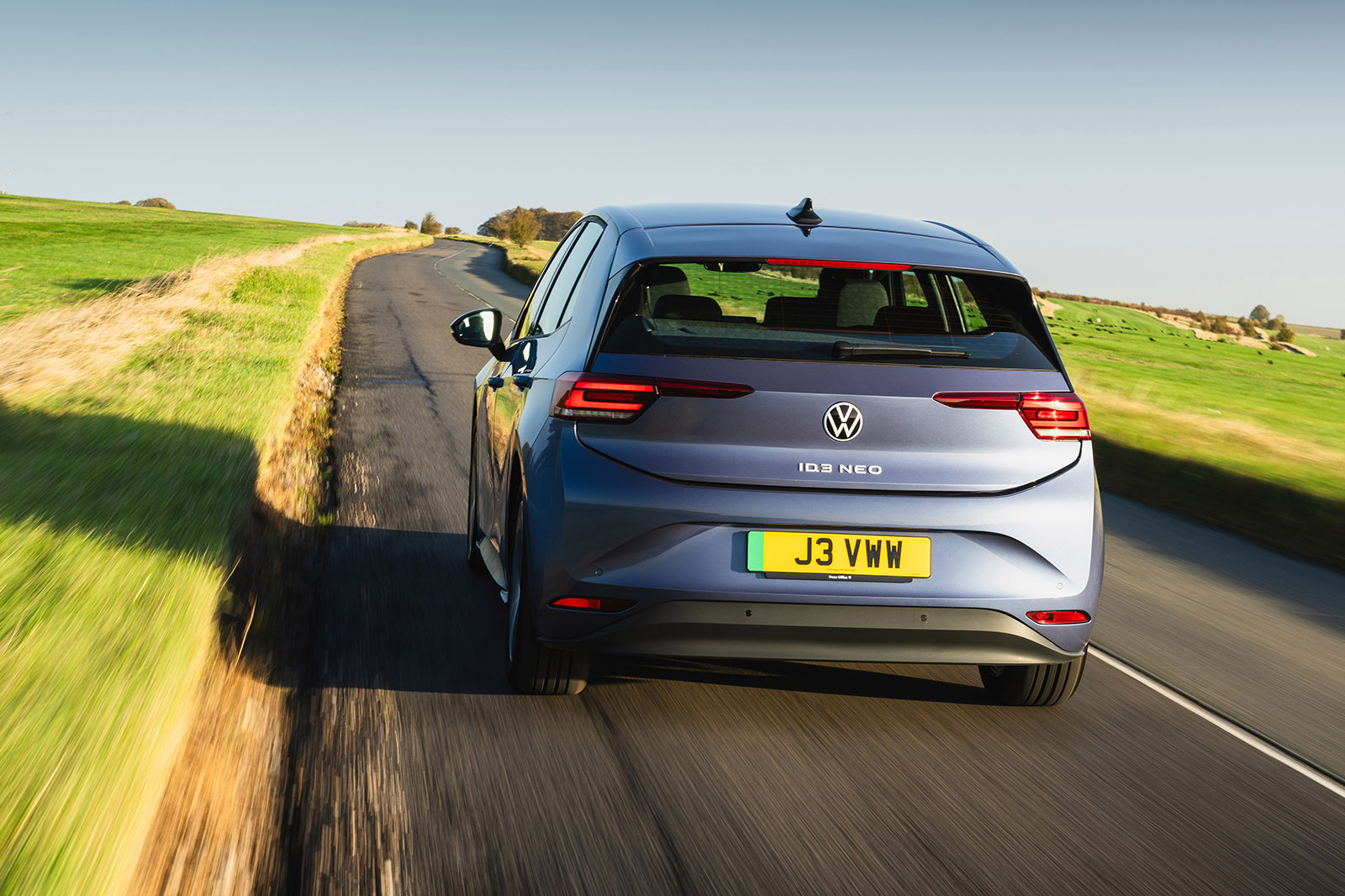
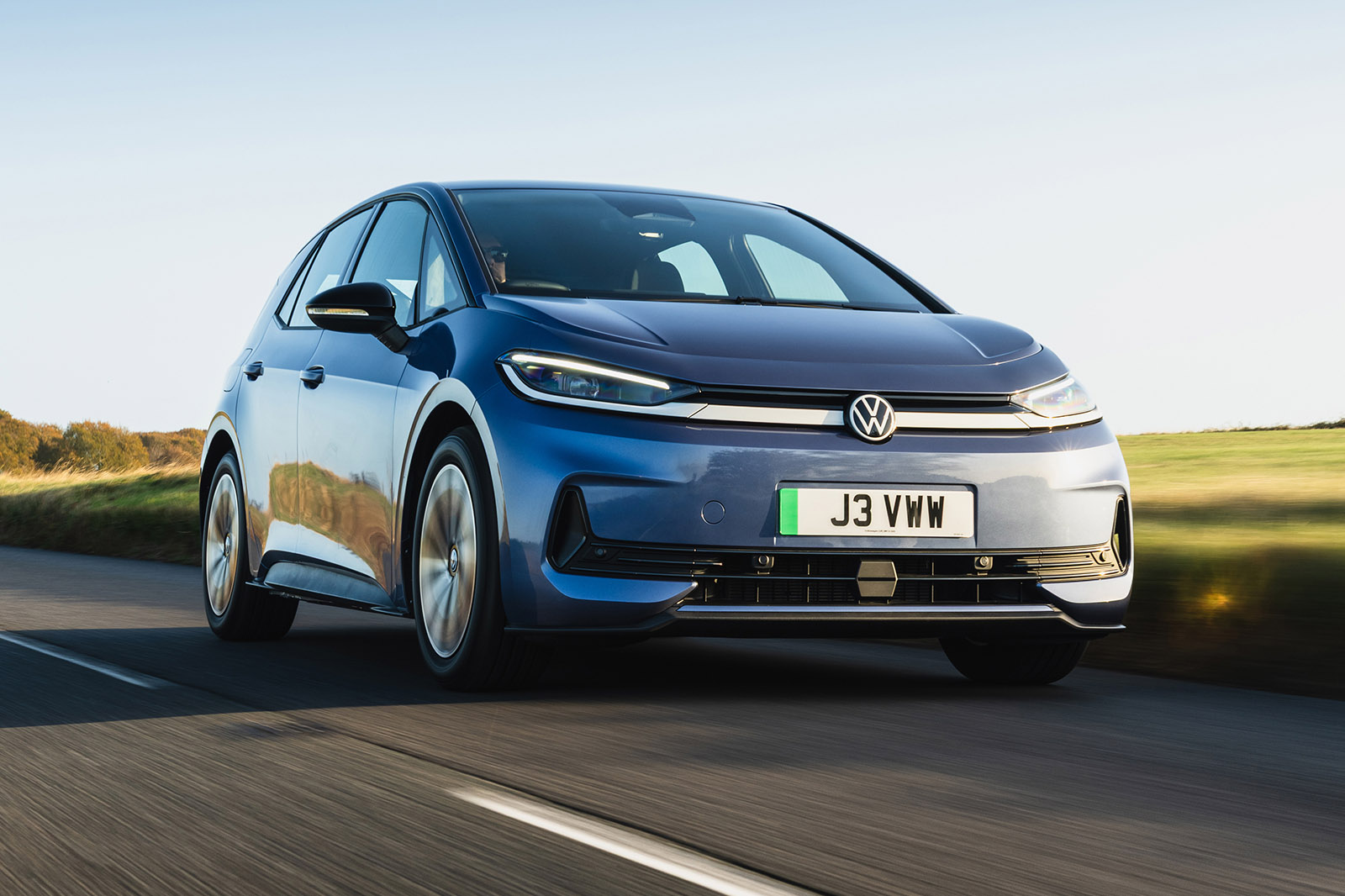
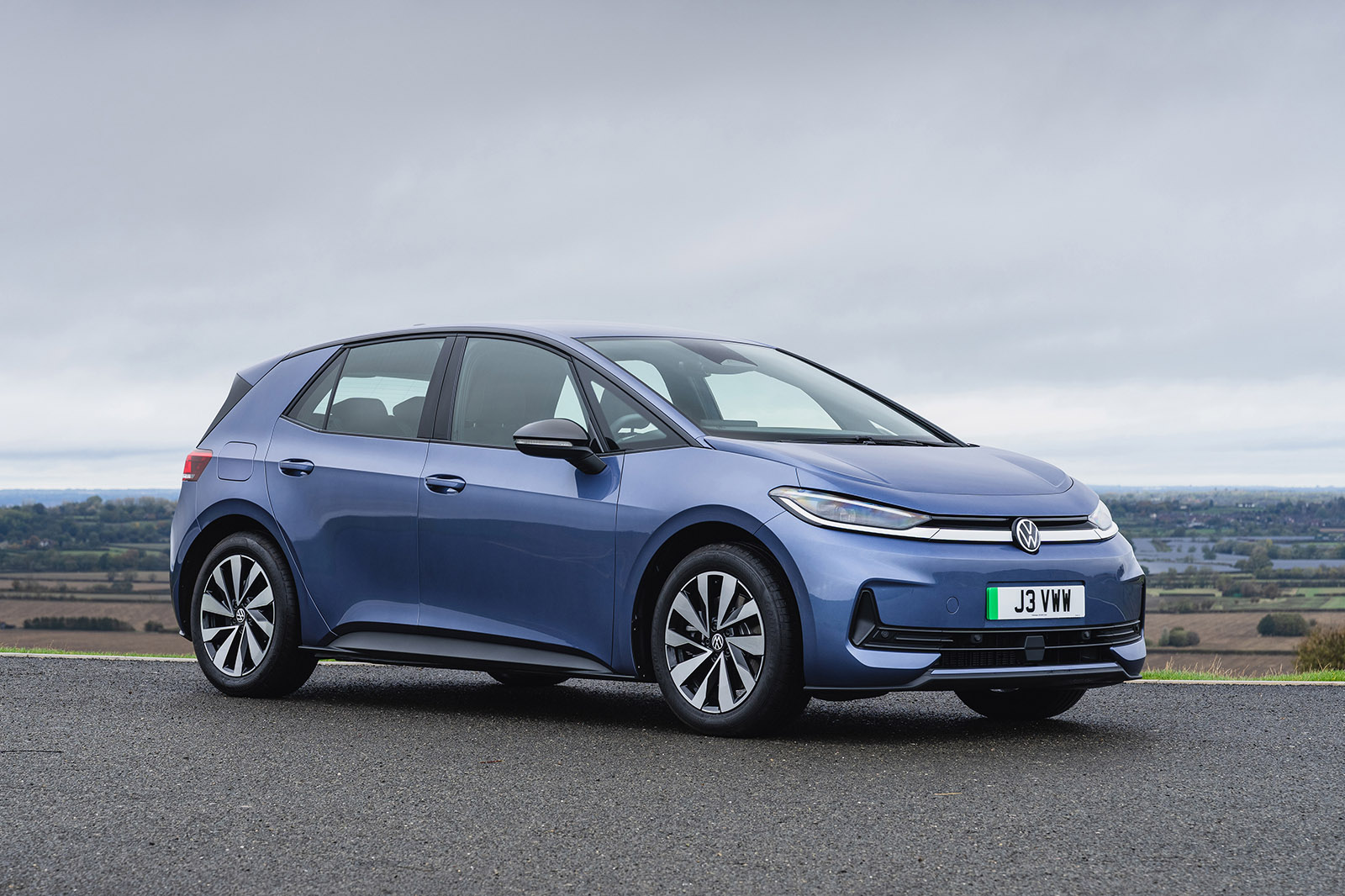
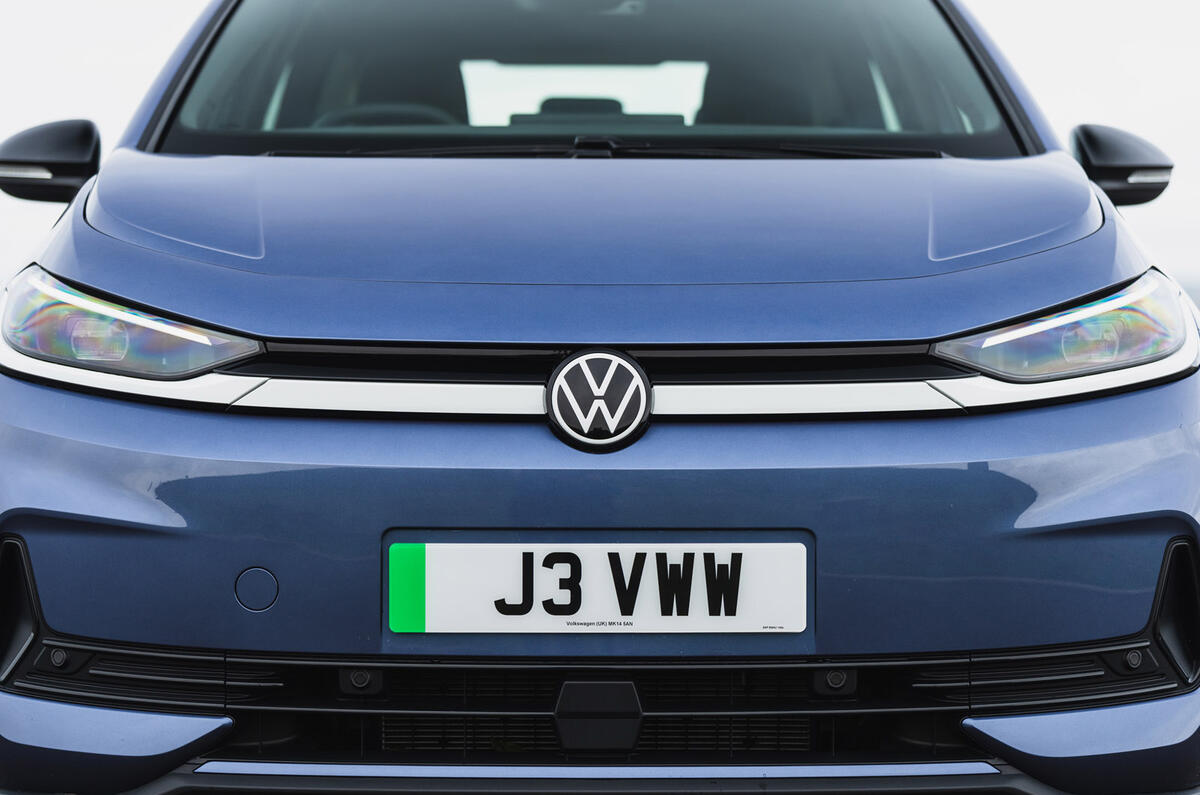
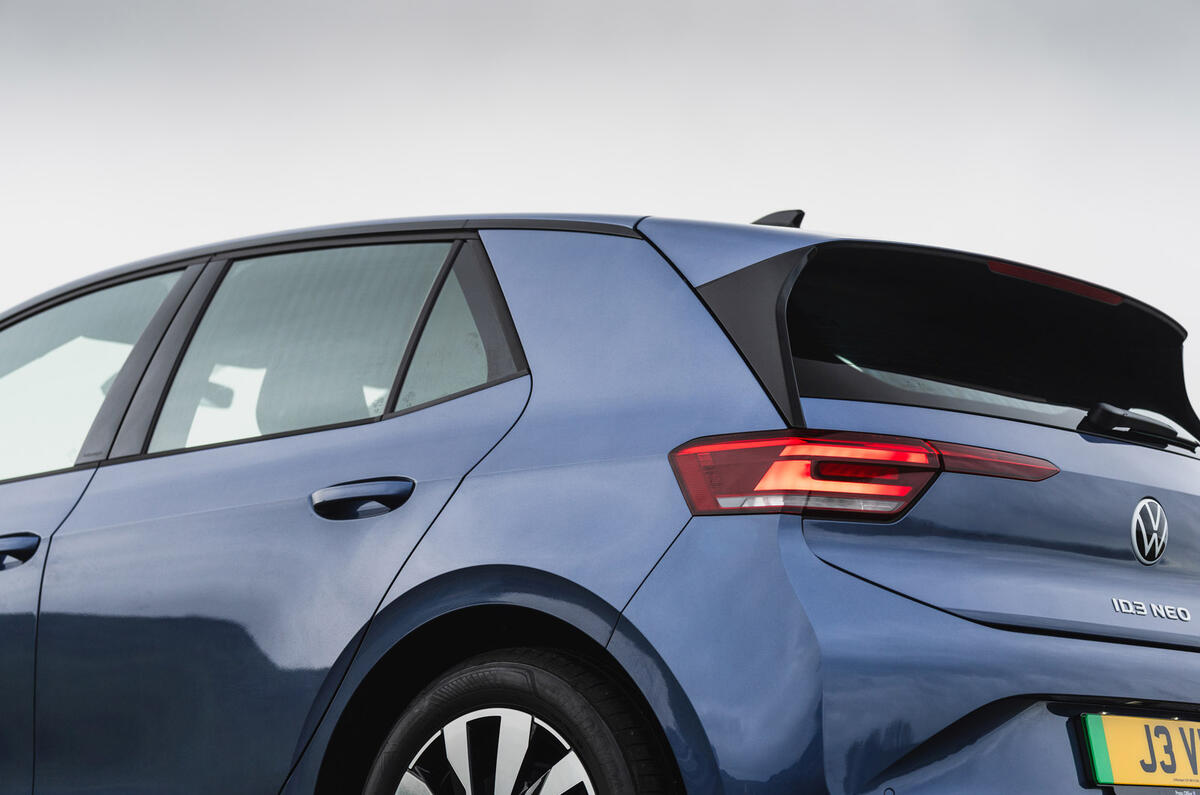
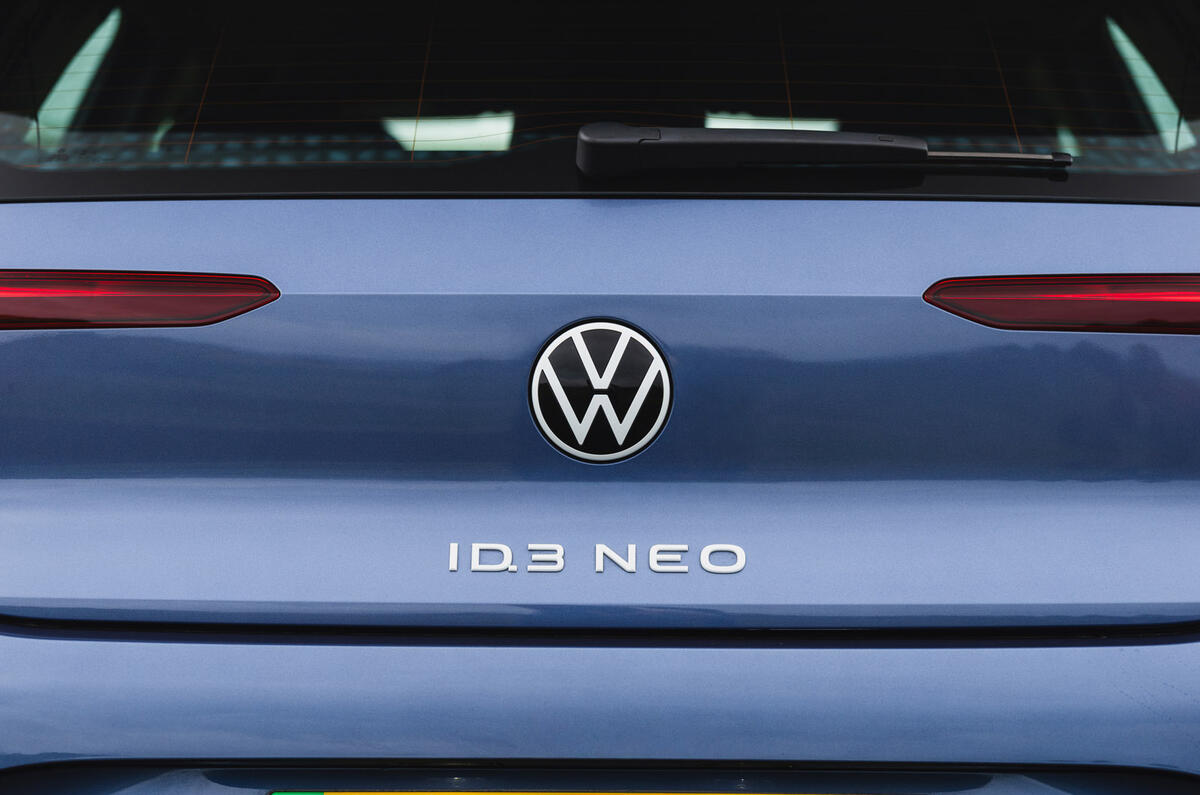
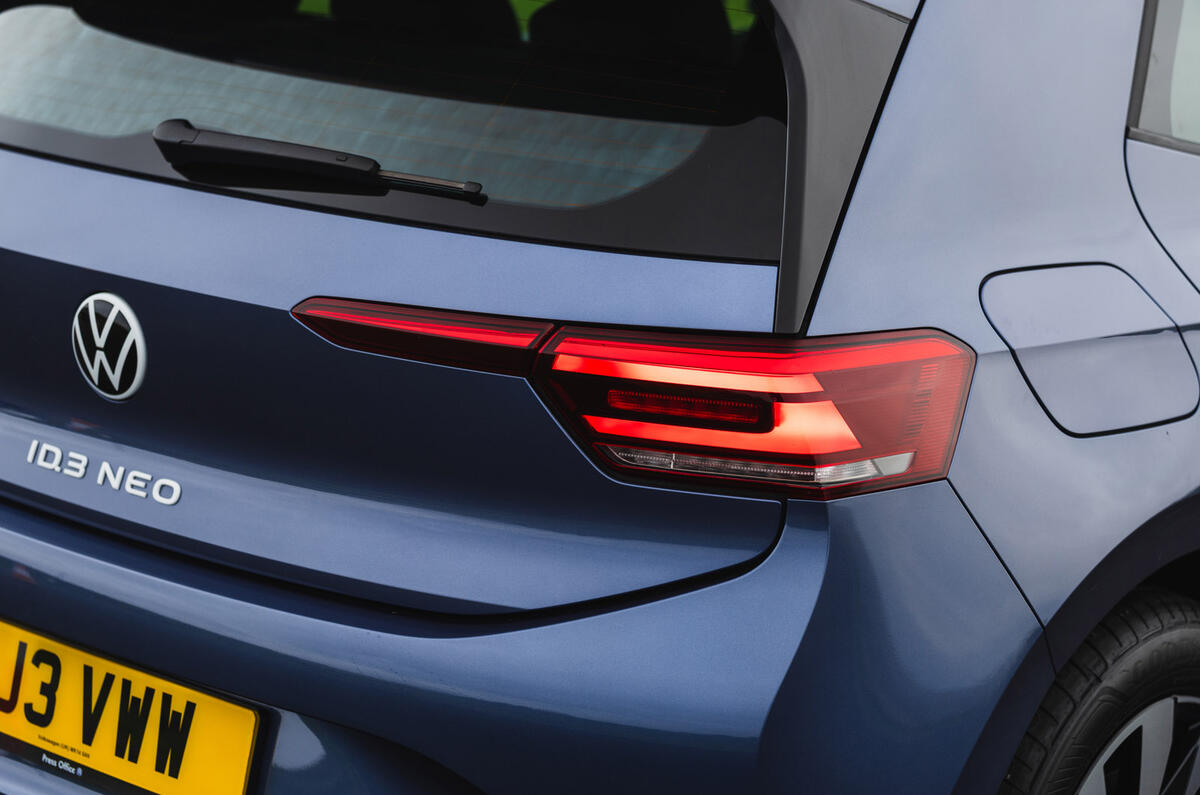
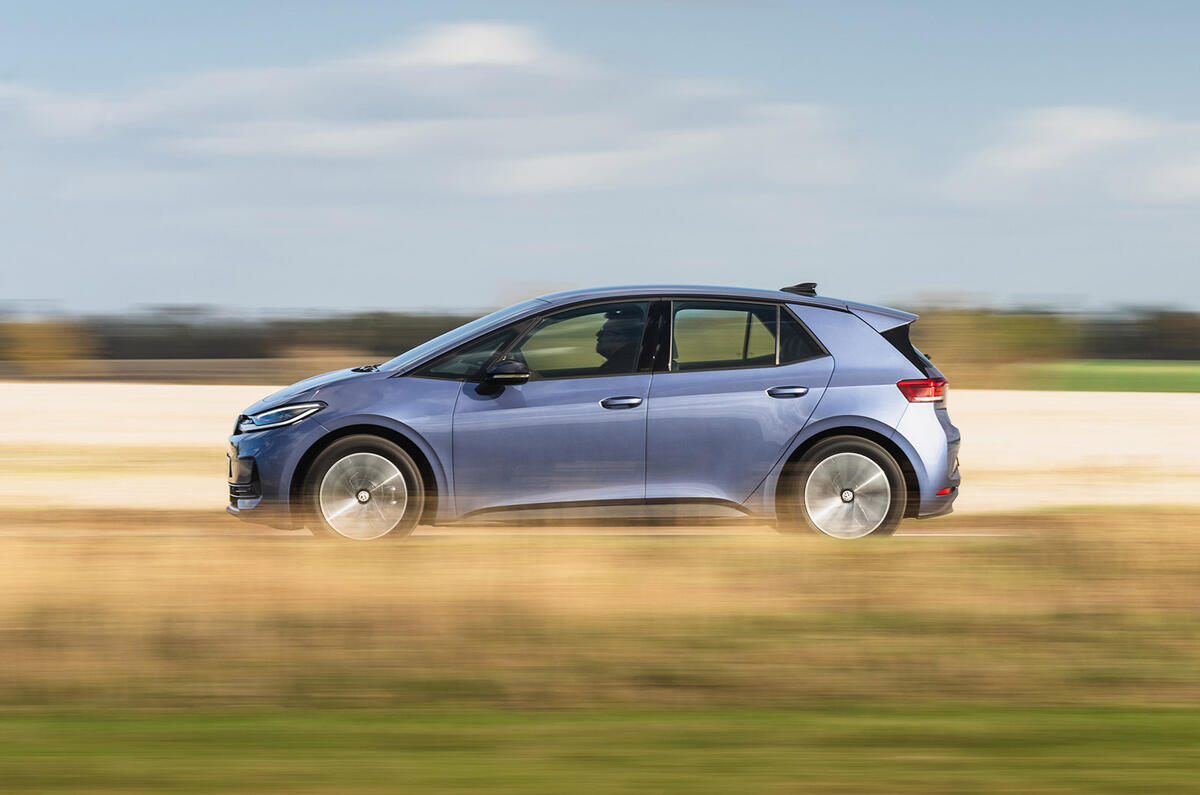
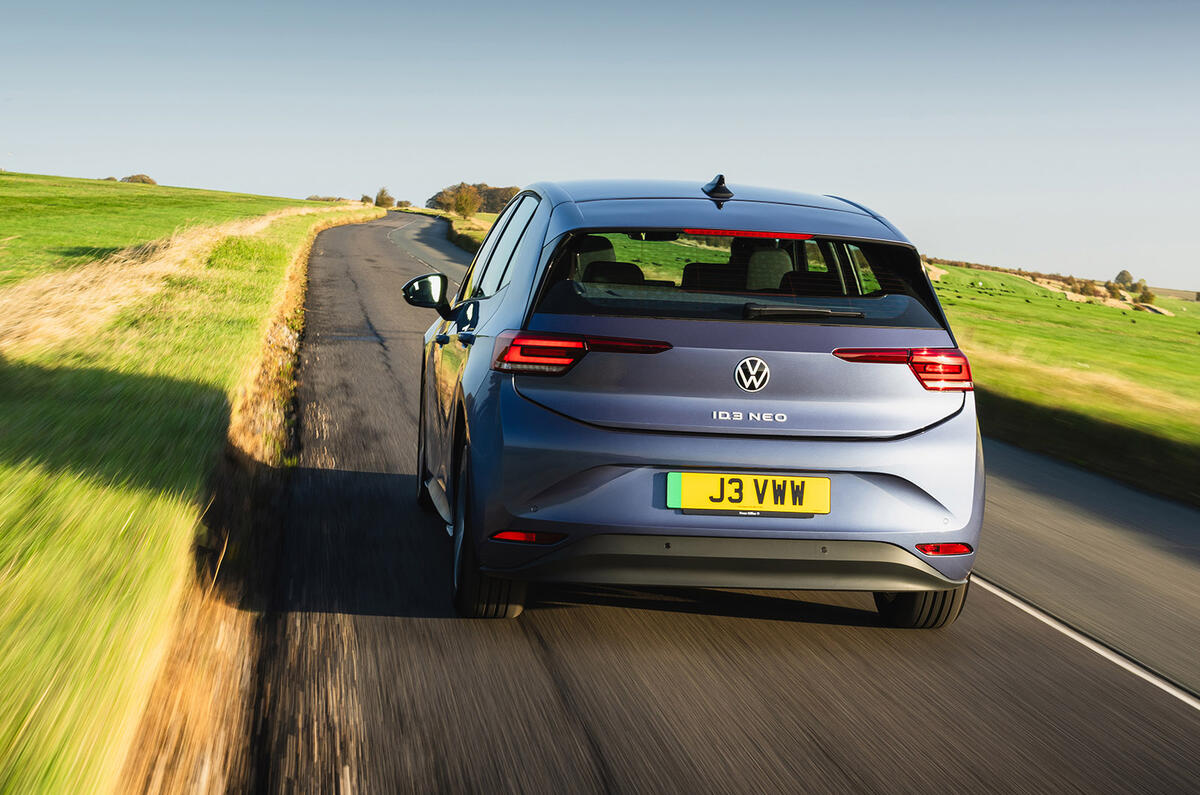
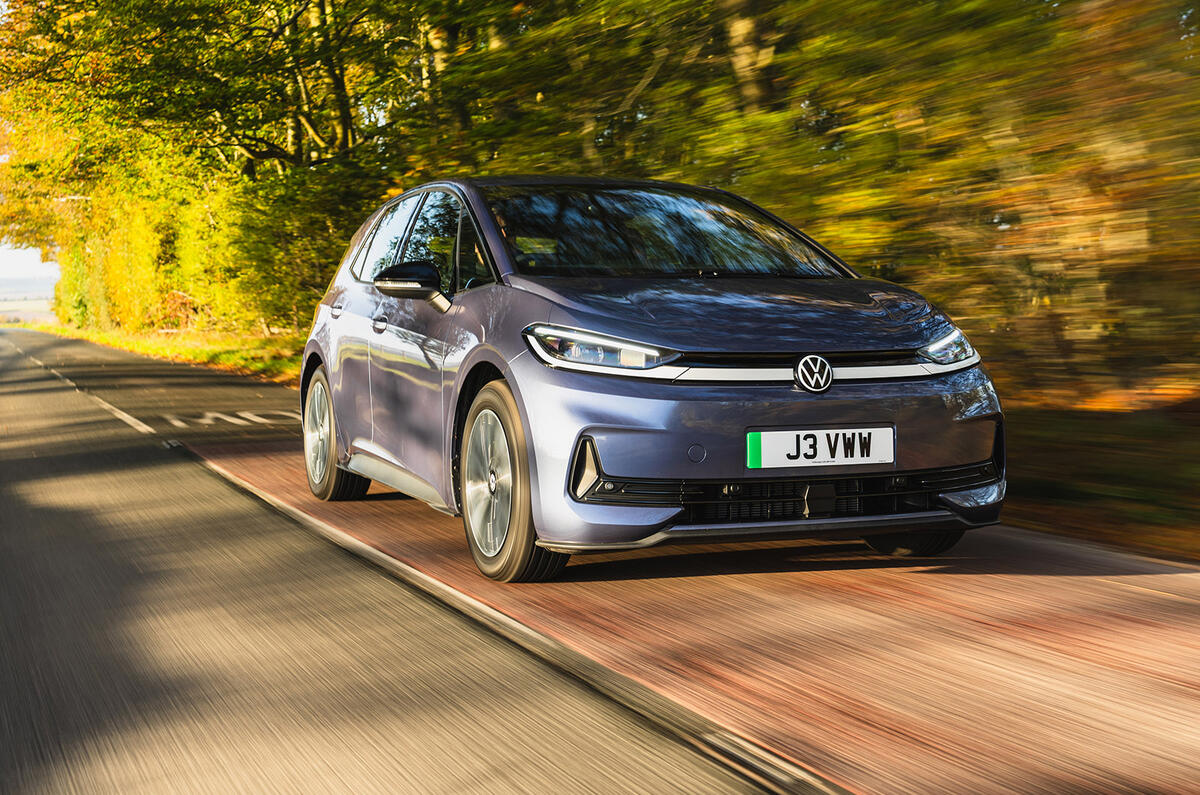
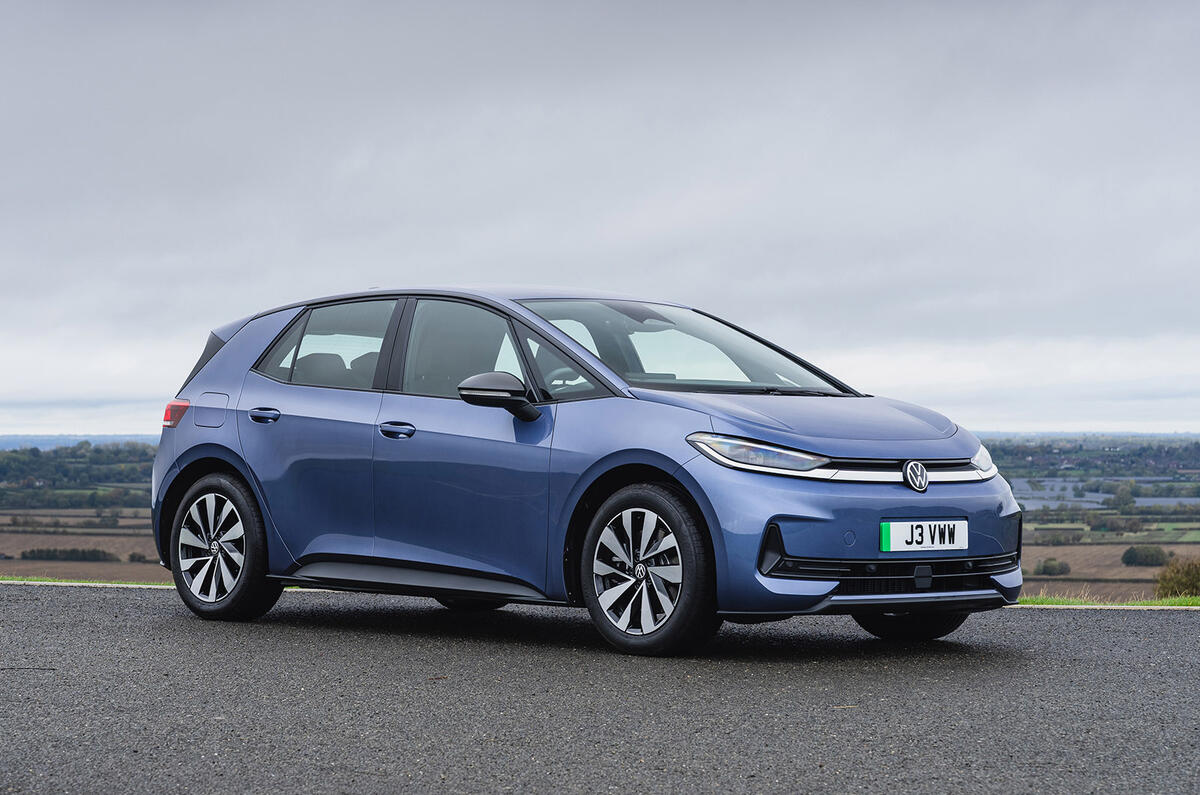
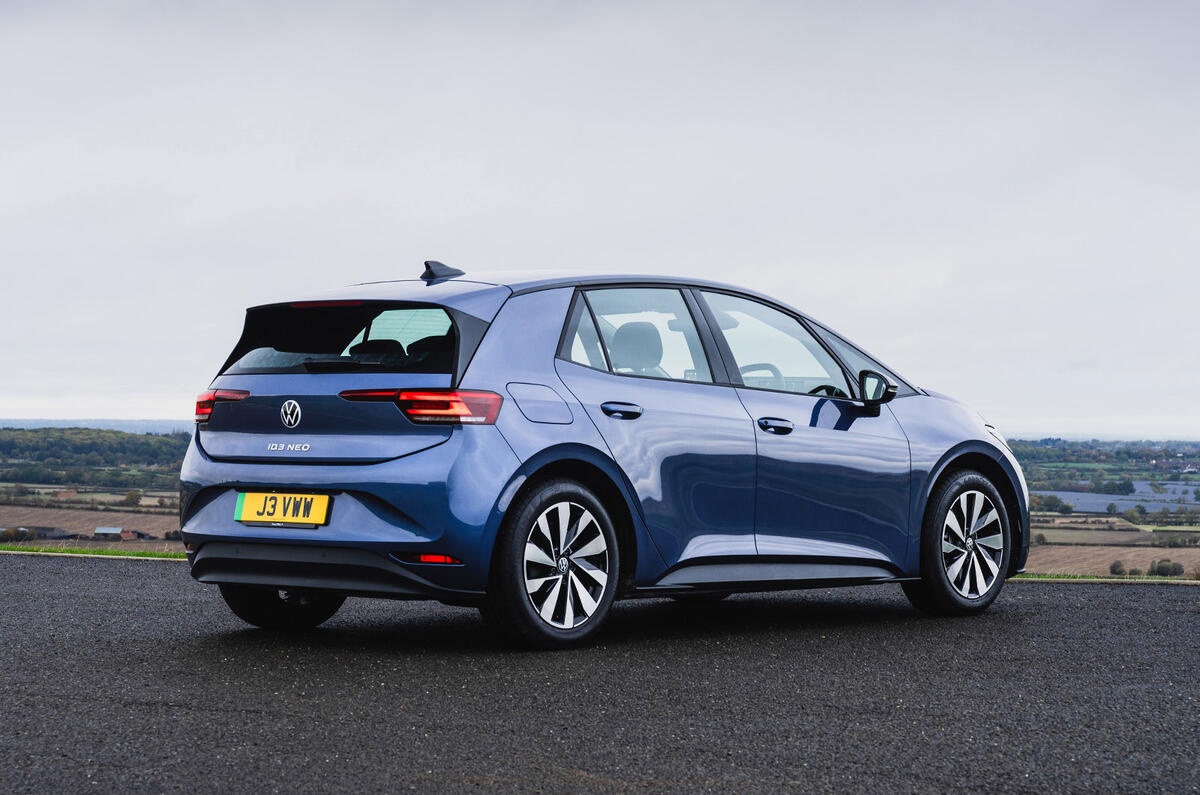
The new/neo ID 3 sits atop a modified version of the VW Group's MEB platform, called MEB+, still with a 400V electrical architecture but upgraded in lots of other key areas, and with revised, still MPV-ish styling. Curiously, other ID EVs are to be renamed after the ICE models to which they’re closest-aligned. Maybe the ID 3 isn’t considered Golfy enough in character?

At present there are three battery sizes, dependent on trim level, tied to three motor outputs: 50kWh and 168bhp; 58kWh and 188bhp; and, as tested here, 79kWh and 228bhp.

Life trim (from £33,080 to £36,995, excluding the government’s £1500 EV grant) comes in all flavours, better-equipped Style trim (£38,500-£40,000, ditto) in the top two only.

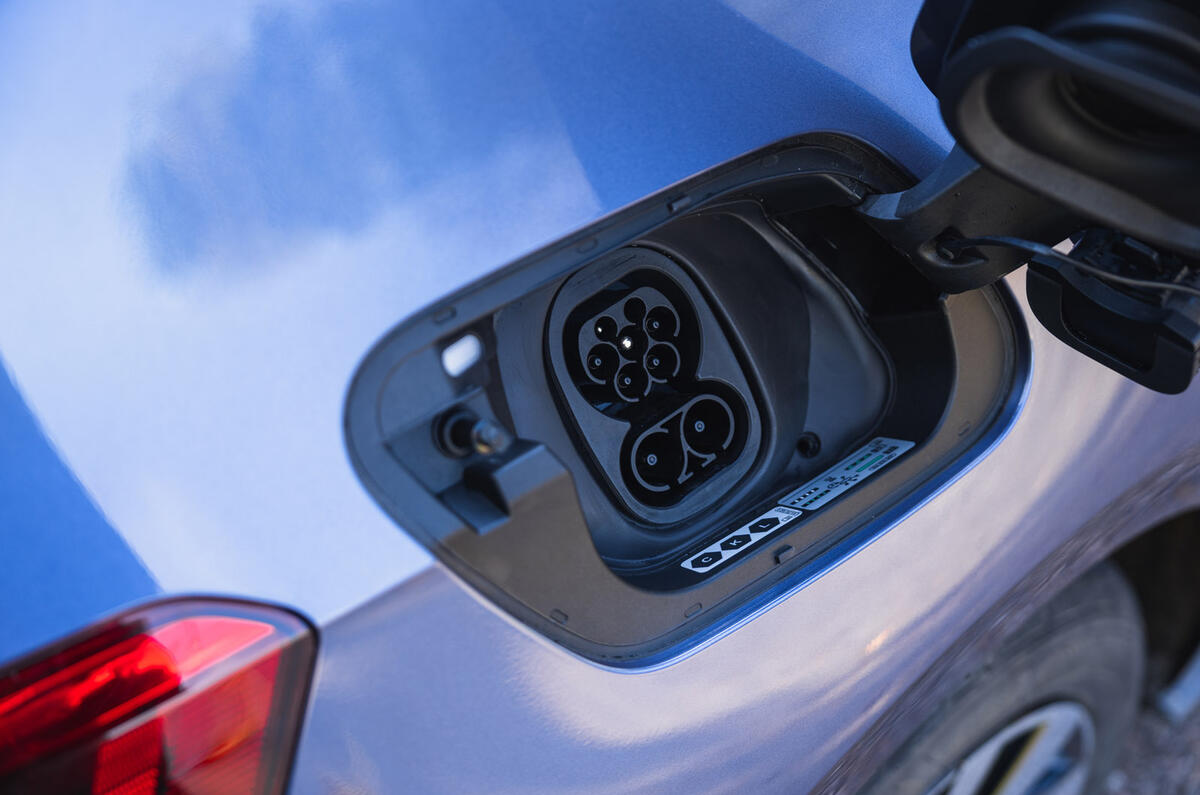
The longest range comes from the biggest battery, at 387 miles on the WLTP combined cycle in Style trim or 391 miles in Life trim, and a charging speed of up to 183kW.

INTERIOR

VW ID3 NEO review 2026 149

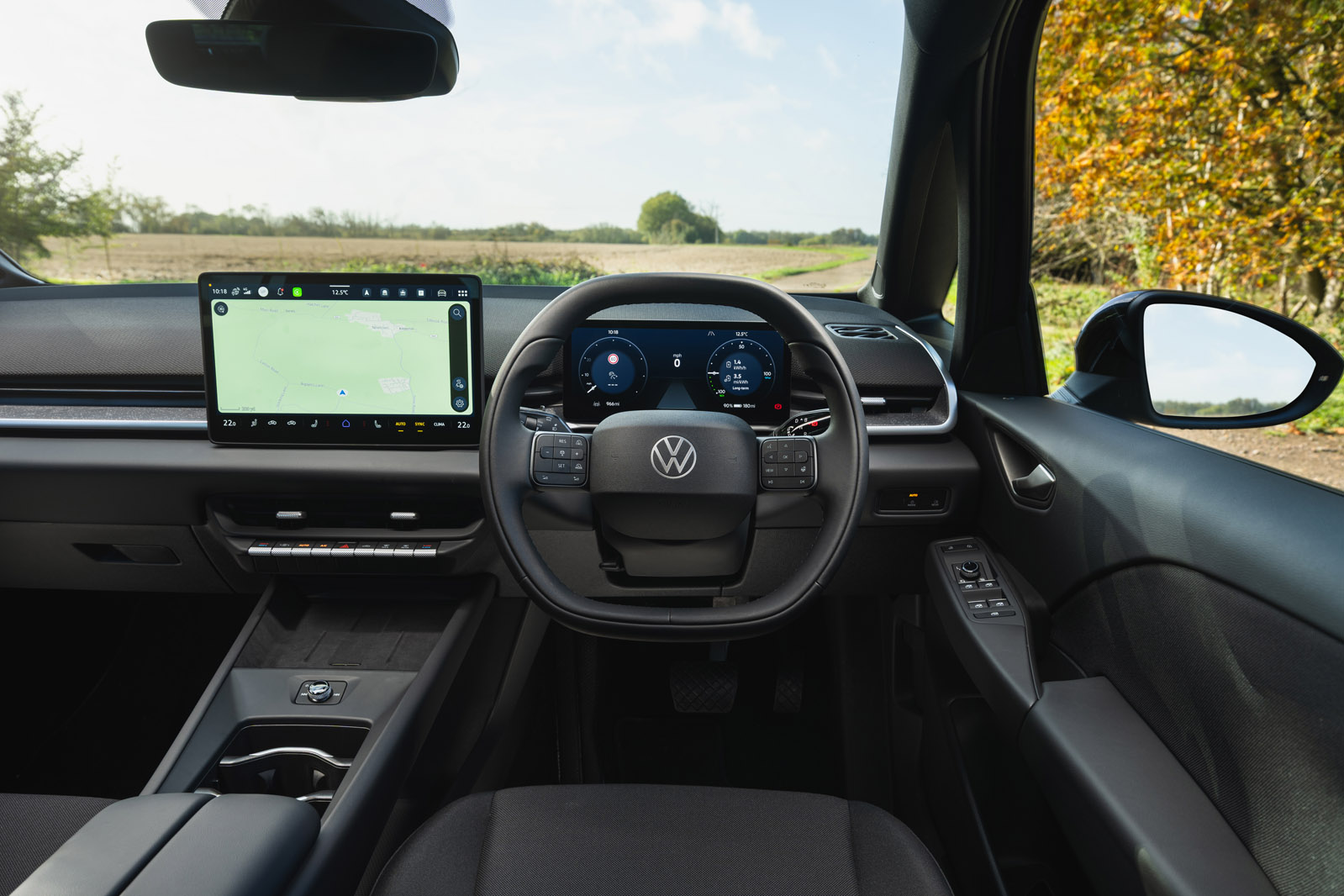
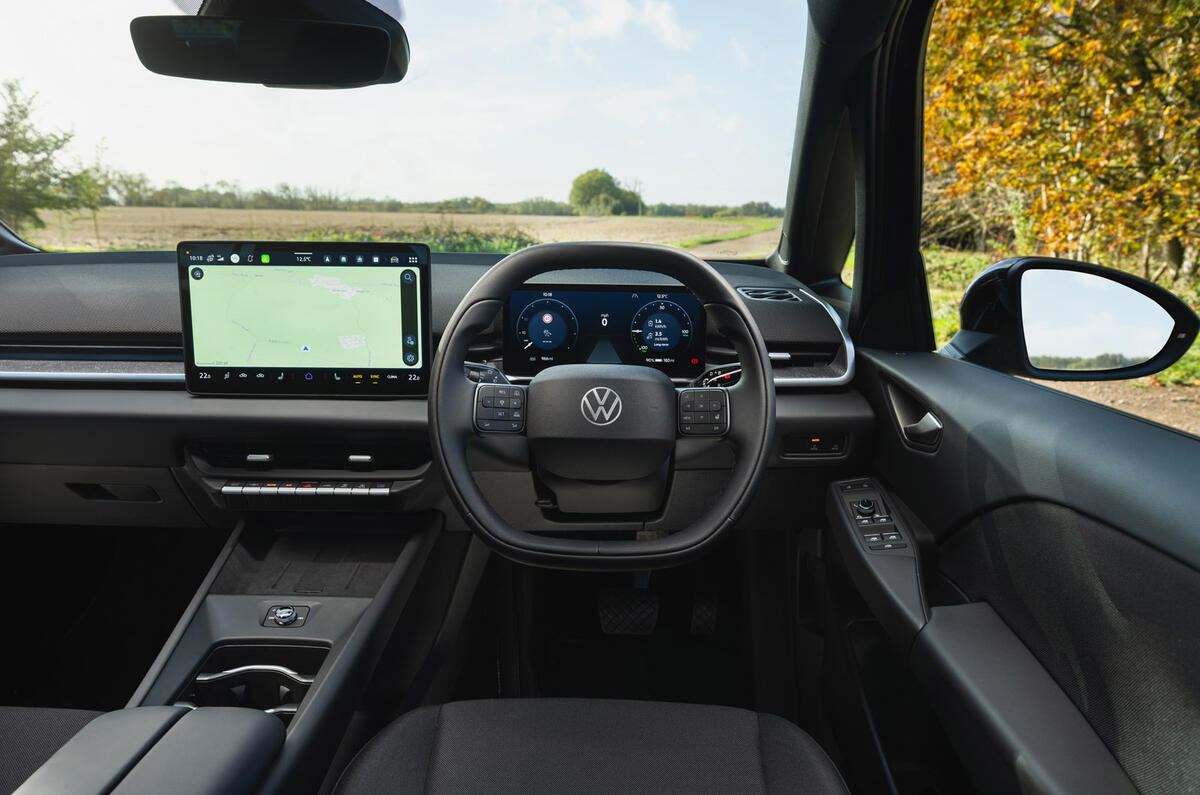
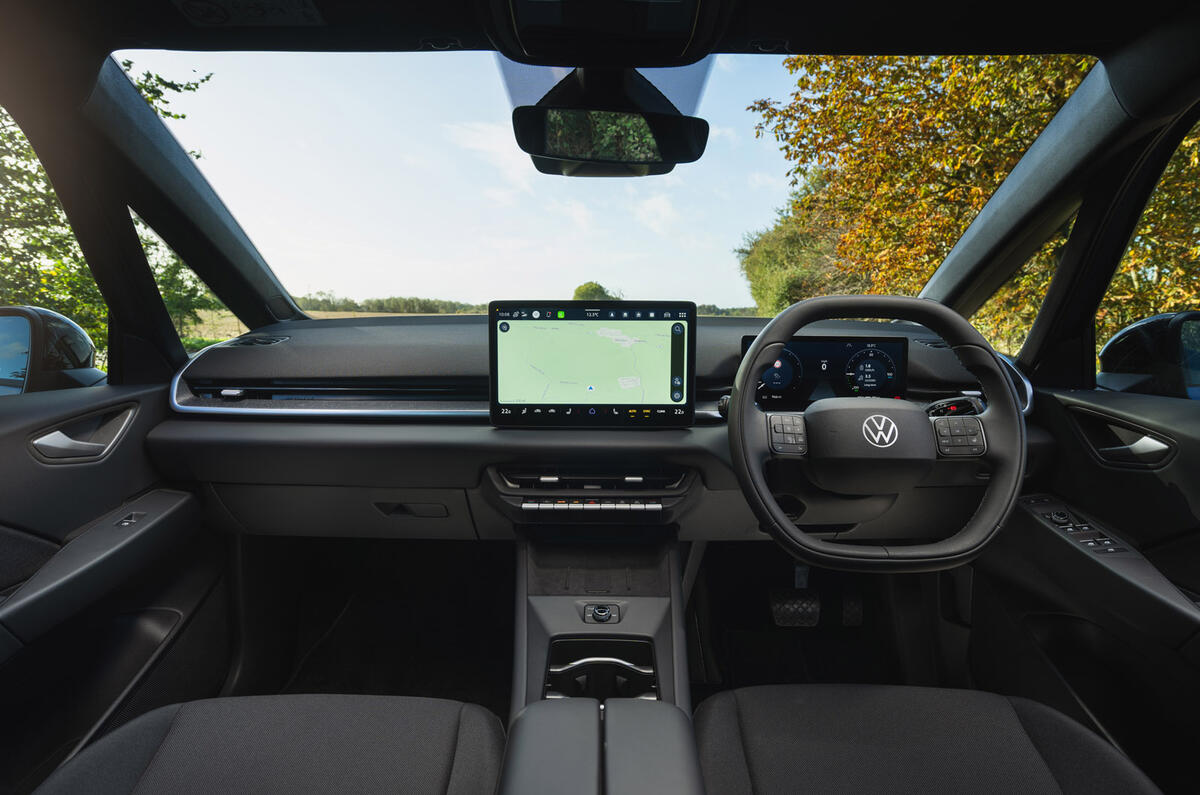
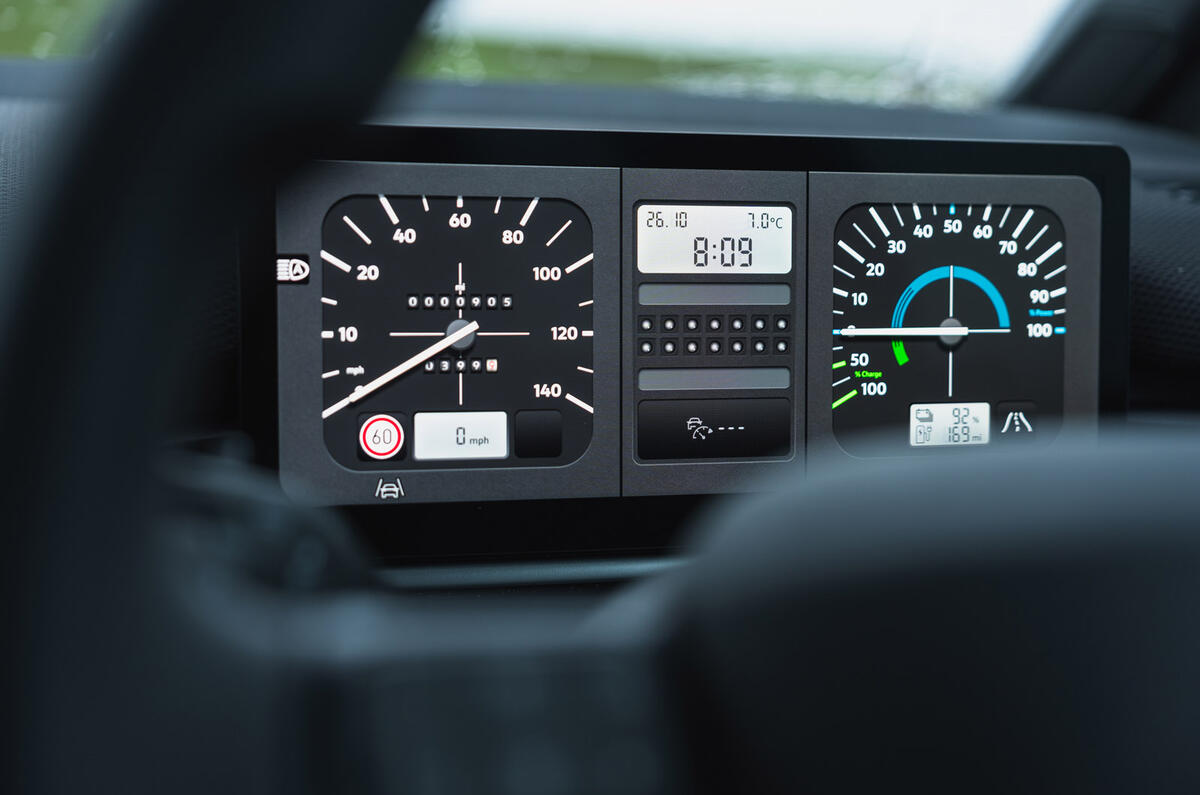
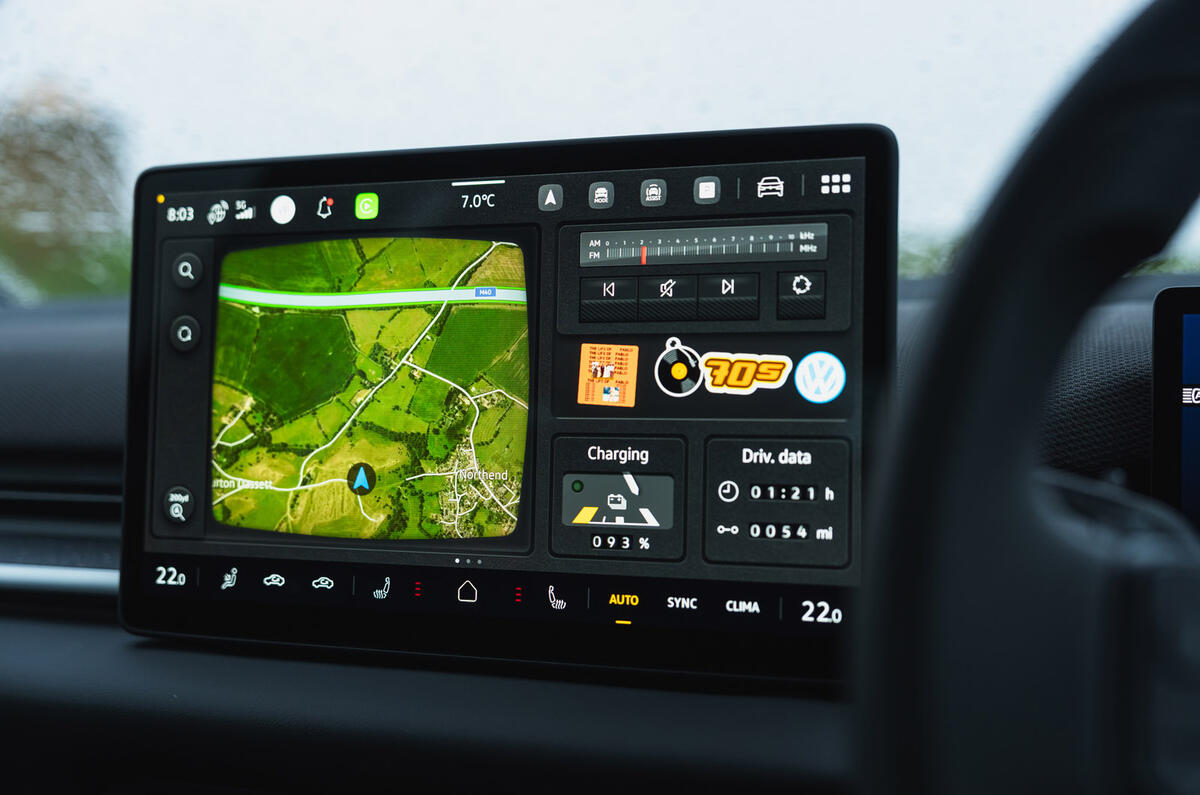
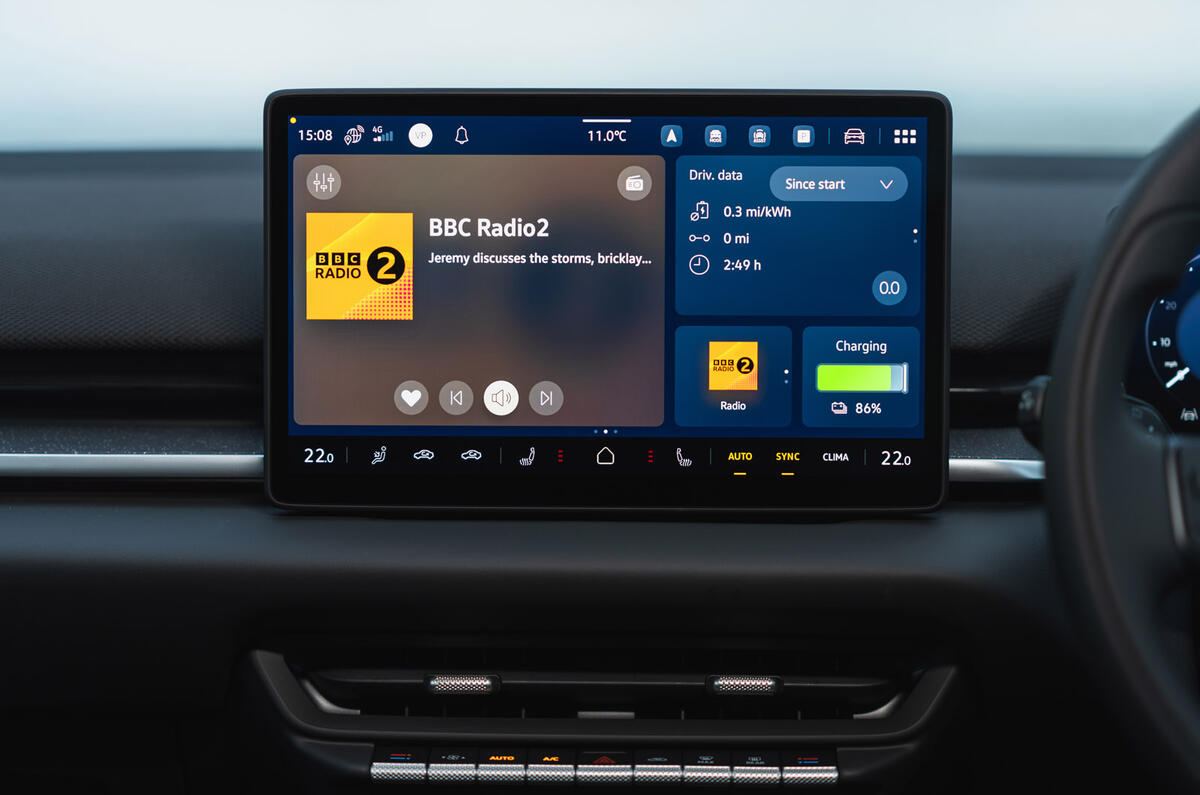
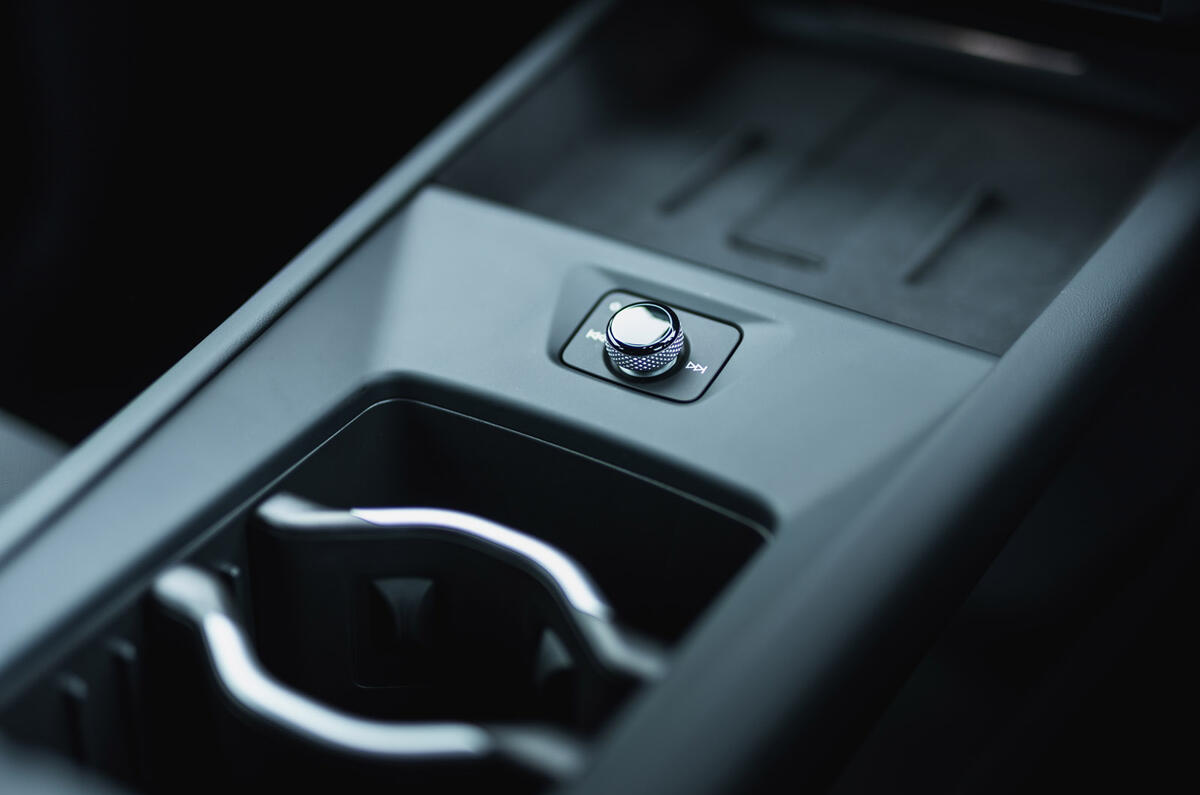
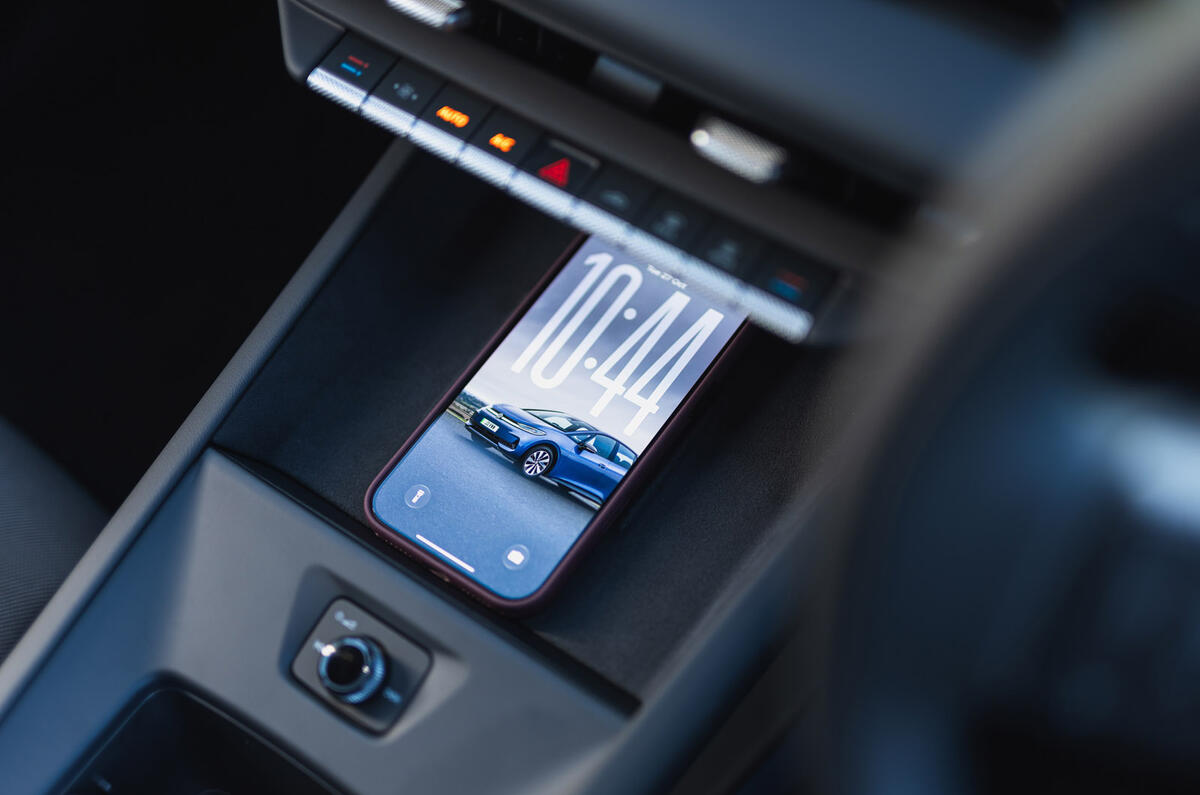
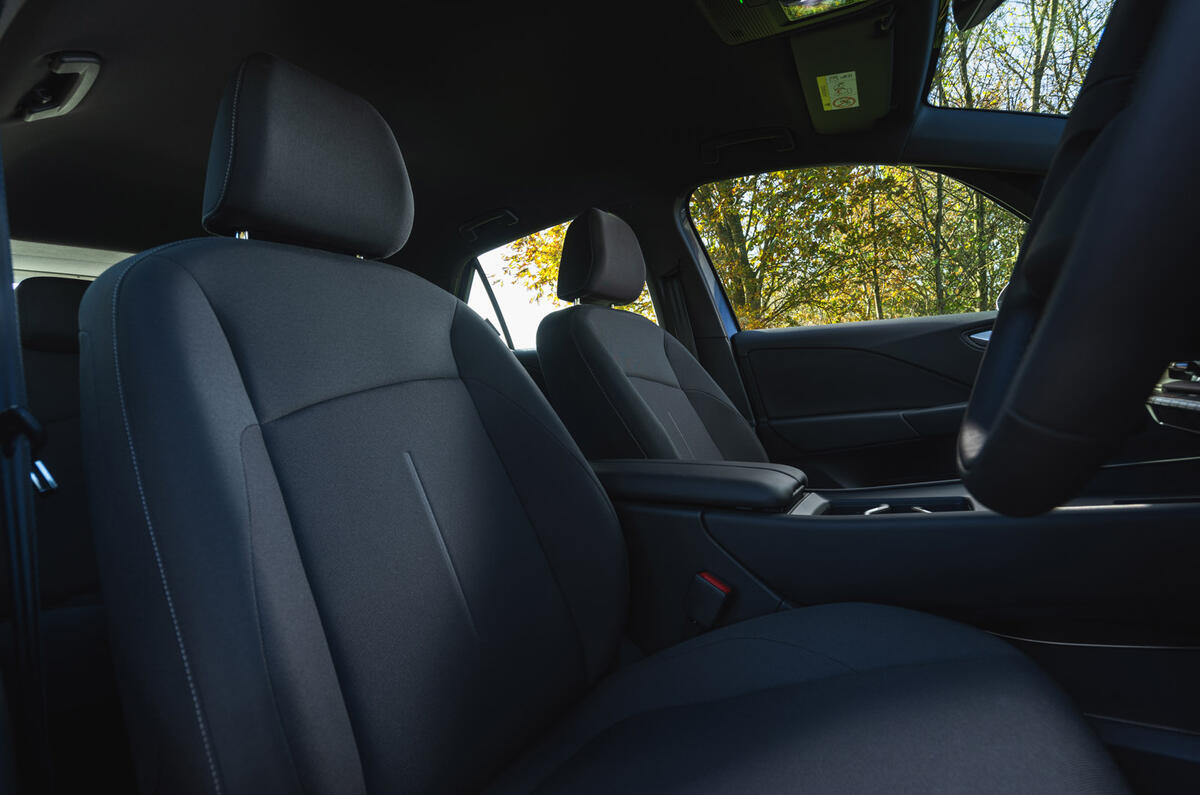
The first thing I do after seating myself in the Neo is turn down the stereo, which takes the merest intuitive flick of a rotary dial on the centre console. What precious new joy is this? Whatever else I think of Volkswagen’s revised electric hatchback, the adoption of buttons has already partly won me over.

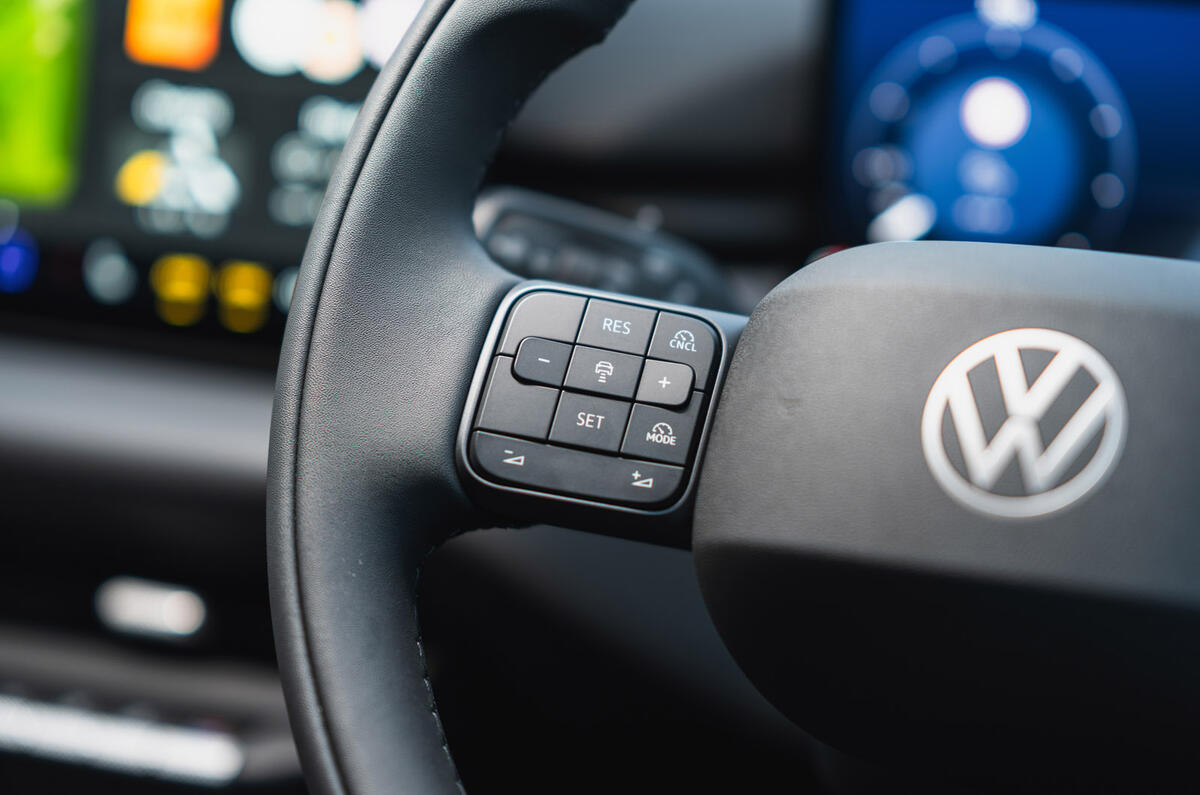
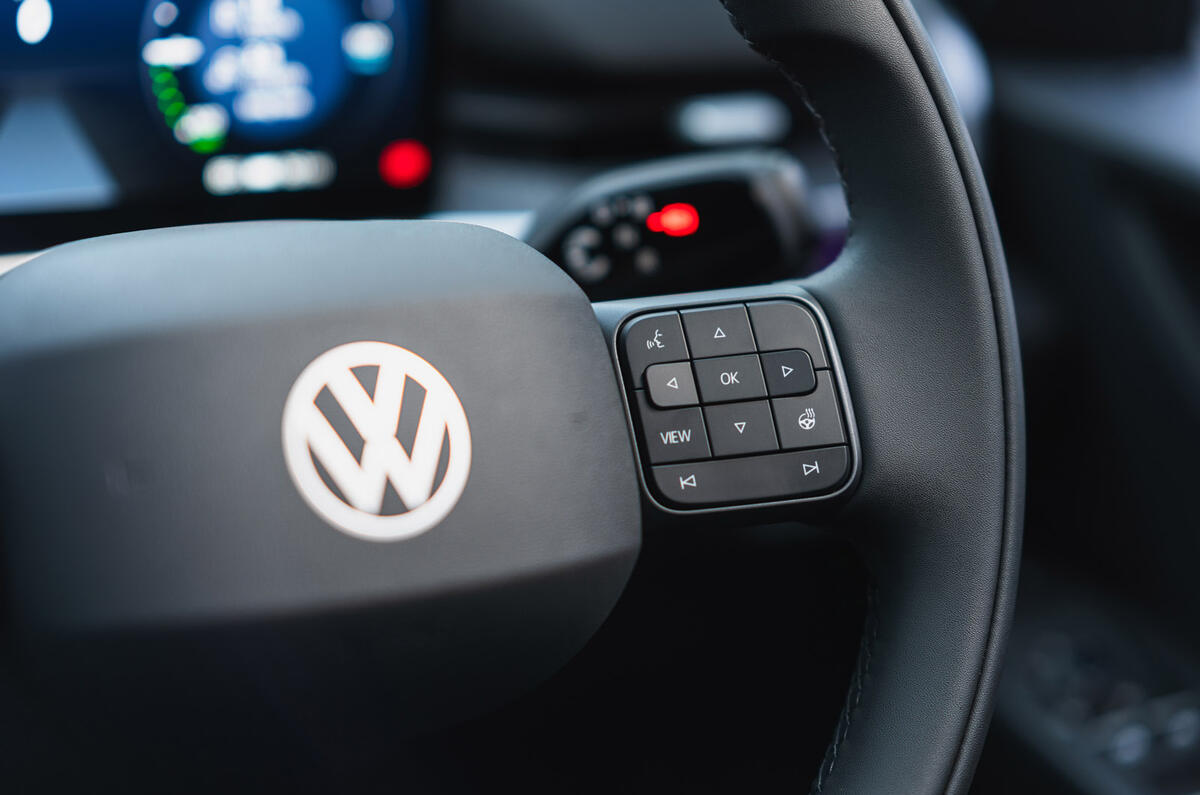
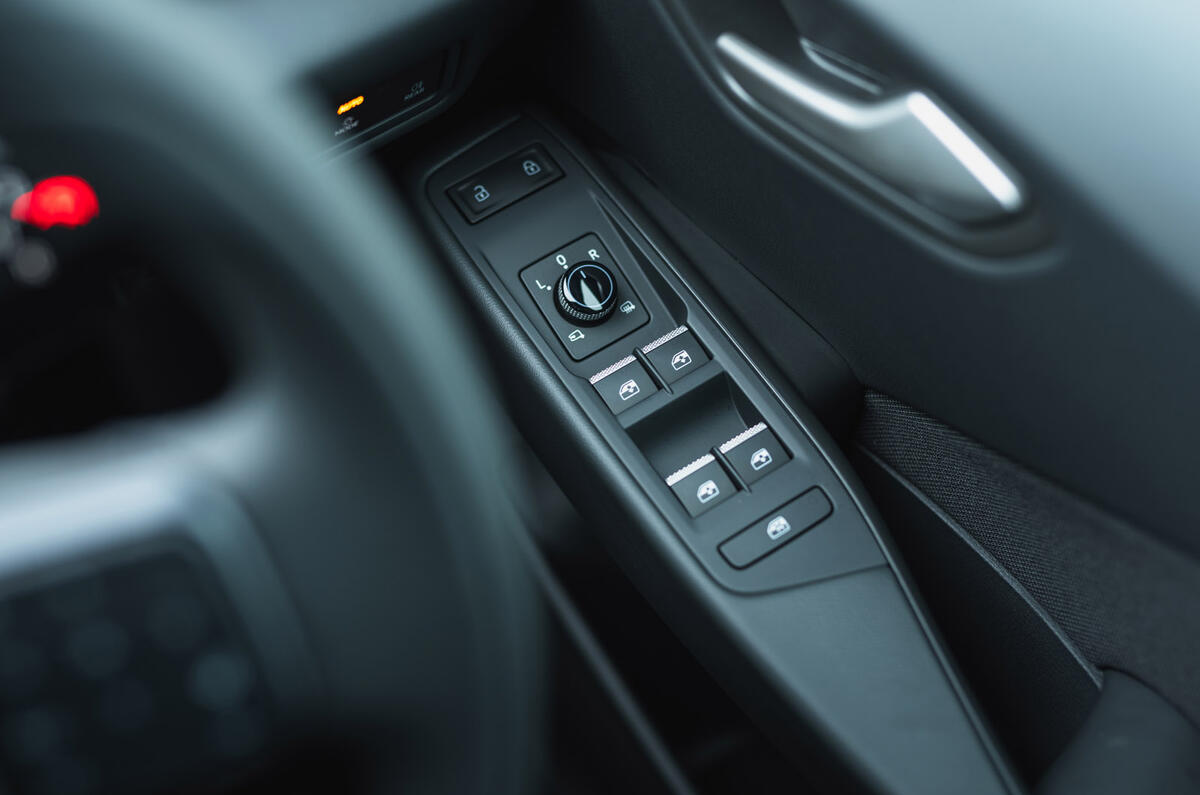
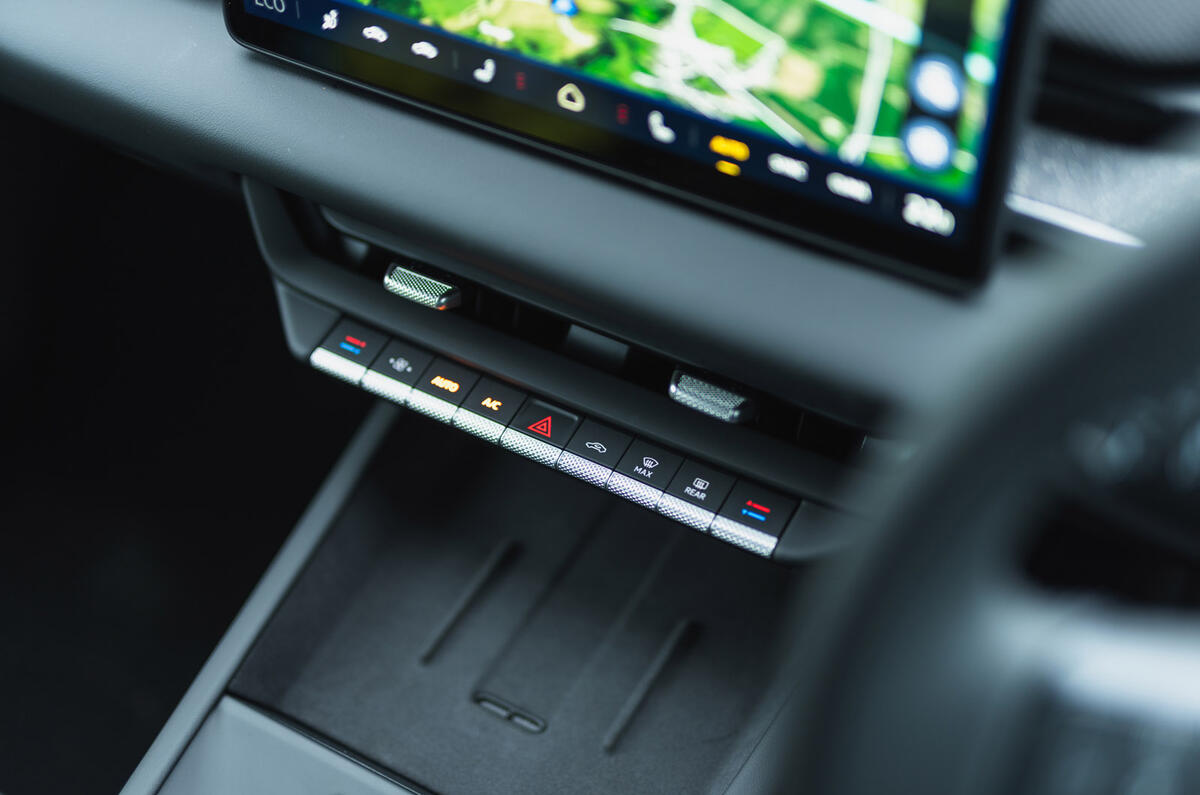
It’s far from the only welcome new one inside the cabin, too. There’s a row of neat proper heater controls running along the leading edge of the dashboard, while on the two-spoke steering wheel there are more, which you won’t accidentally flick while turning the wheel, and on the driver’s door there are four individual window switches and a wing-mirror adjuster. There are feelable light switches on the dash.

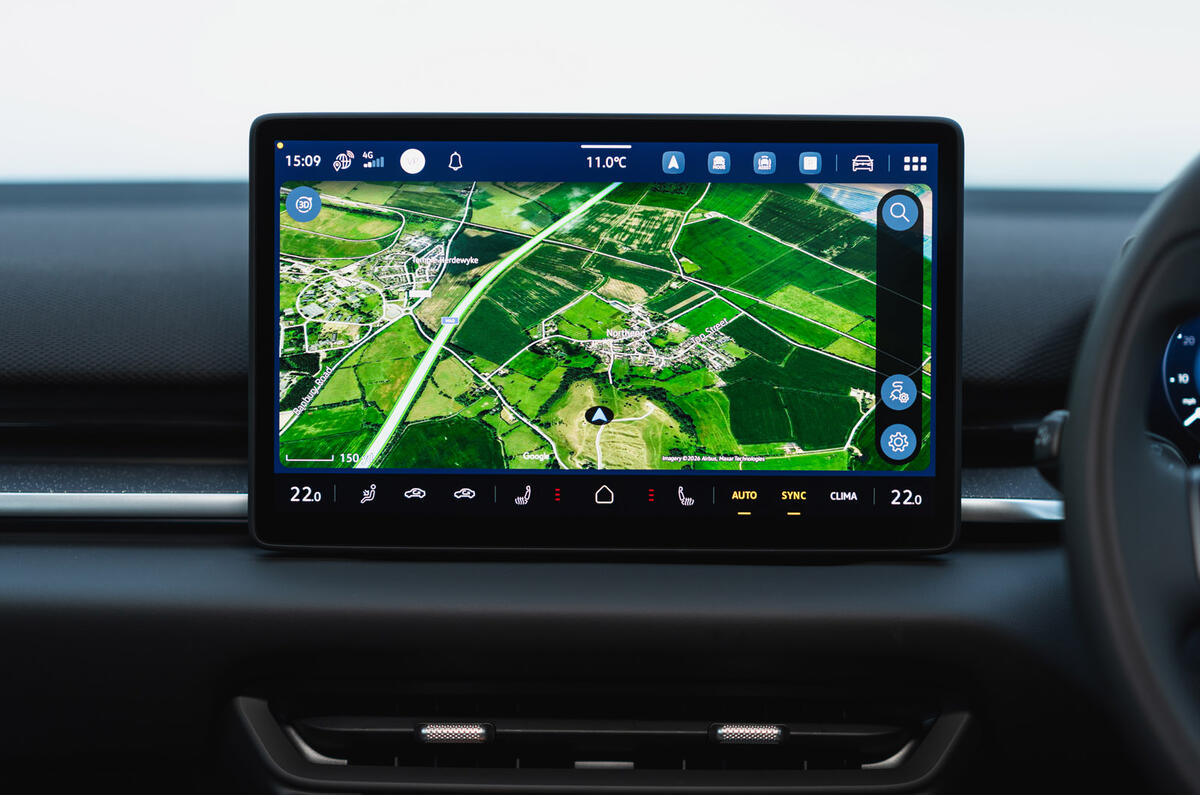
And while, yes, there is a big touchscreen in the centre, there’s a generous thumb rest beneath it, which is mercifully unburdened by volume or temperature sliders. It has some big, simple icons too.

Finally. We’ve bitched about it enough, so have customers and the manufacturer has listened. It makes a tremendous difference to how annoying this car isn’t.

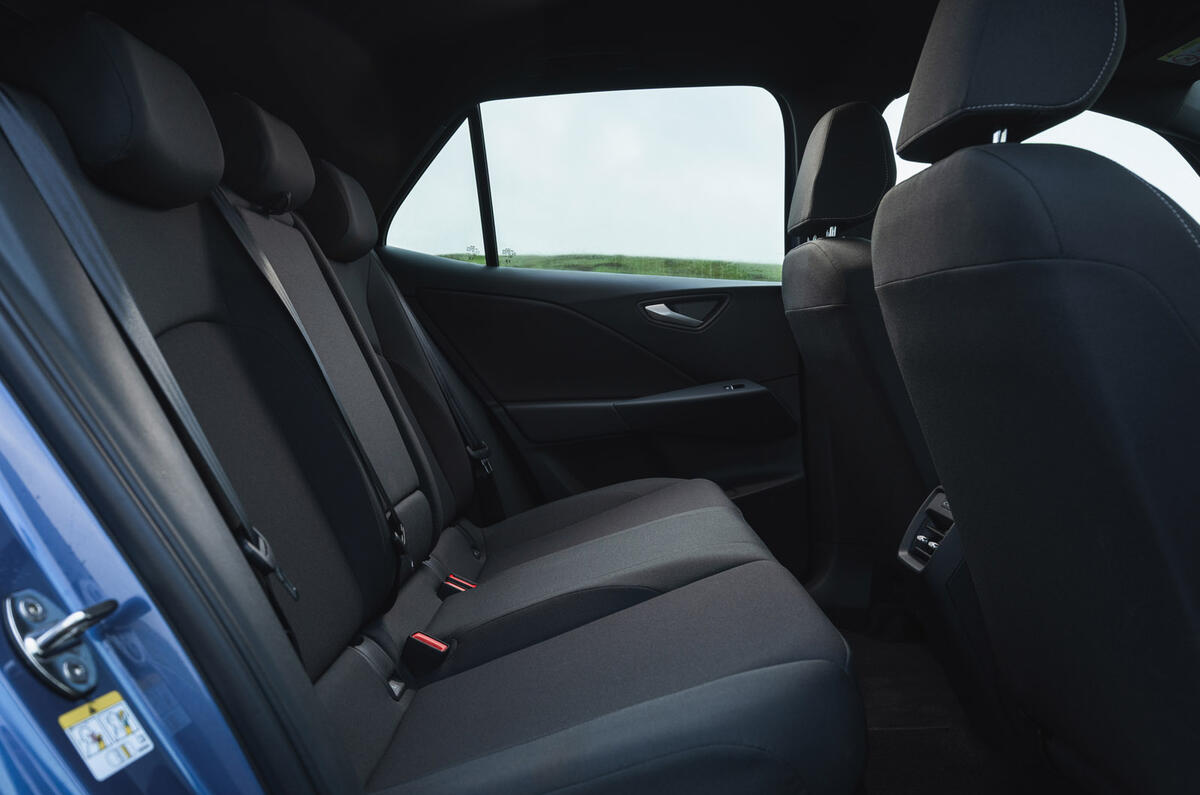
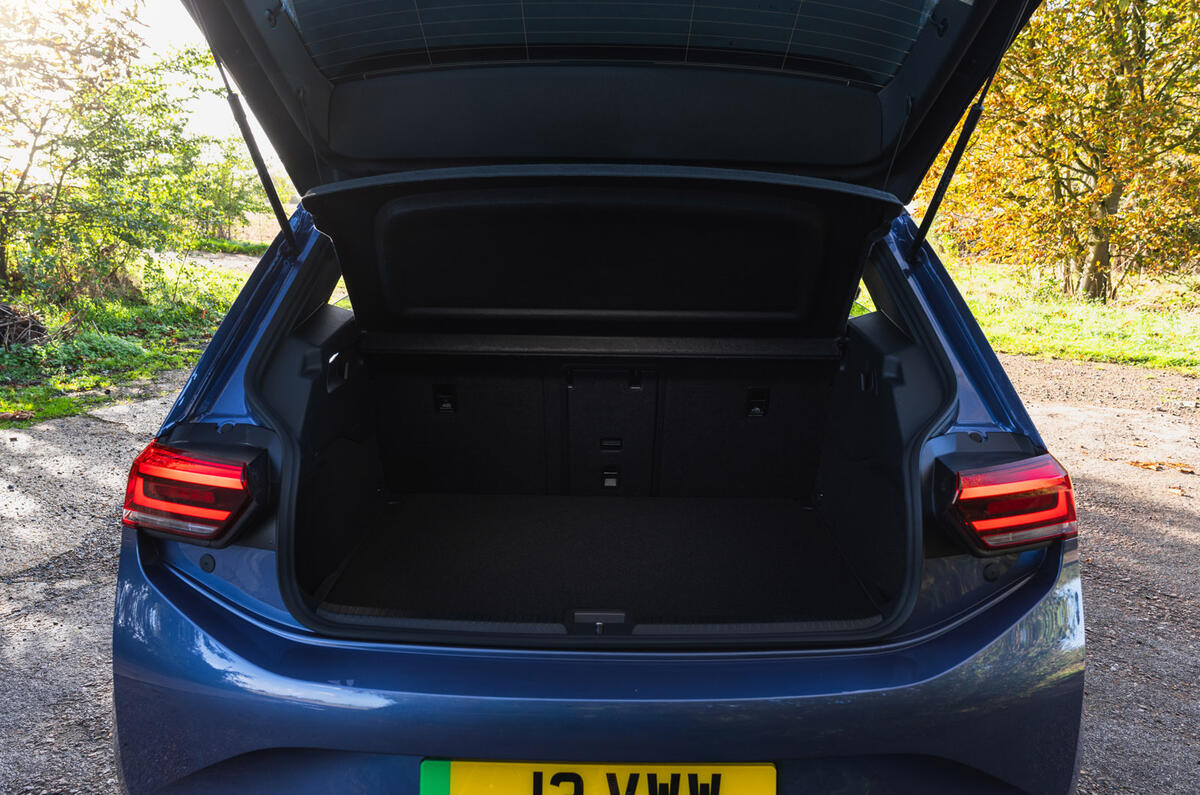
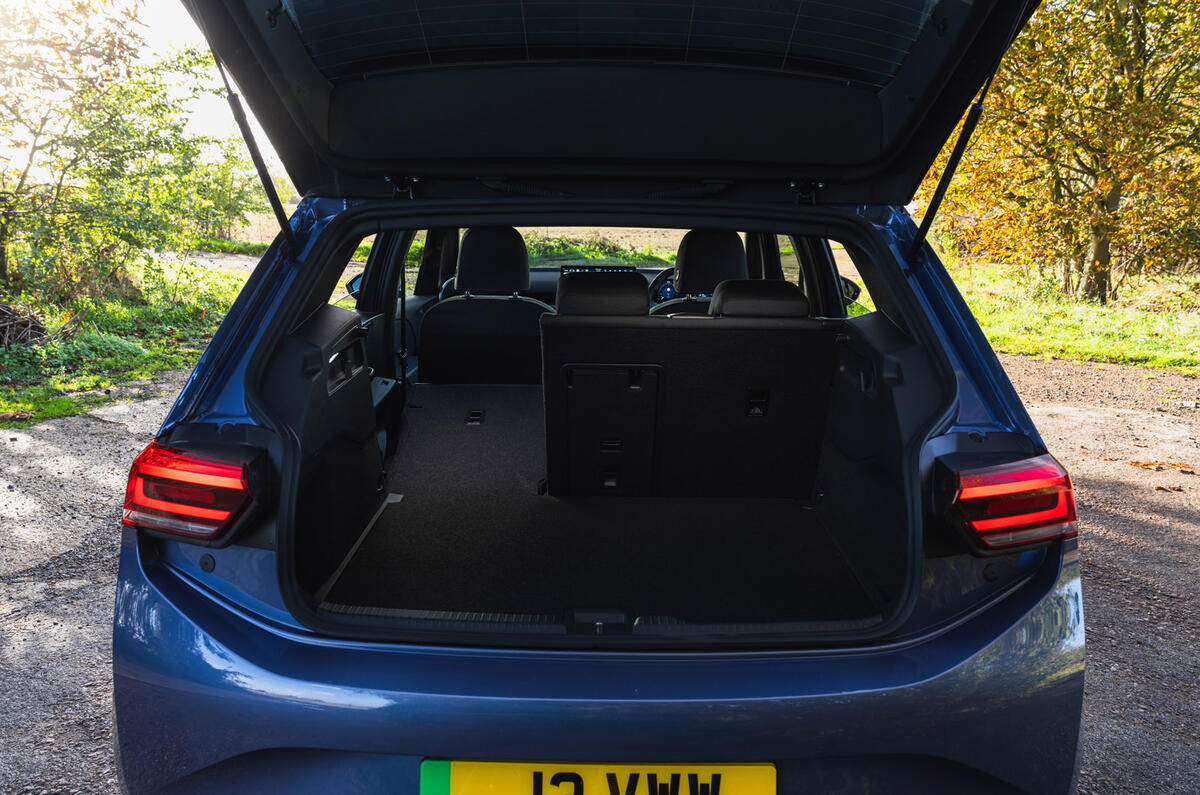
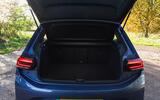
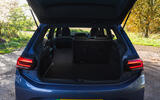
Material quality feels good. Also prominent among the ID’s strengths is packaging: within its 4.26m length it squeezes fine front and rear accommodation and a 383- to 1336-litre boot.

The cabin is light and airy, with a low window line and a distant-placed windscreen, all quite MPV-adjacent, right down to pretty thick A-pillars behind which it’s easy to lose sight of an approaching car at roundabouts.

ENGINES & PERFORMANCE

VW ID3 NEO review 2026 165

Outright pace is modest rather than really brisk, although that’s as much down to a measured, leisurely throttle response as anything: this 228bhp model gets from 0-62mph in 7.1sec, which was considered pretty fast not very long ago.

Instead Volksagen has set up the rear-driven powertrain’s delivery to be calm and very smooth, with a one-pedal option, the ability to stop itself at red lights and variable braking – although I found it responded more pleasingly without using those features.

RIDE & HANDLING

VW ID3 NEO review 2026 167

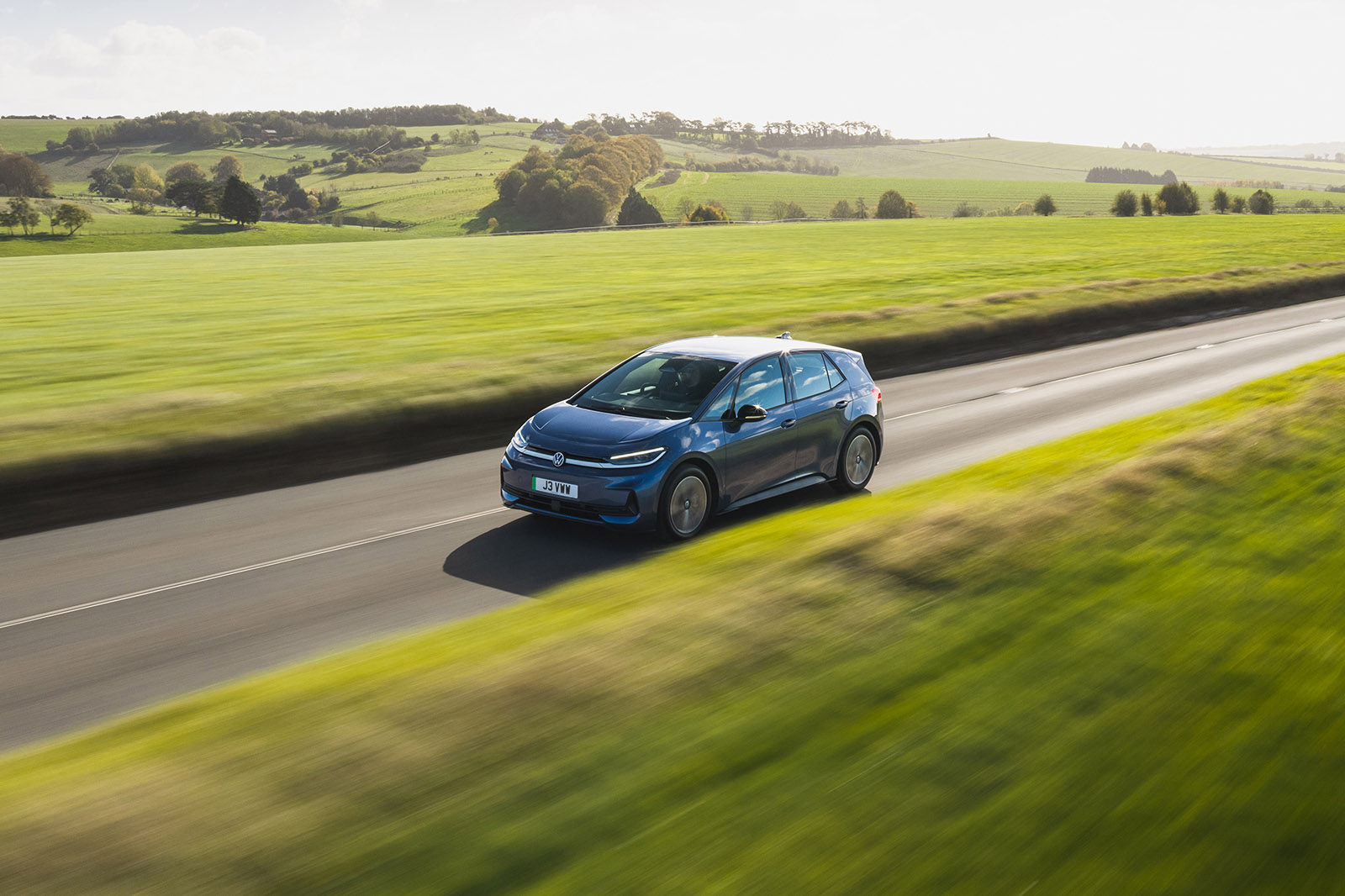
The steering is duly smooth, slick and Volkswageny, pitched at a light-medium weighting and paired with a chassis that’s meant to be tuned primarily for comfort.

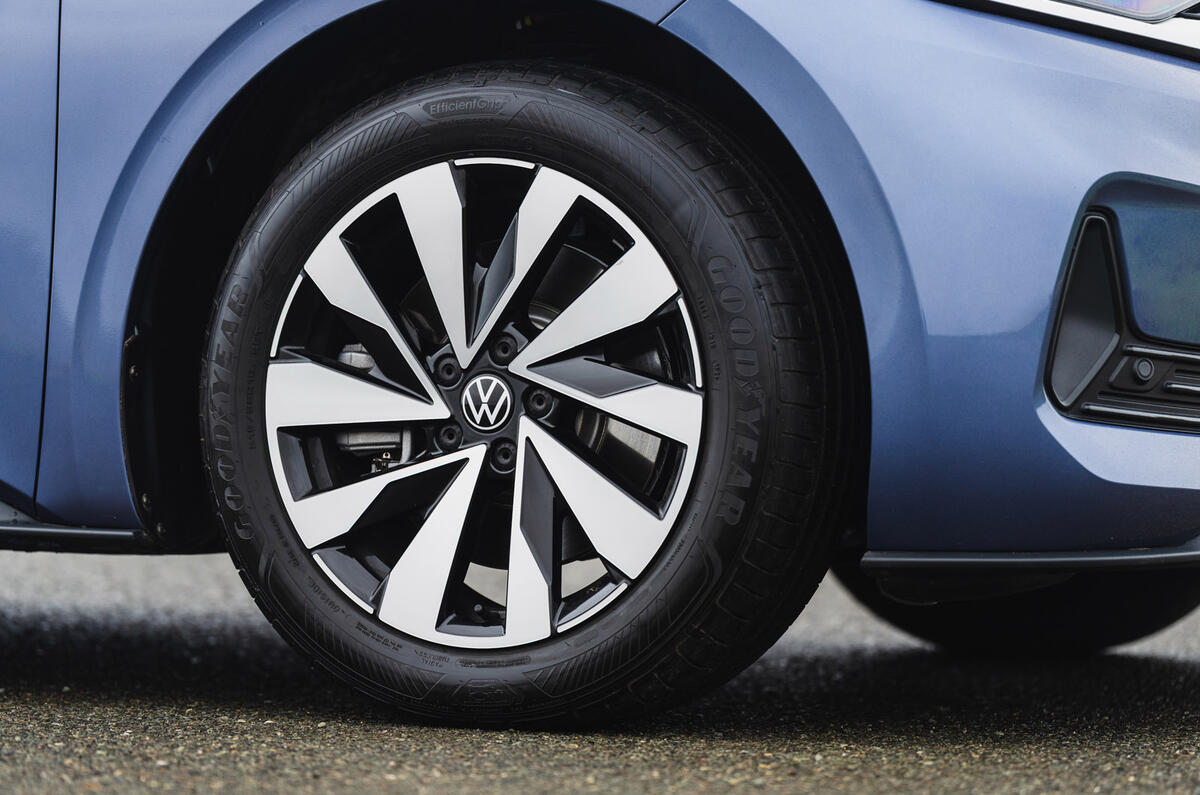
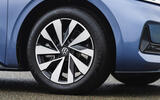
The execution there isn’t wholly convincing, though, even on quite generously sidewalled 215/50 R19 tyres. While the ride can feel quite supple on smoother roads, the body has a slight fore-aft pitch, reminiscent of early Ford Mustang Mach-Es, albeit far less pronounced, and it never truly settles as composedly as it should. Over broken roads the occupants can feel lightly knocked about, in a way that I don’t remember from earlier ID 3s, but more than that, the Cupra Born, very similar under the skin, somehow manages to be both more easy-going and way more enjoyable (more powerful too, of course), despite aiming at a more driver-focused market. The ID 3 Neo feels a touch flat-footed without offering amazing compliance in return.

MPG & RUNNING COSTS

VW ID3 NEO review 2026 140

When it’s -2deg C, as it has been round my way this week at the time of testing/writing, don’t expect to achieve the car's WLTP figure. I’d say a range in the high-200s is more realistic, but you'd have more success, of course, in warm weather.

The 58kWh version costs £1500 less than the 79kWh one tested here, but given that this is faster and has 88 miles more range, it is likely to be cheaper to lease or finance, owing to stronger residual values because it’s more desirable down the line.

VERDICT

VW ID3 NEO review 2026 171

Where it matters most, in functionality and usability, the ID 3 feels substantially improved, which isn’t always a given these days. Over the past few years, a wave of fierce Chinese competition has arrived looking to eat established European brands’ lunches, and this should at least go some way to putting some distance back between them.

On the inside, and maybe the out, it finally feels like a Volkswagen ought to. It’s a pity that this consistency and polish doesn’t extend to the full amount of its dynamic make-up (possibly Life trim’s 18in wheels would help), because that’s the one area in which European cars still tend to demonstrate a really clear advantage over newcomers. But, on other counts, the ID 3 Neo is a very pleasant car.

Matt Prior

Matt Prior
Title: Editor-at-large

Matt is Autocar’s lead features writer and presenter, is the main face of Autocar’s YouTube channel, presents the My Week In Cars podcast and has written his weekly column, Tester’s Notes, since 2013.

Matt is an automotive engineer who has been writing and talking about cars since 1997. He joined Autocar in 2005 as deputy road test editor, prior to which he was road test editor and world rally editor for Channel 4’s automotive website, 4Car. 

Into all things engineering and automotive from any era, Matt is as comfortable regularly contributing to sibling titles Move Electric and Classic & Sports Car as he is writing for Autocar. He has a racing licence, and some malfunctioning classic cars and motorbikes.