Currently reading: Porsche Cayenne Electric gets wireless charging in UK – for £7k

New system allows electric SUV to charge without plugging in, but it isn't cheap

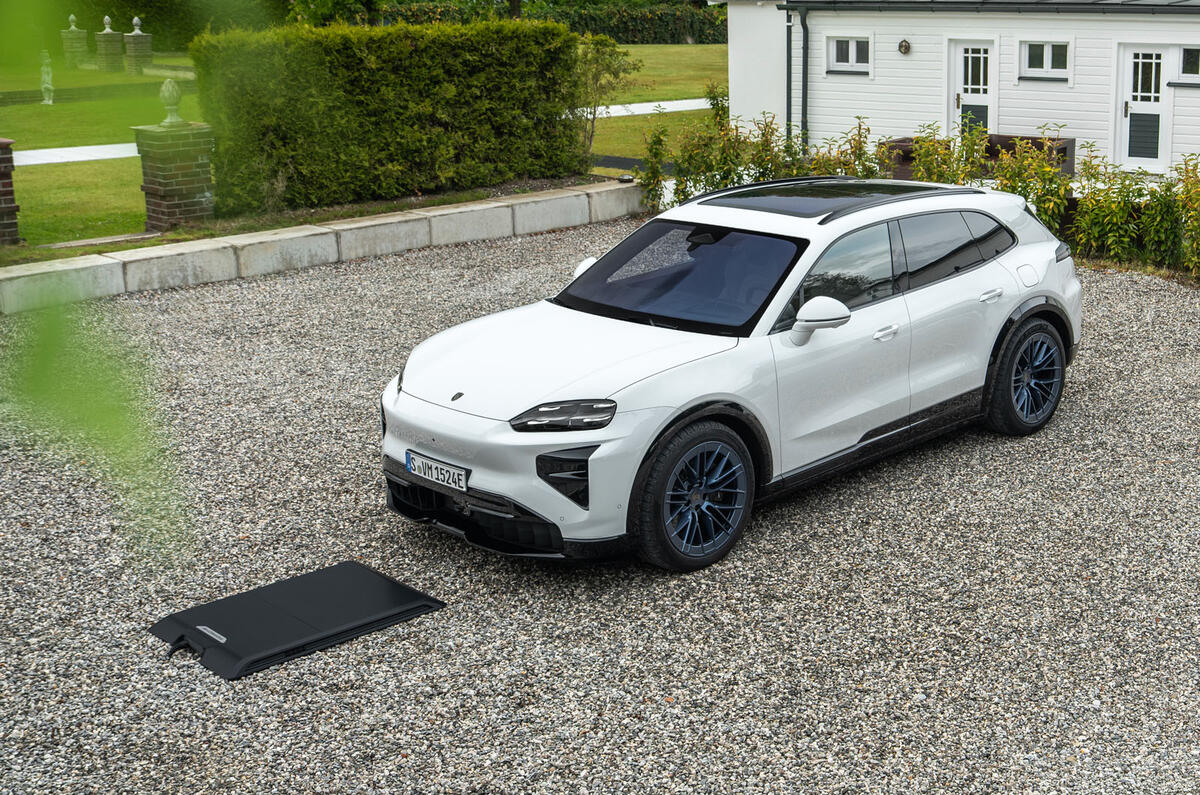
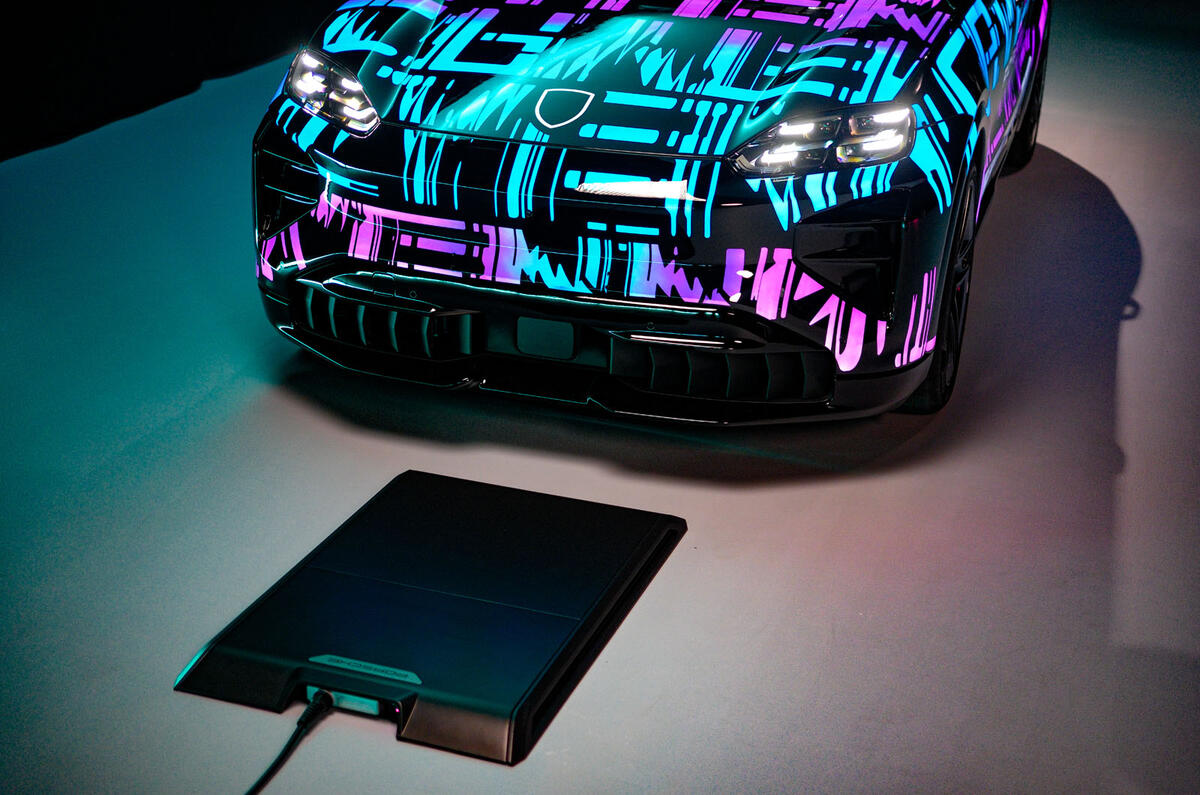
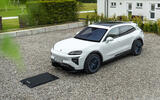
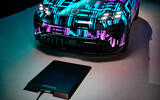
The wireless charging pad for the Porsche Cayenne Electric – the first manufacturer-supported inductive EV charging solution on the market – has gone on sale in the UK.

Officially named the Porsche Wireless Charger (PWC), it offers speeds up to 11kW and works in temperatures ranging from -40 to 50deg C. Porsche claims it's unaffected by debris such as leaves or snow. The pad operates at around 90% efficiency.

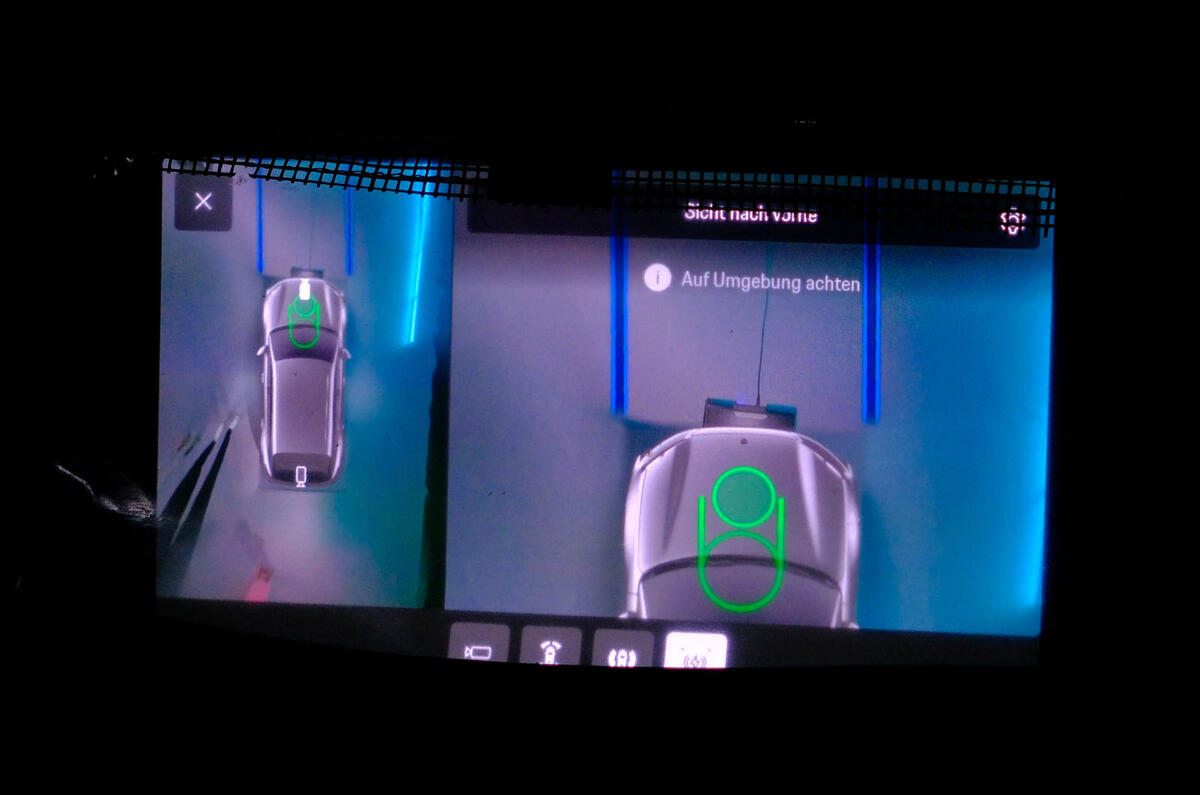
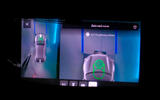
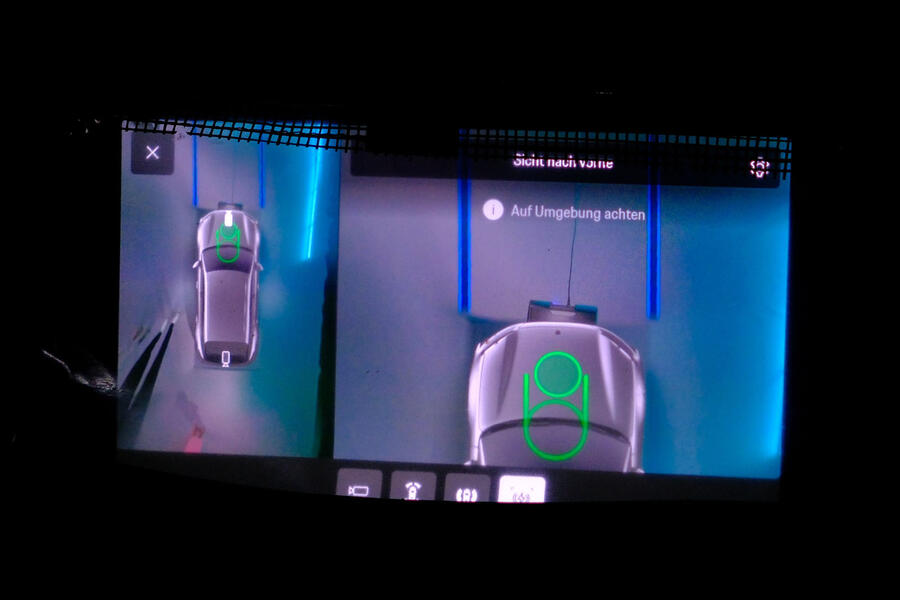
The pad is straightforward to initiate. When driving towards it, the car's digital display cuts to gridlines overlaid on a feed from a forward-facing camera, to help the driver line up with the pad, drive over it and park in just the right place. 

The Cayenne’s air suspension then lowers the body a few centimetres, a magnetic field fires up beneath it and the invisible transfer of electrons into the battery begins.
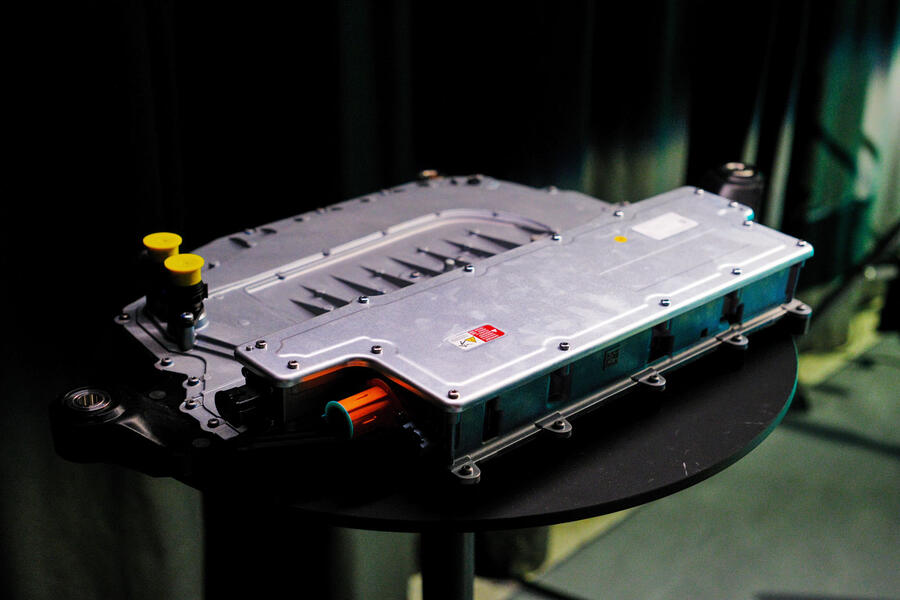
You can’t embed the 60mm-tall, 50kg pad into the floor of a driveway or garage for total integration, as this would involve obscuring the sensors that help guide the car onto the pad. It is, however, completely self-sufficient, as no wallbox is required.

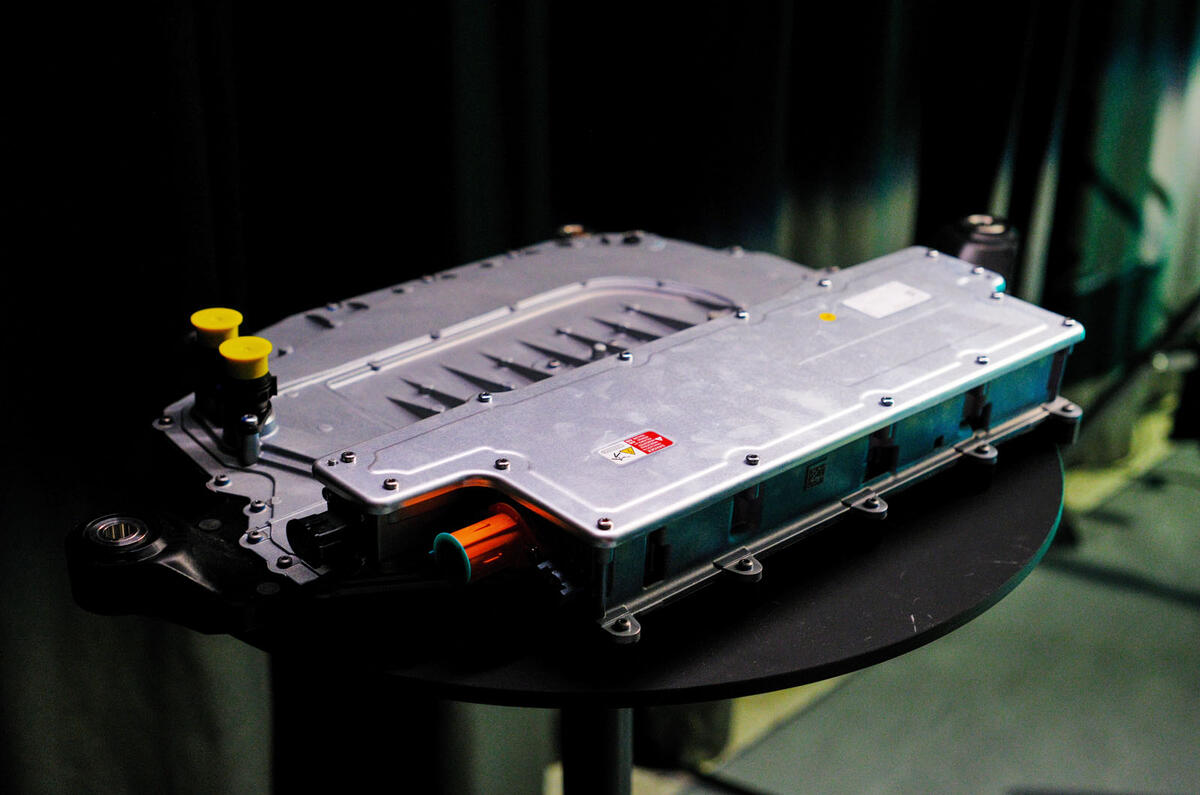
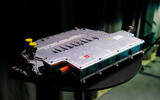
All UK-spec Cayenne EVs will be prepared as standard with the necessary wiring and hoses to accept the 15kg, water-cooled charge receptor that is bolted behind the protective underbody cladding at the front of the car. 

However, the unit itself, named the Wireless Charging Vehicle Pad, is an option costing £1930. The Wireless Charging Ground Pad – the pad you park above and which sends electricity into the car – costs £5355.

Wirelessly charging the Cayenne Electric therefore costs £7285.
Back to top

If a quicker-charging system becomes available in the future, software alone won't be enough to realise that improved rate, Porsche said previously, so newer hardware would be required. 

Safety systems are integrated into the pad. For example, if the neighbours’ cat is drawn to the heat of the pad, its foreign object detection system will cut the magnetic charge field. When the cat moves, the charging will recommence. 

The system is also equipped with an LTE and wireless LAN module, so it can be controlled via the My Porsche app. Similar to a wallbox, charging can be started and stopped manually or set for activity at off-peak times, and preconditioning is possible.

Join our WhatsApp community and be the first to read about the latest news and reviews wowing the car world. Our community is the best, easiest and most direct place to tap into the minds of Autocar, and if you join you’ll also be treated to unique WhatsApp content. You can leave at any time after joining - check our full privacy policy here.

Charlie Martin

Charlie Martin Autocar
Title: Senior Staff Writer

Charlie plays a leading role in Autocar's coverage of new car launches and industry events. He’s also a regular contributor to its reviews and social media channels, creating content for Instagram, Tiktok, Facebook and Twitter.

Charlie joined Autocar in July 2022 after a nine-month stint as an apprentice with sister publication What Car?, during which he acquired his gold-standard NCTJ diploma with the Press Association.

He is the proud owner of a Mk4 Mazda MX-5 but still feels pangs of guilt over selling his first car, a Fiat Panda 100HP.

Richard Lane

Richard Lane
Title: Deputy road test editor

Richard is Autocar's deputy road test editor. He previously worked at Evo magazine. His role involves travelling far and wide to be among the first to drive new cars. That or heading up to Nuneaton, to fix telemetry gear to test cars at MIRA proving ground and see how faithfully they meet their makers' claims. 

He's also a feature-writer for the magazine, a columnist, and can be often found on Autocar's YouTube channel. 

Highlights at Autocar include a class win while driving a Bowler Defender in the British Cross Country Championship, riding shotgun with a flat-out Walter Röhrl, and setting the magazine's fastest road-test lap-time to date at the wheel of a Ferrari 296 GTB. Nursing a stricken Jeep up 2950ft to the top of a deserted Grossglockner Pass is also in the mix.