Currently reading: New Hyundai Ioniq 6 driven: 423-mile saloon for hatchback money

Hyundai has updated its aero EV and, with grant now secured, cut the price to £33k. Still want that Mercedes CLA?

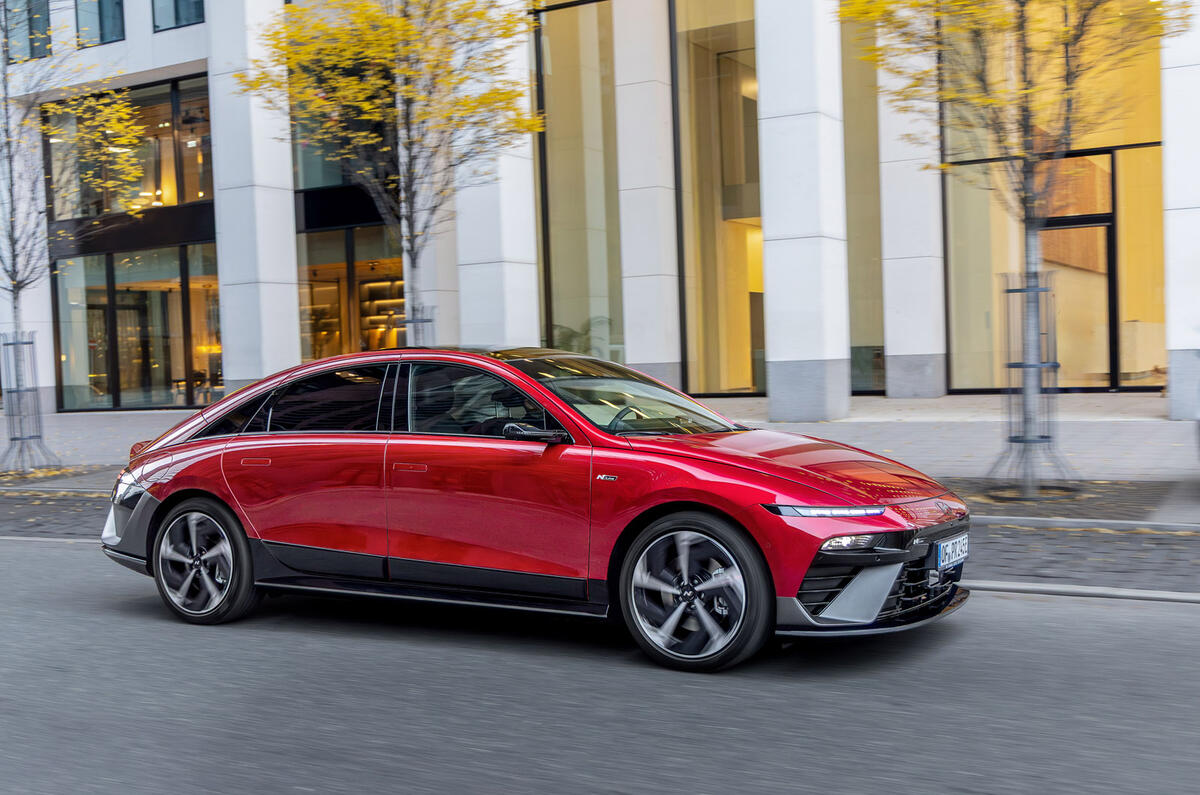
Hyundai has updated the Ioniq 6, its electric ‘streamliner’, but the really interesting thing here isn’t the actual facelift but the price.

It’s now available from £33,240, and that’s for the 84kWh, 423-mile version. For comparison, Mercedes-Benz wants at least £39,150 for the CLA 200 Electric, the smaller-battery, 328-mile version of its much smaller saloon. As good as the CLA is, that’s a price difference you can’t ignore.

What has happened here is that Hyundai has played the Electric Car Grant game very well: it has reshuffled the trim levels so that it’s able to offer the car for less than the £37,000 threshold (which is already cheaper than the CLA or the Tesla Model 3) and worked hard to convince the British authorities that the Korean-built Ioniq 6 is produced sustainably enough to qualify for the full-whack £3750 off.

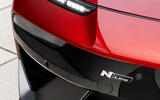
As a result, entry-level Premium trim has become a bit of a steal. The one-up N Line (which gets sportier styling) is still excellent value at £36,240. The top-tier N Line Evo and the 320bhp dual-motor versions don’t get the grant so are a lot more expensive (£43,270 and £46,770) but still quite competitive with the CLA.

This process was lengthy, which is why it has taken a while for the facelifted Ioniq 6 to go on sale here. But it’s here now, and with that pricing, it almost doesn’t matter whether the Ioniq 6 is any good – but I’m pleased to report that it is actually a very appealing car.
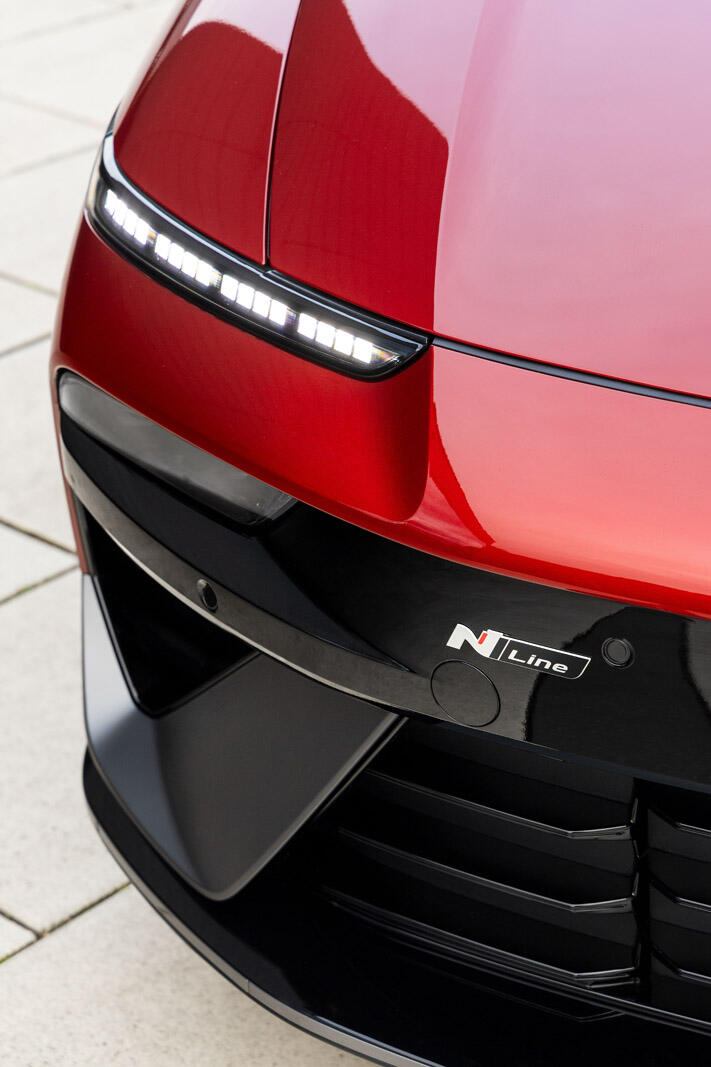
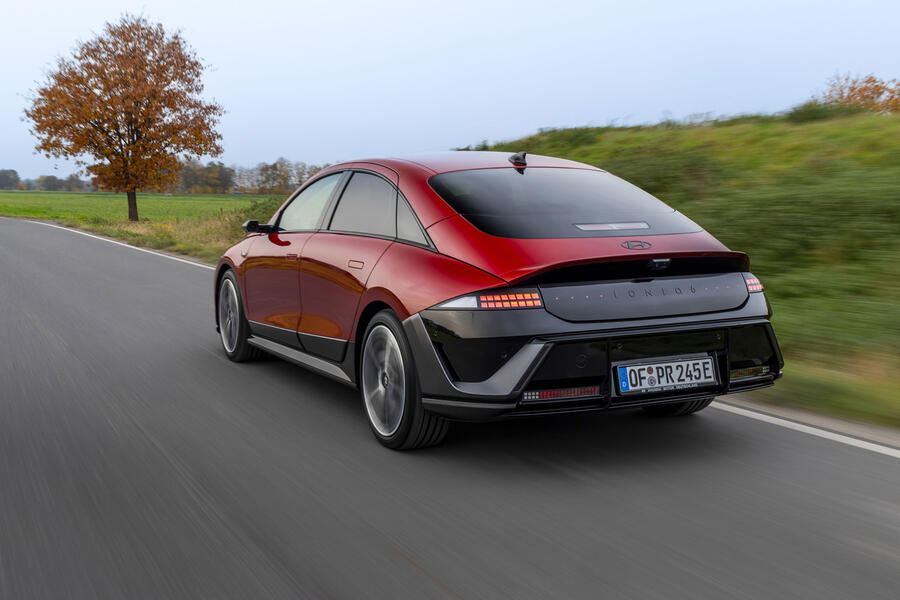
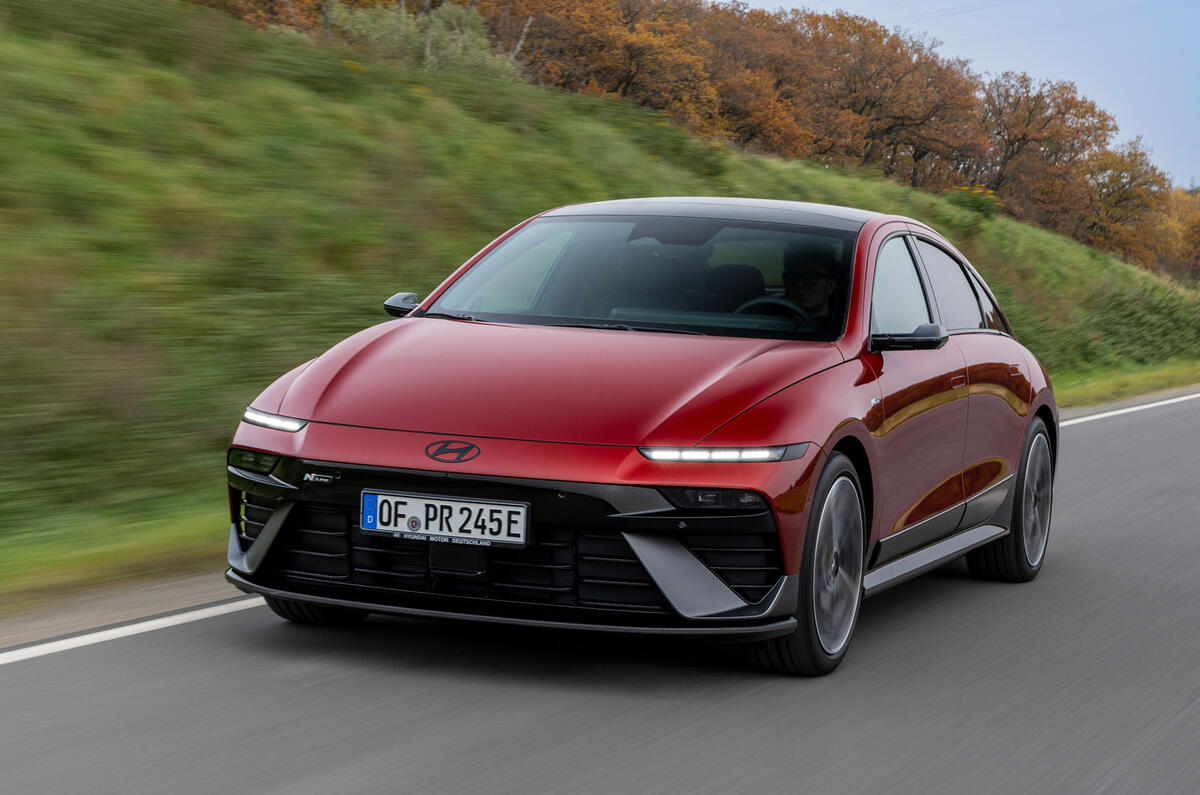
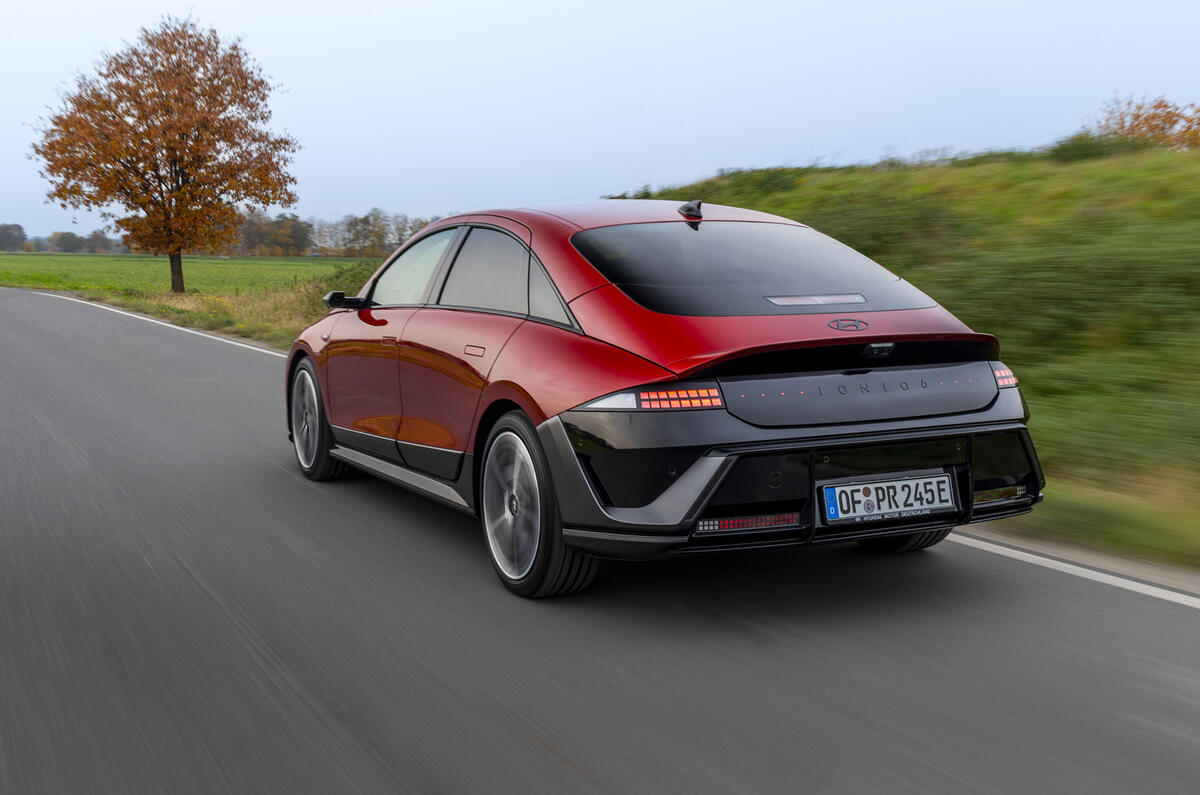
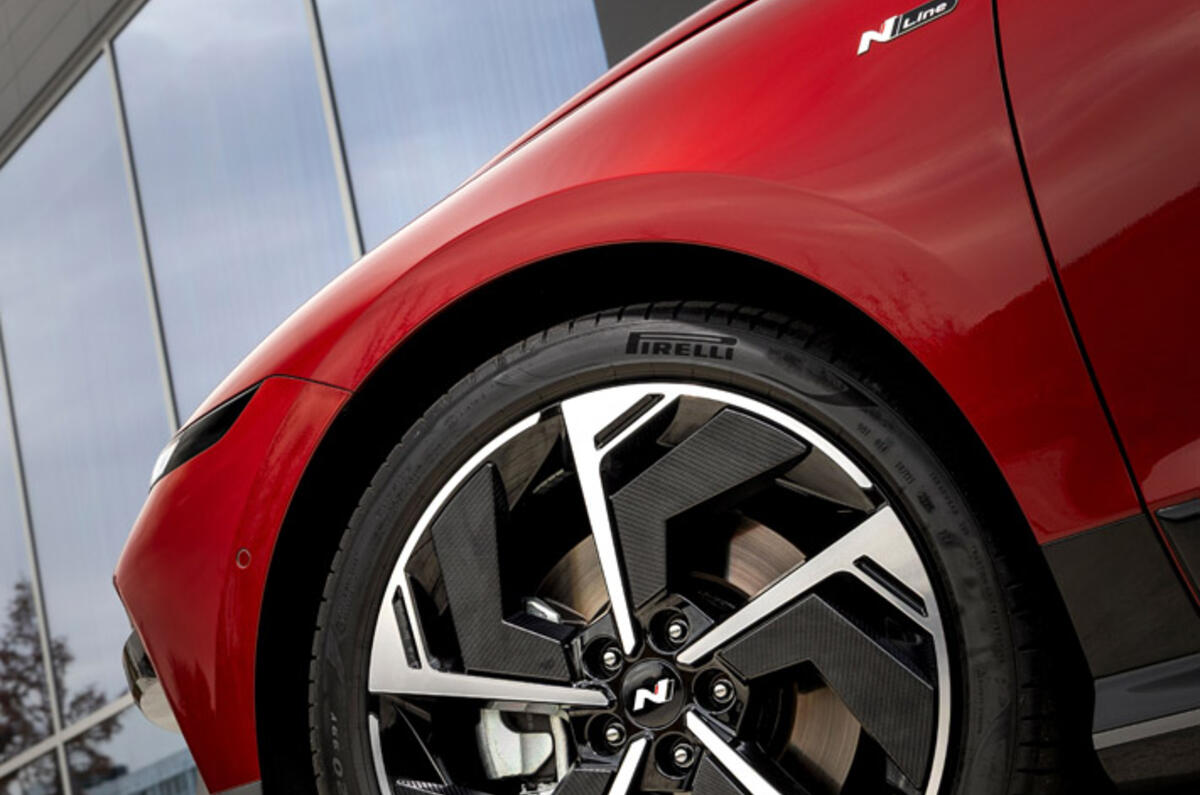
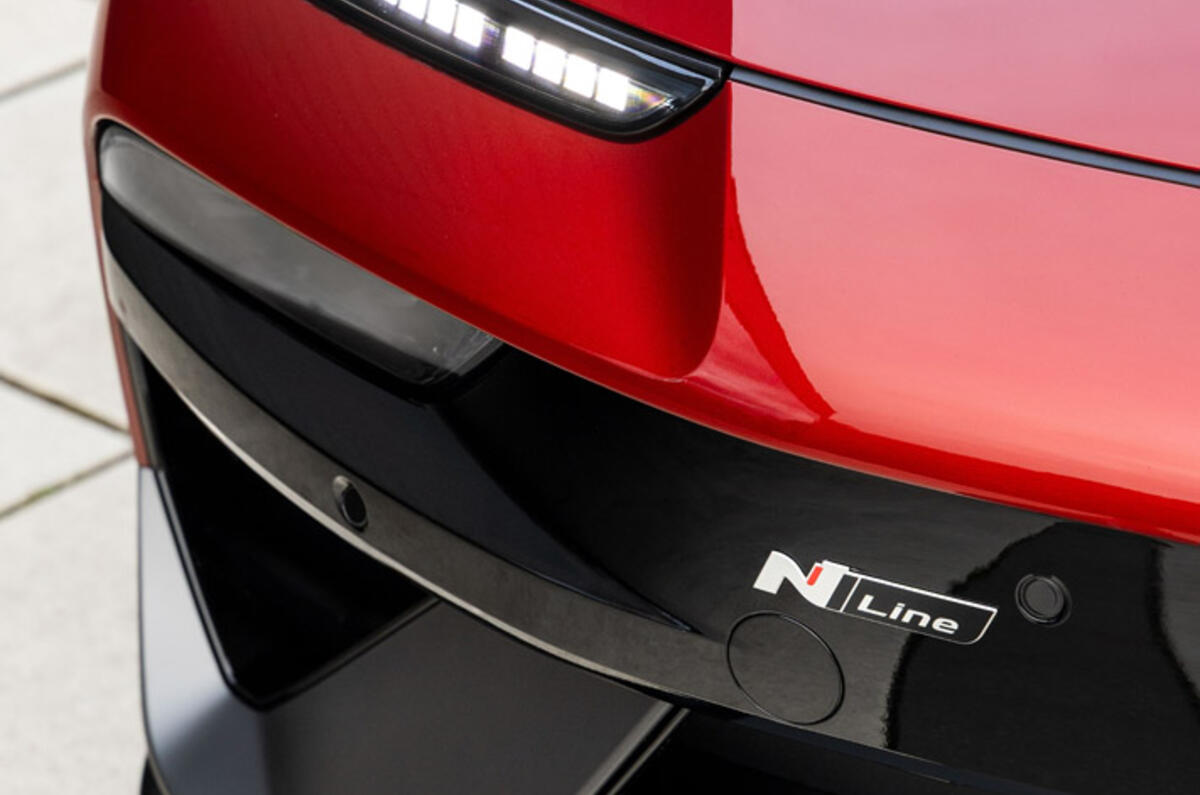
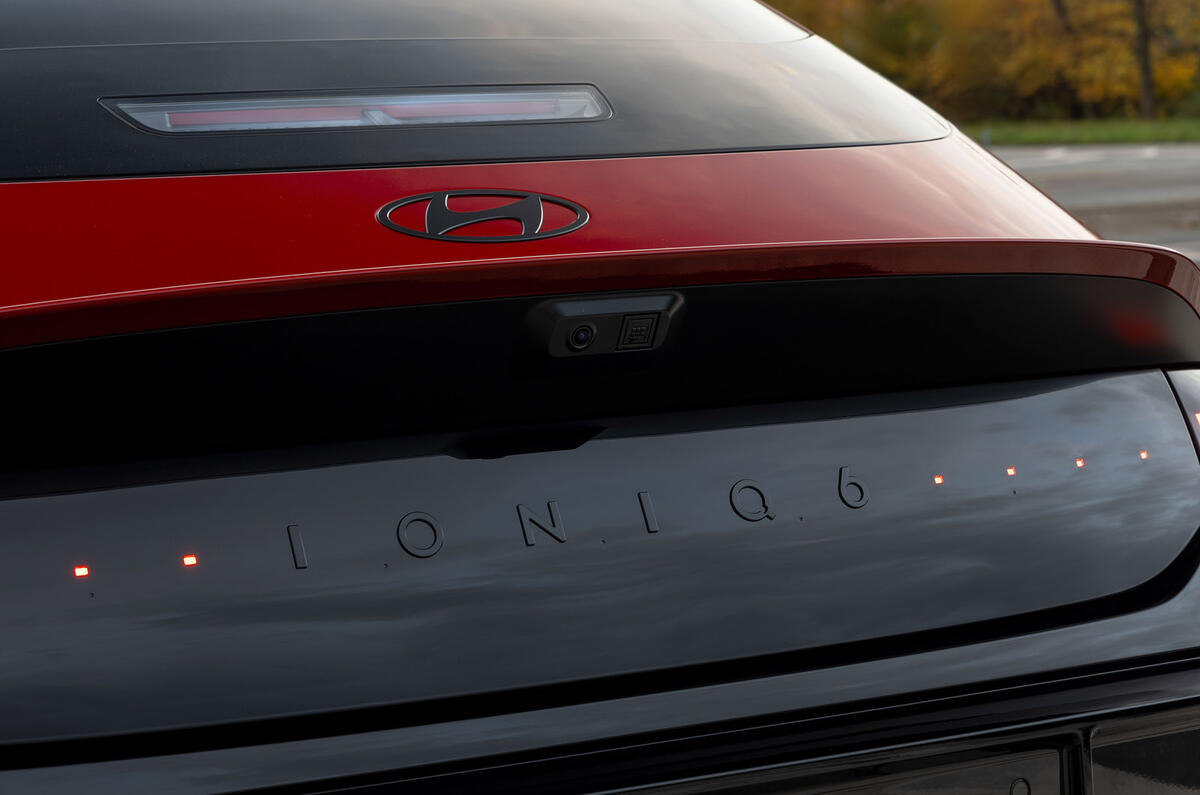
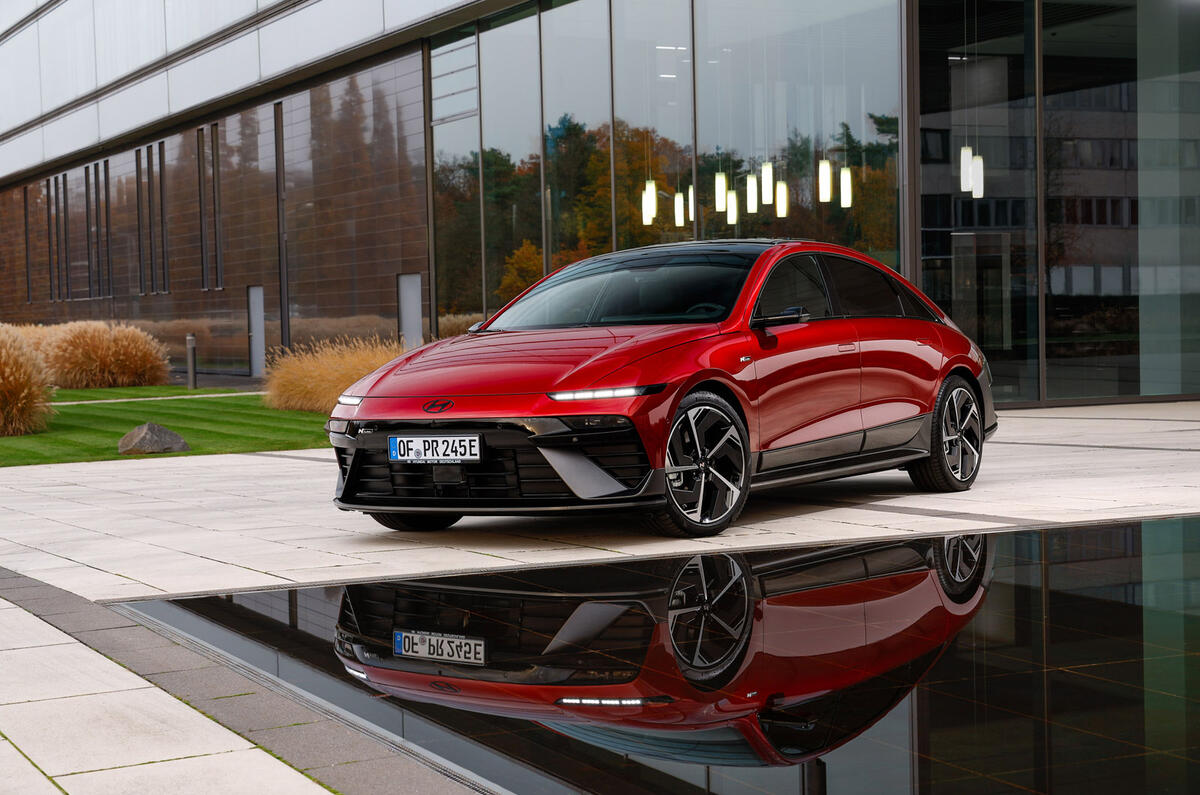
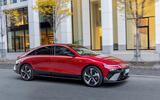
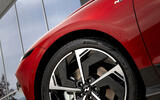
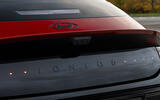
The visual changes are actually quite extensive, with slimmer headlights, new wheel designs and the loss of that distinctive Sierra RS Cosworth-style rear wing. You still won’t mistake the Ioniq 6 for anything else and you probably have a strong opinion about its styling. I love it, but it’s easy to see why some people hate it.

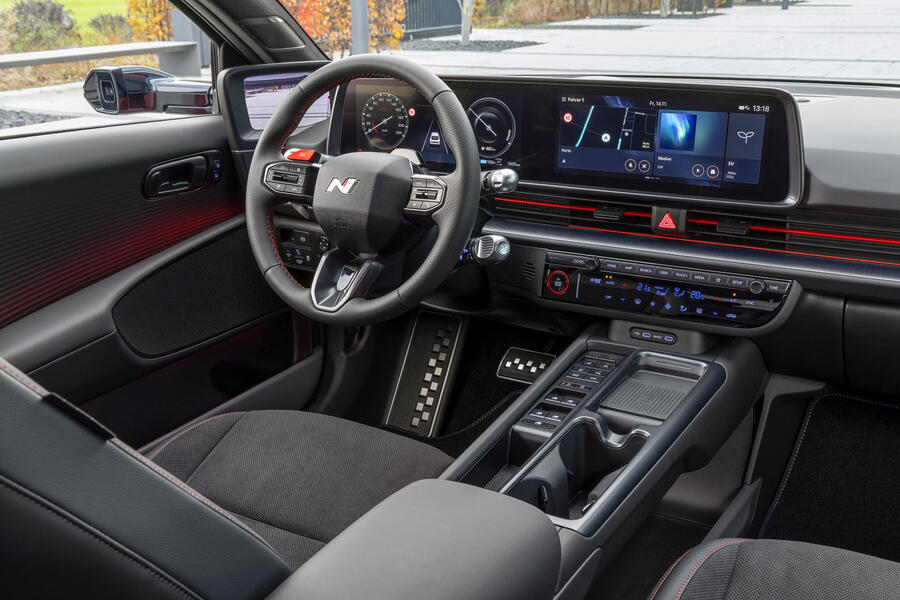
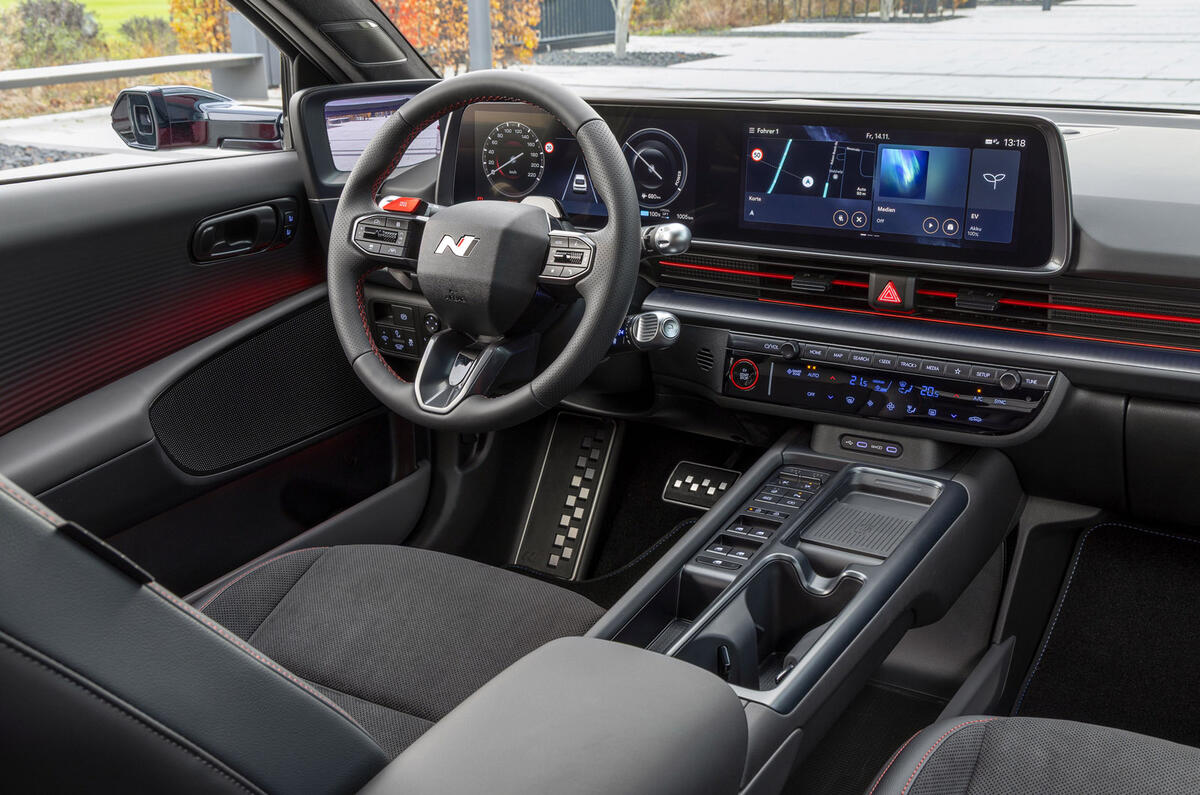
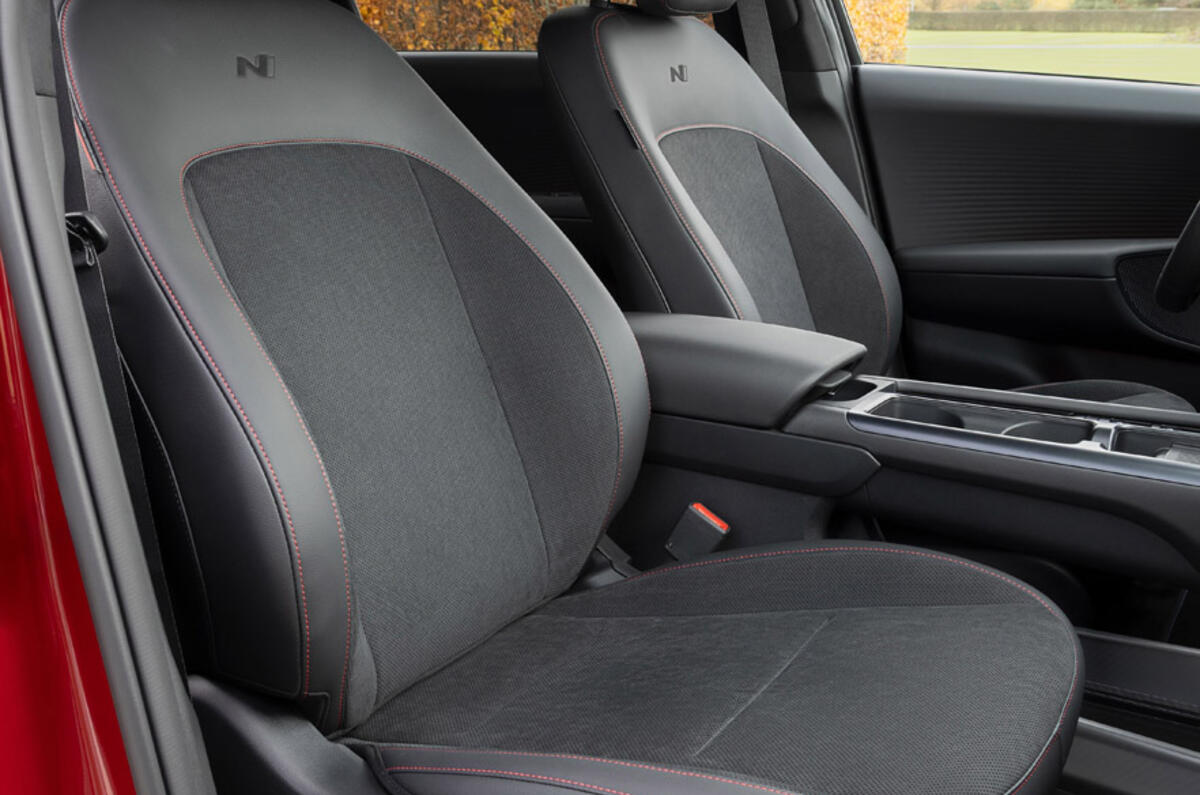
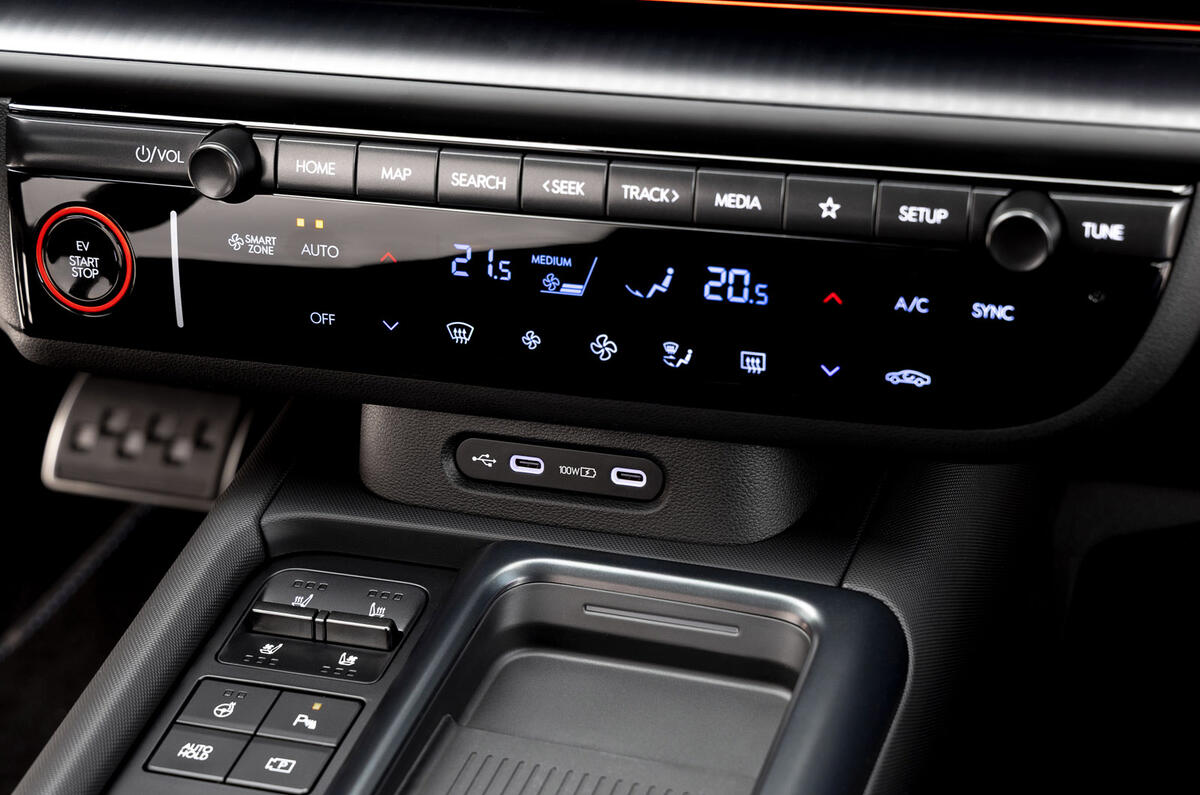
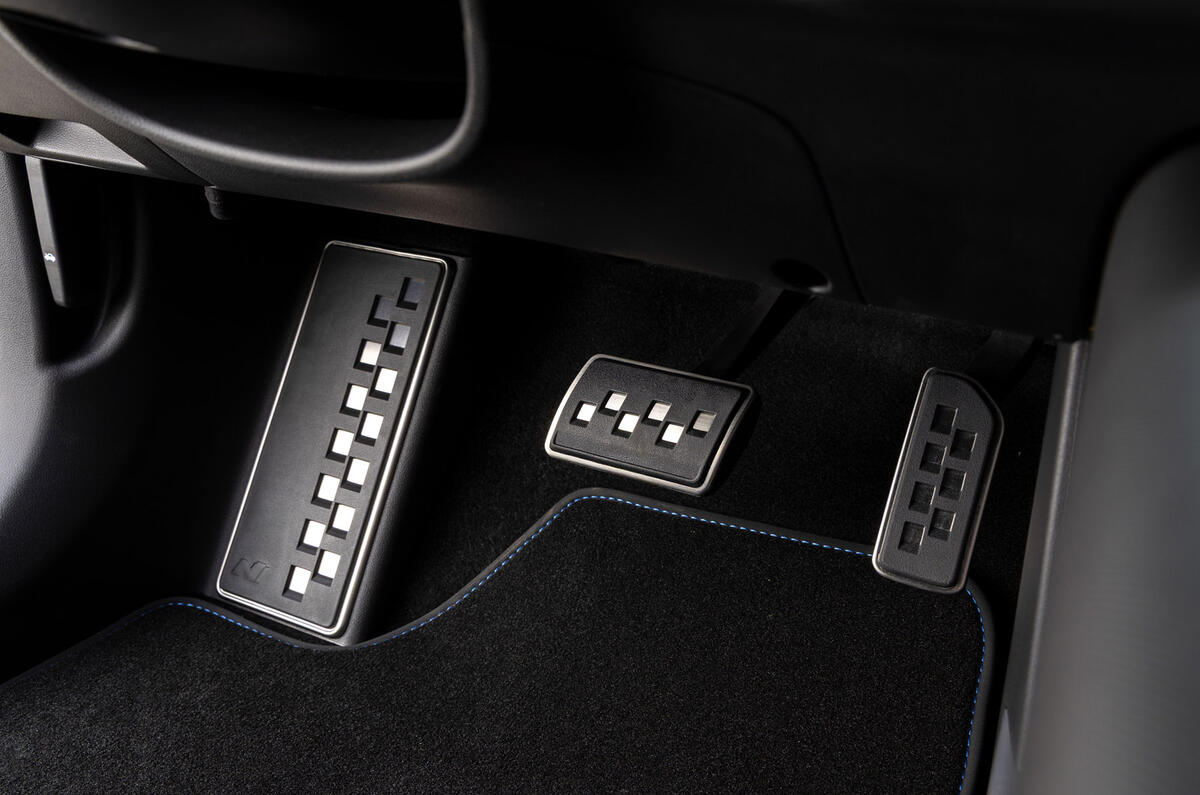
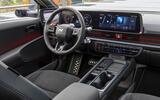
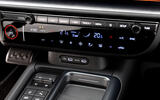
Inside, the materials have been upgraded so there are fewer hard, scratchy plastics, and if you pick the N Line model you get the three-spoke steering wheel from the Ioniq 6 N instead of the slightly weird two-spoker. The centre console is still delightfully button-tastic but more logically laid out than before, and while there are digital screens and they work well, they don’t dominate.

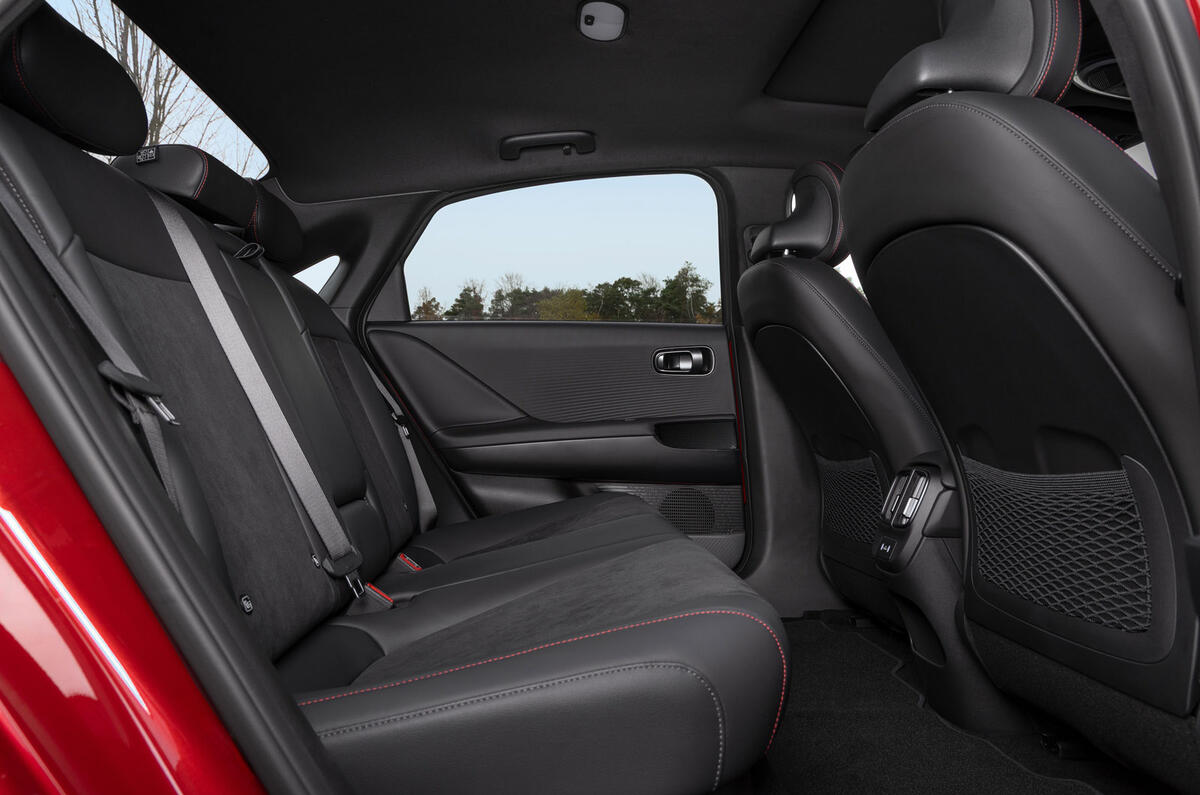
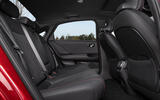
The sheer amount of rear leg room is incredible, so the high floor isn’t really a problem for rear passengers.

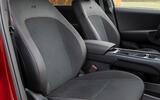
It is still an issue in the front, because the seat feels like it’s stuck in a medium-high position, perching you over the controls. The CLA and Model 3 give you a far more authentic saloon driving position.

Back to top

Which is a shame, because even the regular Ioniq 6 is a surprisingly decent steer. Body control is good and it derives a certain amount of athleticism from its rear-wheel-drive layout: the steering is quite faithful and on a wet road it can be made to yaw gently on the power.

The ride is only okay, since it can feel a little short on suspension travel on challenging roads and Hyundai always seems to struggle with the fine isolation of vibrations and sharp intrusions.

Sticking with the smaller 18in wheels as opposed to the 20s doesn’t make much of a difference to comfort but does net you an extra 59 miles of range. That’s according to the WLTP cycle; the difference will be smaller in practice.

Back to top

The facelifted Ioniq 6 gets the same upgraded 84kWh battery as the Ioniq 5 SUV, and with mpkWh efficiency in the high threes, a 300-mile real-world range is very doable.

When the Ioniq 6 came out, it cost £47,000, and while it was striking, interesting and generally decent, it didn’t quite meet expectations. Between EV prices coming down generally, a bit of additional help from the grant and some well-judged upgrades, the Ioniq 6 has become highly recommendable, particularly if you want something distinctive that isn’t an SUV.

Hyundai Ioniq 6 84kWh N Line
4.5 Stars – Better than ever and cheaper than ever, the Ioniq 6 is now a long-range executive saloon for hatchback money.
Price £36,240 (after ECG)
Engine Permanent magnet synchronous motor
Power 225bhp
Torque 258lb ft
Gearbox 1-spd reduction, RWD
Battery 90/85kWh (total, est/usable)
Kerb weight 1987kg
0-62mph 7.4sec
Top speed 114mph
Range 364 miles
Economy 4.0mpkWh
CO2, tax band 0g/km, 4%
Rivals Mercedes-Benz CLA Electric, Tesla Model 3, Volkswagen ID 7

Join our WhatsApp community and be the first to read about the latest news and reviews wowing the car world. Our community is the best, easiest and most direct place to tap into the minds of Autocar, and if you join you’ll also be treated to unique WhatsApp content. You can leave at any time after joining - check our full privacy policy here.

Illya Verpraet

Illya Verpraet Road Tester Autocar
Title: Road Tester

As a road tester, Illya drives everything from superminis to supercars, and writes reviews and comparison tests, while also managing the magazine’s Drives section. Much of his time is spent wrangling the data logger and wielding the tape measure to gather the data for Autocar’s in-depth instrumented road tests.

He loves cars that are fun and usable on the road – whether piston-powered or electric – or just cars that are very fit for purpose. When not in test cars, he drives an R53-generation Mini Cooper S or a 1990 BMW 325i Touring.