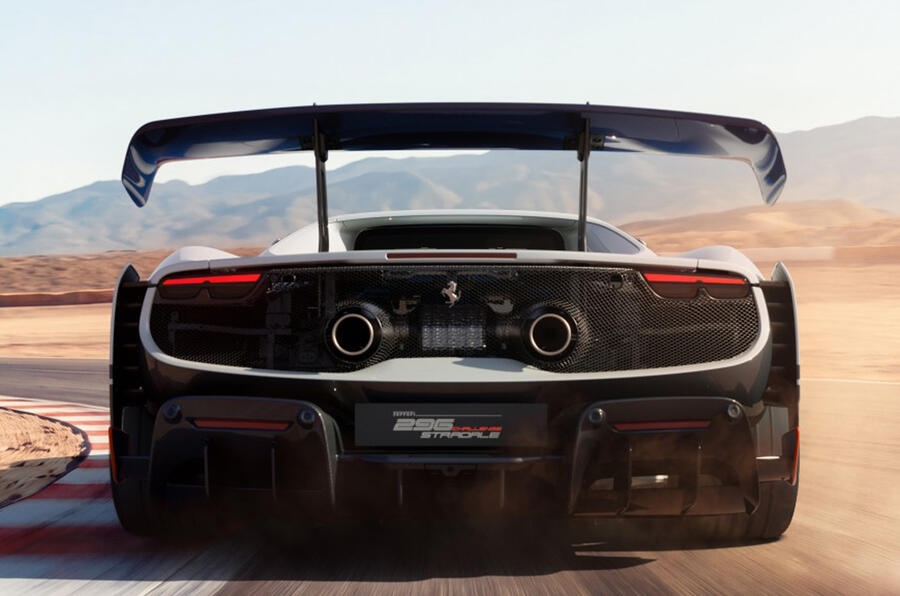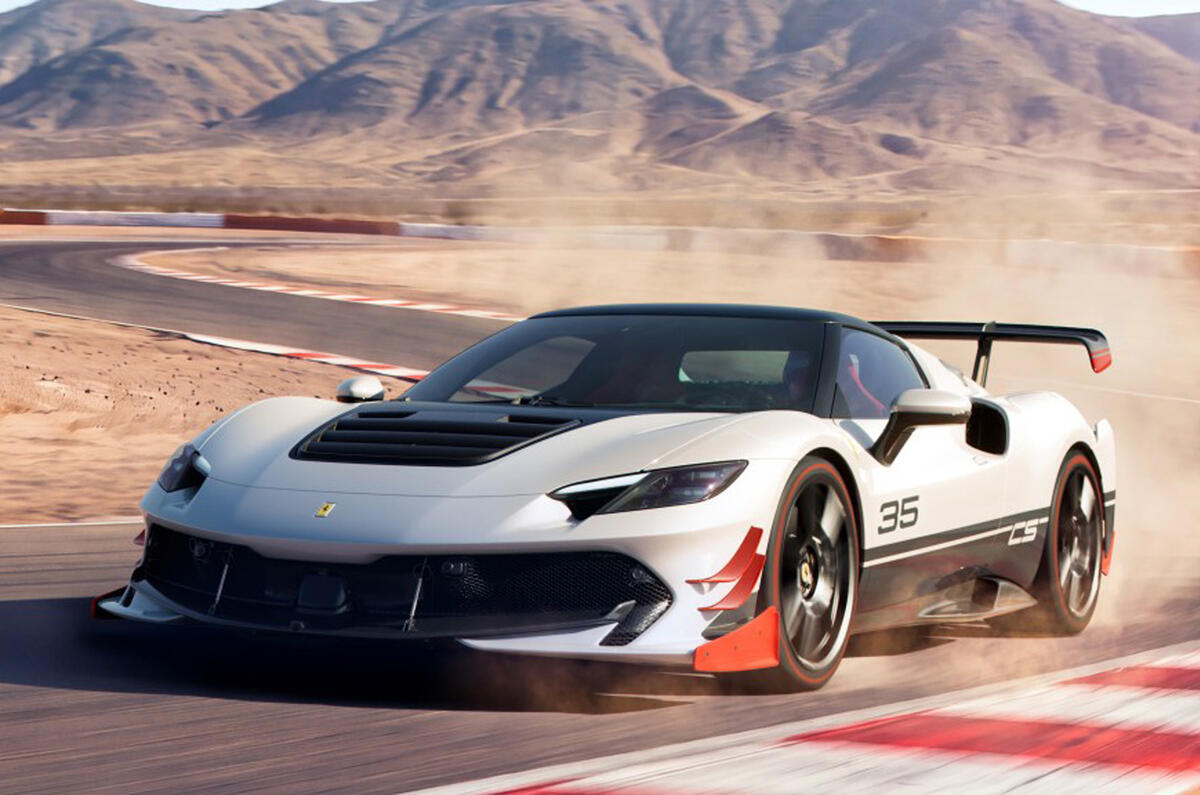
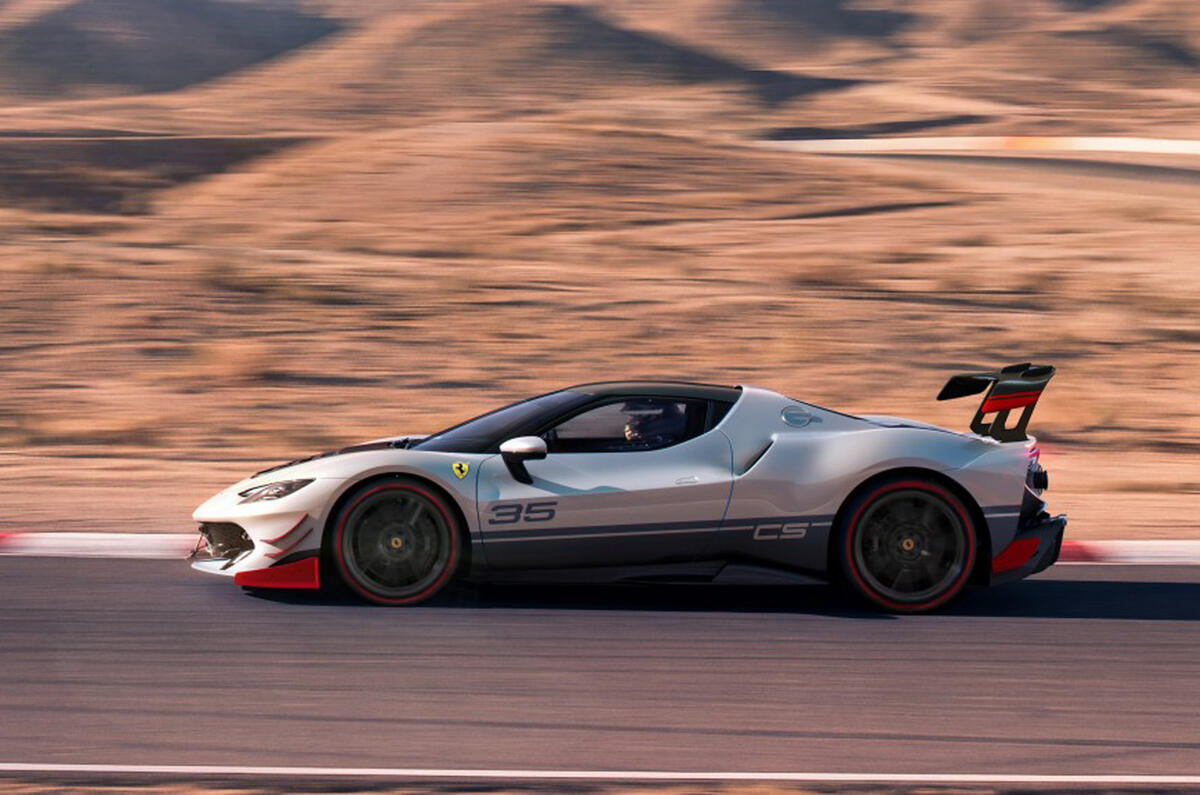
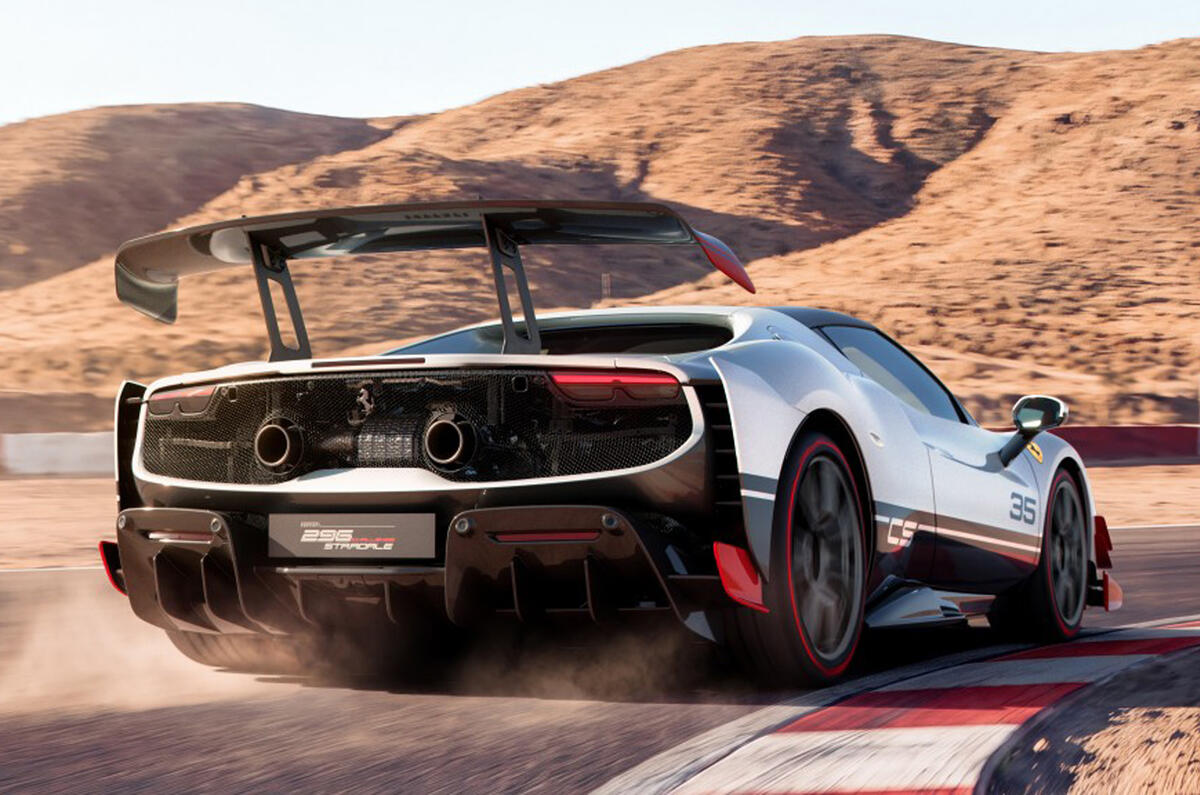
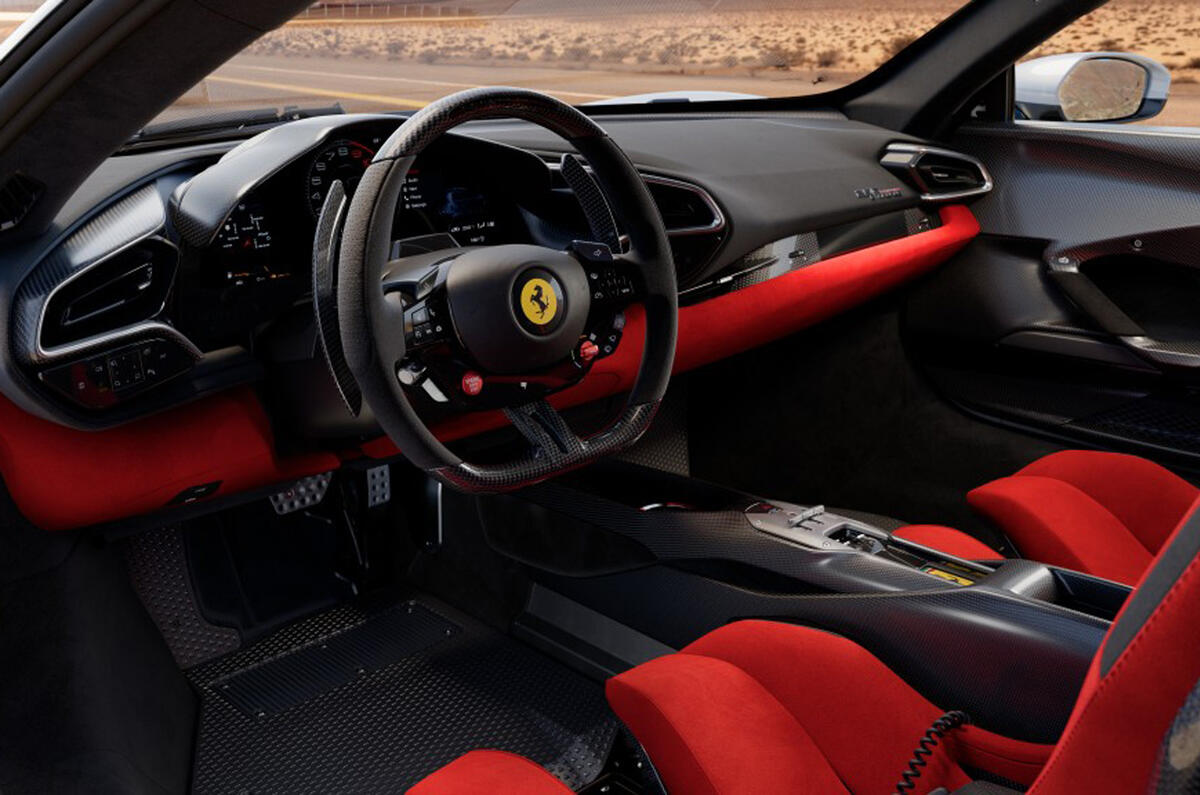
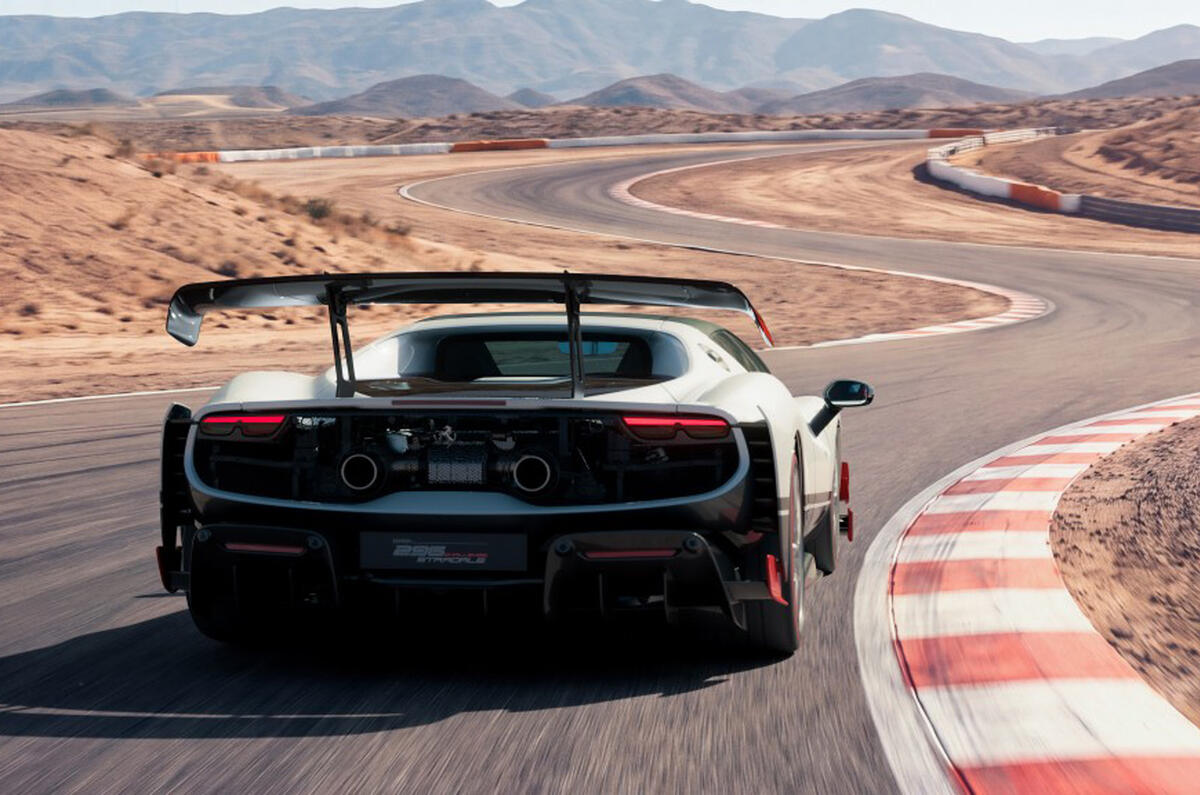
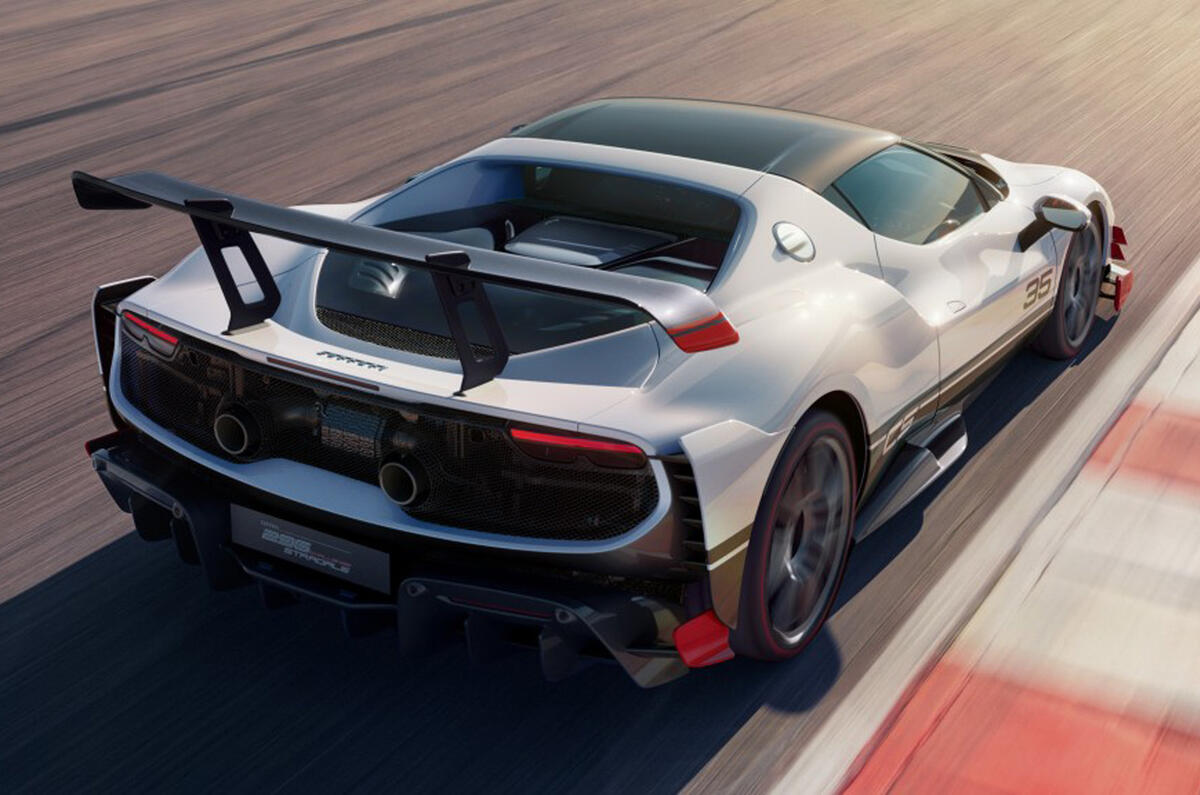
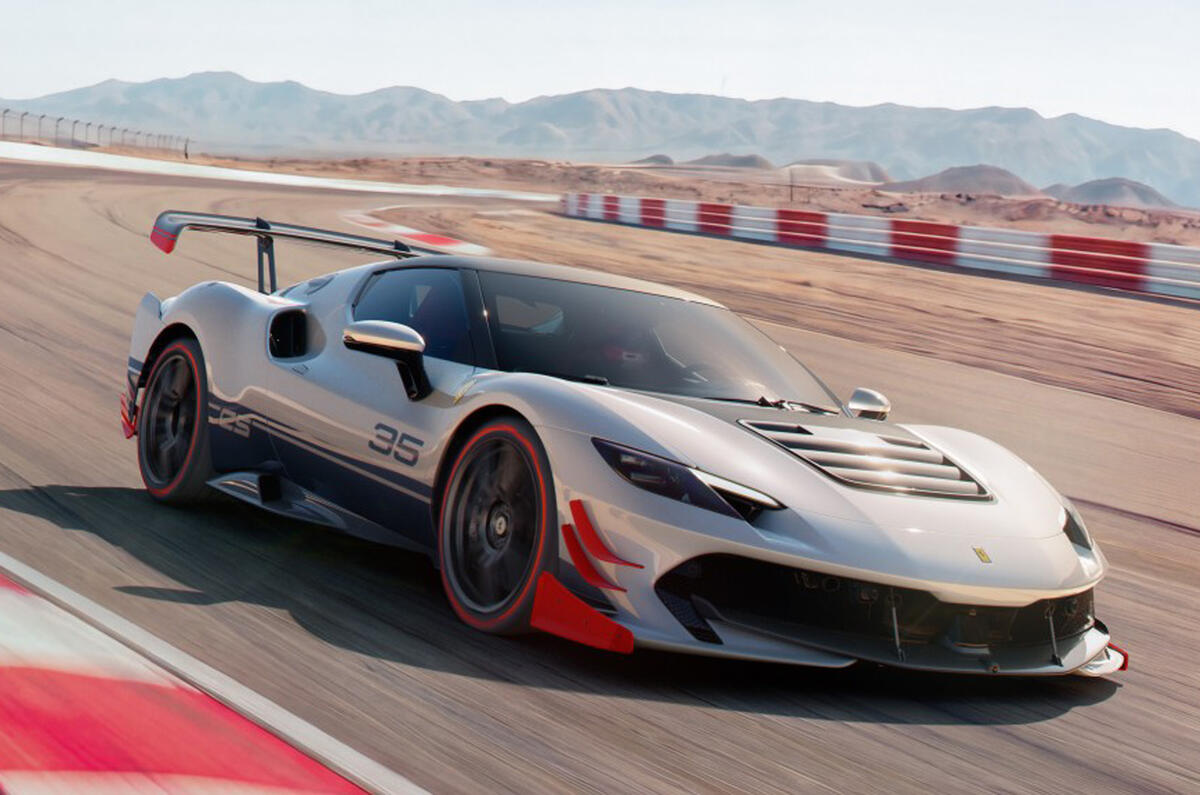
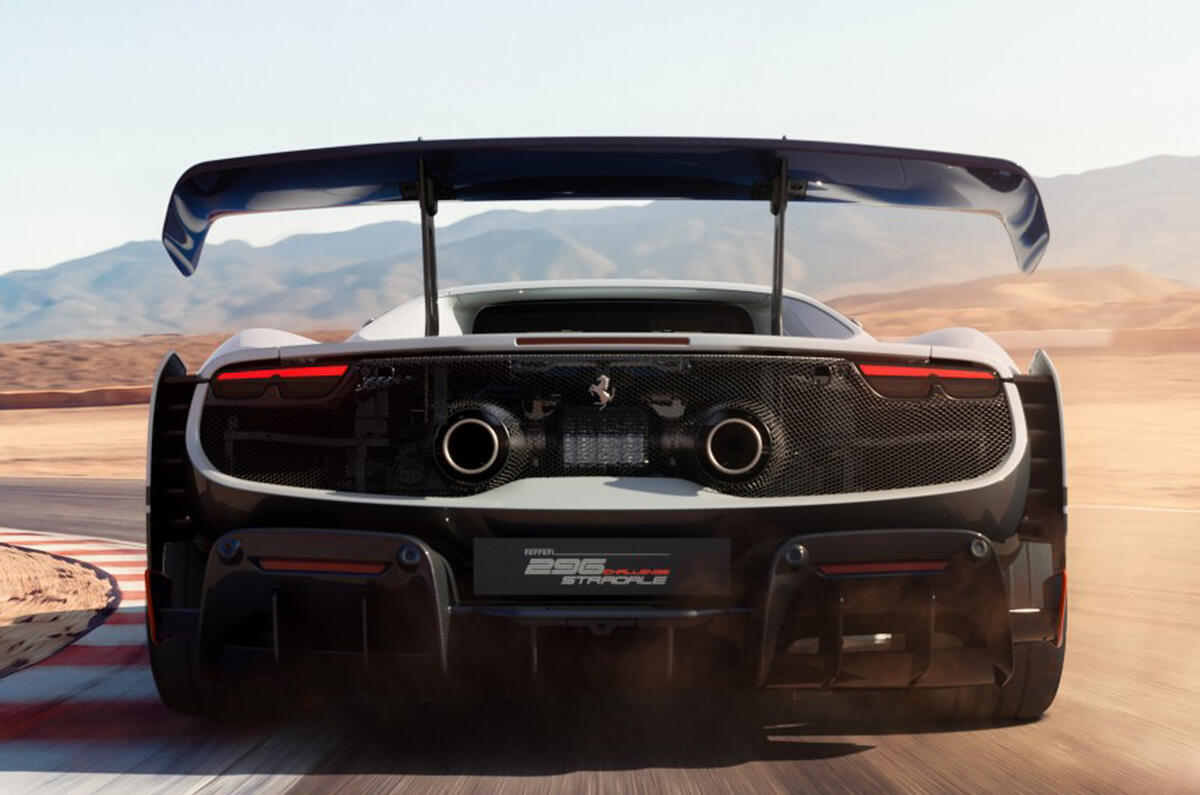
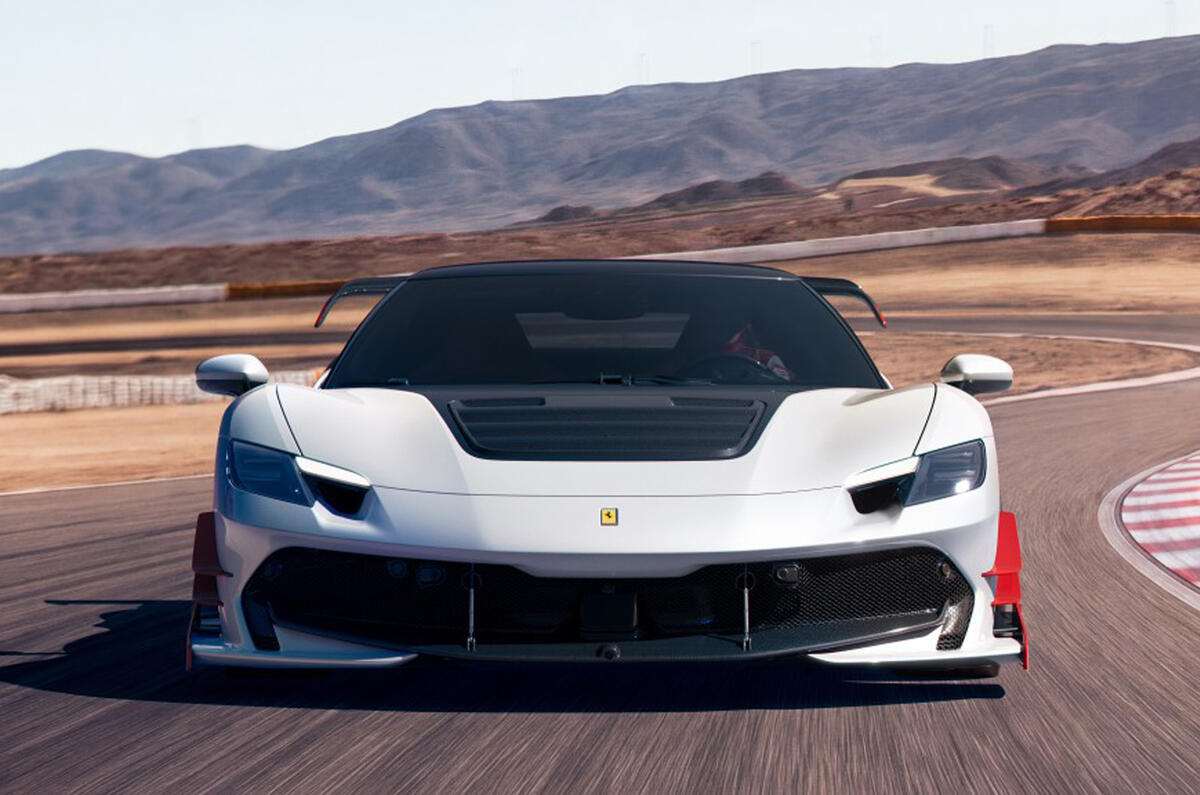
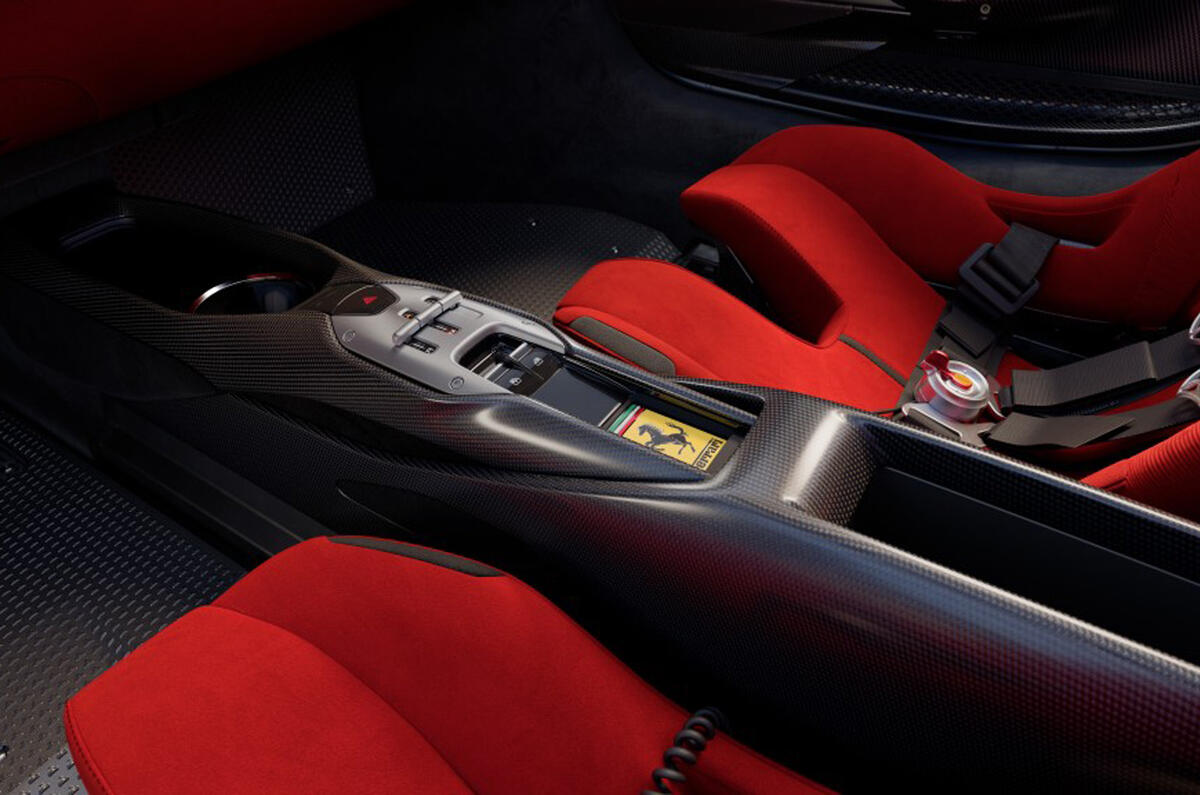
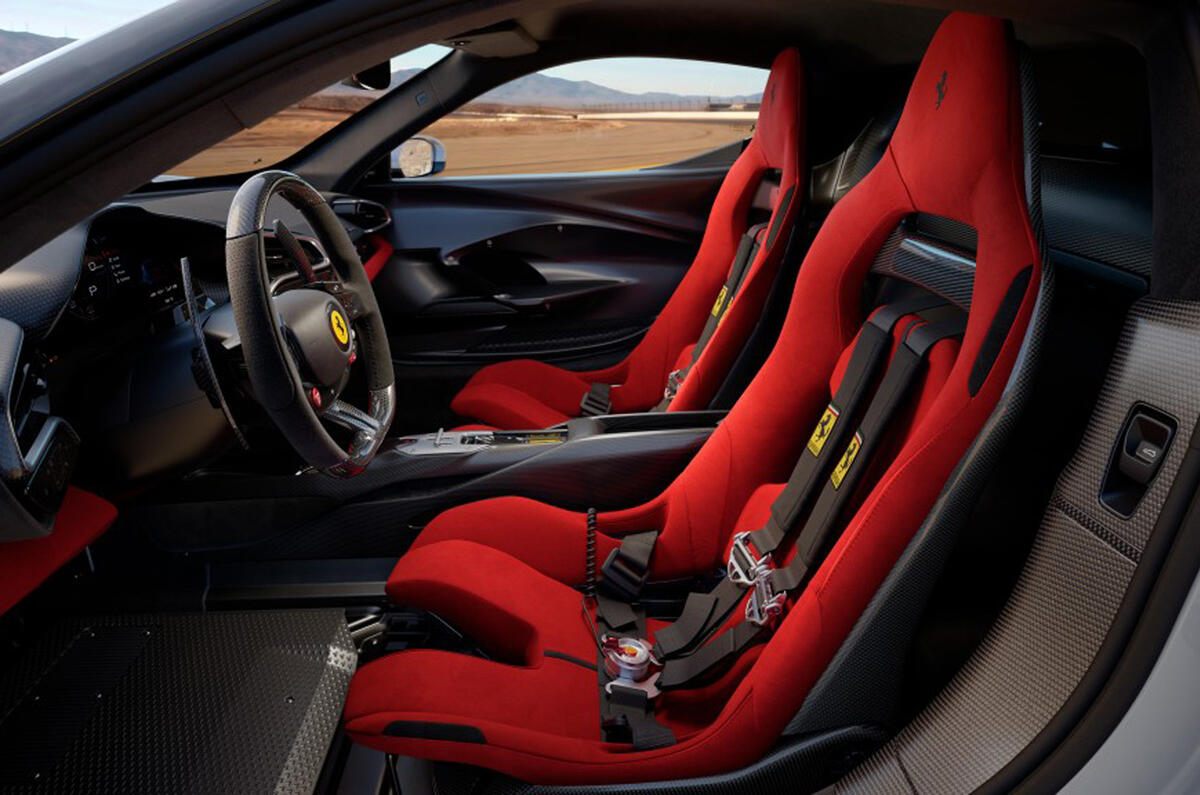

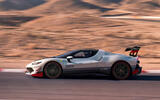
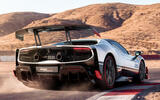
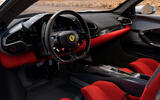
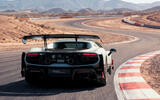
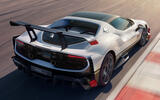
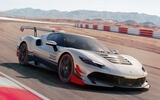
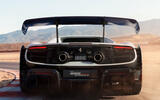
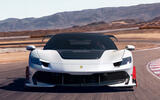

Ferrari has resurrected the Challenge Stradale name for a new stripped-out, race-honed version of the 296 supercar, which drops hybrid power in the name of weight-saving and purity.
Like the acclaimed 360 CS of 2003, this new version is effectively a road-going version of the firm's customer race car. It gains significant modifications to the bodywork and chassis, as well as big weight savings, making it the quickest 296 yet.
Despite its motorsport roots and extensive modifications, though, the new CS will be around the same price as the GTB, at approximately £260,000 - £100,000 less than the extreme 296 Speciale which Autocar has named Britain's Best Driver's Car for 2026.
As with the Challenge Evo track car it was developed alongside, the new CS goes without the electric element of its powertrain, taking 661bhp and 546lb ft from its 3.0-litre twin-turbo V6.
That power output is 158bhp down on the standard 296 PHEV system's. But because the CS weighs just 1330kg dry compared with 1470kg for the PHEV, it's actually 0.1sec quicker from 0-62mph, dispatching the sprint in 2.8sec.
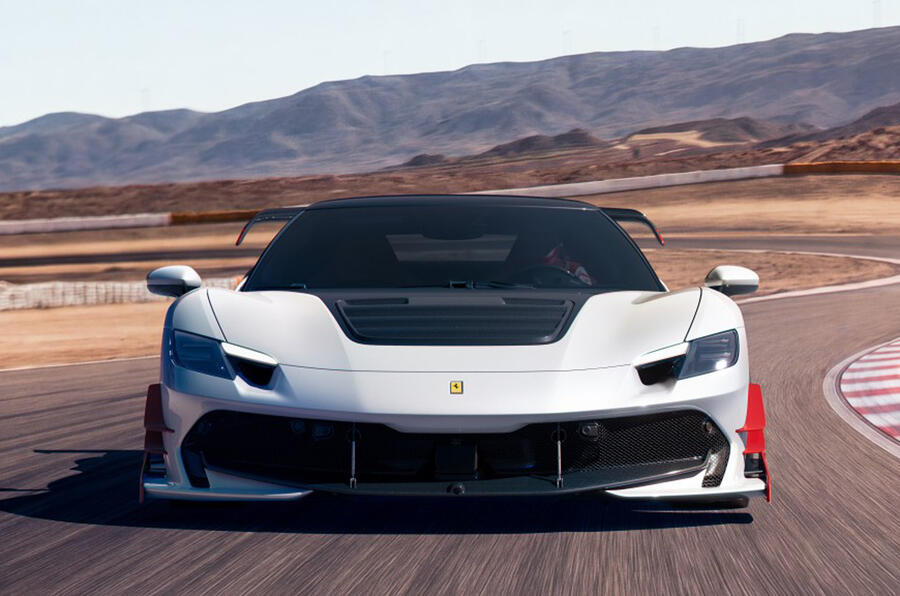
Notably, it's also 2.5sec quicker around Ferrari's Fiorano test track than the GTB, lapping the 1.85-mile circuit in 1min 18.5sec. Even the hardcore 296 Speciale and the 986bhp SF90 needed another half a second to cross the line.
Shared development of the CS and the racer highlights "the symbiotic bond between the Prancing Horse's race cars and production cars, as well as the exceptionally high level of technology transfer that sets them apart", according to Ferrari.
The race car has slightly more power, at 690bhp, but weighs exactly the same. Both cars use a bespoke tune that accounts for the removal of the hybrid powertrain, with Ferrari claiming that tweaks to the boost pressure and valve timing improve low-end response and reduce lag.
The eight-speed dual-clutch gearbox has been revised too, to deliver better torque at high revs and smoother responses at lower speeds. Ferrari says it can swap ratios in "the region of" 170 milliseconds.
The semi-active dampers have been retuned to reduce fluctuations in ride height and Ferrari claims substantial improvements in poise: lateral performance is up by 7% and stability by 34%, and roll gradients are down 68%.