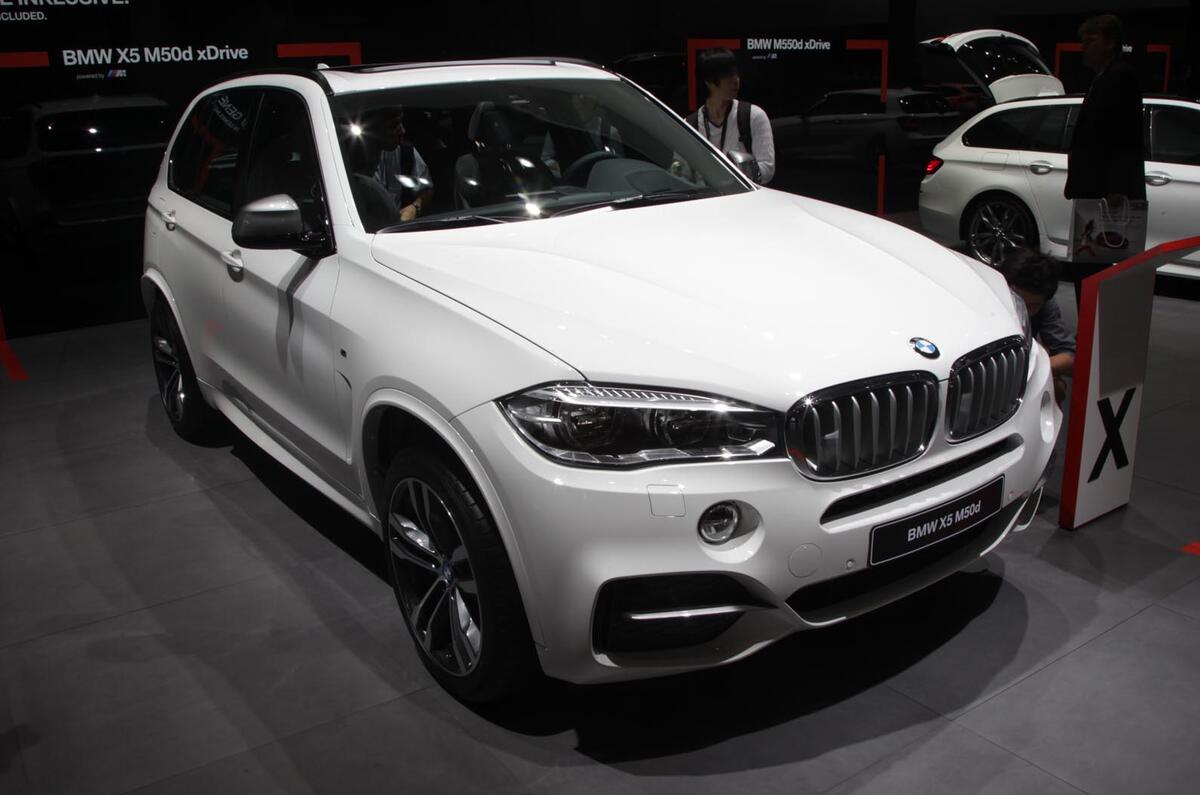
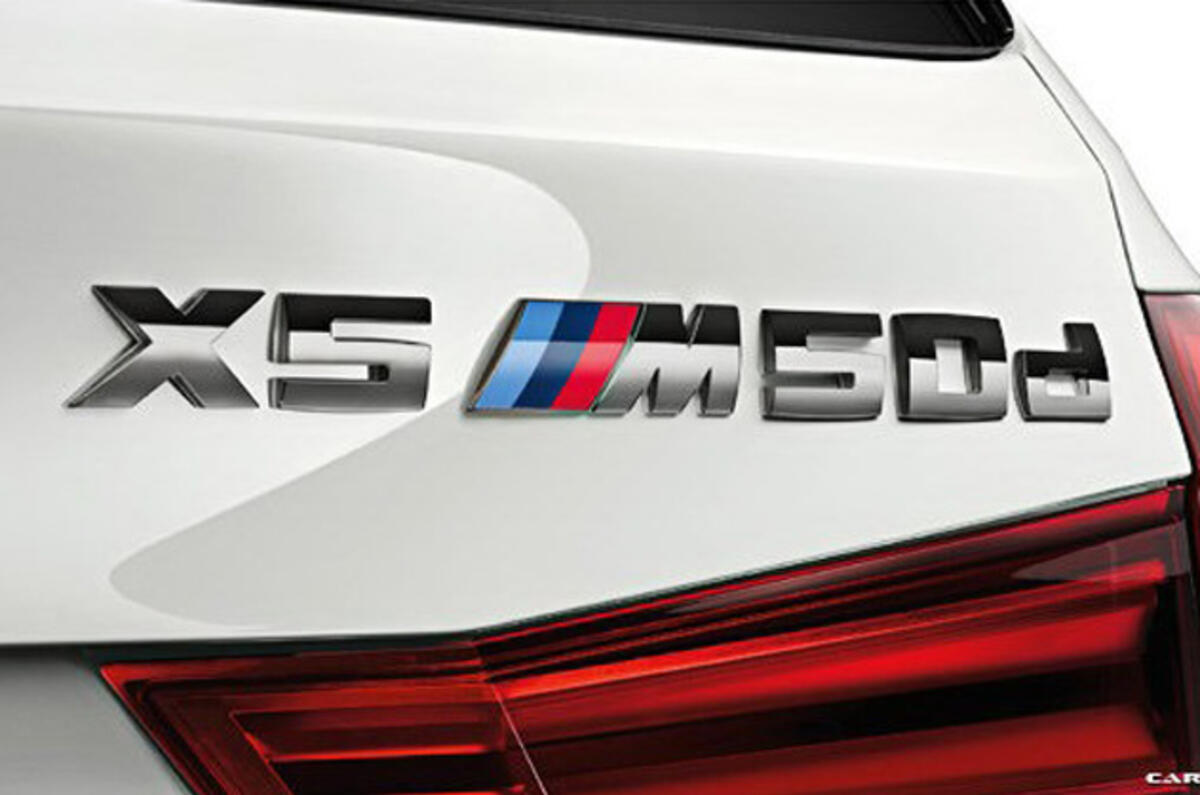
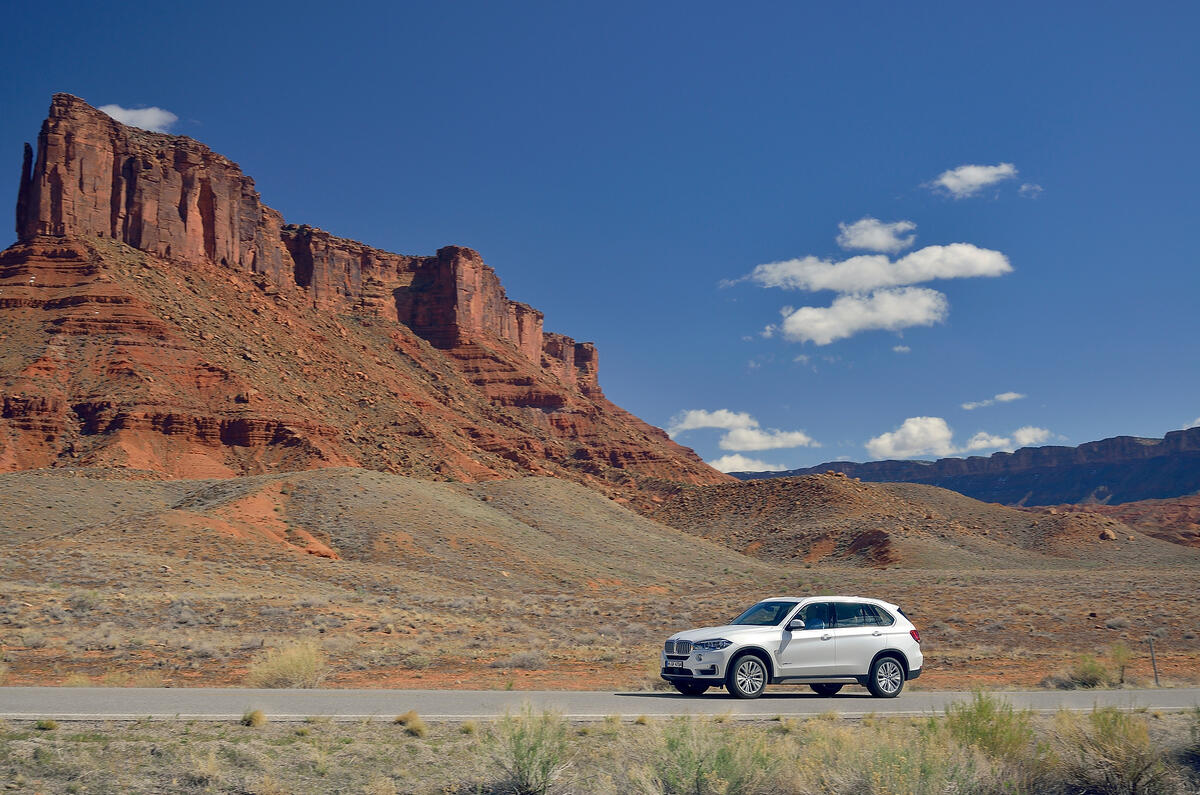


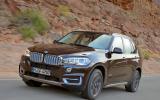

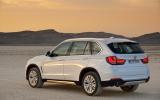
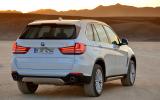
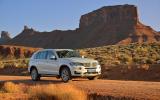
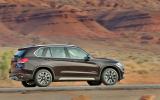
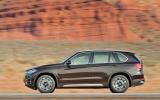
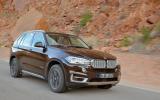
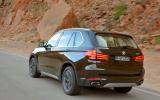

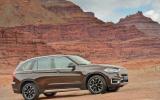
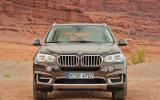
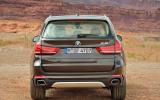
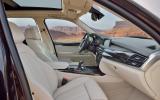


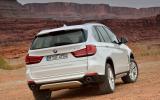
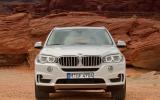
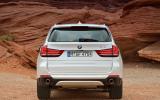


The new third-generation BMW X5 will be sold with 2.0-litre four-cylinder diesel power and optional rear-wheel drive in a move that endows the SUV with claimed fuel consumption of more than 50mpg and CO2 emissions of 149g/km. The 2013 BMW X5 has made its public debut at the Frankfurt motor show today.
The decision to expand the choice of engines to include a four-cylinder unit mirrors the move made by Mercedes-Benz with its latest M-class. However, BMW's decision to offer rear-wheel drive represents a first in the hotly contested luxury SUV ranks.
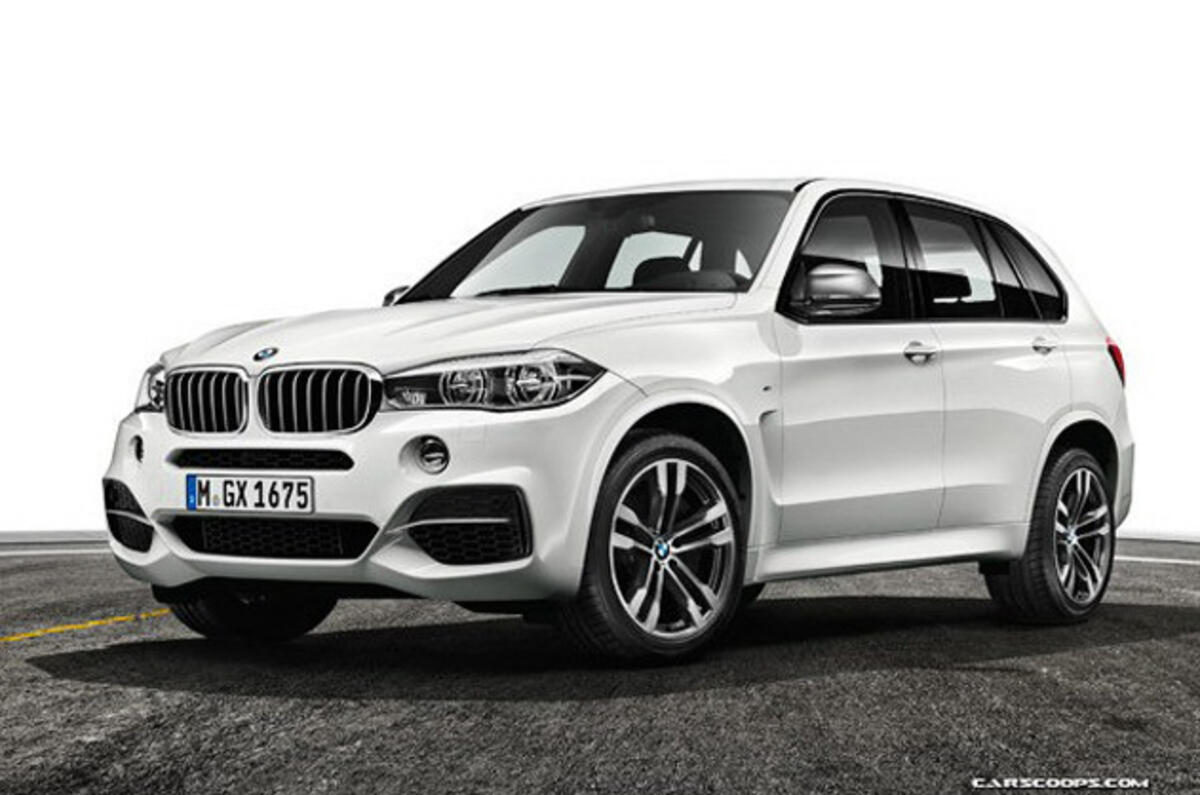
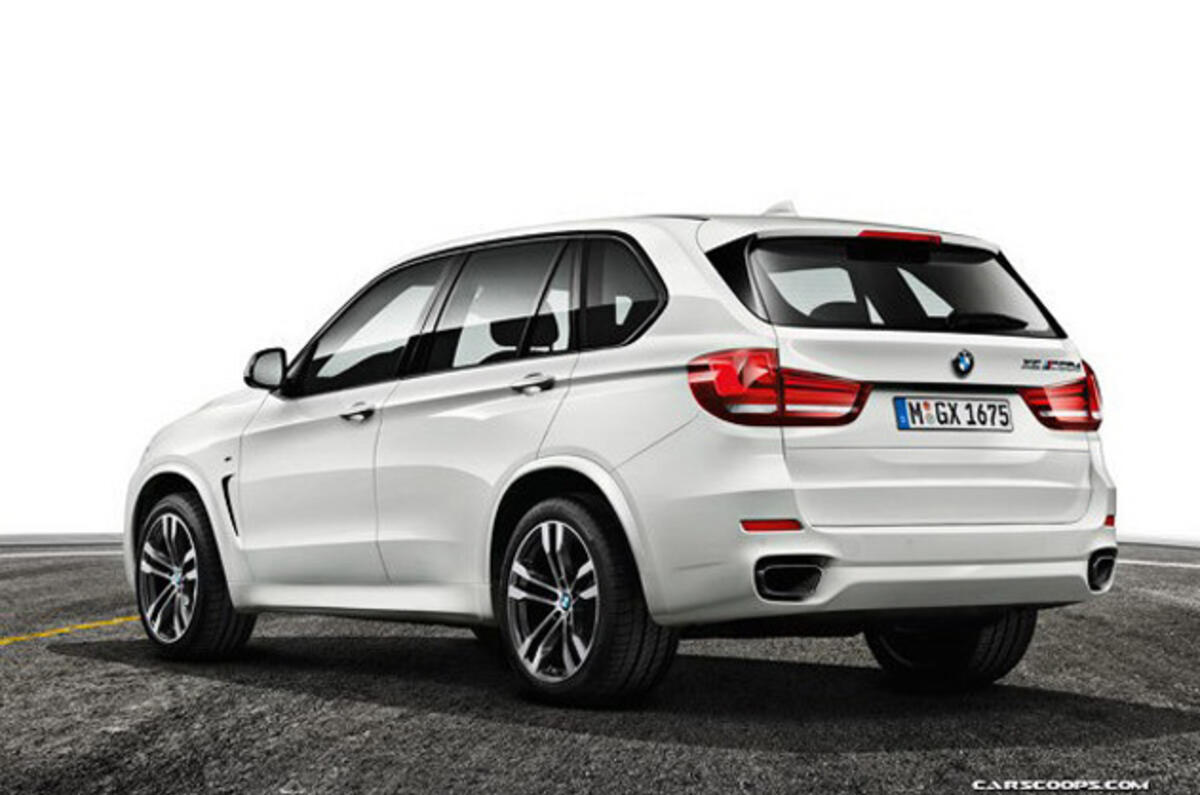
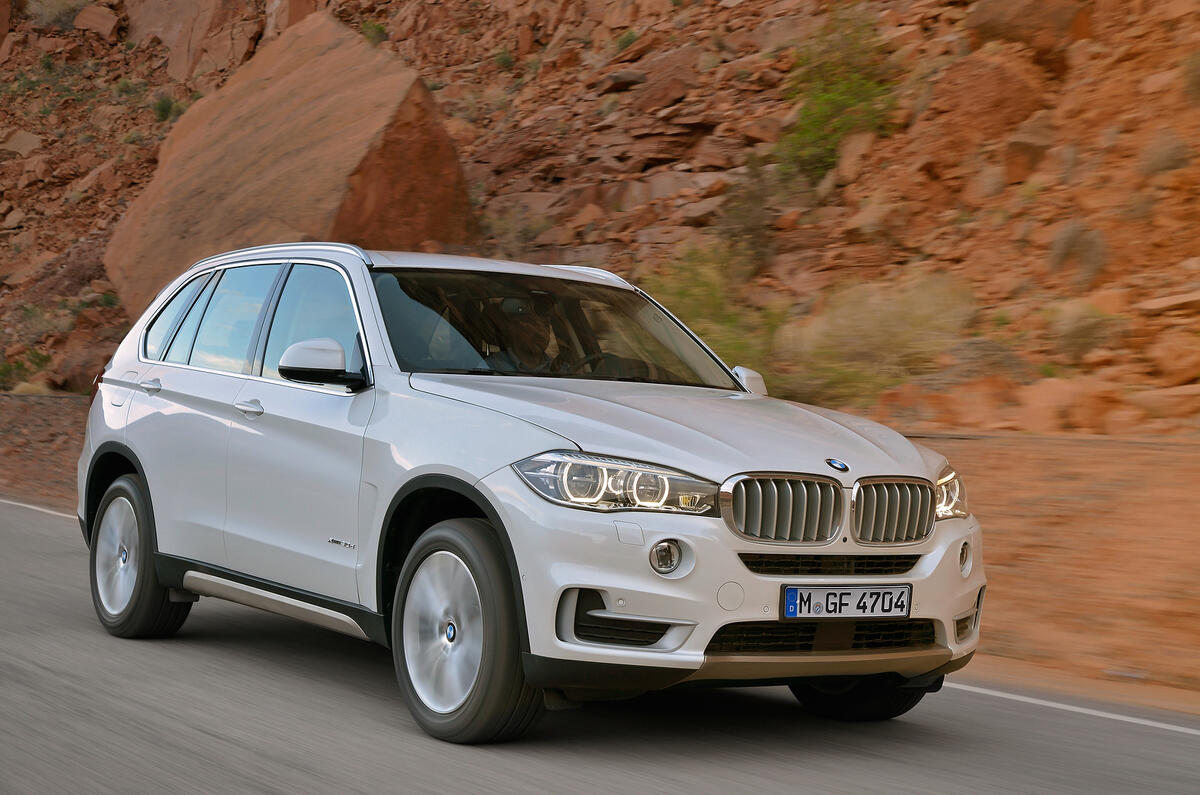
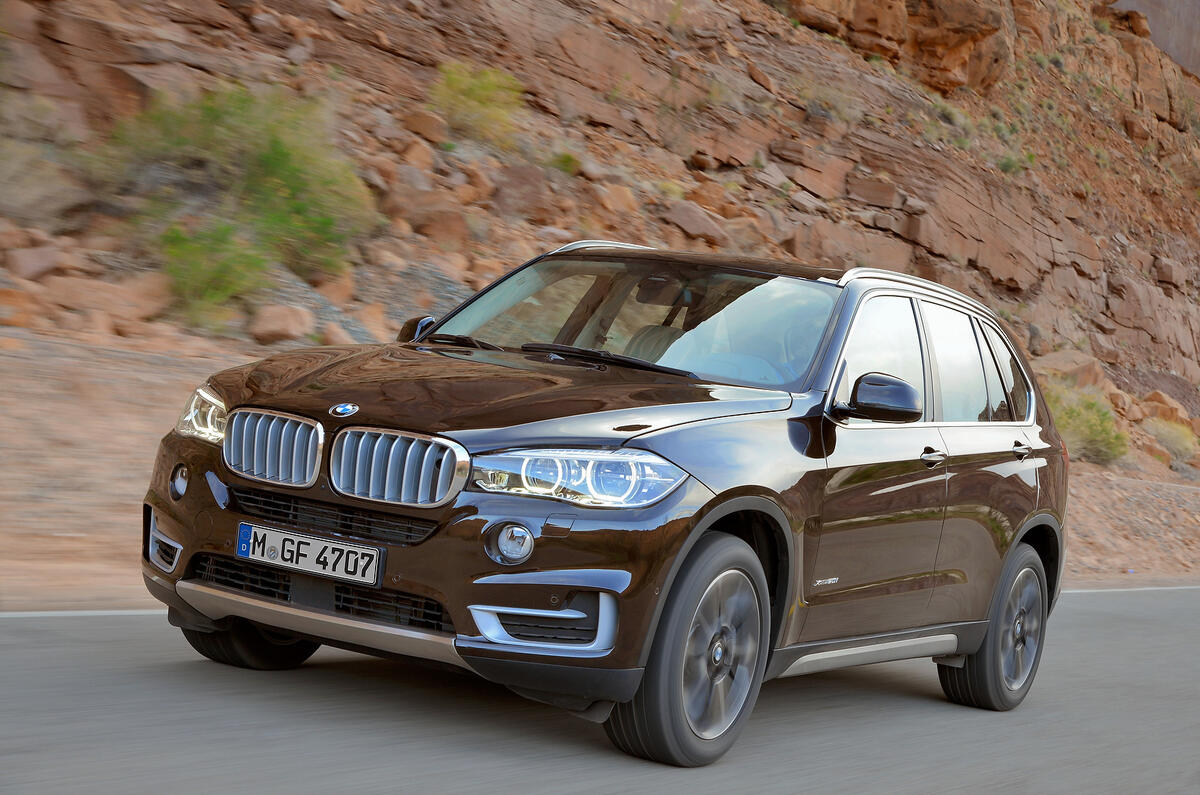
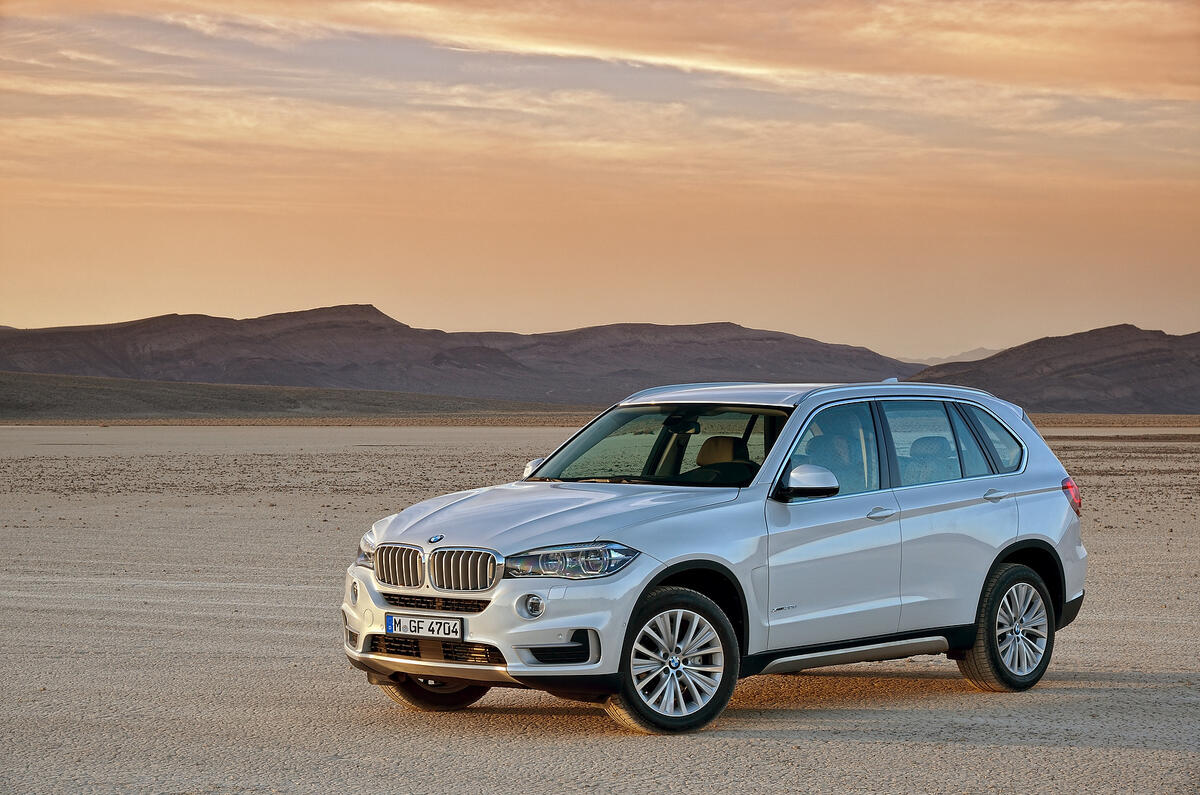
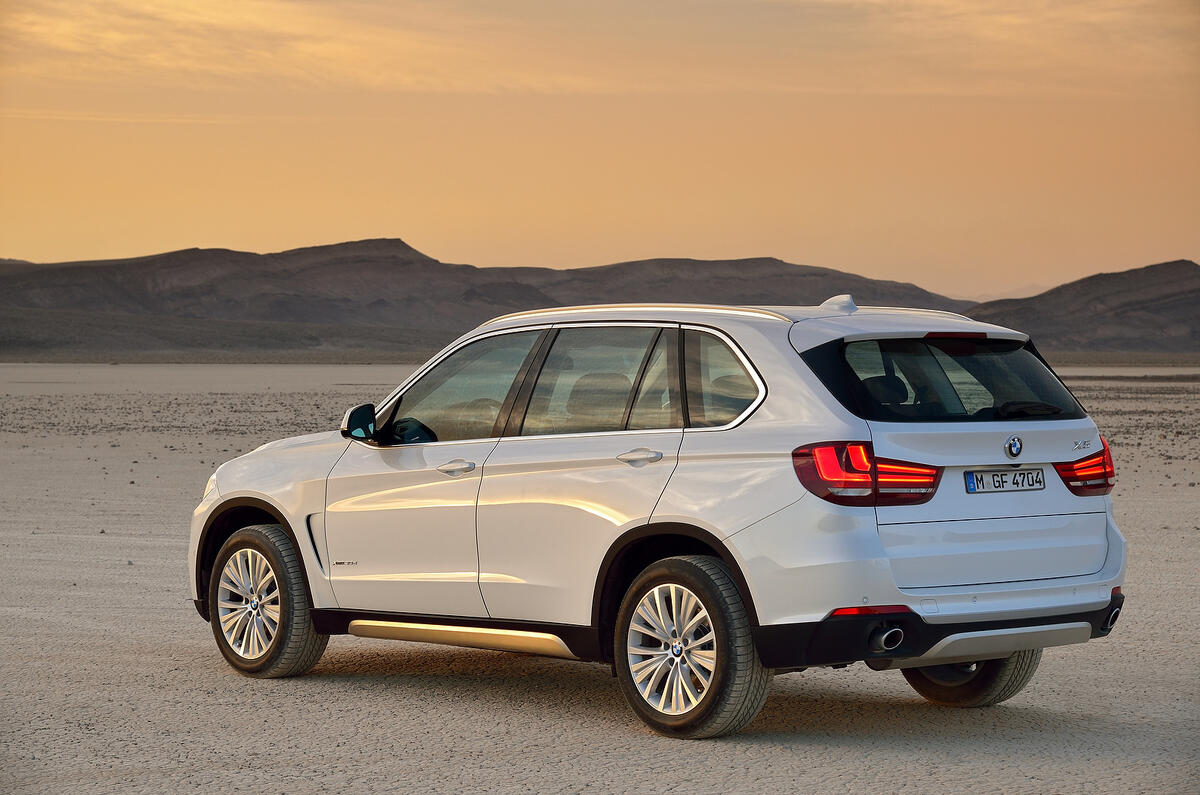
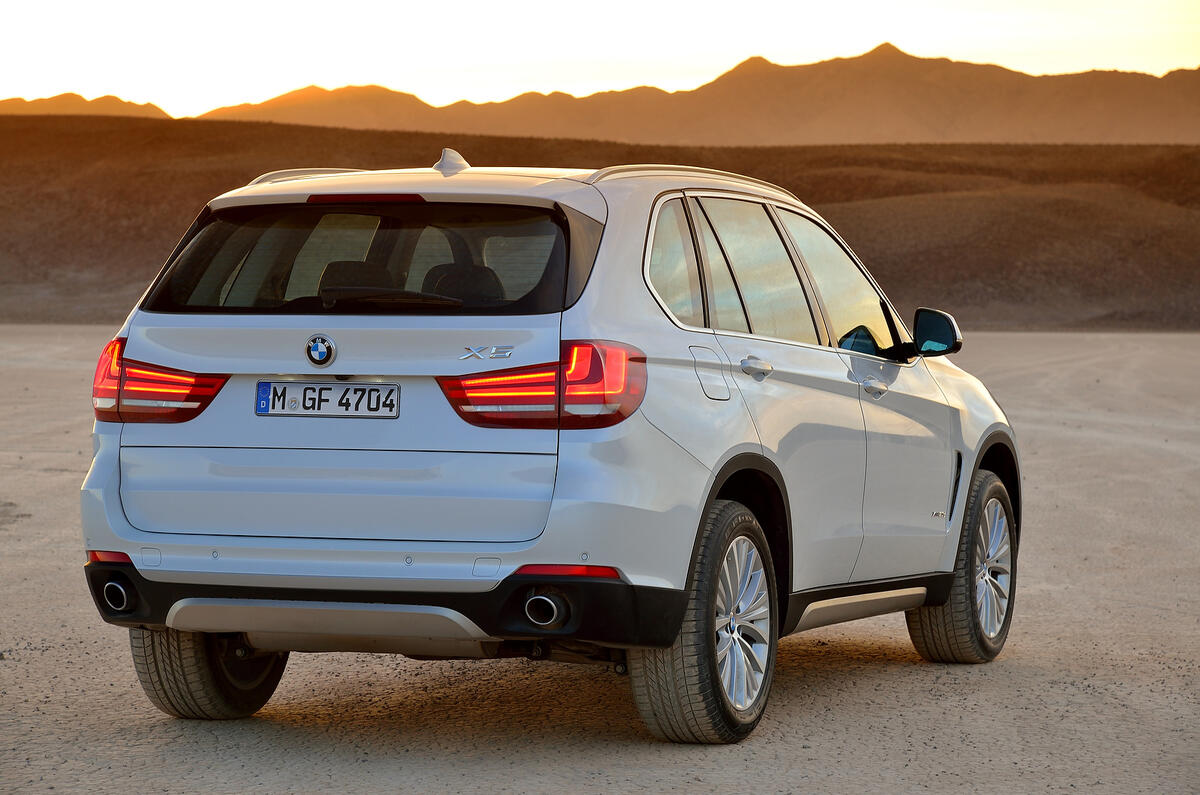
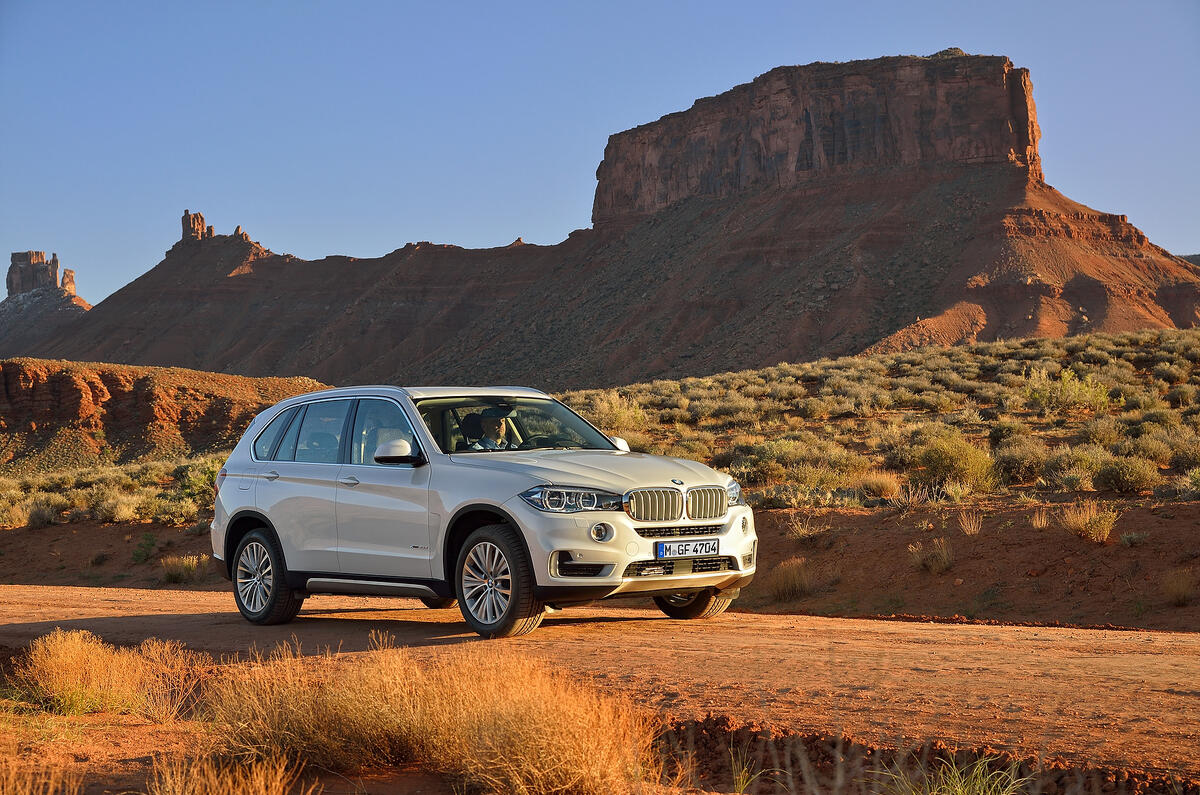
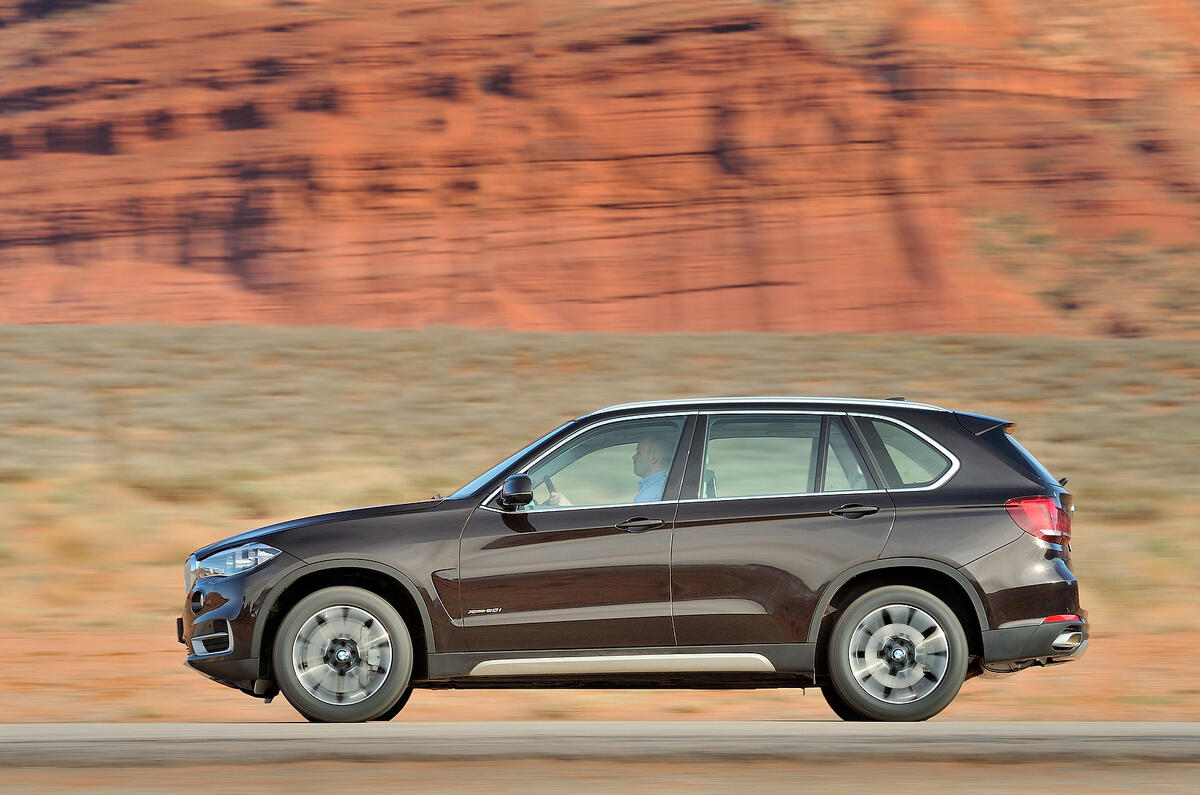
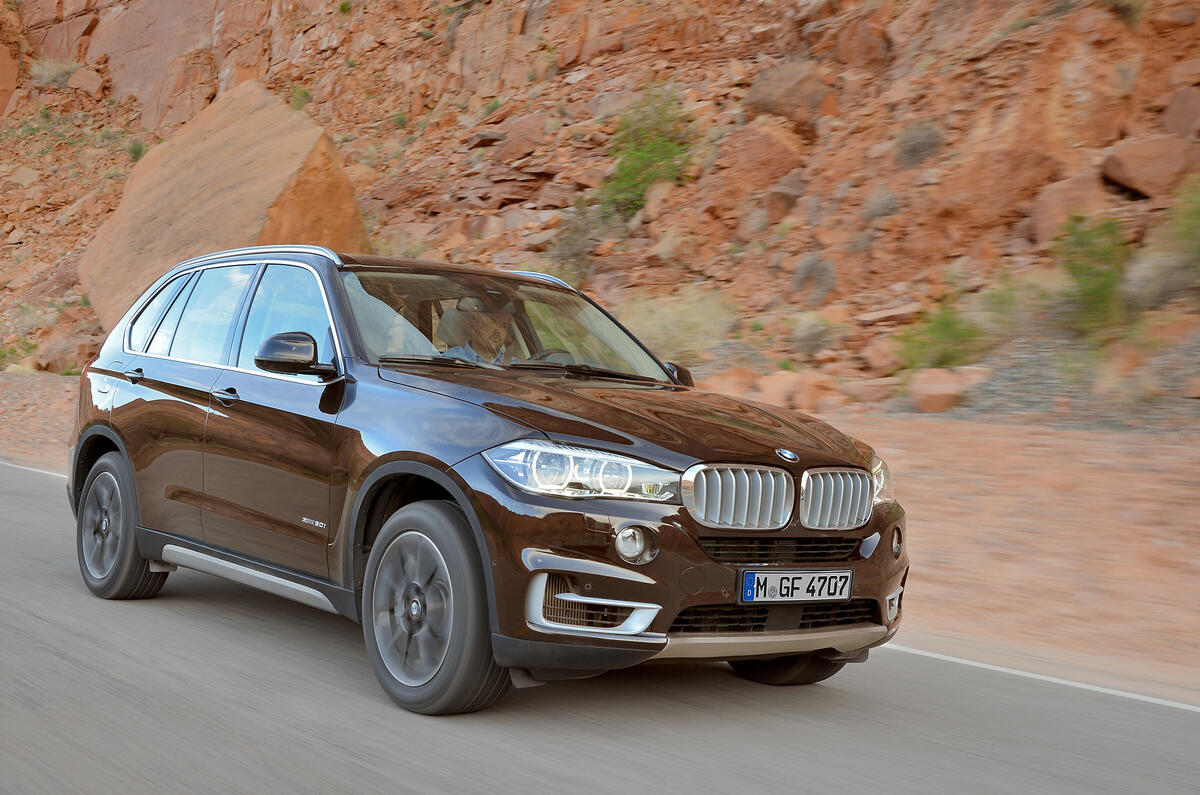
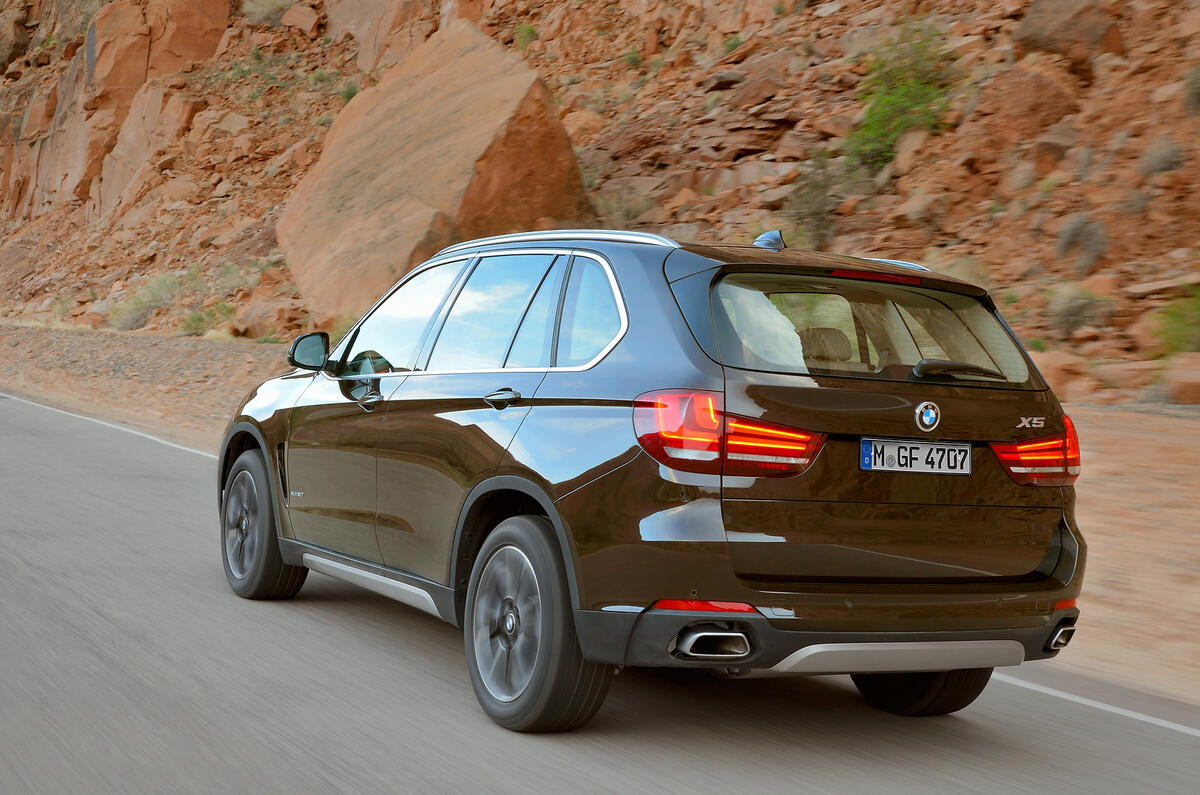
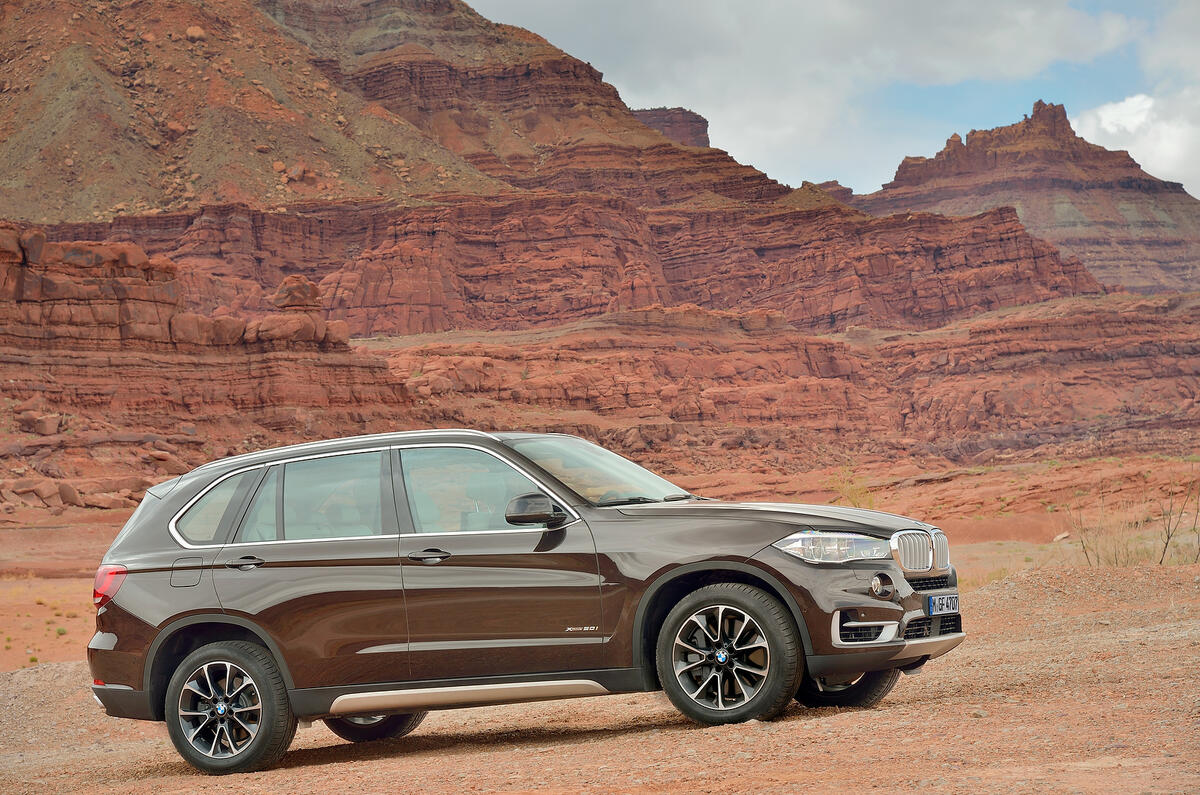
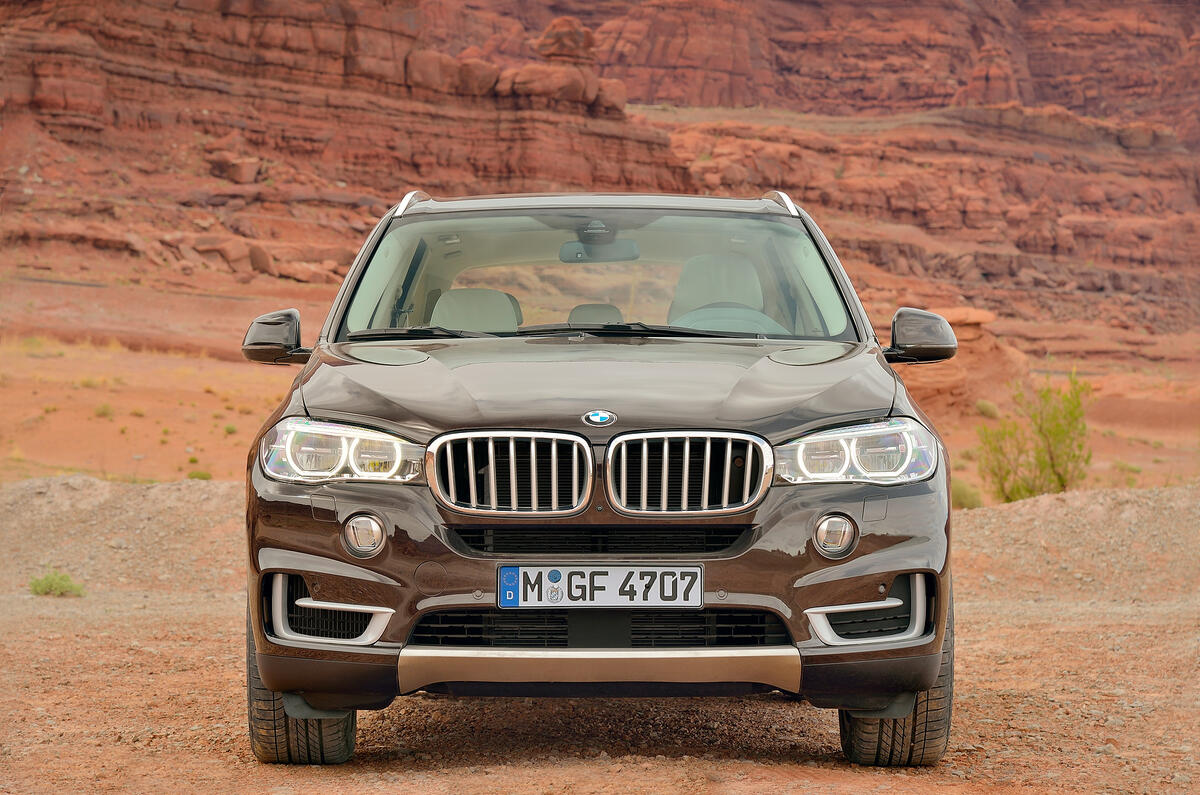
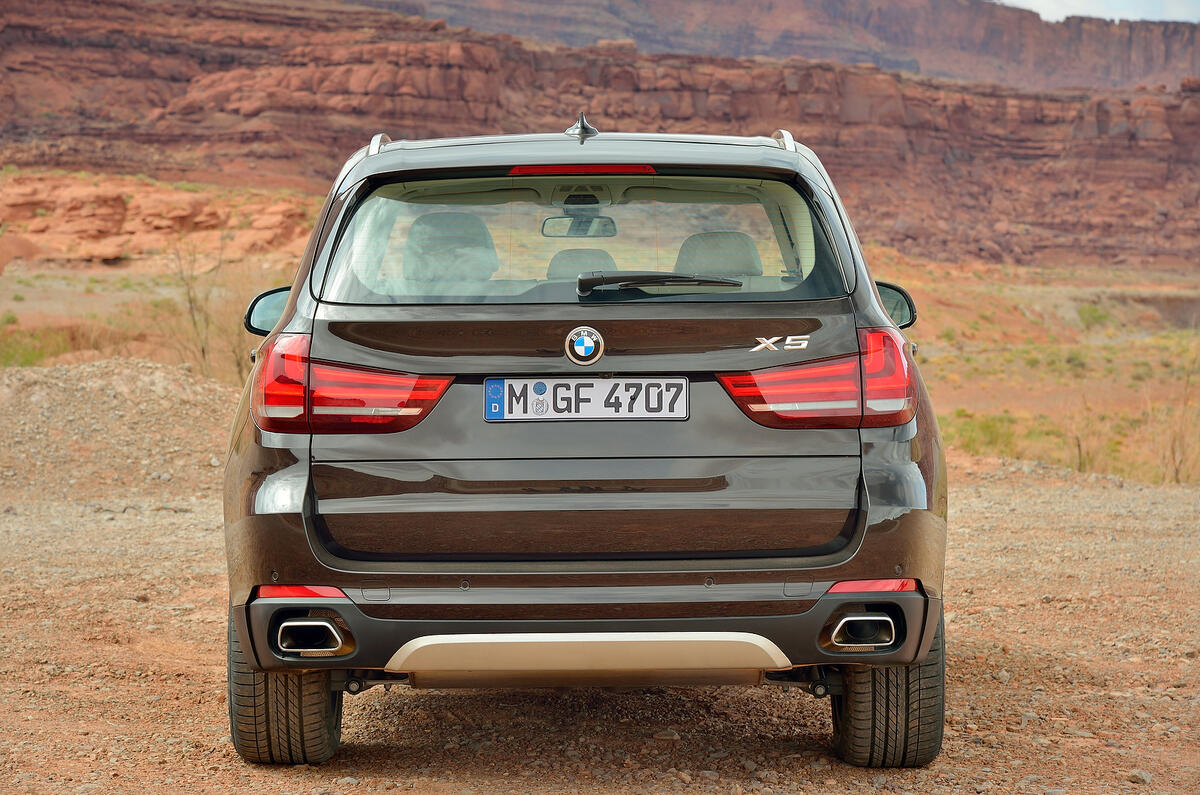
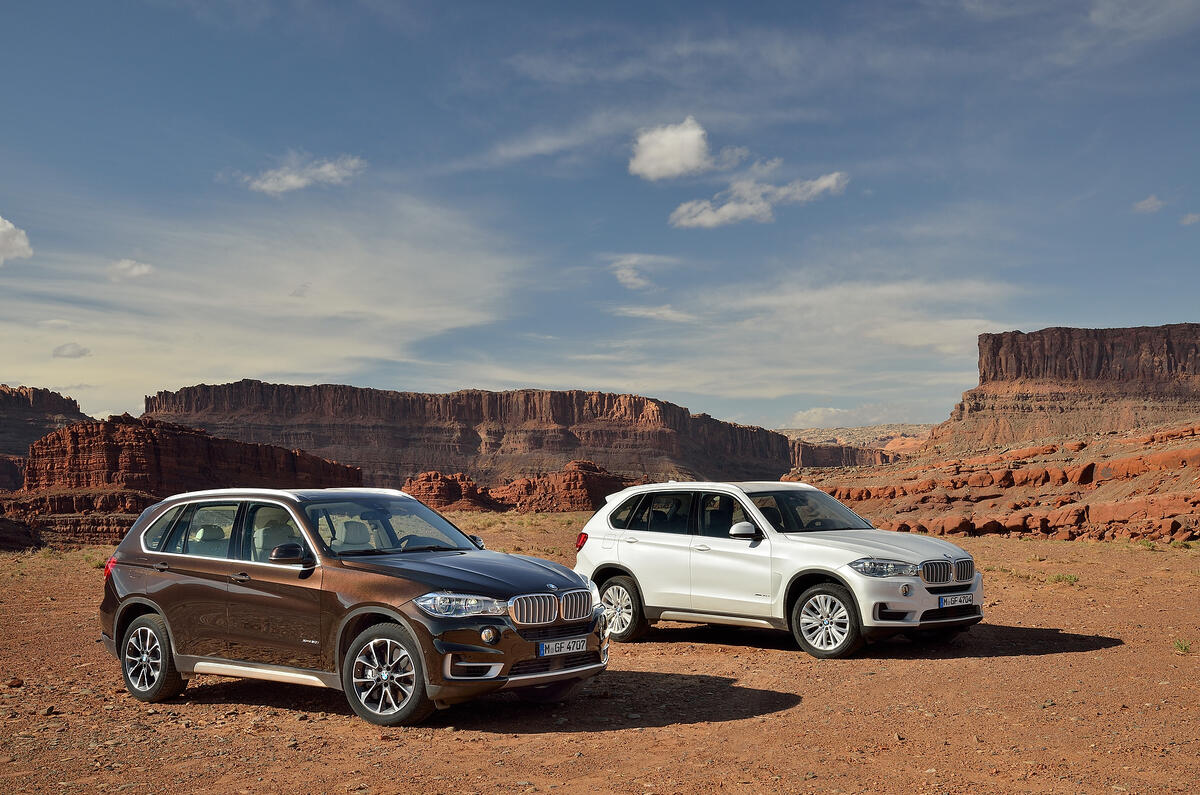
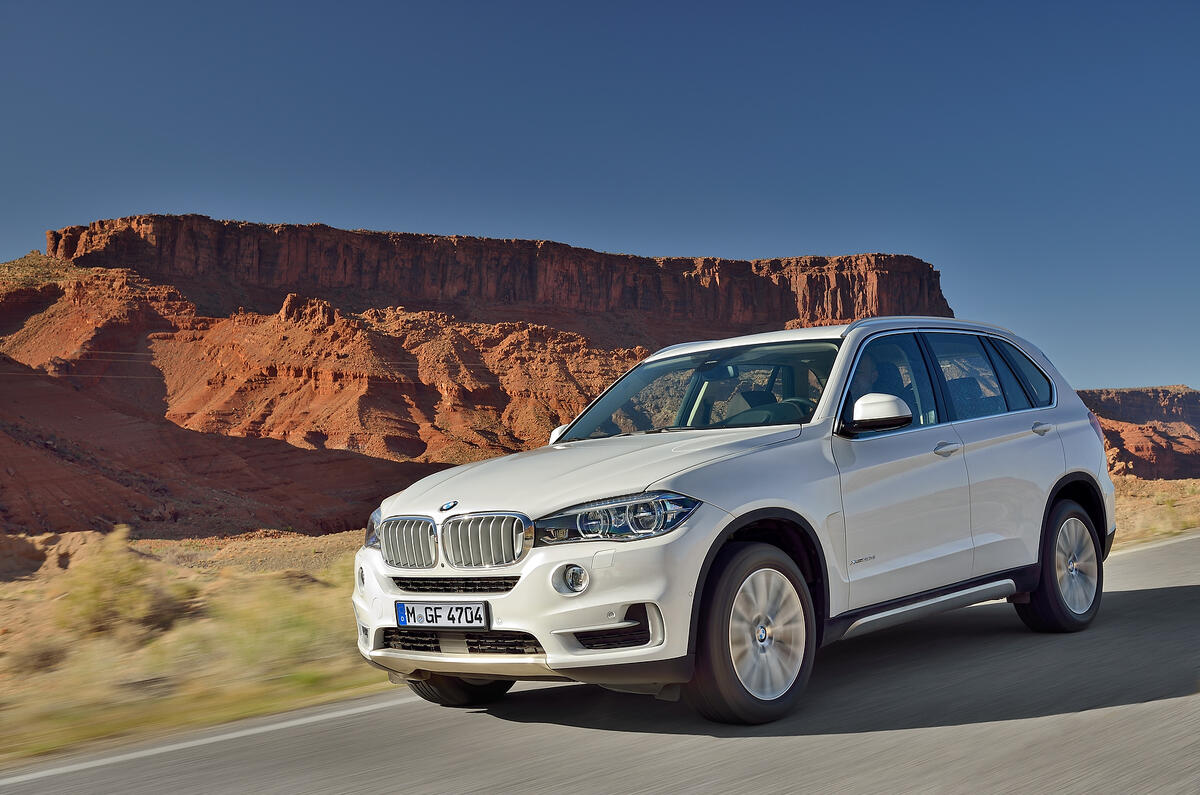
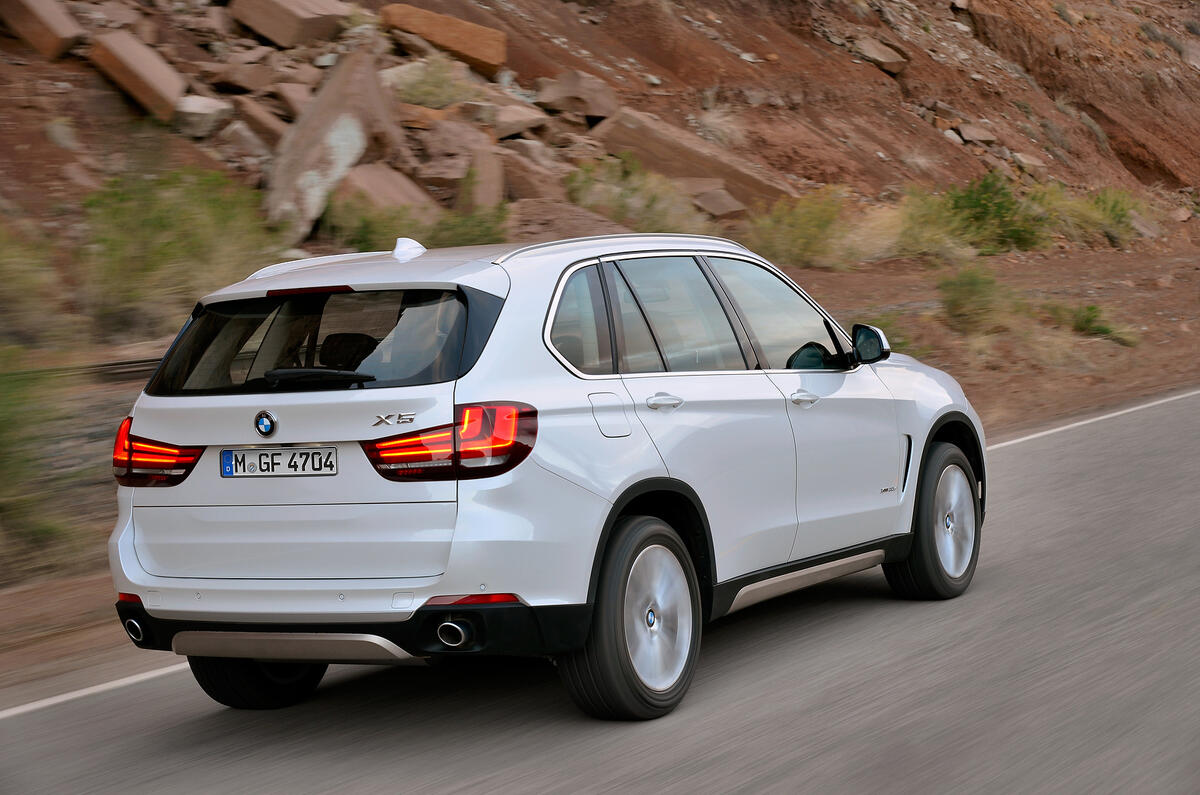
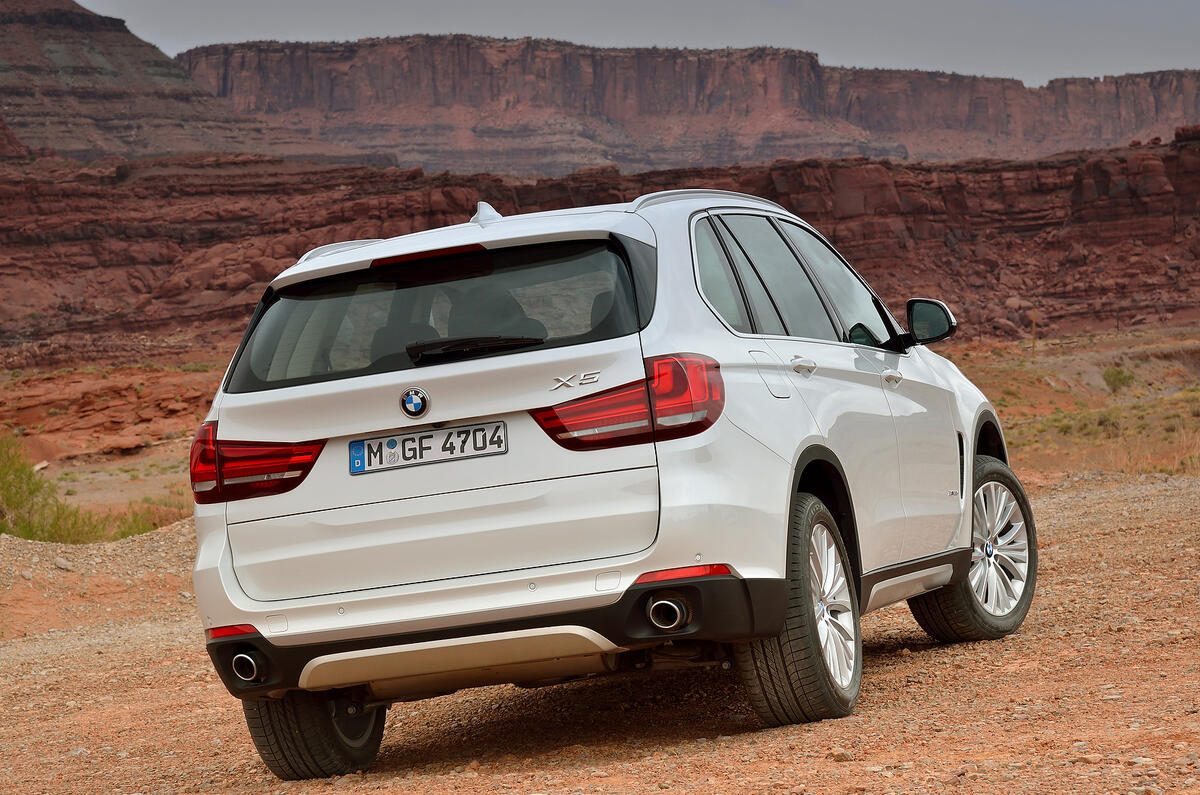
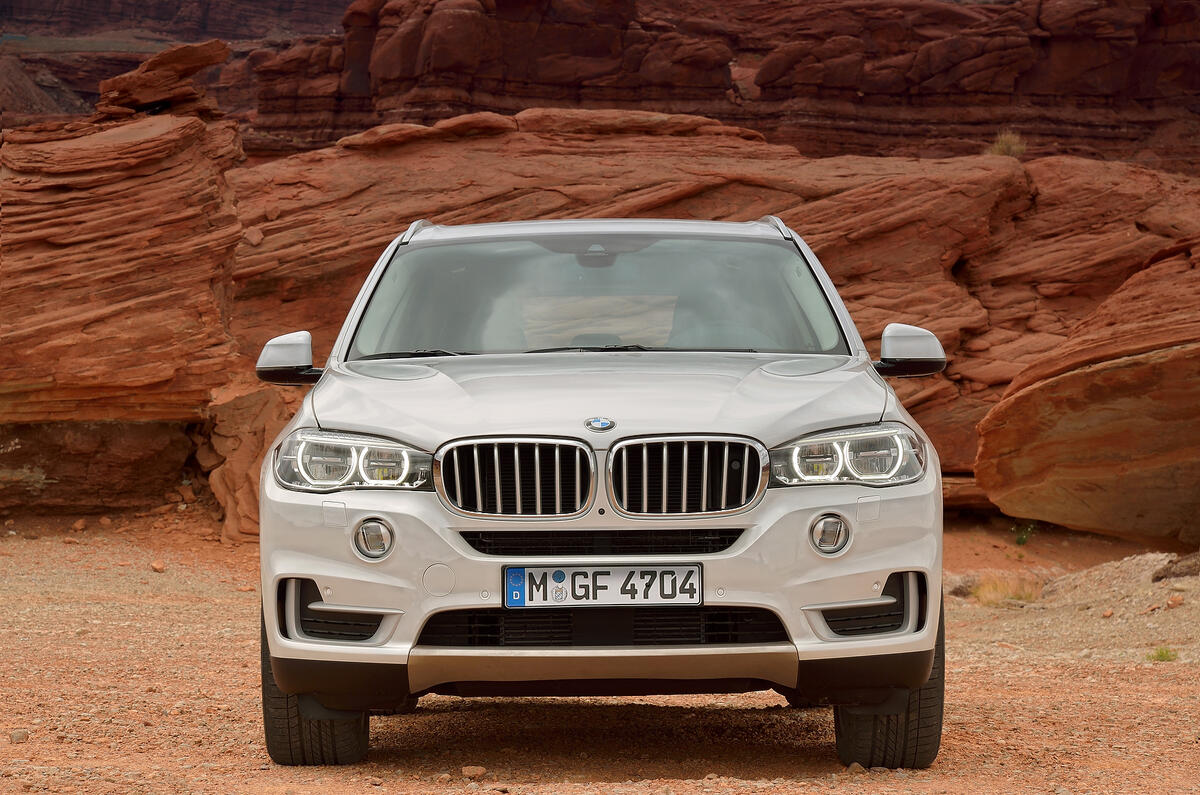
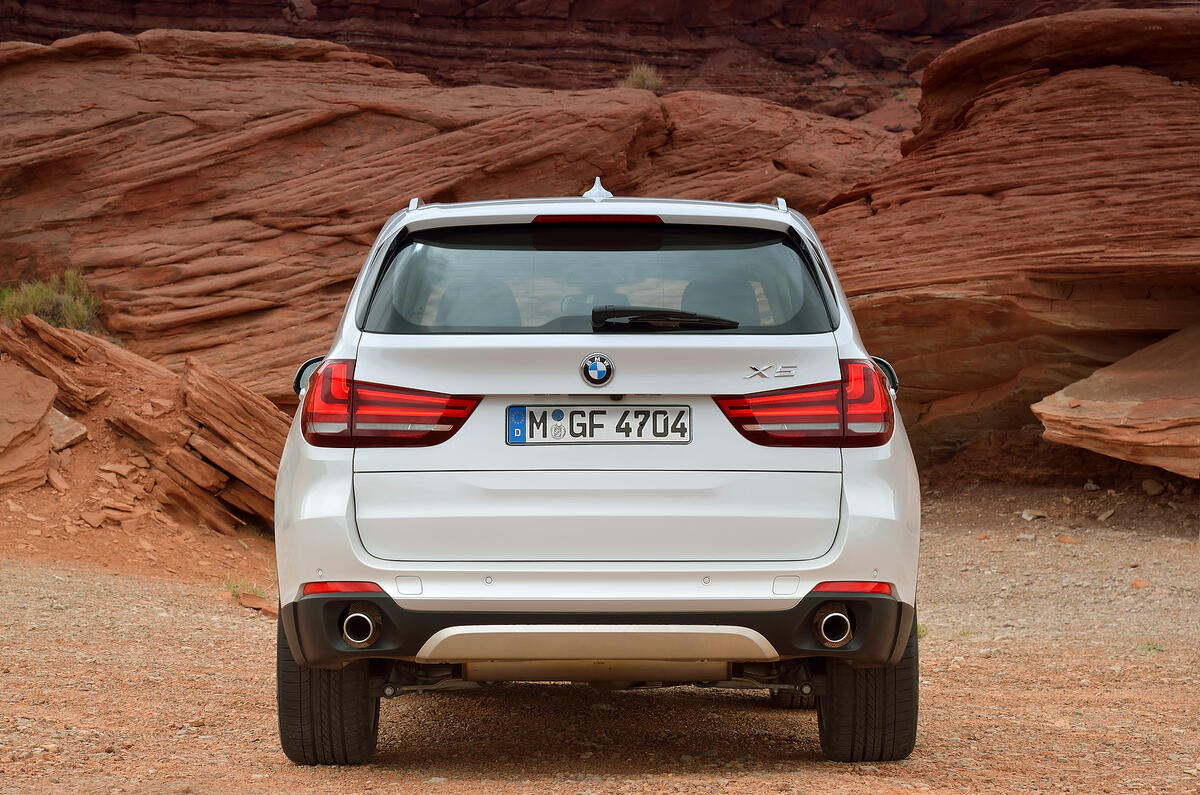
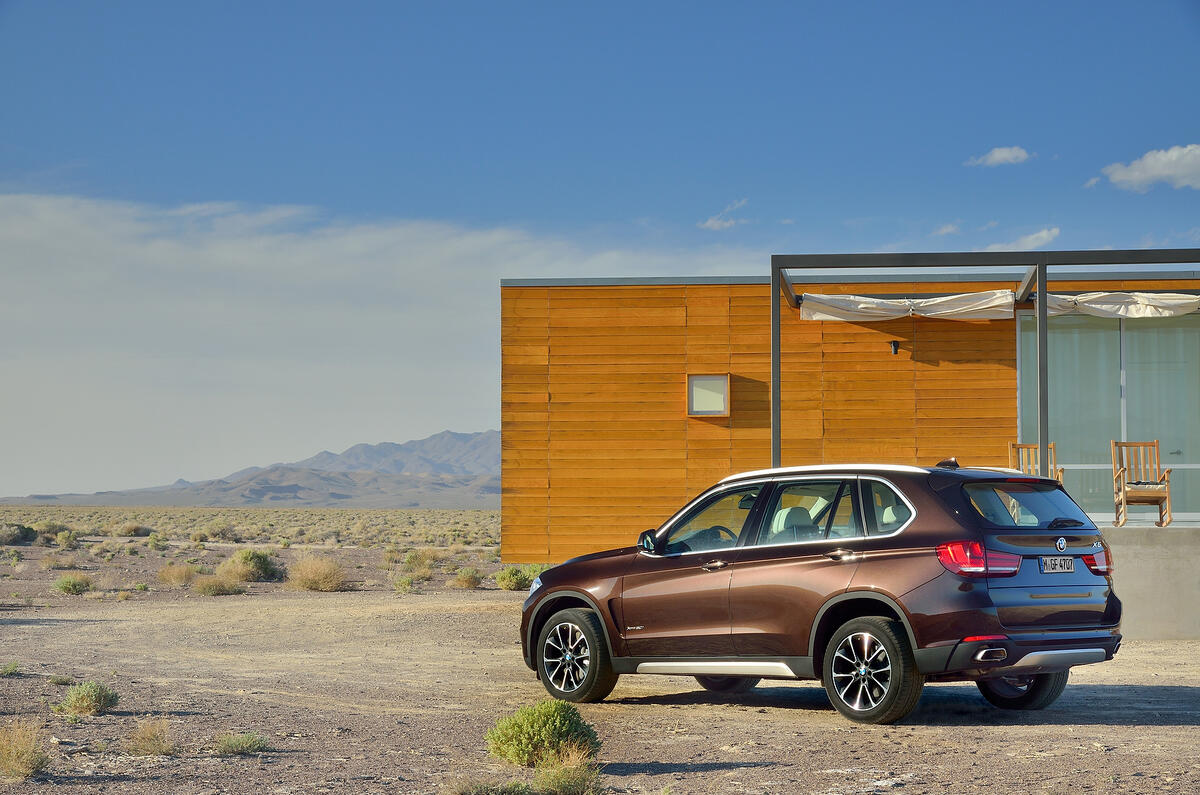
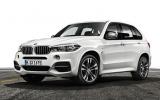
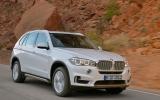
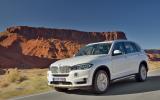
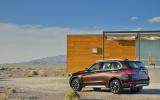
Developed under the internal codename F15, the new BMW X5 has been progressed in a typically evolutionary approach that sees it retain its upright profile and traditional features such as its two-piece tailgate. Distinguishing touches include a bolder front end with a more prominent kidney grille and LED-imbued headlamps that butt up against the chrome surround of the grille.
A heavily contoured bumper, which features so-called air curtain ducts on the lower outer edges, helps to channel air through the front wheel houses to an 'air blade' duct sited behind the front wheel arches. The design also features on the recently introduced 3-series GT.
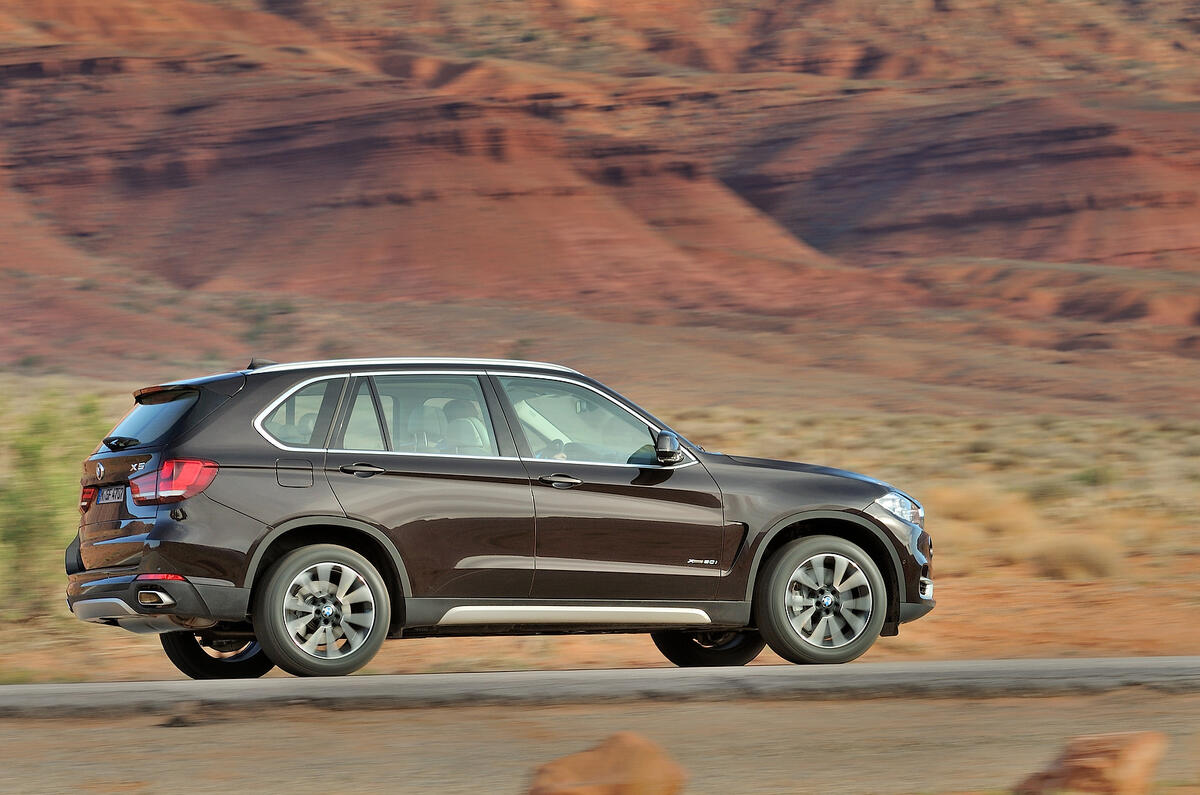
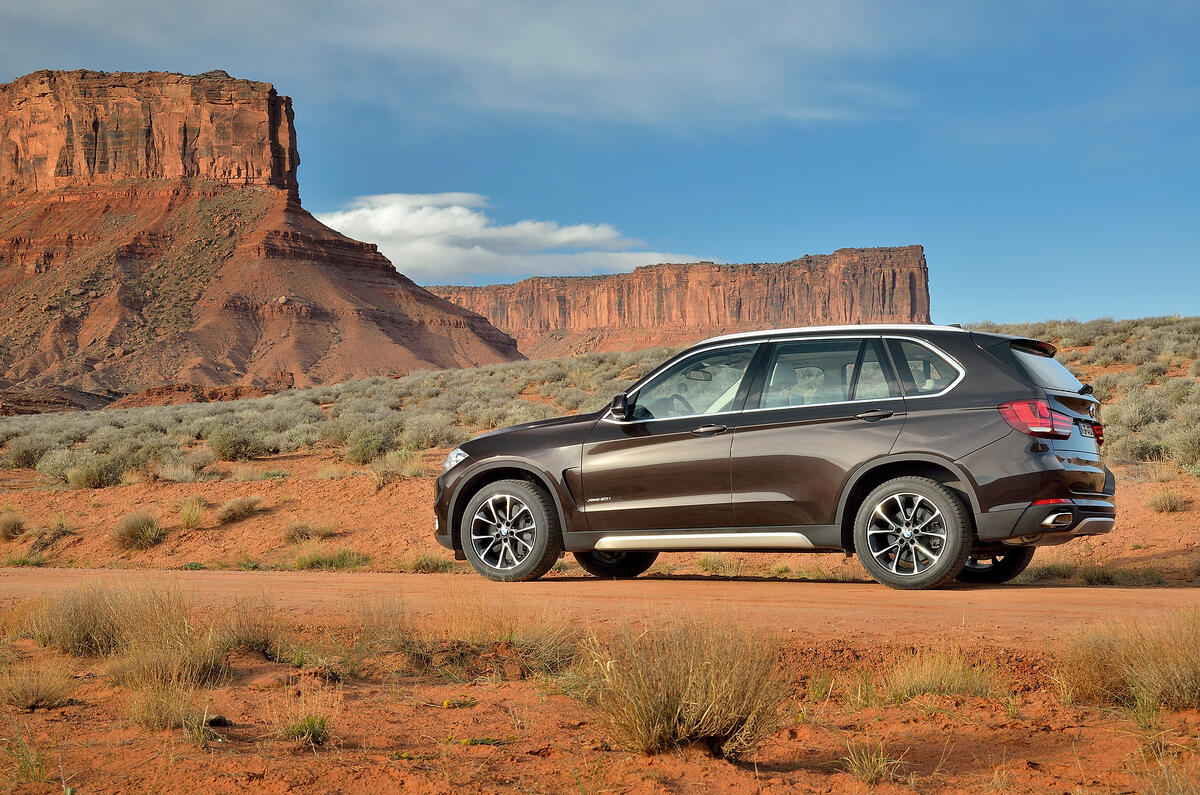
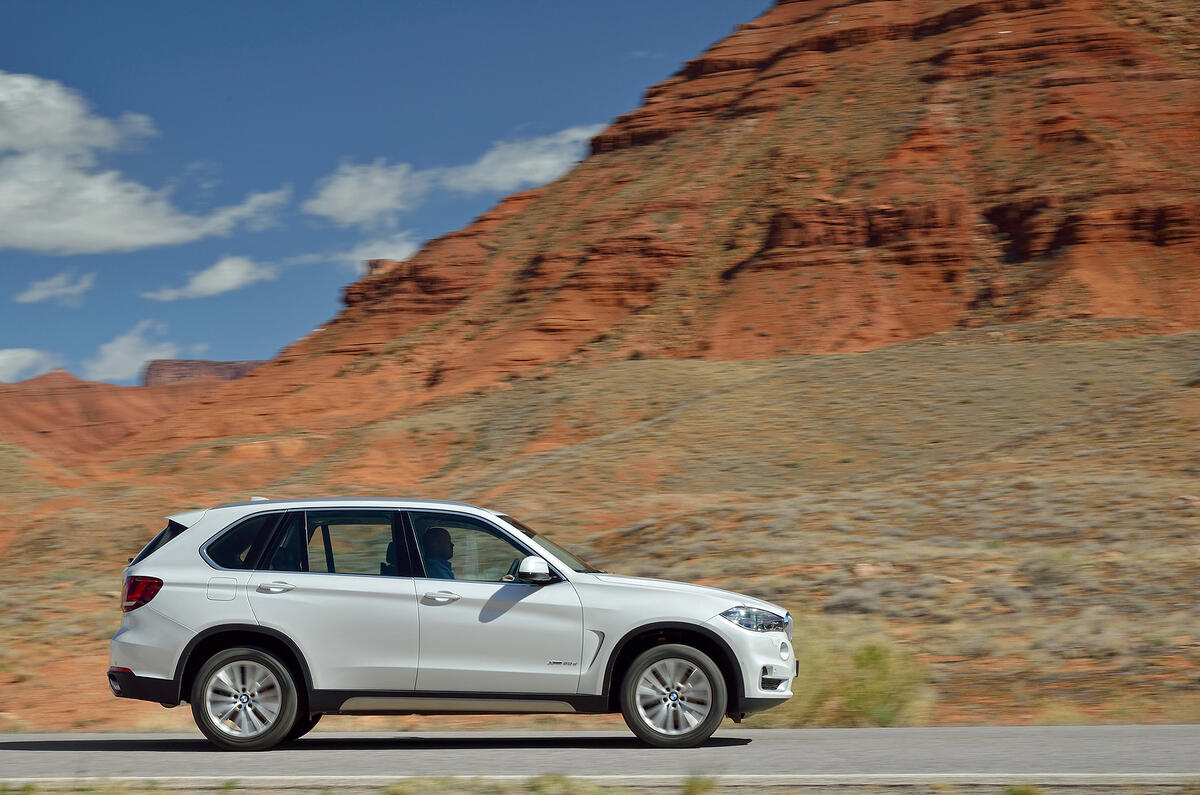
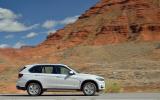
Overall, the new SUV receives a more structured look than its predecessor, with greater contouring within the bonnet, a more pronounced shoulder line and an added feature line within the lower section of the doors to reduce visual bulk. A tall glasshouse remains a key design feature and follows on from the original E53 model launched in 1999 and the second-generation E70 model in 2008.
At 4886mm in length, 1938mm in width and 1762mm in height, the new X5 is 32mm longer, 5mm wider and 14mm taller than its predecessor. It shares its 2933mm wheelbase with the second-generation X5 but the tracks have been shortened by 4mm both front and rear to 1640mm and 1646mm, endowing it with a slightly smaller footprint.
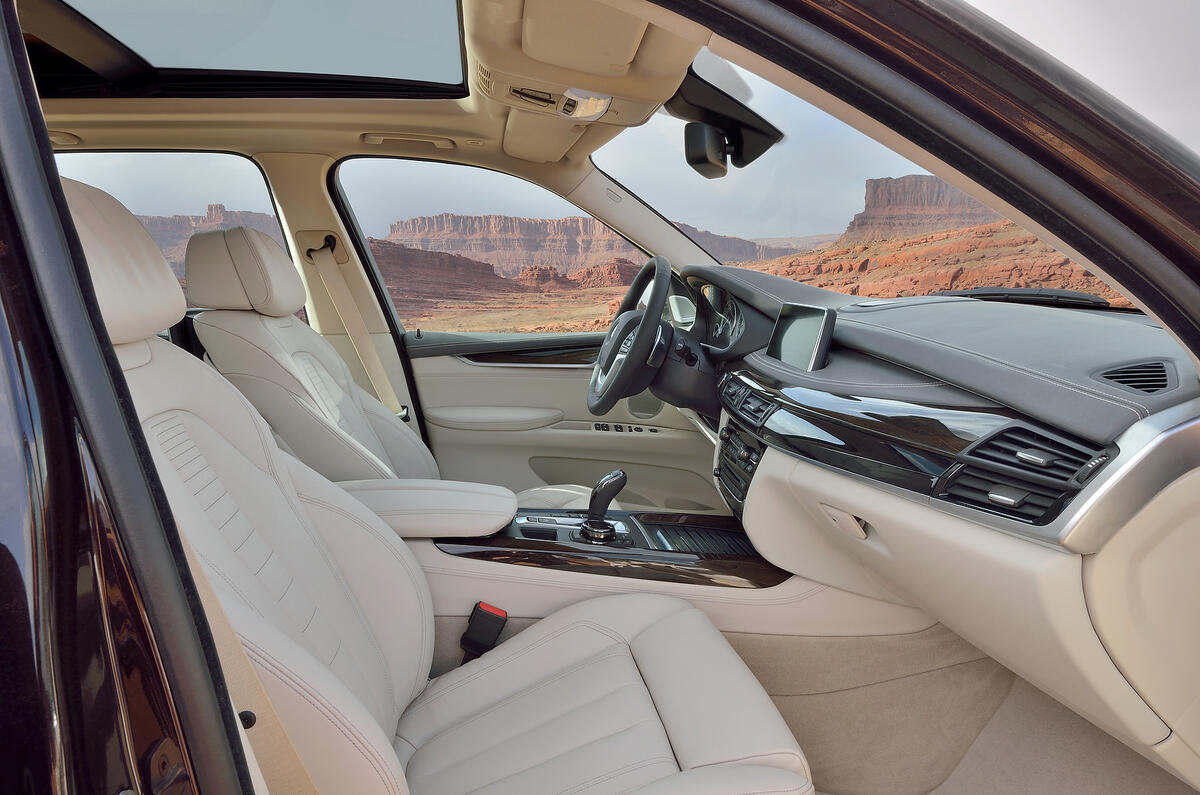
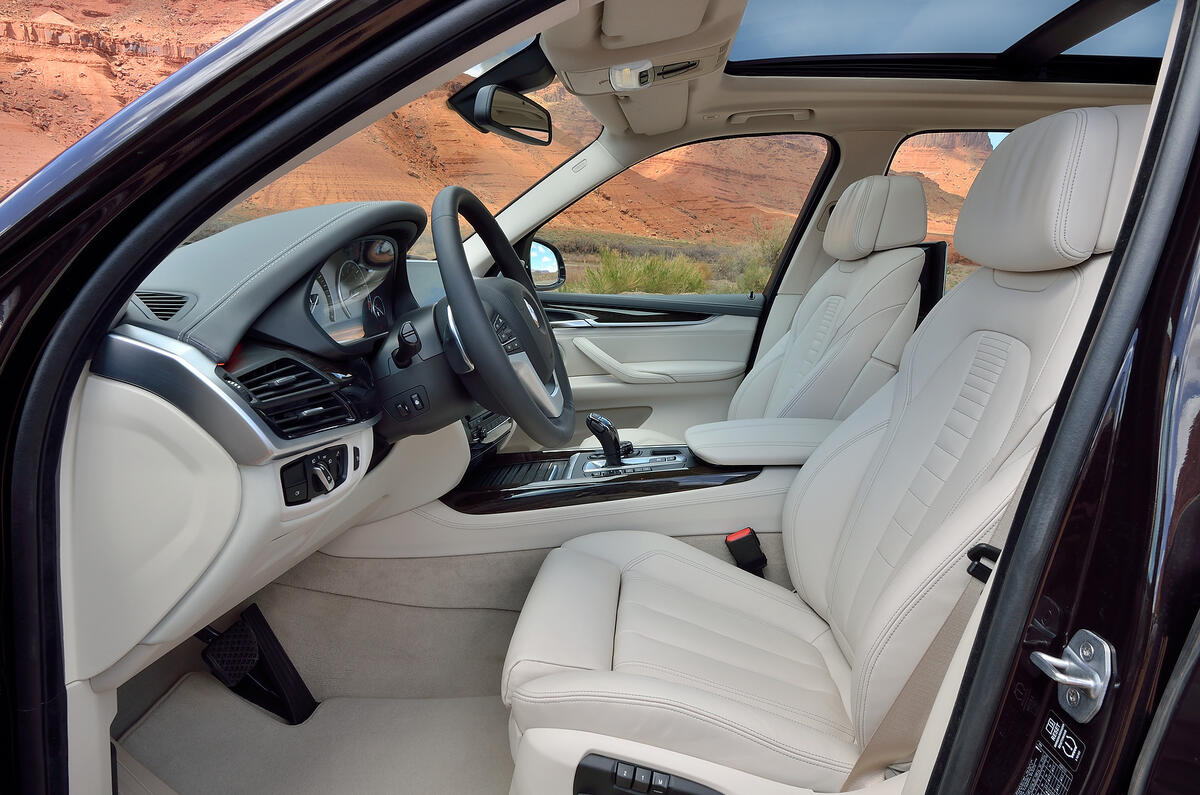
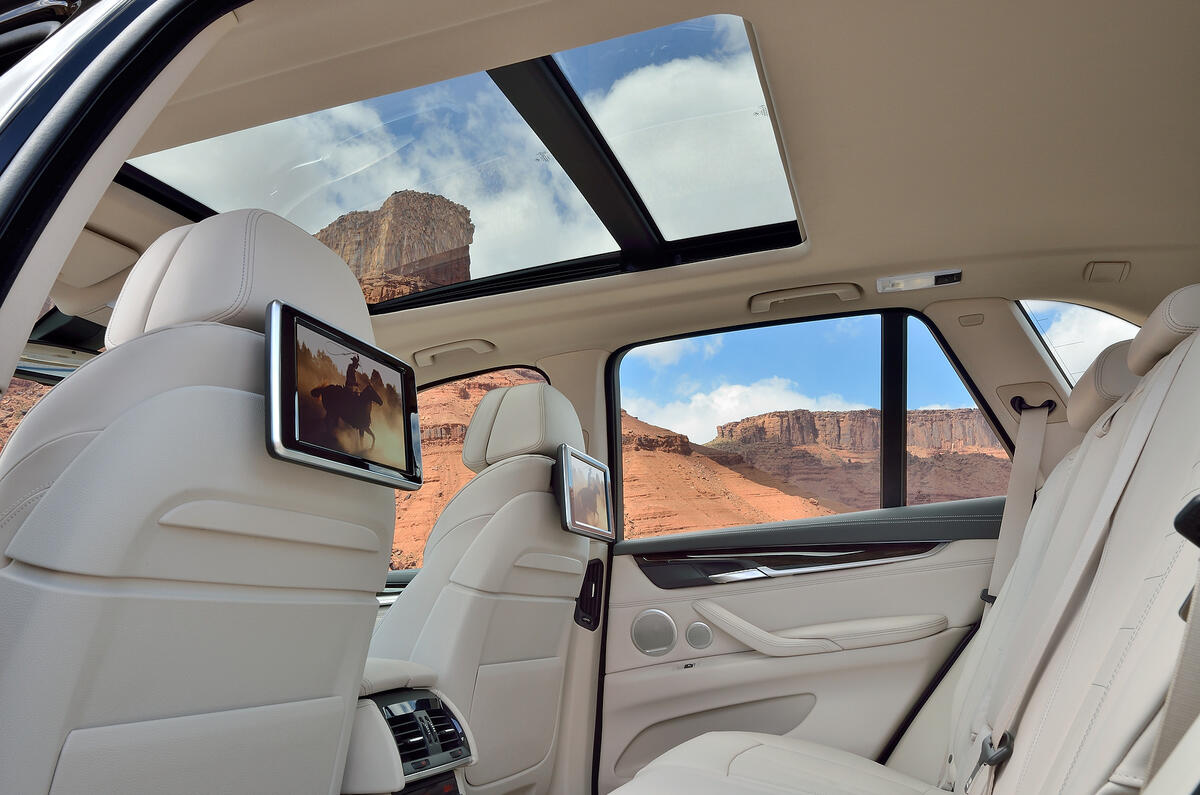
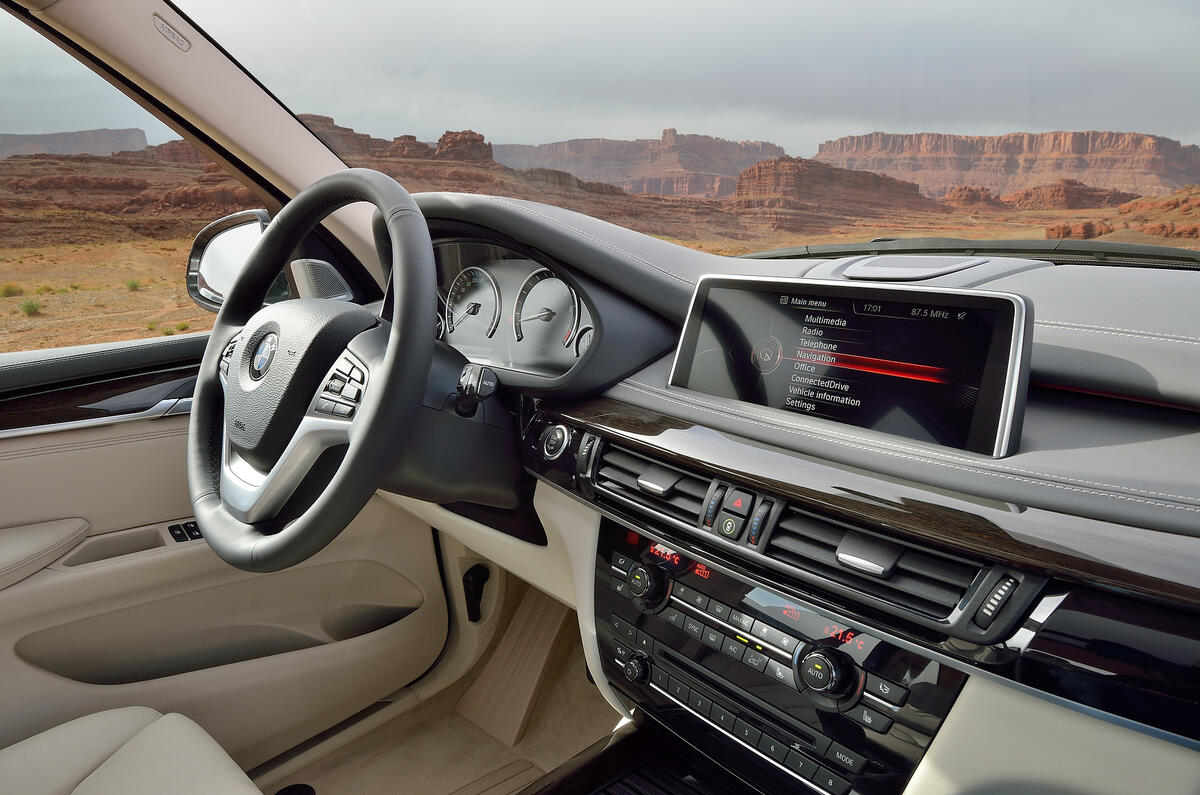
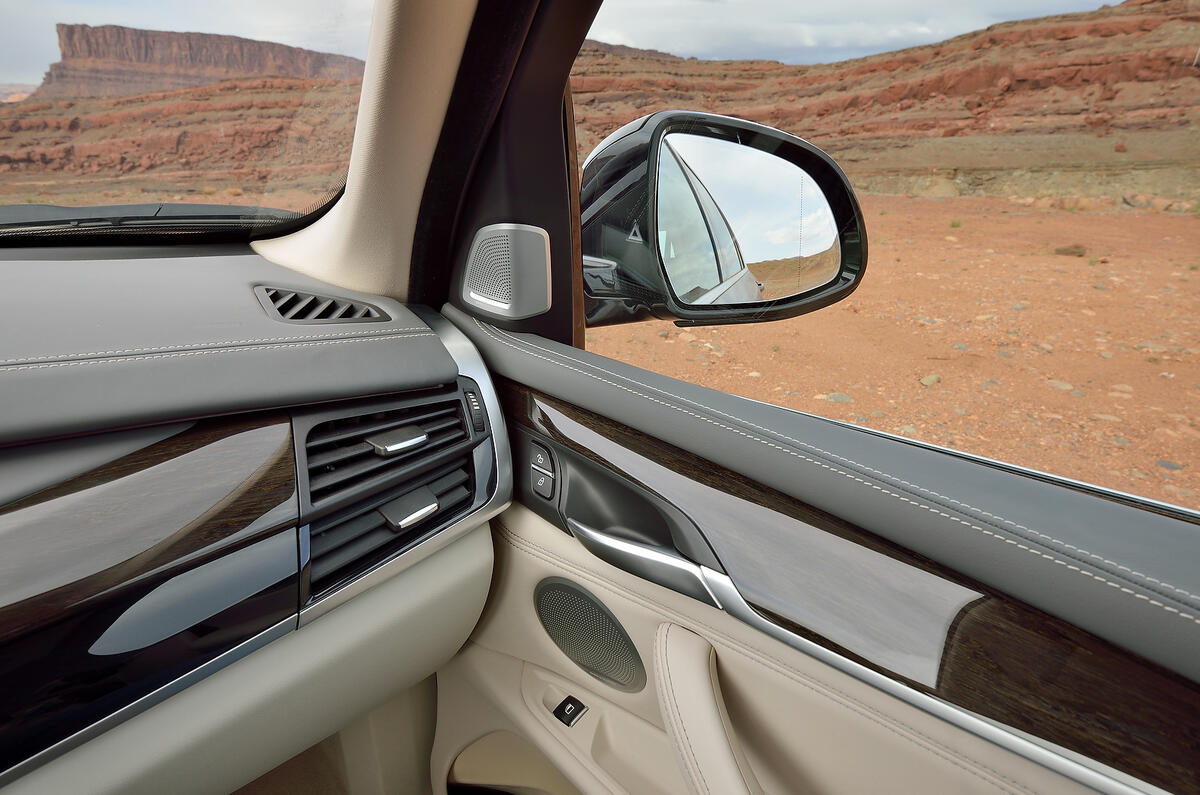
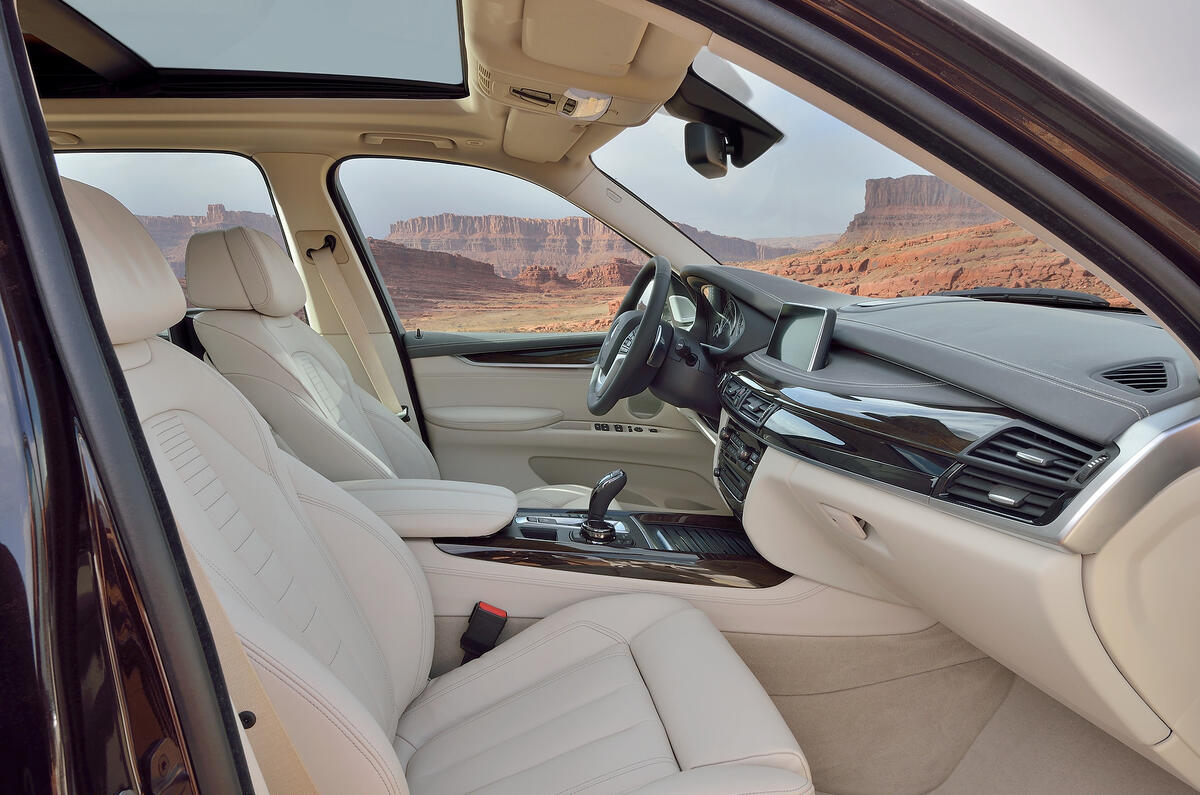
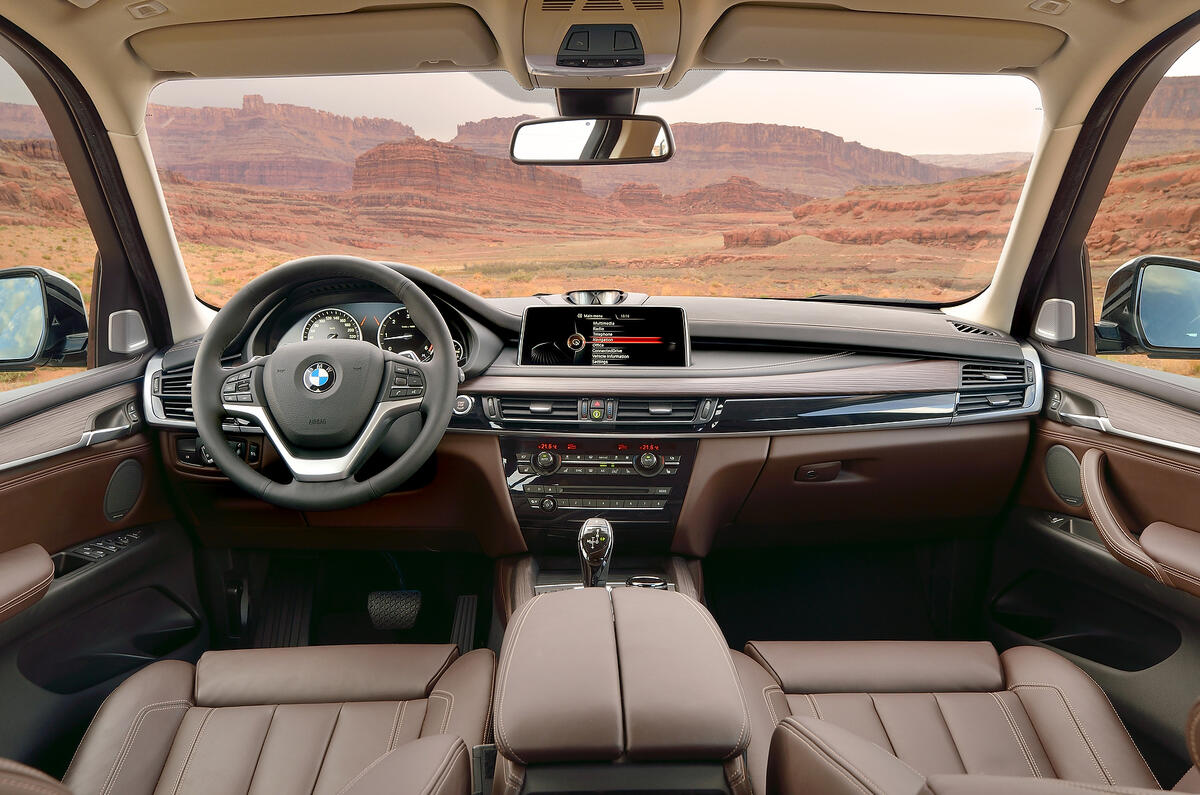
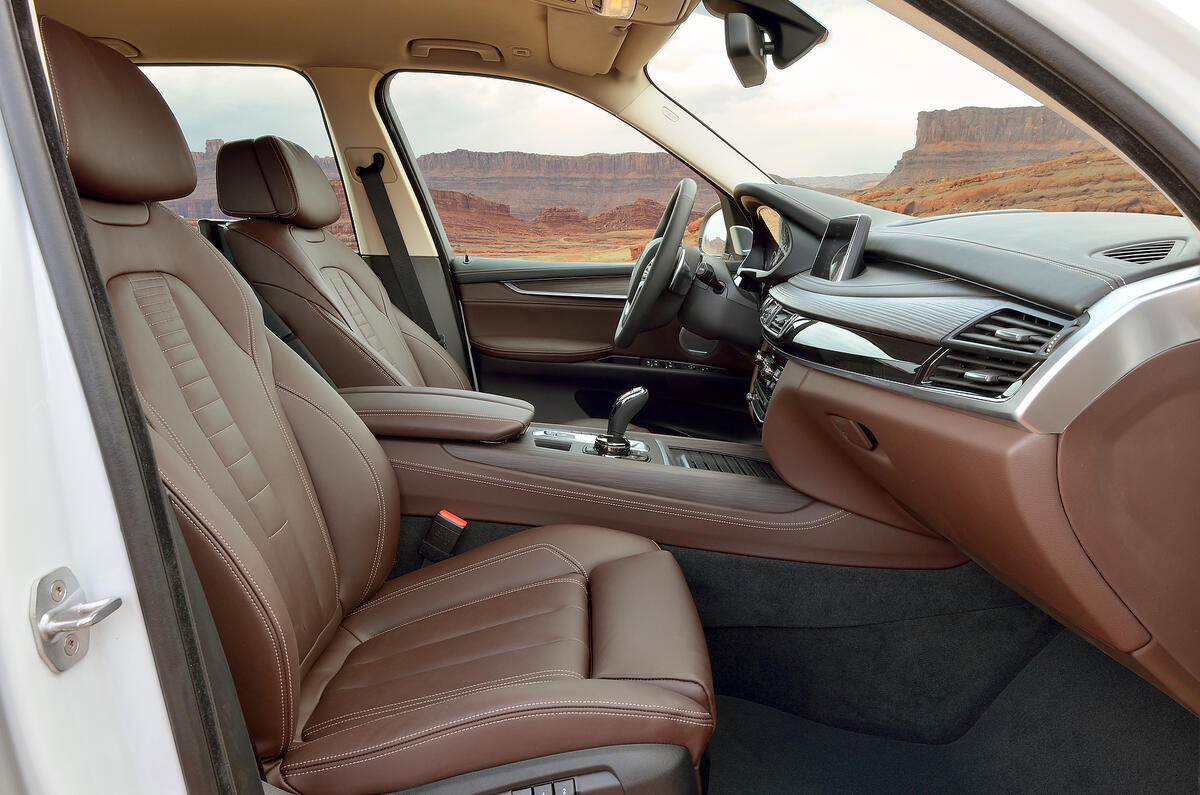
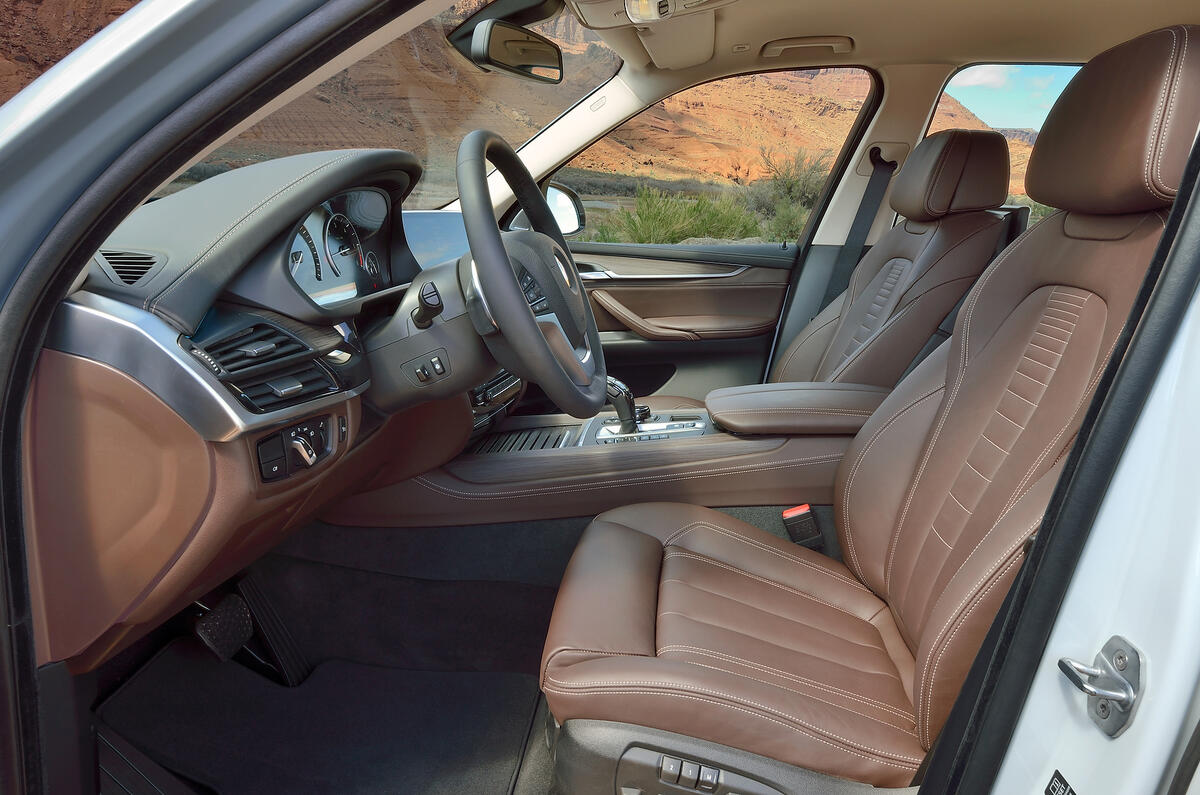
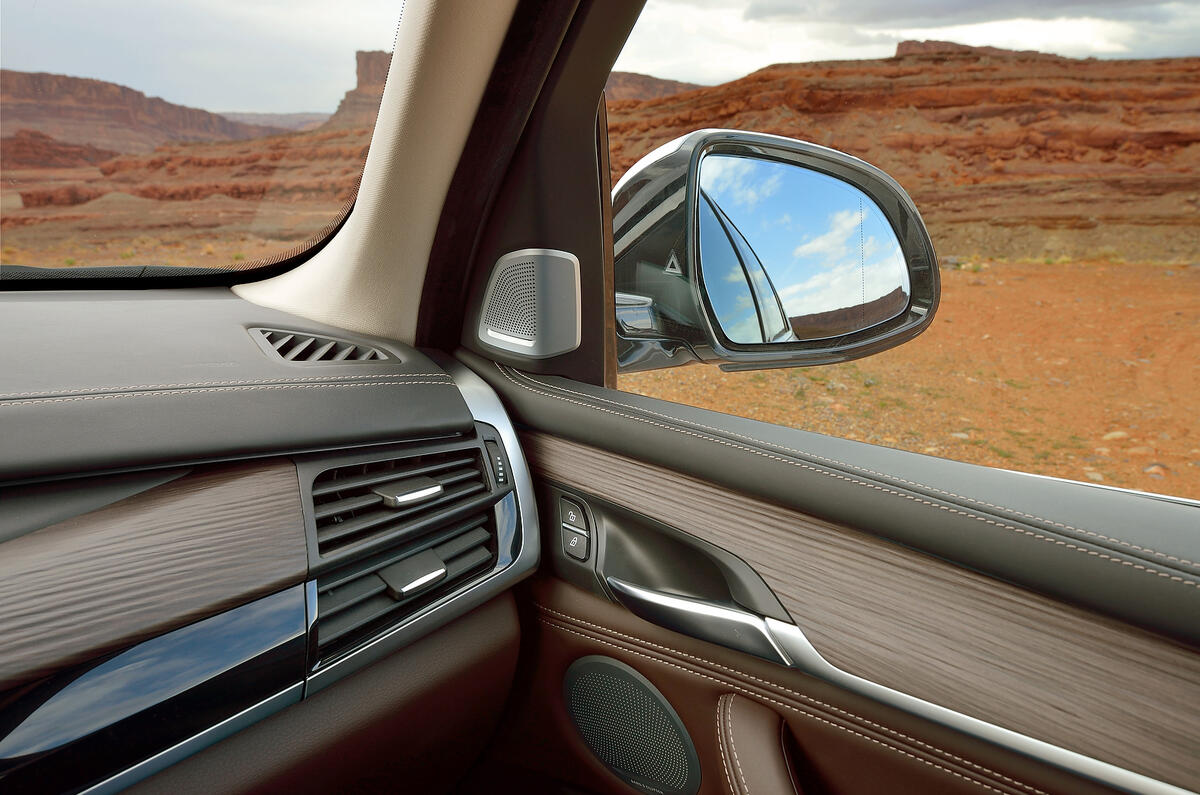
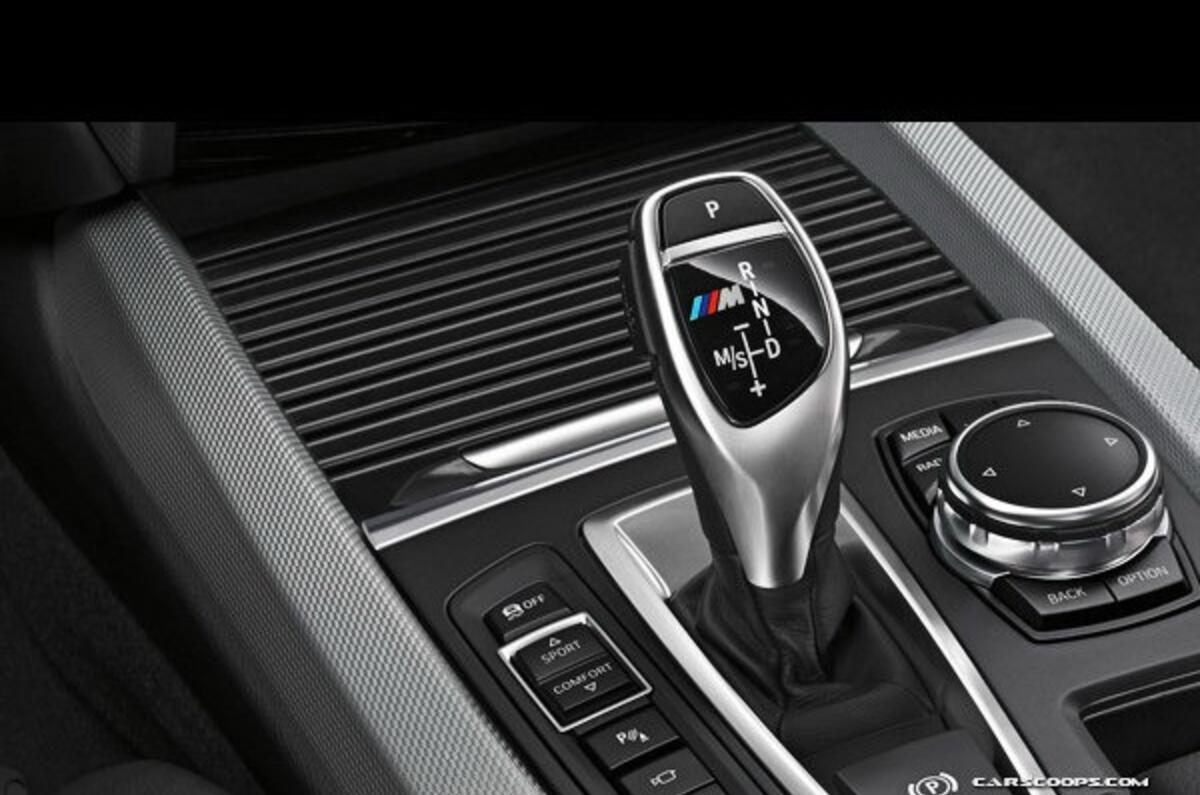
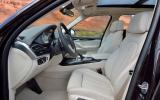
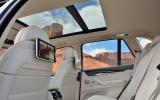
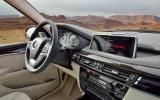
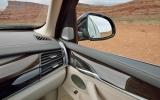
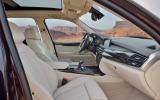
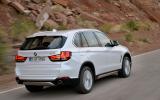
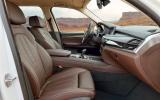
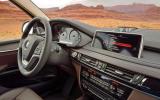
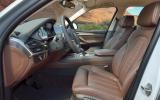
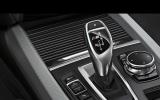
The new BMW X5 has been given a more luxurious interior with styling that follows the lineage of recent BMW models. Buyers will get the option of two rear seat configurations: a fixed 40/20/40 split bench arrangement and a newly developed 70/30 split bench that adjusts longitudinally to free up leg space for an optional third row of seats. Boot capacity is up by 30 litres at 650 litres, rising to 1870 litres when the second and third seat rows are folded away.
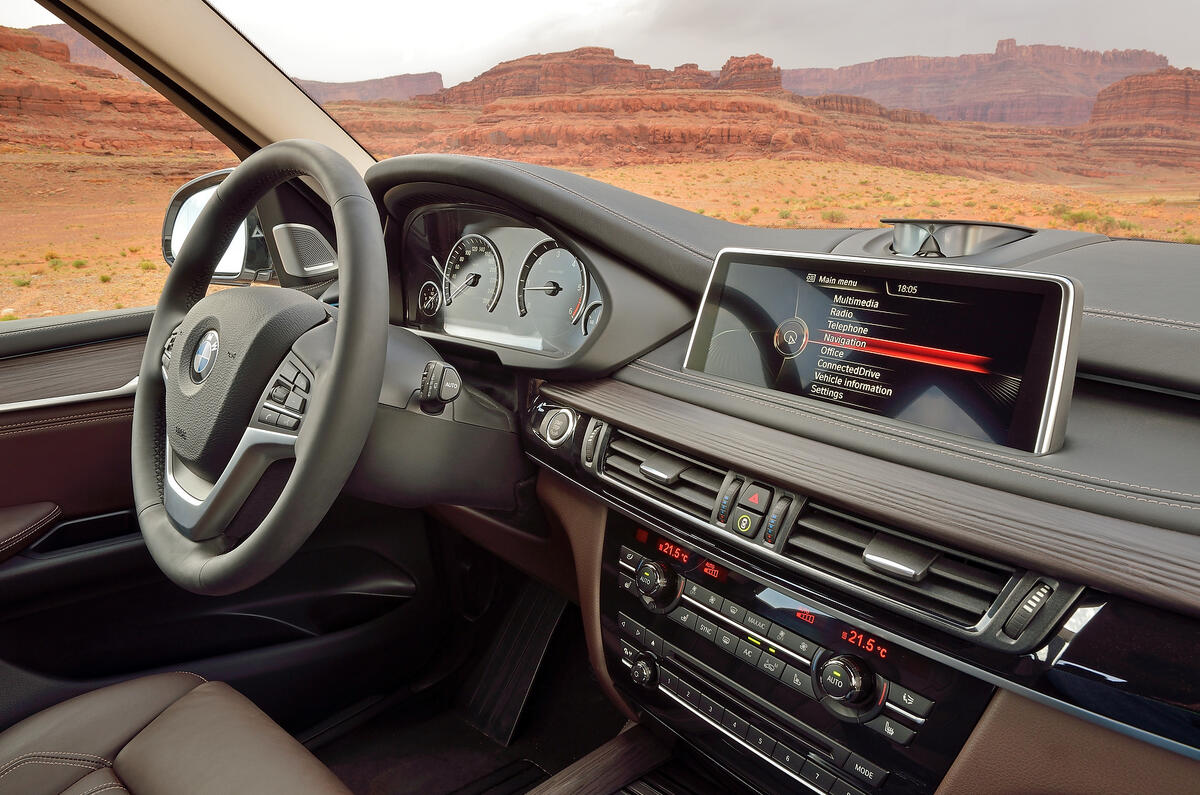
The Audi Q7, Mercedes-Benz M-class and Range Rover-rivalling SUV comes with a long list of advanced optional extras. Included is a head up display, night vision with human and animal detection, lane departure warning and road sign information, a 360deg surround-view parking assistant and collision warning with an automatic braking function. As part of an improved range of multimedia features as part of its ConnectedDrive initiative, the new X5 will also offer full internet access, in-car use of Facebook, Twitter and other on-line services as well as a dictation function with speech recognition for e-mails and text messages.
BMW’s new BMW X5 SUV is based around a lightly modified version of the existing model’s monocoque steel platform. A series of lightweight construction initiatives, including the use of a greater percentage of hot formed high strength steel within the floorpan, has led to a reduction in weight over the old X5. In standard xDrive30d guise, BMW claims a kerb weight of 2070kg, or 80kg less than the outgoing model despite the slight increase in external dimensions and more flexible interior appointments.