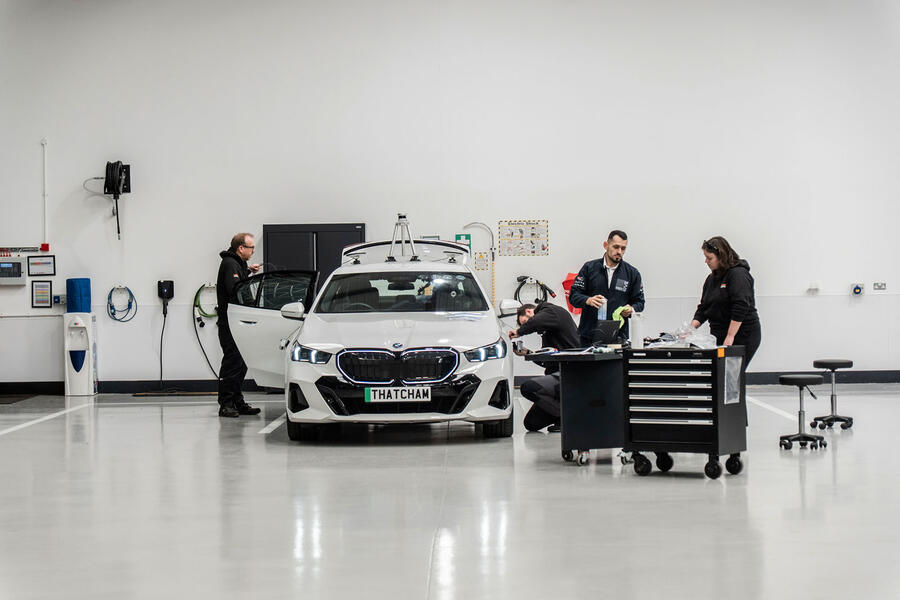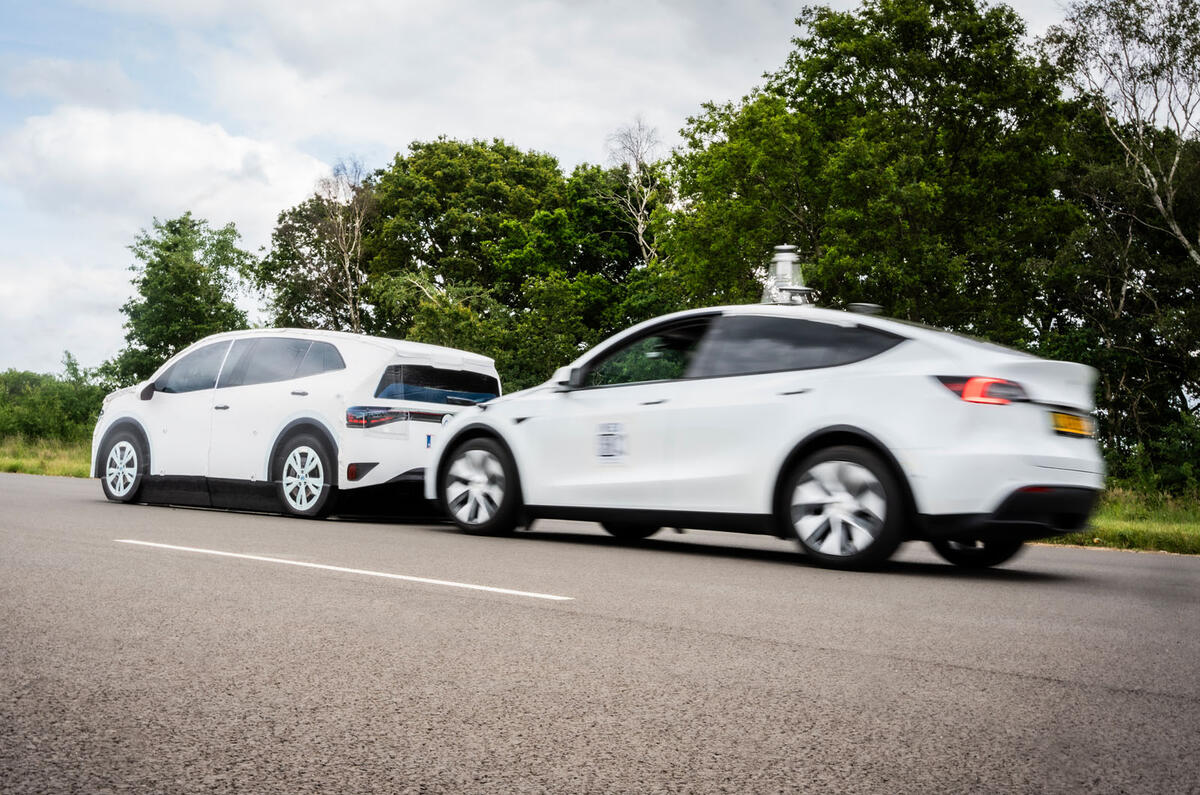

Just inches from the crash test mock-up of a compact SUV, the automatic emergency braking system (AEB) fitted to the Tesla Model Y that is travelling at 12kph towards it deploys, bringing the car to a dead stop.
The test is repeated but now at 6kph. This time the AEB doesn't deploy, forcing driver Yousif Al-Ani, principal ADAS engineer at Thatcham Research, to apply the brakes instead.
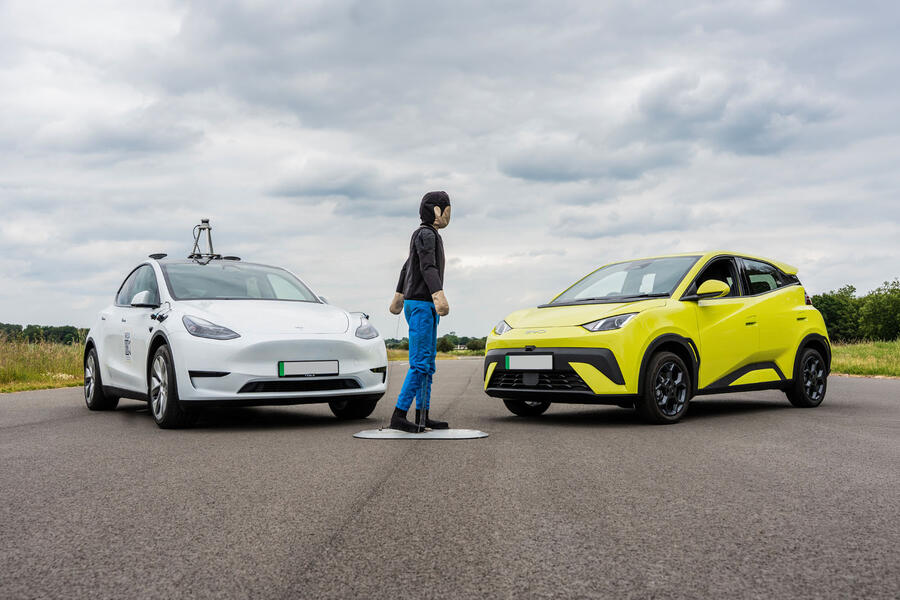
He now swaps the Tesla for a BYD Dolphin Surf. It approaches the target but this time at just 4kph. The AEB cuts in as expected, bringing the car to a stop, but then, two or three seconds later, it drives on. Al-Ani brakes but, as he points out, were this a live scenario - a busy roundabout, for example, where the driver of the BYD mistakenly believes the car in front has pulled away - they could be facing an angry driver and an expensive insurance claim. Had the car they'd rear-ended been a pedestrian instead, the consequences could be far more serious.
These events are a fraction of what Al-Ani and his team of engineers based at Retford Gamston airport - owned by Thatcham Research and where the organisation tests vehicle safety and technology - are discovering about AEB and the other features collectively known as advanced driver assistance systems (ADAS).
They know what each is designed to do to satisfy GSR2, the EU safety regulation that mandates them. What the members of Thatcham's event-based testing programme have been doing since it was launched in September last year is understanding how they work in the real world during repeated use, partly on a closed track but mainly on public roads, away from the EU's controlled test environments. The results have surprised them.
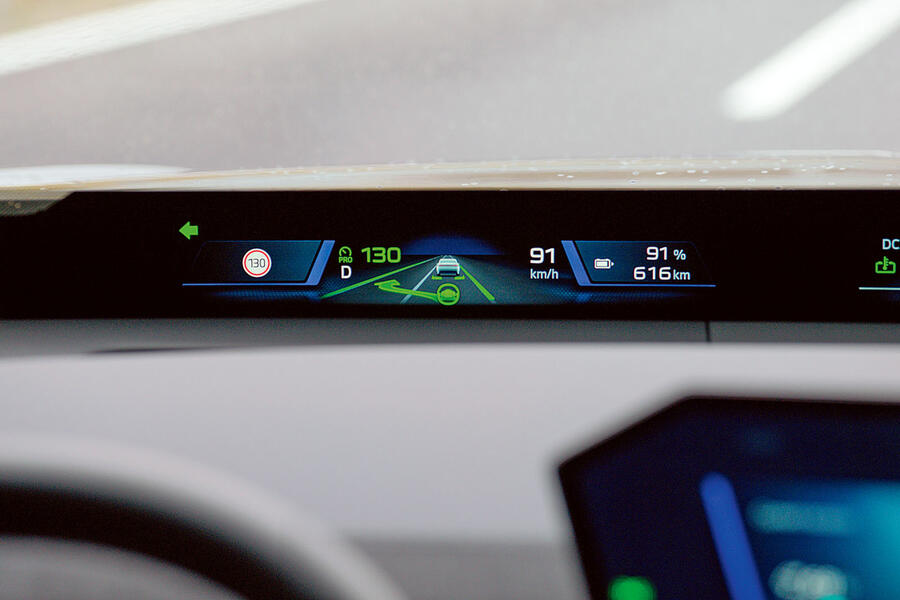
Four years since GSR2 came into force, many drivers are familiar with how annoying some ADAS features can be with their often indeterminate warning noises, aggressive lane departure corrections, inconsistent and erroneous speed sign recognition and hesitant autopilot behaviours.
The Kia Sportage Hybrid that I drove to Gamston applied moderately aggressive steering corrections and sounded frequent alerts in response to speed limit breaches and changes (thankfully, different sounds for each). Meanwhile, in a review of the Leapmotor B10 recently, Autocar's tester described the vehicle's ADAS functions as "some of the most annoying yet fitted to a car. The lane keeping assistance tugs the wheel very aggressively and there's an orchestra of bings and bongs that are hard to tell apart."
Al-Ani is acutely aware that badly designed functions undermine the safety argument for ADAS but says car makers are deaf to the subjective criticism that characterises current debate.