





Currently reading: The Citroën 2CV is back! New concept previews £13k EV for 2028

Budget Twingo rival taps into look and everyman spirit of French firm’s post-war icon

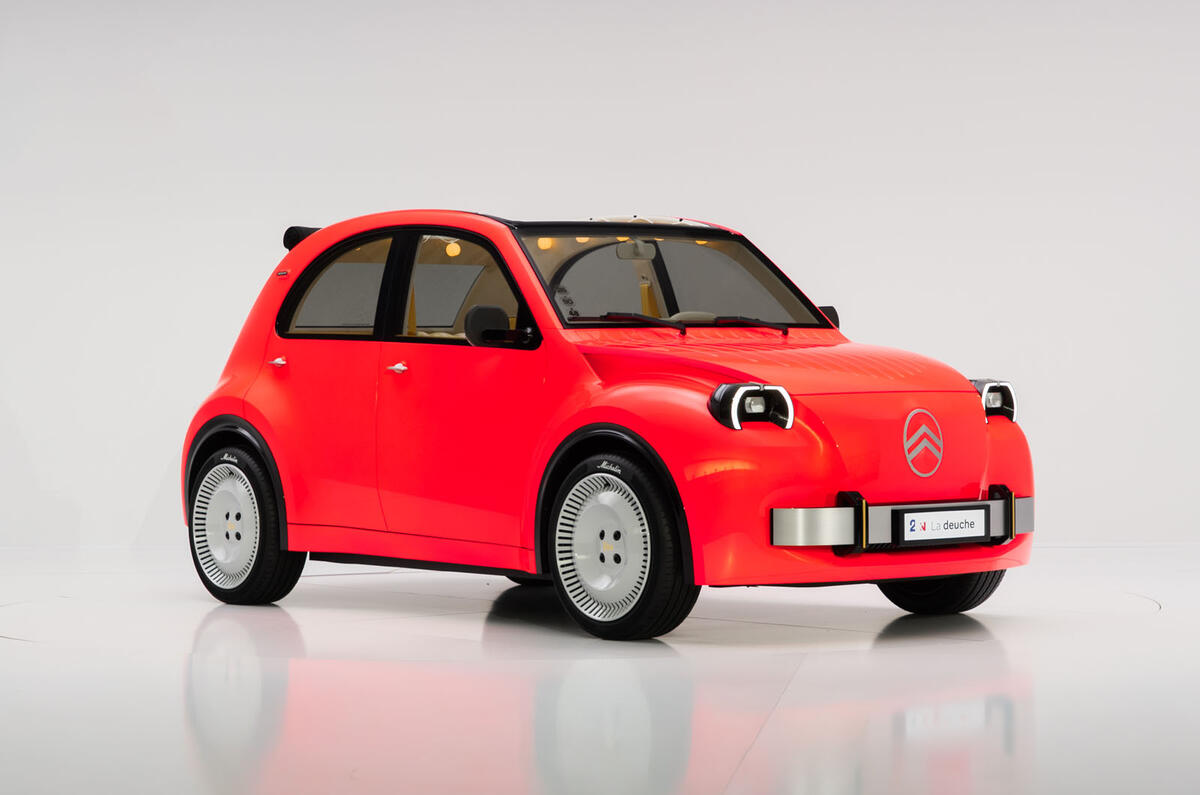
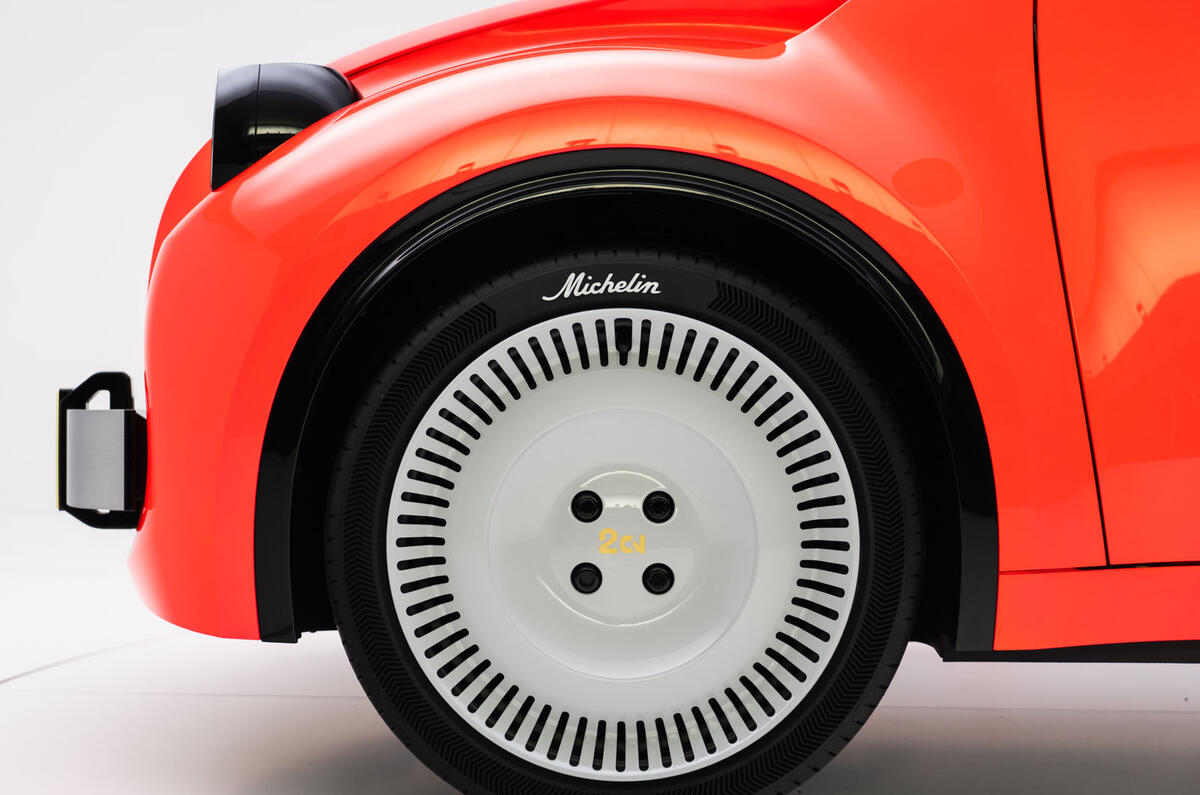
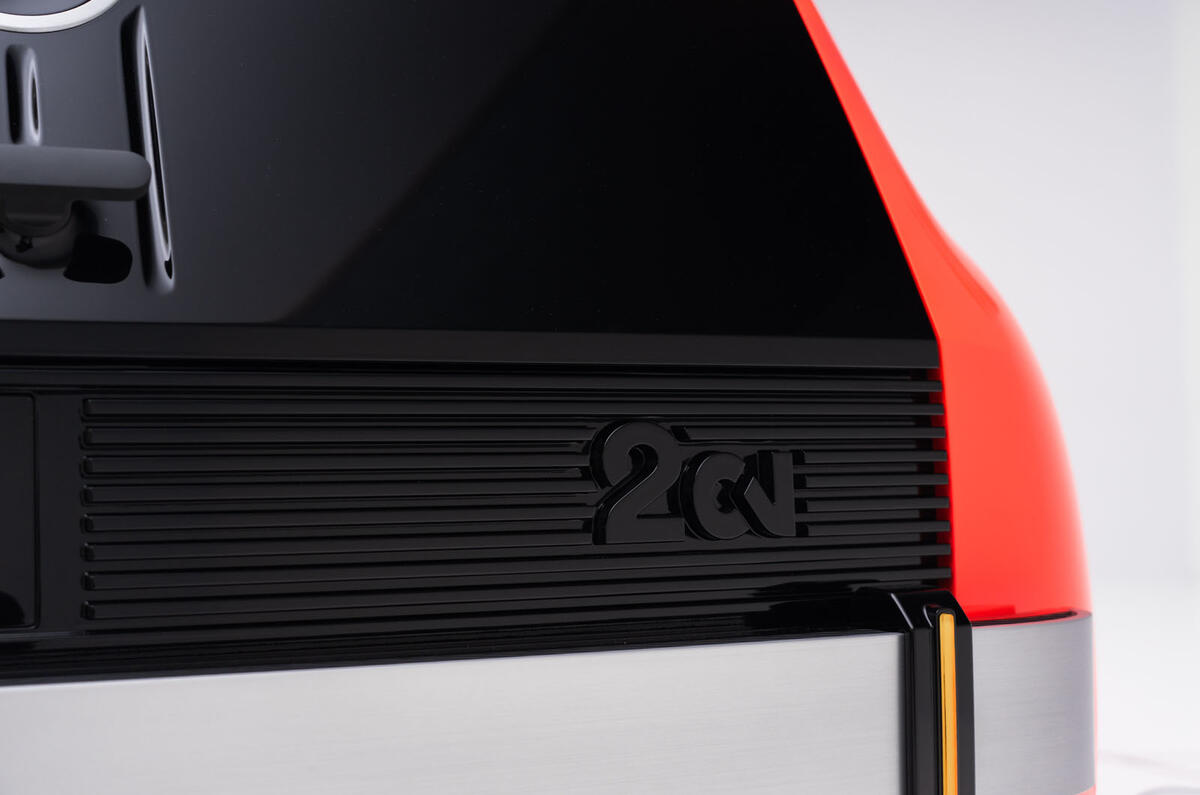
Citroën has revealed the 2CV concept as a close preview of the production car that is due in two years time as one of the cheapest EVs on sale.

The Paris show car is intended to demonstrate how the original brief for the 2CV can be translated into the electric age. No longer do eggs and ploughed fields top that list but, according to chief designer Antoine Gaillot-Drevon, it is intended to provide the "farmers of today", such as "nurses in the countryside", with truly affordable transport.

To that end, the French brand is targeting a price of just €15,000 (£12,750) for the revived 2CV, which could make it the UK's cheapest car outright.

Key to this ambitious positioning - which will make it roughly as cheap as the petrol-engined C1 was a decade ago - is the development of an all-new electric car platform. This will be distinct from the Smart Car platform that underpins the current C3, as well as parent company Stellantis's forthcoming STLA One platform. It has been devised to take advantage of the EU's proposed E-car regulations, which are intended to incentivise sales of small EVs.

The 2CV's everyman price will be matched by a correspondingly minimalist technical specification. Citroën is targeting a kerb weight of just a tonne, which would make it one of the lightest EVs on sale.
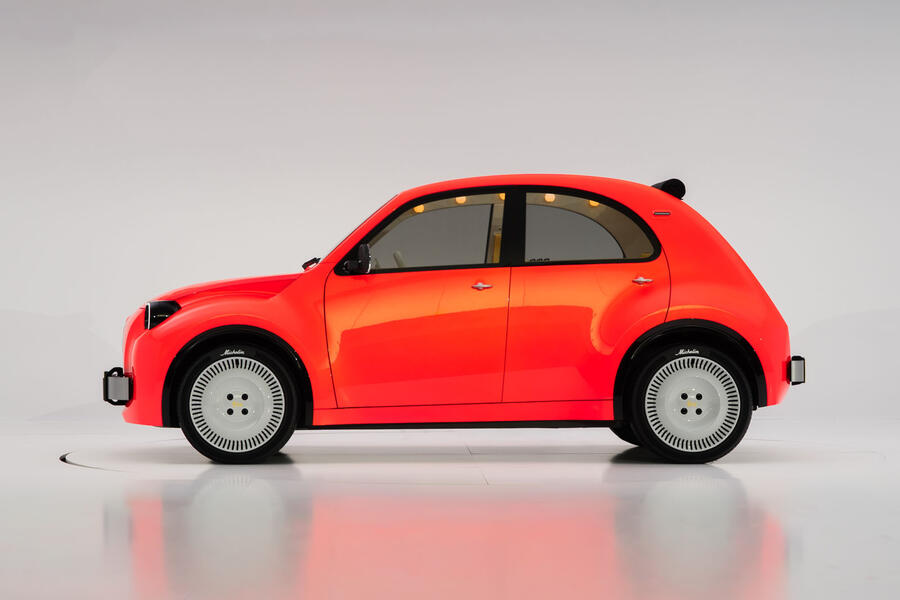
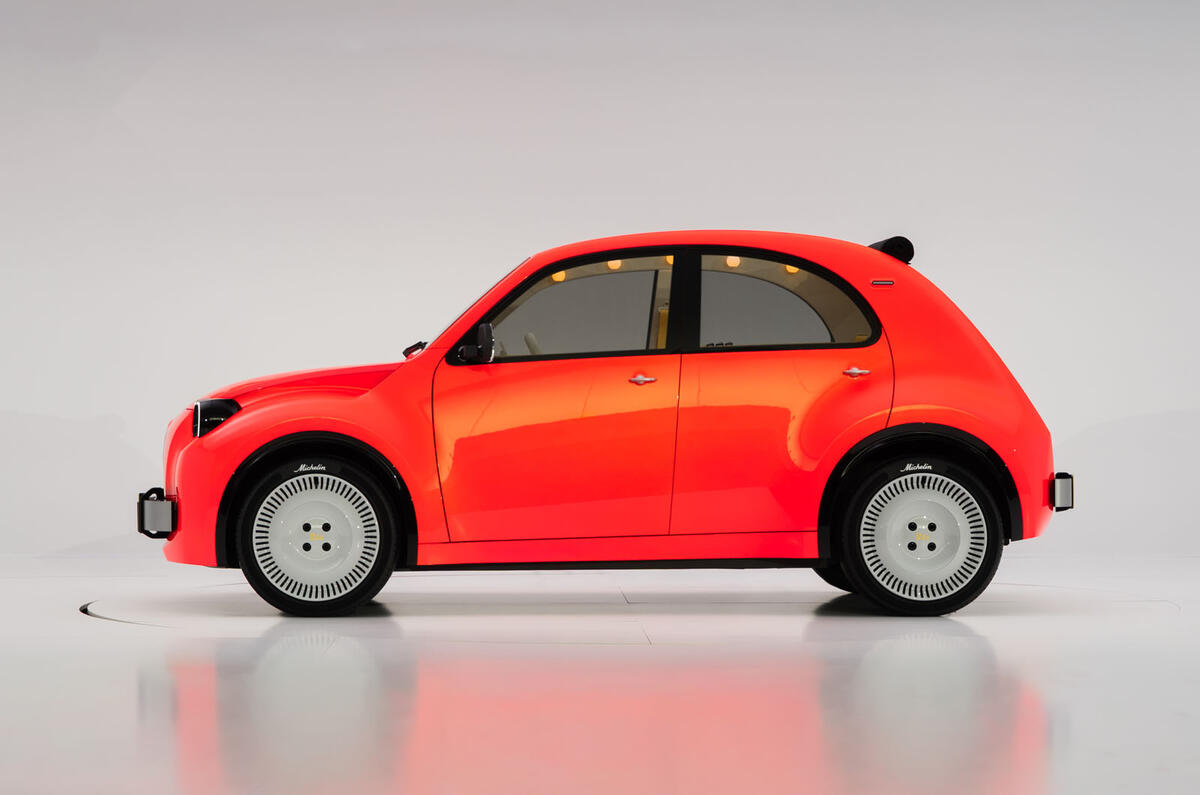
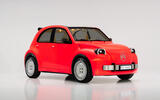
Citroen 2CV concept – side

This signals the use of a small battery. The current e-C3 hints at what can be expected: the new entry-level Urban Range variant employs a 30kWh lithium-iron-phosphate (LFP) pack, allowing it to cover 130 miles between charges. The rival, and similarly retro, Renault Twingo uses a 28kWh LFP pack for a 157-mile range.

Helping to reduce the 2CV's mass is the fact that it will also be one of the smallest cars on the market. At 3.76m long, the concept is even shorter than the 1948 original.

According to Gaillot-Drevon, size was among the biggest considerations during the 2CV's two-year development. It underwent several significant changes as Citroën's successive management teams flitted between approving a retro revival of the original car and wanting a new shape only inspired by the spirit of the 2CV. But once current CEO Xavier Chardon took the helm last year, the green light was finally given for the French icon to return.

"We tried a lot of different proportions, a lot of different platforms and sizes," said Gaillot-Drevon. "We had a lot of questions in terms of how big it should be, how small it should be, how retro we should go, and we decided to take inspiration from [2CV precursor] the TPV. It's crazy how radical they went just before the Second World War, and we wanted to have this mindset when we designed the new 2CV: to be simple, to be honest and to have a nice piece of engineering."

Back to top

Why now?

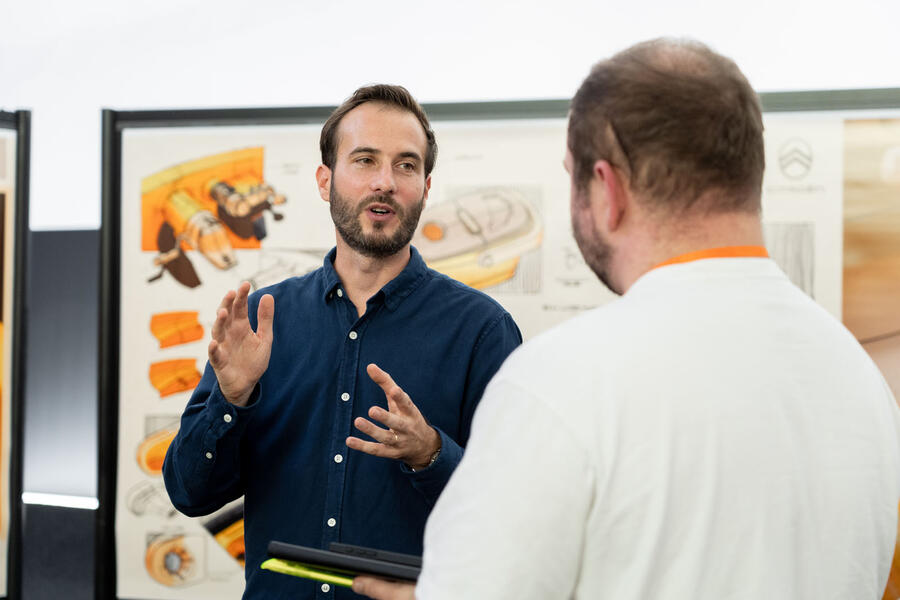
Citroen designer Antoine Gaillot-Drevon and Charlie Martin

Now is the right moment for a new 2CV, said Gaillot-Drevon (pictured above), because "when you see the situation in the world, everyone needs a smile on their face". Although Citroën considered painting the concept flat grey to mimic the 1937 TPV, "we wanted to have a colourful car, a private interior where you feel good, that is super-bright and fresh".

It is also playing the retro card in a bid to fight off the wave of Chinese newcomers that pose a serious threat to the French brand's budget-friendly positioning. "You can't buy history," said Gaillot-Drevon. "They are brand-new, so the only thing they can offer is a cheaper price - but emotion is something you need. "Citroën is one of the most collected brands in the world and we have to be proud of our heritage, where we come from, and use this knowledge that we have."

Design

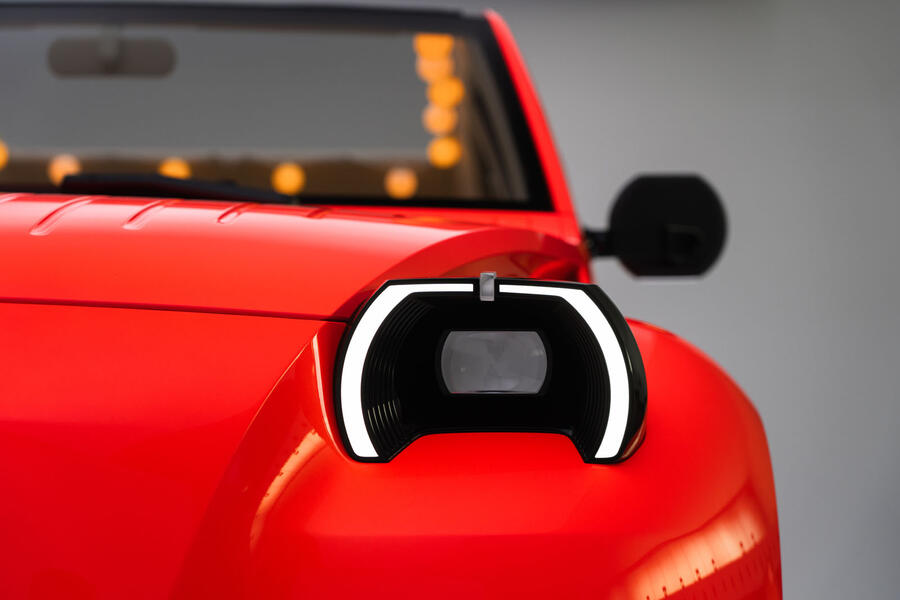
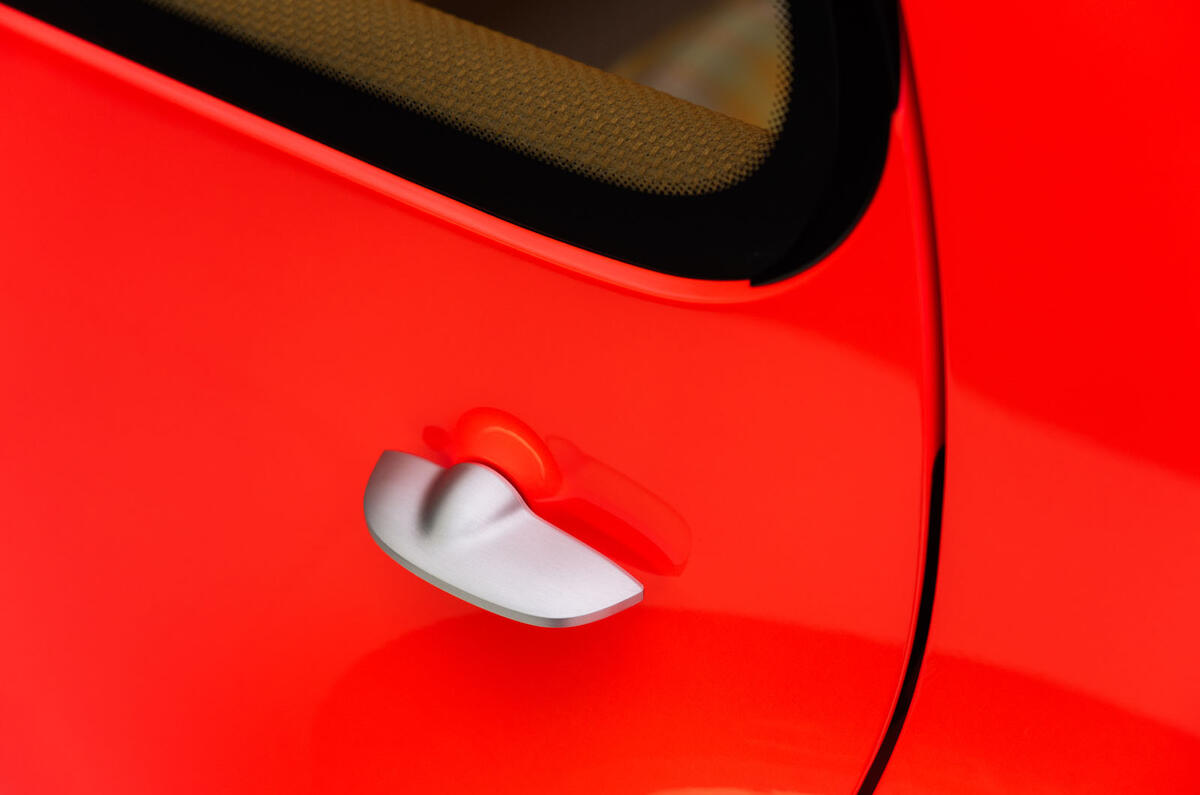
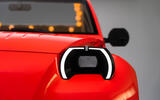
Citroen 2CV concept headlight

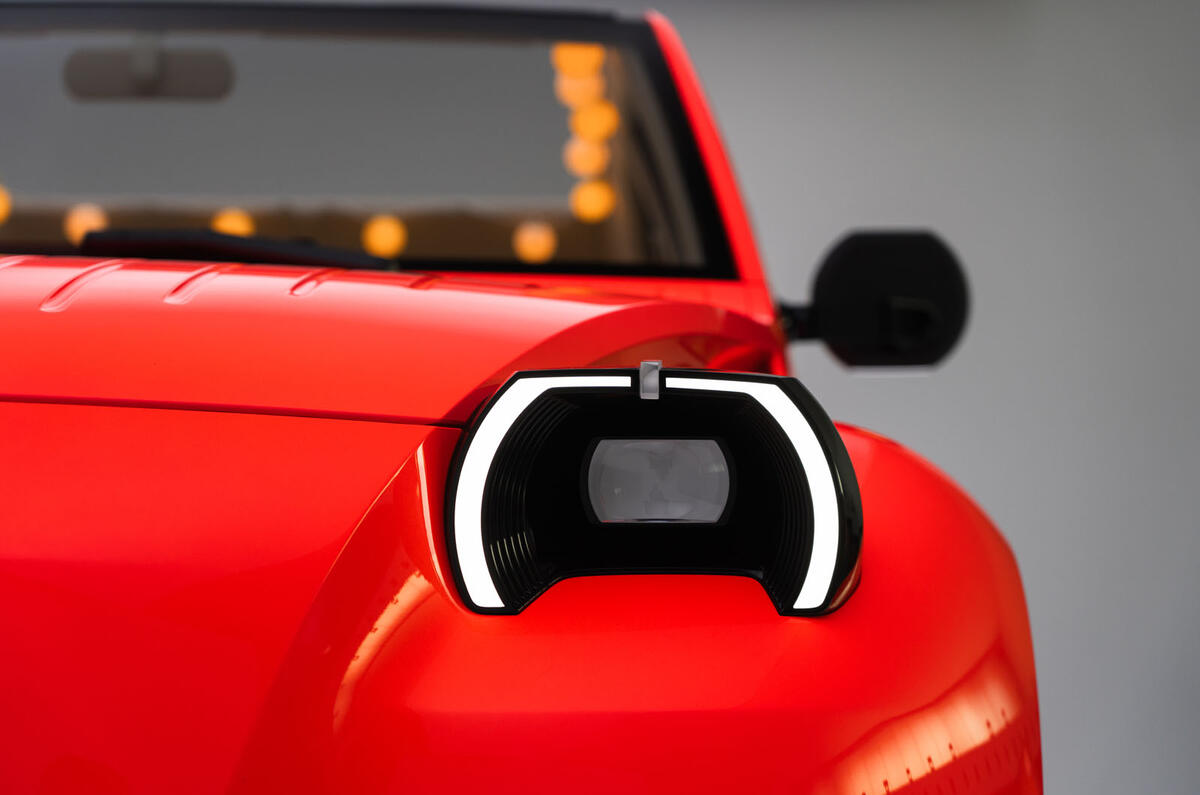
Citroën worked hard to ensure that the 2CV didn't have an aggressive or imposing appearance. Gaillot-Drevon explained the placement of its beady headlights was a particular dilemma, resolved only with the assistance of Stellantis's new European design chief, Gilles Vidal.

Fresh off a stint at Renault, having overseen the revivals of the 4 and Twingo, he was well placed to inform the development of the 2CV. "When Vidal joined the company, he said the first thing you do is make the headlamps bigger and bring them inboard, and automatically the car had much more character - that friendly face," said Gaillot-Drevon.

"The front is most important, but since the beginning we knew we wanted to have a V-shaped bonnet with the headlamps sticking out. That's it - you don't need more."

He noted that cars in the A-segment are typically bought for rational reasons, such as price or practicality. Citroën's hope is to build a car in that class that is bought with the heart.

"Our goal was not to give a promise that we can't deliver. No, it's not a car that says you're going to drive fast or have a super-long range. It's just a car for daily life that brings a lot of joy, to make people smile," he said.

Back to top

What remained consistent throughout all the 2CV proposals was the silhouette, which gave rise to nicknames such as Tin Snail or, as it was known in much of Europe, Duck.

However, "it was quite a challenge to reinterpret this architecture in a modern way", said Gaillot-Drevon.

Interior

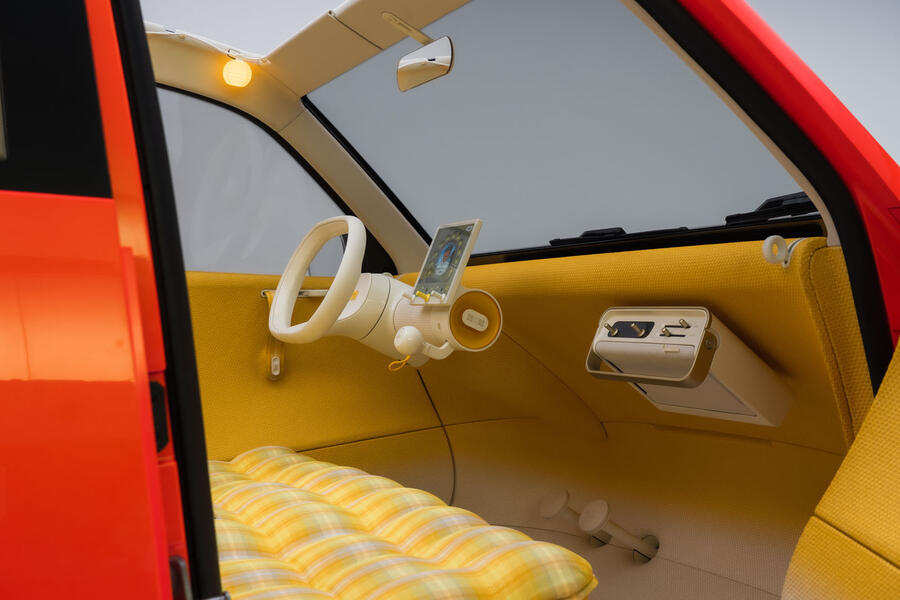
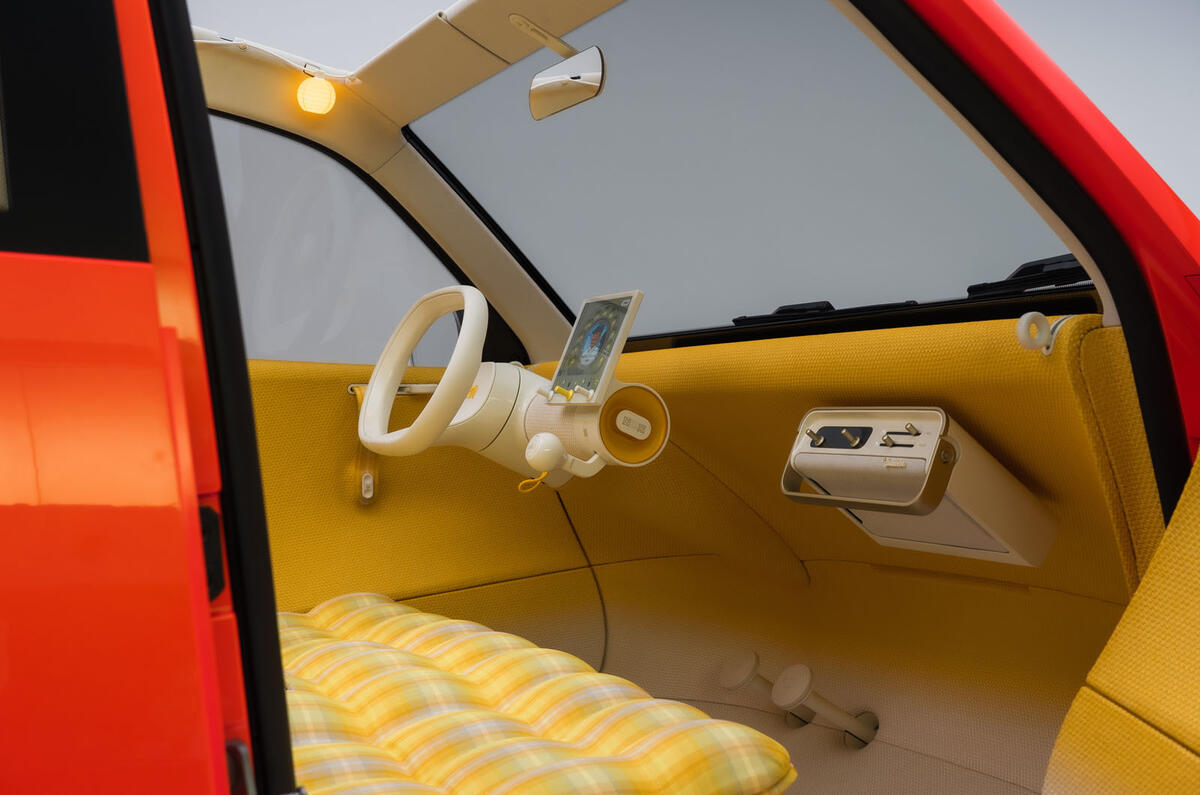
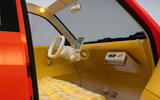
Citroen 2CV concept interior

The interior posed a greater headache because, Gaillot-Drevon noted, "there was no design theme" inside the TPV or original 2CV.

The 1930s prototypes lacked a conventional dashboard, let alone a speedometer. The steering columns simply sprouted from the floor, while the gearlever was mounted just below the windscreen.

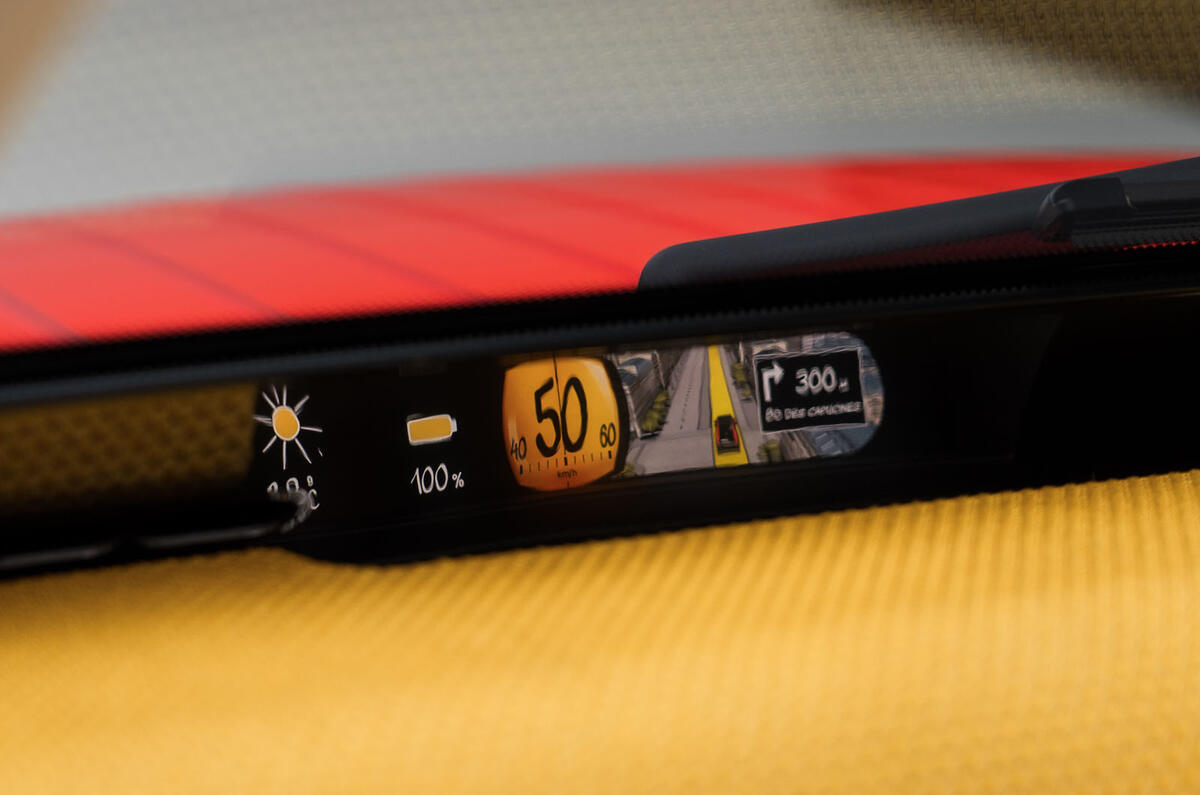
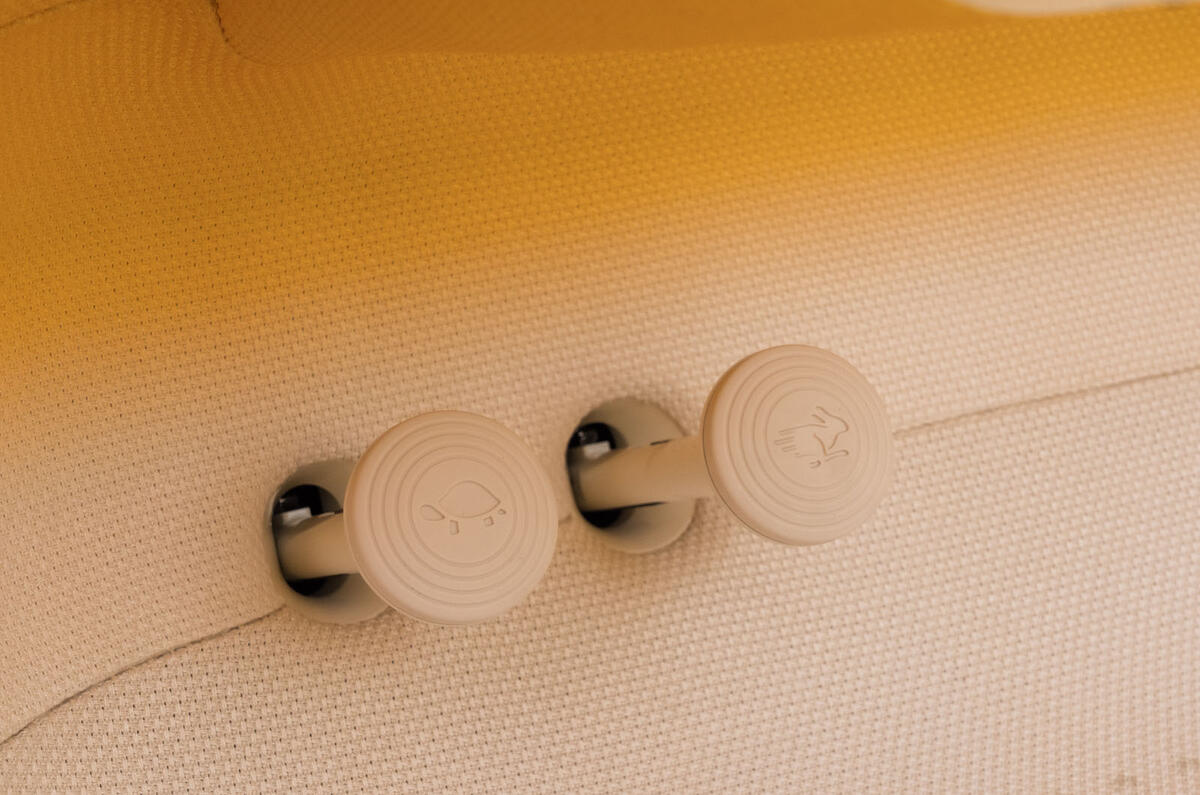
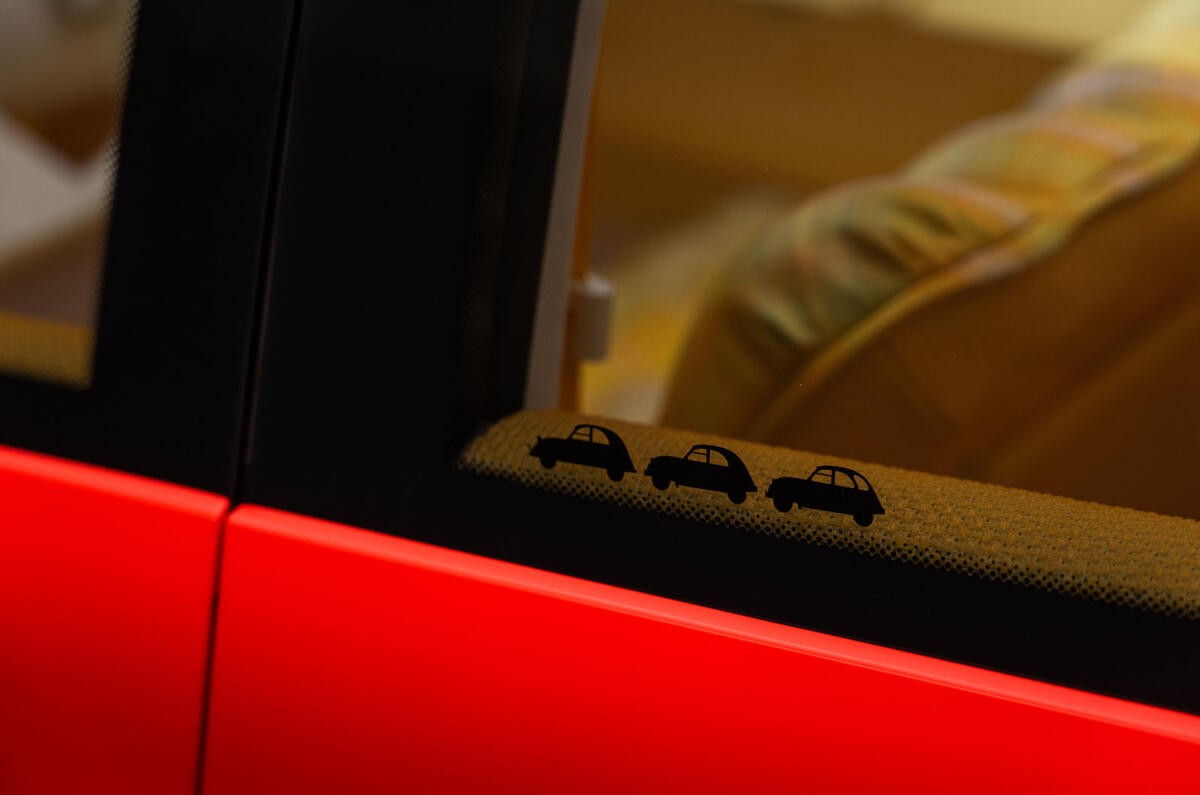
Although it has been brought into the modern era with the addition of a small infotainment touchscreen, there are several references to the original - as well as other beloved models from Citroën's past.

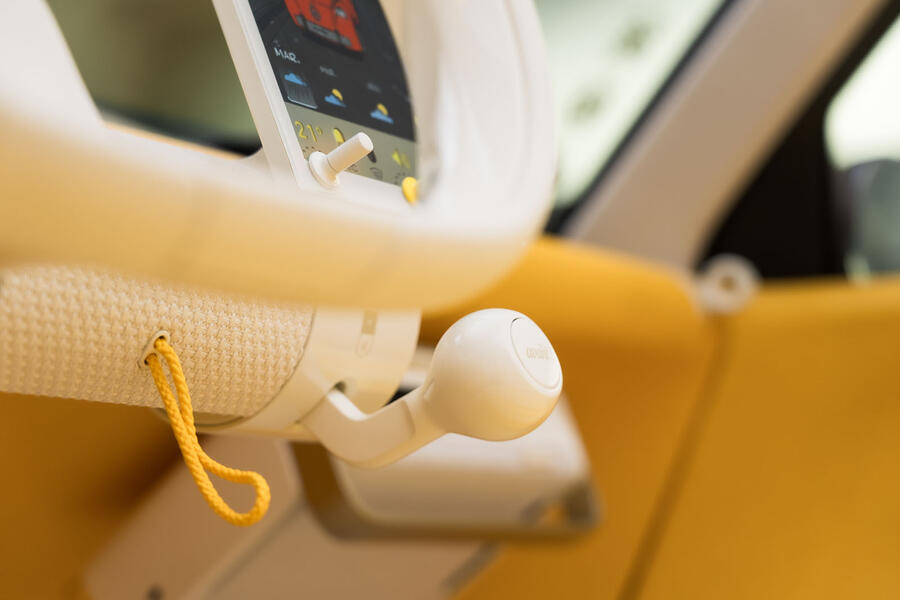
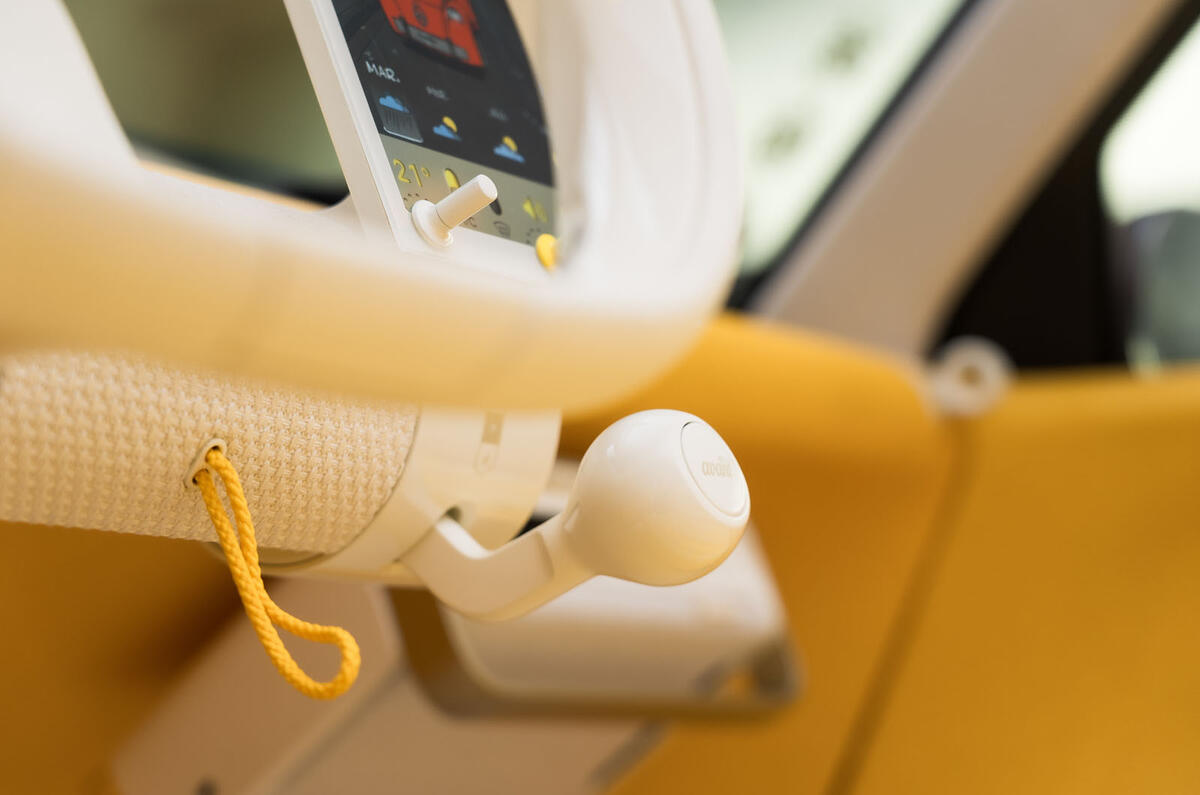
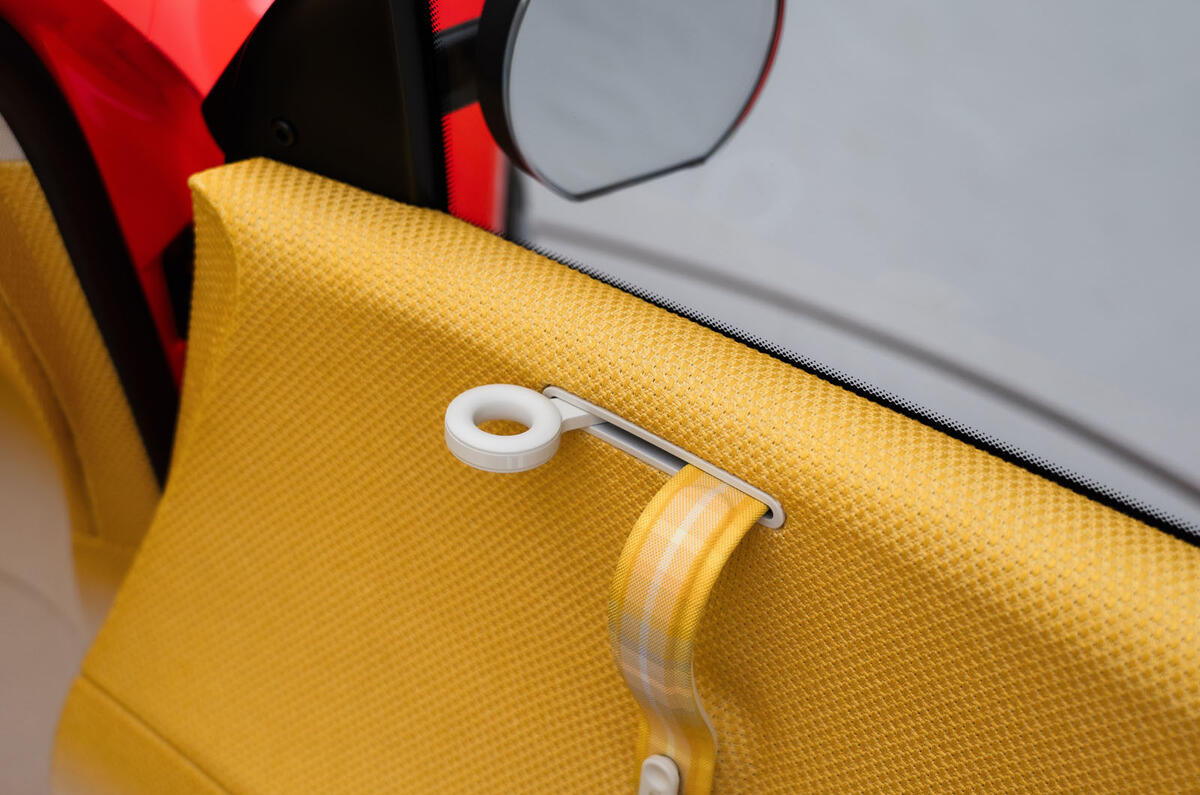
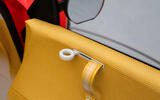
For example, the seats are benches upholstered in a striking yellow tartan, while the famed 'umbrella-handle' gearlever remains, having been reinvented to suit an EV's PRND layout.

The steering wheel has a single spoke, and the pedals are of a mushroom-like design similar to that in early 2CVs, the DS and the SM. The radio is removable, having been designed for use as a Bluetooth speaker when picnicking.

Citroen 2CV concept umbrella-handle gear lever

Back to top

"The idea was that when you enter the car and you see it, it feels like a ray of sunshine" said colour, material and trim designer Madeleine Ternisien.

"Not every material we picked will be the same, but we can find ways to have something similar in the final car. This fabric is nothing crazy to put into production. We could do it in a different way to keep that same spirit."

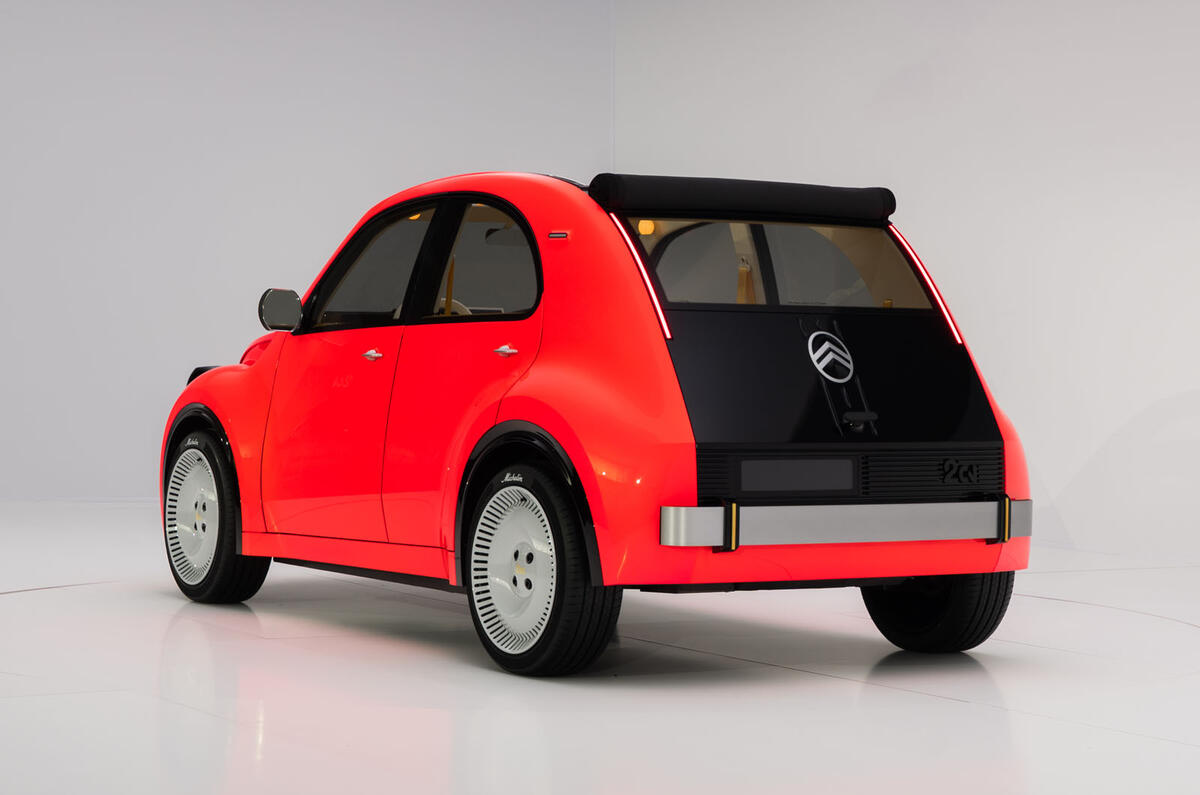
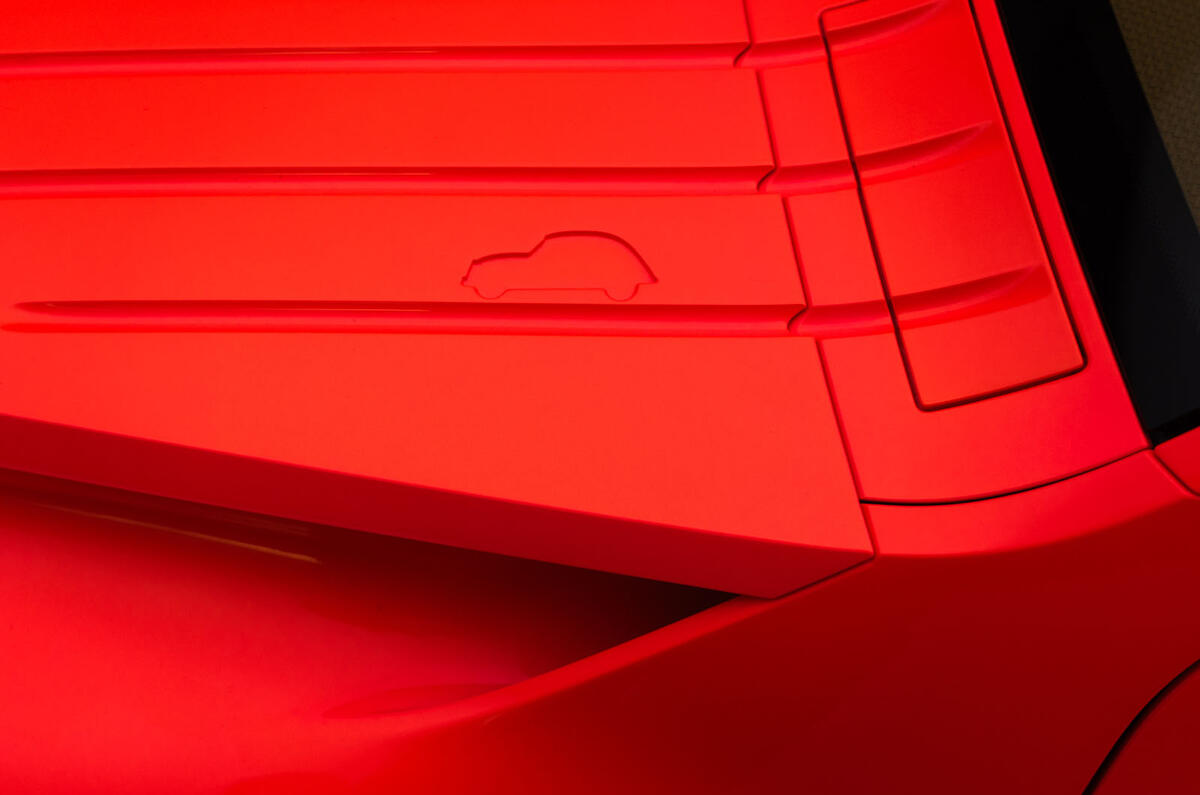
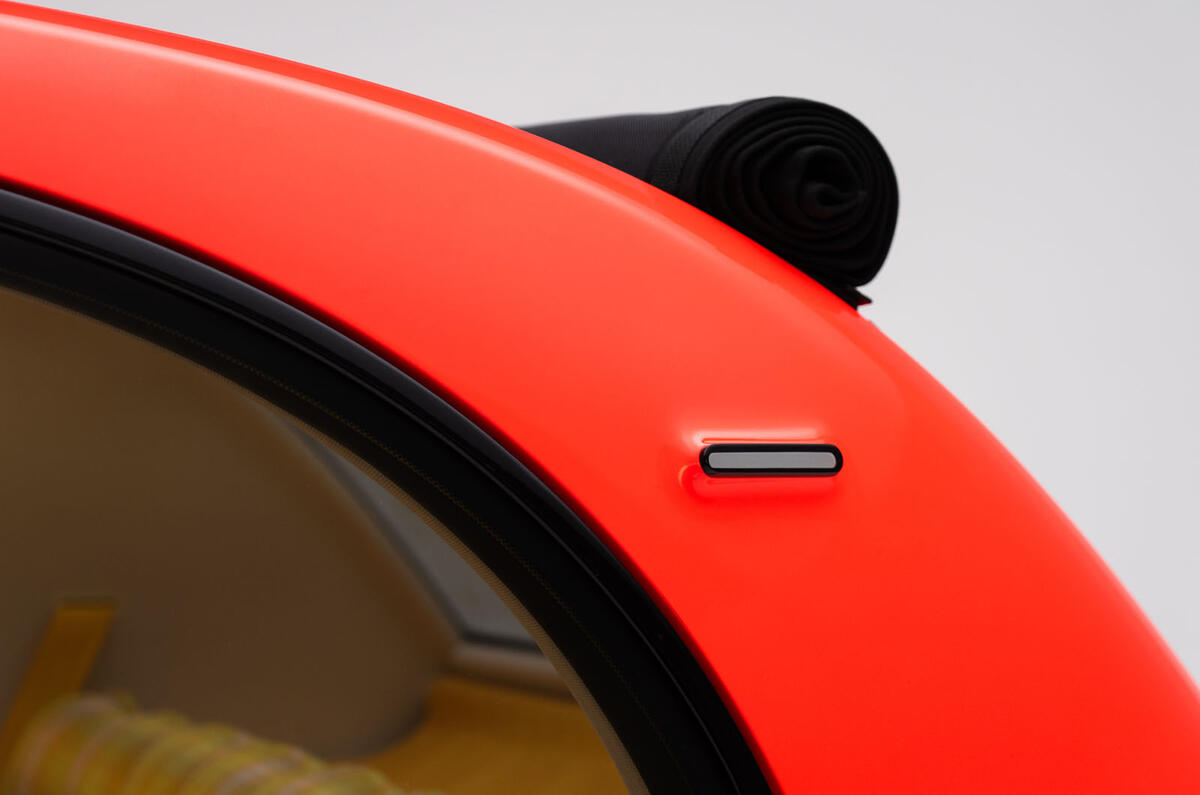
Completing the retro package is a canvas roof, which must be rolled up or unfurled by hand while the car is stationary. This, said Gaillot-Drevon, will make it to production, since "we wanted to have interaction with the car".

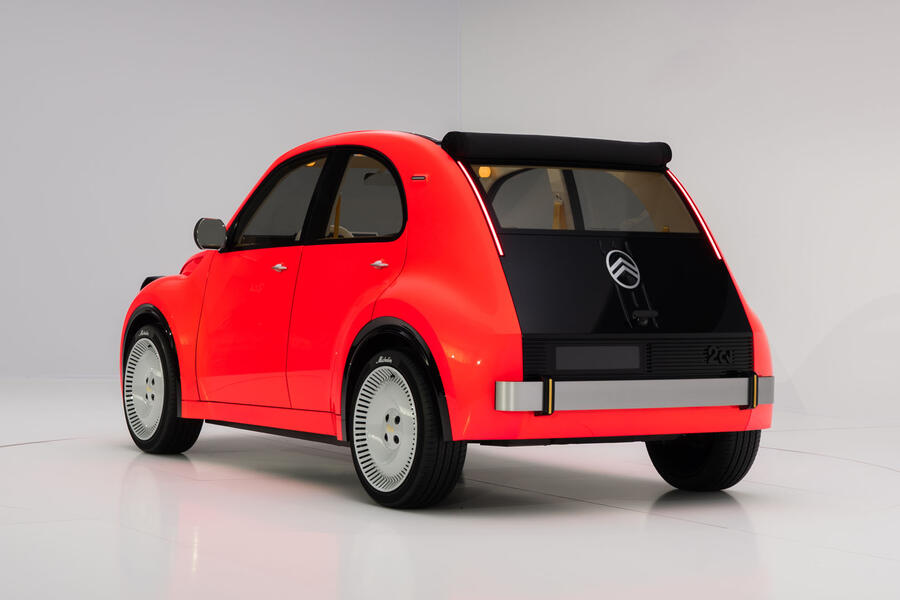
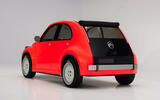
Citroen 2CV concept rear

Indeed, much of this concept is set to become a reality, as the design of the road-going model is being handled by many of the same people who worked on the concept.

"We call it a concept car, but it's super-realistic in terms of proportion and wheel size," said Gaillot-Drevon. "There's nothing we couldn't do in production."

From TPV to 2CV: How the Tin Snail was born

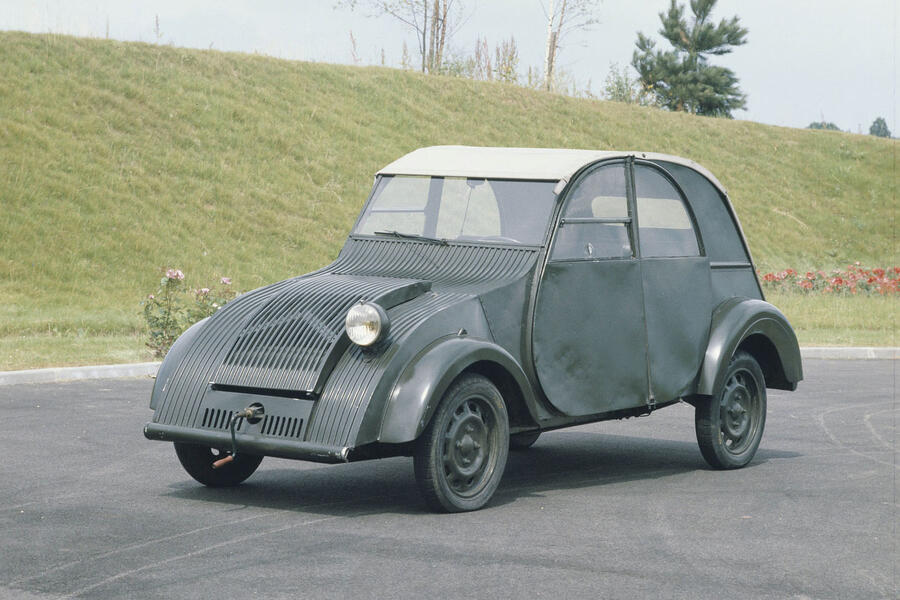
Citroen TPV

It may have the hackish look of a test mule, but the Toute Petite Voiture (Very Small Car) was actually a production model.

Following Citroën's 1934 bankruptcy, it was acquired by Michelin - its main creditor. The tyre firm set it to work on building a car that could get rural France moving at a price people could afford.

Back to top

Famously, it was designed to carry two farmers wearing clogs plus 50kg of potatoes or a barrel of wine, at a speed of 60kph (37mph), while sipping just three litres of fuel per 100km (94mpg). It also had to carry a basket of eggs across a freshly ploughed field without causing any breakages and be repairable by somebody with no mechanical expertise.

The monocular machine was ready by 1939, and work on an initial run of 250 cars began at Citroën's Levallois plant. The first TPV left the factory on 2 September; the following day, Britain and France declared war on Nazi Germany. That year's Paris motor show was cancelled and the TPV's launch put on ice.

Some 100 cars were reportedly handed over to customers but, following the Nazi invasion and occupation of France, many across the country were hurriedly stashed away and disguised to stop them falling into enemy hands.

Citroën and its president, Pierre-Jules Boulanger, undertook a brave campaign of resistance, doing as much as they could to frustrate Nazi attempts to inspect a TPV.

Progress resumed when the war finally ended. Materials and designs rapidly changed in light of the reshaped world - including a switch from aluminium to steel, because the former had become too expensive.

However, development was frustrated by the diversion of US supplies to newly nationalised manufacturer Renault and its new 4CV.

The production 2CV was shown to the world at the 1948 Paris motor show. Production began a year later and continued until 1990, by which time over five million had been sold.

Join our WhatsApp community and be the first to read about the latest news and reviews wowing the car world. Our community is the best, easiest and most direct place to tap into the minds of Autocar, and if you join you’ll also be treated to unique WhatsApp content. You can leave at any time after joining - check our full privacy policy here.

Charlie Martin

Charlie Martin Autocar
Title: Senior Staff Writer

Charlie plays a leading role in Autocar's coverage of new car launches and industry events. He’s also a regular contributor to its reviews and social media channels, creating content for Instagram, Tiktok, Facebook and Twitter.

Charlie joined Autocar in July 2022 after a nine-month stint as an apprentice with sister publication What Car?, during which he acquired his gold-standard NCTJ diploma with the Press Association.

He is the proud owner of a Mk4 Mazda MX-5 but still feels pangs of guilt over selling his first car, a Fiat Panda 100HP.