






Currently reading: Bold Vauxhall STX estate revealed as first look at Astra's future

Low-slung estate concept signals Vauxhall’s vision for its future designs

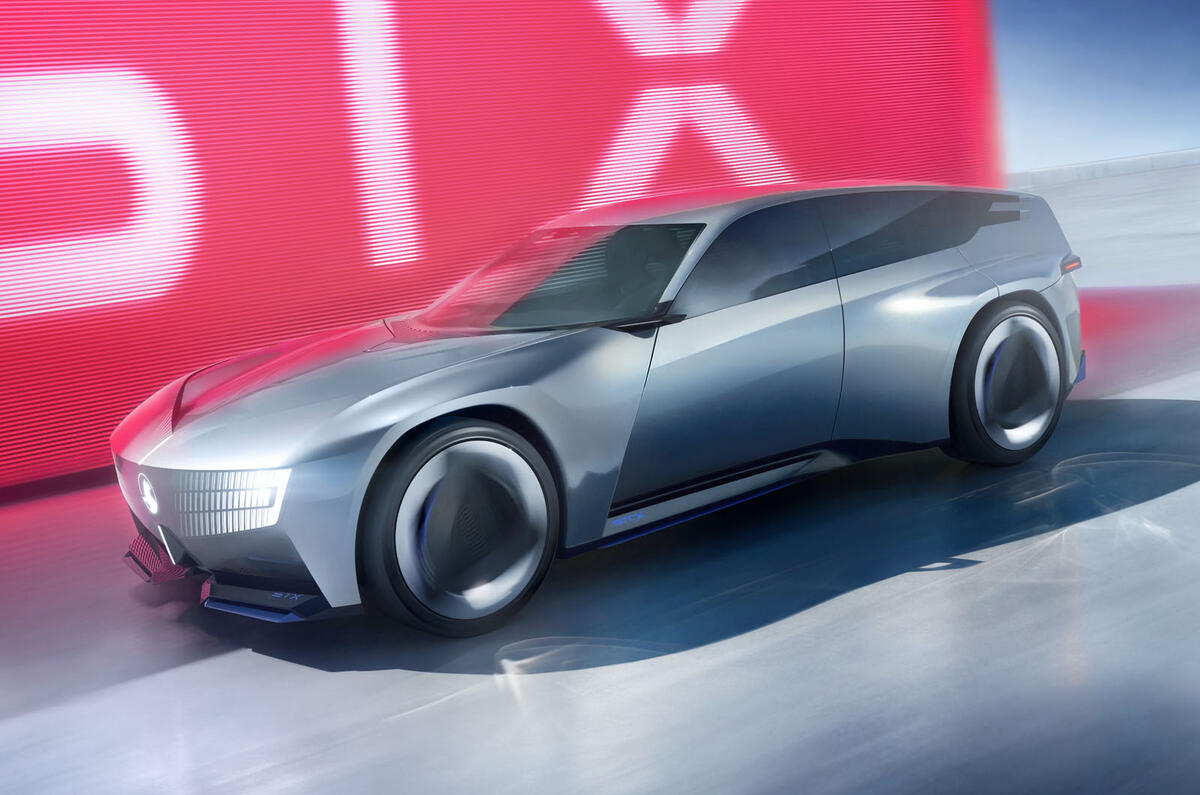
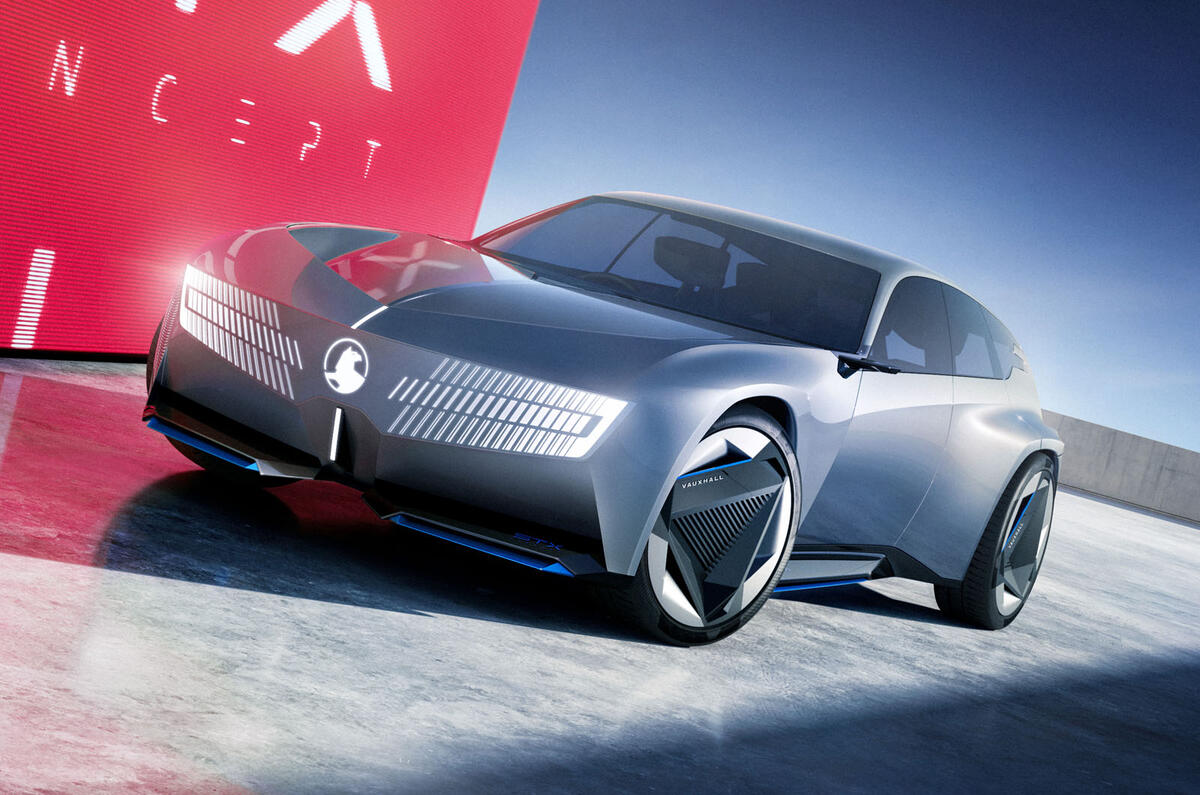
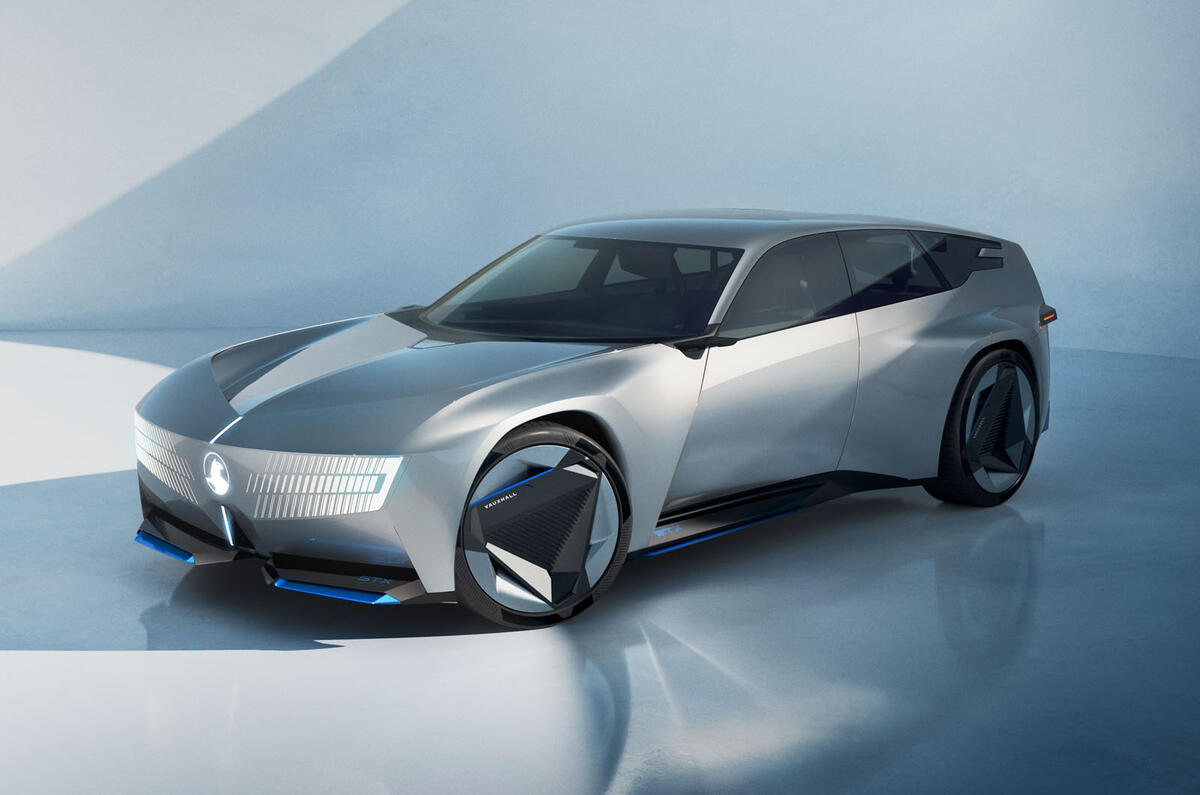
Vauxhall has unveiled the STX, a concept that points to a new and radical design direction for estate cars – and, in the years to come, all of its future models. 

The STX – for Sports Tourer Experimental – is a low-roofed, streamlined and extensively sculpted design that, say designers, is “only slightly” longer than today’s Astra Tourer and continues a show car tradition begun in 2018 by the seminal GTX concept.

That coupé-style SUV proposal introduced Vauxhall’s now-familiar Vizor grille style and was the precursor to the successful second-generation Mokka sporty SUV, which appeared two years later and continues in production today after a recent refresh.

Similarly, the STX is expected to preview the shape of the new Astra, tipped to arrive at the end of the decade primarily in estate format, catering for buyer demand that is shifting away from traditional hatchbacks. 

While technical specifications are scarce, the STX is proposed as a pure EV with four-wheel drive and a top speed above 124mph. Its saloon-like lowness points to what engineers described as an “innovative electric architecture” but they gave no details beyond an industry-wide expectation that traction batteries will continue to get more compact and easier to accommodate in the future.

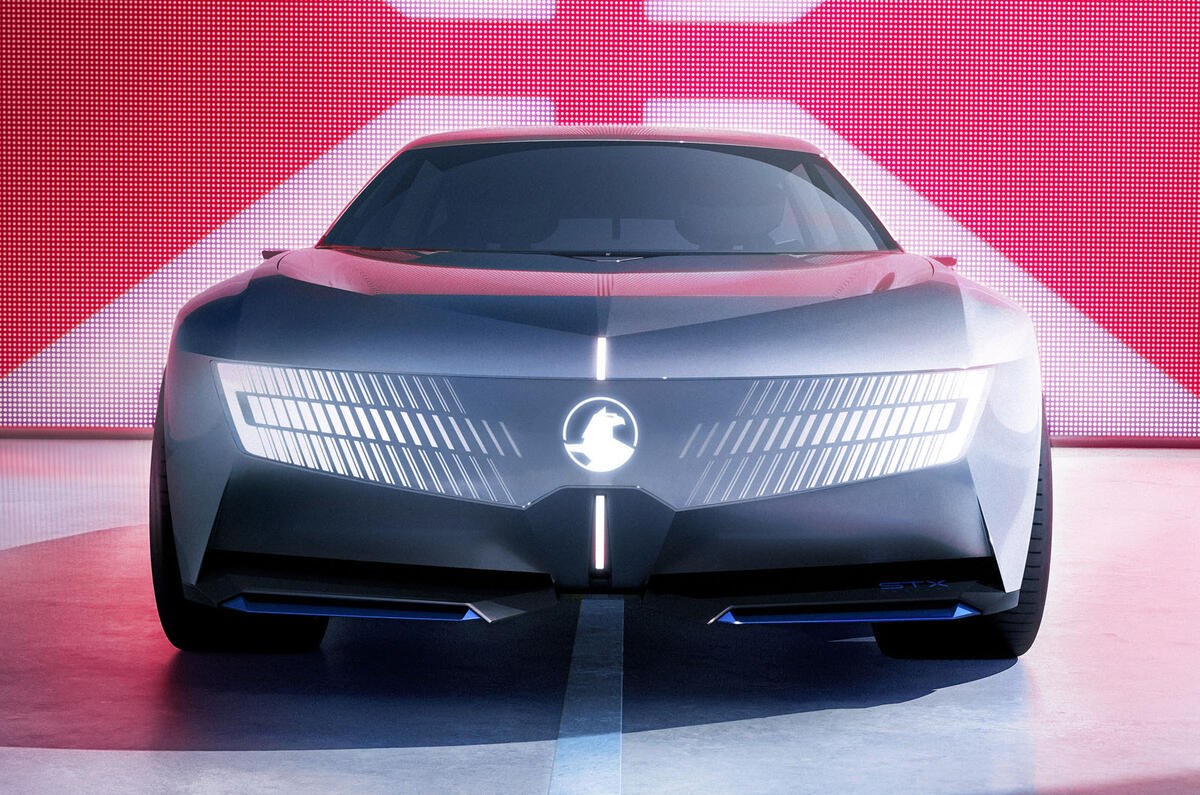
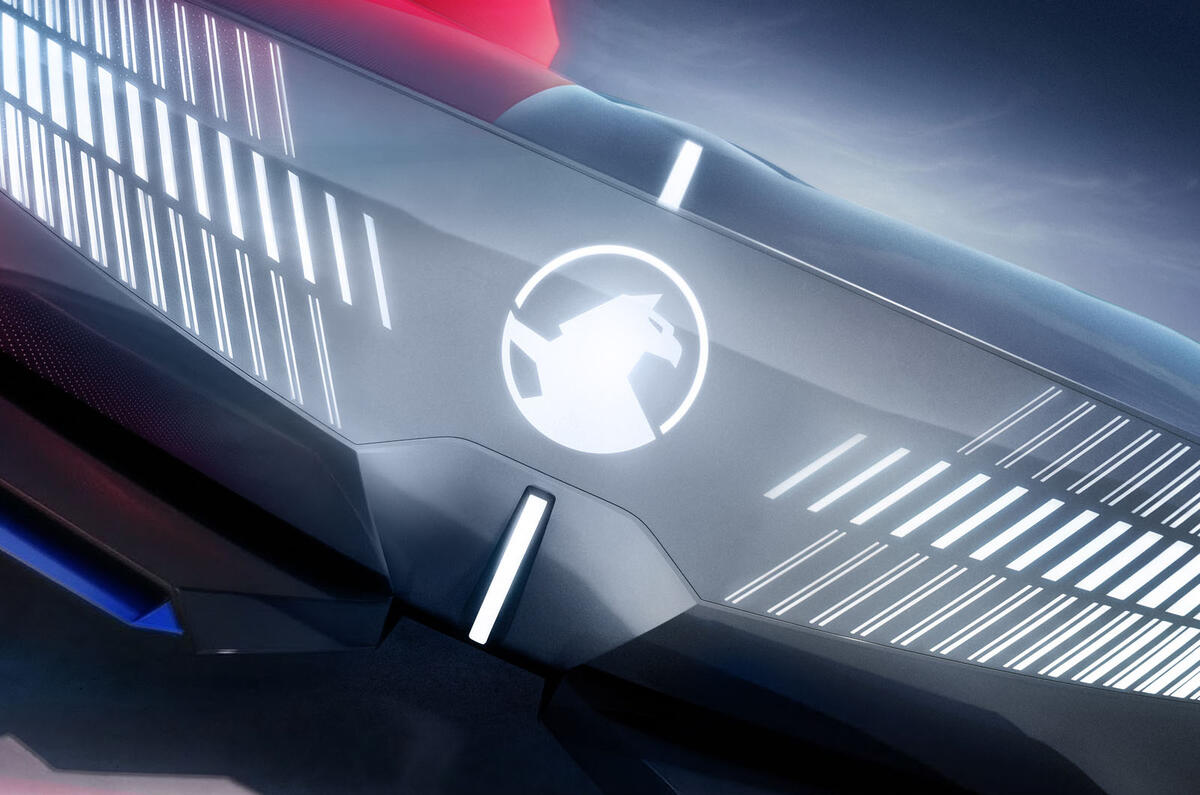
The STX boldly develops the Vizor theme with graduated lighting elements across the front of the car that both provide an easily recognised daylight-running signature and incorporate tiny, almost invisible headlights at the extremities.
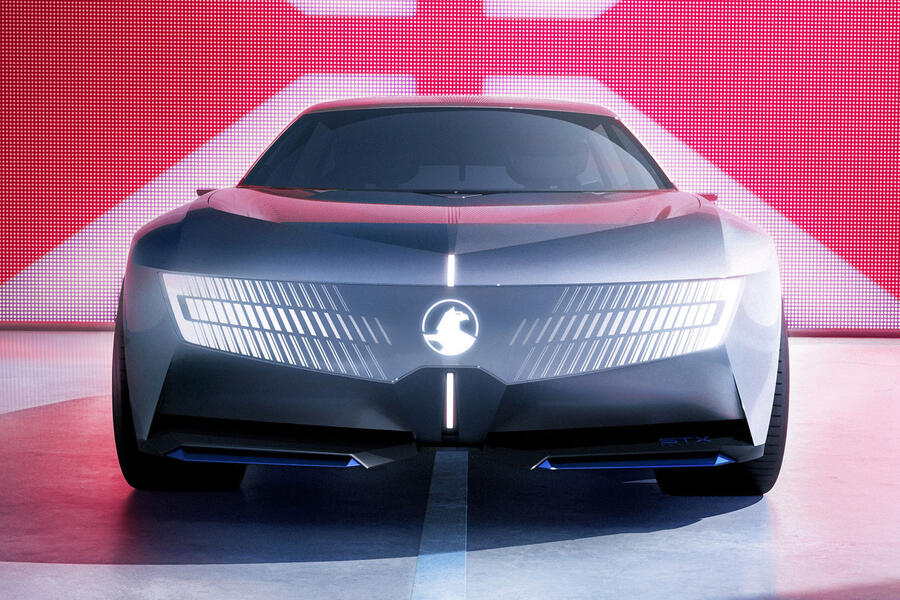
Vauxhall STX front

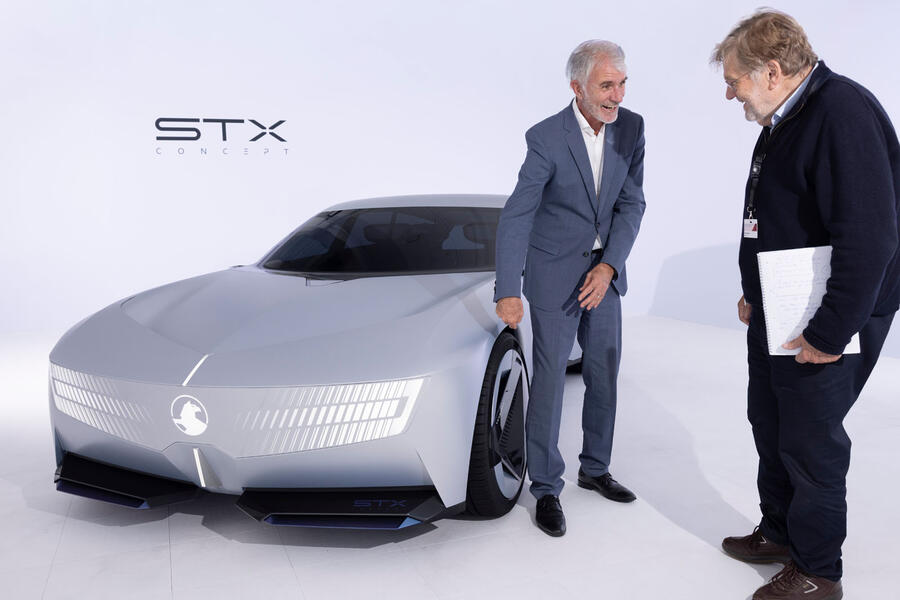
The STX also maintains Vauxhall’s traditional ‘compass’, a prominent centre line that starts in the middle of the Vizor grille and runs the length and width of the car. It is the first Vauxhall to use a newly designed version of the marque’s griffin badge, which was first applied to a Vauxhall car more than 110 years ago.

This latest iteration has been simplified, partly because European regulations now permit grille elements and badges to be illuminated. The STX has a wide, strikingly low nose, almost reminiscent of a sports car, with boldly shaped front wings.

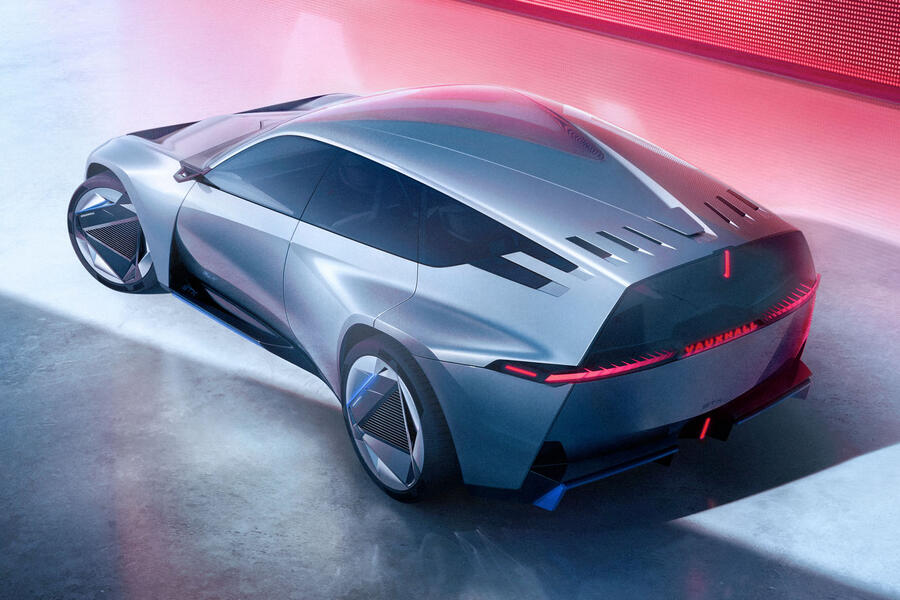
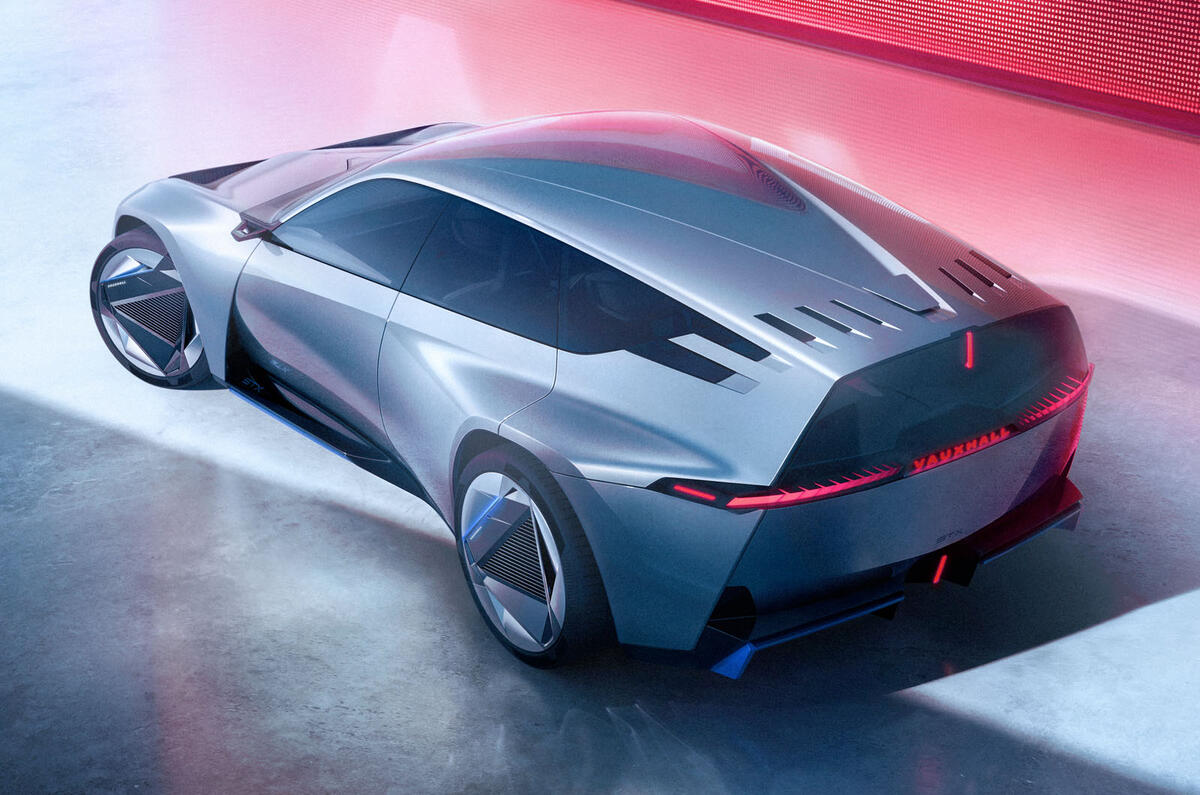
The dark-painted front spoiler comprises sharp, technical parts deliberately meant to contrast with the more muscular elements above it. The well-raked windscreen grows seamlessly out of the bonnet to a curved roofline that then slopes radically downward to the car’s abruptly cut-off rear, one of its most eye-catching elements. 

Back to top

Vauxhall STX rear quarter

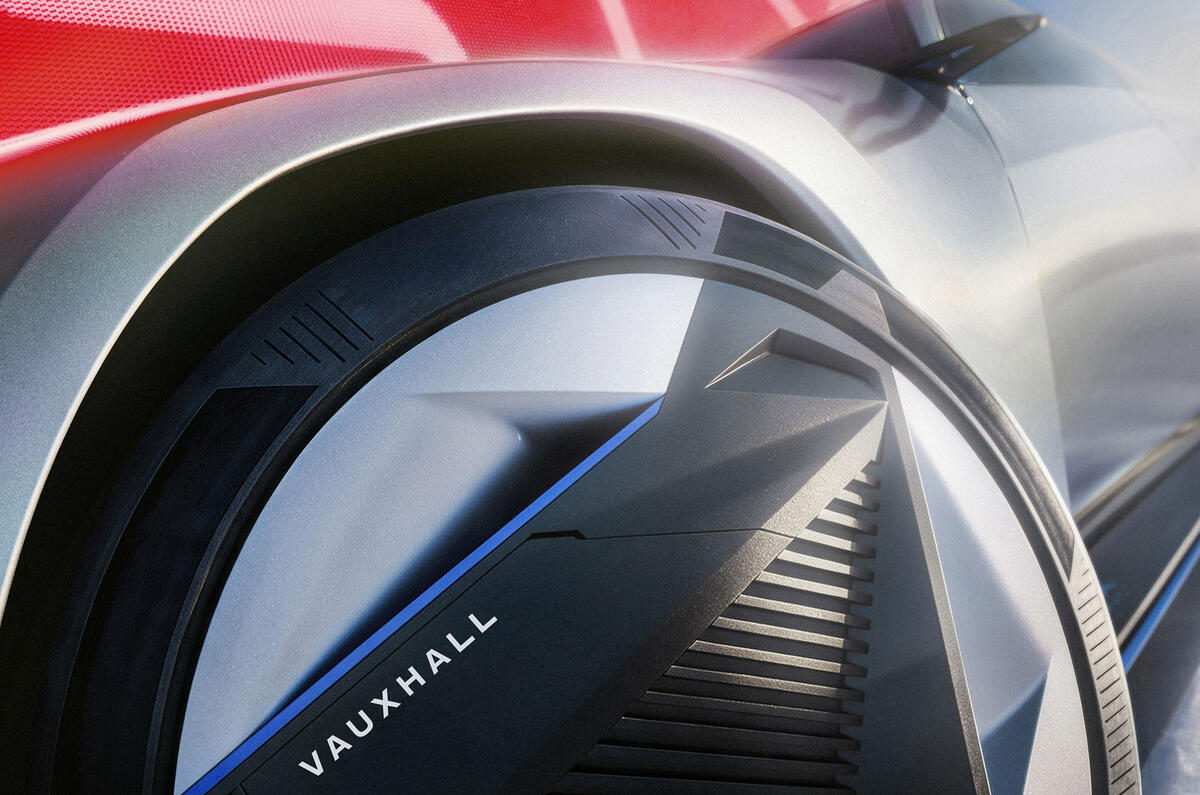
The body’s rear extremities, behind the wheels, are designed to both widen and extend at speeds beyond 50mph to improve aerodynamic stability and reduce drag, which designers see as high priorities when EVs like this hit the market nearer 2030.

The STX’s moving aero parts have yet to be assessed in a wind tunnel but, according to Vauxhall design director Mark Adams, initial computer testing has already proven their value.

“It’s well known that the ideal aerodynamic shape is a teardrop,” he said, “but we can’t make our car seven metres long, so we use these devices to trick the air into thinking the car is longer than it is.”

Q&A Mark Adams, Design Director, Vauxhall Motors

Vauxhall STX, Mark Adams and Steve Cropley

Why did you choose to use an estate as the basis for your latest concept? 

“Two reasons. First, the existing Astra Tourer is a big success in Germany so we knew there would be interest in a concept that showed where it could go, design-wise. Second, there’s a trend away from hatchbacks in other countries too. We wanted to show a new possibility.” 

In recent years, we’ve been told concept cars weren’t worthwhile unless they led directly to production. Is that the case for the STX?

Back to top

“We can’t say STX will be built for production as you see it here, but the GTX we showed eight or nine years ago led clearly to a new Mokka. The STX strongly sets a clear course for the future, and its influences will run right through our range.” 

You joined Vauxhall-Opel 20-plus years ago, and in that time the company has changed hands twice. Has it been hard to maintain brand consistency?   

“We’ve had challenges. I’ve worked for a lot of different CEOs. We’ve had to make rapid moves at short notice – on timescales that would challenge the Chinese. But our brands are strong and have lots of loyal customers. We’re excited to show them where we can go next.” 

Join our WhatsApp community and be the first to read about the latest news and reviews wowing the car world. Our community is the best, easiest and most direct place to tap into the minds of Autocar, and if you join you’ll also be treated to unique WhatsApp content. You can leave at any time after joining - check our full privacy policy here.

Steve Cropley

Steve Cropley Autocar
Title: Editor-in-chief

Steve Cropley is the oldest of Autocar’s editorial team, or the most experienced if you want to be polite about it. He joined over 30 years ago, and has driven many cars and interviewed many people in half a century in the business. 

Cropley, who regards himself as the magazine’s “long stop”, has seen many changes since Autocar was a print-only affair, but claims that in such a fast moving environment he has little appetite for looking back. 

He has been surprised and delighted by the generous reception afforded the My Week In Cars podcast he makes with long suffering colleague Matt Prior, and calls it the most enjoyable part of his working week.