Currently reading: Analysis: do hydrogen-powered cars have a future?

Can car makers tap the potential of hydrogen or will battery-electric reign supreme? We investigate

The drumbeat of enthusiasm for hydrogen as a road fuel has grown steadily louder this year, despite a general industry-wide acceptance that EVs will become the mainstream in most cases.

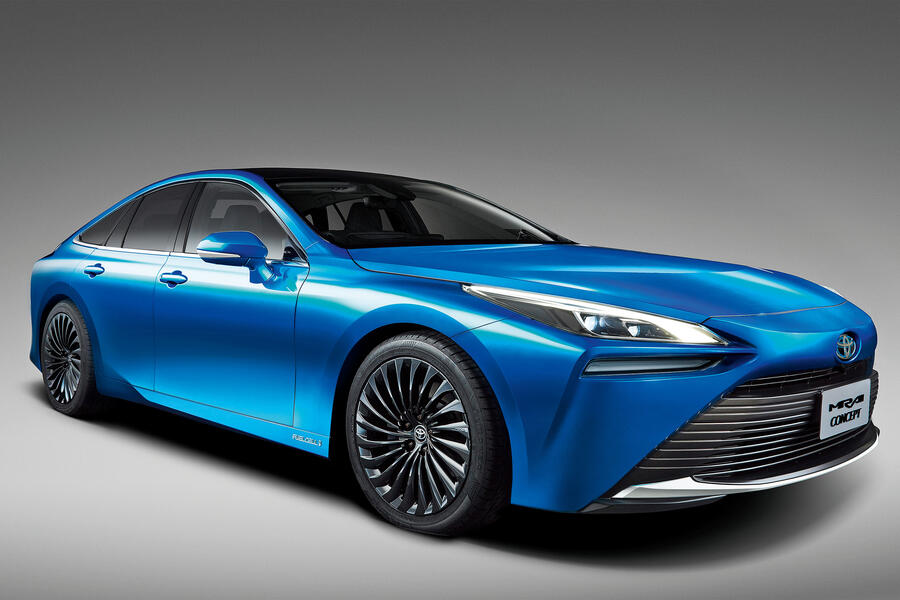
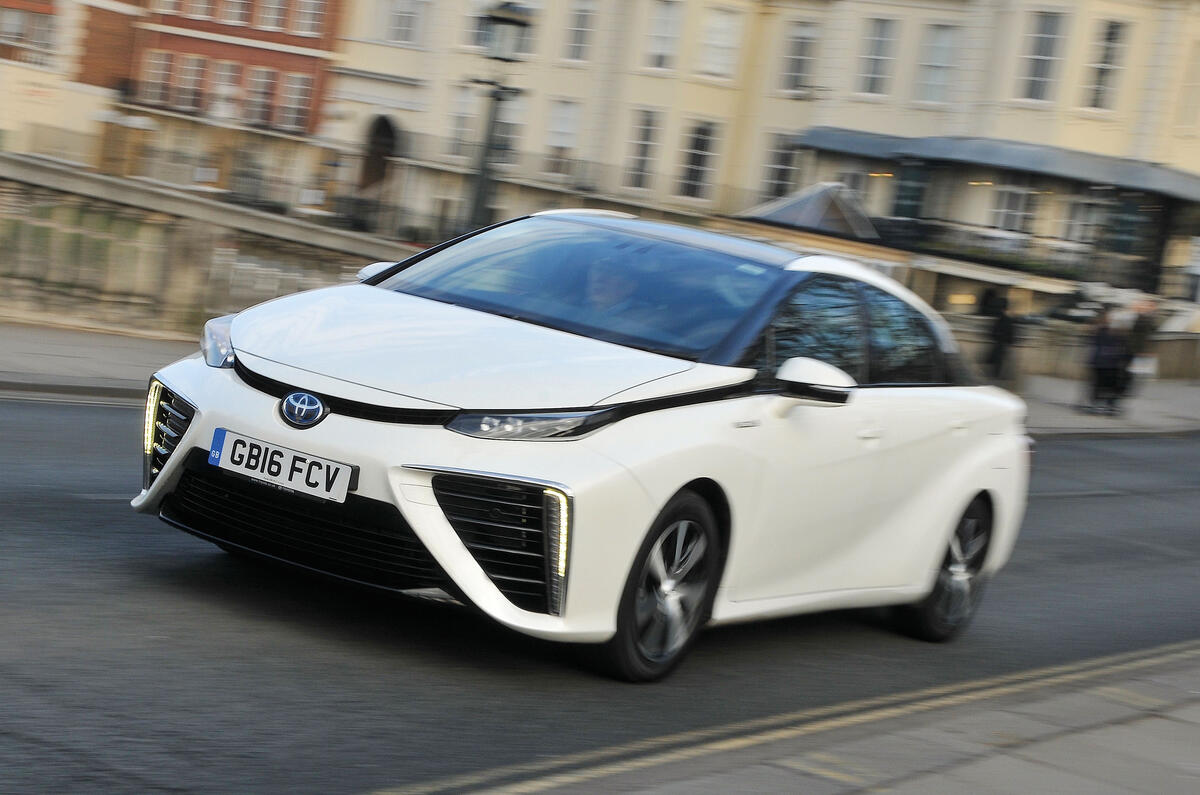
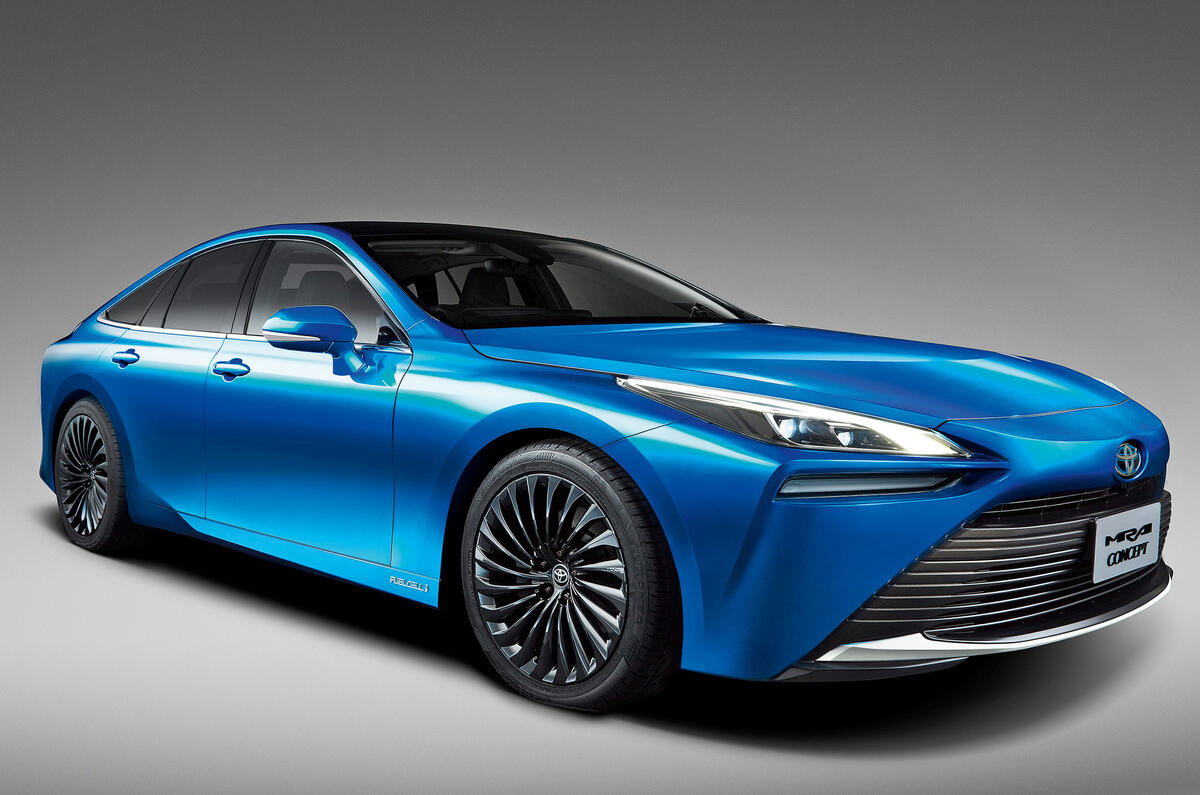
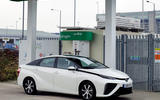
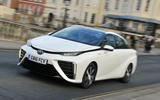
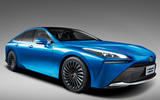
This culminated in Toyota’s huge investment in the recently revealed Mk2 Toyota Mirai. A substantial overhaul has transformed an oddity built in small numbers into a stridently confident saloon that will raise Toyota’s global ambitions for hydrogen next year.

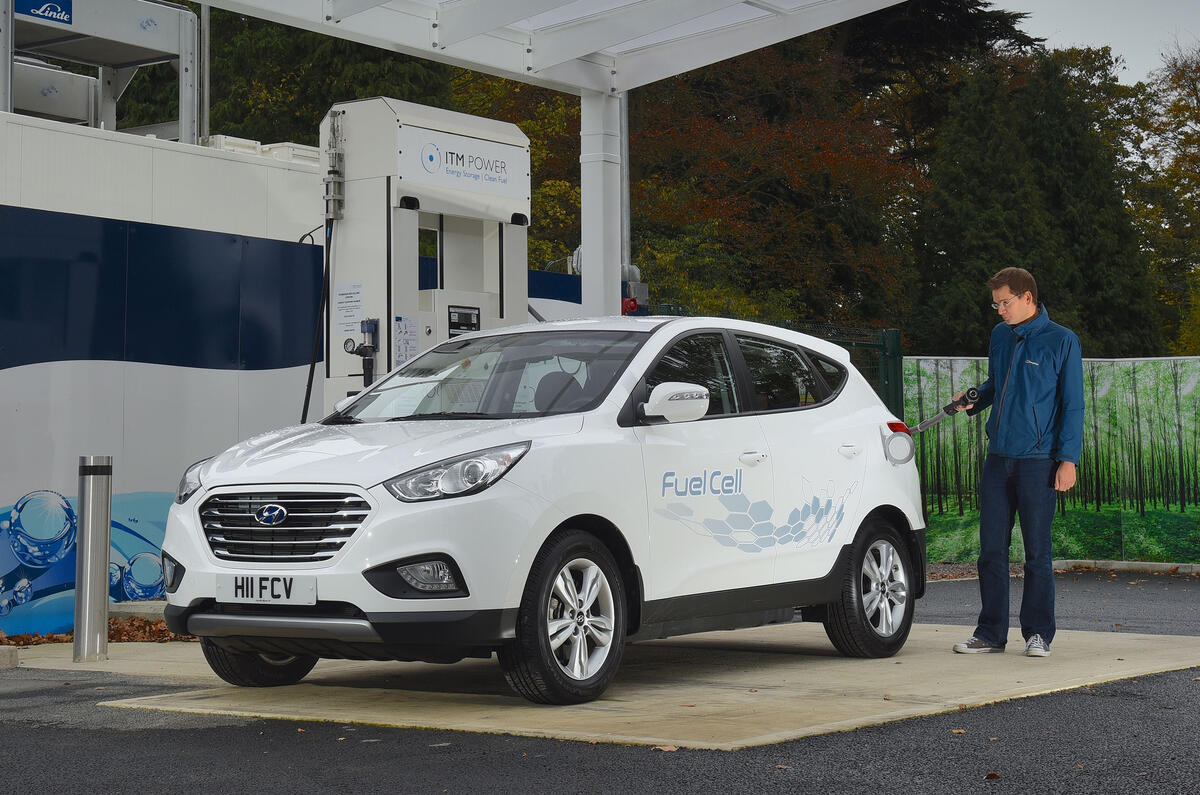
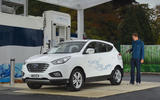
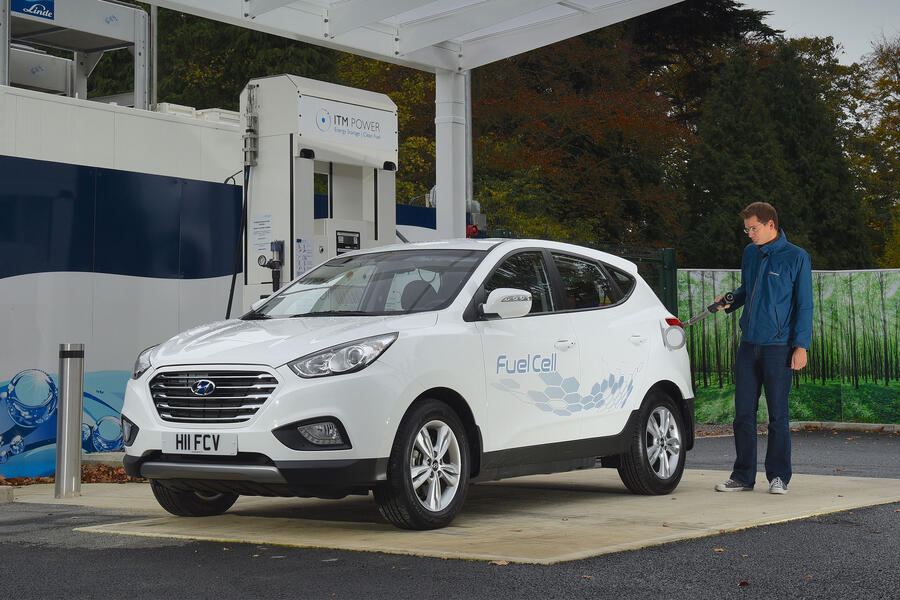
The new Mirai will join the Hyundai Nexo SUV on the admittedly short list of commercially available cars powered by zero-emissions fuel cells, but others are in the pipeline. Mercedes could yet import its GLC F-Cell SUV to the UK and Toyota’s fuel-cell partner, BMW, will roll out a hydrogen X5 in 2022. The PSA Group has said it will launch a fuel-cell van by 2021 that’s likely to include a Vauxhall version.

In the UK, meanwhile, Wrightbus, the Northern Irish bus firm responsible for building London’s hybrid ‘Boris bus’, was rescued from bankruptcy earlier in October by a company aiming to switch the UK’s bus fleet to hydrogen.
5 15

Jaguar Land Rover (JLR) has said the fuel might be more suitable than battery-electric power for its largest SUVs as it works to cut emissions, and is reportedly working on a hydrogen-powered Range Rover with an aim to launch by the end of the decade. “If you’re not careful, you end up with such big batteries [with EVs], you make it so heavy that when you race down the autobahn, the range disappears. So other technologies could come into play, potentially hydrogen,” said Nick Rogers, JLR’s head of engineering.

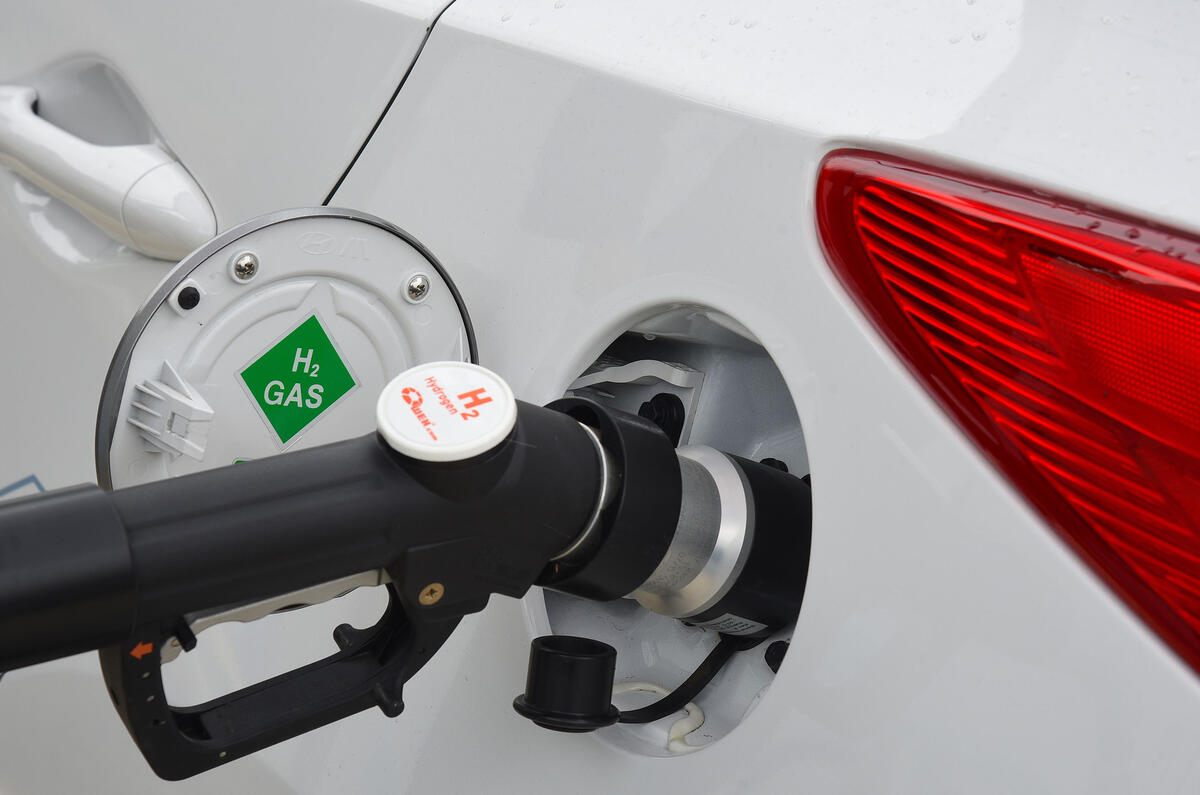
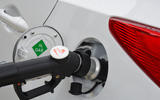
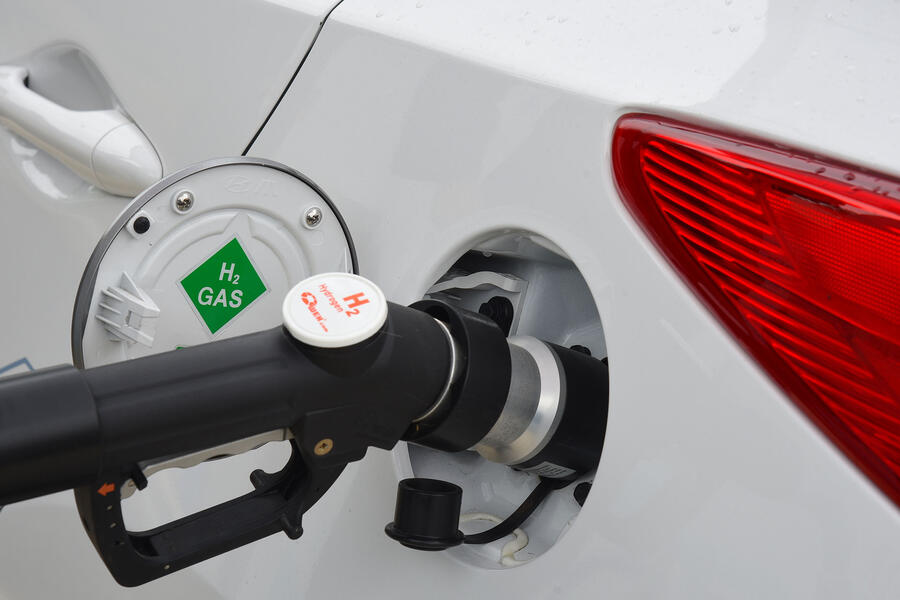
It’s easy to see the appeal. Hydrogen fuel-cell vehicles emit nothing but water vapour, have a long range (414 miles for the Nexo) and can be filled almost as quickly as a petrol or diesel car. As the scale of the challenge to persuade us out of user-friendly combustionengined cars into EVs becomes clear, might fast-fill hydrogen be a better zero-emissions bet?

Not so fast, warns Carlos Tavares, CEO of the PSA Group. “Now people see EVs are going to be difficult, they are going to say: ‘Oh, what about hydrogen?’ You’re going to see lots of headlines about hydrogen and everyone’s going to have a hydrogen project,” he said at the Frankfurt motor show in September. Despite Tavares’ reluctance to be dictated to by headlines, the PSA Group has its own hydrogen project (the 2021 van), but Tavares warned that it would be “very expensive”.
6 5

Back to top

Cost has always been a drag on fuel cells, which currently use around 30g-60g of the precious metal platinum on every stack. BMW has said a fuel-cell powertrain is currently still around 10 times more expensive than an equivalent electric one.

Other hurdles remain. It might be zero emissions at the tailpipe, but splitting water into hydrogen – the most common method of creating it – demands a lot of electricity. “It only makes sense if you’re creating hydrogen with renewable energy,” said Rogers. His predecessor, Wolfgang Ziebart, called fuel cells “complete nonsense” back in 2016 because of their poor ‘wheel-to-well’ carbon emissions.

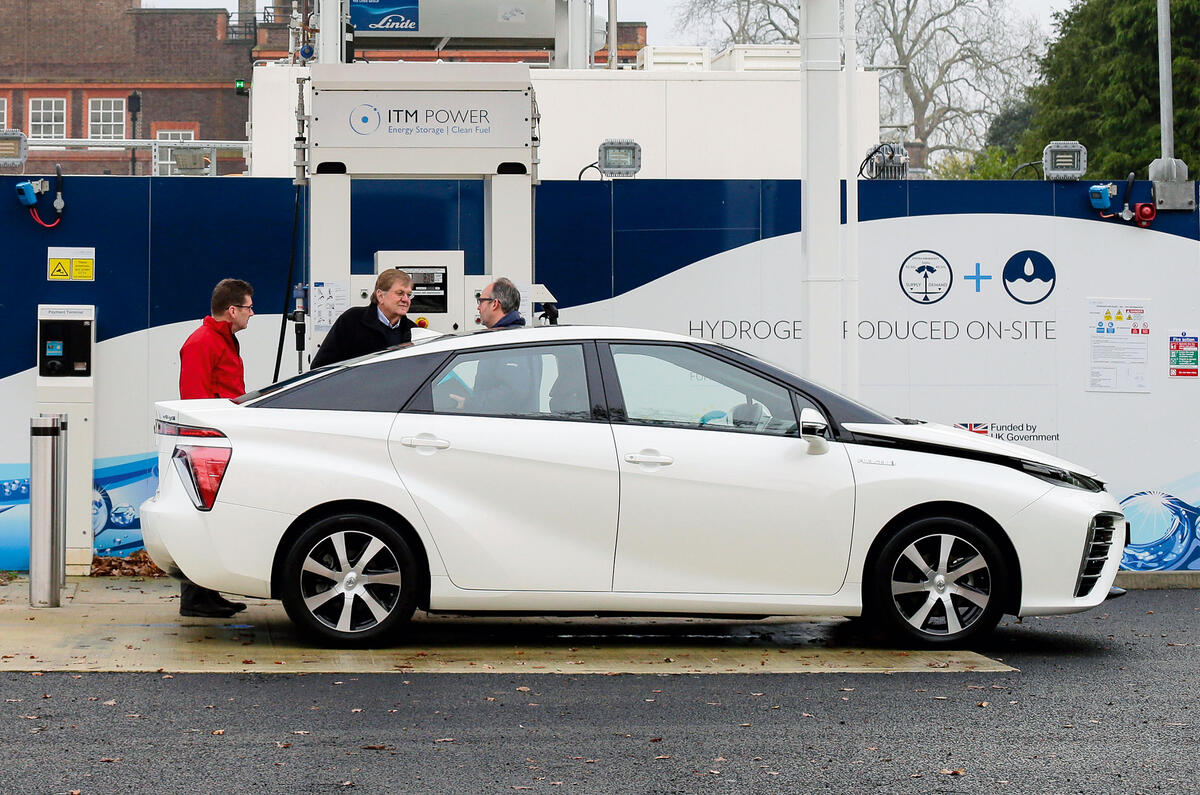
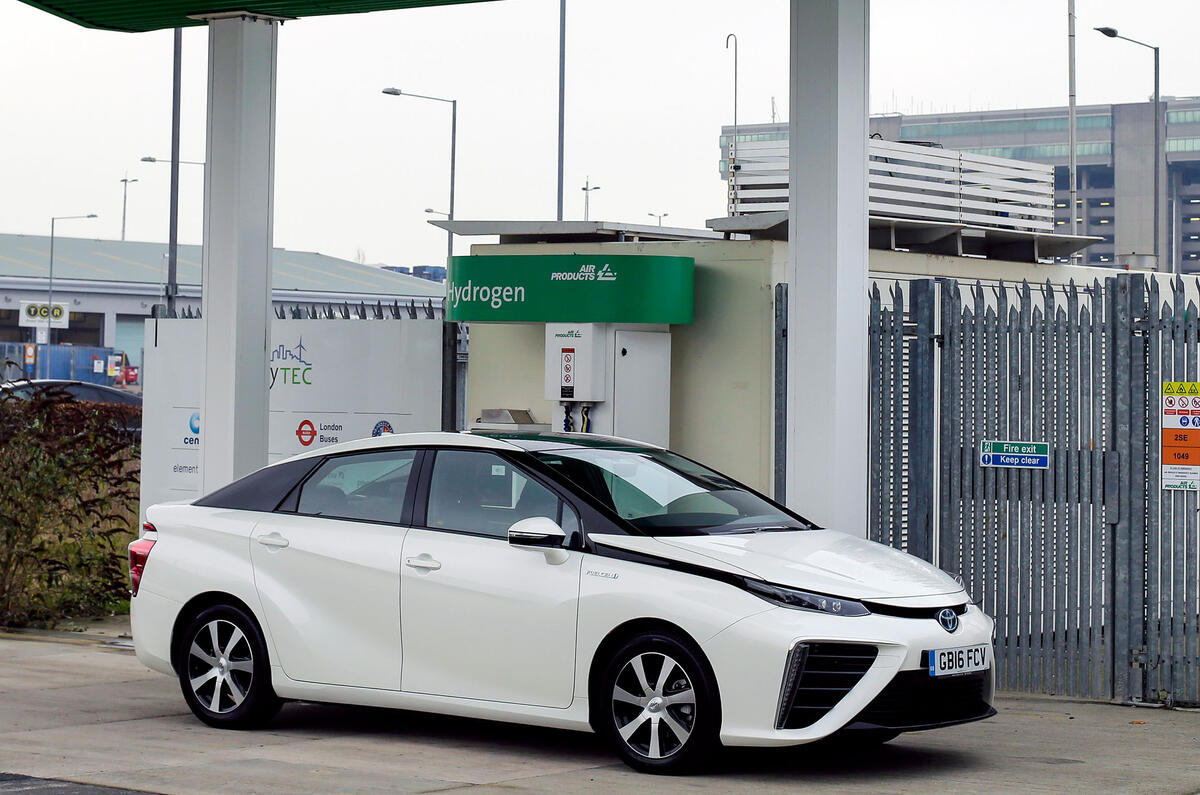
The refuelling infrastructure is in desperate need of expansion. The UK has just 16 stations in operation, according to h2stations.org, and although early adopter California has more than 40, an explosion at a hydrogen production facility in June left many stations there without supply for weeks.

The safety fears haven’t gone away, either. In South Korea, resident groups are opposing new hydrogen filling stations in their neighbourhoods following an explosion in May at a hydrogen storage tank in the city of Gangneung, killing two.

3 22

Even if these issues were all suddenly ironed out, hydrogen lost to lithium ion a long time ago as an automotive fuel, argues Andy Leyland, head forecaster at battery materials analyst firm Benchmark Mineral Intelligence. “The amount that has been committed to the lithium ion supply chain, excluding charging infrastructure, is around $600 billion [£470bn]. Hydrogen is maybe $30bn or max $40bn. It’s a completely different scale,” he said. “In many respects, lithium ion is too big to fail over the next 10- to 15-year period.”

Back to top

In the meantime, hydrogen is expected to fill niches where batteries can’t compete, such as for high-mileage commercial vehicles that are too busy to be idled while charging. “We think it’s good technology mostly for fleets and for cars that come back to the same point every night where you can leverage investment on the H2 refilling unit,” said Tavares.

The enthusiasm for the fuel in South Korea and Japan is expanding into partnerships, with car makers not so willing to start a programme of their own from scratch. Hence, BMW is linked with Toyota and Hyundai with Audi.

And the price will come down. “By the third-generation Mirai, we fully expect fuel-cell costs to be comparable with hybrids,” Toyota Europe head of sales Matt Harrison said. “We believe fuel cell vehicles have a huge potential.”

Nick Gibbs

READ MORE

Both electric and hydrogen cars are crucial for future

Hyundai's hydrogen boss predicts sales growth will continue

Under the skin: Why hydrogen could be an easy cell

Join our WhatsApp community and be the first to read about the latest news and reviews wowing the car world. Our community is the best, easiest and most direct place to tap into the minds of Autocar, and if you join you’ll also be treated to unique WhatsApp content. You can leave at any time after joining - check our full privacy policy here.