
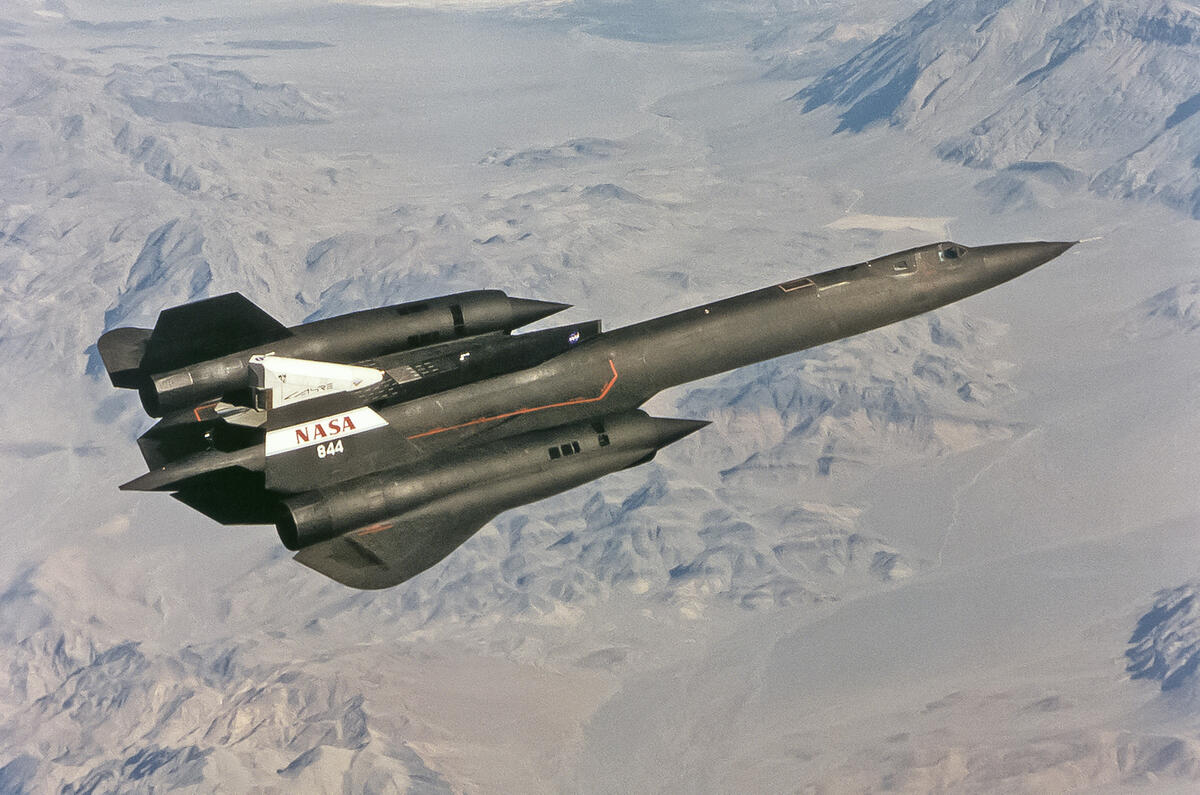

Reconnaissance aircraft snoop around potentially hostile nations (or their ships) gathering photographic and electronic intelligence.
Their crews would rather they are not referred to as ‘spy planes’ as this status can affect their safety and treatment if shot down and captured, but this rather more exciting title has stuck.
These shadowy machines shun publicity, quietly changing the course of history and often flying in extremely dangerous or contentious situations. We look at ten crewed aircraft we think are the most important in history.
10: Mikoyan-Gurevich MiG-25R ‘Foxbat’
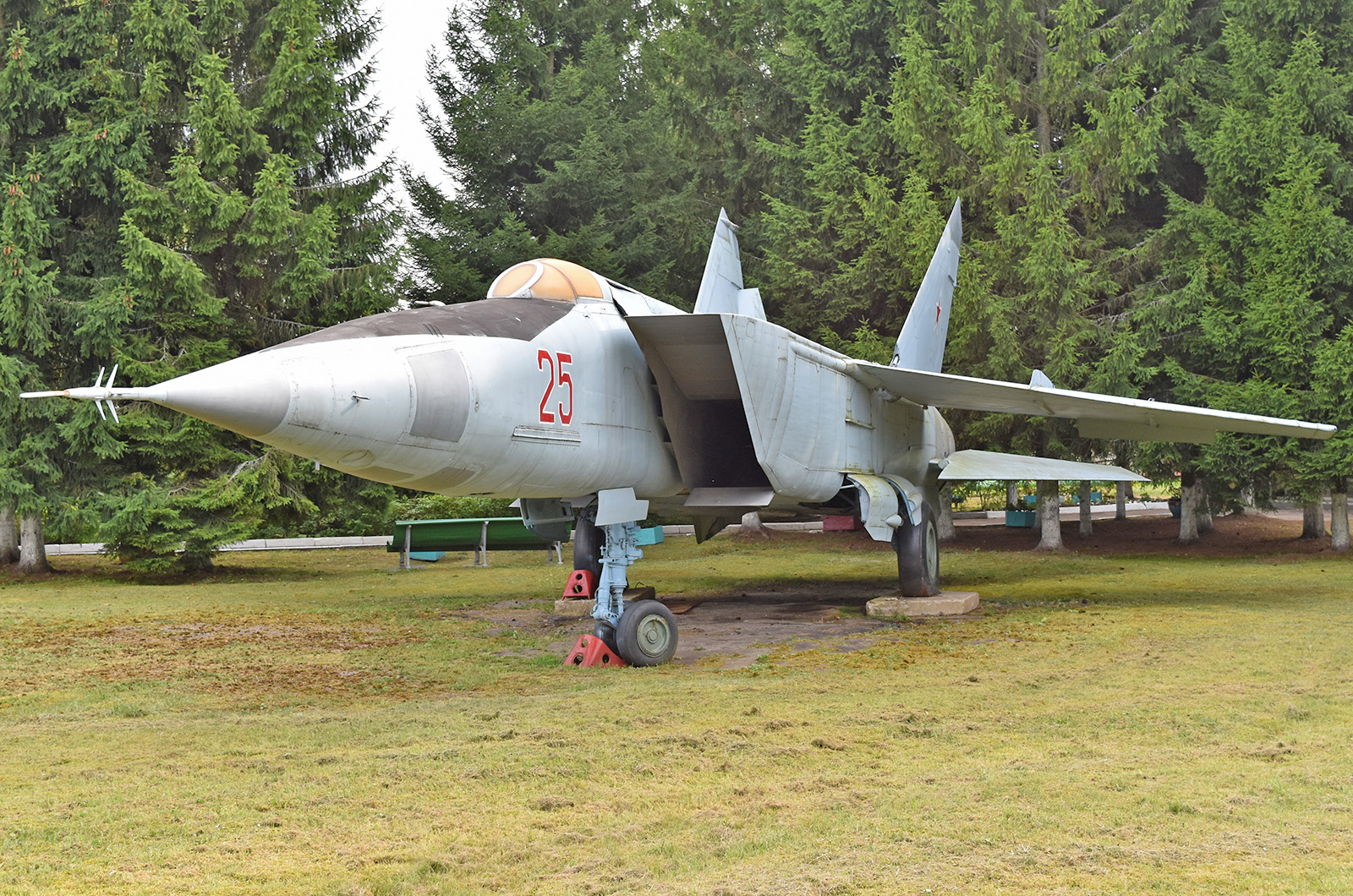
From the outset, it was planned that there would be a reconnaissance version of the extremely fast and high-flying Soviet MiG-25 ‘Foxbat’. The MiG-25R carried cameras and electronic sensors in Soviet service, as well as in a handful of export versions. The Foxbat earns the clean-up spot on the list because of its impact as an intelligence collector on the international stage.
The March 1971 deployment of Soviet MiG-25s and pilots to Egypt and their unopposed overflights of Israel were a shock to the West. Although their contributions to Egyptian security and intelligence were minimal, their impact on Israeli security was profound.
10: Mikoyan-Gurevich MiG-25R ‘Foxbat’
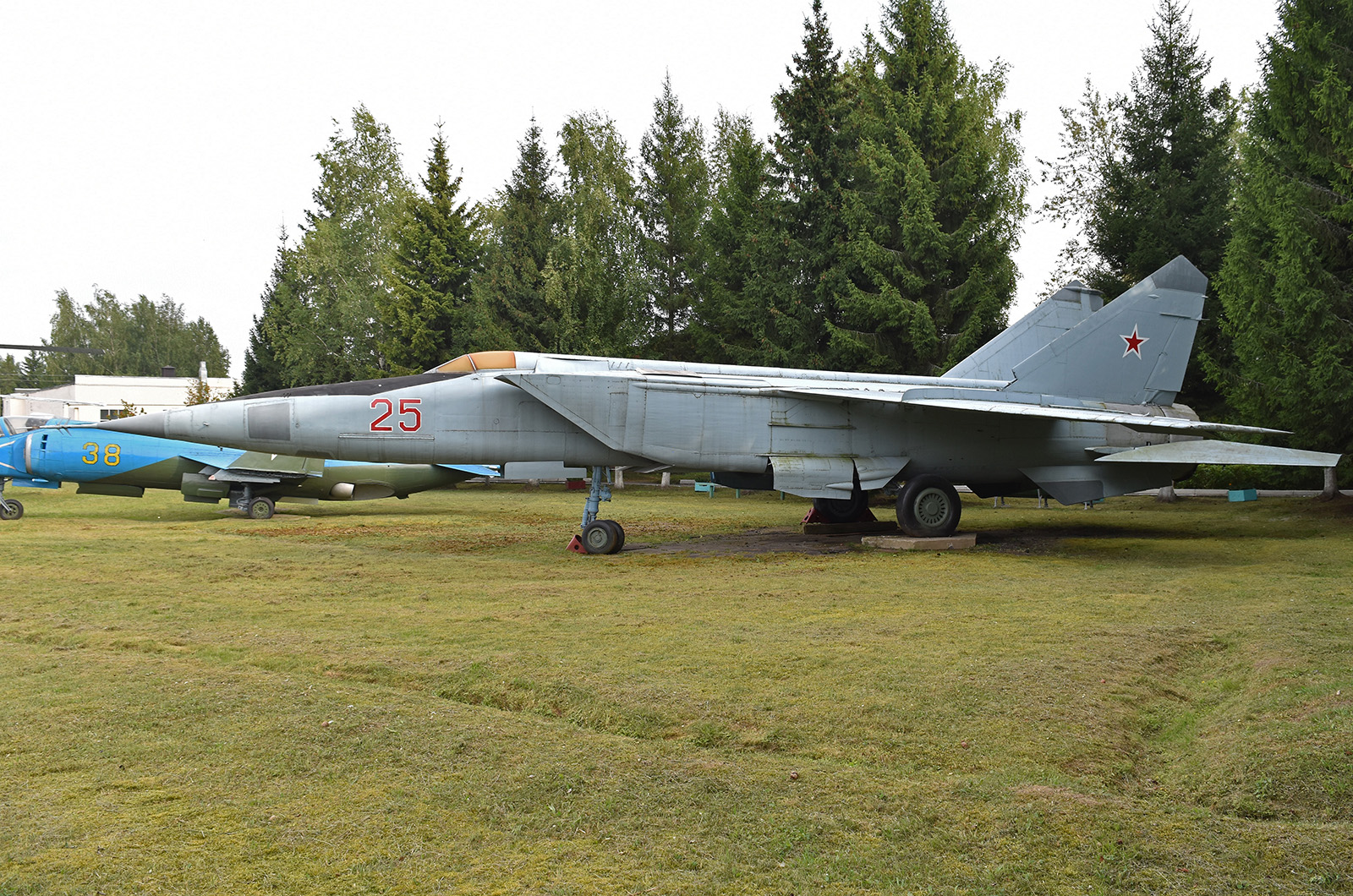
Even with only two Mach 2.5 overflights a month, the inability of Israeli F-4s and Mirage IIIs to intercept and destroy the Foxbats raised serious questions in Tel Aviv and in Washington about the ability of Western aircraft to engage what was considered the most dangerous Soviet aircraft yet.
The MiG-25R photo intelligence (PHOTINT) overflights were significant escalations in the so-called War of Attrition, which led to the 1973 October War and the brief superpower diplomatic confrontation over possible unilateral Soviet intervention on behalf of the encircled Egyptian Third Army. For the first time, thanks to the Foxbat, Western military leaders had to take Soviet aerial reconnaissance seriously.
9: Business jets
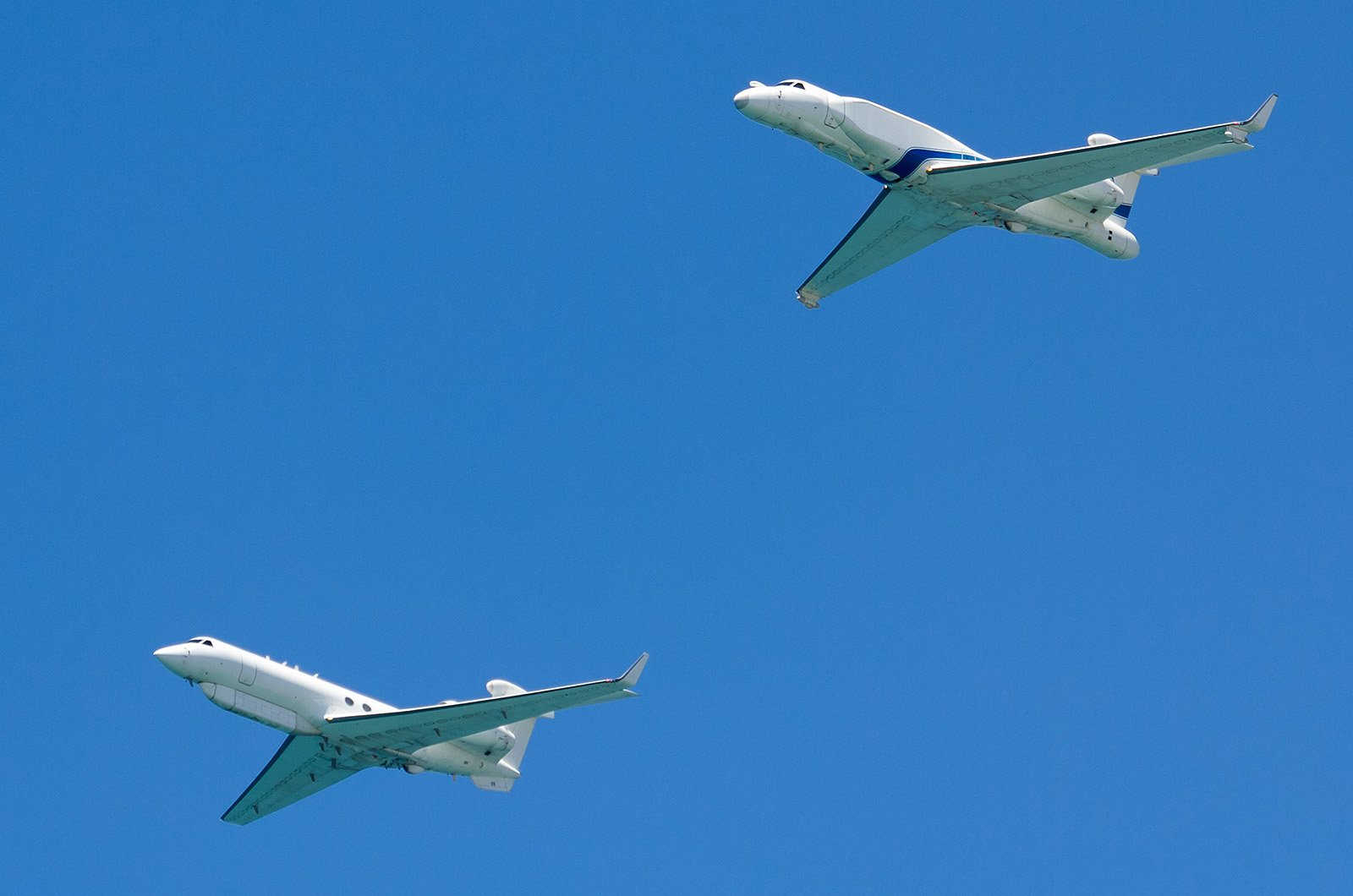
For decades, few nations could afford the sufficiently large and equally expensive aircraft needed to conduct routine communications and electronic intelligence (COMINT and ELINT) collection. That changed with the availability of smaller sensors and on-board analysers as well as the reduced need for multiple operators.
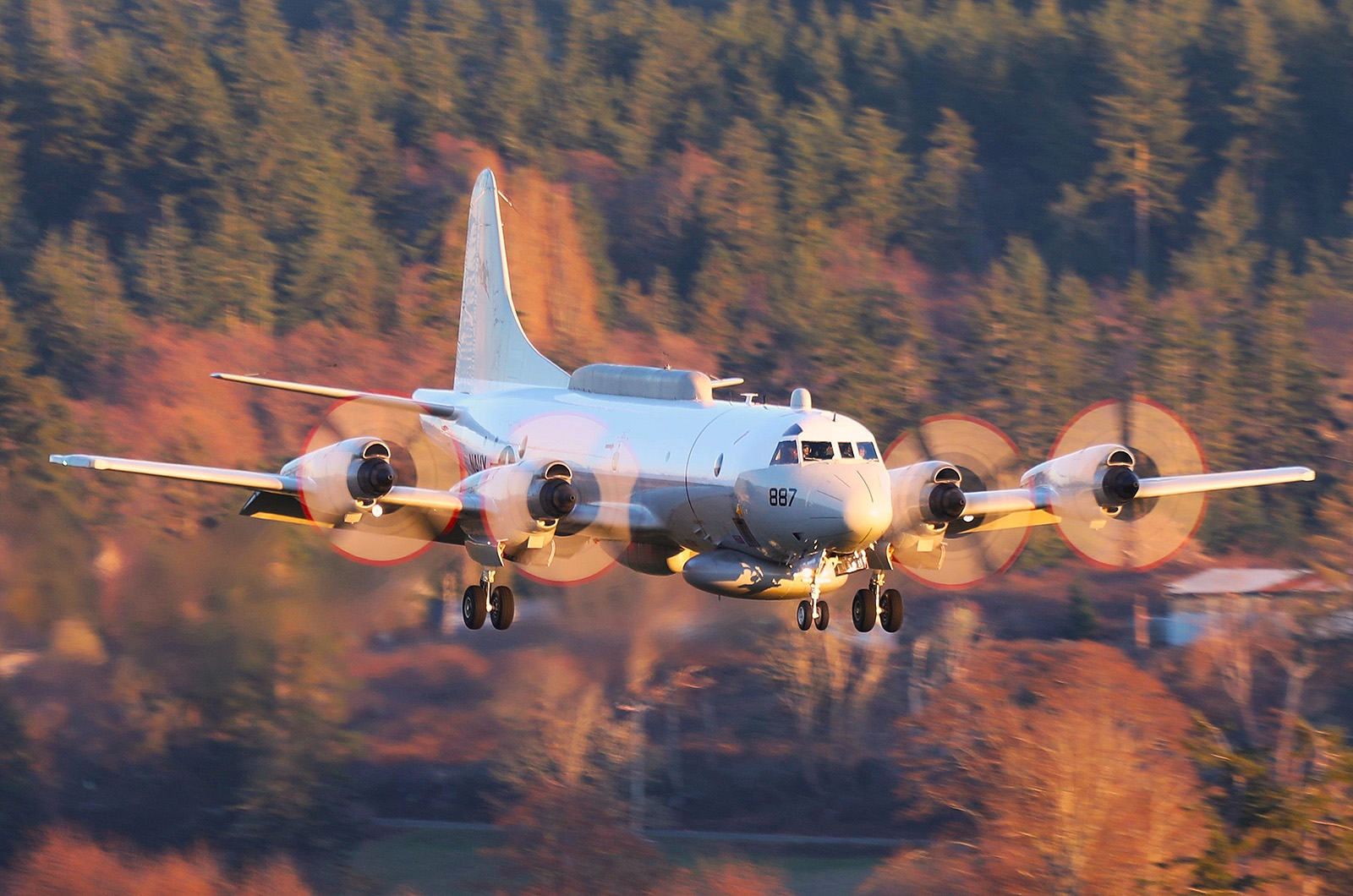
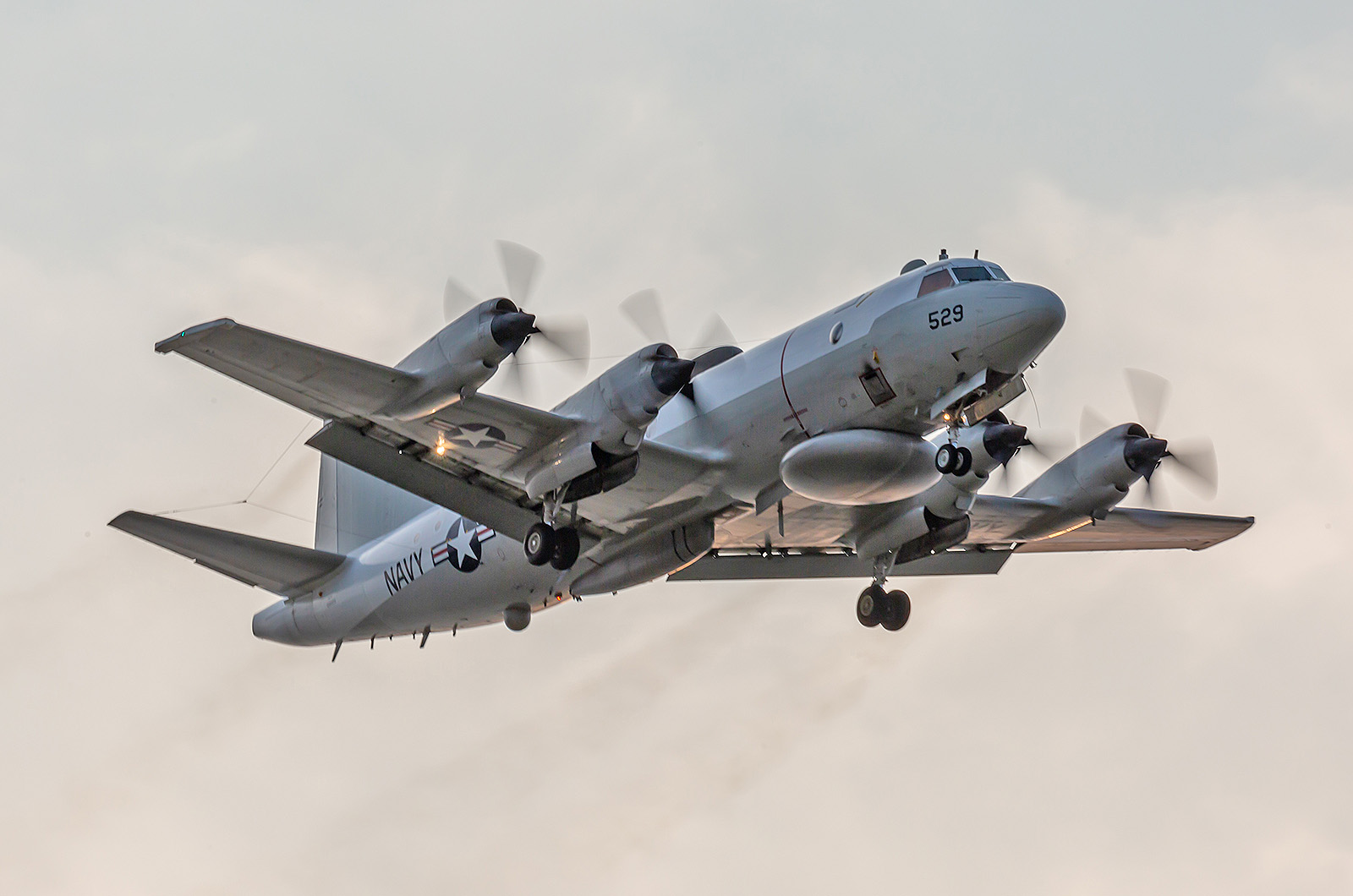
Earlier bulkier equipment required the use of a large four-engined aircraft, hence the existence of RC-135s, EP-3s, and C-130-IIs in American service, Nimrod R.1s in RAF colours, and the occasional French DC-8 and Soviet/Russian Coot. With technology miniaturisation, at last, almost all nations can afford a ‘poor man’s Rivet Joint.’ in the form of a converted business jet.
9: Business jets
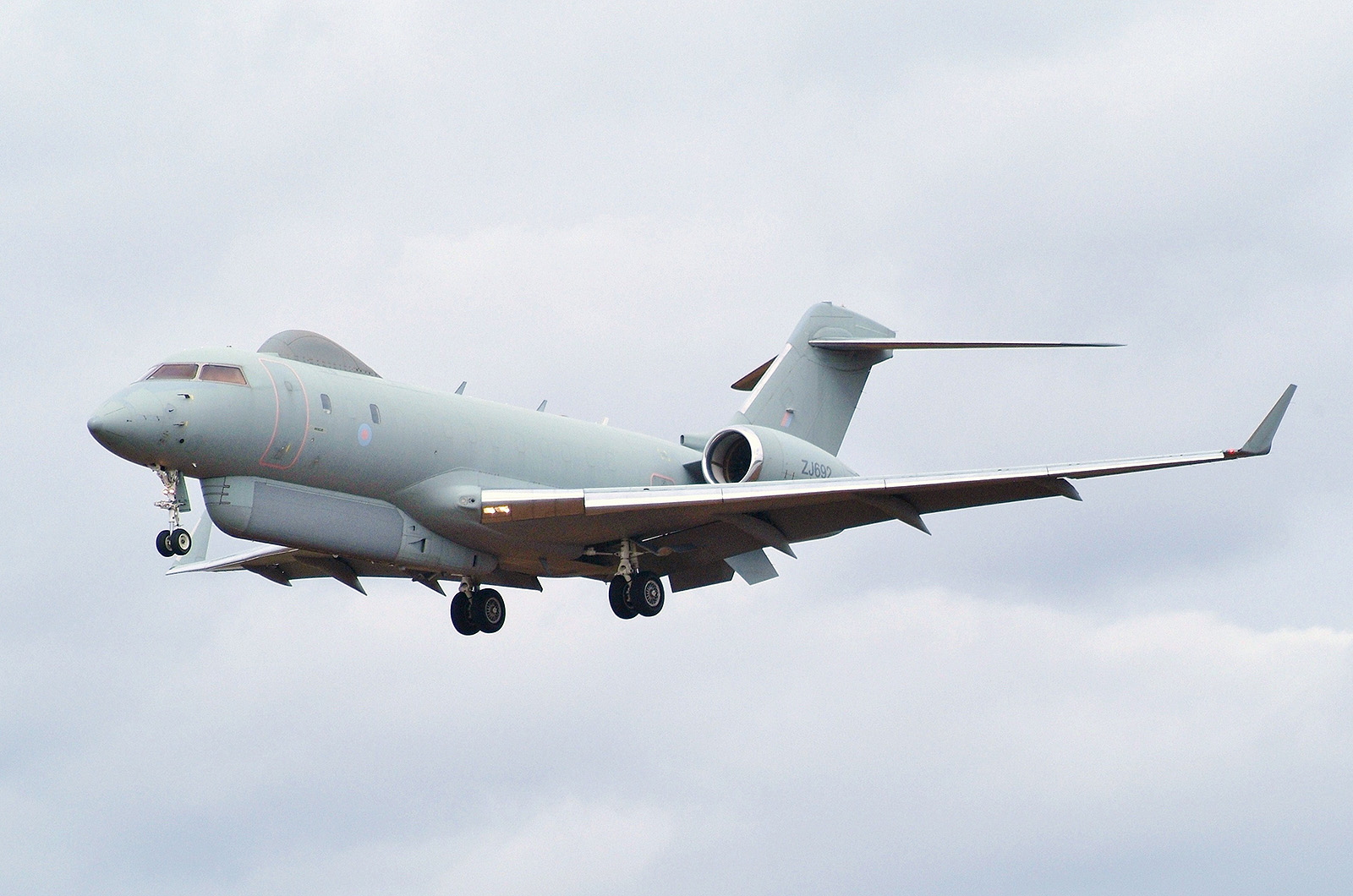
This resulted in the procurement and conversion of SIGINT variants of large twin-engine business jets or regional airliners such as the Gulfstream IV (used by Sweden), the G550 Nahshons (used by Israel), and Bombardier Global Express Sentinel R1s (used by the UK). Even the United States, with its huge defence budget, is exploring the use of business jets to replace its ageing fleet of RC-135 Rivet Joints.







Add your comment