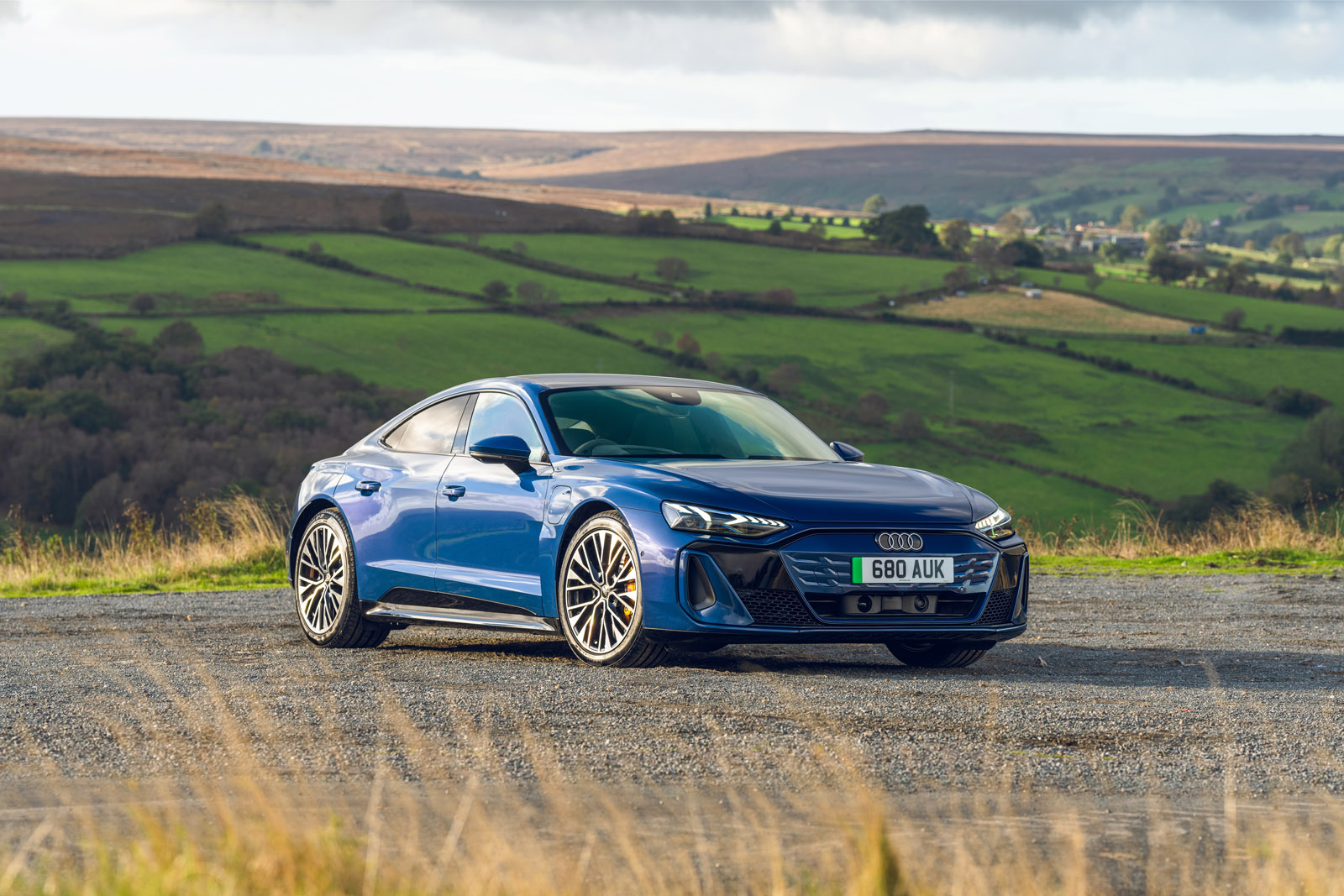
From £88,5558

Heavily upgraded electric four-door gains a sub-£90k entry version that could be the one to have

Although it's keeping its options open regarding the future use of hybrid and ICE powertrains, Audi’s electric rollout is now in full swing, and it all started in 2020 with the statement-making Audi E-tron GT.

Looking every inch ‘Vorsprung durch Technik’, this sleek, four-door coupé was the result of a joint R&D programme with Porsche. The Taycan would cater to the driving enthusiast and person who had to have the last world in performance and feedback, and the E-tron GT? It was the more subdued of the two and also, we would learn, the more relaxing company, yet far from blunt to drive.

Now it has been updated – and comprehensively so. 

The battery is both bigger and lighter, the maximum charging speed is up to a scalding 320kW (with an extended peak window, importantly), all versions can now go further per charge and there's the trifling matter of a 912bhp range-topping RS Performance variant to consider.

There's also a new entry-level version, simply called the Quattro, which turns down the power, boosts the maximum range to 386 miles and brings the start price down from well north of £100k to a more palatable £89,000.

You can buy a Taycan for a few hundred quid less, but that’s for the single-motor, rear-driven car, whereas the E-tron GT has dual-motor four-wheel drive as standard. 

Advertisement

DESIGN & STYLING

9
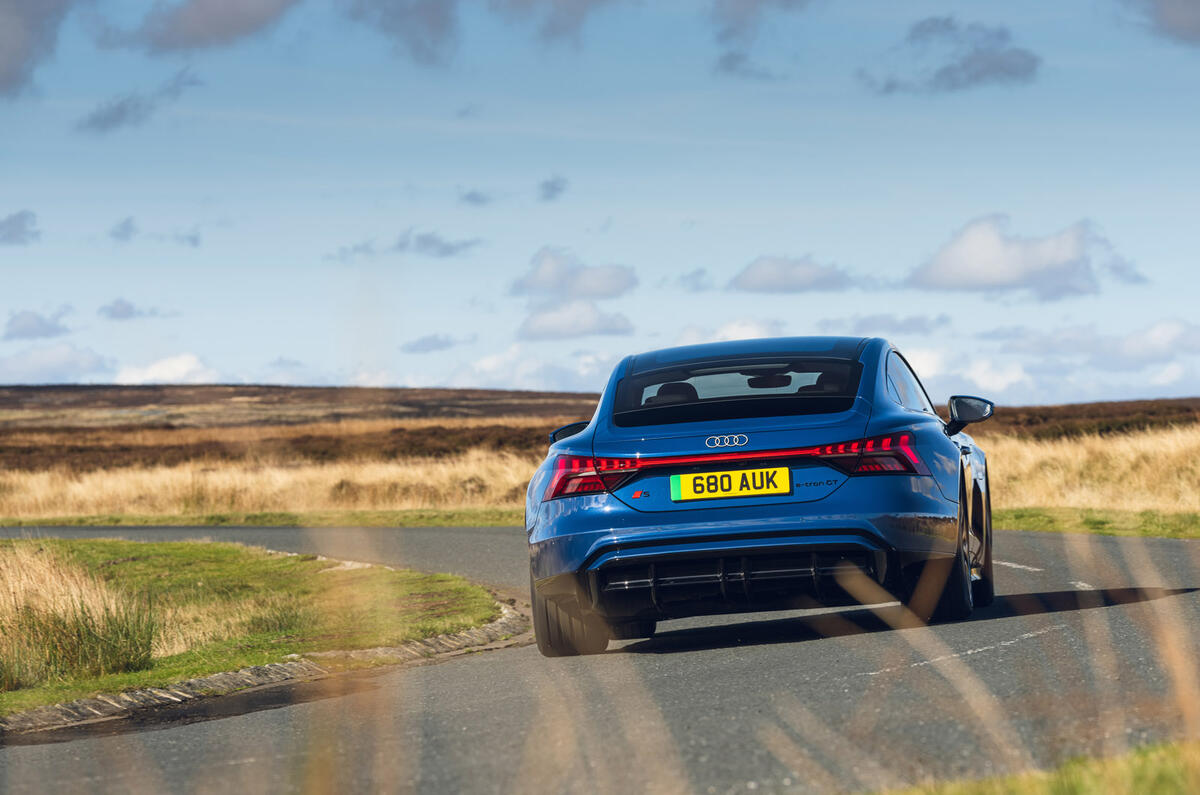
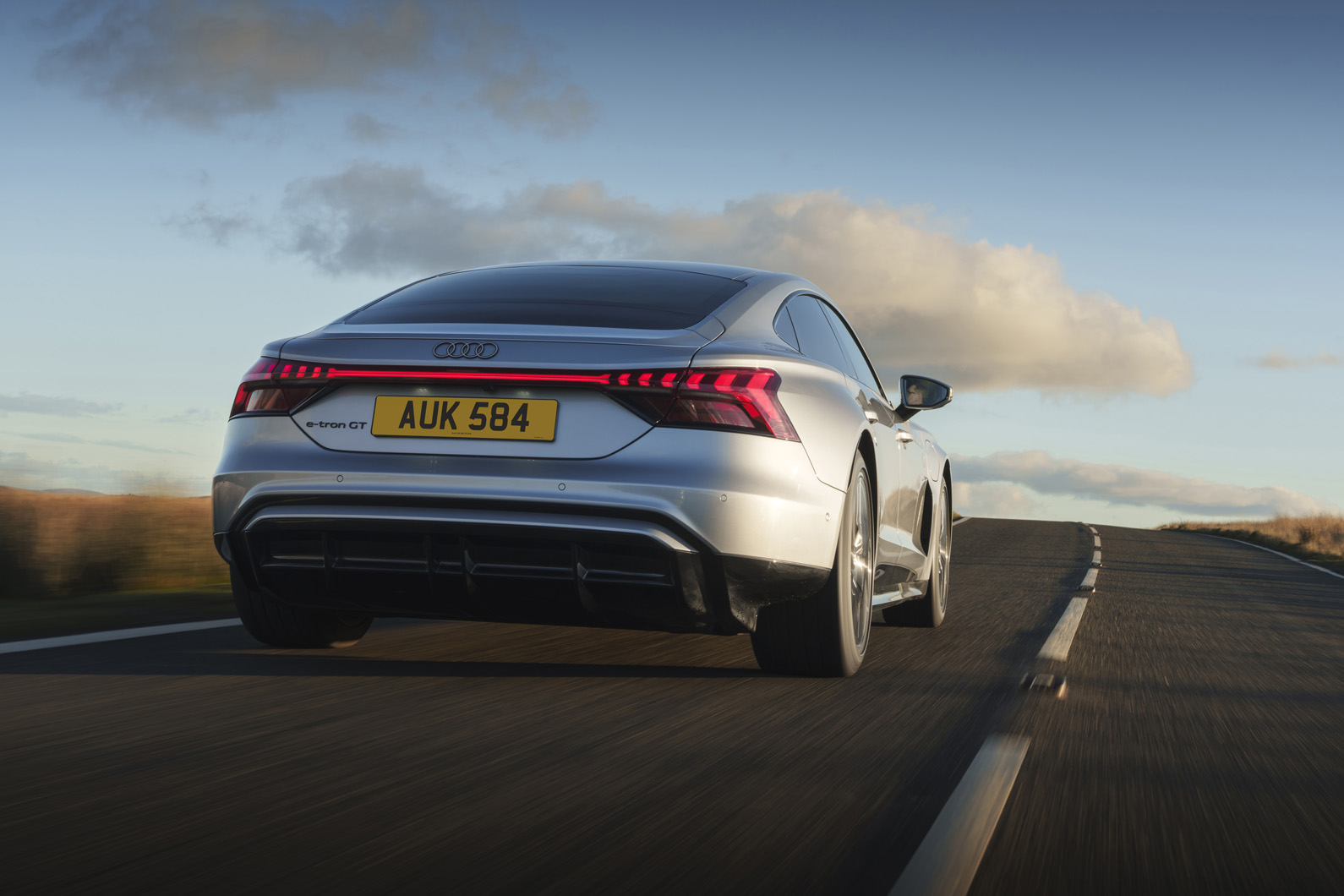
audi e tron gt quattro   rear, low

Foremost among the changes for the new E-tron GT is an upgraded 105kWh battery pack, which weighs 9kg less than before (at 625kg, it still isn’t light) but has 12% more capacity and provides up to 386 miles of claimed range.

This ought to address at least in part the old E-tron GT’s most glaring weakness, which was that its effective motorway range of around 240 miles couldn’t hope to cash the continent-crushing cheque written by either the look of the thing or the name itself. The new car should go meaningfully farther in the real world.

The maximum charging speed has also increased, from 270kW to 320kW, although engineers say the real improvement is the way the Mk2 car will sustain near-300kW speeds for longer. The old 93kWh battery apparently needed to be inside a 5deg C window in order to charge optimally; the new one is more versatile. It will in theory gain 175 miles in just 10 minutes.   

Then there’s power: there’s rather a lot more of it now, to the extent that even the base model tested here feels quicker point-to-point than an RS6 Avant. Whereas the Mk1 made 469bhp in its meekest guise and 637bhp in brain-out RS form, for the Mk2 the stakes start at 496bhp in the E-tron GT Quattro, rising to 671bhp in the S, 845bhp in the RS and 912bhp in the 2.5-sec-to-62mph RS Performance. 

It all sounds crackers, but power is relatively cheap in the electric age. Audi hasn’t even had to upgrade the two-speed gearbox on the back axle and the 236bhp front motor is unchanged in hard terms.

The rear motor is new, however. With an axial length of 192mm and a diameter of 230mm, it's not only responsible for the Mk2’s colossal uplift in power but is also more compact and around 30kg lighter than its predecessor.

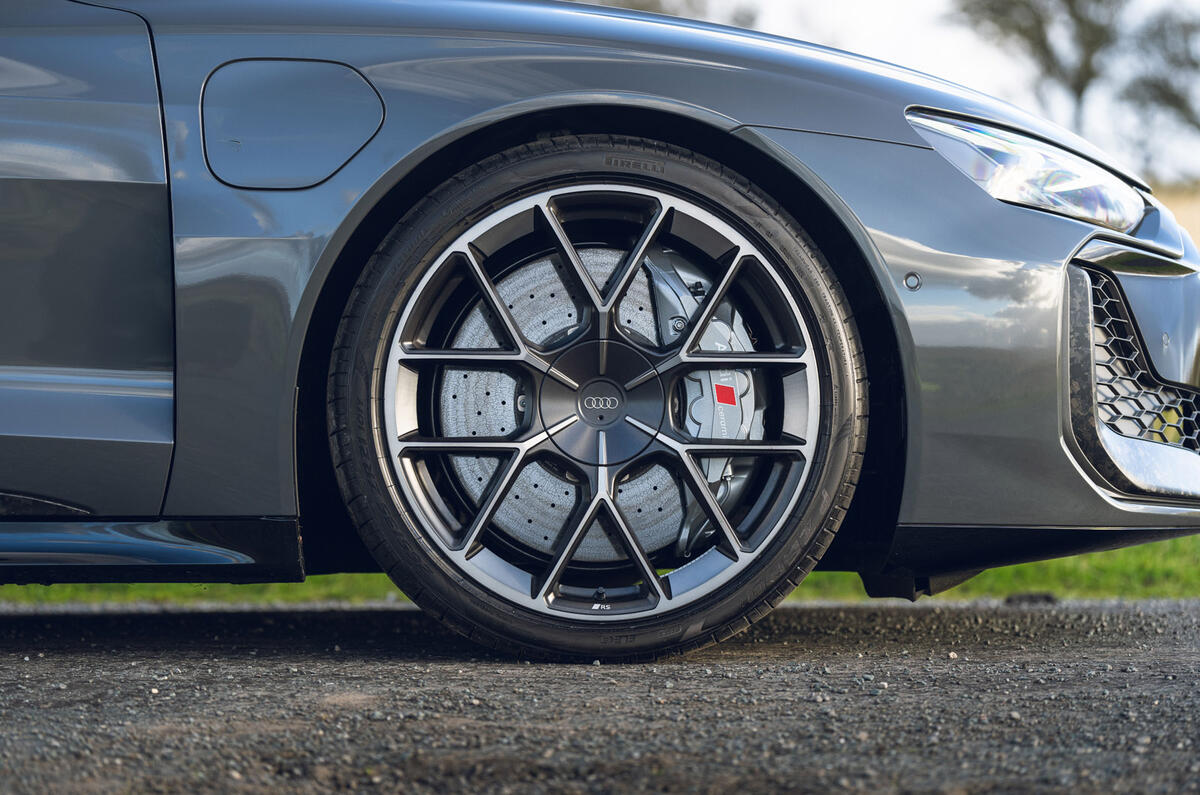
Audi has also wisely seen fit to overhaul the car’s brakes. The 390mm discs at the front of the S are 40mm wider in diameter than the previous version’s and both the RS models have tungsten-carbide-coated discs (optional on the S).

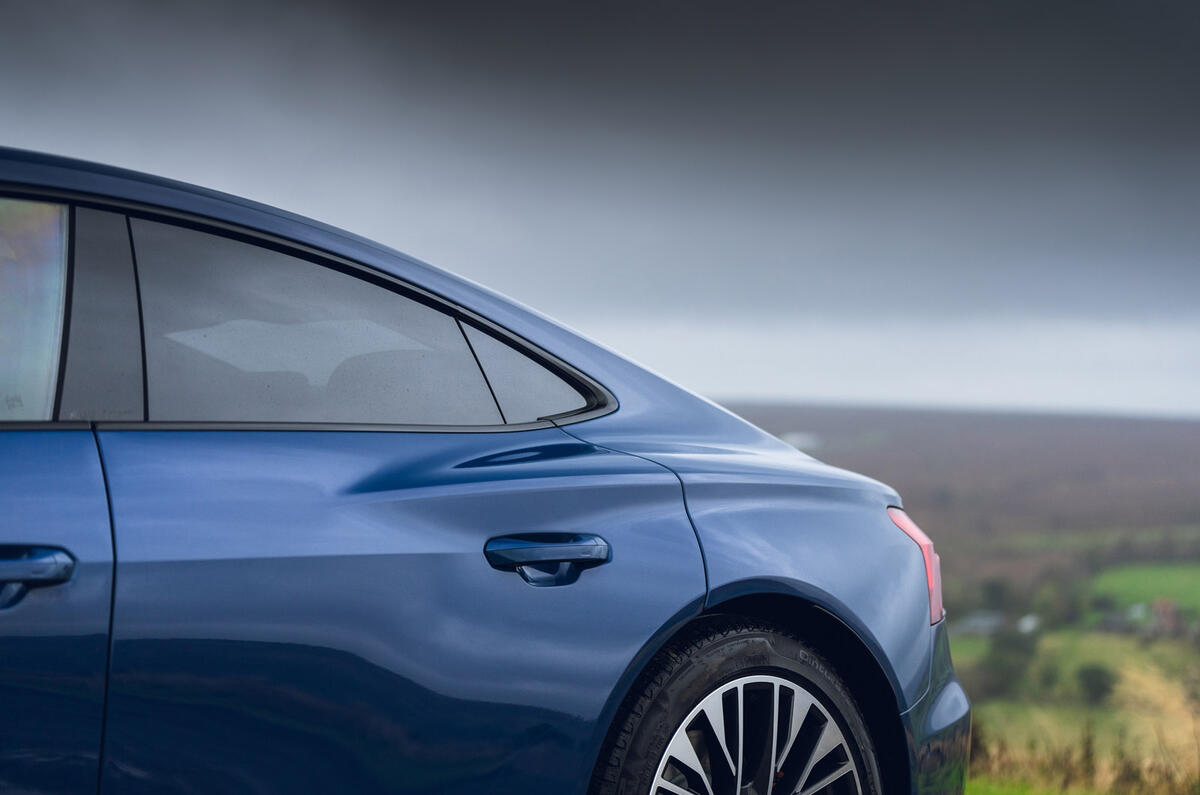
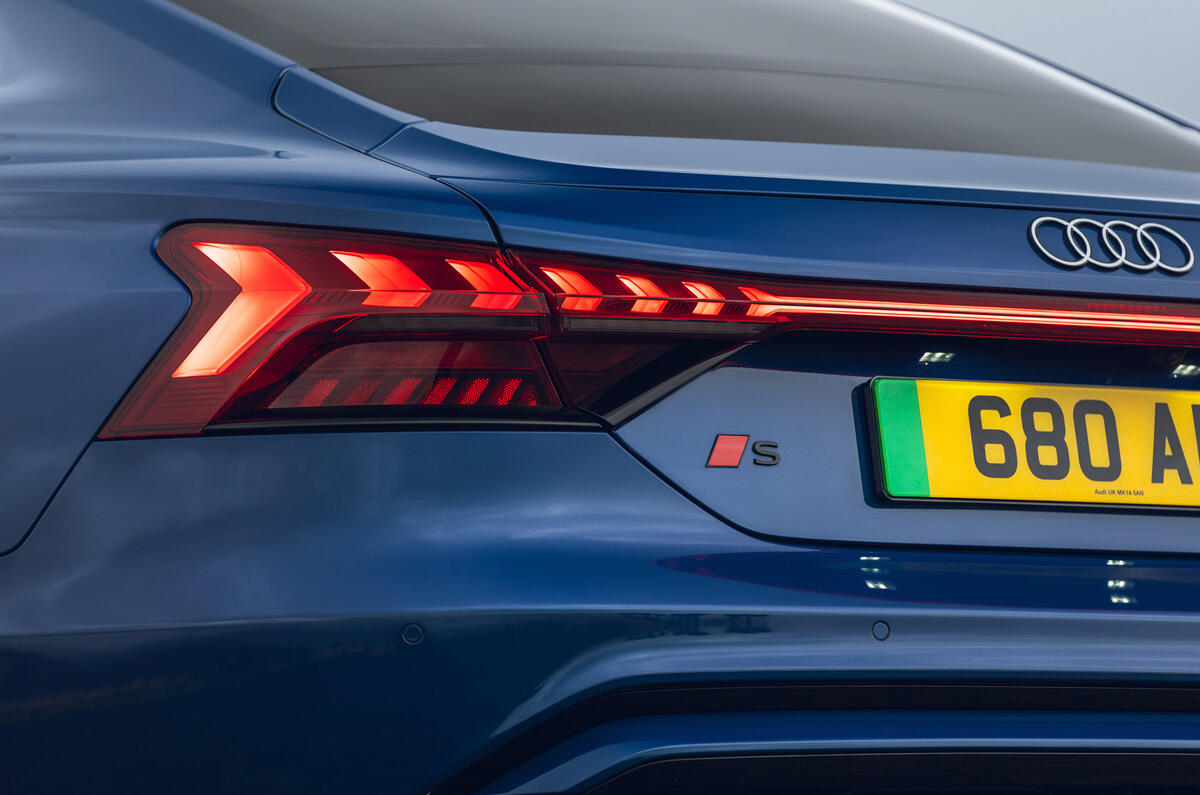
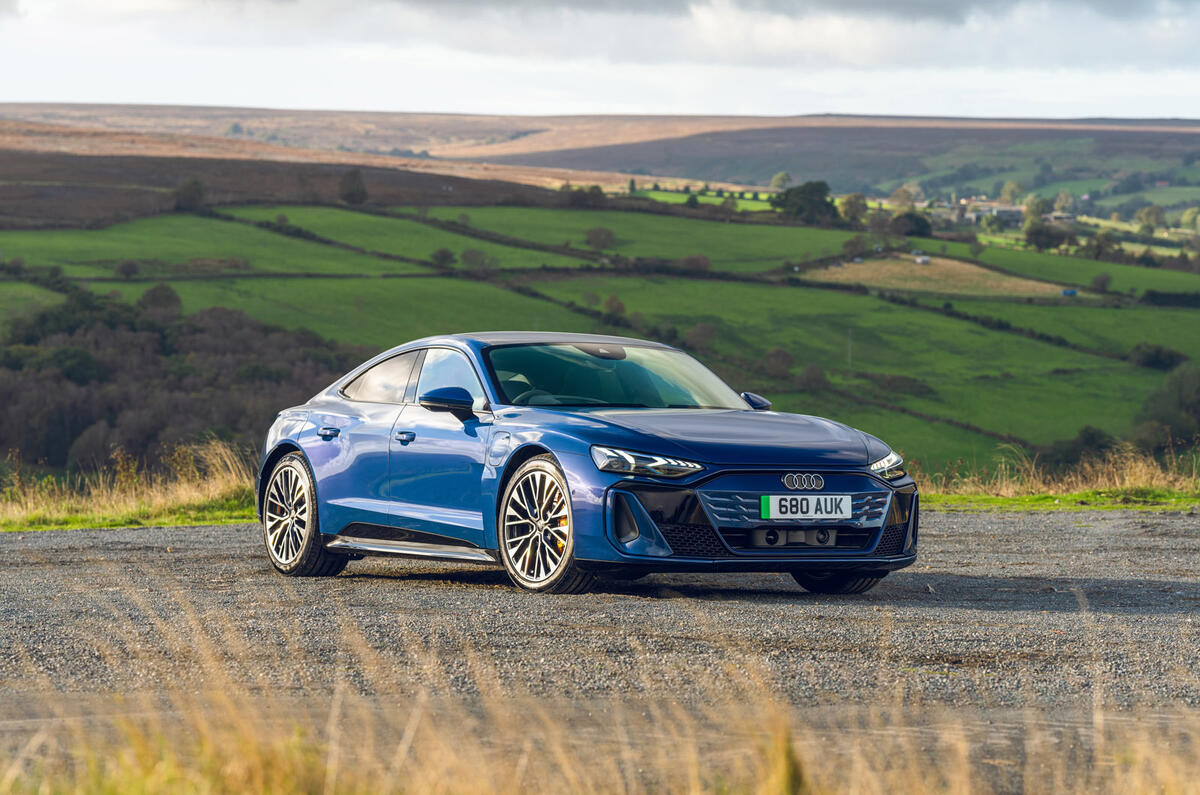
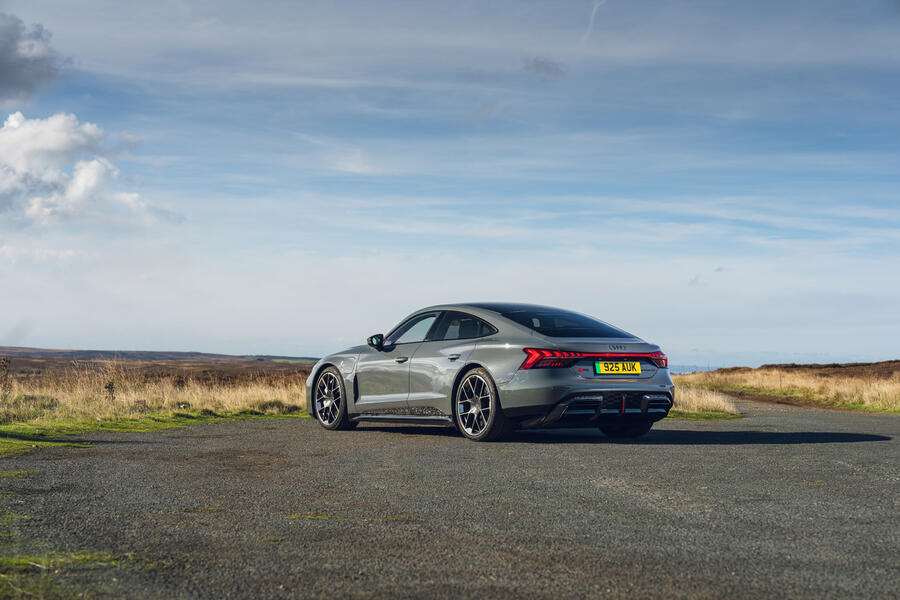
While the standard E-tron GT and the sportier versions used to look largely identical, Audi has taken this opportunity to differentiate them further.

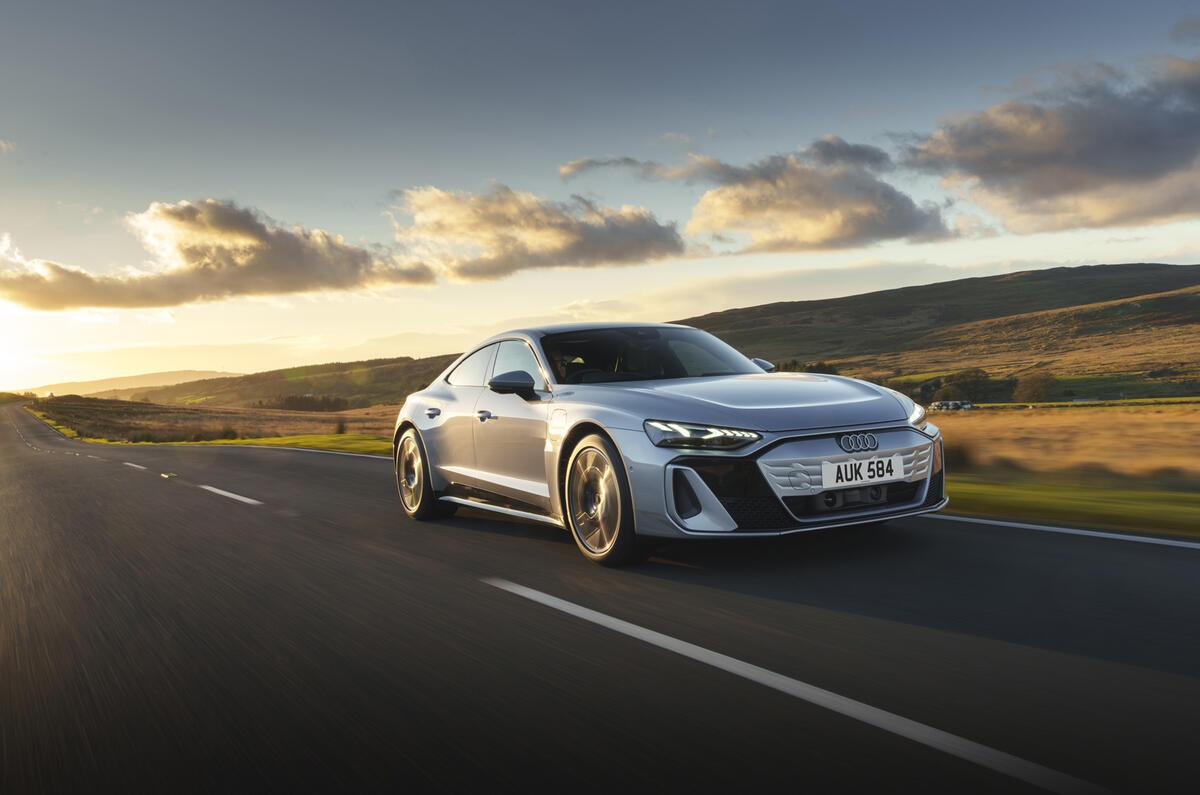
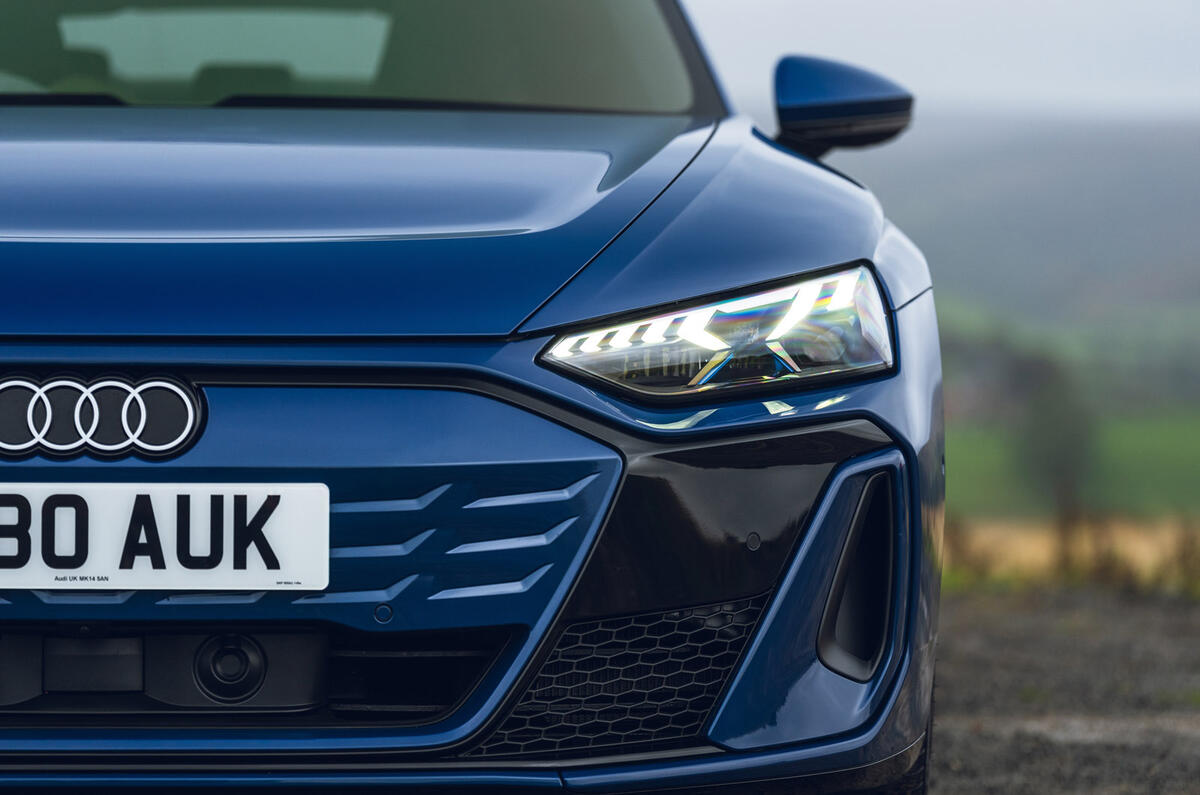
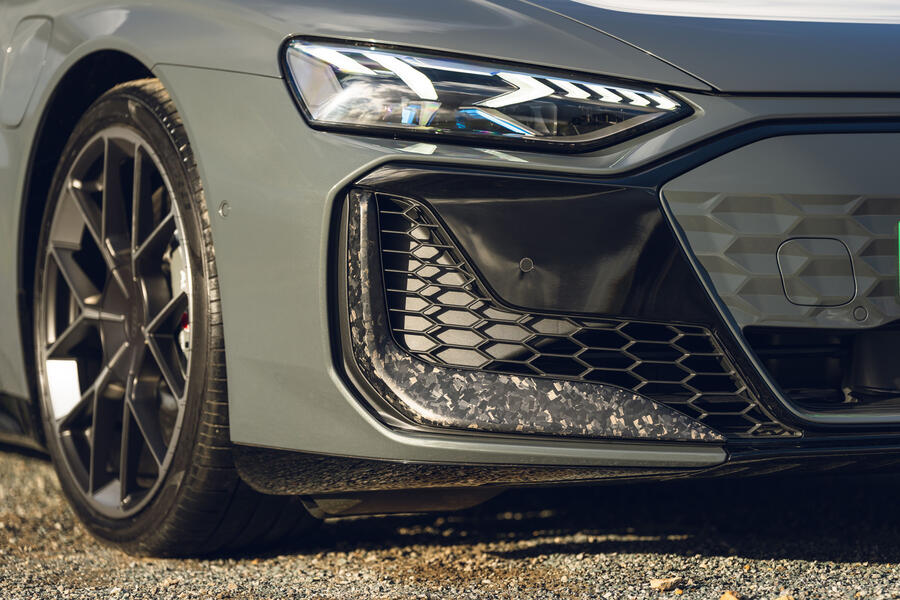
As a result, the S E-tron GT (shown in the schematic above) now has silver triangular inserts in the front air dam, similar to Audi’s combustion-powered S models. Meanwhile, the RS models have more aggressive L-shaped inserts, which optionally can be made from a new ‘camouflage’ carbonfibre on the Performance model as part of a carbon pack.

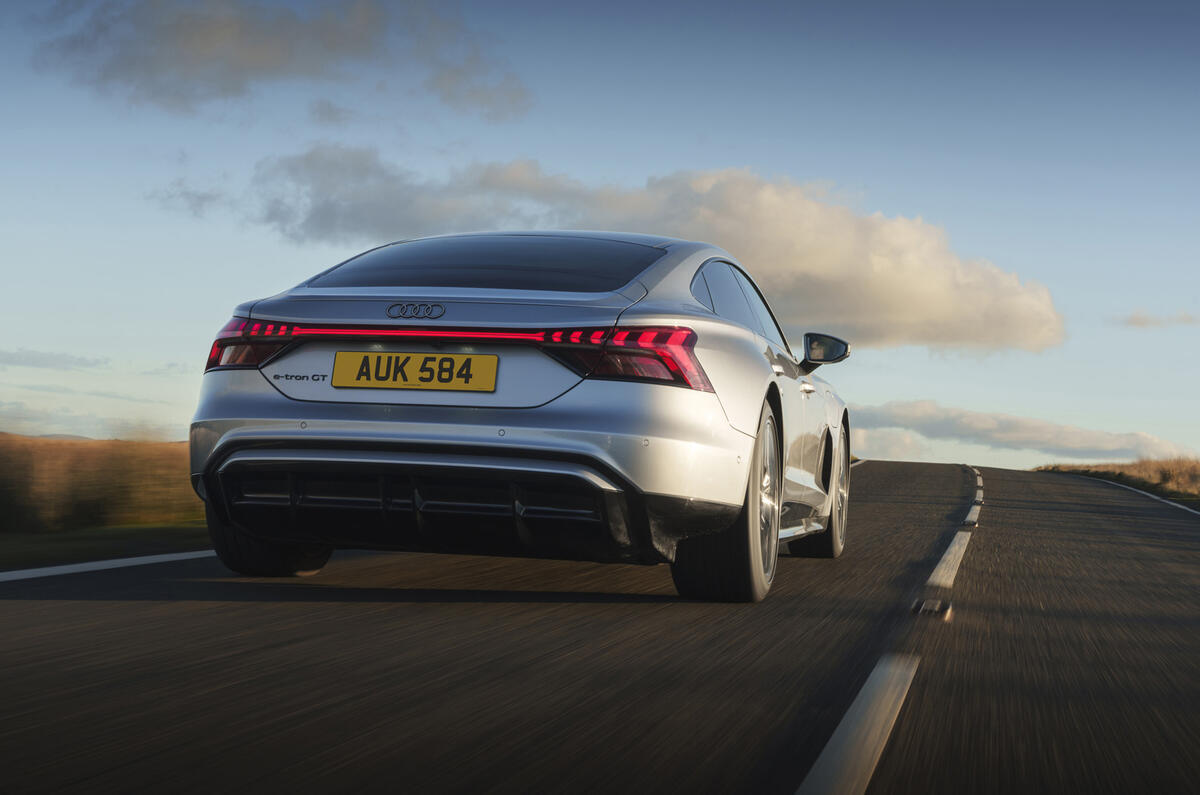
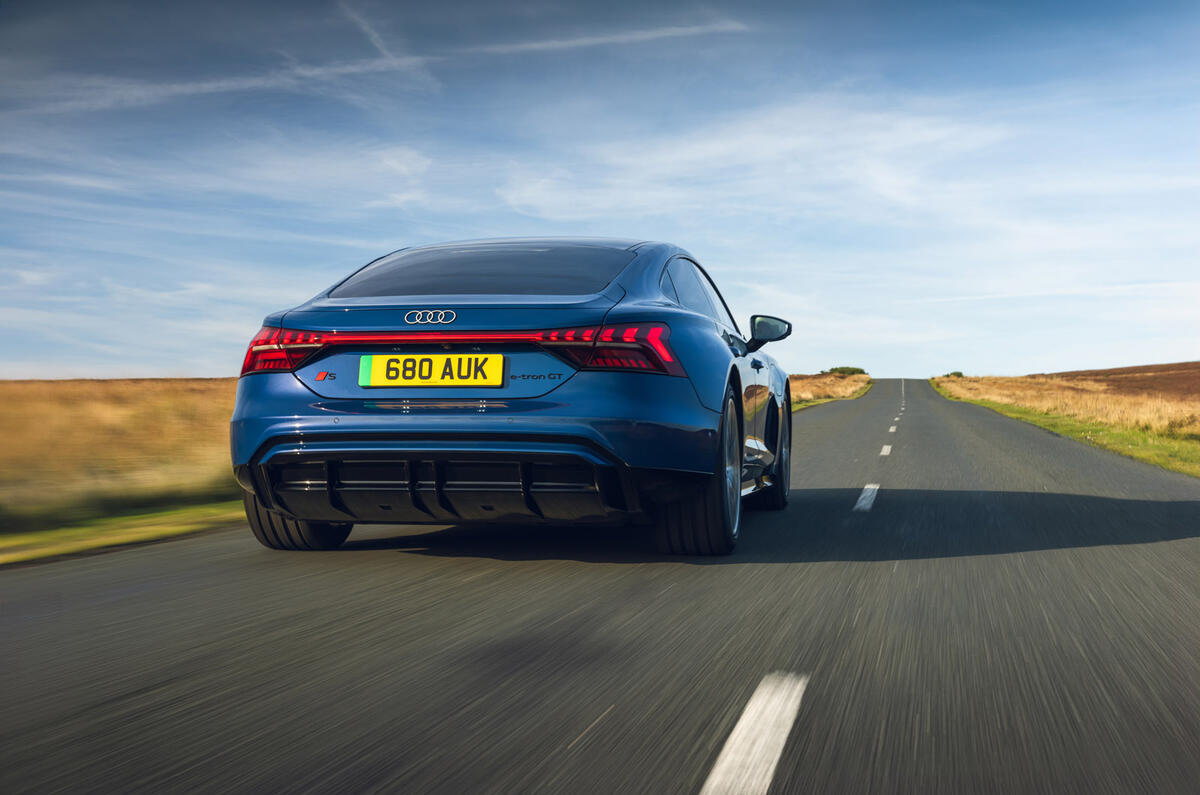
Further visual alterations include an embossed hexagon pattern for the front mask and a redesigned diffuser with a central reflector on the RS models.

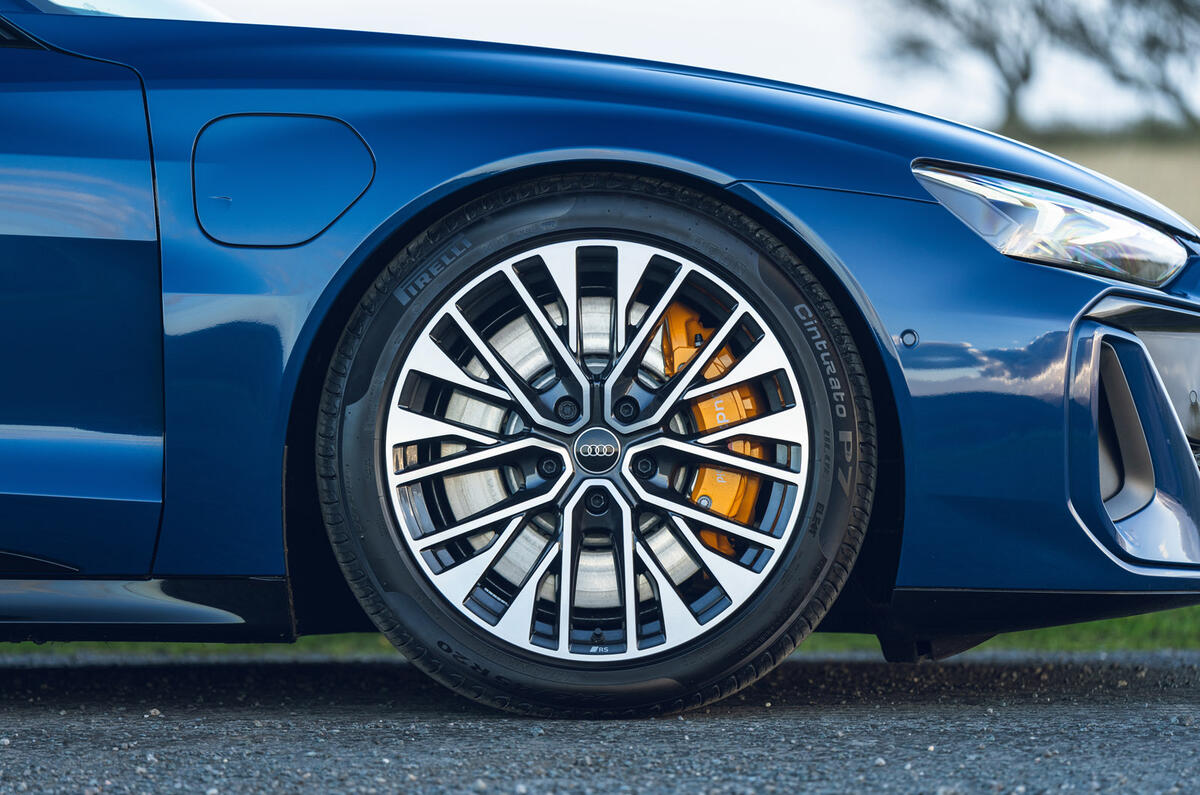
A selection of optional new wheel designs and paint choices are available too.

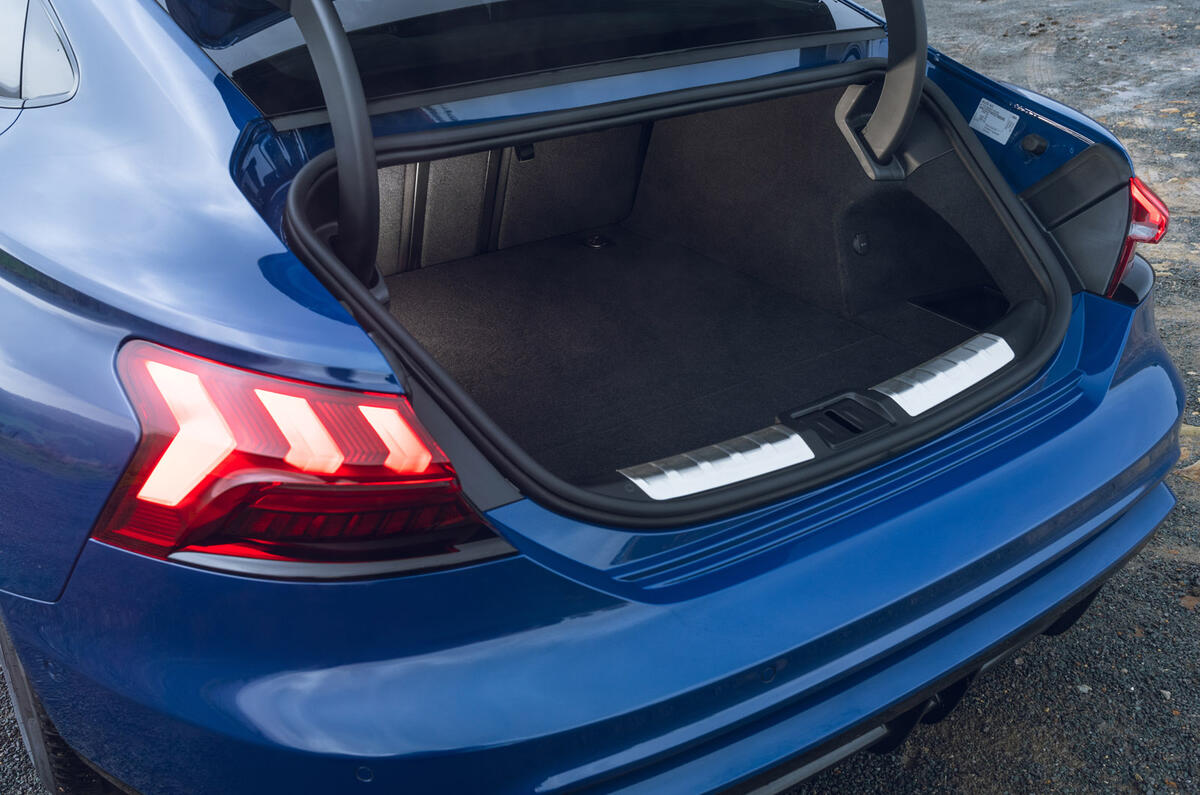
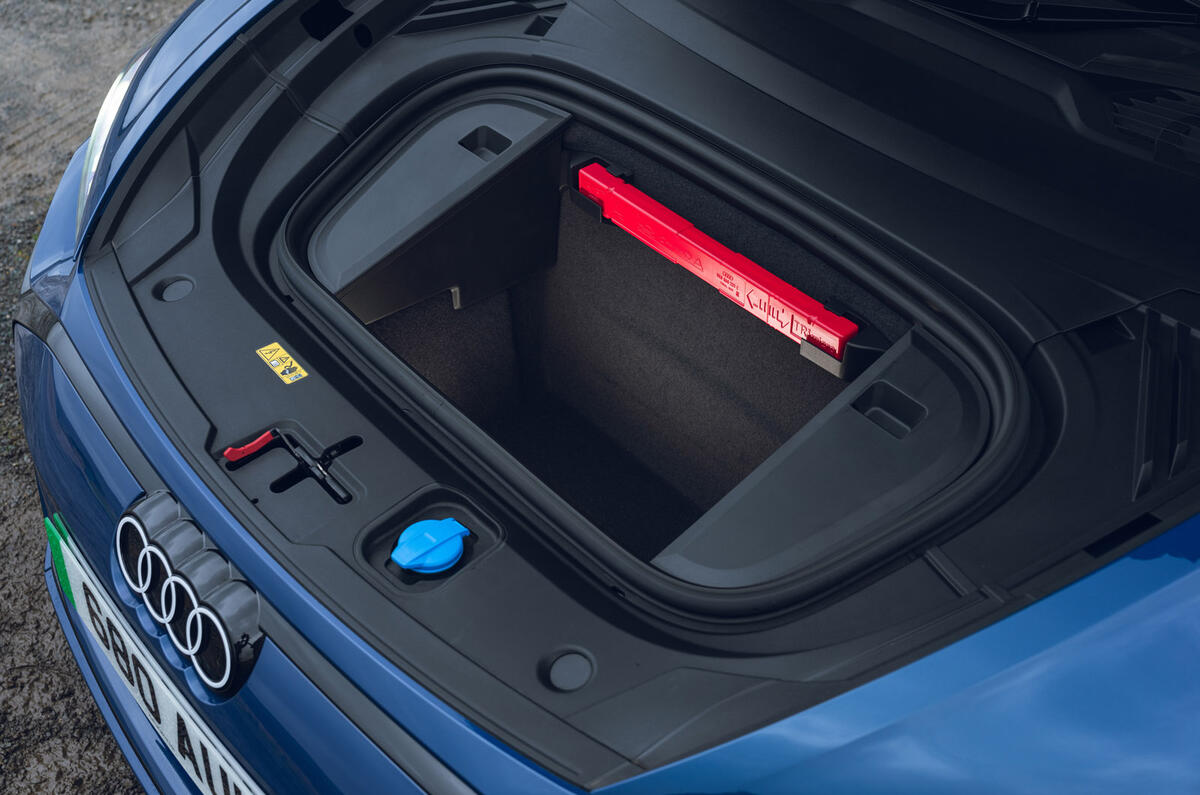
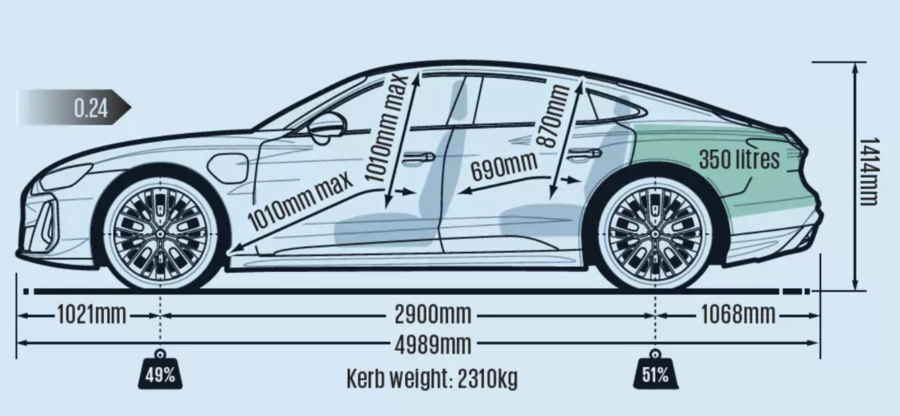
More broadly, the GT remains characteristically heavy. Our S E-tron GT test car tipped the scales at 2361kg, albeit with an excellent weight distribution of 49:51 front to rear. Mind you, such weight is also not unusual for this type of car. The Maserati Granturismo Folgore EV weighed only 3kg less than the Audi when we tested it last year and, being a two-door coupé, is less practical.

Ultimately, how technologically advanced your particular E-tron GT is will depend heavily on which model you go for. If you want the headline-making new active suspension, as already seen on the Taycan, or carbon-ceramic brake discs, you will need to at least opt for the RS model and possibly spec it to all-bells-and-whistles Vorsprung level at considerable expense.

INTERIOR

8
10 Audi S E Tron GT 2024 review dashboard

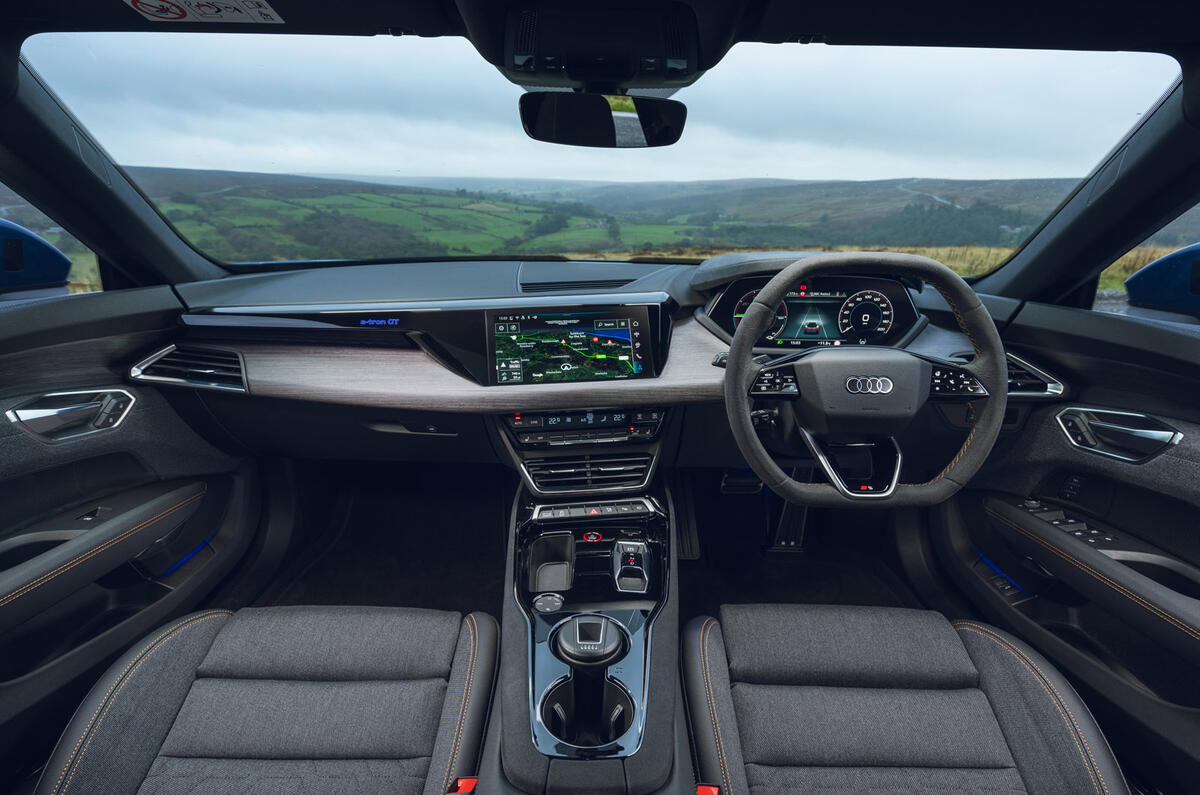
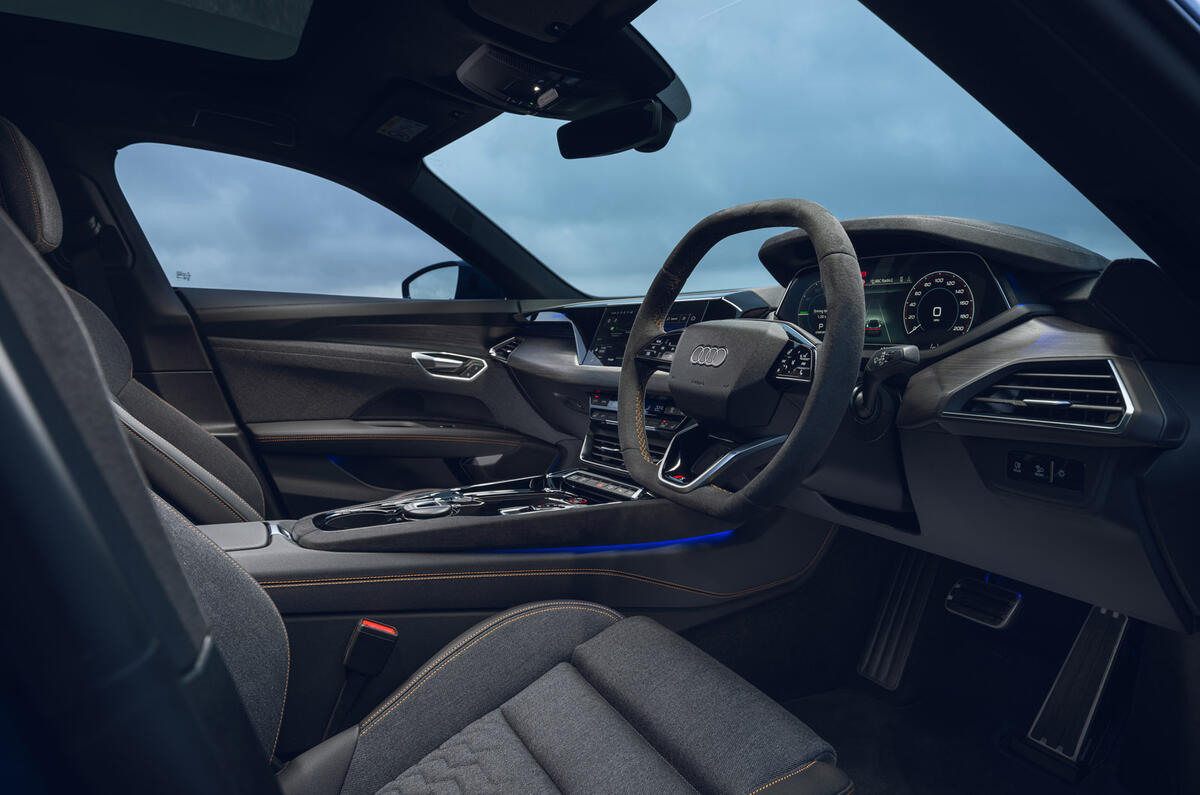
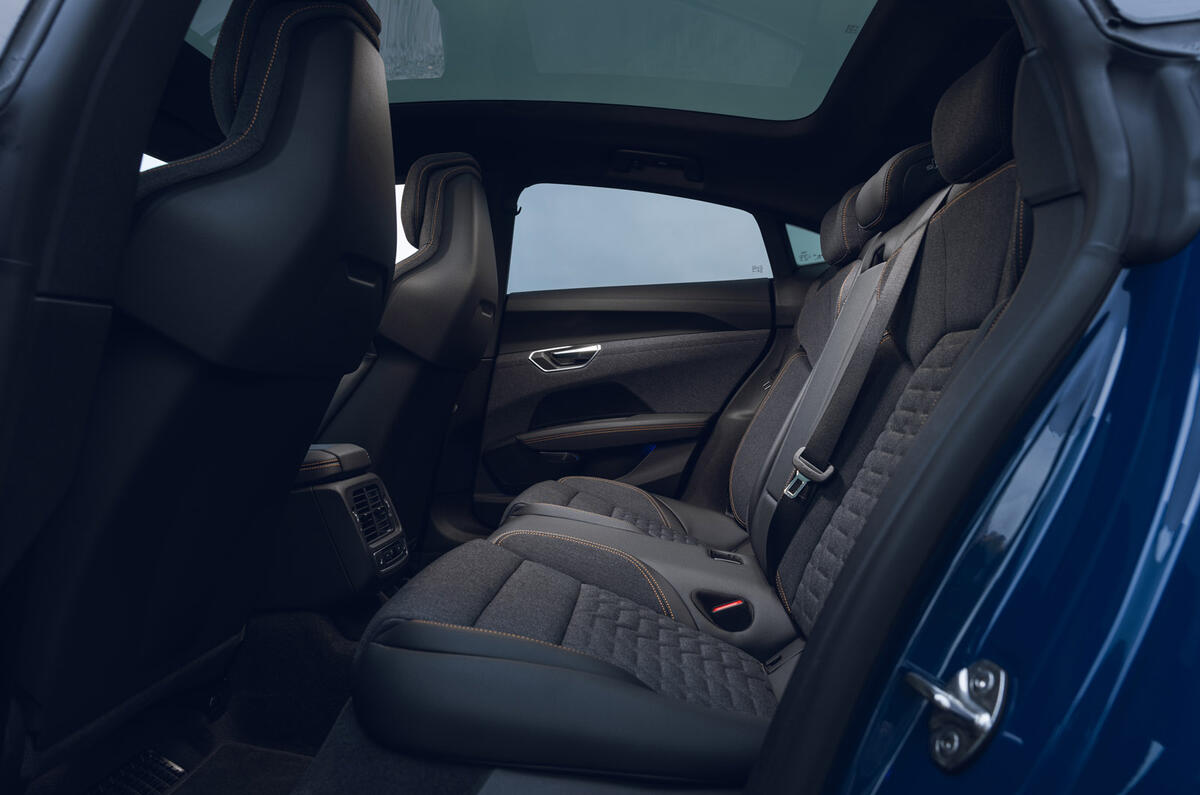
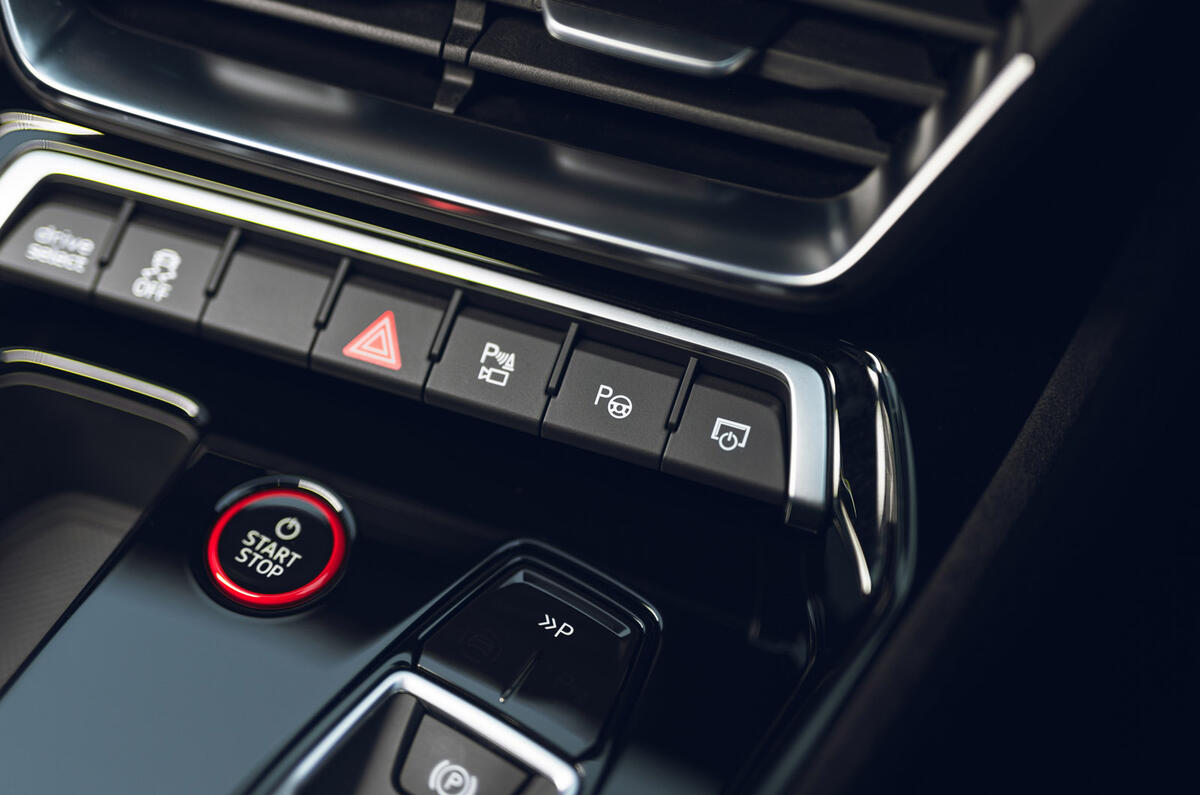
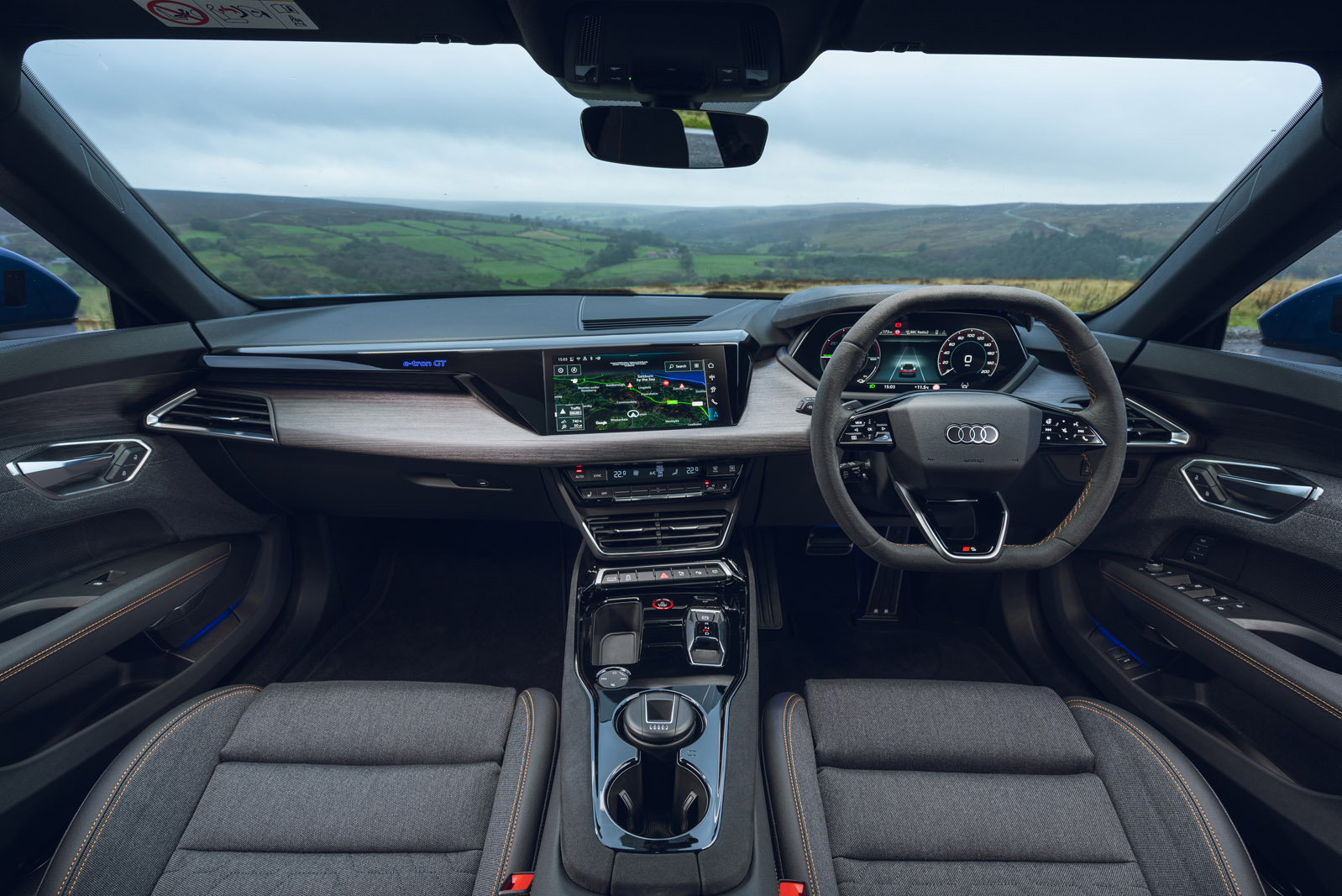
The basic layout of the E-tron GT hasn't much changed. All the major controls are left where they were in the pre-facelift model and there remains the same expansive, curved dashboard and high-ish window lines that create an ambience that's halfway between trad super-saloon and proper sports coupé.

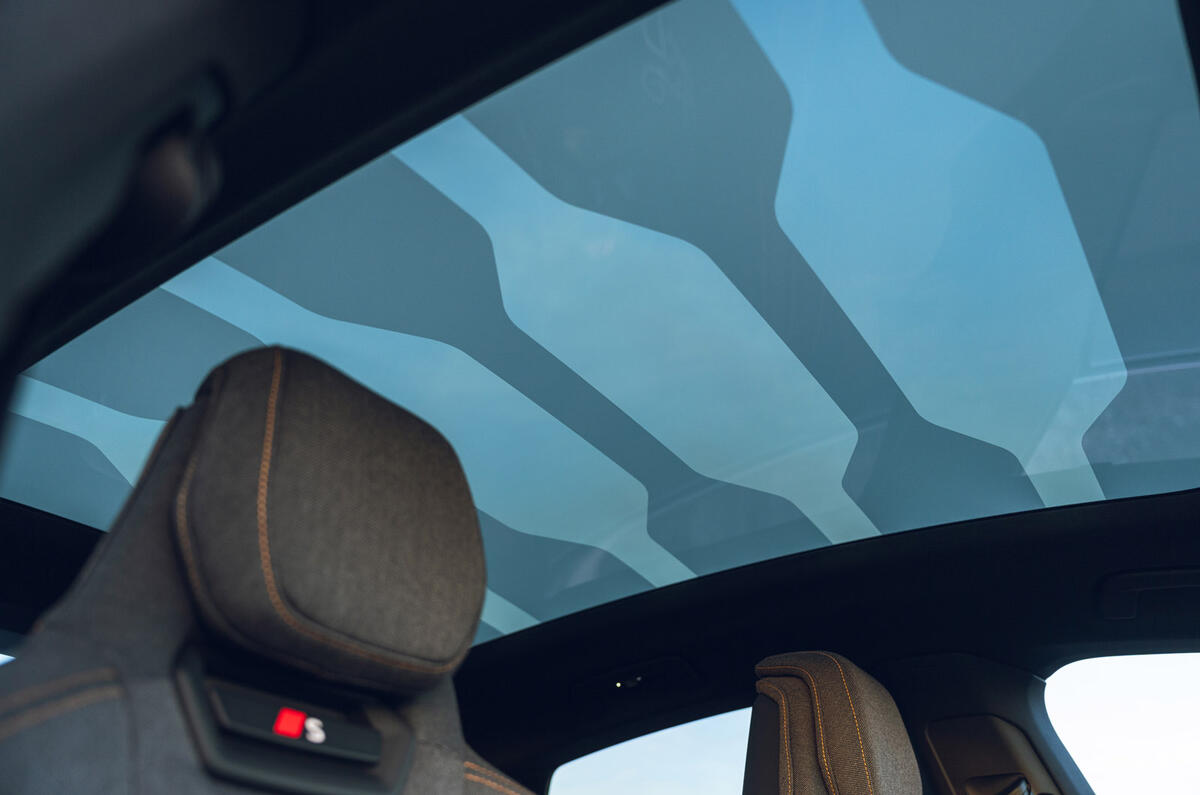
It's a lovely space, and the enormous panoramic roof now uses polymer-dispersed liquid crystals, so it can change from transparent to opaque at the touch of a button. 

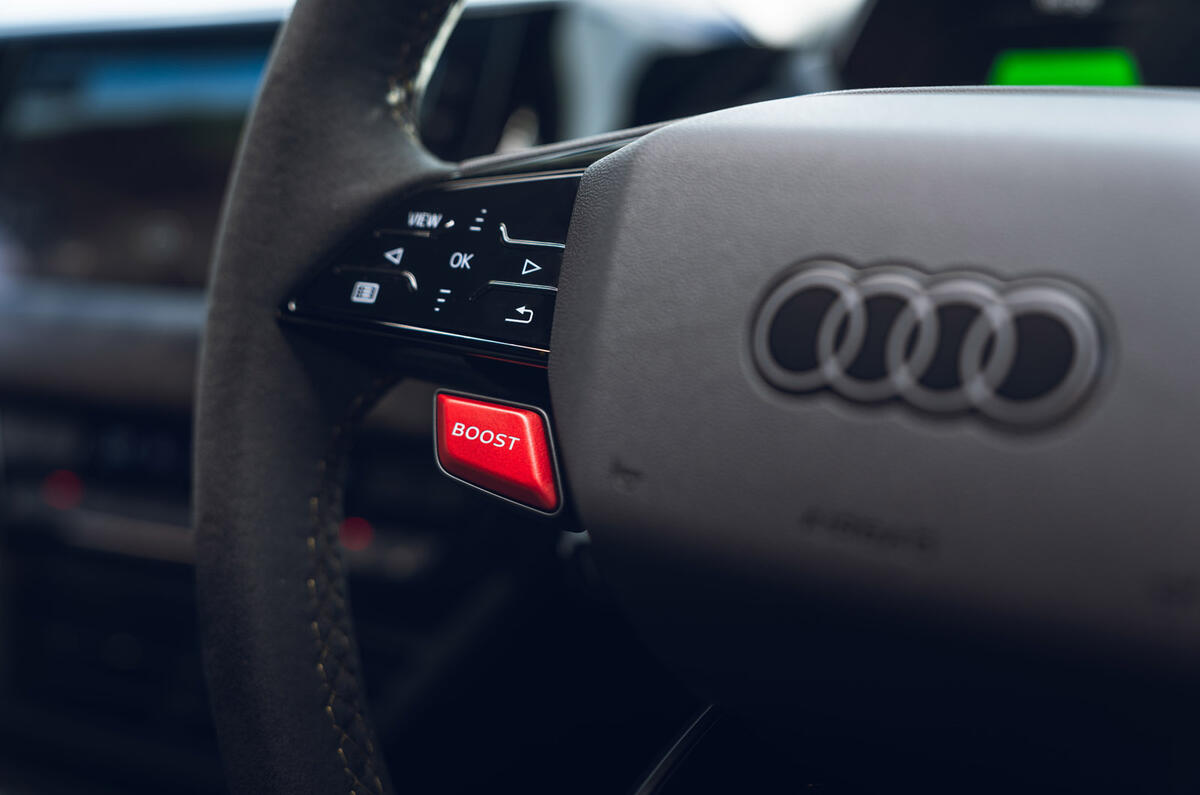
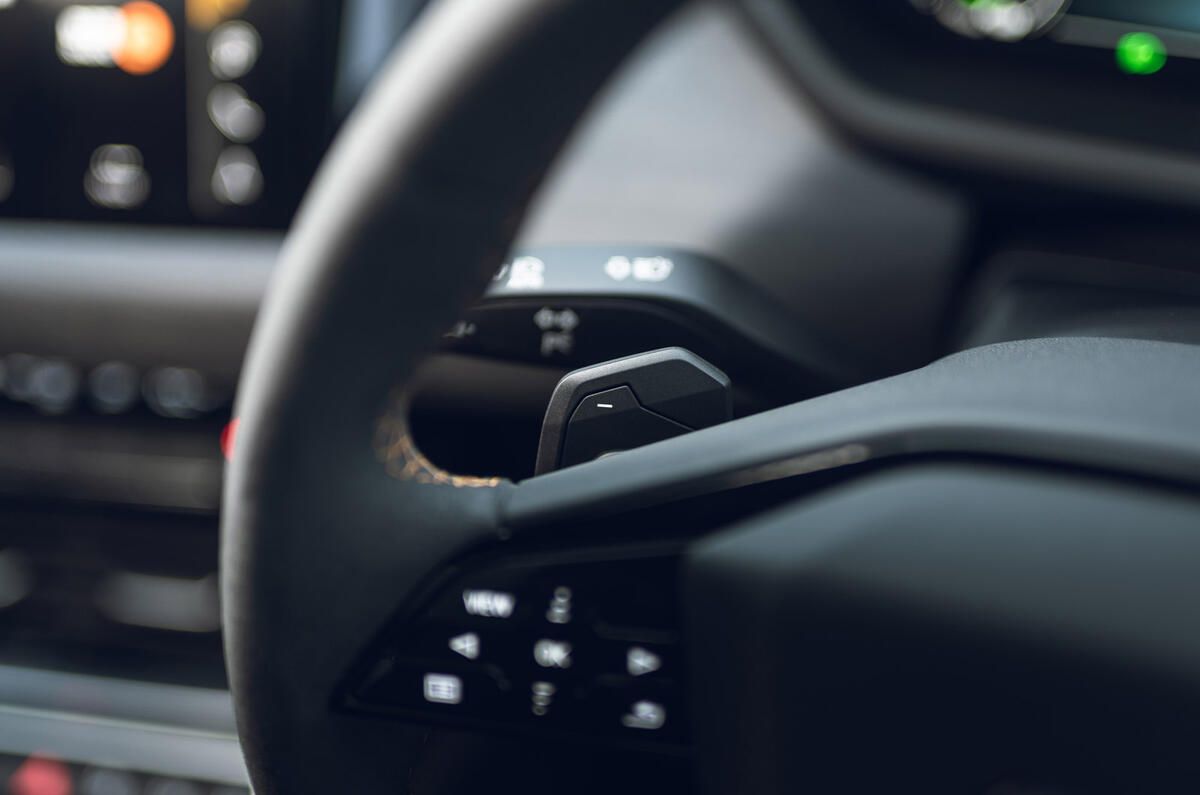
A more questionable update is to the slim steering rim, which is now squared off at the top and bottom. This is still a pleasingly classic wheel in its overall size – it's a little larger in diameter than that of the Porsche Taycan, the Audi's sister car – and twirling it is effortless, but the angles won't be for everyone.

We're also unconvinced by the new control panels on the spokes. There's plenty of functionality here, but the proper buttons of the old car were nicer to use and it's now easy to accidentally change the media volume.

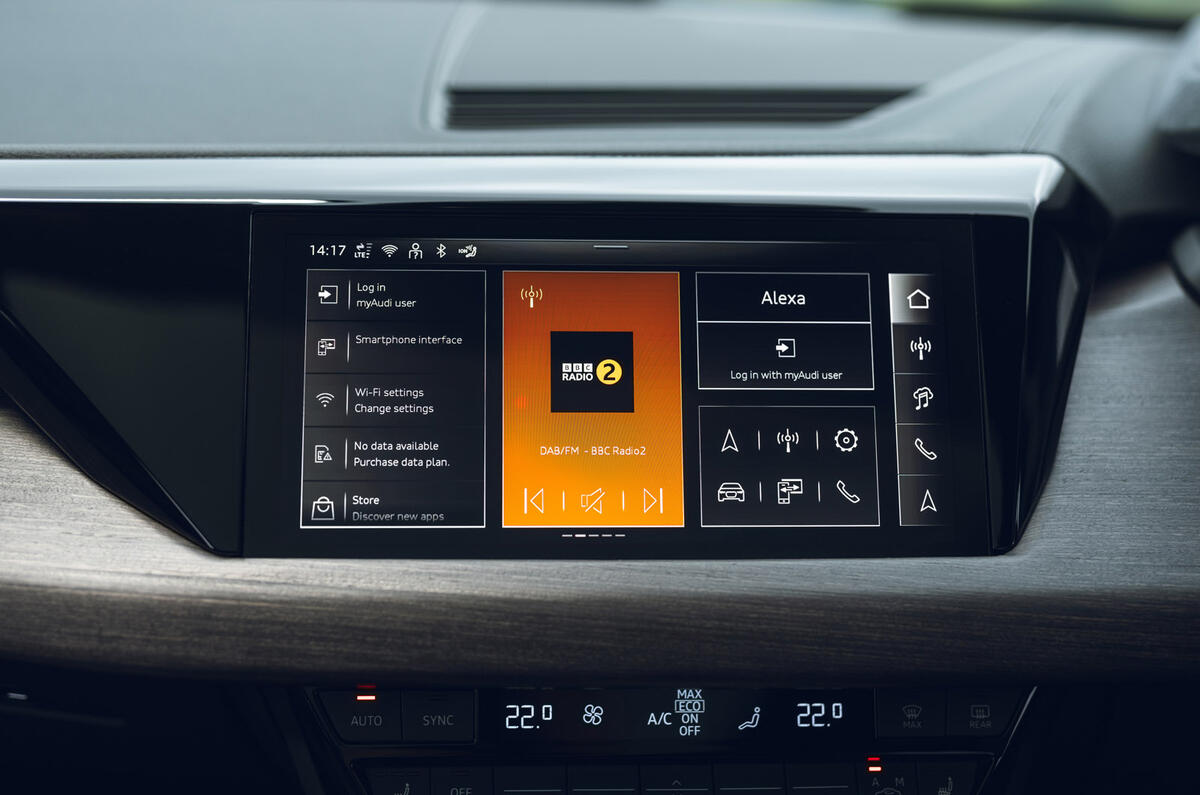
Elsewhere, the graphics of the virtual cockpit and sensibly sized central touchscreen have been tweaked to keep them looking fresh, and there are some new trim options available, although UK buyers have much less personalisation to play with than their German counterparts.

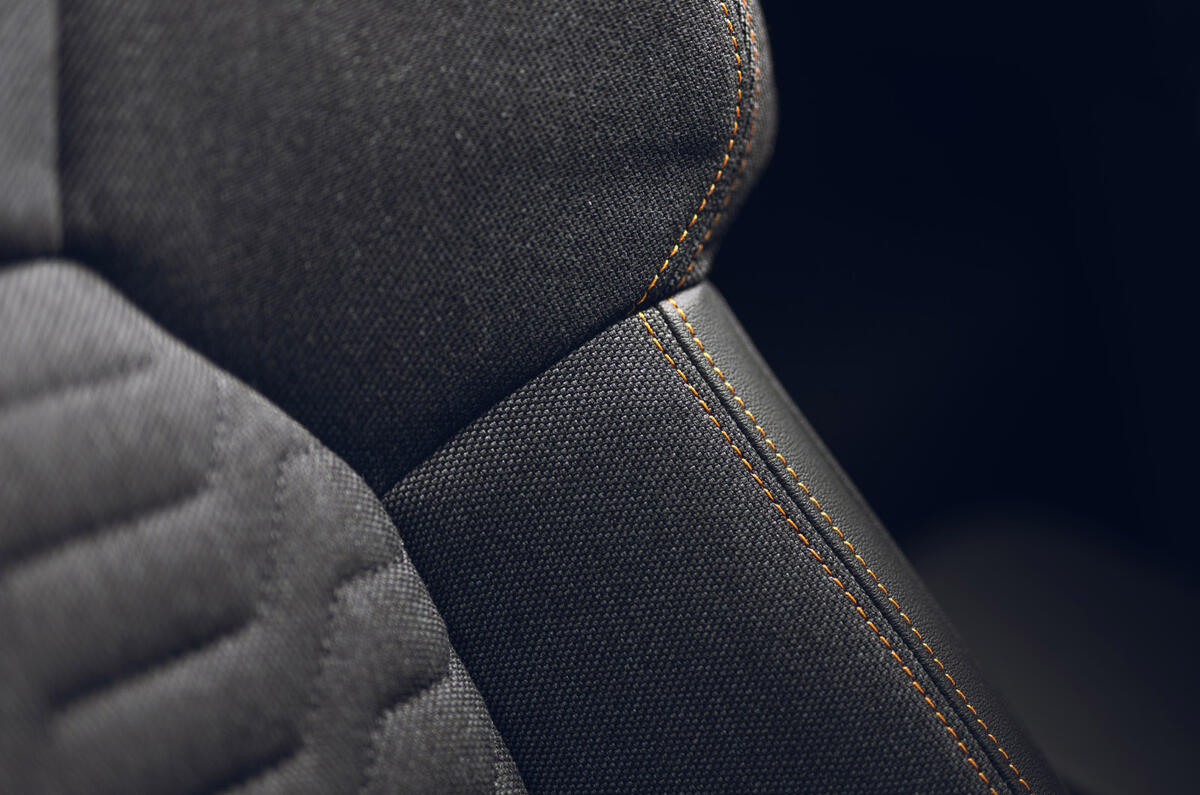
One change is that you can now opt for a leather-free option that swaps the usual dead cow for quite an appealing fabric.

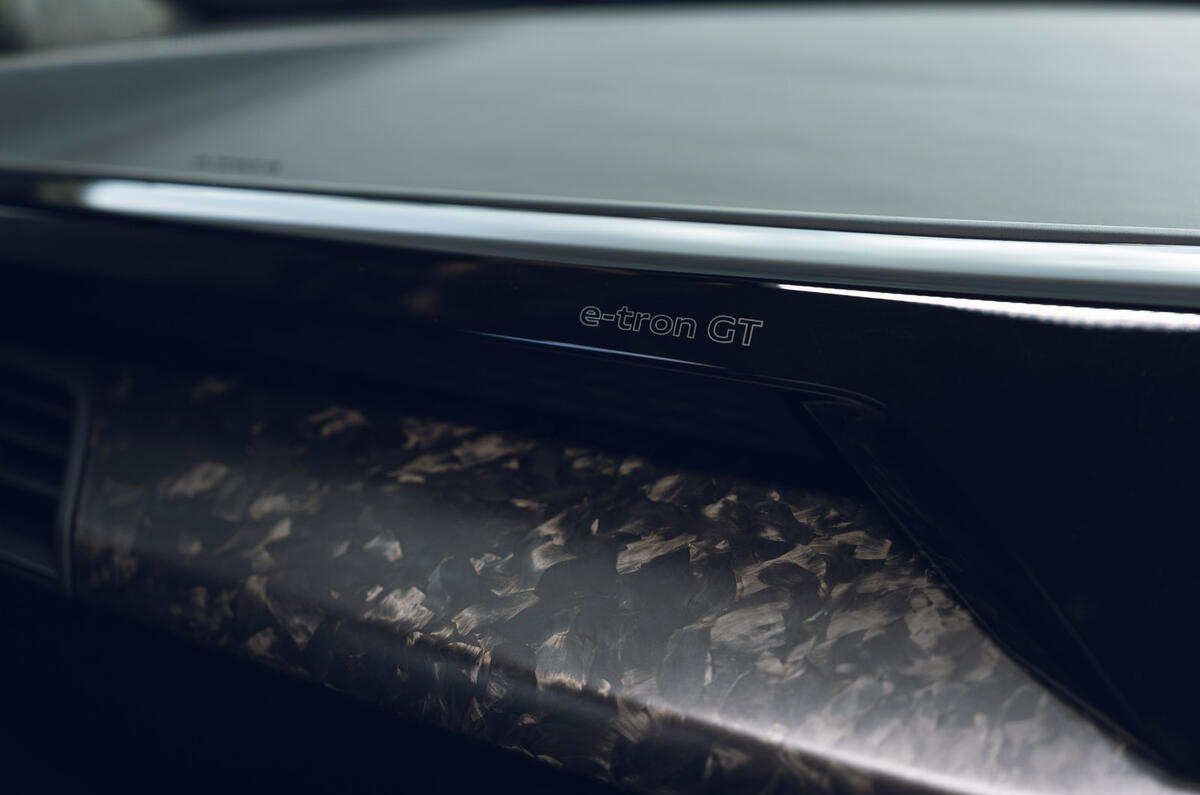
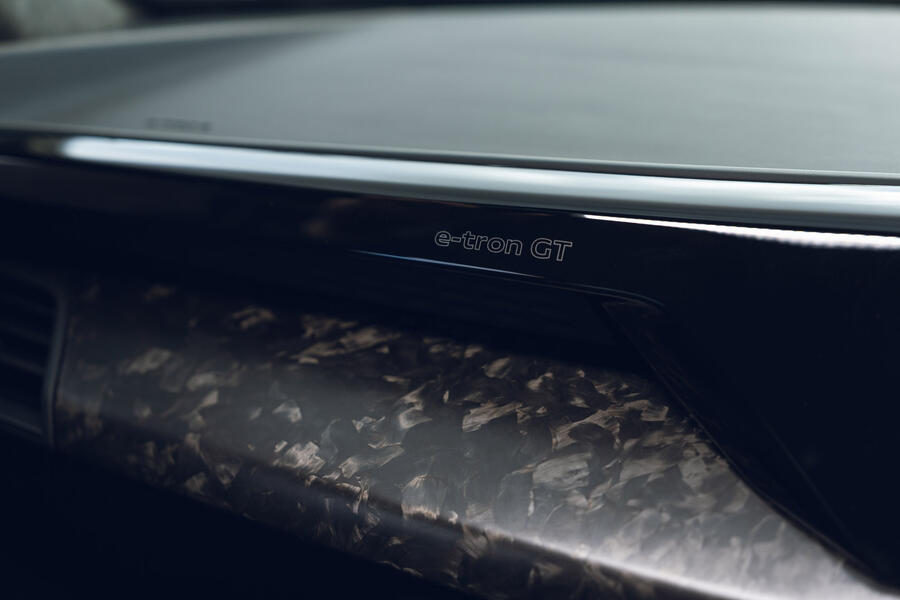
On the S model you can swap the usual silvery-grey trim inlays for birch wood, while on the RS Performance you can have camouflage-patterned carbonfibre.

ENGINES & PERFORMANCE

8
22 Audi S E Tron GT 2024 review performance

When we said even the S E-tron GT feels faster than an RS6 Avant, we meant it. With 671bhp on tap, this is an extraordinarily quick car and, of course, one with that immediacy of torque delivery that is typical of an EV.

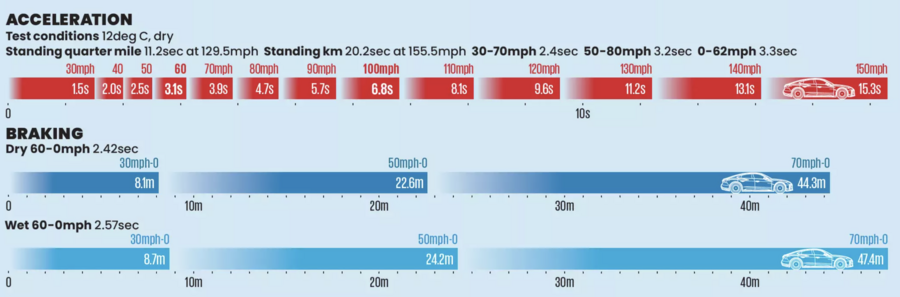
It has been given quite the uplift in power and at Horiba MIRA it proved even quicker off the mark than claimed (check out the figure below). A 0-60mph time of 3.1sec is nipping at the heels of bona fide supercars, and it comes as a result of this chassis’s ability to put almost all of its 546lb ft to the ground cleanly and – more importantly – instantly.

The 6.8sec time from 0-100mph is a little steadier (relatively speaking) and we know that the updated Taycan Turbo S rattles off the same increment in just over 5.0sec. But be in no doubt: the S E-tron GT has a turn of pace, both off the mark and in terms of roll-on acceleration at intermediate speeds, to shame almost any comparatively priced petrol car. And it is the insouciance with which it reveals that pace that leaves an impression.

Even though it makes do with a ‘mere’ 496bhp (577bhp with launch control), the cheaper Quattro actually forgoes very little in the way of specification or real-world functionality. It can still charge at a blistering 320kW; air suspension still comes as standard; there are still all the driver aids you would reasonably want; and it doesn’t even look that different to its vastly more expensive range-mates.

Importantly, it’s also still absolutely rapid. Despite having just a little over half the power of the 912bhp RS range-topper , the Quattro remains capable of properly exciting pace off the mark, seeing off the 0-62mph sprint in the same time as the Porsche 911 Carrera S and with the same dramatic, pin-you-back sense of theatre - augmented to no small degree by the pleasingly unique powertrain soundtrack that’s piped in through the speakers. 

Even in Dynamic mode, where that futuristic, synthesised sound is at its most noticeable, the GT is relatively laid-back and undramatic in all its forms. This characteristic – of speaking quietly but carrying a big stick – suits the Audi well and feeds into its aura of being a quietly very capable saloon-cum-sports car.

Mind you, in one respect the GT is just a bit too relaxed. The woolly brake-pedal feel of the pre-facelift car has perhaps been mitigated a little, but it is still conspicuously lacking in resistance and feel compared with the Taycan – and indeed most cars of this performance level.

In normal driving this can go unnoticed, because you will be relying on the regenerative braking effect alone much of the time. (On a related note, the car’s ability to completely freewheel is still welcome.) However, unexpected stops can be a little heart-in-mouth, such is the pedal travel required to get the cast-iron brakes really working. It’s an oversight in a car that otherwise feels supremely dependable.
We've also tried the RS Performance, and with 912bhp during launch control (a mere 737bhp normally), it's violently fast. When you deploy it all on a damp road, the rear wheels will squirm and scrabble slightly but otherwise deploy the power with little drama.

Interestingly, the RS Performance has a dedicated mode in which propulsive force is doled out with even more precision and a little extra shape in the delivery, but the standard car doesn't suffer for not having this feature: it's easy to summon exactly the amount of acceleration you want when you want it.

Working away behind the scenes is the same two-speed rear gearbox as before. It generally engages second gear when pulling away for maximum smoothness, although if you engage Dynamic mode you can still hear it dropping into first. It's a little quirk of the E-tron GT that adds a bit of mechanical engagement, and from a standing start you can feel the second ratio hit home at around 65mph.

RIDE & HANDLING

8
23 Audi S E Tron GT 2024 review front cornering

It was interesting to compare the Taycan Turbo S with this S E-tron GT, which is built on the same J1 II platform but goes without that car’s hydraulically controlled – and at times revelatory – Active Ride Control and rear-steering (although both are available on RS models). The E-tron GT, of course, also has Audi philosophy engineered into its handling characteristics, rather than Porsche’s sharper approach.

The result is two entirely different cars. Yes, there is a fundamental similarity in the way the steering (2.5 turns lock to lock in both) combines with the platform’s low centre of gravity to give a decidedly ‘well-engineered’ feeling in both. But the Active Ride Control (which can in effect not only absorb inputs from the road surface but also exert force onto it) has moved the game on in terms of both control and compliance, and without it the E-tron GT feels a touch off the pace for a frontline electric super-saloon.

When you factor in the E-tron GT's more pronounced understeer balance (easily cancelled out with the accelerator, if you ever happen to turn all the driver aids off in a circuit environment), its dynamic prowess doesn’t always make good on the promise of those stunning looks. There’s just a bit too much latency in the way direction changes unfold: it corners flatly but with little in the way of alacrity or expression. At least, that’s how it seems once you have had a go in a Taycan with plenty of chassis kit.

Equally, if the E-tron GT has a broader role to play, it is that of an ultra-stable and composed sibling to the Taycan, and it acquits itself well in those respects. You're unlikely to have traction issues unless you go looking for them, and although it lacks some bite compared with the Taycan, the E-tron GT’s ability to change direction would be the envy of many a similar-sized ICE saloon.

The new Quattro model handles with the same sort of unfussed, Germanic predictability that’s common to other variants - together with the faintly regrettable sense of disconnection between helm and hardtop that tends to dull the dynamic appeal of such models, the steering lacking that final tenth of tactility and communicativeness that you would enjoy in the equivalent Porsche or BMW. 

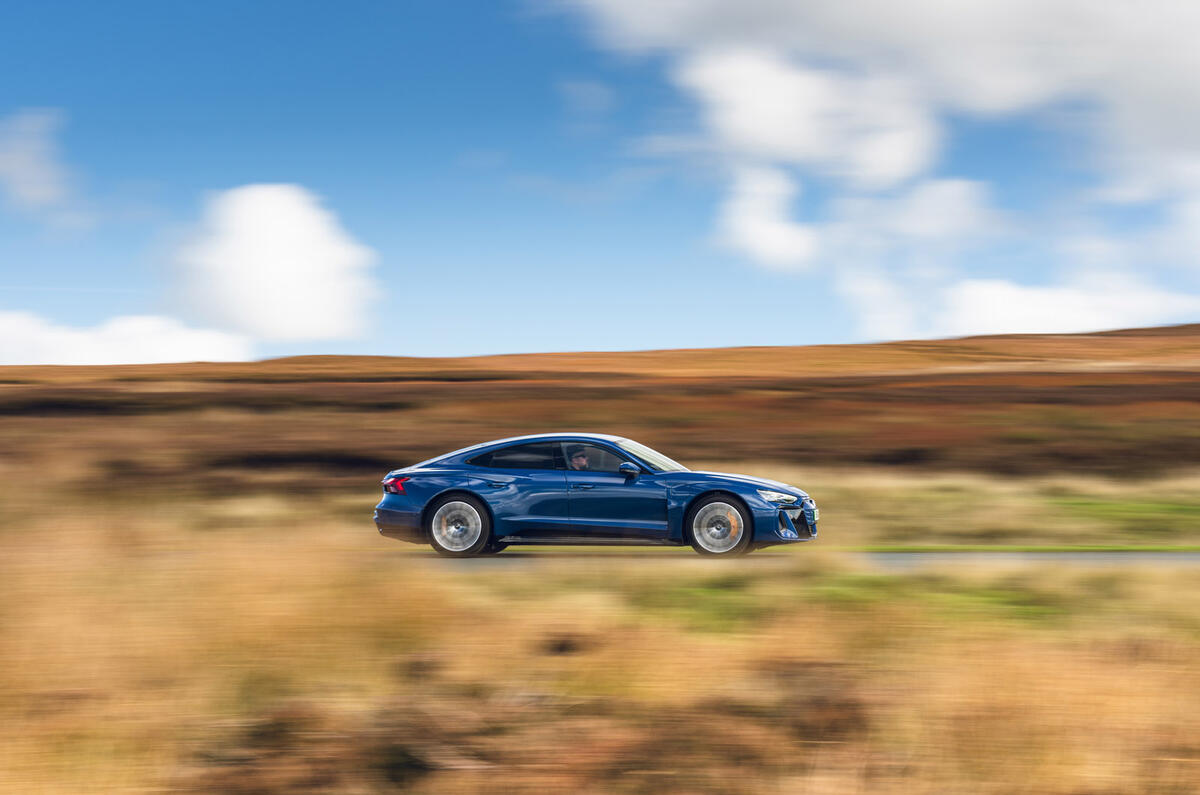
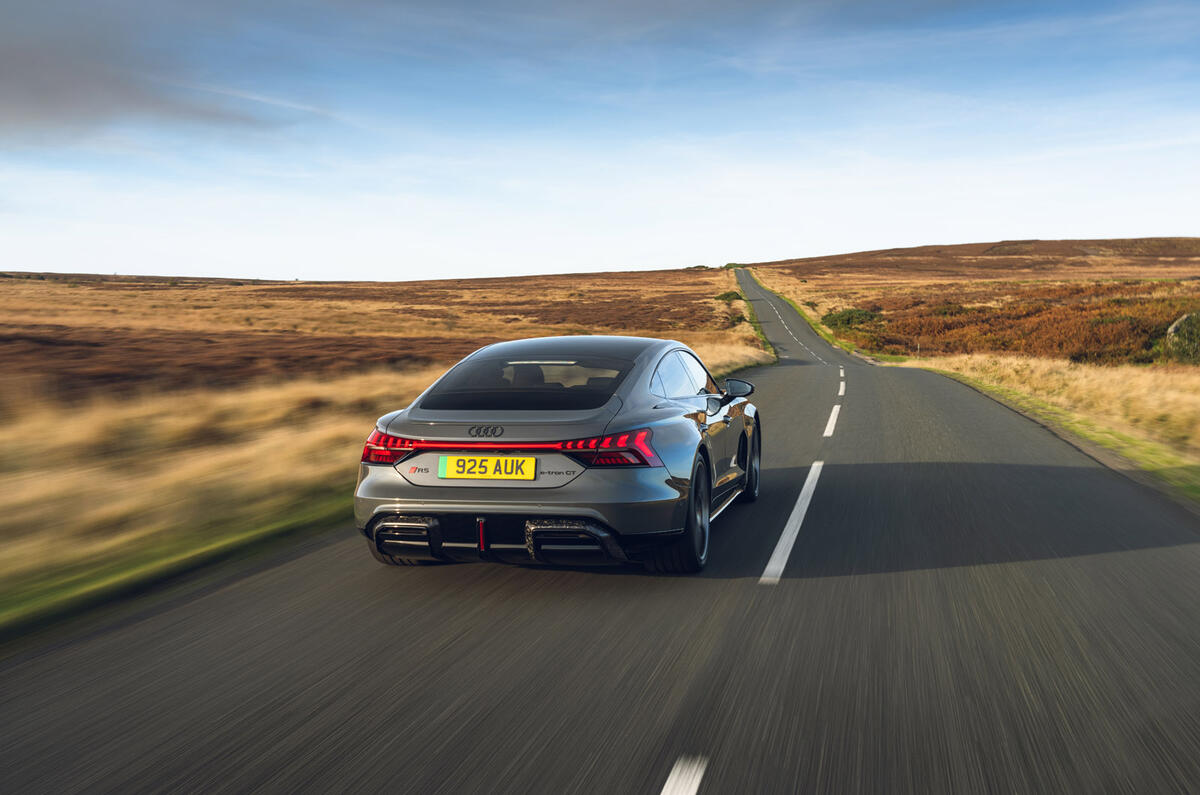
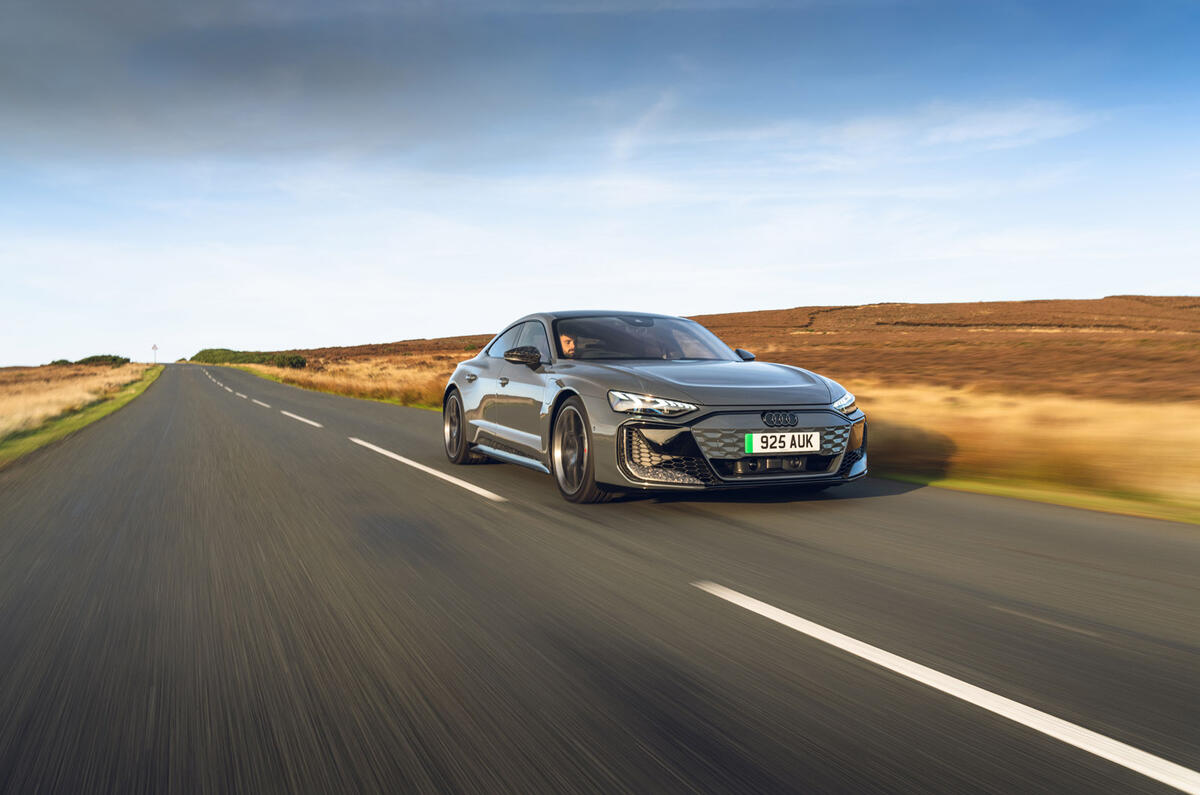
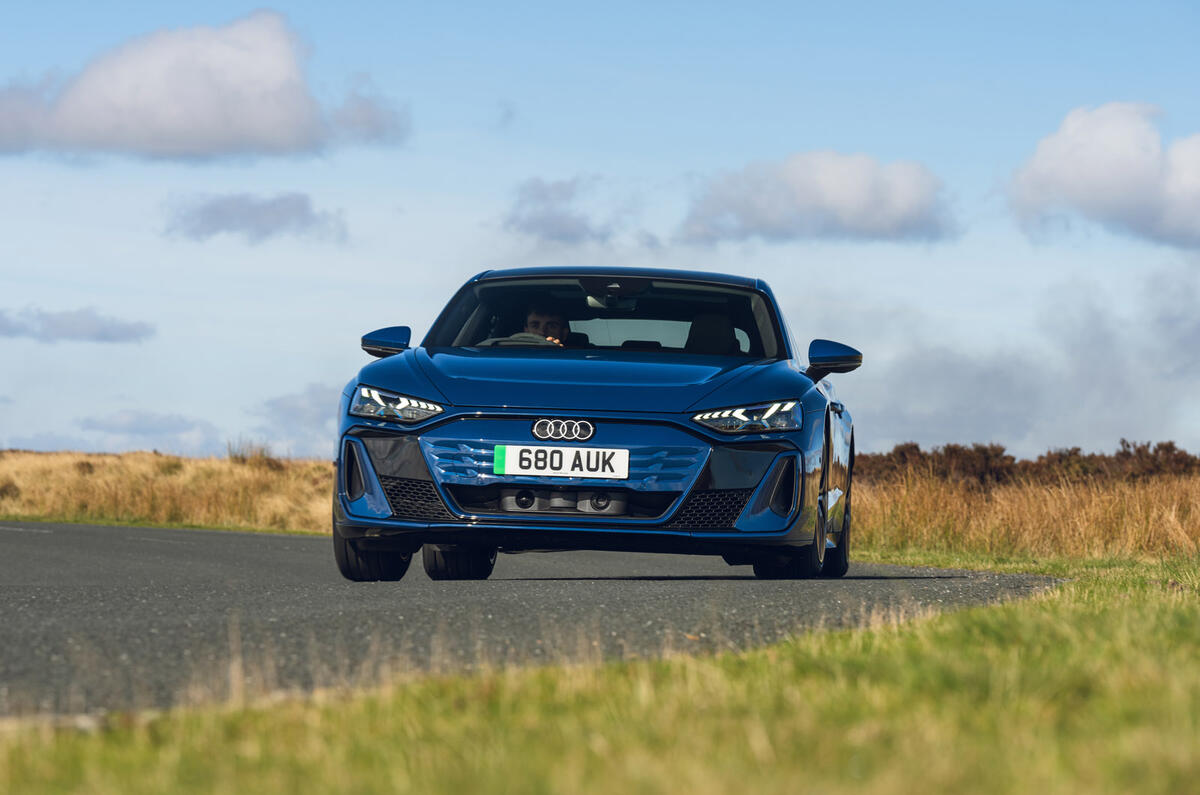
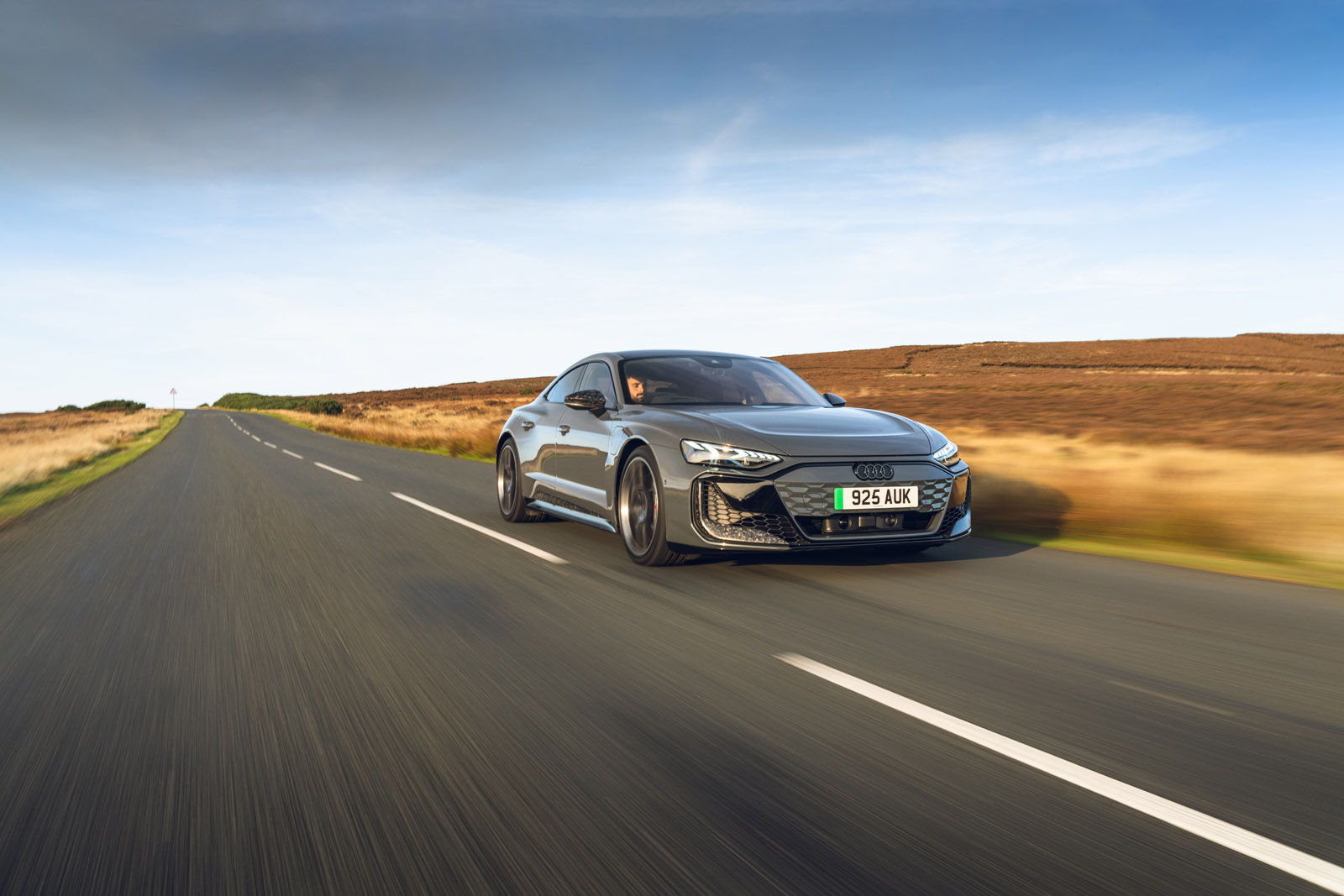
That’s not to say it’s anything other than supremely pleasurable to launch down a fast, flowing stretch of B-road. Indeed, it corners with a poise and precision that belies the fact it weighs as much as a Land Rover Discovery – in part due to our £108k Vorsprung car’s standard-fit rear steering – and is remarkably averse to body roll, despite not being fitted with the trick adaptive suspension from higher-spec cars. 

Plus, because all E-tron GTs ride on air and there’s a reasonable amount of rubber around those 20in wheels (the smallest you can have), it’s pretty well adept at rounding out imperfections and remaining composed at a high-speed cruise. 

MPG & RUNNING COSTS

6
audi e tron gt quattro   hero front

Unsurprisingly, the E-tron GT has become more expensive, and perhaps conspicuously so, given the discounted rates at which the original car has recently been offered, even with delivery miles. The range now starts at nearly £90,000 for the Quattro, rising to more than £160,000 for the RS Performance with the highest level of equipment.

By comparision, the Taycan range starts at just over £89,000, albeit for the purely rear-driven, considerably less powerful entry-level model. In terms of performance, the 671bhp S E-tron GT very neatly (and of course deliberately) splits the difference between the £96,000 Taycan 4S and the £134,000 Taycan Turbo. As for the Lotus Emeya, in general the Audi is priced a little higher but they're quite closely matched.

Alas, there is a caveat here: in the UK, the active suspension is available only on Vorsprung-spec S and RS cars, with anything less getting an updated version of the old's car adaptive air suspension. And even in entry-level Quattro guise, Vorpsrung trim is priced at nearly £110k – although it does bring the rear-axle steering that so usefully trims the car's turning circle and a host of other extras. 

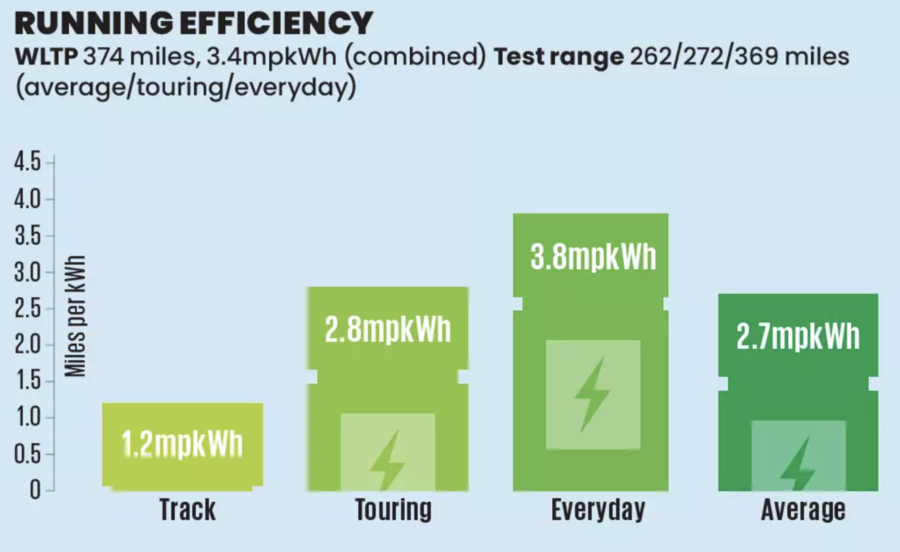
While the entry-level Taycan comes with a smaller battery, all E-tron GTs have the same 97kWh (usable) pack. How far that potentially takes you depends on which version you choose. Given that all E-tron GTs have dual motors, they will never be as efficient as a single-motor Taycan. See below for the data on our S test car. 

Over-indulge in the E-tron GT's stunning off-the-line acceleration and you will of course be rewarded – not just with the inevitable queasiness and silent treatment from passengers but also with a vastly reduced range-per-charge.

Audi reckons the most efficient Quattro will average 3.4mpkWh to return 330 miles on the WLTP combined cycle, but we recorded an average of just 2.8mpkWh over a mixed route, suggesting a more realistic expectation would be somewhere in the high-200s - at least at this time of year.

VERDICT

25 Audi S E Tron GT 2024 review front static

The E-tron GT's mid-cycle update significantly moves the concept on in multiple ways.

Was a 912bhp RS Performance version what this car needed? Not particularly. As usual with EVs, the fastest version doesn't add all that much to the experience, but Audi's decision not to add Active Ride Control to the options list of the basic S might steer you towards the pricer end of the range.

More broadly, with the upgraded battery pack and significantly improved efficiency, this E-tron GT is more capable of actual grand touring than the original. Find a fast enough charger and it will replenish that big battery in a surprisingly short amount of time. And those looks remains as striking as ever. Although not perfect, this remains a hugely desirable performance EV.

Ultimately, as is the case with so many EVs of this ilk, the cheapest and least powerful of E-tron GTs – the Quattro – would seem to uphold convention in representing the sweet spot in the line-up: it’s decently equipped and still more quick than you would ever really need it to be and is doubly attractive for the cost and efficiency savings it represents. 

Now give us a lighter, single-motor, rear-wheel-drive version with a smaller battery for sub-£70k.

Illya Verpraet

Illya Verpraet Road Tester Autocar
Title: Road Tester

As a road tester, Illya drives everything from superminis to supercars, and writes reviews and comparison tests, while also managing the magazine’s Drives section. Much of his time is spent wrangling the data logger and wielding the tape measure to gather the data for Autocar’s in-depth instrumented road tests.

He loves cars that are fun and usable on the road – whether piston-powered or electric – or just cars that are very fit for purpose. When not in test cars, he drives an R53-generation Mini Cooper S or a 1990 BMW 325i Touring.

Felix Page

Felix Page
Title: Deputy editor

Felix is Autocar's deputy editor, responsible for leading the brand's agenda-shaping coverage across all facets of the global automotive industry - both in print and online.

He has interviewed the most powerful and widely respected people in motoring, covered the reveals and launches of today's most important cars, and broken some of the biggest automotive stories of the last few years. 

Richard Lane

Richard Lane
Title: Deputy road test editor

Richard is Autocar's deputy road test editor. He previously worked at Evo magazine. His role involves travelling far and wide to be among the first to drive new cars. That or heading up to Nuneaton, to fix telemetry gear to test cars at MIRA proving ground and see how faithfully they meet their makers' claims. 

He's also a feature-writer for the magazine, a columnist, and can be often found on Autocar's YouTube channel. 

Highlights at Autocar include a class win while driving a Bowler Defender in the British Cross Country Championship, riding shotgun with a flat-out Walter Röhrl, and setting the magazine's fastest road-test lap-time to date at the wheel of a Ferrari 296 GTB. Nursing a stricken Jeep up 2950ft to the top of a deserted Grossglockner Pass is also in the mix.