
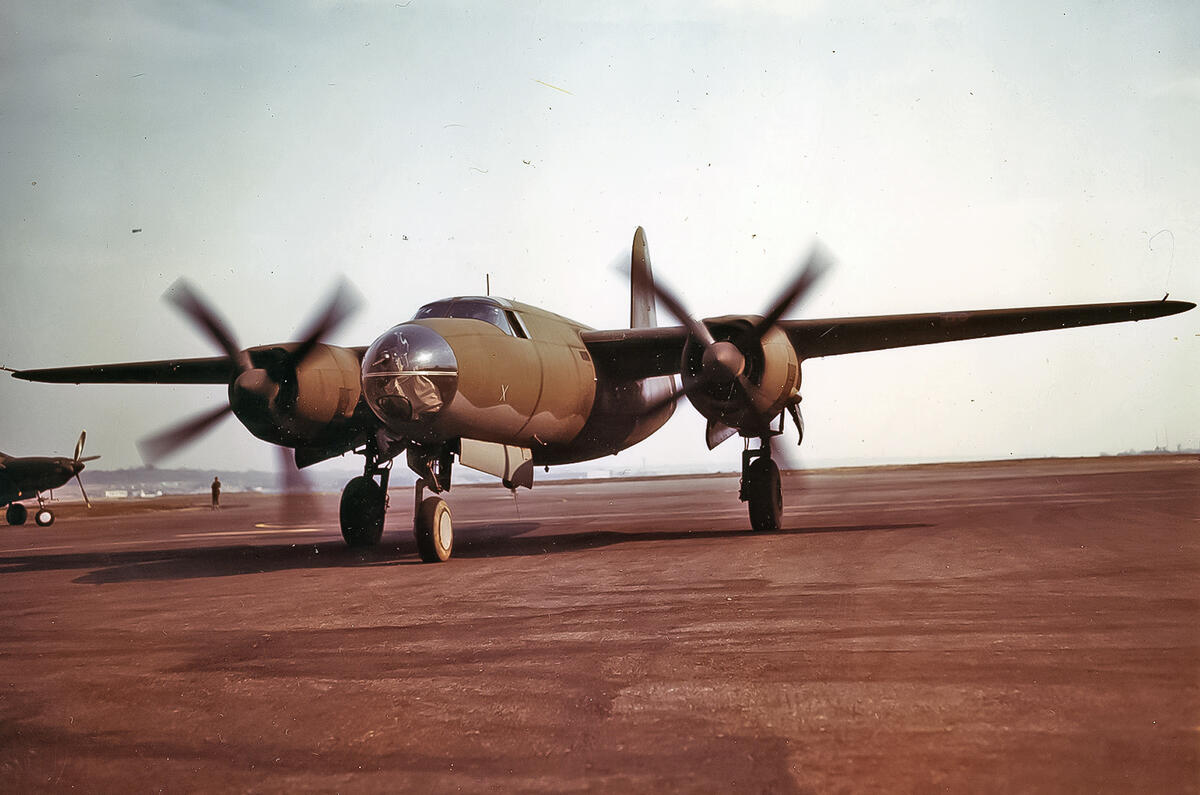

The United States created many famous and formidable warplanes in the second world war.
These included the B-17 Flying Fortress, P-47 Thunderbolt, B-29 Superfortress and Corsair. While hardly obscure, we’ve chosen a collection of 10 aeroplanes that are suitable for the more discerning connoisseur of aviation during the war:
10: Consolidated PBY Catalina
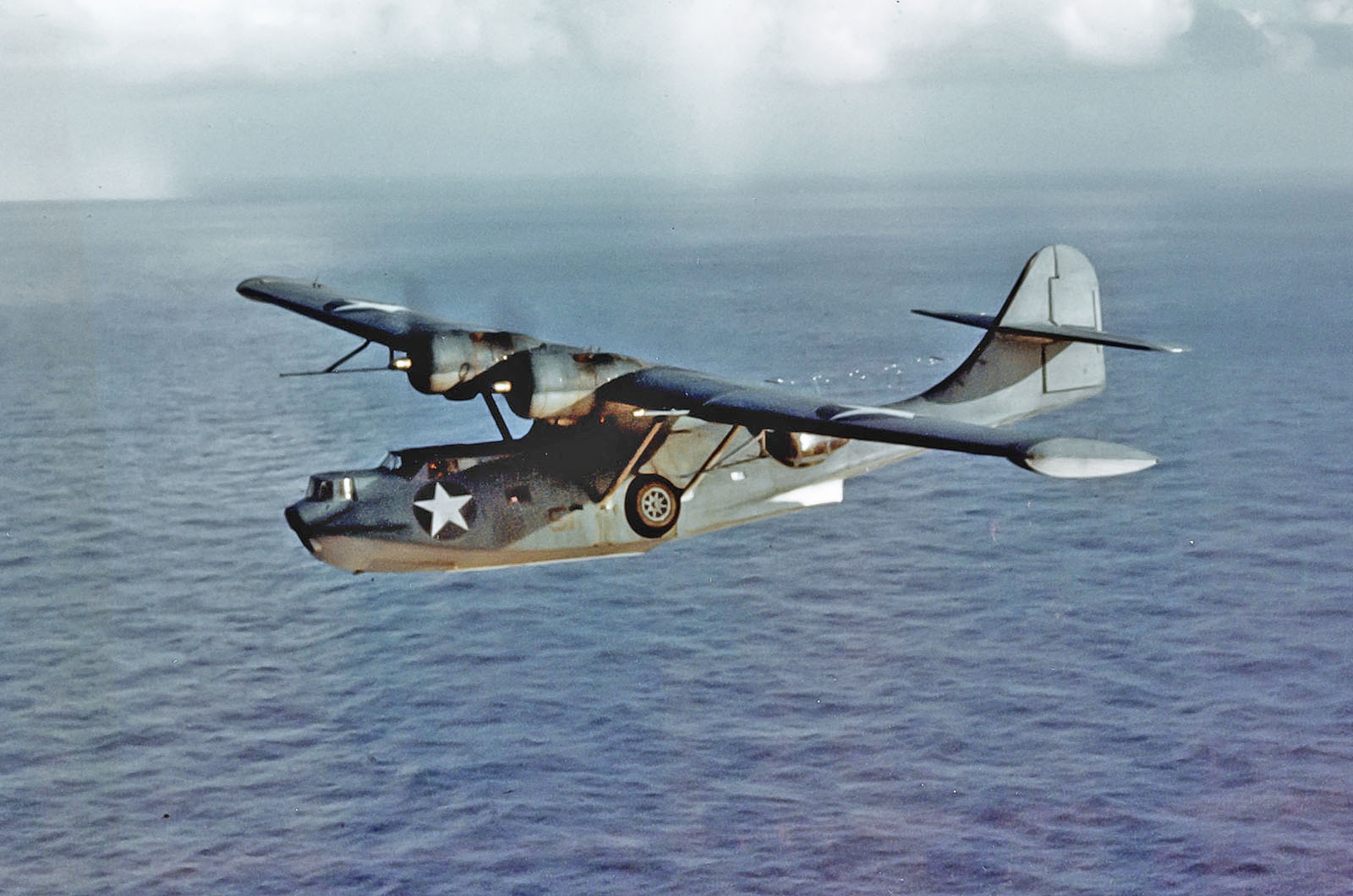
First flying in 1935 the Consolidated PBY was a flying boat designed for the US Navy to patrol the Pacific in the face of rising Japanese power. To minimise drag and keep it clear of spray the wing was mounted above the fuselage on a pylon. For improved aerodynamic efficiency the wing-tip floats were retractable.
Built for endurance, the PBY was neither fast, nor especially glamourous, it did though have an impressive range of over 2000 nautical miles allowing the crew of eight to cover a vast area in a single sortie. It could also carry up to 4,000lb of bombs, depth charges, or torpedoes.
10: Consolidated PBY Catalina
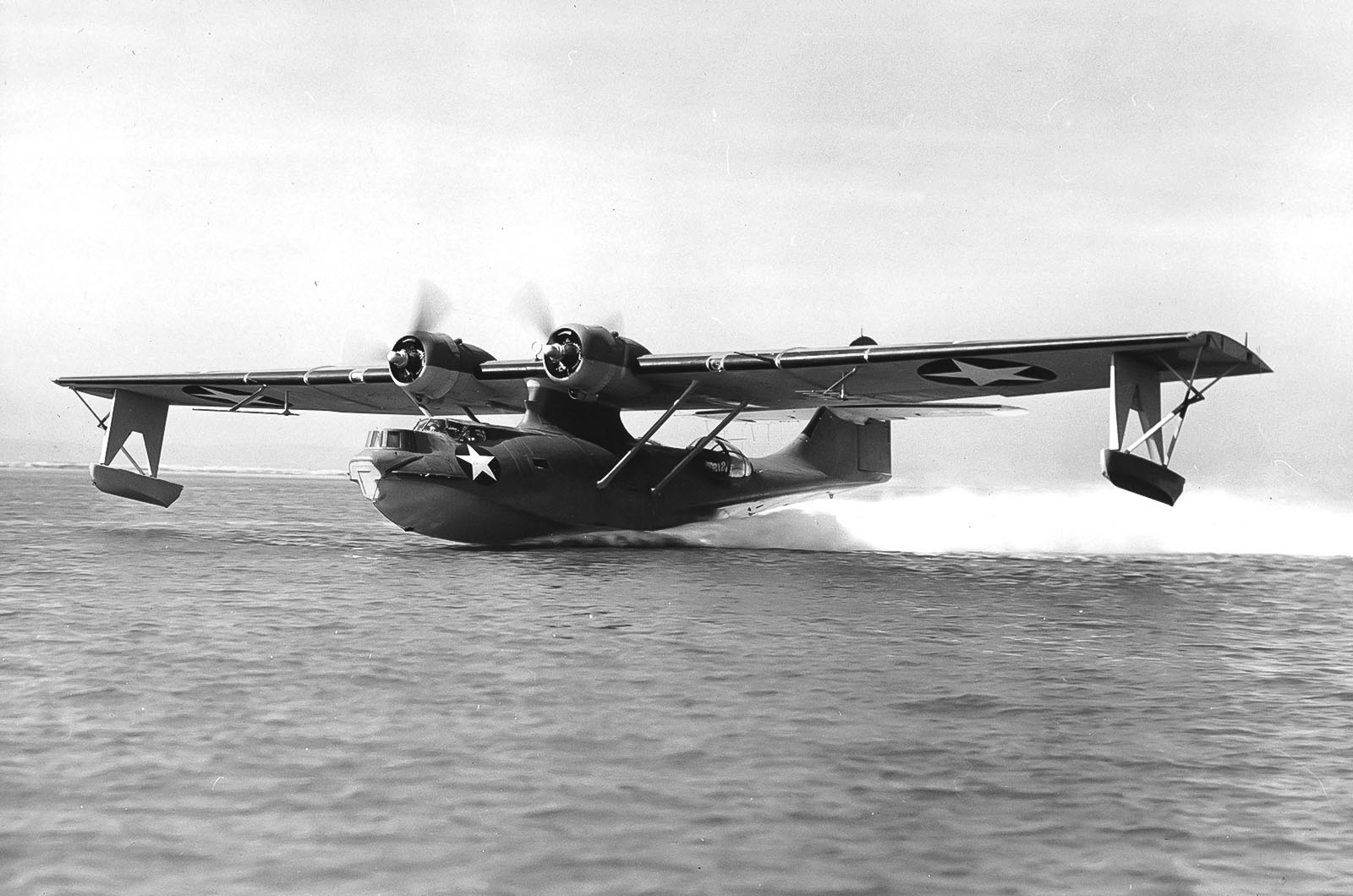
The PBY first saw combat with the RAF, who named it Catalina, where aside from hunting U-Boats, it would also locate the battleship Bismarck on 26 May 1941, allowing the Royal Navy to destroy it before it could reach Brest in France.
In US service, a Catalina would score the US Navy’s first air-to-air kill of the war, shooting down a Zero over the Philippines. At the important Battle of Midway, Catalinas would locate the approaching Japanese fleet, and conduct the only successful torpedo attack of the Battle, sinking an oil tanker. Meanwhile, black-painted aircraft would engage in night bombing and strafing attacks throughout the Pacific Theatre.
9: Curtiss P-40 Warhawk
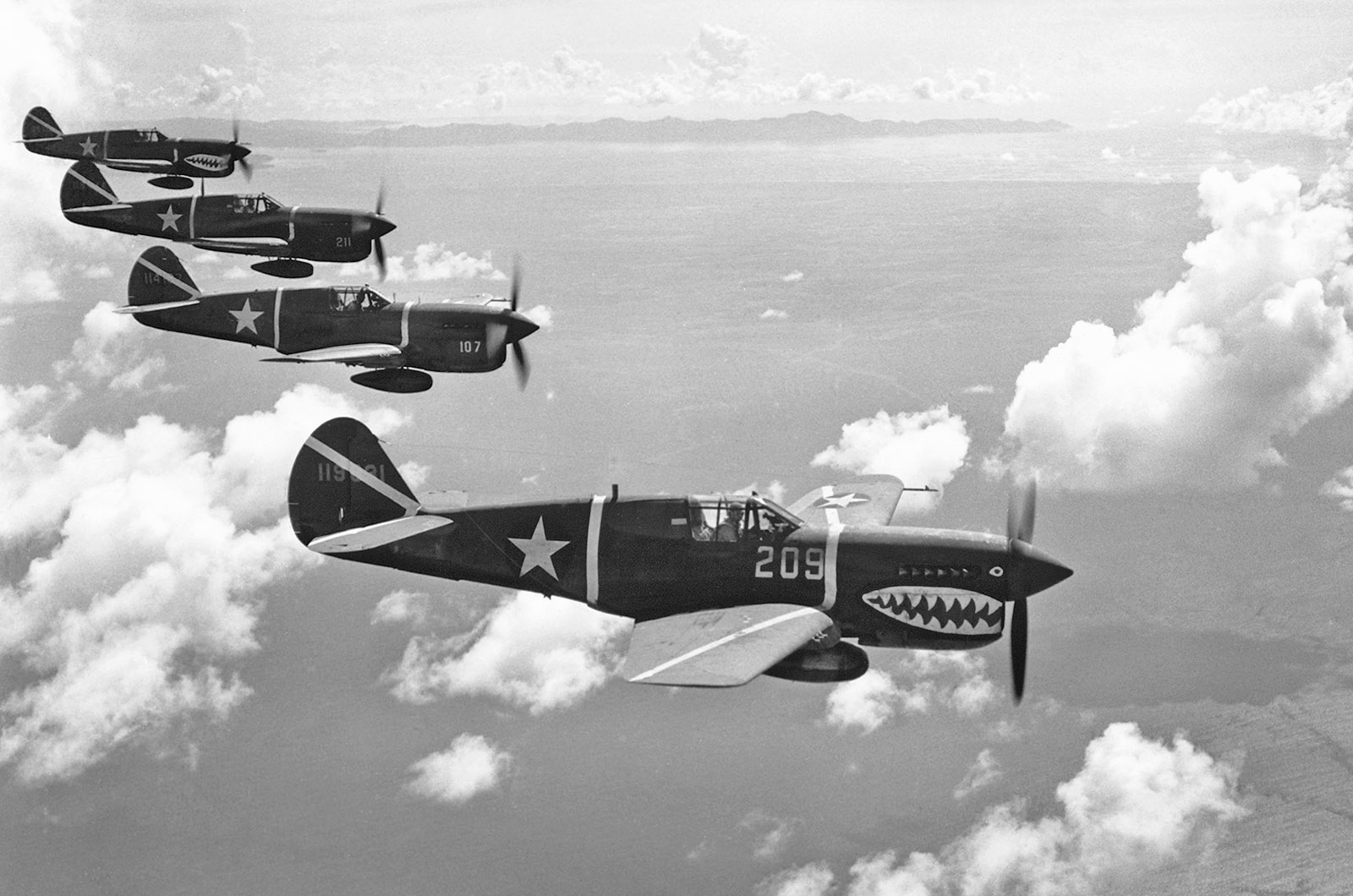
Frequently overlooked in favour of the P-51 and P-47, the Curtiss P-40 was the third most-produced US fighter of the war. Based on the earlier radial engine P-36 Hawk, the P-40 aimed to get more performance out of the same basic airframe by using a more streamlined Allison V-12.
First flying in 1938 the prototype XP-40 failed to live up to expectations, only reaching 315mph. Using the National Advisory Committee for Aeronautics’ wind tunnel, Curtiss evaluated a range of positions for the radiator, eventually moving it from just behind the wing to the very front of the aircraft. This modification enabled the P-40 to reach 366 mph.
9: Curtiss P-40 Warhawk
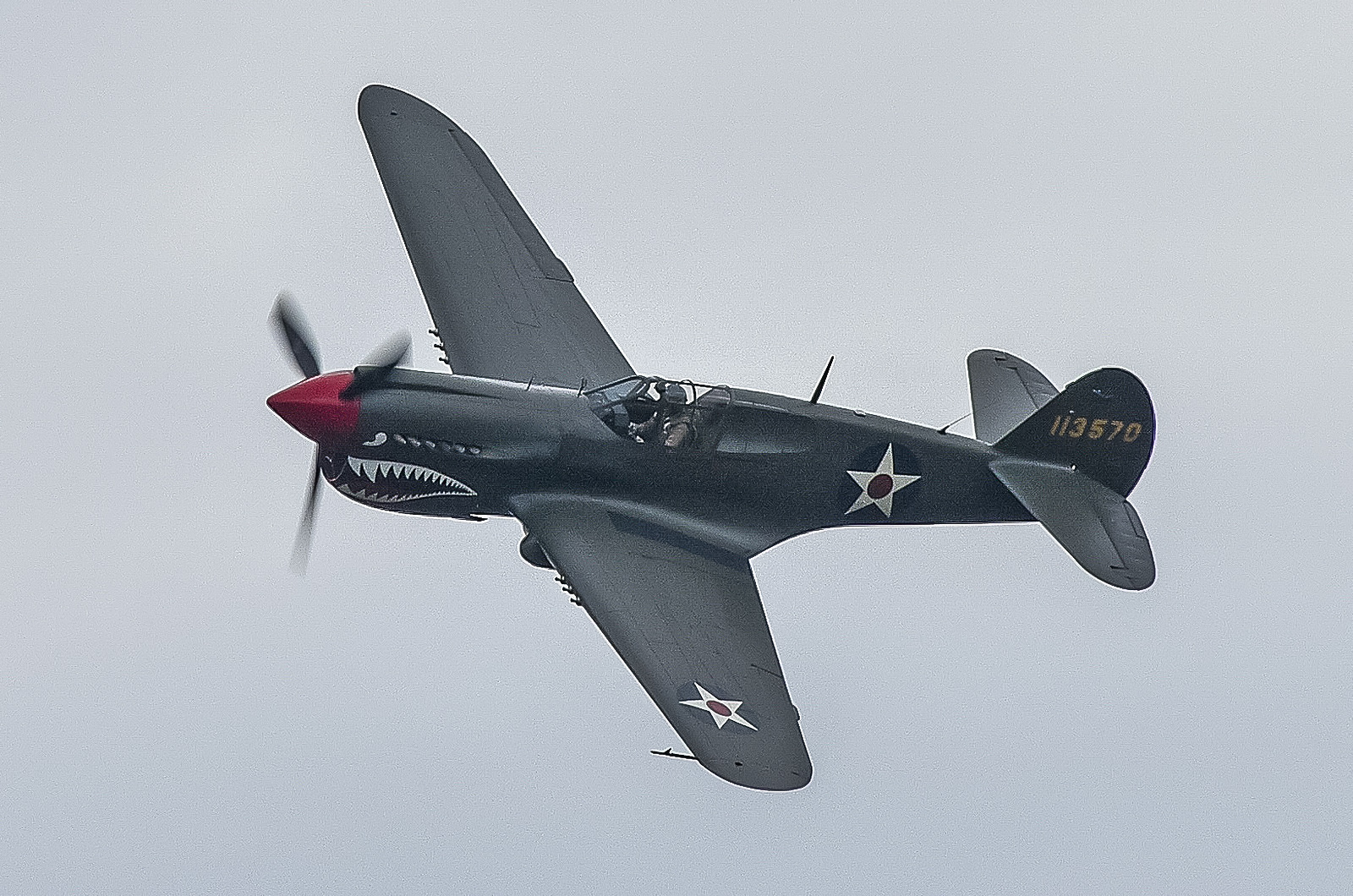
First seeing combat with the RAF, P-40s were used by the Desert Air Force in North Africa from 1941. Here, they were able to meet German and Italian aircraft on broadly equal terms, with 46 pilots becoming aces on the type with five or more victories.
Shortly after the RAF received their aircraft, the American Volunteer Group in China received P-40Bs. There they proved to be a match for Japanese fighters, when flown by pilots trained to fully exploit the Warhawk’s advantages. With US entry to the war Warhawks would join the battle eventually claiming 973 victories in the China-Burma-India theatre with 40 more pilots becoming aces on the type.
8: Grumman F4F Wildcat
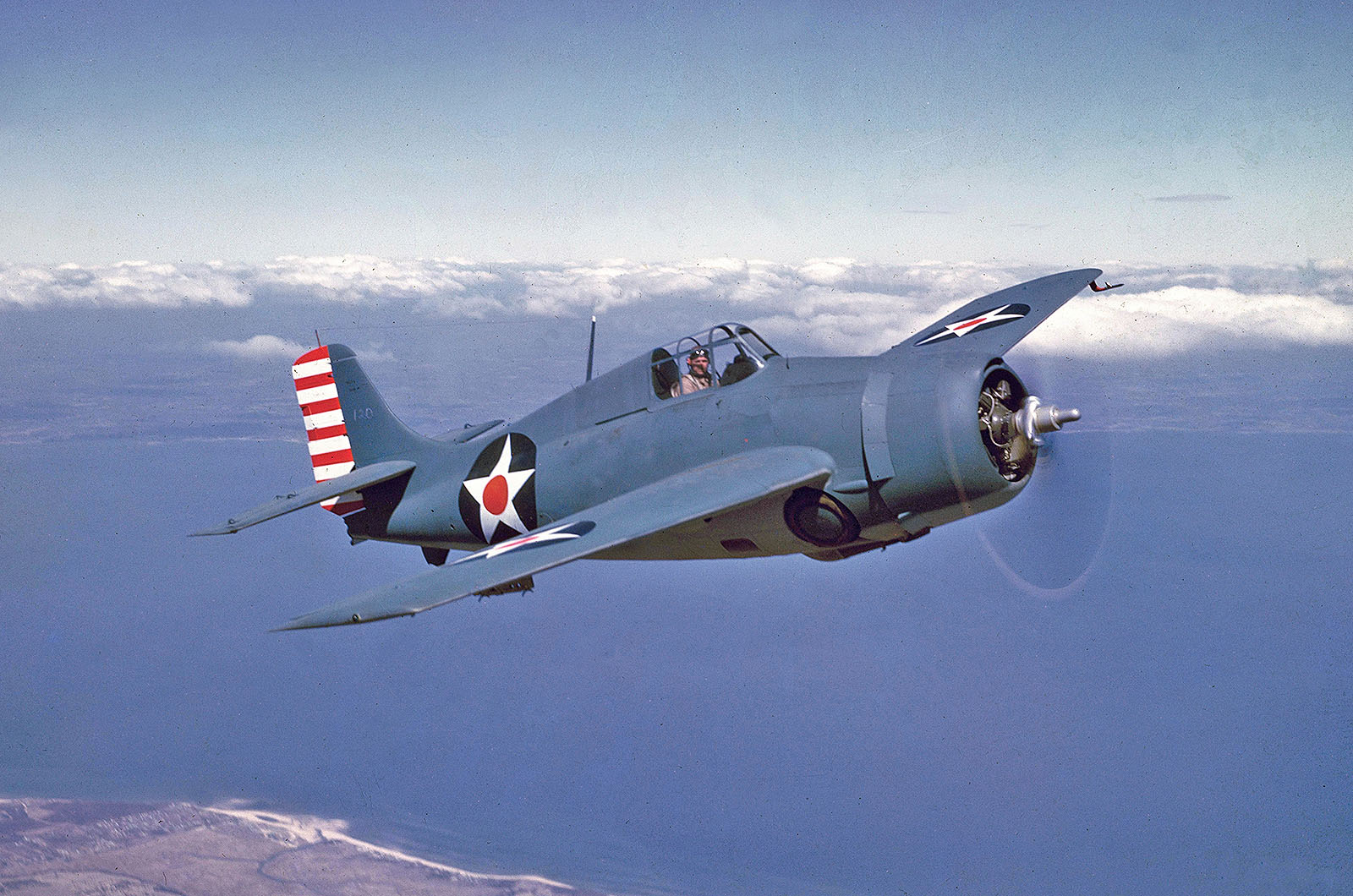
Post-war coverage of the Pacific theatre often focuses on the Vought Corsair and Grumman Hellcat, the latter of which accounted for around 75% of the US Navy’s victories. However, before either of these entered service in December 1942, the line was held by the diminutive Grumman F4F Wildcat.




Add your comment