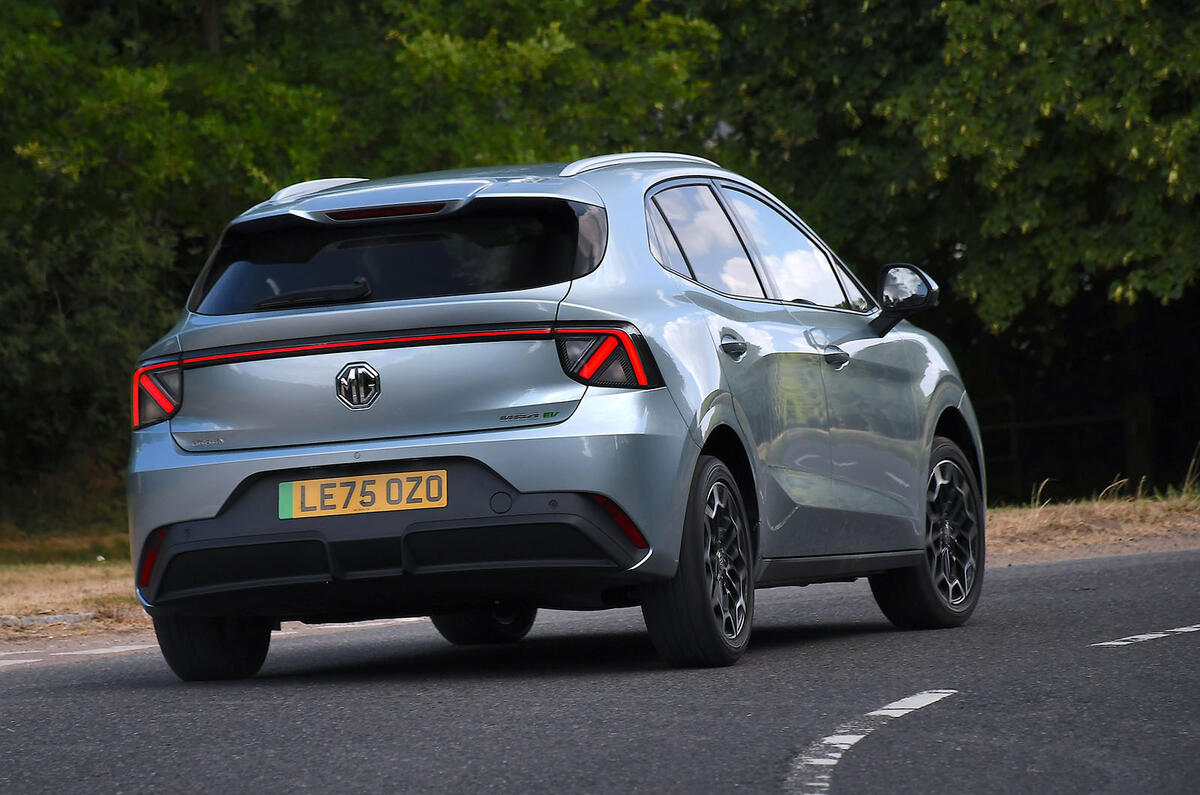
This new model is an MG 4 EV but even more affordable – so what's the catch?

The prodigious success of the MG 4 EV was built on value for money, which is why its new cut-price understudy – the MG 4 EV Urban tested here – ought to have competitors concerned. 

The Urban is essentially a budget alternative of the 4, similarly sized but engineered on a different platform to allow it to be cheaper, such that MG can compete in a new and growing class of impressive EVs that cost little more than £20,000. 

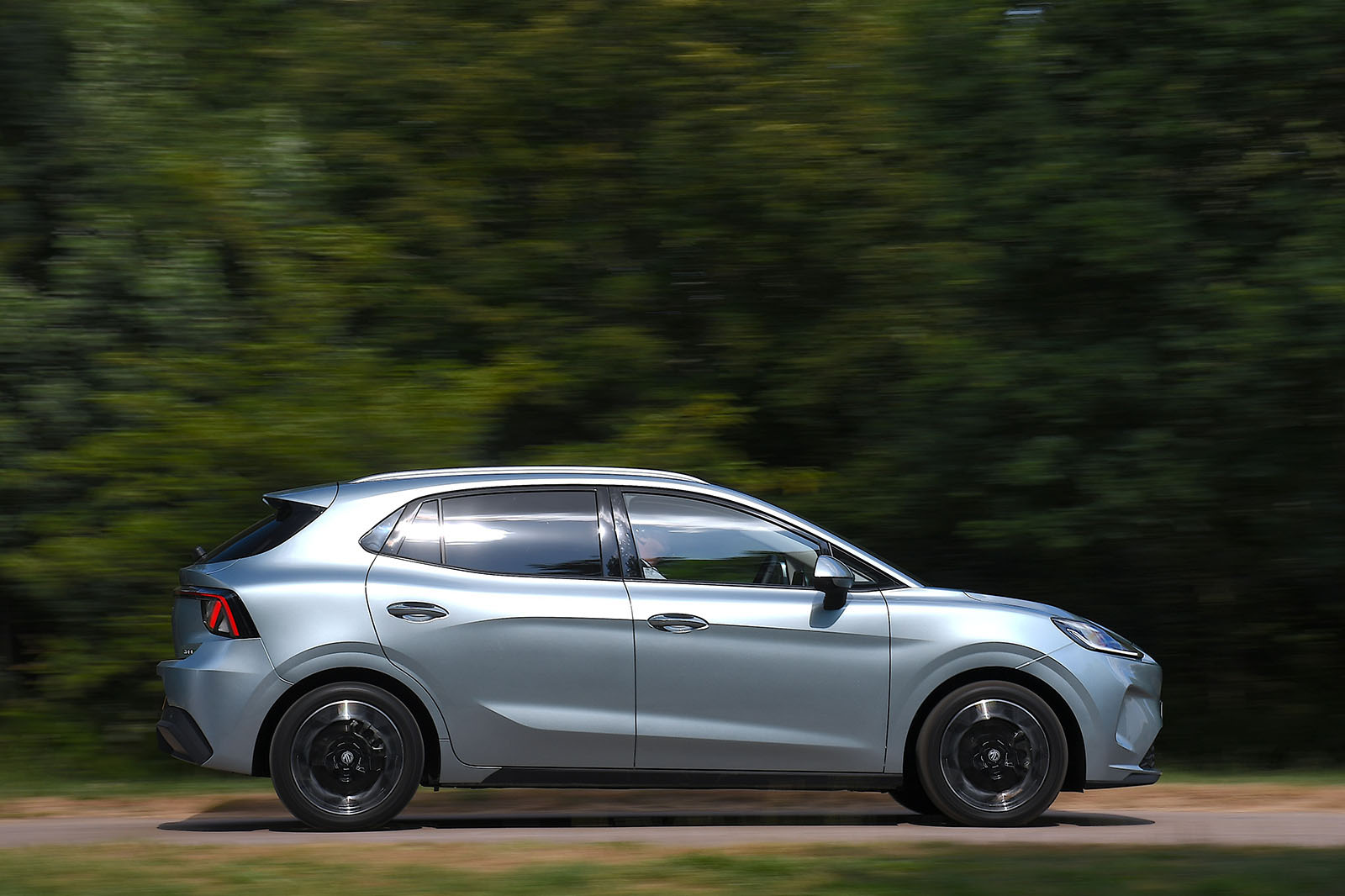
It starts at £23,495, meaning it undercuts the 4 proper by £6500. Dig into the spec sheets and you will see that, despite this, the Urban is actually the larger of the two cars, with a longer wheelbase and, on paper, quite a bit more boot capacity. Yes, this is an odd turn of events, but potentially a cunning one if you're MG.

How does MG offer what appears to be more for less? We will get to that in a moment, but it comes down to the fact that, despite the name, the Urban is largely unrelated to the 4 in both architecture and hardware and is a fair bit more basic under the skin.

Chief among the new car's competitors are the BYD Dolphin, Citroën ë-C3Hyundai Inster and charismatic Renault 5 – cars that start at roughly the same price and whose existence is the reason why MG has extended the 4 model range downward in the first place.

Whether the Urban can be considered a credible threat to the French car in particular is something we will now discover.

Advertisement

DESIGN & STYLING

MG4 Urban review 002

So the Nanjing-built 4 Urban is a different proposition to the existing 4. Most notably the new car is exclusively front-driven and built on the new E3 platform of MG parent company SAIC.

It also carries smaller battery packs totalling 42.8kWh (41.9kWh usable) or 53.9kWh (52.8kWh), whereas the existing 4 starts at 64.0kWh and rises to 77.0kWh in Extended Range spec.
This gives the Urban a maximum declared range of 258 miles, although the entry-level Comfort Standard Range model, which is the one with that eye-catching price, manages only 201 miles. 

These packs use lithium-iron-phosphate chemistry and are optimised for stop-start city driving. Their smaller size, as well as the fact that the Urban has a torsion-beam rear axle instead of the comfort-enhancing independent set-up of 4, partly explains why MG can charge substantially less for the new car. 

While we’re on the subject of the battery, one interesting development is that the Urban uses a cell-to-body approach, whereby the casing of the pack acts as a structural element and part of the floor, rather than pack simply being bolted into the monocoque, as you have with the existing 4. It’s one reason why, at 1520kg, the bigger-batteried Urban is so much lighter than the regular 4. The difference is 245kg in cars whose capacity varies by only 10kWh or so.

Power is from a front-mounted synchronous motor, rated at either 148bhp or 158bhp, depending on which battery you have. Both figures are perfectly competitive – but, given the budget-friendly engineering behind the E3 platform, don’t expect a four-wheel-drive version, as you can have with the existing 4 in 429bhp XPower guise.

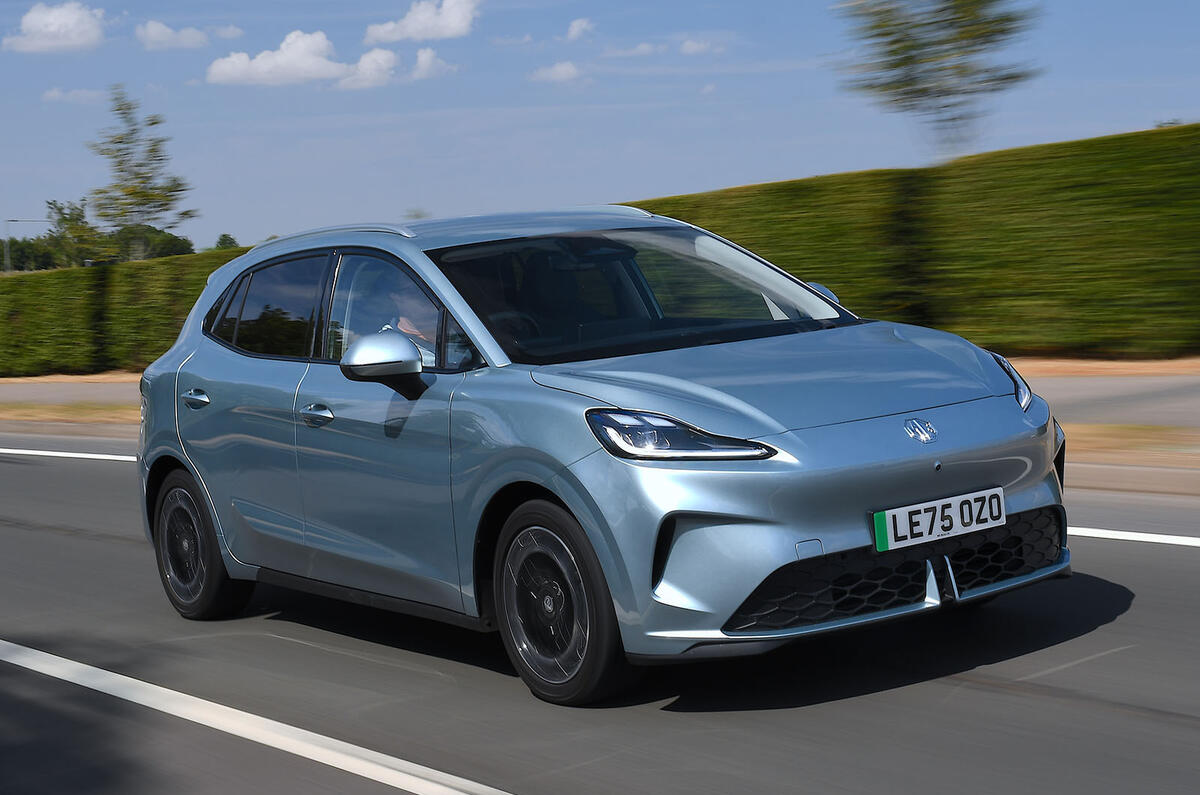
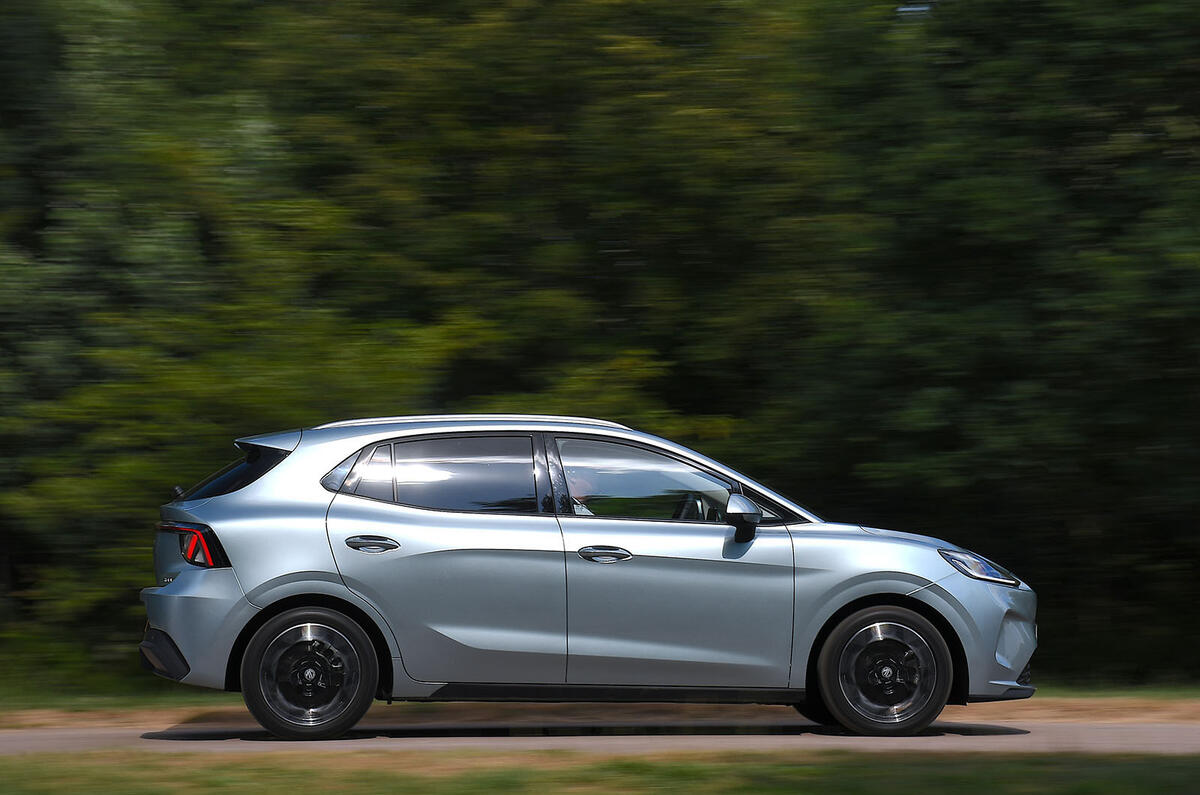
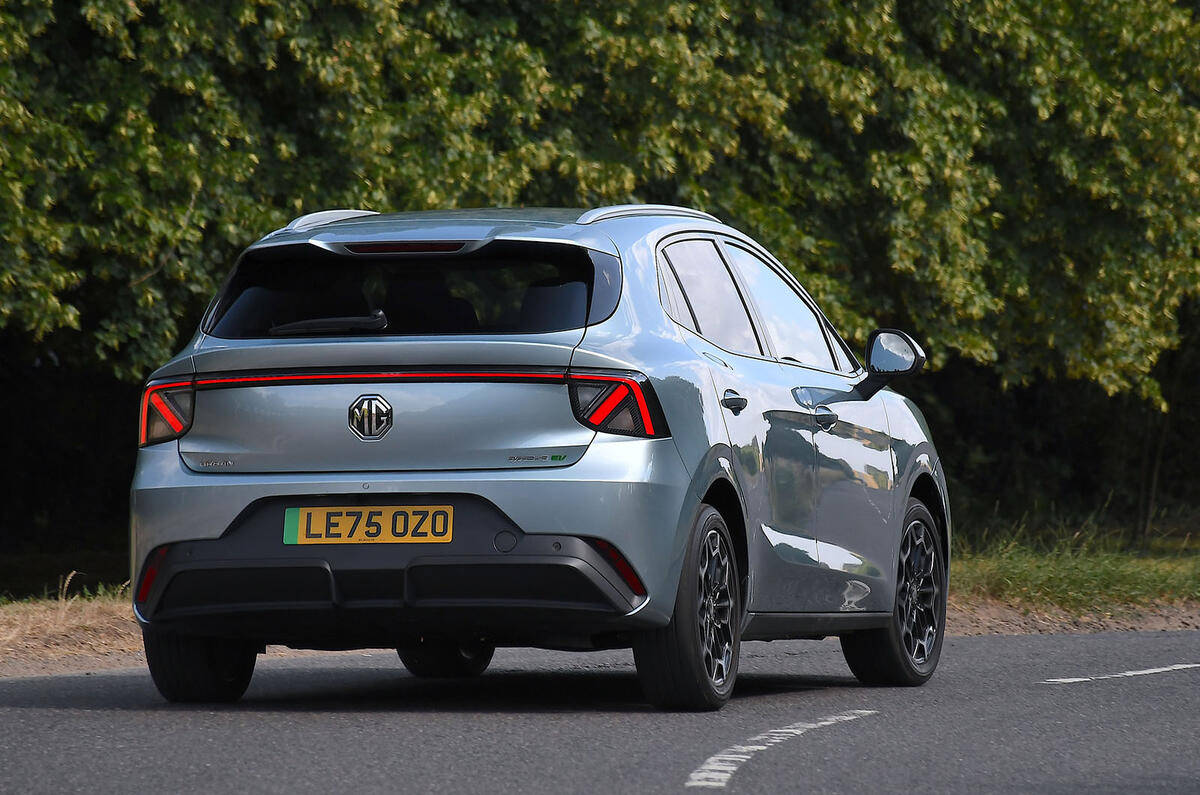
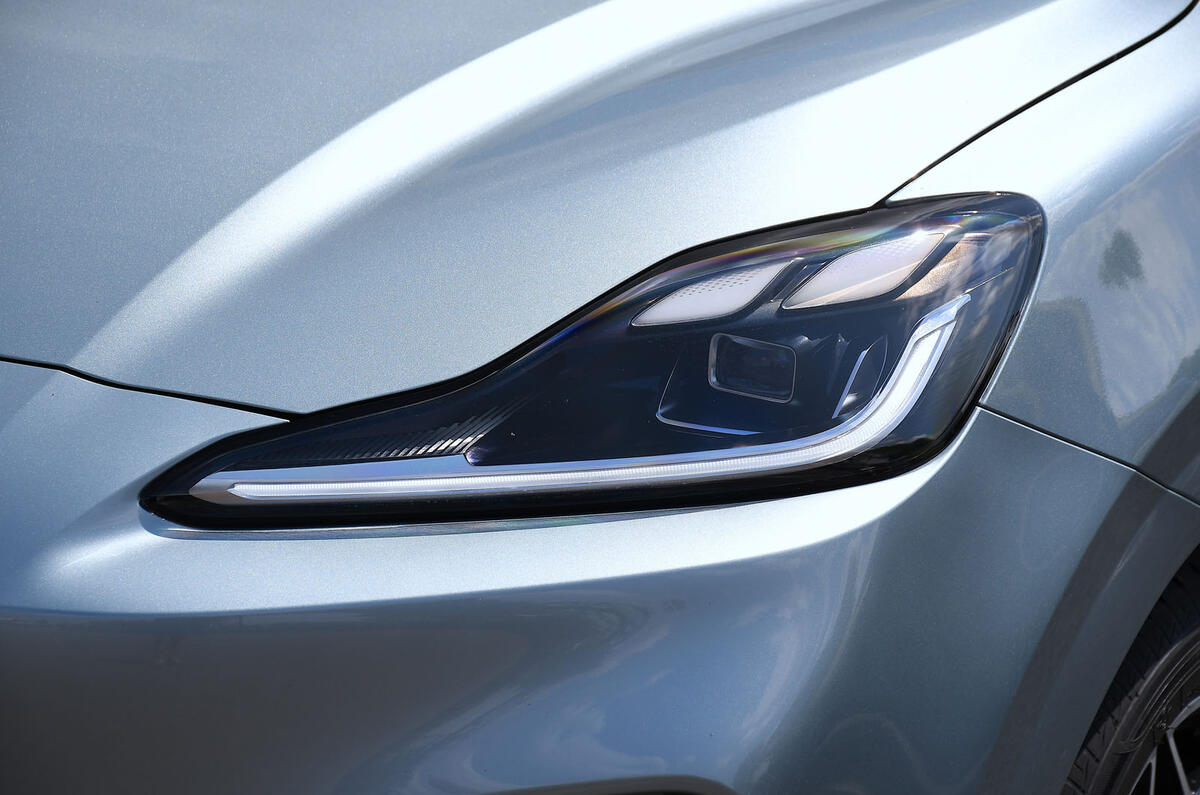
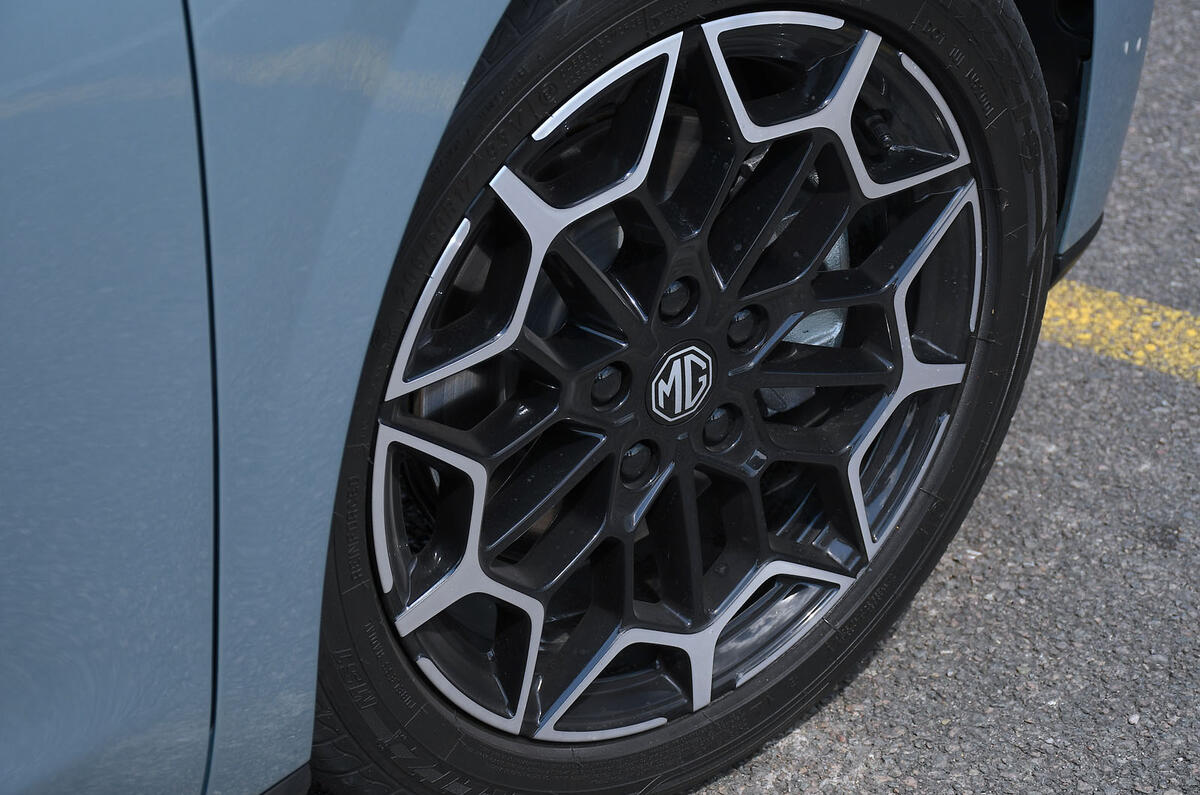
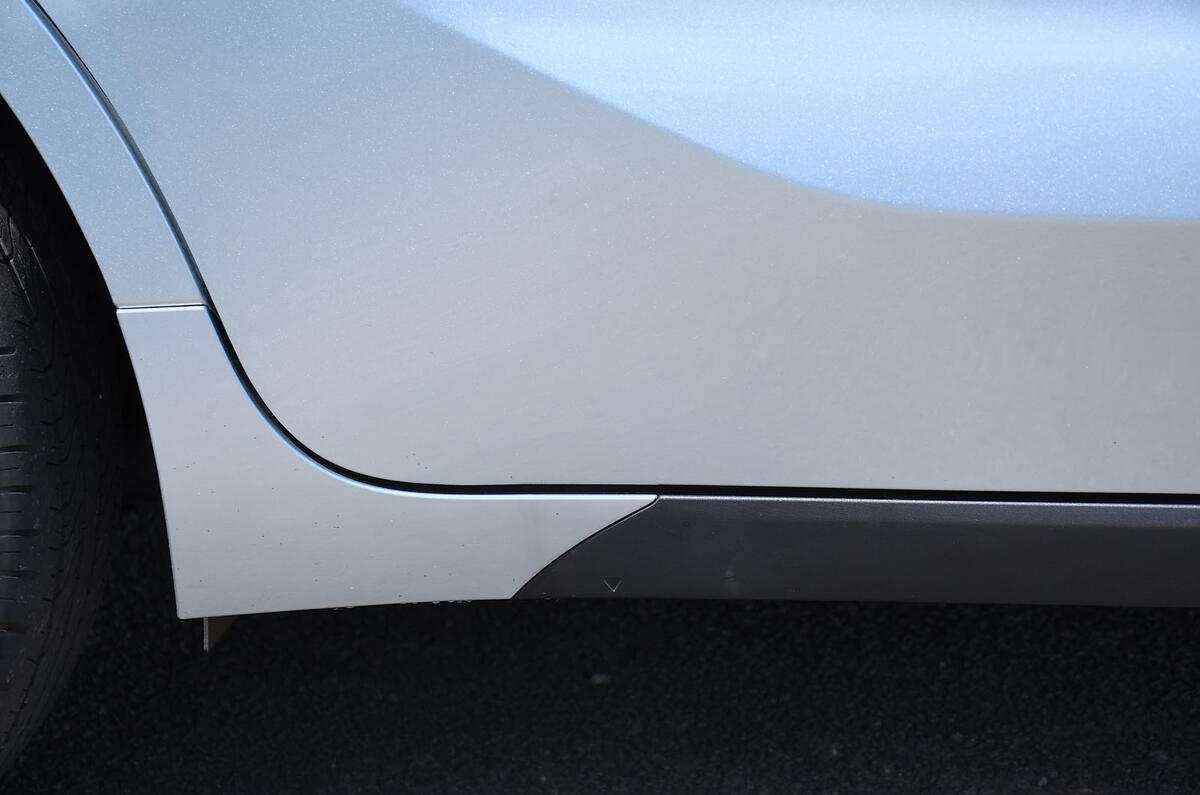
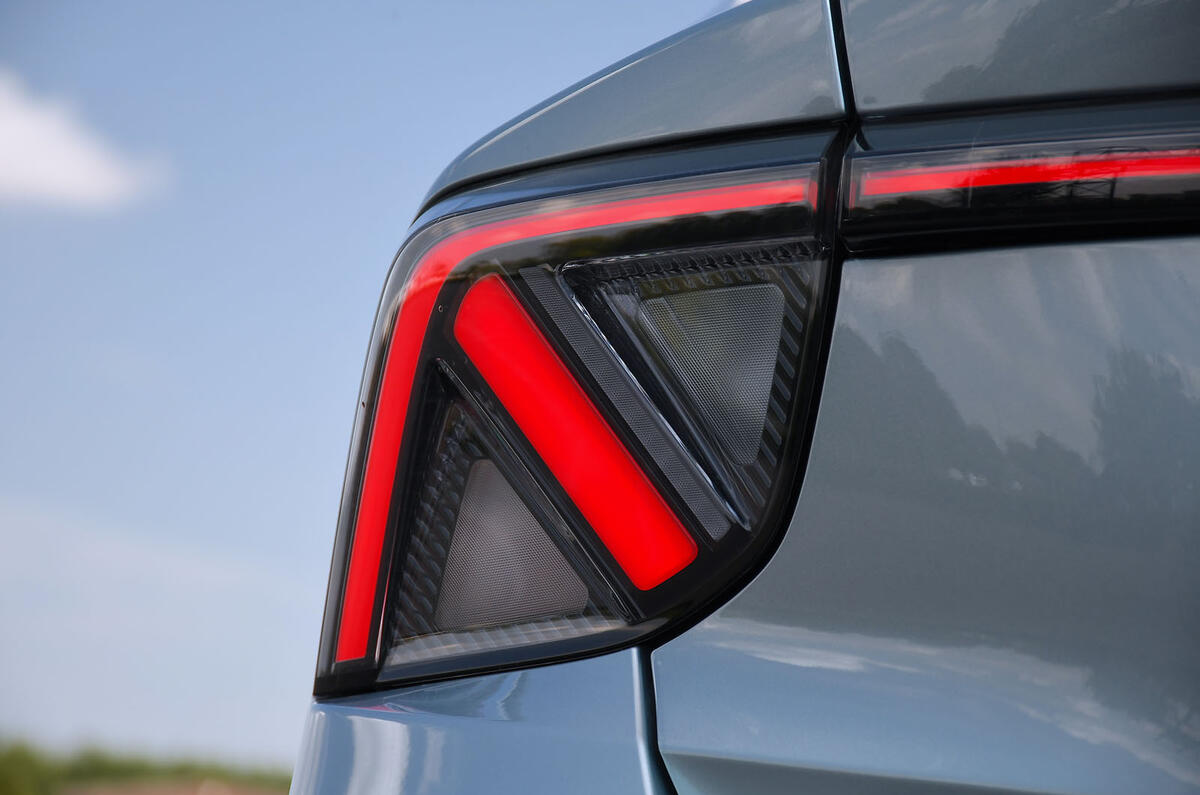
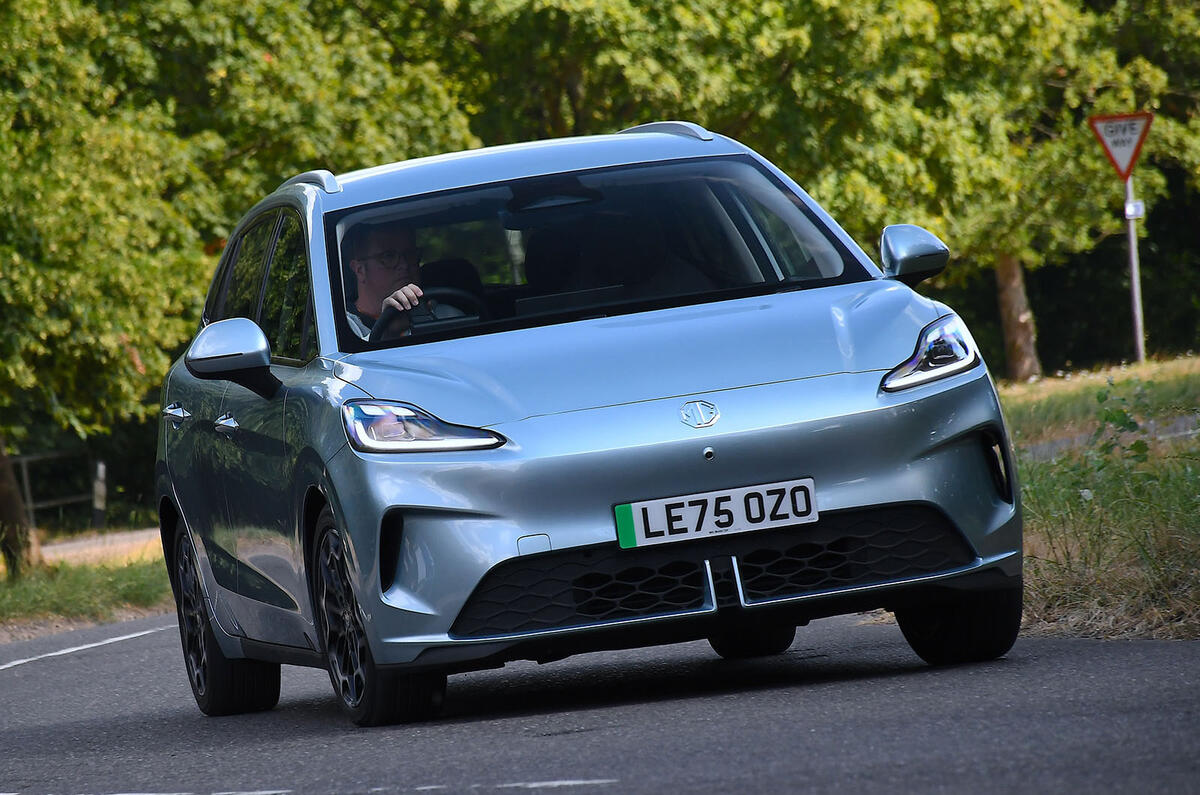
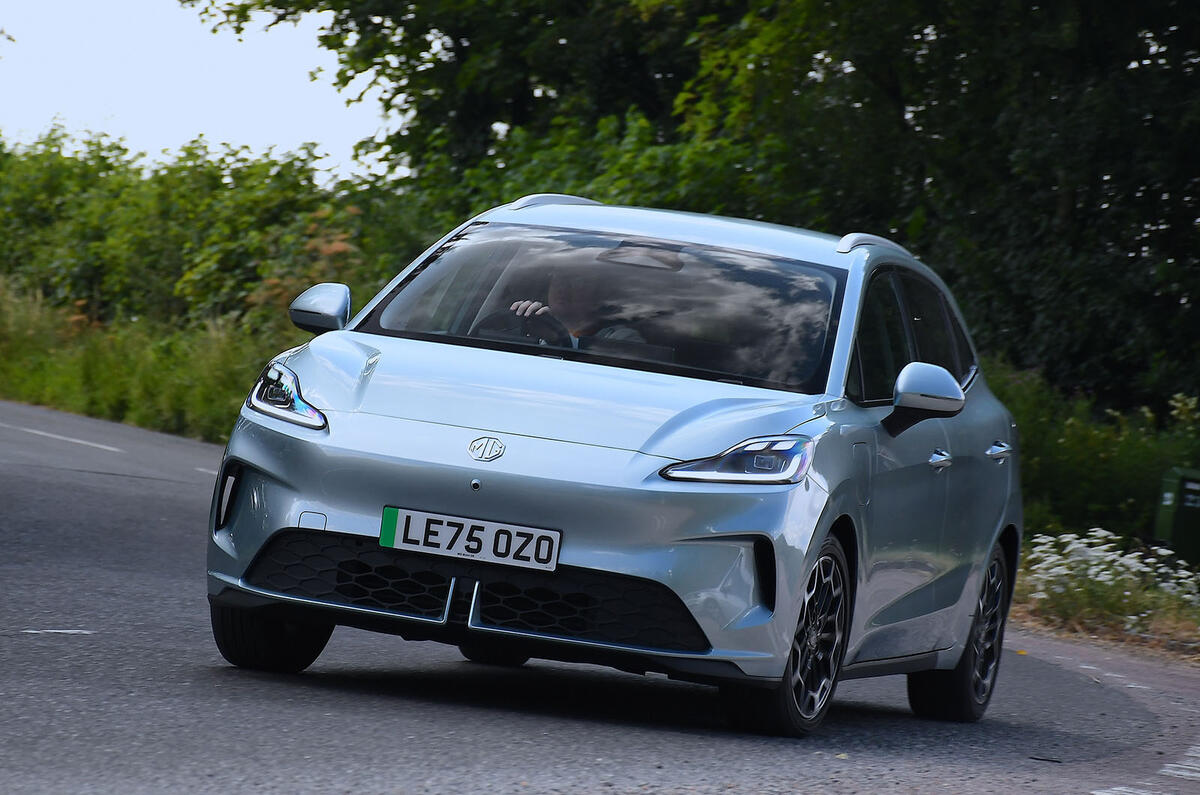
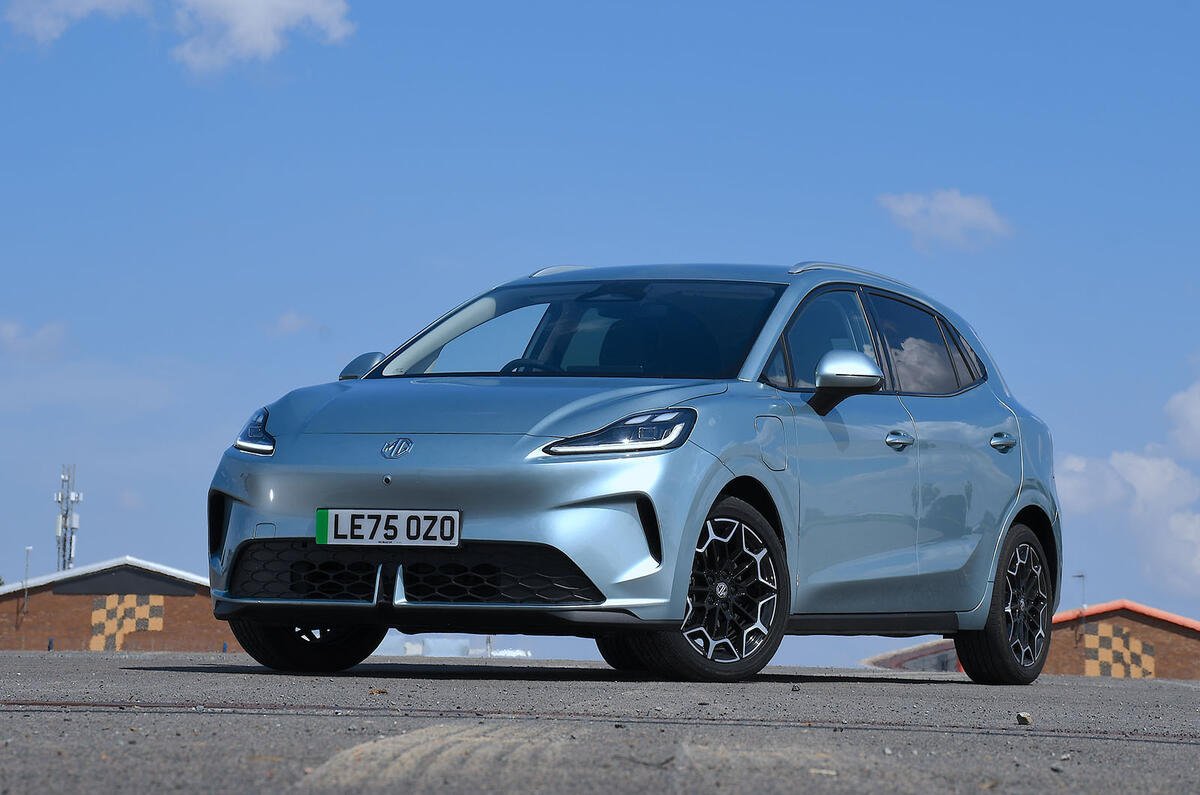
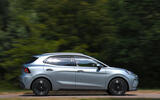
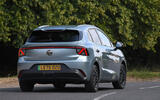
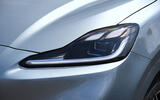
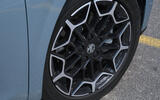
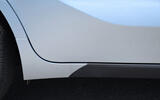
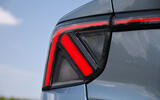
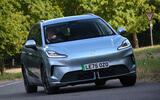
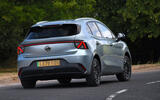
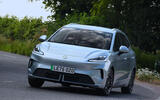
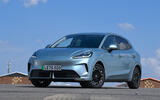
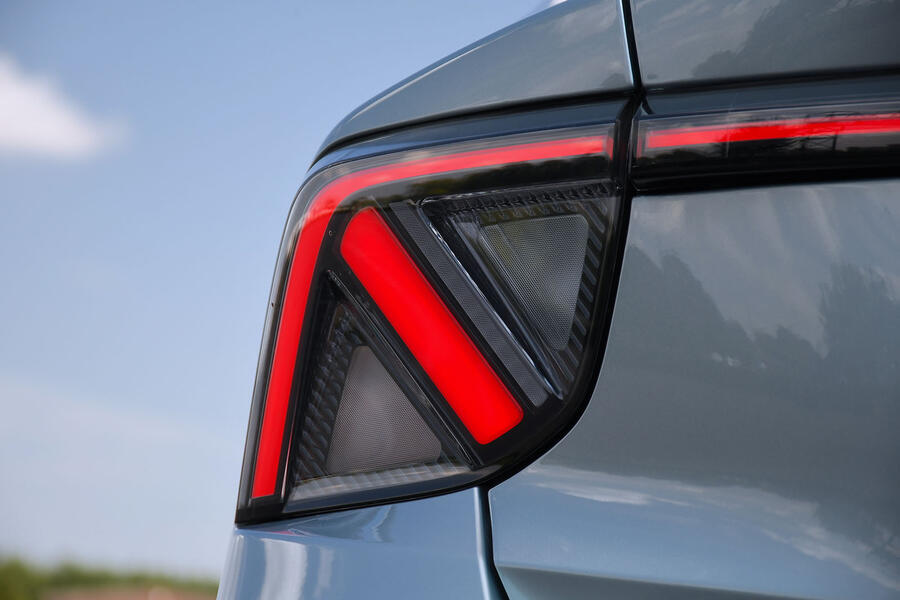
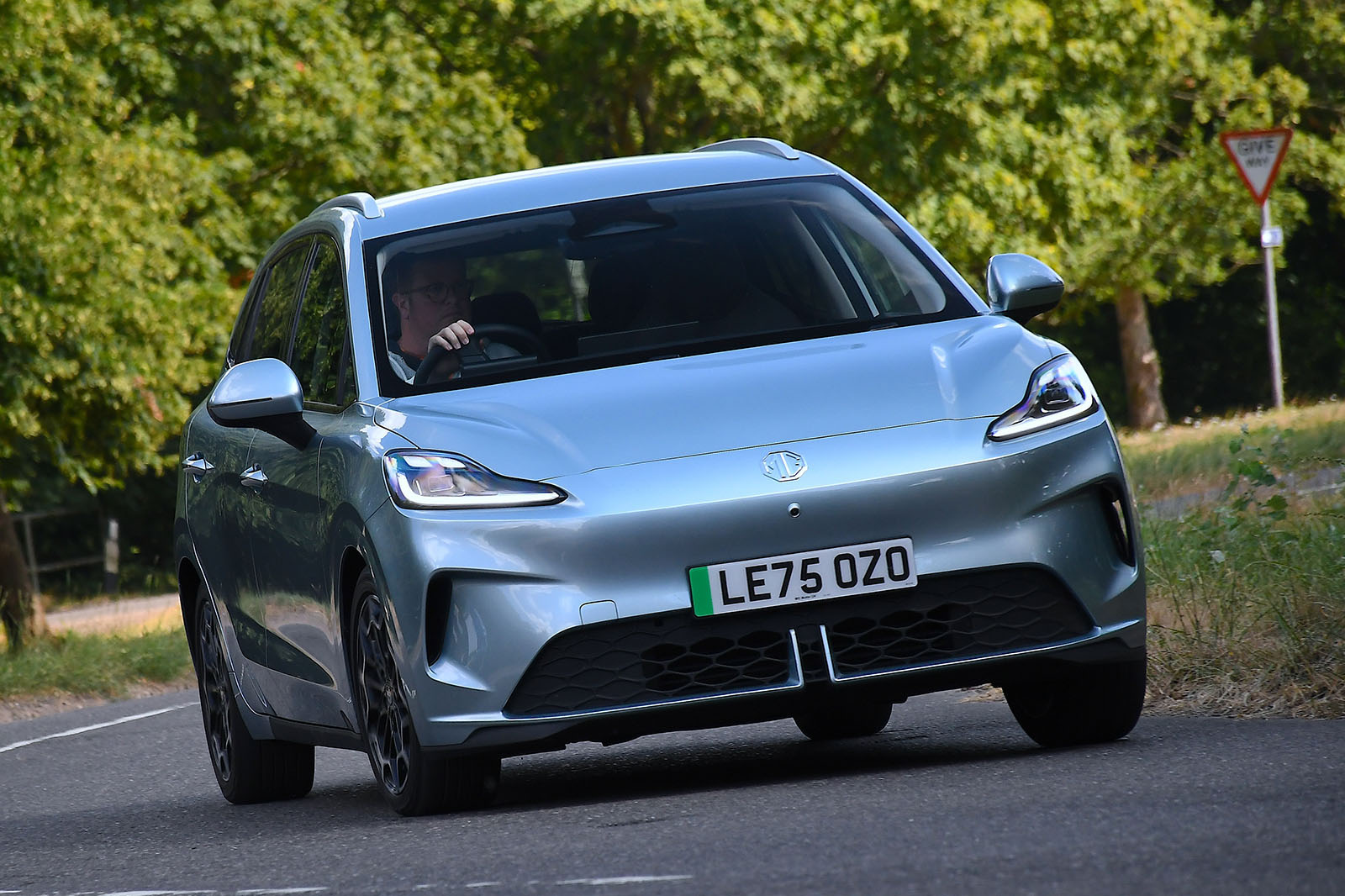
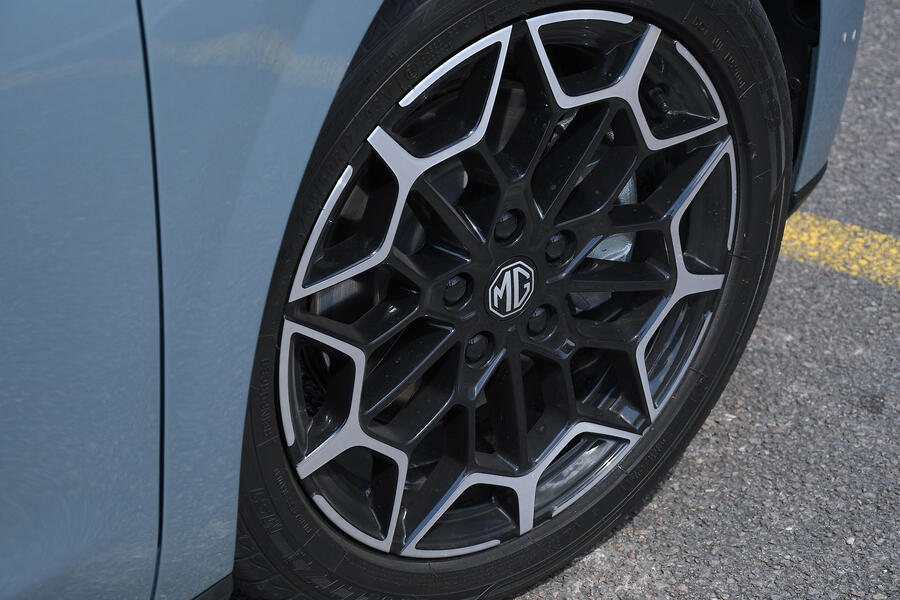
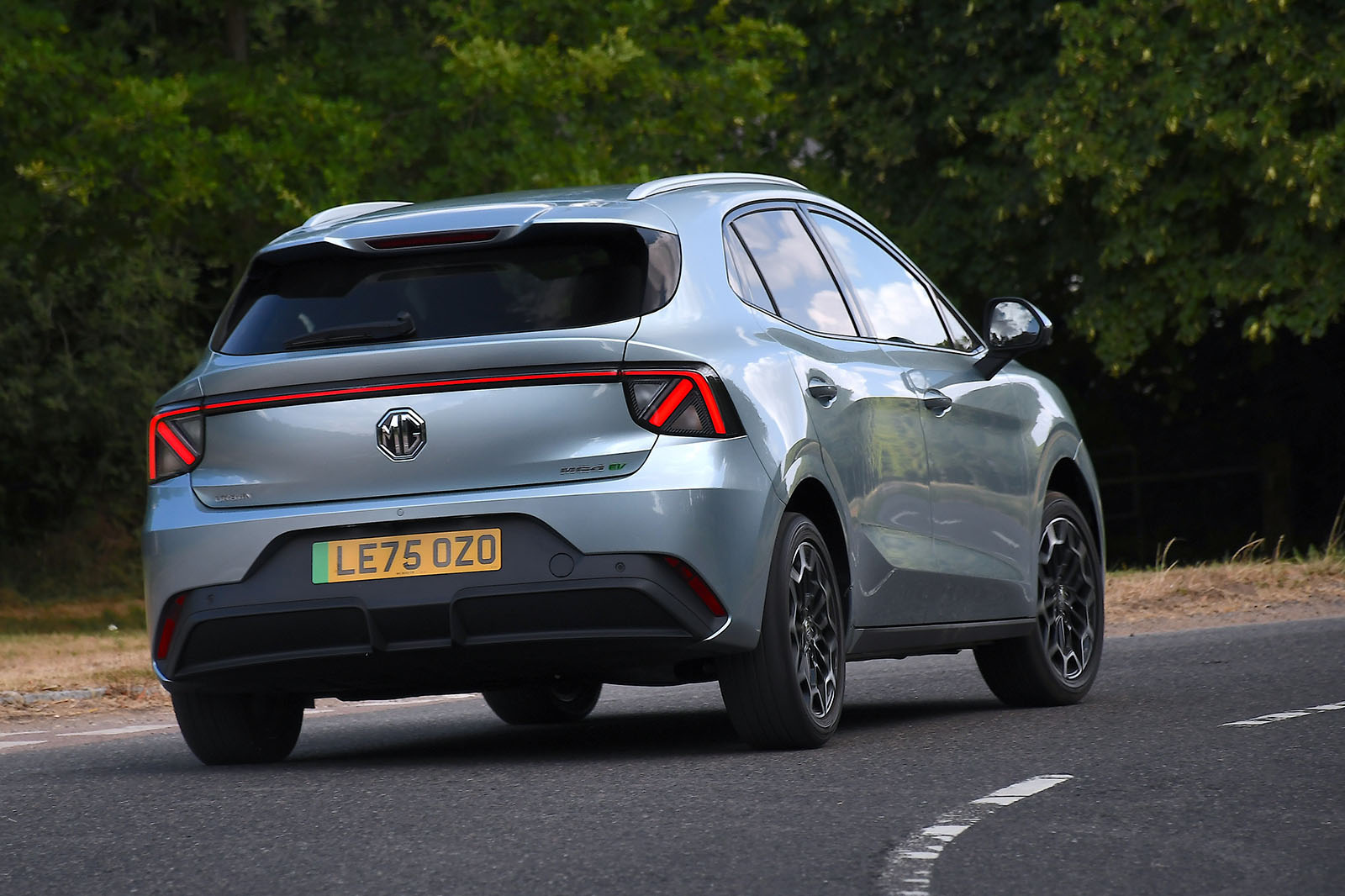
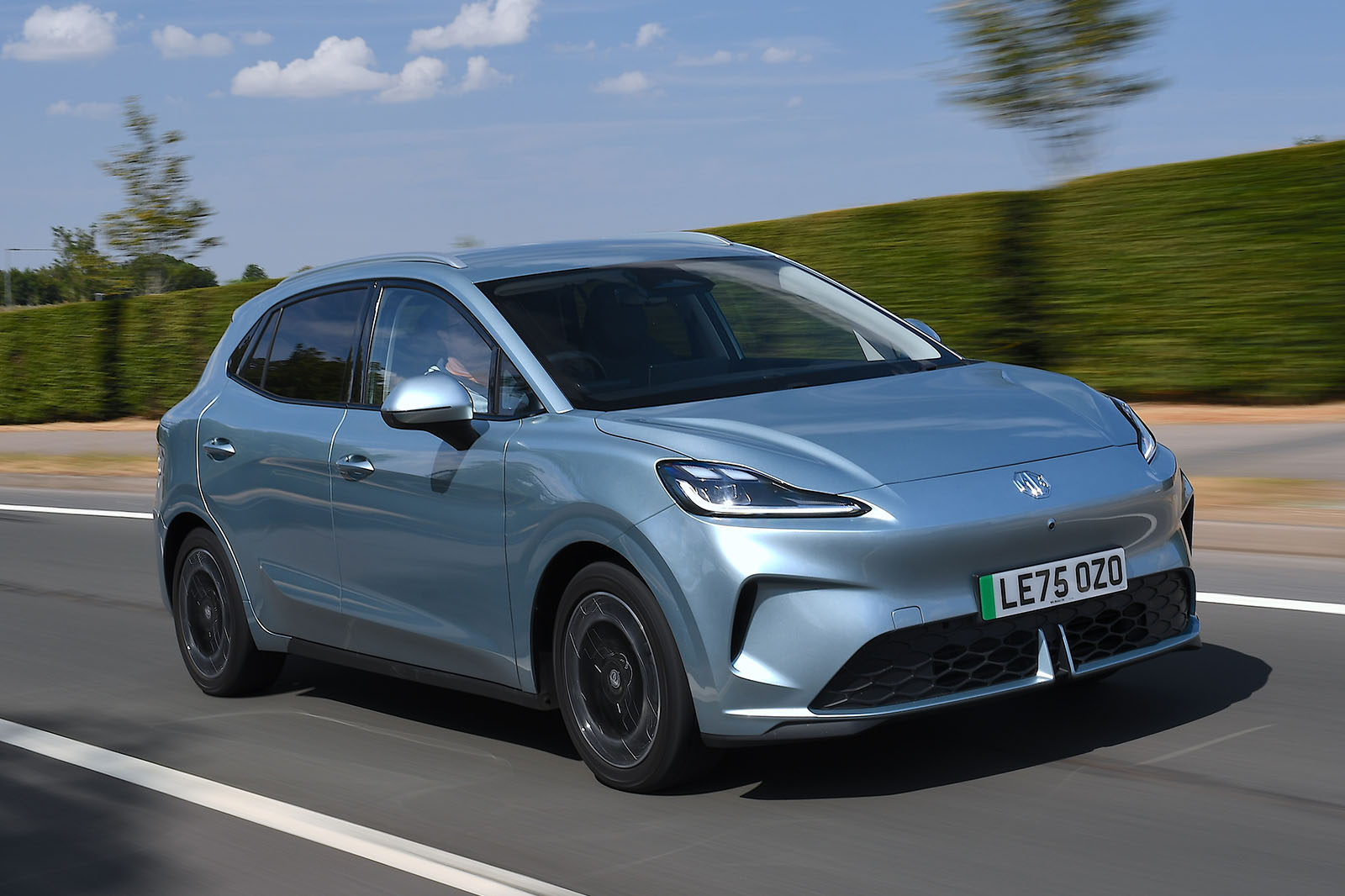
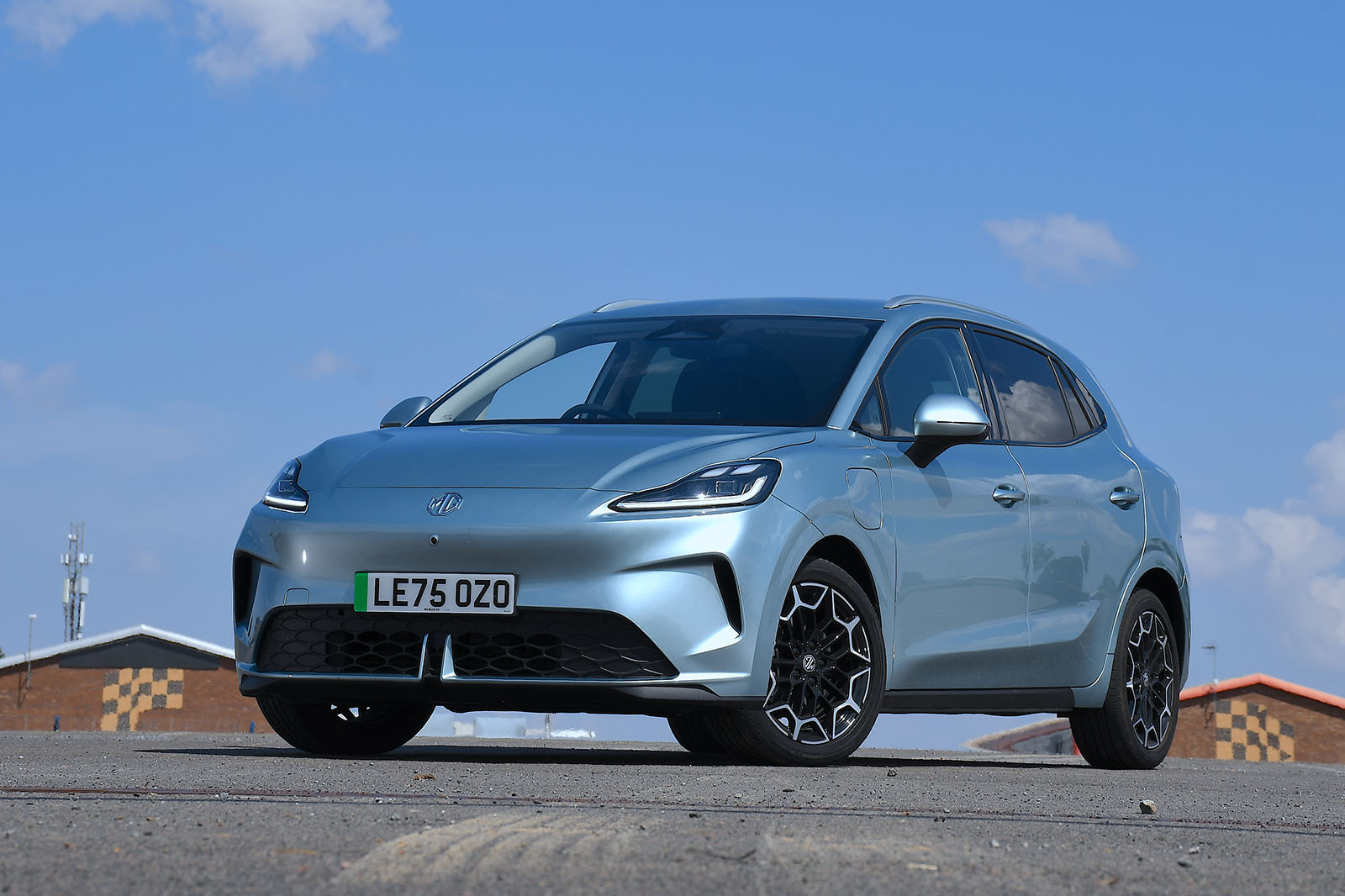
As for the exterior design, the Urban is clearly influenced by the Cyberster sports car but can’t avoid looking a little under-wheeled, even on its larger, 17in rims. 

INTERIOR

MG4 Urban review 008

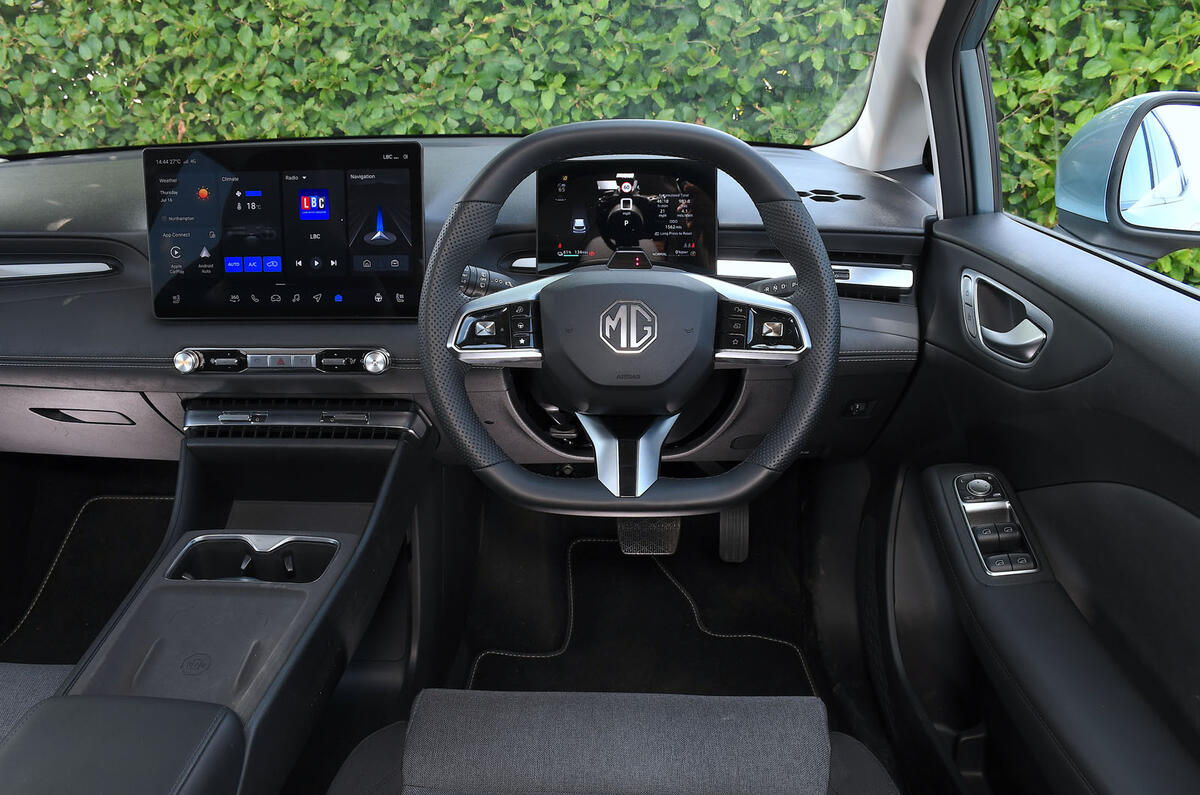
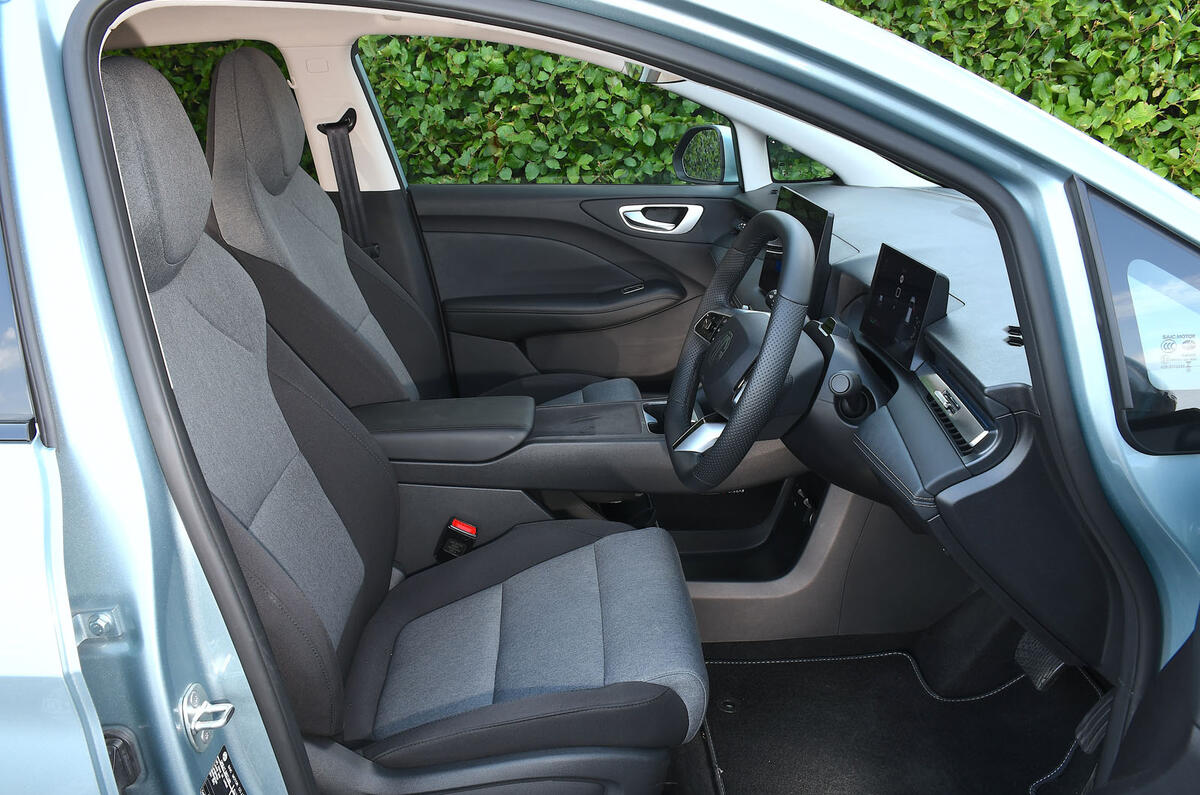
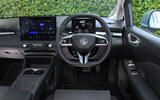
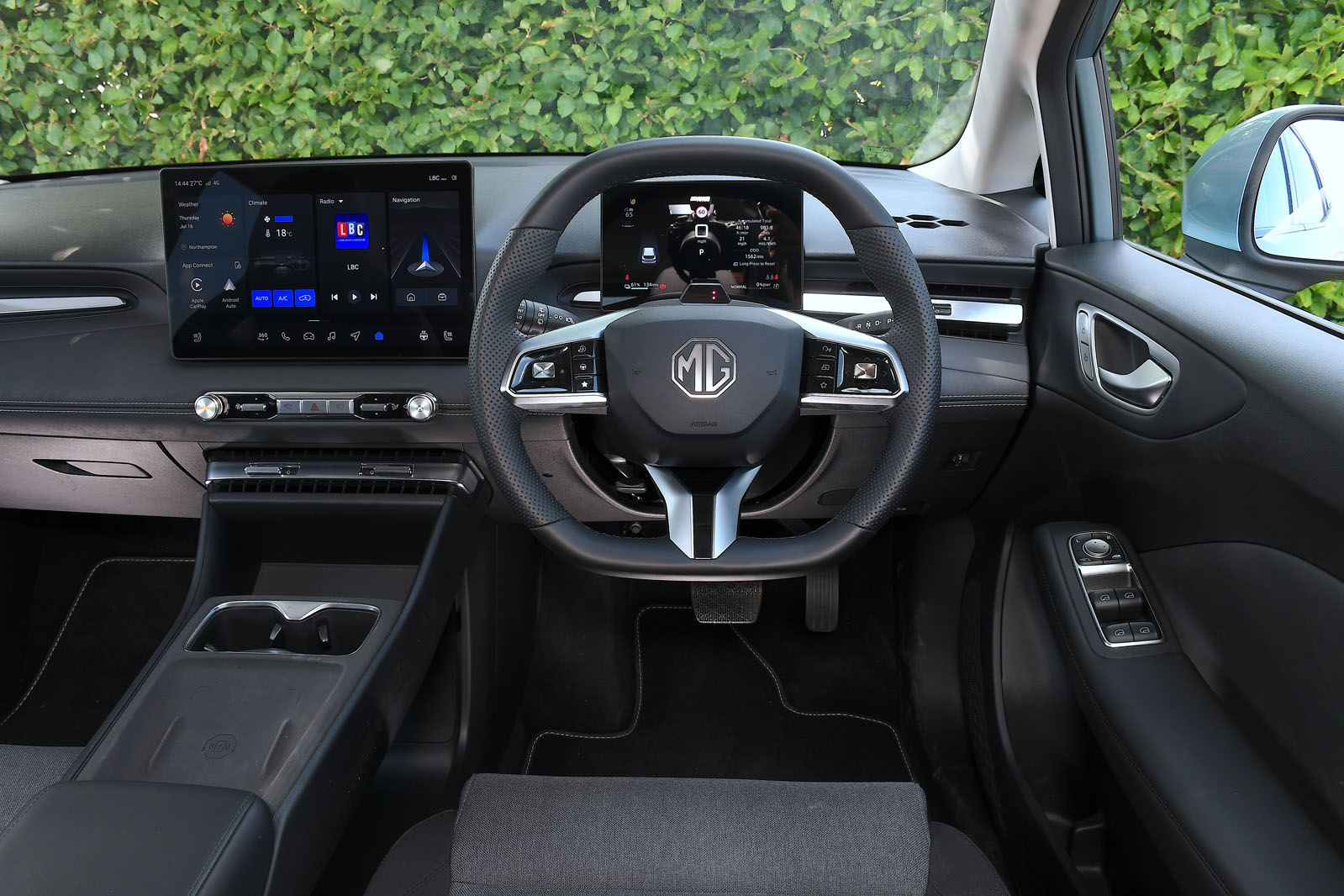
The Urban’s cockpit is expansive by the standards of EVs at this price, with a broad dashboard and a high centre-console that makes for a grown-up feel.

The sense of space is aided by generous quarter-lights, although trunk-like C-pillars and a short rear window mean rear visibility is less impressive and the back row can seem gloomy.

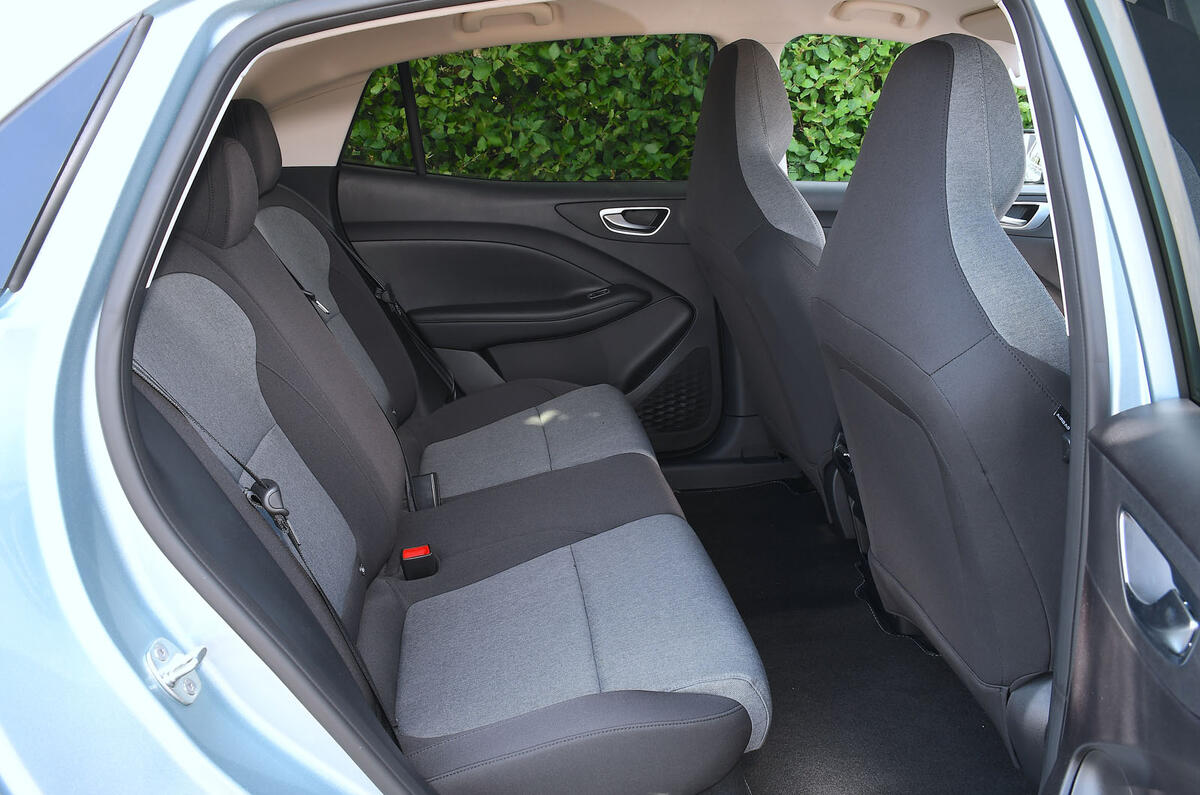
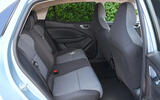
In truth, the back row looks far gloomier than it is. The Urban is very generously proportioned in the back, with a degree of knee room that most rivals couldn’t dream of offering, as well as a flat floor that doesn’t feel conspicuously high. This will be a chief selling point of the car.

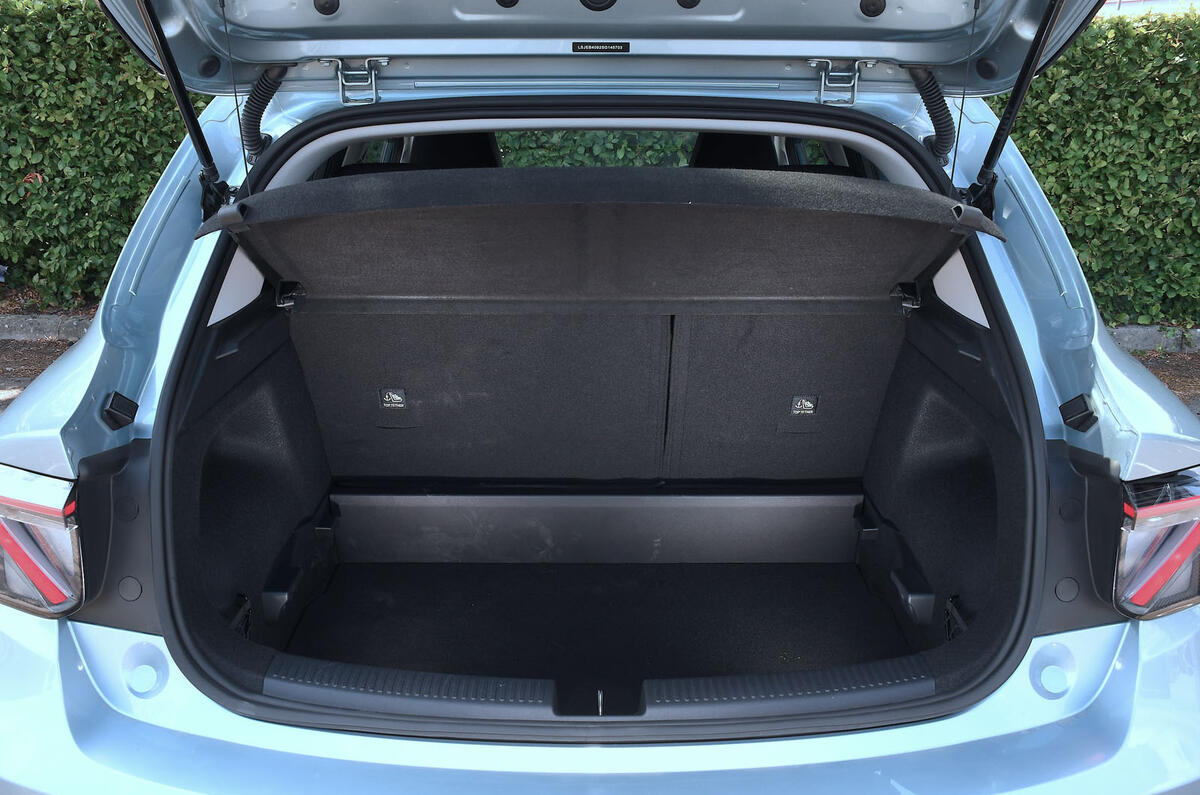
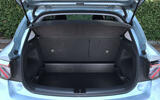
It’s a similar story in the boot. Initially the flat floor looks too high (if also useful for sliding luggage in, given it near enough matches the level of the lip), but it folds open to reveal a cavity of almost 100 litres.

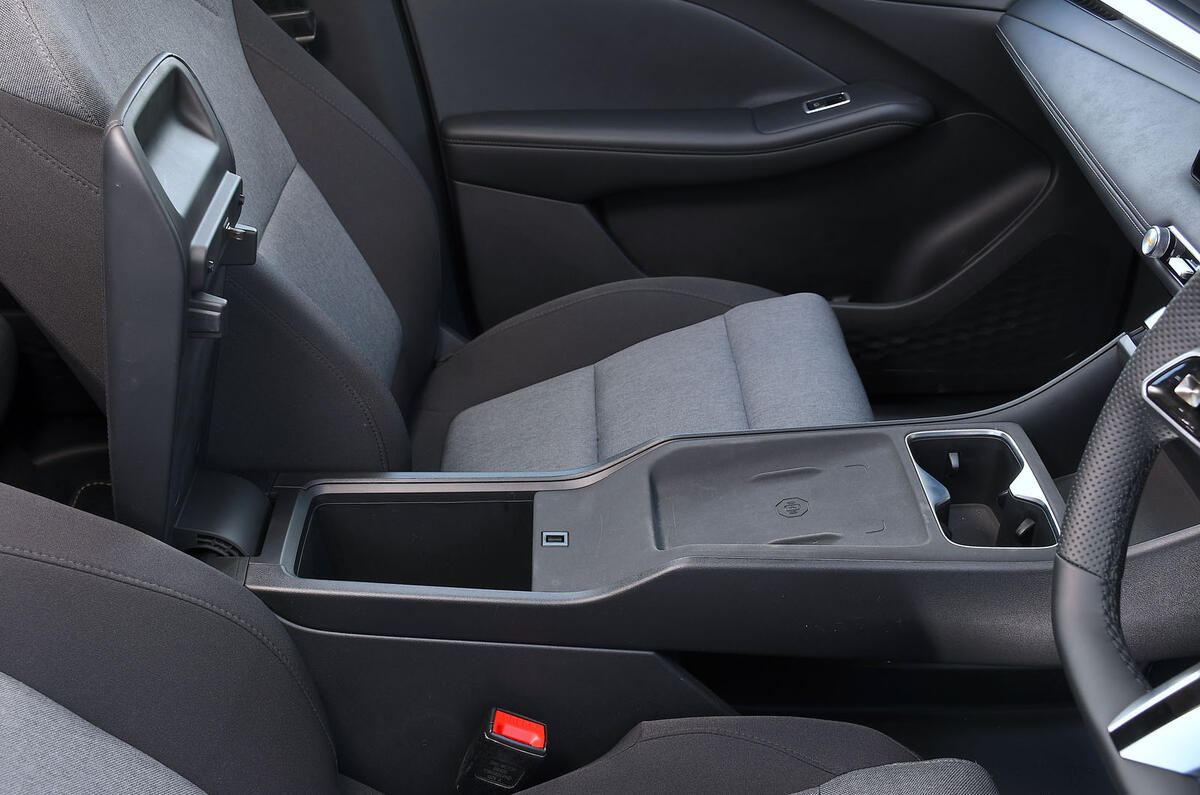
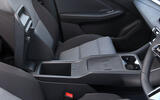
Storage is generally good elsewhere too, with cubbies and bins aplenty and space freed up on the centre console by having the drive selector mounted on the steering column (which itself has fair adjustability). 

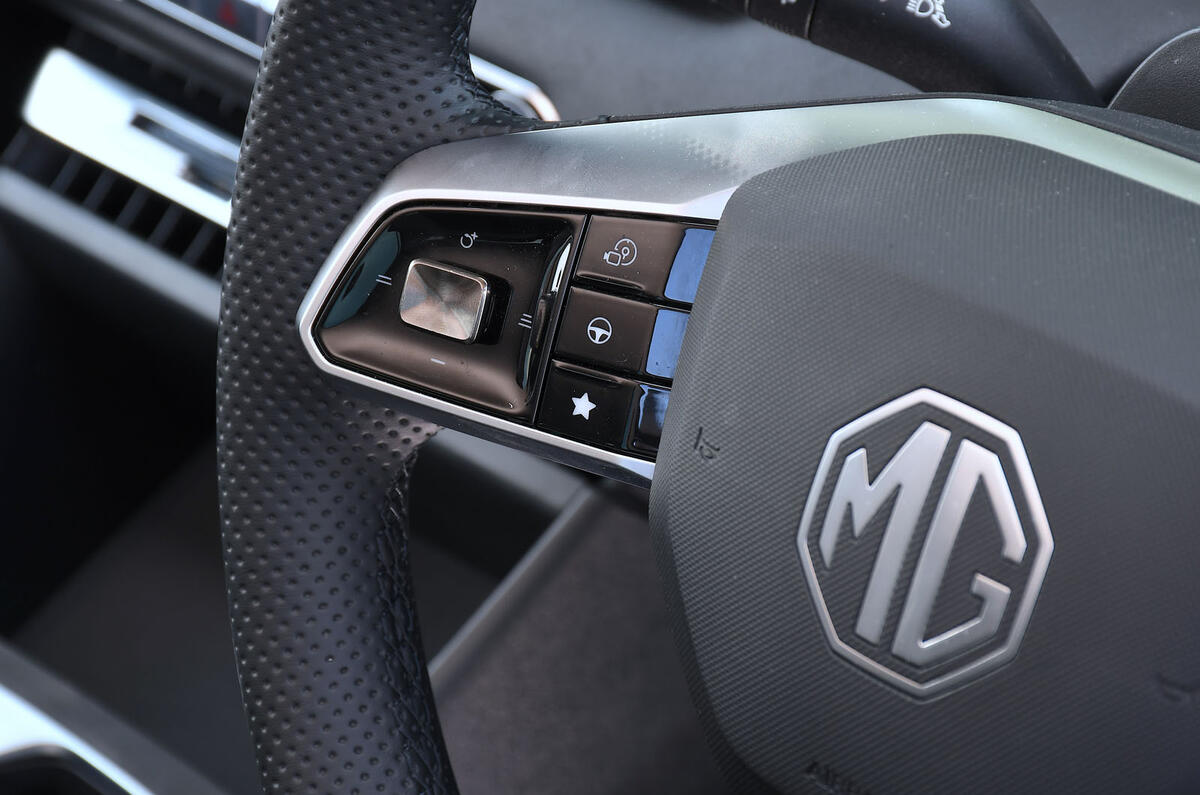
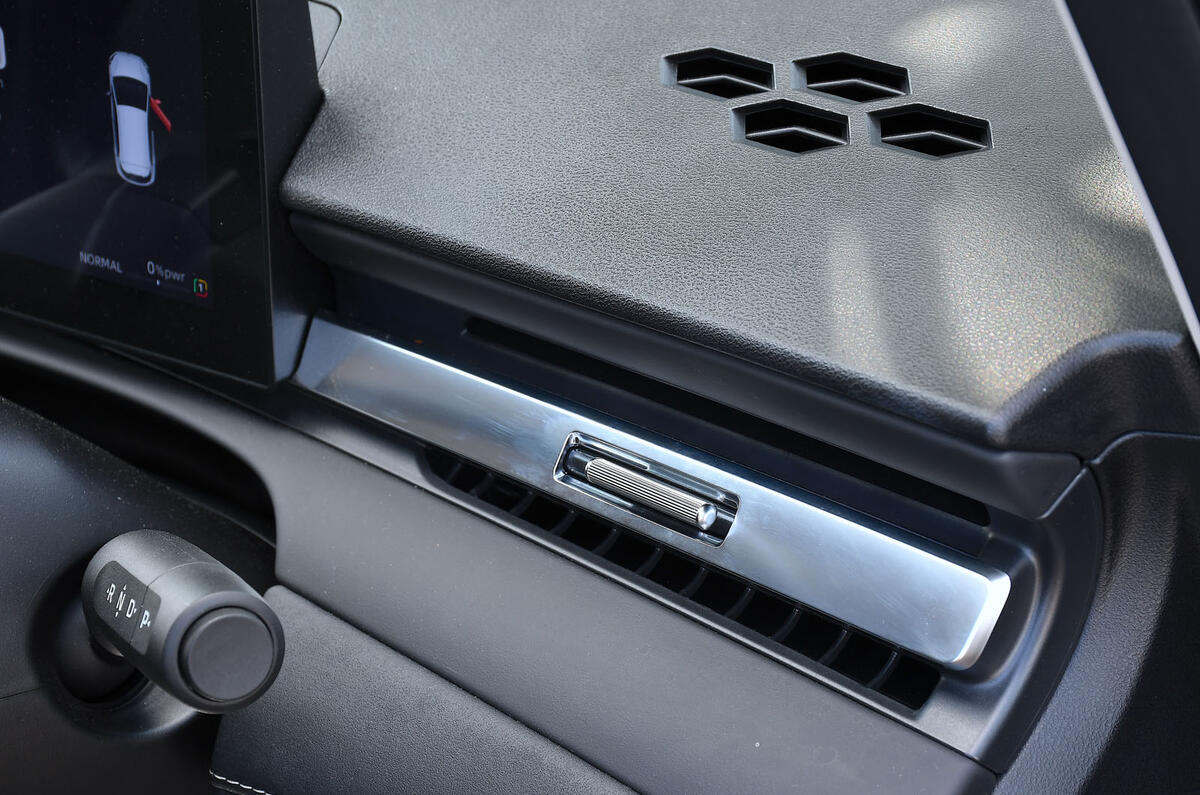
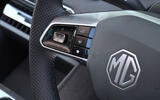
Our Premium Long Range test car is as lavish as the Urban gets, with a synthetic-leather steering wheel, electric front seats and ambient lighting. You can’t escape the scratchy plastic on the dashboard upper, the doorcards and the sides of the centre console, but equally all the major touchpoints and switchgear have a good sense of solidity about them and a metal-dipped effect that avoids feeling cheap. 

For a car so aggressively built to a cost, you couldn’t ask for a lot more, although the caveat is that we’ve yet to experience how the Urban’s cabin stacks up at the very base of the range. 

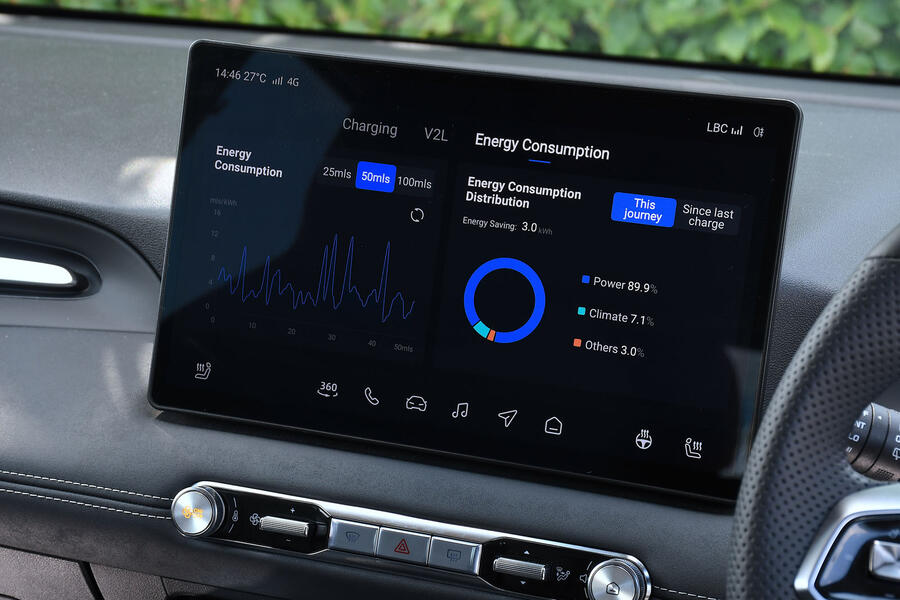
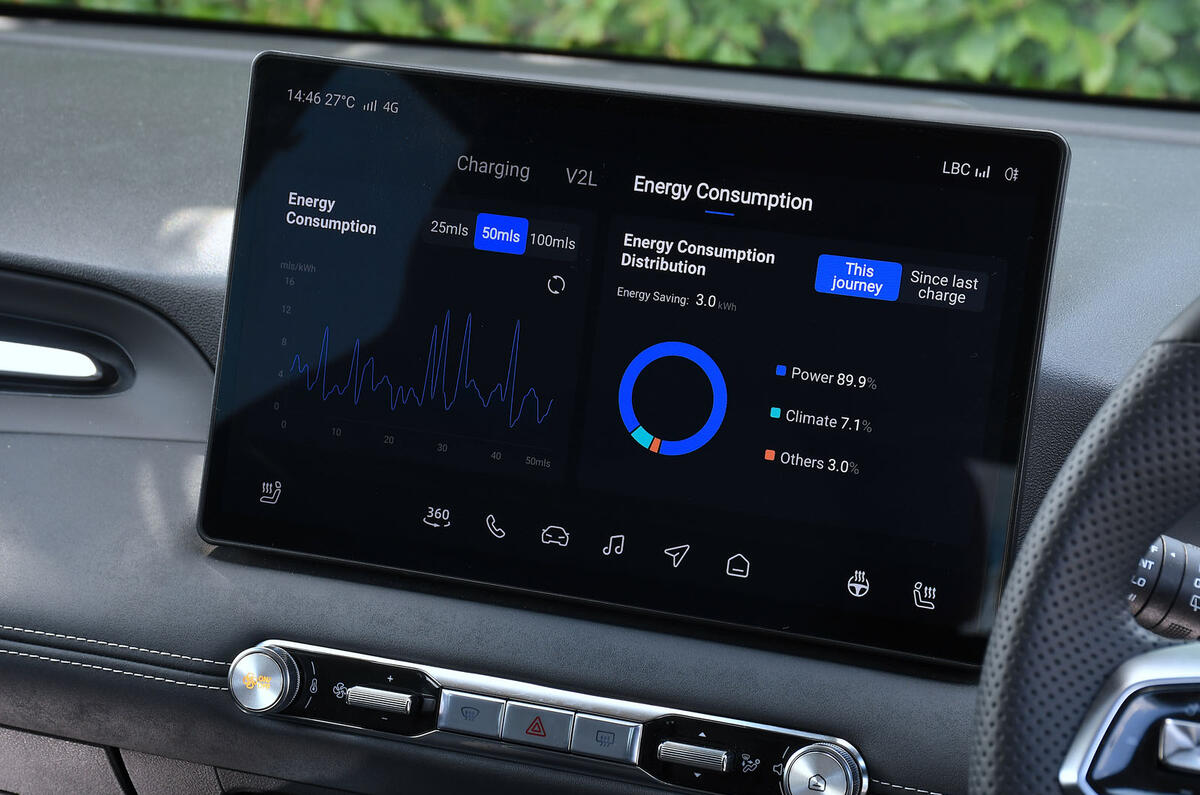
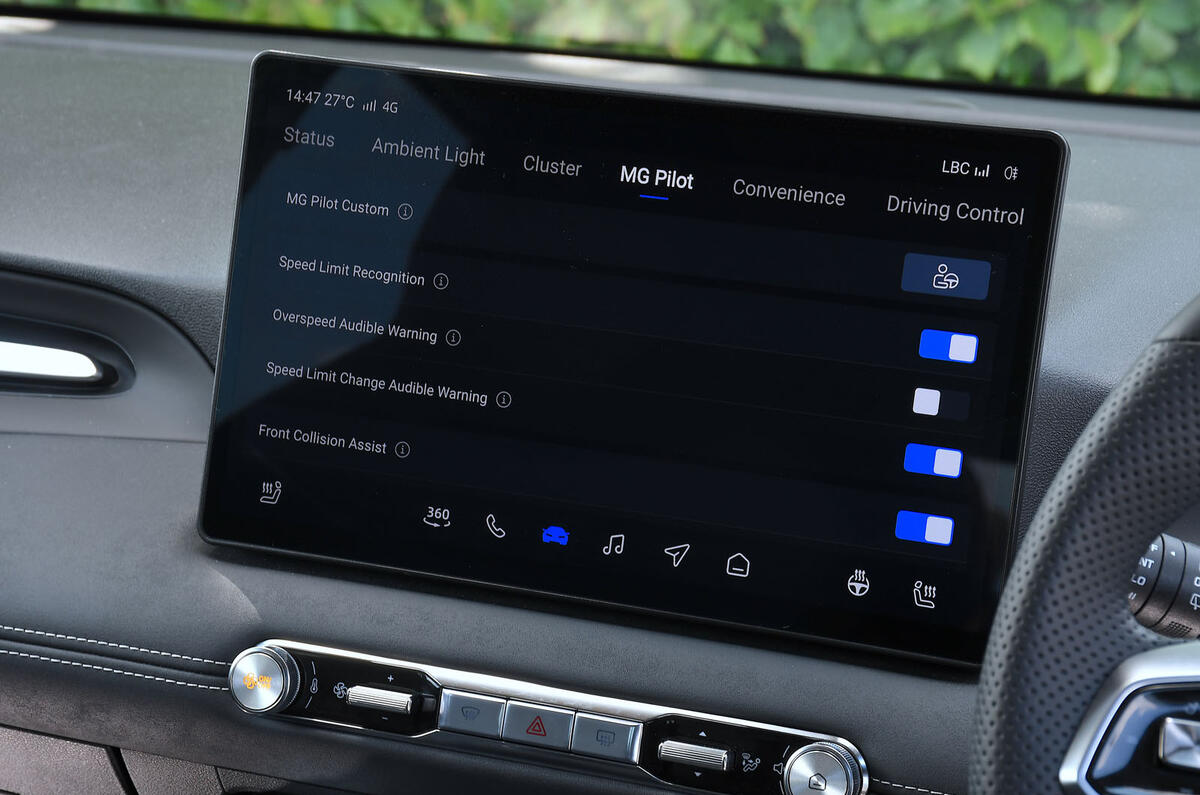
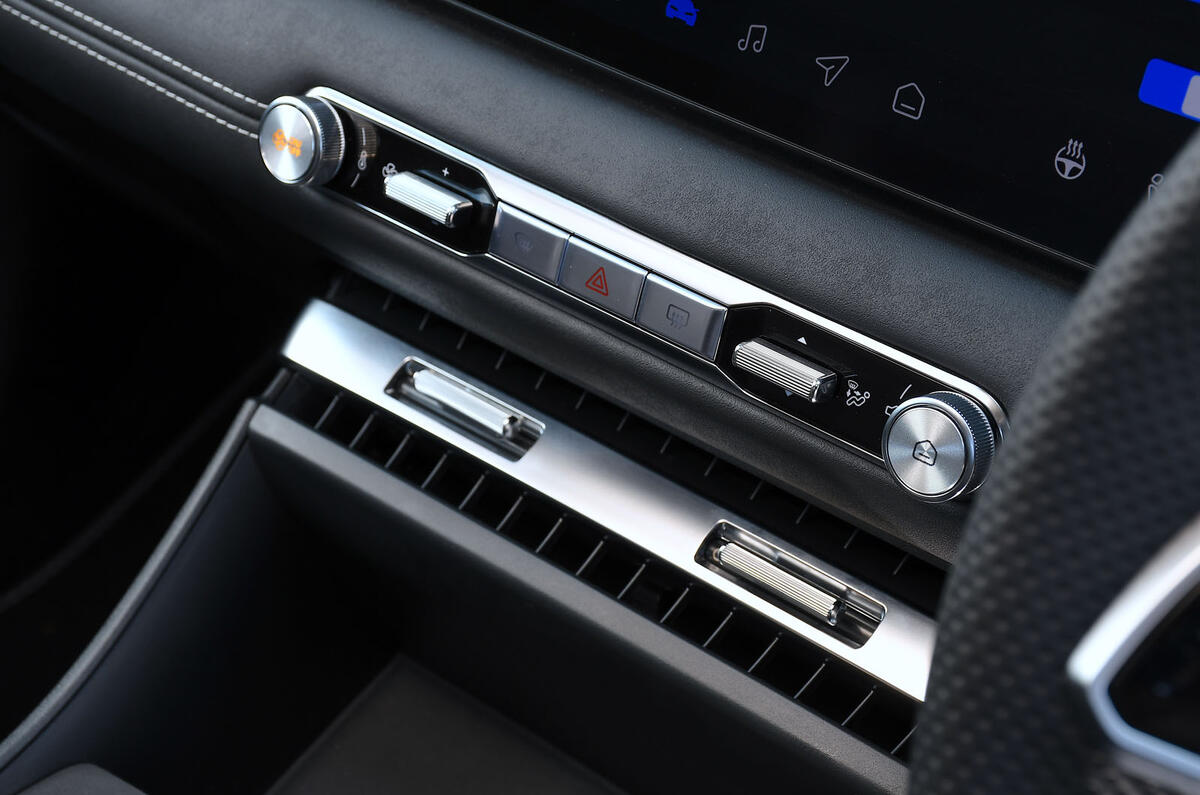
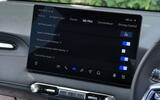
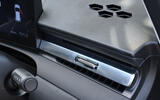
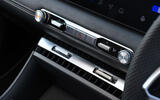
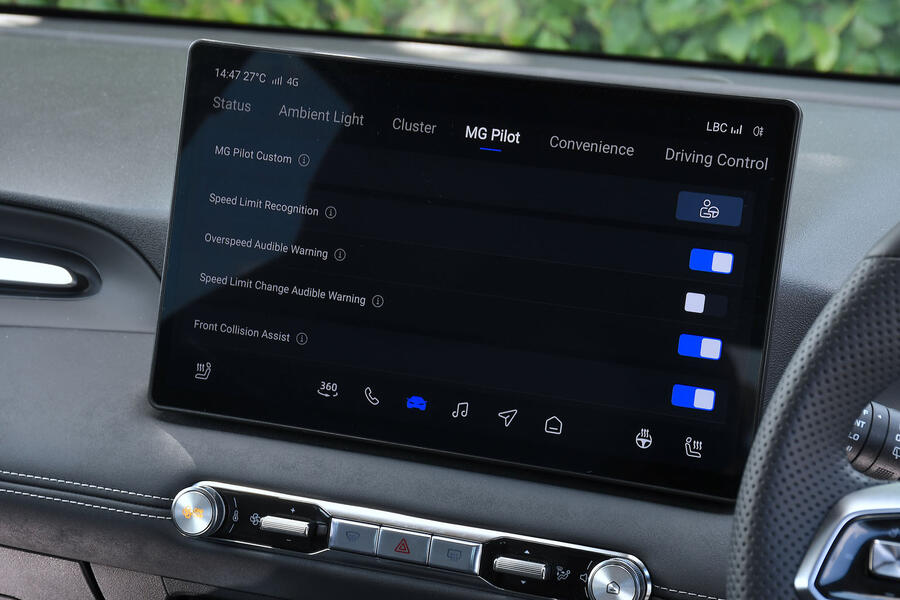
The control panel beneath the new 12.8in touchscreen is also welcome: you get roundels for volume and ventilation, plus rockers for further HVAC controls. It's all intuitive to use, much like the various menus and commands on the touchscreen.

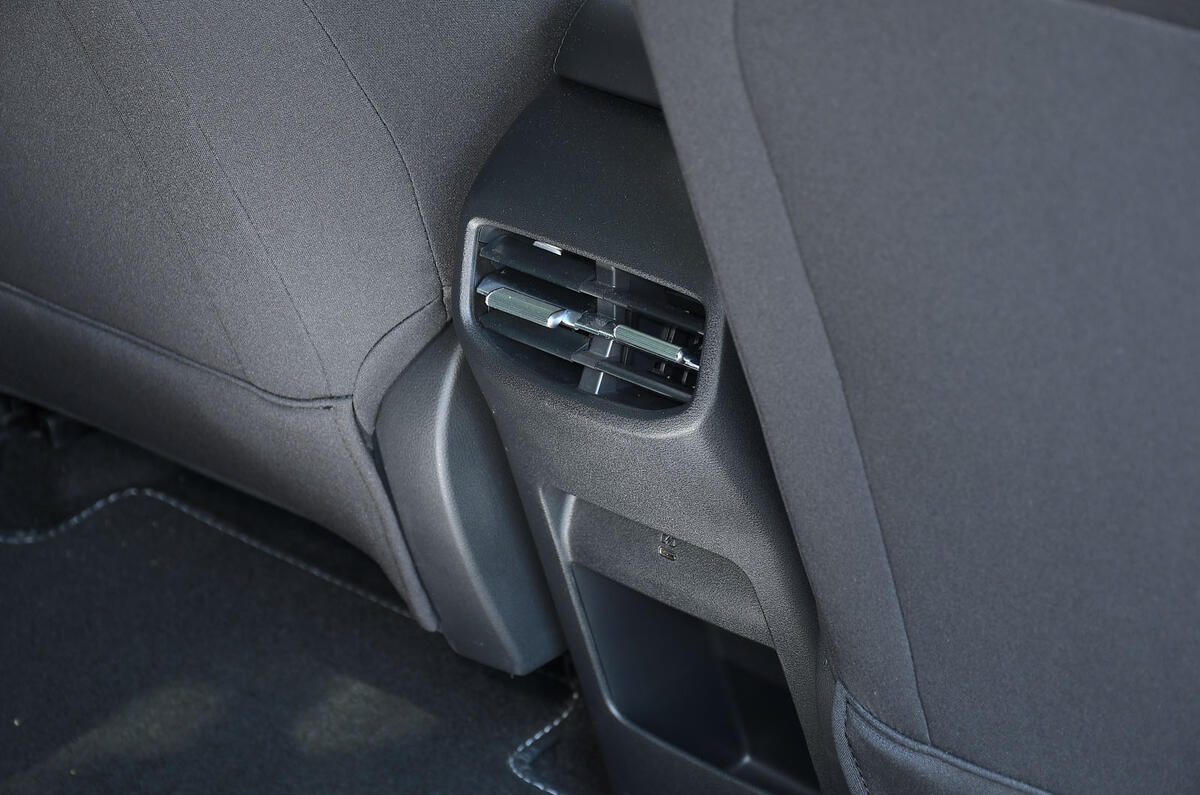
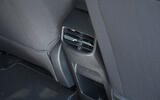
And if you’re wondering where the USB-C ports are, they’re embedded in the huge storage deck that functions as the lower layer of the centre console (there’s a third port that serves the back row).

ENGINES & PERFORMANCE

MG4 Urban review 022

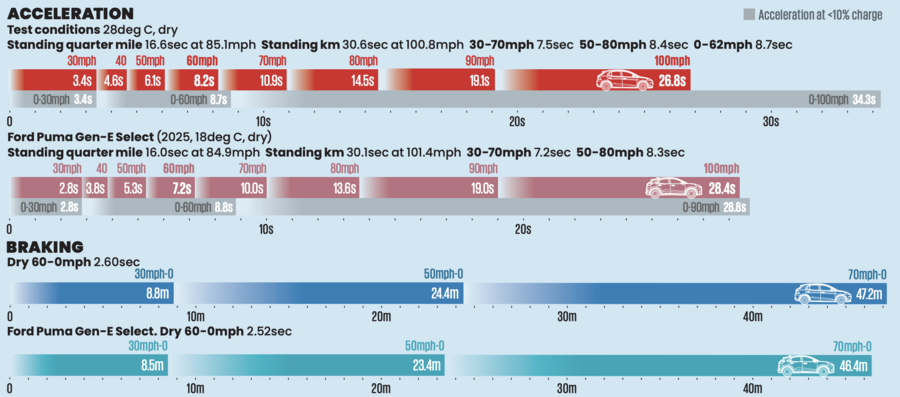
Unsurprisingly, the Urban isn't a fast car, taking about 9.5sec to reach 62mph no matter which version you choose. Punchier versions of the Renault 5 will manage it in less than eight seconds. Expect the incoming Cupra Raval to be quicker too. 

Equally, it isn’t slow by class standards and is perfectly adequate for everyday driving and to dust off the occasional overtake.

Our Premium Long Range test car – the marginally more powerful one, with 158bhp, and wearing the larger tyre size – also responded keenly and cleanly to accelerator inputs and in general did nothing unexpected.

MG has shown before that it knows how to neatly calibrate its electric powertrains for real-world driving, and that is once again the case here.

When it comes to braking, you have a few options. There is no true free-wheeling mode, unfortunately, but the lightest of the four regenerative braking settings (there are three of varying severity, plus one ‘adaptive’ setting) is minimal in its effect and suffices for those who like to use an EV's momentum. The Urban also has a separate one-pedal mode, accessible only via the touchscreen, which will bring the car to quick-ish stop.

RIDE & HANDLING

MG4 Urban review 023

There is more polish in the Urban’s steering than you might expect of a budget-focused model. We like that the motion is at the lighter end of the spectrum (whichever of the three weight mappings you opt for) and that the gearing off-centre has a briskness about it that stands the Urban subtly apart from many rivals, whose dreary pick-up makes them a bit of a chore to drive. 

The handling balance is also every bit as good as it needs to be for a car of this type, with a decent neutrality that defies the fact that the powertrain hardware up front sits mostly ahead of the axle line.

Grip too is fine, as is traction if ever you do feel the need to floor it. Equally, the Urban lacks the poise of the rear-driven 4, which is actually able to entertain its driver. 

Where the Urban comes slightly unstuck is in its ride quality. It's possible that a lesser derivative on the 16in tyre would have rode better than our test car, but the underlying brittleness and vulnerability to rough surfaces – which seem ever more prevalent in the UK – felt more fundamental than that and inherent to the new E3 platform itself. Certainly, the Renault 5 better isolates its passenger from tired Tarmac and expansion joints.

The Urban also seems loud on the motorway, but it’s possible the generous, C-segment size of the thing counts against it in this respect, because you subconsciously expect it to deliver more refinement than is possible at a price point in the low- to mid-£20,000s. 

MPG & RUNNING COSTS

MG4 Urban review 001

As ever with MG, pricing is aggressive. The Urban offering begins at £23,495 with the 42.8kWh Comfort Standard Range (16in wheels, manually adjustable driver’s seat) and moves up to the 53.9kWh Comfort Long Range (bigger battery, 5kW faster charging speed) at £25,495. Opting for the Premium Long Range unlocks more amenities (power-folding mirrors, 17in wheels, battery pre-heating, ambient lighting, wireless phone charging and more) but takes the price to £27,995.

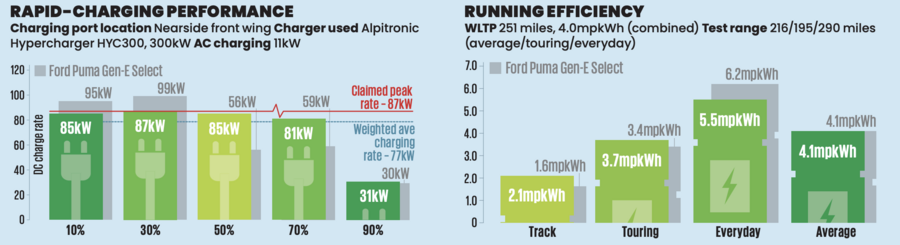
Because the uppermost trim also brings 205-section tyres, rather than 195-section, it also has a marginally shorter range than the Comfort Long Range – by seven miles, at 251 miles. On a mixed test route, our test car averaged 3.6mpkWh, which suggests a real-world range of 190 miles or so.

All this makes the Urban keenly priced indeed, and at the start of sales MG is also offering its own £1500 'grant', as well as 0% finance with no deposit required. You wonder how impossibly economical the production must be, even before you learn that in China, where the Urban is built, pricing starts at about £7000.  

Rapid-charging speeds are lower than you will get with the regular 4, the Urban topping at 87kW while its bigger sibling manages more than 140kW. And that’s exactly what you would expect in a class where triple-figure speeds remain the exception. 


VERDICT

MG4 Urban review 025

When the 4 was launched in 2022, it was all but untouchable from a value perspective. The EV market then caught up, and MG has now responded with this more mechanically basic but slightly larger 4 Urban.

On the basis of this early drive, the Urban ought to sit high on the shopping list for anybody looking for an everyday EV for about £25,000. By right-sizing the battery options and taking full advantage on the cost-cutting and packaging potential of SAIC's E3 platform, MG has positioned it as a C-segment-type option for B-segment pricing.

The Urban's practicality and sense of maturity ought to stand it in good stead, even if it lacks the driver appeal and road manners of the original 4 and, notably, the Renault 5.

Richard Lane

Richard Lane
Title: Deputy road test editor

Richard is Autocar's deputy road test editor. He previously worked at Evo magazine. His role involves travelling far and wide to be among the first to drive new cars. That or heading up to Nuneaton, to fix telemetry gear to test cars at MIRA proving ground and see how faithfully they meet their makers' claims. 

He's also a feature-writer for the magazine, a columnist, and can be often found on Autocar's YouTube channel. 

Highlights at Autocar include a class win while driving a Bowler Defender in the British Cross Country Championship, riding shotgun with a flat-out Walter Röhrl, and setting the magazine's fastest road-test lap-time to date at the wheel of a Ferrari 296 GTB. Nursing a stricken Jeep up 2950ft to the top of a deserted Grossglockner Pass is also in the mix.