

The history of aviation is wild.
The world went from the first powered flight in 1903 to the Moon just 66 years later.
We can now travel (almost) anywhere we wish at enormous speeds and with considerable luxury, something humans from the rest of history could only dream of. The dark side is we have ever more efficient ways to kill, by ever less vulnerable warplanes. Here are 10 Incredible Aircraft That Changed Aviation Forever, we could easily have added another fifty, but we start here.
10: Lockheed Martin F-22 Raptor
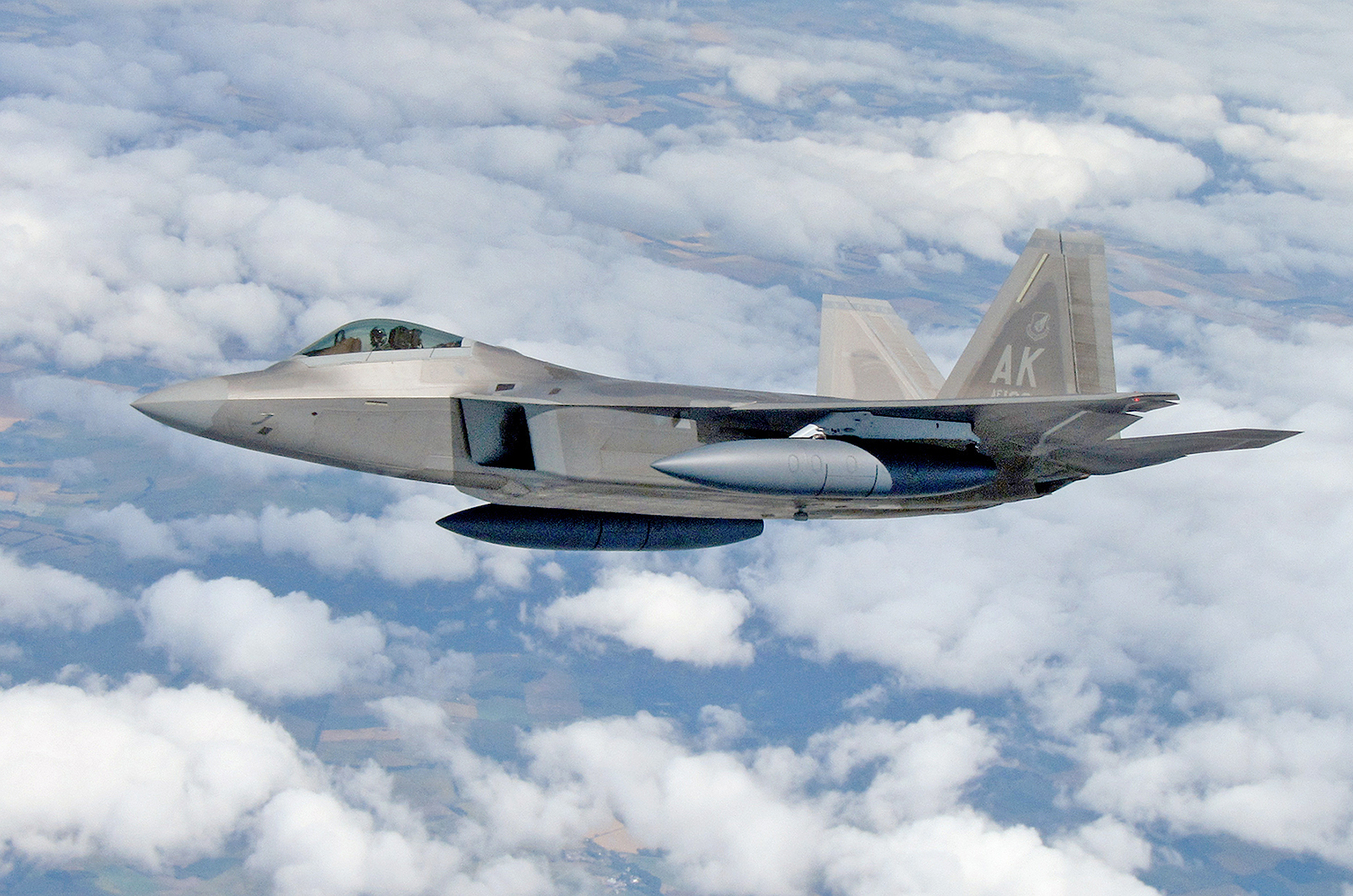
The US F-22 Raptor was not the first Stealth aircraft, but it was the first stealth fighter; the earlier F-117, commonly known as the ‘stealth fighter’, was not a fighter as such, but an attack aircraft. The F-22 Raptor does not fight fair, preferring to kill an opposing aircraft from a long distance before it is even aware of the Raptor.
Surprise attacks were also desirable, but stealth brought this to a whole new level. The concept of Stealth is about minimising the chance of an aircraft being detected. There are many ways this can be done, by reducing or controlling the acoustic, infra-red, visual signature of an aircraft. It is radar stealth that the F-22 design prioritises.
10: Lockheed Martin F-22 Raptor
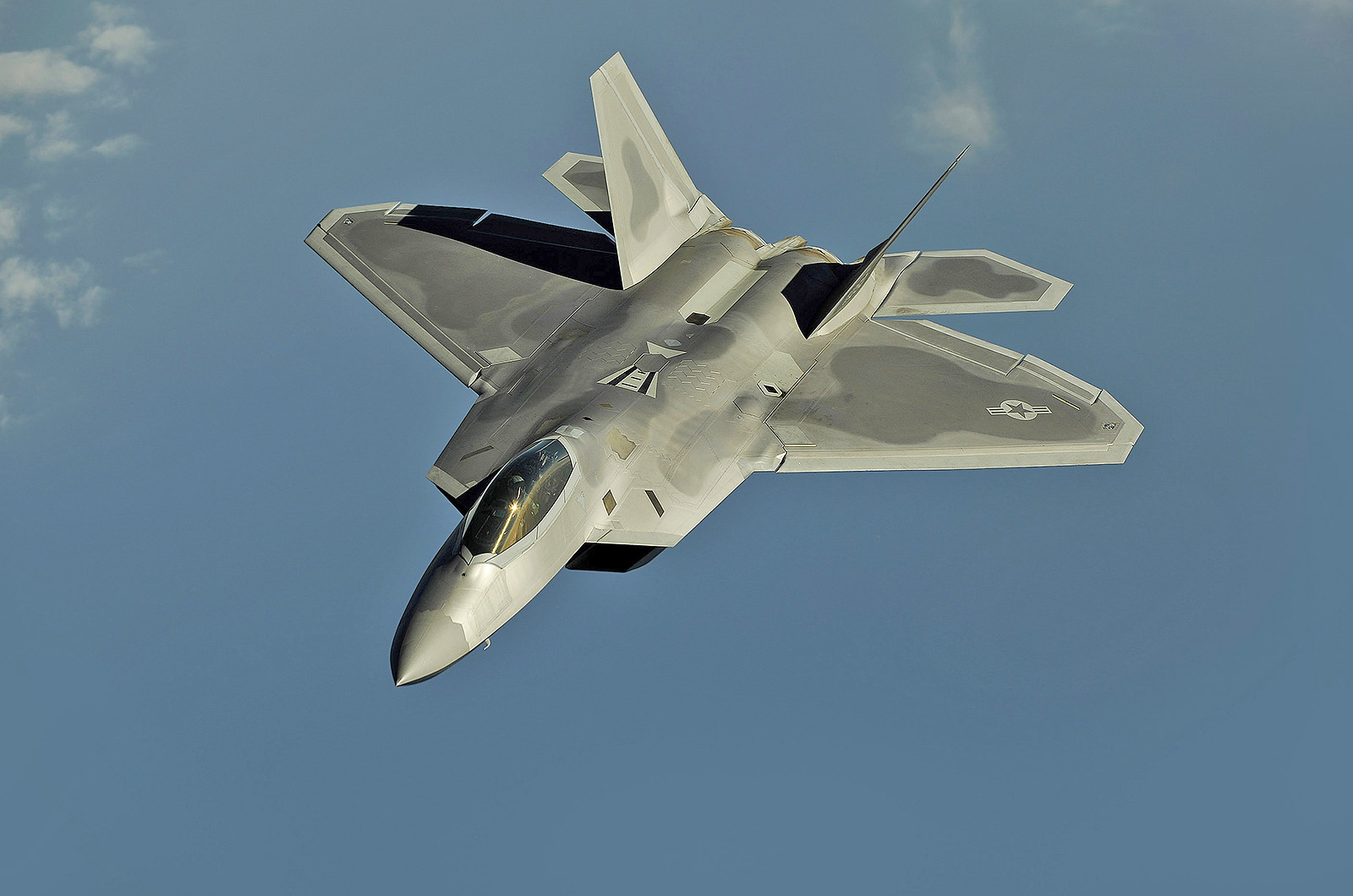
Radar stealth is the result of careful use of shape and materials. The F-22 Raptor was hugely influential on the design of the majority of later fighters, and its boat-hull style fuselage, canted fins and overall shape can be seen on the Lockheed Martin F-35 Lightning II, South Korean KAI KF-21 Boramae, Japanese Mitsubishi X-2 Shinshin and TAI TF Kaan among them.
Despite the Raptor first flying 27 years ago, it remains the fighter to beat. Though the other remarkable features of the Raptor, its ability to supercruise, its integrated avionics and super manoeuvrability, are all impressive, it is the bringing of stealth to the air combat arena that has been the F-22’s huge influence on the world of aviation.
9: Montgolfier balloons
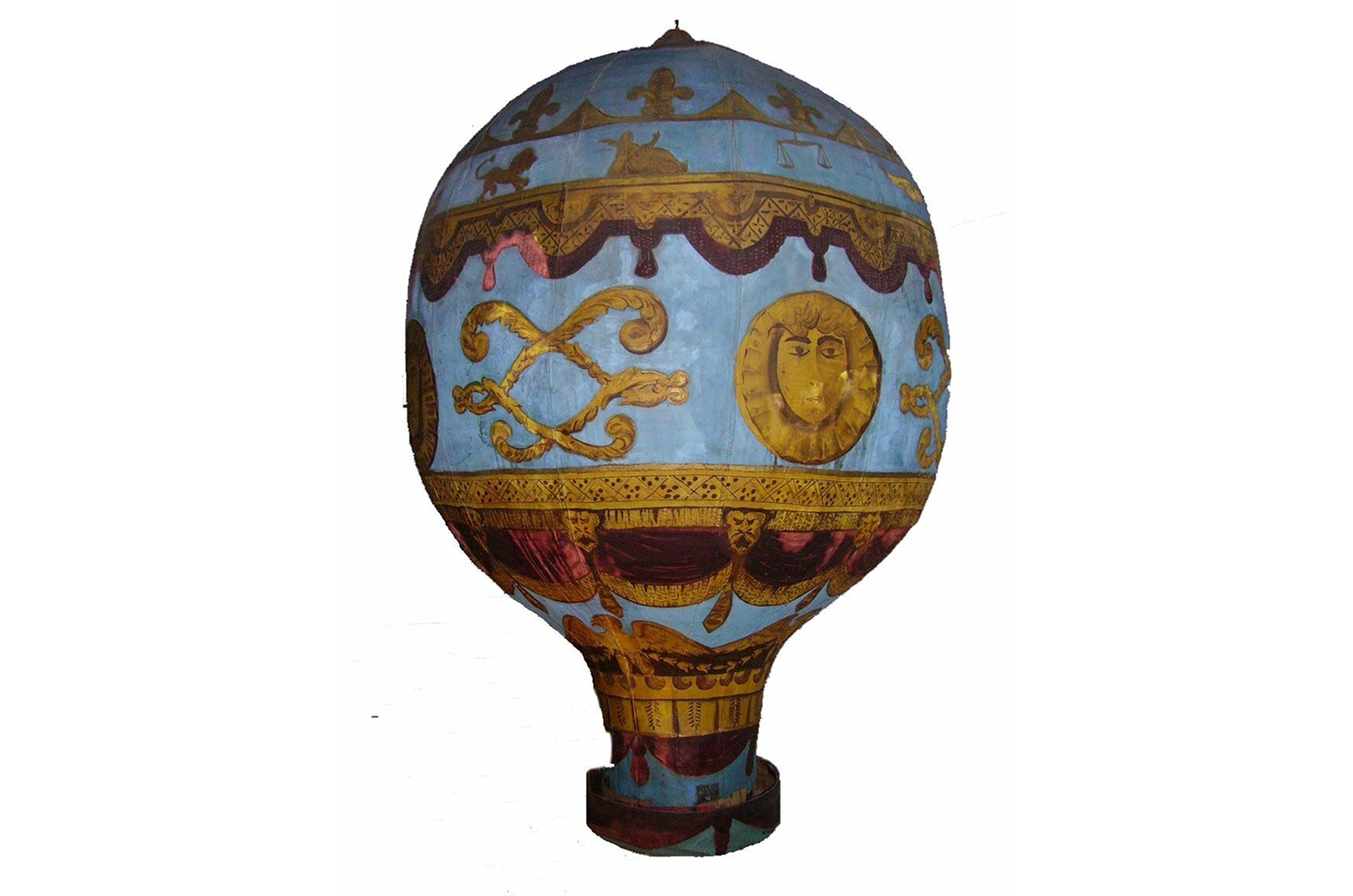
The first air passengers were not human - they were in fact a sheep, a duck and a rooster. They were carried aloft on 19 September 1783 in a hot air balloon designed by France’s Montgolfier brothers, Joseph-Michel and Jacques-Étienne Montgolfier. The flight took place at the royal palace in Versailles, in the presence of King Louis XVI and Queen Marie Antoinette.
Once it was seen that the animal passengers had survived, human flights were organised. A 60,000-cubic-foot (1,700 m3) balloon was constructed and lavishly decorated in gold, rich blues, red and the royal monogram. It was about 23 m (75 ft) tall and about 15 m (49 ft) in diameter. Jean-Francois Pilâtre de Rozier was the first human to fly, making a tethered test flight from the workshop yard, probably on 15 October 1783.
9: Montgolfier balloons
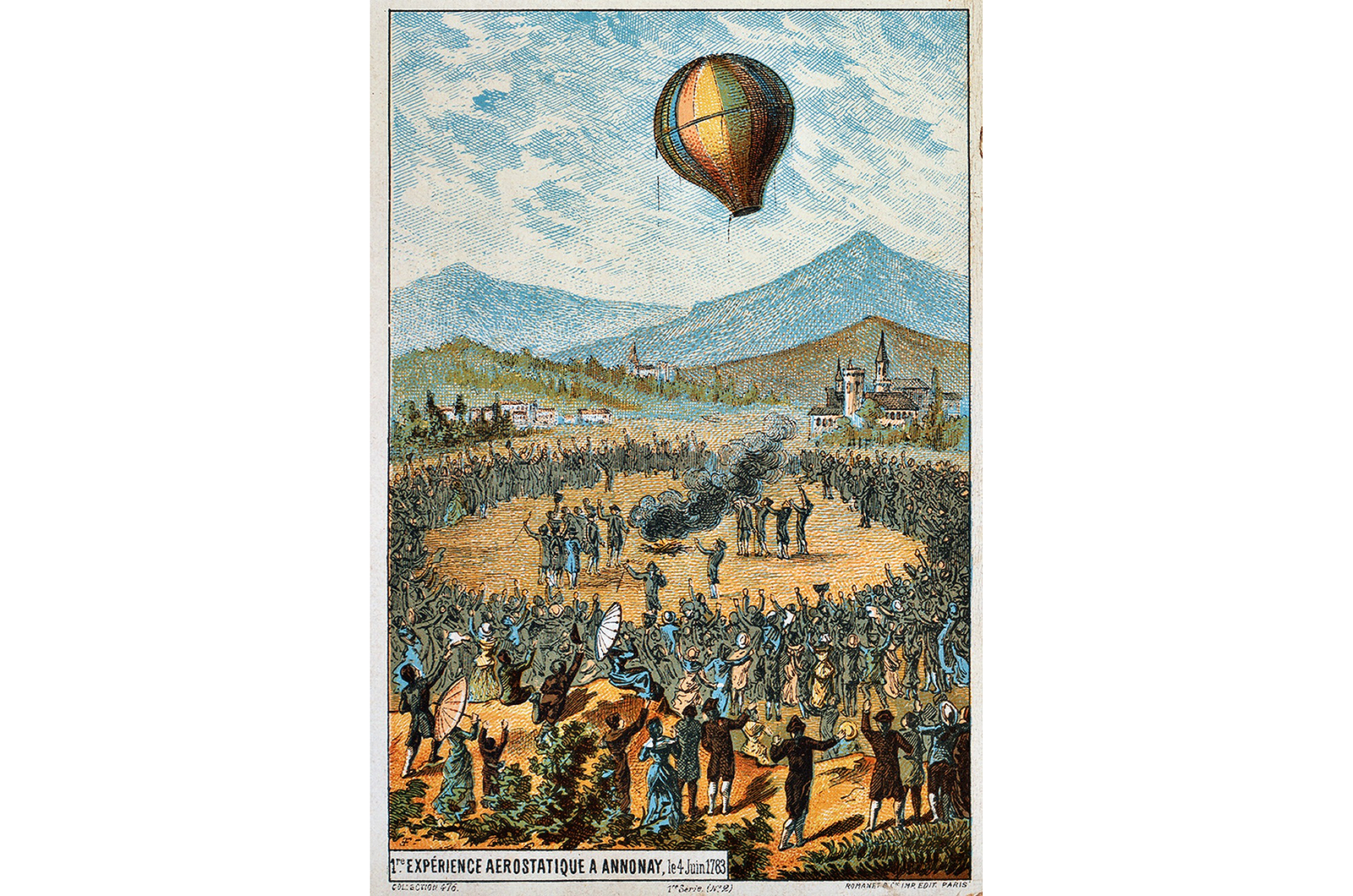
On 21 November 1783, the first free flight by humans was made by Pilâtre de Rozier, with the marquis d'Arlandes. They launched from the grounds of the Château de la Muette in the western outskirts of Paris. This was the dawn of flight. ‘Balloon-mania’ erupted around Europe, with the activity arousing huge public interest.
The Balloon Age was one of spectacle, decadence and danger. A popular balloon act was that of Andres-Garnerin and his niece Elisa, in which they would ascend, the balloon would explode, and they would parachute back to earth while fireworks exploded around them…
8: de Havilland Comet
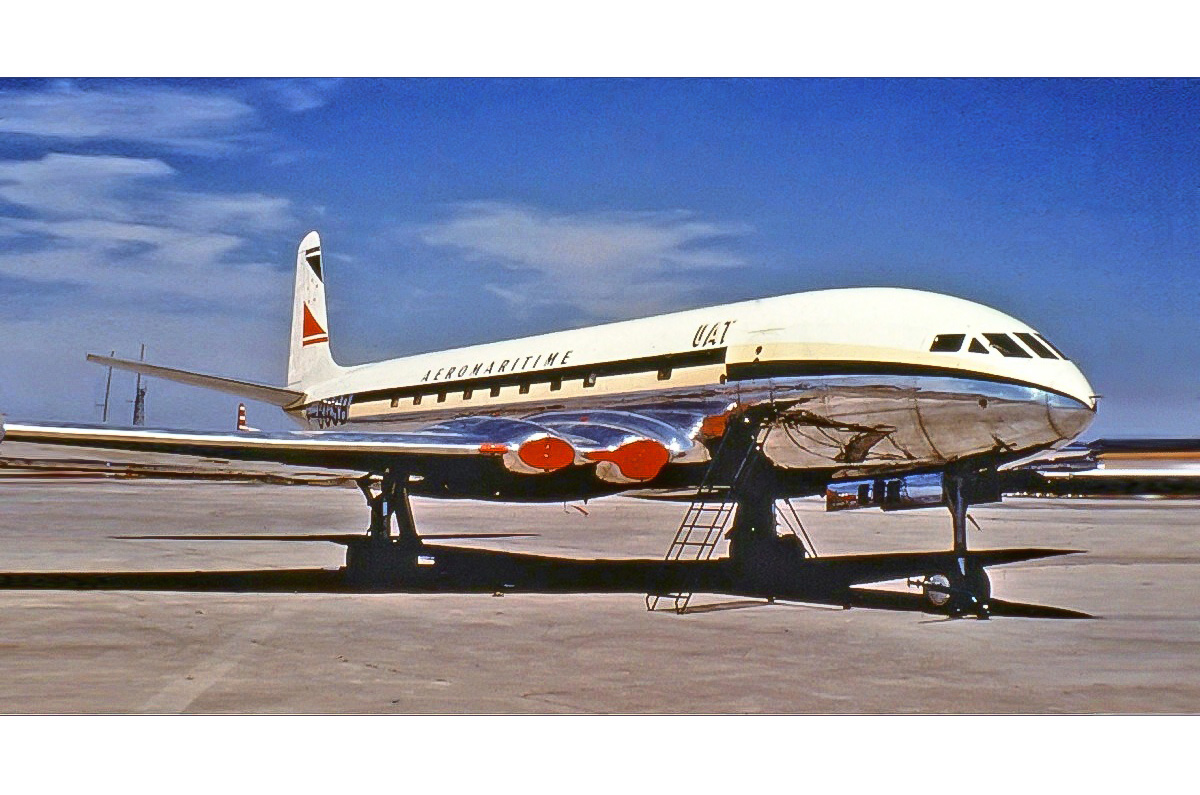
The Douglas DC-3 was the dominant airliner in the late 1940s, with a top speed of 180mph. Britain’s de Havilland company, in an act of incredible audacity, were working on an airliner capable of more than two and half times the speed: 480 mph. Britain was a world-leader in jet propulsion in the 1940s, so it was natural it would create the world’s first ‘jetliner’.
The enormous leap was thanks to a hot new technology- the jet engine. However, most airlines were not interested. The jet technology of the time offered superior speeds, but at a massive price in both development, procurement and running costs. The new jet aircraft would be very expensive, so the air carriers looked instead to the DC-7, a super-efficient piston-engined aircraft.
8: de Havilland Comet
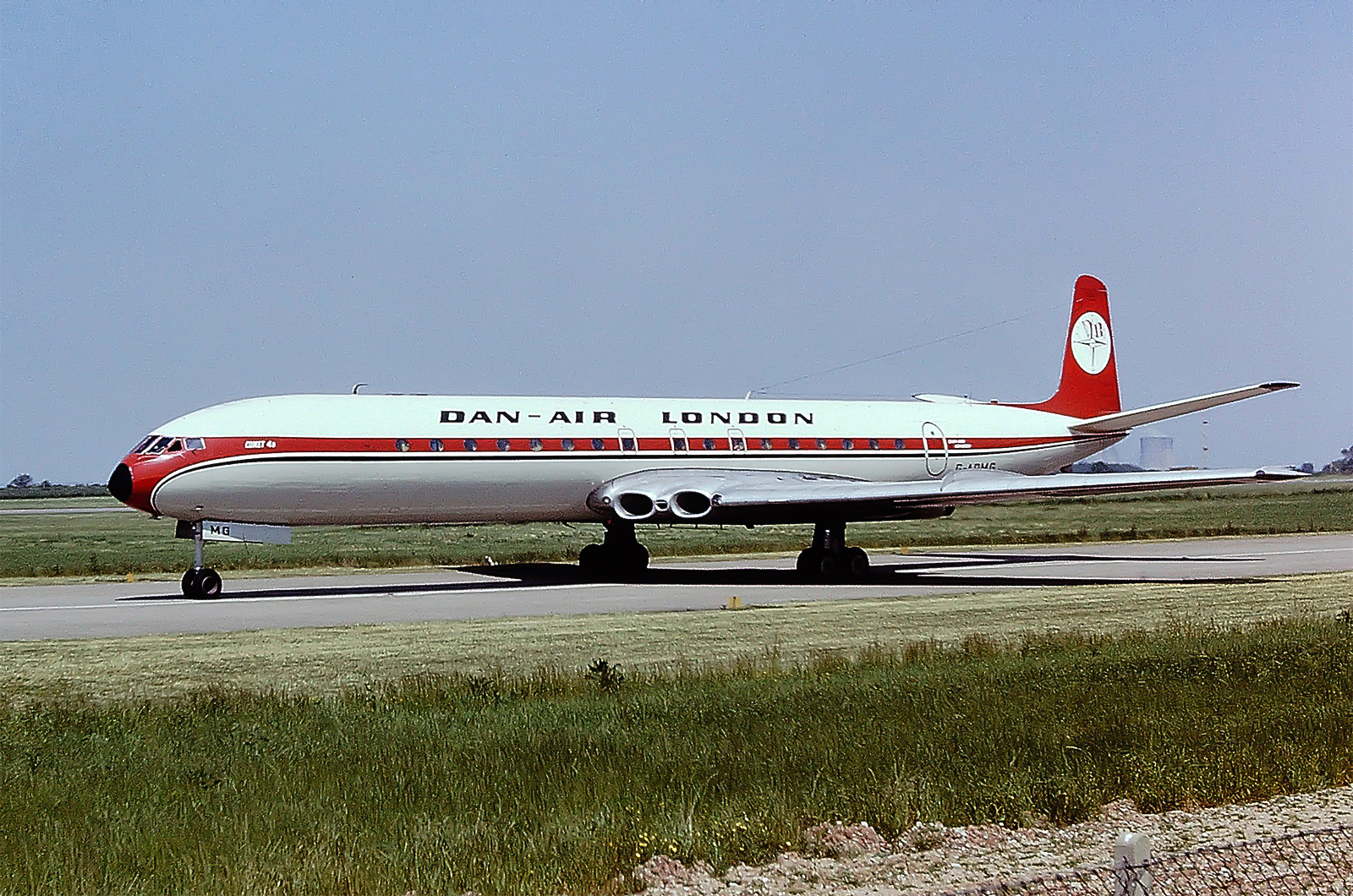
However, in 1949 the world fell in love. The Comet flew on 27 July 1949 and astonished onlookers with both its performance and its angelic, futuristic beauty. It entered commercial service, with BOAC, on 2 May 1952 and initially proved a triumph.
Passengers were enamoured by its quietness and smoothness. Vitally, it was also turning a profit. Fortune magazine declared that “1953 is the year of the Coronation and the Comet”. In 1954 however, Comets began crashing. An investigation determined the cause – metal fatigue in the fuselage - and an improved Comet was built. But the damage was done, and Britain had lost her lead, with Boeing’s 707 taking full advantage. Despite this, Britain had given birth to the commercial Jet Age.
7: Bell UH-1 Iroquois ‘Huey’
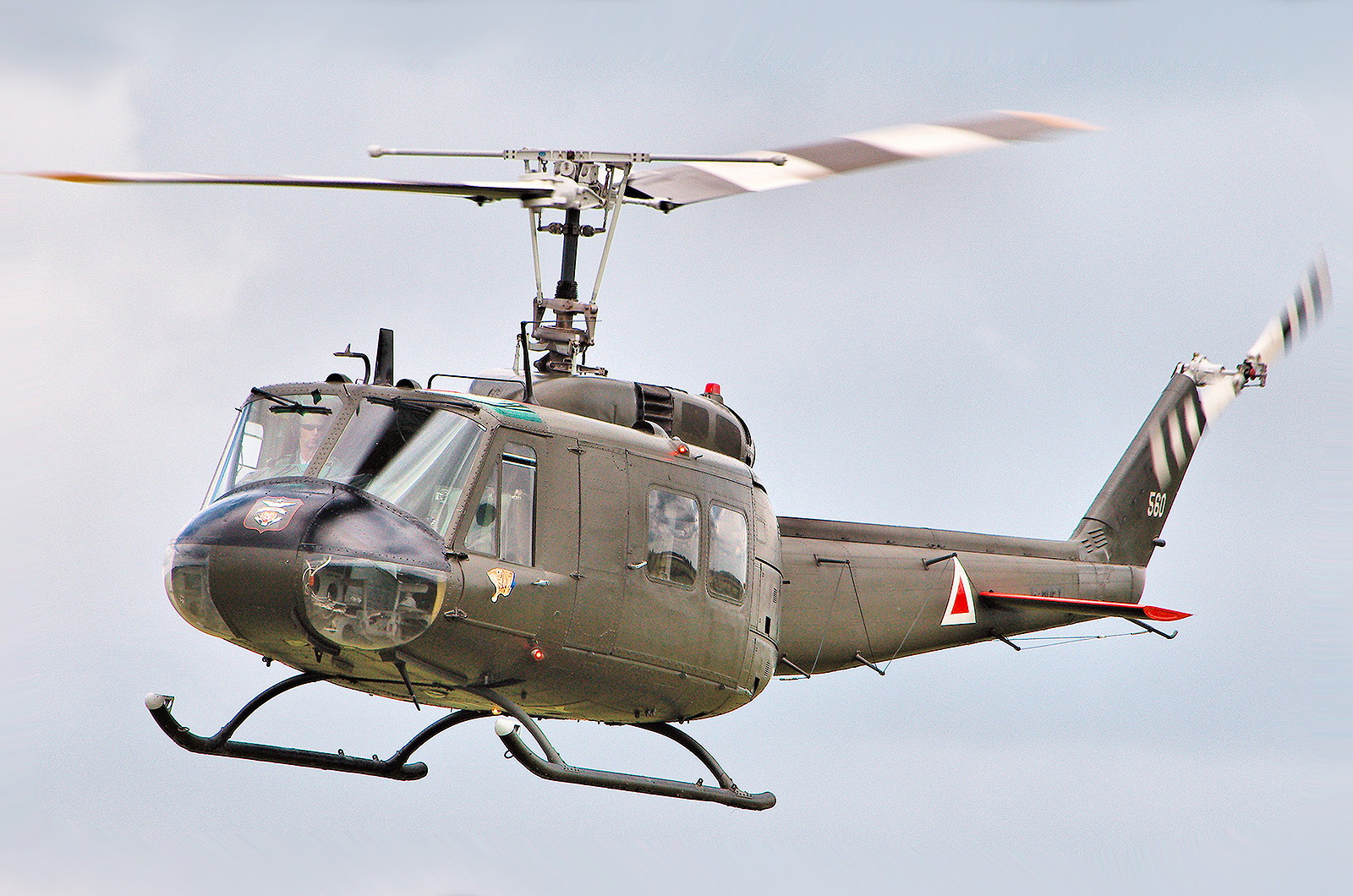
While the Sikorsky R-4 of 1942 was the first helicopter to reach full-scale production, it is the H-1 series that brought the role of the military helicopter in warfare to full maturity (the Soviet ‘Hip’ and related ‘Hind’ must also be mentioned). The first member of the UH-1 family was the XH-40 and first flew in 1956.
The UH-1‘Huey’ defined the modern military transport helicopter in both form and use; more than that, it was also the first modern helicopter. The most critical design feature was the placing of the turbine engines and the rotor gearbox on the roof, leaving room for a large cabin (the first gas turbine helicopter had been the Kaman K-225 in 1951).
7: Bell UH-1 Iroquois ‘Huey’
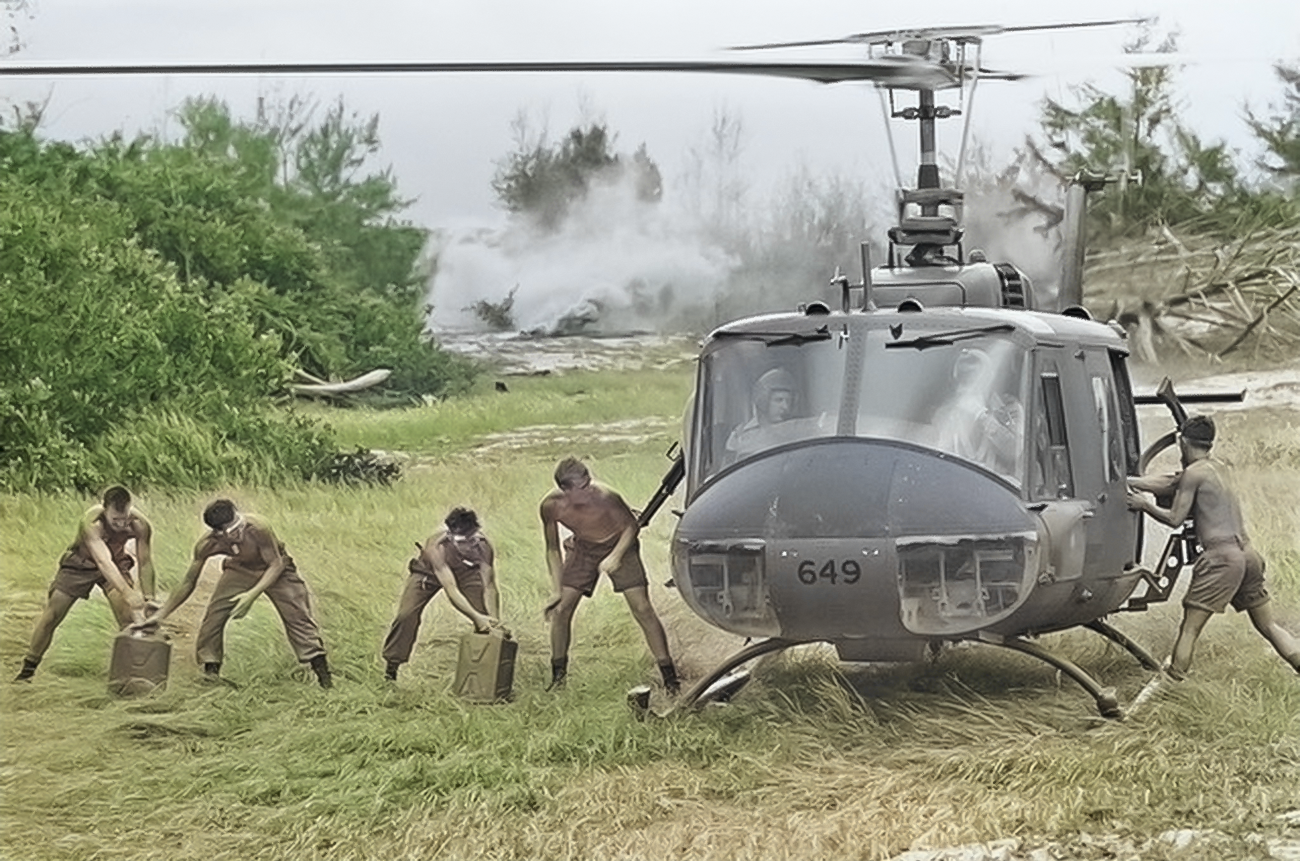
Real news footage combined with a spate of Vietnam films, including the Wagnerian charge of ‘Apocalypse Now’, have established it as the defining visual symbol of the Vietnam War (and it is the most common military helicopter in Hollywood films). Over 16,000 were produced in the thirty years from 1956, making it the second most produced helicopter after the ‘Hip’.
The AH-1 Cobra is an attack helicopter derivative of the UH-1 and defined the template for the vast majority of attack helicopters from then on; it had the crew in a tandem (one behind the other) cockpit, a gun in the nose and wing-mounted rockets and missiles.
6: Boeing B-29 Superfortress
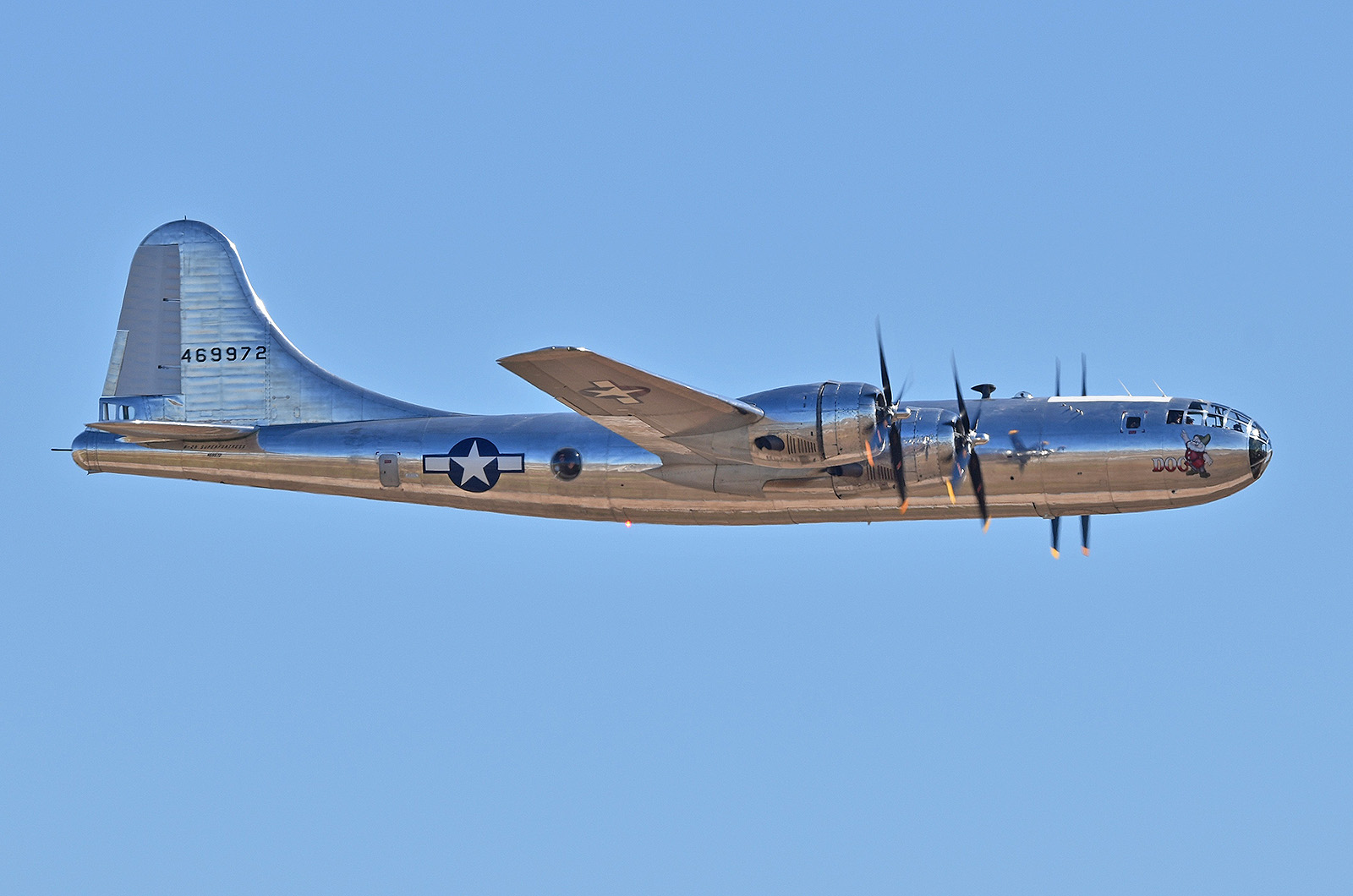
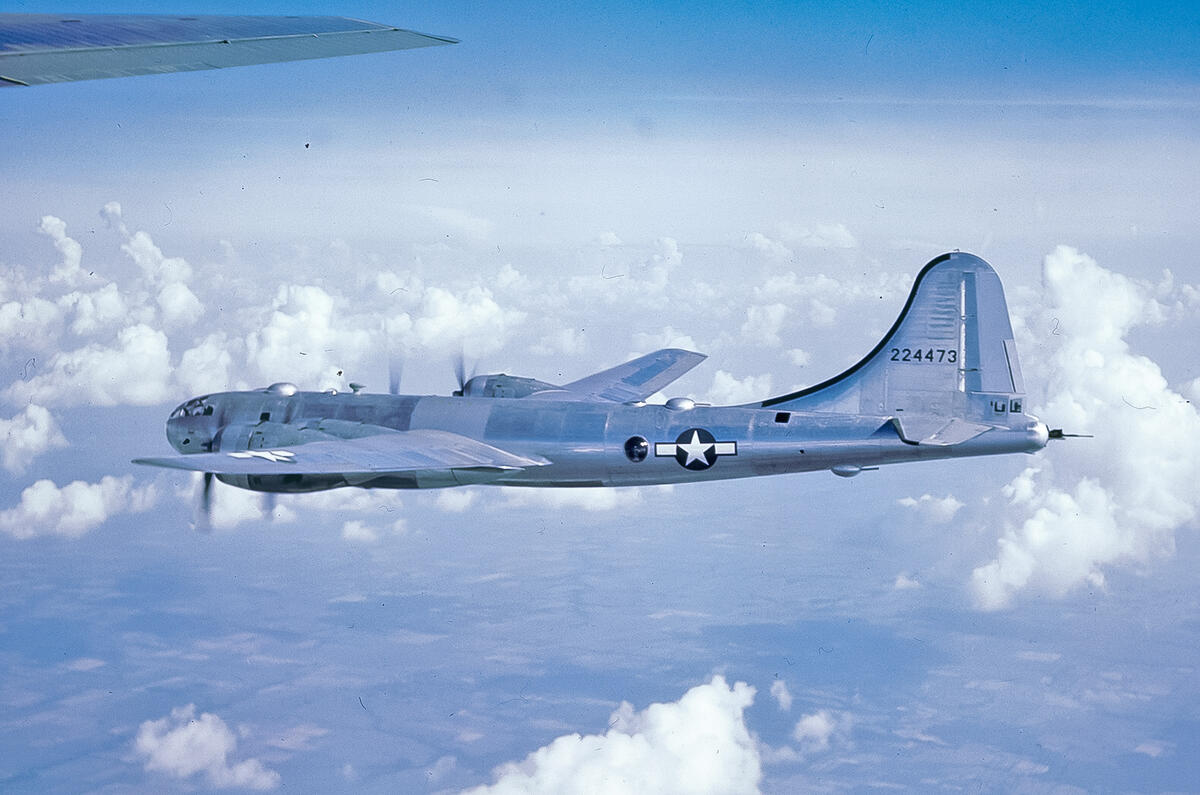
Ushering in atomic warfare, unleashing firestorms on cities and with a development that was the most expensive military project of World War II - costing more even than the project behind the famous nuclear bomb it would carry - the Boeing B-29 Superfortess is hugely significant.
Cabin pressurisation involves pumping conditioned air into the cabin of an aircraft to create a safe and comfortable environment for flying at high altitudes, a feature found in all jet airliners today. Boeing pioneered the use of pressurised cabins with the Model 307 Stratoliner. The B-29 had pressurised front and rear cabins connected by a pressurised walkway.
6: Boeing B-29 Superfortress
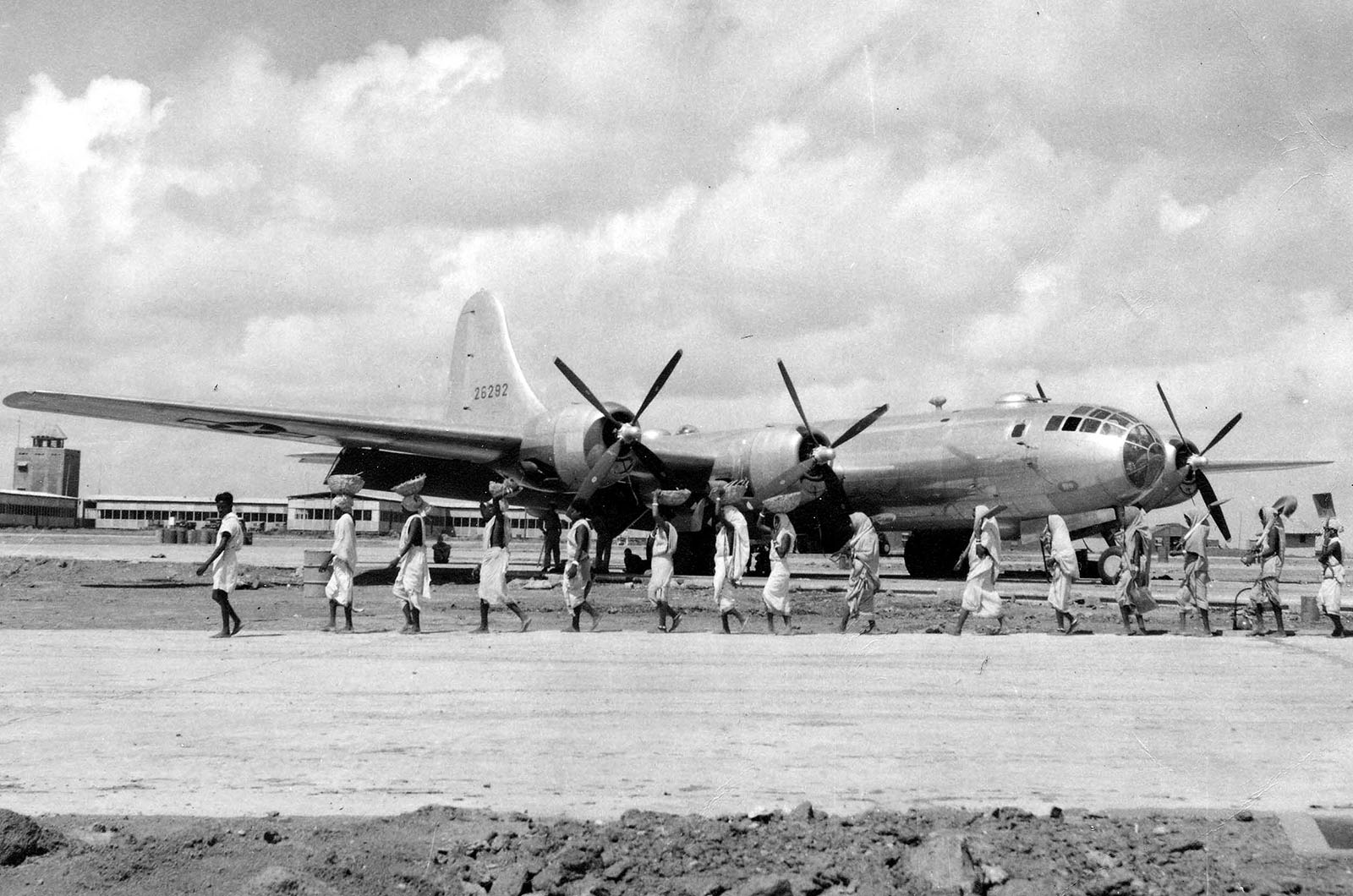
The Boeing B-29 Superfortress flew so high and fast it was extremely hard to intercept with fighter aircraft or anti-aircraft weapons. Other than jet propulsion, most of the latest useful advances in aeronautical engineering were put into the B-29. The B-29 was the best bomber of World War 2.
The B-29 will be forever remembered for the two atom bombs dropped on the Japanese cities of Nagasaki and Hiroshima in August 1945, the only offensive use of atomic weapons in history. As well as the foundation of Boeing’s post-war military and civil empire, it brought in the terrifying Atomic Age beneath its silver wings.
5: Polikarpov I-16
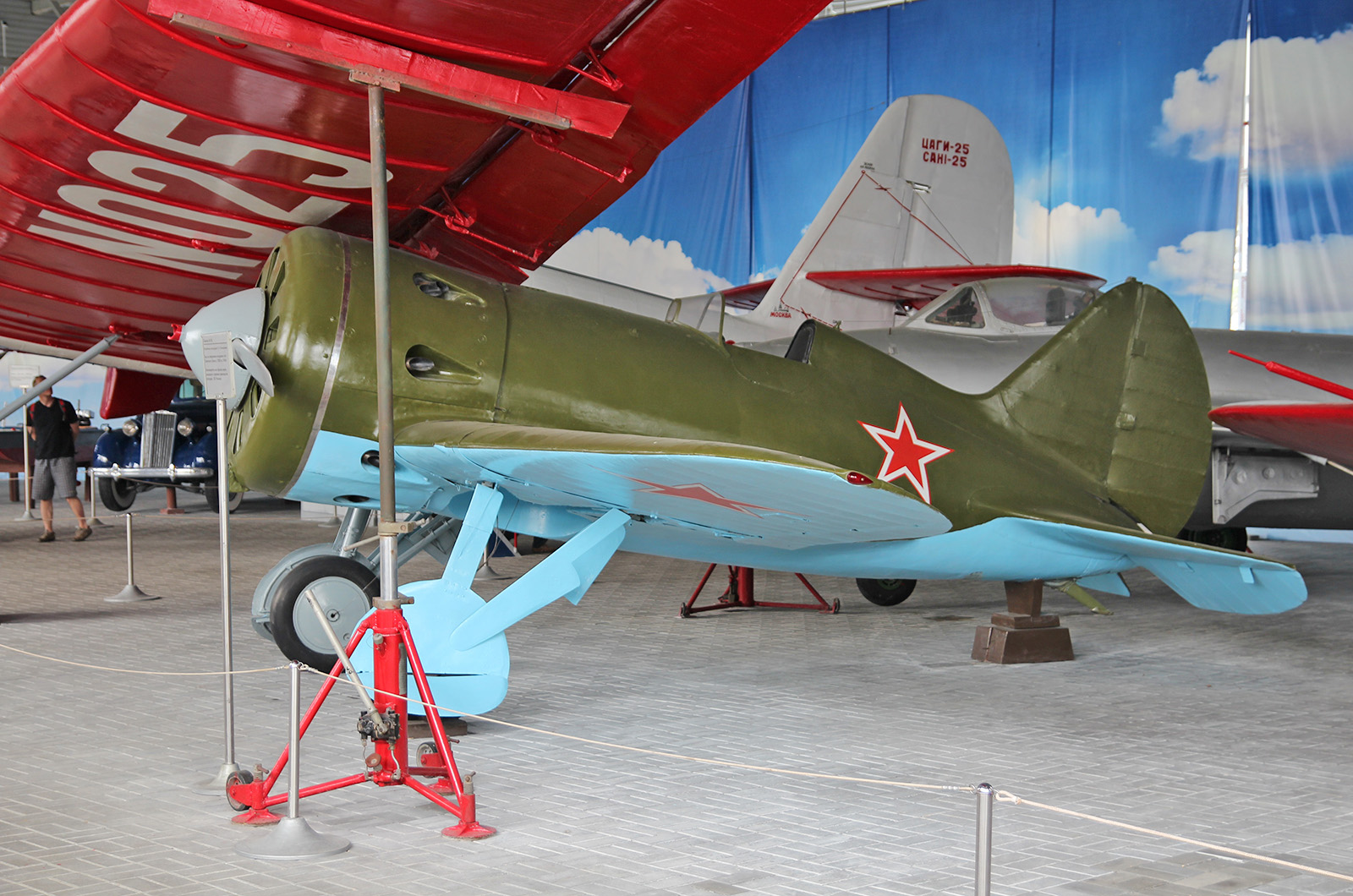
Few fighters have ruled the roost as the world’s best fighter for six years, there is no other fighter that could credibly claim this in before the 1960s (a time when fighter generations had greatly slowed down.) Despite first flying in 1933, the I-16 only truly met its match with the arrival of the Messerschmitt Bf 109E.
First seeing action in the Spanish Civil War, the type demonstrated a phenomenal top speed and rate of climb. This was the shape of things to come; the rest of the world’s fighters, which were biplanes, now appeared obsolete, too slow for the new 300mph age.
5: Polikarpov I-16
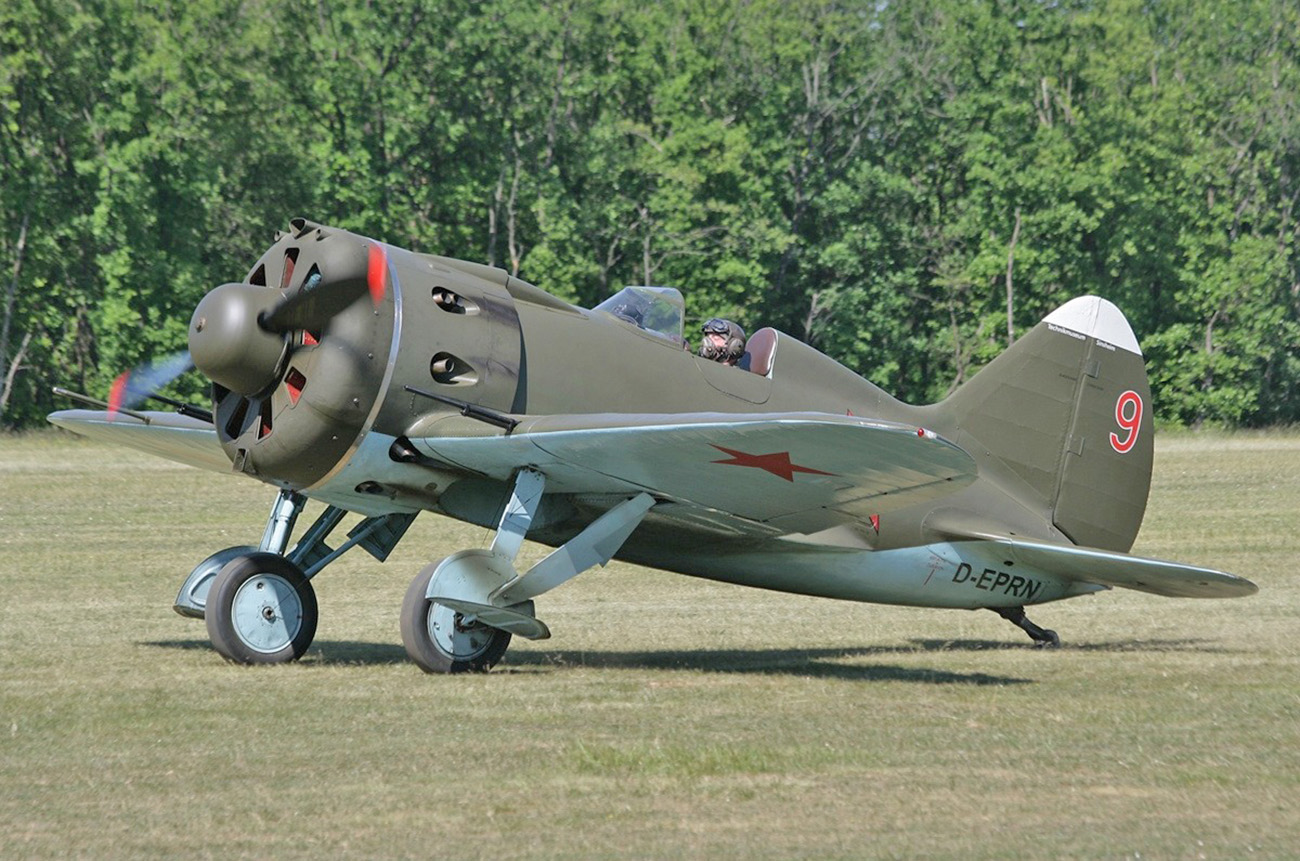
It was not combat superiority that marks the I-16 out for significance, as its tricky handling, initially light and unreliable armament and the brutality of the Spanish Civil War, (and later Second World War), meant it endured heavy losses overall. What marks the aircraft out is its radical configuration.
All the Spitfires, Bf 109s, Fw 190s, Hurricanes, P-47s and P-51s, and most significant and successful fighters of the Second World War were cantilever low-wing monoplane fighters with a retractable undercarriage. The Polikarpov I-16 pioneered this fighter design approach and was the first to go into large-scale service.
4: Boeing 247
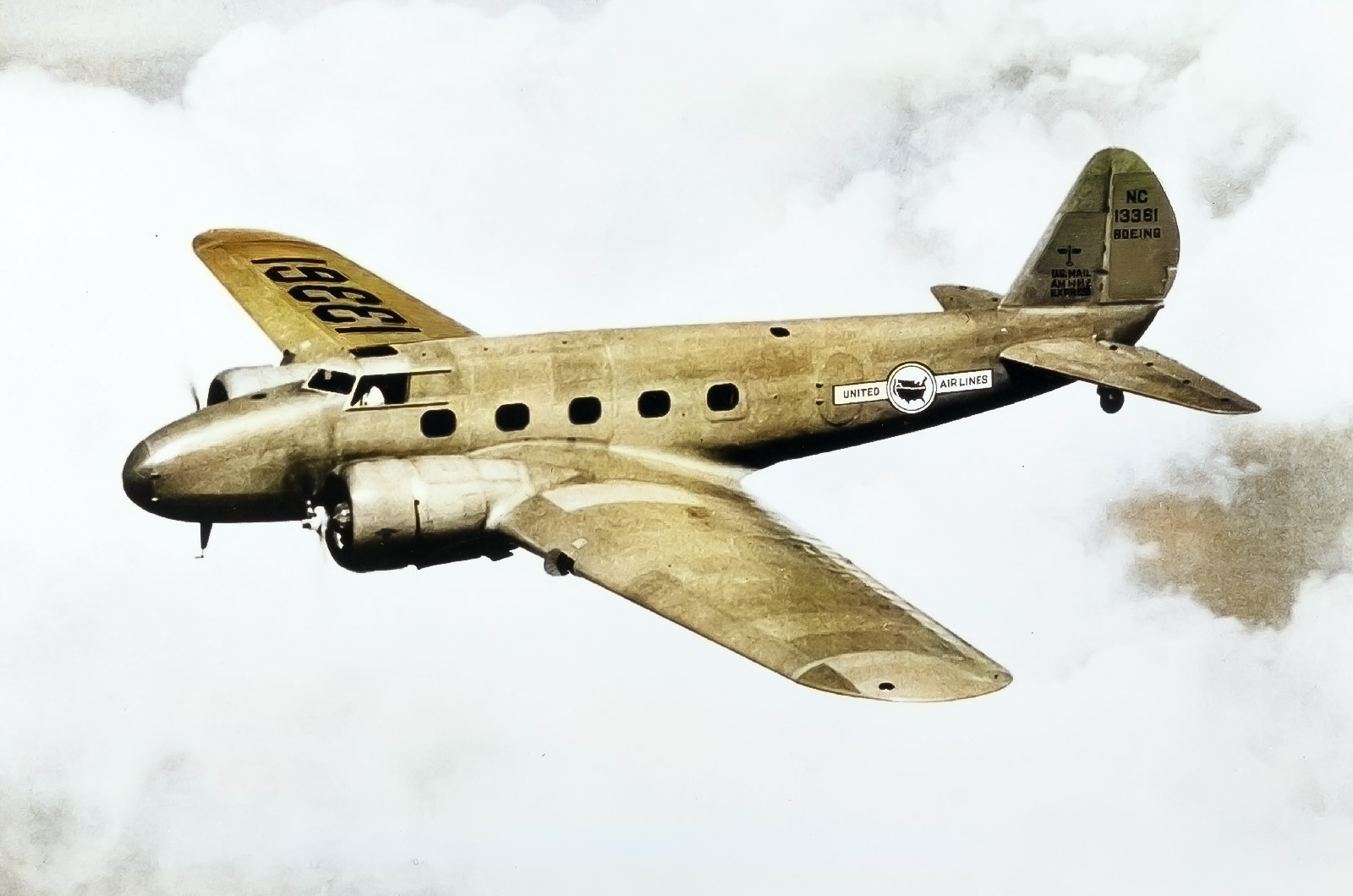
Considered by many the ‘father of the modern airliner’, the Boeing 247, which first flew in 1933, combined most of the advanced innovations of the time. Despite its lack of commercial success, it paved the way for both Boeing’s success and the success of air travel in general.
Airships offered great comfort but were far slower than aeroplanes. Early aeroplane travel was dangerous, uncomfortable and loud. For it to become viable, all of these problems had to be addressed; the 247 was a huge step forward. The 247 offered quieter, safer and faster travel. The list of modern technologies the 247 carried is awe-inspiring.
4: Boeing 247
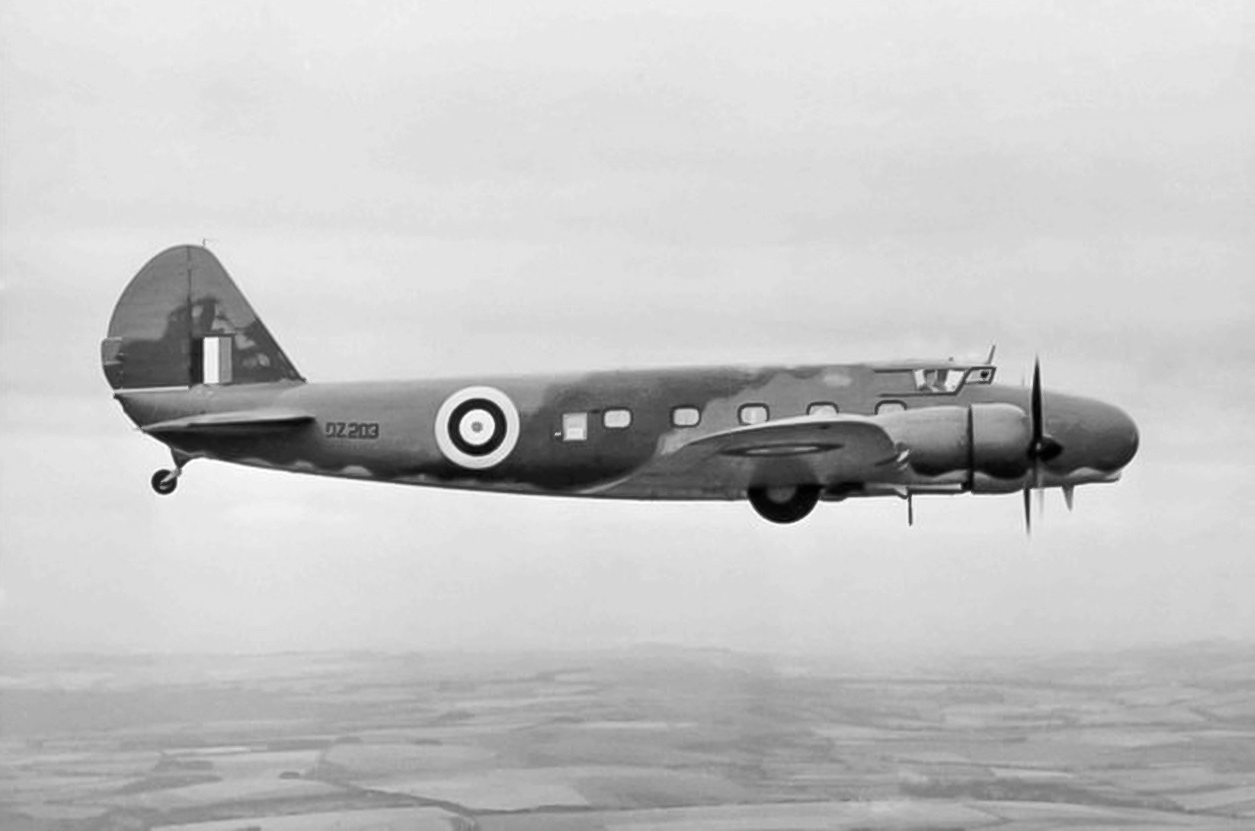
It had all-metal construction (a technology pioneered in Germany) and a retractable undercarriage. The wing was strong enough to support itself, not requiring drag-inducing bracing. The aircraft was sleekly aerodynamic, faster than a fighter of the time, and had many features that made it safer than earlier designs, including a proto autopilot and de-icing boots for the wings and tailplane.
With both sharing the goal of moving many objects across long distances at speed, the bomber and airliner have had a parallel interlinked history - the 247 was an evolution of the B-9 bomber. Throughout Boeing’s story, military research & development effort would help the development of its airliners.
3: Boeing 737
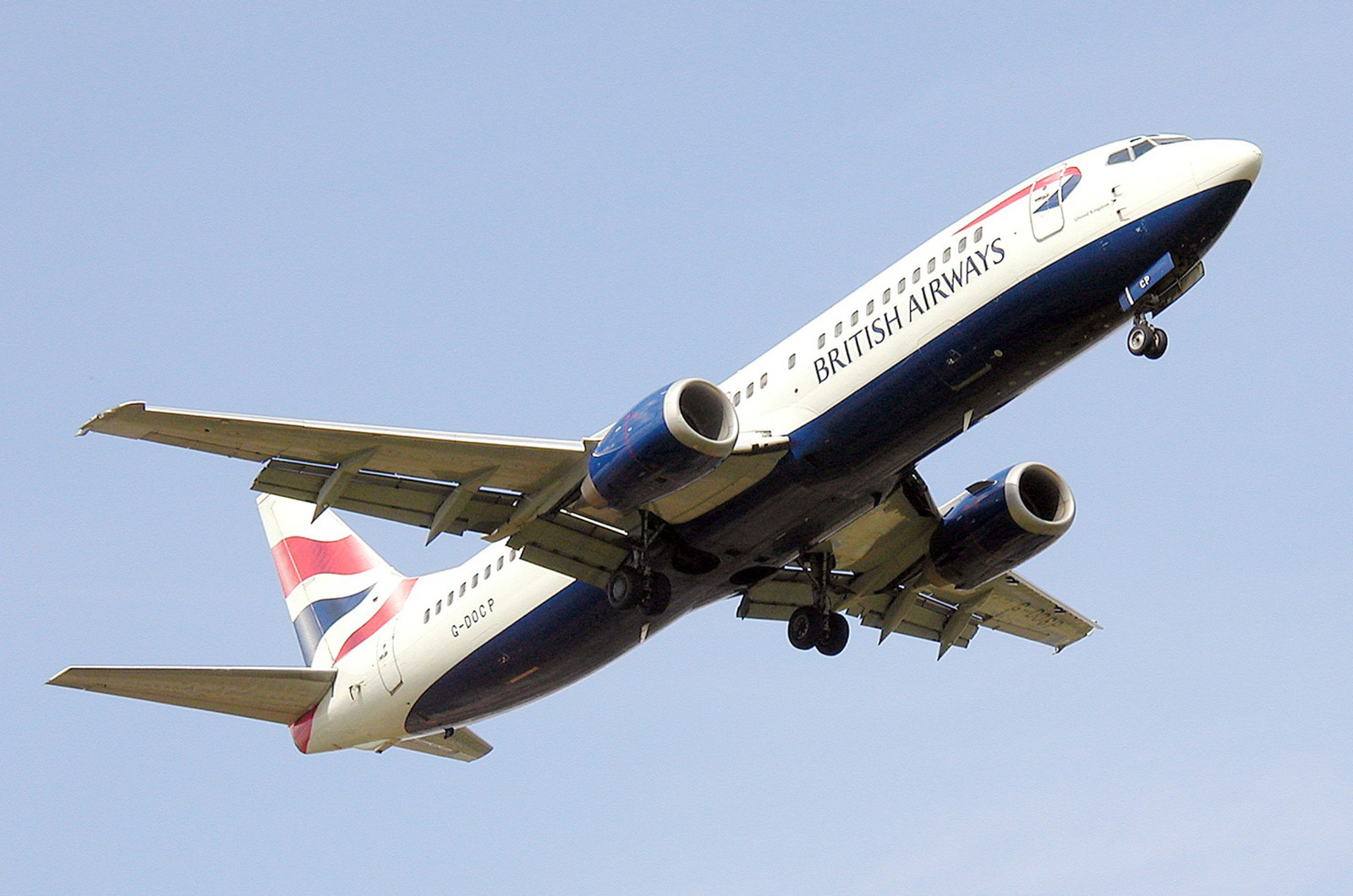
The most successful airliner of all time is the Boeing 737, a success not so much due to technological innovation as getting the size and the timing right. It first flew in 1967 and remains in production today…
Development was made easier and cheaper by using lessons and parts from the Boeing 707 and 727 design. The design had much upgrading potential, and it was faster to load and unload than rivals, as well as having greater luggage space.
3: Boeing 737
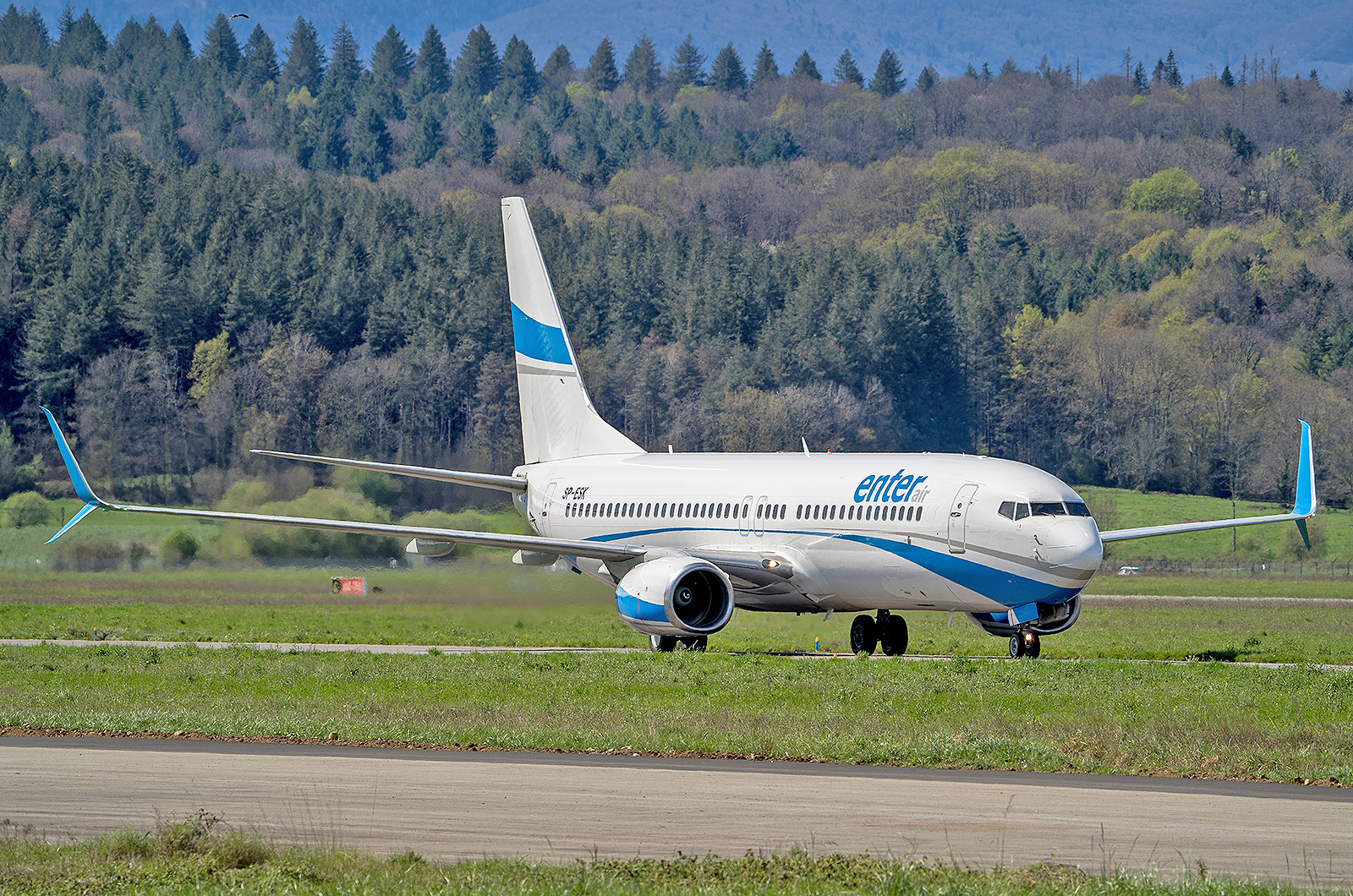
Its timing was good with the arrival of new routes, greater passenger numbers and new airliners. Boeing’s success with earlier types meant it had the experience and capacity to cope with the 737’s meteoric success. Today, a staggering total of nearly 12,000 737s have been made.
One of the 737’s advantages would later become a significant Achilles heel. The 737 was designed to sit relatively low to the ground for convenient access. Its undercarriage was short, and its engines tucked closely beneath the wing. This worked well, but when a new generation of superior but much larger turbofan engines arrived, the 737 struggled to accommodate them.
2: Junkers J 1 (and other early metal types)
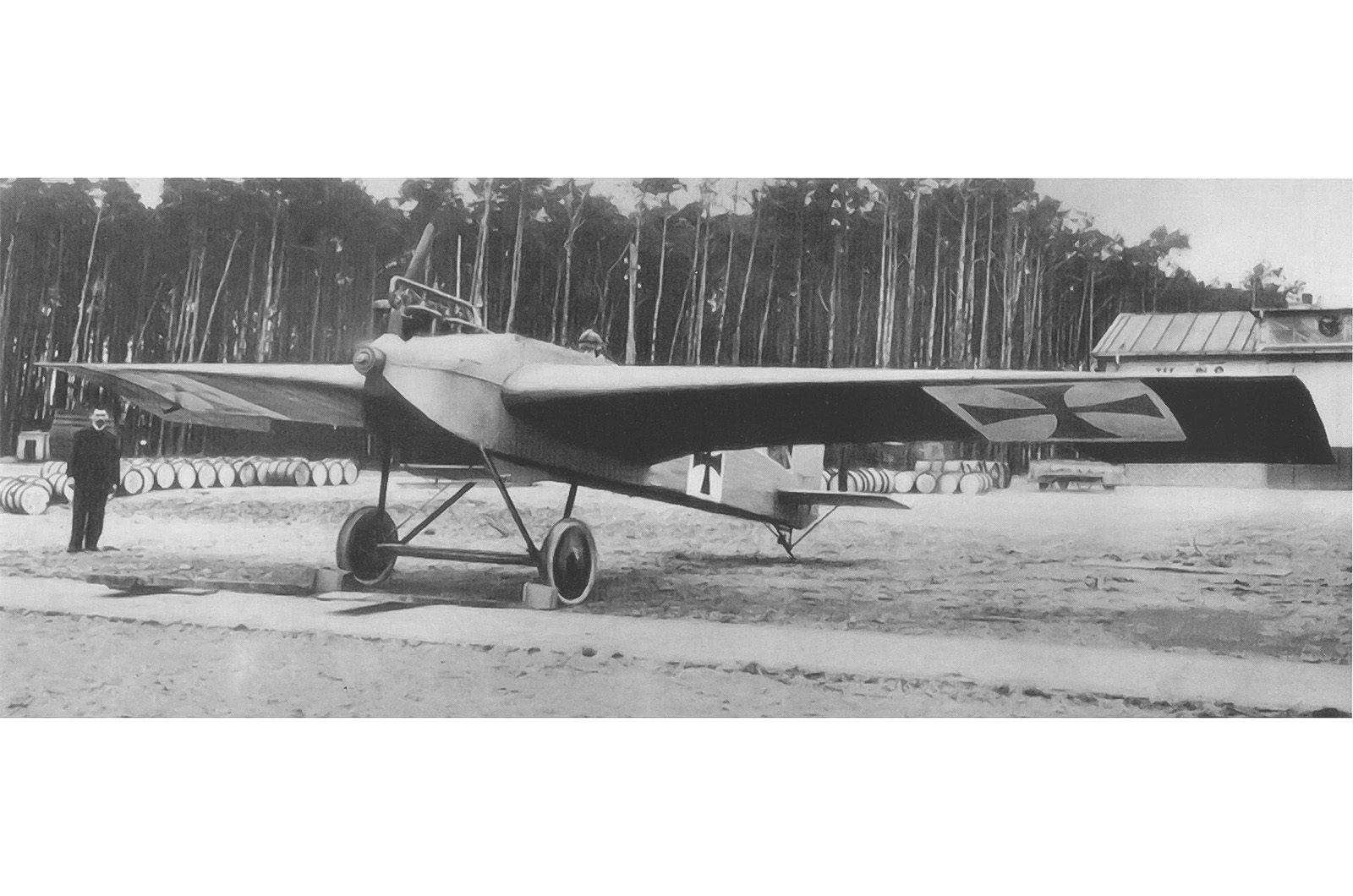
The Junkers J 1 of 1915 was the first all-metal aircraft in the world, or so it is often said. Somewhat earlier, in 1912, there was the Reissner Canard, a collaboration of ideas between German engineers Hans Reissner and Hugo Junkers. The fuselage consisted of braced steel pipes, with an innovative wing made by the Junkers Factory.
The Canard was massively advanced for the time in having a wing fabricated from self-supporting corrugated metal sheets. Though the wing is said to have been patented by Hans Reissner, the concept was certainly on the mind of Hugo Junkers, too. Both men were professors at the University of Aachen and were very excited by their shared project.
2: Junkers J 1 (and other early metal types)
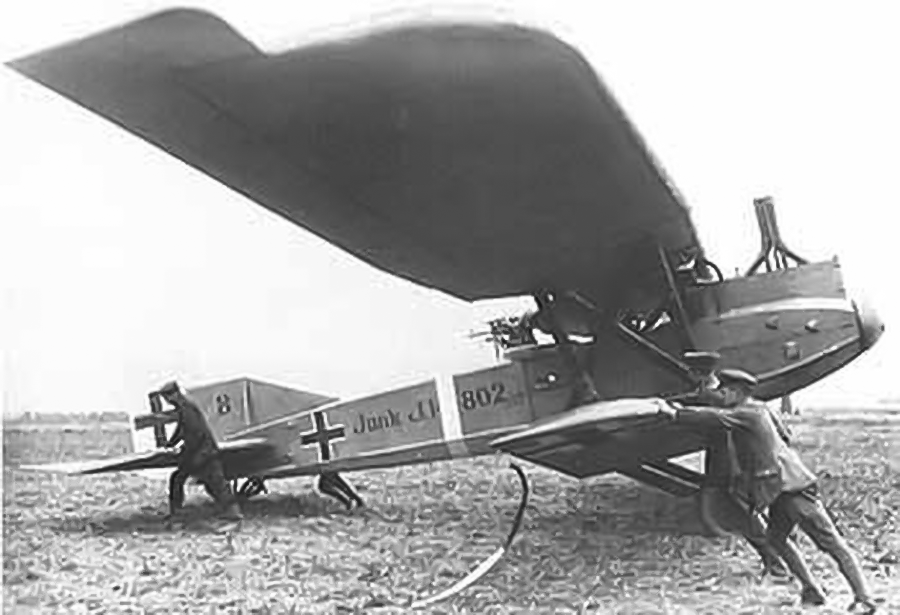
The Junkers J 1 was an experimental mid-wing monoplane with a cantilever wing and an entirely metal structure, an exceptionally sleek and well-proportioned aircraft it was a harbinger of the future. The 1917 biplane had a corrugated aluminium skin riveted to an aluminium alloy skin. A 5mm chrome-nickel-sheet steel capsule protected the engine and crew from rifle fire. Germany’s ‘Stormfliers’ used the J.4 and were much feared.
Junkers would seize on their lead in metal aircraft with the sleek Junkers F13 airliner of 1919, which was the world’s first metal airliner. At the time, this aeroplane, free of bracing wires looked startlingly futuristic. The metal was corrugated for strength, a feature famously used on the hugely successful Ju 52.
1: Wright Flyer
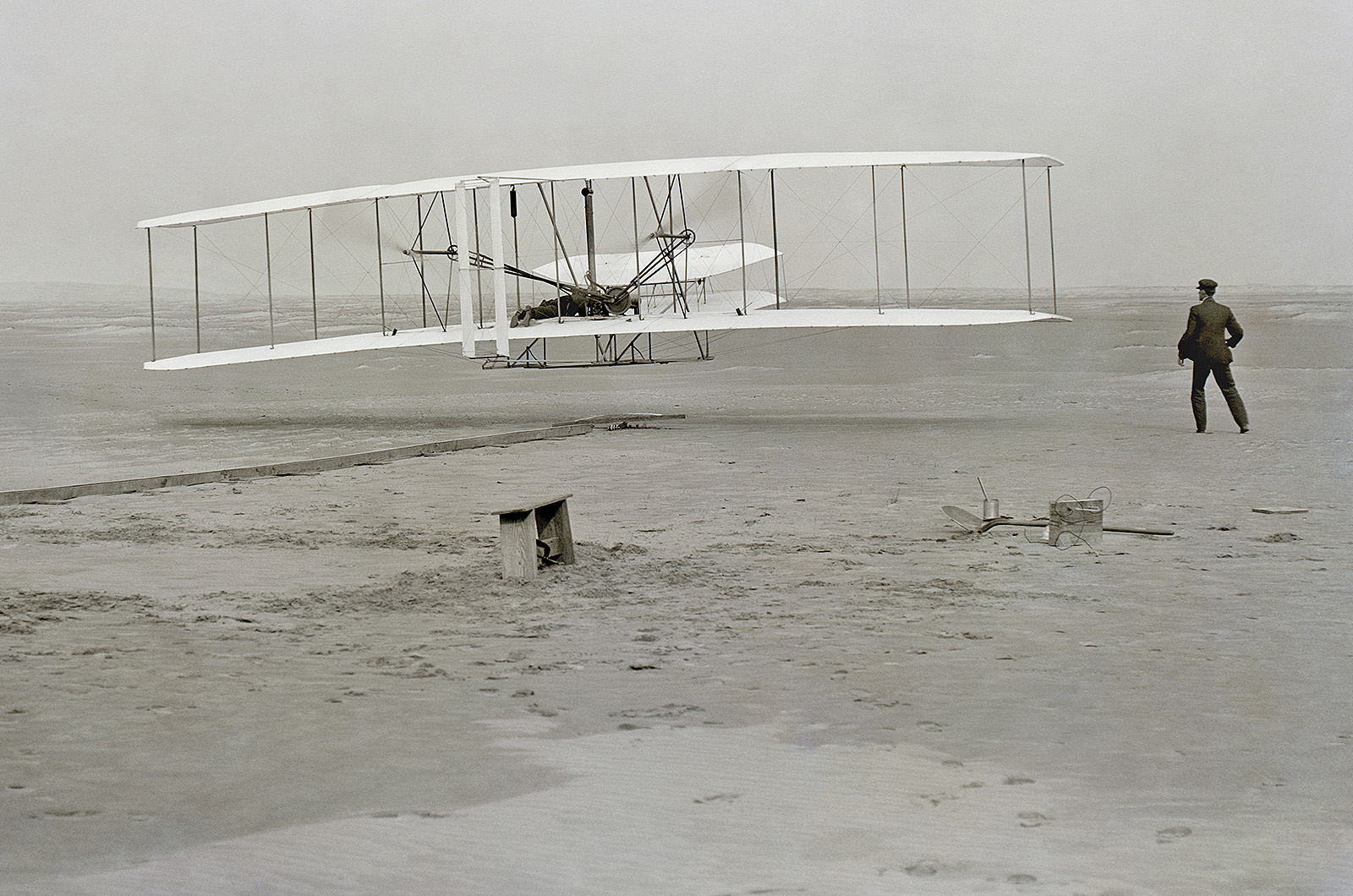
You don’t get much more significant than the first aeroplane. The Wright Flyer made the first sustained flight by a crewed aeroplane on December 17, 1903 in Kitty Hawk, North Carolina. Invented and flown by two American brothers Orville and Wilbur Wright, the younger of which, Orville was only 32 at the time.
With all the pioneering achievements in history, there are rival claims from across the world. These are interesting to look at, but we shall consider the Wright Brothers first, as the rival claims are a story for another day.
1: Wright Flyer
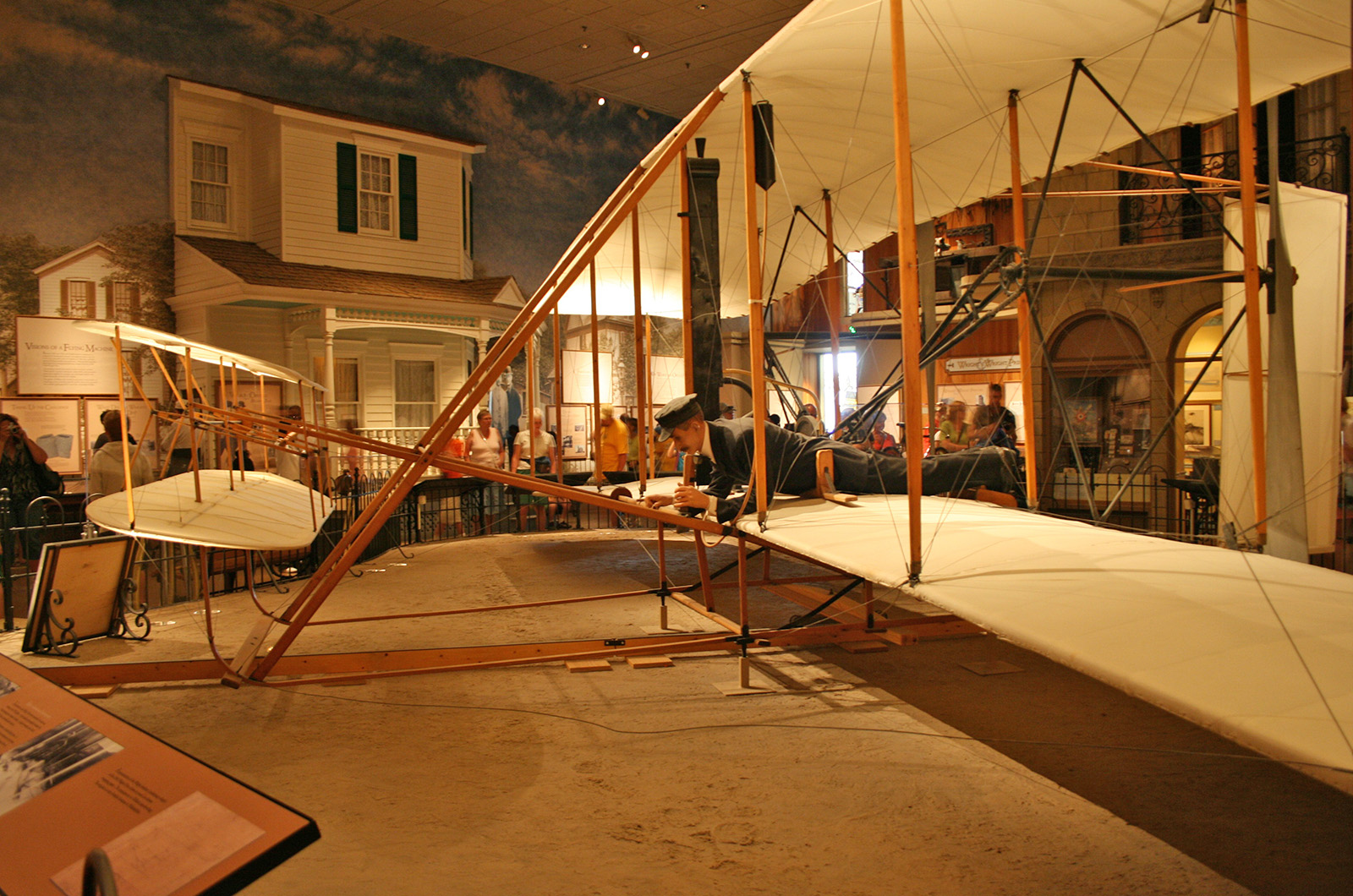
The Wright Flyer is rather different to most modern aeroplanes in its lack of a wheeled undercarriage and the pilot being in the prone, lying down position. It lacked the ailerons of modern aircraft, and the rudder was controlled by a cradle moved by the pilot’s hips.
The Wright Brothers were not just the creators of the first credible aeroplane, they did much to create the field of aeronautical engineering. Their extremely scientific methods of testing gave the world a process that all later successful aeroplane developers followed. The Wright Flyer started the modern age of powered heavier-than-air aeroplanes, a form of transport which had an undeniably massive effect on world history. Sections of Wright Flyer fabric were taken to both the moon in 1969, and later, NASA's Ingenuity Mars Helicopter carried a small swatch of muslin material from the Wright Brothers Flyer 1.
Follow Joe Coles on Substack, Twitter X or Blue Sky. His superb Hush-Kit Book of Warplanes is available here.
If you enjoyed this story, please click the Follow button above to see more like it from Autocar
Photo Licence: https://creativecommons.org/licenses/by/4.0/deed.en



Add your comment