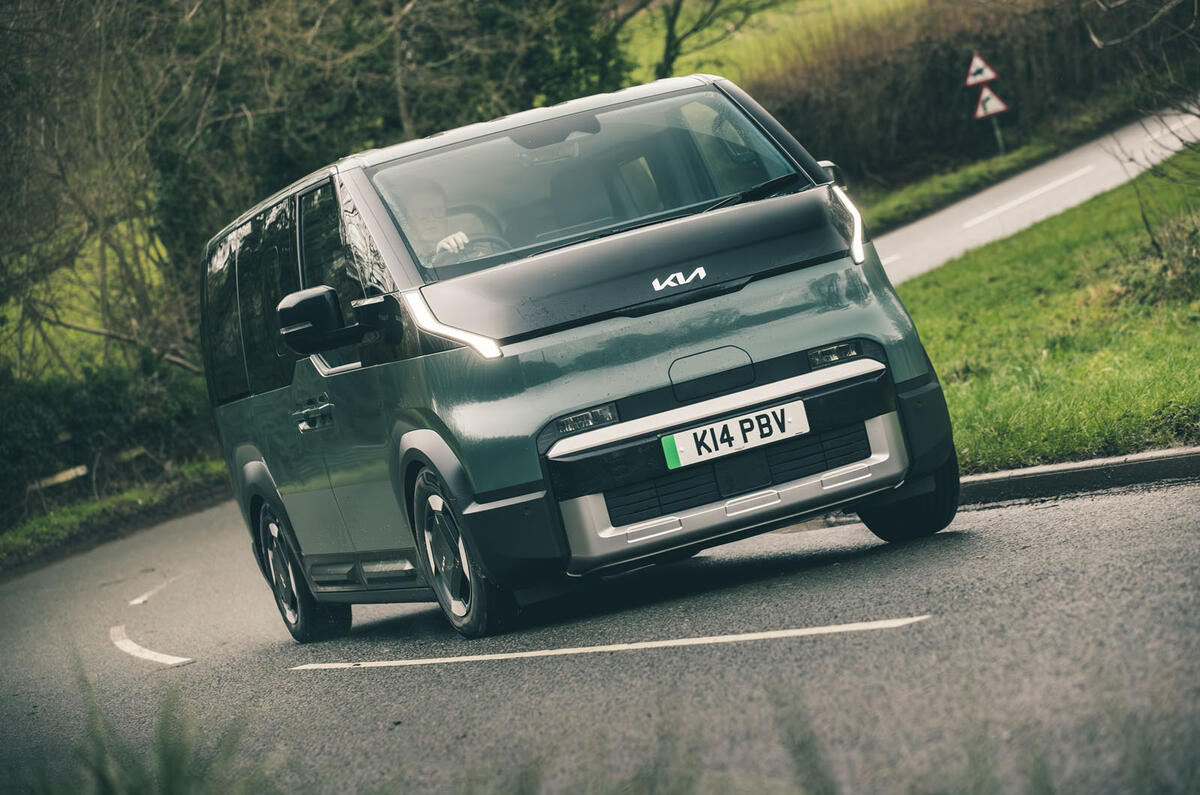
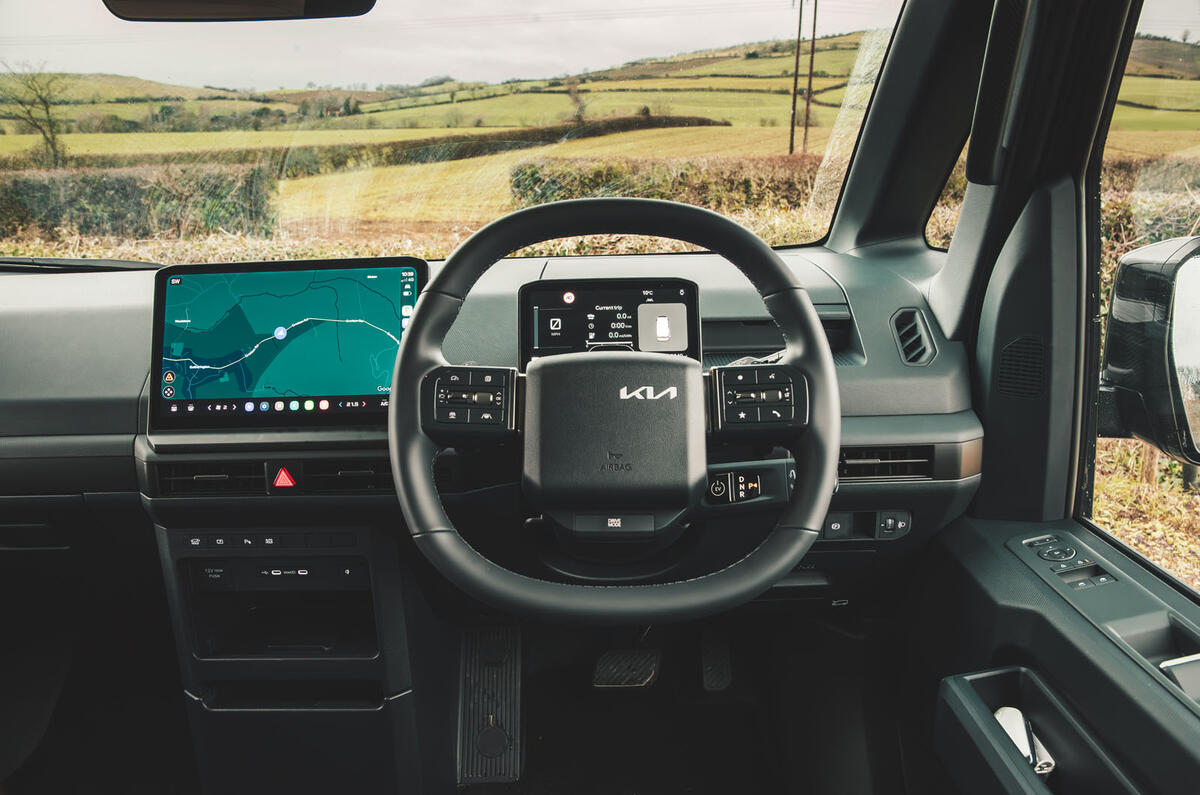
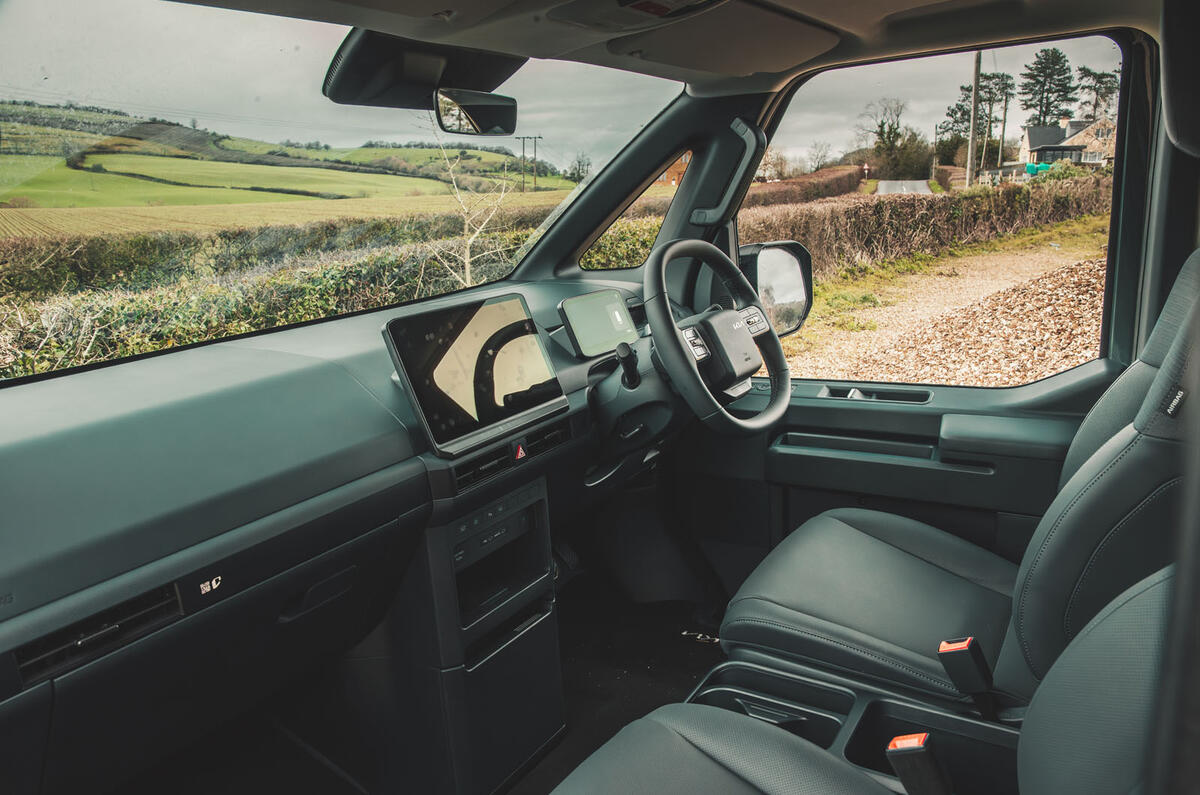
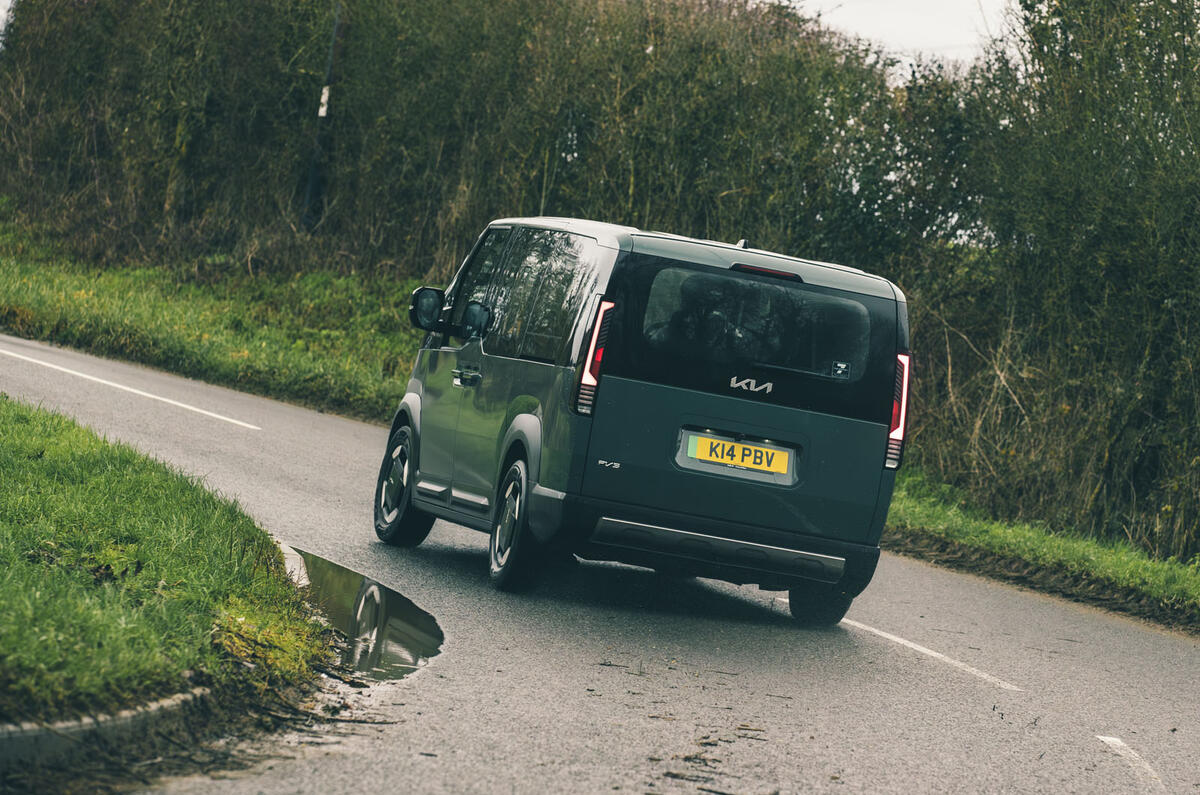
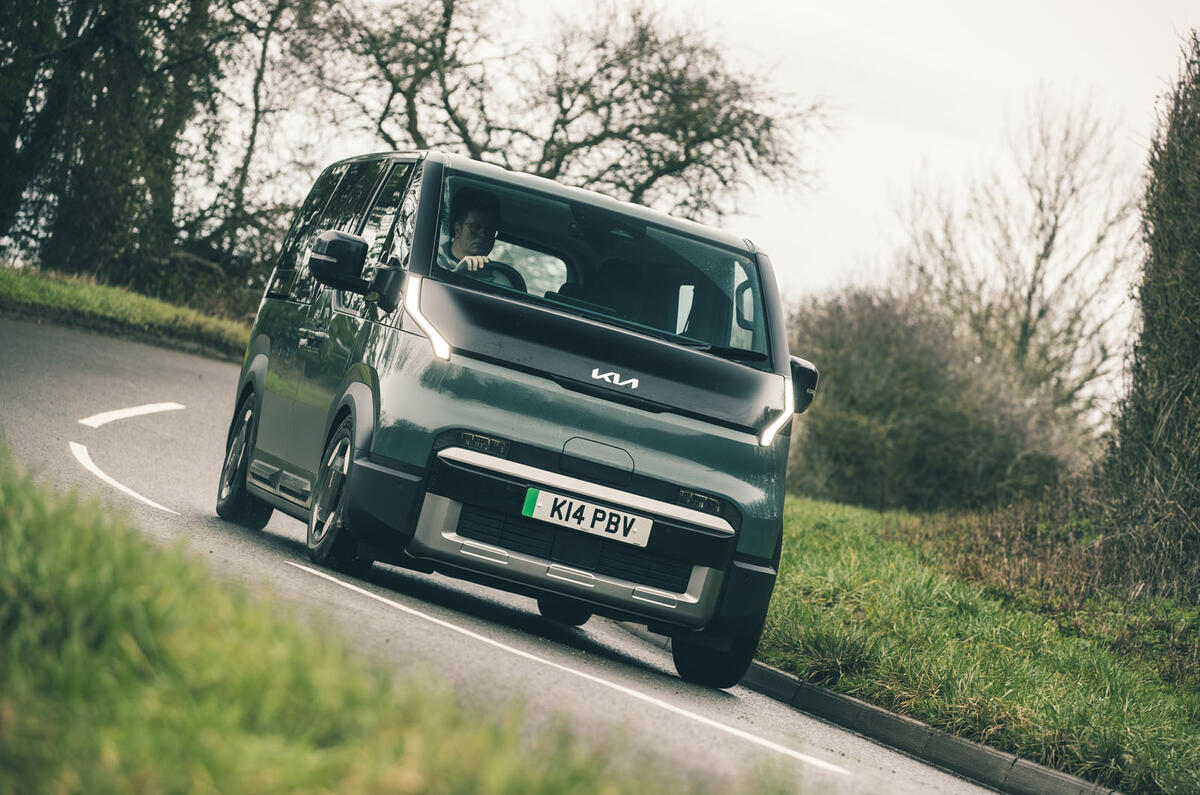
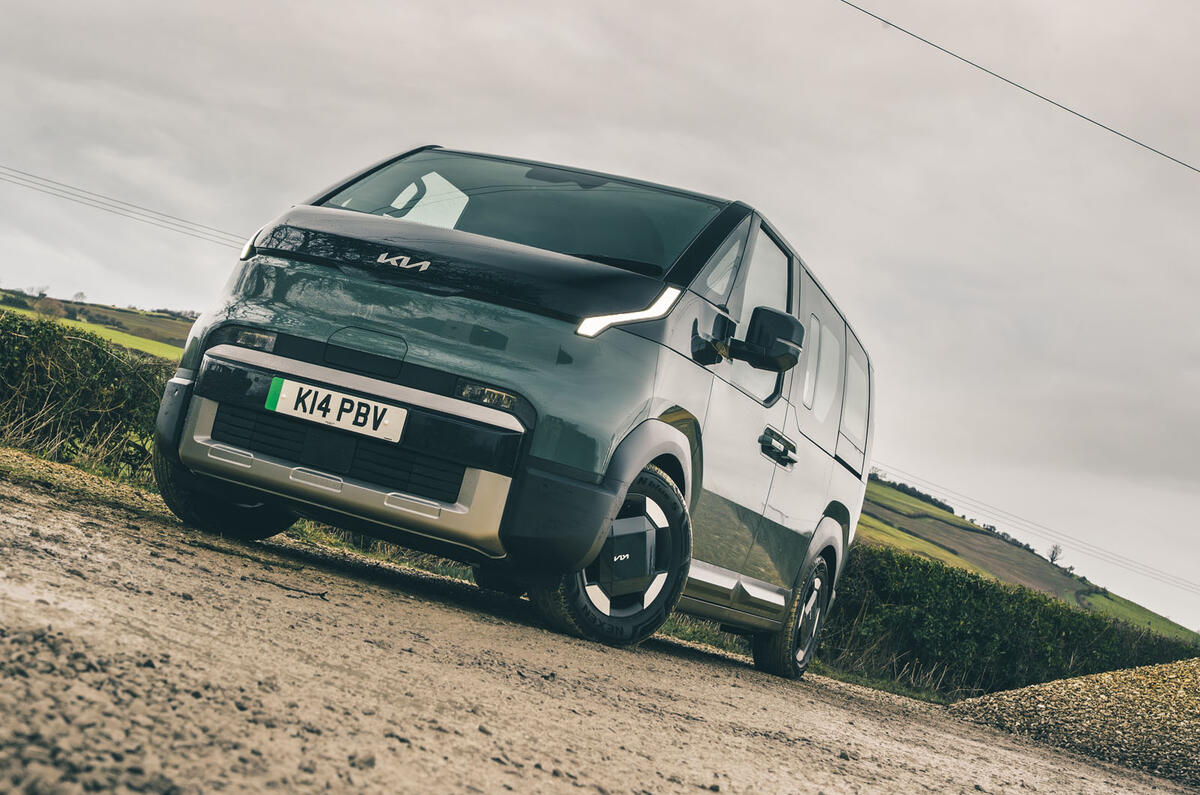
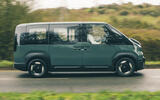
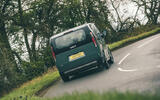
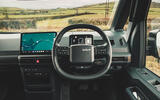
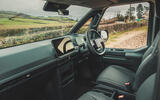
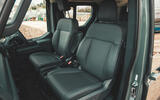
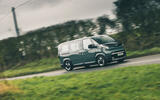
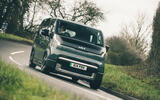
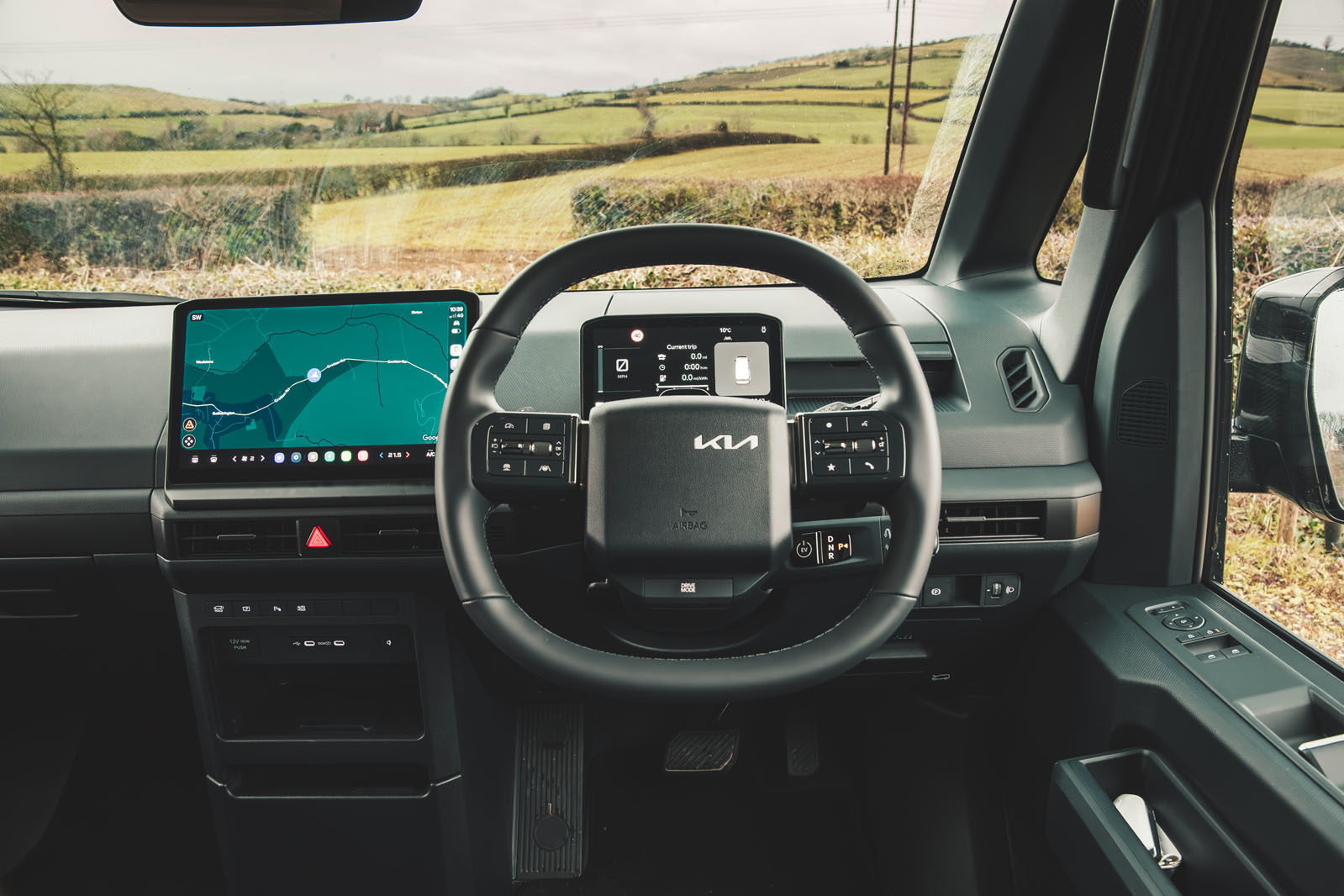
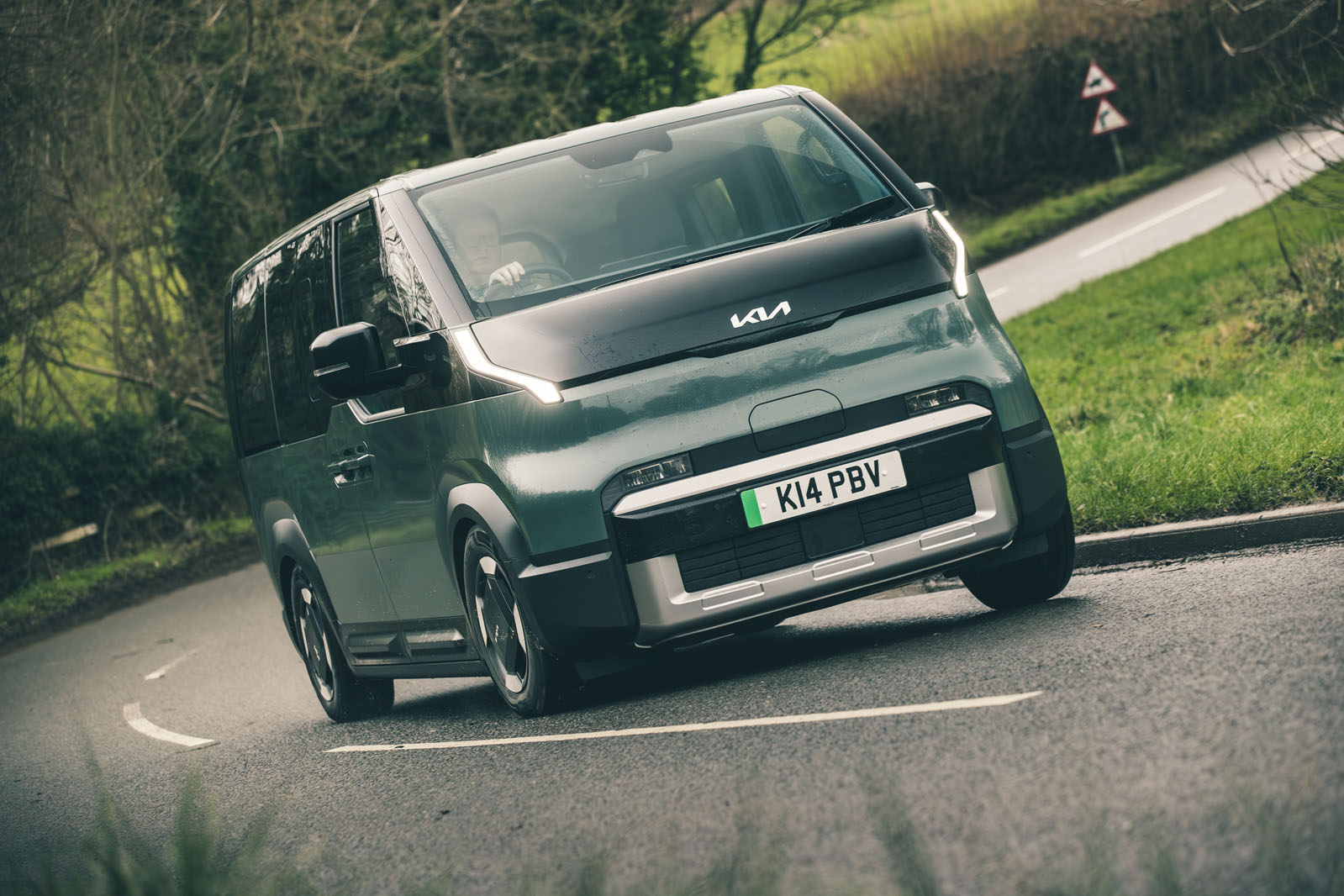
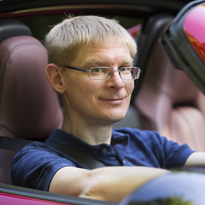
The driver boards the PV5 via a deep, wide-swinging front passenger door, to find a driving position that's quite adjustable, ready to be more recumbent than you might expect. The steering wheel doesn't come at you at a particular van-like raked angle, and there's open floor between the front footwells so you can pass between the front seats easily.
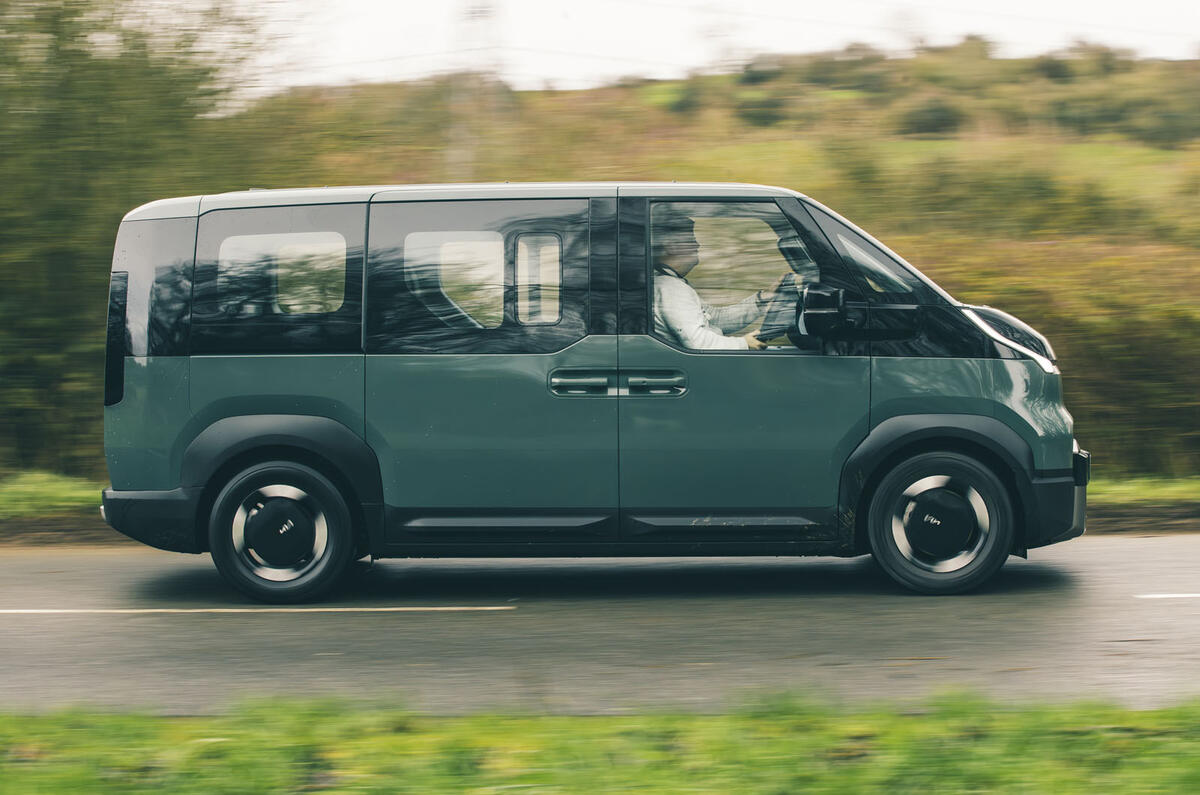
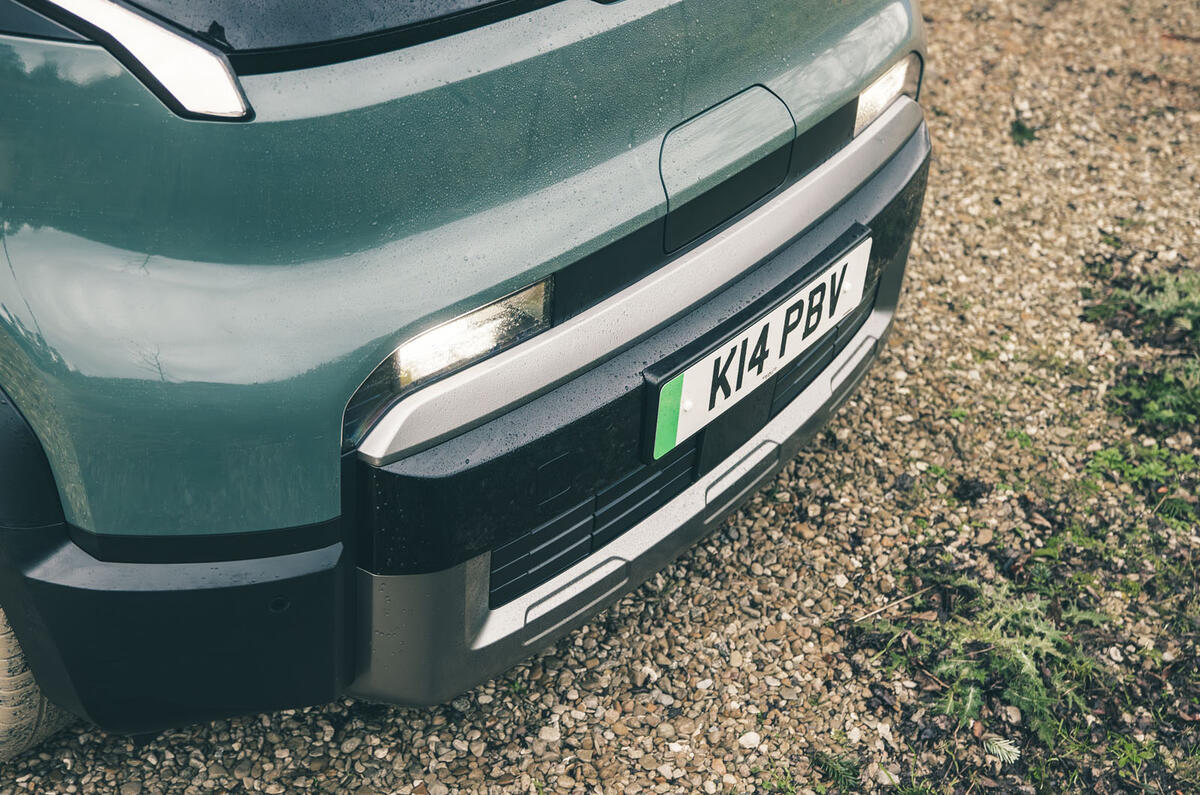
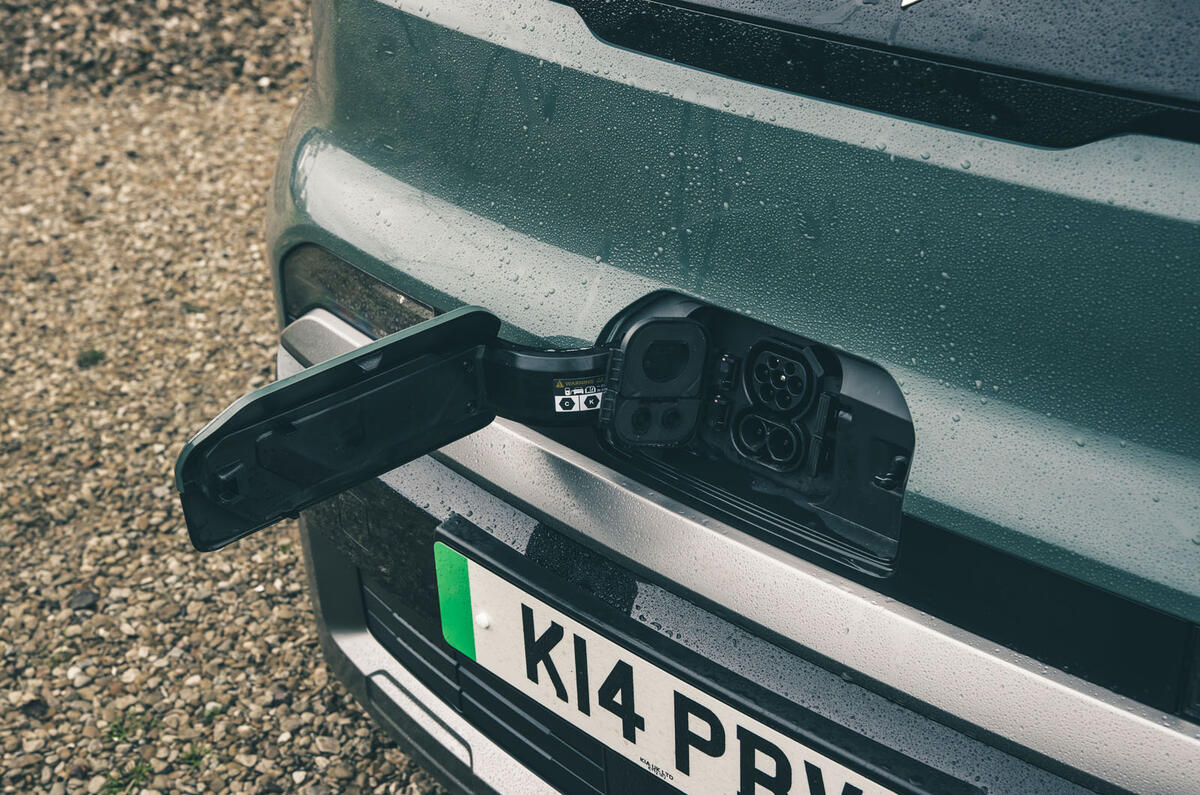
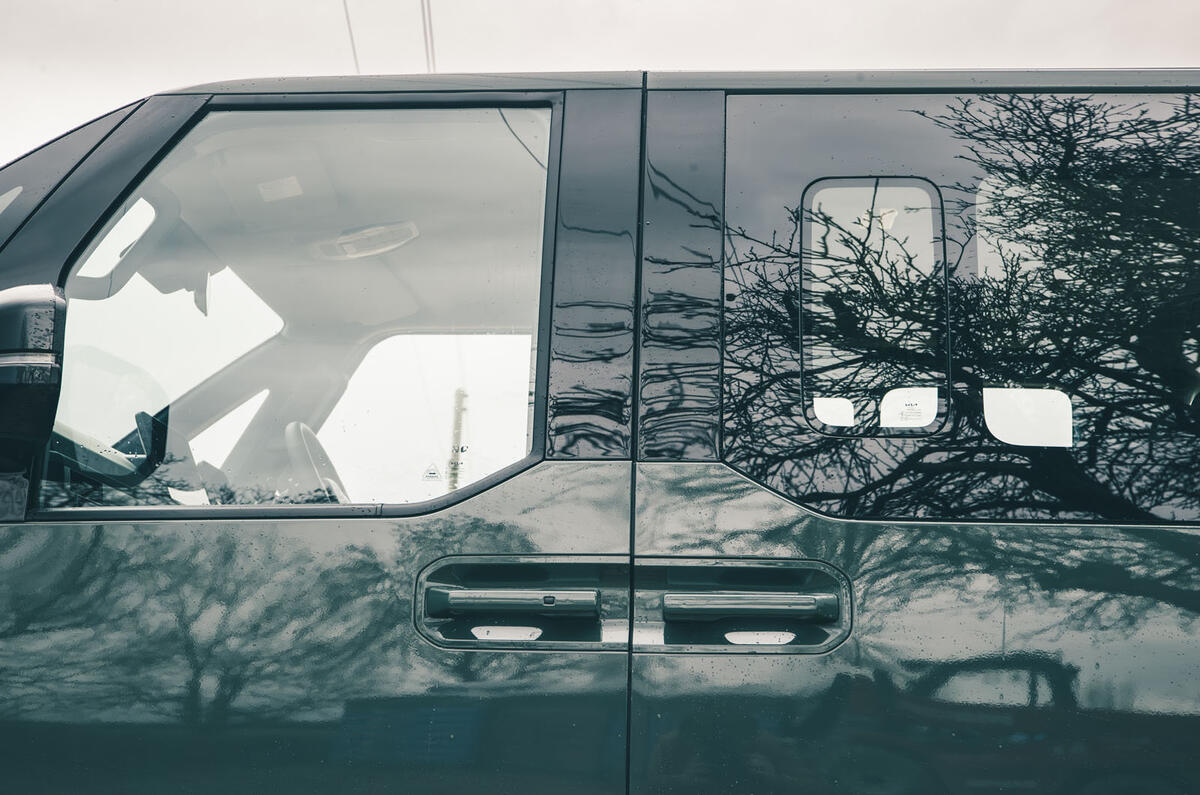
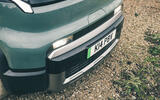
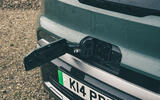
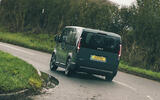
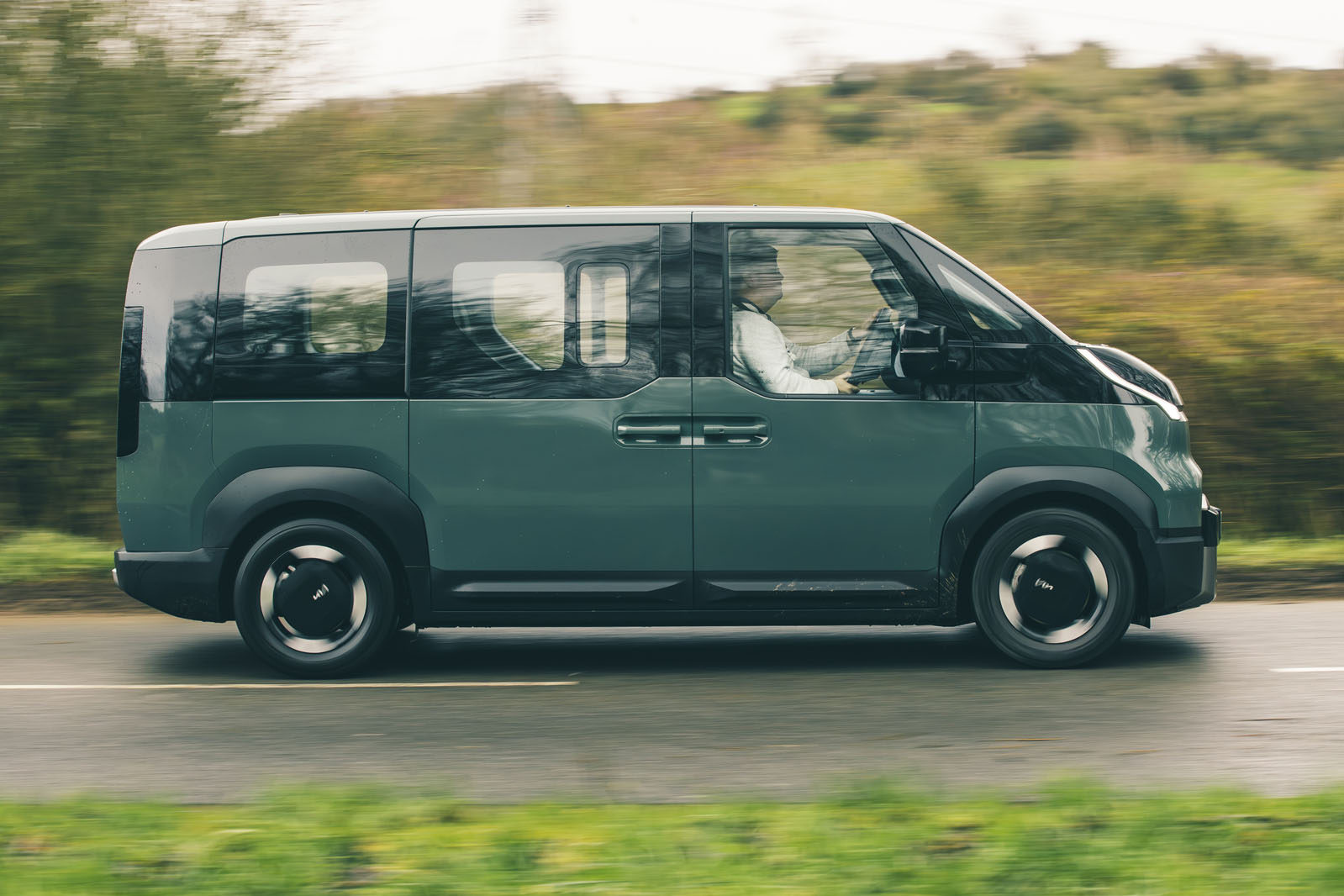
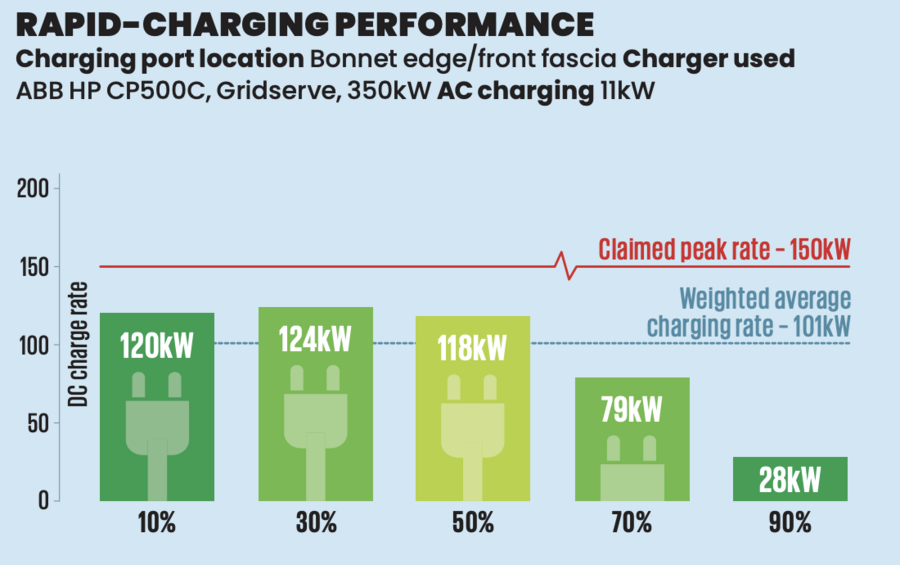
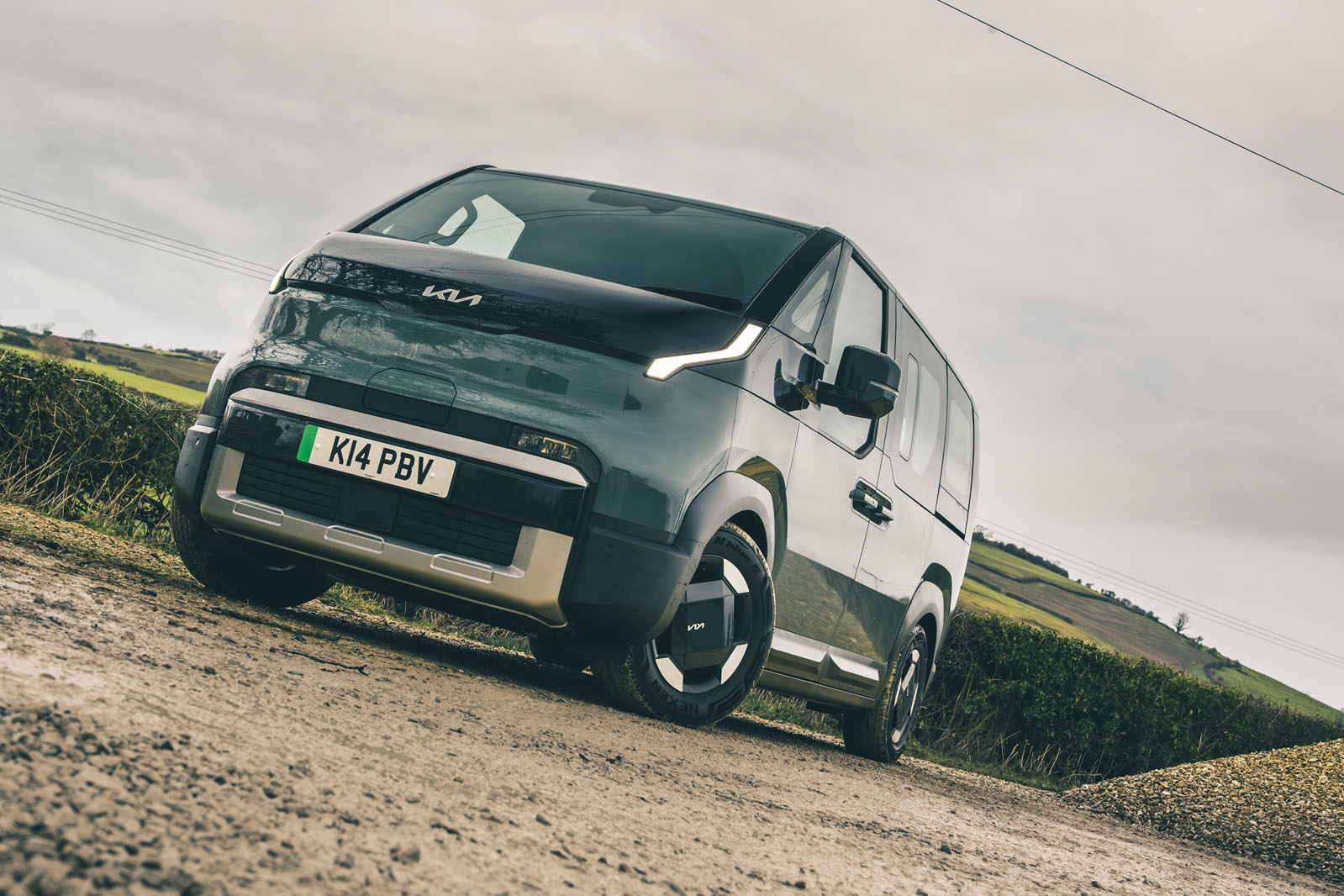
Passengers in the back enter through sliding rear doors, which, when fully opened, cover the rear axle. They make access in tight spaces easy, of course, although probably forced Kia's hand in the forward positioning of the car's charging port. Being right on the nose of the car, it means you will be parking nose-in before charging, only to have to reverse out of what could be a tight space. Any other positioning would most likely have brought the charging cables into close proximity of those sliding doors, or left the port prone to accident damage.
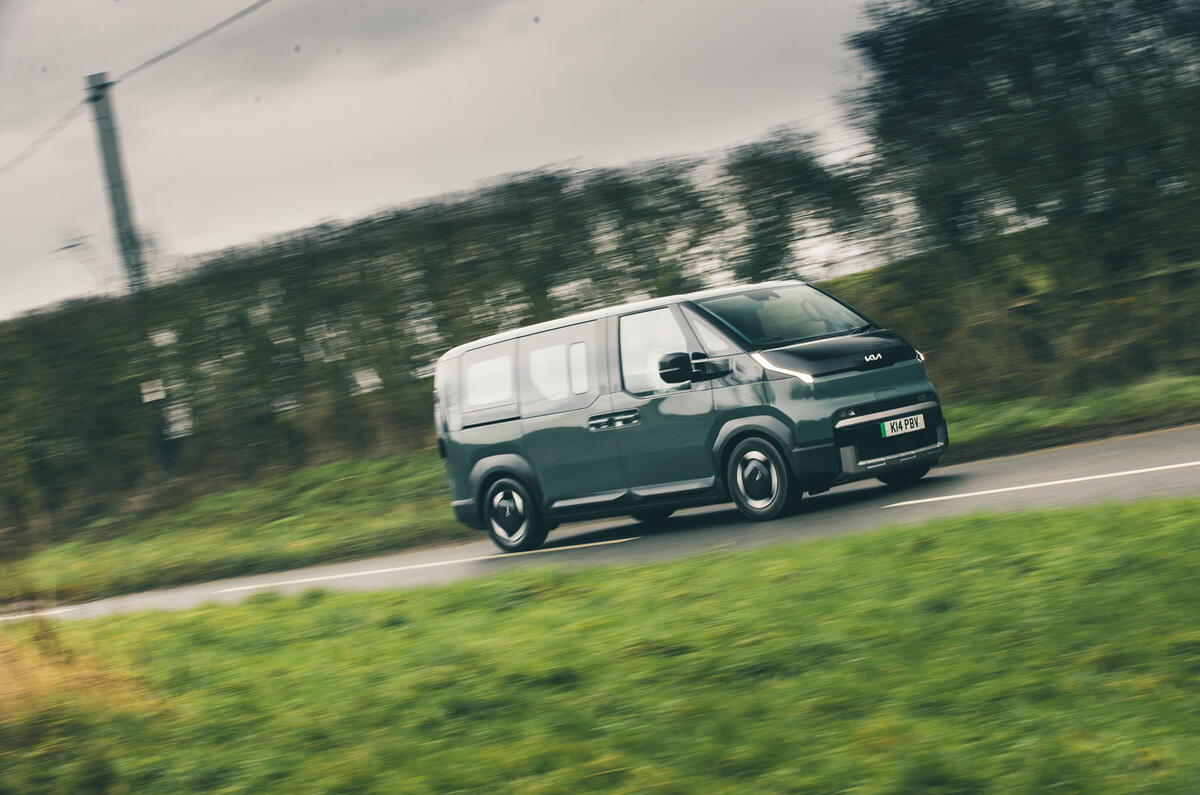
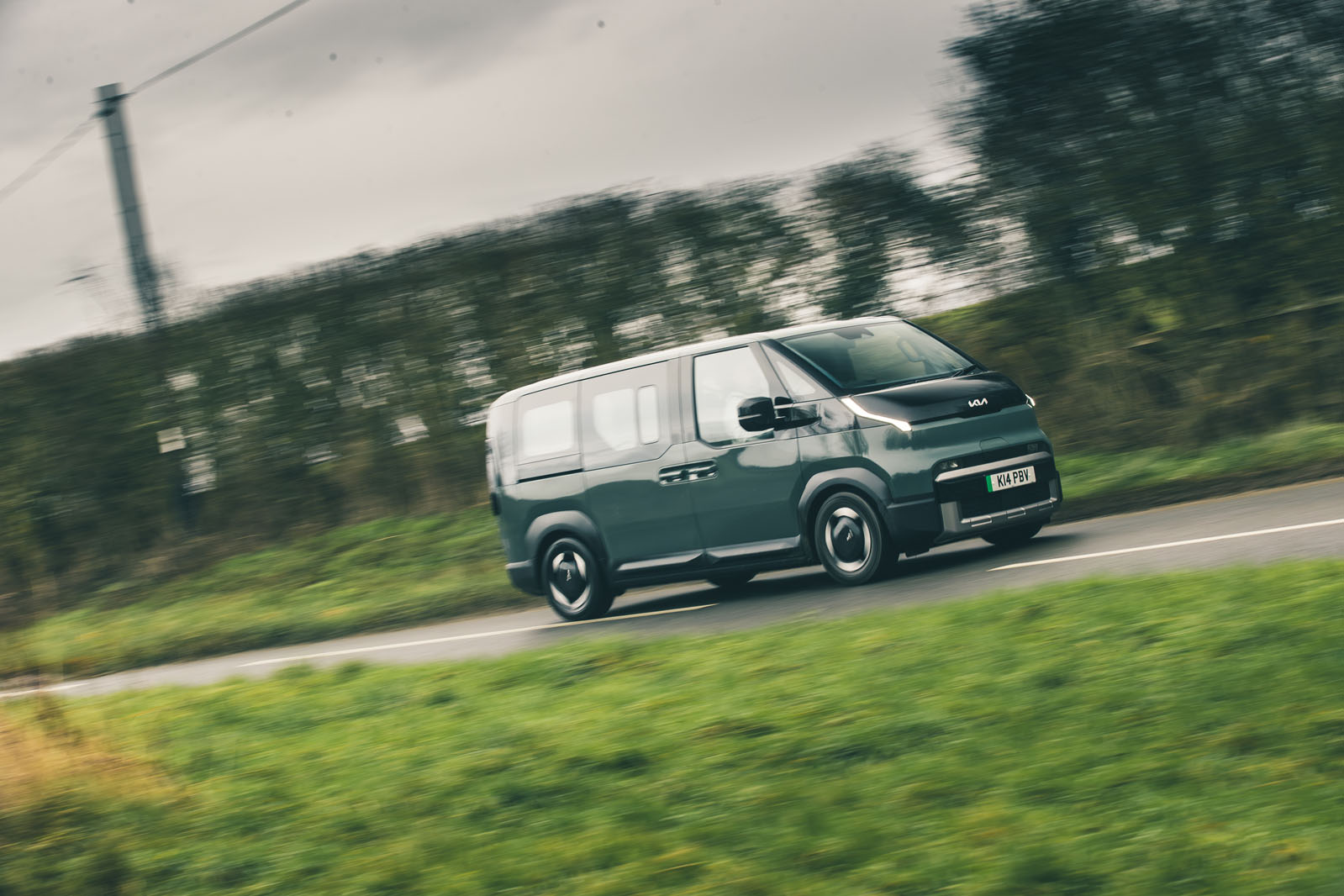
From the driver's seat you soon realise why Kia designed the car's low-rise beltline (where the side windows meet the door panels at the horizontal) just so. For those in front, this opens up lateral visibility, allowing the driver to see the position of the front wheels at full lock, for example, and to gauge the width of the PV5 more easily.
While it looks like that beltline should achieve something similar for those travelling in the rear, however, this is actually a trick, and the cabin becomes more enclosed the farther rearwards your vantage point moves. Glass panelling in the roof, as Citroen has used in similar LCVs, would have let more light in.
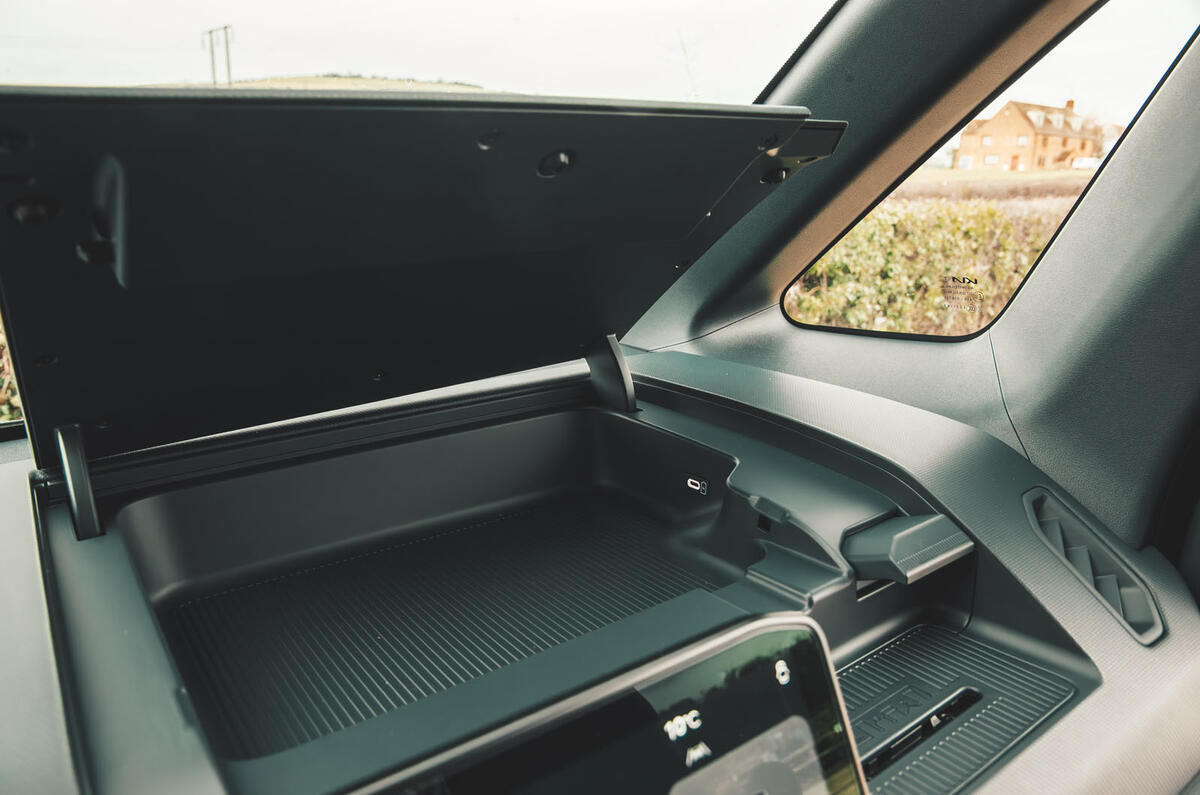
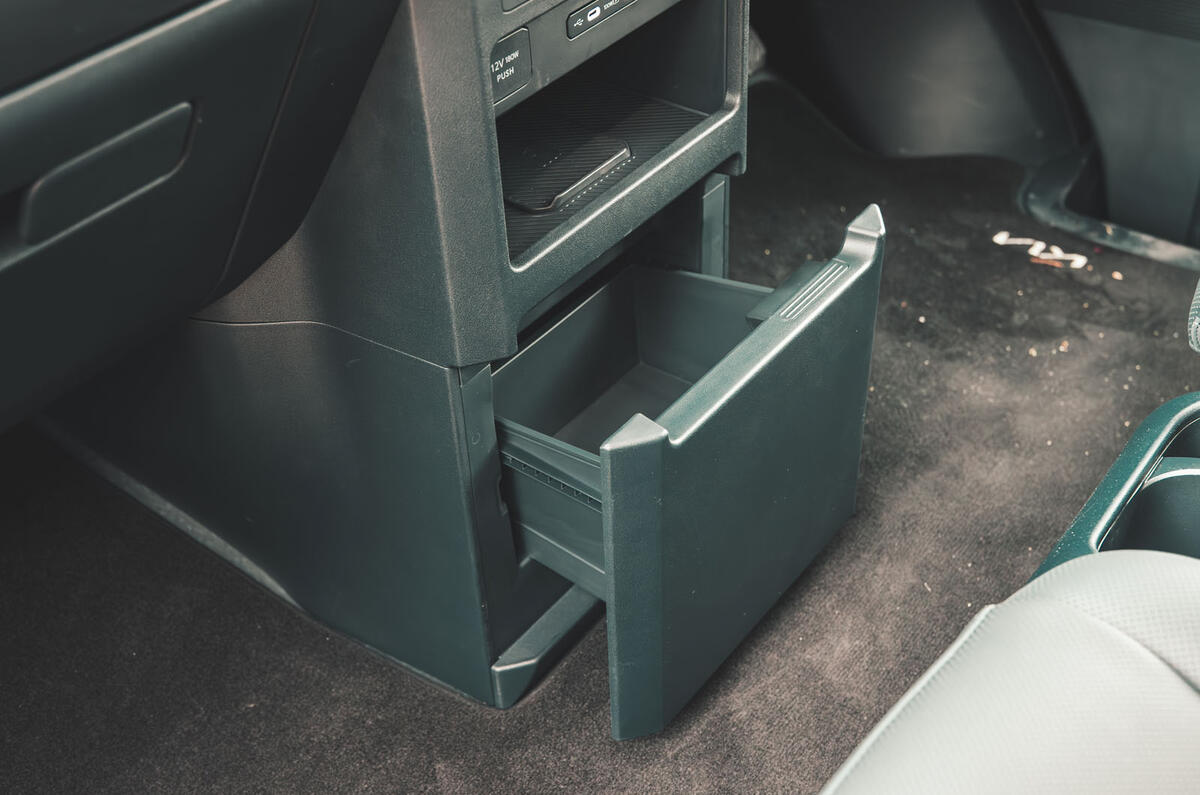
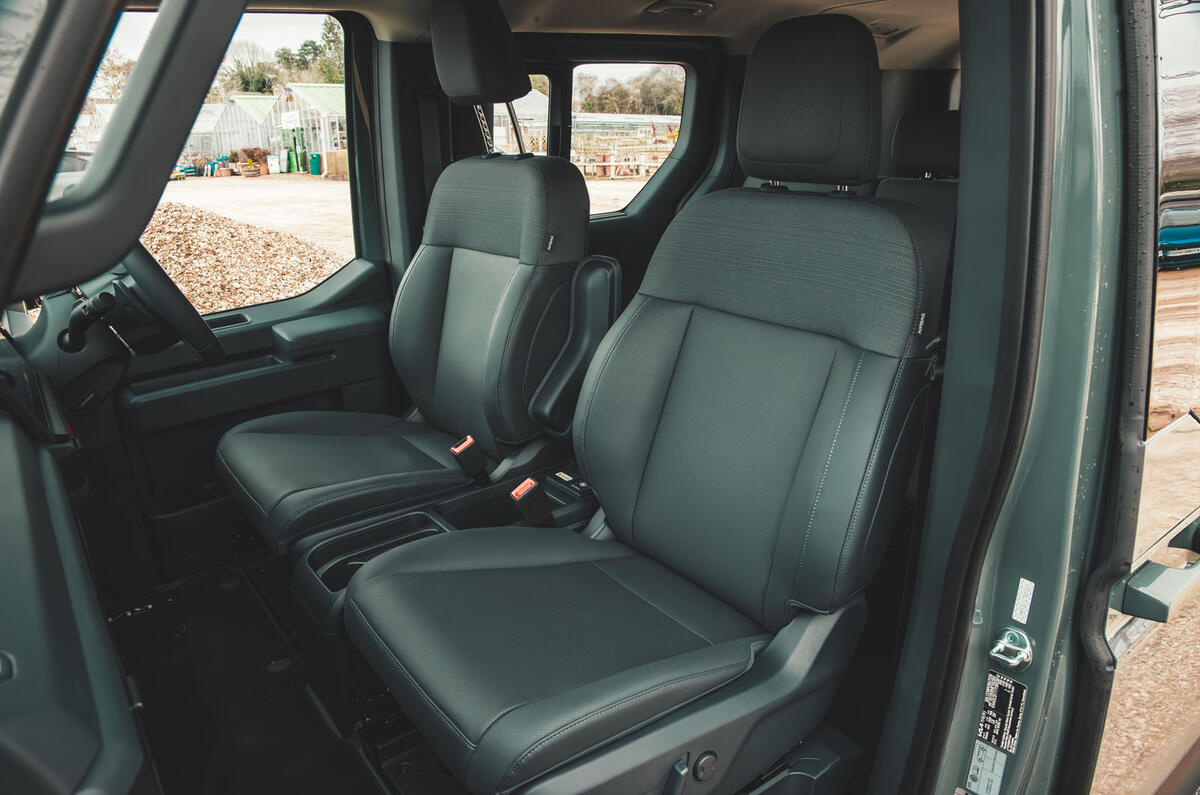
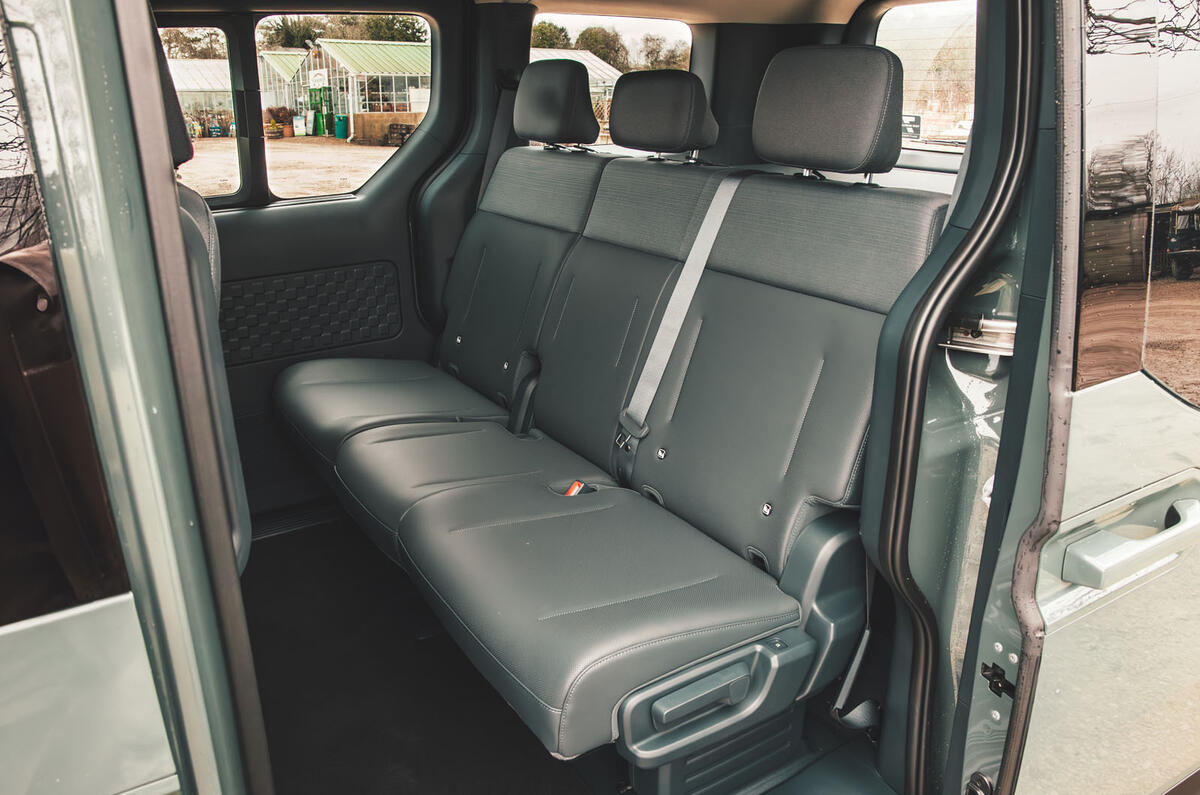
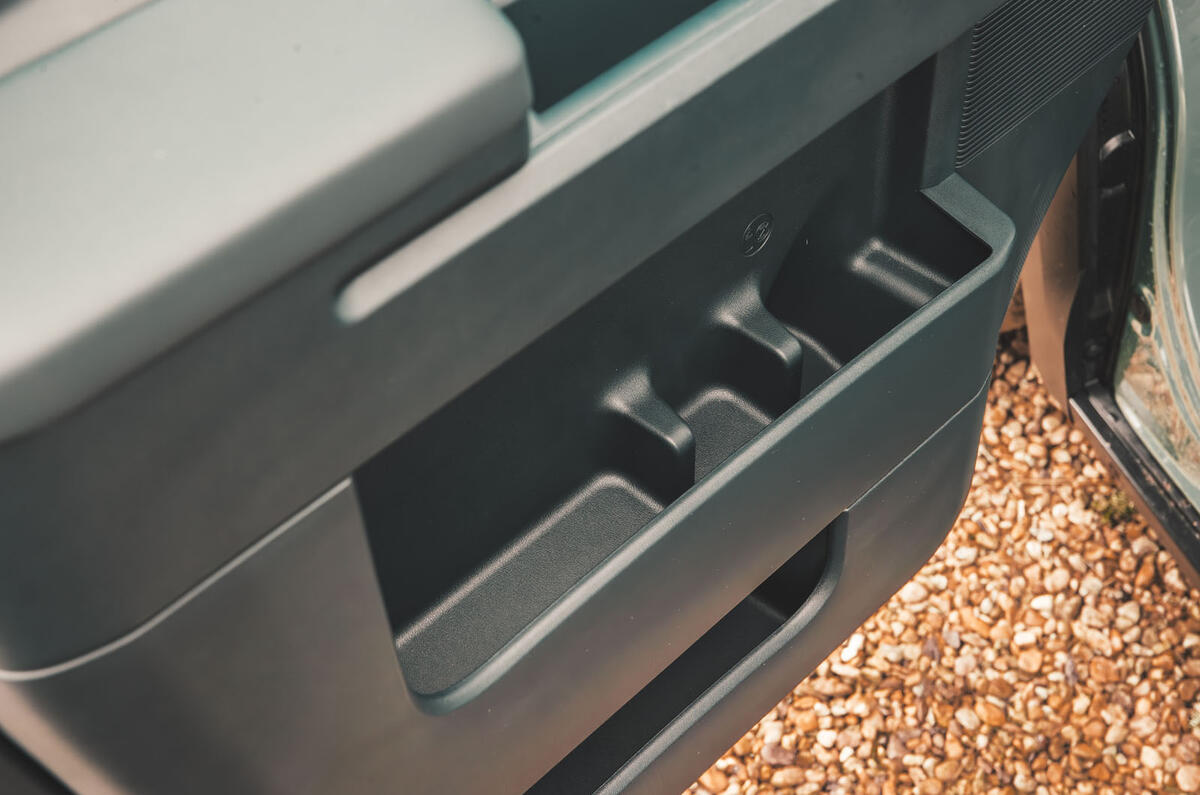
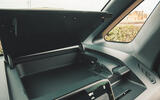
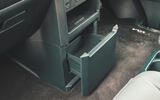
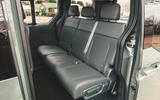
Second-row space is very generous indeed, the seats flat but wide enough for three adults to travel side by side comfortably. Because of the sliding doors, oddment storage back here is in short supply but there are wired device charging ports and smartphone storage pockets on the front seatbacks, as well as a storage mounting point on the lower centre console. The AddGear system works a little like Dacia's YouClip modular accessories, allowing you to attach small storage boxes, bag hooks, device holders or cupholders exactly where you want them.
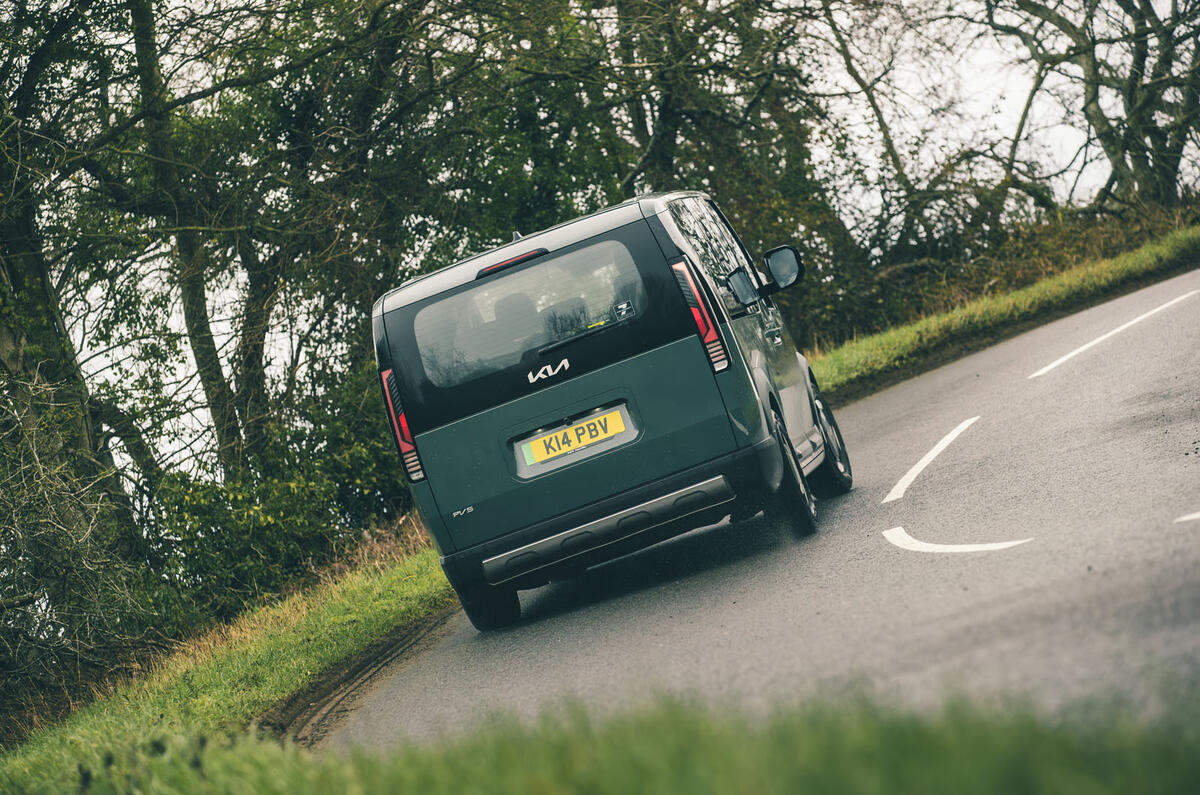
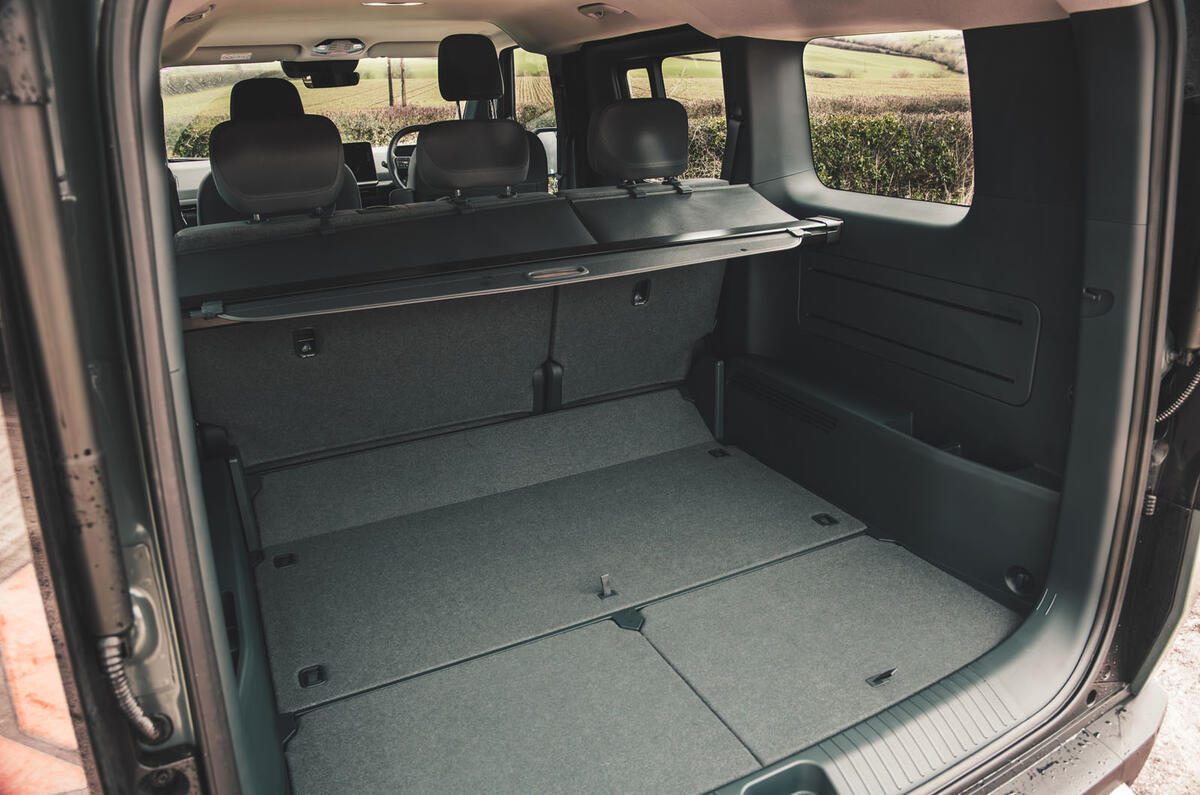
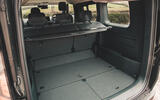
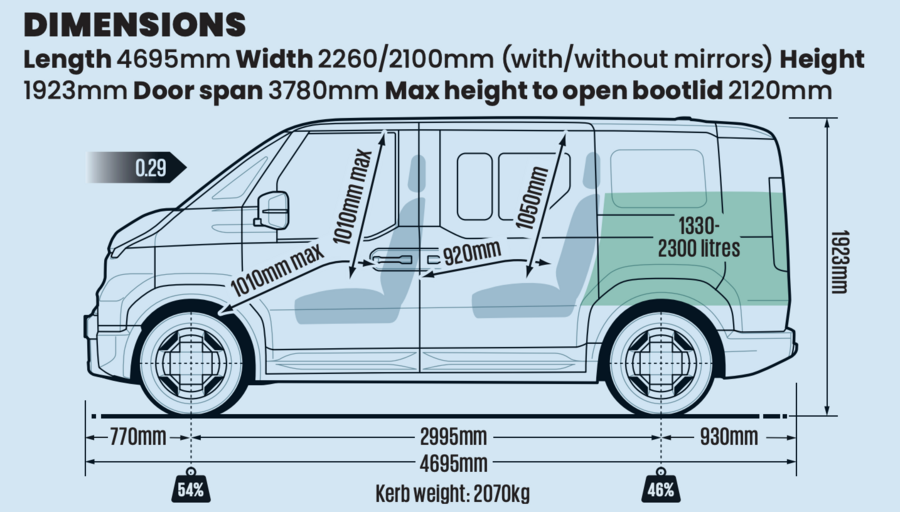
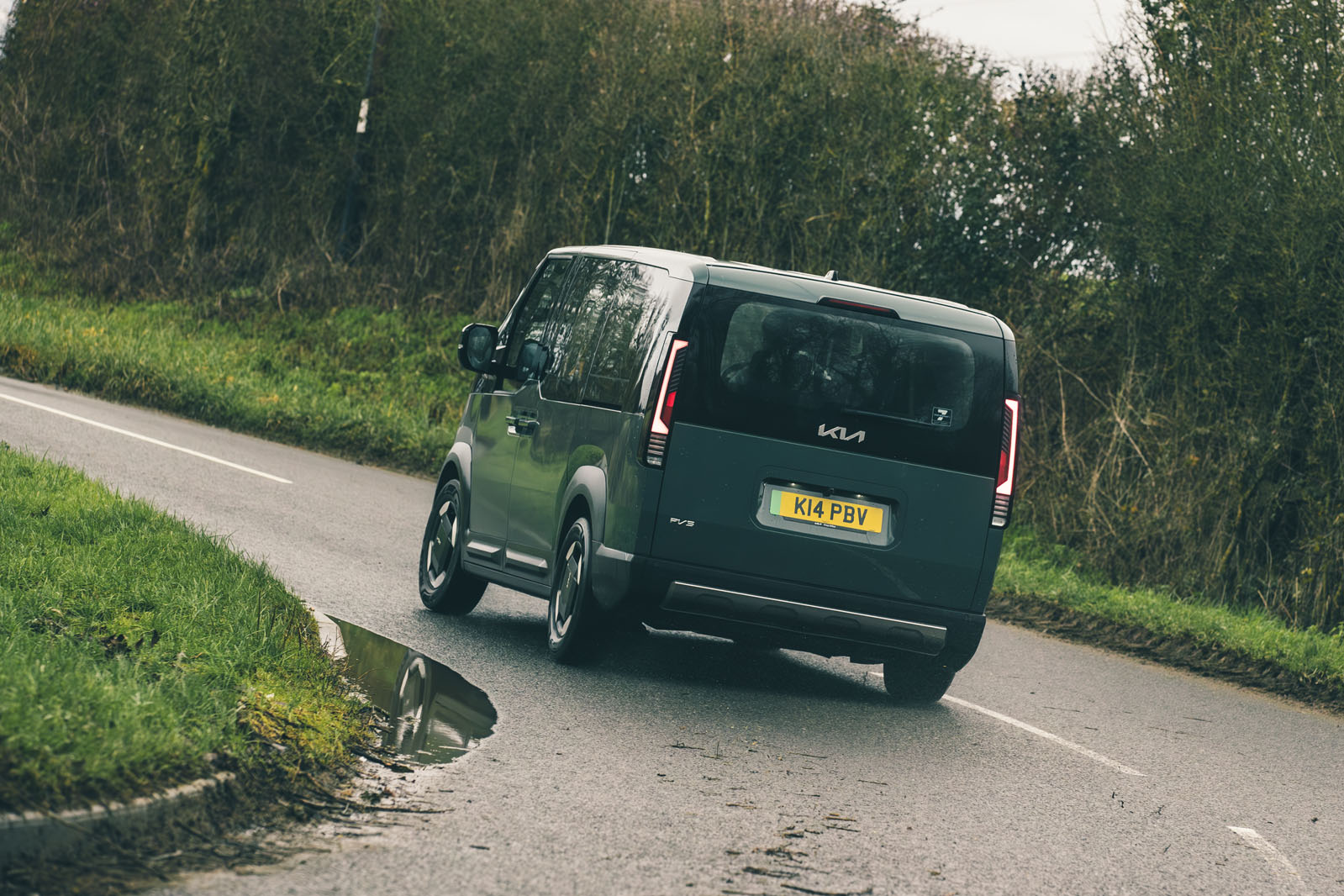
In five-seat mode, the PV5's huge boot has more than a metre of available loadspace in length, width and height terms. That rises to closer to 1.5m in each dimension once you remove its roller cover and under-floor boot organiser (the Ford Tourneo Connect has a seats-up loading length of 900mm, the Volkswagen ID Buzz SWB 1200mm), so the boot can swallow the likes of bulky cases, tents and pushchairs.
Folding the second-row seats creates a big step in the load floor that wouldn't be ideal for carrying longer items, however; the front passenger seat doesn't fold flat; and none of the passenger seats are removable. The forthcoming seven-seat version of the PV5 is likely to major on considerably better cabin versatility and user configurability, of course, so this car's finest MPV smarts may be still to come.
Multimedia
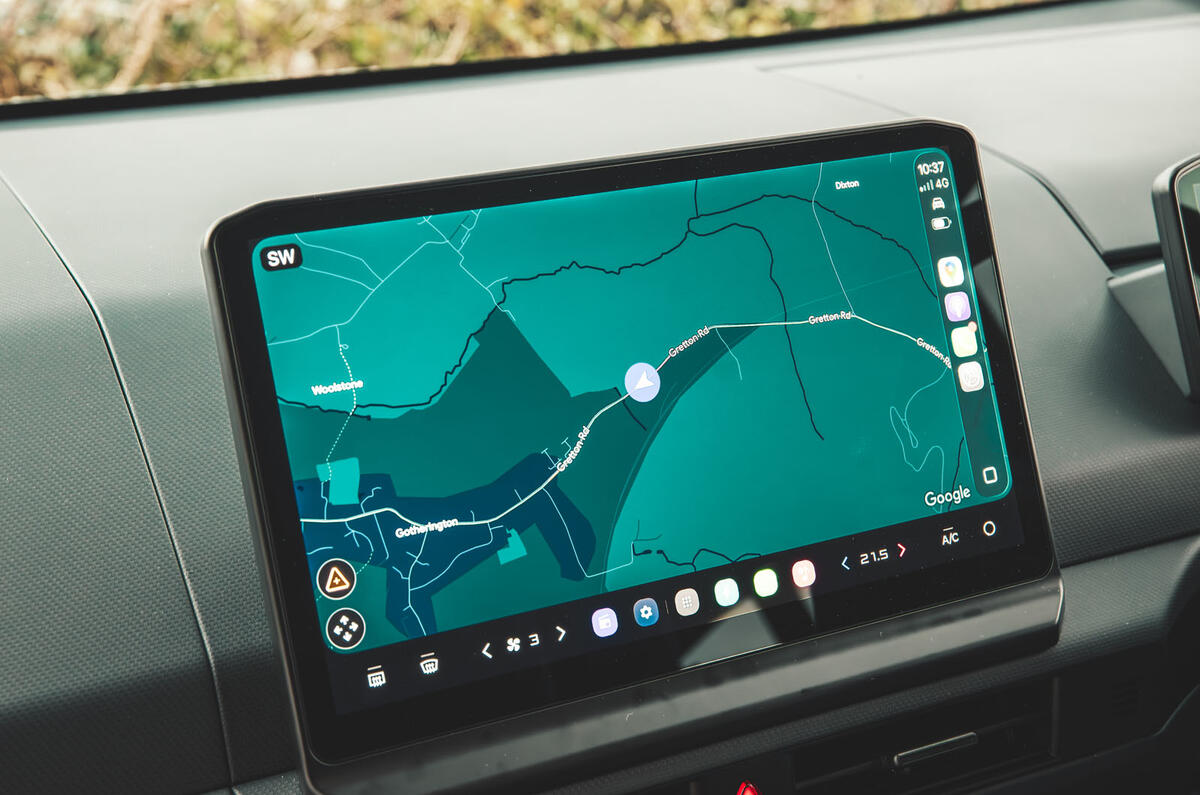
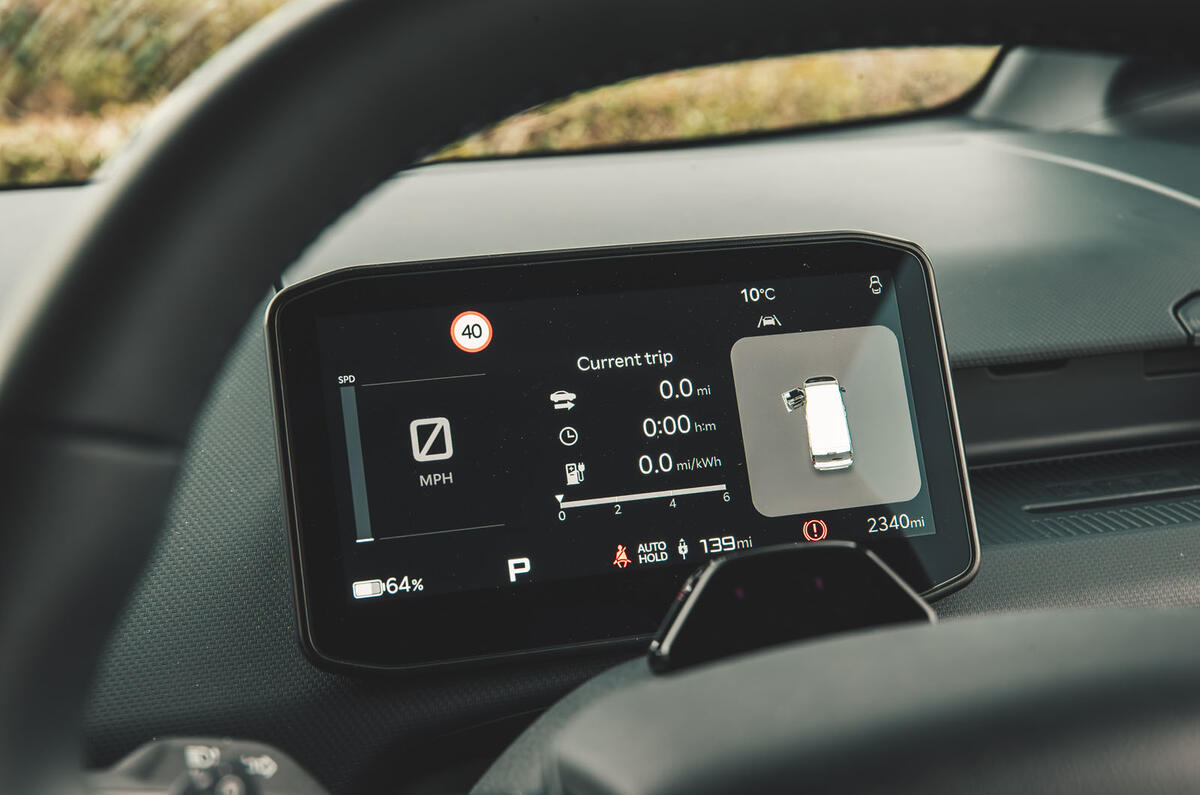
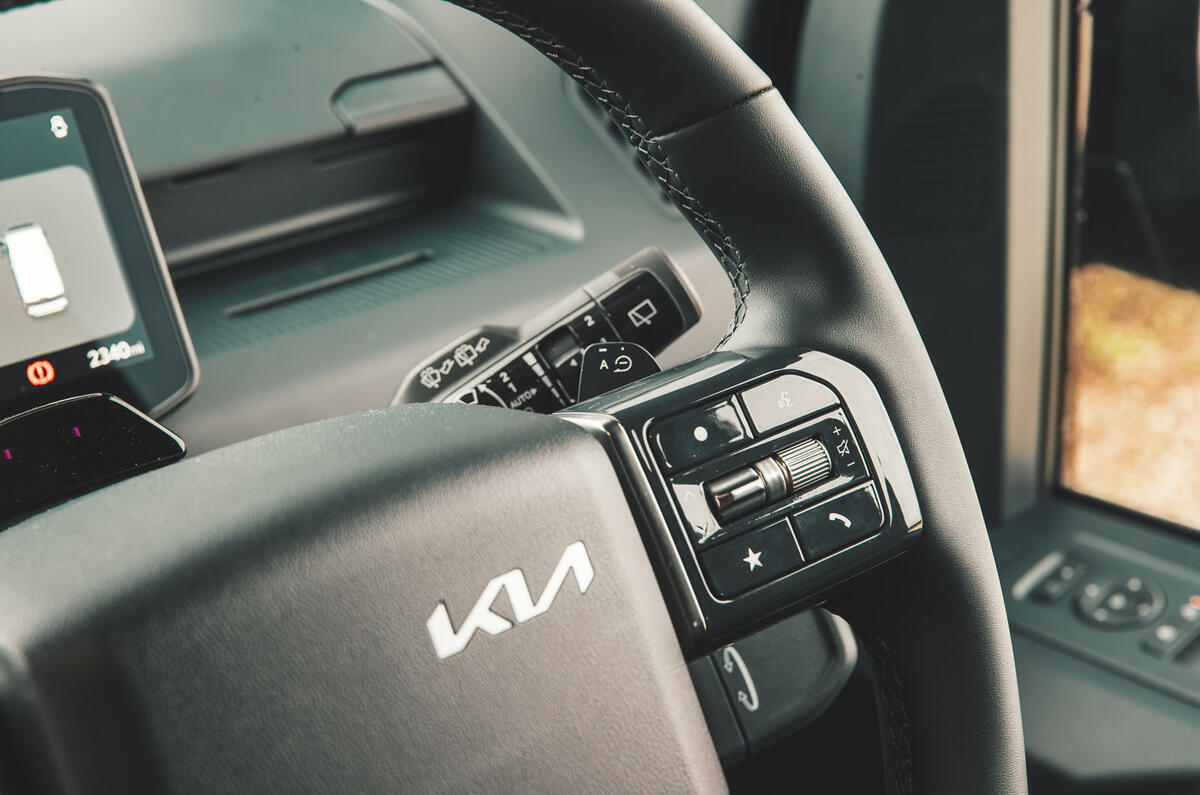
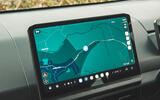
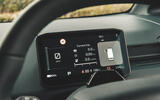
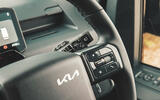
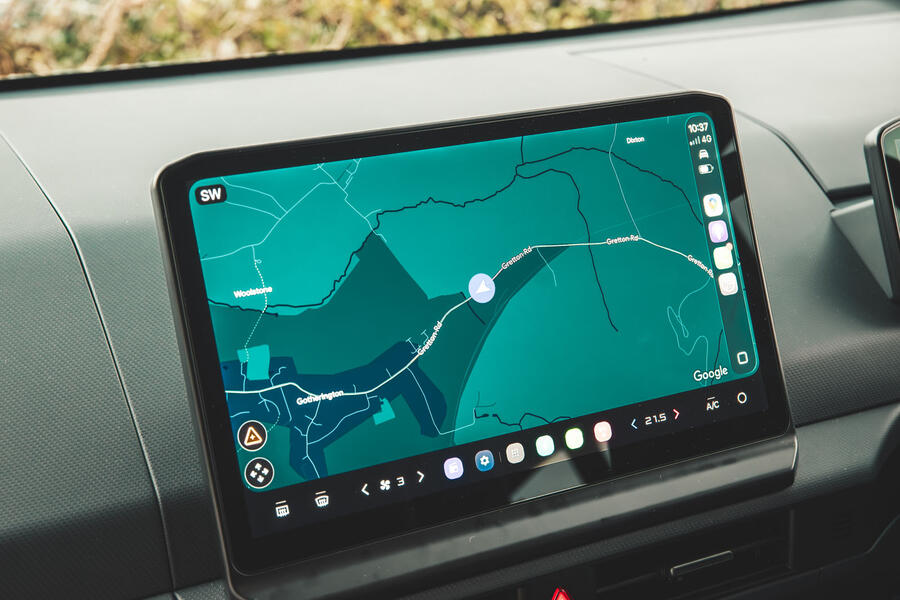
The digital technology in the PV5 has a slightly different look to what you will find in Kia's other best electric cars. It's actually Kia's first to be powered by Google's Android infotainment software, which works smartly enough, with bright and clear graphics. But a little annoying is that it lacks any physical menu buttons or physical HVAC controls, both of those having been squeezed into a nav bar across the bottom of the screen (which does at least stay in place when Apple CarPlay is active). Two configurable shortcut buttons are provided on the right-sided steering wheel spoke, however, which you can set to take you directly to the car's ADAS controls, for example.
Overall, the system suffers a little for the lack of physical controls, but still feels like one where usability while driving has been reasonably well considered, and it isn't nearly as distracting as some.