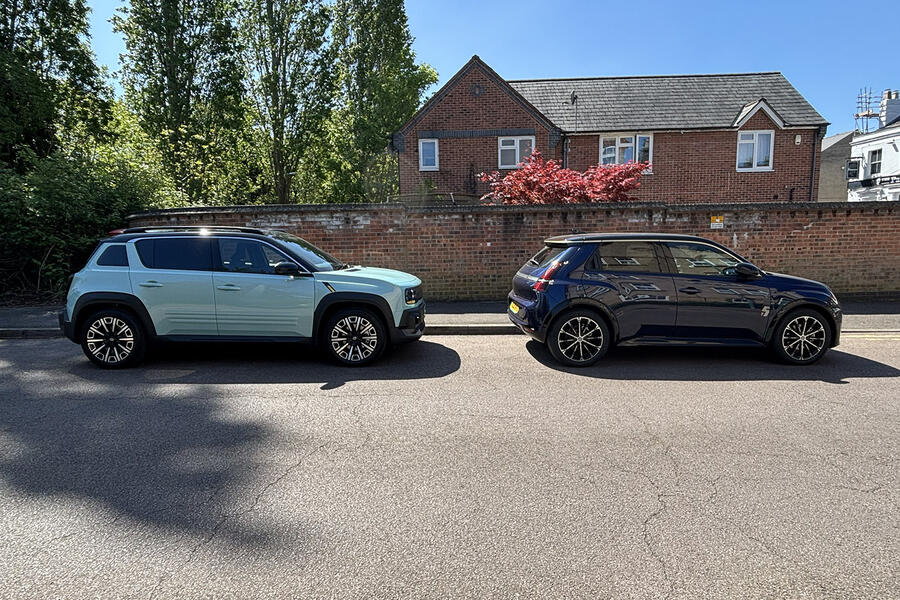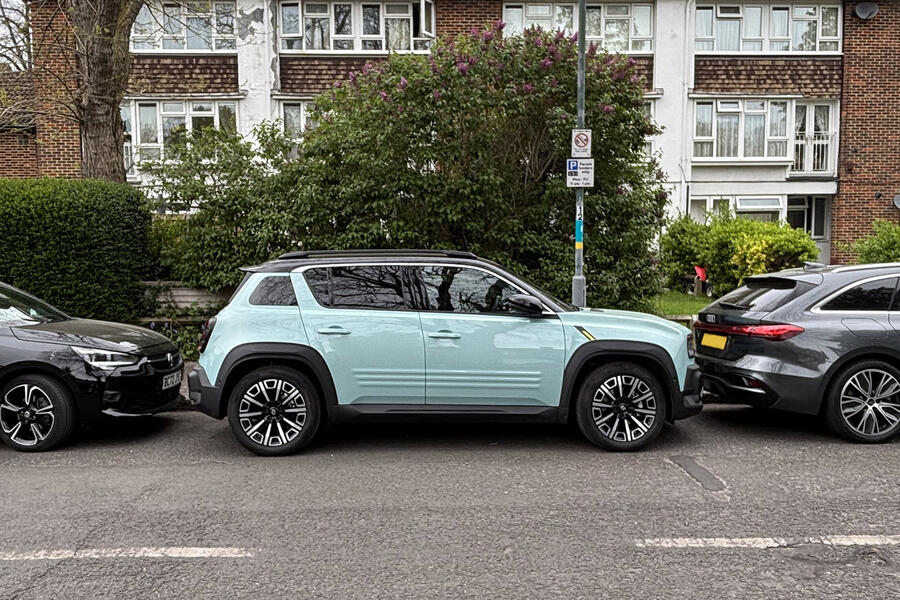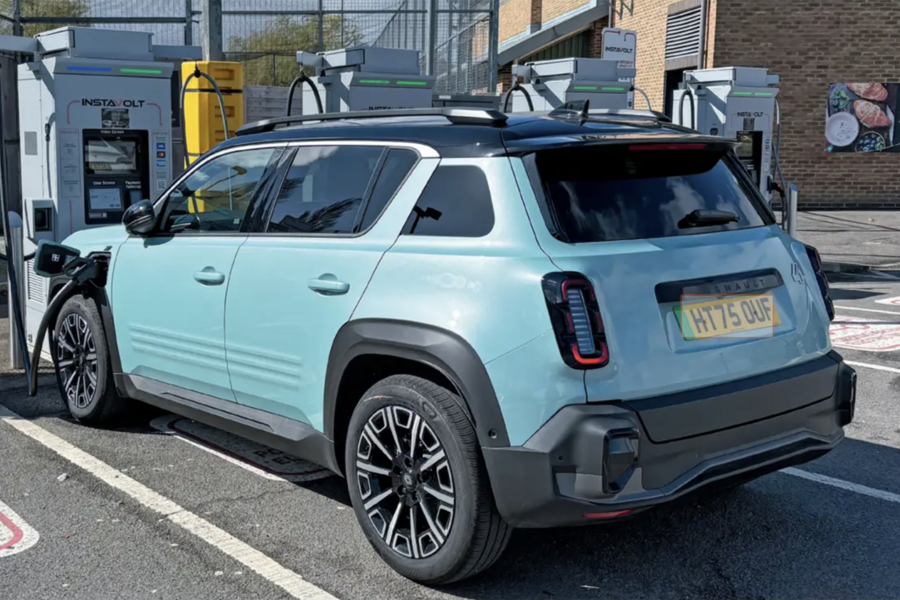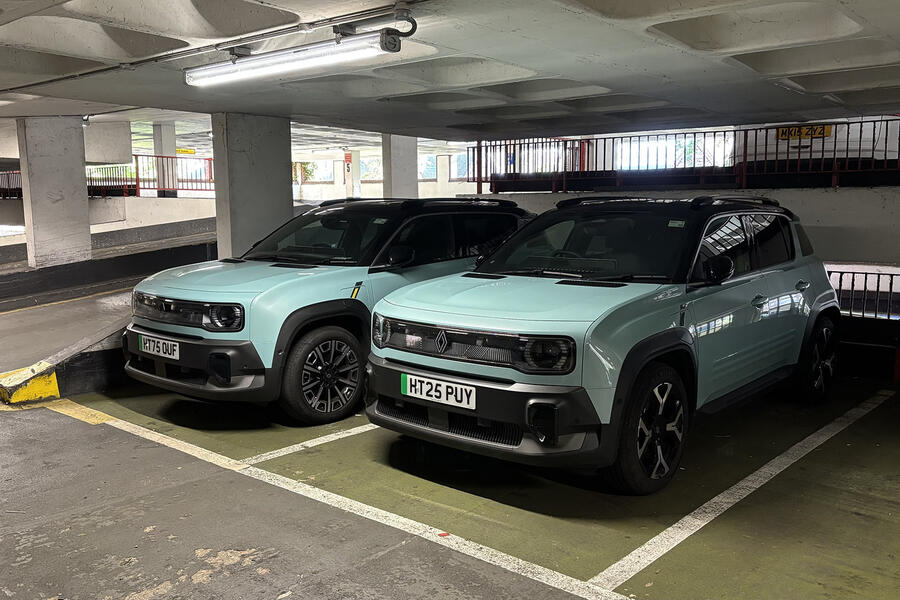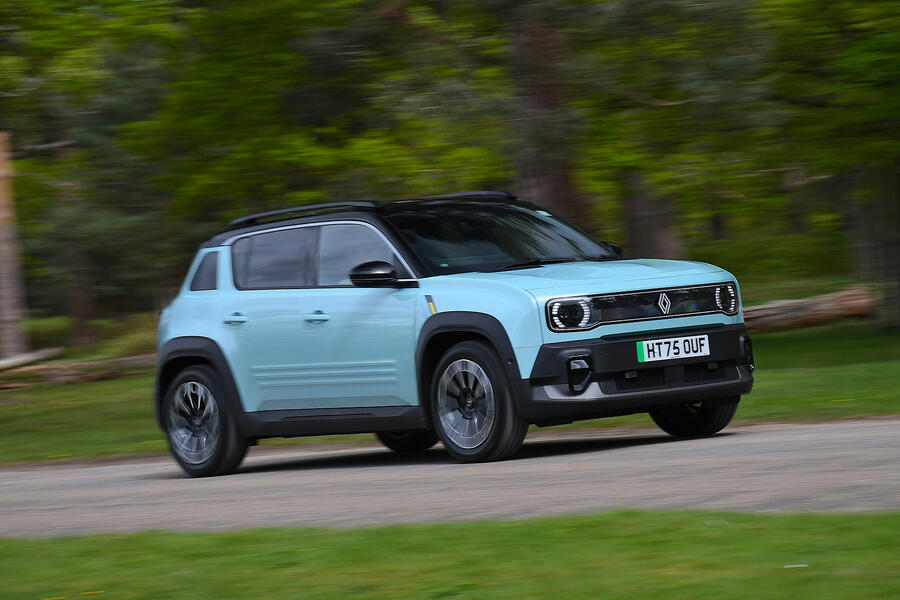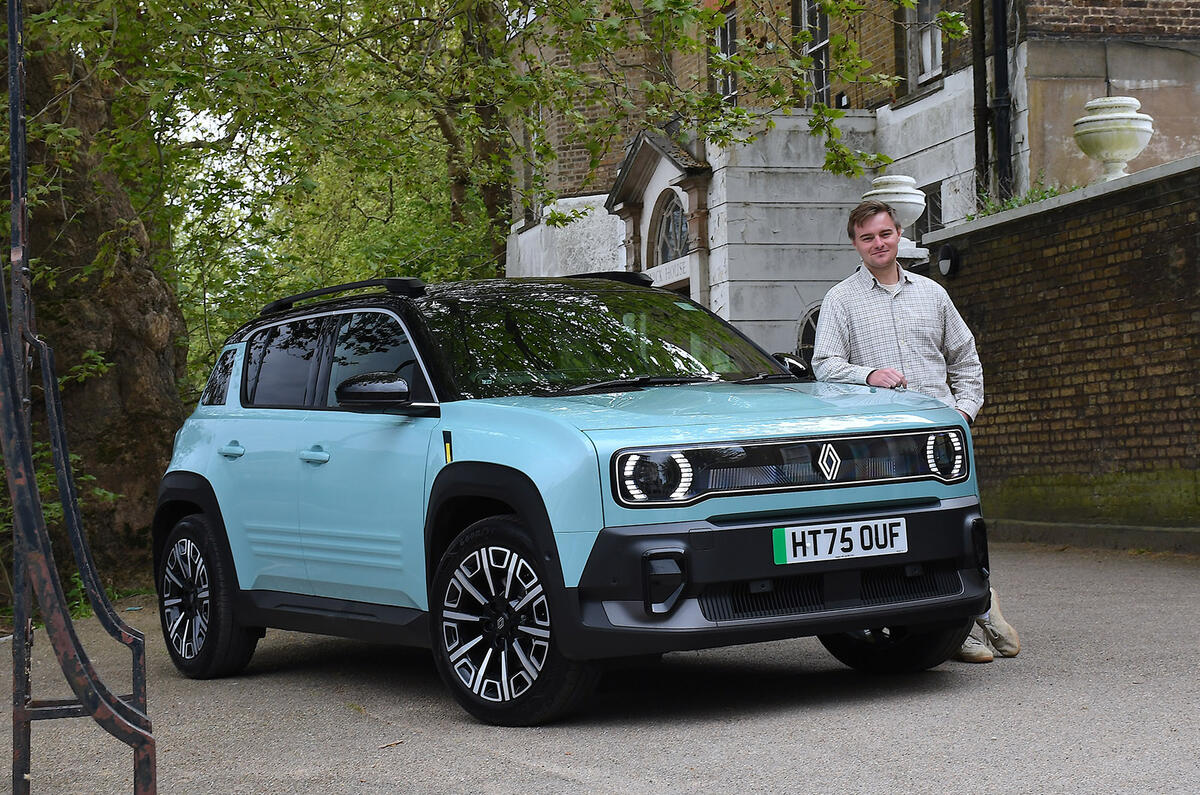

And just like that: the Renault 4 has been on sale for a year already. It seems hardly believable, doesn’t it?
It’s partly because it still looks so new and distinctive, but also perhaps because the towering success of its smaller Renault 5 sibling has cast a long shadow in which this little electric SUV has been beavering away quietly, similarly impressing the critics and amassing a decent market share but without quite so much pomp and fanfare to mark its achievements.
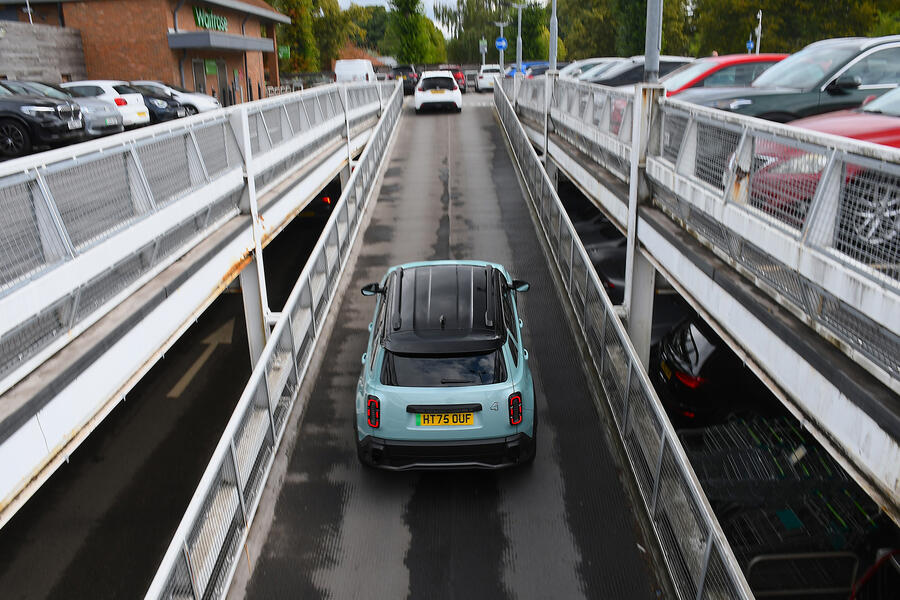
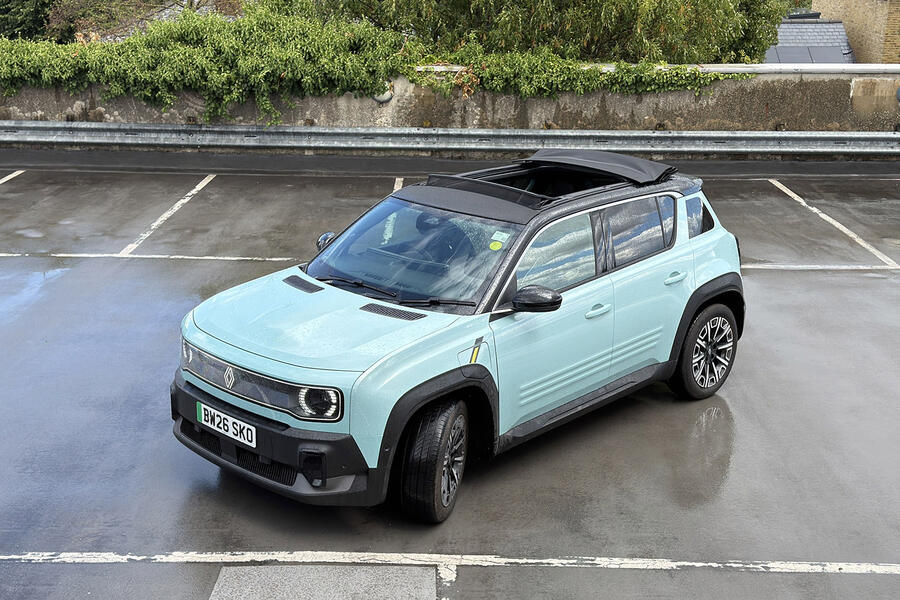
Let’s have a quick refresher, then. The 4 is effectively a slightly loftier and longer version of the 5 – much as the Captur is to the Clio on the ICE-powered side of Renault’s line-up. Like its hatchback sibling, it is designed in homage to its 1970s namesake – albeit perhaps not quite so obviously – and rides on the Renault Group’s Ampr Small platform for little EVs, which it also shares with the freshly launched Twingo city car.
Our 4 has a 52kWh battery, giving a claimed 247 miles between charges (Renault doesn’t sell the cheaper 40kWh option in the UK), and despite being specced in range-topping Iconic+ trim still costs less than £30,000, even with the snazzy optional turquoise paint.
Importantly, all versions qualify for the maximum £3750 discount under the UK’s Electric Car Grant scheme, having been equipped with a new locally sourced battery last year to replace the old Chinese-supplied unit. That’s all the ‘+’ in the trim name signifies; it’s applied to all new 4s and 5s and has no bearing on performance or spec.
Fundamentally, the 4 is a close technical relation to the Alpine A290 that I’ve just spent a few months in and I’m extremely interested to see how it compares as a daily driver. I liked the hot hatch a lot. It has bags of character, steers sweetly, looks great and gets a proper shift on when you need it to. But over the course of a few cold months, I got more and more frustrated with its limitations in everyday use and its tiny real-world range and lustreless practicality made it ultimately a bit of a chore to rub along with.
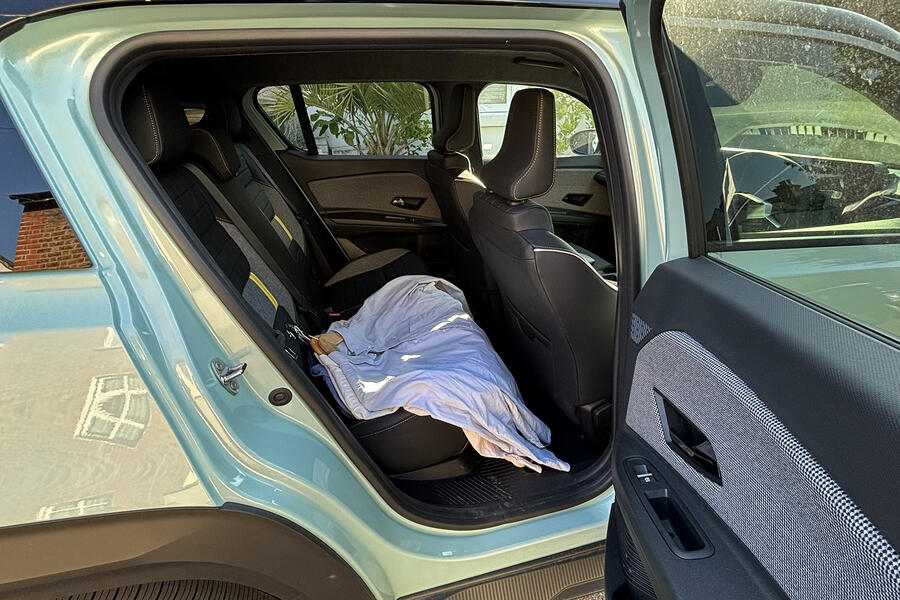
Happily, this SUV is usefully bigger in all important dimensions; it’s less powerful so more efficient (despite its loftier form and heftier kerb weight); and it has a much softer and more easy-going character that promises to ease the strain of those more boring and frustrating drives that tend to account for most of my time at the wheel.
It naturally concedes the dynamic edge to its sportier Alpine cousin (and the amusingly agile 5 on which it’s based) but that’s a price I’m willing to pay on the rare occasion when such things matter – particularly given how difficult it is to have a good time on our decrepit roads anyway.