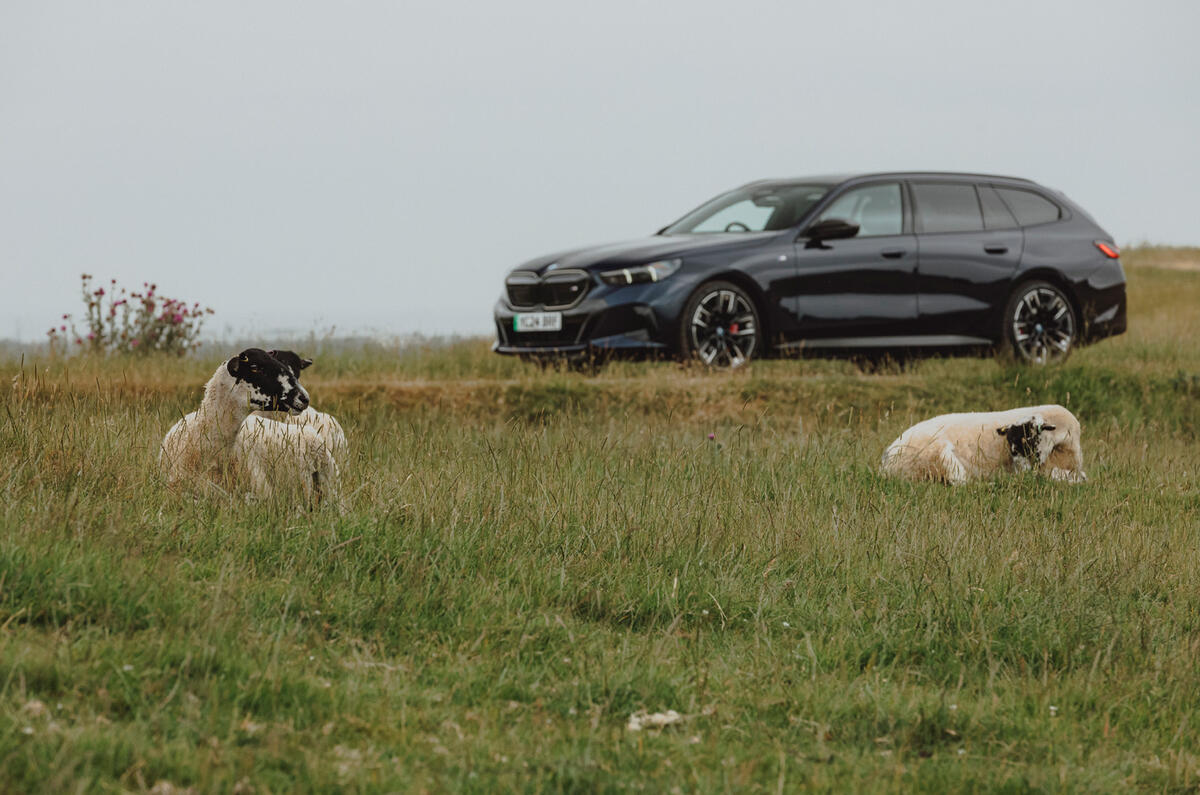
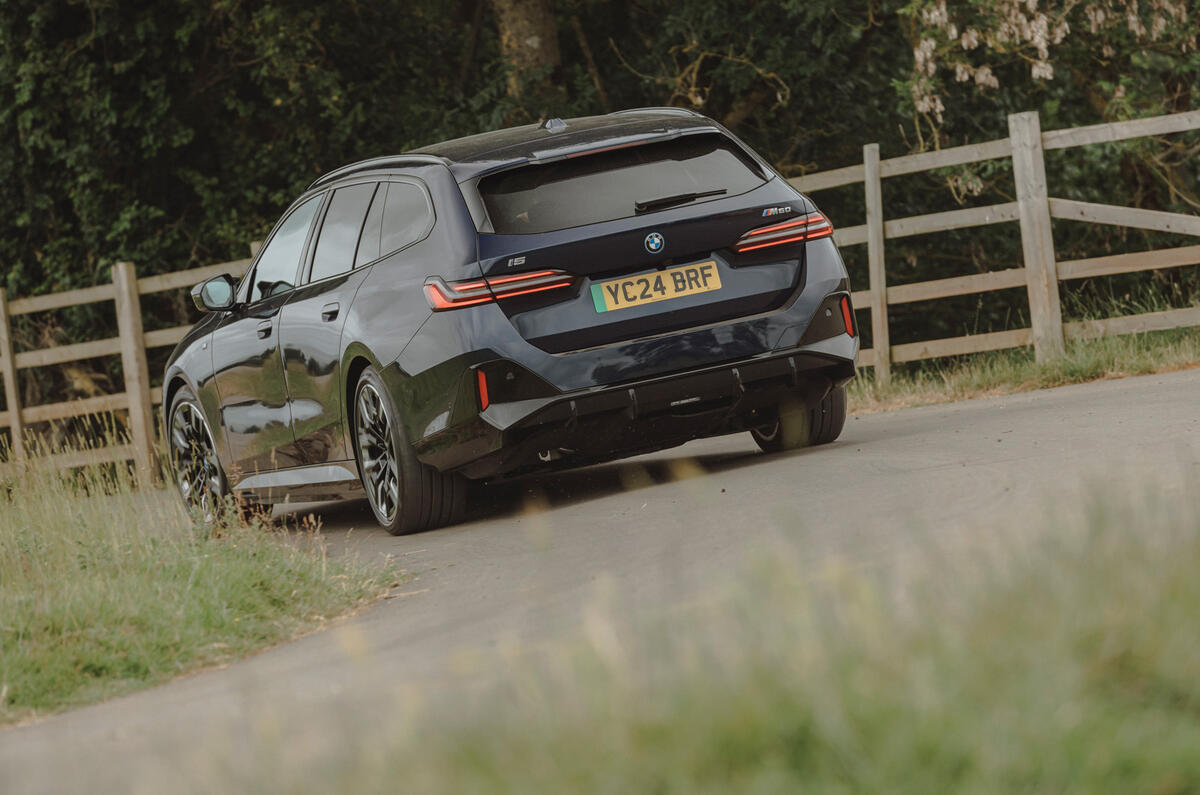
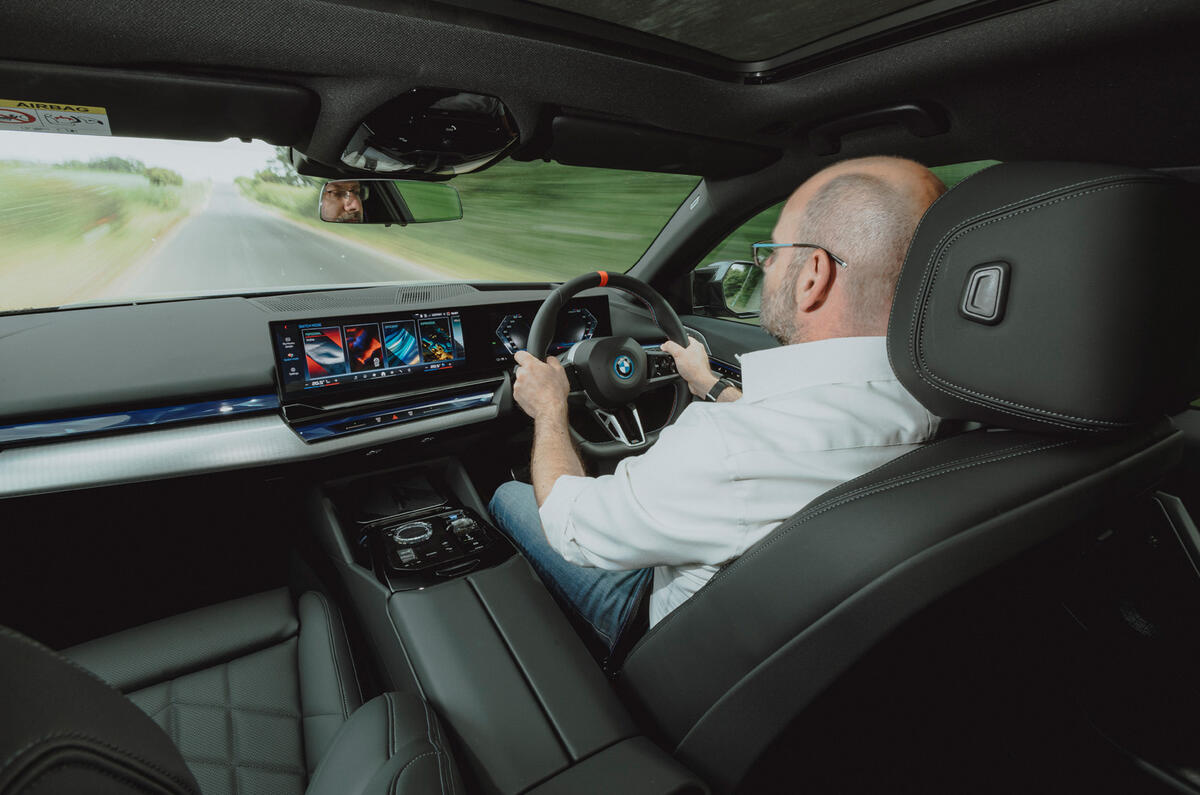
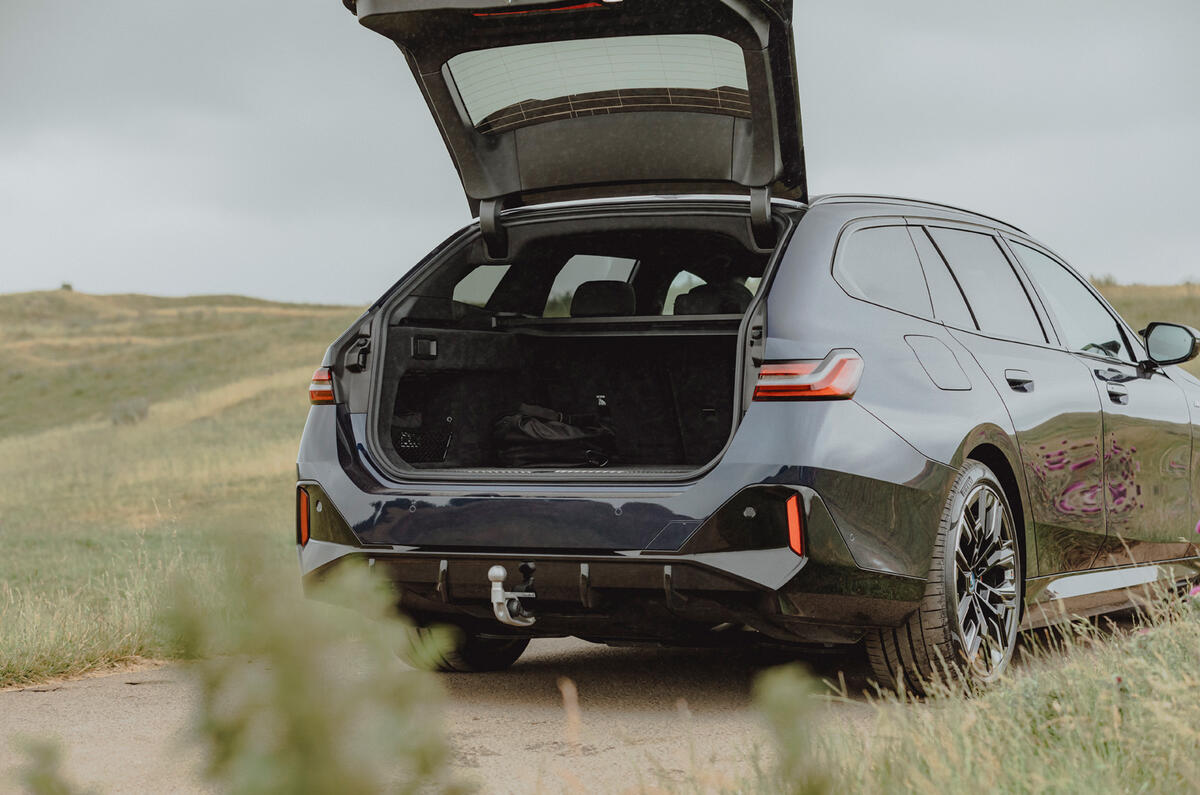

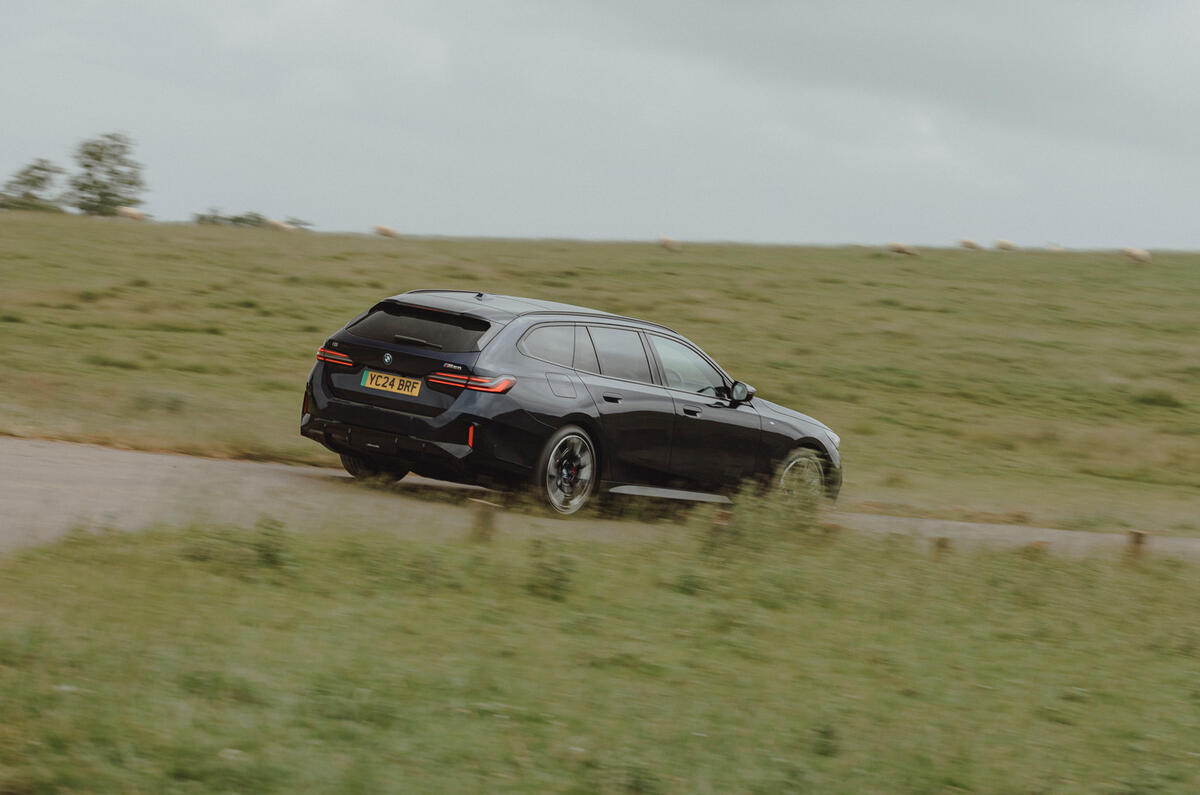
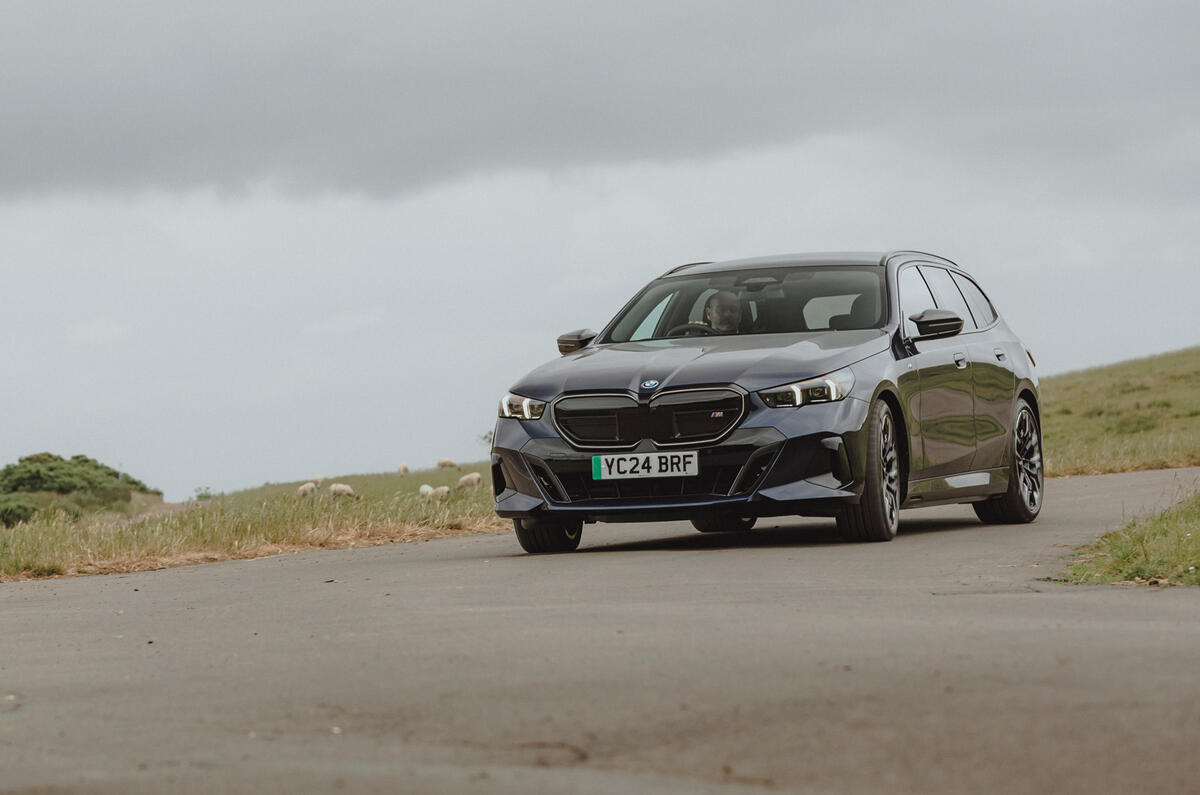
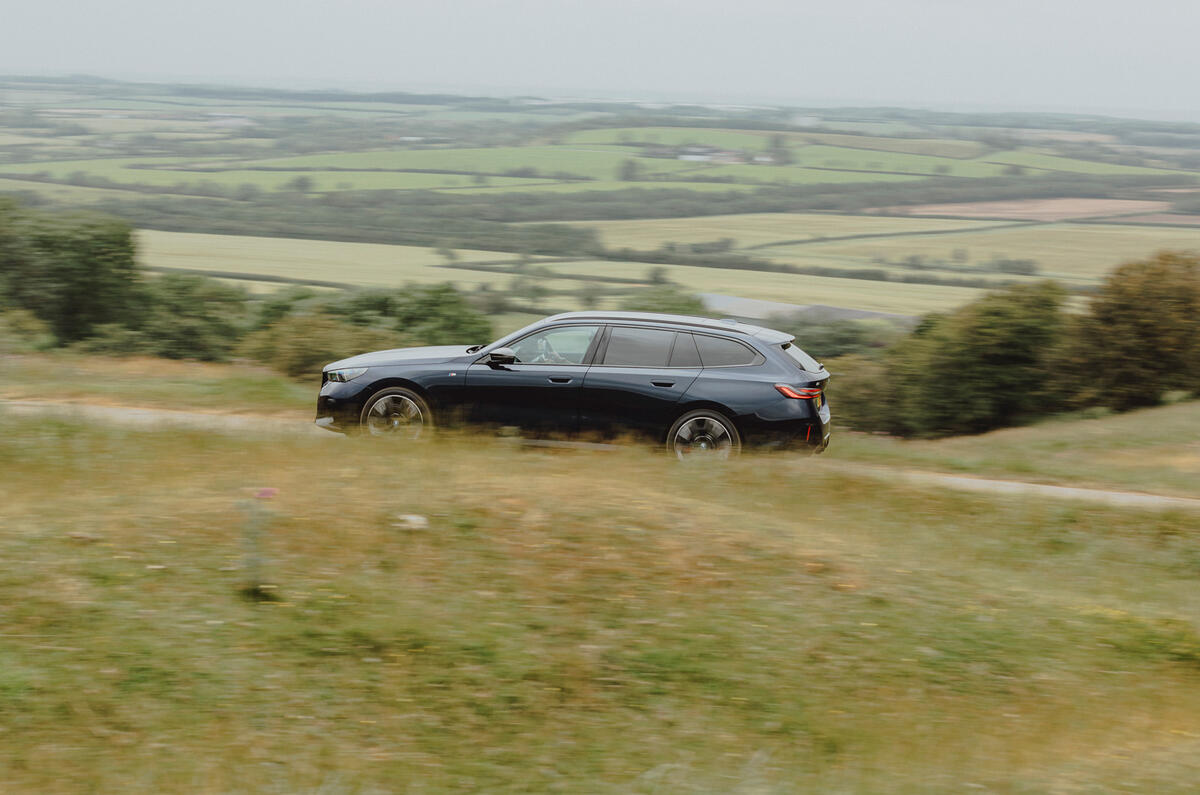
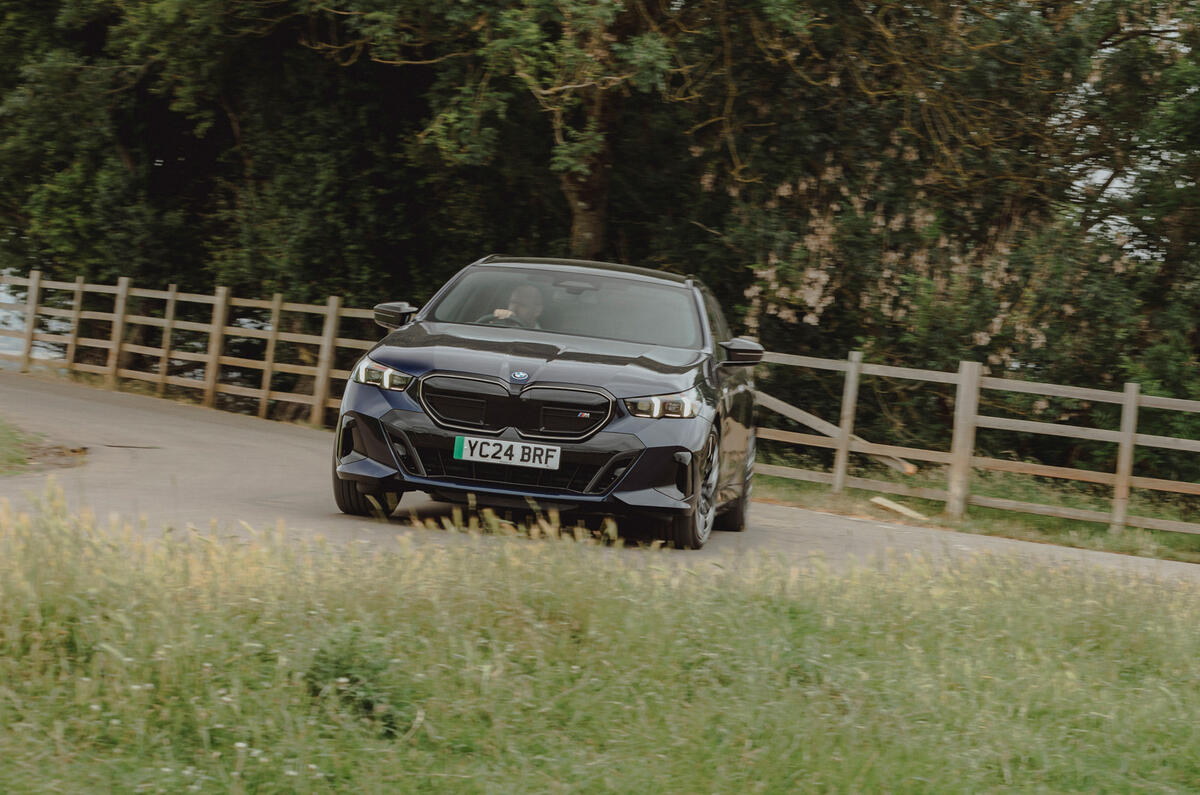
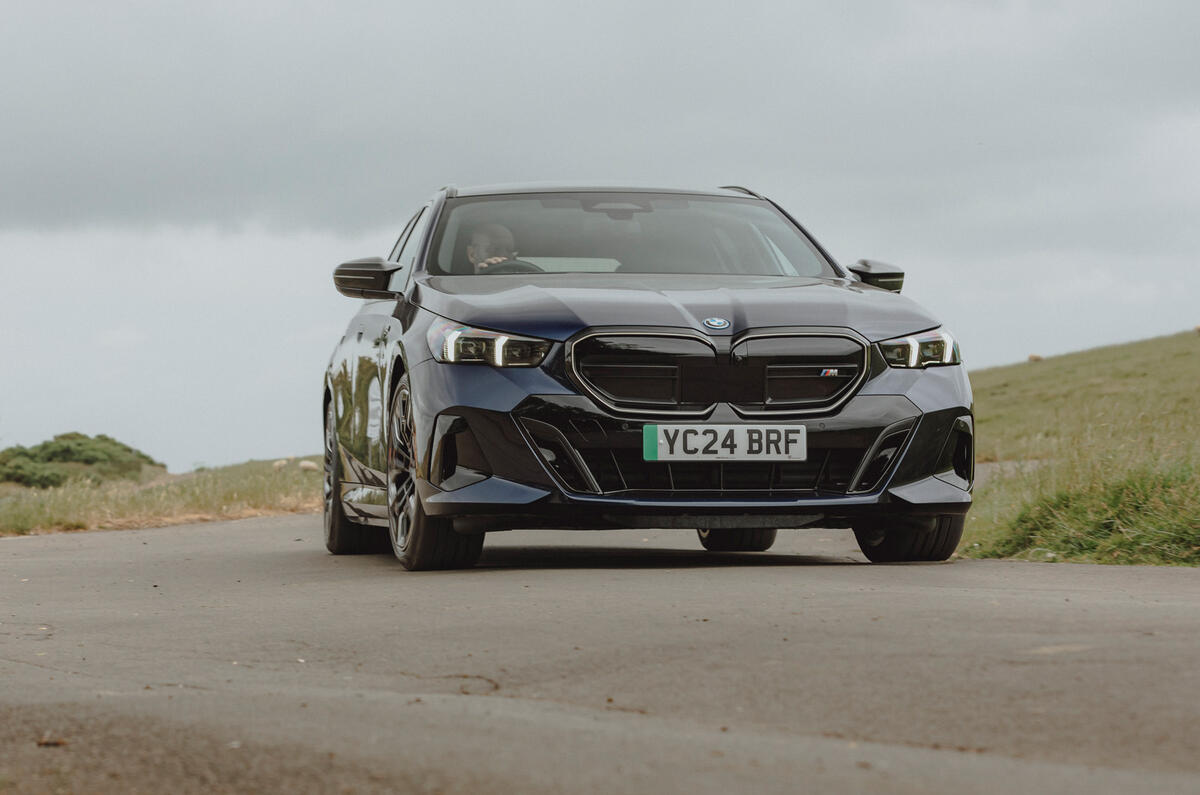

















Before this BMW i5 Touring arrived, I’d spent some time looking after a Land Rover Defender. The two are about the same price, at approximately £100,000 – and, no, I don’t know how so many people appear able to afford cars of that value either.
But to run them as company cars would be quite a different experience. The Defender came with a 3.0-litre diesel engine, thus attracting a 37% benefit-in-kind tax rating – so an employee would pay tax on nearly £37,000 annually; a 40% taxpayer would be faced with a monthly tax bill of nearly £1200.
Compare and contrast with this new BMW i5 Touring and its 2% benefit-in-kind rating, which would leave a 40% taxpayer with a bill of just £67 a month to run it.
The difference is of the magnitude that I keep going back to check it’s not wrong. It’s no wonder that EVs or long-electric-range plug-in hybrids are today the go-to cars for company users.
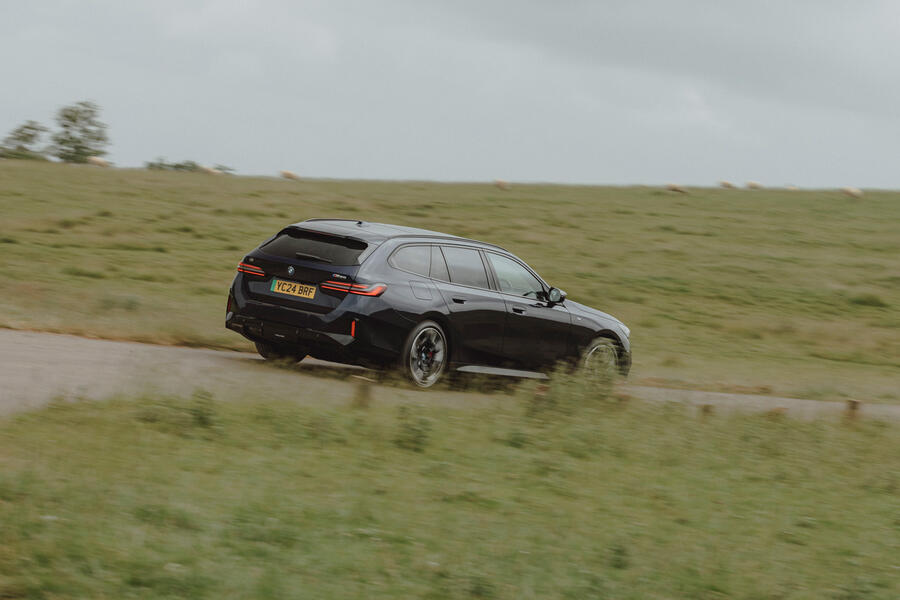
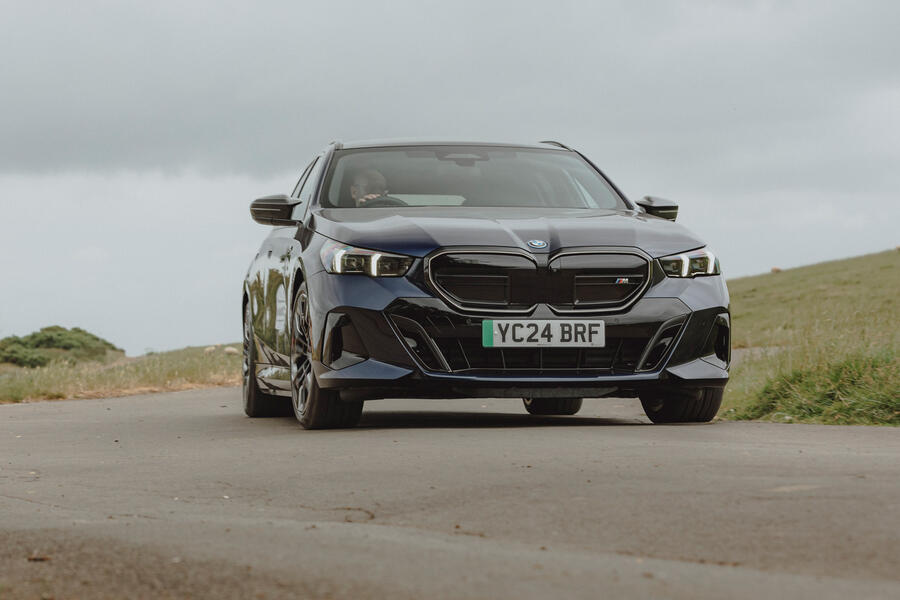
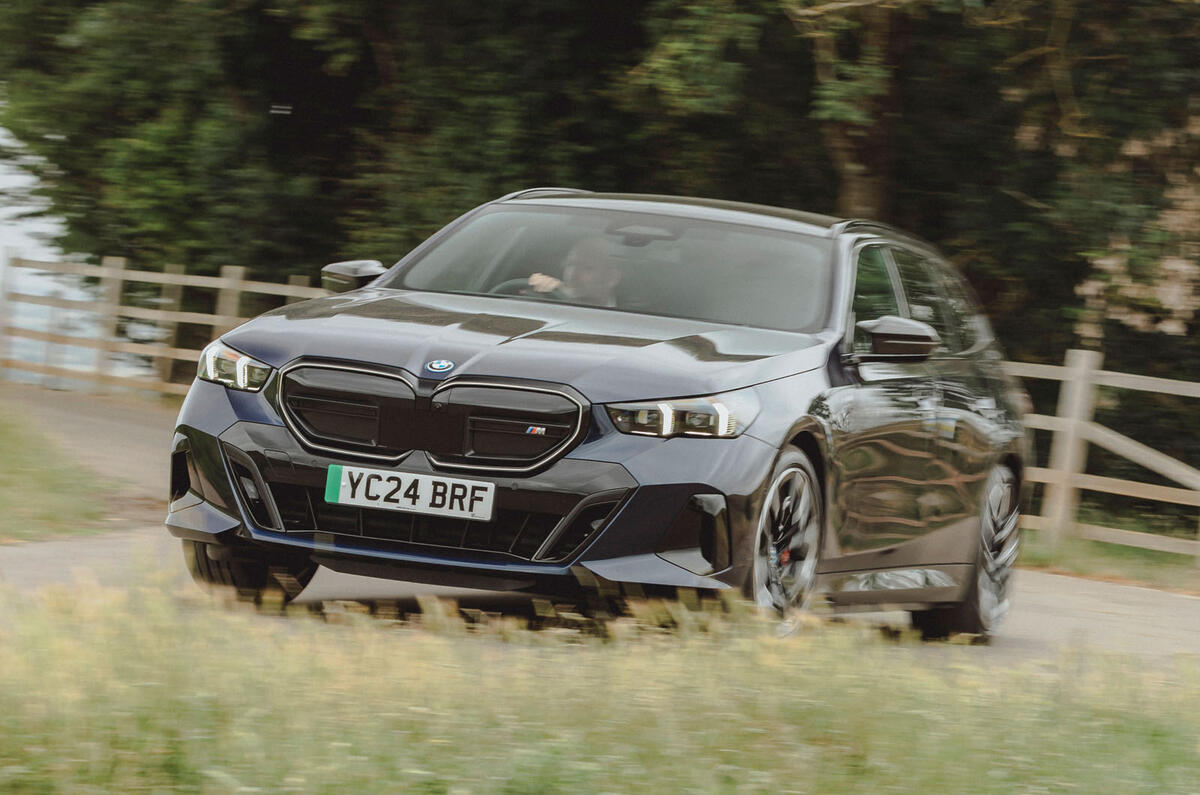
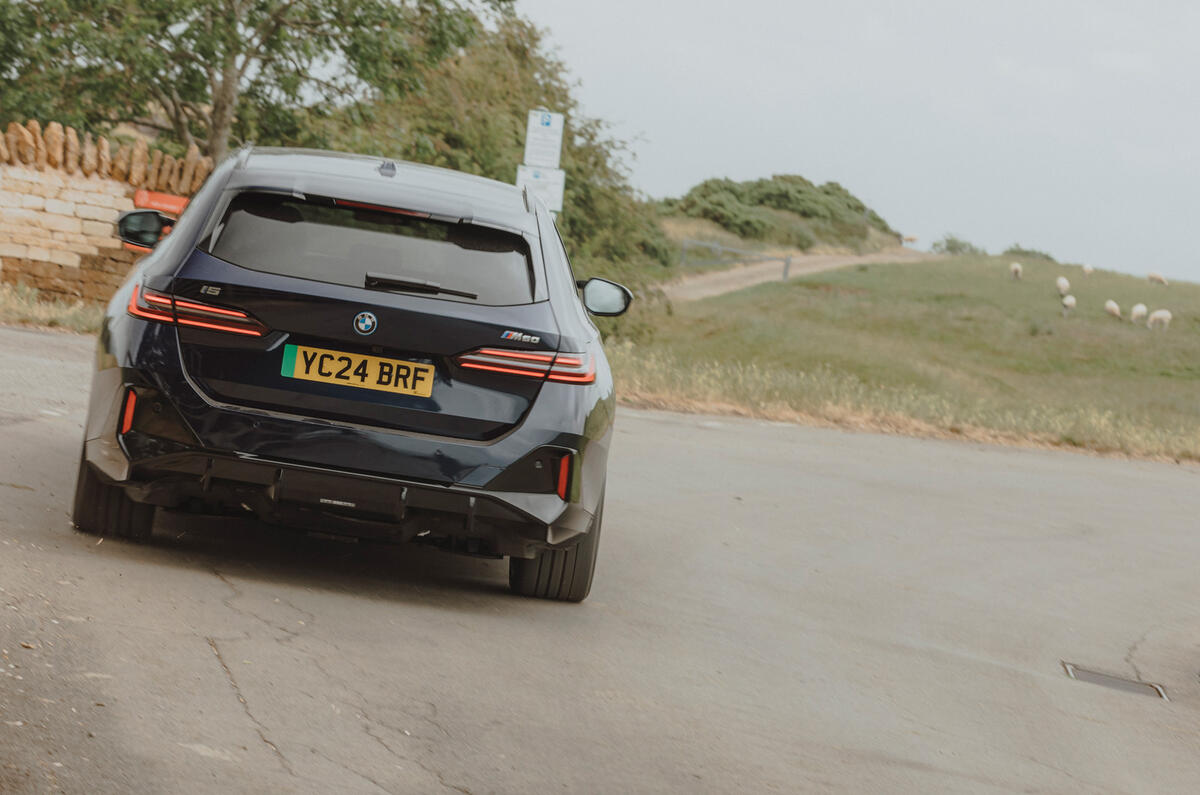
Anyway, a near-six-figure purchase price before options gets one into a significant amount of electrified BMW hardware. The 5 Series Touring is a big estate car these days, at 5060mm long and 1900mm wide across the body, and it has a 2995mm wheelbase. There’s lots of shared BMW 7 Series architecture underneath it.
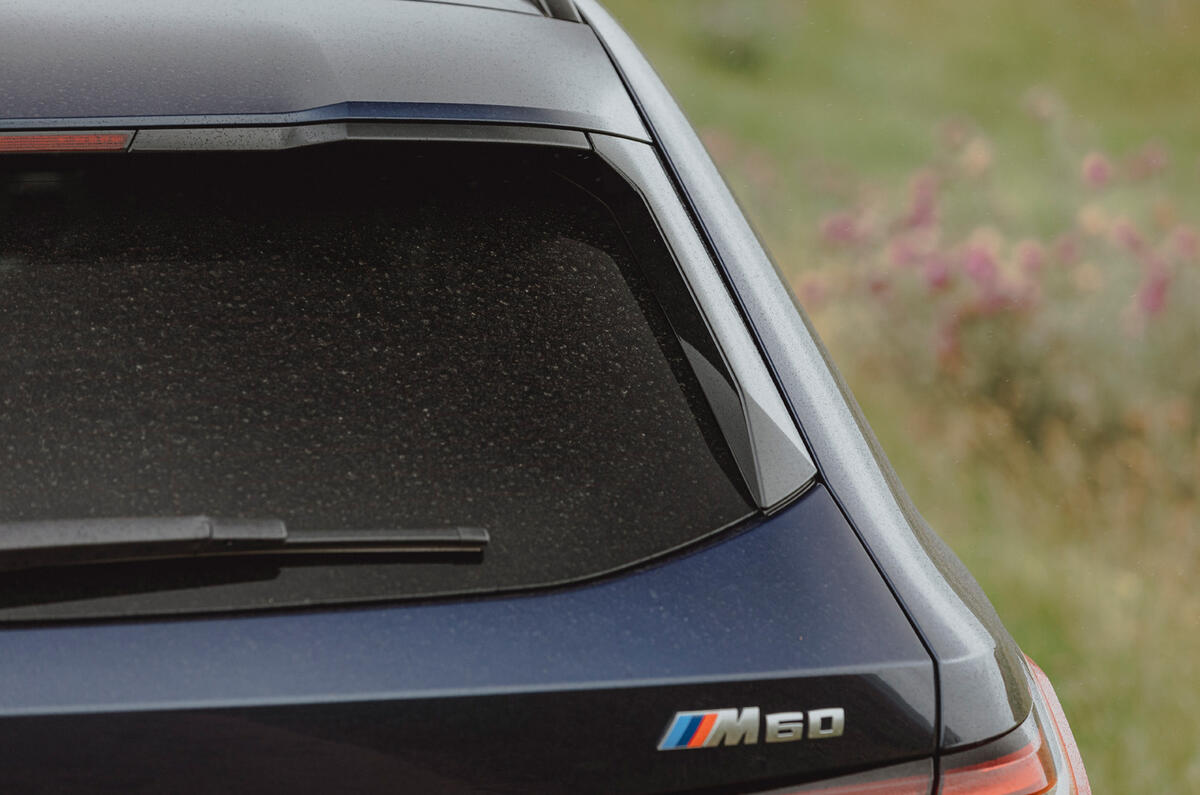
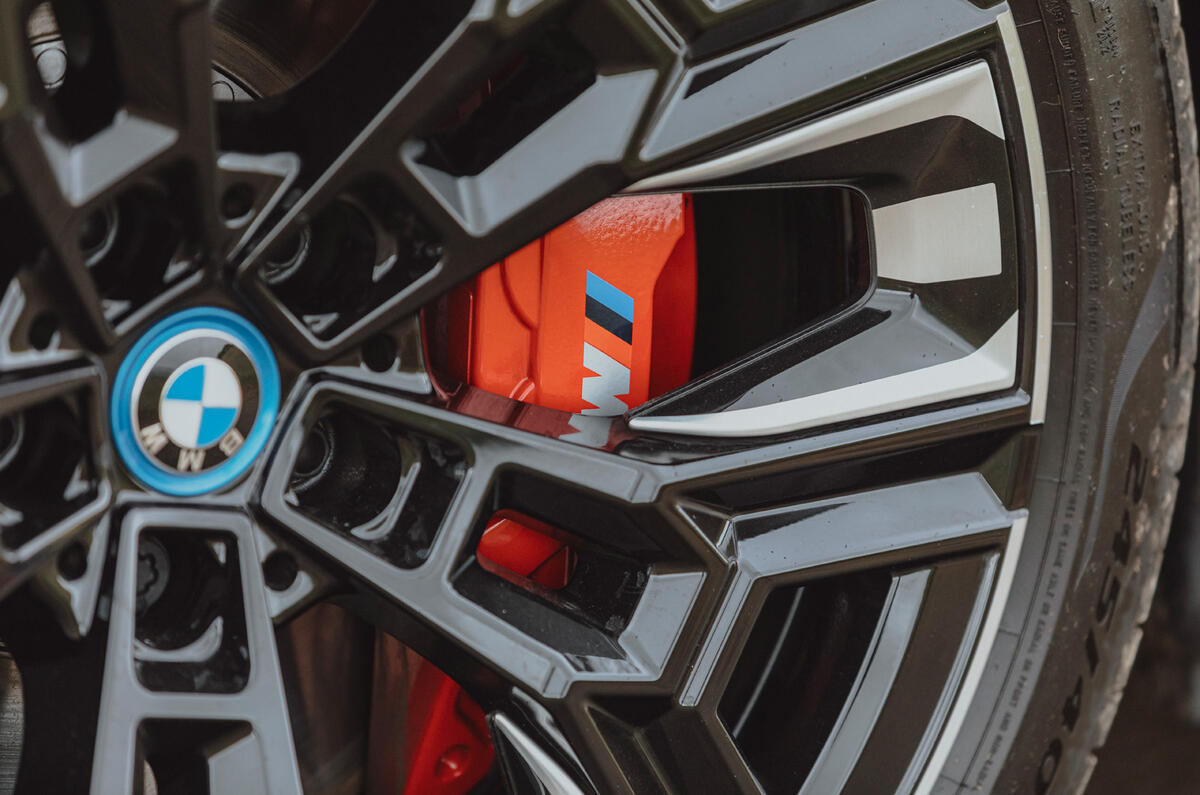
This is as plush as 5s get, arriving with us as it did in M60 xDrive form. It’s four-wheel drive courtesy of two motors and has 592bhp in total, so it can go from 0-62mph in a claimed 3.9sec. It’s a figure I can entirely believe: I recommend a cup with a fully closable lid for one’s morning commute tea.
Like less oomphy 5s this one comes with an 81.2kWh battery, which, owing to the car’s stonking performance and 2425kg weight, means it won’t go quite so far as lower-powered single-motor 5s on a charge: its combined WLTP range is 310 miles and energy consumption is 3.3mpkWh. It can charge up at 205kW. Although, in my early experience, you won’t be surprised to learn, it won’t routinely match all of those figures.