Currently reading: Freelander's back - but the brilliant Land Rover original is only £2k

The Freelander 2 is a rugged, reliable, desirable family SUV – and a bargain, if you buy carefully

'One life. Live it' goes the popular Camel Trophy and unofficial Land Rover slogan. It's often associated with old, tooled-up Defenders and Discoverys, but why not with Freelander 2s as well?

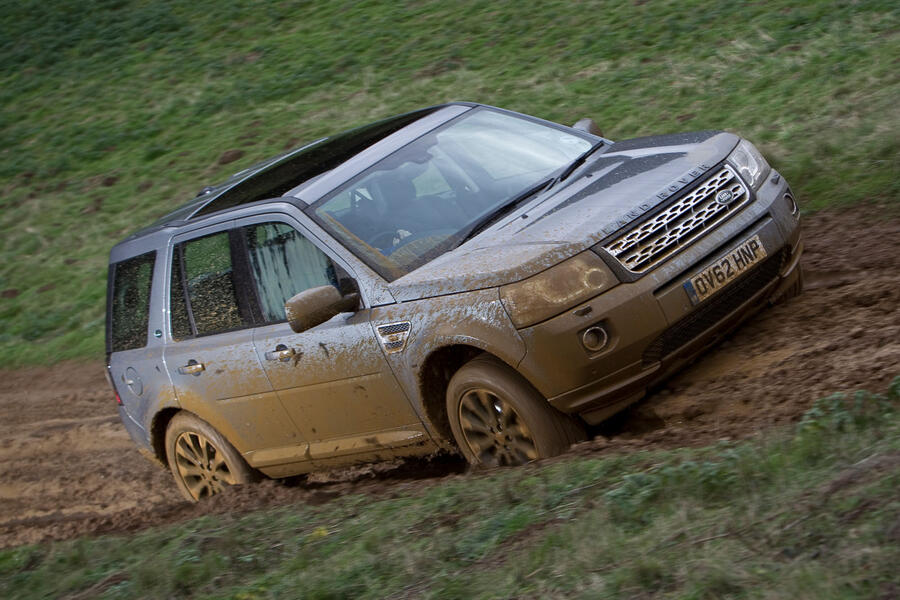
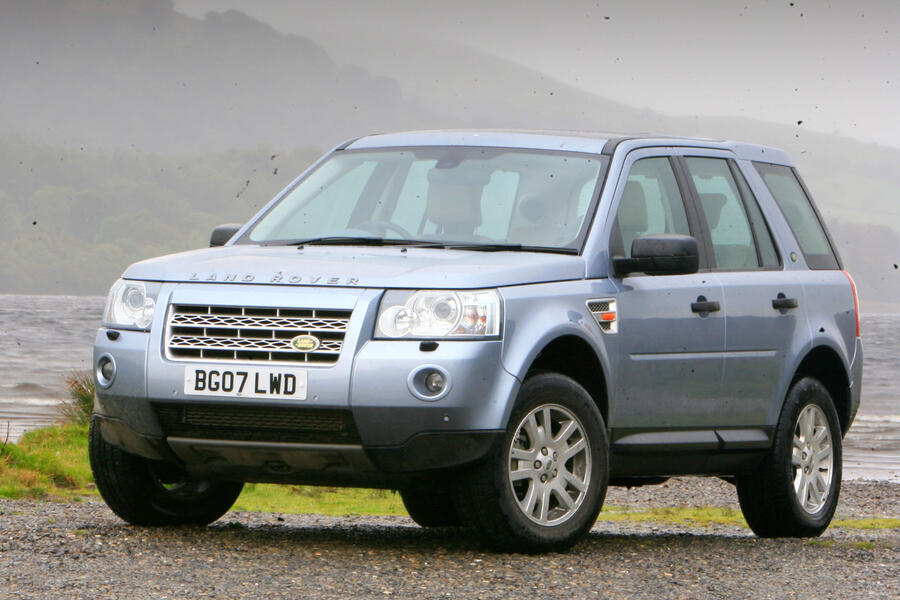
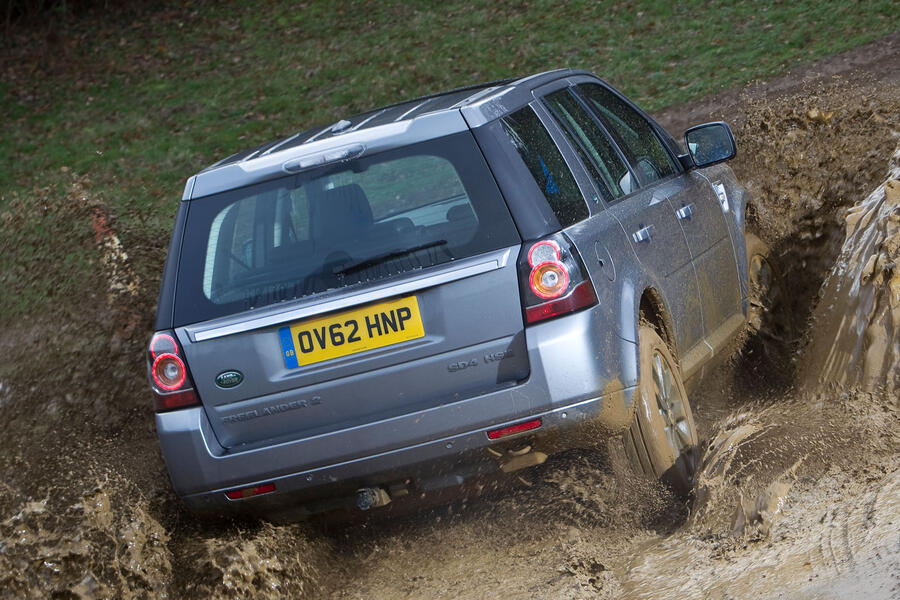
After all, this family-size, five-door SUV of 2006-14 has proper off-road chops and a rugged 'constructed look' (its designer's description) that emphasises its practical purpose, anchors it in the Landie family and sets it apart from softer mid-size SUVs of the time.

It followed the Freelander 1 of 1997-2006, a car that pioneered groundbreaking features such as hill descent control. It sold well and readied the market for the Freelander 2: larger, roomier, better equipped and more powerful. More expensive, too. Back in 2006, prices ranged from £21,000 for the entry-level Freelander 2 TD4 S to £34,000, before options, for the 3.2 i6 HSE. Today, cared-for 2011-reg TD4s with 60,000 miles still go for around £10,000, and there's talk of the model approaching collector status.

It came in just one bodystyle but was powered by a choice of two engines: a short-lived 3.2-litre Volvo-sourced six-pot petrol producing 230bhp and mated to an automatic gearbox for especially awful economy, or the mainstay of the range, a Peugeot-sourced 2.2-litre diesel. Called the TD4, this engine produced a modest 158bhp but a mighty 295lb ft at 2000rpm. An economy-oriented version with stop-start, badged the TD4e, was offered from 2009-10.

With the Freelander's 2010 facelift, the TD4 engine lost 10bhp but torque rose still higher to 310lb ft and it gained stop-start as standard (the 'e' designation was dropped). That cleared the way for a more powerful version of the engine producing 190bhp and called the SD4. It was no torquier but had a six-speed Aisin automatic gearbox, which has since proved reliable. This version did not have stop-start.
In a radical move, in 2011 a two-wheel-drive, 148bhp Freelander arrived badged eD4. Although it was more economical (47.2mpg), very few found homes.

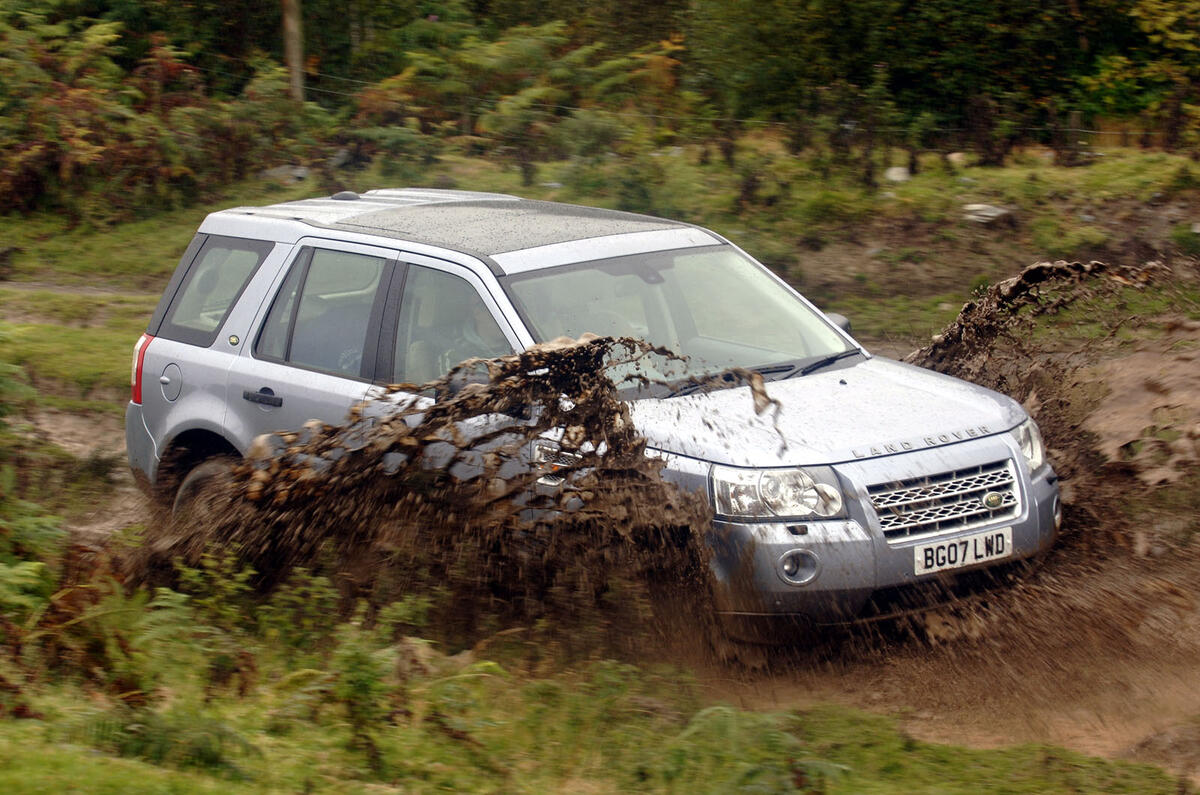
Speaking of the eD4 reminds us that all other Freelanders had intelligent four-wheel drive, their Haldex central coupling sending power to the rear wheels at the first hint of trouble. In addition, from 2009 all but the entry-level S version gained Land Rover's Terrain Response system. This adjusts torque, drive and traction control systems as determined by a range of driving modes. Off road, the Freelander is as capable as you would expect; on the road, it leans heavily in corners but grips well and is comfortable.

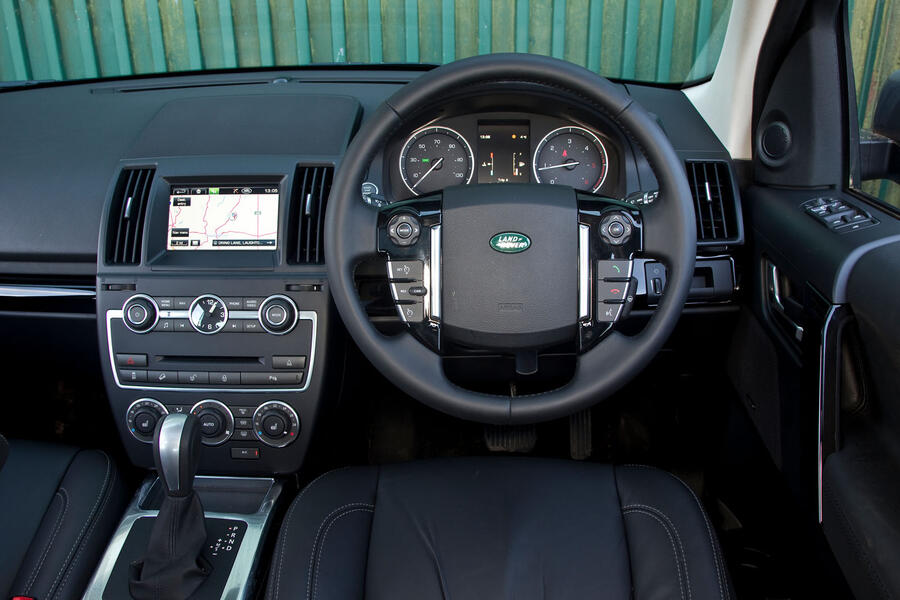
The interior looks impressive but isn't quite as well finished as contemporary BMWs and Audis. Front-seat occupants sit high up and have plenty of room, but the rear cabin is a little cramped. The boot is well shaped but not that large.

Back to top

The aforementioned 2010 facelift resulted in a new grille, headlights and bumpers. In 2012, as rivals began nipping at the Freelander's heels, the model gained a new centre console, an electronic parking brake and keyless ignition.

Throughout its life, core trims ranged from bare-bones S to HSE. In between, popular GS trim offered cruise control, SE heated seats and XS part-leather seats-the front pair were powered, too. Front parking sensors were also added. HSE had full leather seats and a sat-nav. As the end approached, sporty Dynamic and 'every box ticked' Metropolis trims ensured the Freelander went out with a bang.

What we said then

20 December 2006: "On the road the Freelander is, by and large, a good thing to drive. Off road it remains king of the hill, being considerably more able than any of its obvious rivals."

An owner's view

Adam Kent: "My Freelander 2 is a TD4 Dynamic, registered in 2014. I bought it in 2023 with 30,000 miles on the clock, and now it's showing 64,000. Throughout the past three years it has been unfailingly reliable except for the Haldex clutch unit, which failed. It cost £2000 to replace. I've also replaced the CV joints - they had dried out, but that's forgivable in a 12-year-old car. I'm very pleased with it. I use it to tow a trailer, which it does without fuss. My son is in the navy and it has plenty of room for all his bags when I take him back to port. There's no corrosion, it has a lot of modern tech and it looks great!"

Buyer beware

Engine: High fuel consumption (25mpg) and road tax (£790) should be your primary concerns with the rare 3.2 petrol, if you're looking at a diesel version, favour one with a fresh cambelt and water pump and a record of regular oil changes using the correct grade - typically fully synthetic 5W-30 but with specification differences depending whether or not the engine has a DPF, which was standard from 2010.

Gearbox: The Haldex unit needs a change of fluid and filter every 20,000 miles. If you can hear a rumbling sound between 40mph and 50mph, the pinion bearings on the diffs may be tailing. Worn splines between the gearbox and front transfer case can cause the vehicle to run only in two-wheel drive. Beware a crunchy third gear on manual gearboxes.

Back to top

Suspension, brakes and tyres: Check the condition of the power steering fluid hose near the steering rack. It can crack and spring a leak-obvious signs of failure are heavier steering, a whining noise when turning or a pool of fluid underneath the car. Listen also for creaks and groans from the suspension.

Body: The presence of a towbar should ring alarm bells regarding the health of the cooling system, transmission and brakes. Inspect the body and underside for signs of off-roading. A Freelander is naturally quite rust-resistant, so any corrosion may suggest sub-standard damage repairs.

Interior: A fault code reader should help pinpoint electrical issues often a dodgy switch, an overdue software update or a poor connection. Fuel gauge problems are now becoming common.

Also worth knowing

Land Rover transmission experts Bell Engineering say the fix for the 'all-terrain mode disabled" error message is usually a new Haldex pump and Haldex service. A common fault is a juddering through the steering wheel on hard lock as if the front and rear wheels are fighting themselves. Again, it's a Haldex issue. Each repair costs around £510.

How much to spend

£900-£4999: Early, high-mileage TD4s through to equally leggy 2012-reg cars.

£5000-£7999: Wide choice of low-and high-mile cars, such as a basic 2010 TD4e S with 62,000 miles for £5495.

£8000-£11,999: Great choice with around 60,000 miles. Includes a one-owner 2011 TD4 HSE with 66,000 miles and a fresh cambelt for £8250.

£12,000-£13,999: Top-money TD4s with around 60,000 miles, including a one-owner 2013-reg HSE with 61,000 miles for £13,999. In immaculate condition, it has a powered sunroof, heated leather seats and 11 service stamps in the book.

One we found

Land Rover Freelander 2TD4 GS, 2011, 56,000 miles, £8500" Two-owner example with a fully stamped service book. Cambelt was changed in 2020, so a new one may be due. Parking sensors and a detachable towbar, too.

Join our WhatsApp community and be the first to read about the latest news and reviews wowing the car world. Our community is the best, easiest and most direct place to tap into the minds of Autocar, and if you join you’ll also be treated to unique WhatsApp content. You can leave at any time after joining - check our full privacy policy here.