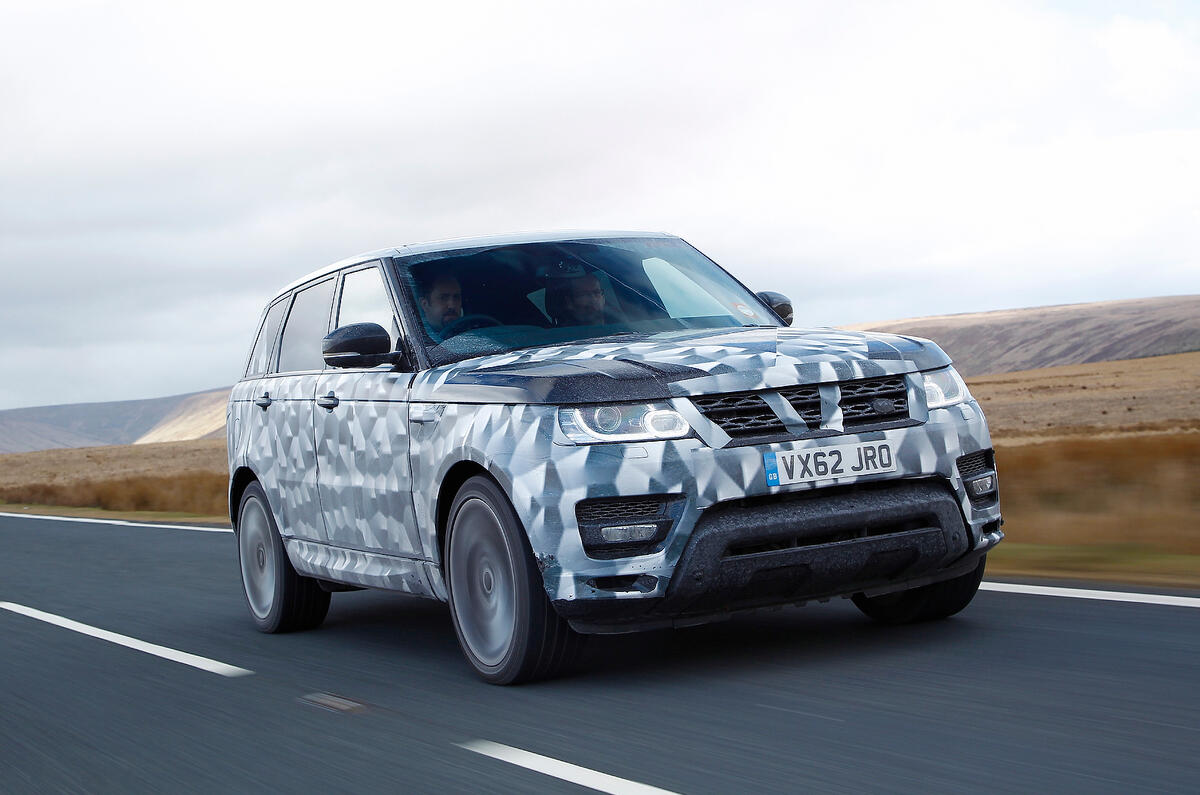
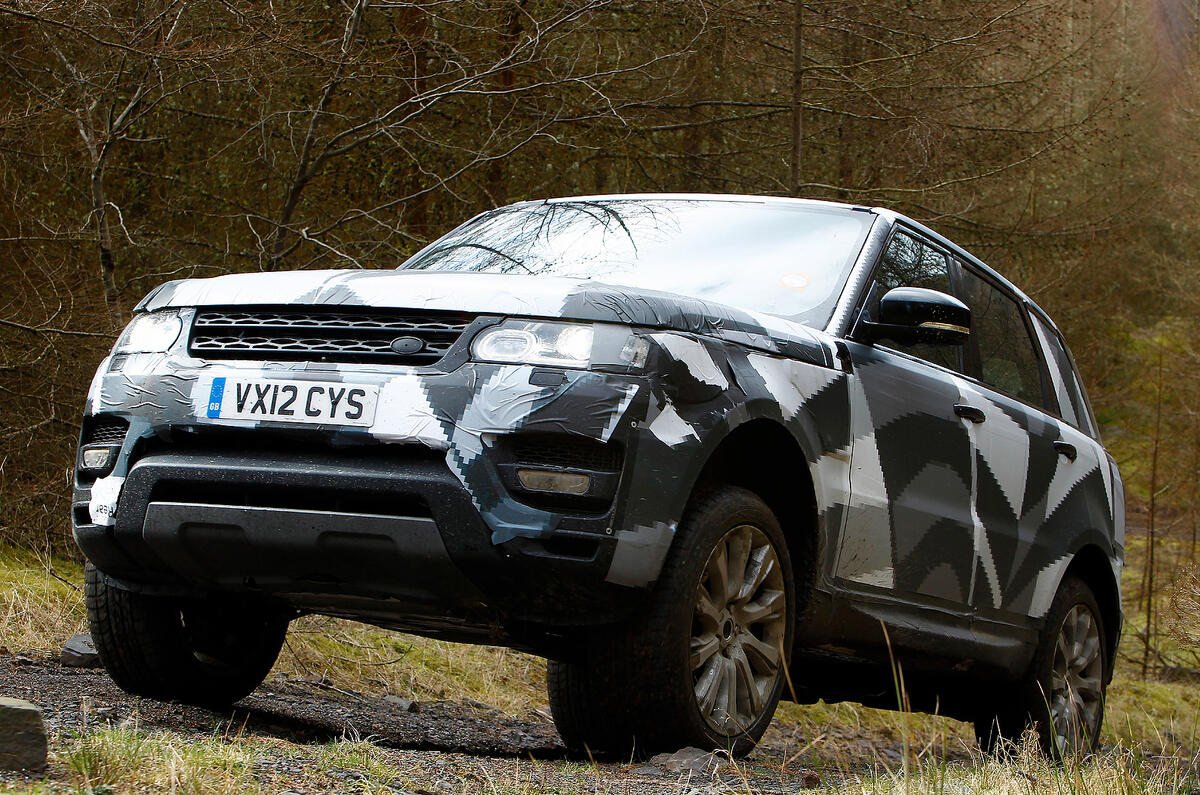
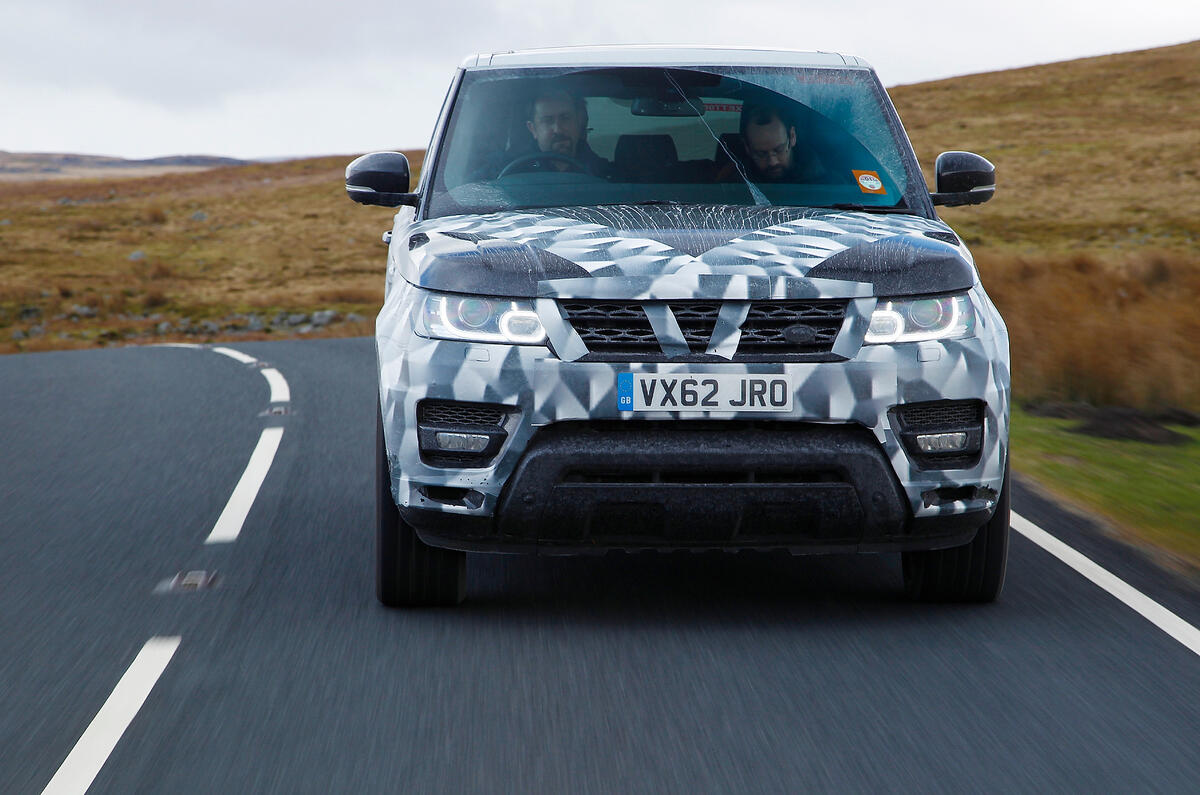
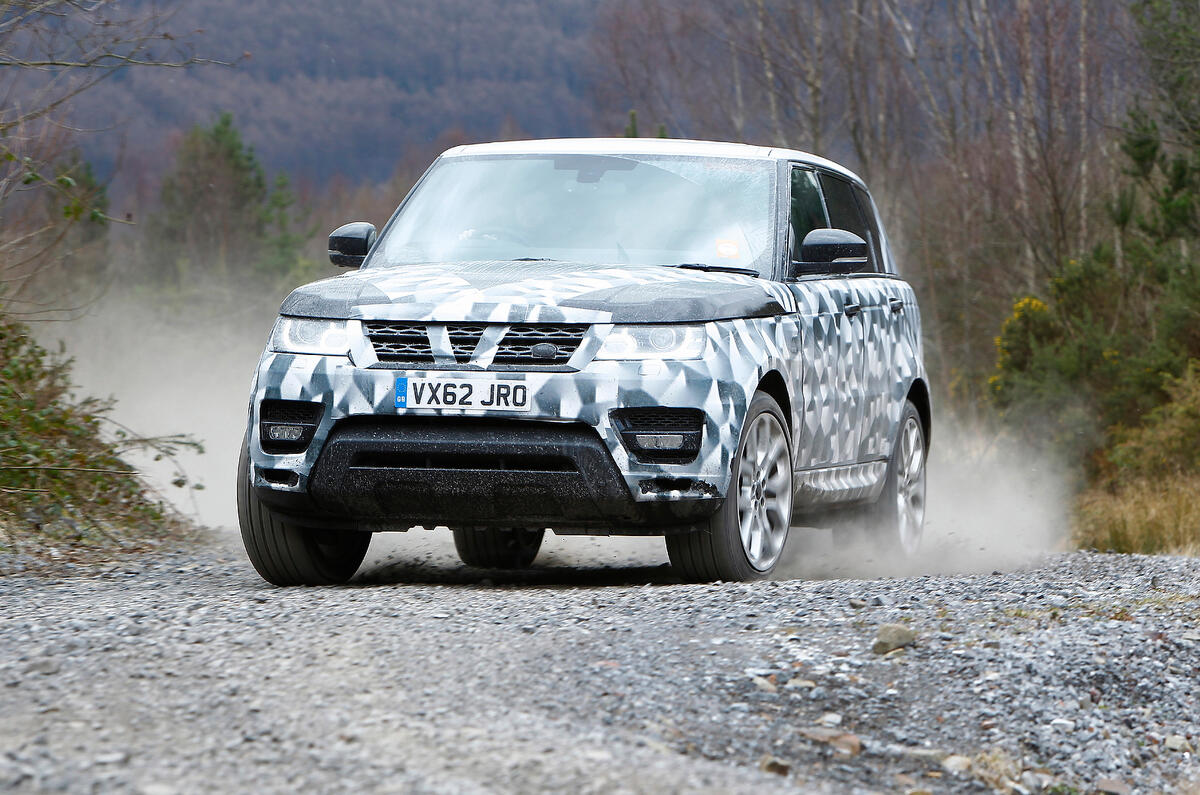
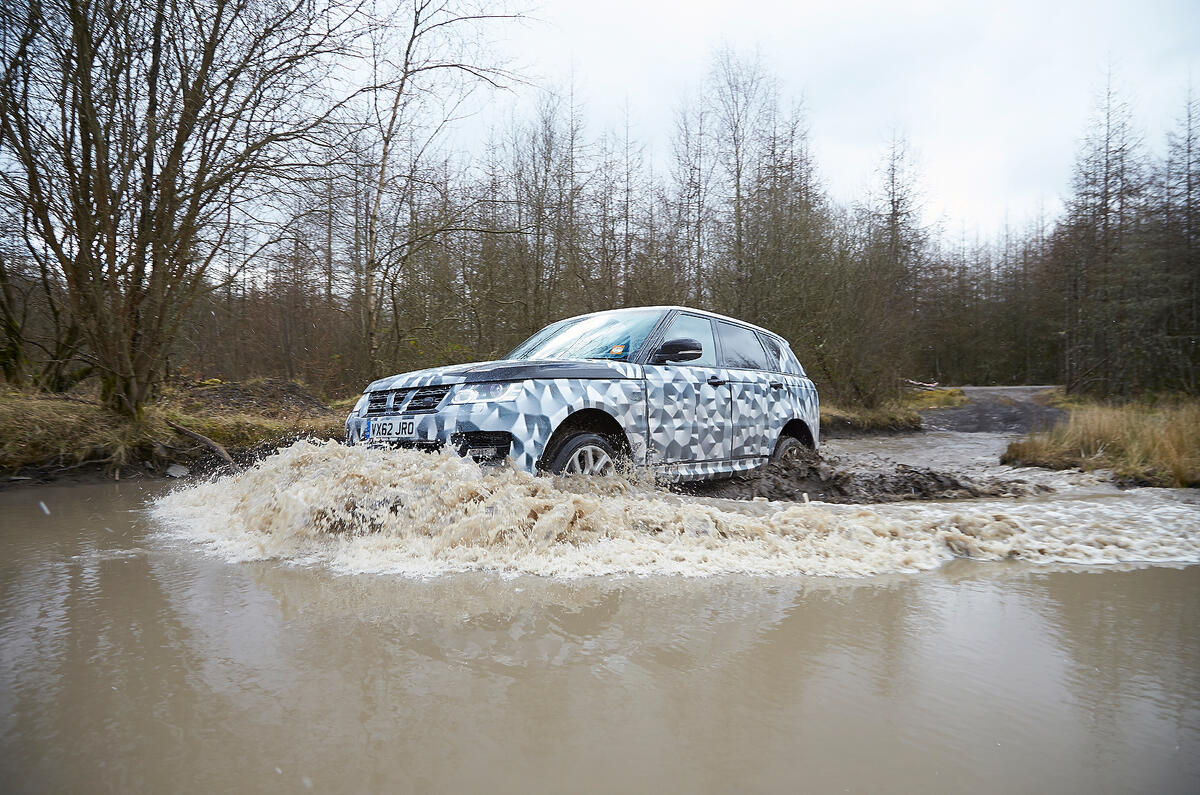
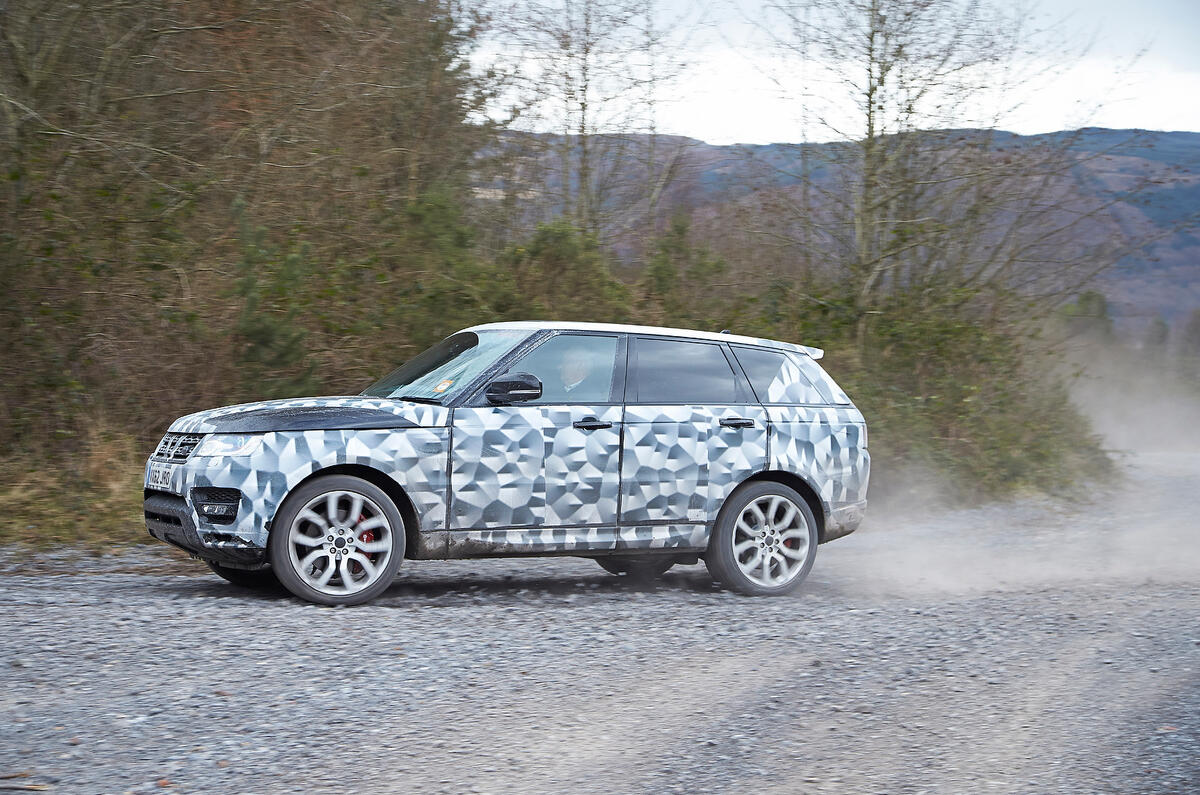
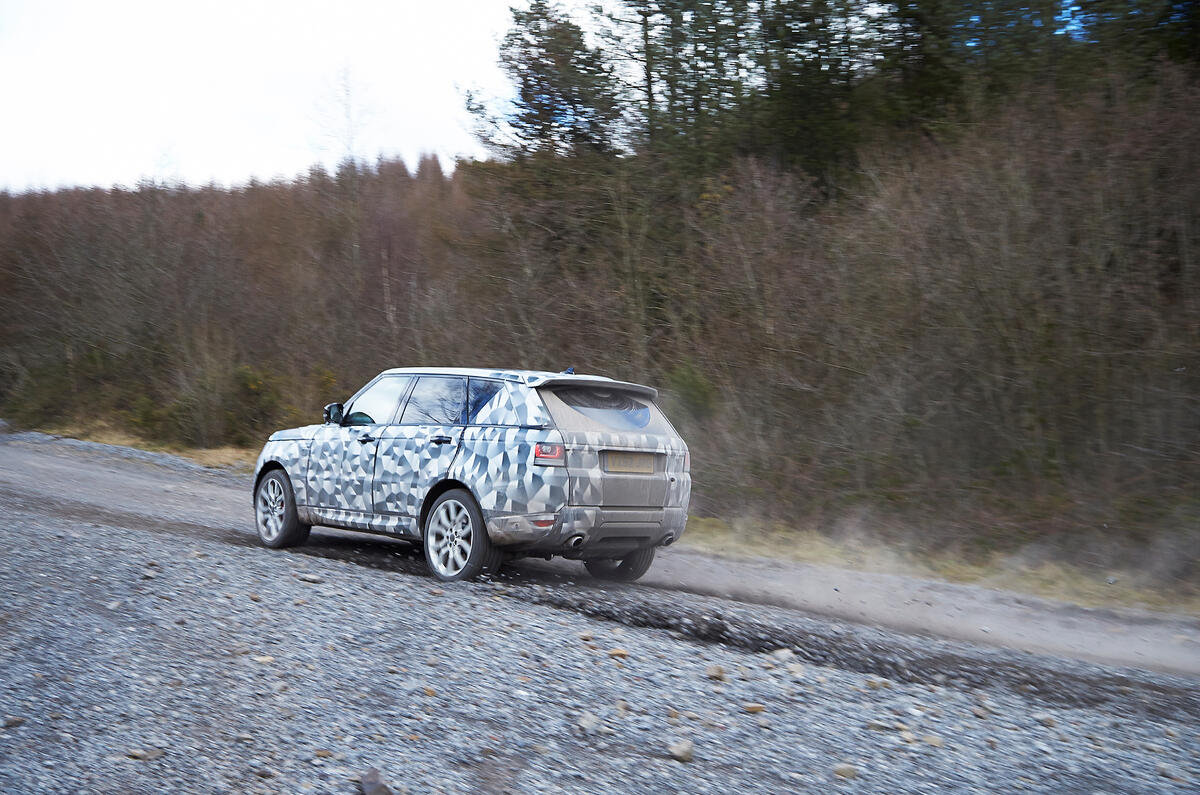
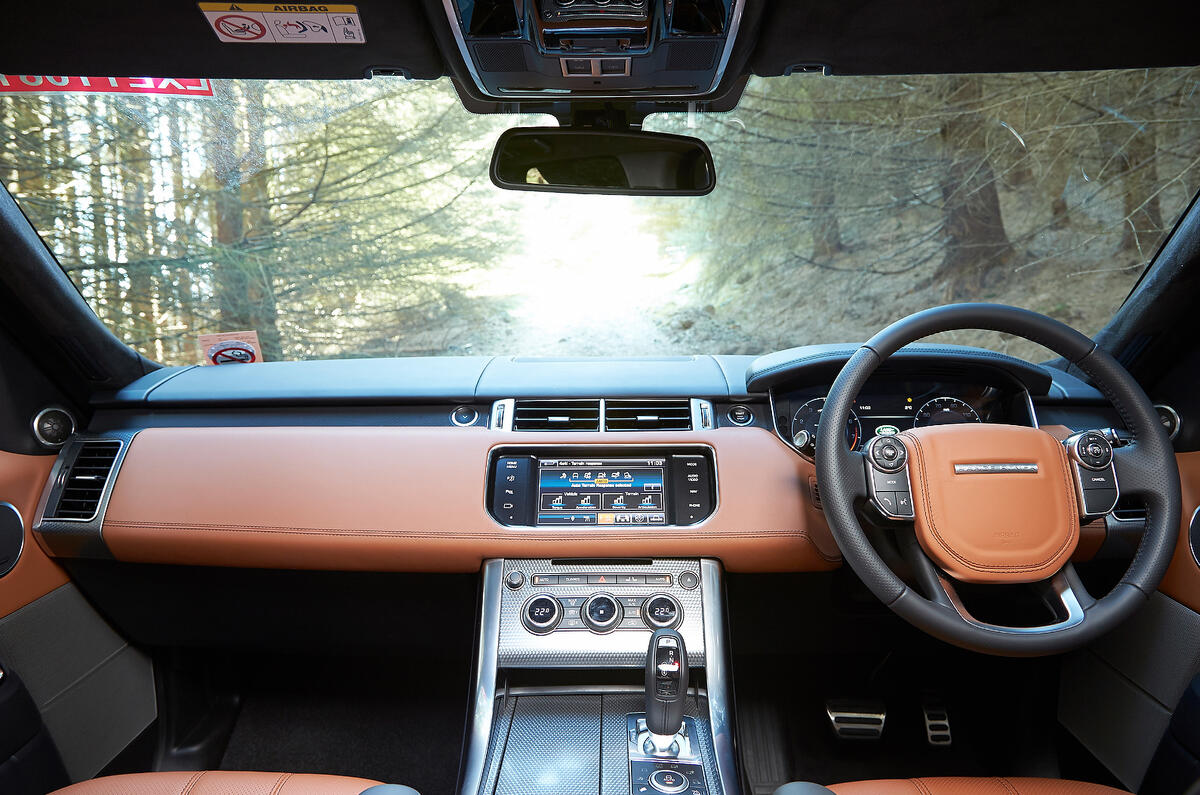
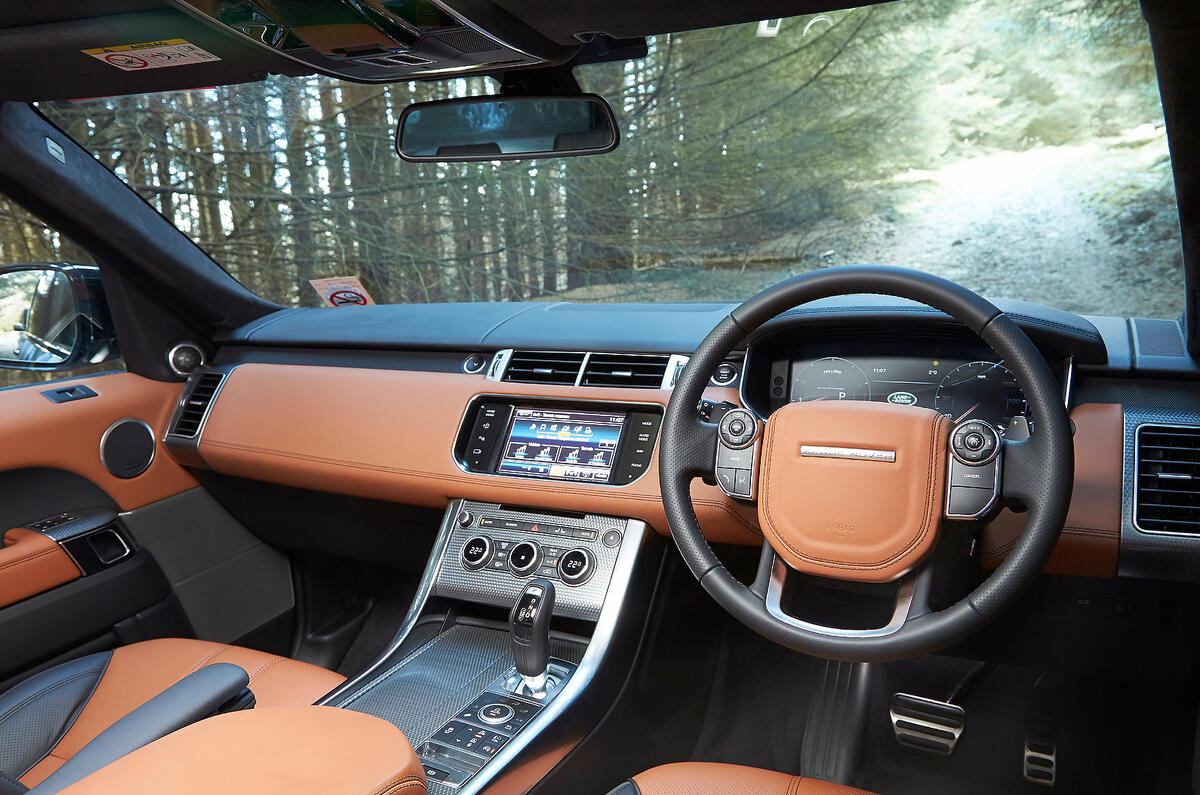
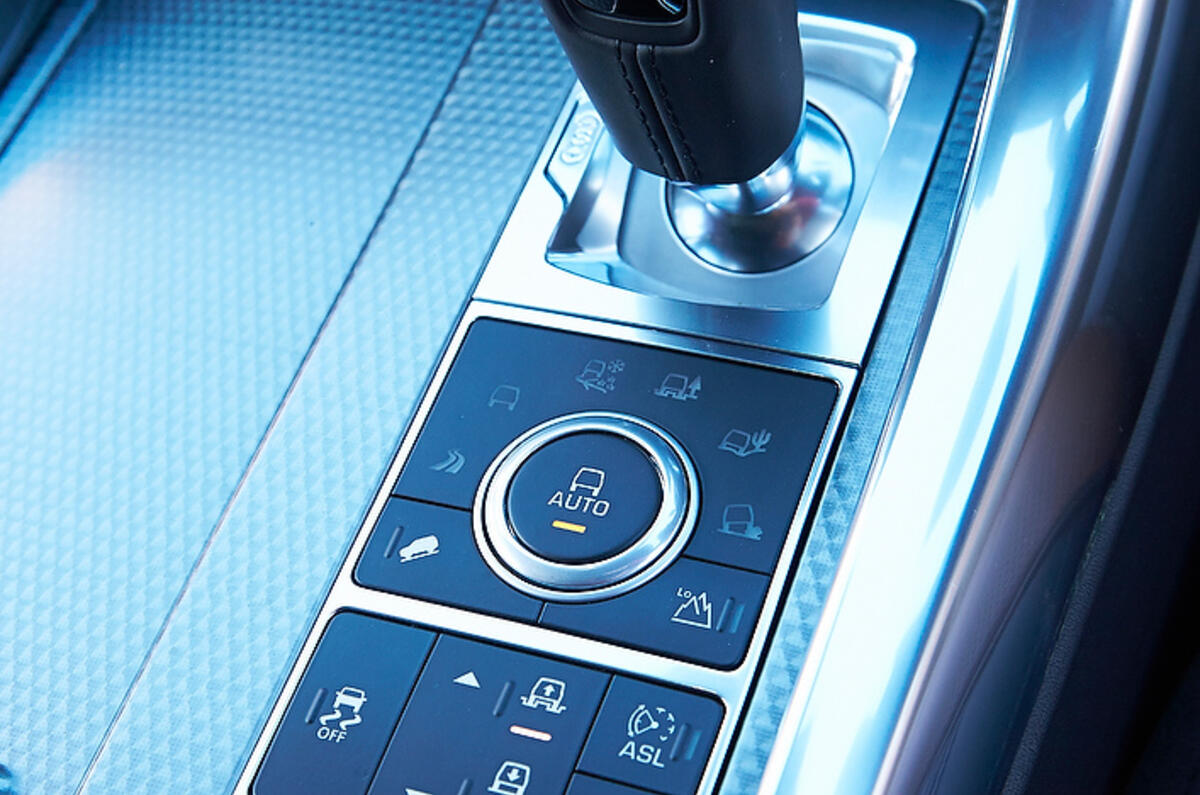
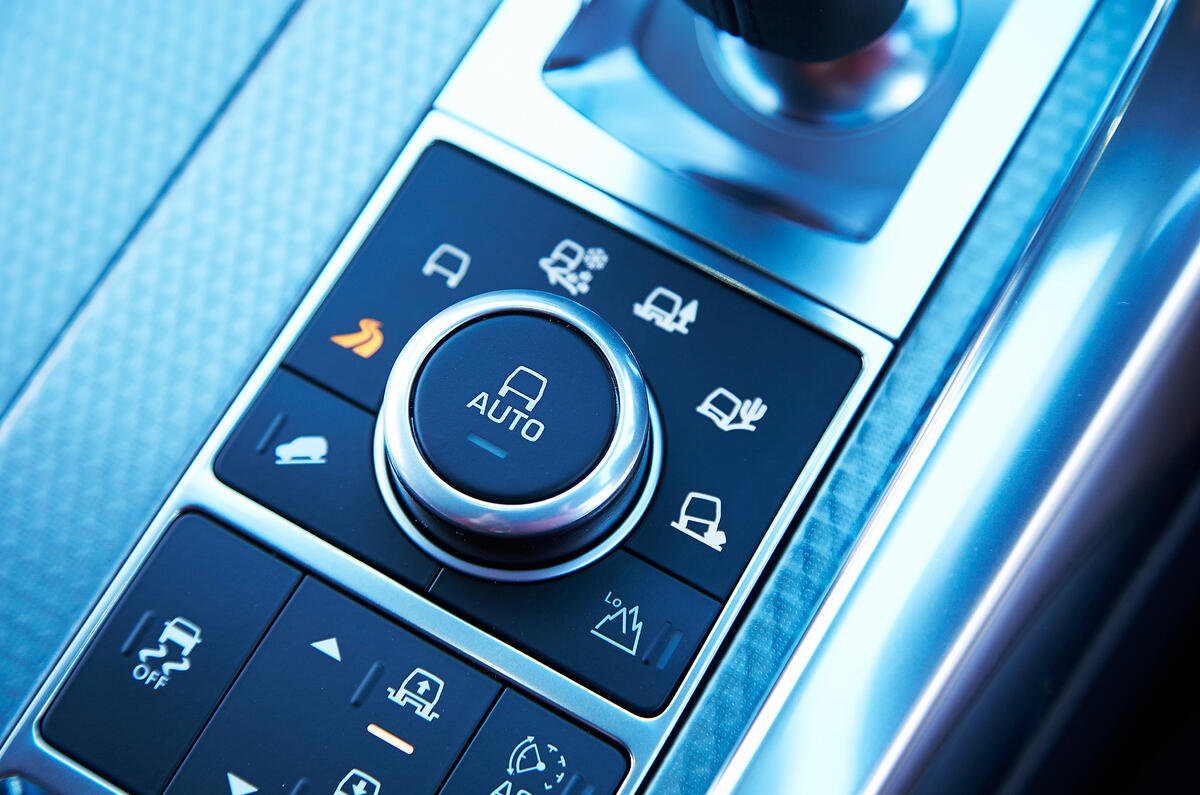
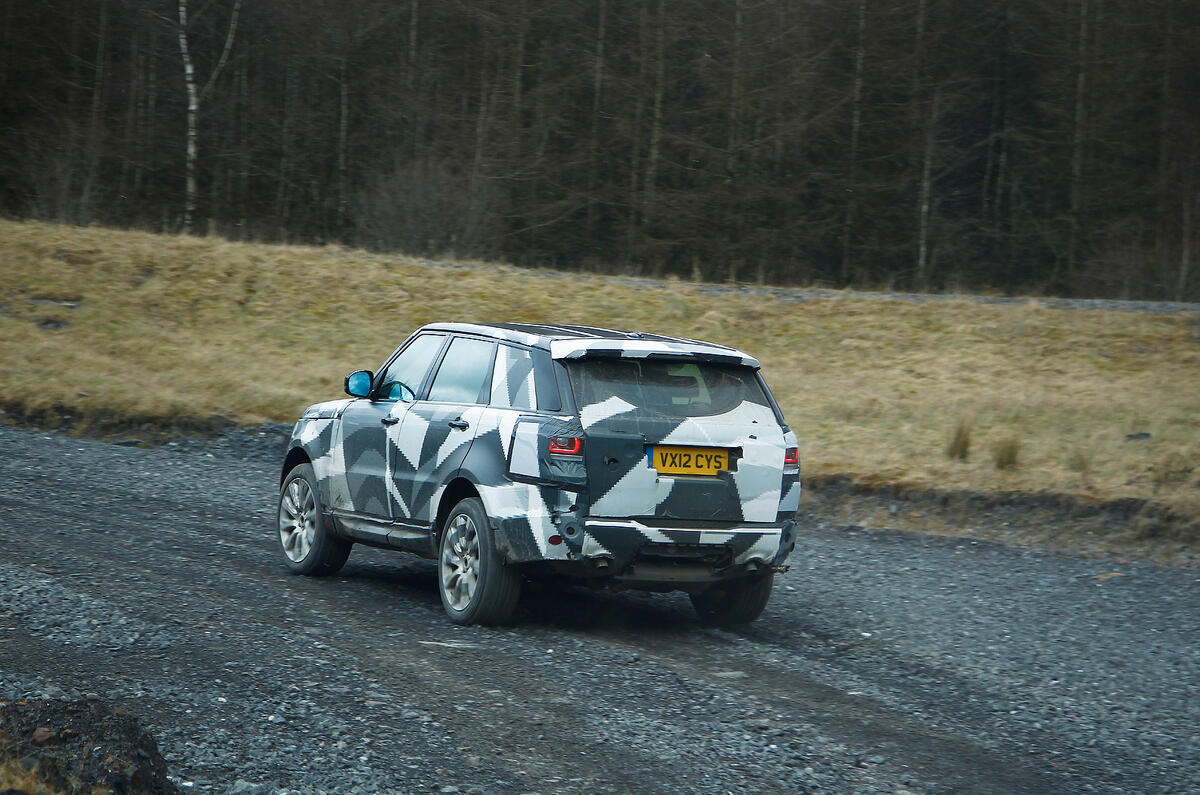
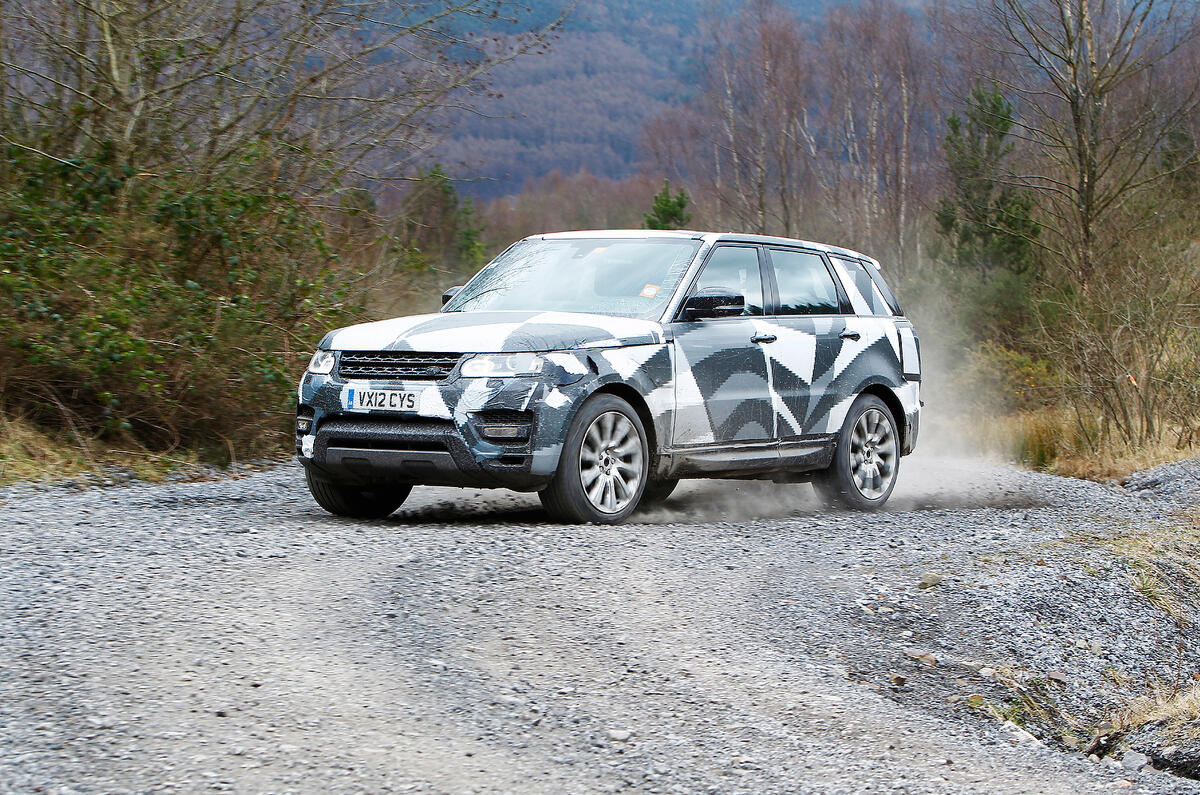
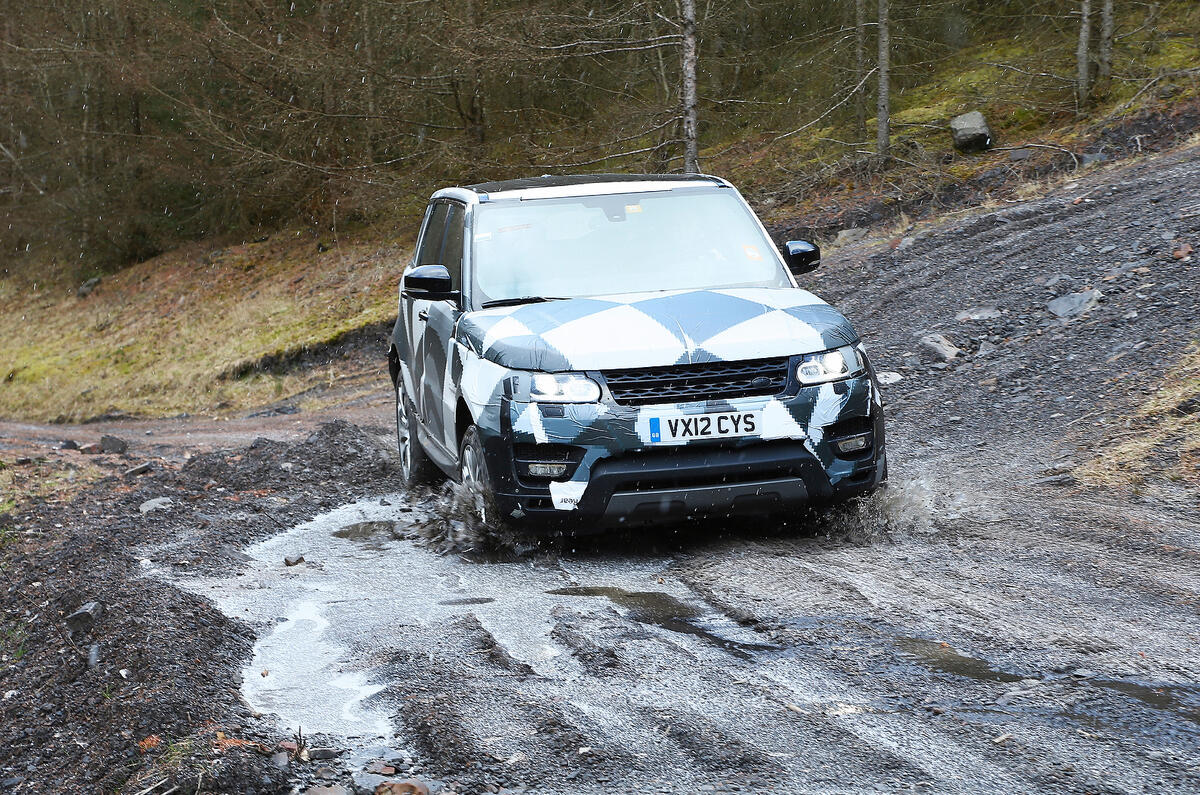
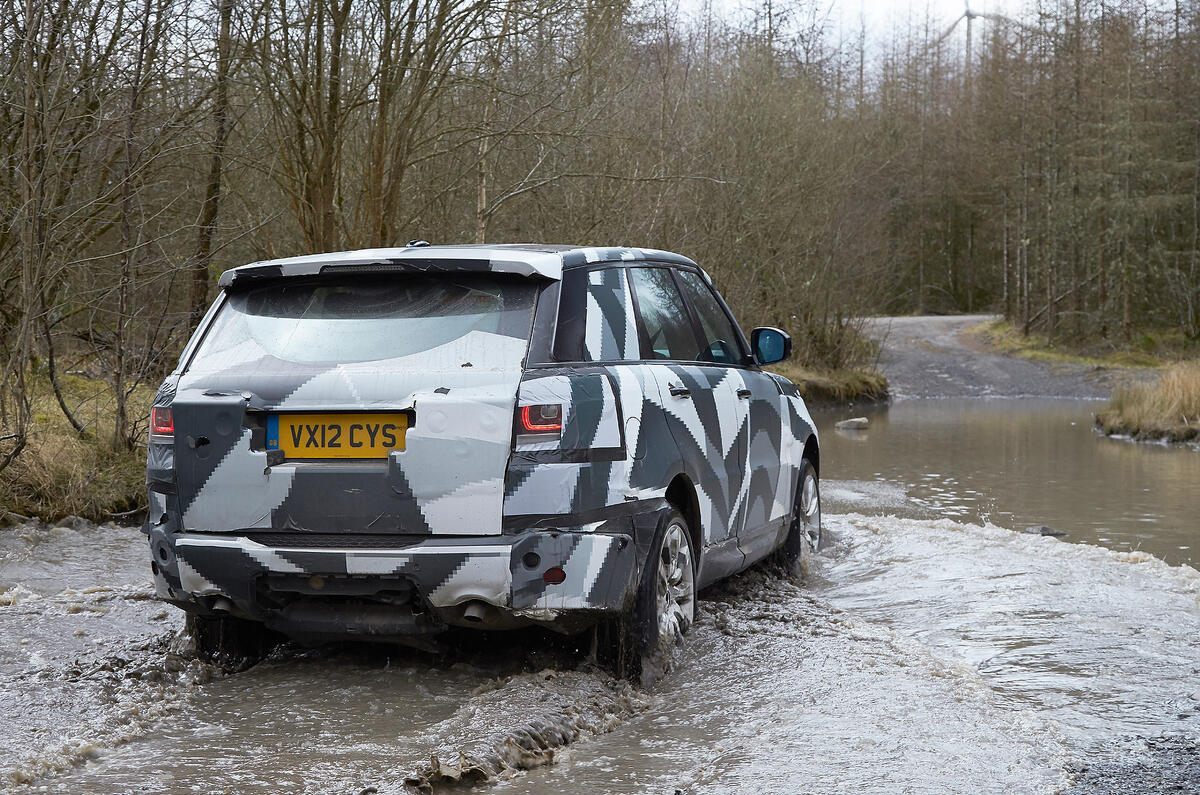
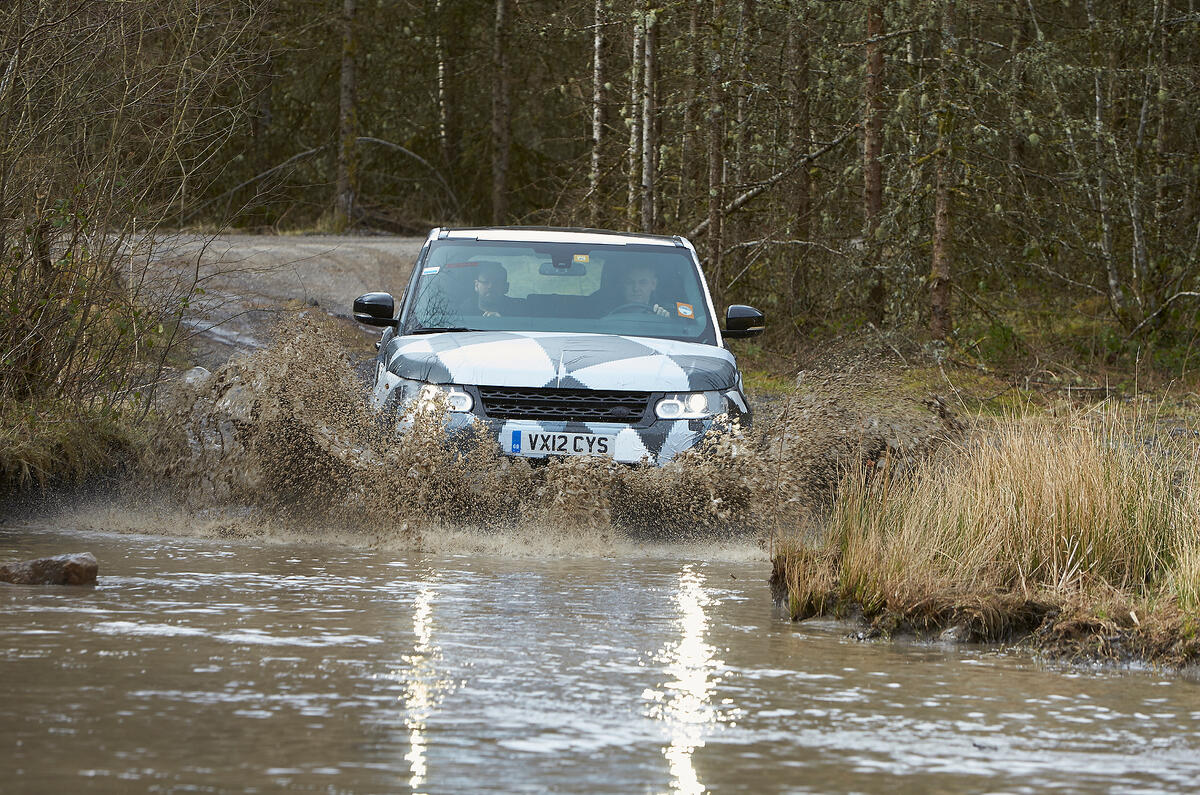
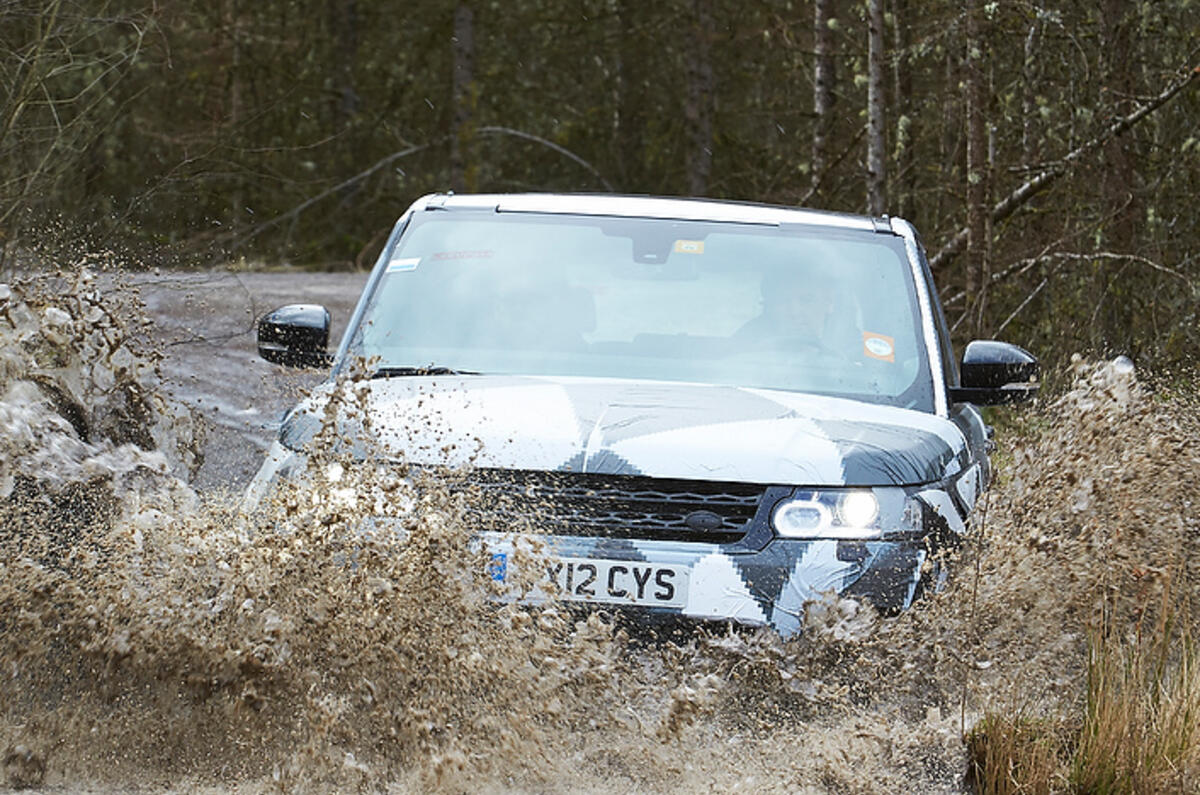
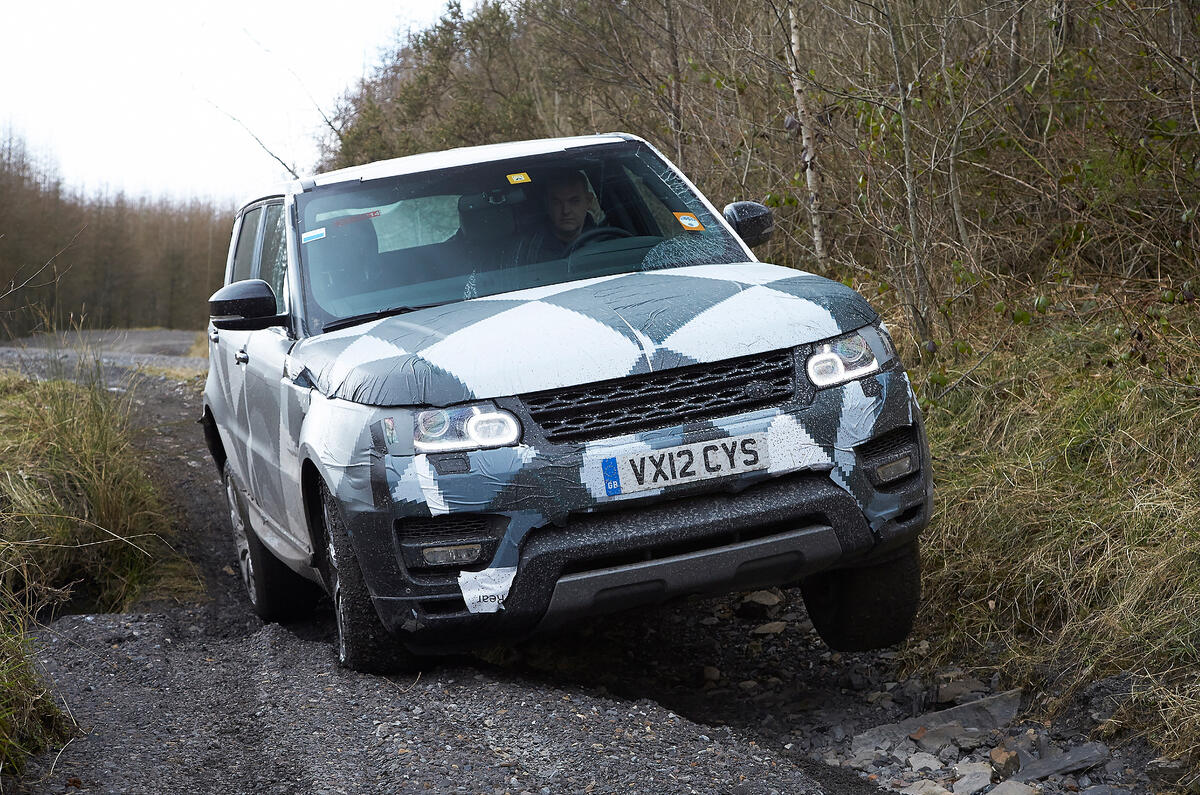
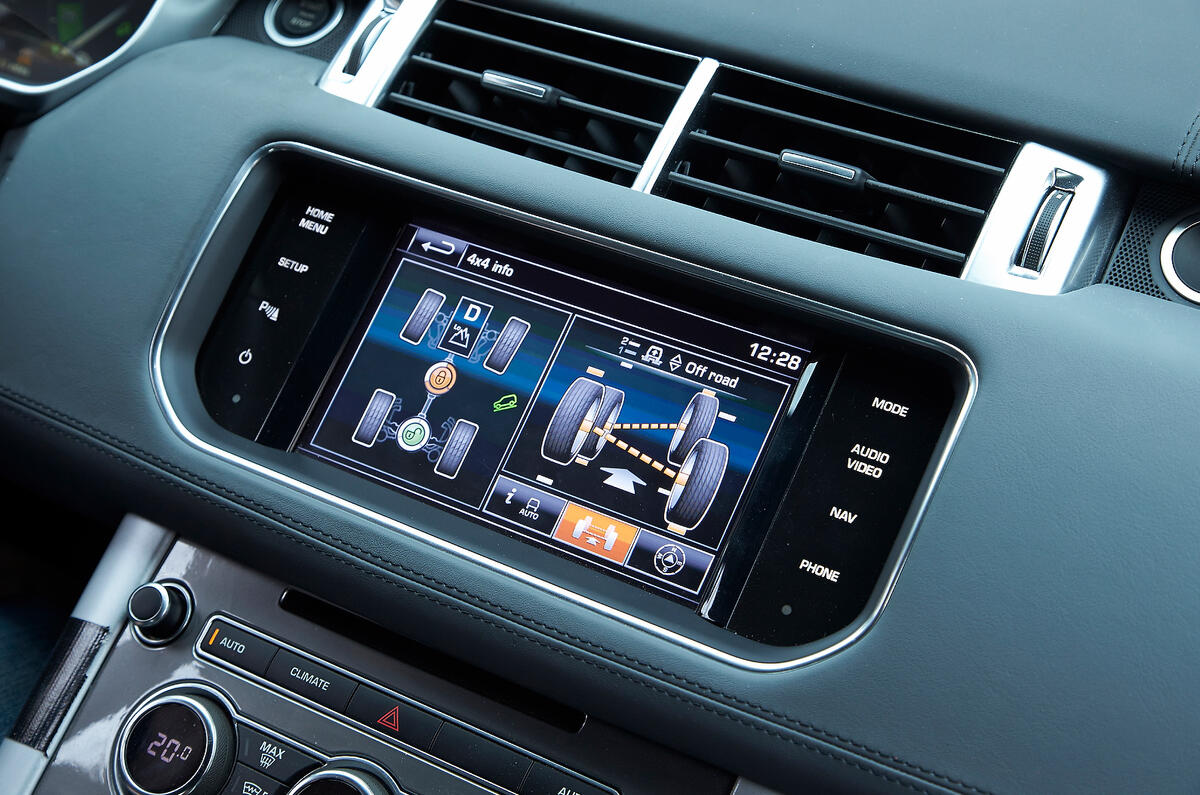
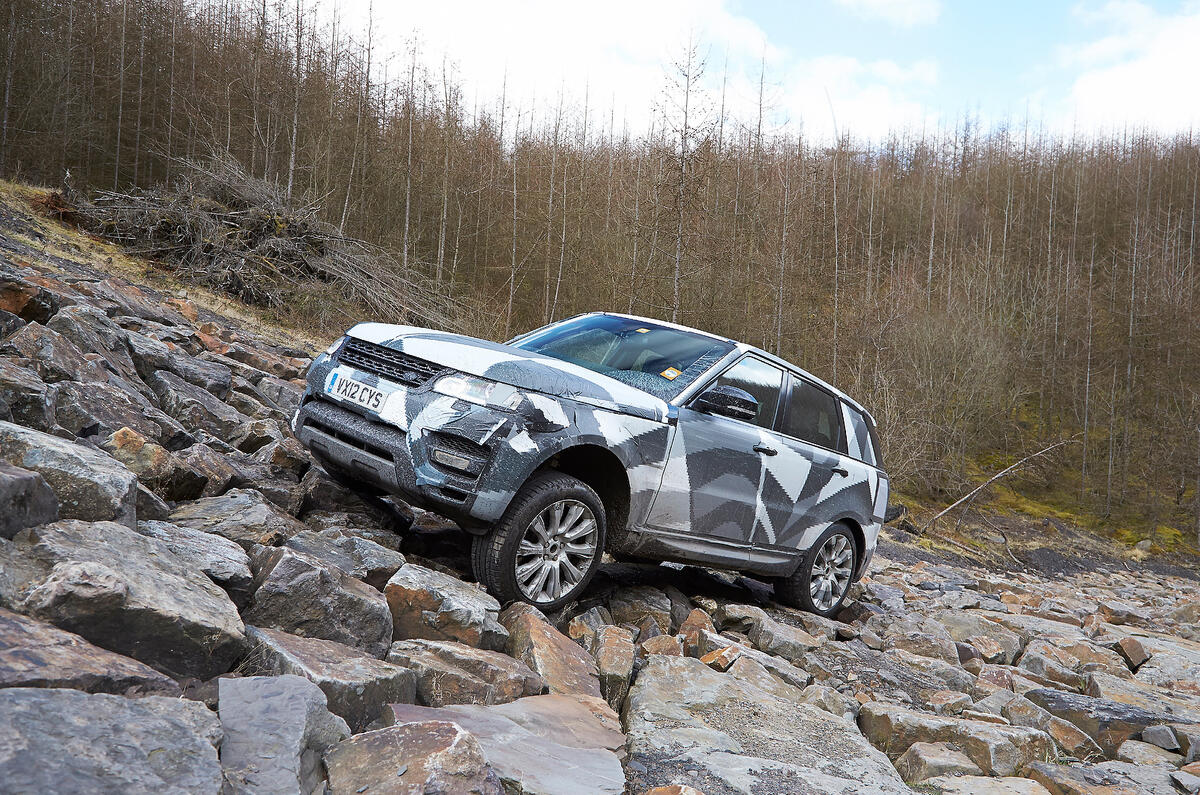
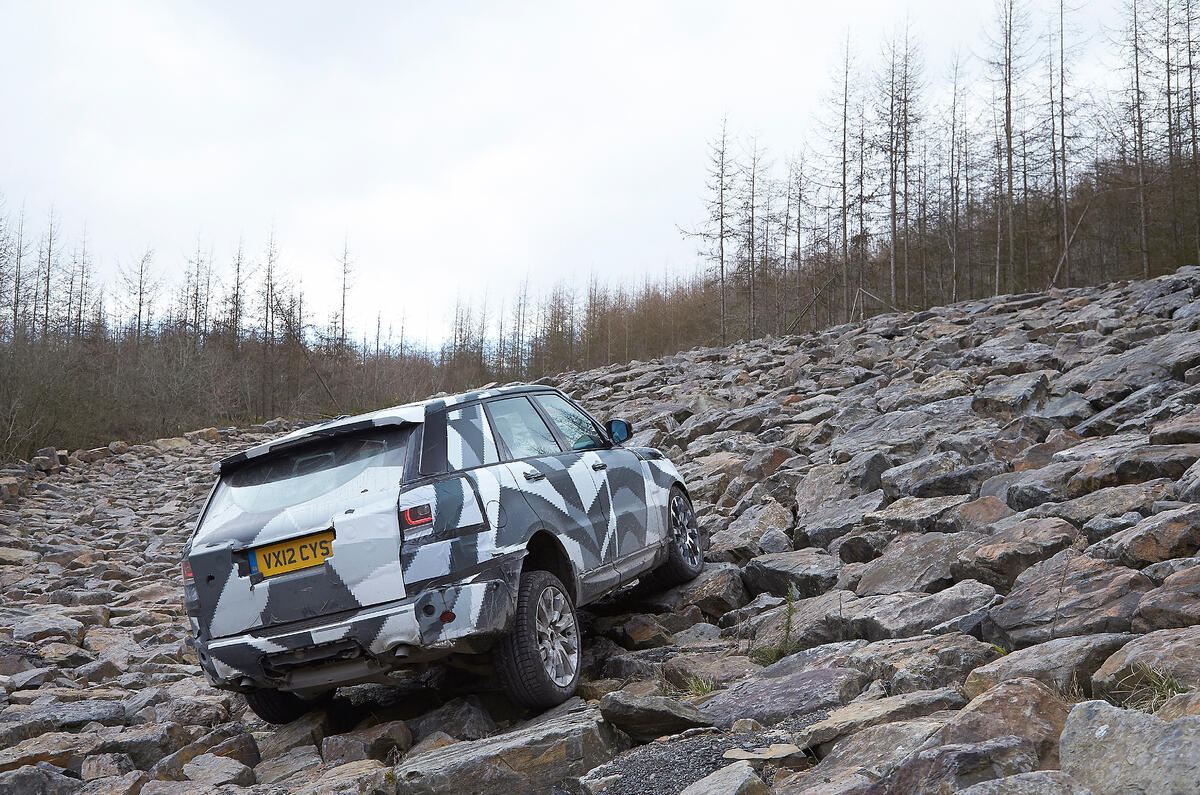
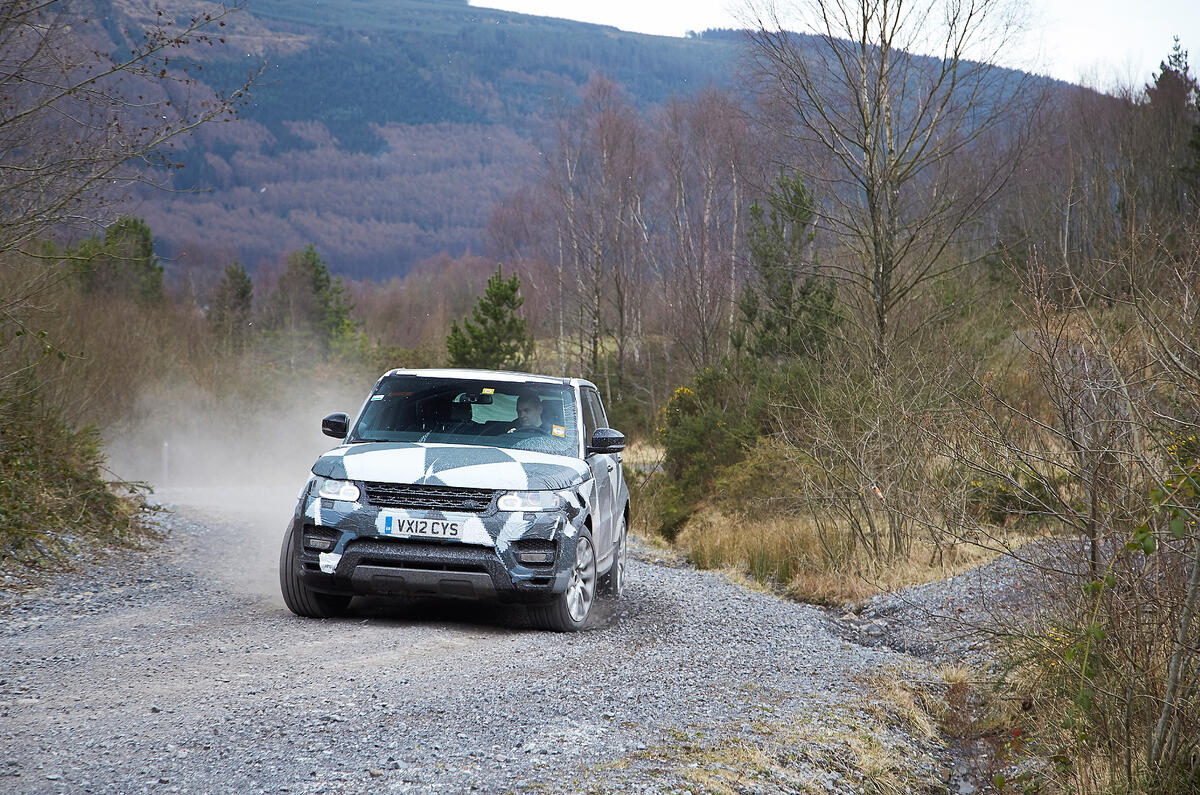
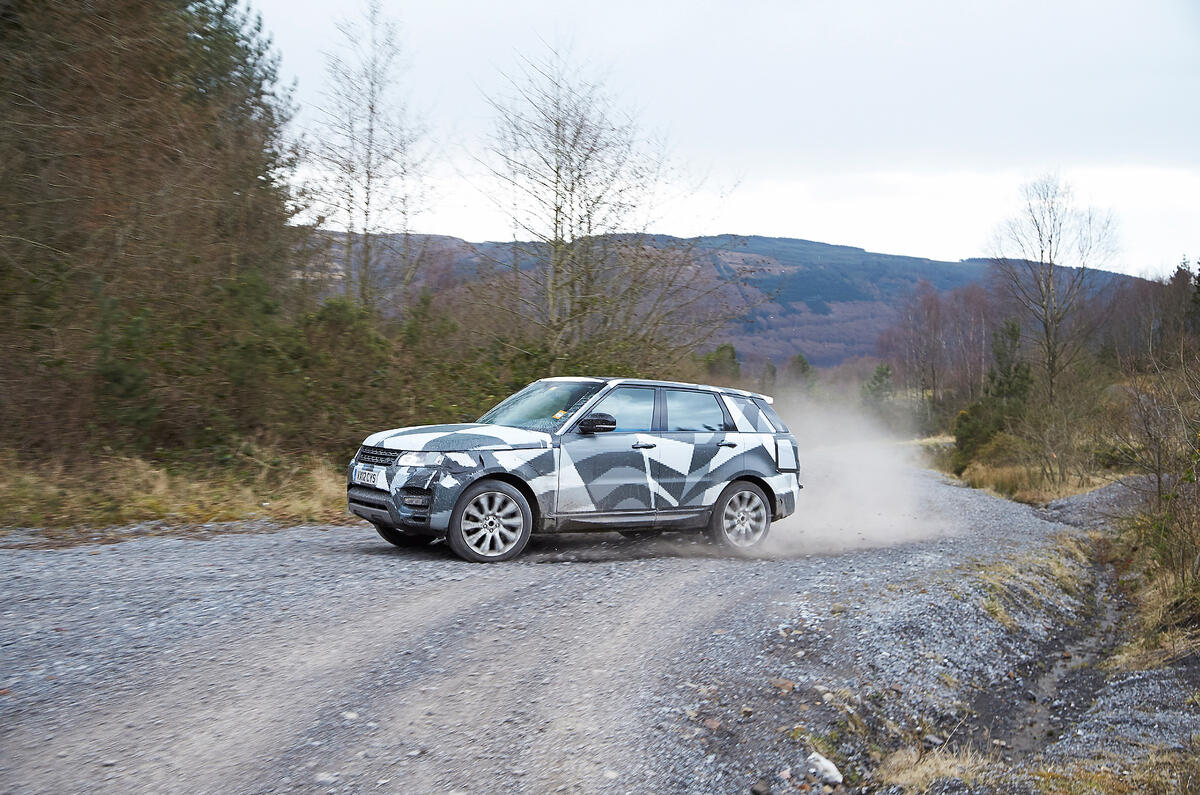
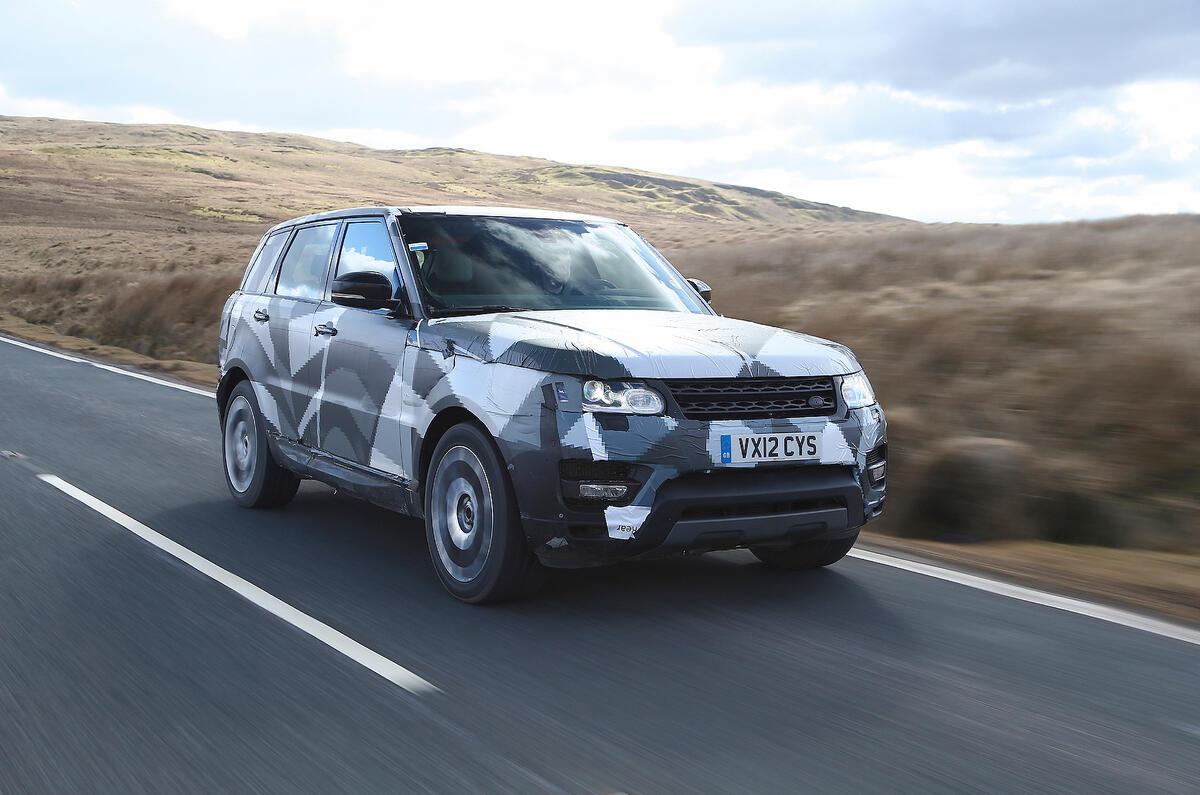
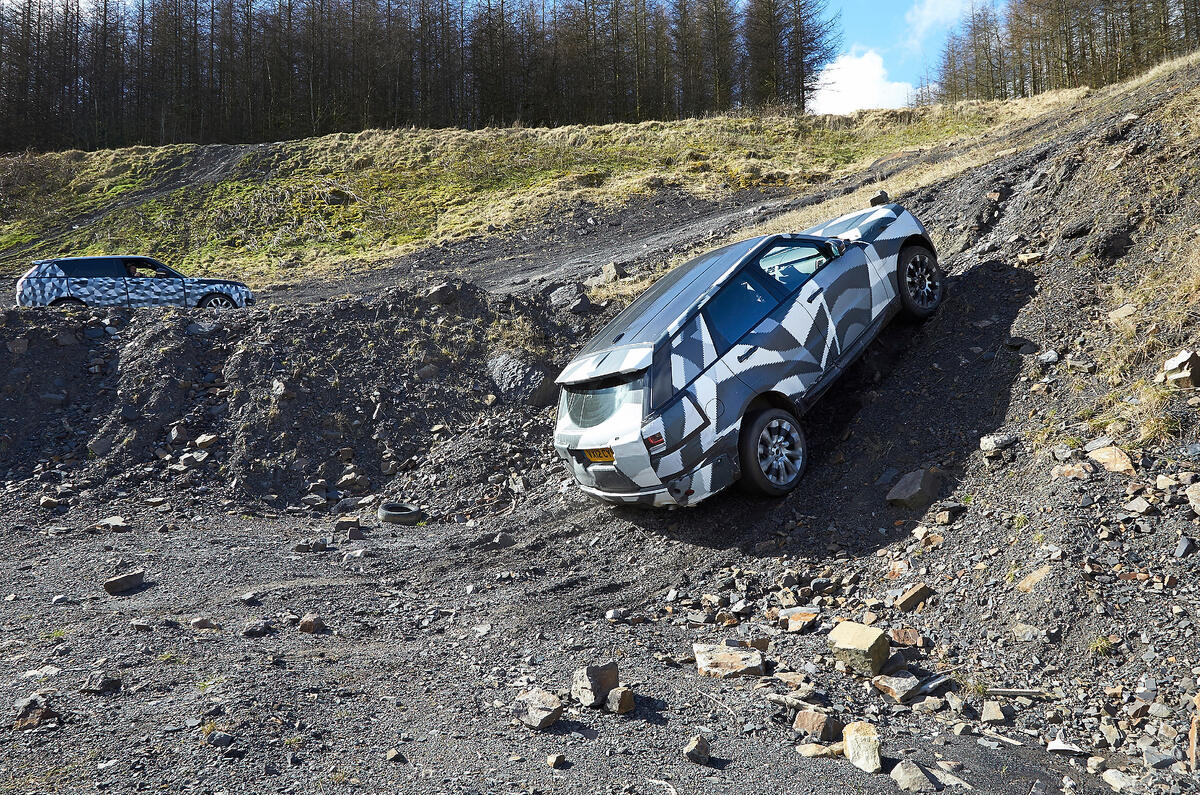






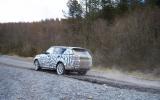
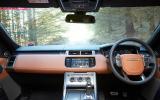




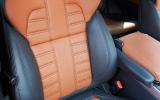
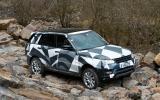
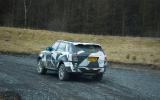
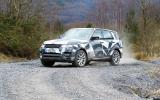

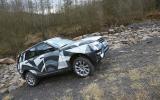
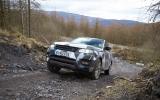





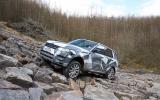
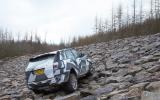



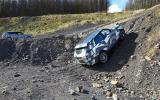

Things I can’t tell you: what it’s like. Things I can tell you: what they’ve done, how they’ve done it, why they’ve done it and… holy moly… that they’re about to take a corner on a gravel road at a speed that I really don’t think is advisable in a Range Rover Sport and… oh, no, it’s okay – we haven’t crashed.
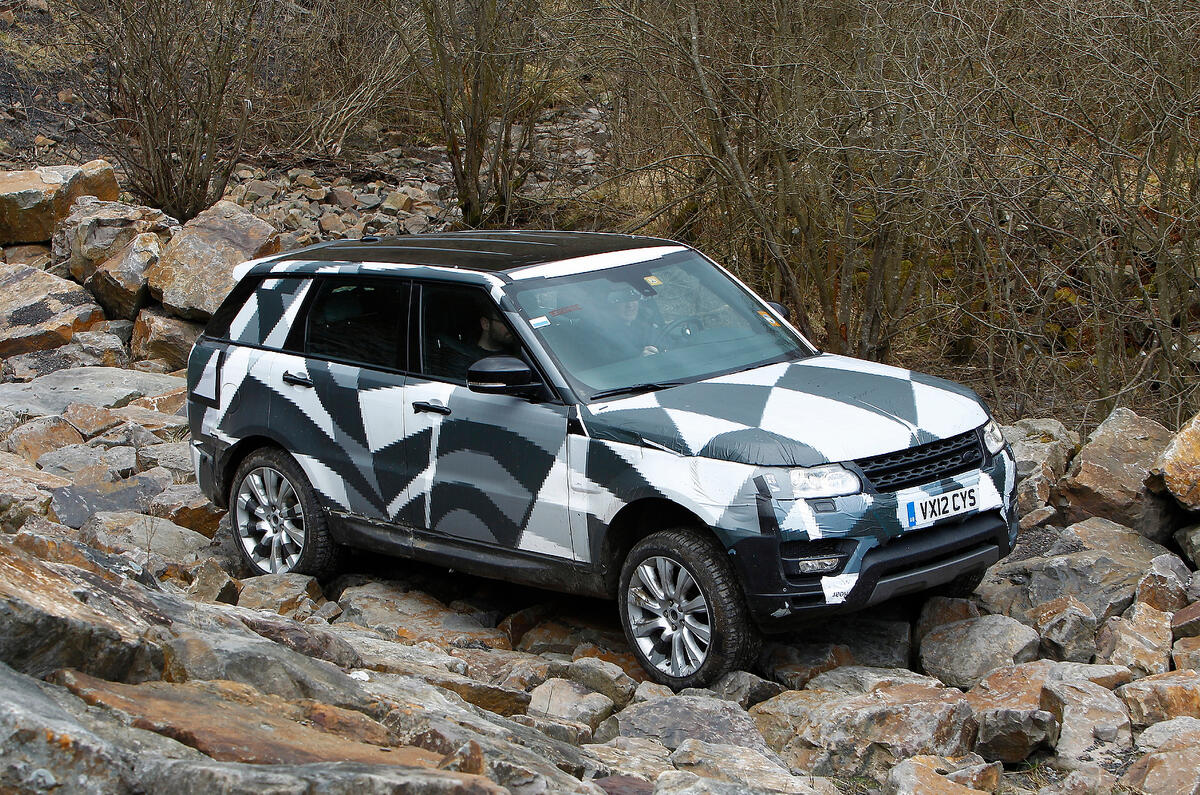
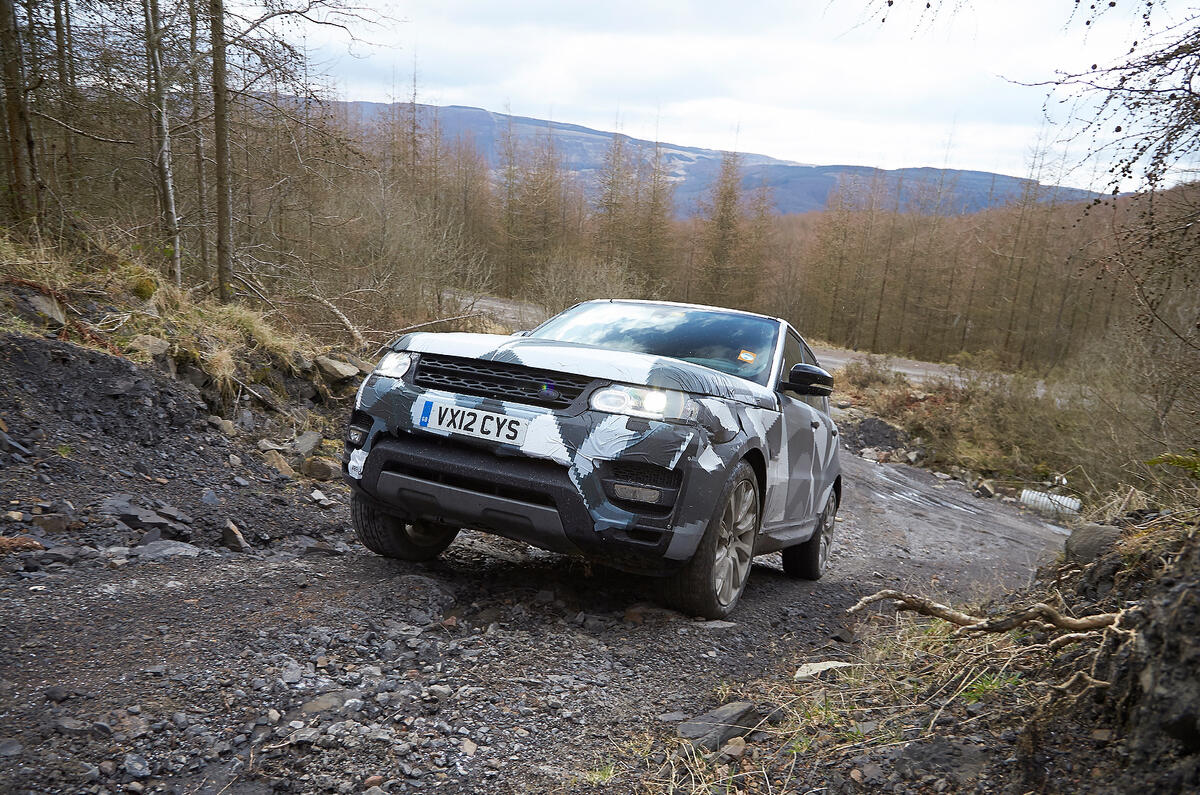
I’m at Walters Arena, not far from Swansea, south Wales. It used to be an open-cast mine but has now been repurposed as a home to 13 wind turbines, and several stages of Wales Rally GB, along with other motorsport events.
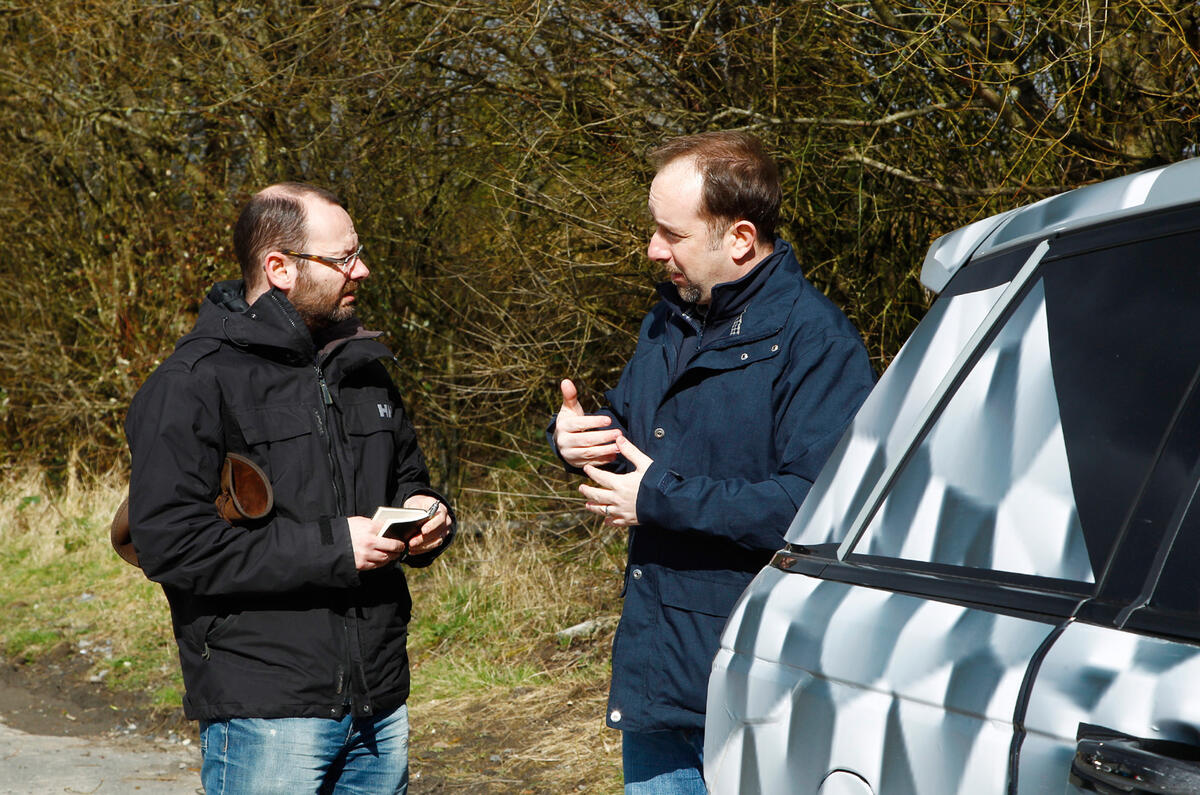
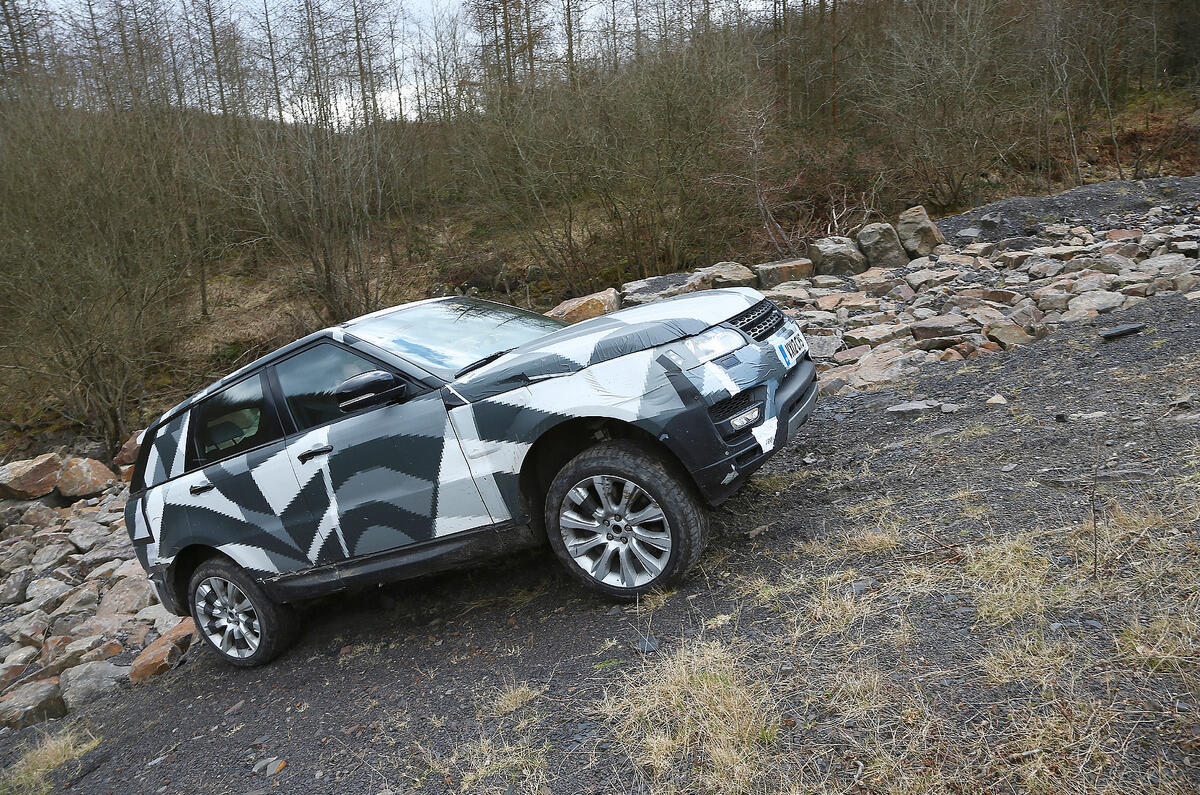
It has also become a third or fourth home to some Land Rover testers, who have supplemented their UK engineering facilities at Gaydon and Eastnor Castle with Walters’ fast, gravel-screed roads. It’s ideal for higher-speed off-road testing, as Land Rover’s off-road attributes manager, Jason Walters (no relation to the location), and vehicle engineering manager Craig Carter explain from the cabin of this fast-moving ‘L494’, or new Range Rover Sport to you and me, in whose passenger seat I’m sitting.
>> Steve Cropley talks to design boss Gerry McGovern
>> Range Rover Sport: full technical details
I still quite like the current Range Rover Sport, if I’m honest, but Carter and Walters, as you might expect, are keen to tell me what they’ve done to improve on it.
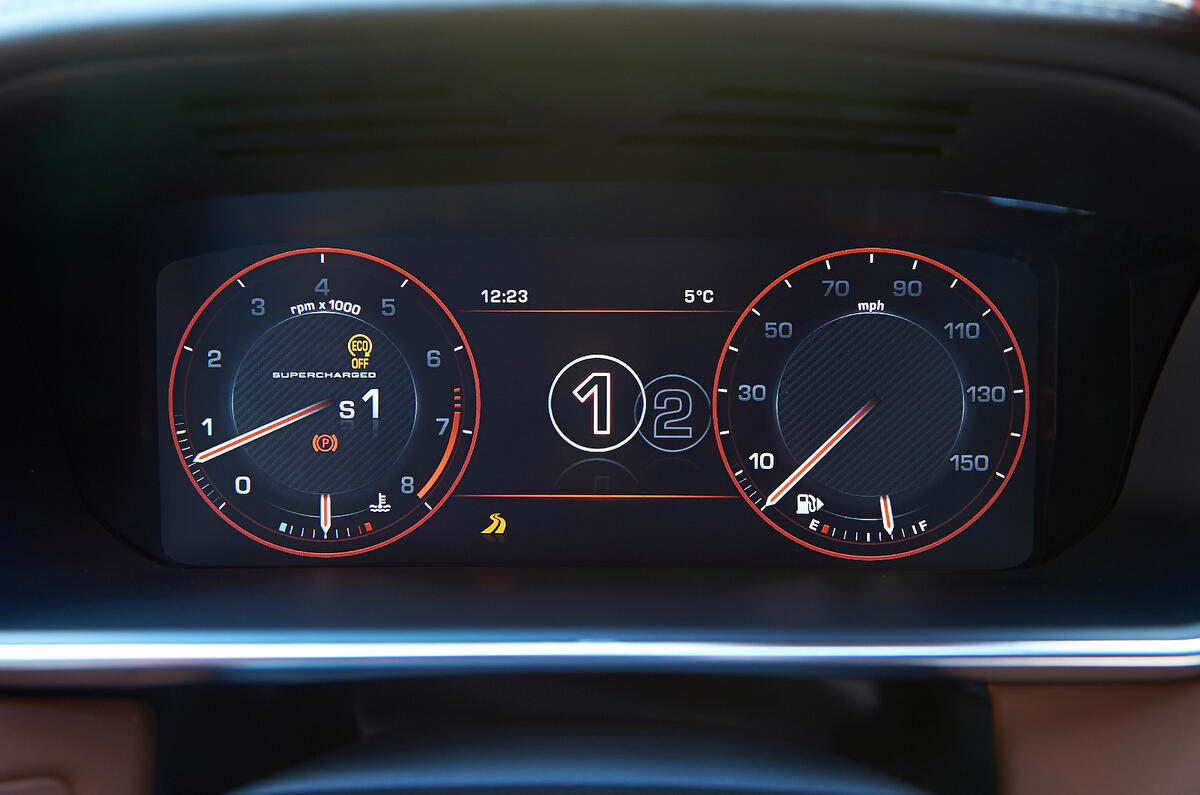
We’re sitting in an SDV6, the launch diesel model and the more powerful of the two 3.0-litre V6 oil-burners that will be offered, at 288bhp and 443lb ft. A 254bhp TDV6 will join it later, as will a 4.4 SDV8 (334bhp and 516lb ft). At launch there will also be a 5.0 Supercharged V8 petrol model with 503bhp and 461lb ft.
The UK market won’t get the supercharged 3.0 V6 available elsewhere, developed for additional off-road durability from the new Jaguar unit, but we will get a diesel hybrid and, later still, an in-line four-cylinder petrol.
Land Rover claims the new in-line four will bring the Range Rover Sport’s kerb weight down to less than 2000kg and prove more than 500kg lighter than a current V6 diesel.
But despite similarly grand claims about the new Range Rover’s lighter shell over its predecessor, we didn’t see such a big gap when it came to the scales. Why should it be different this time?
For a start, the new Sport is developed from the latest Range Rover’s aluminium architecture, which, in the Range Rover’s case, replaced a largely aluminium car anyway. When it comes to the Sport, this new platform replaces the one used by the current Sport and the Discovery, which features twin steel chassis rails like a separate ladder, on top of which is bolted a steel monocoque.
>> Steve Cropley talks to design boss Gerry McGovern
>> Range Rover Sport: full technical details
At the time of their introduction, Land Rover claimed that this platform offered the best of both worlds, but there’s no question that it also included the weight of both. The upcoming four-pot Sport will not only be on an aluminium platform for the first time, but it will also lose a low-range gearset. Even so, “we can get that base car anywhere a current Sport will go”, says Walters.