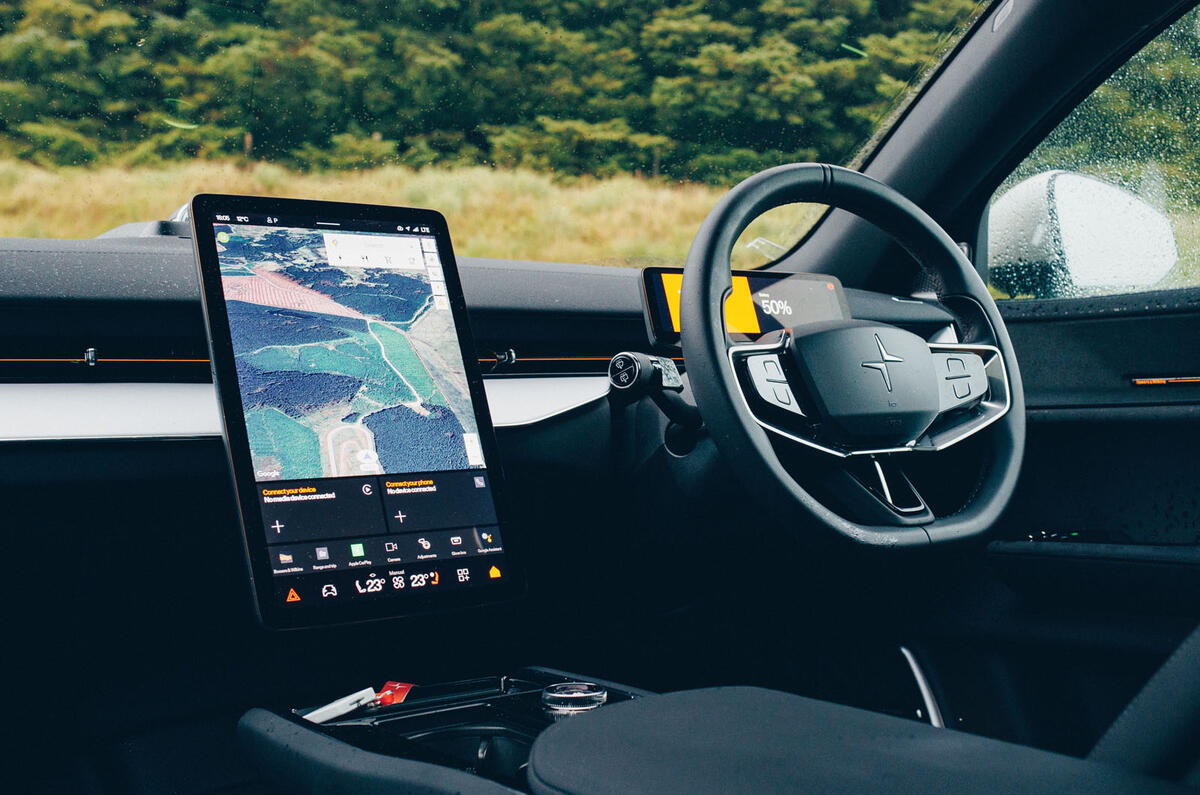

Polestar is moving to rapidly respond to customer feedback and address software glitches in its cars, better configure its ADAS and rethink its approach to interior controls.
The Swedish brand is poised to launch four new cars in the next two years – the 5 GT, 4 estate, 7 crossover and next-generation 2 saloon – but is also investing heavily in ensuring its existing models are optimised according to customer feedback, which is playing a significant role in key decisions the brand takes.
Speaking exclusively to Autocar last week, CEO Michael Lohscheller said Polestar has “very close contact” with its customers and is using their feedback to quickly address shortcomings with its current cars and design the next generation according to their views.
“We do listen to customers,” he said. “This community is really interesting: 60,000 people – I couldn’t believe it when I joined – and they write about lots of things.
“We have very close contact to customers. We have an agency [retail] model, so we go directly to customers, and we have a very big community who tell us their views, so we are very, very close to them.”
One of the more significant changes adopted by Polestar in response to buyer feedback is its move to include more physical controls in its cars, in a break from the touch-centric arrangement that has been common to all models since the 2 arrived in 2020.
Asked if Polestar would follow brands like Volkswagen, Mercedes-Benz and Ferrari in replacing touchscreen icons and haptic pads with physical controls for key functions, Lohscheller said: “Absolutely. Customers are very outspoken about that. They say ‘we want more buttons’. It’s that simple. And yes, we will do buttons.”
Polestar will take its first step in this endeavour next year when it introduces clearer buttons to the steering wheel of the 3 SUV, which currently features four unmarked touch-sensitive pads for the cruise control and display screens, as part of a control suite that has been generally criticised for being difficult to navigate and use while driving.
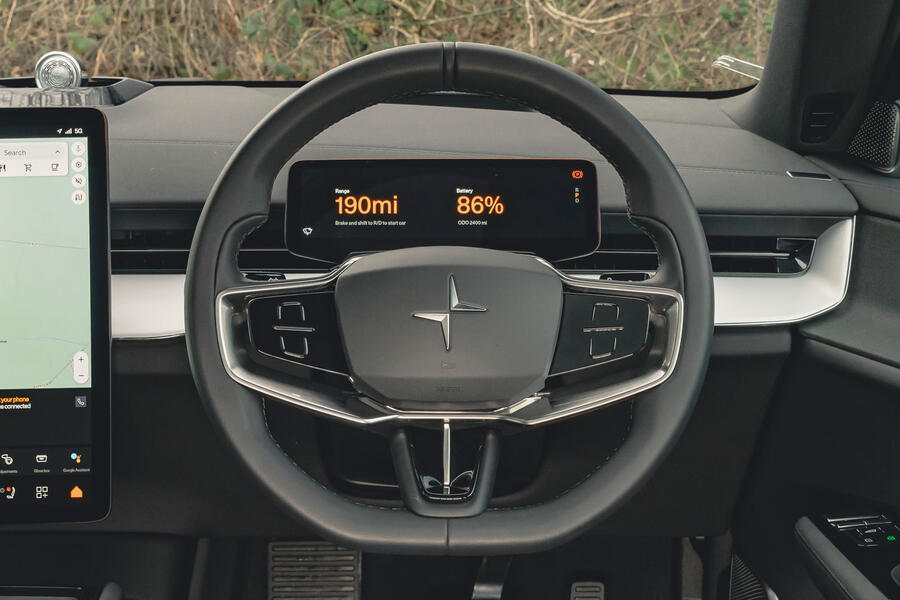
Polestar’s upcoming cars are expected to follow suit as part of a drive to boost on-the-move utility and reduce the amount of time drivers need to spend tapping the touchscreen.
Asked whether the introduction of new buttons and switches was at odds with Polestar’s characteristically minimalist tendencies, Lohscheller said it was important to ensure any design decisions have the end user in mind.