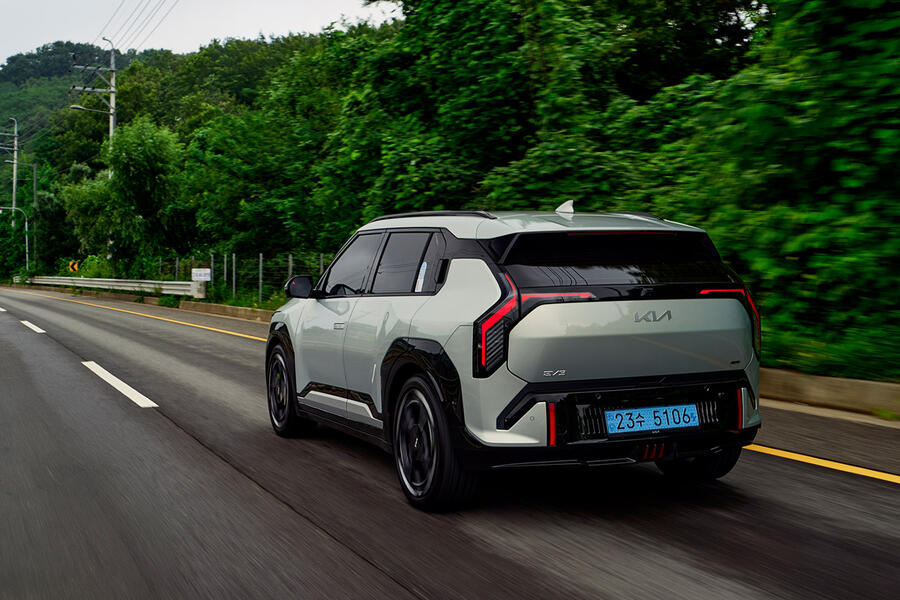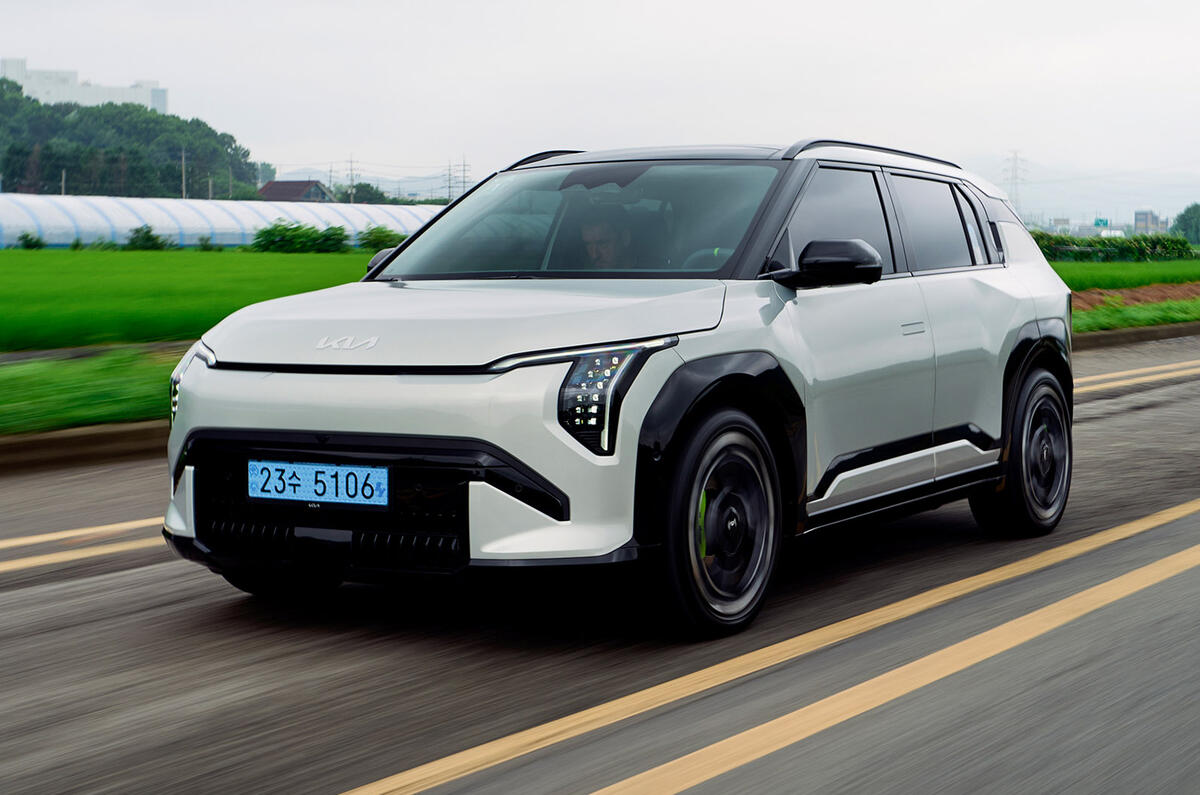
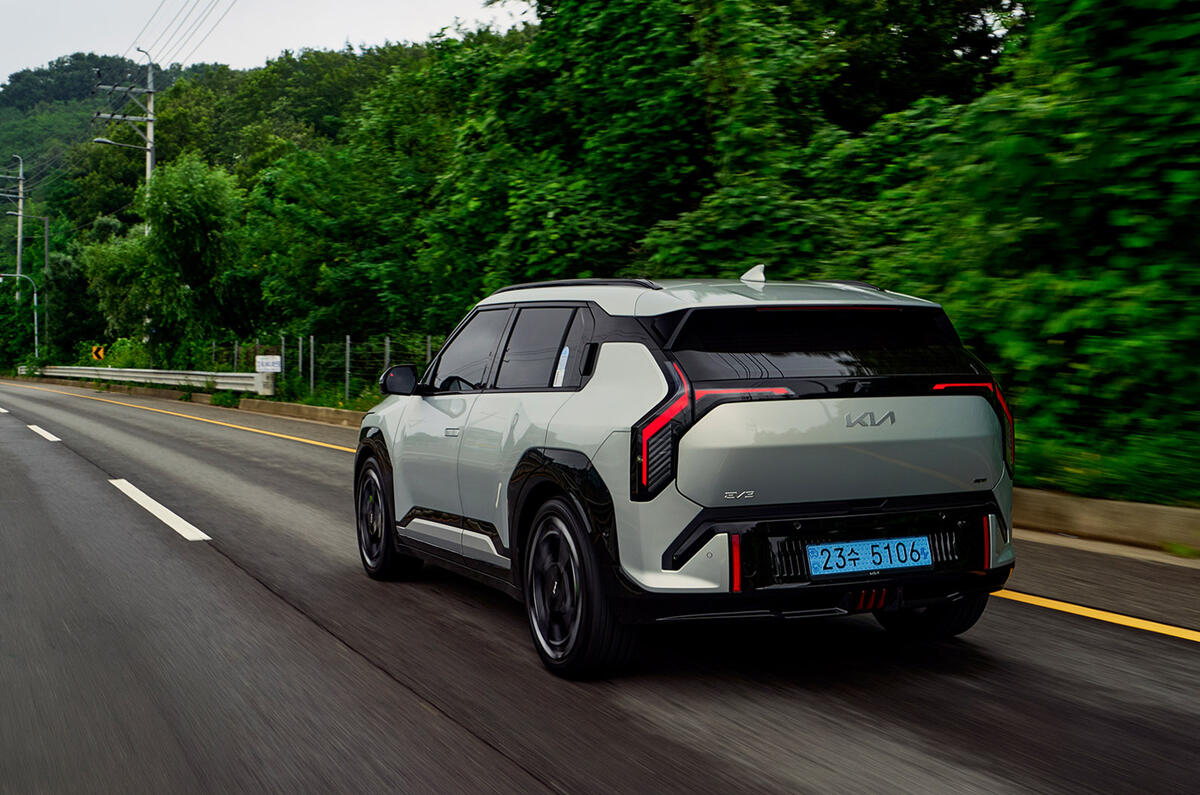
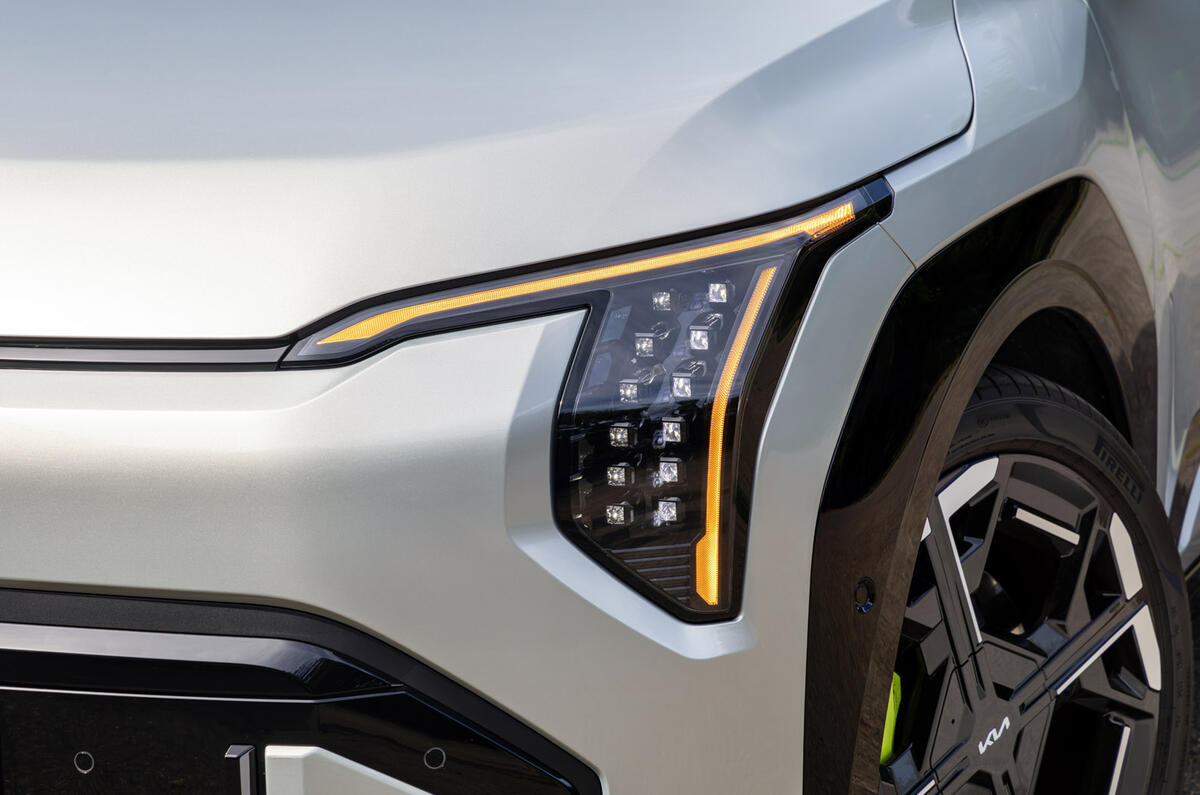
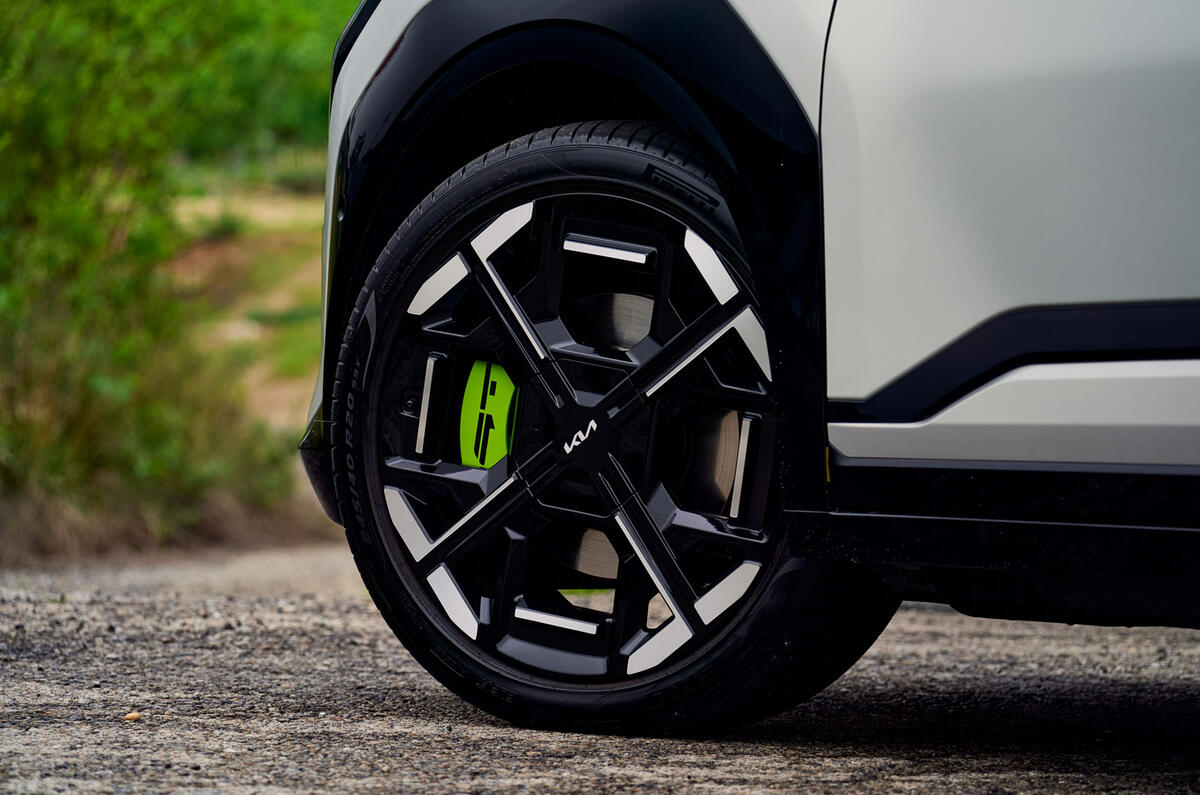
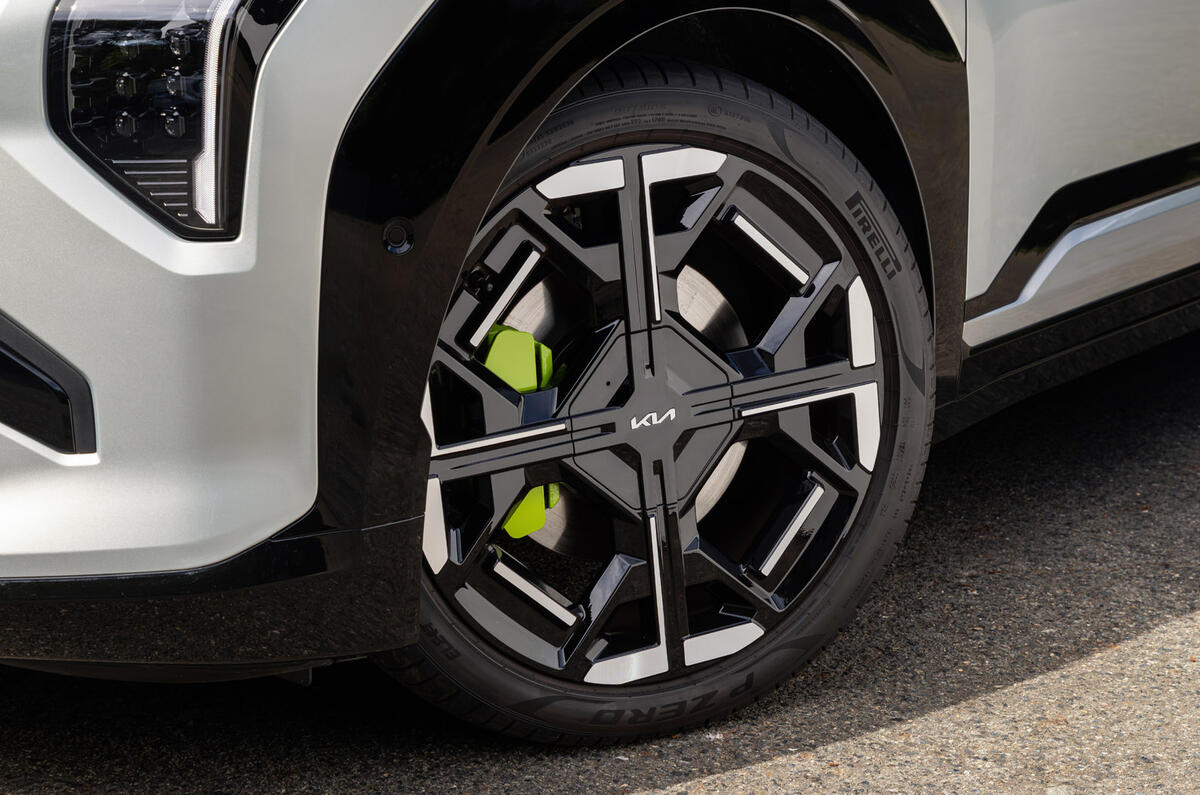
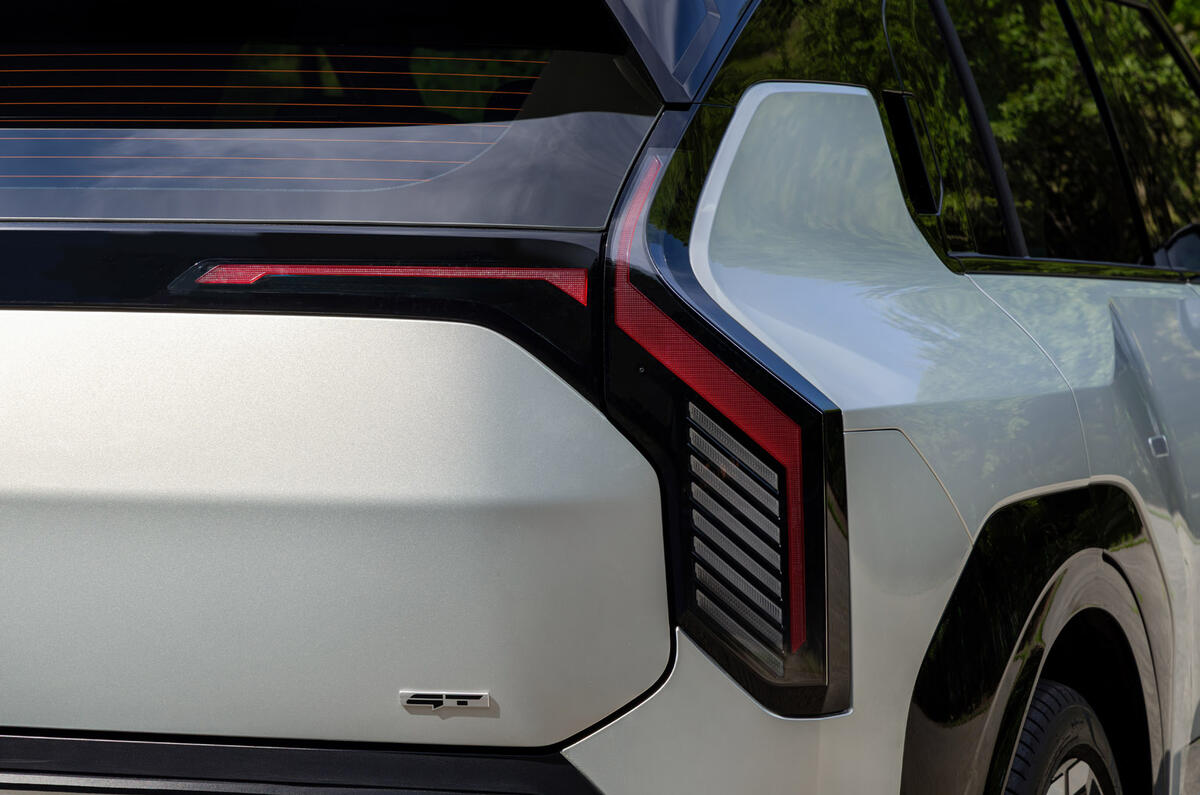
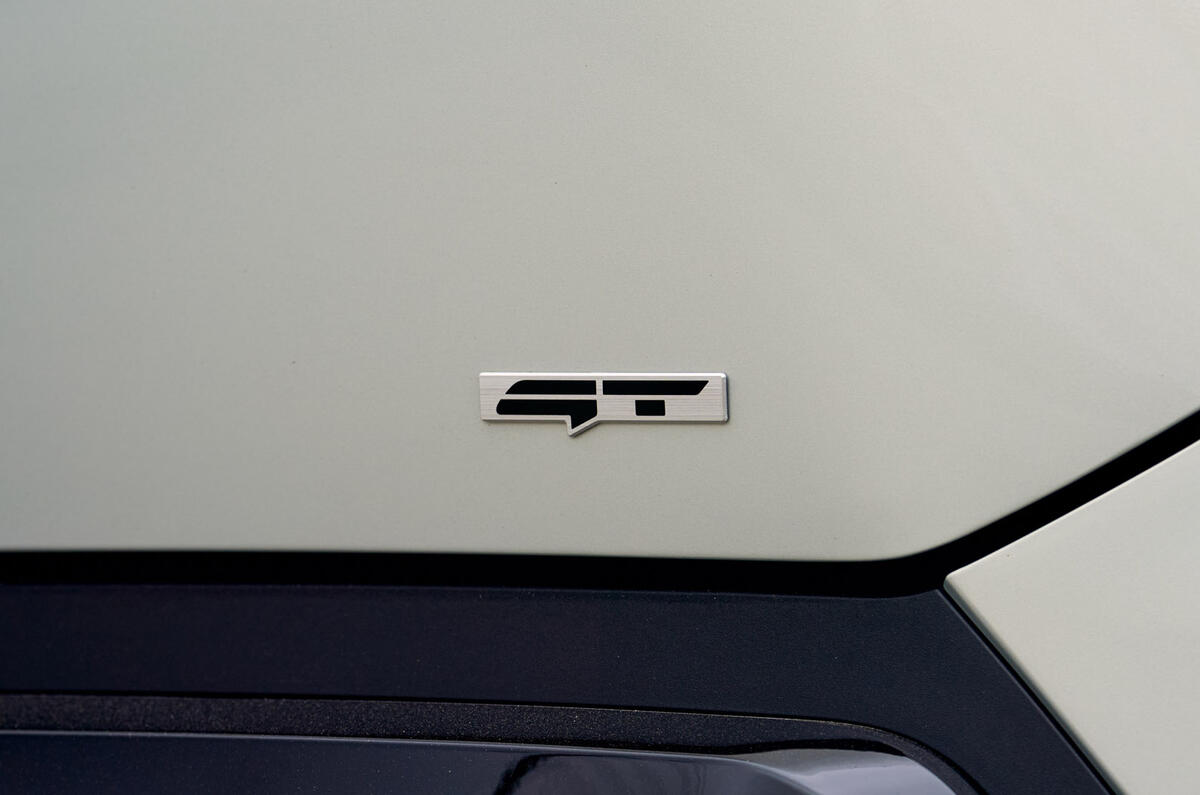

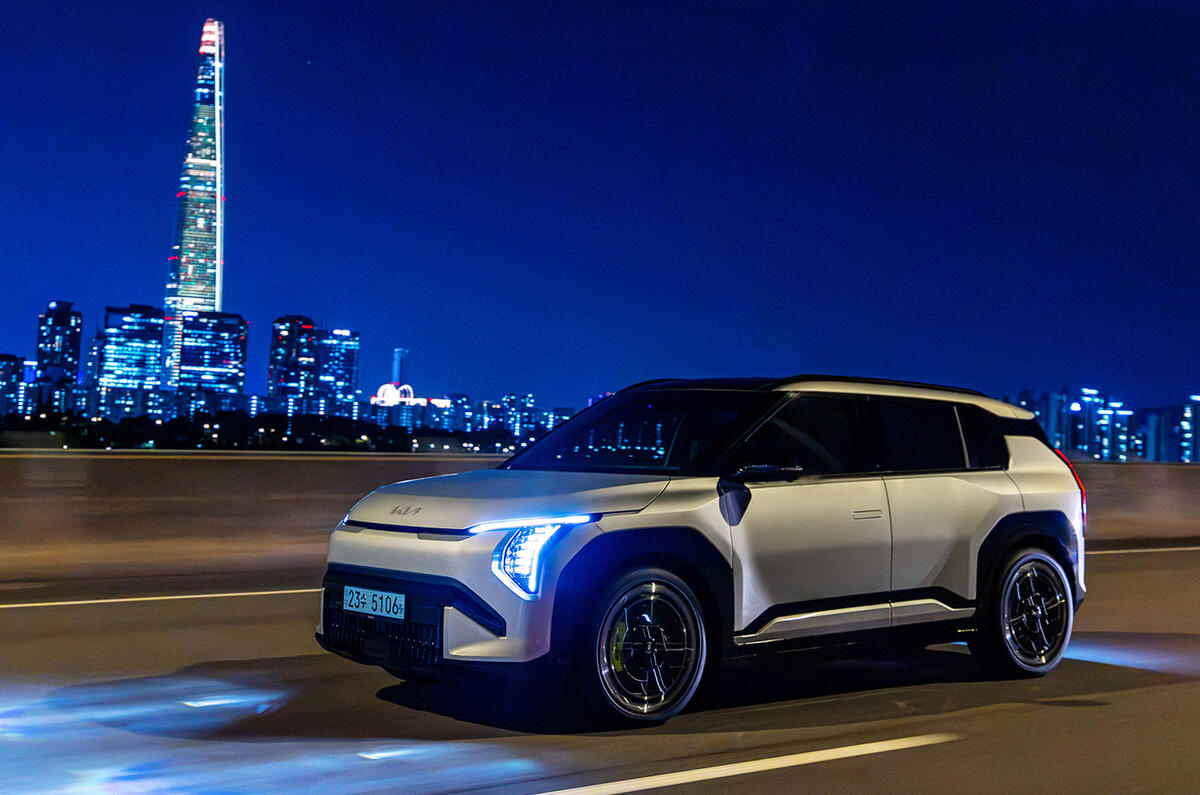
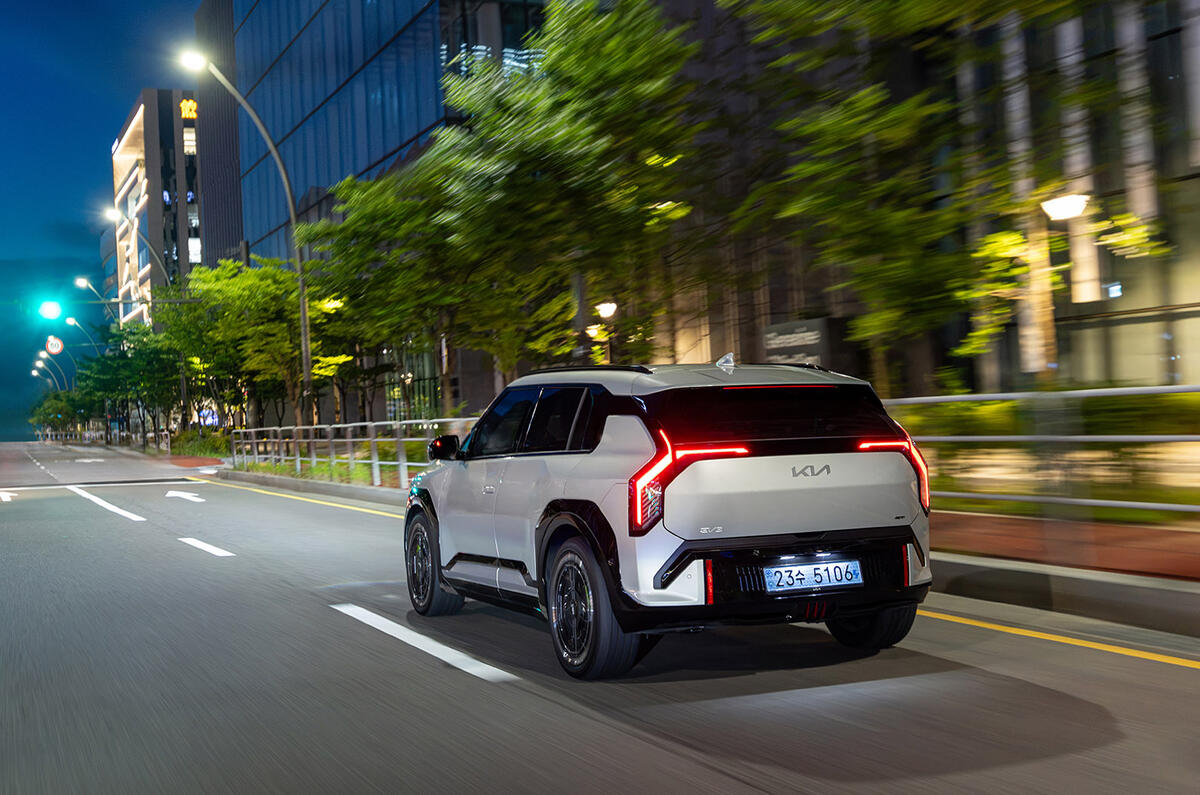
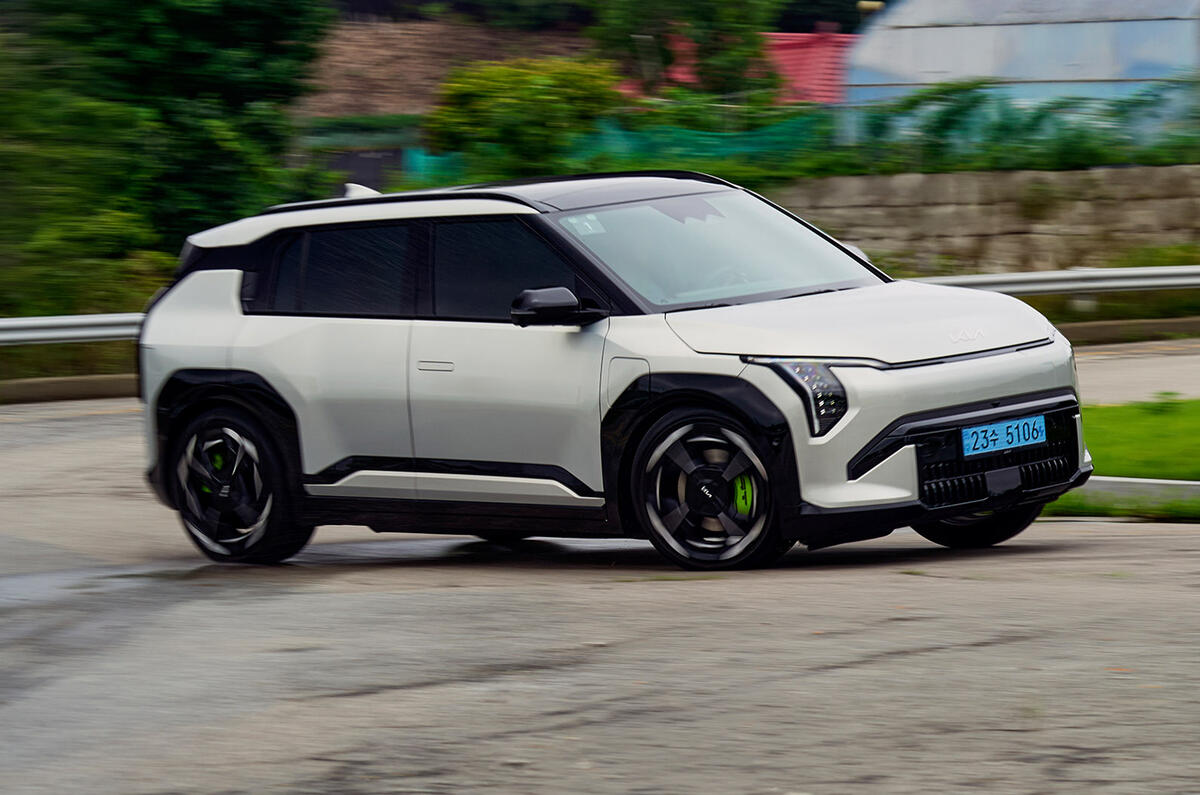
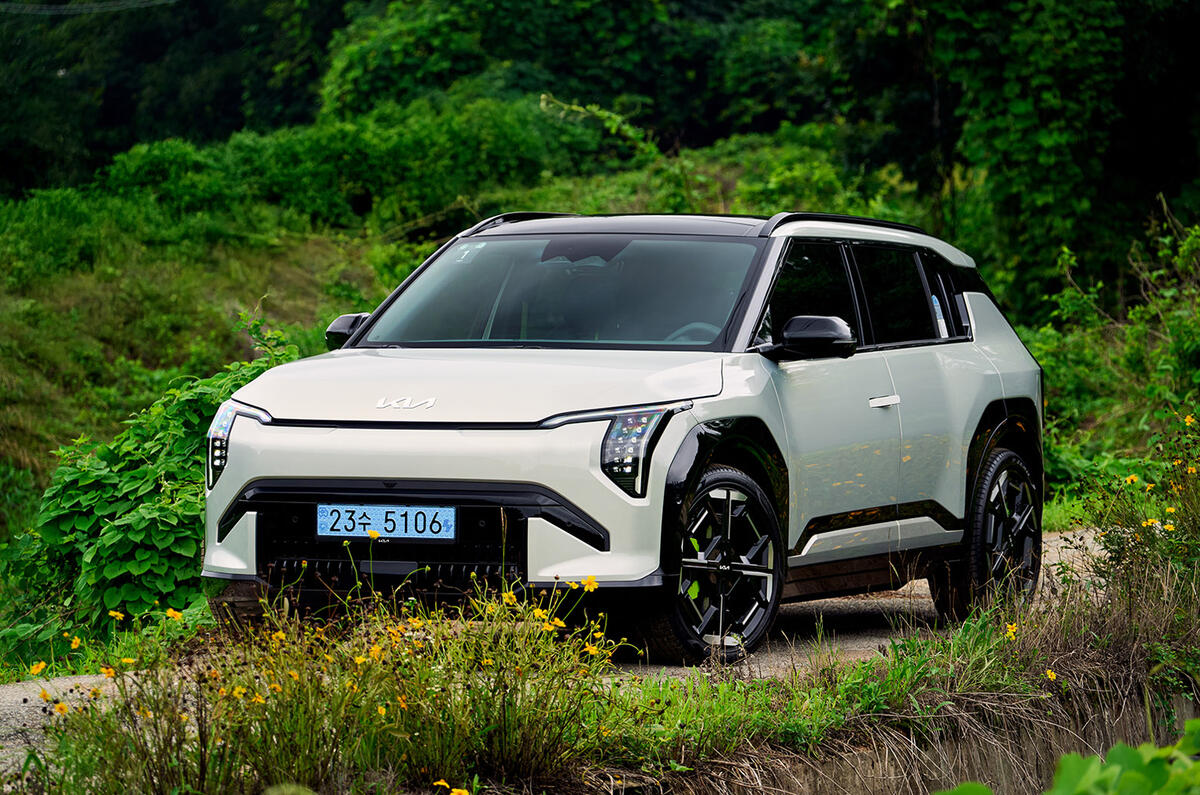























The EV3 is where it starts to get serious for Kia’s performance GT subbrand.
So far we have had the super-saloonish EV6 GT and the hulking EV9 GT, but these are the big-money flagships and seldom seen. GT-ifying the smaller EV3 takes Kia’s performance sub-brand into sub-£50k territory, and as the most accessible model in the snowballing GT range, this is the one that matters.
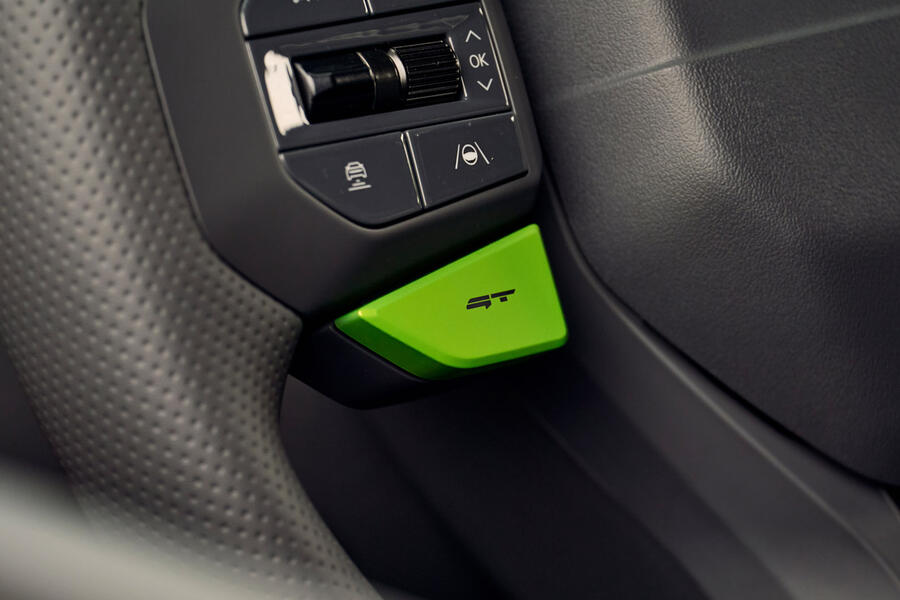
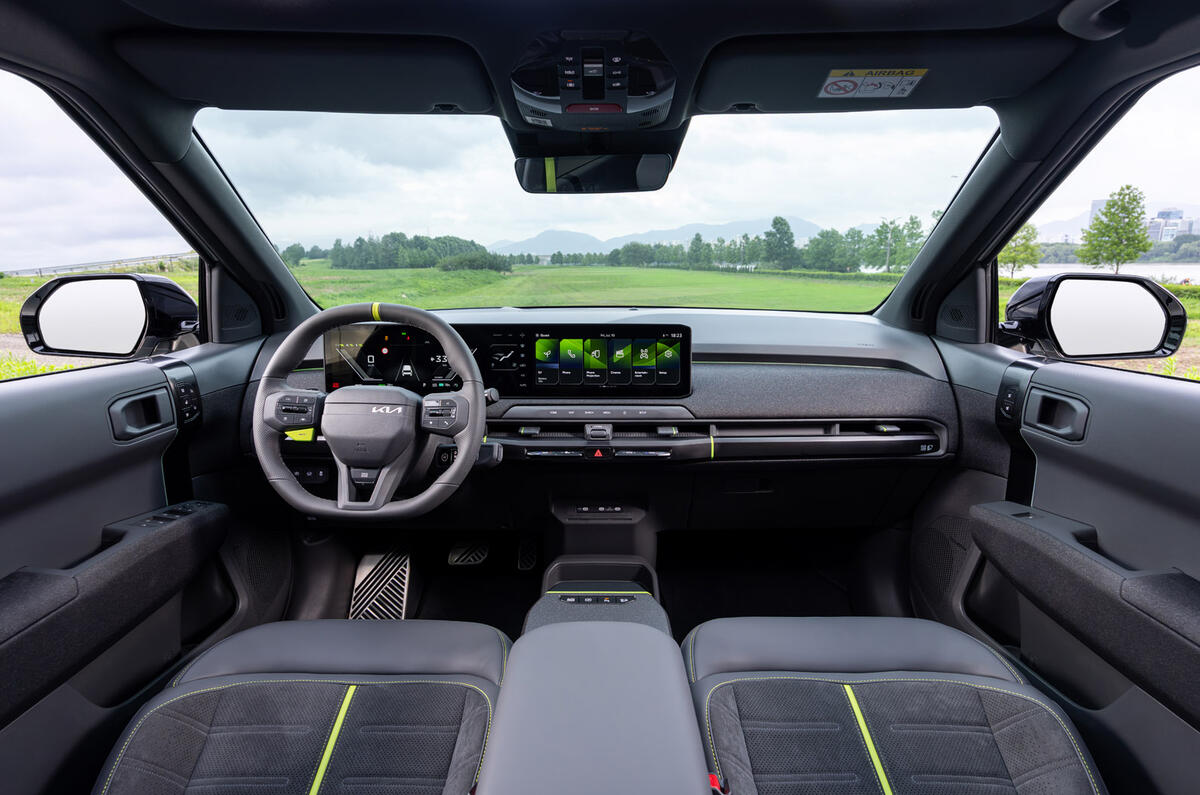
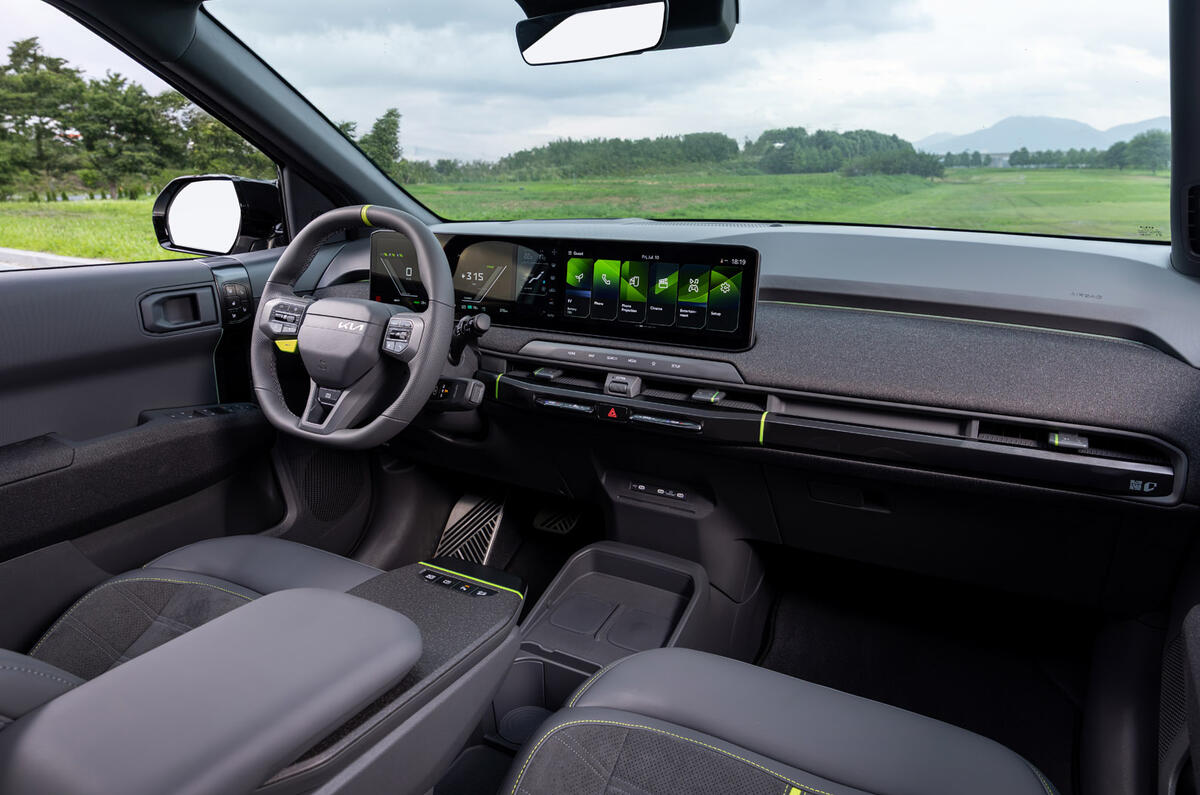
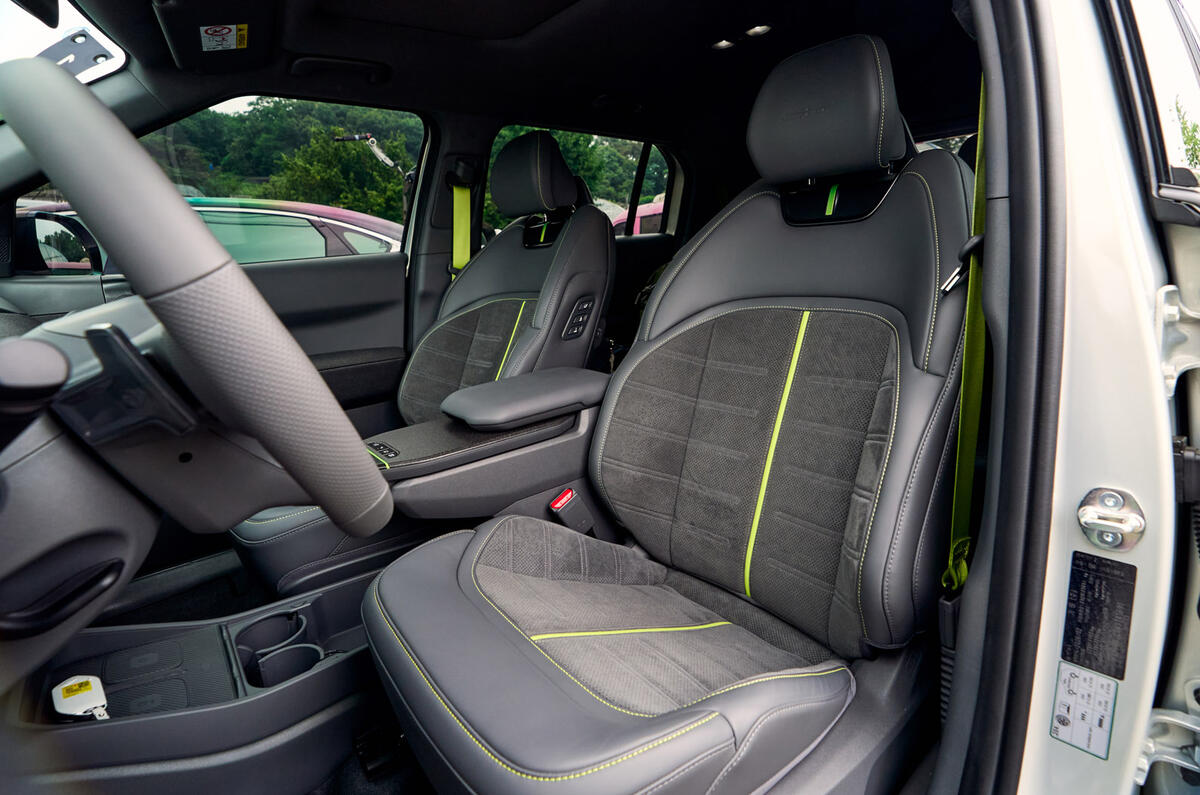
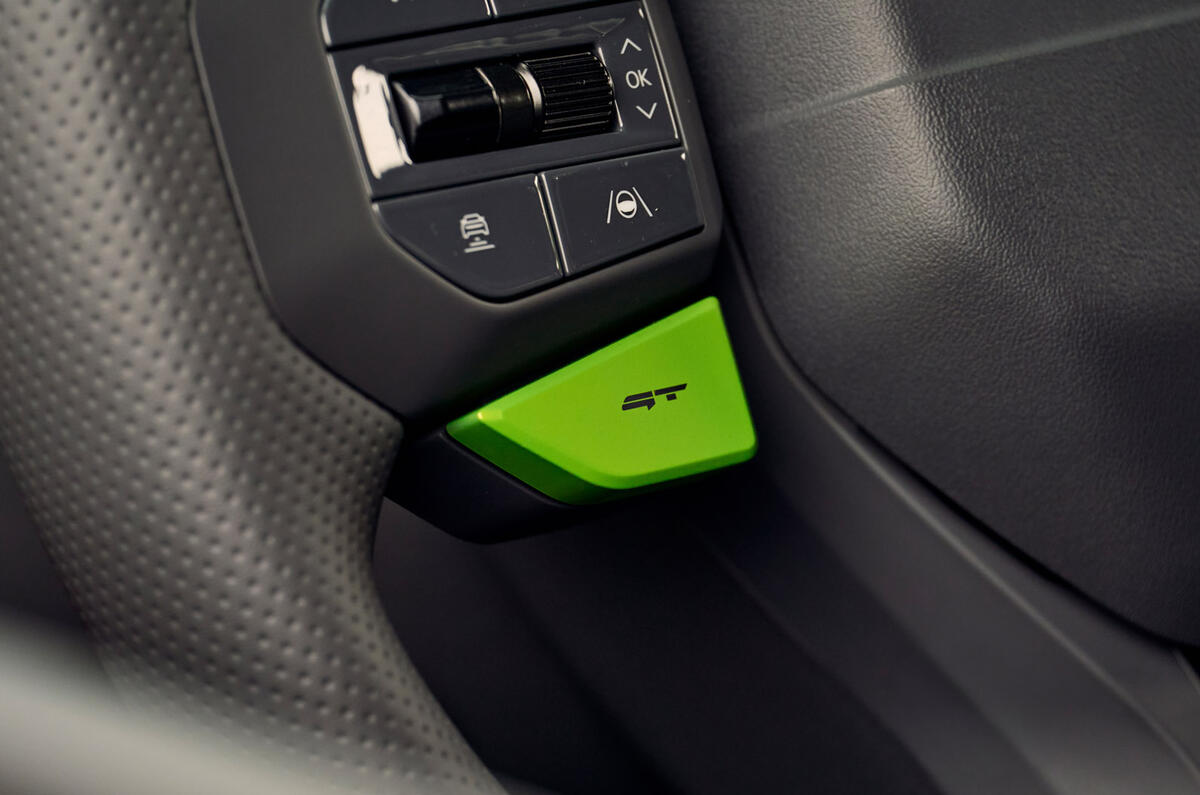
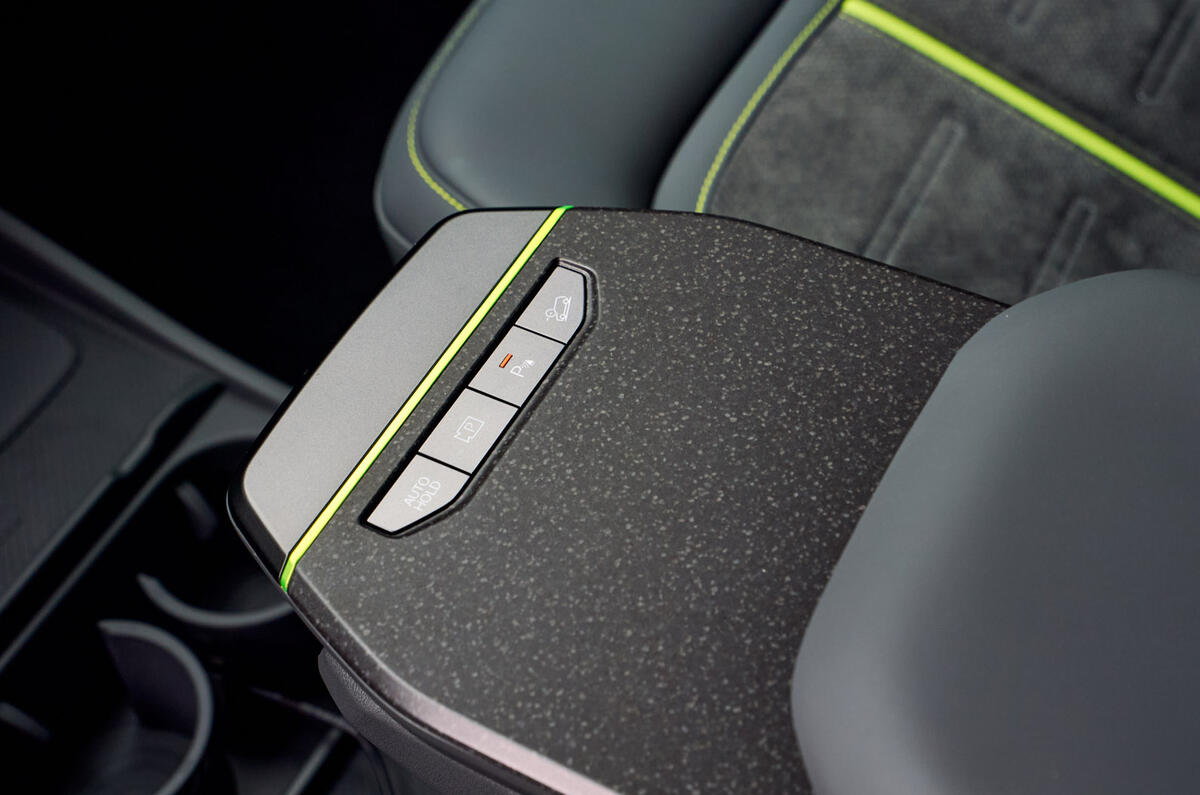
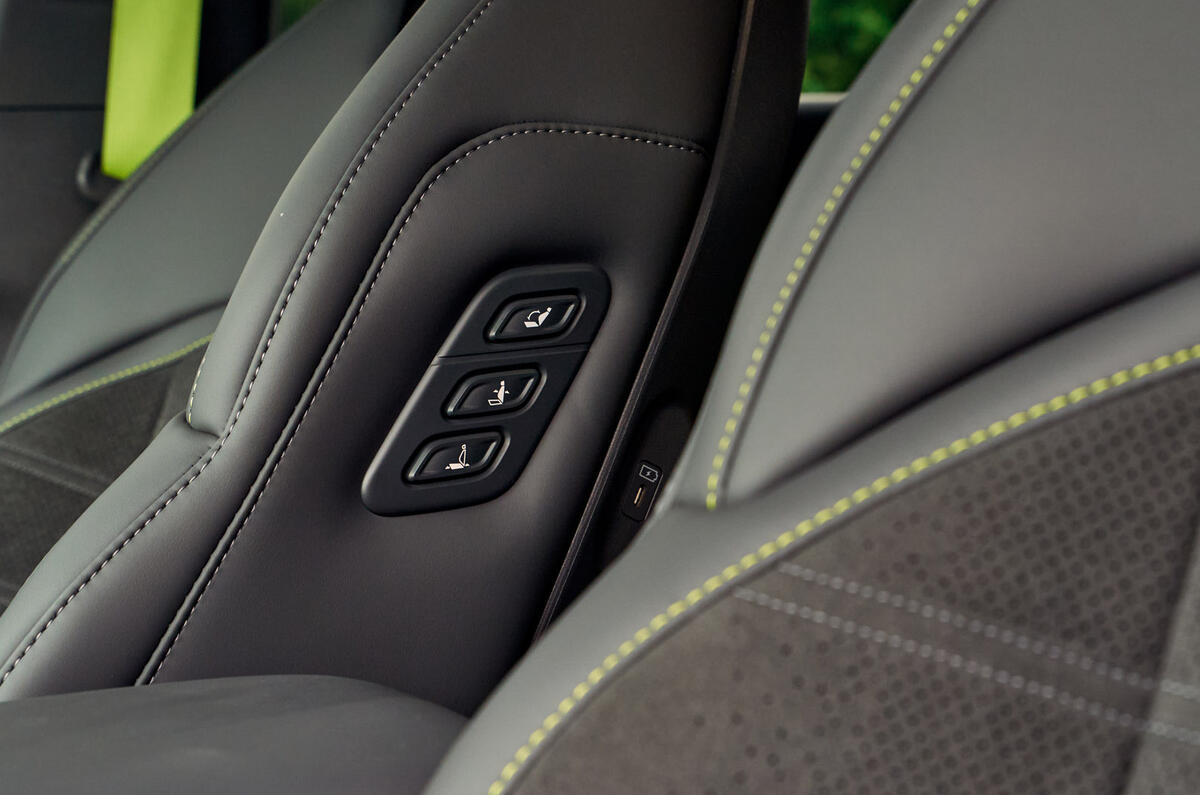
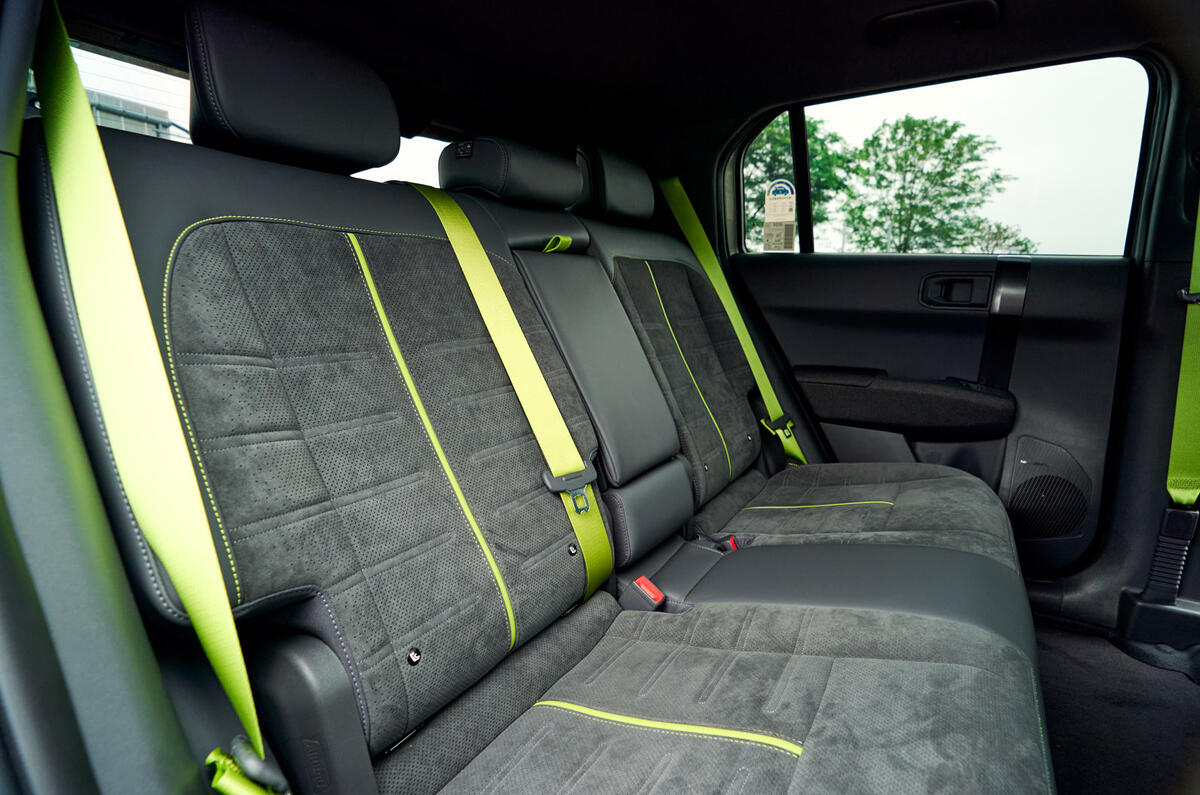
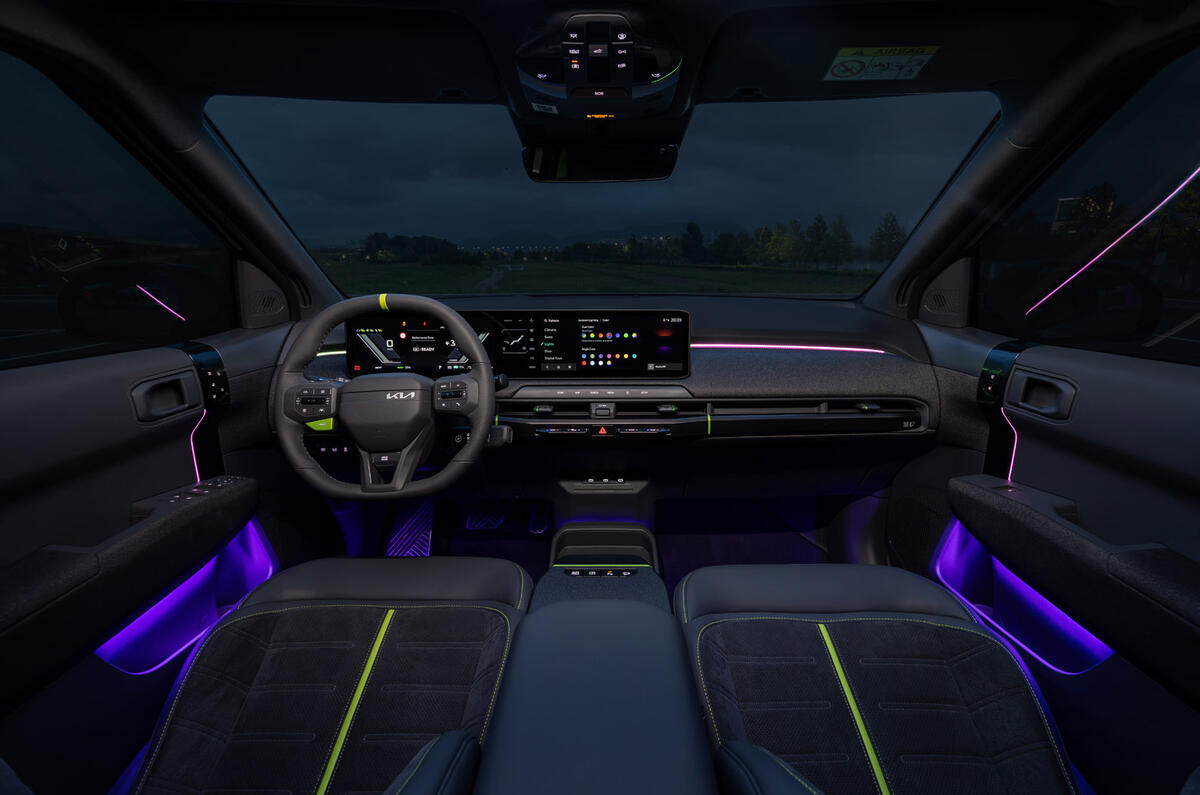
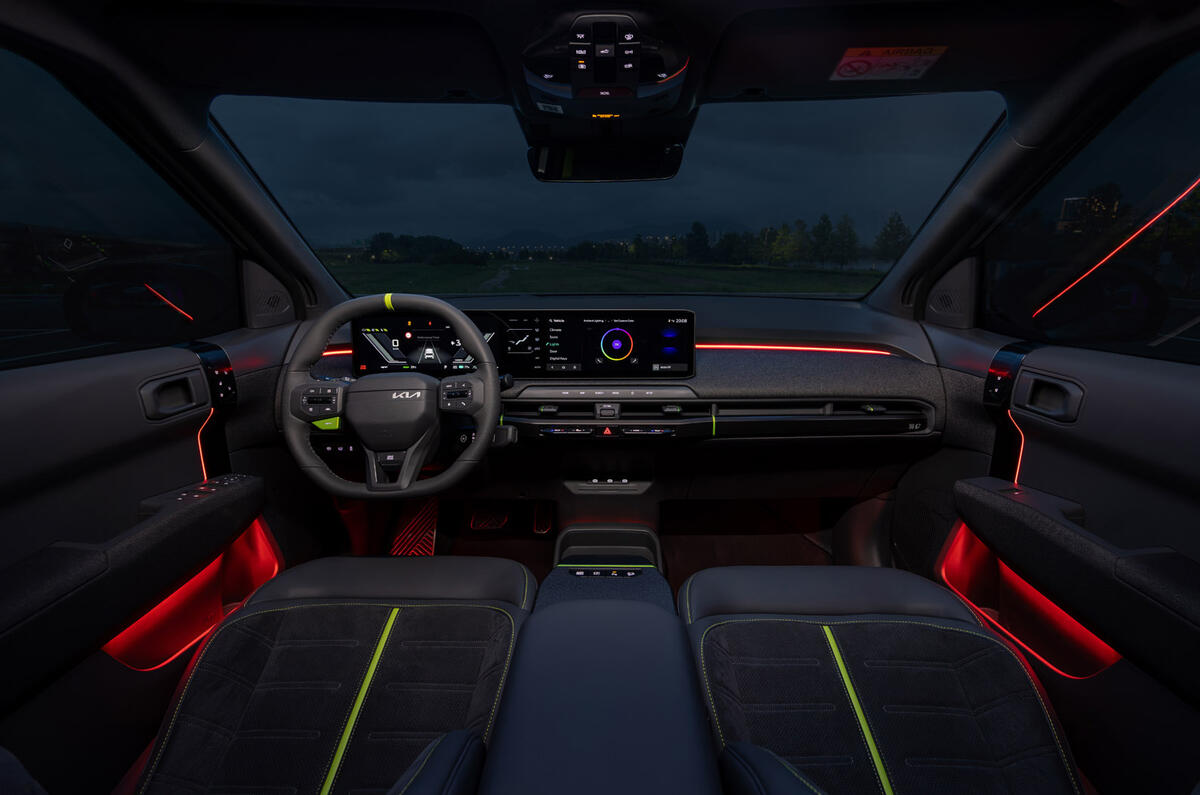
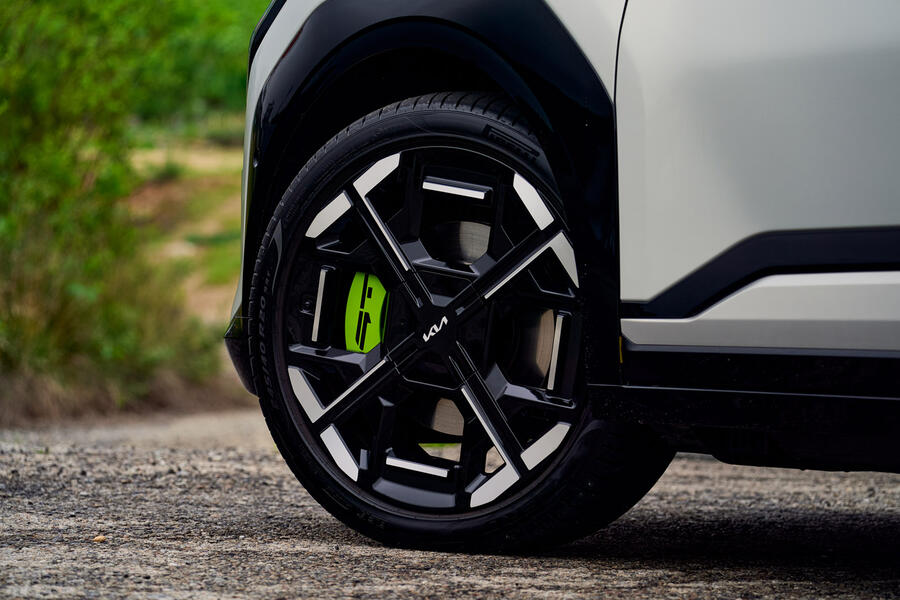
So what constitutes an EV3 GT, beyond the acid-green accents, neatly repro led bumpers and skirts and a set of Pirelli P Zero tyres? Under the skin, the 81.4kWh battery is borrowed from the mainline EV3 Long Range, for 311 miles of claimed range with a modest maximum charging speed of 128kW. It supplies a front motor that with 194bhp is exactly 100bhp more powerful than its rear counterpart.
All said this powertrain makes 288bhp – enough to send the EV3 GT to 62mph from rest in only 5.7sec, despite a kerb weight of more than two tonnes.
In terms of the dynamic DNA, while there has been plenty of R&D crossover, there is deliberately less ambition with Kia’s GT cars than we’re used to seeing with the N models of sister-brand Hyundai. Kia wants these models to be undemanding performance EVs that offer a bit more bite than the regular cars, but not so much that it risks wearing thin in daily use.
As much was apparent during a brief drive on a corner-starved route around the company’s Namyang development facility. With a comparatively relaxed spread of rates for its three-mode dampers and a heavyset demeanour, this car is GT by nature as well as name. Those looking for an electric replacement for their Toyota GR Yaris should therefore steer clear, but that isn’t to say the GT is only for those who like the idea of owning a hot hatch more than the reality.
It steers accurately and controls its mass well, and the ergonomics are genuinely superb. Of course, given the arrangement of the motors, the balance gives more of a front-drive hot hatch feel than Kia’s hitherto rear-biased more senior GT creations, so the EV3 GT can’t be steered gently on the accelerator in the way a Cupra Born can. The less powerful rear motor exists mainly to neutralise the cornering balance, not fundamentally alter it for tailhappy antics.