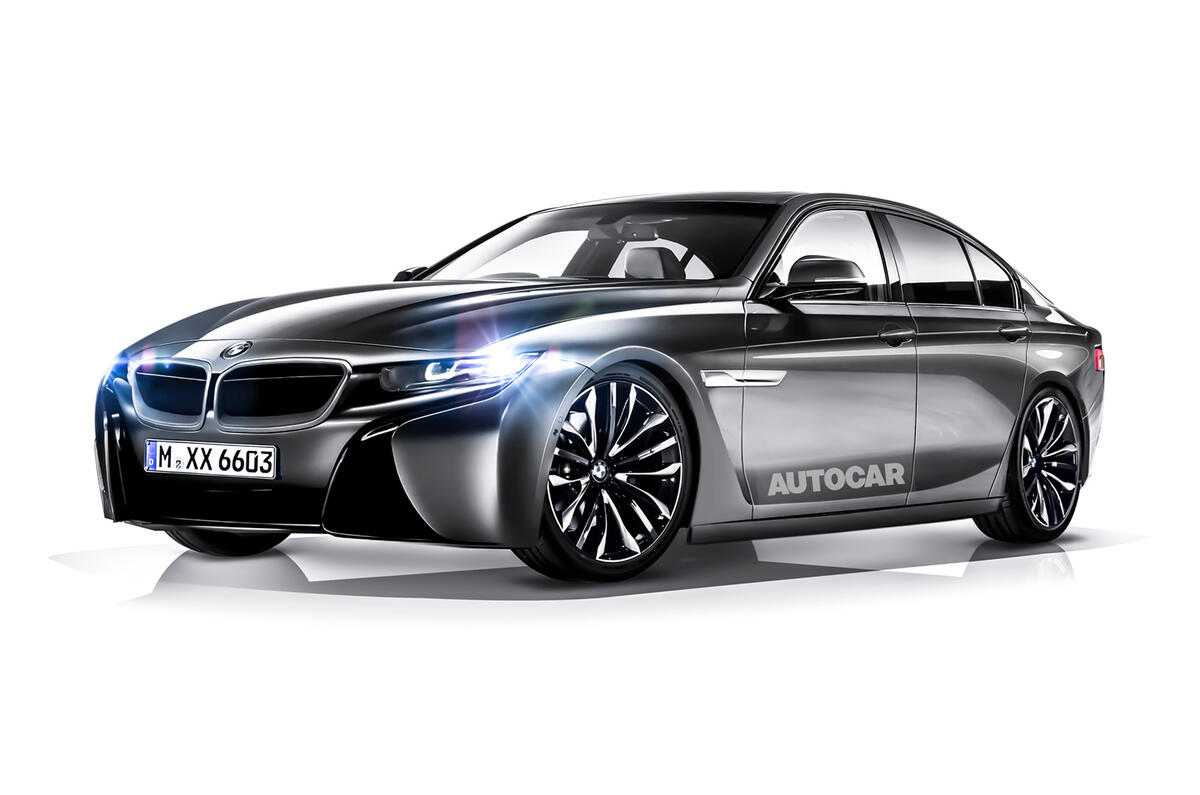
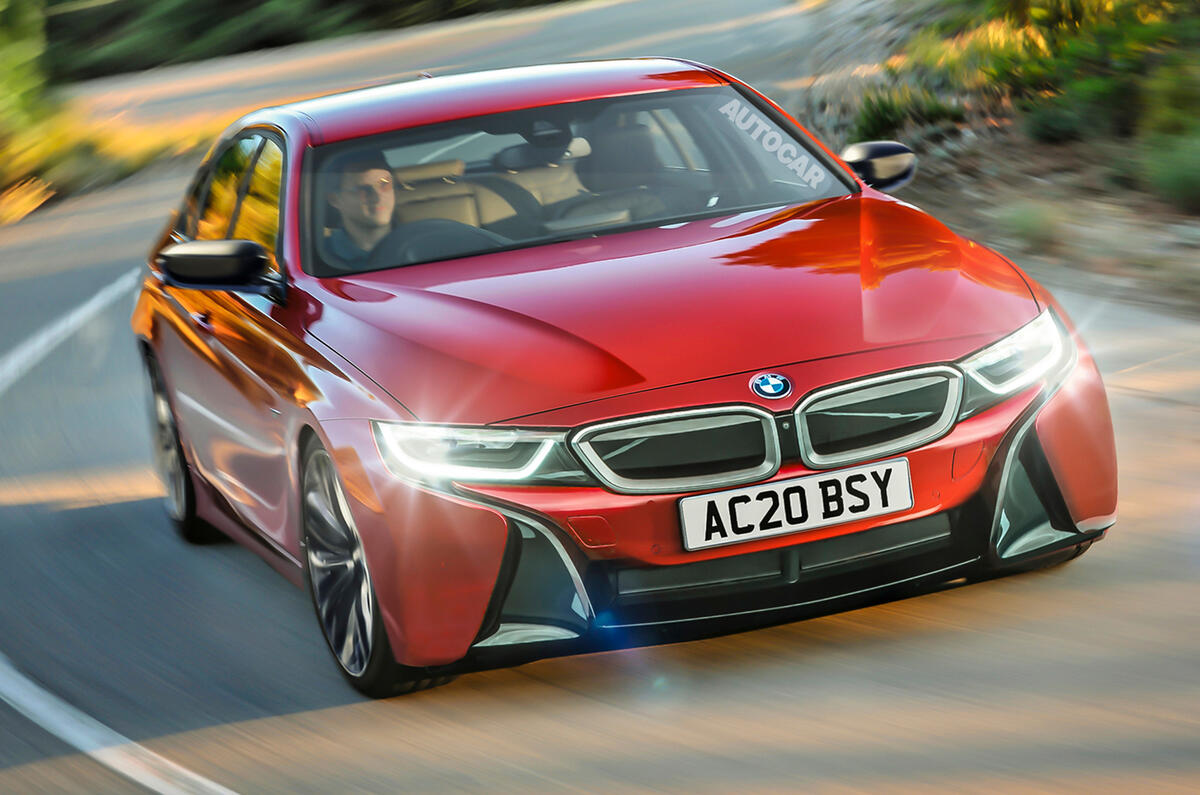
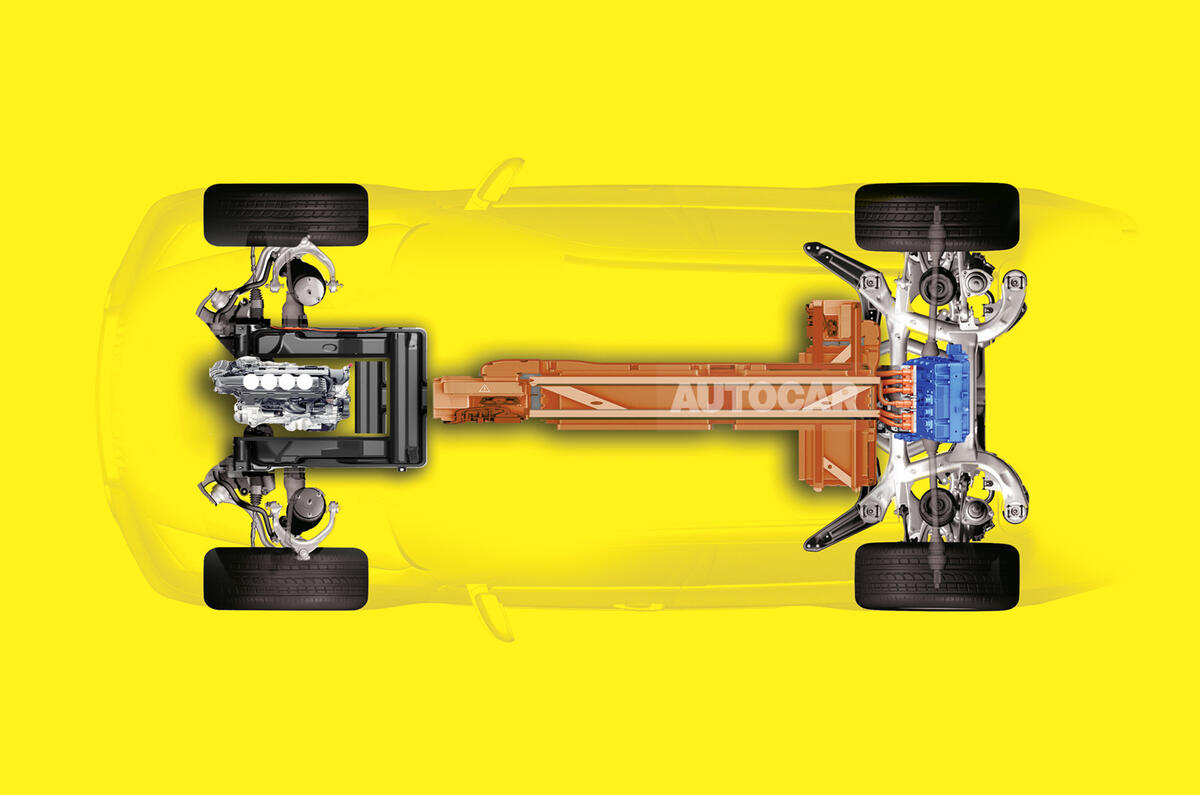

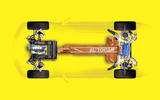

BMW is getting ready to embark on a radical engineering and technology drive which could see all future models from the 3-series upwards, including the Rolls-Royce range, become all-wheel-drive range-extender electric cars.
This ground-up rethink for BMW is based both on the way that the body is constructed and the make-up of the powertrain. The days of welded steel bodies and engines that drive the rear wheels via conventional transmissions are set to be consigned to history, according to the latest thinking by BMW’s advanced engineering department.
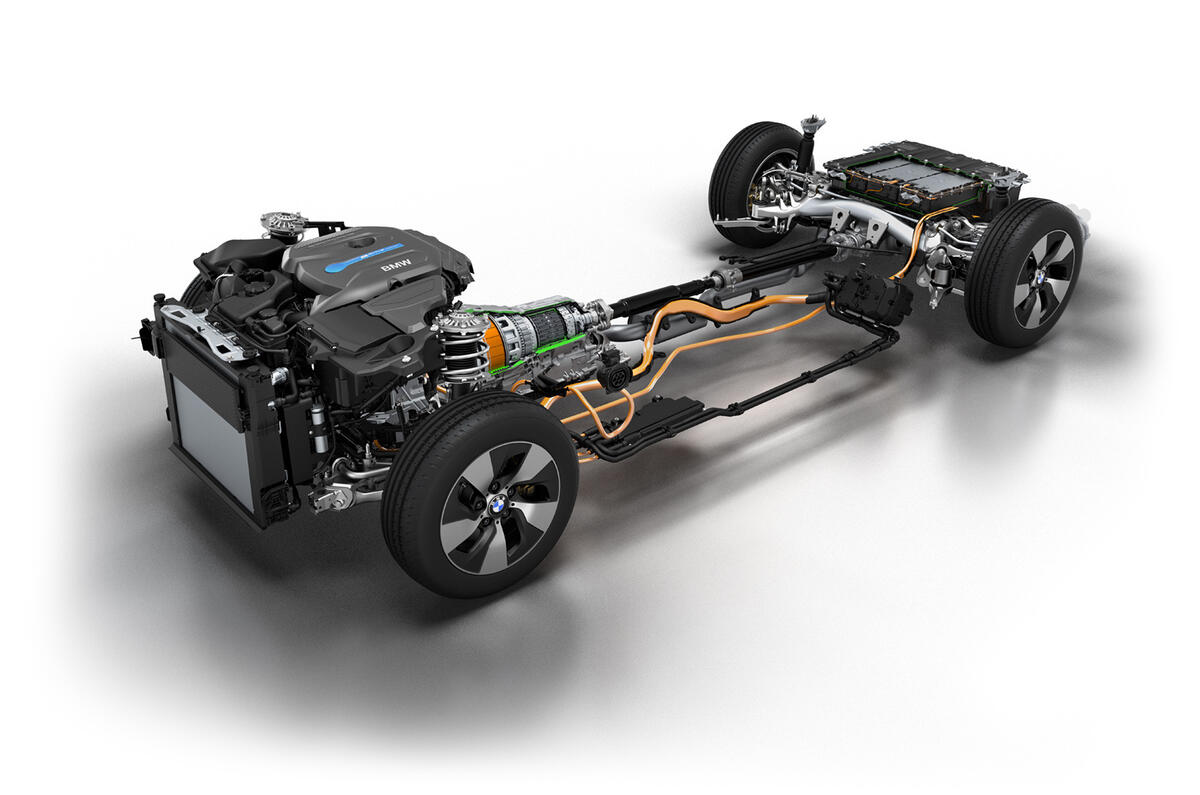
In will come bodies made from a mix of steel, aluminium and composites and powertrains that use electric motors as the primary drive source, backed up by a large battery pack and a fundamentally rethought internal combustion engine family that spends much of its time acting as a generator and running at peak efficiency.
See what we make of the current generation BMW 3 Series saloon
These new cars will also be designed to incorporate a much more fundamental exploitation of aerodynamics, because reducing air and rolling resistance at speed to a minimum will be essential.
Connected technology will use 3D sat-nav to allow the car to anticipate hills and use downhill coasting to reduce energy use and recharge its batteries. Suspension that can drop to a low ride height for motorway travel is also on the menu, along with active aerodynamics that will enable all of the front air intakes to close up at motorway speeds.
The big push behind this potentially game-changing rethink of the car is the looming EU fuel consumption regulations. Car makers have to hit a fleet average CO2 output of 95g/km, with a range of between 85g/km and 110g/km for the various brands.
When this target becomes fully applicable in 2021, a new CO2 fleet target will be set for 2025 and it is certain to be even more stringent.
BMW’s ‘big car’ sales — not including the 1-series and the Mini family — amount to about 75 per cent of its output. This means getting the CO2 emissions of the mainstream 3-series, 4-series and 5-series models down to 50g/km (on the current test regime) or even lower.
So the adoption of some kind of plug-in hybrid powertrain — the sort that will appear in the 3-series eDrive in 2016 — will be necessary for all of BMW’s larger cars over the next decade. The downsides of today’s plug-in hybrid technology are weight, the need to make space for a battery and the high cost.
BMW’s plan to make all of its cars from the 3-series upwards plug-in hybrids has forced the company’s engineers to rethink the make-up of its cars from first principles.
The first move is to radically reduce the weight of future bodyshells to help offset the extra weight of battery packs. Work on BMW’s bodyshell of the future is already well advanced, and the first generation of the mixed-materials structure will be seen this coming summer, underpinning the next-generation 7-series.
Autocar understands that BMW has adopted similar technology to that being used by Audi. It involves building future architectures from a mixture of high-strength steels, aluminium in cast and extruded forms and some types of carbonfibre composites. These materials are variously bonded, glued, screwed and riveted together.