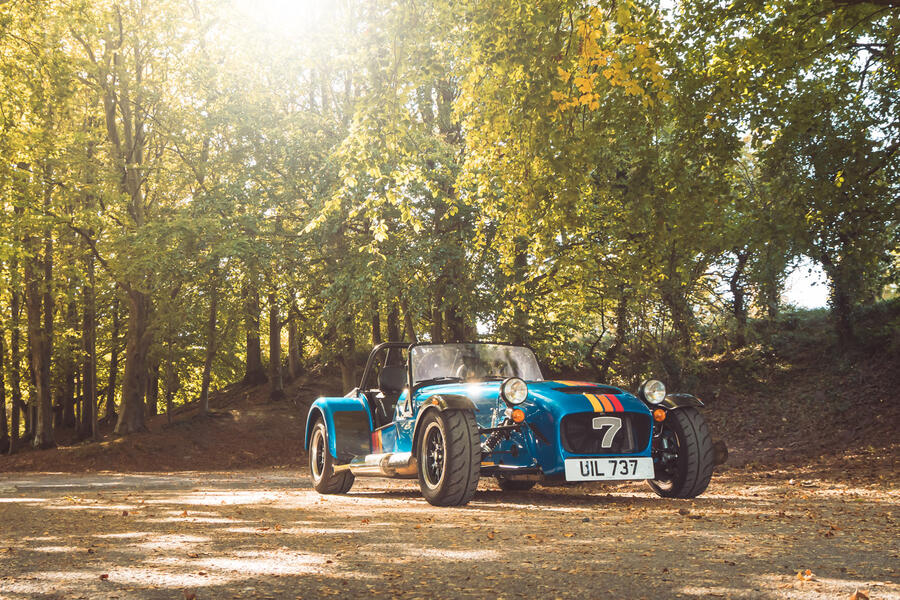
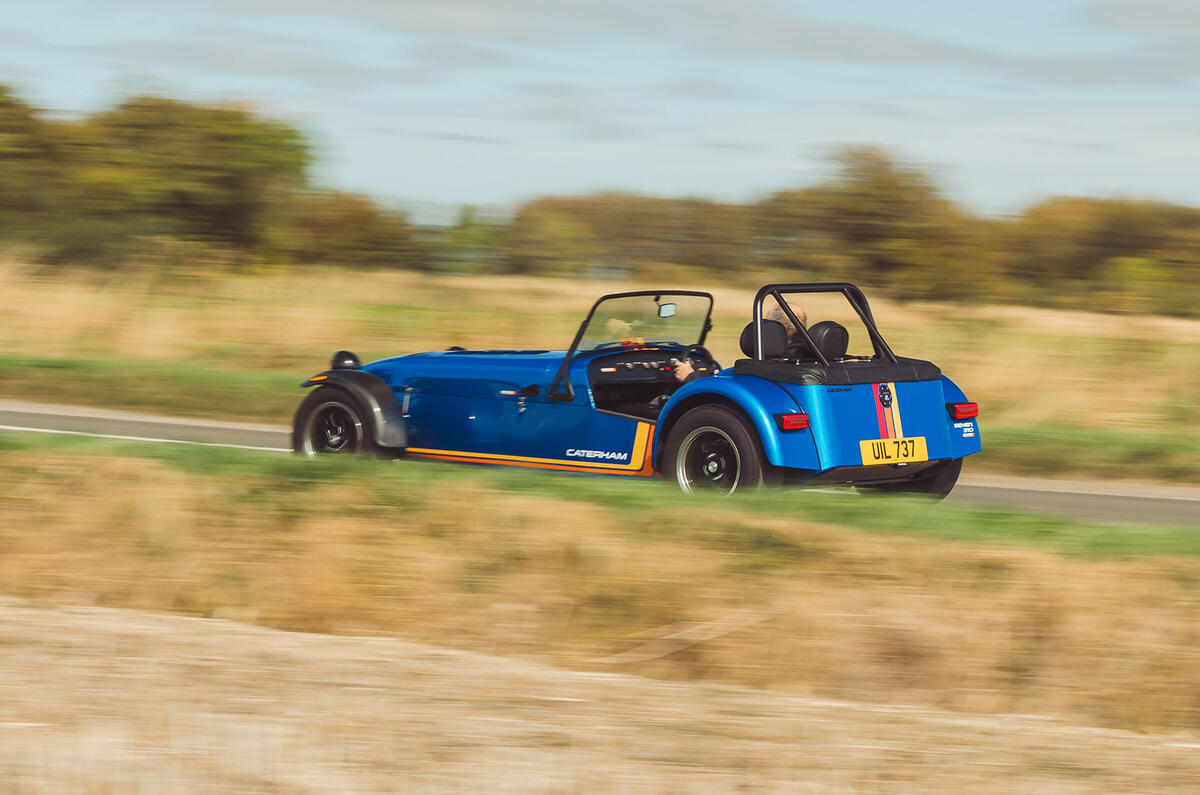




















The small capacity four-cylinder Ford engine has been a Seven staple right from the very start. When Lotus founder Colin Chapman first revealed his lightweight, low cost kit-built entry-level sports car back in 1957 it had the Blue Oval’s simple side-valve motor under its polished aluminum bonnet.
By the time the Seven was reborn as a Caterham in 1973, Uncle Henry’s ubiquitous and endlessly tuneable crossflow Kent was the engine of choice. Over the years alternative options have come and gone (Rover’s K-Series and Vauxhall’s Family II units for example), but ultimately the starter Seven for many punters has been Ford-powered, which in the current car meant the revvy 1.6-litre Sigma.
However, for the first time in nearly seven decades buyers will no longer be able to marry a Seven with a small Ford motor.
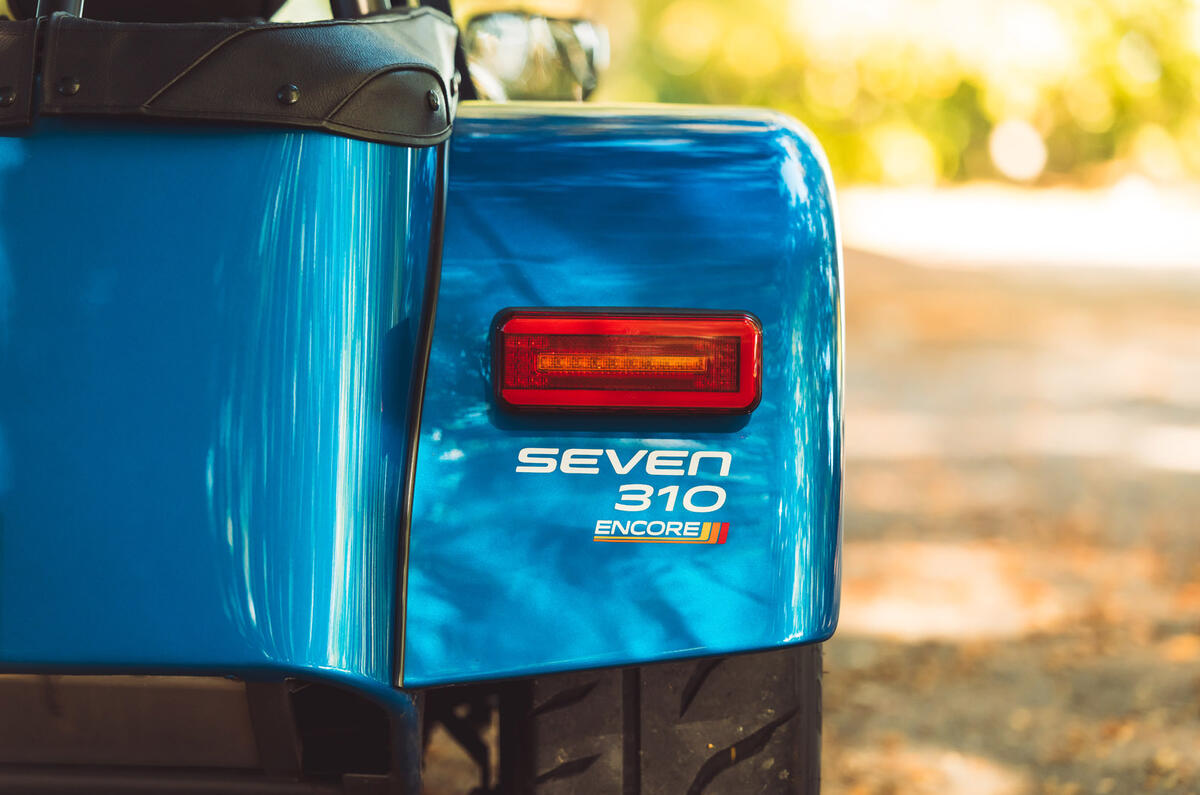
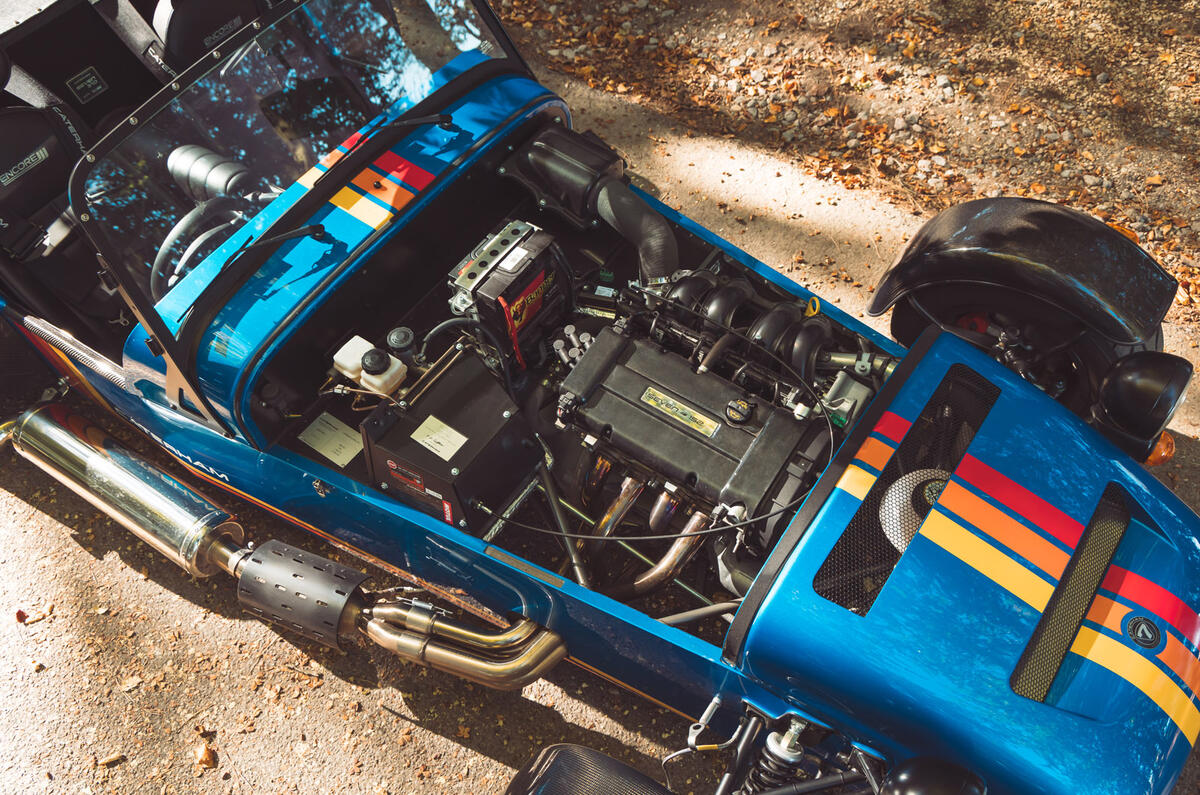
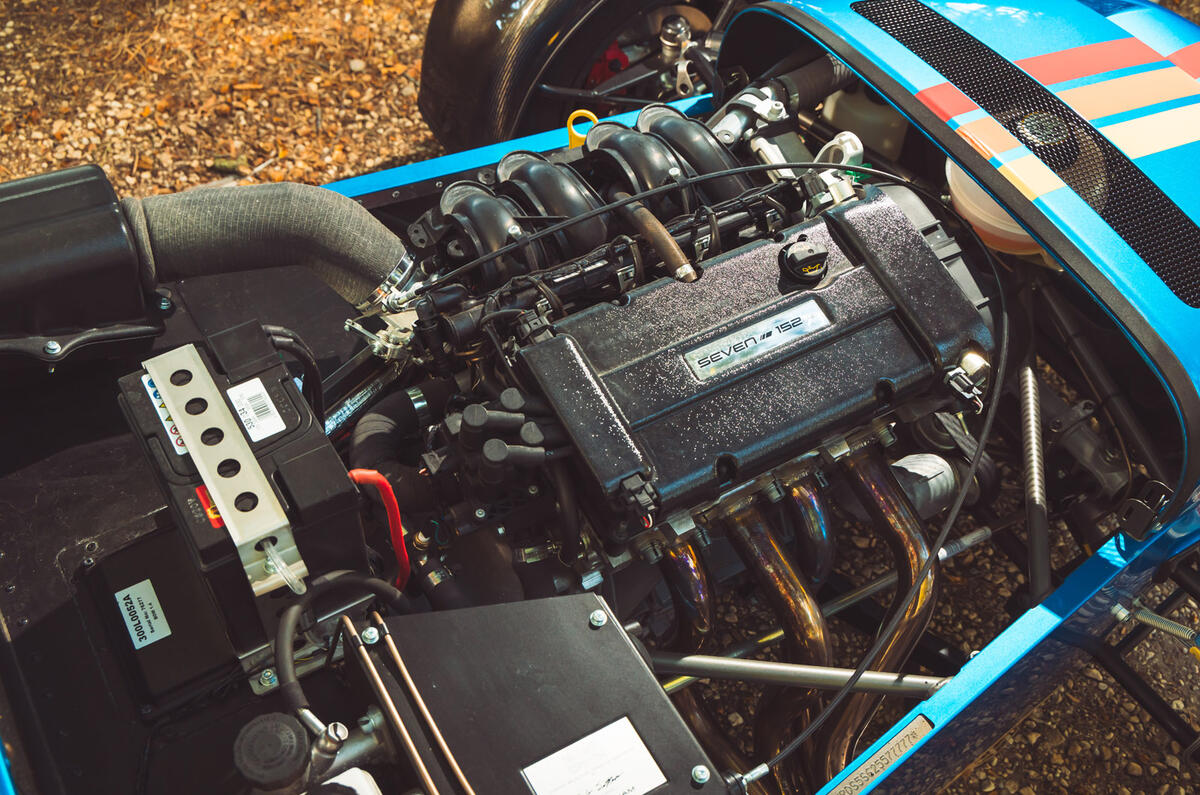
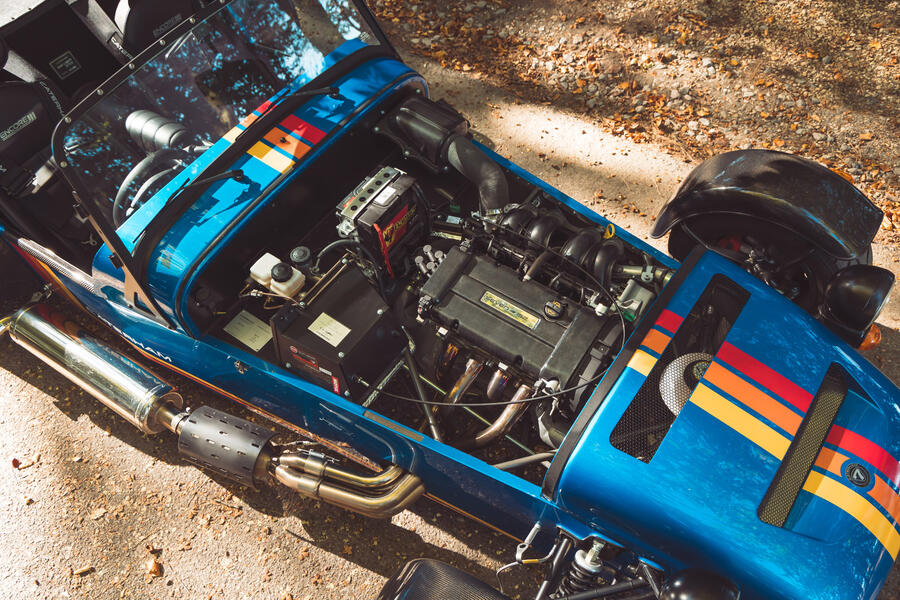
Caterham had already reduced its reliance on the Sigma after production of the all-aluminum four-pot ended in 2020, yet it retained a small stockpile of motors to fulfil existing orders. But now it really is the end. So as a celebratory swansong it packaged its final 25 engines into a very limited edition Seven, the aptly named Encore.
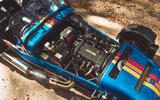
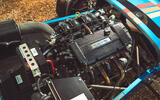
So, what makes for a fitting send-off then? Well, for starters the Encore gets the hottest possible tune for a naturally aspirated Sigma, serving up 152bhp at 7000rpm and 168lb ft of torque. Achieved through the use of racier cams and an ECU tweak, it gives the engine enough muscle to keep things interesting but with a zingy character that the larger and angrier 2.0-litre Duratec models lack.
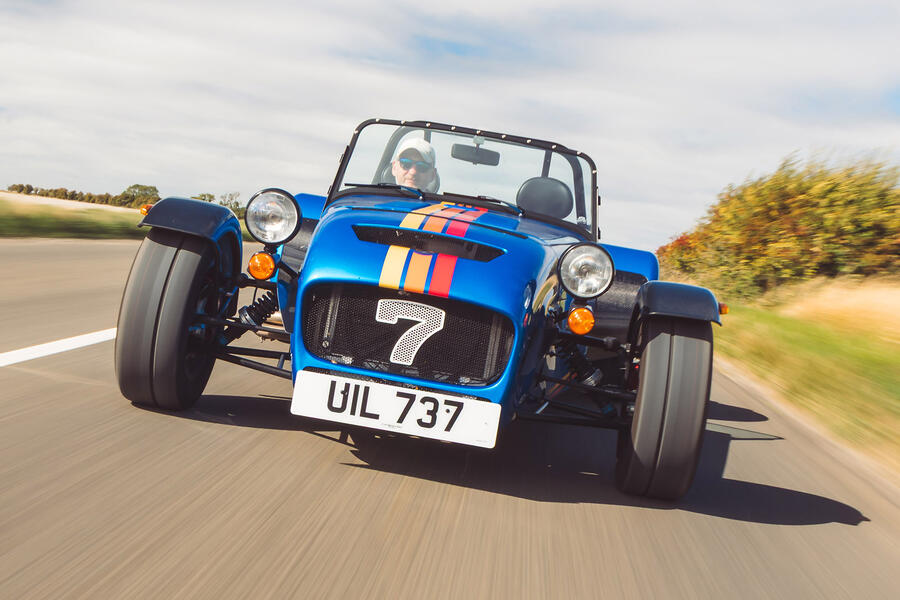
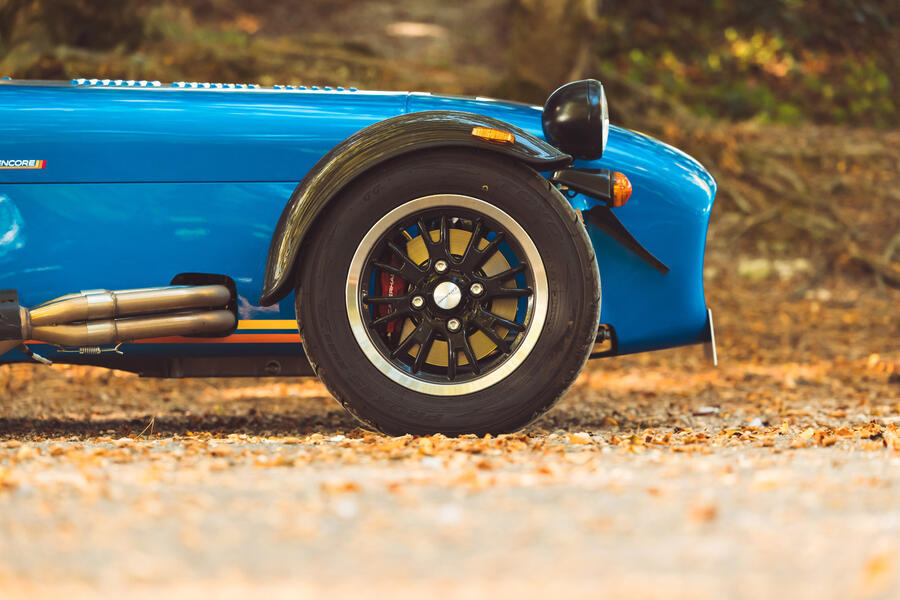
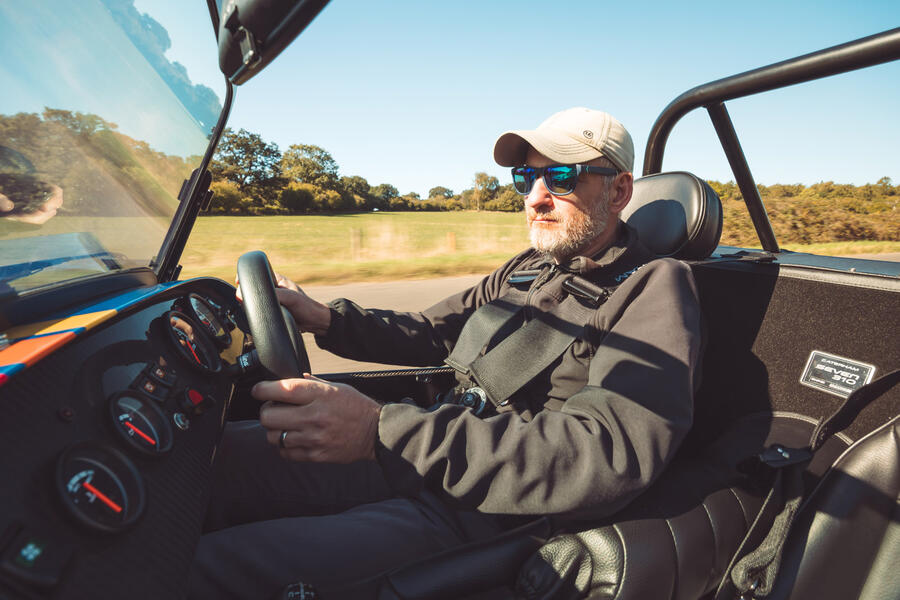
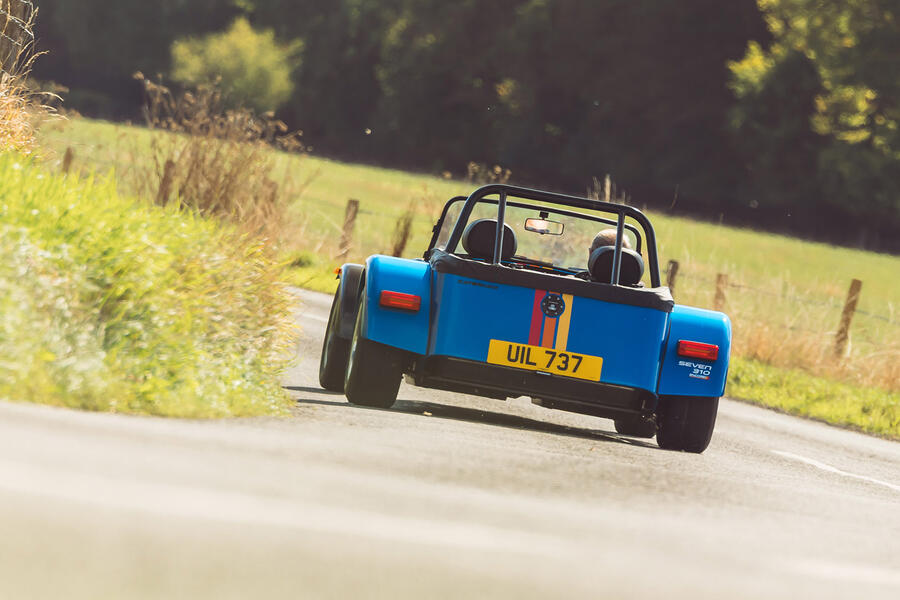
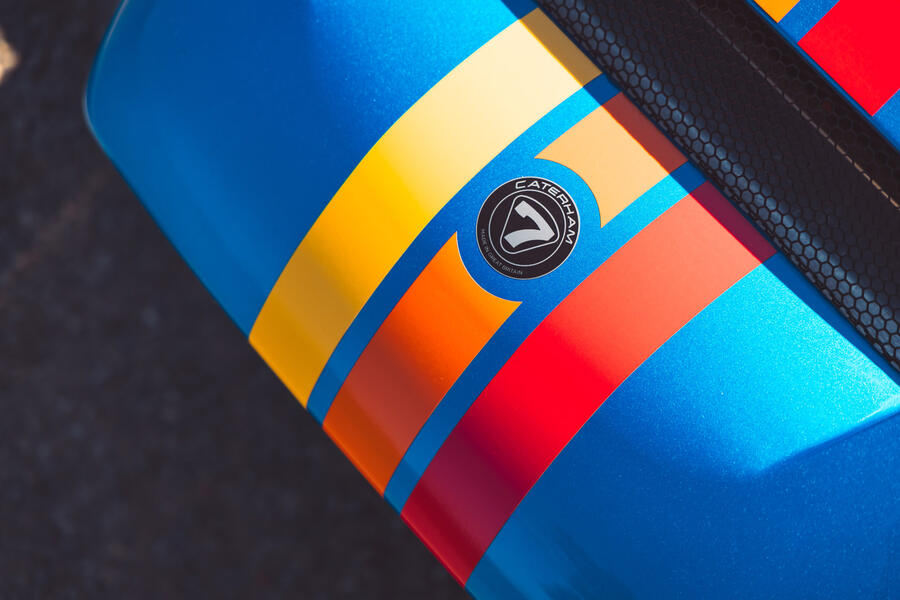
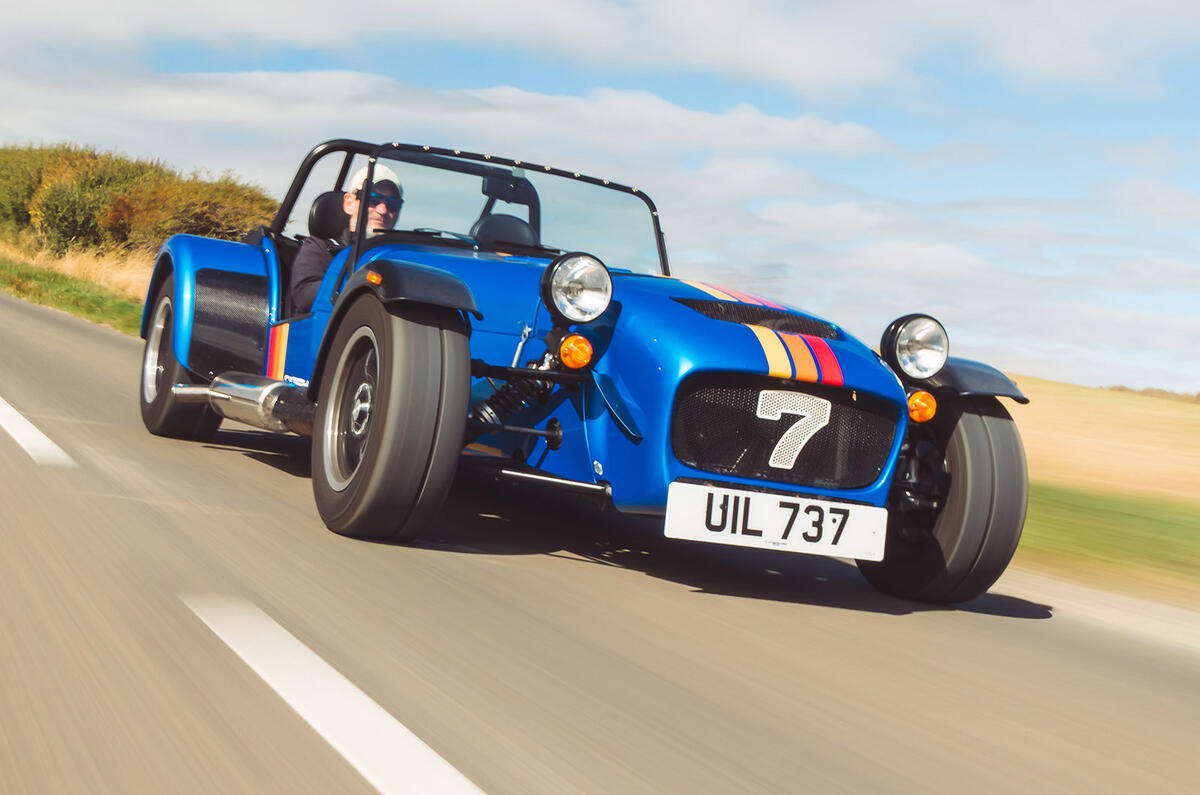
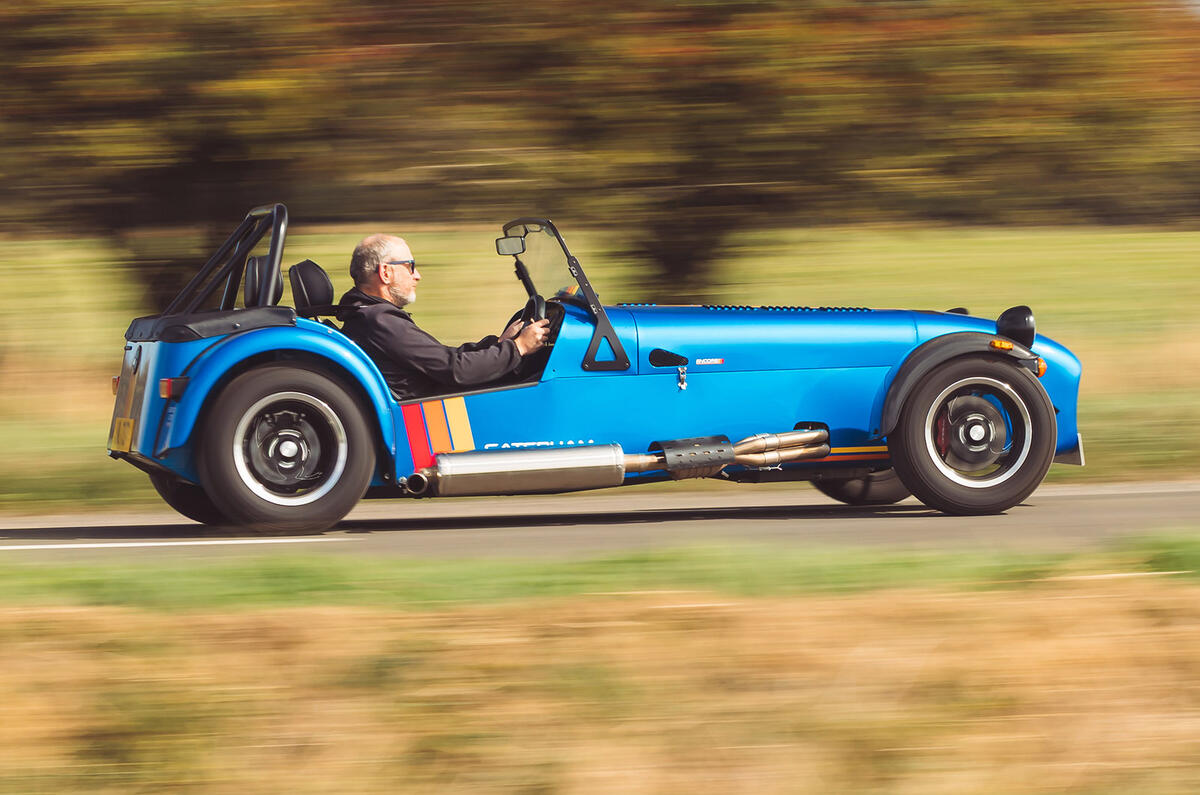
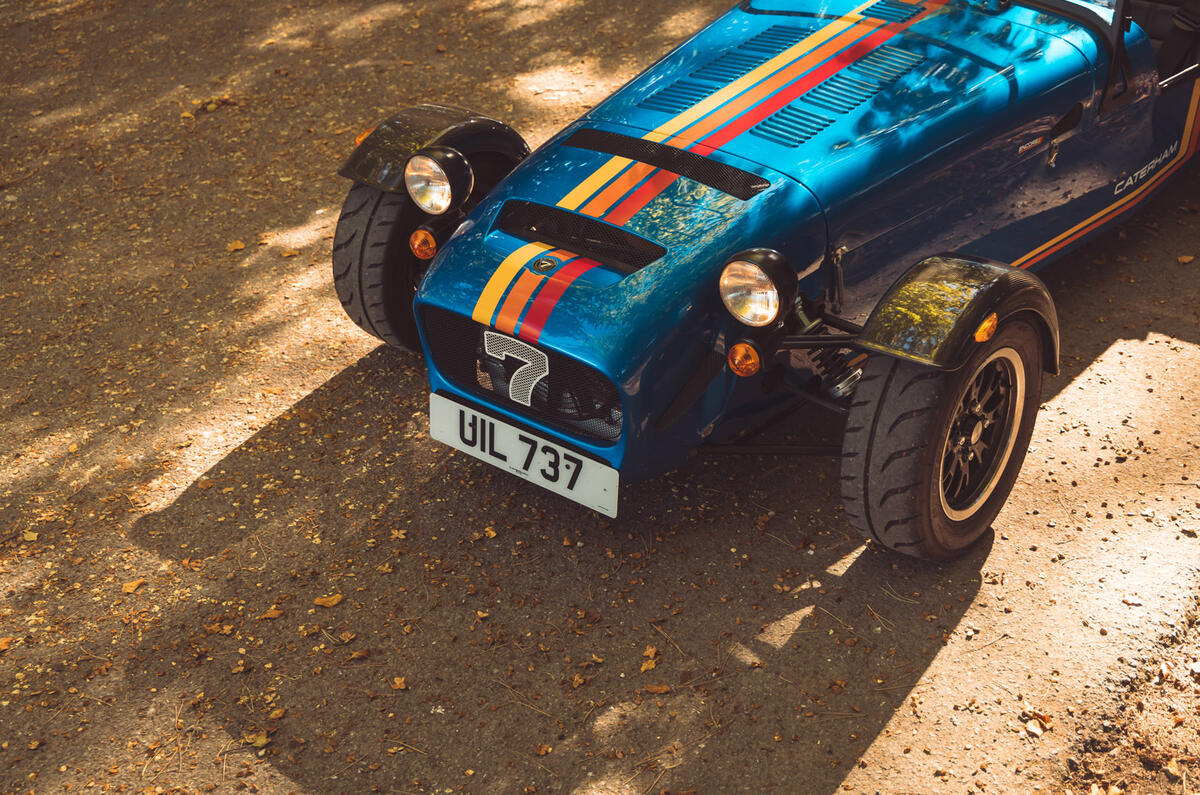
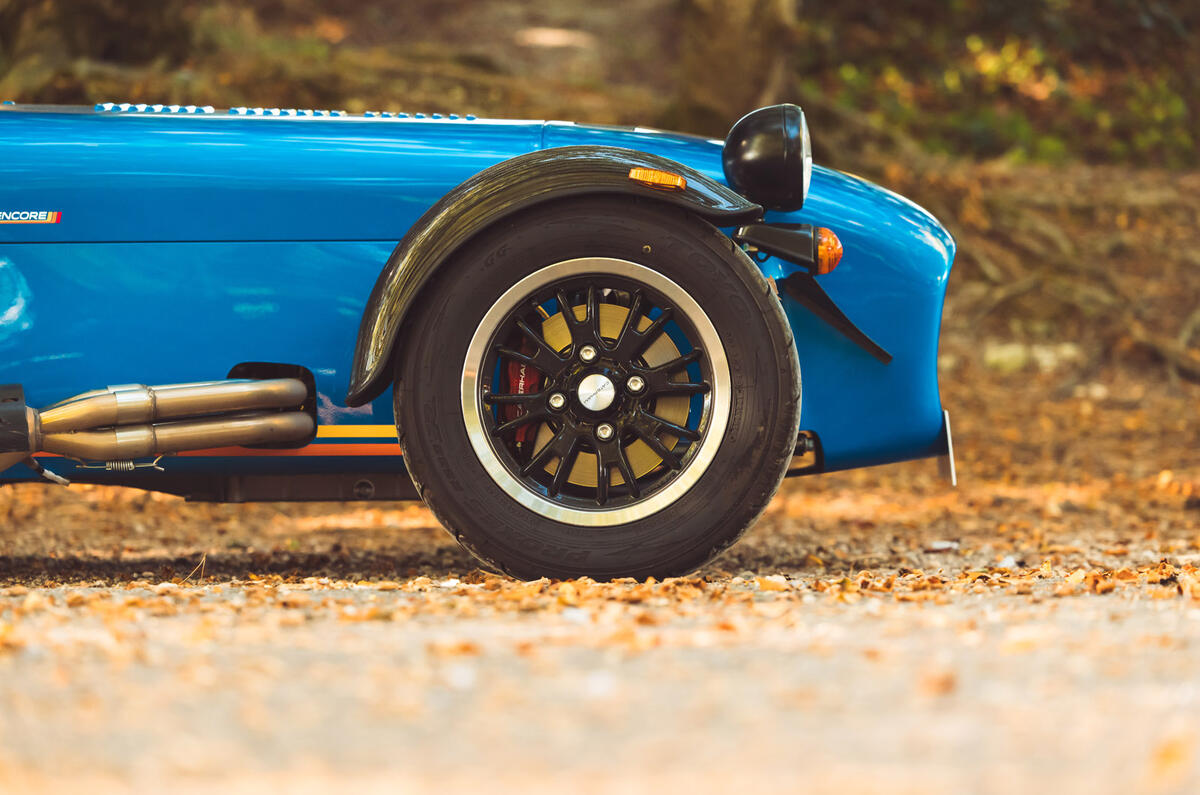
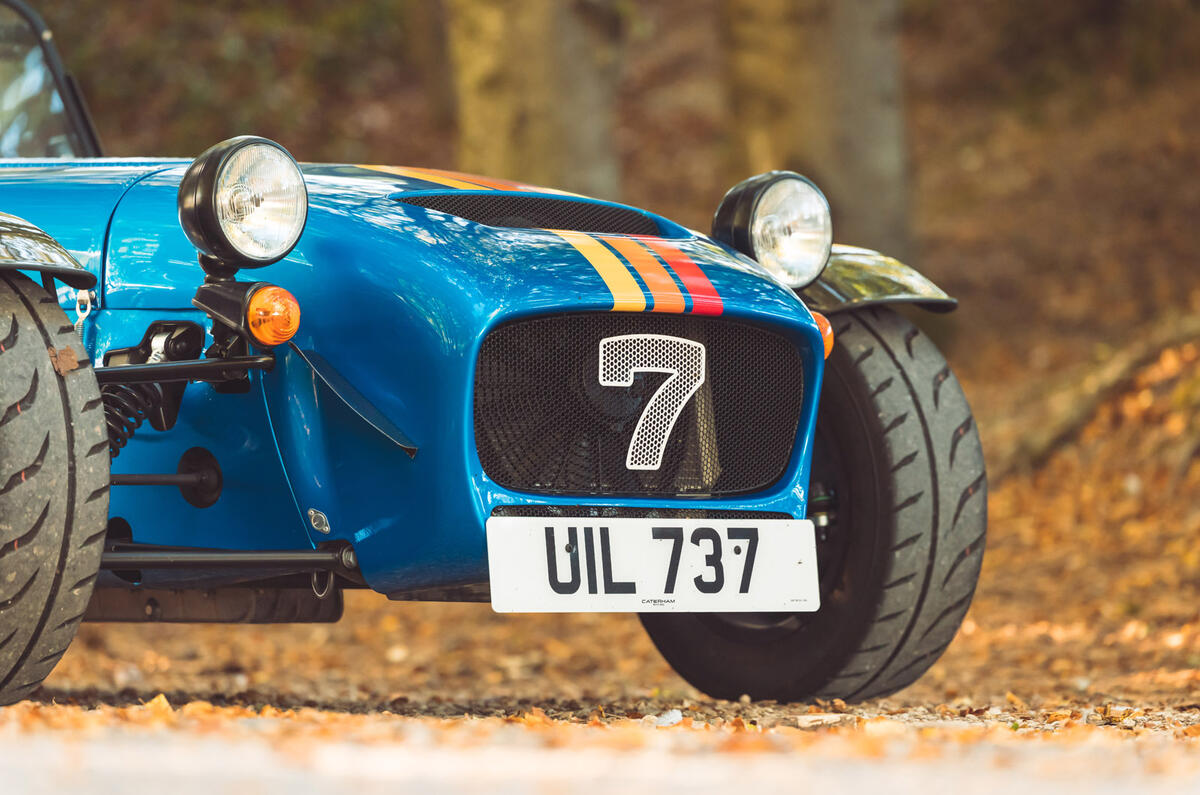
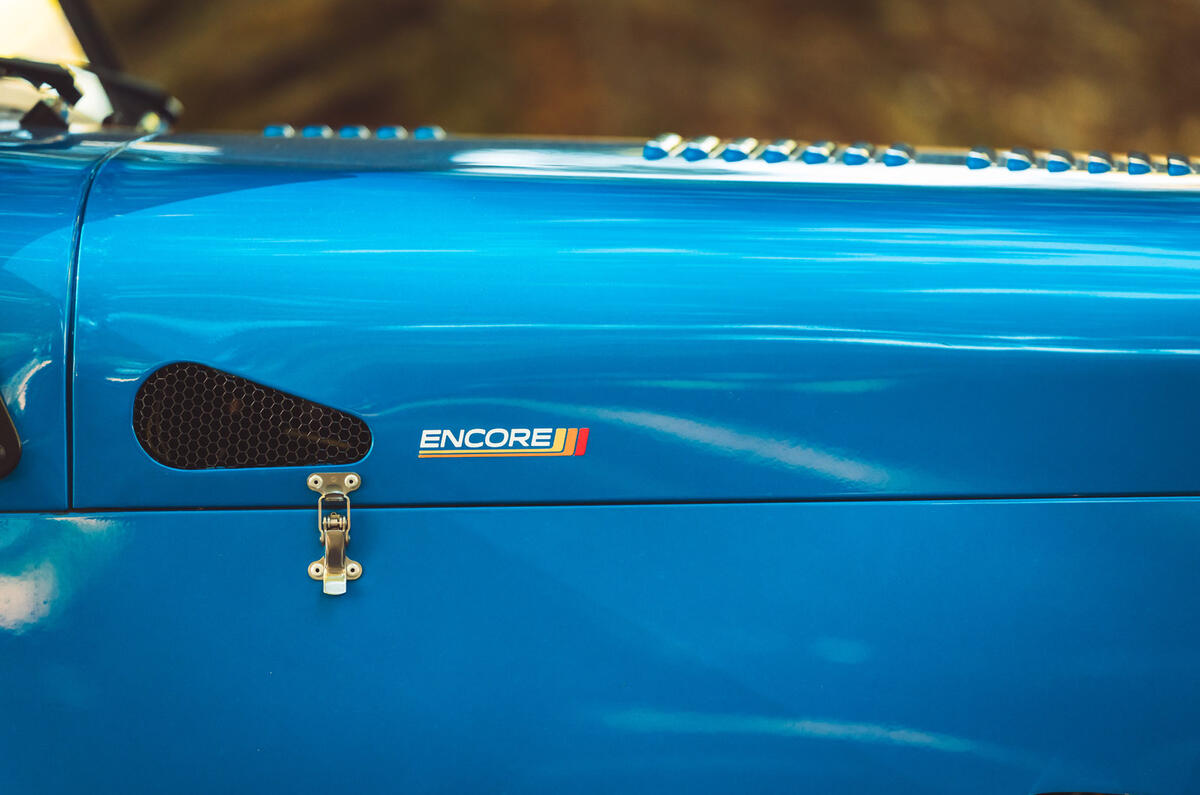
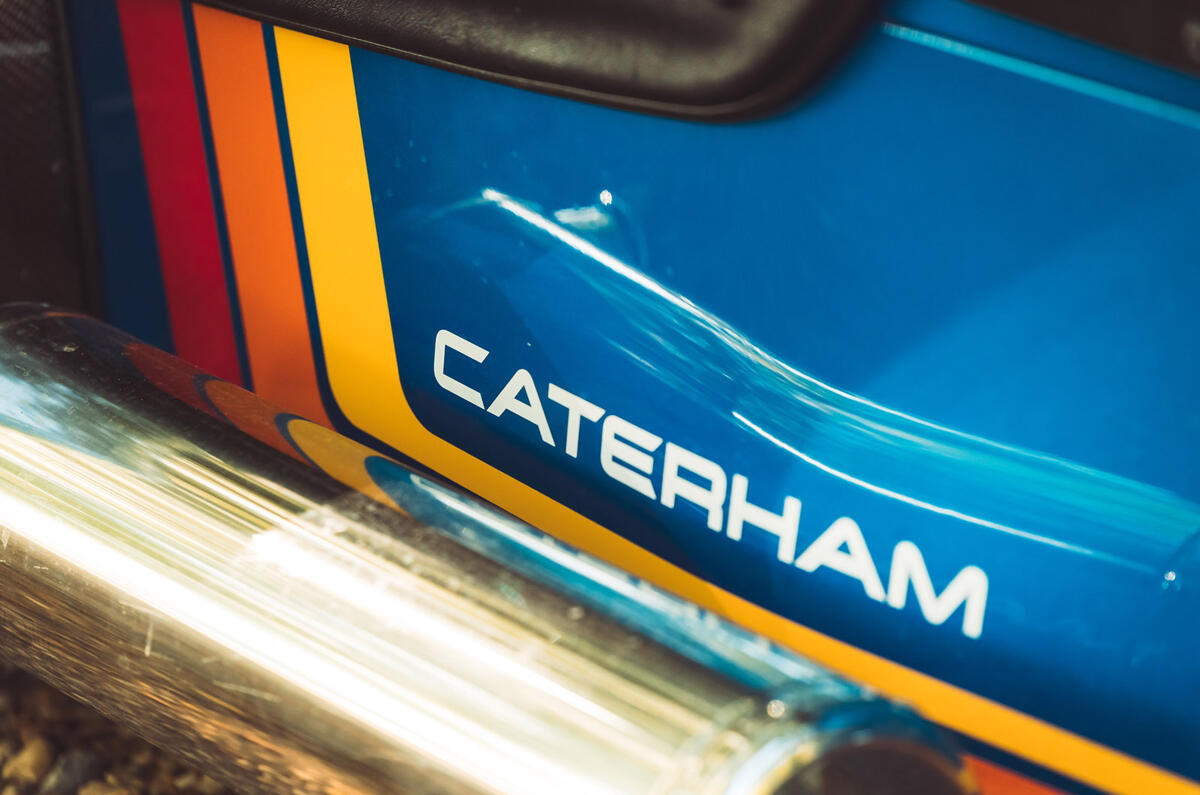
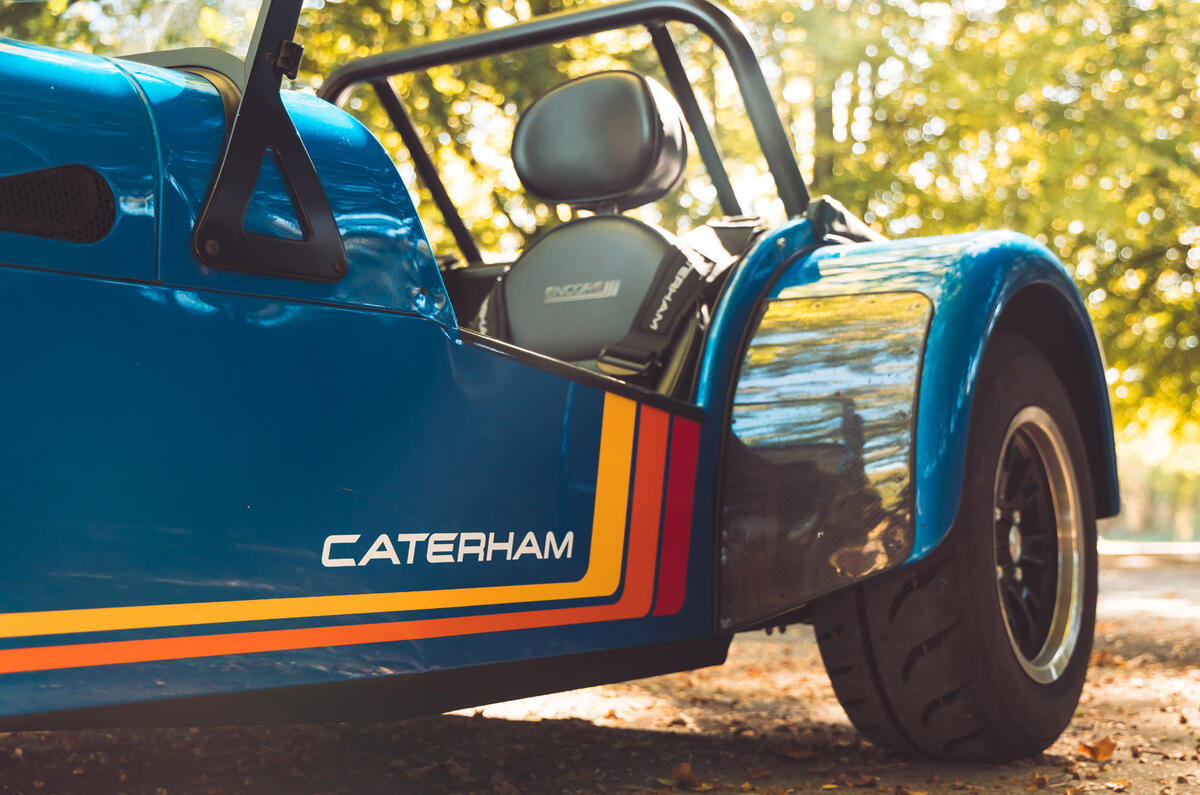
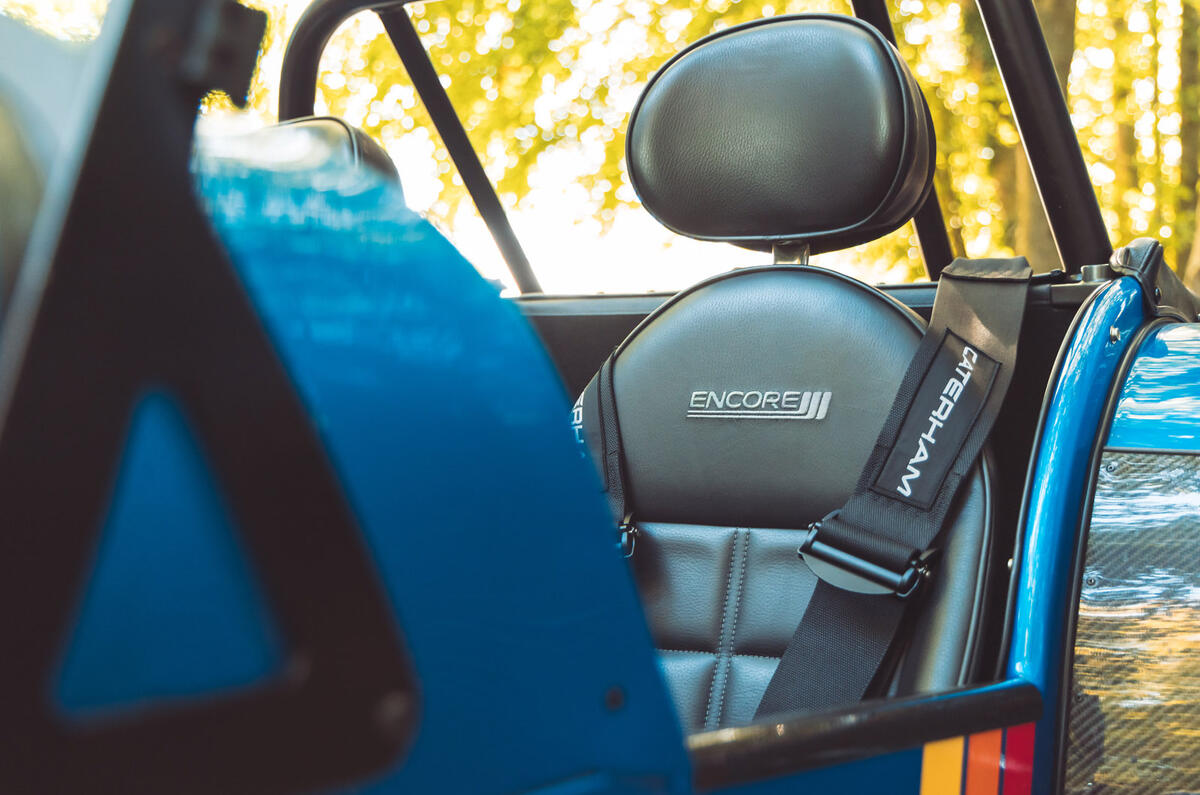
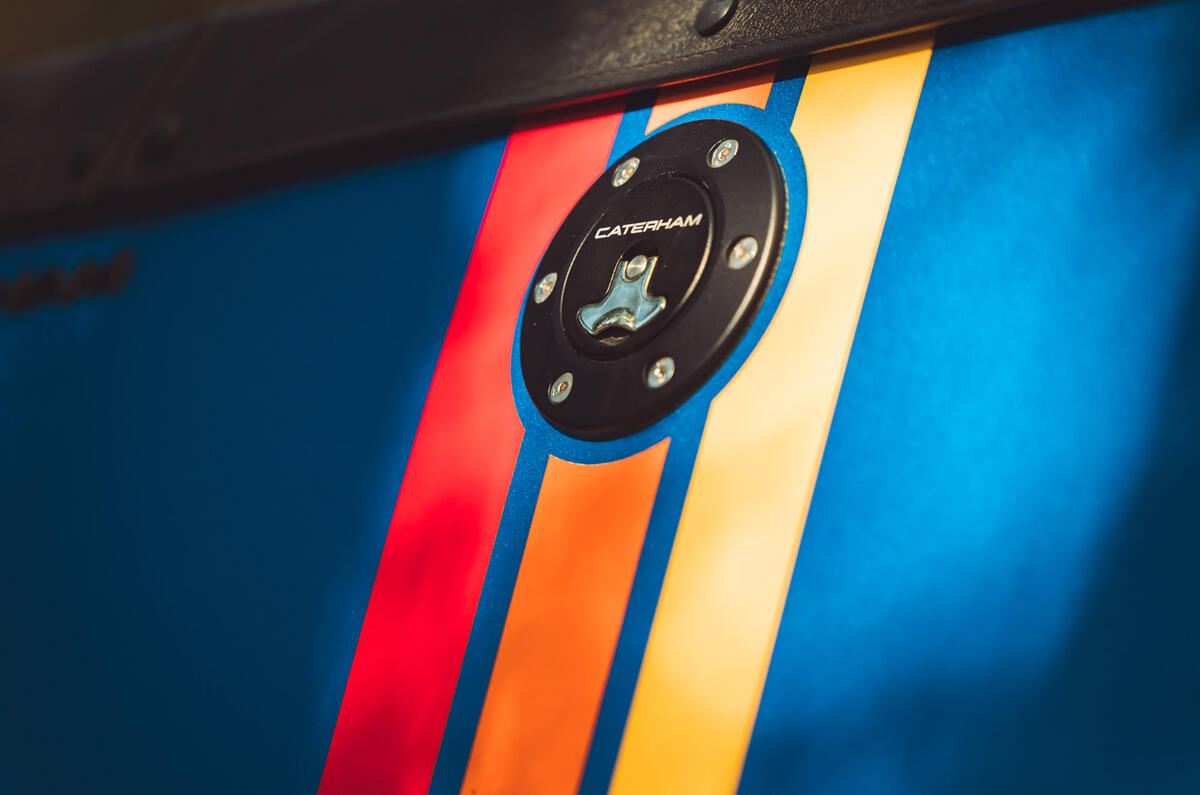
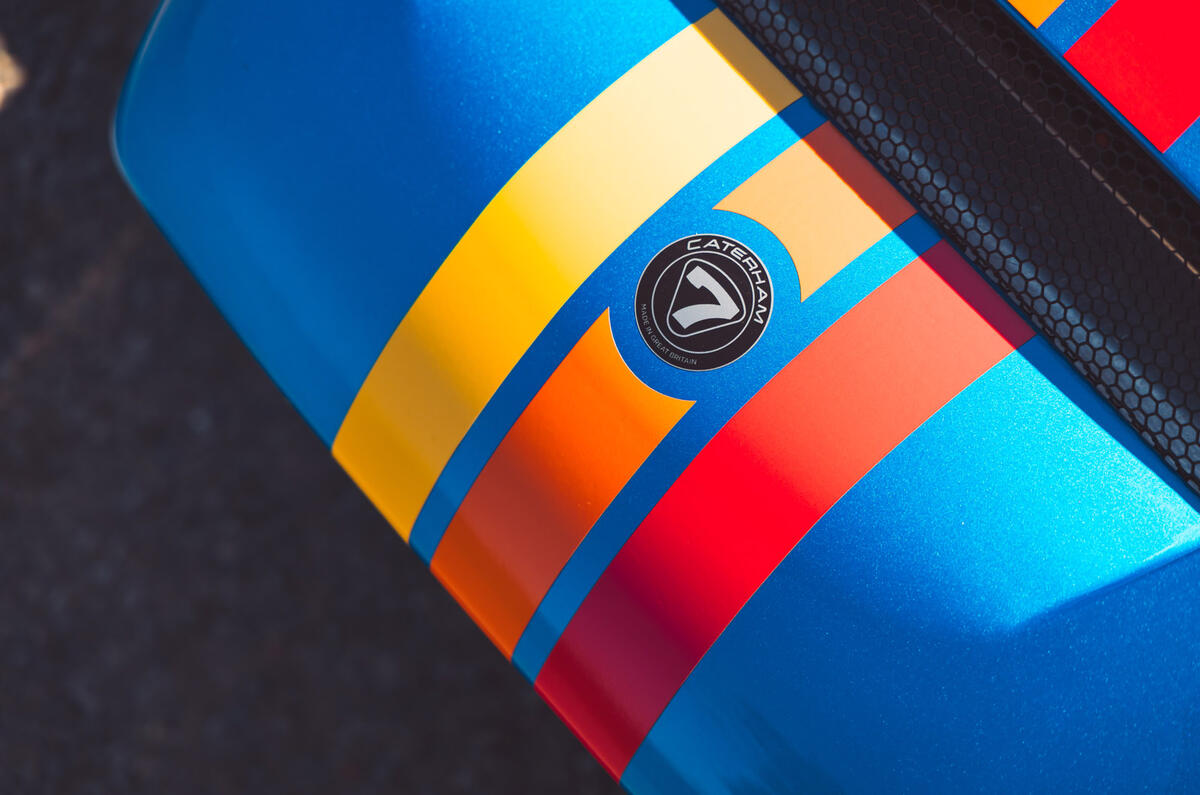
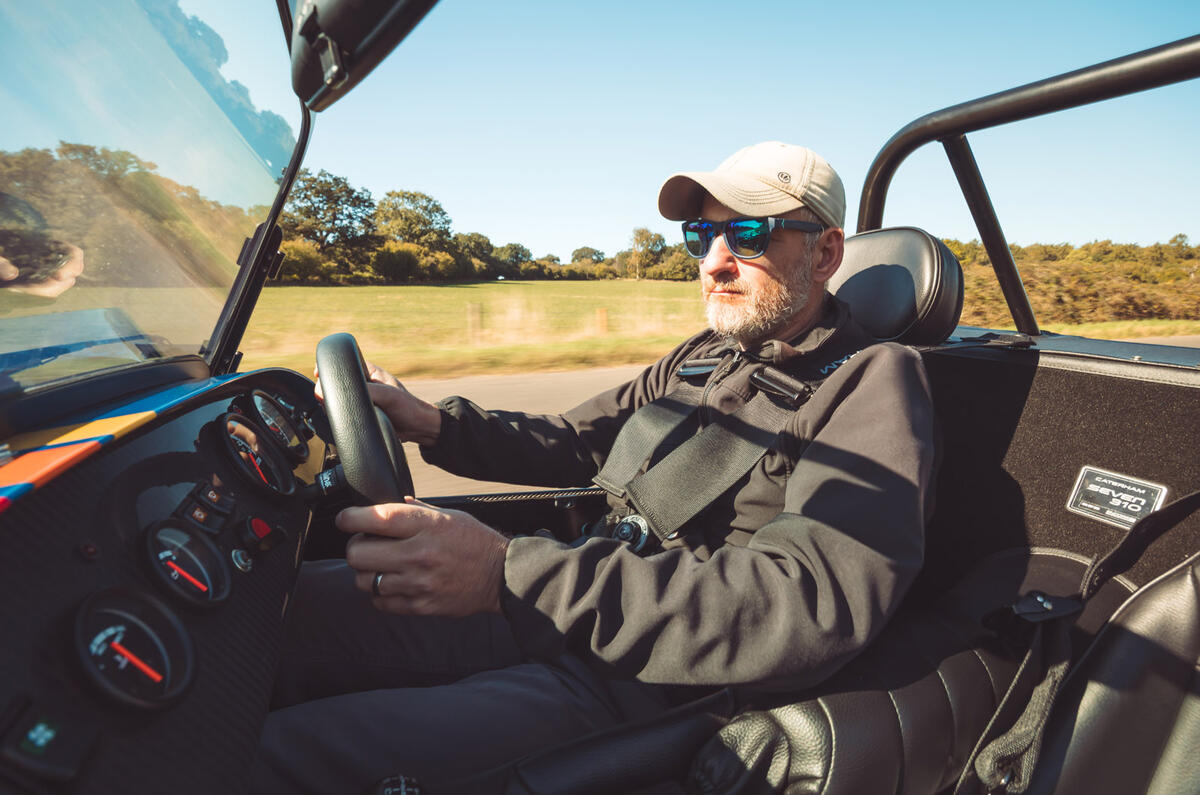
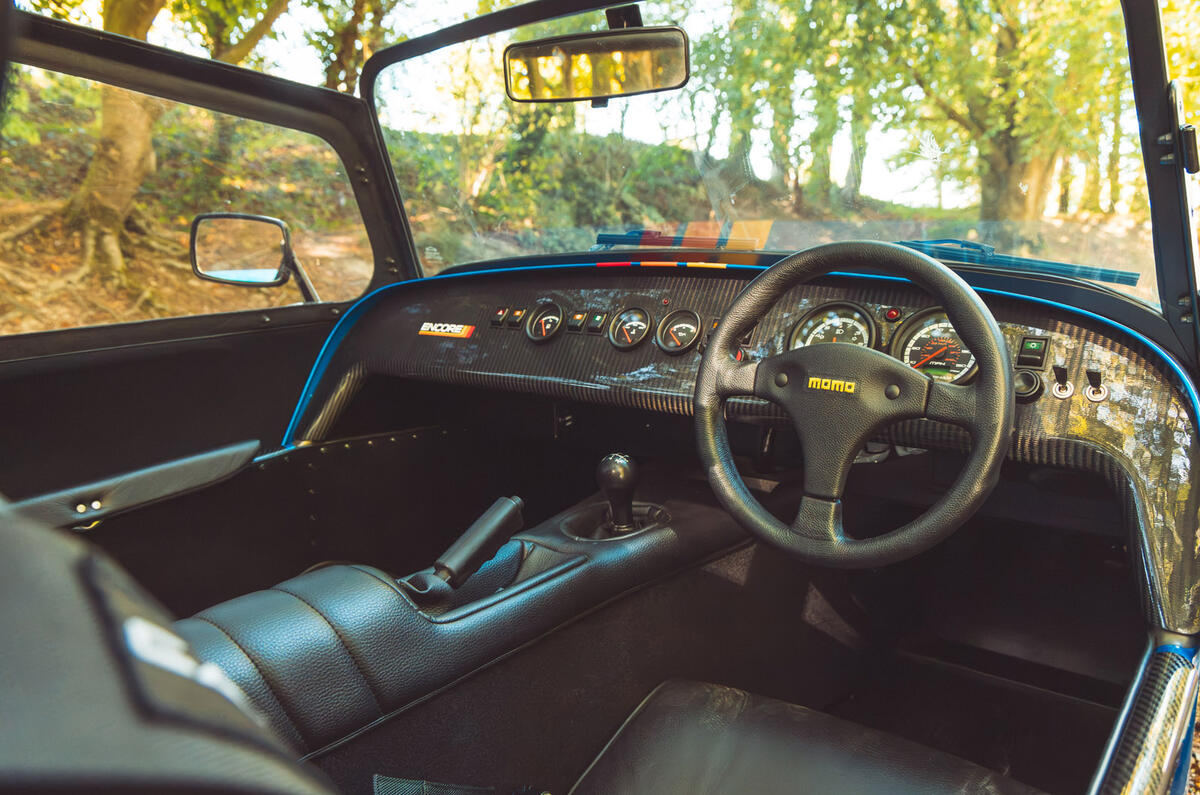
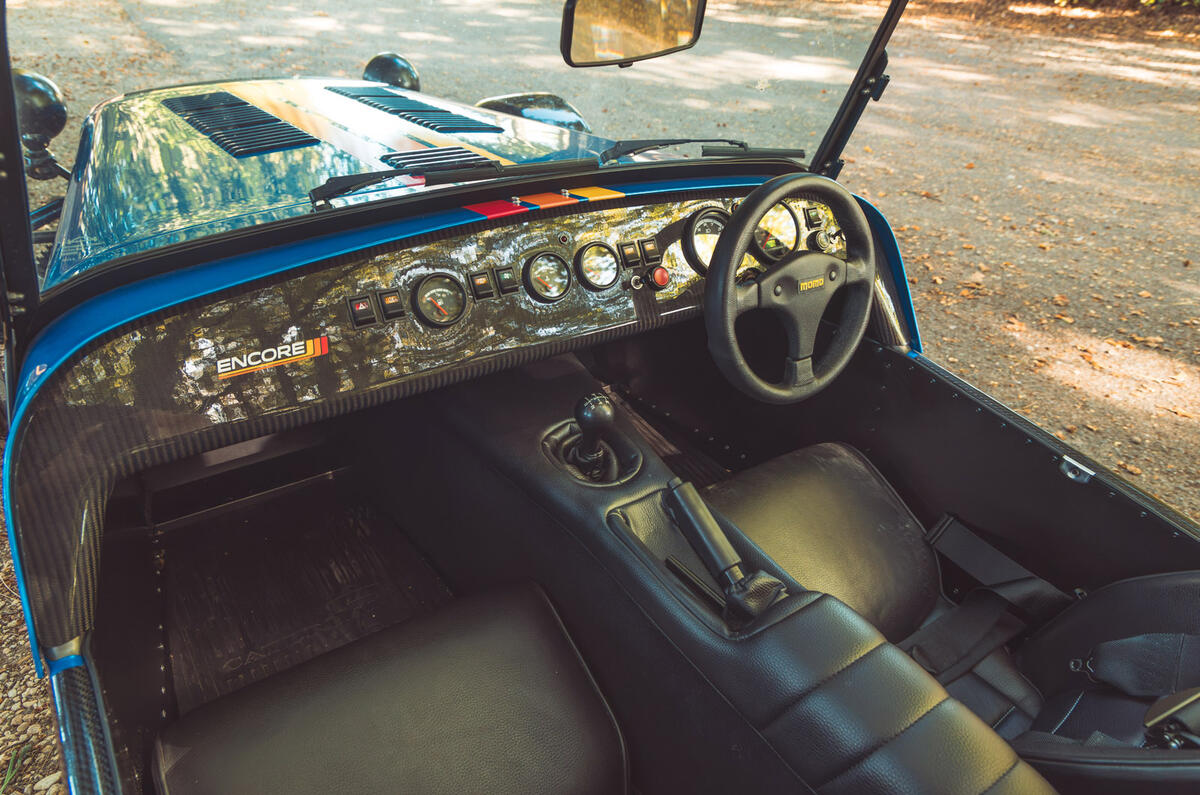
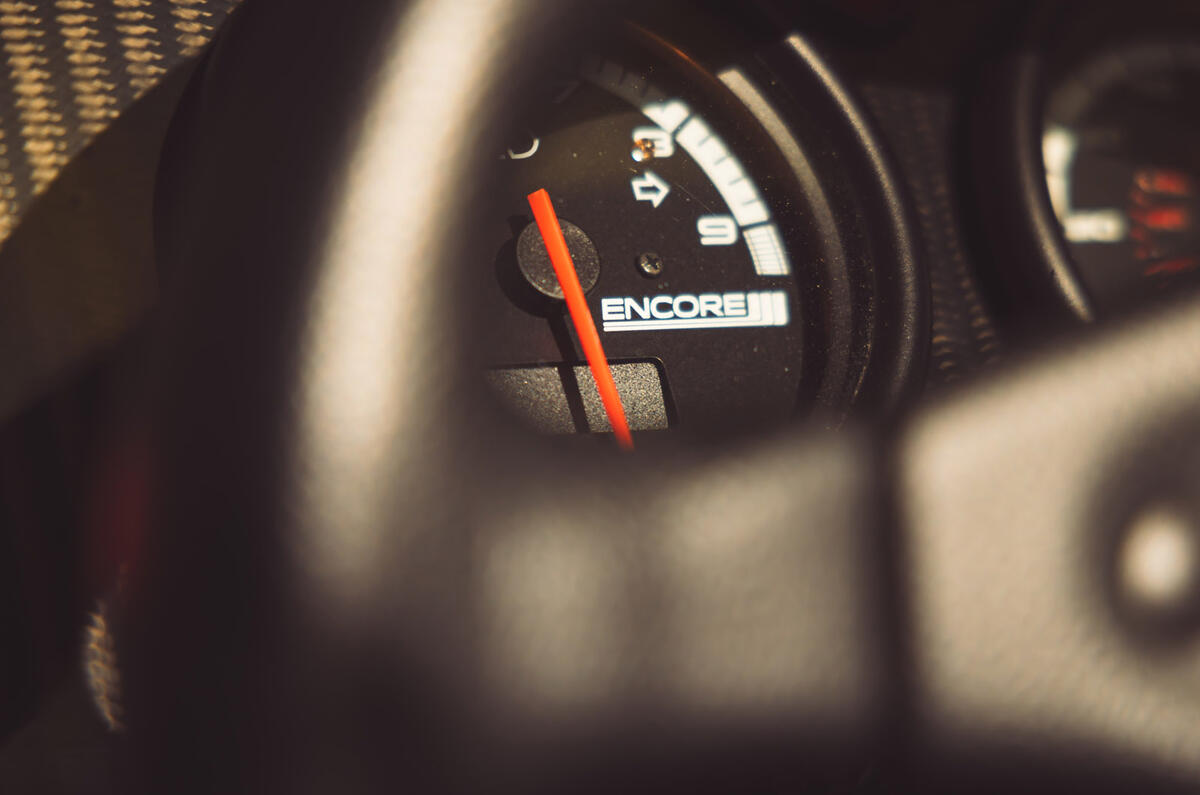
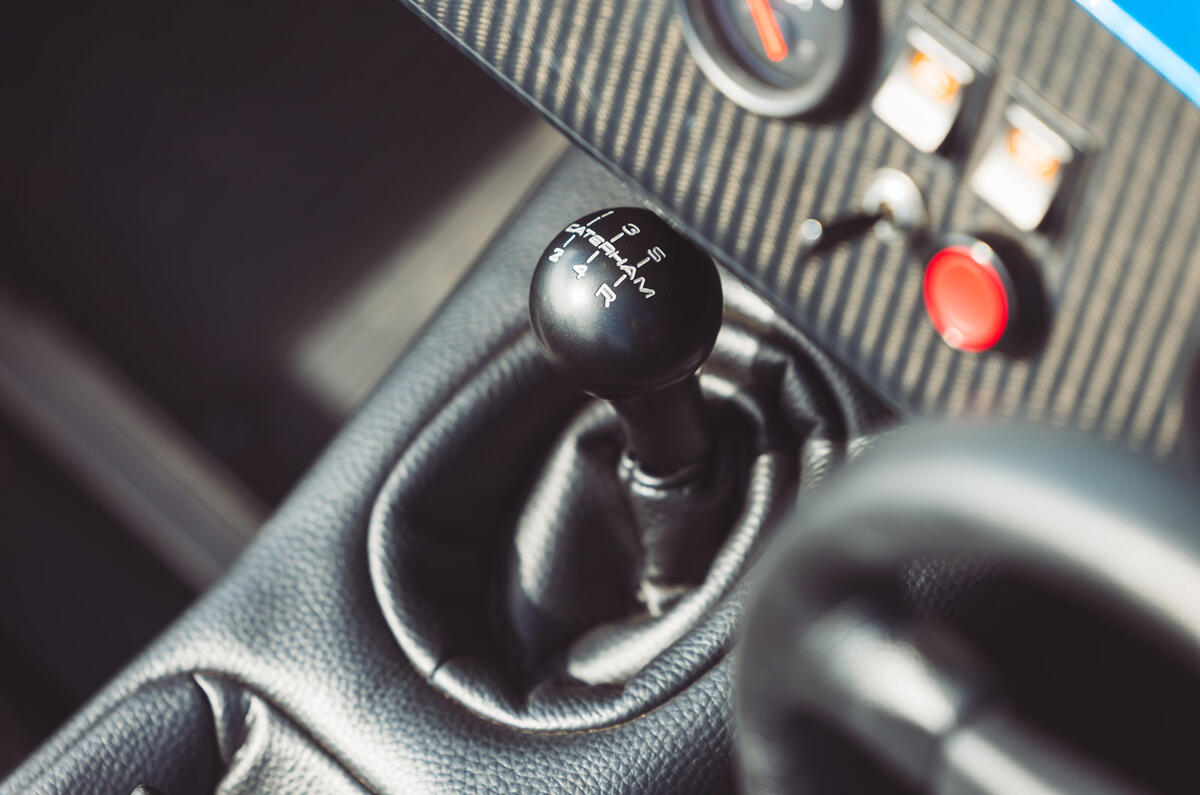
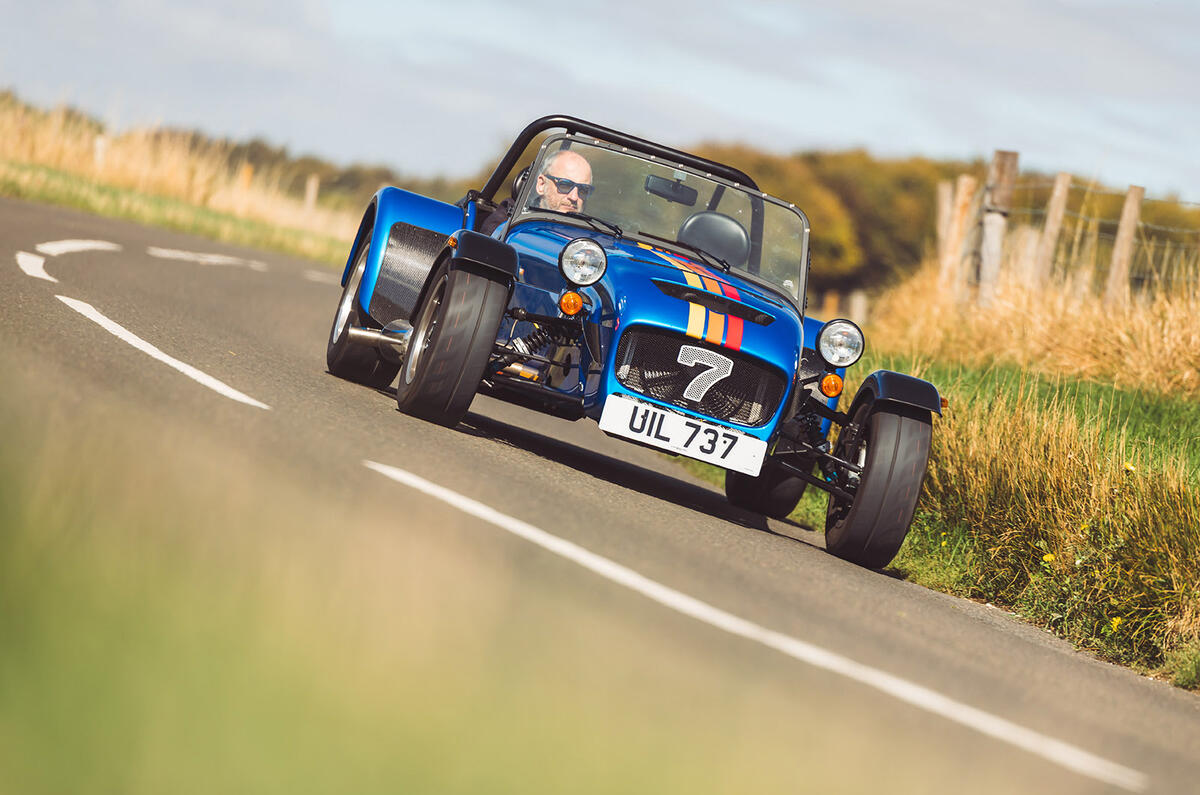
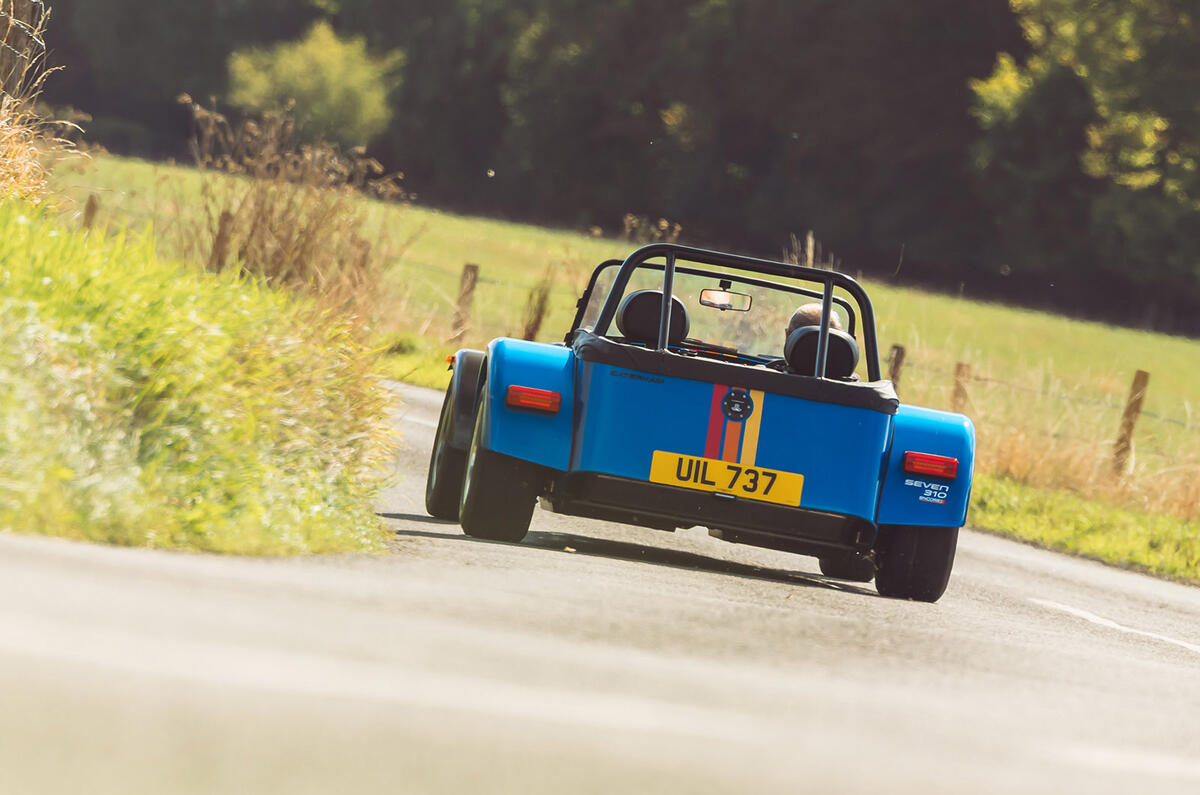
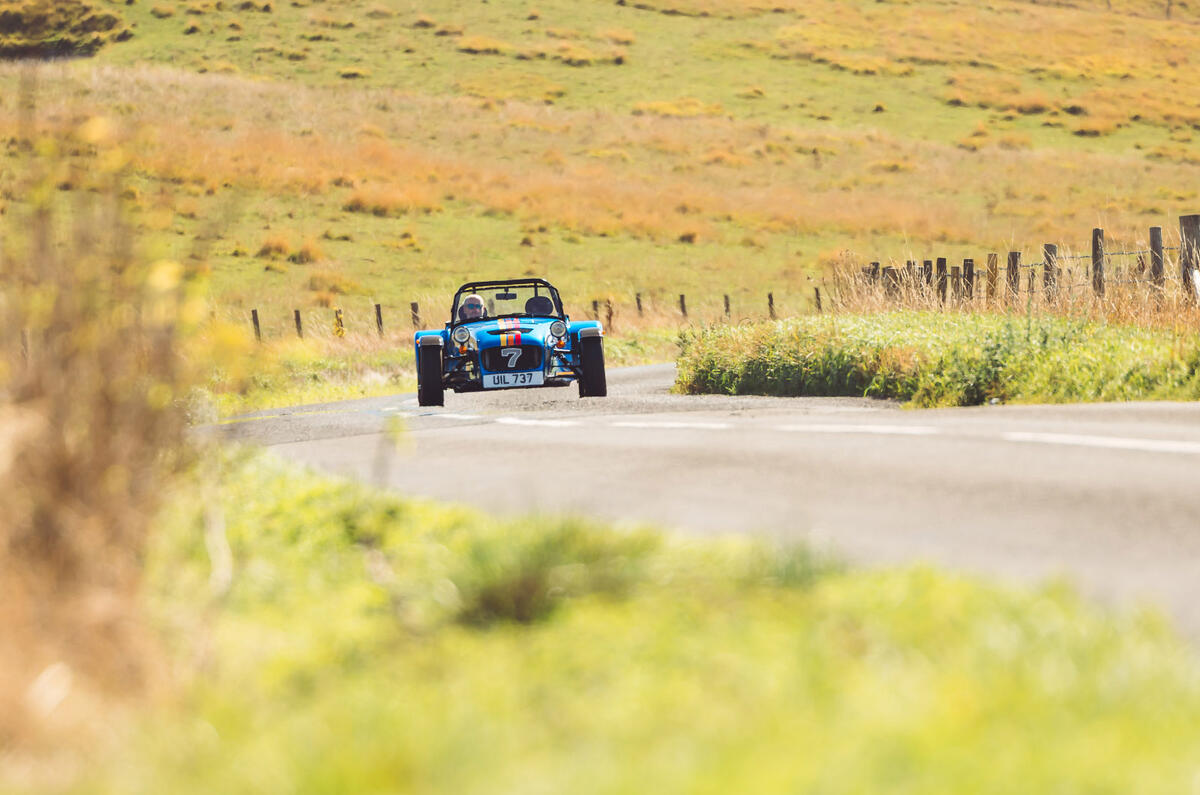
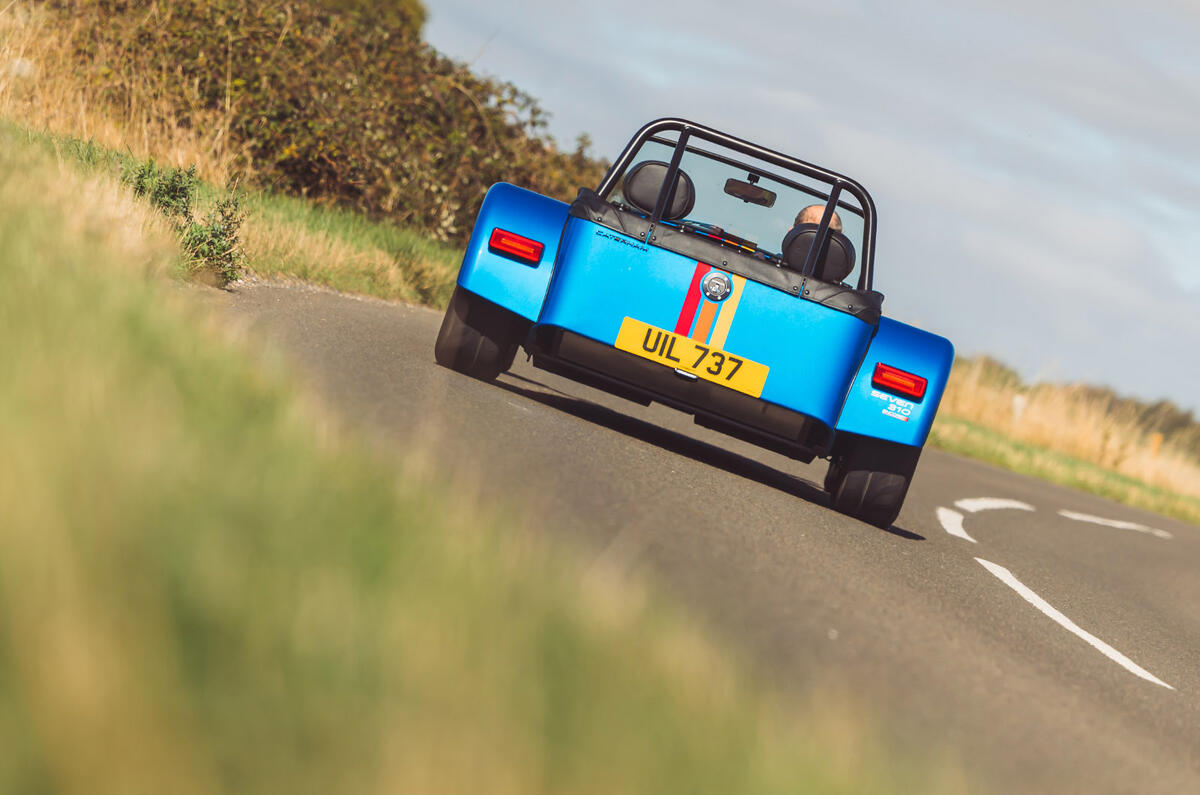
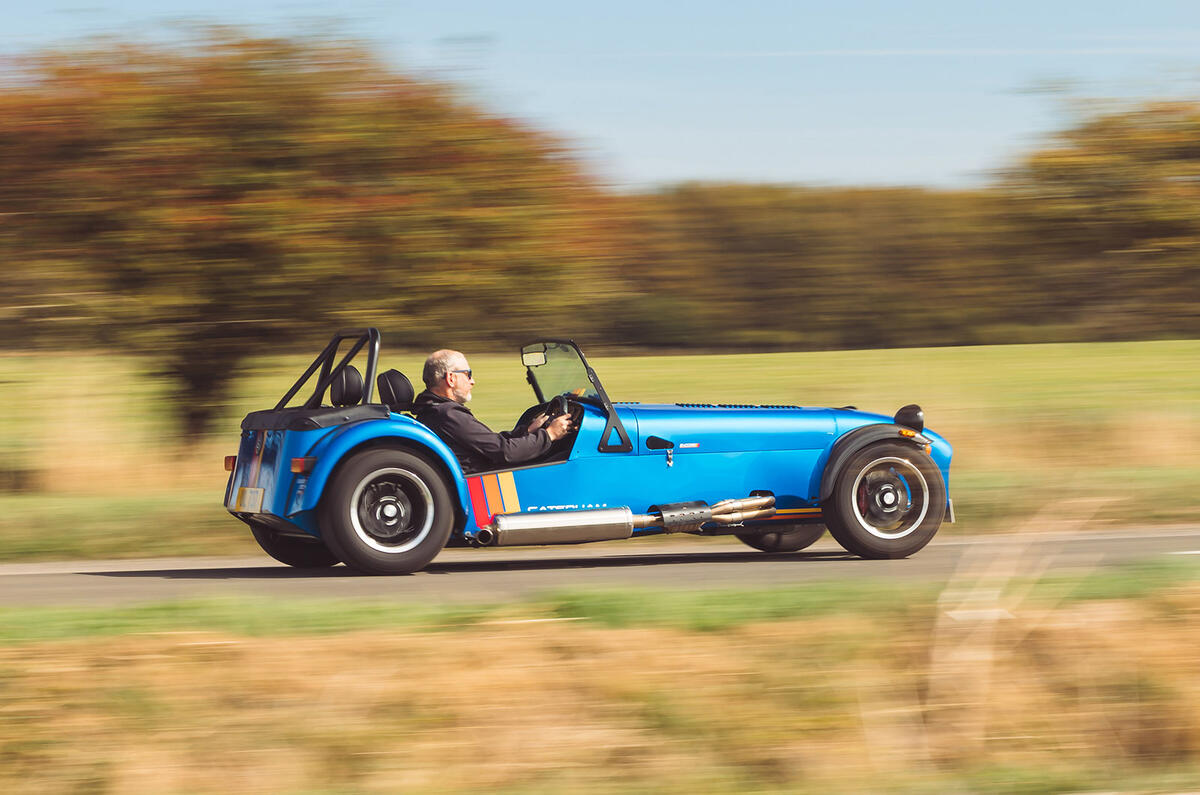
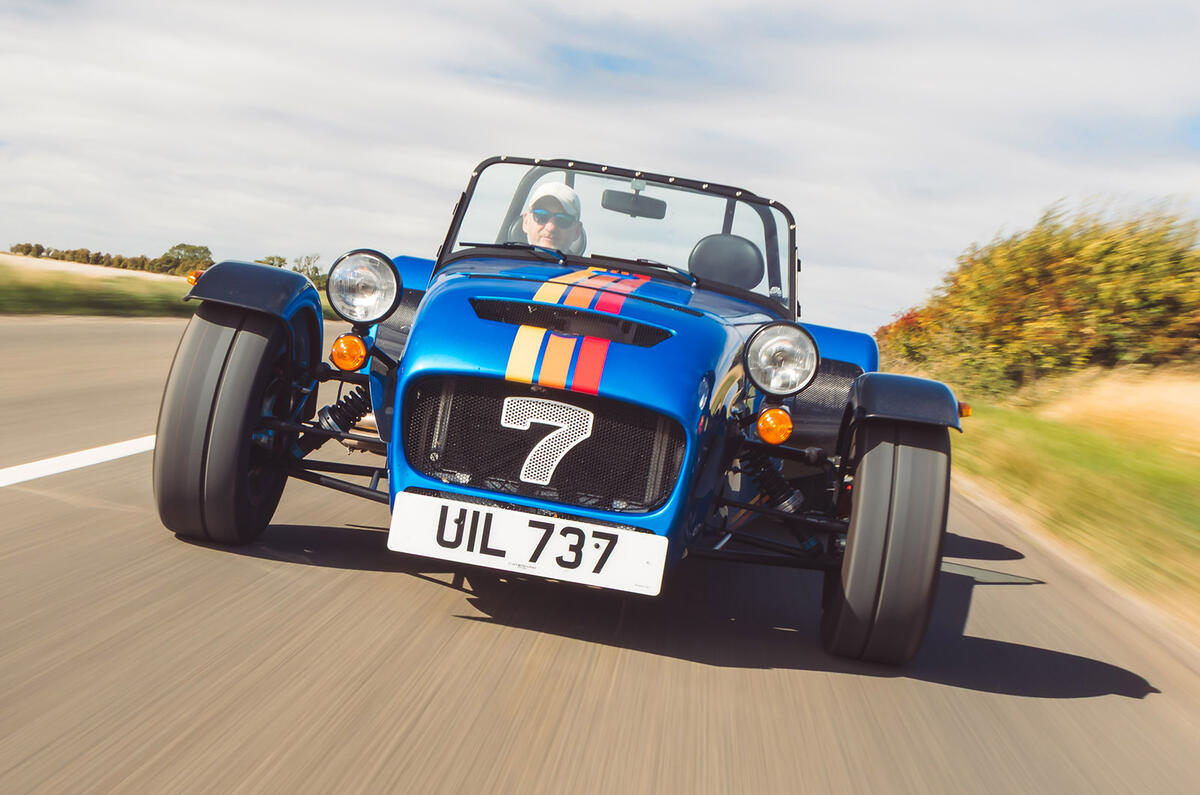
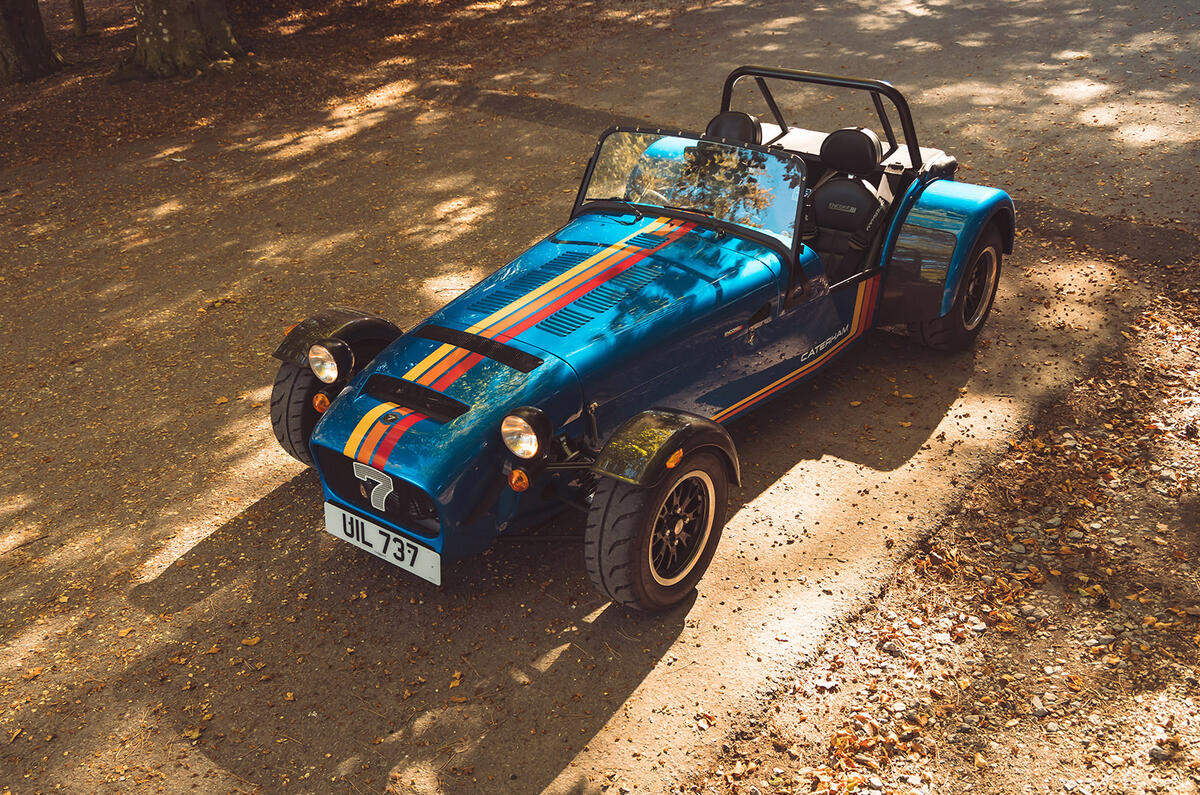
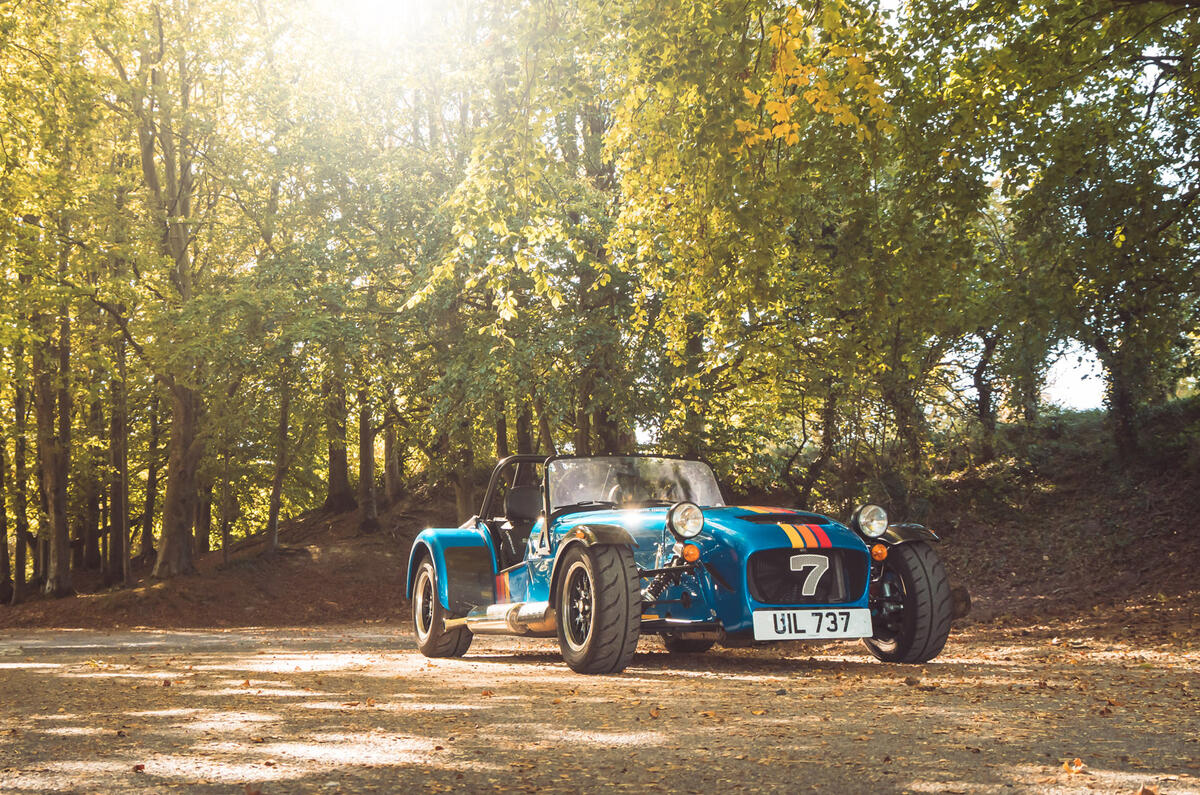
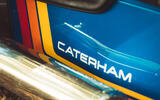
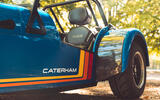
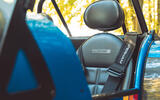
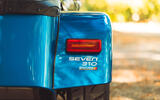
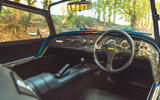
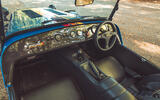
Externally the Encore sports the vented nose cone from the supercharged 620, while 420 Cup donates its front grille. There is also a choice of natty colours, each taking its name from an iconic music track (Blue Monday, Yellow Brick Road, Back in Black….well, you get the picture), a trio of body stripes that run stem to stern and a smattering of Encore badges inside and out. You also get 13-inch two-piece alloys wrapped in track-focused Toyo rubber plus, as ever, there’s a choice of intimate S3 or, as tested here, wide-body SV chassis configurations.