


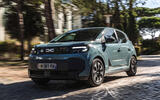
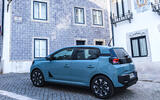
Currently reading: Dacia Spring driven: Britain's cheapest car grows up thanks to Twingo underpinnings

Bargain brand’s entry-level offering enters its second generation

Dacia is in the throes of taking its electric offensive to the next level, once again demonstrating its knack for practical, accessible solutions.

Having sold more than 210,000 examples of the original Spring EV since 2021, the Romanian subsidiary of the Renault Group is now upgrading its game with this, the second-generation model. 

The new car has been developed in less than two years, alongside the Renault Twingo and Nissan Pixo, by a dedicated team that gathered in Shanghai for this purpose, and it will be built alongside its group siblings in Slovenia.

That means it avoids the EU tariffs that the old Spring was hit with but is also more expensive to build. Still, it will still undercut the Twingo by some margin to remain one of the cheapest cars on sale.

UK prices haven’t been confirmed yet, pending a decision on how much of the EV government grant the Spring will receive, but, based on the European prices it will be some £1700 cheaper than the Renault.
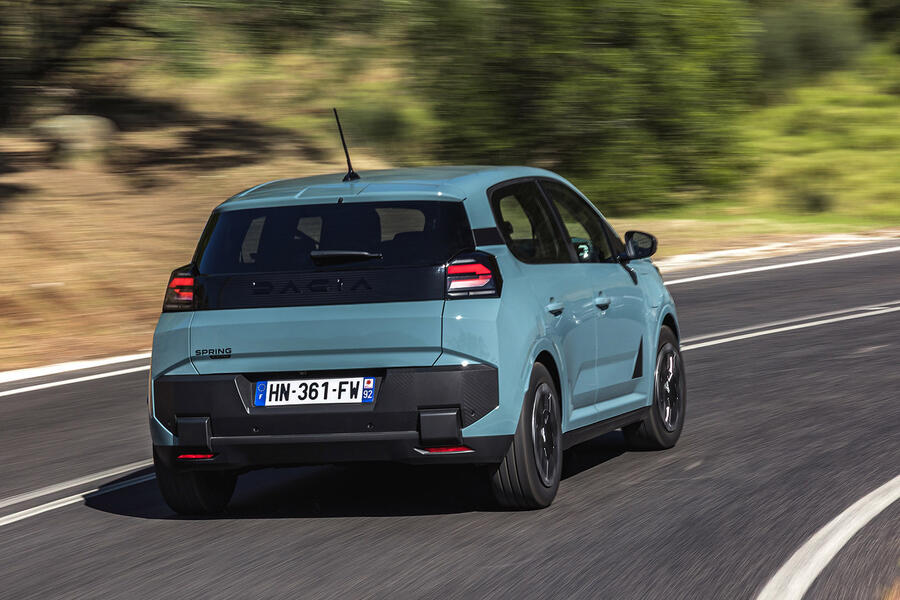
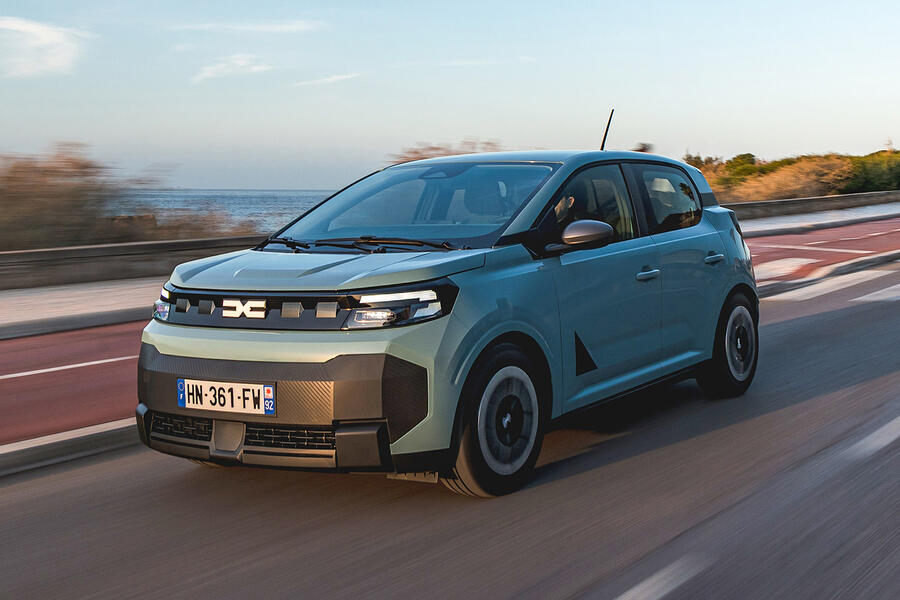
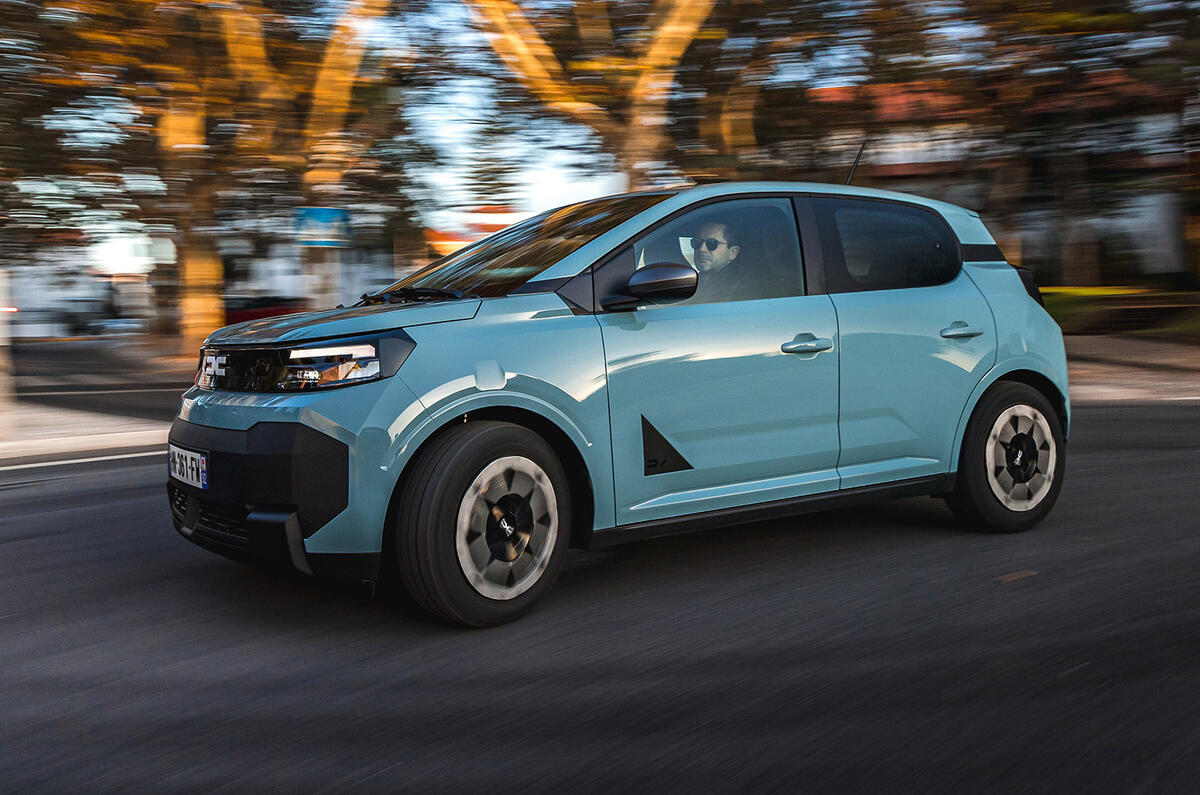
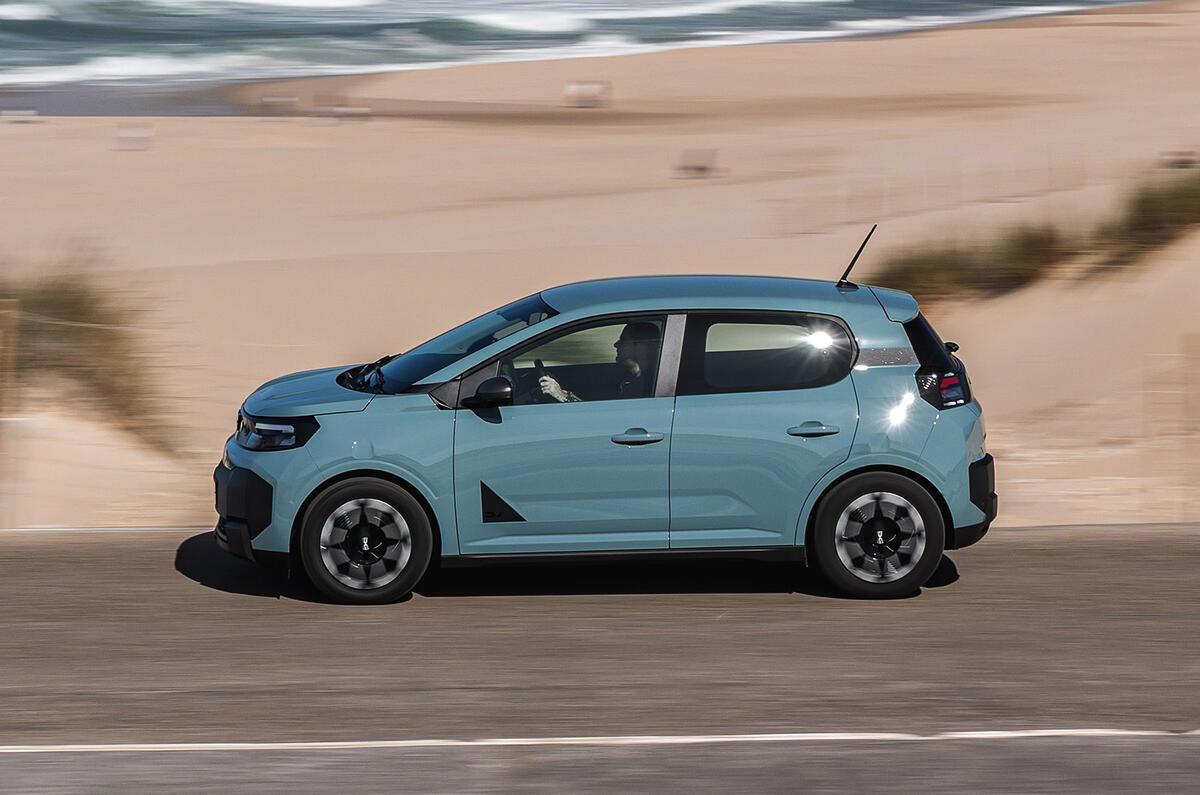
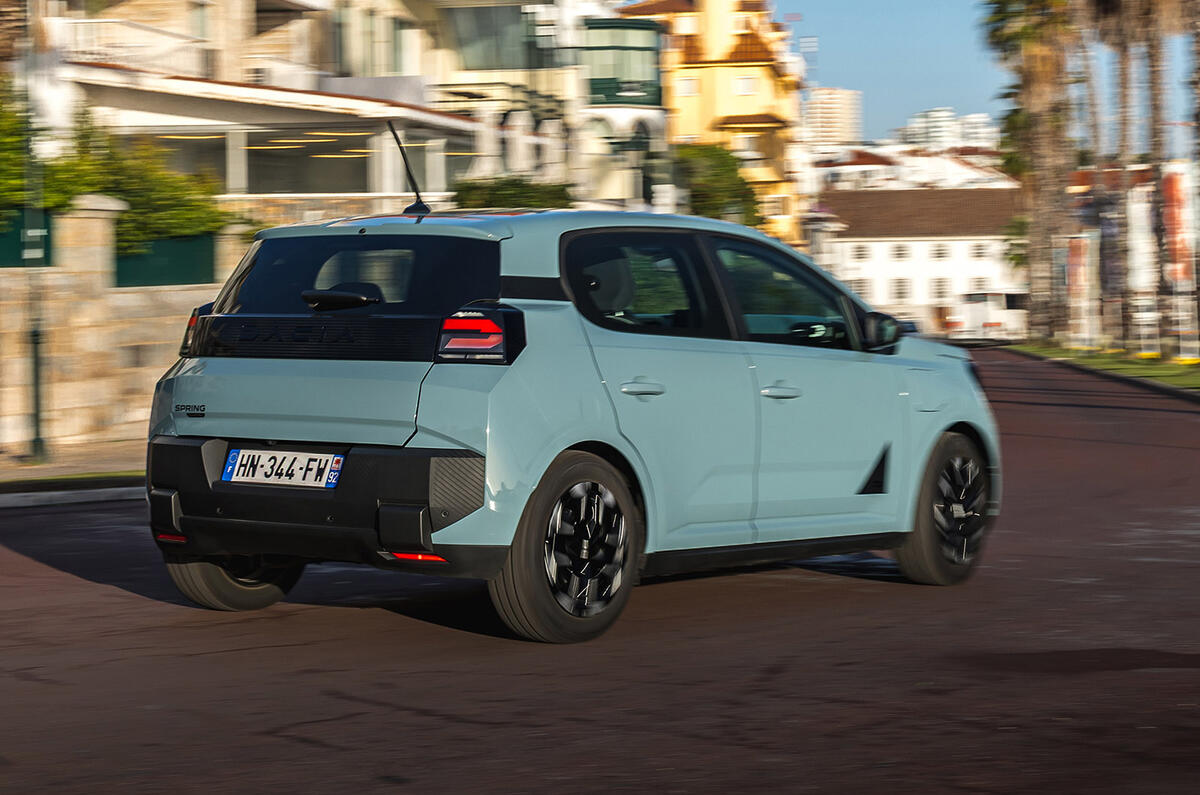
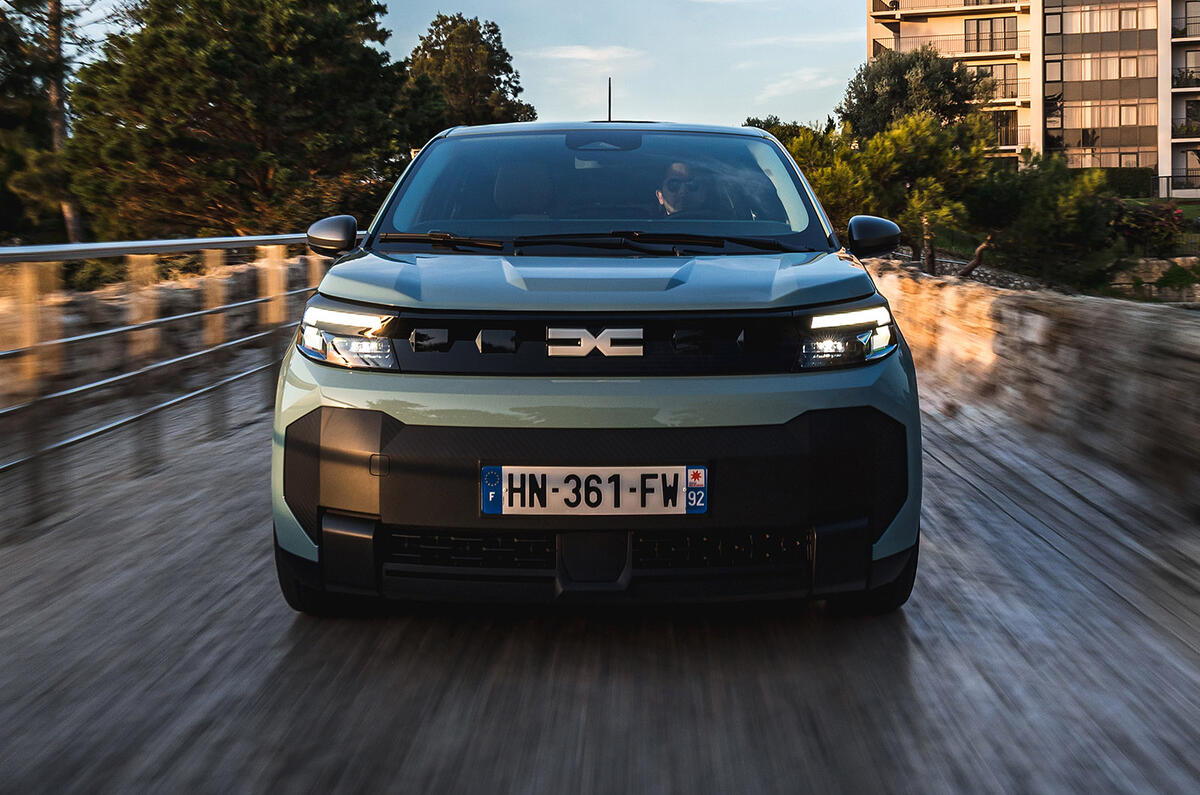
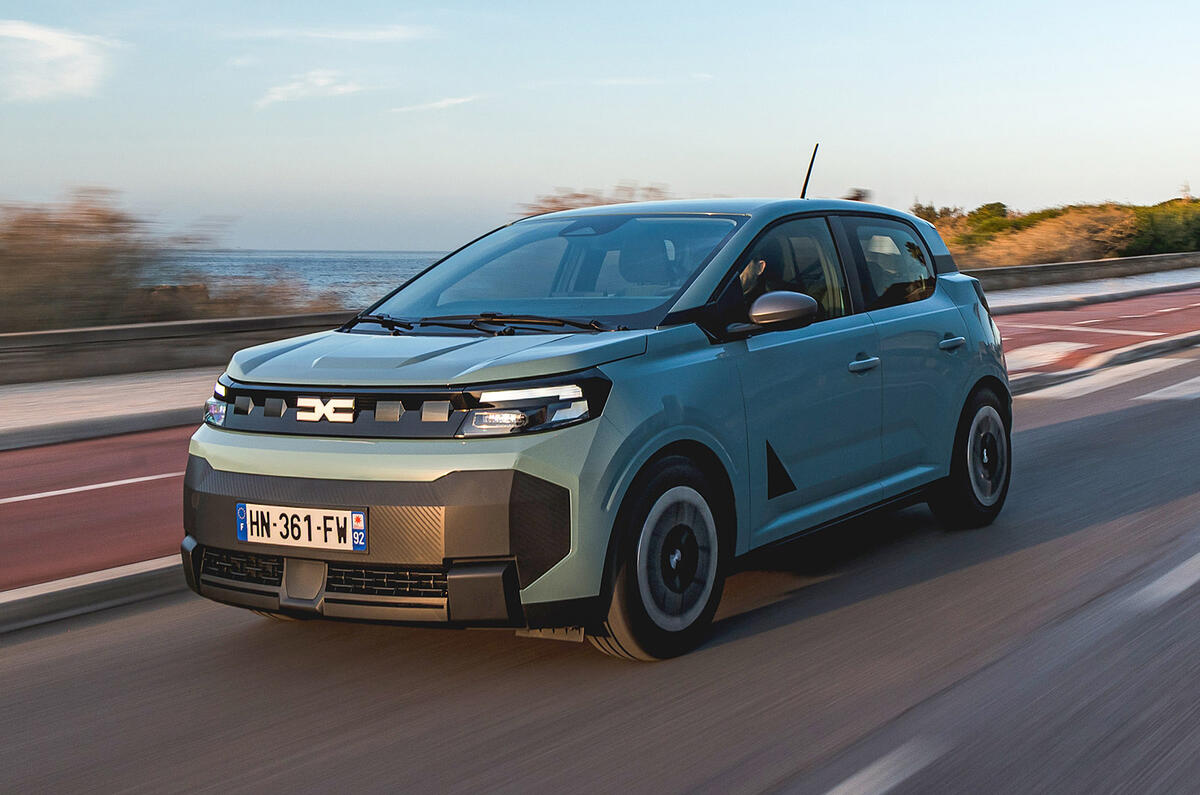
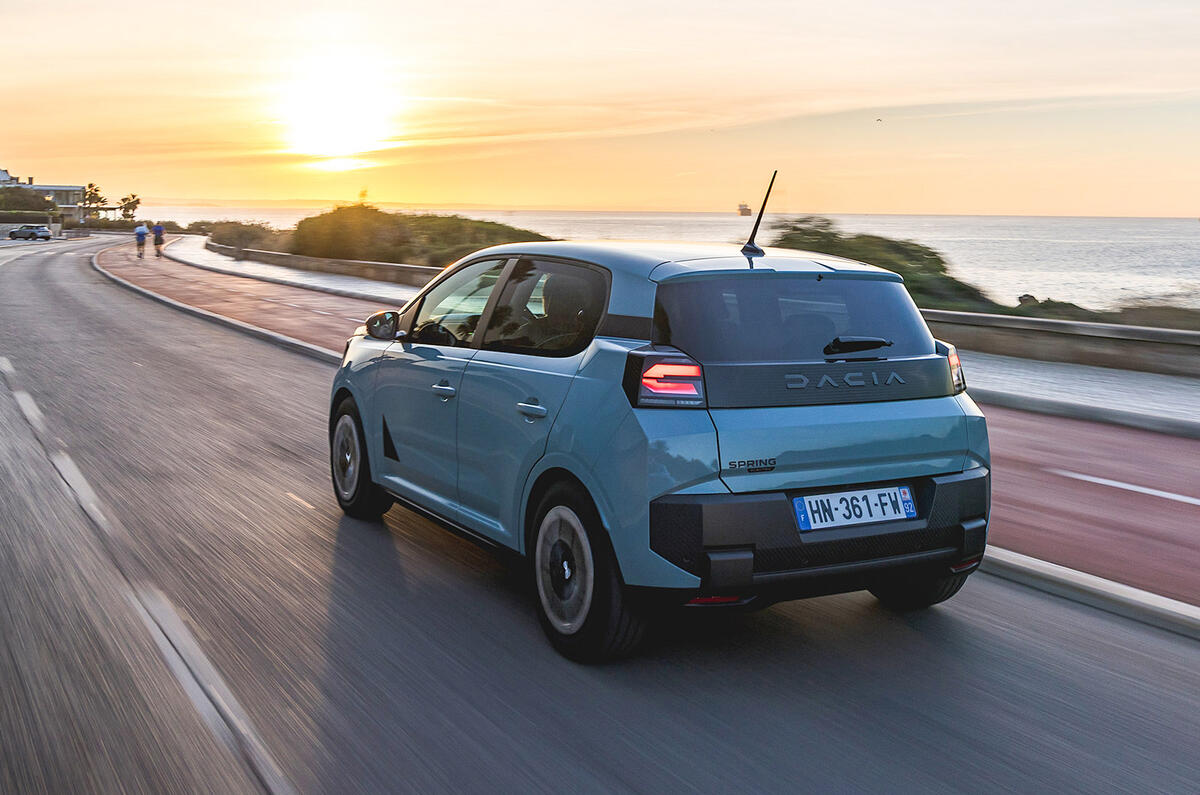
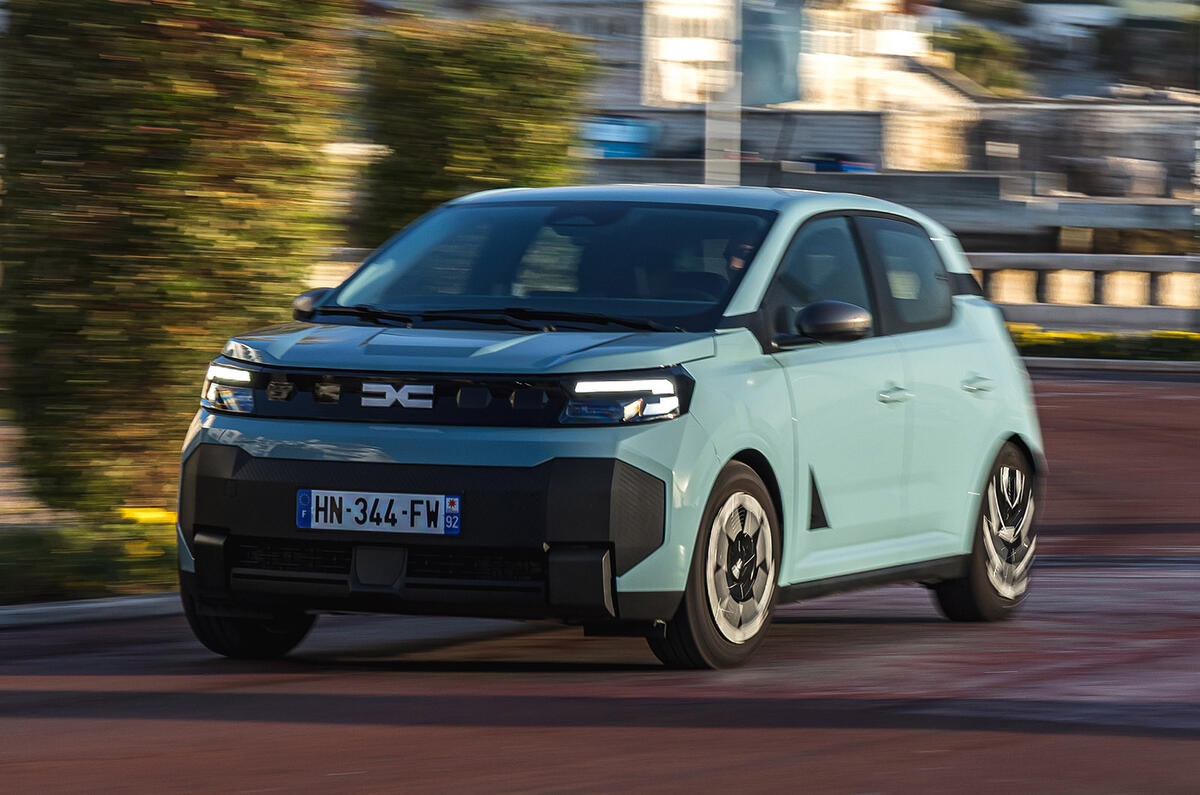
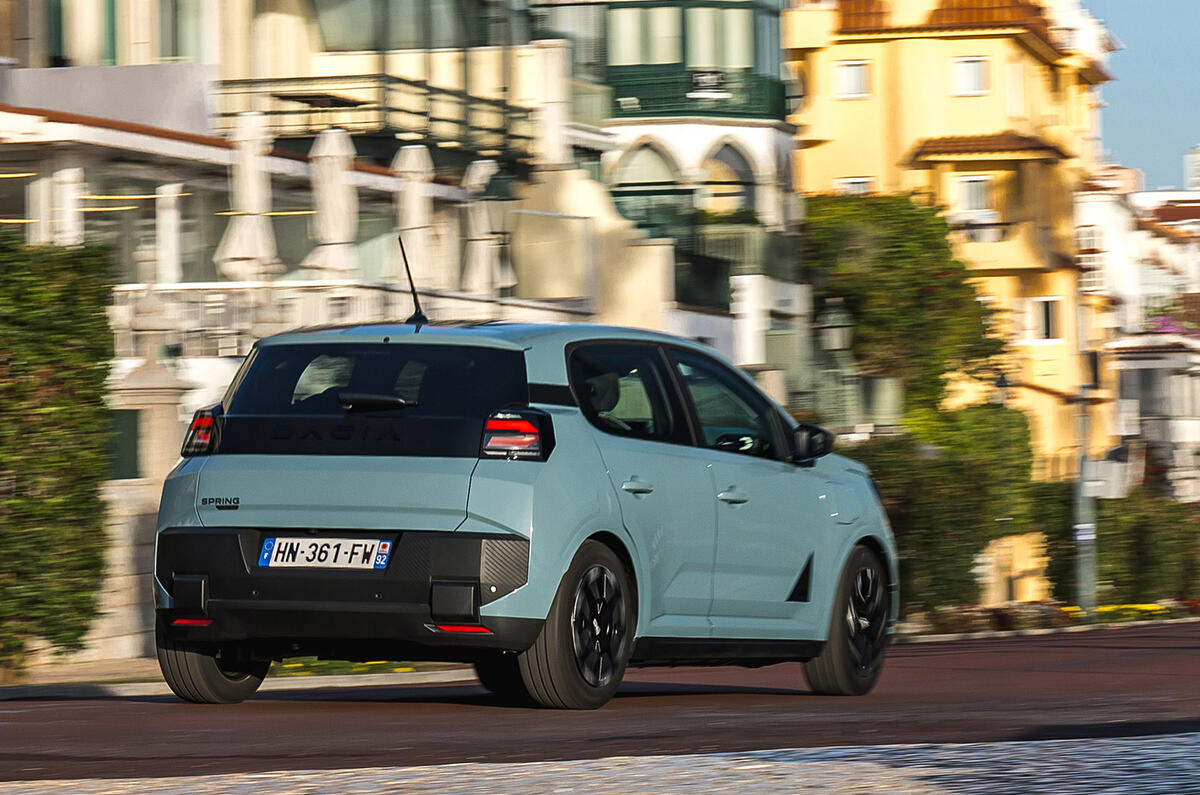
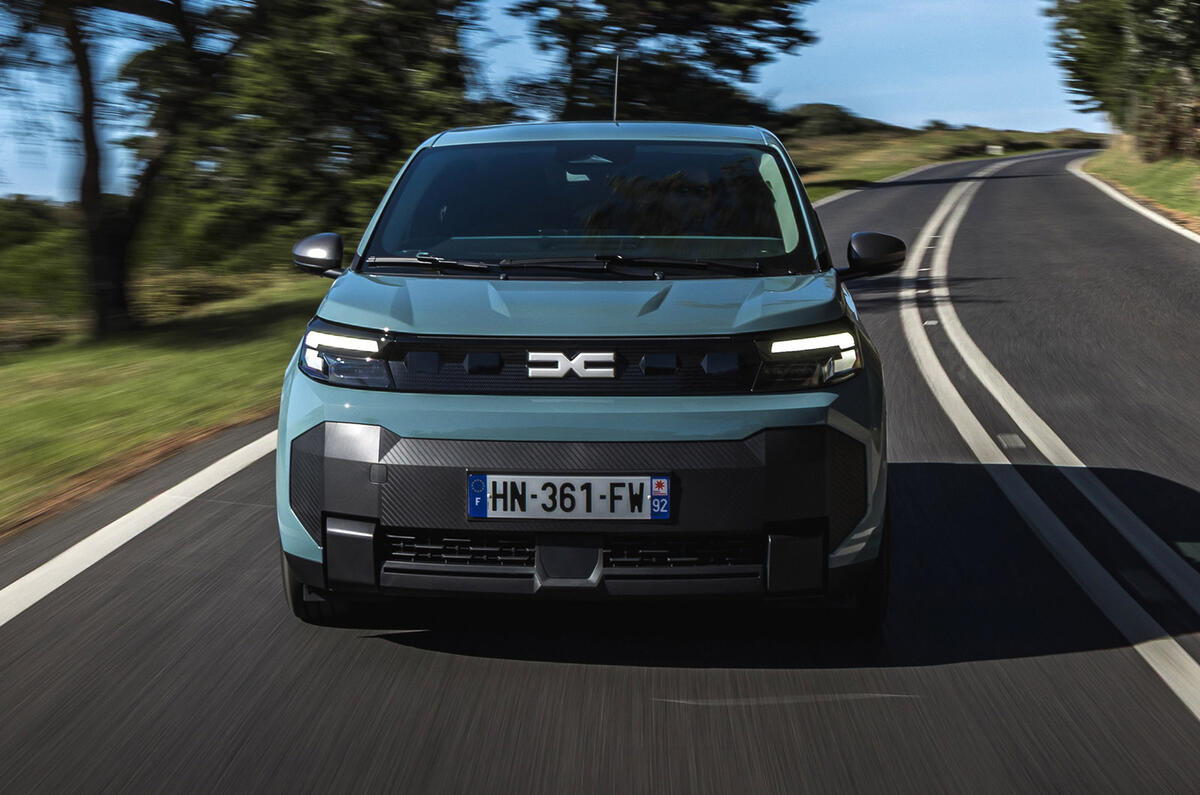
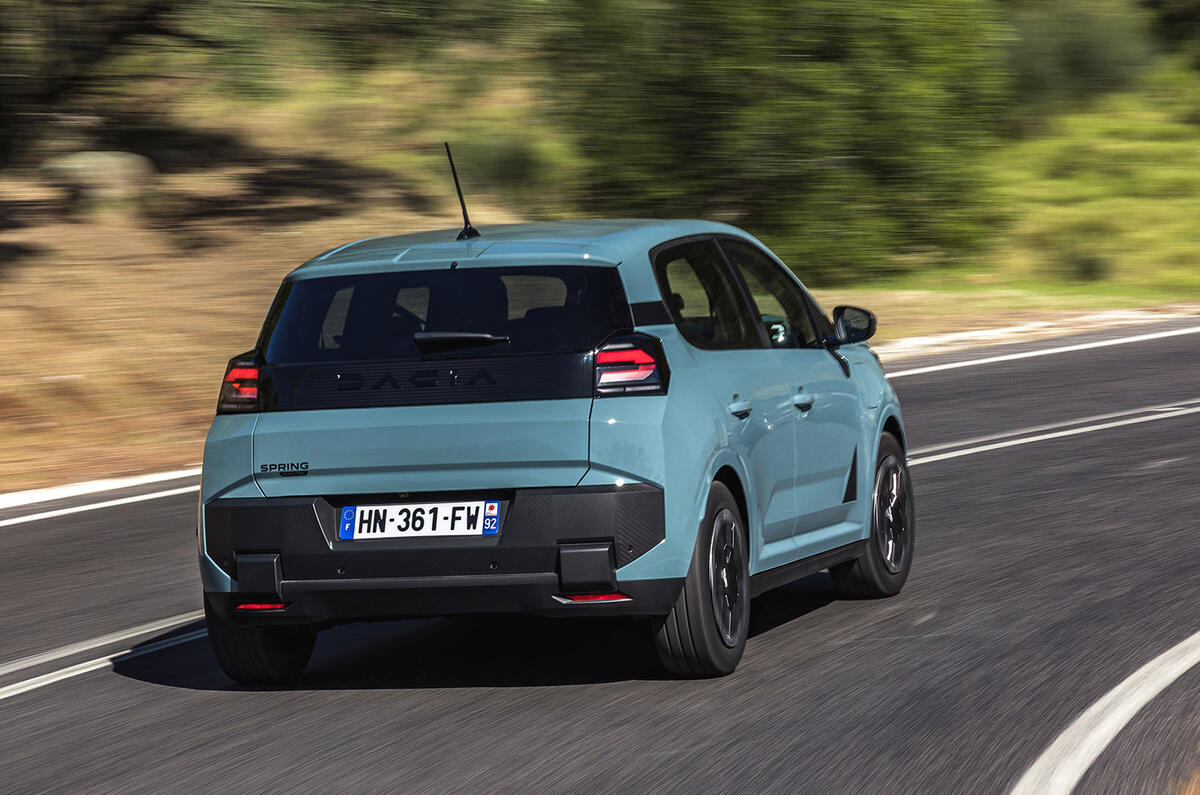
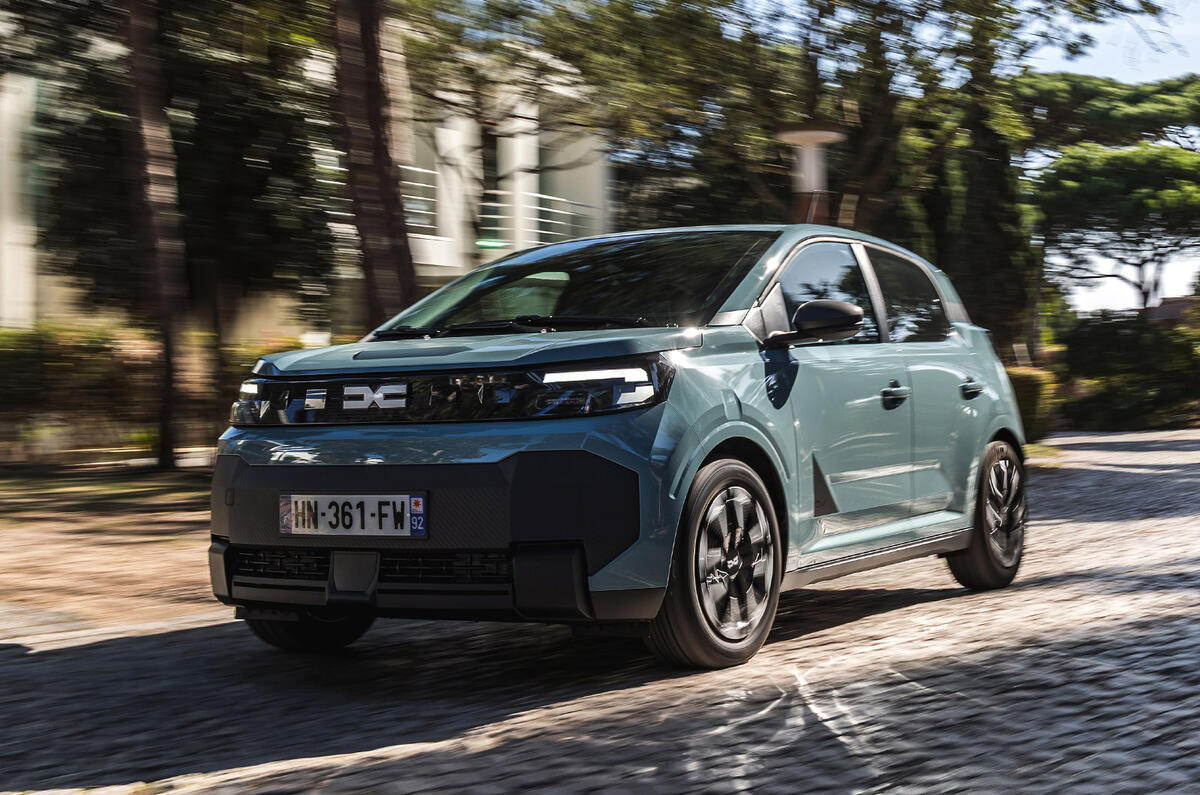
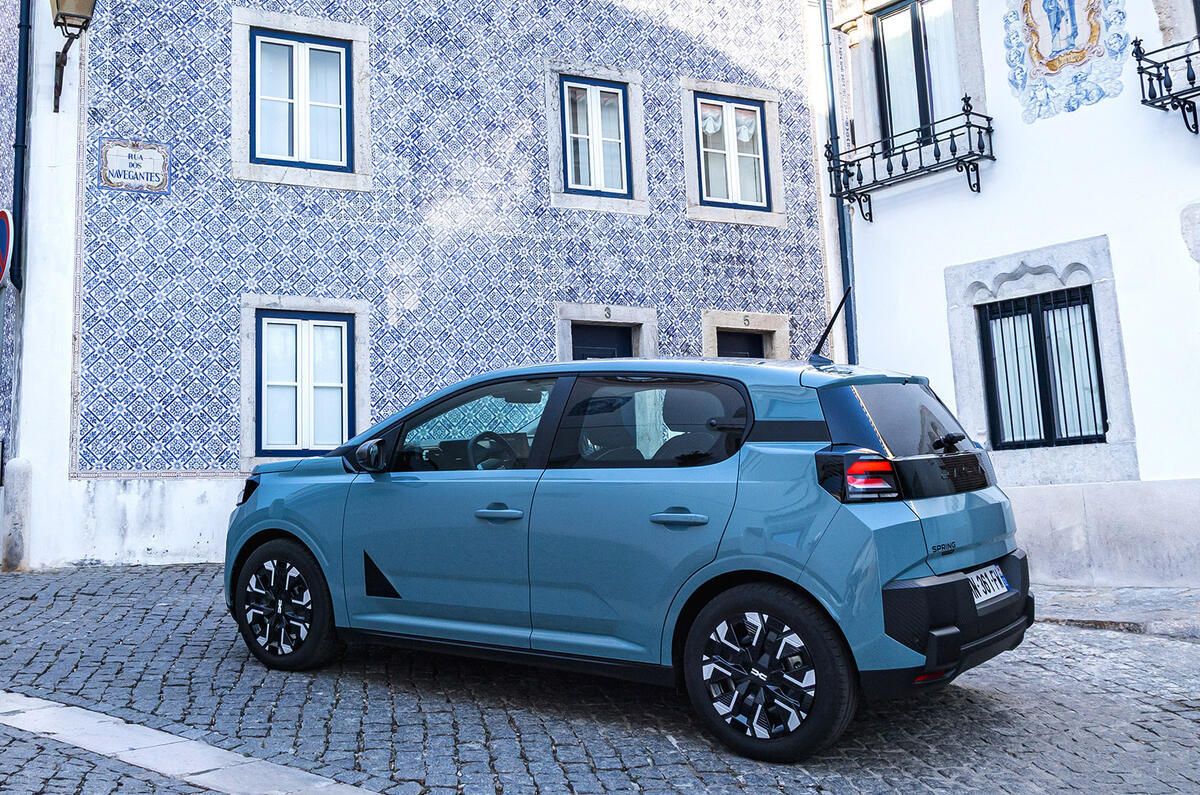
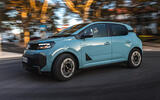
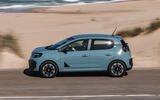
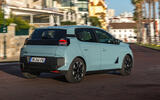
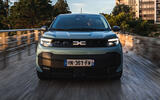
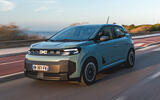
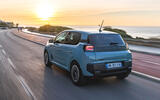
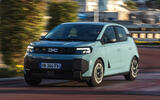
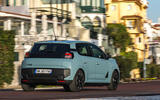
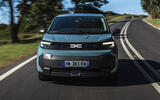
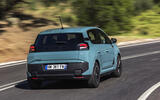
Compared with the spindly old Spring, this new one is a much more substantial car. By switching to the Renault Group’s new RG-EV platform for small cars, it not only gains a modern electric architecture but also boasts a much more assured road stance. At 3855mm in length and 1722mm across the body, and with a 2492mm wheelbase, it has grown substantially in all directions except height.

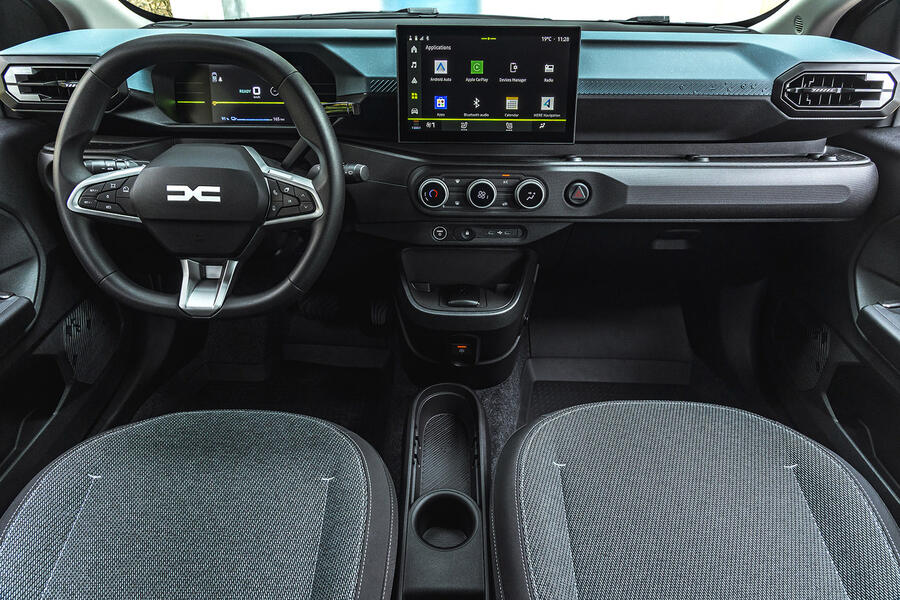
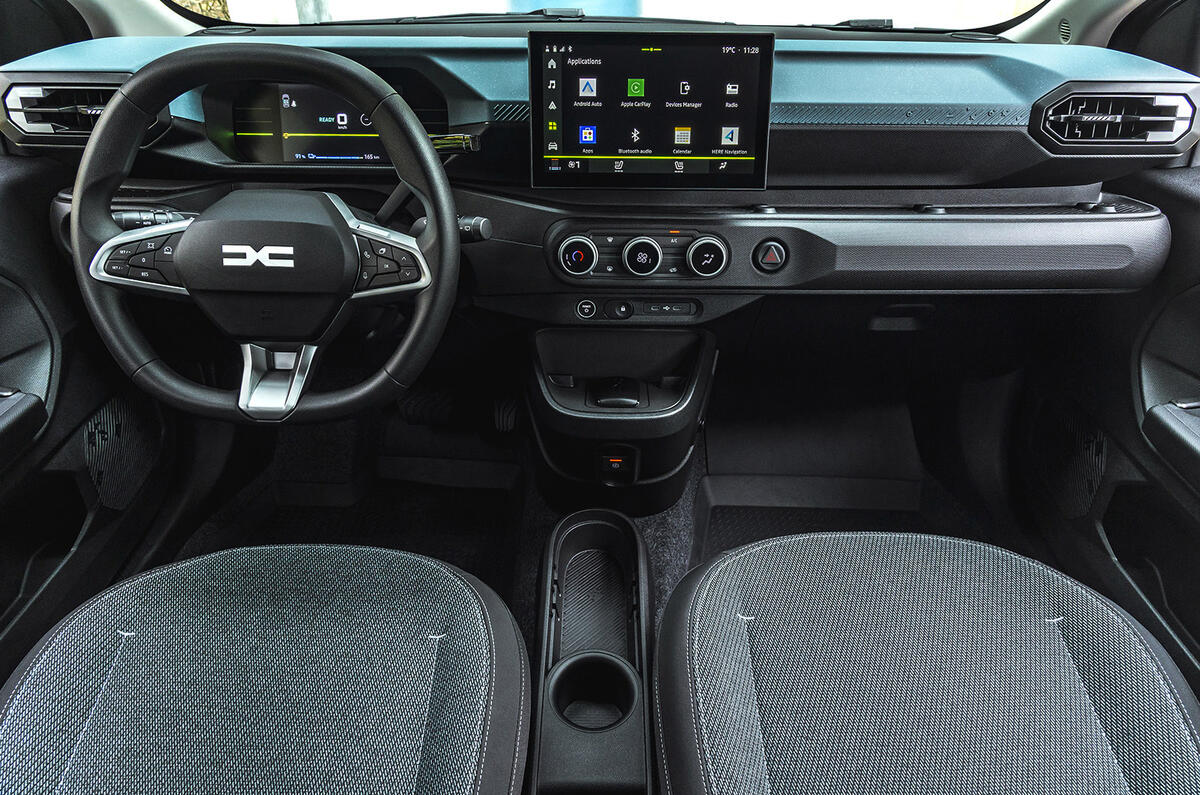
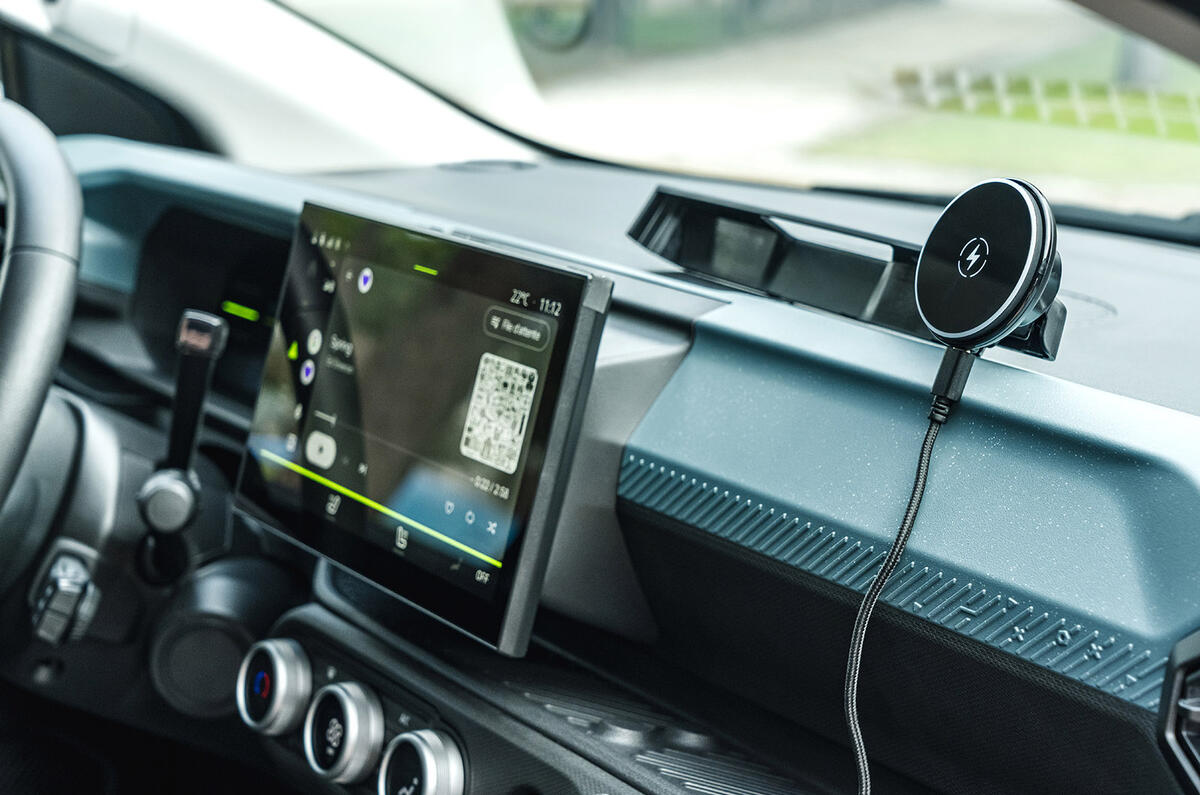
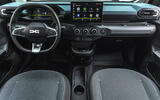
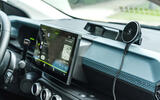
The interior has changed just as significantly, and its kinship with the Twingo is even more apparent here because the dashboard is almost identical. It is similarly made from hard plastic, albeit without the Twingo’s cheery colours. Base versions in particular are more stripped-down, though, because the cheapest trim doesn’t get a central screen.

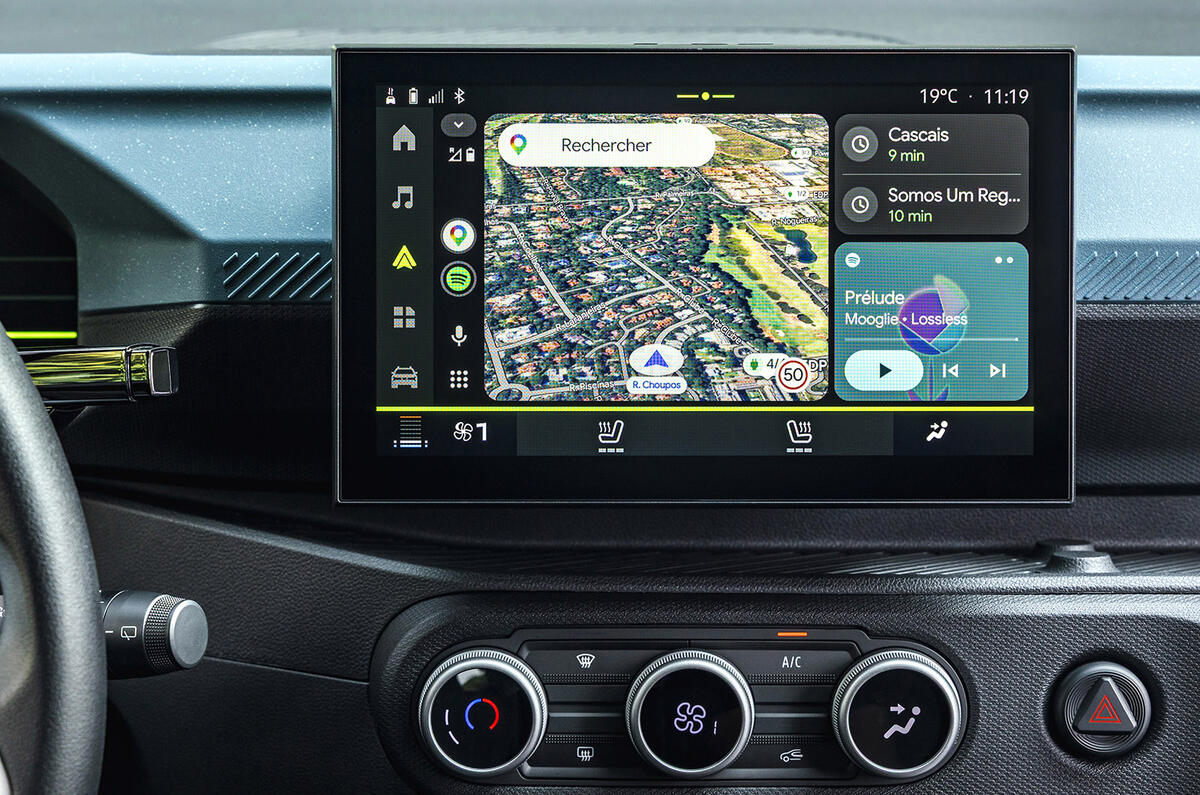
Fancier versions do feature a 10.1in touchscreen, albeit without the integrated Google services you will find in Renaults. 

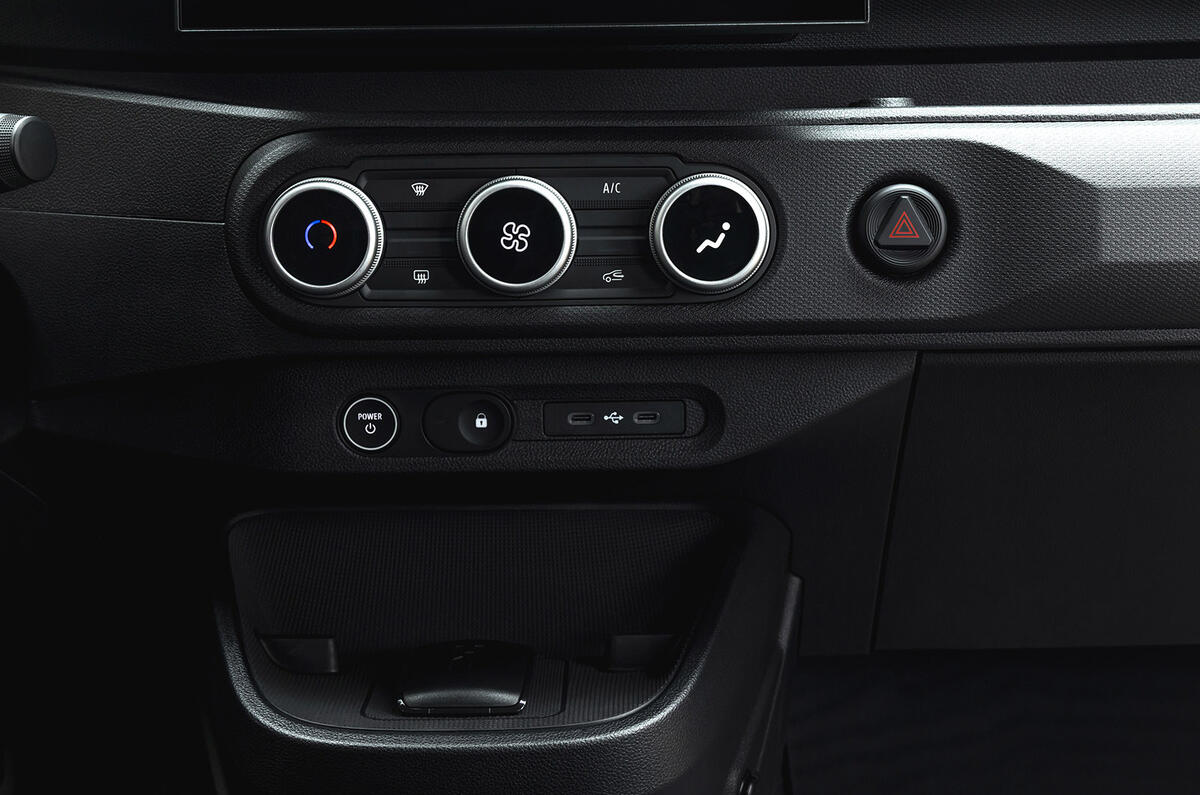
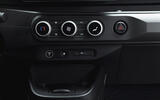
Thankfully, Dacia doesn’t believe in cutting costs by getting rid of all the buttons, because the Spring still gives you solid physical dials and buttons to operate the ventilation system, along with the much-loved ‘My Safety’ button that lets you turn off the various driver-assistance systems with ease.

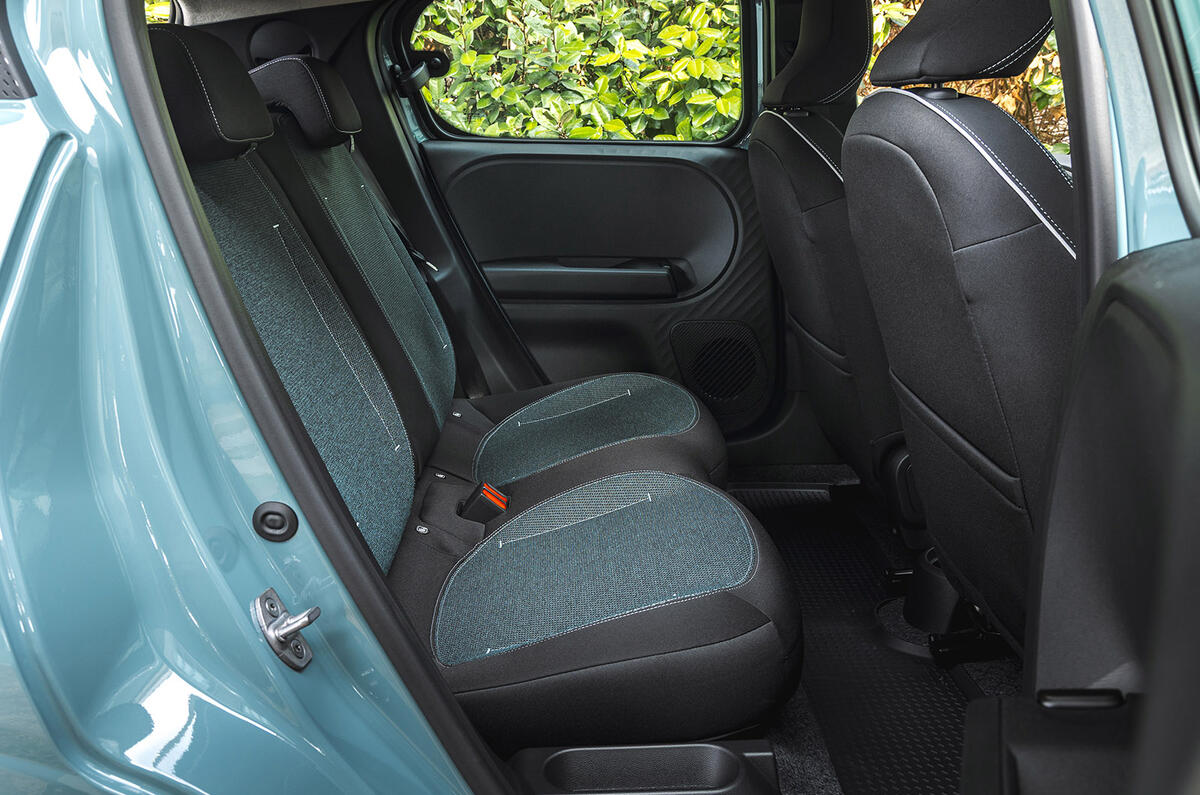
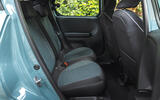
Given the larger exterior dimensions, it’s no surprise that the interior offers substantially more space. Shoulder room has benefited the most, rising from 117cm to 139cm in the first row and from 114cm to 132cm in the rear, according to my measurements. 

Back to top

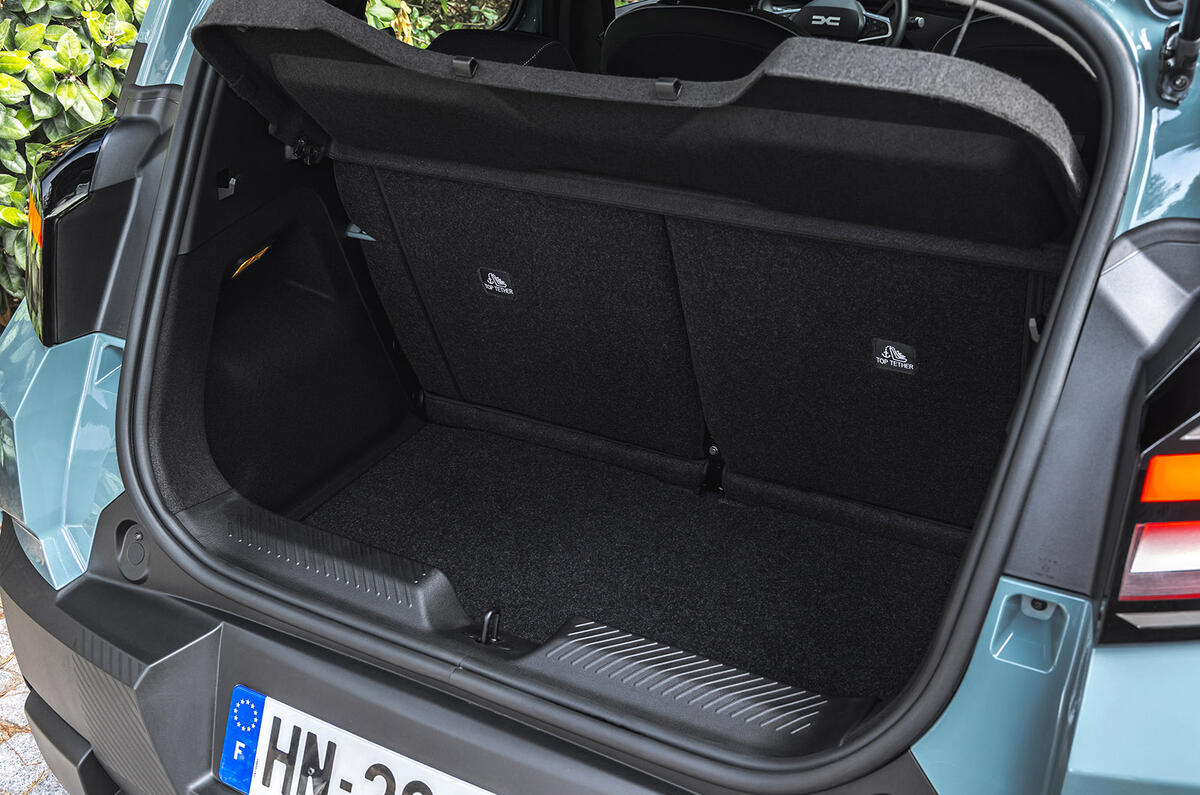
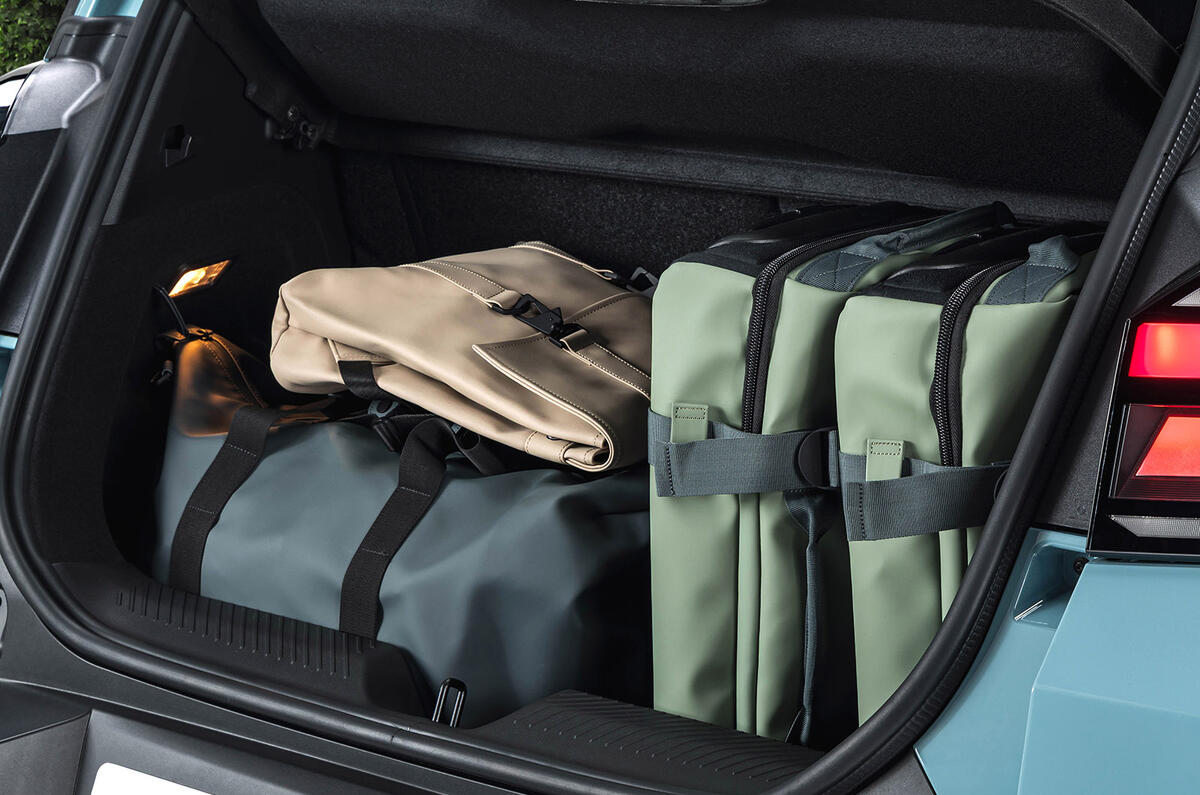
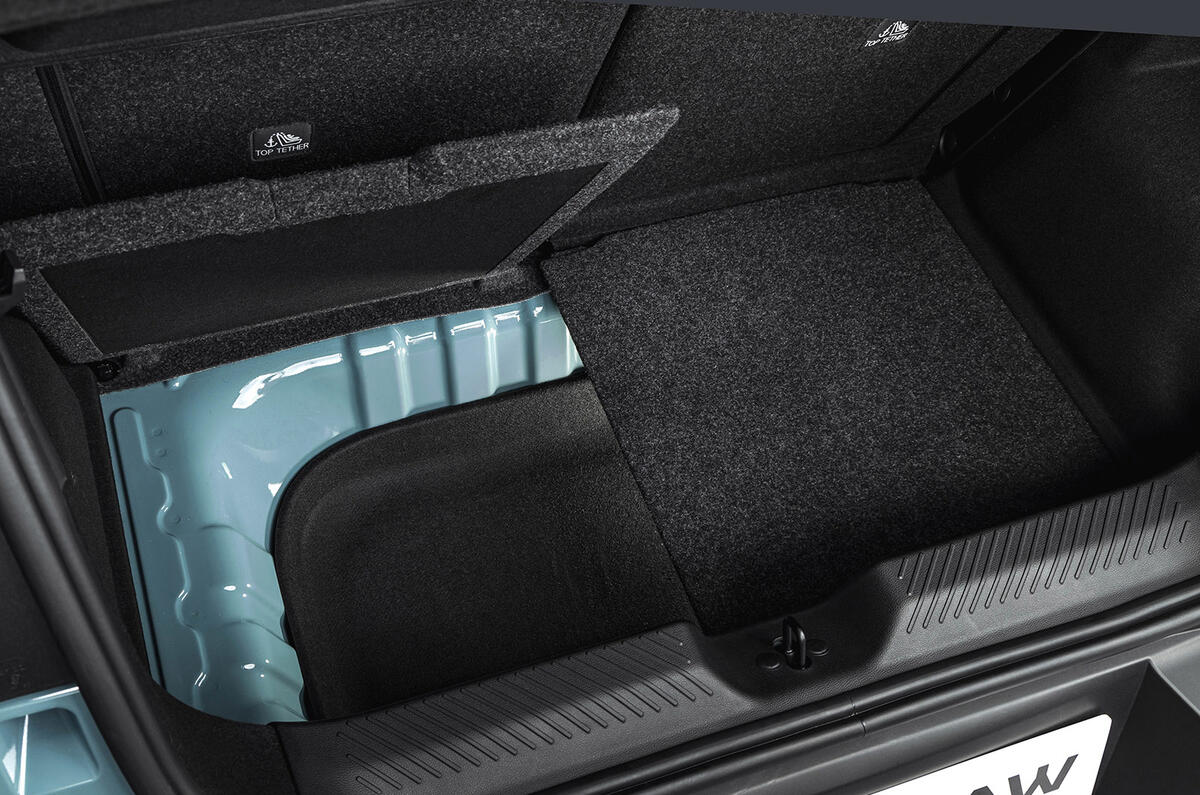
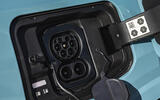
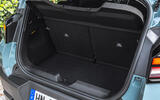
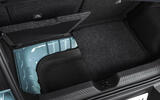
Leg room has seen a more modest growth, from 64cm to 68cm, because Dacia positioned the individual rear seats in a way that prioritises boot capacity. These two seats do not slide back and forth as they do in the Twingo, but the engineers reckon there’s no need, given that the Spring has a longer rear overhang to make the boot bigger anyway. Load space there is now up to 337 litres including the underfloor storage. There’s also an 18-litre frunk for charging cables.

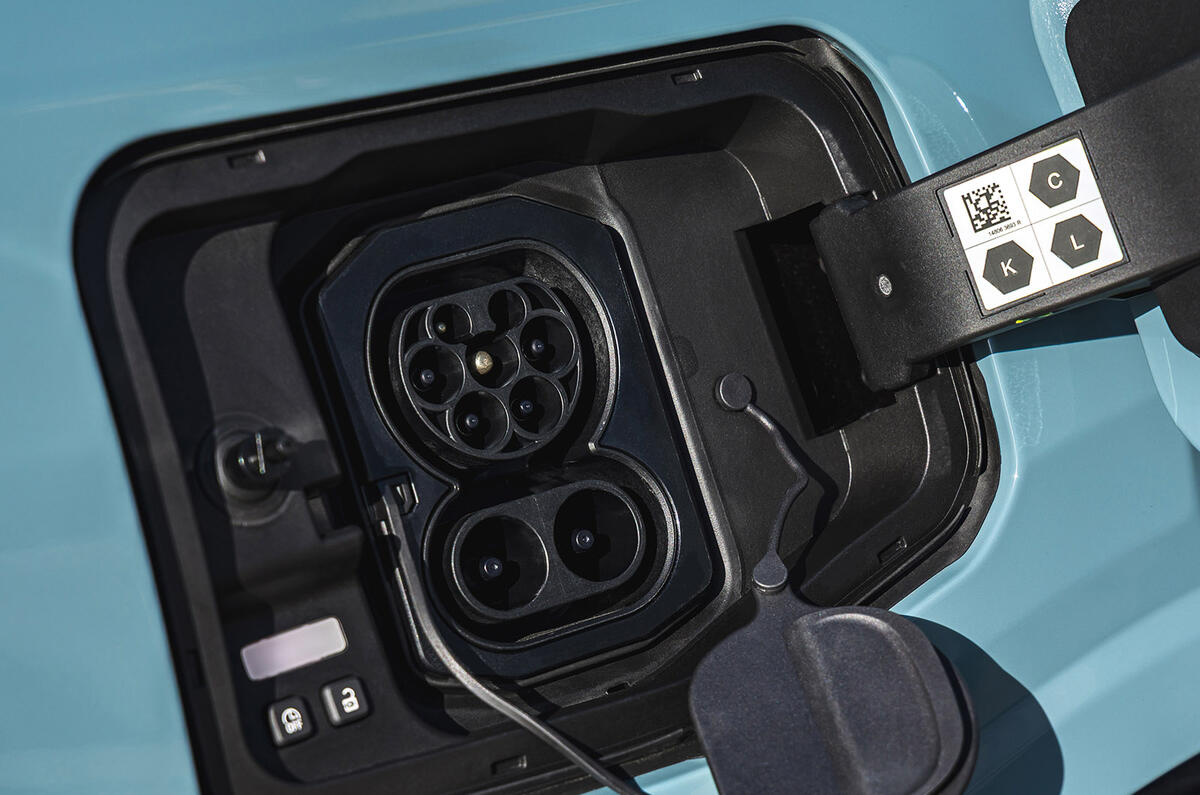
The battery uses lithium-iron-phosphate chemistry and has a net capacity of 27.5 kWh. The promised 155-mile WLTP range – which is 14 more than the previous Spring – falls short by eight miles compared with the Twingo due to a bigger body that weighs 13kg more and a less favourable drag coefficient of 0.318 (the Twingo's is 0.295). All Springs coming to the UK will be able to charge at 11kW domestically and 50kW publicly.

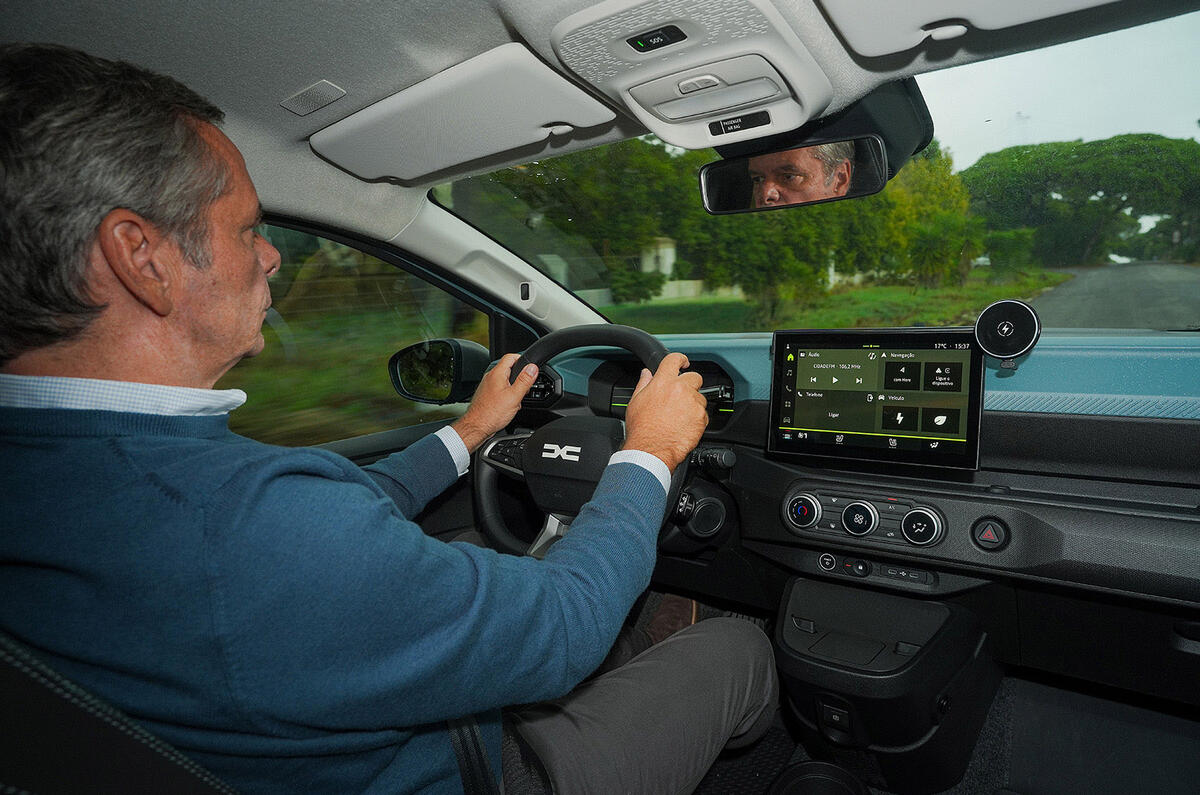
If you pick the more expensive trim, you start the Spring with a button, while the lowlier version still gets an ignition key. The first part of our test drive went through urban areas and more open roads where the Spring’s modest 80bhp and 203 lb ft are more than sufficient to keep up with traffic.

In this environment the turning circle of less than 10 metres makes the car extremely agile. The standard rear parking sensors and electric parking brake also come in handy around town. 

Back to top

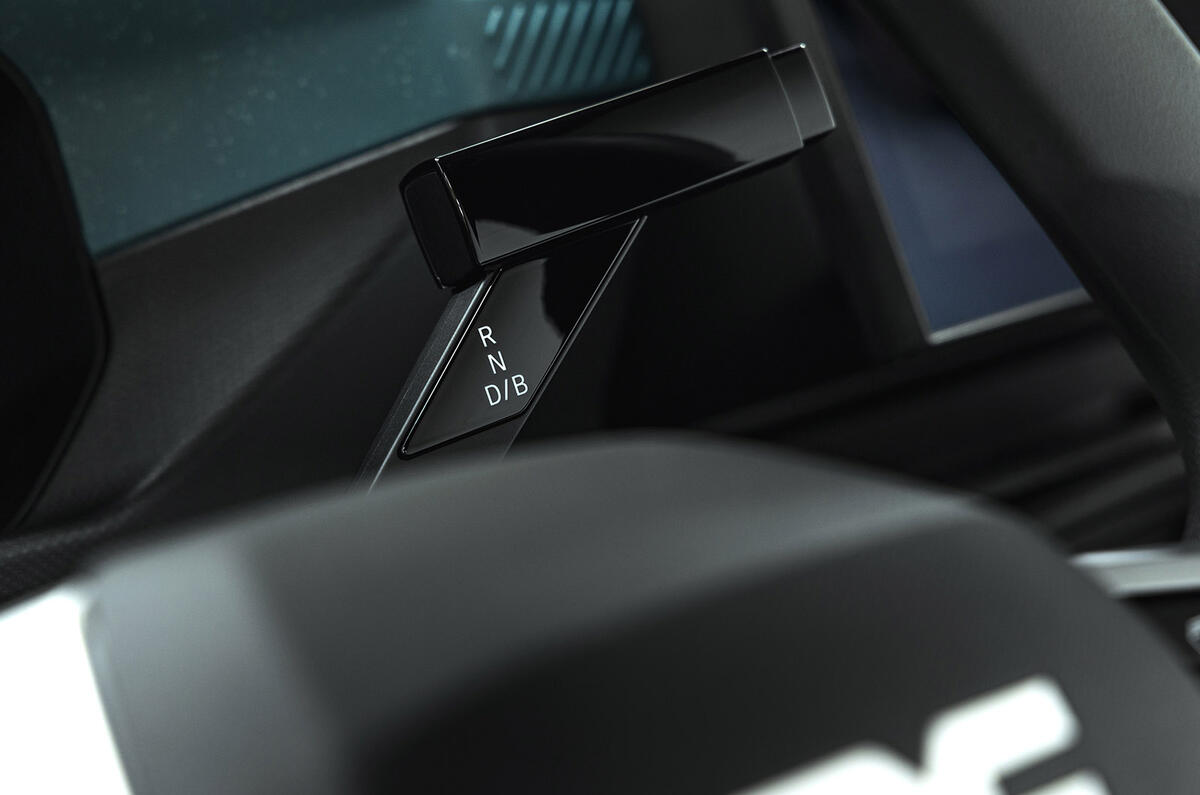
The new Renault platform includes the ‘one-box’ brake-by-wire system, which gives the Spring the sort of prompt and linear pedal response that’s not always a given even in cars three times the price. There’s not much in the way of configuration for the off-throttle regen, though. The column-mounted drive selector lets you switch between D and a stronger B-mode, but even the latter doesn’t offer full one-pedal driving.

Even on motorways, the Spring is a world away from its predecessor, which felt underpowered and out of its depth. This is still not its natural habitat, but it is nonetheless happy to cruise at its 80mph limiter if you wish.

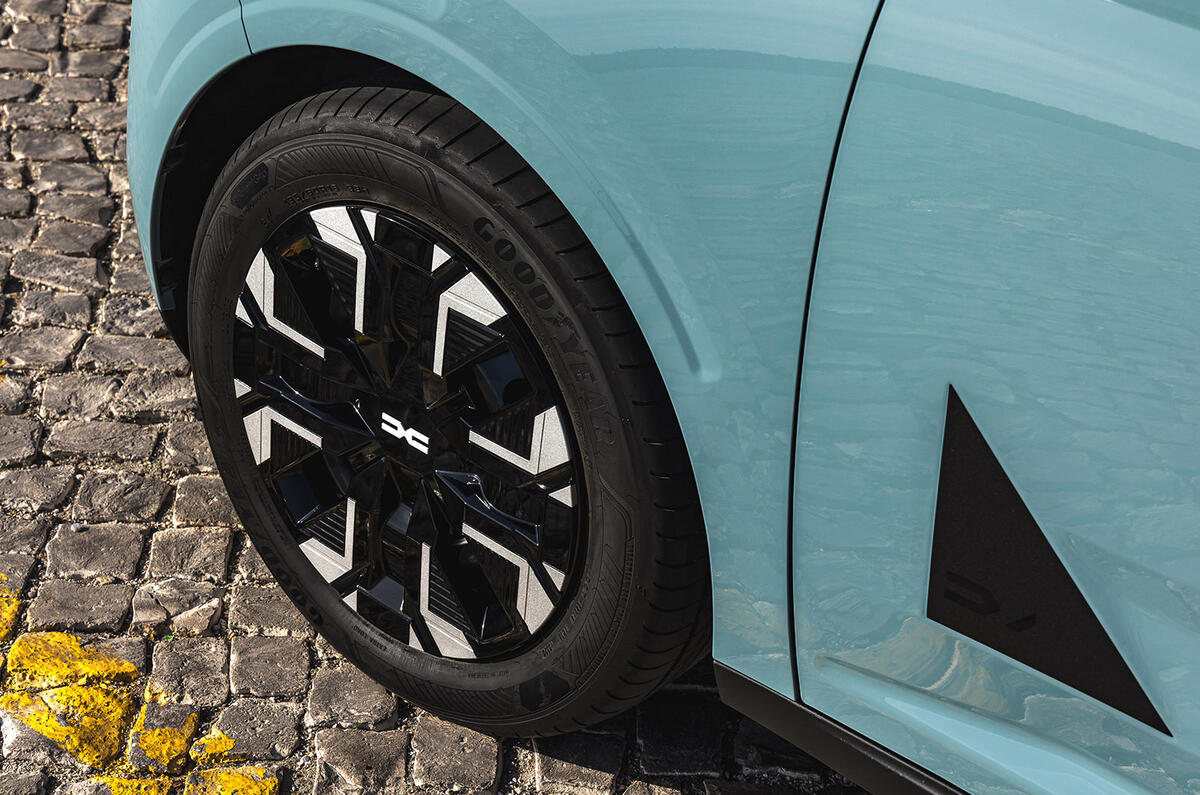
The weather on the Portuguese launch was so bad that the normal UK rotation was cancelled, but the Spring handled the very wet and windy conditions well enough. Now shod with Goodyear tyres instead of the dreadful LingLongs found on the old car, the Spring can take advantage of its wider stance to offer adequate grip and good stability – two concepts that are completely alien to the old Spring.

Superficially, this car feels similar to the Twingo, but one difference is in the steering. It’s much slower on the Dacia, at more than three turns between locks, and this gives a more relaxed demeanour – which suits it.

Back to top

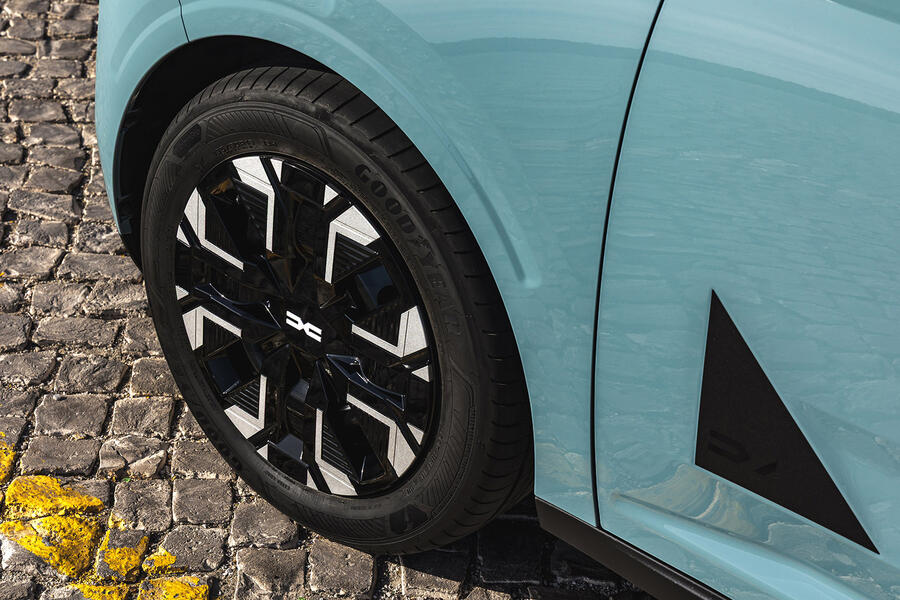
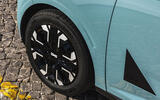
It also only comes on 16in wheels, rather than the 18s that all of the Twingos we’ve driven have been fitted with. Again, this feels like a very sensible choice for a very sensible car of substance over style, because the result is a fairly absorbent ride. 

Dacia is hopeful it will net the full £3750 government grant for the Spring by the time it goes on sale in the UK, meaning it will cost a little more than the £11,990 of the current car but not a huge amount. That’s impressive, given that if you were to step from that car into this new one, it would feel like time travel: here you get a modern car with usable performance, decent handling and loads more room inside. 

It’s still destined to be a second car because you’ll be lucky to get more than real-world 120 miles on a charge. But it deserves praise for how much it delivers for the money.

JOAQUIM OLIVEIRA

Dacia Spring
   
Price £13,500 (est)
Engine Permanent magnet synchronous motor
Power 80bhp
Torque 203lb ft
Gearbox 1-spd reduction, FWD
Kerb weight 1314kg
0–62mph 12.1sec
Top speed 81mph
Battery 27.5 kWh (usable)
Range, economy 155 miles, 5.6mpkWh
CO2, tax band 0g/km, 4%
Rivals Honda Super-N, Leapmotor T03

Join our WhatsApp community and be the first to read about the latest news and reviews wowing the car world. Our community is the best, easiest and most direct place to tap into the minds of Autocar, and if you join you’ll also be treated to unique WhatsApp content. You can leave at any time after joining - check our full privacy policy here.