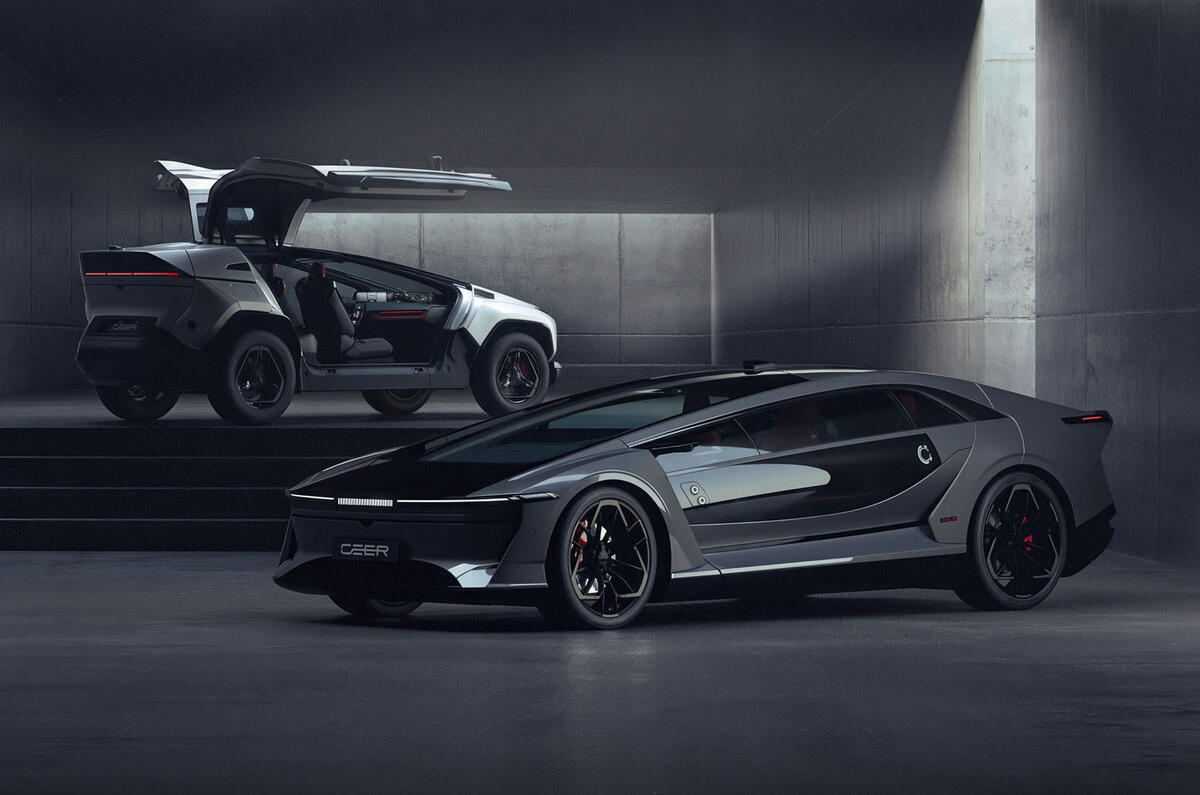

Ceer Automotive, Saudi Arabia’s first car firm, has unveiled a pair of radically styled EVs as its first two models, with ambitious plans to launch a range of seven vehicles that could potentially be sold globally by 2030.
Founded in 2022, Ceer is a joint venture between Saudi Arabia’s PIF investment fund and Taiwanese manufacturer Foxconn. It was created as part of the Saudi government’s Vision 2030 plan to diversify the kingdom’s economy away from dependency on oil and is intended to ‘ignite’ automotive manufacturing in the country.
Ceer has opened a factory in King Abdullah Economic City on Saudi Arabia’s west coast, with the aim that it will be part of an automotive hub there. American EV maker Lucid, also now owned by the PIF, is building a factory there, along with supplier firms including Hyundai Transsys.
Initially, Ceer will be focused on sales in Saudi Arabia and the surrounding Gulf region. It will launch with two high-performance and luxury-focused E-segment flagship models named Exobot.
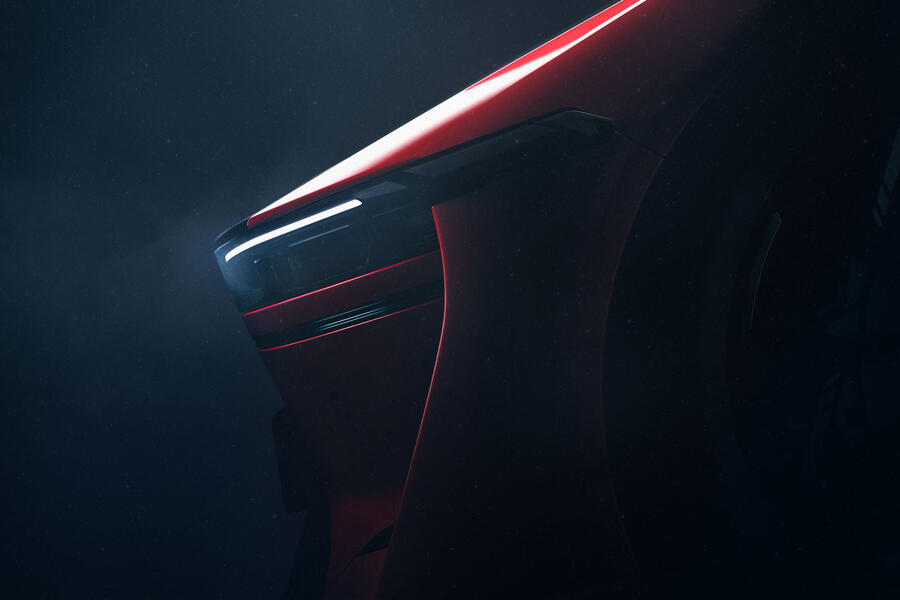
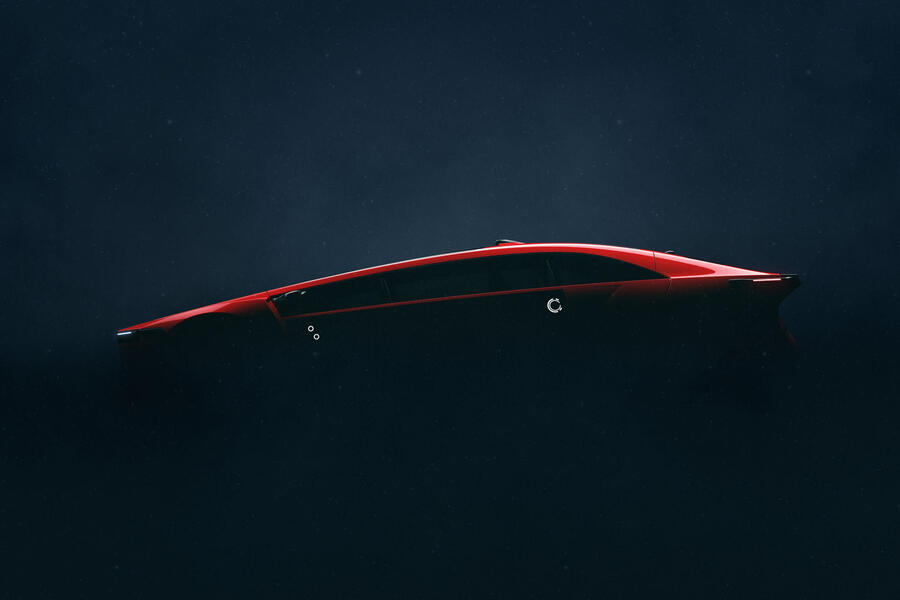
Both the saloon and SUV versions feature radical wedge-styling, along with a large glass roof that's claimed to be the largest used on any current car.
Speaking exclusively to Autocar, Ceer boss James DeLuca said that the radical styling of the models was directly driven by Crown Prince Mohammed bin Salman, who is also chairman of the PIF.
“His Royal Highness really pushed us hard,” said DeLuca. “I’ve been in this industry for 47 years and our head of design, Rob Melville, came from McLaren. We thought we had done a pretty good job and the board said ‘don’t show us what the rest of the world is doing' we want something new, unique and different'.
“We’re offering something unlike anything the world has ever seen before – and when we launch these cars, the world will take notice.”
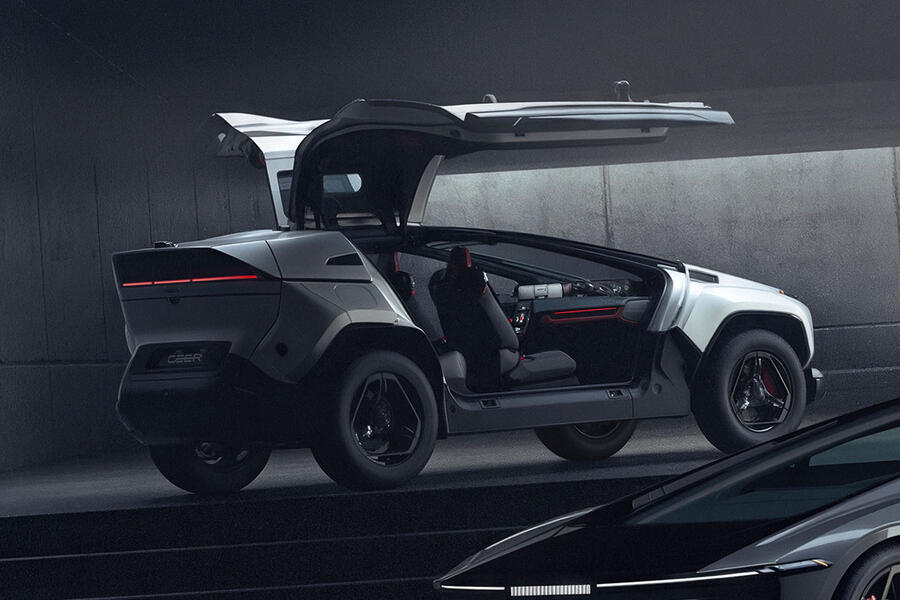
Both the SUV and saloon Exobots feature distinctive light bars with 32 elements, a nod to the year 1932 when Saudi Arabia was unified, and large gullwing doors, although DeLuca noted: “We call it a door [but] it’s more like a whole body side.”
The cars lack B-pillars, while the doors have been designed so that they open within the same relative space as a standard door.
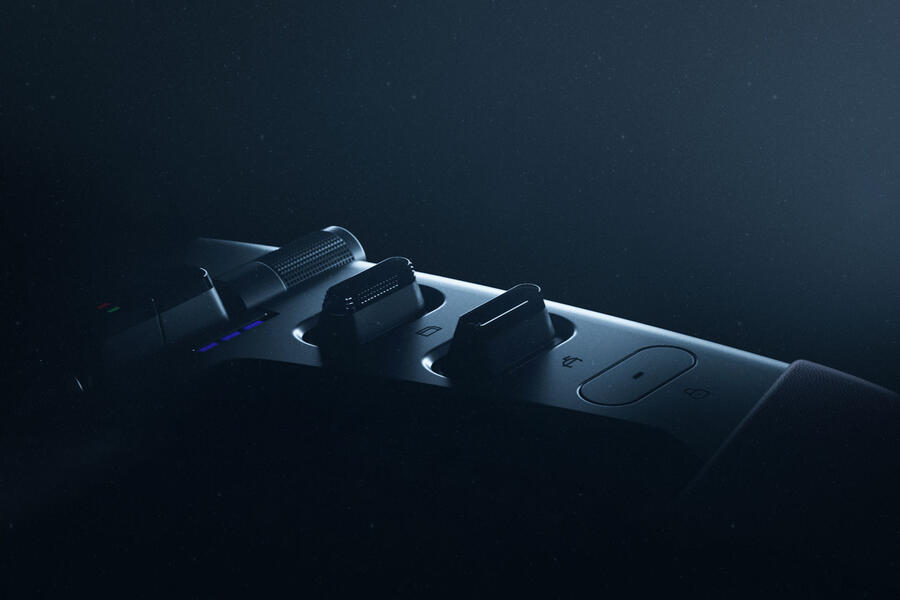
Inside, the dashboard mixes a central touchscreen with physical buttons. Other technology will include steer-by-wire, exciters in place of speakers and ‘halo cooling’. The windscreen will be coated in a special silver finish to reflect heat.