











5

New Chinese brand ventures into burgeoning small EV segment with 268–mile hatchback

Find Aion UT tested: Chinese newcomer takes aim at small EV elite deals
Other Services
Sell your car
84% get more money with

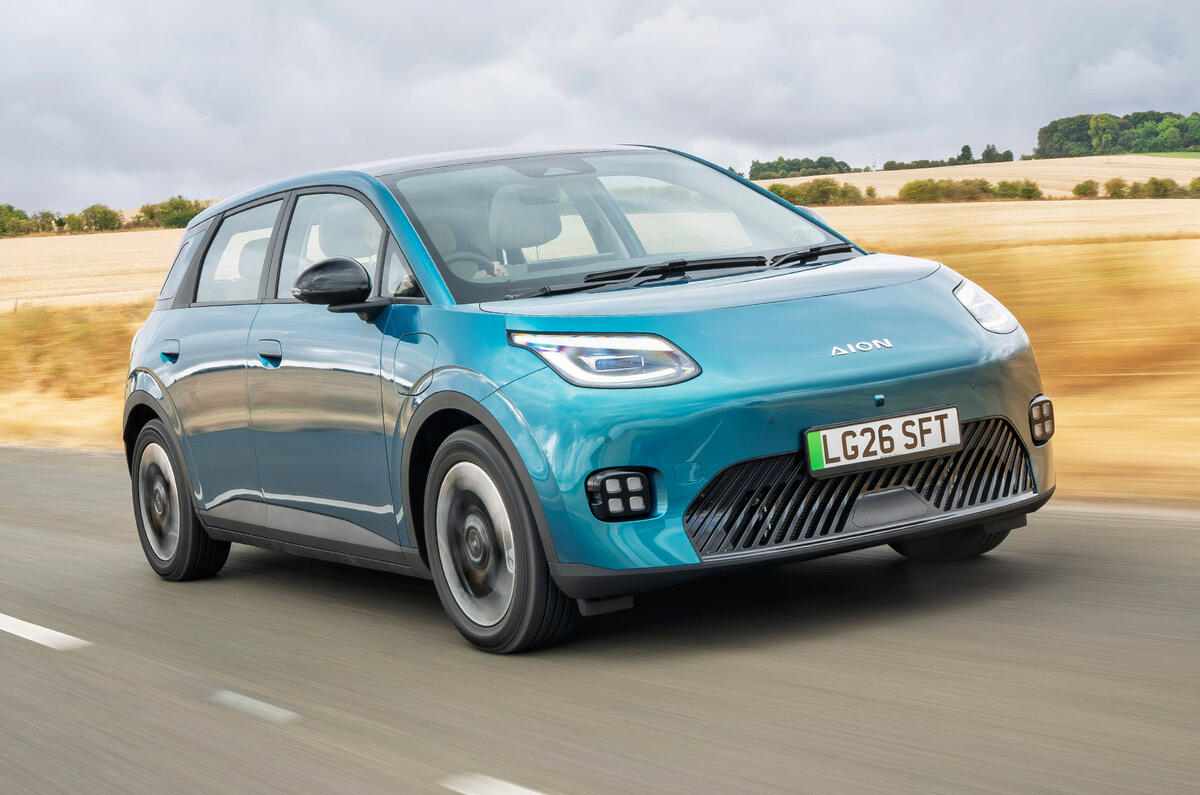
Meet the Aion UT, a new Chinese electric hatchback priced to rival B-segment EVs like the Renault 5 and Volkswagen ID Polo, but with the footprint to take aim at the MG 4 and VW ID.3.

If you’re unfamiliar with Aion, it's a brand owned by automotive powerhouse GAC, which also makes cars for the likes of Toyota and Honda for the Chinese market. 

The UT is the second model it has launched in the UK, following an electric family SUV called the V earlier this year. 

Advertisement

DESIGN & STYLING

Aion UT review 2026 002

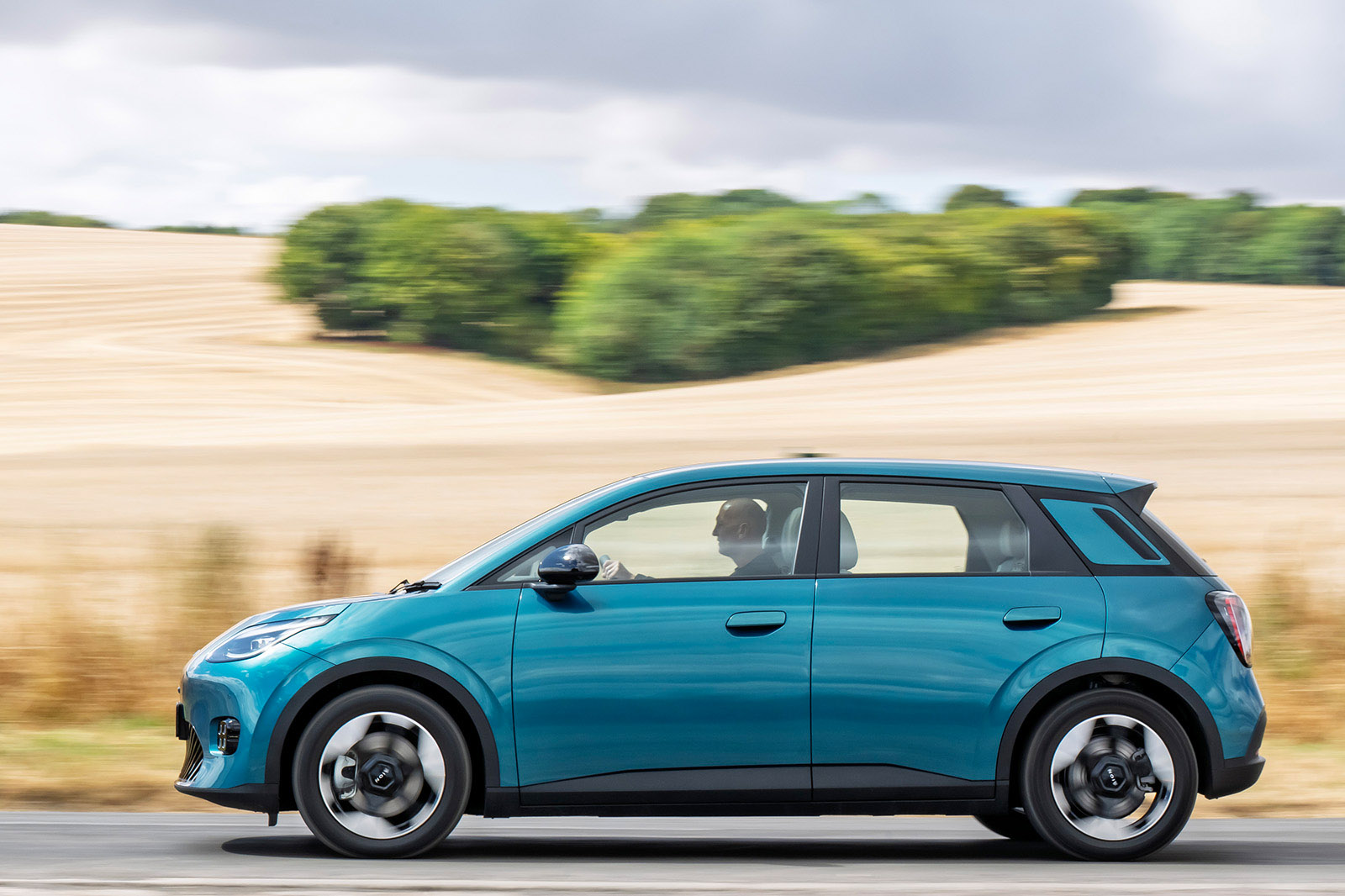
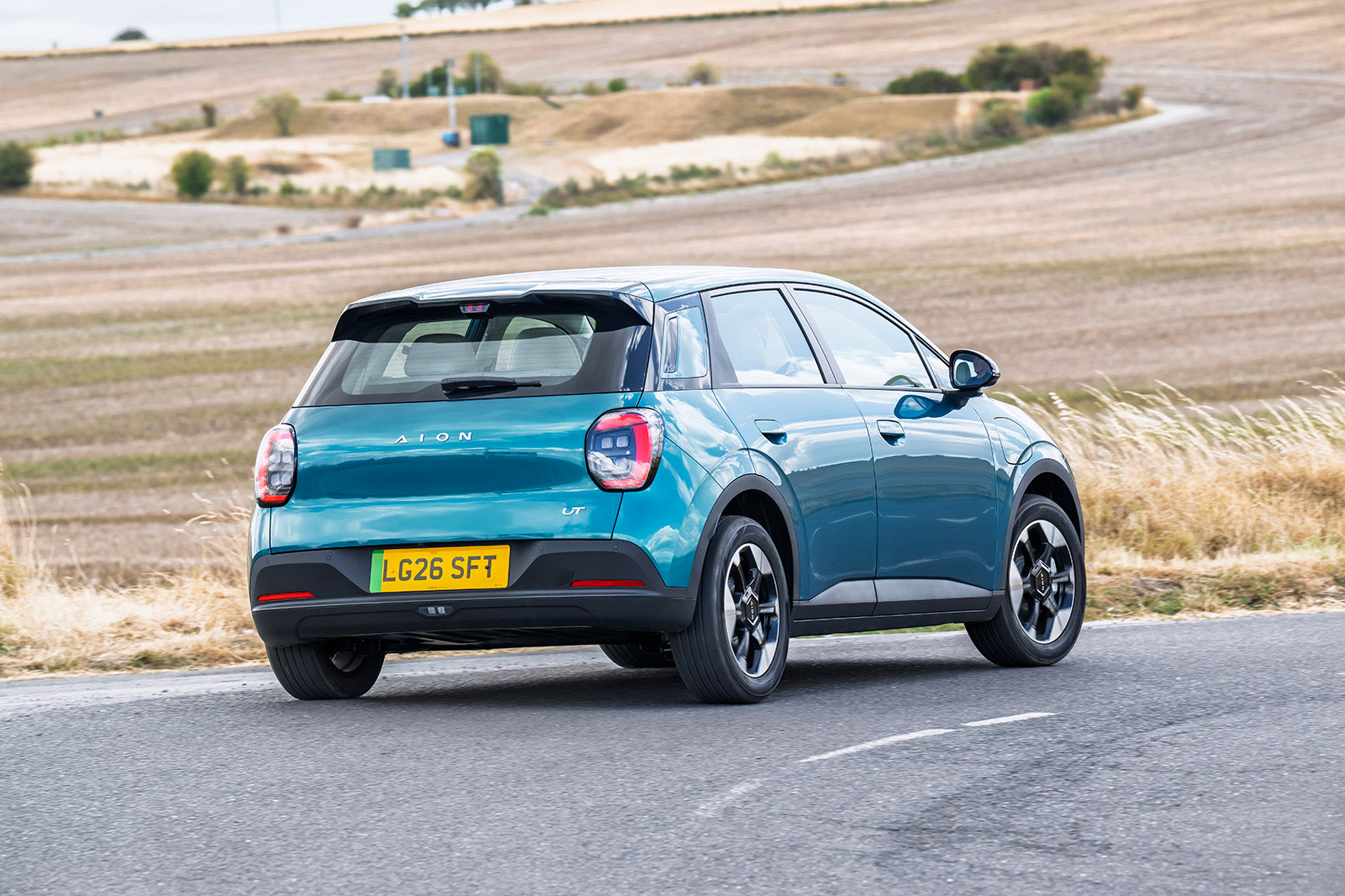
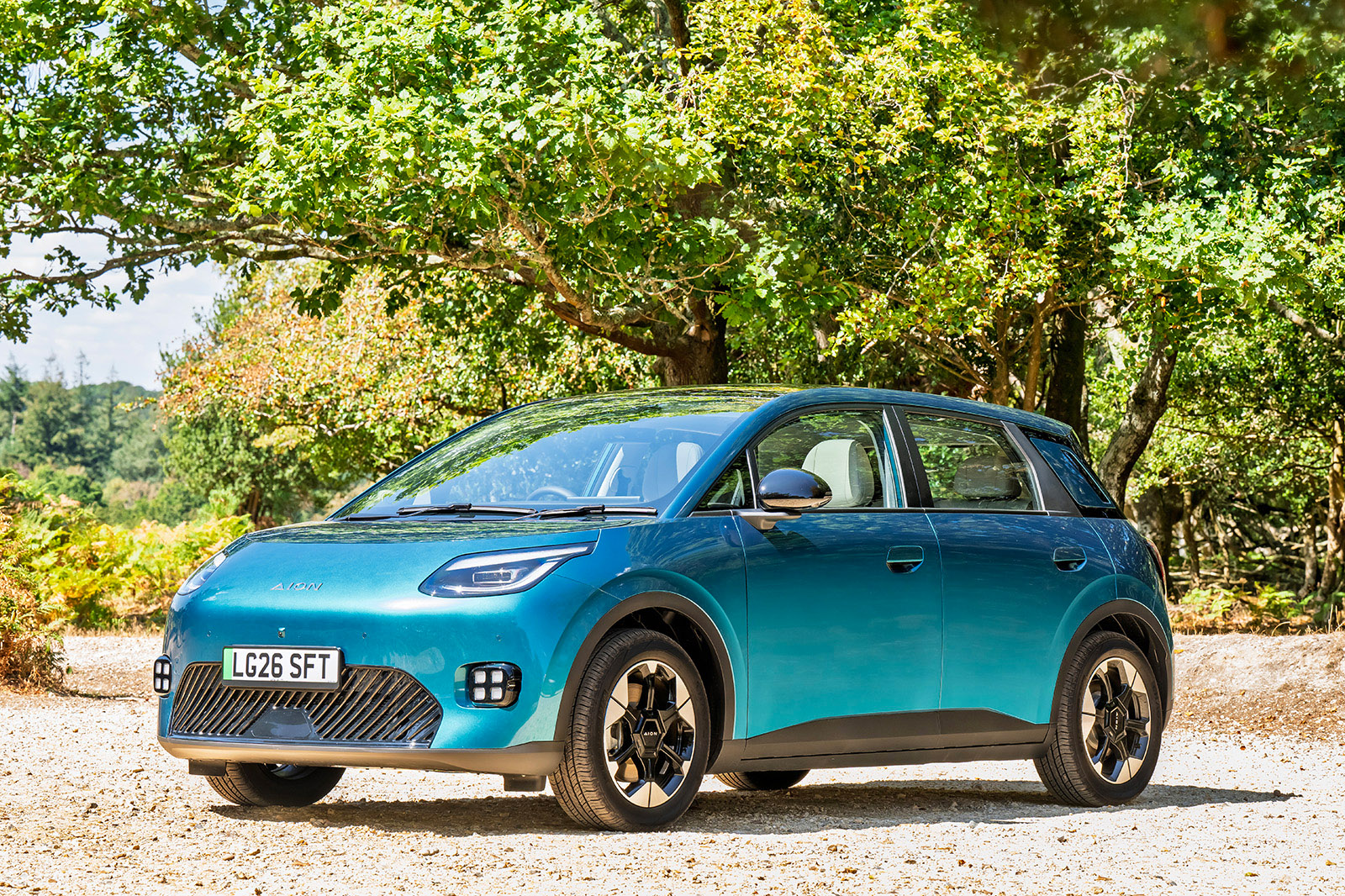
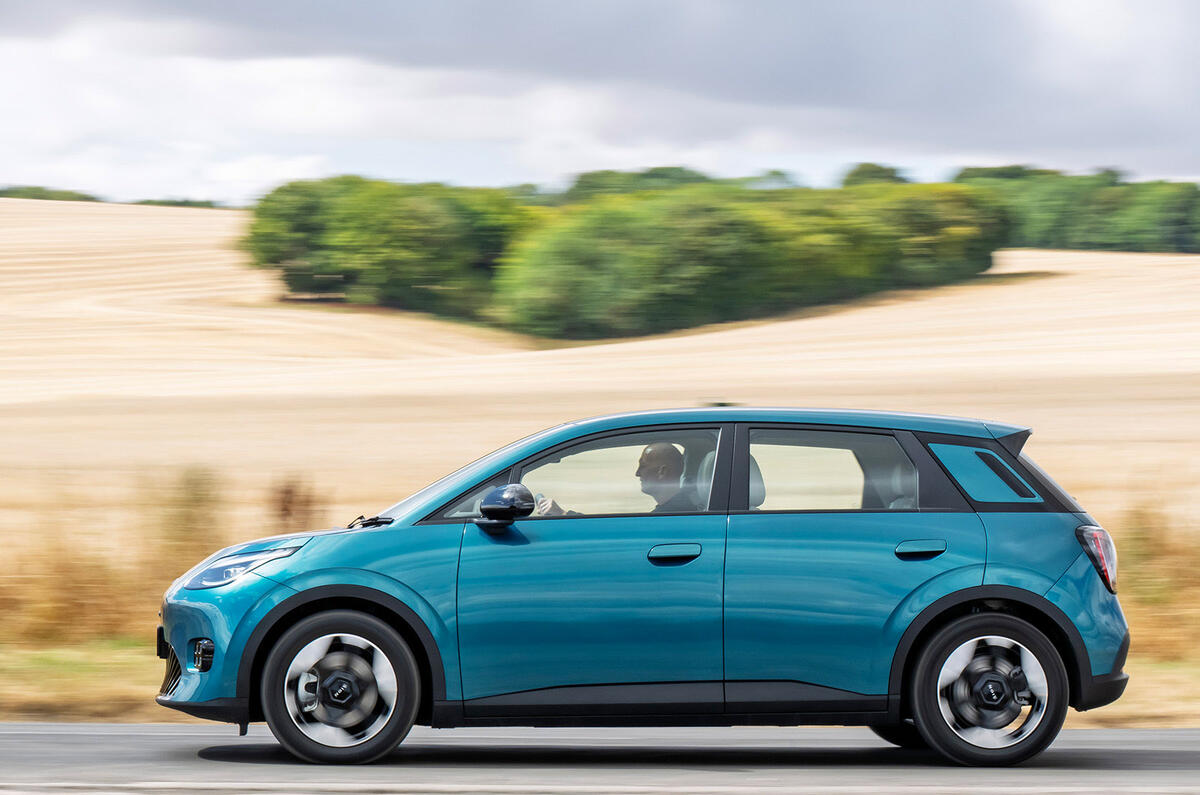
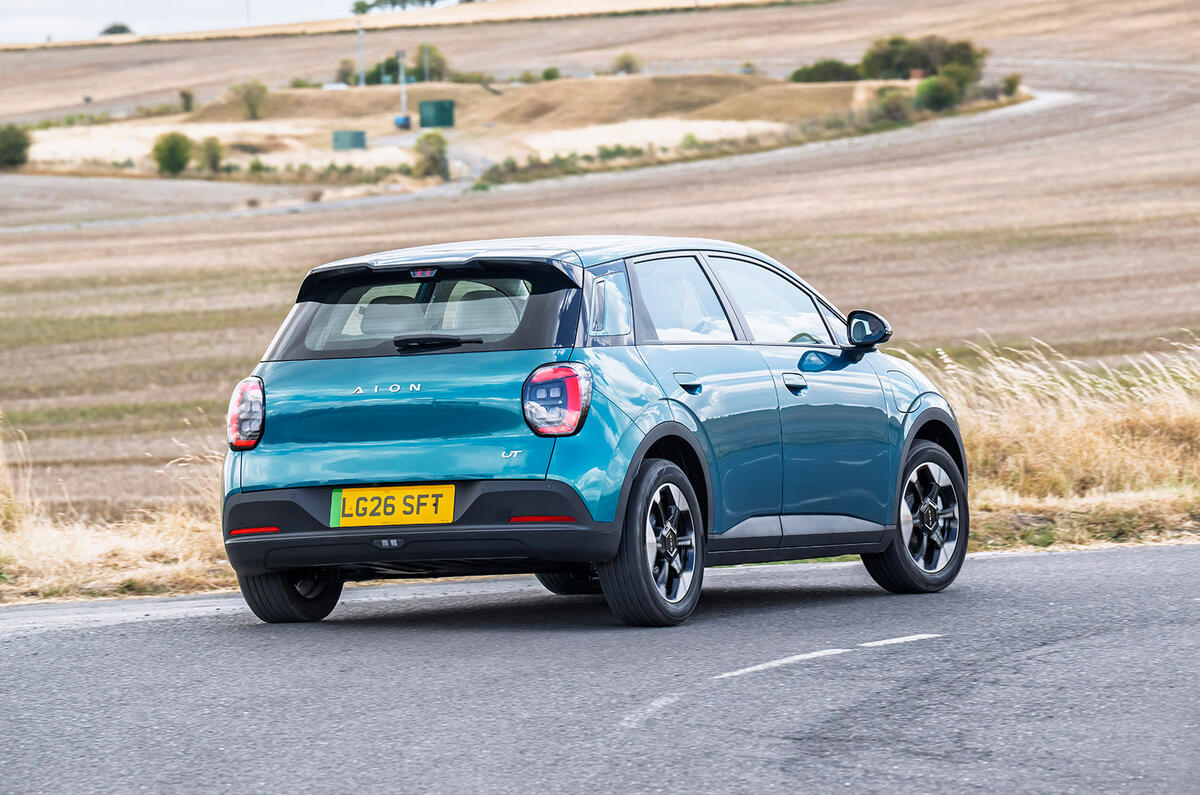
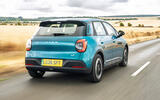
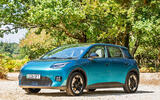
Riding on the same skateboard-style platform as the V, the UT measures 4270mm long, 1850mm wide and 1575mm tall, making it both longer and taller than the ID 3.

Its 2750mm wheelbase is longer than that of the MG 4 or BYD Dolphin, apparently owing to Chinese buyers' demands for greater interior space. 

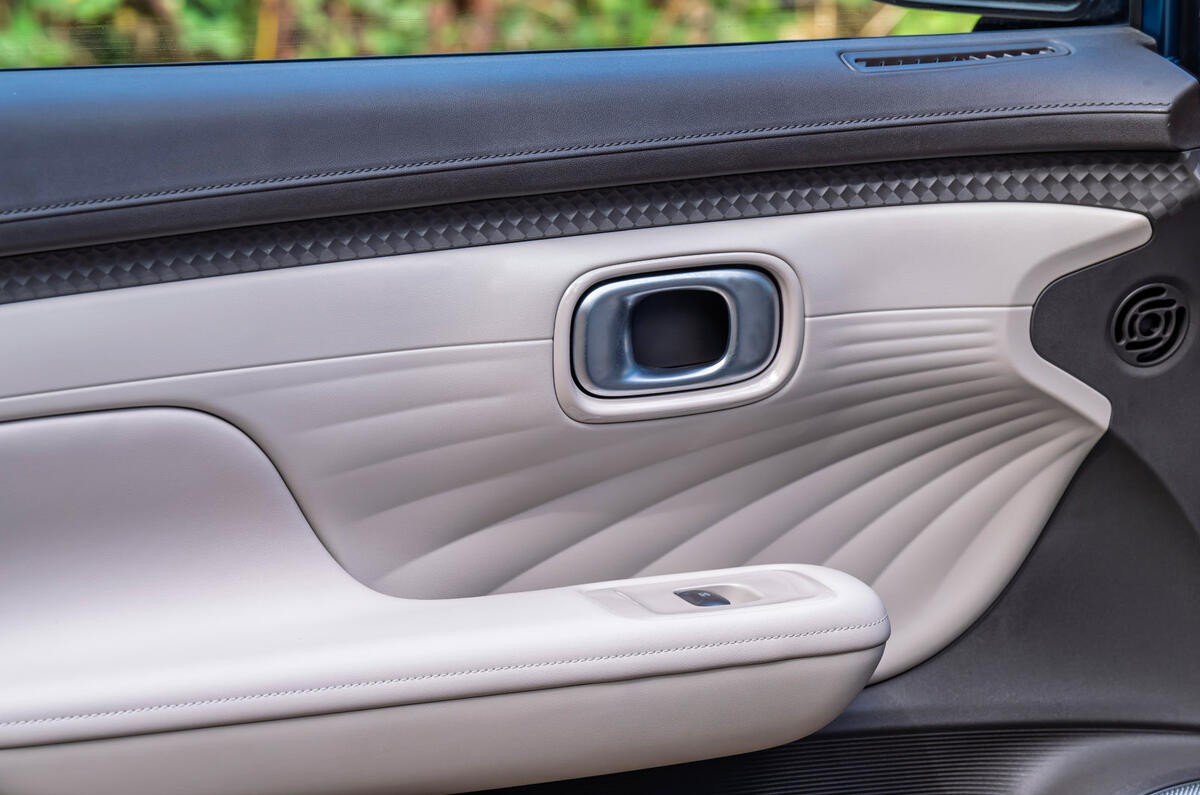
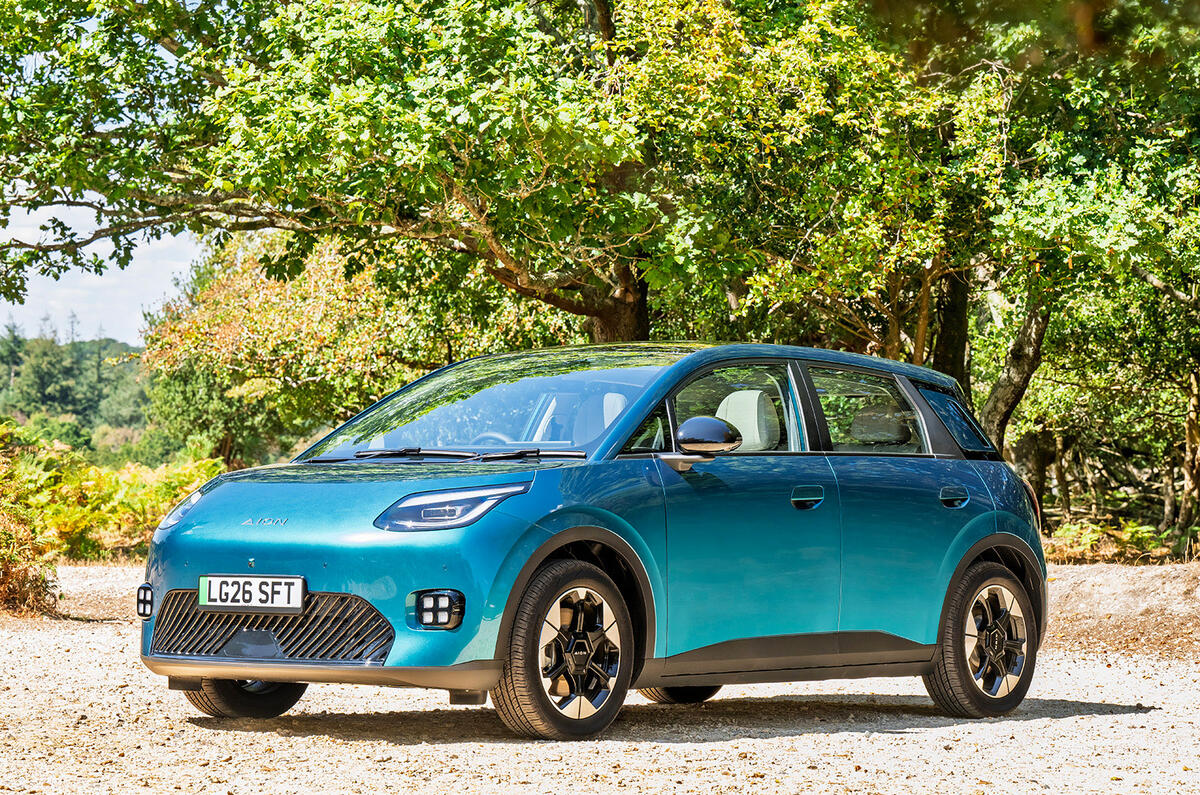
At least Aion's designers had the sense to fit the UT with proper, easy-to-use door handles.

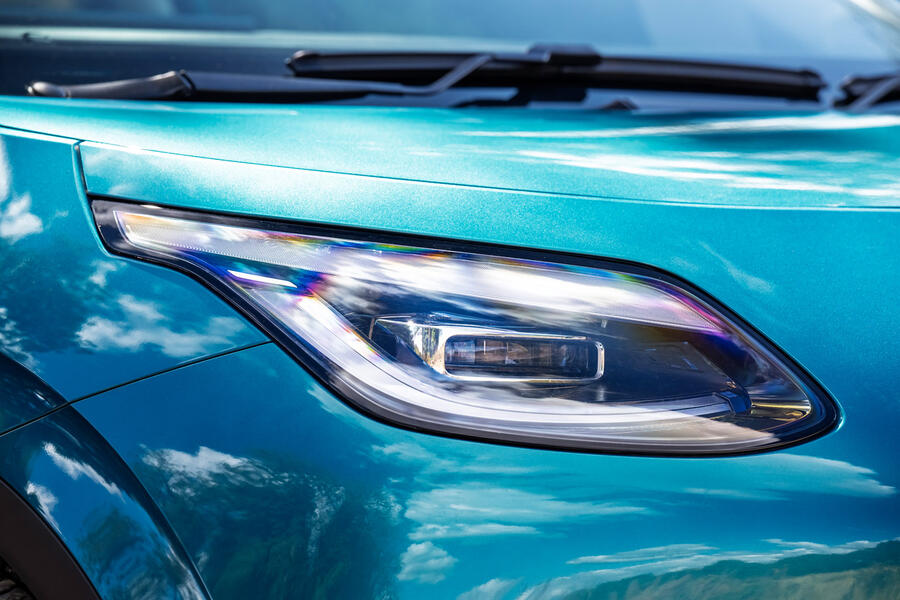
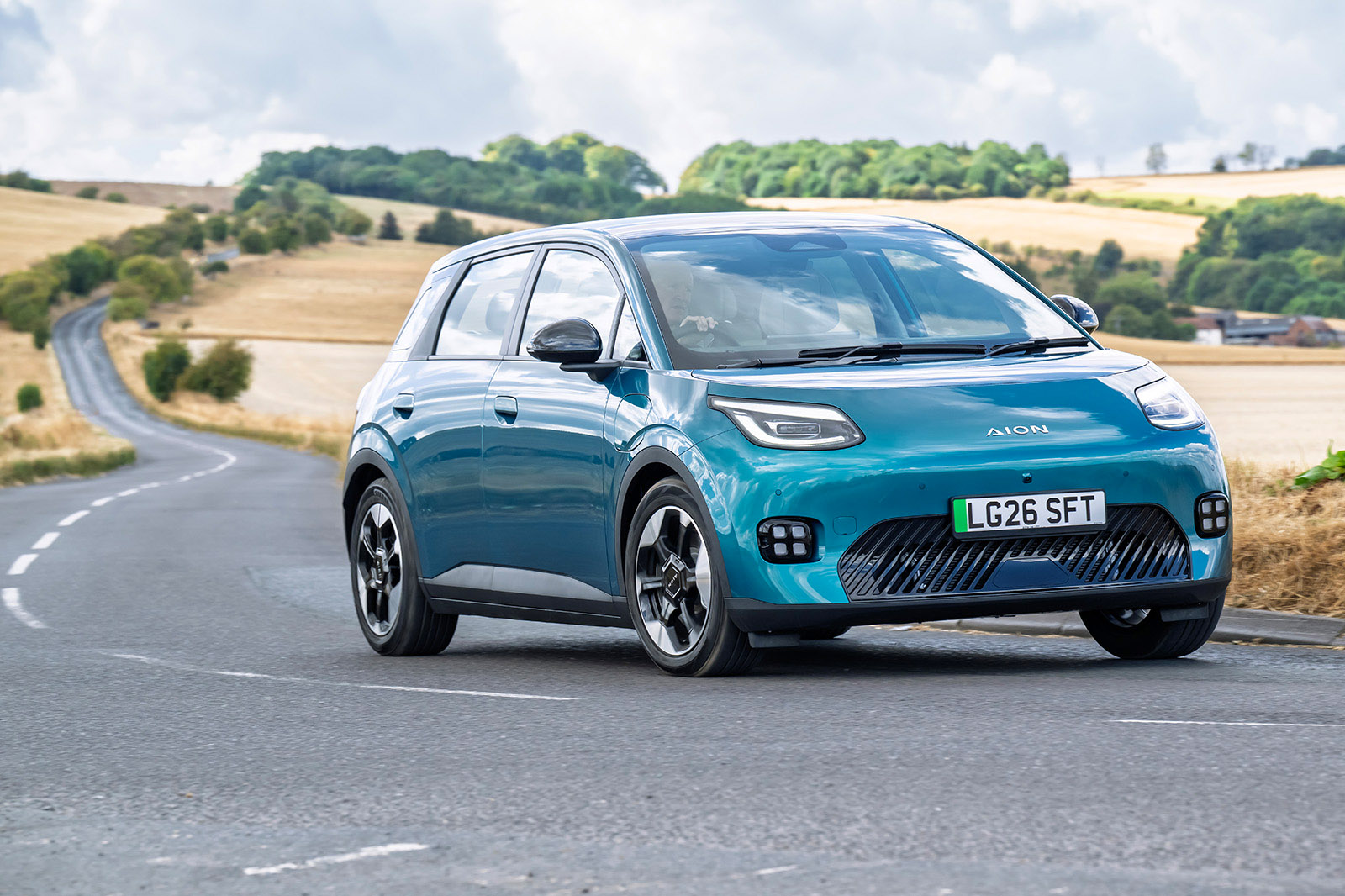
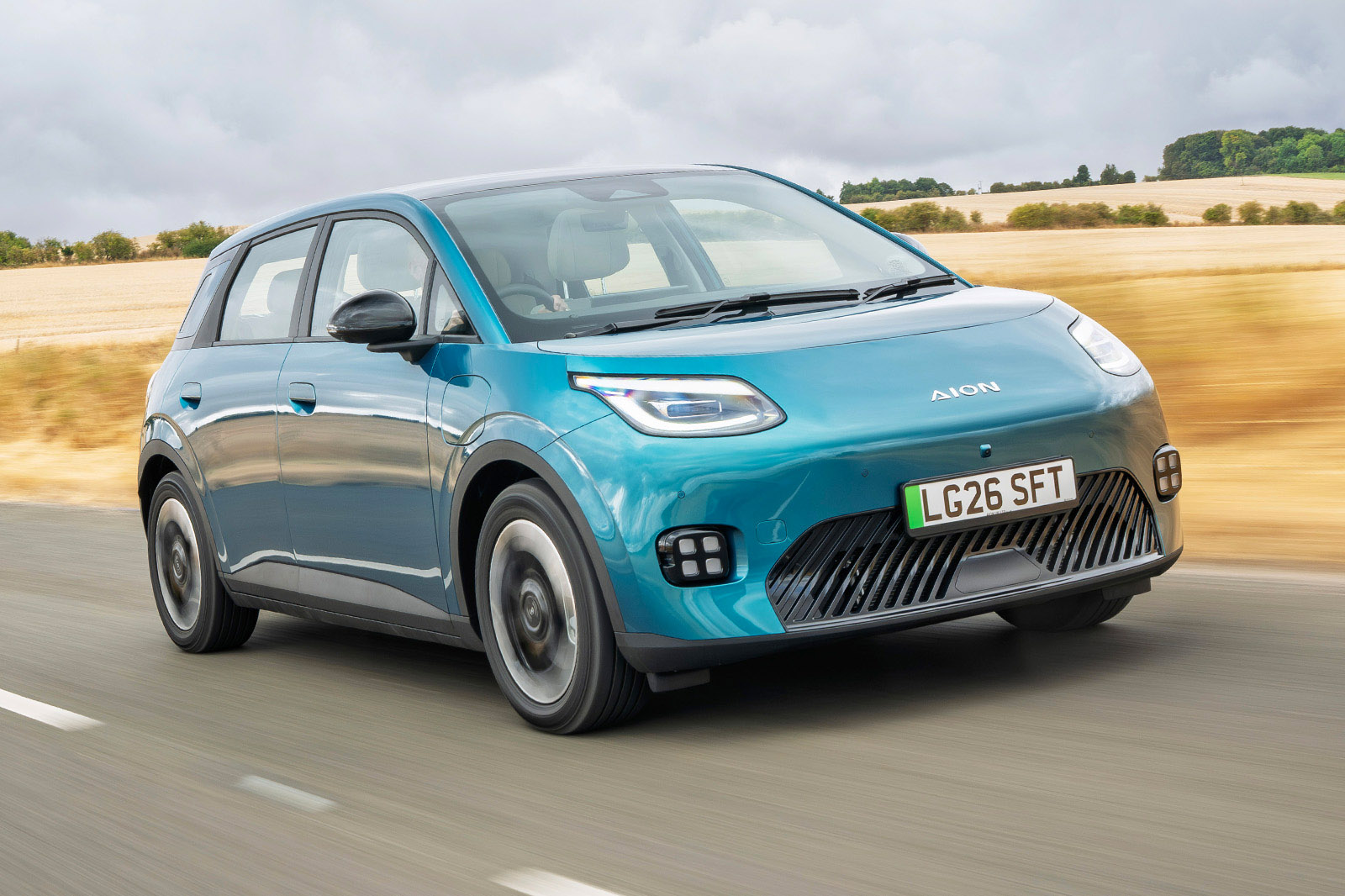
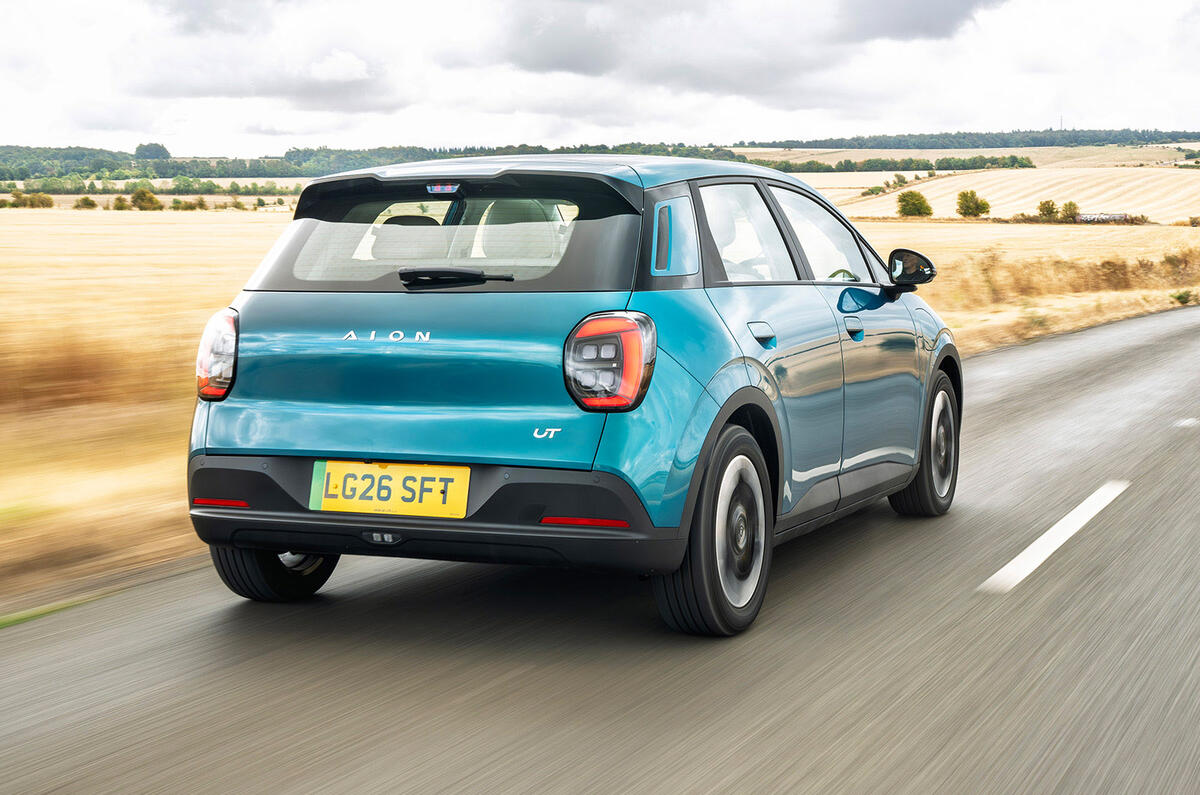
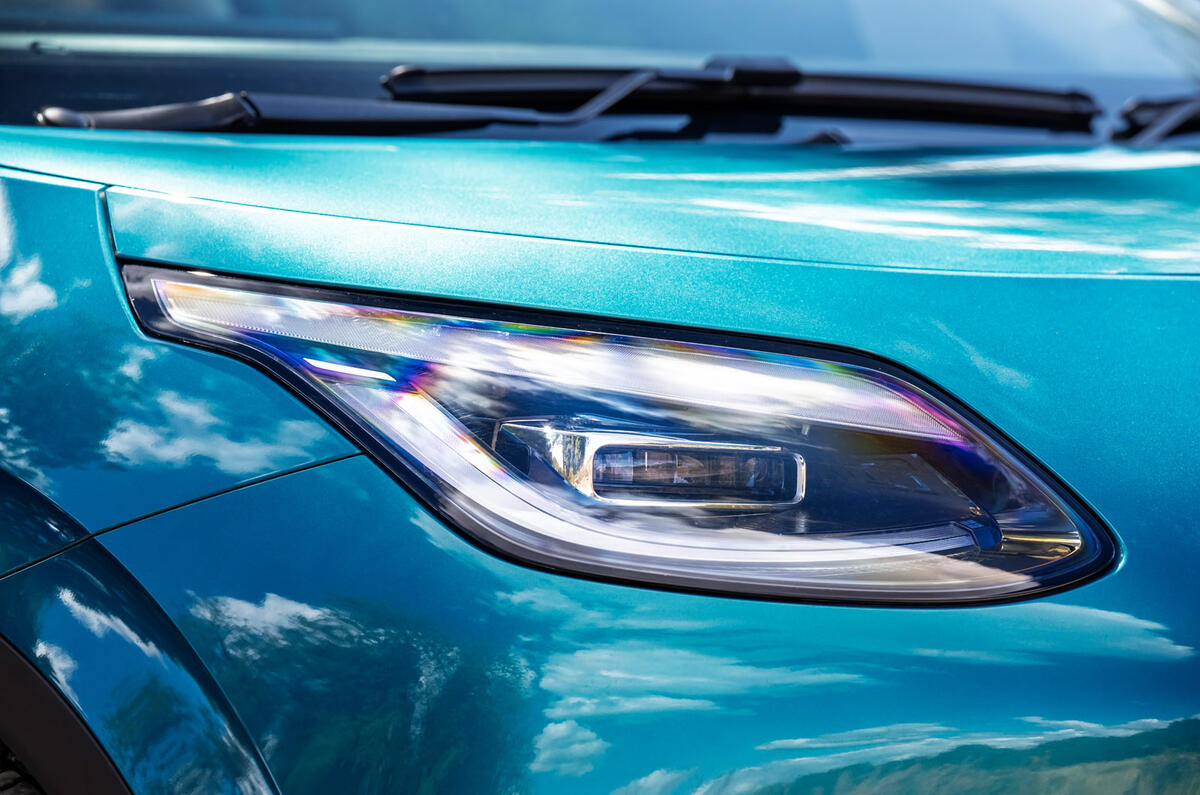
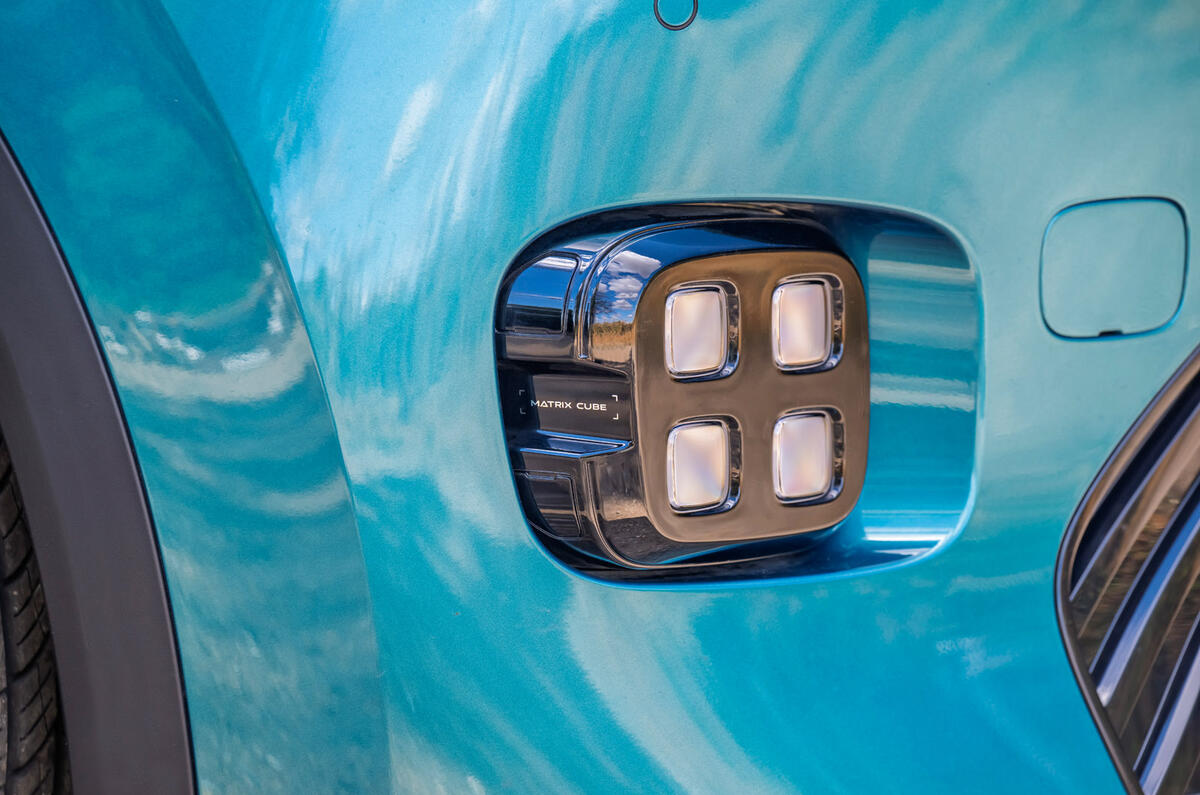
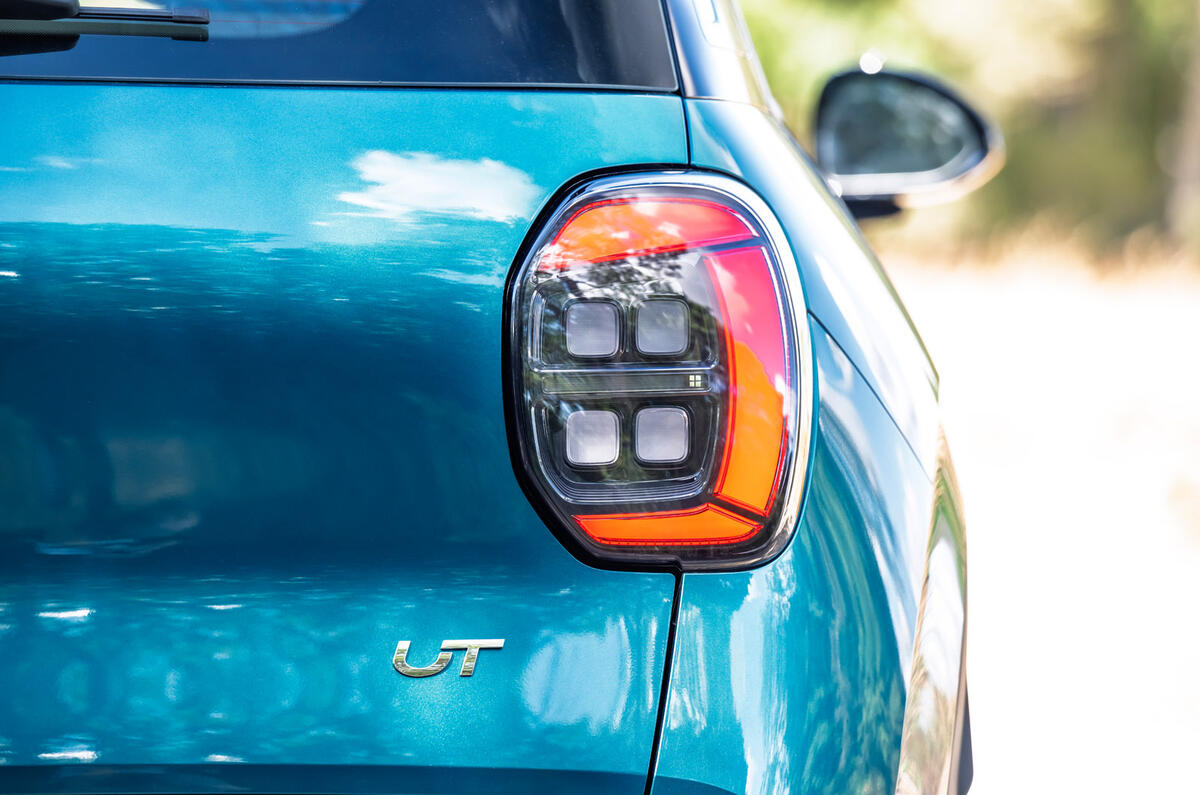
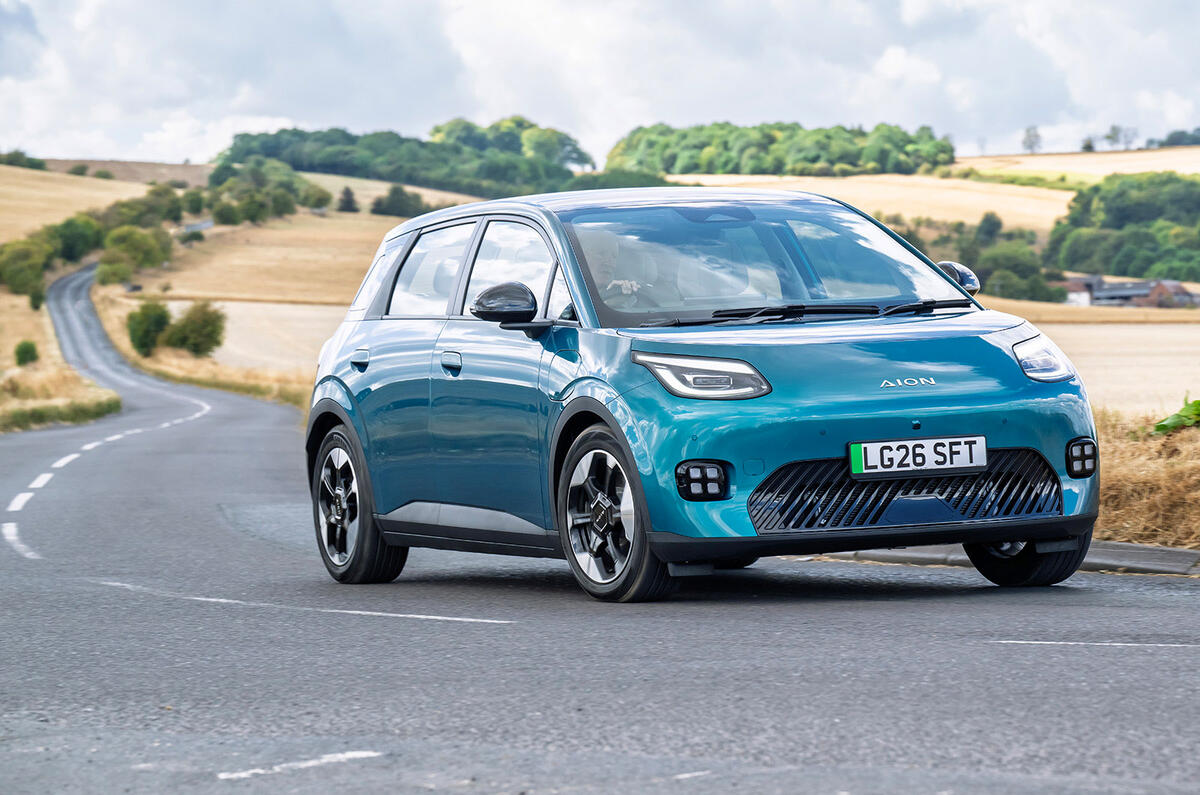
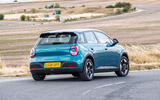
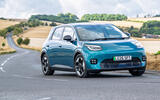
The UT was designed in Milan, but if this electric hatchback were to roll down the runway during Fashion Week, I fear it might not get many admiring looks. Design is of course subjective, but the UT’s frog-eyed look isn’t to my tastes. 

Squint at it from a distance and I can't help but notice a resemblance to the ID 3, with its cab-forward silhouette, short front and rear overhangs and two tone paint mimicking the Volkswagen.

Powered by a 60kWh lithium-iron-phosphate (LFP) battery, the UT can travel up to 268 miles on a charge, which is slightly less than the Long Range MG 4 (280 miles) or 52kWh ID Polo (281 miles).

INTERIOR

Aion UT review 2026 010

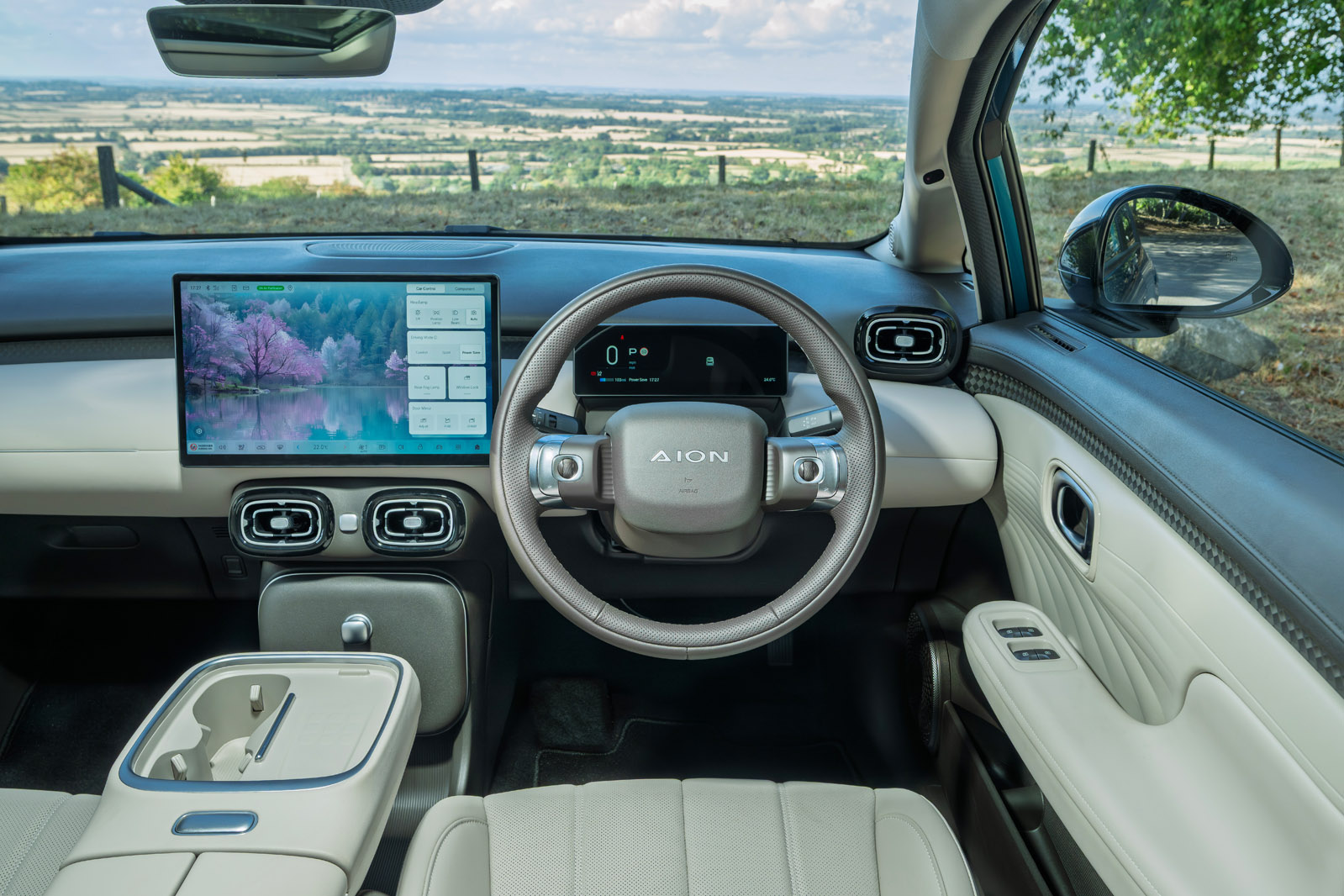
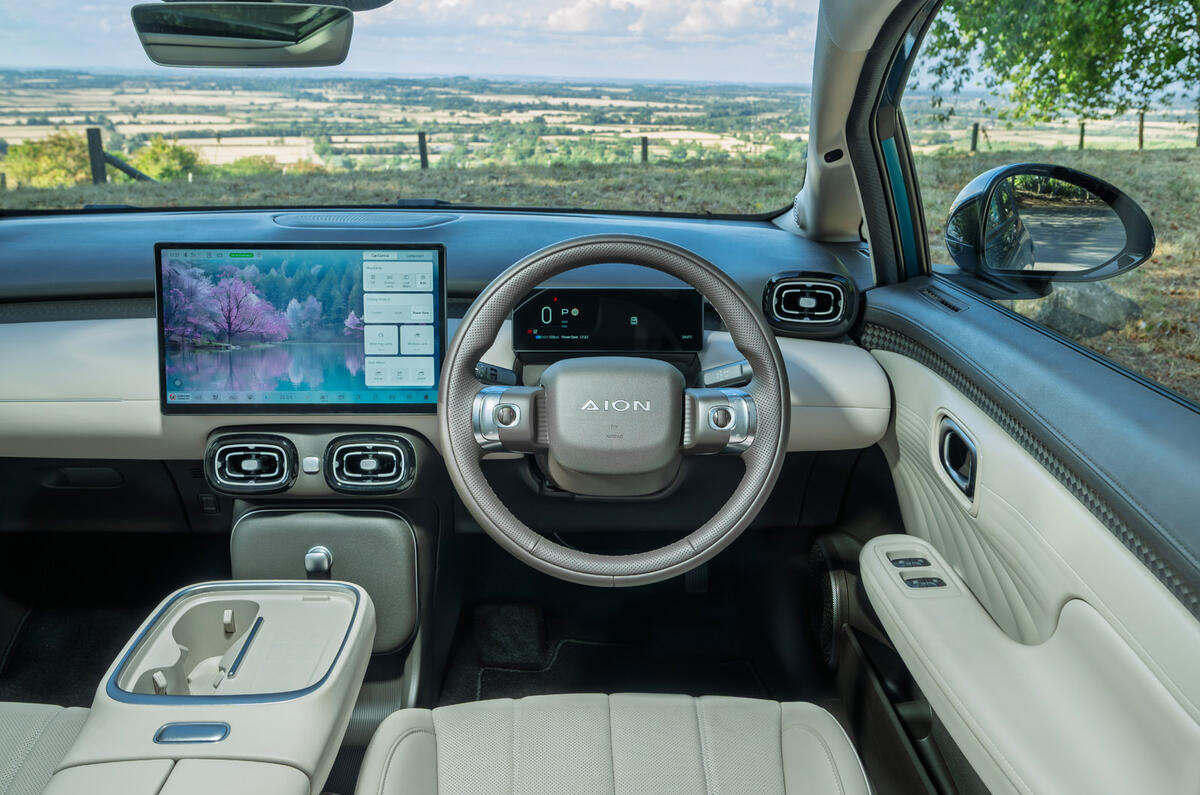
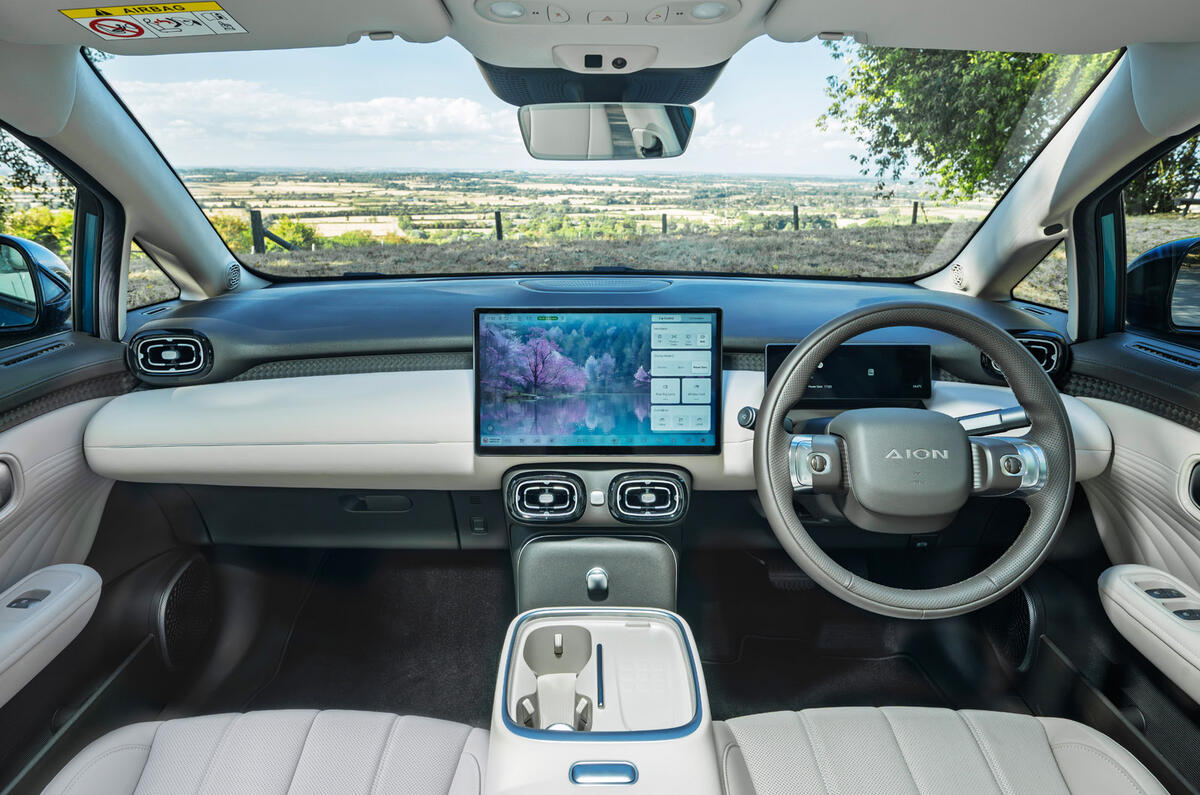
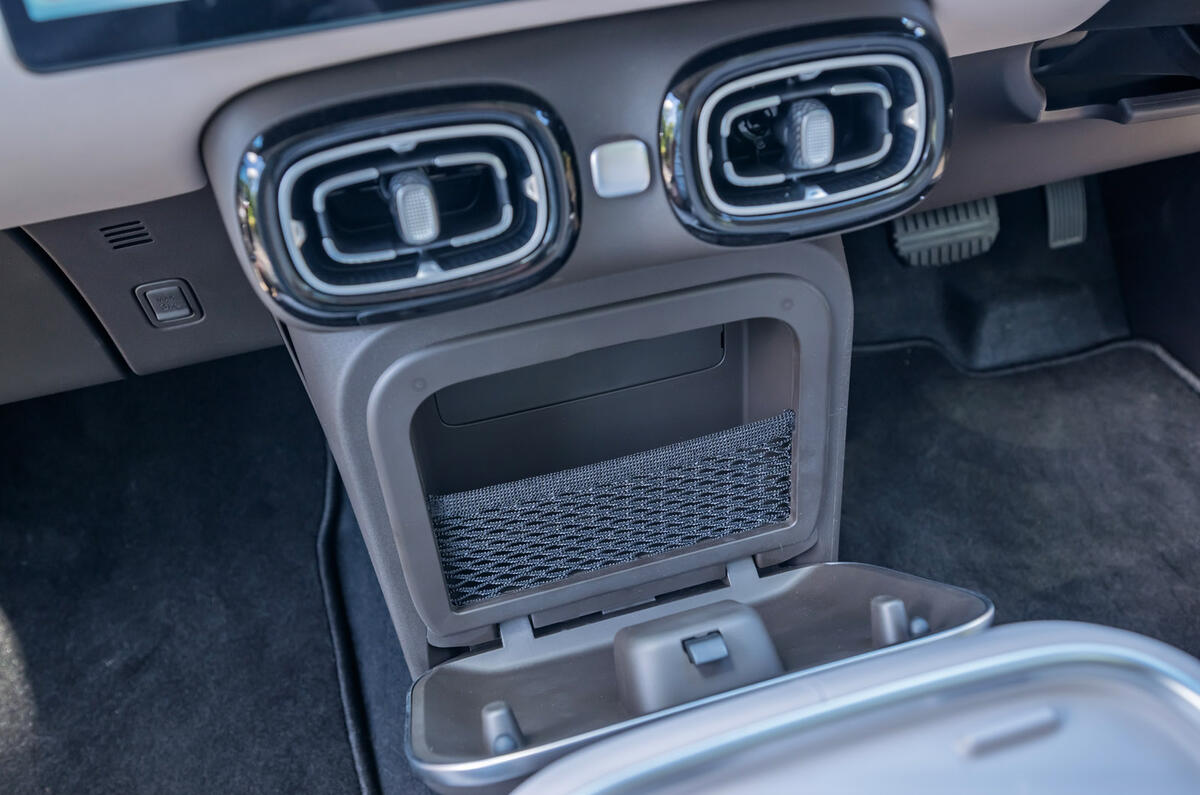
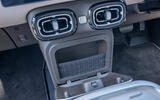
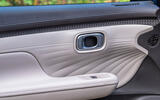
The interior is quite ordinary and bland in appearance, with chrome finished elements failing to an ambience burdened by scratchy plastics and cheap-feeling materials. 

The leatherette seats feel okay but perceived quality doesn't feel as high as that of the ID 3 or even the MG 4. 

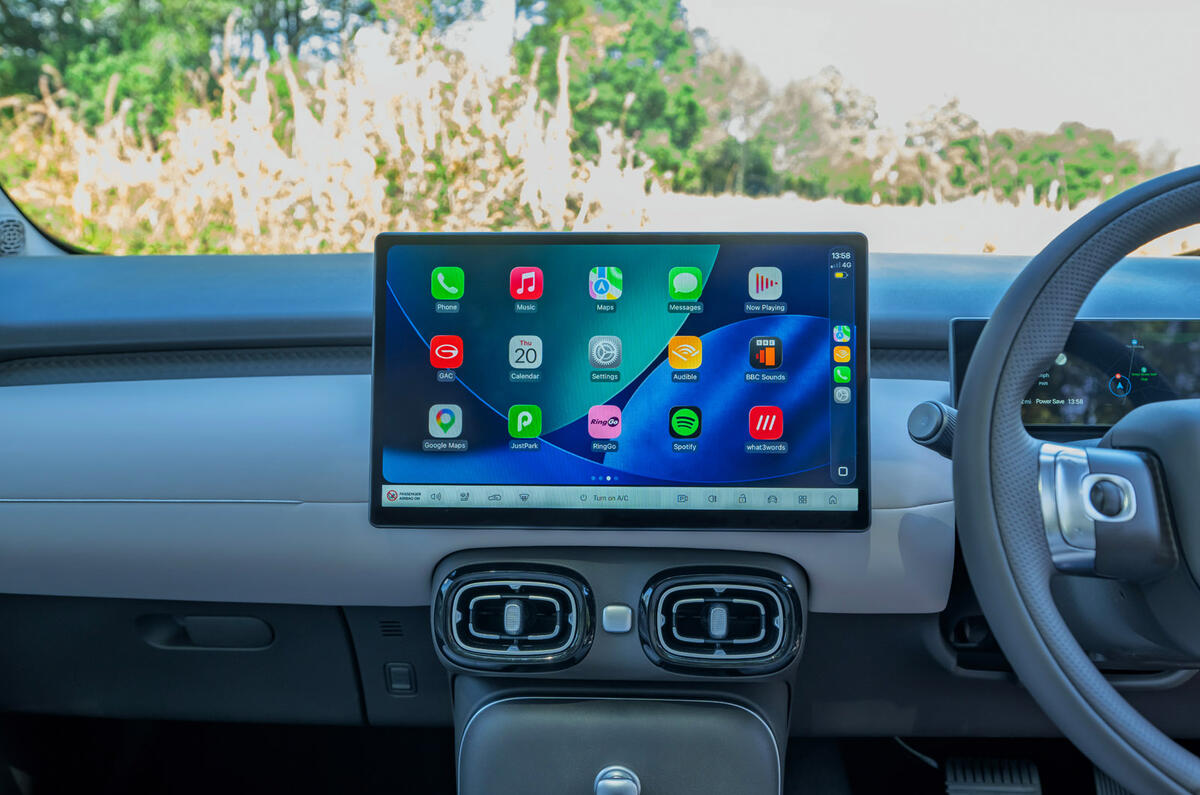
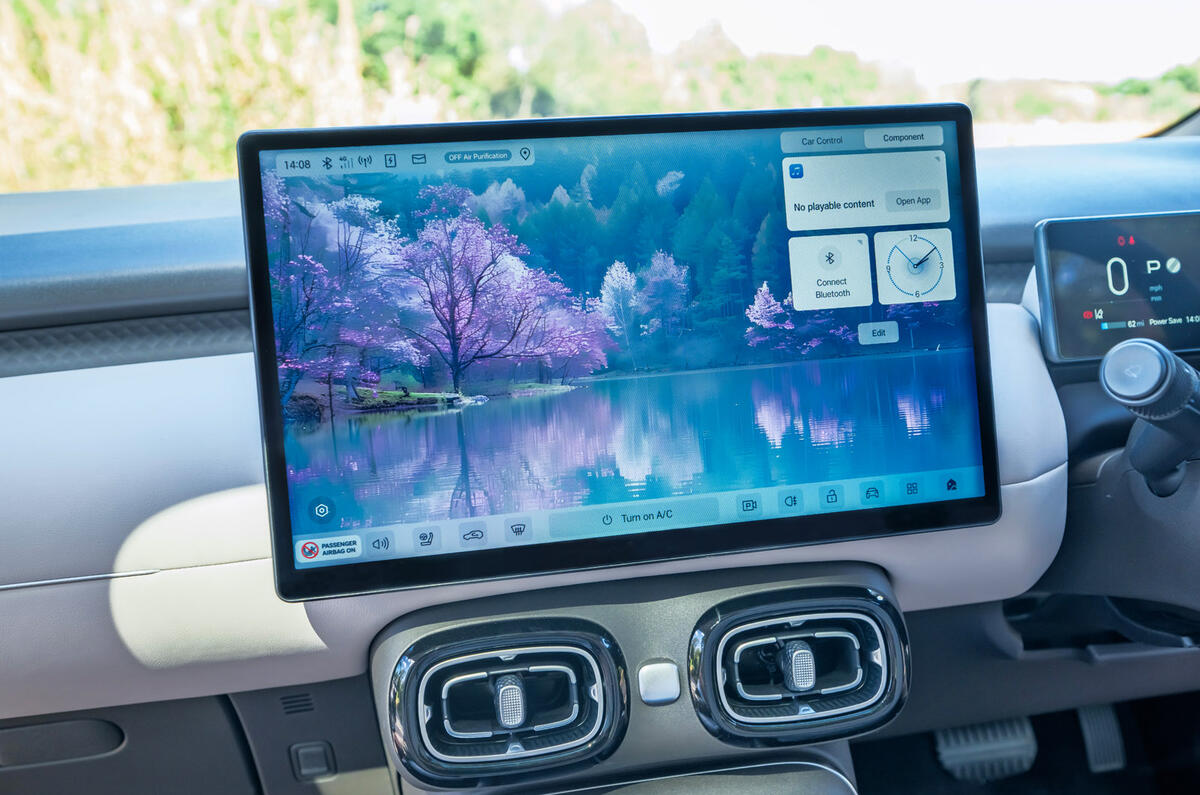
The infotainment home screen is poorly configured. Yes, you get some shortcuts on the right side, but why not use some of the empty space for more functions instead of burying them in sub-menus?

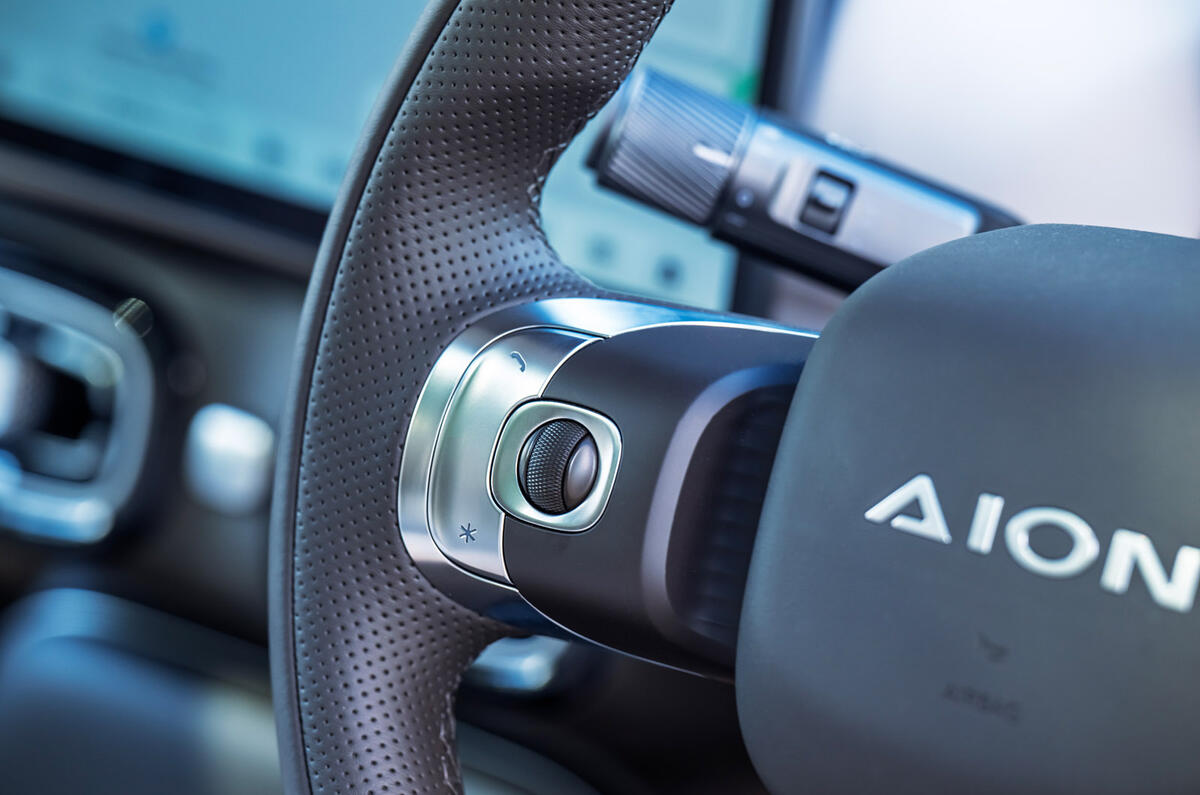
It's easy to find a good seating position using the electrically adjustable and comfortable seats, although it's a shame that the steering wheel can be adjusted only for rake. 

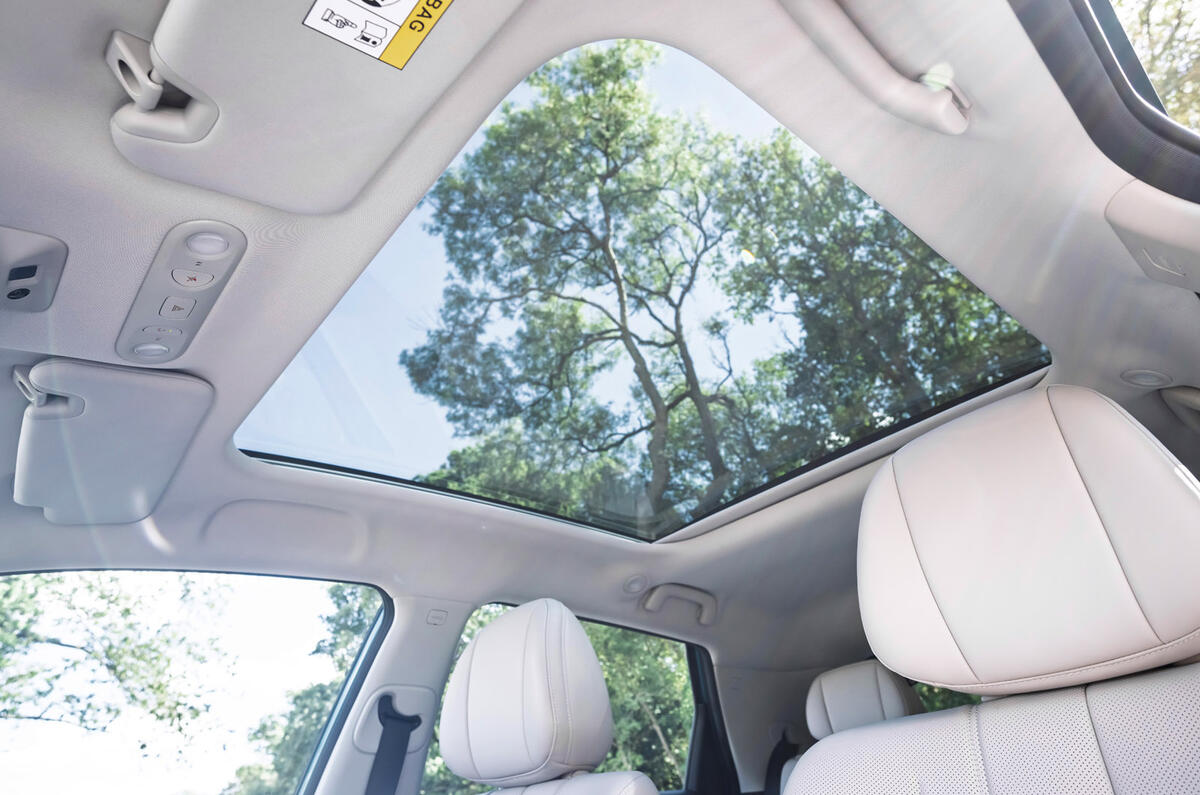
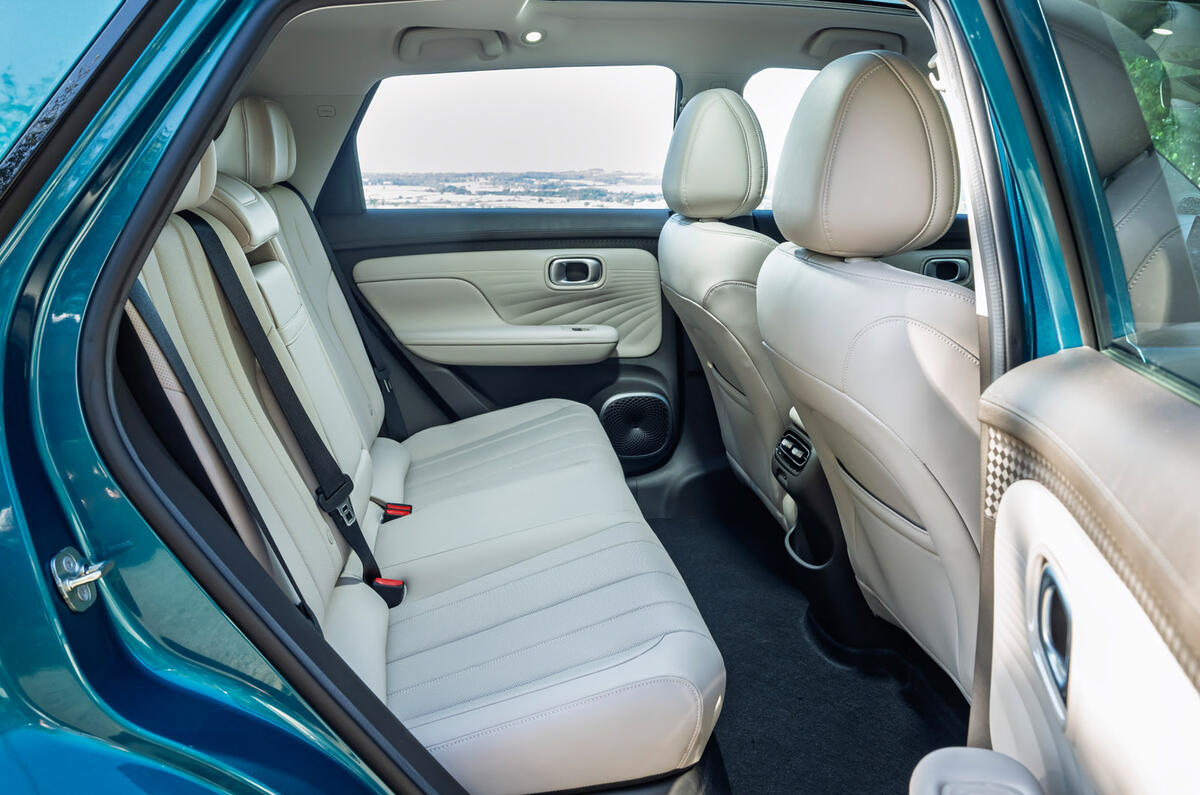
The panoramic roof ends just ahead of the rear passenger seats, which means head room is quite limited for adults. This isn’t helped by the fact that the rear bench is quite perched. 

Leg room is better and I could slide my feet underneath the seat in front, but it doesn’t feel as spacious as the ID 3 or MG 4.

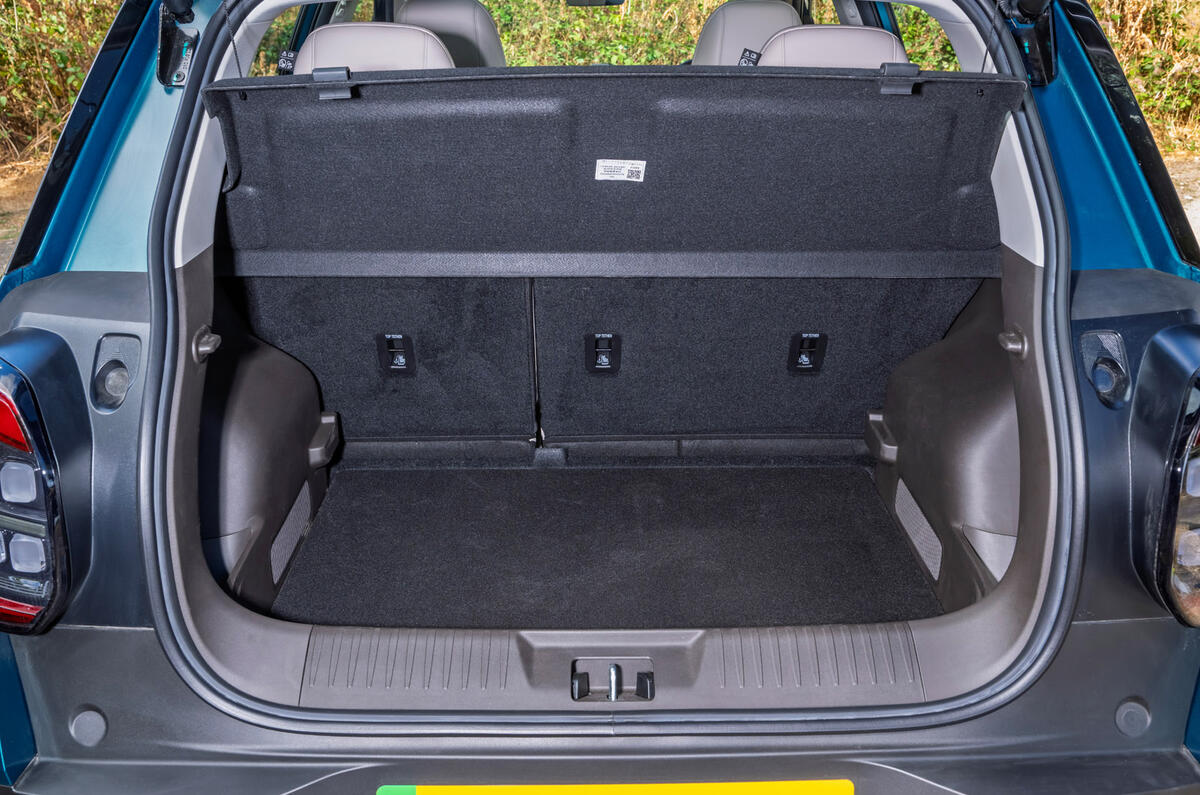
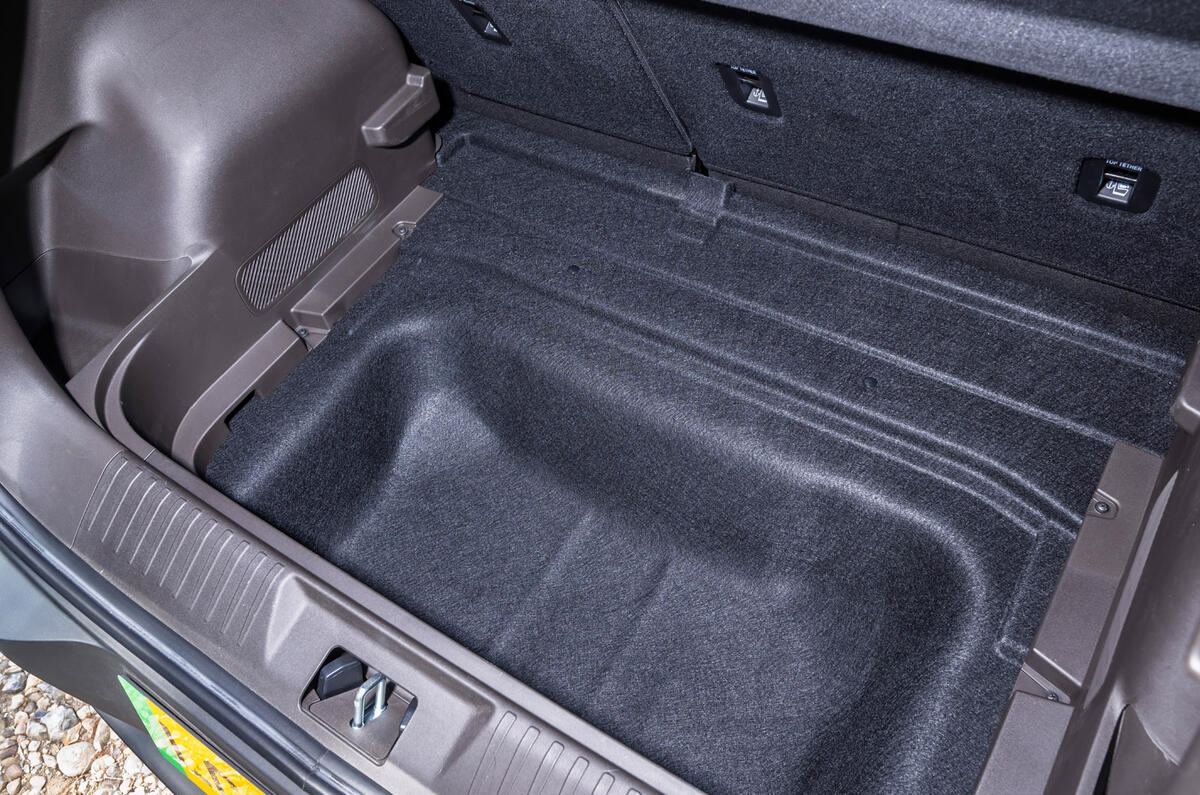
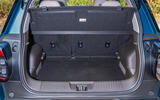
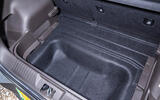
However, the 440-litre boot comfortably beats that of the ID 3 (385 litres) and MG 4 (363 litres) and has handy underfloor cable storage space.

The absence of physical switchgear inside means usability isn’t great. All functions are controlled via a 14.8in touchscreen, which does get some handy shortcuts for certain functions like the ADAS and mirror adjustment.

However, it's a convoluted system that uses far too many sub-menus; the tiny buttons also make it challenging to use on the move. 

ENGINES & PERFORMANCE

Aion UT review 2026 009

The UT’s front-mounted electric motor makes 201bhp and 155lb ft of torque for a 7.3sec 0-62mph time. It feels brisk enough, with sufficient grunt for getting up to speed on the motorway.

Pull out of a junction, however, and it takes a few seconds for the Chaoyang tyres (er?) to find grip. Even when accelerating from 30mph to 60mph the UT will occasionally scrabble for traction.

The Aion features three driving modes: Comfort, Sport and Power Save. I didn't feel much difference to the UT's accelerative performance when switched to Sport mode.

The regenerative braking system isn't particularly effective in slowing the car down when coasting. Even in its higher setting it doesn't markedly draw the car in, and I didn’t like having to dive into the touchscreen to adjust it. 

On a more positive note, isolation of both wind and road noise is good.

RIDE & HANDLING

Aion UT review 2026 008

The ride is pliant and generally comfortable. Around town it soaked up broken surfaces and larger lumps and bumps well, while also taking the sting out of potholes.

At 50-60mph, the ride becomes more fidgety, picking up subtle road cambers and surface troughs. While the UT is more settled on the motorway, high-speed undulations can reveal a lack of vertical body control. Hit a sudden dip and the body briefly becomes loose and bouncy. 

The gently paced steering, while lacking in feedback, is accurate and predictable. There’s some weight to it, but it doesn't make you want to hustle it down a rural back road. 

Ultimately, the MG 4 feels like a better car to drive, thanks to its uncorrupted steering and more agile handling. 

What about the UT’s ADAS minders? The safety systems are controlled via the central touchscreen, but the home menu shortcuts make them easy to disable. 

However, the full list of systems are buried in a sub-menu – something you’ll want to do  given how intrusive some ADAS are. 

Glance away from the road to use the screen and the driver monitoring system berates you. The lane-keep assist is equally overzealous, frequently panicking on narrow rural roads and chiming about the verge, which I was nowhere near to. 

MPG & RUNNING COSTS

Aion UT review 2026 001

The UT returned 4.0mpkWh during testing, equating to a real-world range of around 240 miles.

Prices start from £28,950, but our Premium Pack test car – which gets extras like a panoramic roof and electric tailgate – comes in at £30,150. 

A maximum charging speed of 87kW is underwhelming when the MG 4 peaks at 150kW. It means a 10–80% top-up will take 32 minutes.

With this pack fitted, the UT is marginally dearer than the entry-level MG 4 (£29,995), which can travel farther, charge faster and is nicer to drive and ride around in, It's more competitive against the ID 3, though, being around £5000 cheaper than the 59kWh version. 

Against electric superminis, the UT doesn’t fare much better: the 52kWh ID Polo offers a longer range (282 miles) and a similar boot capacity for (441 litres) for £28,300. You can get an entry-level Skoda Epiq with more range and boot space, too, for around £27,000. 

VERDICT

Aion UT review 2026 021

The Aion UT is far from a bad car. It has a large boot, a generous amount of standard kit and a comfortable ride, all for less than £30,000. But in the dog-eat-dog small EV class, it can't really compete with its rivals. 

The cabin feels cheap, the touchscreen lacks usability, charging is slow and it’s drive lacks the same polish as the MG 4 and Volkswagen ID 3. B-segment alternatives can also match it for space and range, too.

The UT is a reasonable first effort but one that finds itself awkwardly sandwiched between two very competitive classes. 

Sam Phillips

Sam Phillips
Title: Senior Staff Writer

Sam joined the Autocar team in summer 2024 and has been a contributor since 2021. He is tasked with writing used reviews and first drives as well as updating top 10s and evergreen content on the Autocar website. 

He previously led sister-title Move Electric, which covers the entire spectrum of electric vehicles, from cars to boats – and even trucks. He is an expert in new car news, used cars, electric cars, microbility, classic cars and motorsport. 

Sam graduated from Nottingham Trent University in 2021 with a BA in Journalism. In his final year he produced an in-depth feature on the automotive industry’s transition to electric cars and interviewed a number of leading experts to assess our readiness for the impending ban on the sale of petrol and diesel cars.