





The BMW iNext, an electric SUV with advanced autonomous systems, will be unwrapped later today (11 November) as the next step in the brand's transition to a maker of electric vehicles.
The wraps have come off: See the all-new iX here
Making its first production-spec appearance as part of a wider event looking "ahead to the future of mobility", the iNext sits on a radical new platform and will provide the “building blocks” for the BMW Group’s future.
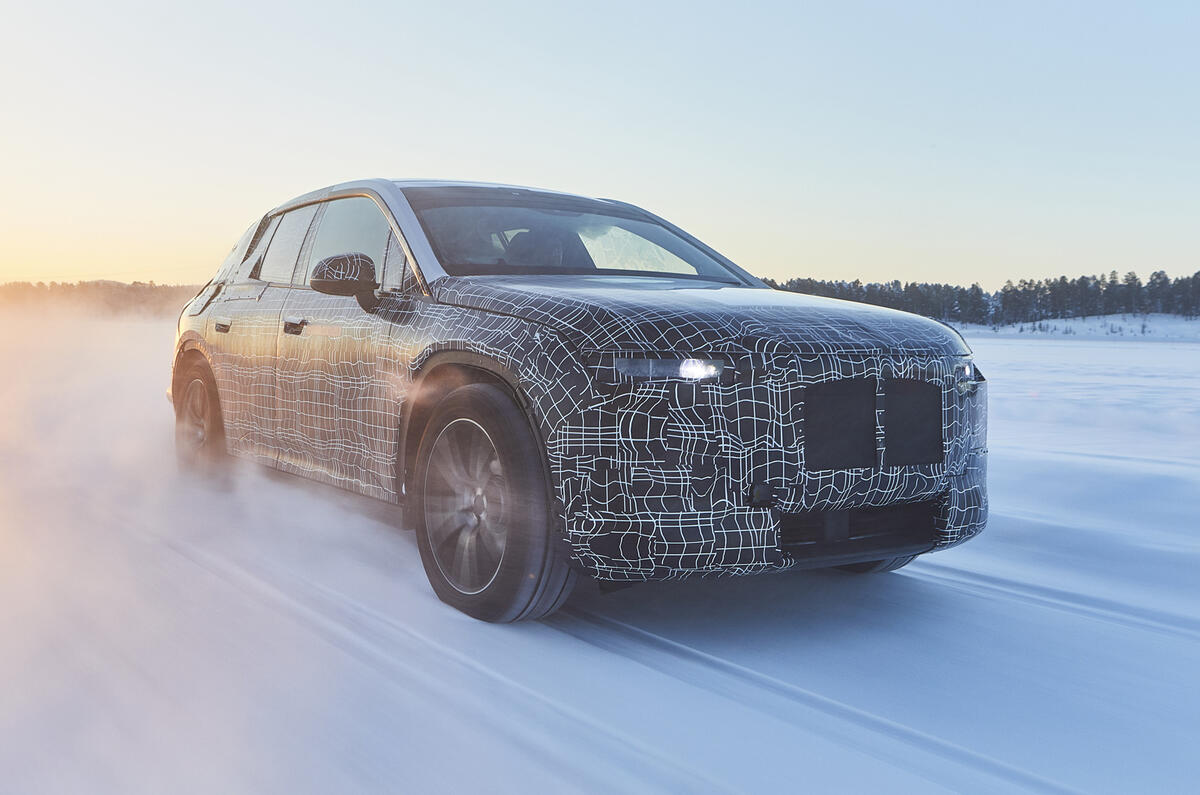
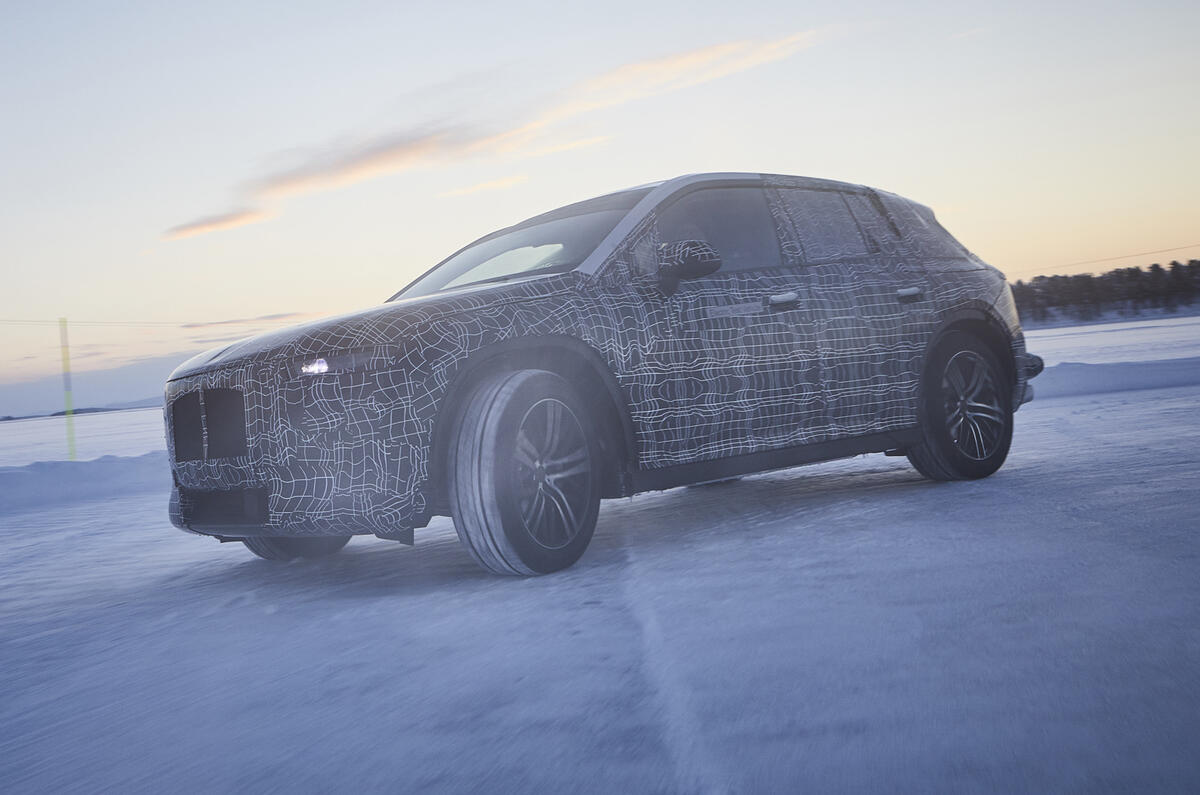
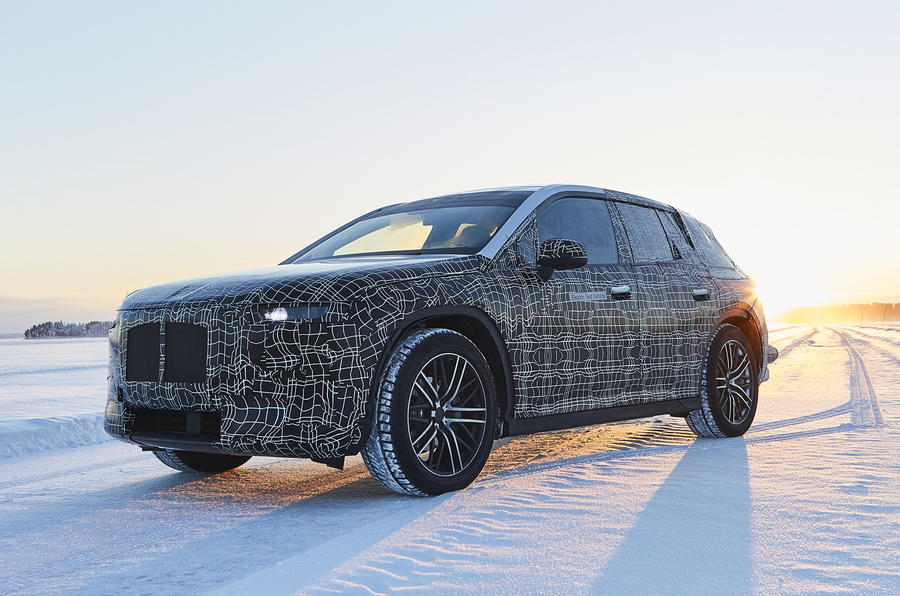
Official images previously showed the production car testing in prototype form in Sweden ahead of an expected sales launch in 2021. While the iNext is a similar size to the X5, BMW has said that it represents ‘Project i 2.0’, sitting outside of its planned range of electric 'i' SUVs as a new ‘technology flagship’ for the brand.
The test car was running at BMW’s winter testing facility in Arjeplog, Sweden, and features a number of notable differences from the concept first shown in 2018. The backwards-opening rear doors have been replaced by a conventional pair and larger B-pillars have been added. While disguised, the grille on the test car is a more standard item than the concept's bold translucent panel that is used to house many of the autonomous systems.
The iNext will be built at BMW's Dingolfing plant in Germany from 2021. It will be the first car from the firm to use a new platform that will be able to spawn conventional internal combustion engine (ICE) vehicles, plug-in hybrids and electric cars using the same basic architecture and on the same production line. This will underpin future BMW models from the 3 Series upwards and allow a rear-engine configuration in some.
BMW will build all of its future models on one of two platforms – one for front-wheel drive cars and one for those with rear-wheel drive or four-wheel drive.
On the latter platform, electric cars will have a rear-mounted drivetrain as standard. Plug-in hybrids will have a rear-mounted electric motor and a transversely-mounted engine driving the front wheels. Electric models will retain the classic BMW rear-wheel-drive layout.
Other options will include twin-motored, four-wheel-drive electric cars and conventional mechanical four-wheel-drive ICE models.
BMW sources say the maximum range of the electric models could be up to 450 miles in future X-series models (which are likely to have a bigger battery capacity), while the plug-in hybrids will manage a range of around 60 miles.