
Jaguar Land Rover recorded 6% growth in revenue and a 1.7% increase in retail sales in the tax year ended 31 March, despite being hit hard by a heavy downturn in domestic demand.
Global sales totalled 614,309 cars for the tax year — a new high for the company. However, British sales tumbled by 12.8% and European demand was down by 5.3%.
JLR CEO Ralf Speth said that it was strong demand in key overseas market that “offset the challenging conditions in the UK and other parts of Europe”.
Much of the global increase can be attributed to China, where sales were up 19.9% year on year. North American sales also rose 4.7% in the 12 months.
Aston Martin records profit for fifth consecutive quarter
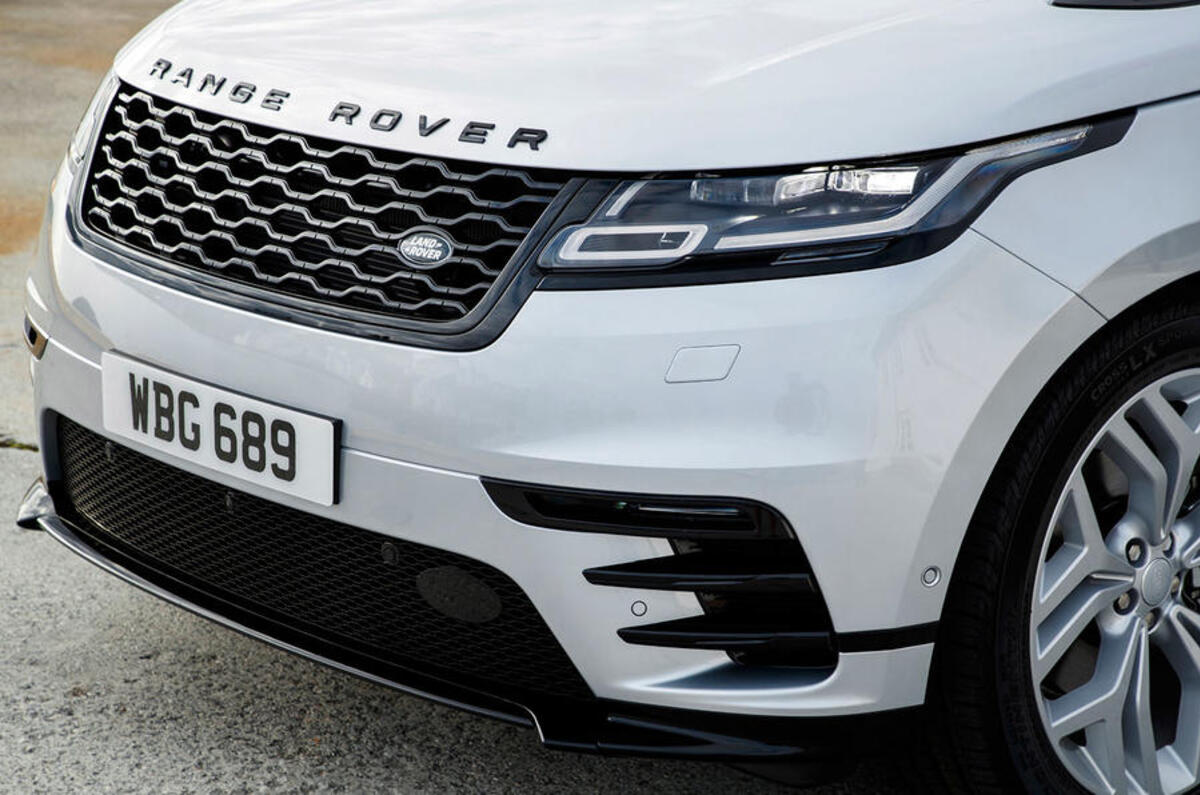
Of its models, JLR said the new Land Rover Discovery and Range Rover Velar were key contributors to growth, while the Jaguar E-Pace and China-only Jaguar XFL were among that brand’s best sellers.
The UK’s biggest car maker’s revenue totalled £25.8 billion in the 12 months to 31 March, generating £1.5bn of pre-tax profit.
Speth highlighted that financial growth came at a time the brand continues with “over-proportional investment in new vehicles, manufacturing facilities and next-generation automotive technologies in line with our Autonomous, Connected, Electric and Shared strategy”.
JLR invested £4.2bn into new technologies during the year, with a portion of this focused on the development of its first electric car, the I-Pace. The firm also said it funded the building of new R&D facilities, as well as the upgrading of existing sites. Construction of its new plant in Nitra, Slovakia, will have required substantial investment.
During the current tax year, £450 million is being invested at JLR’s Gaydon Design and Engineering Centre to upgrade the facility into a central hub. JLR will also open a software engineering centre in Shannon, Ireland, that will support the electrification of JLR models and develop self-driving technology.
More content:
Land Rover Discovery long-term review
New car sales in Europe increase by 9% in April