

Geely recently announced that it would start selling cars under its own name in the UK – over a decade later than originally planned.
Autocar first mentioned Geely in 2004, as part of a report on the emerging market and industry of China, because its first-ever car, the then six-year-old Haoqing supermini, was the cheapest of the lot. Staggeringly, it cost £2400 – but it was terribly basic and based on an ancient Daihatsu Charade.
Two years later, Geely formed a joint venture with Coventry-based Manganese Bronze Holdings (MBH) to build the upcoming LTI TX4 iteration of London’s iconic black cab in Shanghai, the plan being to tempt Chinese cabbies out of their trusty old Volkswagen Jetta and Santana saloons. (MBH began life making ship propellers, if the name had you wondering.)
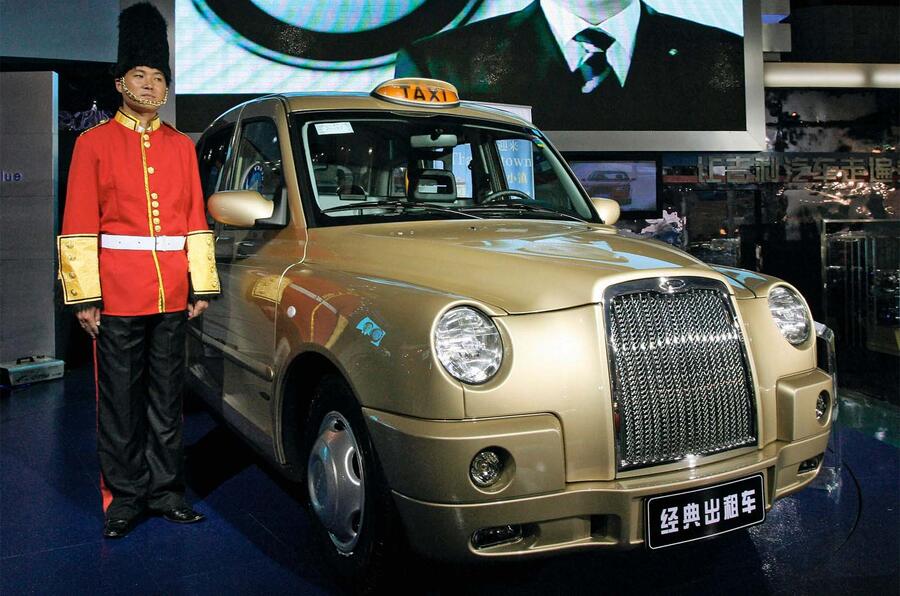
This didn’t go very well (despite Geely painting a TX4 gold and dressing some poor local bloke as a Beefeater for the Shanghai motor show), partly because cabbies couldn’t see any benefit to the expensive TX4 and partly because Chinese cities banned diesel engines.
Enjoy full access to the complete Autocar archive at the magazineshop.com
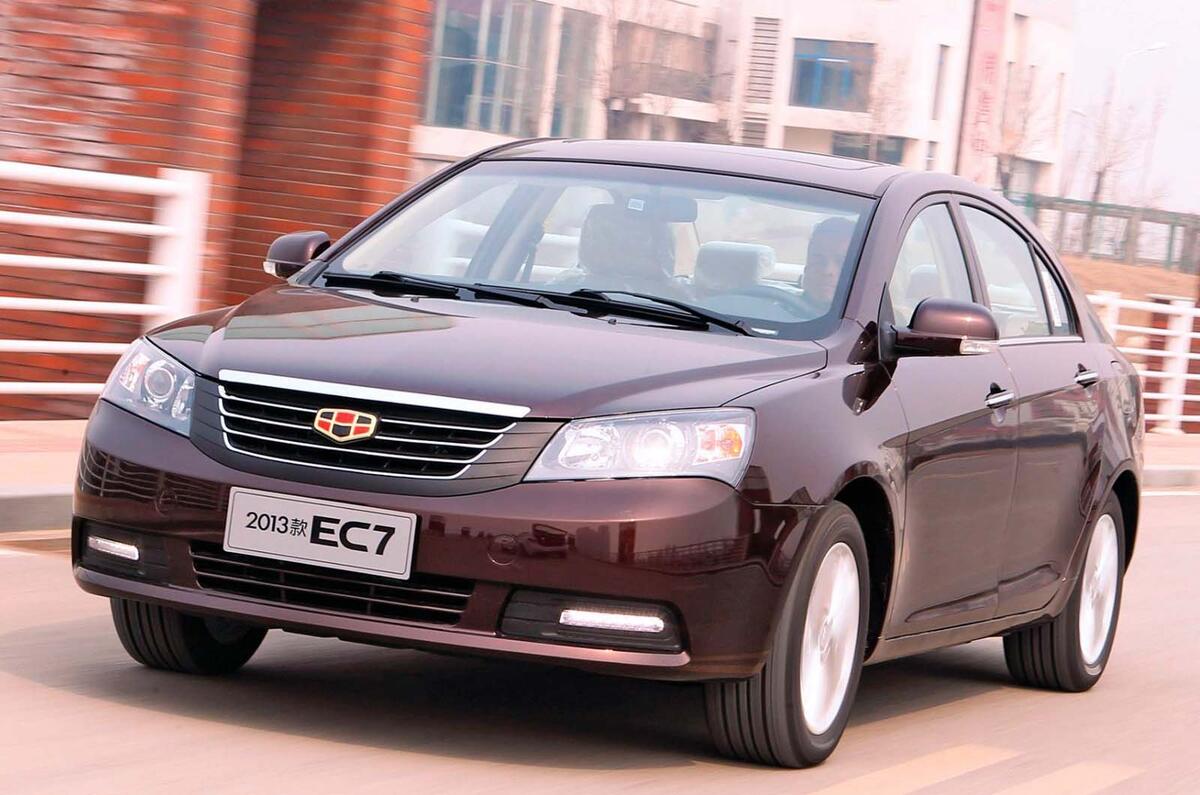
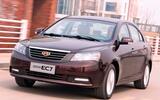
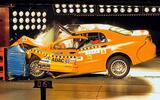
So come late 2011, with its finances in a poor state, MBH decided to have a go at selling Geely cars in the UK – first the Emgrand EC7, a dull hatchback/saloon the size of a Skoda Octavia for the price of a Skoda Fabia: just £10,000.
MBH planned to create a network of 40 dealerships, with CEO John Russell saying: “We are aware of the success that Kia and Hyundai have had in the UK and we can work with Geely to achieve similar success.”
He added that a new model would arrive every year for the following five years. Second in line was the Ford Mondeo-rivalling Emgrand EC8, then a small MPV, a small SUV and “something that highlights the Chinese appetite for being experimental”.
Perhaps he was hinting at the Gleagle Panda city car, in which case we can all be thankful: its wide eyes and gaping mouth weren’t for the faint of heart.
Autocar’s man in China drove the Emgrand EC7 in early 2012 and reported that it had hard yet flimsy interior materials; a thirsty yet underpowered 1.8-litre petrol engine; a clunky manual gearbox; a soft ride; and light steering. But, hey, it was going to cost £10k.
Actually, it wasn’t, because in October 2012 MBH fell into administration with a £3.9 million black hole in its accounts, having failed to bank a profit since 2007.