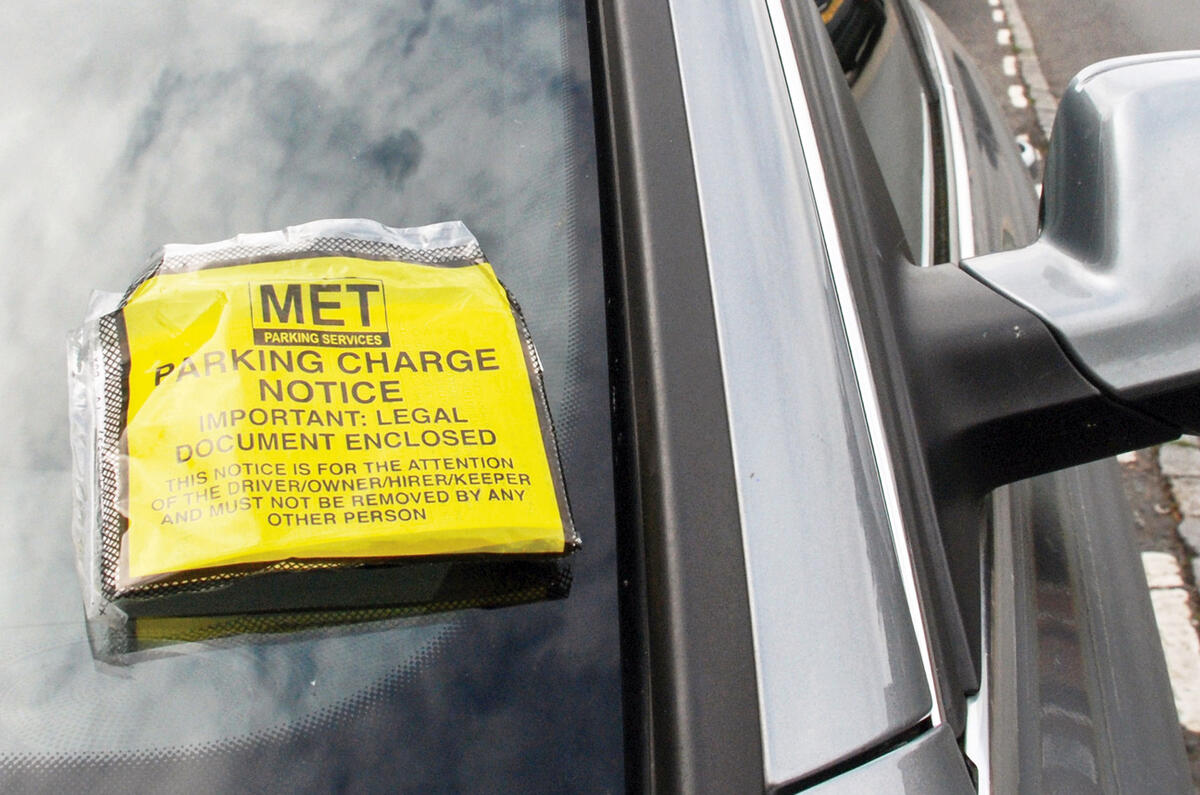




Lower parking fines, permitted grace periods and a single appeals service are among the measures contained in a new code of practice for private car park operators.
Intended to clean up the sector, the code outlaws opaque parking rules and heavy-handed demands for payment, and permits innocent errors such as incorrectly entering a car’s registration to count as grounds for appeal. Launched in February, operators are expected to fully adhere to the code by the end of 2023, by which time the new single appeals service is expected to be operational.
“Parked in Padstow on 19 December and paid for a full day’s parking. Received PCN [parking charge notice] as ticket not fully displayed on screen (caught by wind when closing door?); however, 50% visible. Appeal rejected, not because of non-payment but because ticket only partially visible.”
“Received a PCN for apparently overstaying at Daymer. Stupidly went by the time on the actual displayed parking ticket, not aware that they take photos on entrance and exit. Which is useless, as on a busy day it can take 20 minutes to be marshalled to a space, walk to only one ticket machine that was working, realise app is not working, queue up and finally get ticket and place on windscreen; and on exit queue to get out.”
Sourced by Autocar from a popular reviews website, experiences such as these are why the new code is necessary, believes the RAC, which campaigned for its implementation.
“Since clamping was banned on private land, there has been a shift to ticketing instead, with the number of parking charge notices being issued rising year on year at alarming levels,” it says. “While some of these are justified, others are not, and sadly in many cases drivers simply pay up in fear of the consequences, particularly given that follow-up letters can use threatening and intimidating language.”
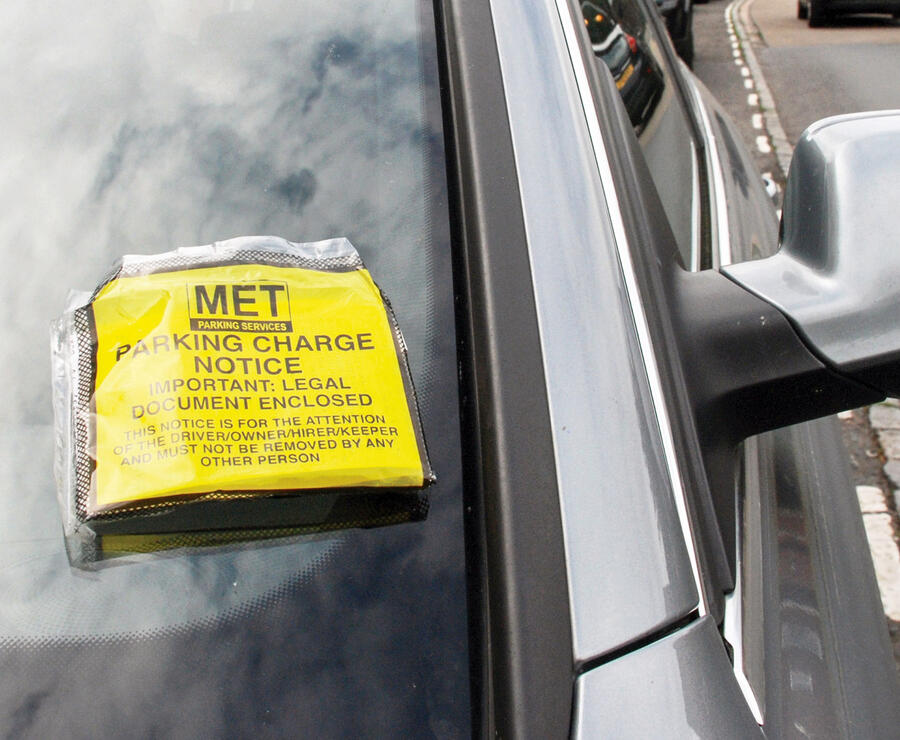
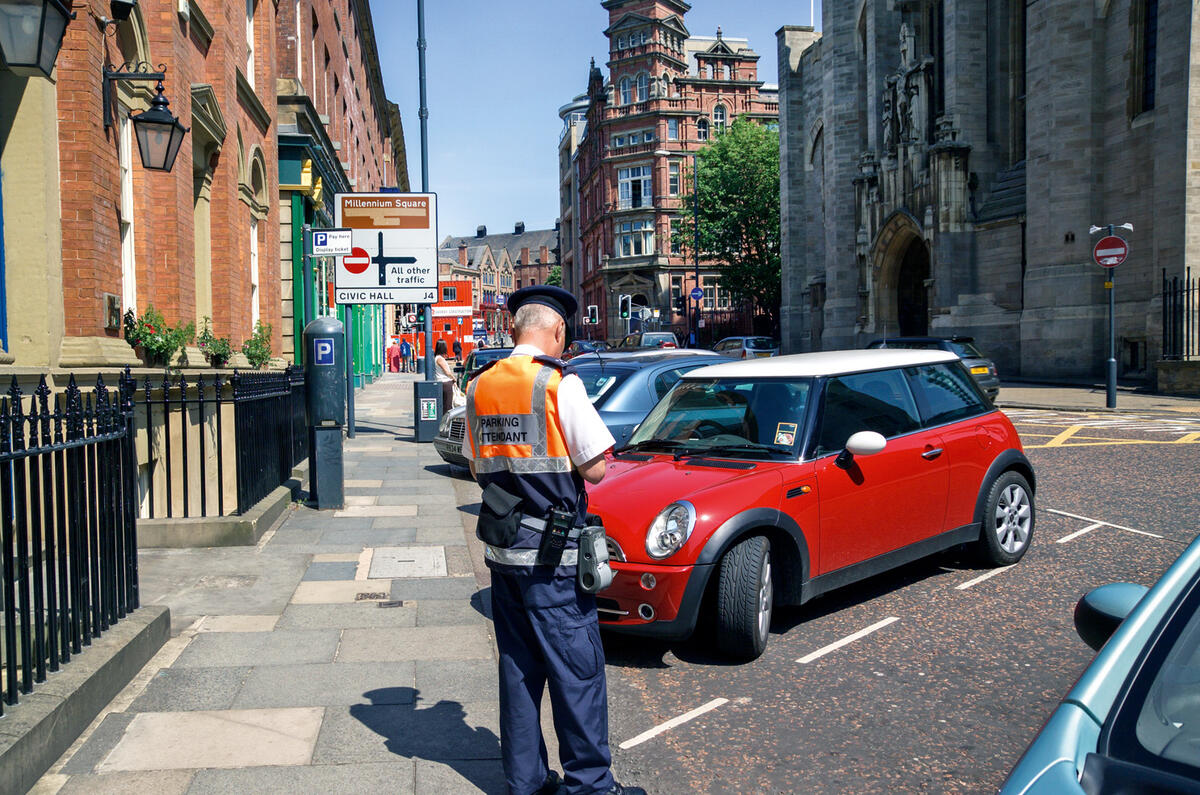
Did you spot that reference to parking charge notices? Not to be confused with the penalty charge notices that local authorities serve (confusingly, both are abbreviated to PCN), around eight million are issued each year. Before the introduction of the code, the maximum fine (in reality it’s an invoice for breach of contract, but the effect is the same) was £100, or £60 if you paid in 14 days. Now the maximum fine is £70 or £50, depending on the seriousness of the breach.
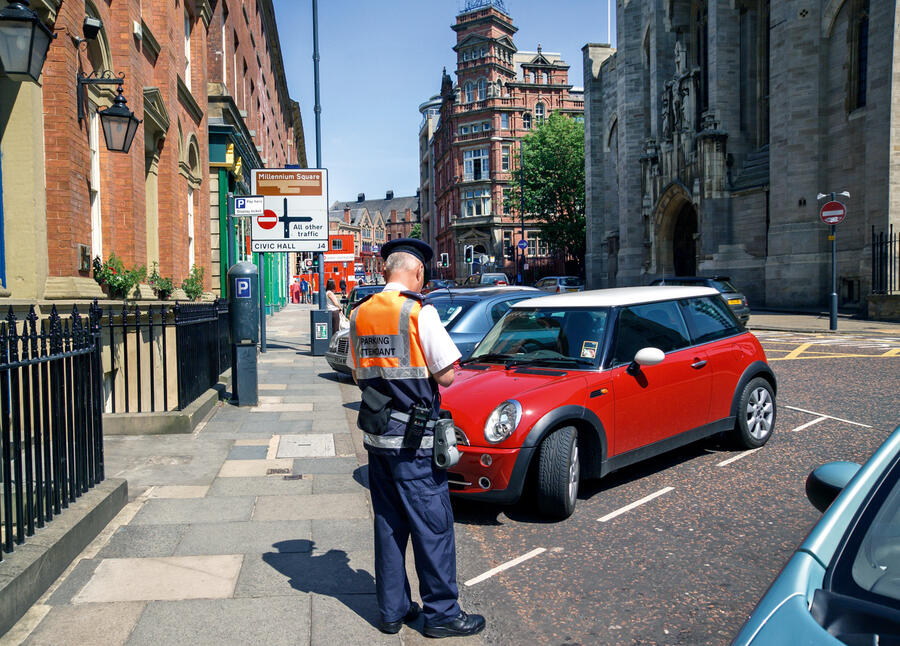
Most operators belong to one of two trade associations: the British Parking Association (BPA), which represents around 120 firms, and the International Parking Community (IPC), which represents about 90. In order to identify vehicle keepers, their members are permitted to purchase vehicle keeper records from the DVLA at a cost of £2.50 per application. Any operator that flouts the new code will be banned from accessing this information.