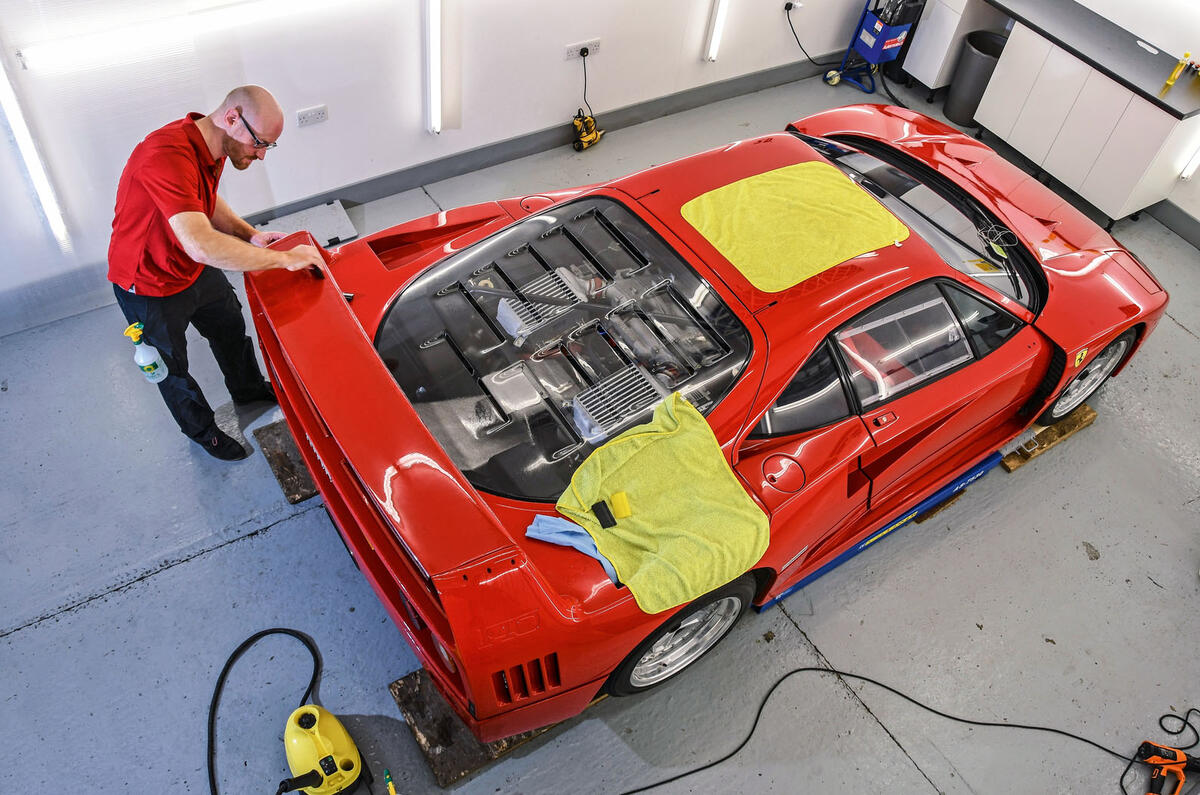

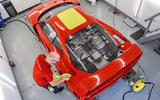

Not many good things came out of the Vietnam War, but one was a way of protecting Bell ‘Huey’ rotor blades from shrapnel and operating debris with a protective wrap invented by 3M. Without that innovation, I would not be sharing space in a climate-controlled clean room with a Ferrari F40.
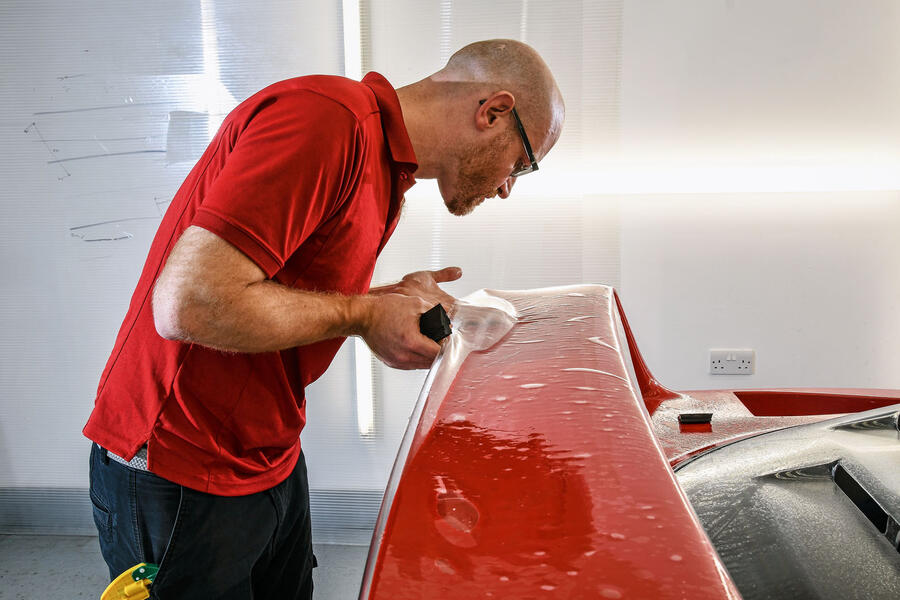
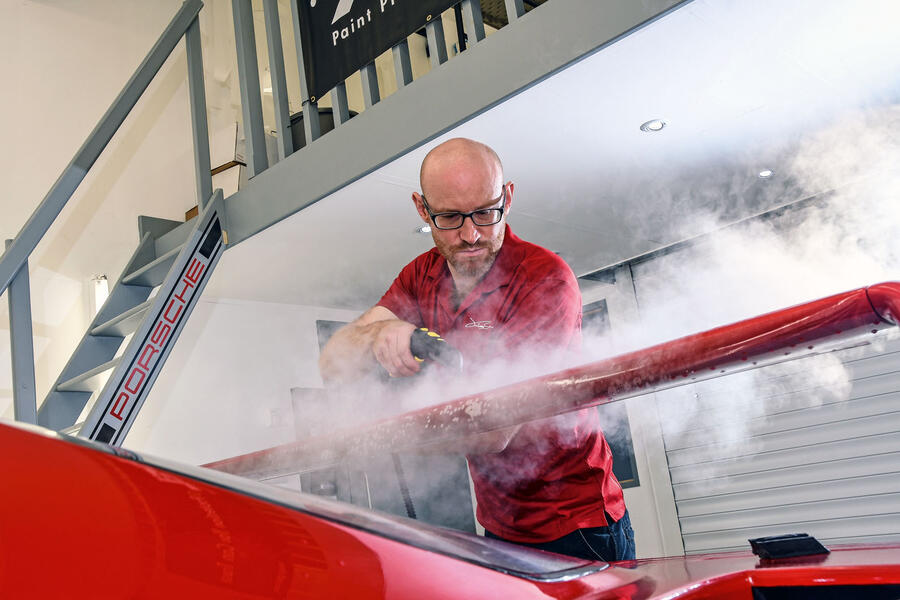
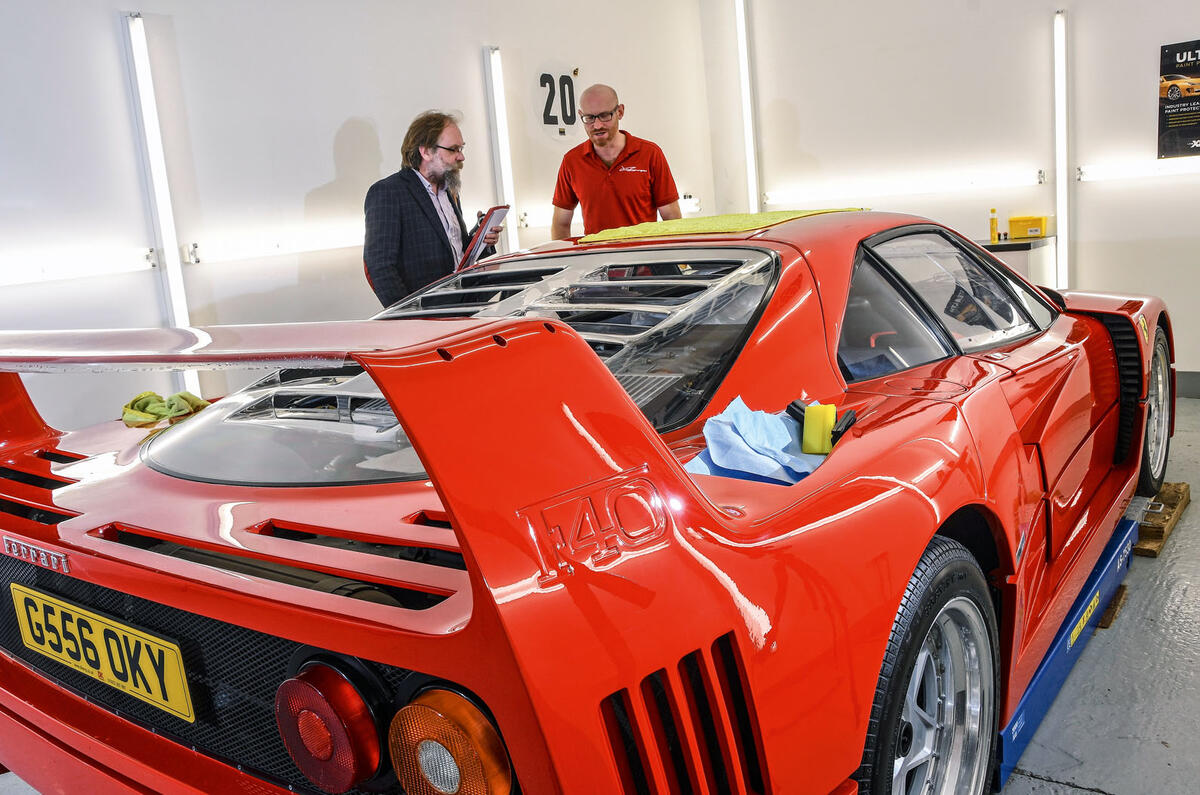
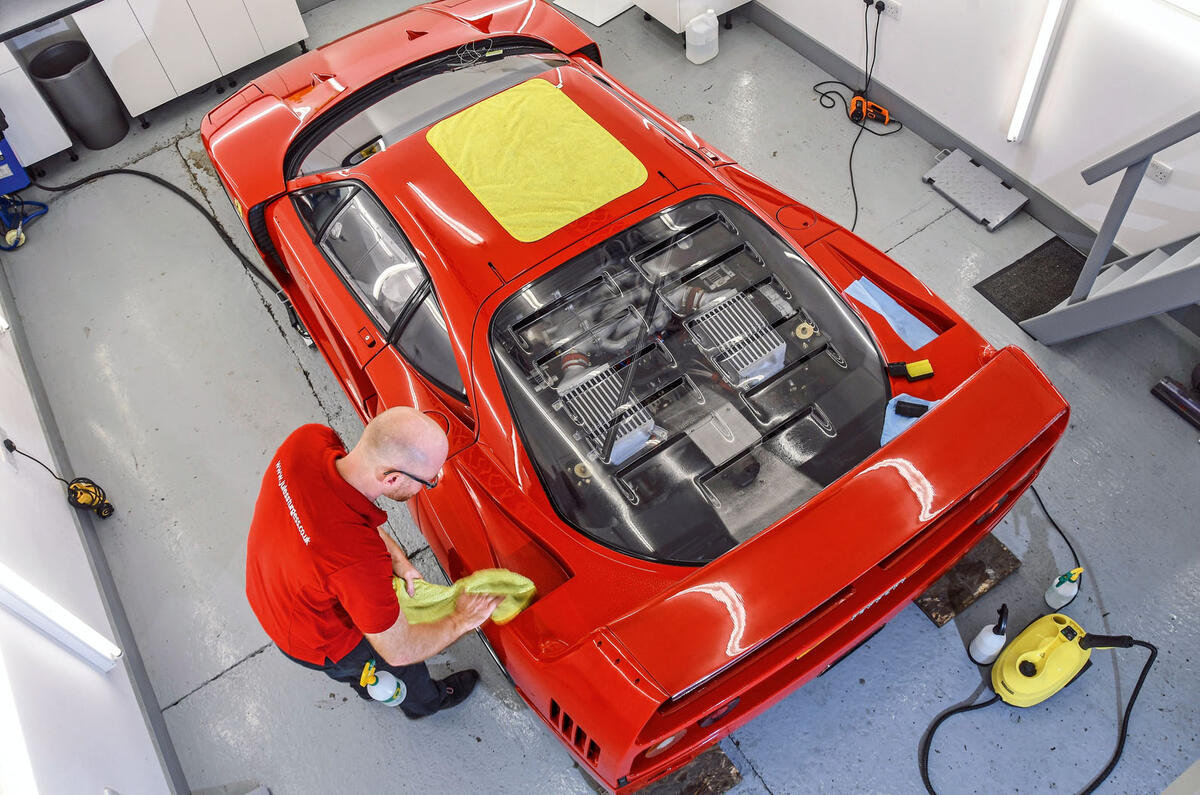
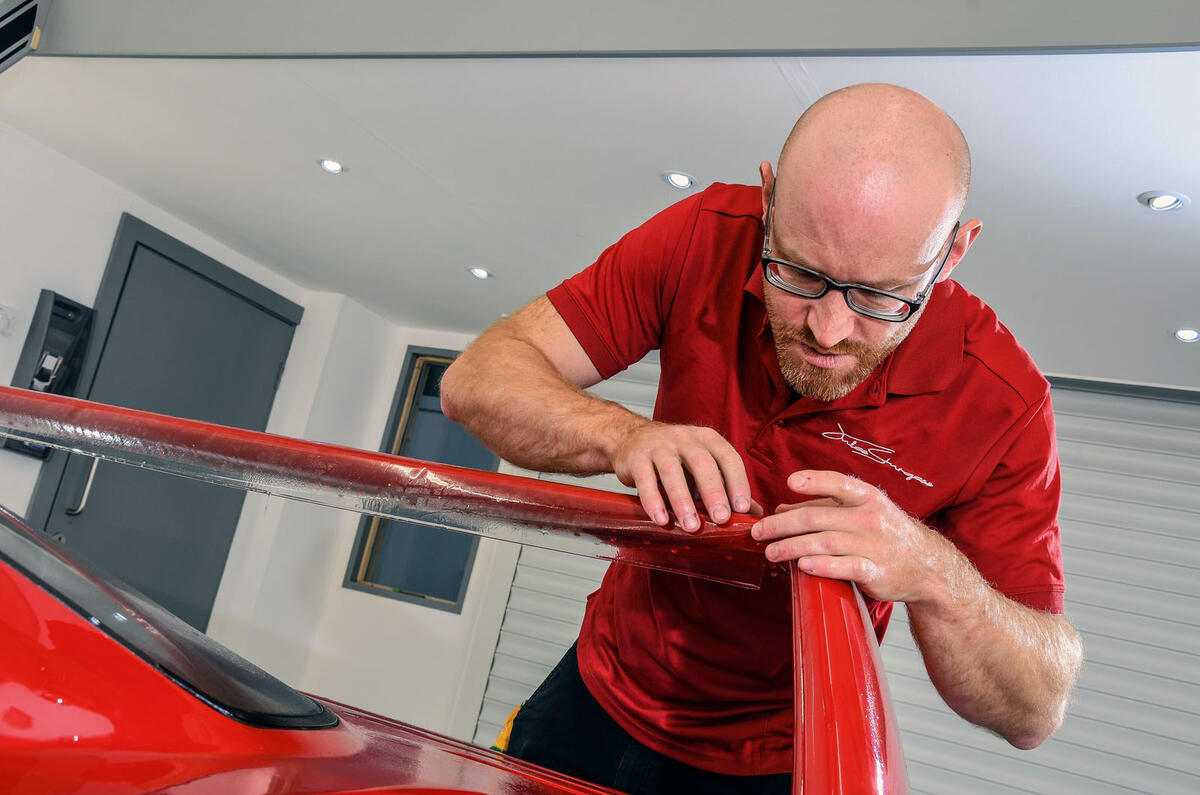
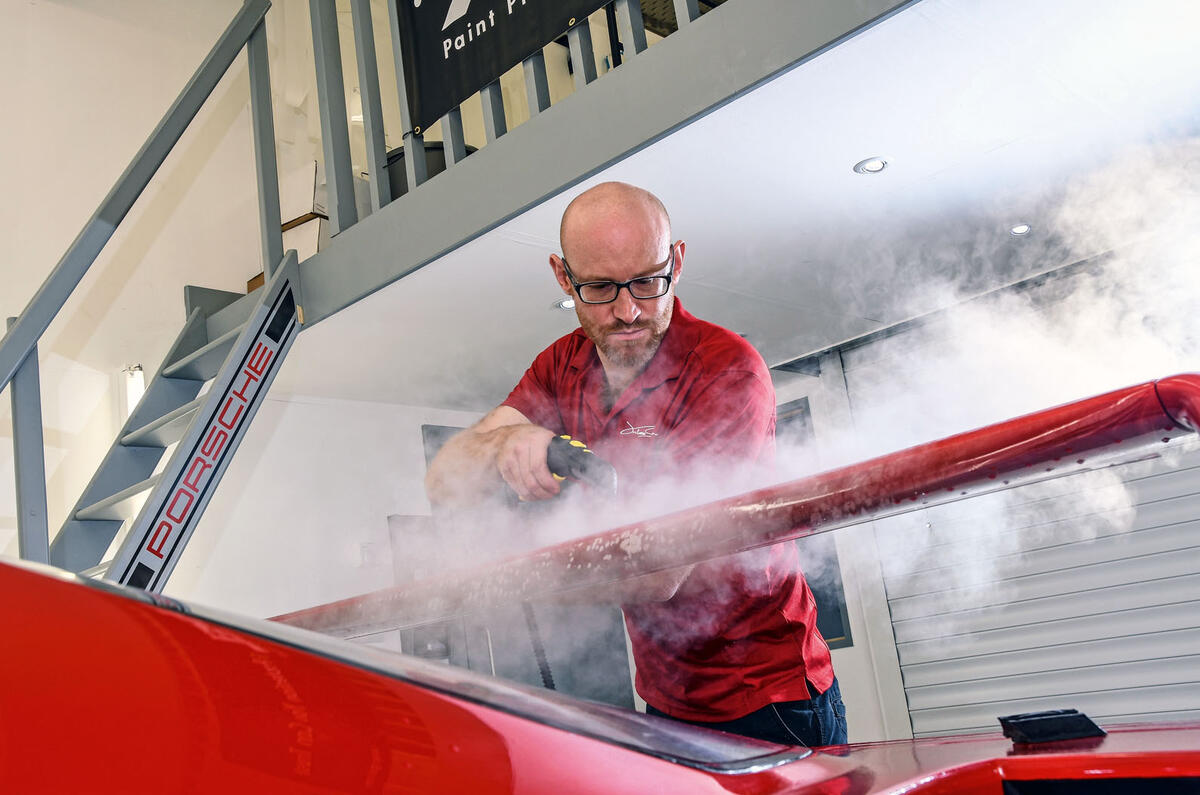
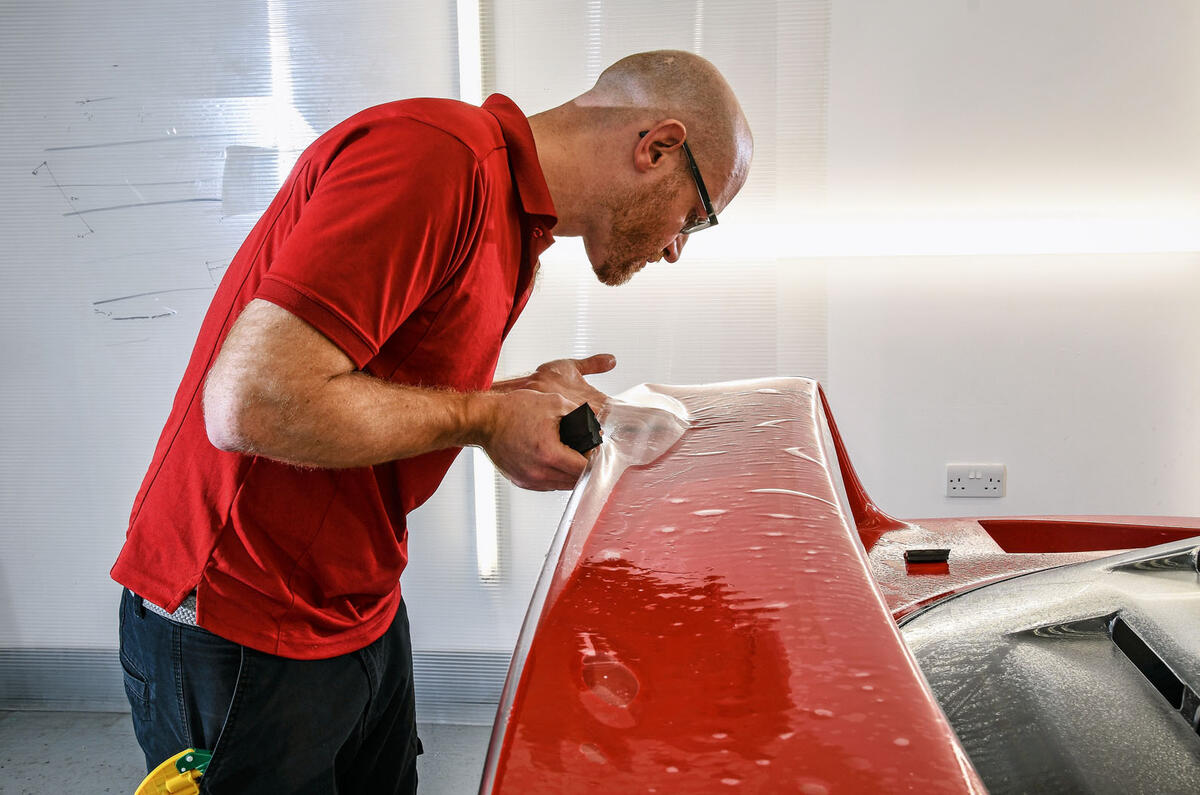
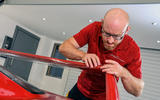
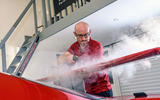
I’m at Jules Sturgess Automotive to investigate just how the dark art of protective wrapping is achieved. Please note this is ‘protective’, not the usual subtle camo wrappage favoured by Premier League halfwits. We are in the invisible paint protection business and directors Ruth Blomiley and Jules Sturgess are here to make sure that I fully understand what goes on.
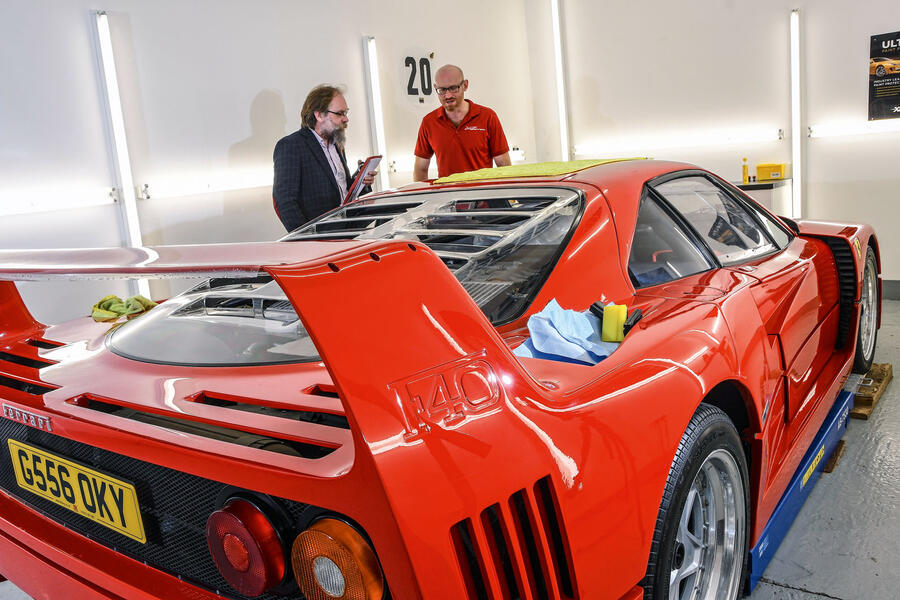
Obviously, I am rather transfixed by the F40, and Jules reckons that if this was any other car, he might be at the end of his tether by now. “The Ferrari F40 is a childhood dream. Just taking it off the transporter and driving it around the yard and into the booth, I couldn’t help but grin,” he says.
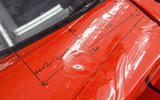
What you soon learn by looking closely at the multi-million-pound motor is just how average the finish was and some of the localised panel resprays have been over the years. It’s a 1989 car and has done only 15,000km (about 9300 miles) but at least it gets used and that’s why it is here: for protection.
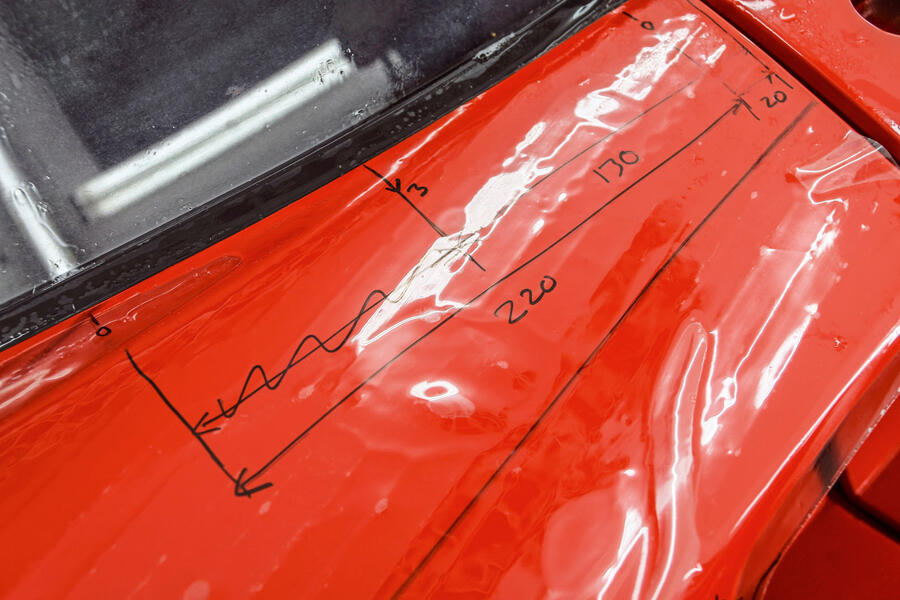
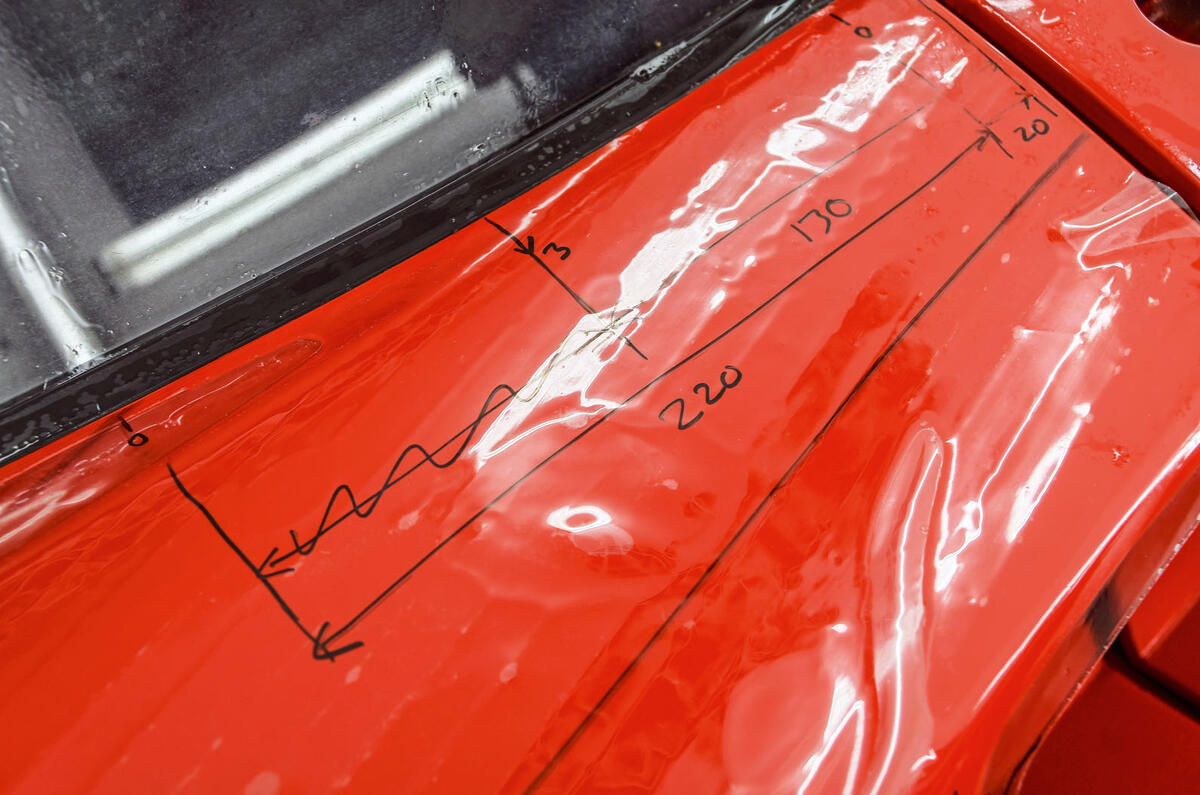
So what exactly is the material? To my untrained eye, it is industrial-grade cling film. Ruth looks at me quizzically and then puts me right: “We use the market leader, Xpel Ultimate Plus. It comprises a tough polyurethane support layer that gives it the strength to withstand and absorb impacts from stones and other road debris. Not only that, it can even resist being pierced by things like keys with a self-healing top coat. This layer is made of gel, which will self-heal minor scratches, scuffs and swirl marks naturally over time.”