
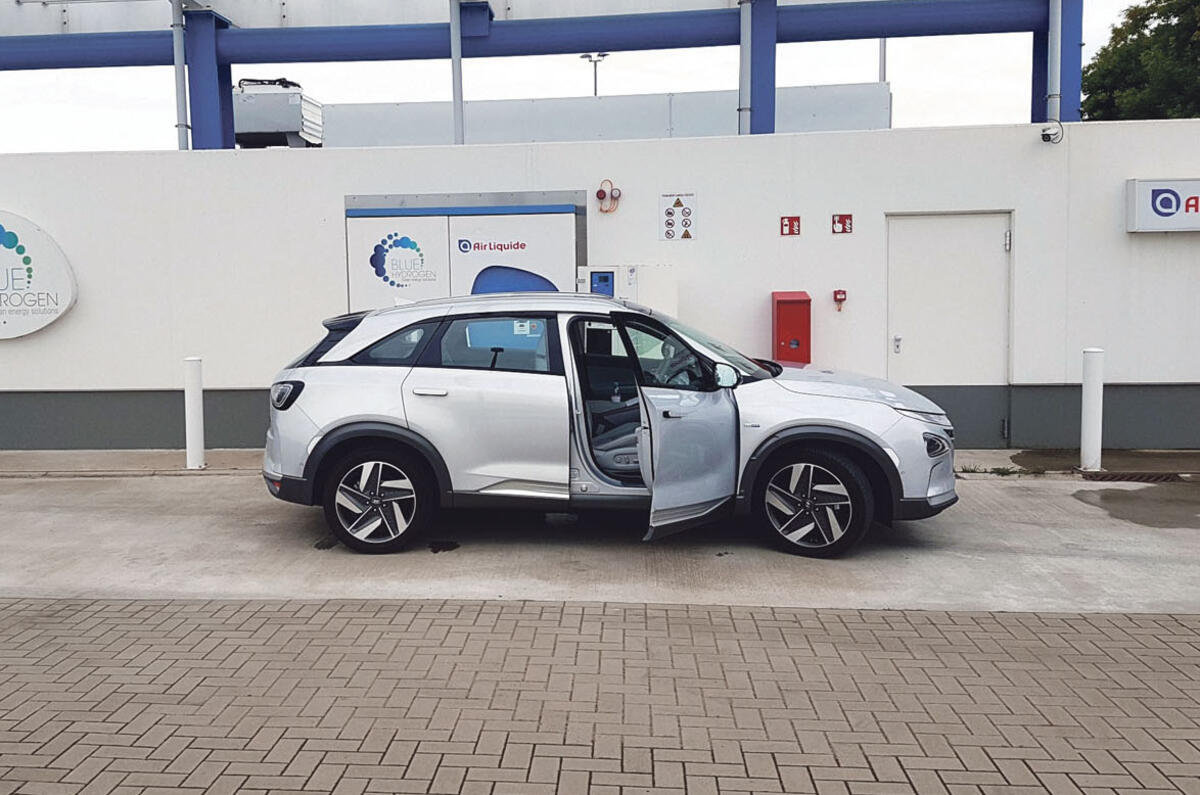
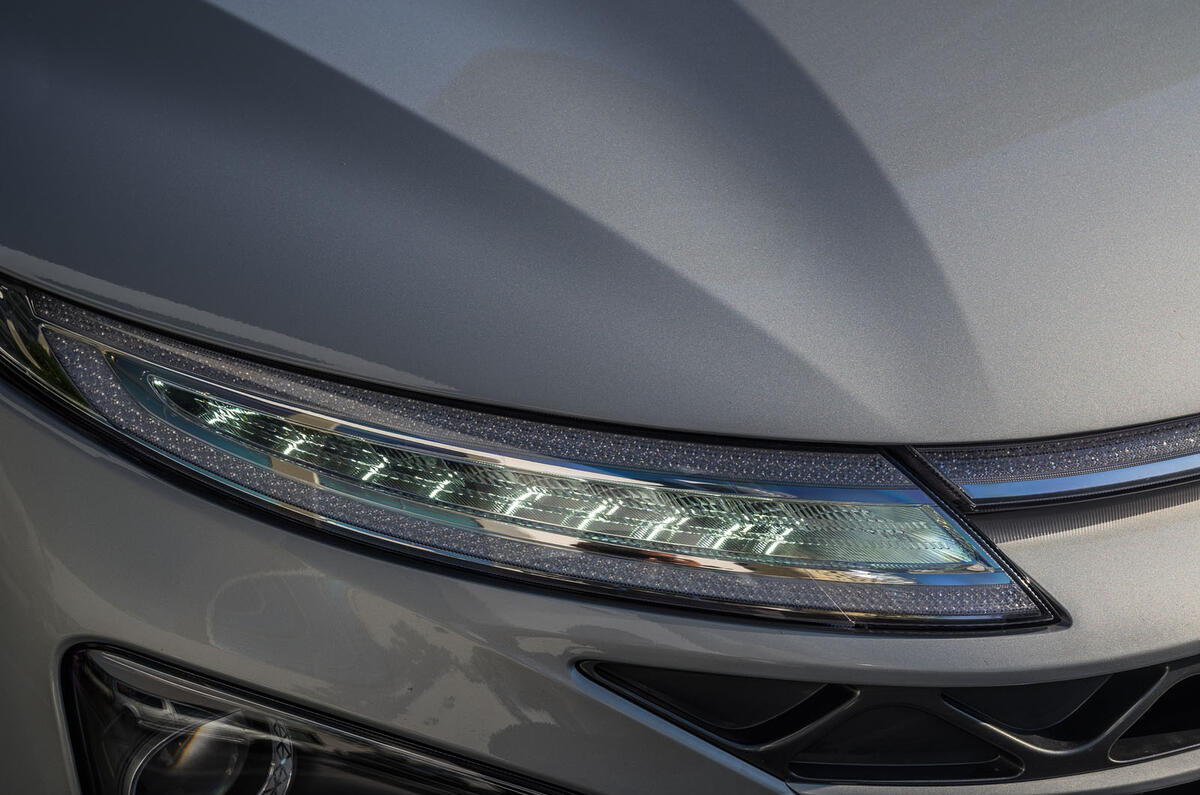
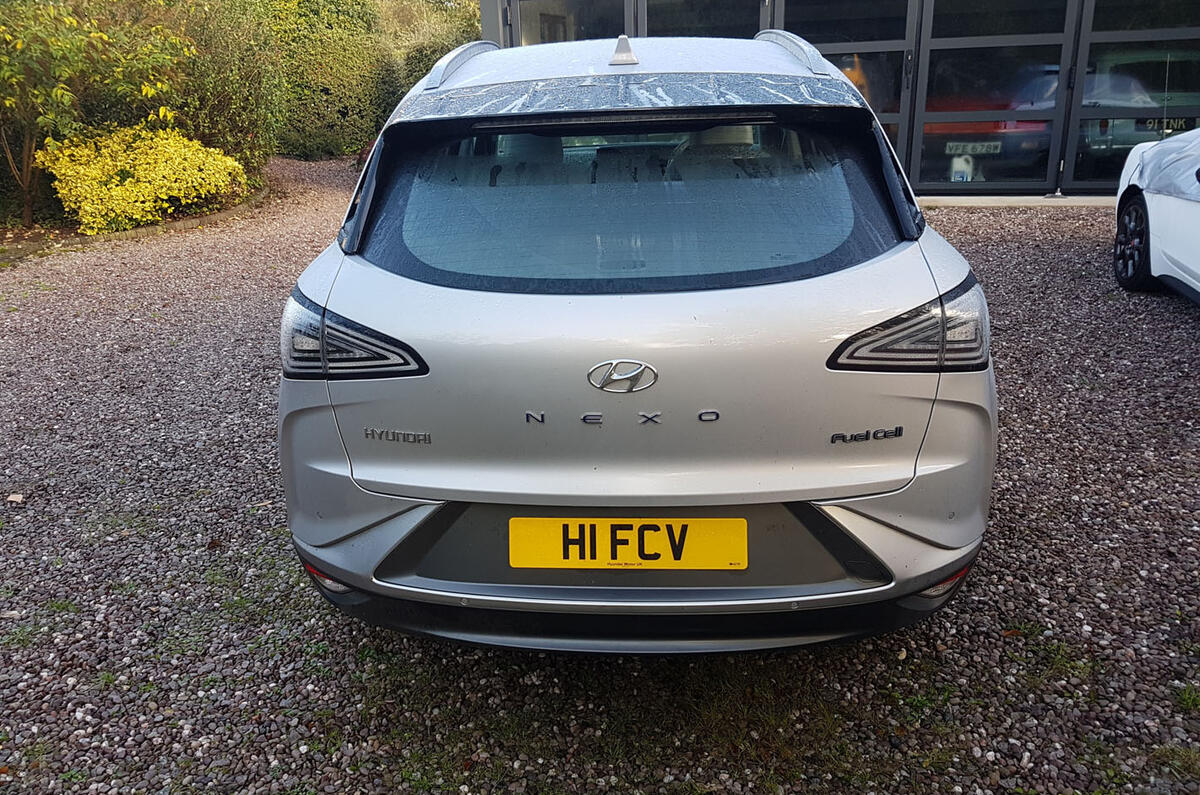
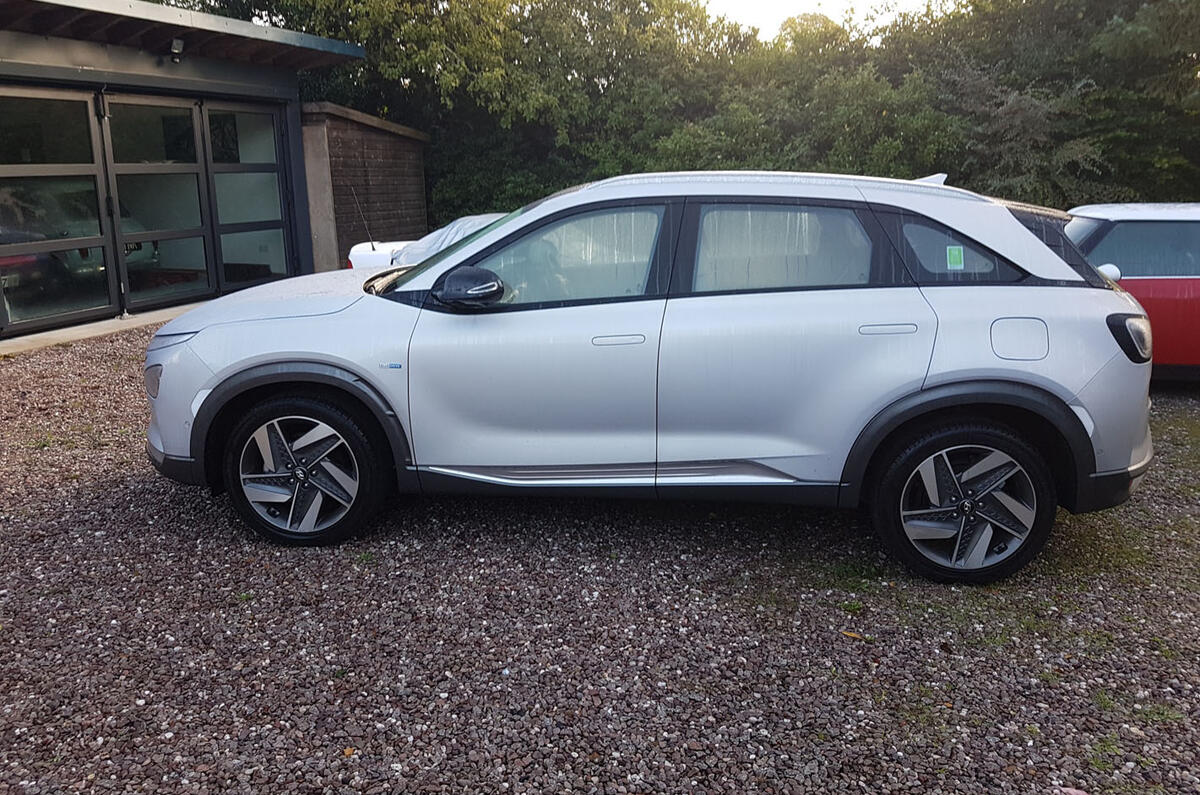
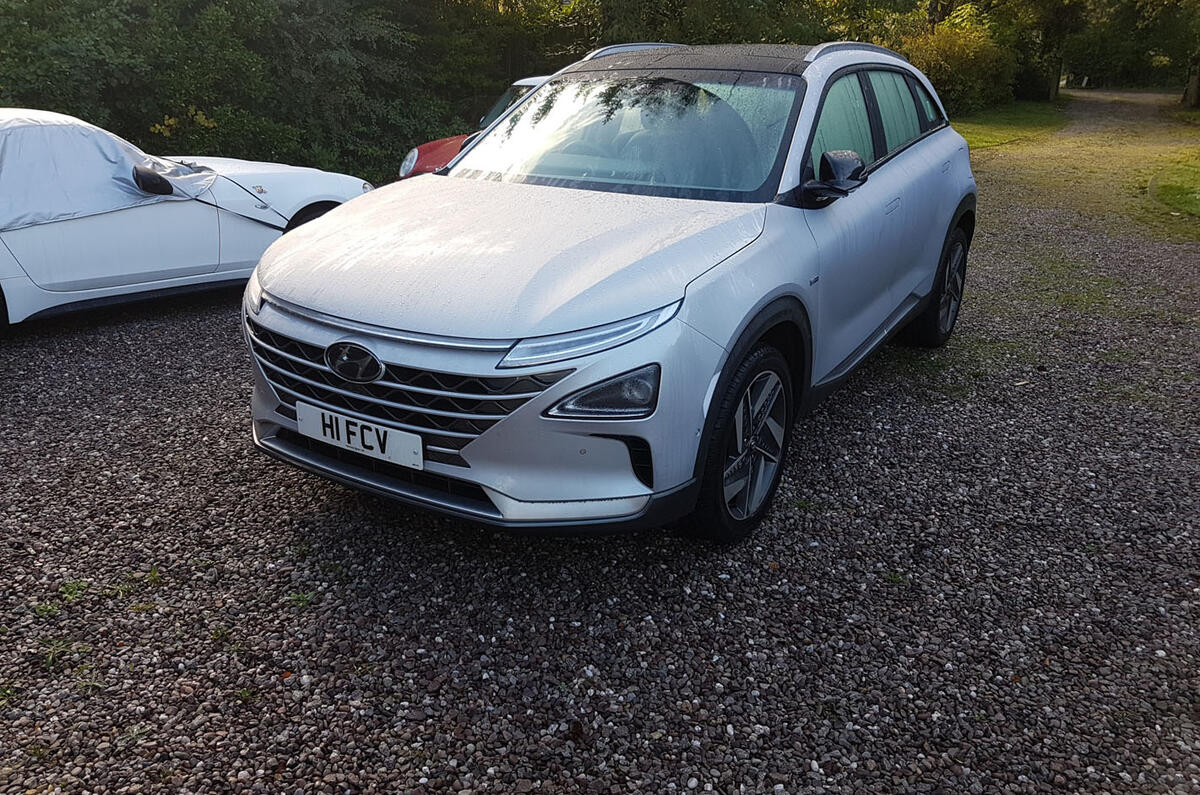


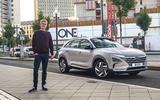

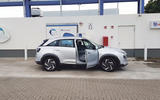
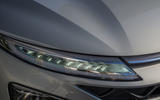


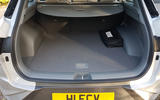
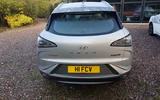
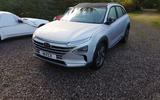


"Wow!” A wide, gently curving beam of bright white light erupts across the nose of the car. At its ends, the light thickens and intensifies to echo another pair of lights that floats beneath. It’s a little otherworldly. Are we looking at the future? Perhaps. These illuminations are performed by the Hyundai Nexo, Hyundai’s second production fuel-cell car, lighting up at night with a key fob’s click.
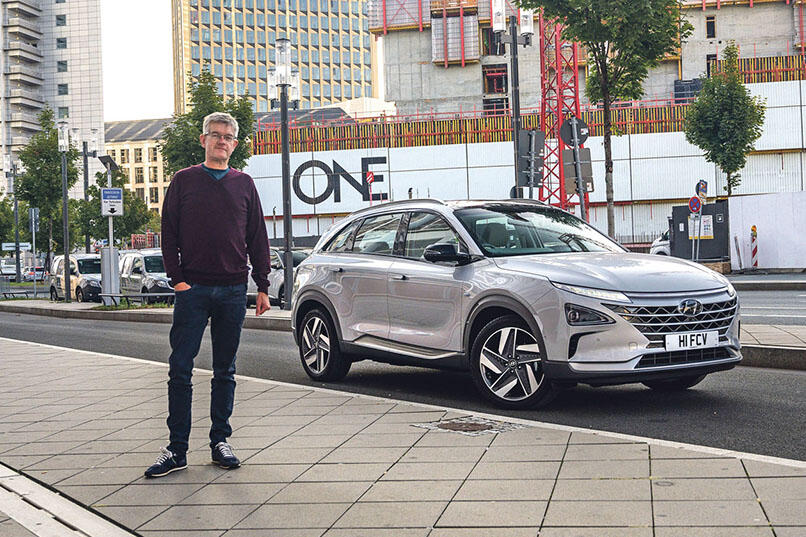
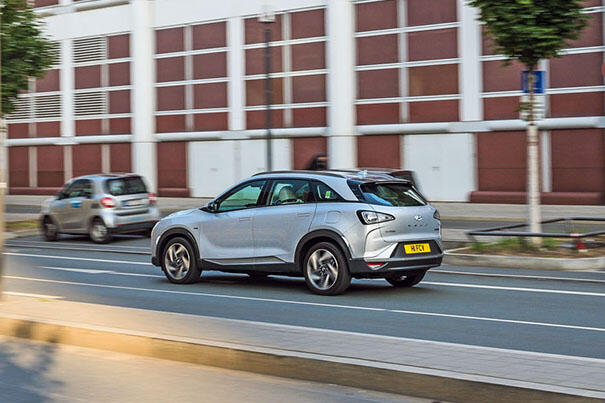
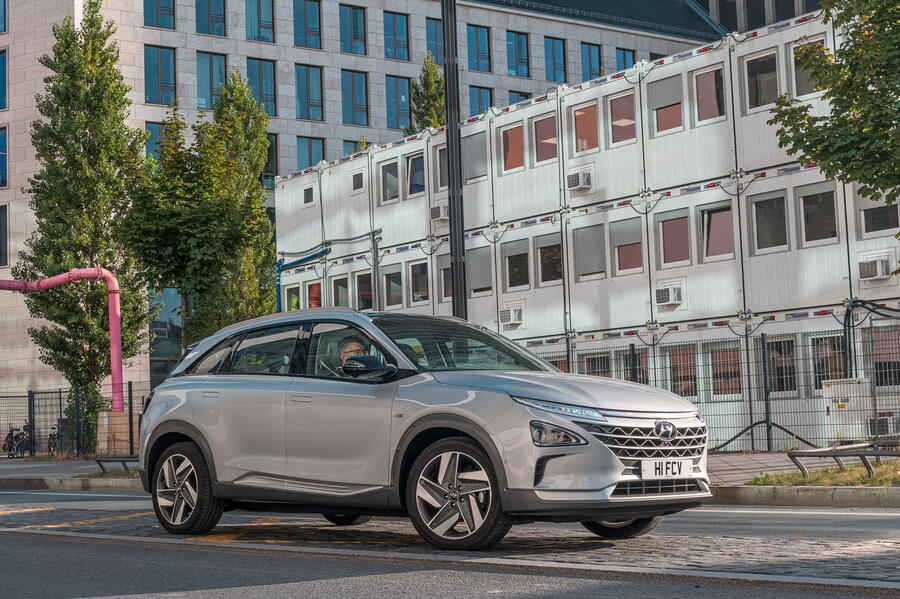
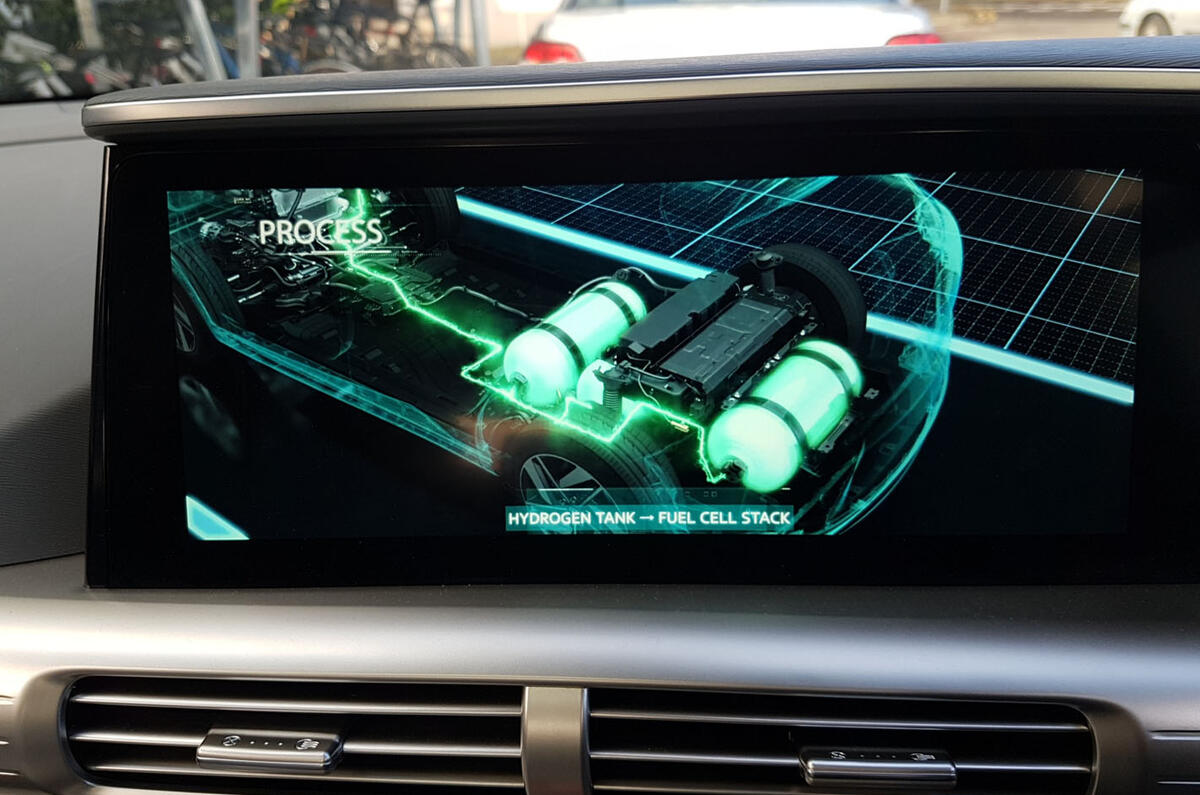
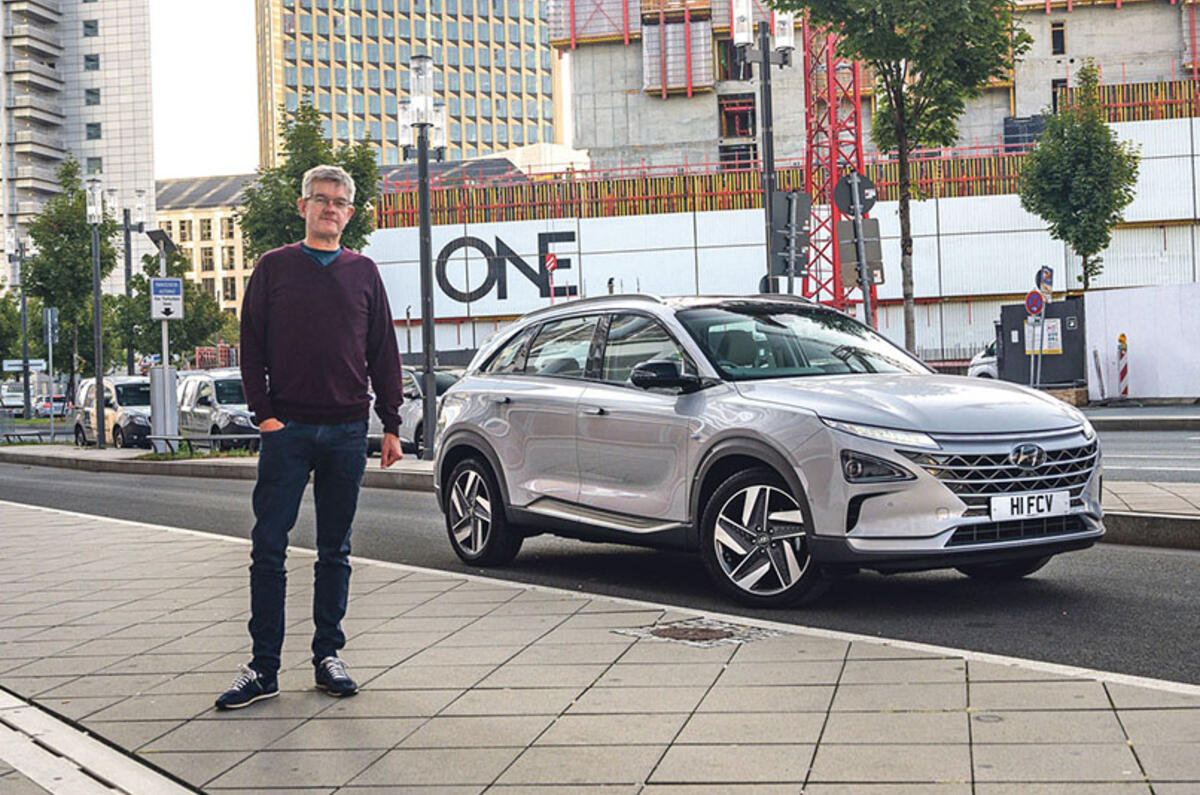
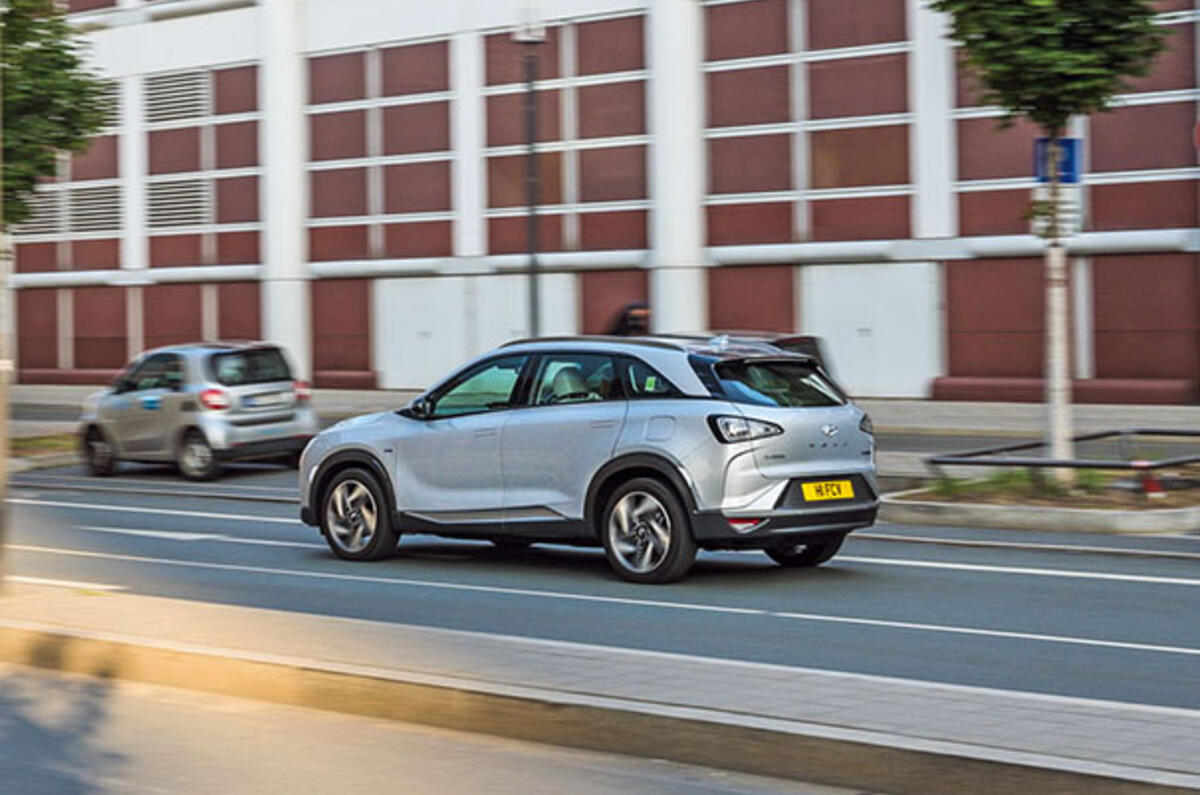
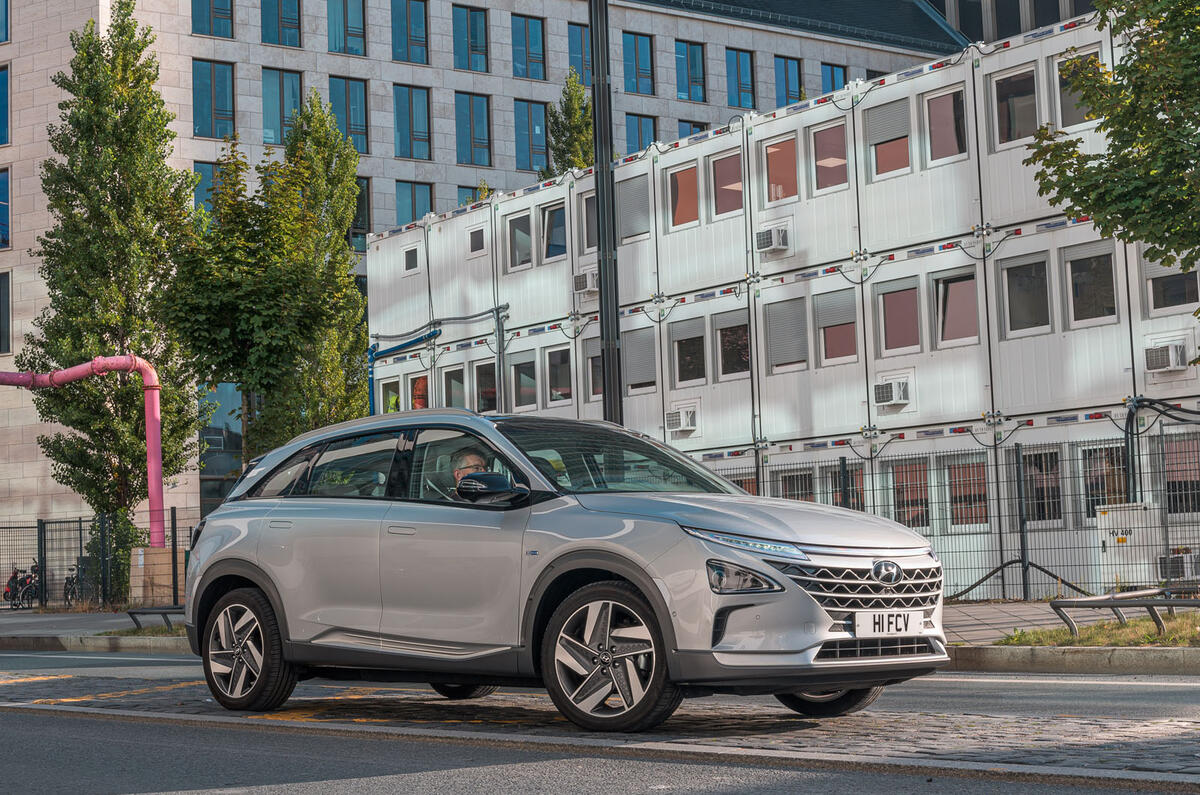
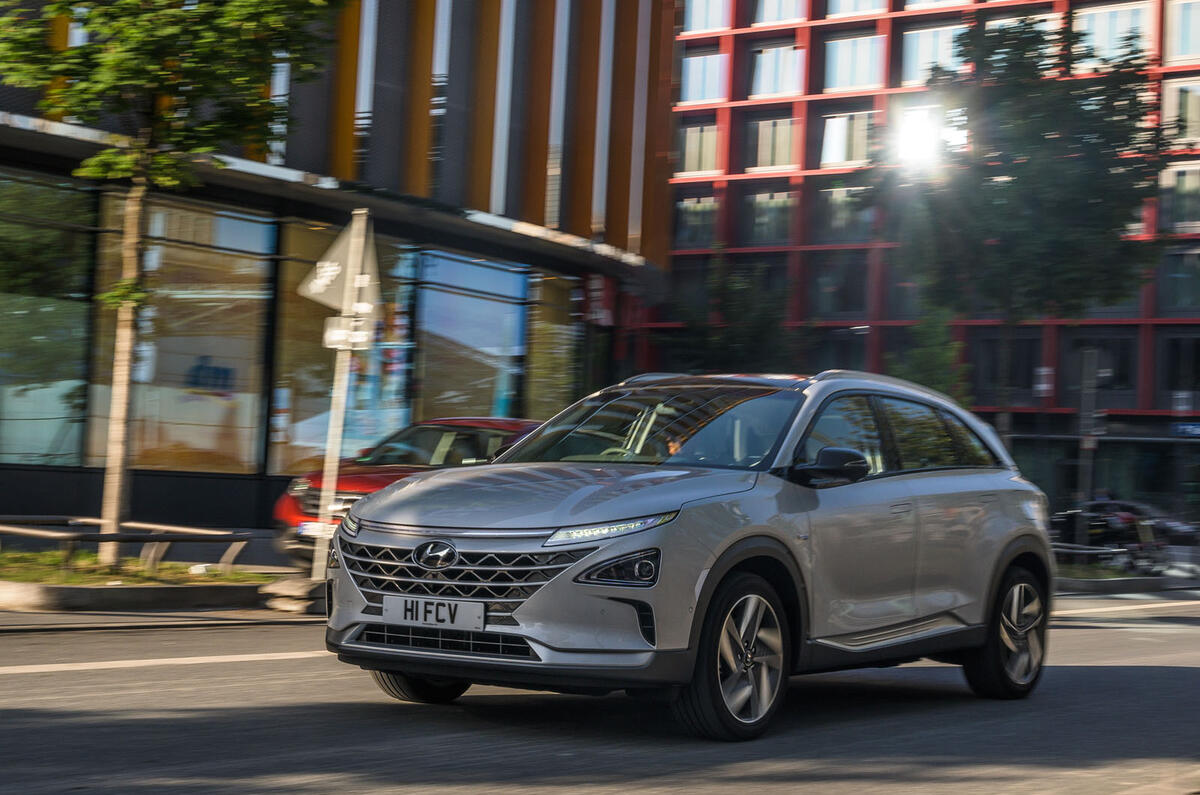
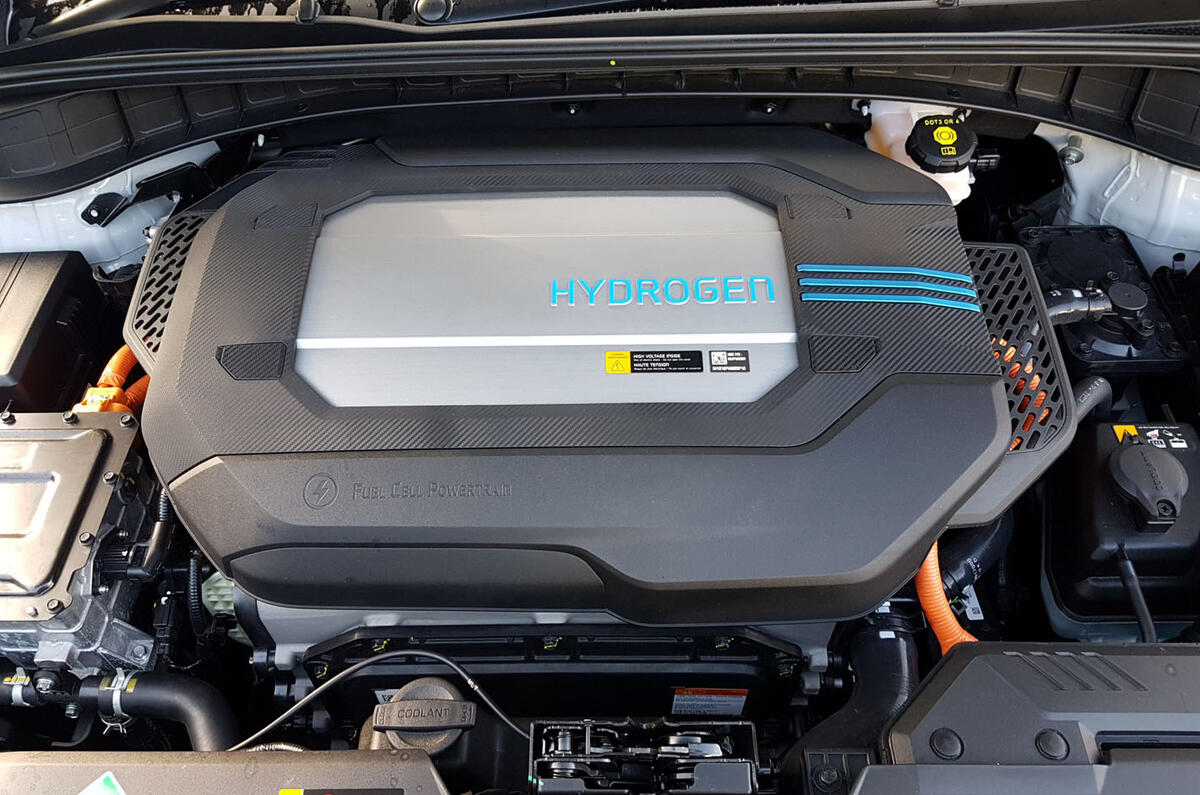
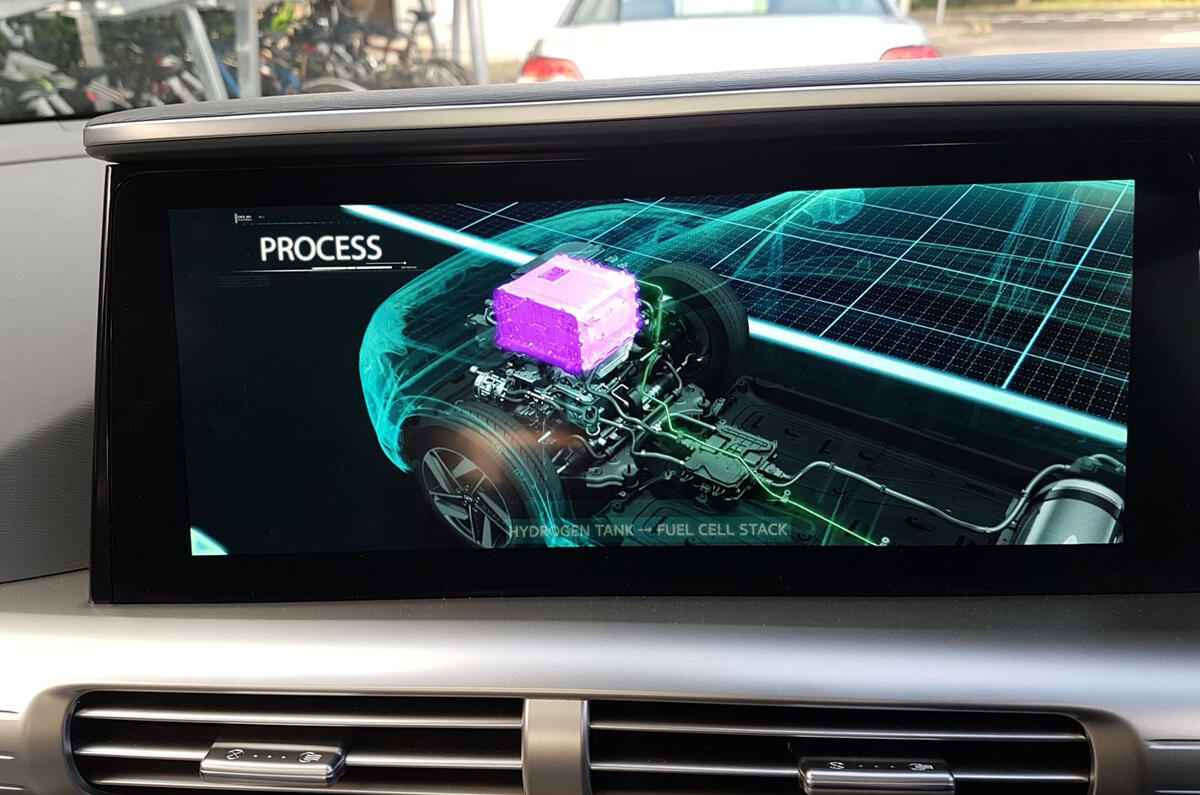
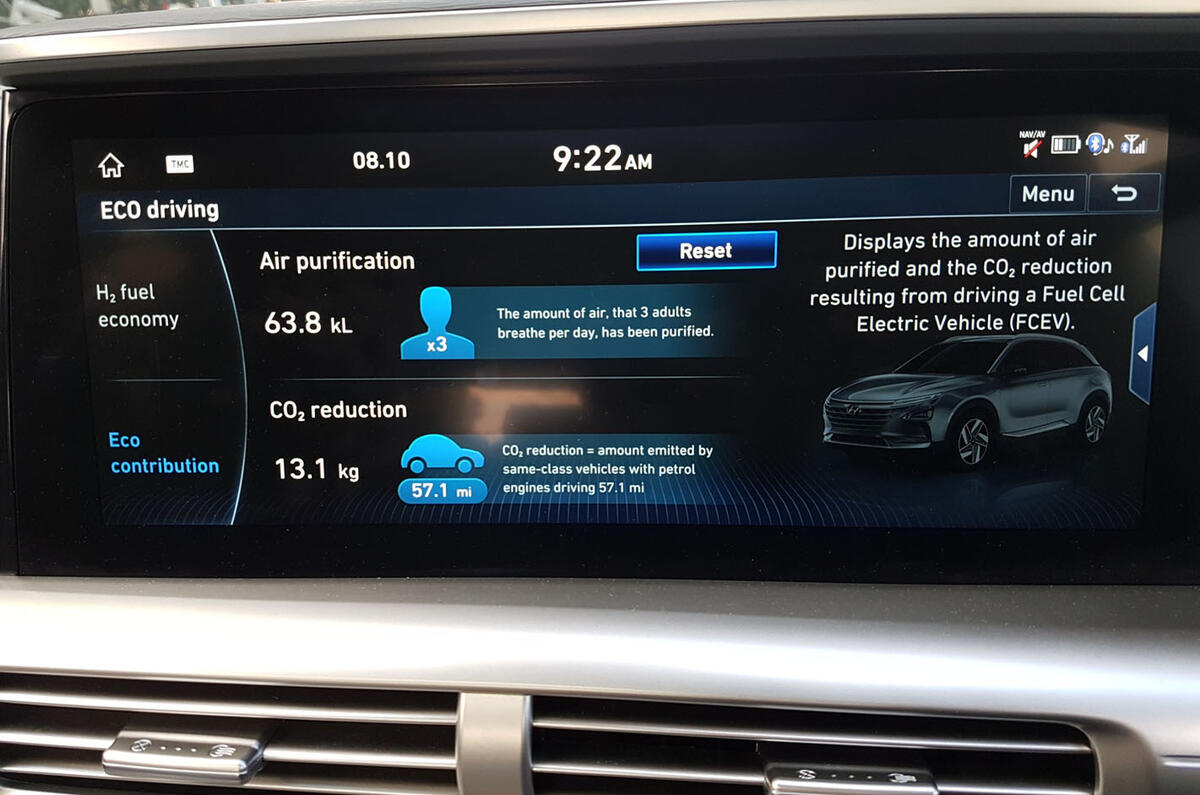
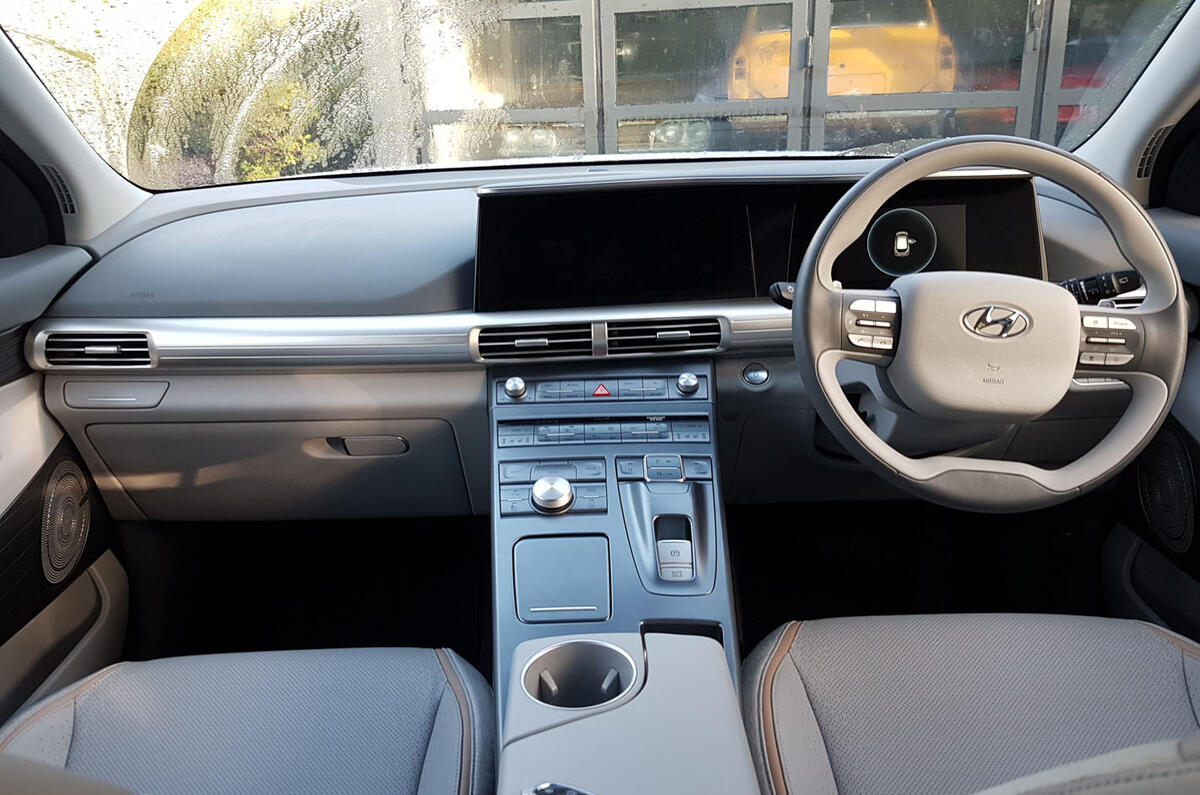
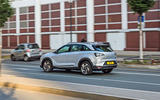
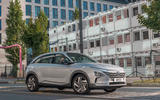
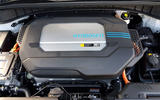
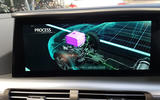
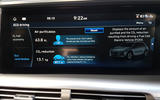
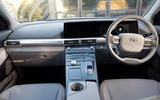
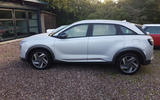
Most car manufacturers – Toyota, Mercedes and Honda excepted – are miles from even offering their first hydrogen-fuelled production car, never mind a second. Hyundai’s first showroom fuel-cell car was a converted iX35 SUV. The Nexo travels a whole lot further – literally, in terms of range and stack life – by sporting a bespoke and rather stylish design. In daylight, its looks aren’t quite as out there as a front-end lighting signature that caused a car-nut mate to exclaim before I drove off into the dark, but this is a handsome SUV. As well as a shapely body, the Nexo flaunts plenty of pleasing visual details, such as the Ferrari-esque floating D-pillars and the ribbed inserts at the base of the doors that reference the innards of a fuel-cell stack. The Nexo’s cabin is no less impressive: the broad, silvery sweep of its centre console is as striking as the canopied digital instrument pack and its offbeat displays of fuel cylinders.
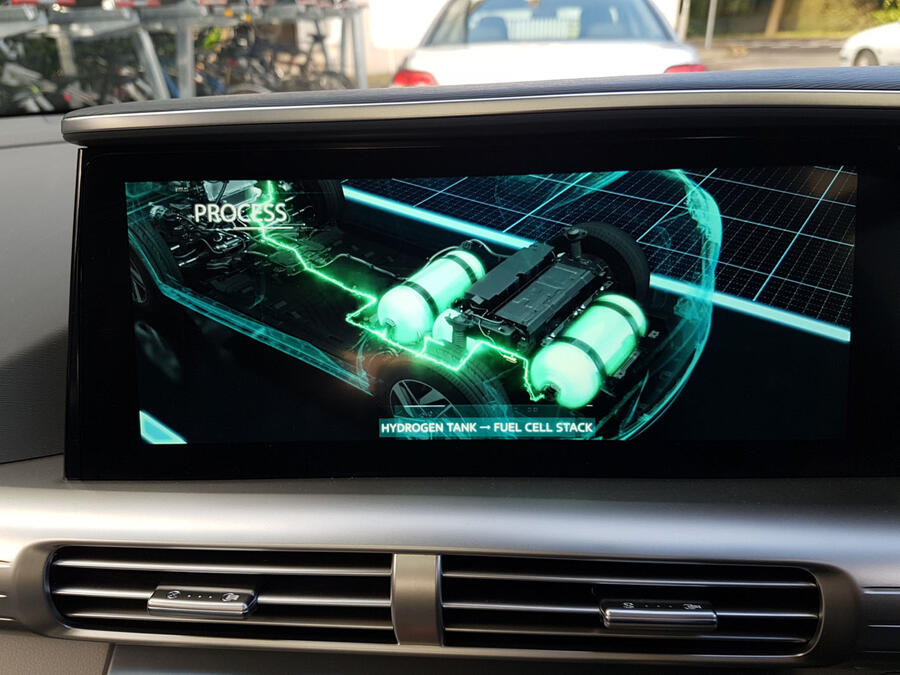
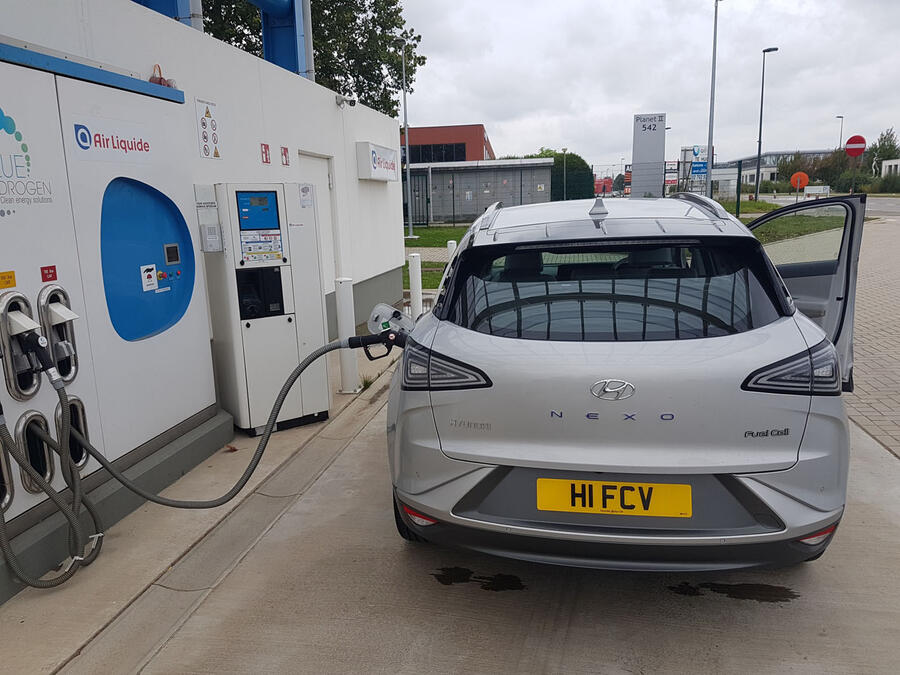
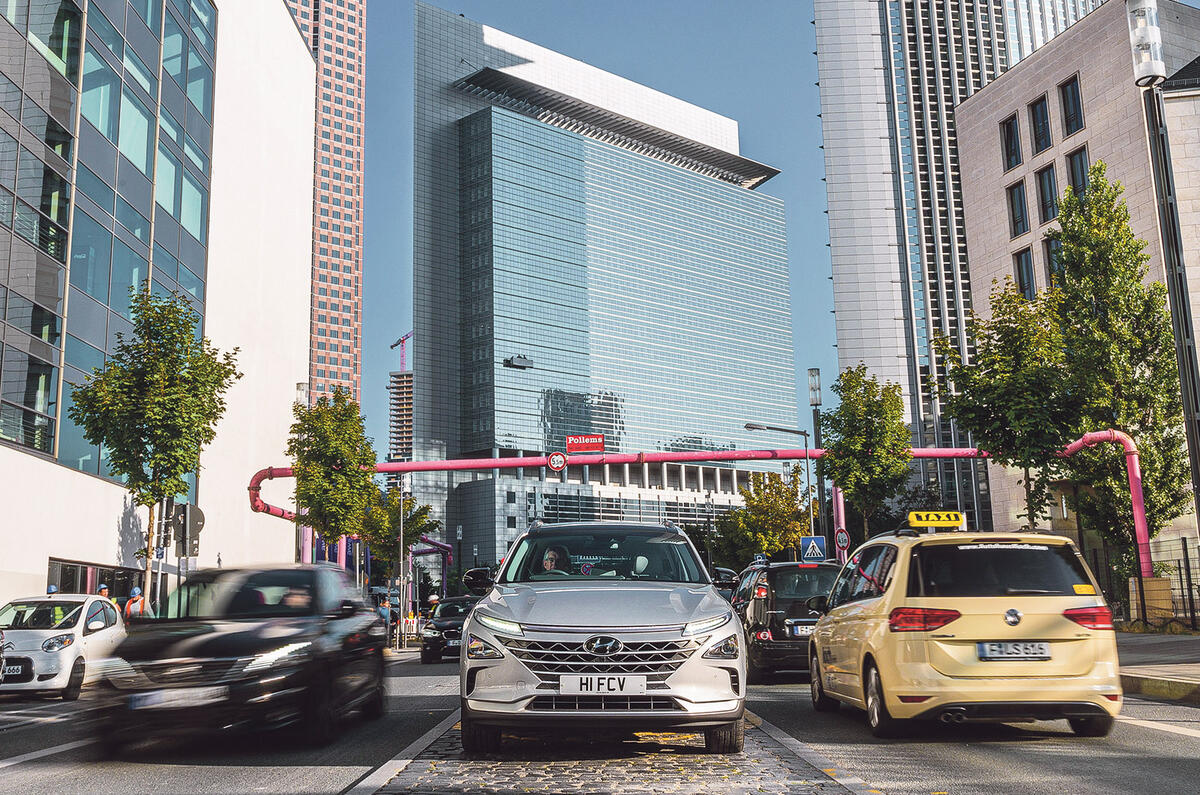
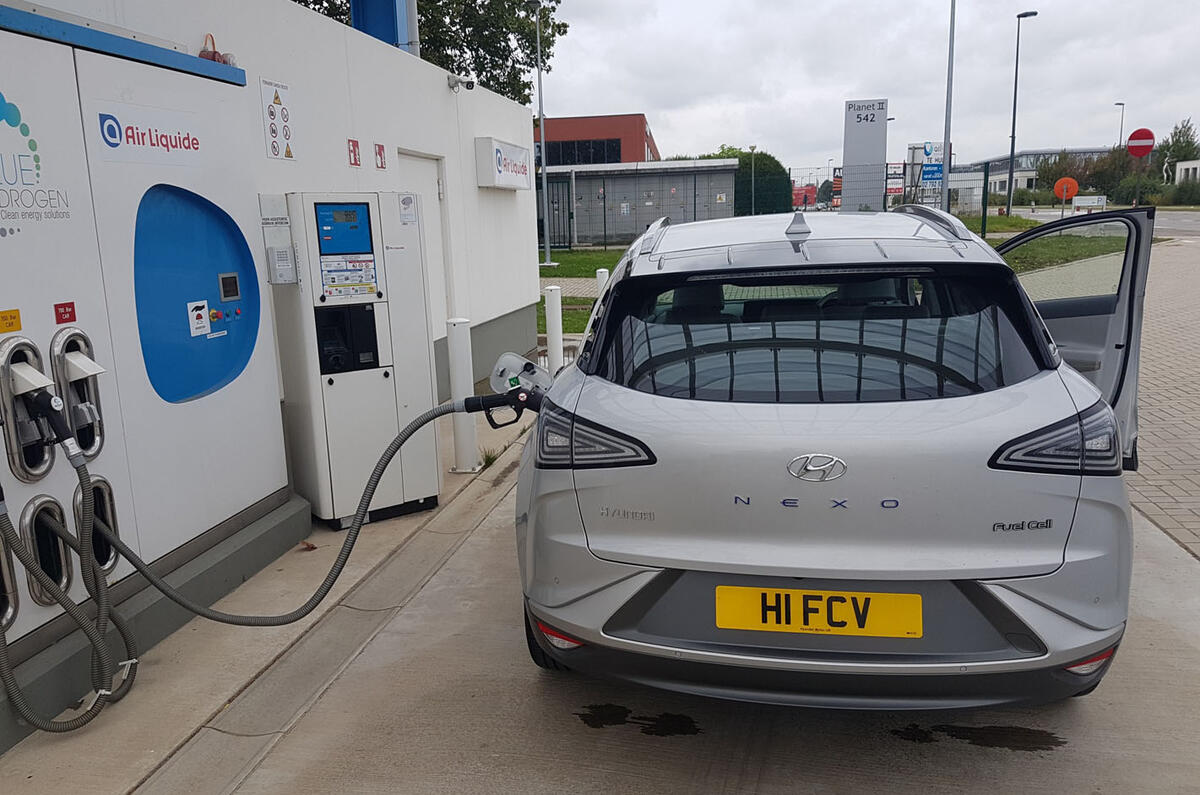
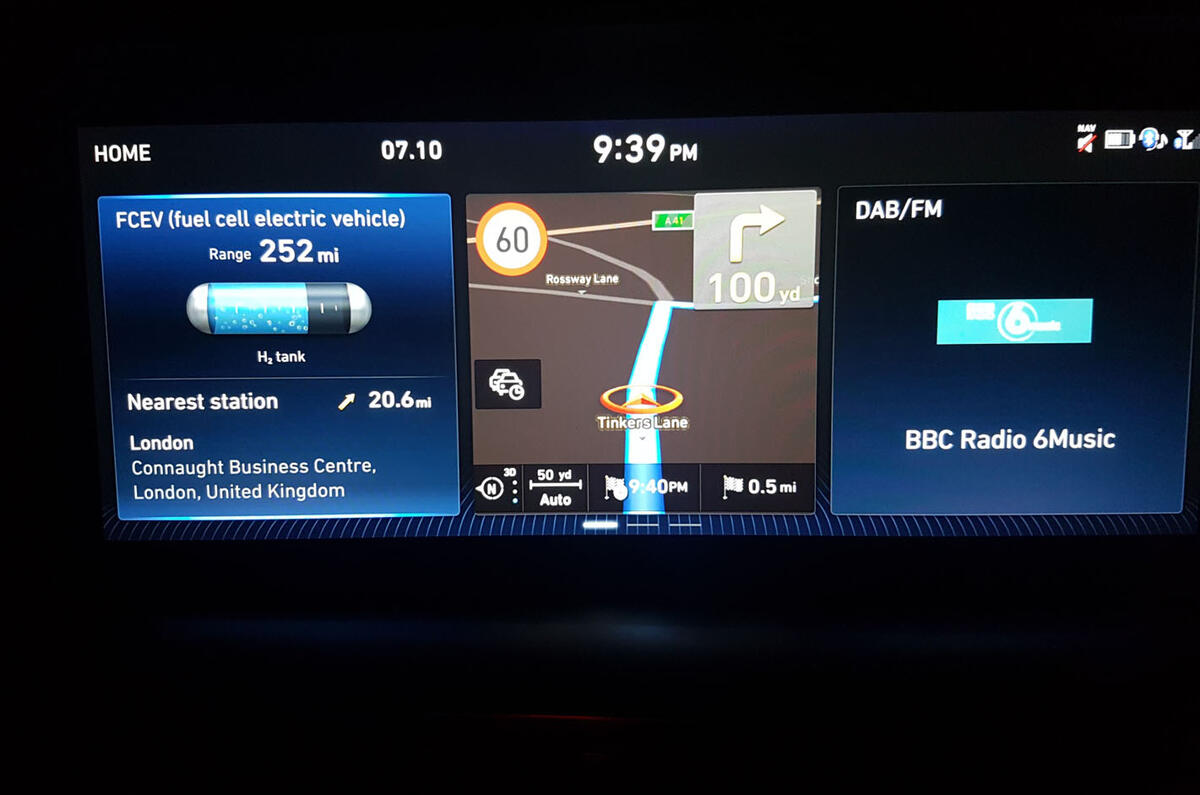
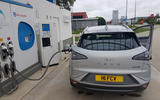
Never mind the show, though. We’ve been running this car for six weeks to see how practical it is to live with a fuel-cell car, and to drive it to the Frankfurt motor show – a round trip of just over 1000 miles from where your reporter lives in Hertfordshire. That home also happens to be only 15 miles from the nearest hydrogen pump – at Beaconsfield services on the M40, a few miles from the M25. Given the Nexo’s theoretical range of more than 400 miles – way better than most EVs – living with this car is a lot more practical than it sounds given that the UK currently has only eight hydrogen stations. That most of those eight are in the south-east is helpful – if you live in the south-east, of course – and still more helpful is that you can refuel a Nexo in under 15 minutes, a replenishment time that no battery EV can hope to compete with.
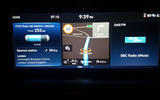
Which begs the question – why aren’t we switching to hydrogen fuel-cell cars rather than battery-electrics? That’s too complex a question to fully answer here, but part of the reason for driving the Nexo to the Frankfurt show is to interview Hyundai’s Dr Sae-Hoon Kim, who heads up its hydrogen fuel-cell business and can update us, besides testing the convenience of Western Europe’s hydrogen network.