Currently reading: How to run your plug-in hybrid car as cheaply as possible

PHEVs can combine the savings of an electric car with the security of petrol power – if you use them properly

Sales of plug-in hybrids (PHEVs) are on the rise, with 225,143 sold in the UK in 2025 – 35% more than in 2024.

Record sales in August 2026 showed that PHEVs were up 39.8% on the same period in 2025, too, so clearly demand is continuing to increase.

Between an influx of long-range PHEVs, low company car tax bills and potentially very low running costs, they’re proving increasingly popular with buyers who want the affordability of electric running for the daily stuff and the convenience of internal combustion for longer journeys. 

But there are some tricks to maximising the potential savings with a PHEV, so here’s our guide to keeping costs down on PHEV motoring.

Plug it in – and then keep plugging it in

There’s an unfortunate habit for PHEV owners to run the car without plugging in, but charging regularly at home on an off-peak tariff is a no-brainer if you’re lucky enough to have off-road parking.

Energy tariffs of less than 10p per kWh are common if you shop around and, even factoring in real-world efficiency on the average PHEV, that works out at roughly 5p per mile in electricity, rather than the 15- to 20p per mile that it will cost while relying on the petrol engine. 
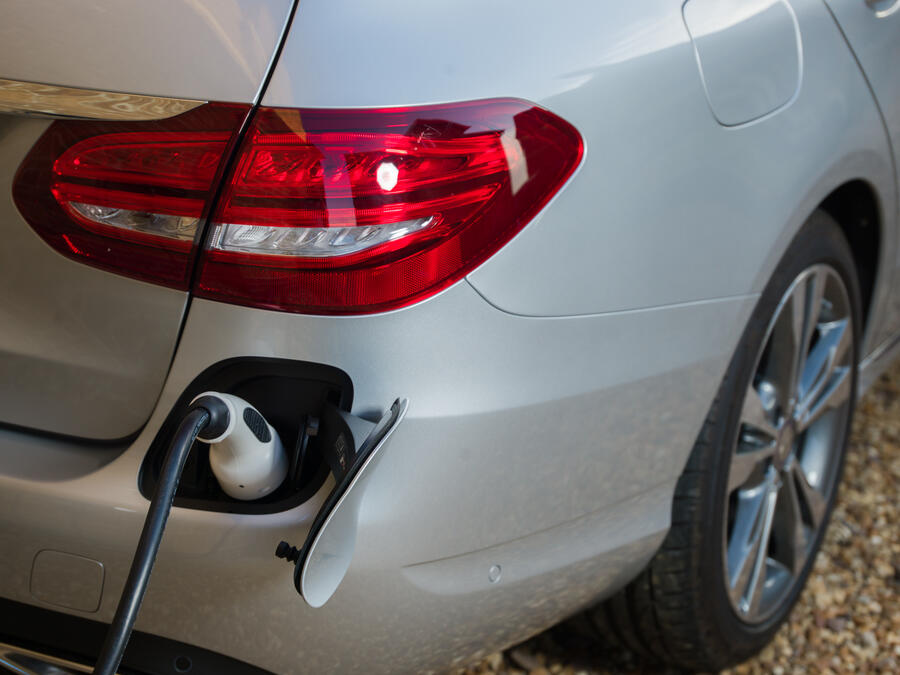
Public charging pushes electricity costs up and can result in similar costs per mile (or potentially even higher costs at pricey motorway rapid chargers), so the trick is really to maximise charging at home and do as much mileage as possible on cheap domestic electricity.

You don’t need to fork out for a dedicated home car charger to do that. Using a professionally fitted outdoor three-pin socket will provide roughly 40 miles of electric range in the five off-peak hours that most electricity providers offer. So plugging in every night would still allow most drivers to cover the average daily UK commute of roughly 20 miles on cheaper electric power alone, with some range left over. 

Use the drive modes

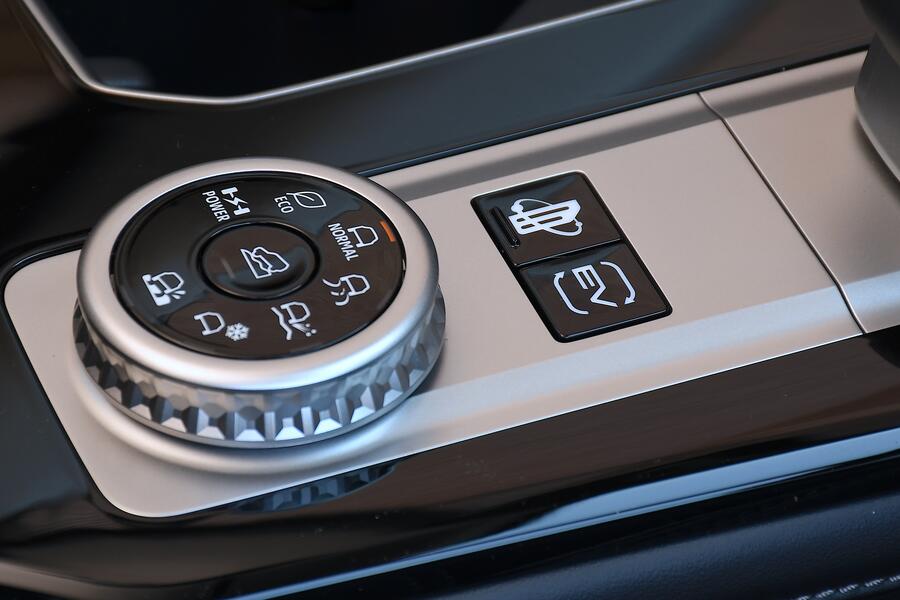
While we’re on the subject of fuel efficiency, nearly all PHEVs have various powertrain modes that give you full control over whether the car is running on petrol or battery power.
Back to top

Provided you’ve got enough charge in the battery, you can run the car in pure-electric mode. Make sure that you do that when you’re around town, when the electric motor will be at its most efficient and the petrol engine will be at its least efficient. Then you can fall back on petrol power out on the motorway, where you will get the best MPG figure. 

It really can add up to decent savings if you do this to maximise the efficiency of both electric and petrol power. Otherwise, many PHEVs default to simply using electric power first, then switch on the petrol engine when you ask for a cheeky squirt of full power or when the battery charge runs low. 

Keep your tax bill down

For retail buyers, the tax savings on PHEVs are pretty minimal. Most will be subject to £115 first-year VED tax, then £200 each year thereafter.

You may also have to pay the Expensive Car Supplement if your car costs more than £40,000 after options, which adds an additional tax of £440 per year from year two to six of ownership.

Worth avoiding if you’re keen to keep running costs down – and you can still have long-range PHEVs for that price, such as the MG HS PHEV, which has a claimed electric-only range of 75 miles for less than £40,000. 

Back to top

The majority of PHEVs in the UK are run as company or fleet cars, not least because there are big savings to be made on benefit-in-kind (BIK) tax.

BIK tax is calculated based on CO2 and electric range, so opting for a PHEV that has an official range of 70 miles or more can bring it down to 6% in 2026/27. That works out at just £960 per year for 40% tax payer, based on a PHEV costing £40,000.

That will jump to £1120 in 2027/28, but in 2028 the BIK rates for PHEVs will spike, so even one with an electric range of between 70 and 129 miles will fall into an 18% band, meaning that tax bill for our example £40,000 PHEV will jump to £2880. 

To get the best saving on BIK tax, make sure that your PHEV has enough electric range to qualify for the lowest possible tax band.

If you’re the owner of a limited company, you can deduct up to 100% of the lease costs of a PHEV (provided it has CO2 emissions of under 50g/km), which can add up to thousands in tax savings. 

Incoming pay-per-mile tax

There’s more bad news arriving in 2028, as there’s also the dreaded pay-per-mile tax to consider. The UK government will impose 'eVED' of 1.5p per mile on PHEVs from April 2028.

At 1.5p per mile, it is at least a fairly affordable tax, which works out at £120 for 8000 miles of driving. There’s not a lot we can suggest to avoid that, other than to, er, drive less.

Join our WhatsApp community and be the first to read about the latest news and reviews wowing the car world. Our community is the best, easiest and most direct place to tap into the minds of Autocar, and if you join you’ll also be treated to unique WhatsApp content. You can leave at any time after joining - check our full privacy policy here.

Vicky Parrott

Vicky Parrott

Vicky Parrott has been a motoring journalist since 2006, when she eventually did so much work experience at Autocar that it felt obliged to give her a job.

After that, she spent seven years as a features and news writer, video presenter and road tester for Autocar, before becoming deputy road test editor for What Car? in 2013. After five years with What Car?, Vicky spent a couple of years as associate editor of DrivingElectric and then embarked on a freelance career that has seen her return to writing for Autocar and What Car? as well as for The Daily Telegraph and many others.

Vicky has been a Car of the Year juror since 2020, and the proud owner of a 1992 Mercedes-Benz 300-SL 24V since 2017. She aspires to own an Alpine A110 and a Porsche Taycan Cross Turismo.