Currently reading: EV drivers in conservation areas miss out on relaxed charger installation rules

Government has loosened planning process for home chargers – but many households aren't included

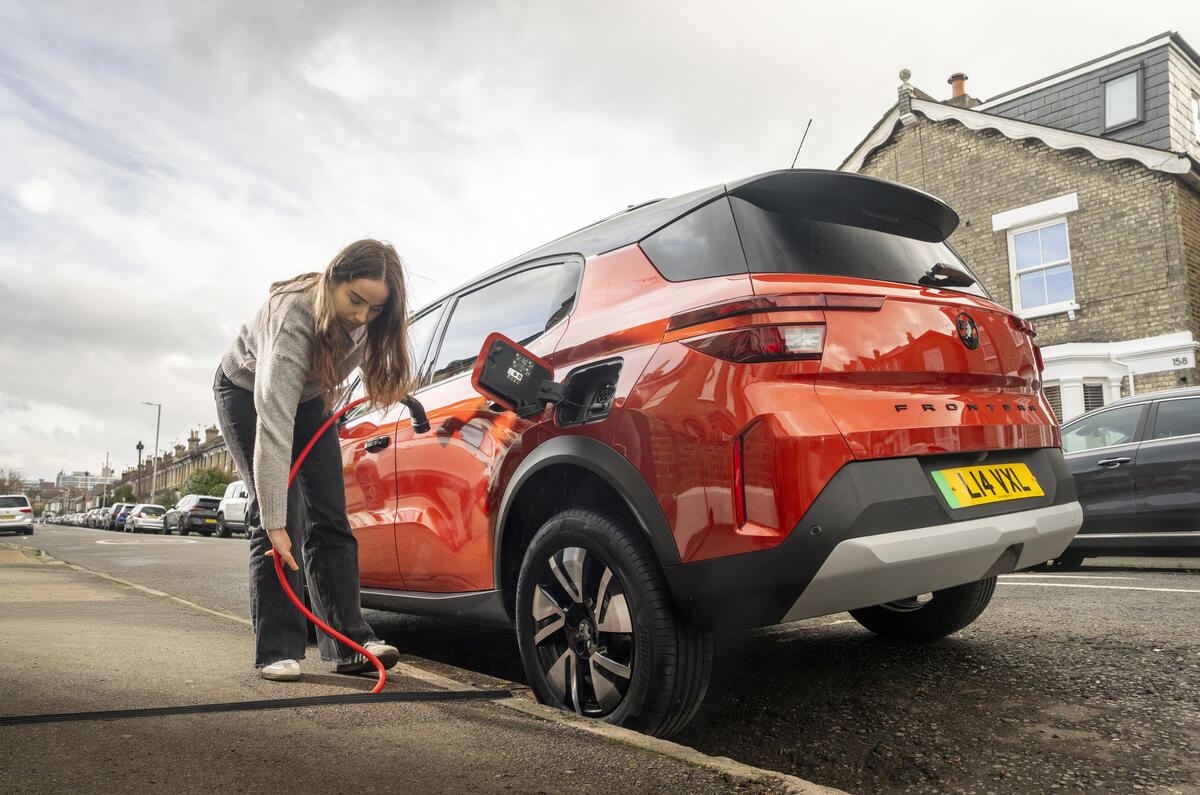
Electric car drivers who live in one of the UK’s many conservation areas could face extra costs and delays when installing home charging equipment, despite recent changes to planning rules aiming to speed up the process.

Historic England told Autocar that nearly two million households are located within conservation areas across England, which are not included in the new permitted development rights that make it easier for motorists without driveways to install cross-pavement charging infrastructure.

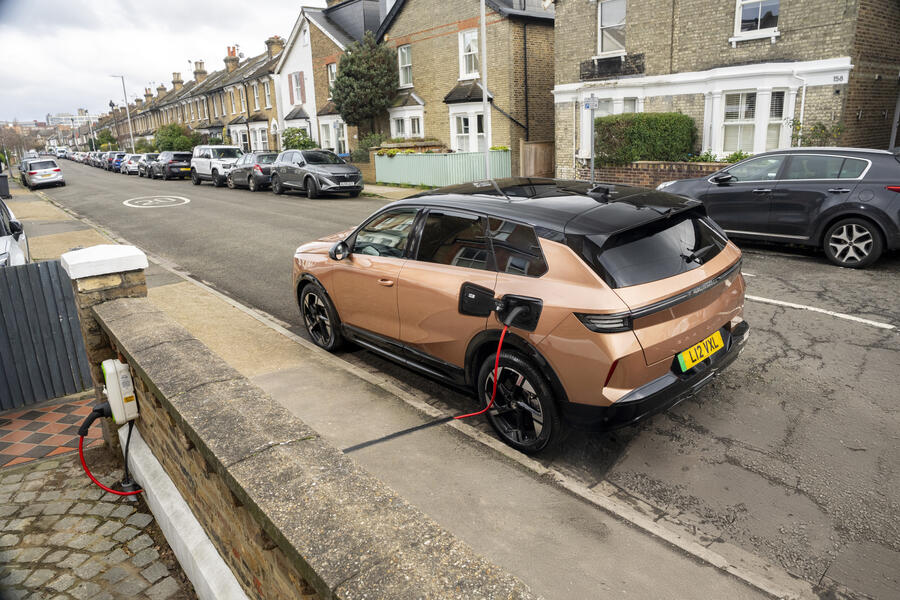
This means people living within those boundaries without off-street parking may still need planning permission for both the charger and the pavement channel.

Historic England doesn't have data for how many conservation area homes lack driveways, but the national average is around 40%.

The government’s plan to streamline the charger installation planning process – announced last month – has raised questions about how the new rules will work in conservation areas in Oxfordshire and Hertfordshire, where councils are already running cross-pavement charging schemes.

Oxfordshire County Council, which has 260 conservation areas, according to Historic England, told Autocar that it was “temporarily pausing new applications from residents” in these protected locations. It's also “holding applications that are conditionally approved, rather than risk residents incurring unnecessary planning costs”.

It added that it's working with local planning authorities to clarify the requirements for homes in protected locations. “When these matters are resolved, applications will reopen,” a spokesperson said.

Shayne Rees of Gul-e, which installs cross-pavement charging channels for the council, said a few dozen applications had been affected by the decision.

According to Rees, the council is trying to get on “rock-solid ground” before advising residents about the new rules. “I think we're talking days and weeks,” he said, rather than months.
Meanwhile, Hertfordshire County Council, which is running a cross-pavement charging trial with St Albans City and District Council, is taking a different approach.

It said it will “continue to consider applications for cross-pavement charging channels on a case-by-case basis”, including those in conservation areas.

It will add an additional step to its initial assessment to check whether an applicant lives in one of St Albans’ 19 conservation areas. If so, they will be advised to obtain the necessary planning approvals and directed to the relevant local planning authority. 

Back to top

Of the three such applications so far, one has been approved and the other two are still being considered.

According to AA president Edmund King, Hertfordshire County Council charges a £200 non-refundable assessment fee, while installation of a pavement channel normally costs £1200 after the subsidy. Those living in conservation areas also have to pay for planning permission for the charger.

Michael Goulden, founder and CEO of cross-pavement charging company Kerbo Charge, warned that the residual planning requirements for residents in conservation areas could put drivers off switching to an EV.

“There are already deterrents when people think about going electric,” he said. “People are leaving behind something they know and understand for something new.”

Getting planning permission for a cross-pavement charger “could take up to three months”, Goulden said, although he added that “it can be a little quicker”.

Goulden also wants to make planning applications less complicated, saying: “What we don’t want people to do is have to submit architectural drawings or in extreme cases carry out wildlife impact assessments."

Instead, he suggested that residents could submit a marked up photograph showing where the charger and pavement channel would be installed.

Historic England said it's “supportive of initiatives to design installations that are compatible with the historic character of conservation areas” and is considering changes to its guidance.

King added: “There obviously needs to be a balance between protecting our historic streets and helping people make the switch to electric, but these two objectives shouldn't be mutually exclusive.

"With discreet chargers and properly installed pavement channels, councils and government should be able to develop a simpler, proportionate approach.

"Home charging is one of the big advantages of running an EV, so we shouldn't create a two-tier system where having a driveway or simply living on the wrong historic street determines whether you can easily access it."

Join our WhatsApp community and be the first to read about the latest news and reviews wowing the car world. Our community is the best, easiest and most direct place to tap into the minds of Autocar, and if you join you’ll also be treated to unique WhatsApp content. You can leave at any time after joining - check our full privacy policy here.