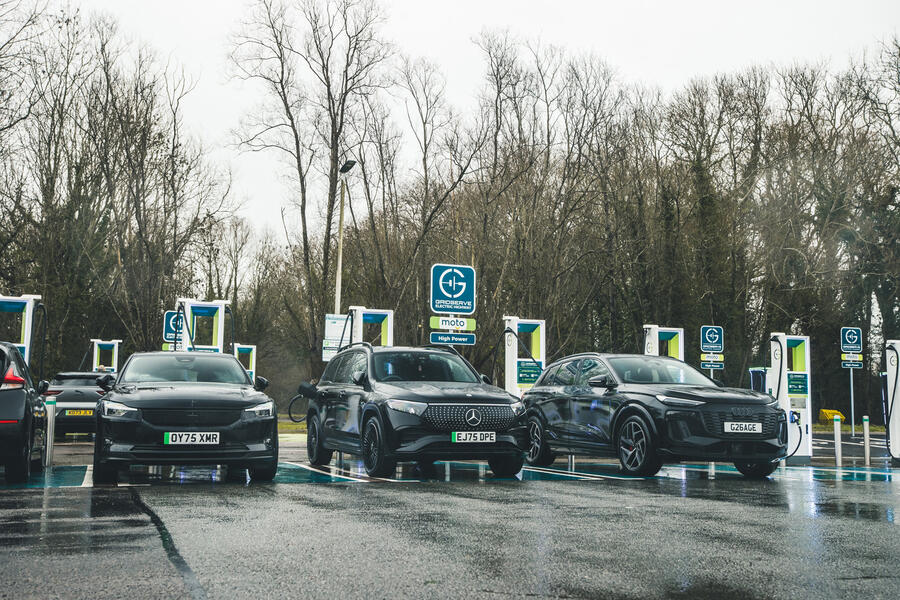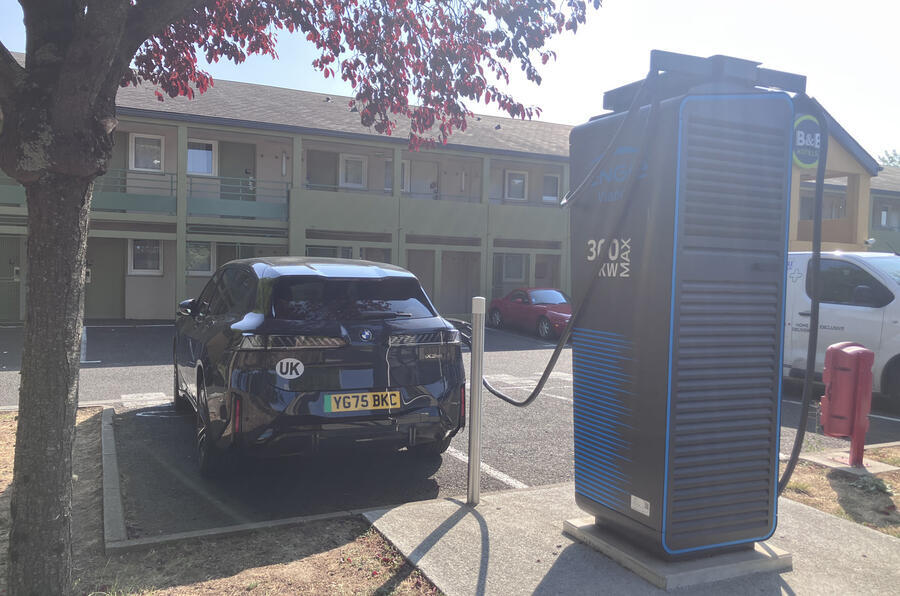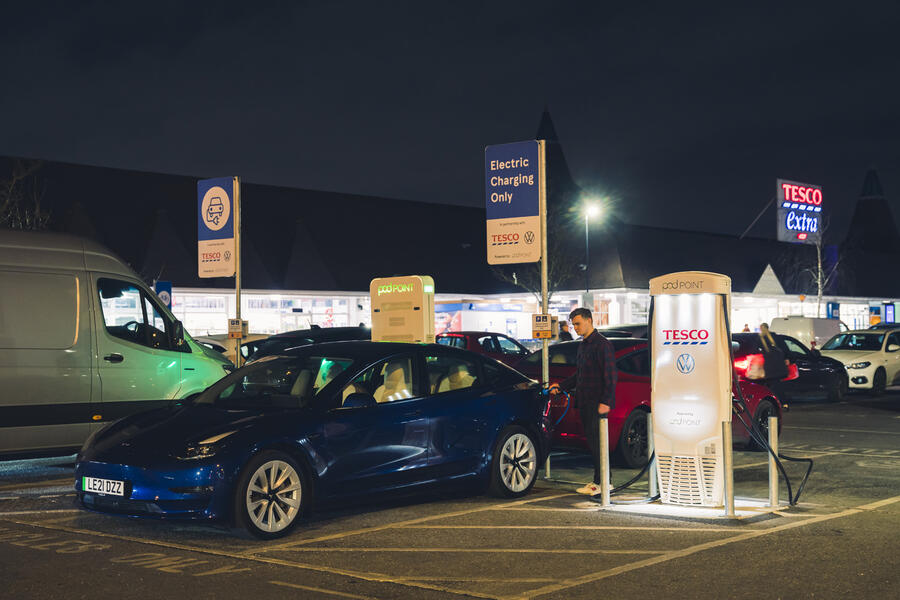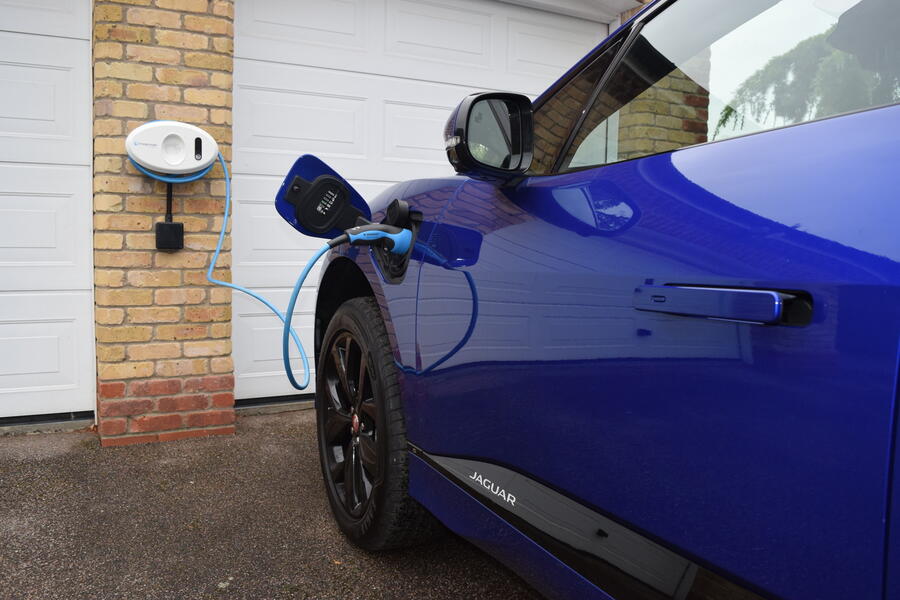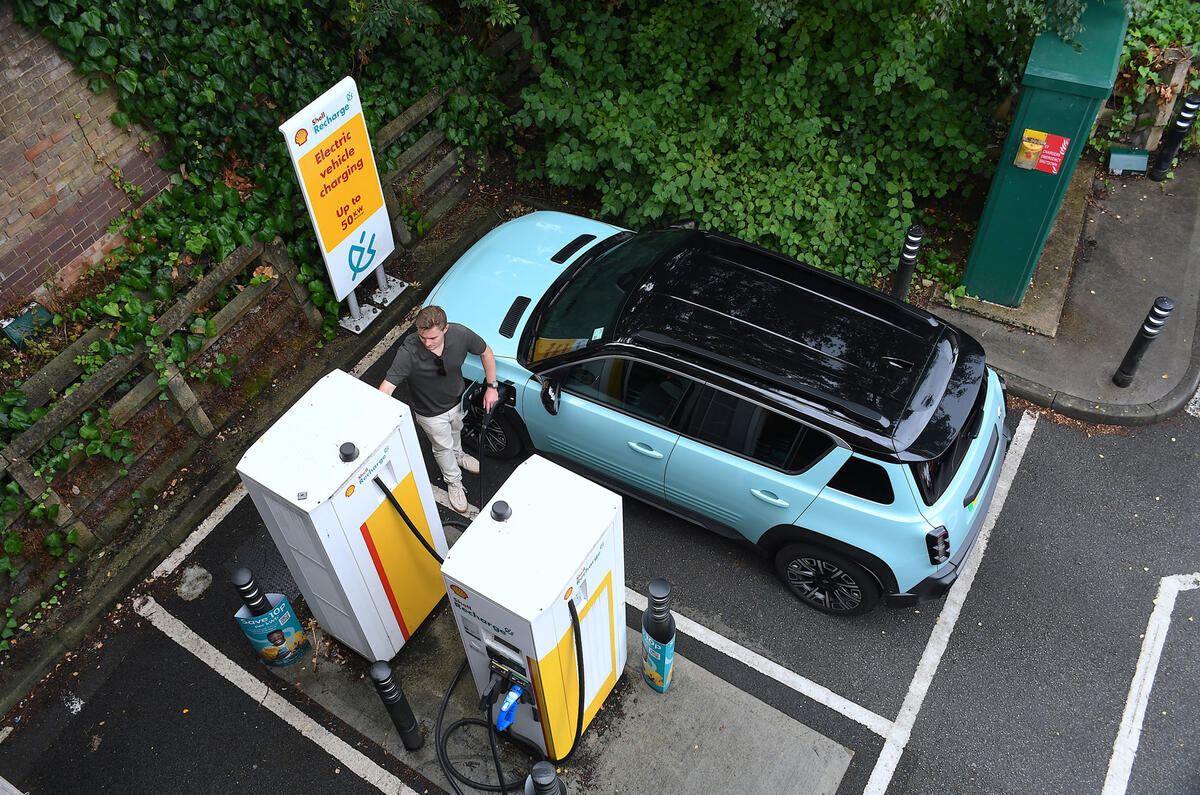


The UK has one of the world’s most widespread electric car charging networks, so you’re rarely far from a convenient place to plug in – but paying for it hasn’t always been easy.
Early adopters will have less-than-favourable memories of juggling multiple memberships, glove boxes full of RFID cards and the multitude of smartphone apps and memberships needed to get around the country.
However, it has become a lot simpler recently. The government has clamped down on easy access to public chargers to help drivers switch to EVs, and there’s a growing choice of membership schemes that enable them to pay for multiple networks under a single account.
Read on to find out about the different methods and how to cut the hassle (and cost) of keeping your EV topped up.
Contactless payments
Paying for public charging is often as simple as tapping your smartphone or bank card, with no need to sign up for membership beforehand.
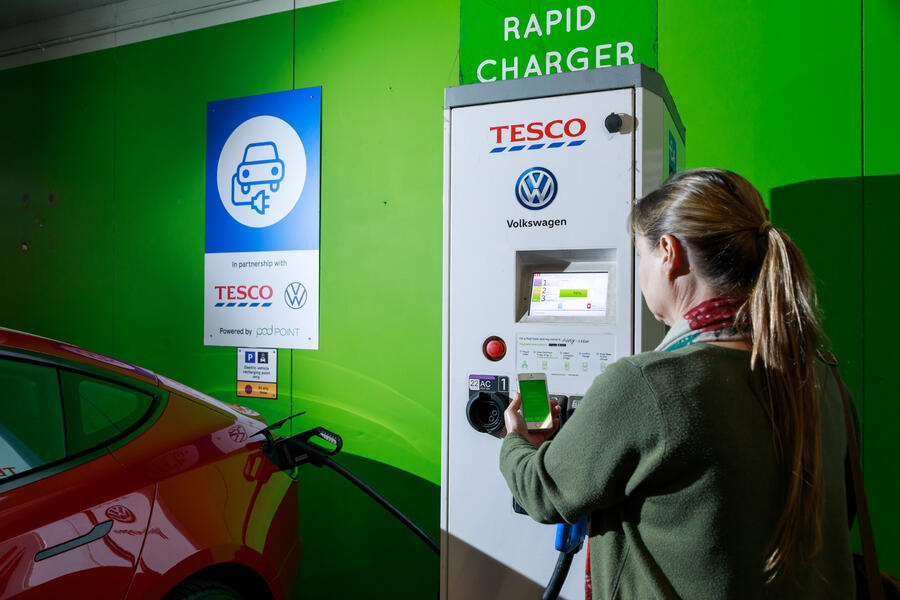
Contactless payment became mandatory in November 2024, as part of the UK's Public Charge Point Regulations. Those rules apply to any newly installed charger at 8kW or faster, and all DC rapid chargers capable of 50kW or more, even if they were already live before that date.
In practice, it means you’re rarely far from a charger that you can access either with a tap of your credit or debit card, or by using Apple Pay or Google Pay on your smartphone. There are almost 30,000 rapid chargers across the UK that accept contactless payments if the nearest slower ones haven’t been upgraded yet.
And if you’re driving for business, most networks will let you request a receipt online by entering a few details about the charging session.
However, there is a downside: contactless payment may be convenient, but it’s often the priciest way to pay for charging.
Charging Network Apps
Most charging networks still offer their own apps, which will enable you to enter your bank details, then control and pay for charging using your smartphone.
They’re usually free to download and include maps showing where chargers are located, how fast they are and whether they’re available and online. You will also get access to some of the legacy slow chargers that don’t take contactless payment.
Using apps can be a little fiddlier than tapping a bank card, as you need to locate the charger and activate it from your phone. However, you will get live data about the charging session, the ability to track how much you’ve been spending and options to quickly download receipts for expenses claims if you need them.