Currently reading: Top tips for happy EV ownership - from an electric car veteran

What to buy, what to avoid – and how to make money from solar panels. What years of EV motoring have taught me

EV ownership is a way of life for some but a mystery to others. I took the plunge five years ago and I'm a certified convert: not only does electrification make for a plesant (and completely different) drive, it has also opened up new opportunities, such as making money from the grid.

If you're considering making the switch to an EV or you're simply looking to optimise your ownership experience, here are 10 of my top tips as an expert.

Don't buy more battery than you need

Since I took the plunge into EV ownership in 2021 with a Kia e-Niro, the rapid charging network has improved out of all recognition.

Depending on your 'use case', you don’t necessarily need an EV with a massive battery and the range of your outgoing diesel to do long trips, just a decent charging network.

For me, with the e-Niro’s 64kWh battery and range of around 260 miles, occasional 700 mile round trips with a couple of coffee-and-charge stops each way works out fine.

The battery represents maybe 25-35% of the total value of an EV, so it’s not worth buying battery capacity you rarely use.

That said, an upgrade to a Kia EV3 brings an 81kWh battery and a range of 360 miles plus, making life even easier on long trips. Progress.

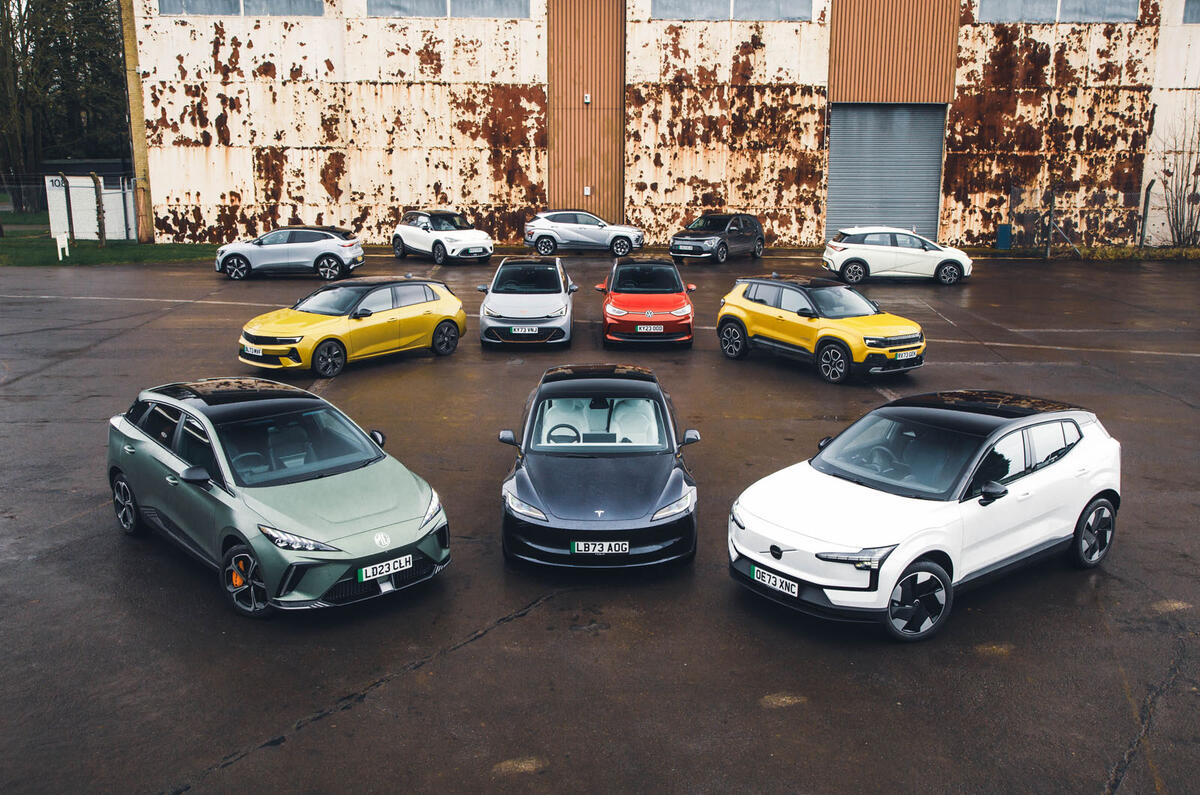
Looking for an EV? These are the best electric cars on sale today

When to charge?
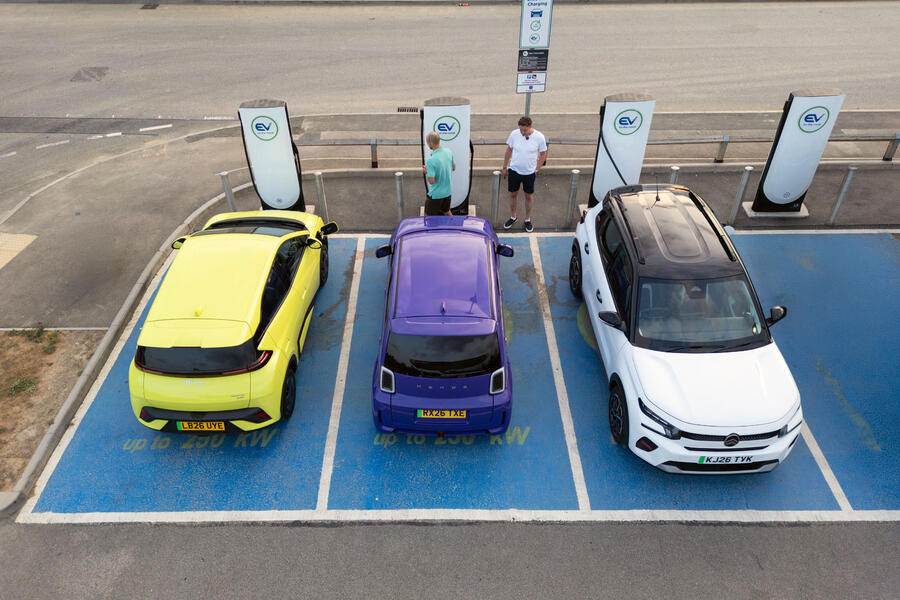
EVs charging

As a rule of thumb, I avoid running the battery to less than 20% charge. First off, it’s good for the battery, and on a longer road trip in unfamiliar territory I aim at more for wiggle room in choosing where to charge.

I’ve also experienced my old e-Niro shouting dire 'low battery state' warnings at me and experienced the available range evaporating before my eyes below that point. 

Which chargers to use

If you’re on a road trip, DC rapid chargers are the way to go.

Compared with my e-Niro, the new EV3 charges far quicker, gaining more than 200 miles of range in 30 minutes.

I like to navigate with Google or Apple Maps and, if it’s a new route, use Zapmap to scope out charging stops, but some might prefer EVs' built-in sat-navs, which recommend chargers along the route related to remaining range.

Many new EVs use that navigation data to pre-condition the battery temperature for the optimum charging speed, too.

At home, a 7kW 'wallbox' charger gives around 25-30 miles per hour and a 13-amp 'granny charger' about 10 miles per hour.

Most energy providers have off-peak tariff deals for the early hours; I mostly charge for five hours at 8.12p per kWh.

Assuming you’re able to charge at home, slower is better for most batteries (especially older tech), and it’s cheap.

Read more: How to charge your electric car at home

Charging with solar
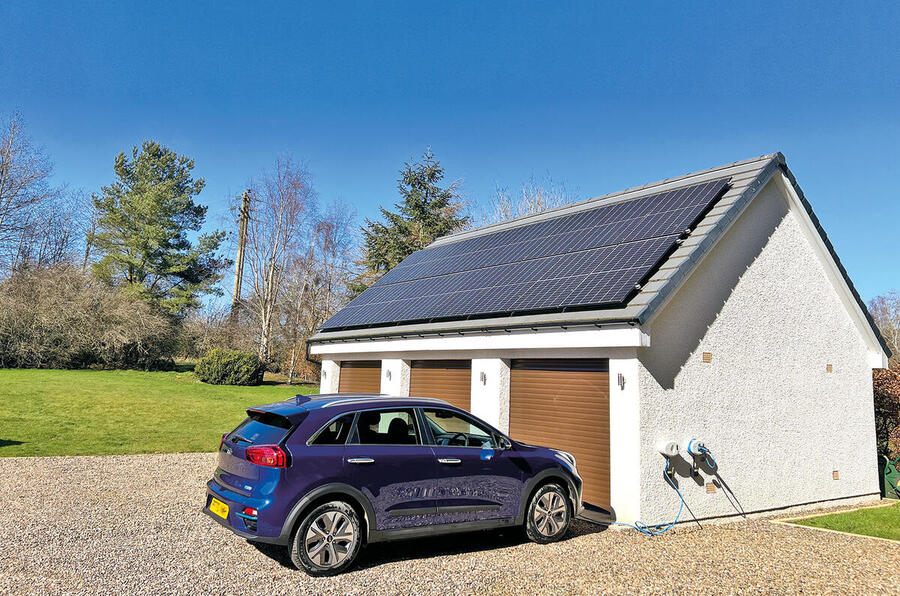
Jesse Crosse's solar EV charging

Back to top

In 2022 I invested in a solar system that's officially rated at 5kW. It’s a hybrid system with just under 10kWh of battery storage, the idea being that solar energy supplies the house during daylight hours and stores excess in the batteries.

On a clear summer day, the battery is charged by midday. I like fuelling the e-Niro with sunshine using a 3kW granny charger rather than a 7kW wallbox and ‘free’ excess solar energy without drawing from the grid. 

Beat the energy crisis: my ultimate EV home-charging set-up

How to make money from the grid

Energy suppliers have export tariffs for certified solar system users. Any excess solar power that the car or house can’t use is automatically exported to the grid, and you get paid for it.

My Outgoing Octopus tariff pays 12p per kWh, compared with 28.44p for the Octopus Go day rate and 8.21p for the night rate.

I know what you’re thinking: it would actually pay to charge exclusively at night and let the solar export when it can. But where’s the fun in that?

How to drive efficiently

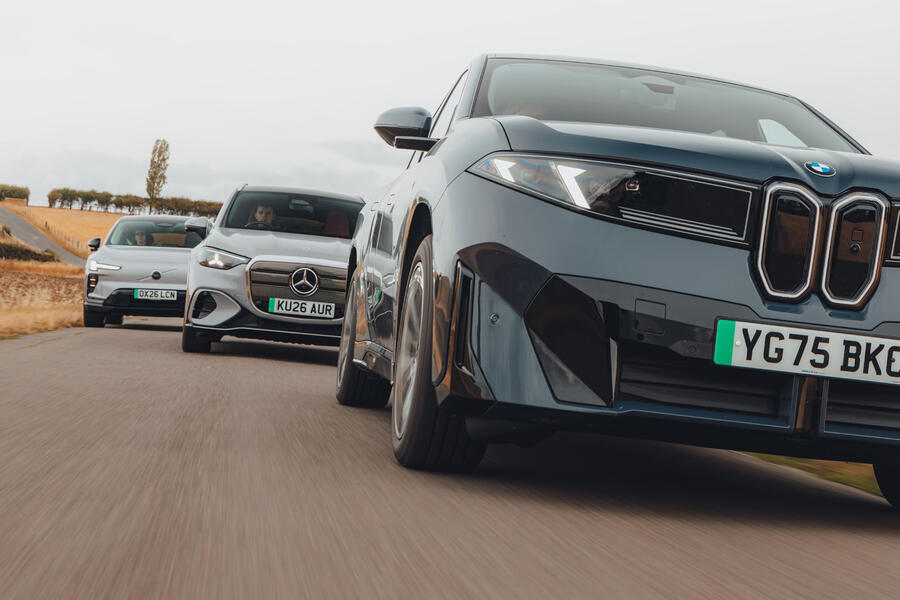
Volvo EX60, Mercedes GLC EV and BMW iX3

The same economy rules apply to both combustion-engined cars and EVs: it’s all energy, so heavy throttle use, hard acceleration and cruising at high speeds on the motorway will consume more fuel, whether that's petrol, diesel or electricity.

I prefer the normal drive mode, using the throttle judiciously and making good use of the regenerative braking. The e-Niro has paddles for controlling regenerative braking force, and I tinker with them using more on slower roads and less in high-speed cruising. I haven’t any way of measuring whether I gain anything in efficiency terms, but it feels good and it’s a kind of engagement that’s unique to EVs.

Warranty

The majority of major brands give a seven- or eight-year, 100,000-mile warranty on the expensive bit, the high-voltage battery (or more in the case of BYD and its Blade battery) so there’s not much to worry about here. 

Back to top

How long should I keep it?

Most people buying new EVs will use finance, so the problem is solved if you chop it in at the end of a PCP period. But I chose to extend my PCP deal then buy my e-Niro outright.

It had the usual Kia seven-year/100,000 mile warranty on the battery and I planned to run it indefinitely. But an electrical system error that may have been something or nothing put me off and with a good offer for it on trade-in, warts and all, meant I recently swapped into an EV3. I’d chickened out despite there being three years left on the warranty, and part of me regrets that now.

Maintenance

There’s no need to worry too much, as there’s not much to go wrong.

That doesn’t mean main-dealer servicing is cheap, though, so it’s worth checking out service packages if buying new.

Rear discs tend to go rusty sooner than on an ICE car, because, thanks to regenerative braking, the mechanical brakes’ friction surfaces do much less work.

The mighty torque of an electric motor means front tyres on front-wheel-drive cars can wear a bit faster than you expect, but that depends a bit on driving style.

Buying a banger

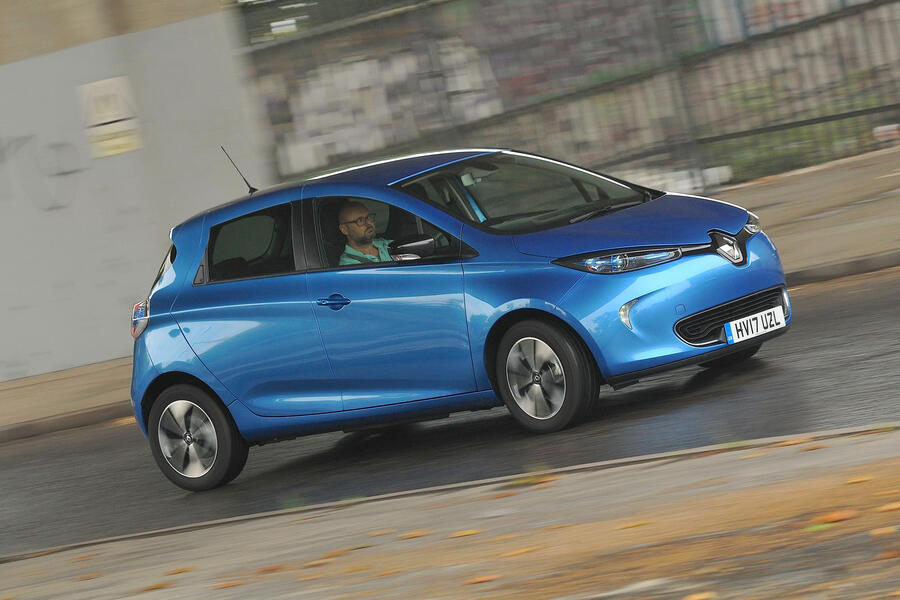
2017 Renault Zoe

EVs have been around for a while now, so what about buying used? The main thing to consider is the battery condition.

For EV driving on the cheap, there’s a bit of a following for first-generation Nissan Leafs, and I bought one as a second car for local driving, with its modest 24kWh air-cooled battery and 85-mile range.

It’s possible to check battery condition by the number of bars on the condition gauge or by using an OBD scanner with an app called Leaf Spy.

There are plenty of other brands to choose from, and for a small runabout a Renault Zoe can be had for peanuts or a Volkswagen e-Up for less than £10,000. 

Join our WhatsApp community and be the first to read about the latest news and reviews wowing the car world. Our community is the best, easiest and most direct place to tap into the minds of Autocar, and if you join you’ll also be treated to unique WhatsApp content. You can leave at any time after joining - check our full privacy policy here.