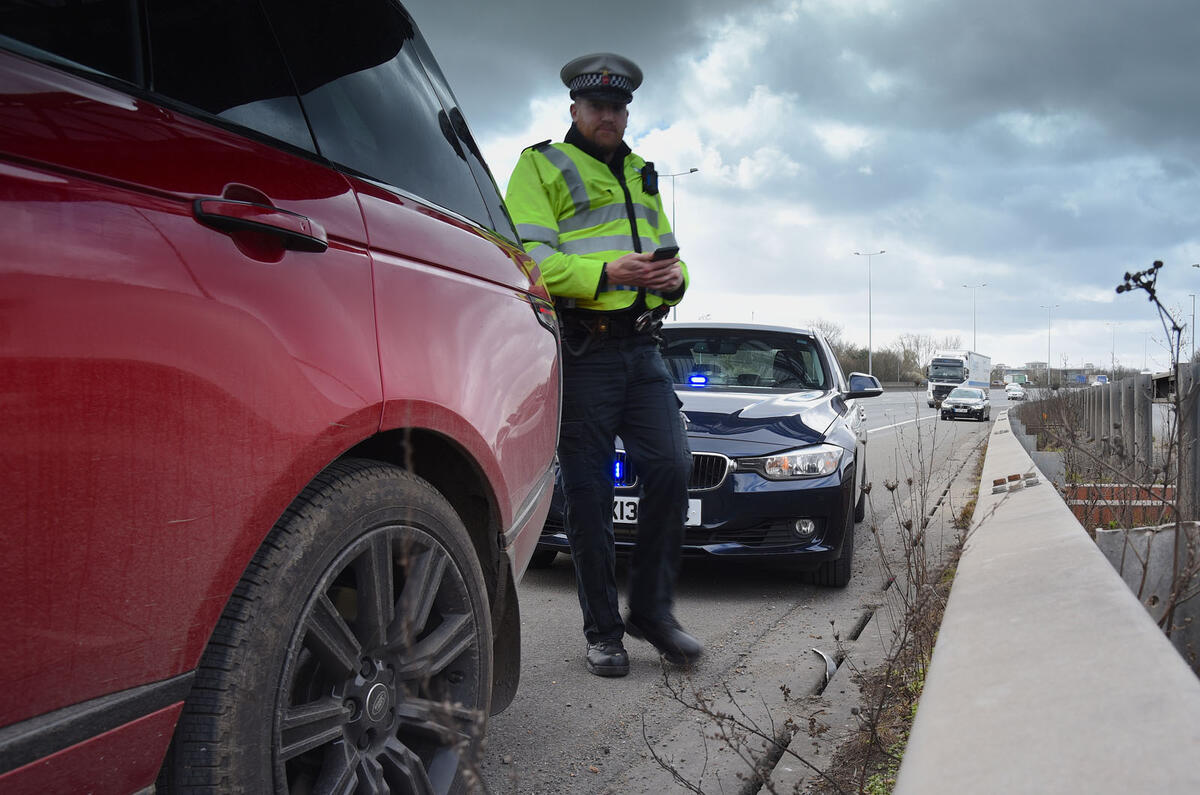
Nearly three quarters of vehicles reported stolen in the year ending March 2025 were never recovered, according to the latest Crime Survey for England and Wales.
Yet tracker companies report that recovery rates for vehicles fitted with professionally monitored tracking systems are between 95% and 99%, which highlights serious shortcomings in factory-fitted locator systems.
Steve Launchbury, principal engineer for automotive security at Thatcham Research, said high recovery rates are exactly what he'd expect from approved stolen-vehicle recovery systems.
"I think with all data, there is a degree of how you read it," he explained. "But certainly in terms of Thatcham's certified tracking products, they have a really good recovery rate on them, and that's why we often communicate the necessity for some of these devices, particularly on highly targeted models."
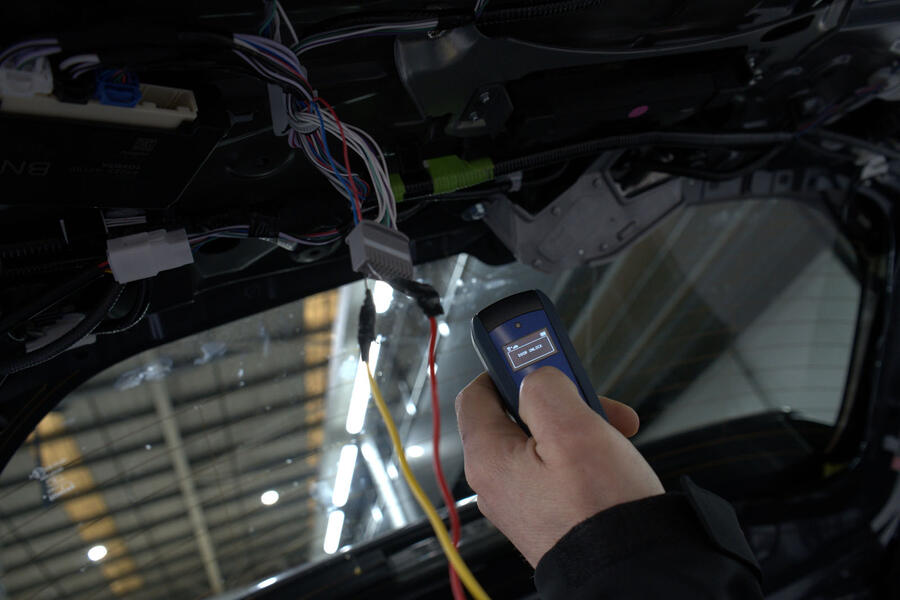
According to Launchbury, pictured below, experienced thieves know exactly where manufacturers fit the embedded SIM card used by connected vehicle services. One of their first jobs after stealing a car is to rip out components such as the infotainment unit to gain access to the tracking hardware.
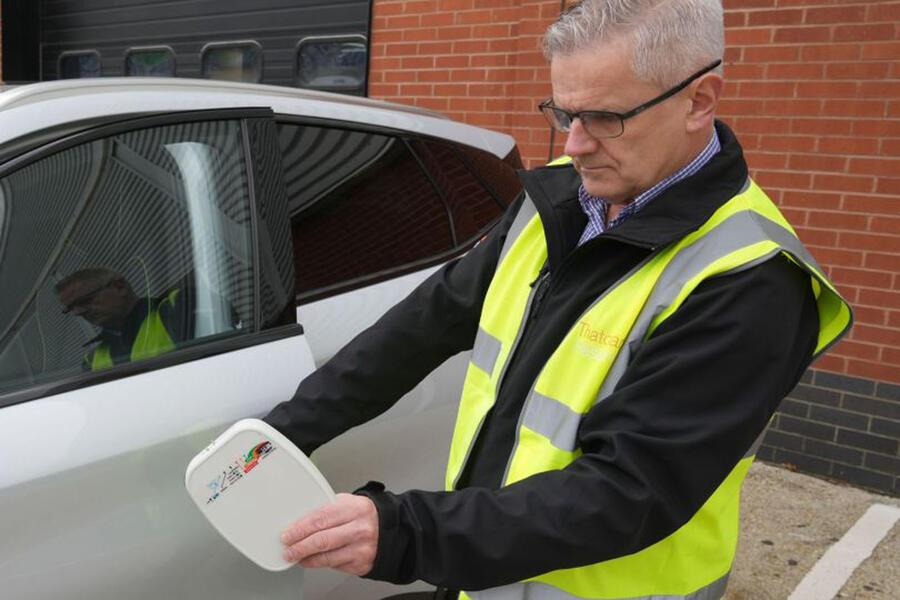
"Ultimately, you can't locate the vehicle," he said.
Detective chief inspector Kate Brummell agrees: "Vehicle crime has become increasingly sophisticated and technology-enabled, and what was once perhaps considered a petty crime is now far more likely to be linked to organised crime."
Neil Thomas, director of investigative services for Inn-Track, said that's exactly what his company sees. The stolen vehicle recovery specialist finds that more than 90% of the vehicles it recovers have already had their factory-fitted connected technology compromised or disconnected.
Launchbury added: "That's where the covertness of the retrofit aftermarket systems comes into their own, because obviously [the criminals] weren't aware there was another product in the vehicle."
Thomas said the difference is that dedicated recovery systems "are designed to remain hidden". He explained that, unlike factory-connected systems, they have their own battery and remain dormant until activated. This, he said, makes them much harder for thieves to detect electronically.
"Most tracking devices report a signal constantly," he explained. "With ours, it doesn't report until we tell it to. So it can't be electronically 'wanded' - and because it's small and hidden away and not hidden in the same place every time, it can't be found either."