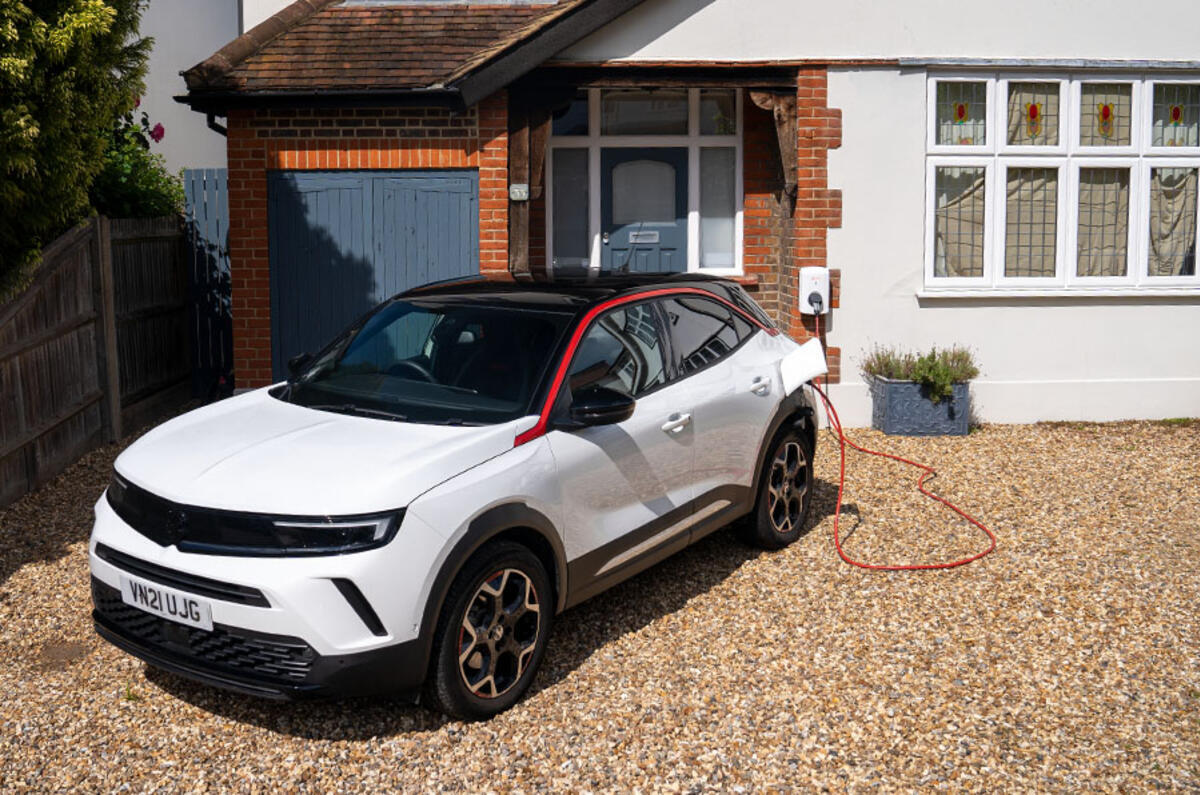



If you’re switching into an electric or plug-in hybrid company car, having a charger at home is an important step towards making your life easier.
A wallbox turns your driveway, garage or parking space into your own personal fuel station, located exactly where your car is stopped for the longest. Simply plug in when you get in from work and you will usually wake up to a full battery every morning.
Better still, there’s financial support in place to help drivers install home chargers and a straightforward system for claiming back the cost of electricity for business trips. Here’s what you need to know.
How do company car drivers install a home charger?
Home chargers are already required by law for new-build houses in England and Scotland, and Wales looks set to follow suit.
Retrofitting older properties has become a routine job for electricians, so there’s no shortage of companies that can take on the work.
Lease companies usually enable chargers to be added like an optional extra when a vehicle is ordered, either funded by the employer as part of the contract or paid for separately by the driver.
And there’s still grant funding available from the government, although it isn’t as generous as it used to be.
Drivers who have an EV or PHEV assigned to them for at least six months can claim up to 75% towards the cost of the charger and installation, capped at £500 per unit. That includes company cars, salary sacrifice schemes and longer-term rentals.
However, there’s a snag: that funding is available only for flats, rented accommodation and properties without off-street parking. If you own a house or bungalow with a driveway or garage, you will have to cover the full cost yourself.
Employer-funded chargers may be eligible for the Workplace Charging Scheme, which provides the same amount of funding (up to 75% or £500 towards the total cost). This is available for any property with off-street parking but requires drivers to be home-based and the charger must be eligible for business and residential use.
Unusually, home charging equipment isn’t classed as a benefit-in-kind, so there’s no tax liability if employers pay to install them for employees. If the alternative is relying on pricey public chargers, they will quickly break even for high-mileage users.
Self-employed workers can also claim through the Workplace Charging Scheme, if their home is registered as their main business address.
Do you need permission to install a home charger?
That depends where you’re installing it. Off-street installations (on driveways and in garages) are classed as permitted development, so there’s no need for planning permission unless you’re in a listed property.
If you’re renting or live in a block of flats, you will need permission from the landlord before you undertake any work – and the governmental Office for Zero Emission Vehicles (OZEV) can demand proof before it approves the grant.
On-street installations are more complicated. Local authorities set their own rules about trailing cables across pavements, and not all of them allow it.