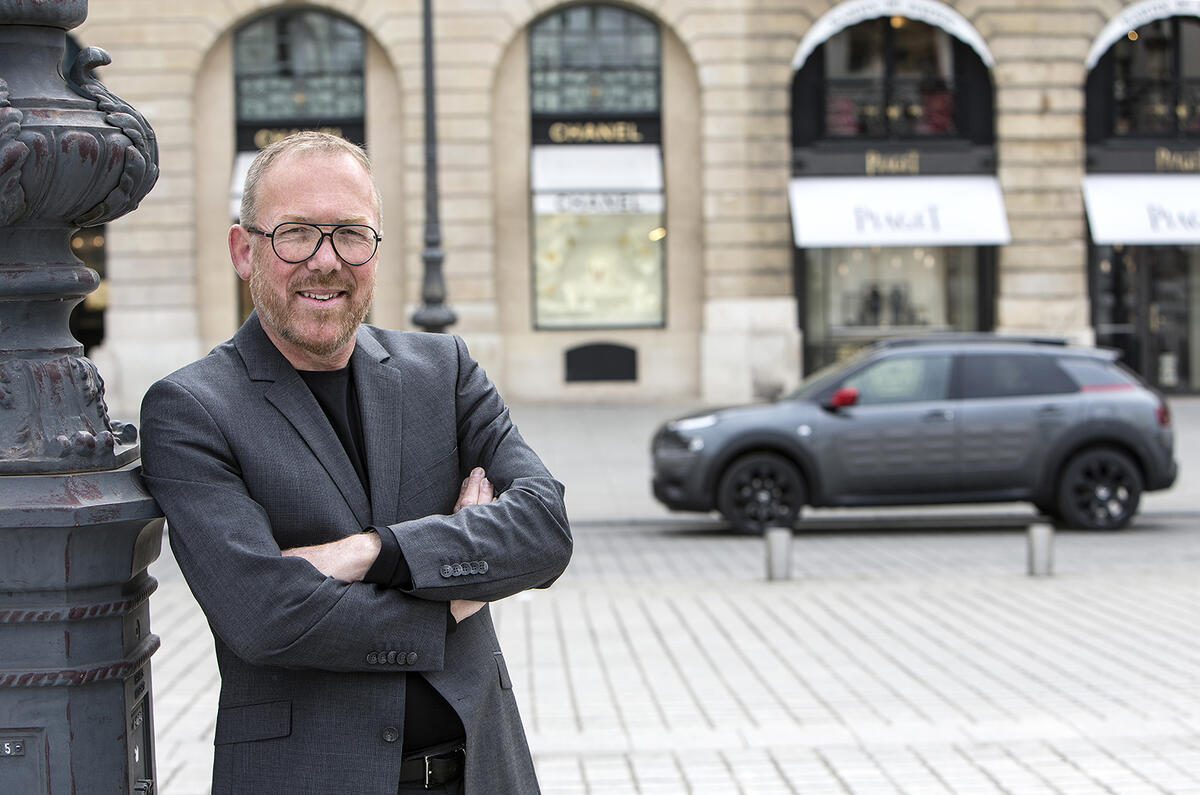

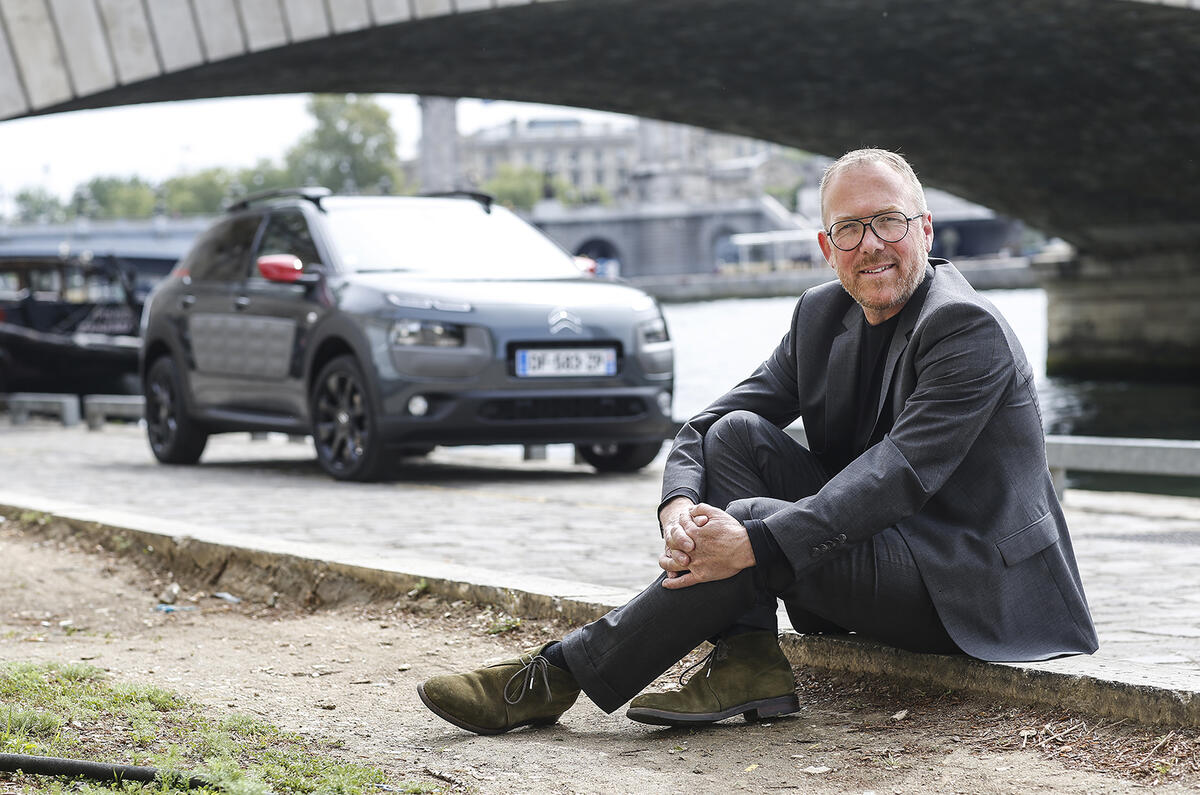
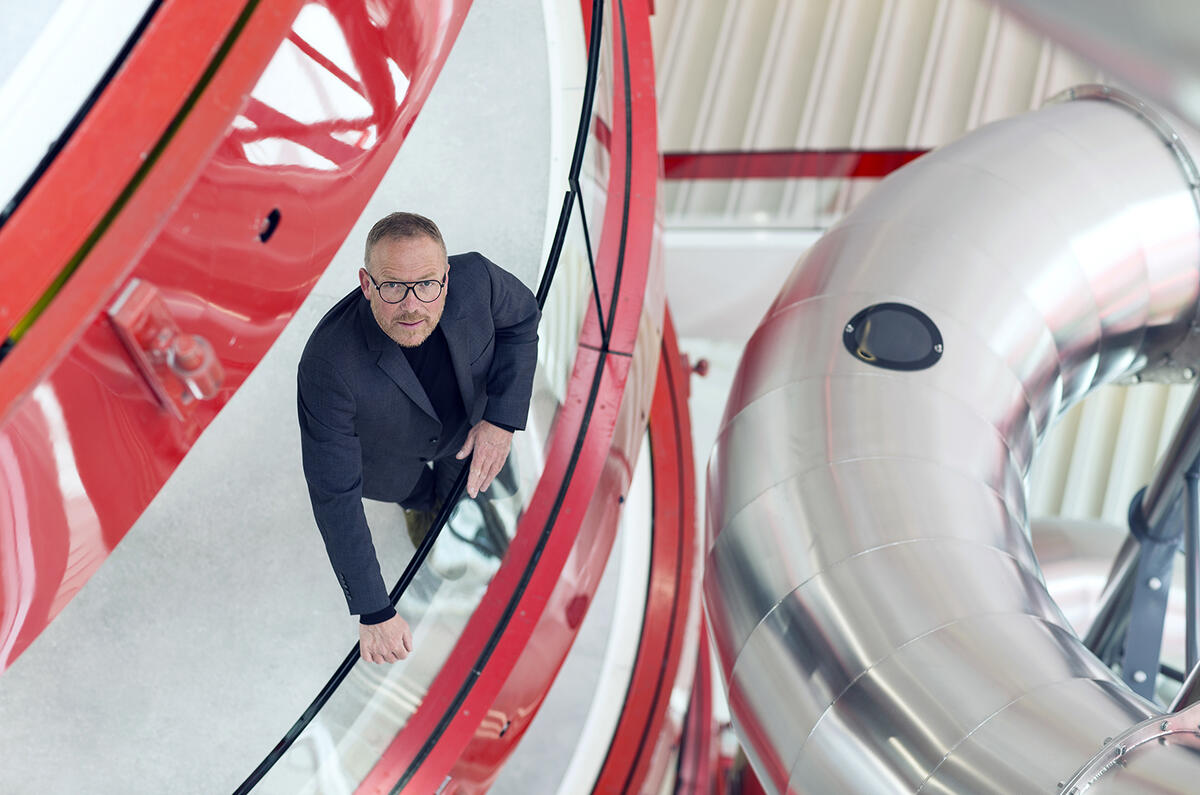







Citroën design strategy director Mark Lloyd is the kind of bloke who sees opportunities, not problems.
“Back in 2009, it was a pretty bad time for the economy,” he says. “I gave a presentation about where I thought we should go.
"I opened it with images of world catastrophes from throughout history and highlighted the effects of those situations on accelerating change. I wanted to demonstrate the energy that can be harnessed from times of stress.”
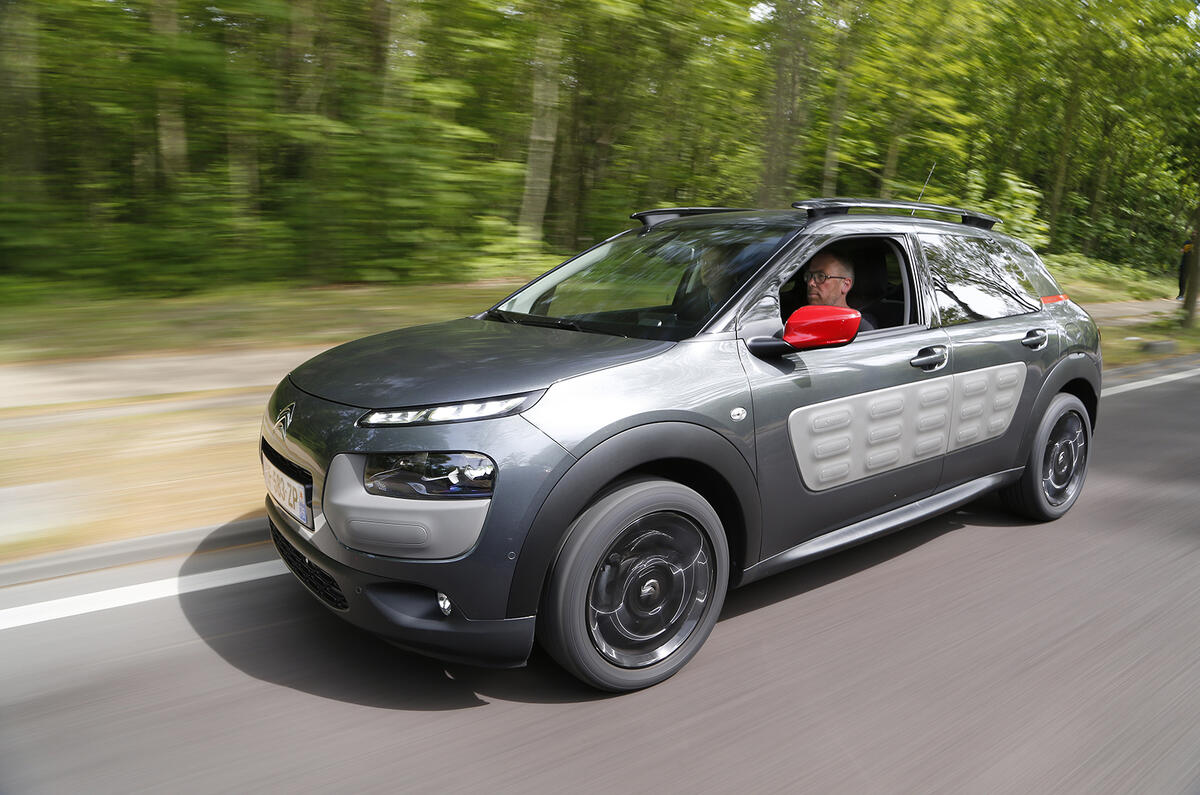
Fast forward to a sunny day in April 2015 in the centre of Paris, and Lloyd is a vision of contentment, as well he might be as he navigates the traffic at the wheel of a C4 Cactus, a deliberately polarising car that his stark words in the boardroom six years earlier helped to make a production reality.
It’s for that foresight, coupled with a relentless desire to think differently, that Lloyd has been honoured with the 2015 Sturmey Award, named after Autocar’s founding editor, Henry Sturmey.
The award was created in 2014 to salute innovation and achievement in the motor industry, and Lloyd was selected by judges not just for his work on the Cactus, the underlying philosophy of which will influence future Citroën design, but also his role in establishing the DS brand.
Lloyd arrived at these pivotal roles after an early career that stands out for its glittering success and a slightly wilful approach to attacking convention.
“As a child, I was interested in sailing boats, and it was the Weymouth Speed Week that fascinated me,” he says.
“People went along with weird and wonderful creations trying to beat speed records.
"It was always fascinating to see what they came up with and I’d make models out of balsa wood trying to recreate them and make them go even faster.”
Faced with a quandary of what to study at university, Lloyd weighed up engineering, architecture and photography before – unusually – settling on the one with the most stable prospects.
Even then, a curve ball wasn’t far away: he graduated from Cambridge with an engineering degree, having specialised in fluid mechanics, knowing he didn’t want to be an engineer.
Instead, he earned a place at the Royal College of Art.
“You have to remember that 99% of the people on that course had studied design,” he says. “I came from engineering, where you only draw technically.”
Fortune was on his side, though, because his background intrigued both Jaguar, who paid for his studies and brought him into their design studio, and the Royal College, who also pushed him to co-study with the Imperial College of Science and Technology.
Three years at Jaguar convinced Lloyd that he had taken the right path.
Working in a team led by Geoff Lawson, he recalls a learning period from which, he says, “I couldn’t have asked much more”.
Highlights included working on the design and aerodynamic development of the XJ220, a left-field project that he describes as “adventurous”.