
An EU directive that will standardise rapid-charging EV points in favour of a design that is not common in the UK is set to be an early casualty of the Brexit vote.
Due to be written into UK law this October, the directive has attracted criticism from both the EV industry and UK government and is likely to be quietly shelved as unnecessary.
"This is a piece of bureaucracy that this industry, which is still in its infancy, doesn’t need," said David Martell, boss of Chargemaster, which makes and supplies EV chargers from its Luton-based and factory. "It doesn’t make any point and we want to see it dropped."
The new EU law, which is known as the Alternative Fuels Infrastructure directive, has been in discussion since at least 2014 and was intended to force member states to establish an EU-wide EV charging network, along with facilities for compressed natural gas (CNG) and liquefied natural gas (LNG) depots.
But with no funding to back it, the directive attracted little support from member states, Autocar has been told.
The directive makes the Combined Charging System (CCS) plug – a design adopted largely by German car makers – a legal requirement for any publicly available rapid charger.
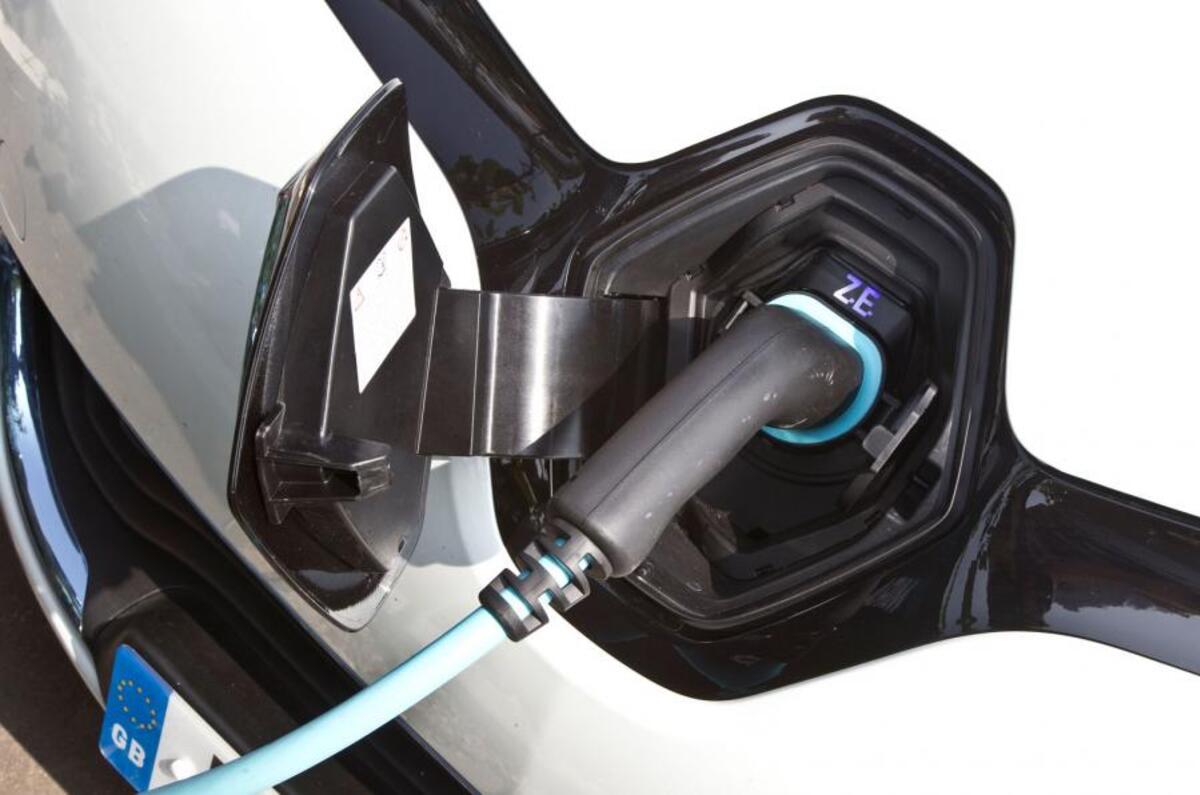
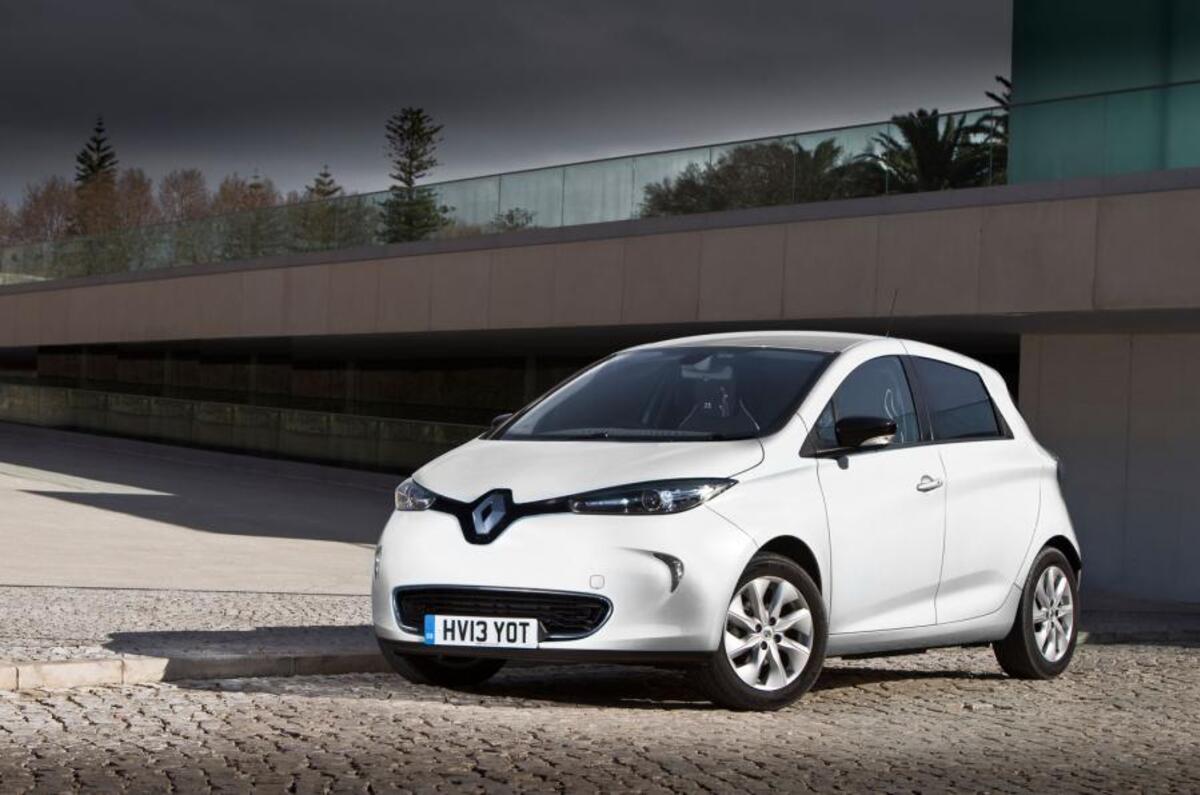
However, the UK has a large fleet of Nissan Nissan Leaf and Renault EVs, which each use different rapid-charging plugs, so the directive is seen as irrelevant to the UK's EV market. Nissan uses the Japanese Chademo standard for DC fast-charging.
"People could have ended up in prison just for not having the right plug on a public charger," added Martell.
"There’s no legislation that says an iPhone or whatever should have a certain type of plug, so why is that necessary for an EV? It doesn’t make sense."
Chargemaster is poised to announce an expansion of the number of 50kW rapid chargers it has available in its 4000-strong Polar network and hopes a partnership announced with the AA last week will boost numbers even more.
Last week the AA and Chargemaster announced a tie-up that will reduce the cost of a home charger to £300 (after a government subsidy) and give members discounted access to the Polar network.
The next step is to install chargers at the AA-accredited hotel network, once there have been negotiations with hoteliers.