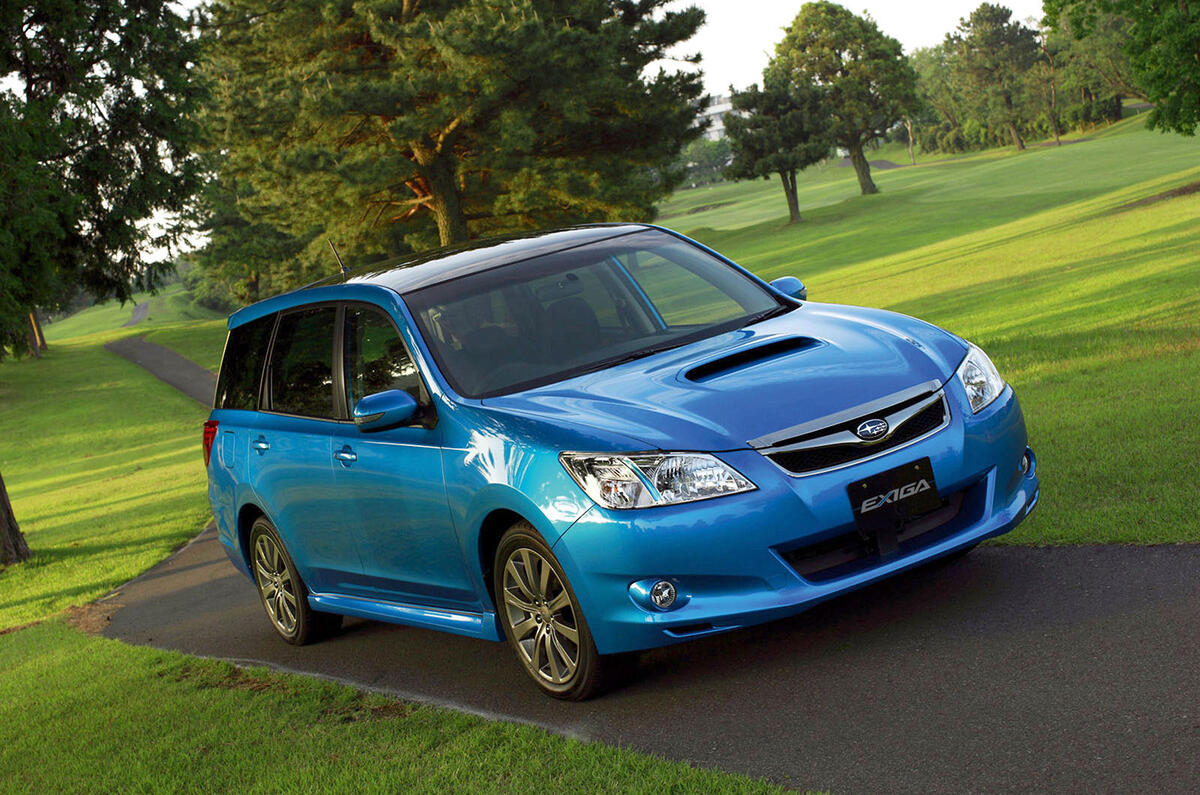
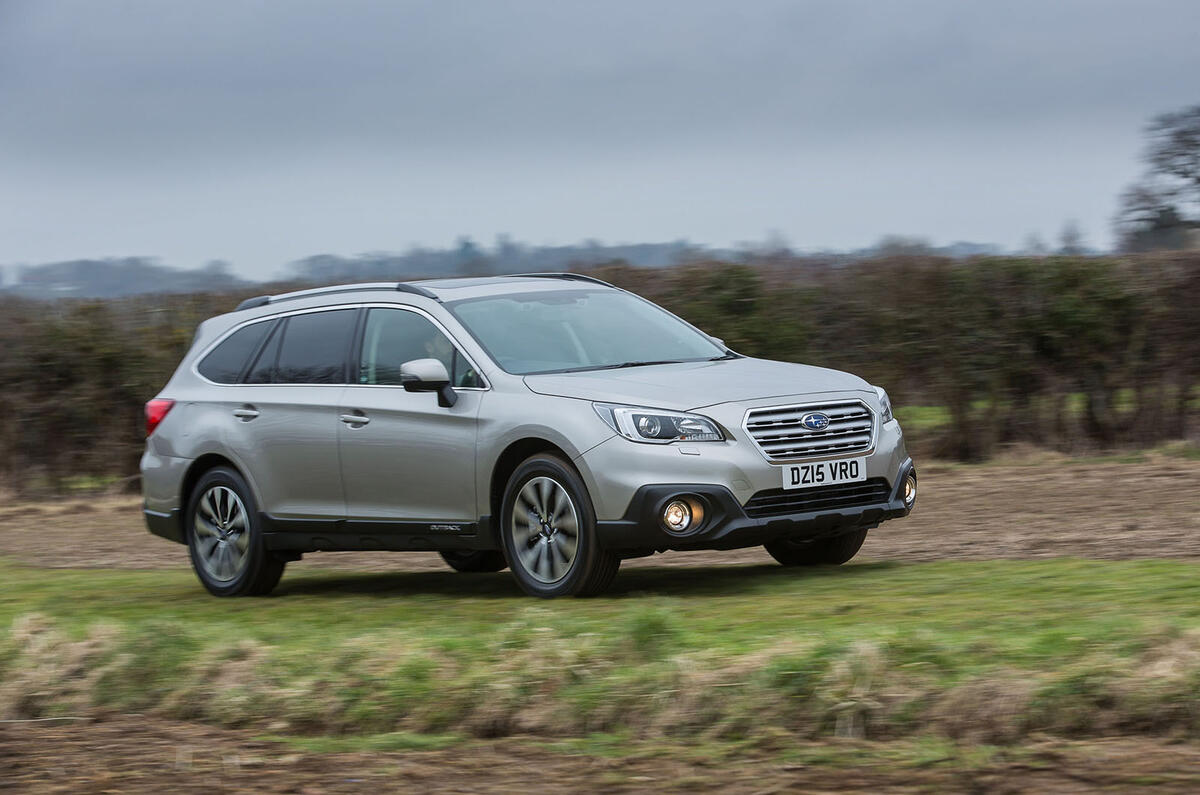
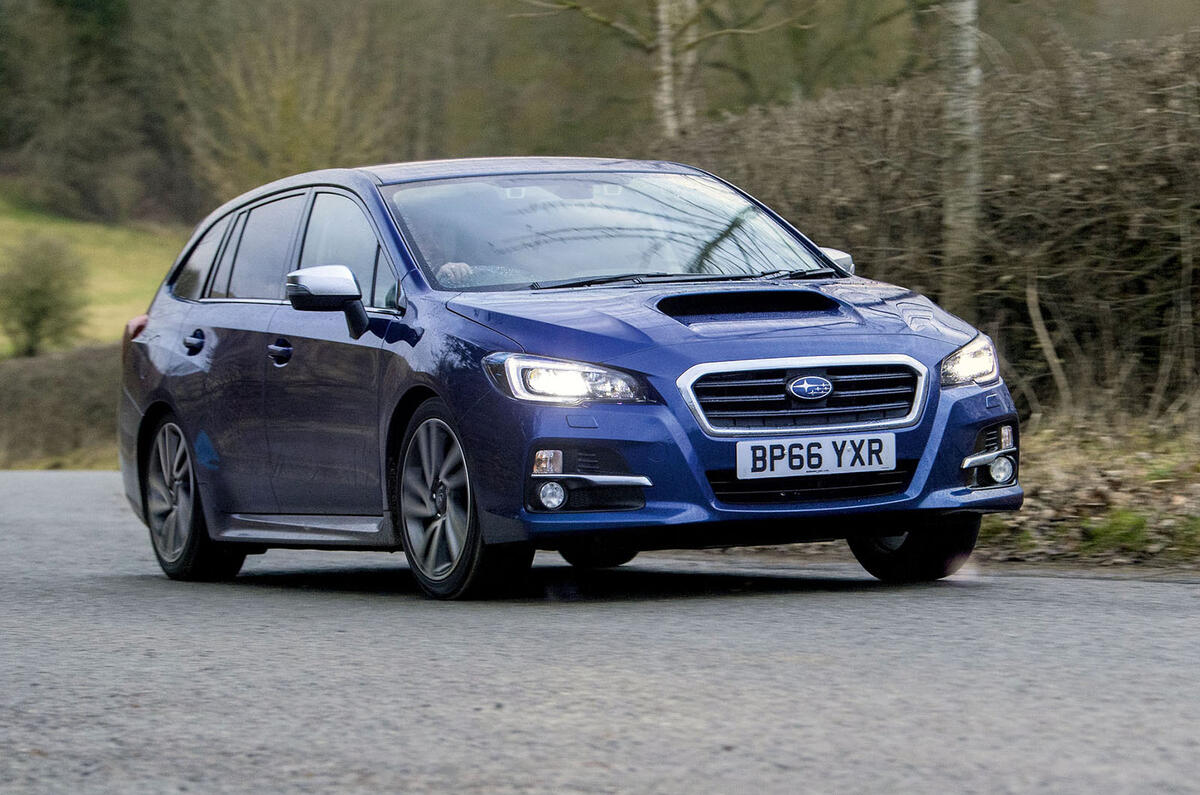
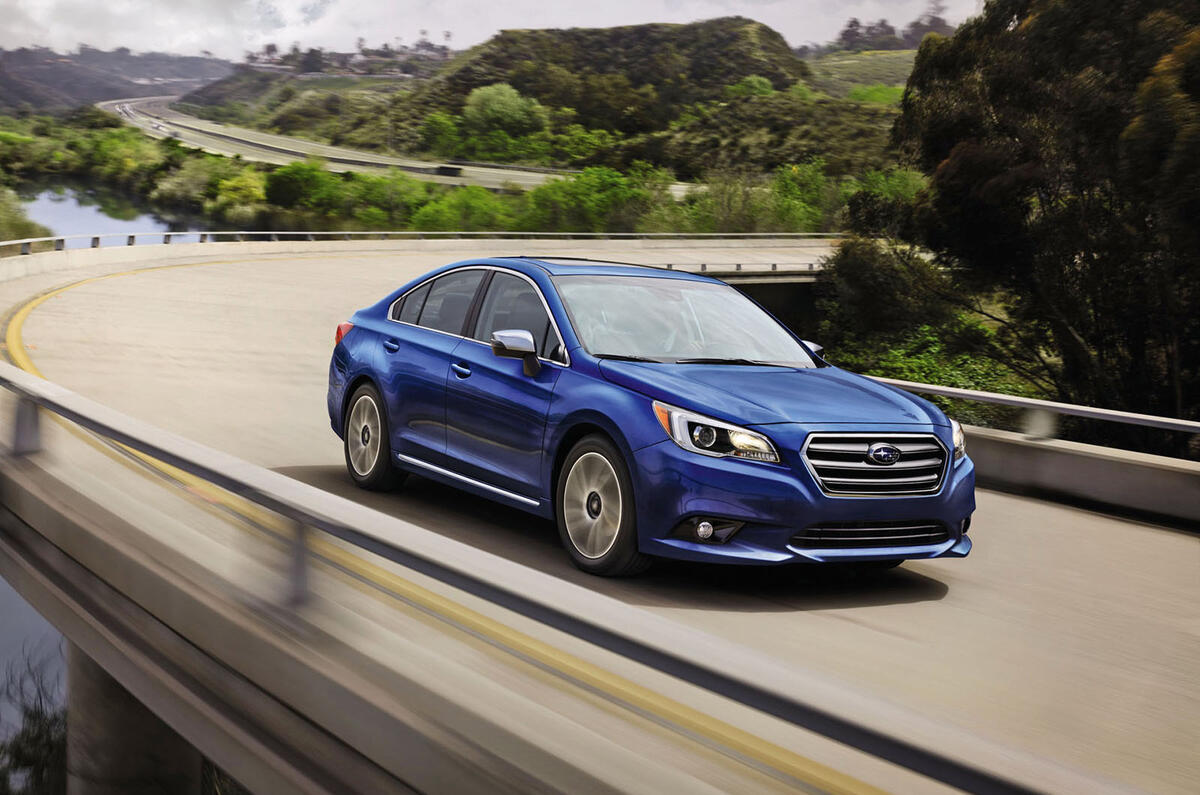
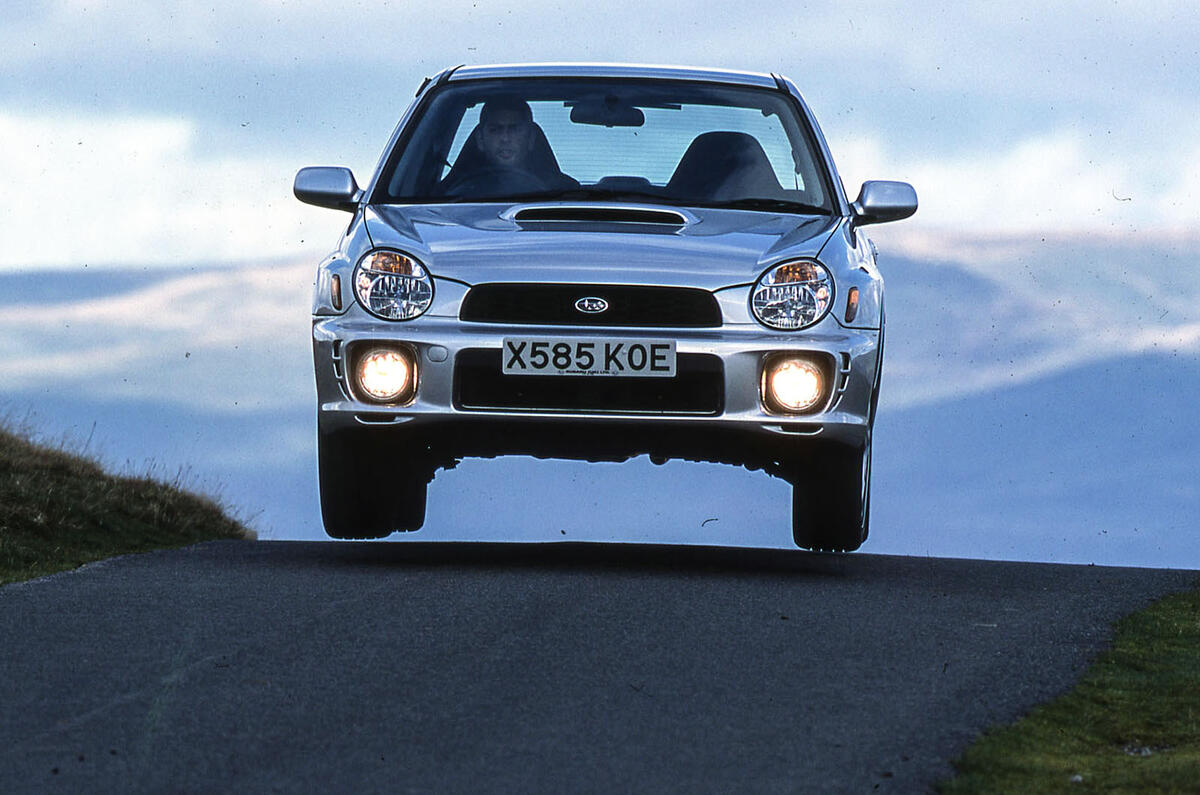
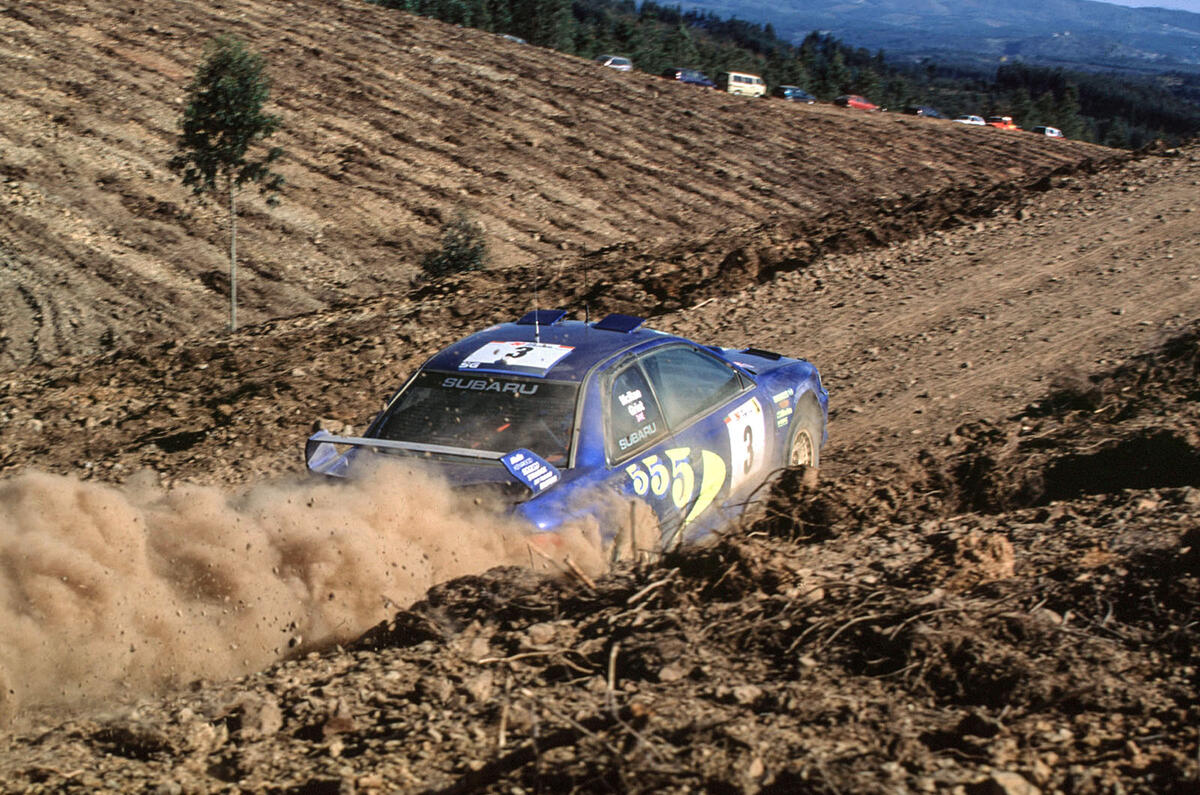
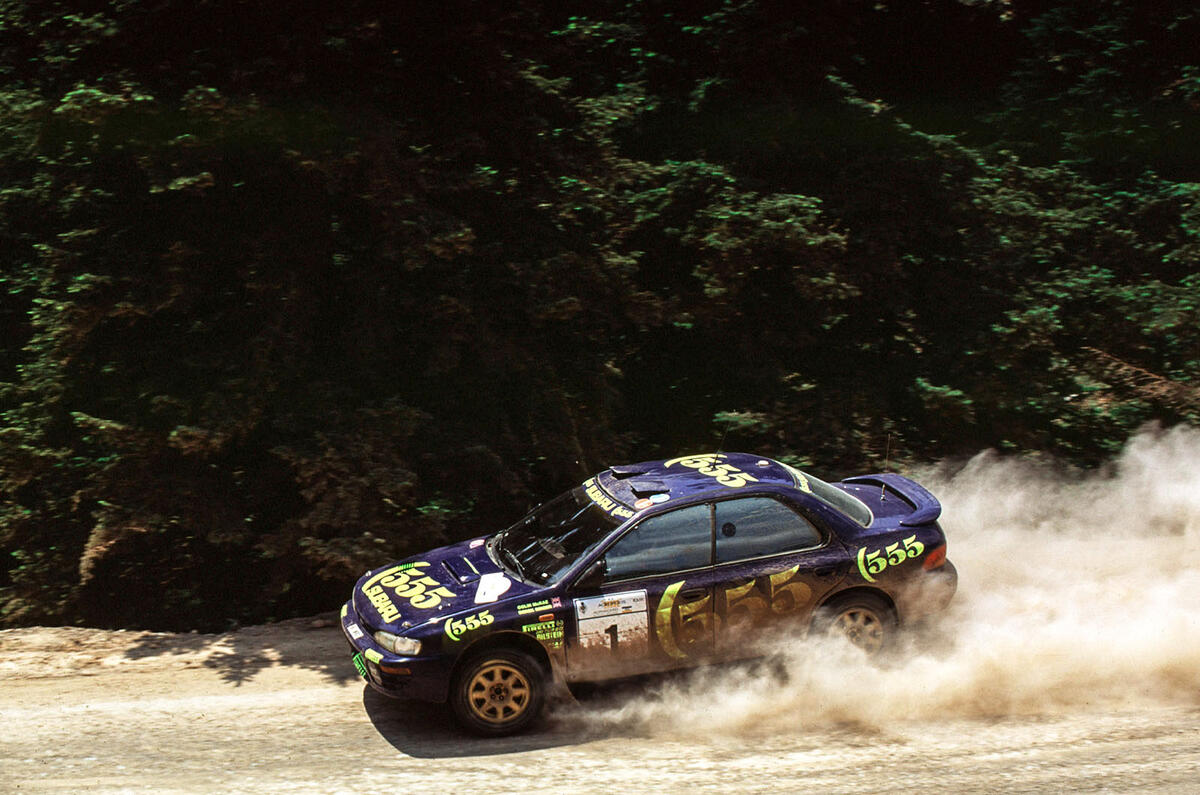
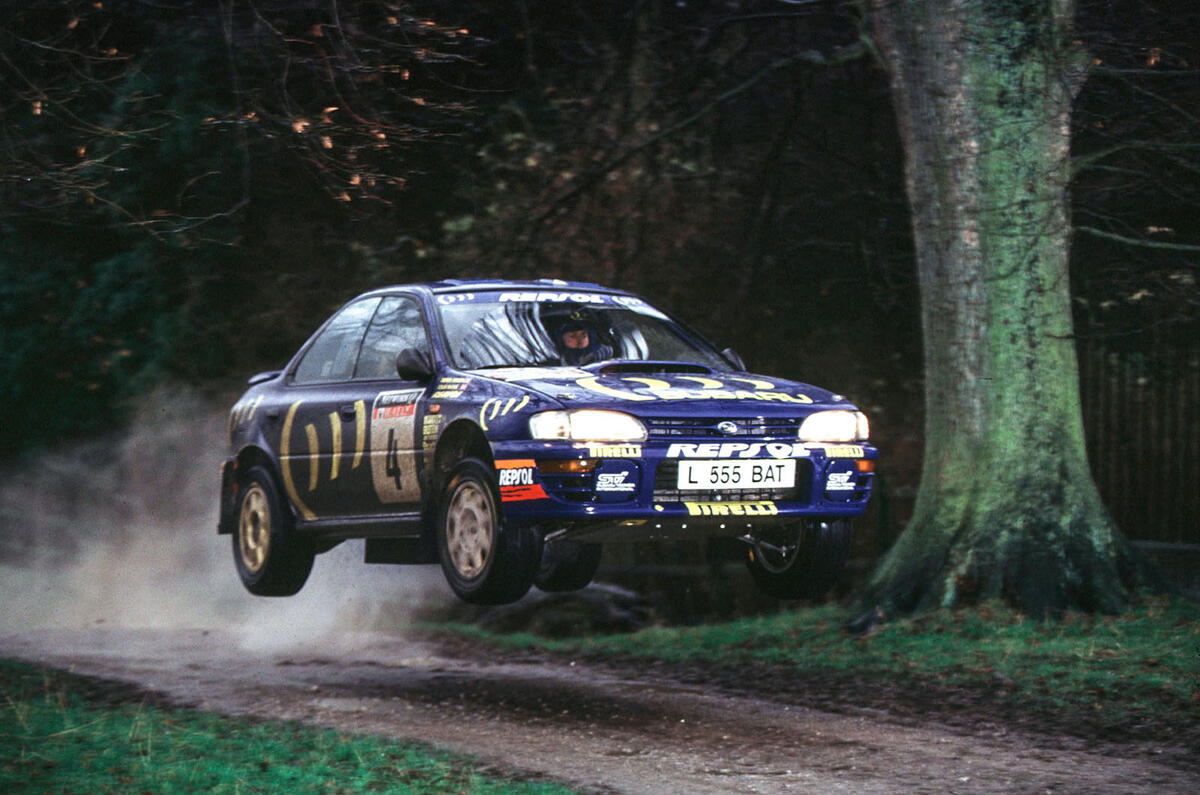



Conventional automotive business wisdom says a company such as Subaru is too small to prosper or even survive over the longer term. With sales of just over one million vehicles last year, the Japanese car maker should, according to conventional wisdom, be looking at a merger with another, rather bigger, car maker.
In the case of Subaru, however, conventional wisdom is wrong. The Japanese company may be ploughing an individual furrow using boxer engines and permanent all-wheel drive on all of its full-size models, but it is delivering remarkable profit margins that, on a good day for the dollar-to-yen exchange rate, have been higher than industry leaders such as Porsche and Jaguar Land Rover. On 1 April, what was Fuji Heavy Industries changed its name to Subaru Corporation. Toyota owns 16.4% of the company and Suzuki 1.75%, while the rest is owned by financial institutions. A significant 94% of Subaru Corporation’s income is from automotive; its aerospace division accounts for just 4.7%.
Like Saab, that other determinedly individual automotive company, Subaru also has its roots in the aircraft industry. Fuji Heavy Industries started out in 1917 as Nakajima Aircraft, which built a wide range of military aircraft during World War Two, including the wellrespected Nakajima Ki-84 fighter.
Nakajima was wound up at the end of WW2 and reborn as Fuji Sangyo which, by 1951, was making scooters at the rate of 2000 a month as Japan began its rapid industrialisation. Then in 1953, the company released a three-wheel light commercial truck and, in 1954, its first light car, the 45bhp P-1, for which the brand name Subaru was created.
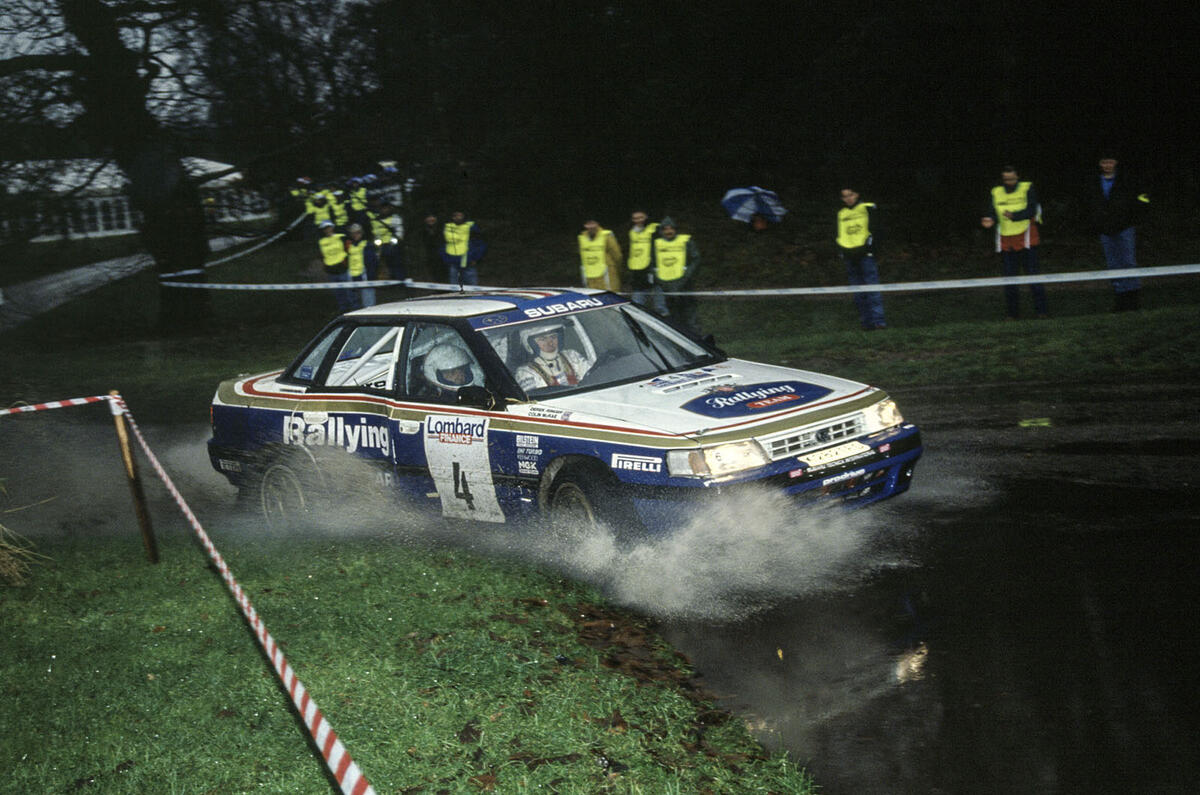
Subaru became best known, domestically at least, for its smallengined mini vehicles, or kei cars, the first of which, the Subaru 360, was launched in 1958. The first all-wheeldrive Subaru was the 1971 Leone station wagon, which the company says went on to become the world’s best-selling AWD passenger car. But it was the launch of the Legacy saloon and estate in 1989 that was really the foundation of the modern Subaru.
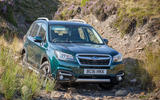
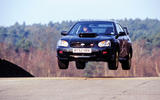
There’s a strong argument that Subaru is still dominating one particular market niche in the way it managed with the Leone nearly 50 years ago. According to figures from Subaru UK, the Japanese company remains the world’s biggest producer of all-wheel-drive vehicles.
In the financial year of April 2015 to April 2016, Subaru sold 965,892 AWD vehicles, which represented some 15.3% of the entire global market. That was ahead of secondplaced Audi’s 720,510 units. JLR, interestingly, was the world number five, with 485,797 AWD units sold.
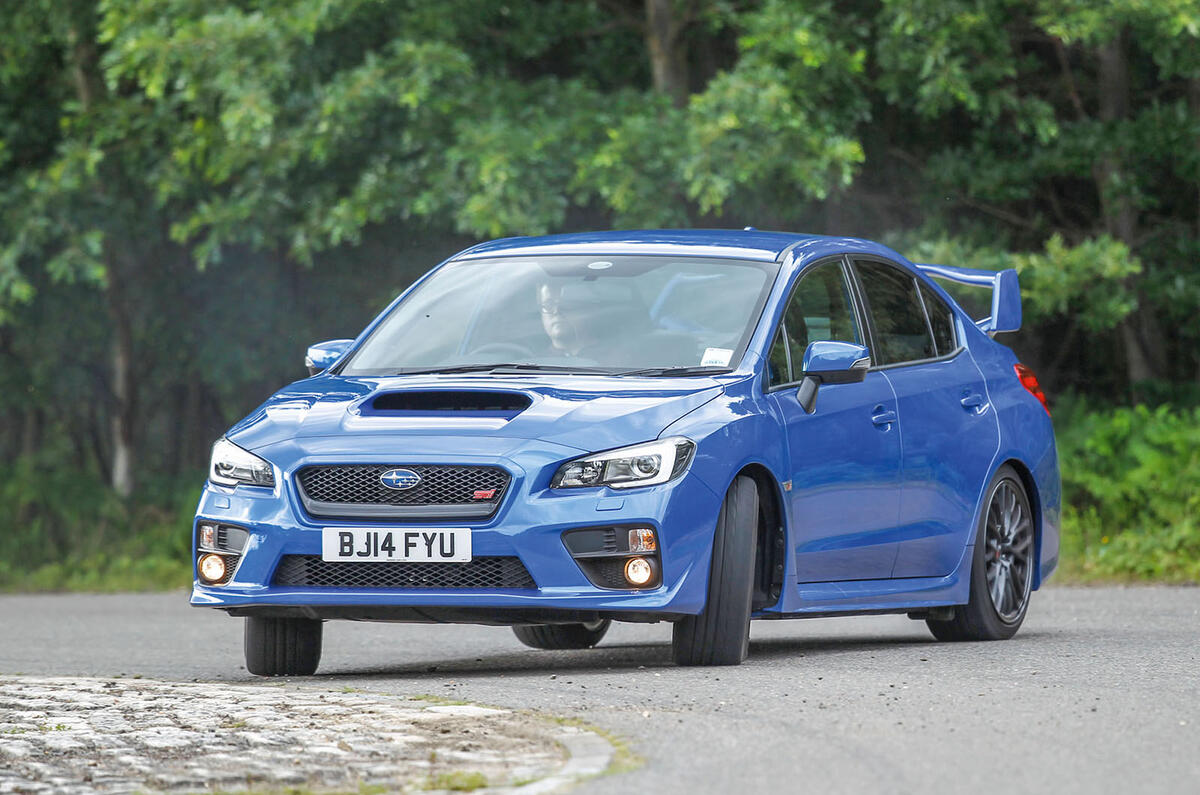
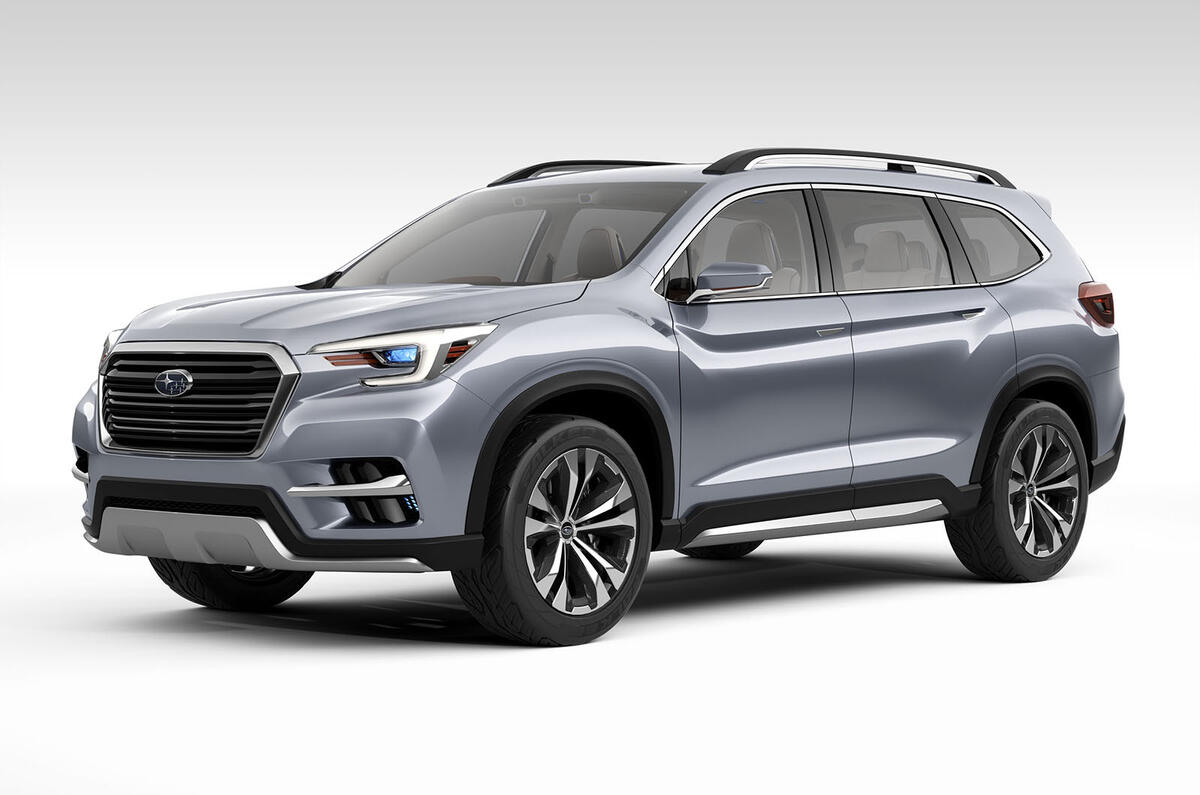
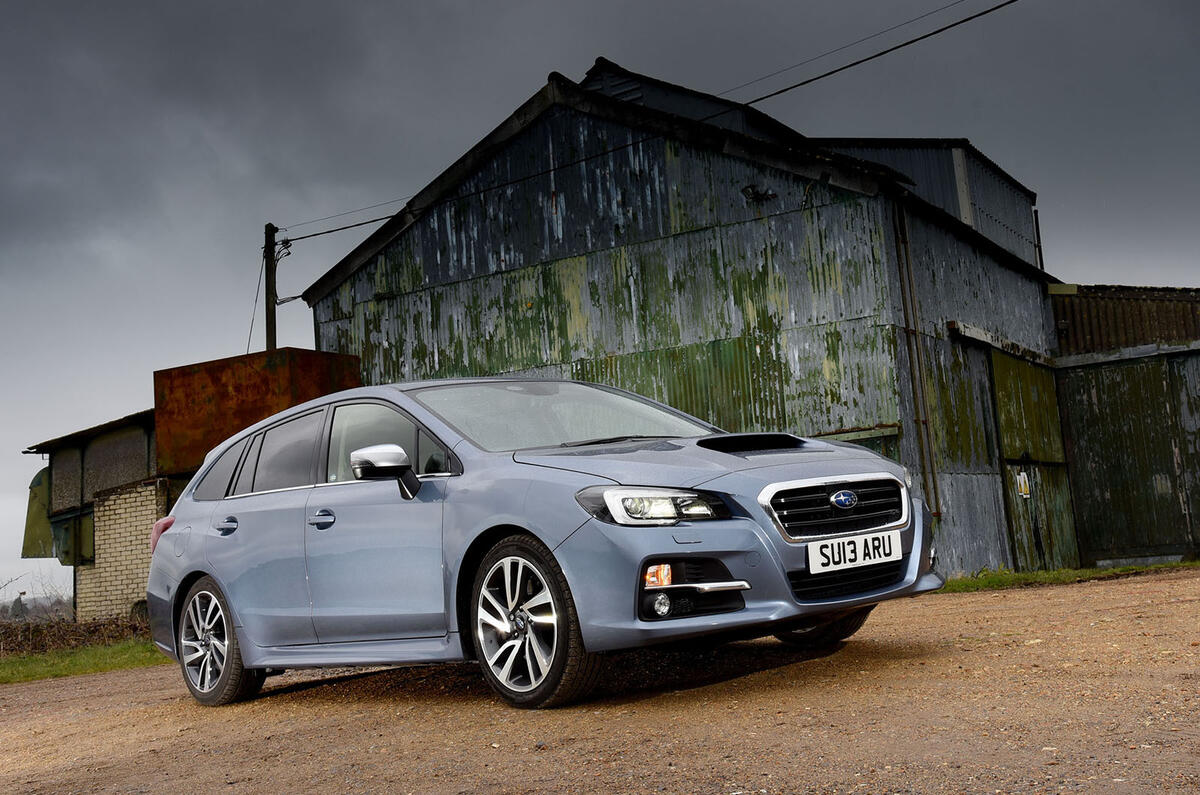
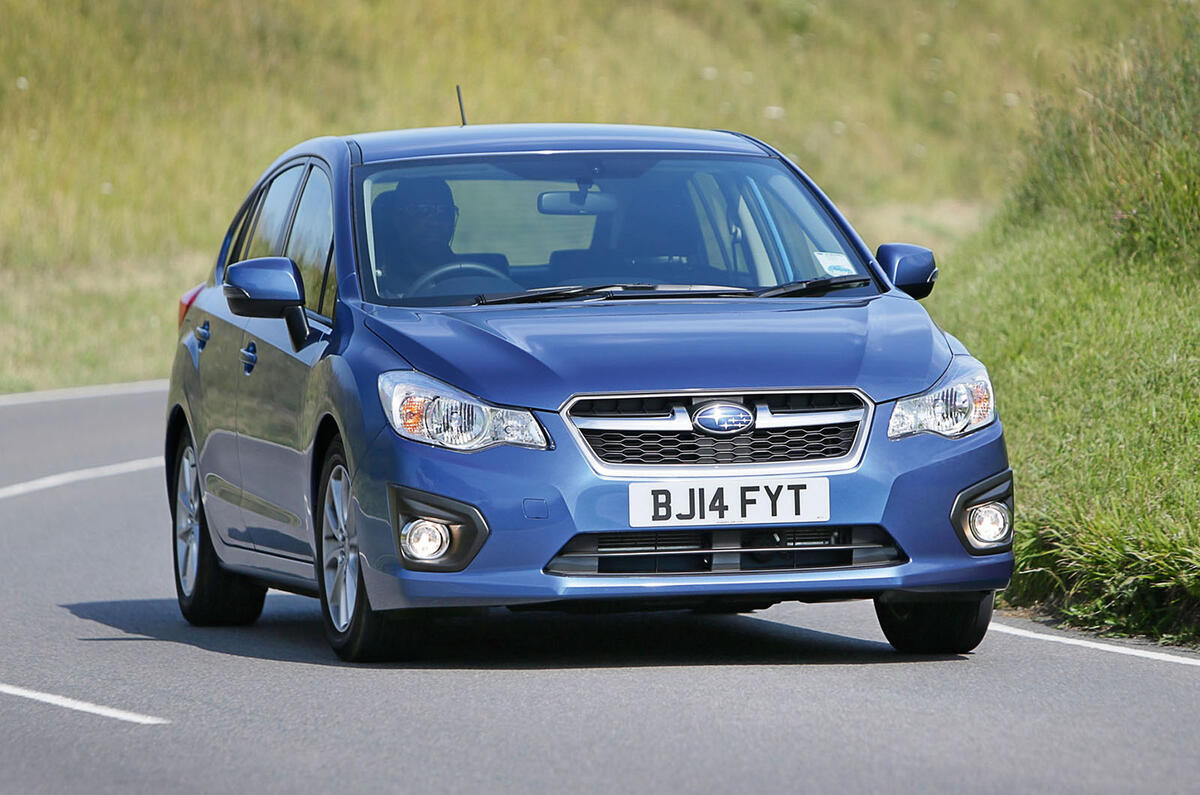
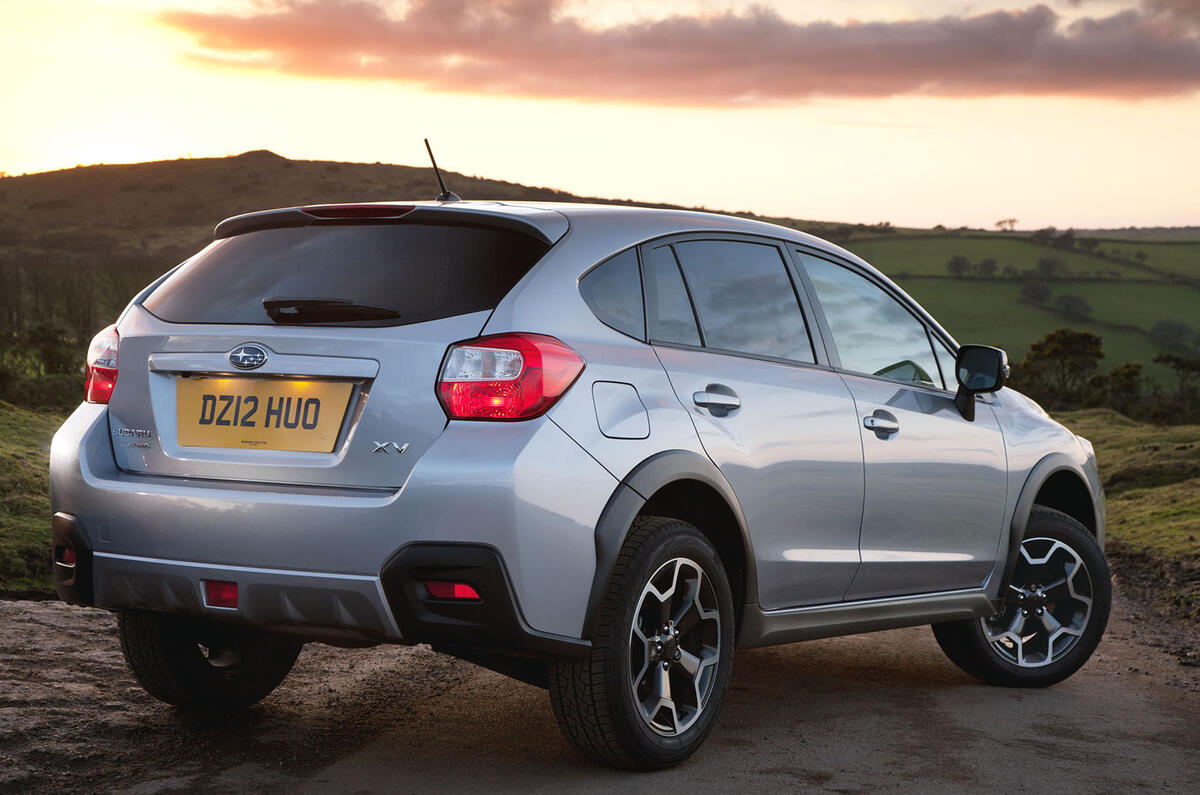
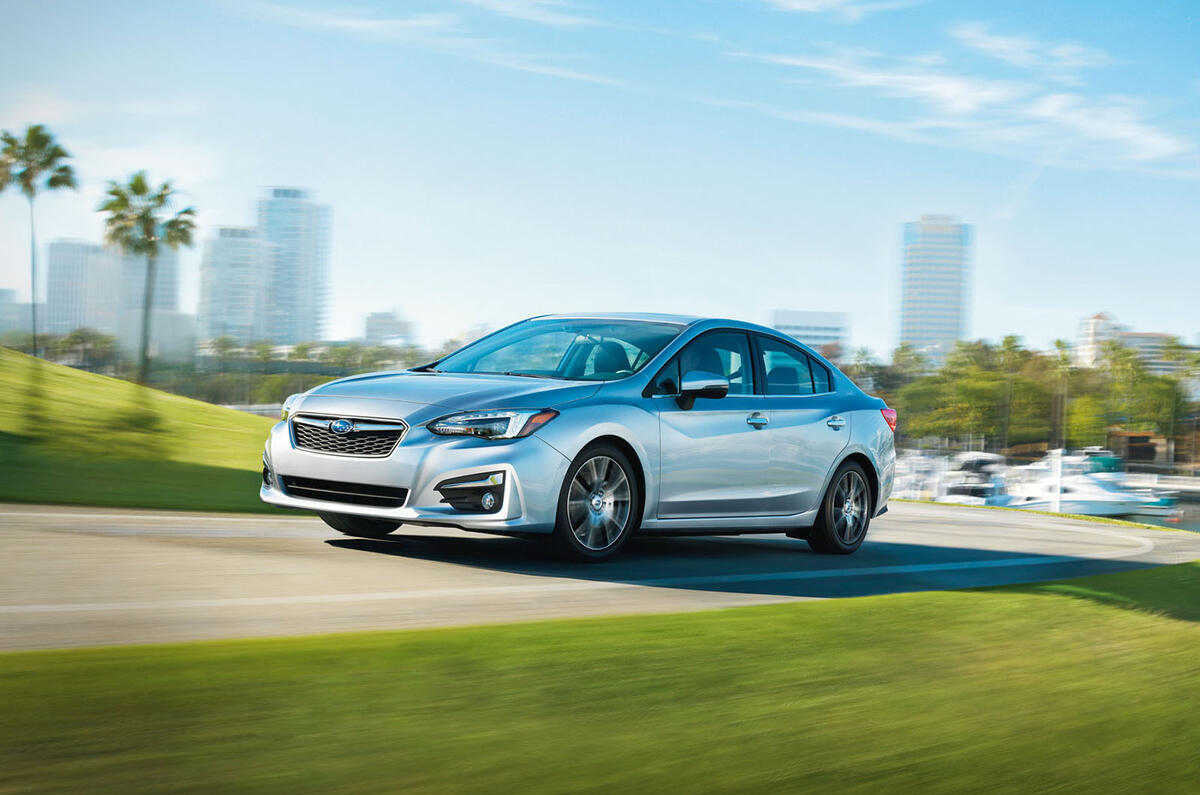
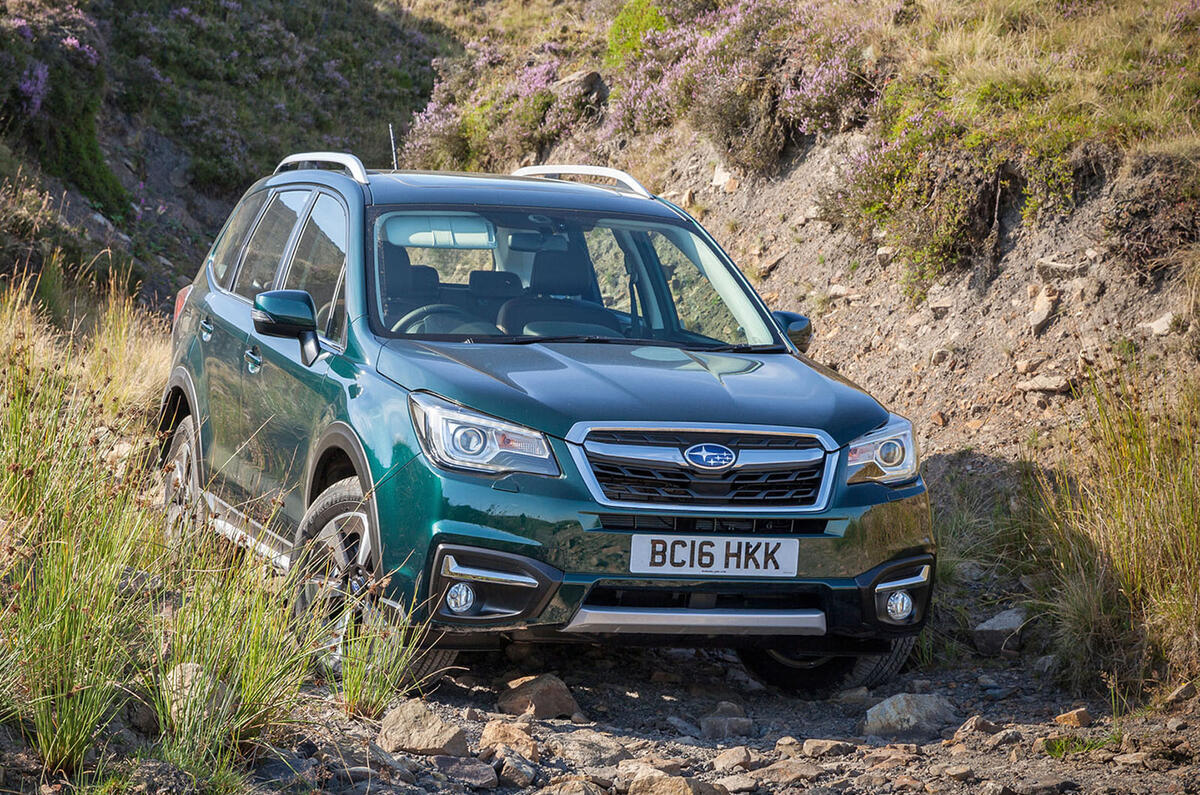
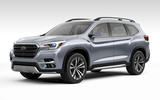
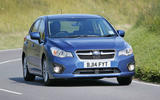
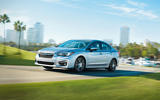
Subaru’s success is in large part thanks to a straightforward vehicle line-up. There’s a simple choice of four-pot boxer engines, one type of running gear and, now, one platform to cover everything from the new Impreza hatch to the upcoming seven-seat large SUV.
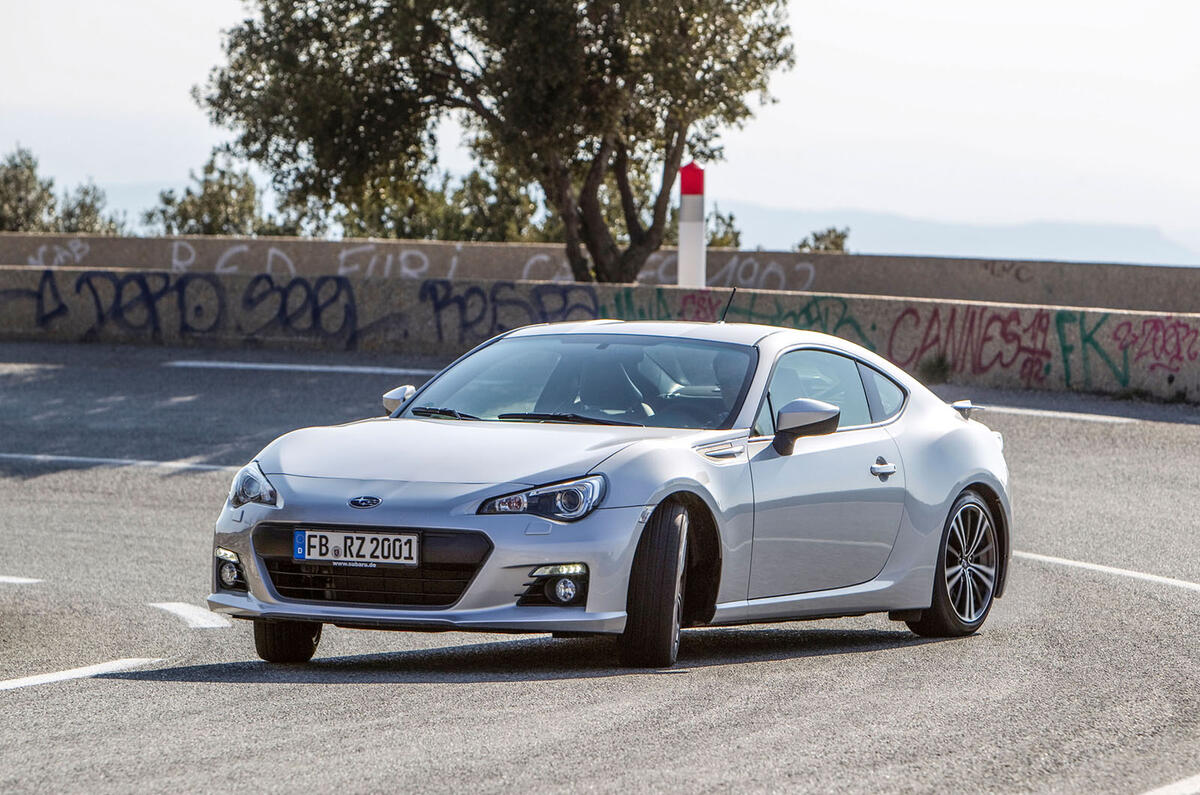
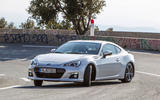
Although the brand’s roots were in Japanese-market kei cars, sales of these tiny vehicles have dropped from 145,000 units in 2007 to just 34,000 in the year ending April 2017. And although Subaru still markets five kei cars, they are now badgeengineered models produced offshore by Daihatsu. To that end, the production of these inexpensive and low-margin models doesn’t weigh heavily on Subaru’s R&D budget. The only other slight outlier is the BRZ coupé, which is also sold as the GT86 for Toyota. It’s based on a modified version of the previous Impreza platform, adapted to run rear-wheel drive, and as of April 2016, some 223,000 had been built.