


The automotive industry has long regarded China as the locomotive of global earnings. And for much of the past decade, things couldn’t have been better.
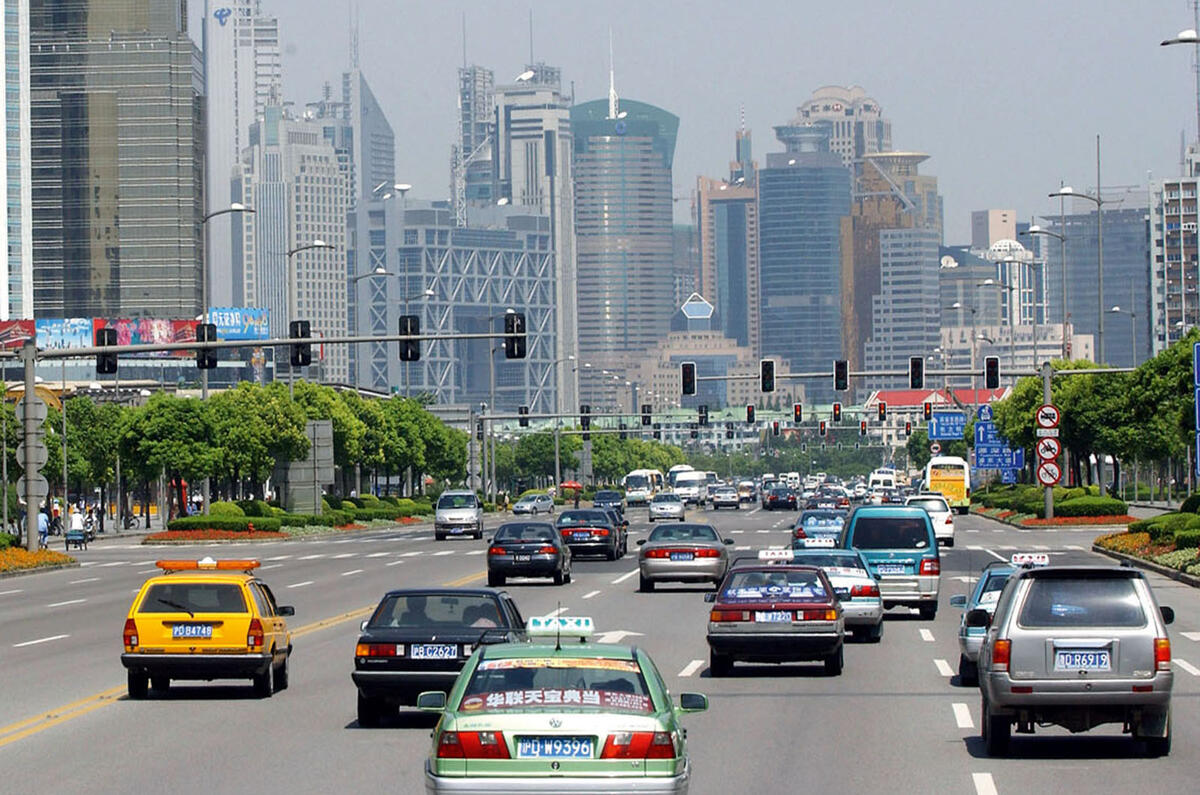
As new-found levels of wealth poured into China’s middle class during a sustained period of economic growth after the 2009 recession, sales in the world’s largest car market soared to lofty new heights. Sales of cars in China eventually reached a peak of 28,879,000 in 2017 – a figure that represented more than a quarter of all cars sold globally that year.
With a seemingly never-ending stream of earnings driven by their success in China, profits at many established Western car manufacturers and younger Chinese automotive entities surged.
At the time, the general prognosis was that the uninterrupted demand for both passenger cars and commercial vehicles in China would continue on the back of newly enacted stimulus measures for electric vehicles, as well as the opening up of important markets in the country’s largely untapped western regions.
Then came 2018, when the Chinese economy unexpectedly shrank and the world’s largest car market contracted for the first time in more than two decades.
At first, many were quick to dismiss the 6% reduction in annual sales as a mere blip. Since then, however, the drop in car sales in China has accelerated. Against the backdrop of a US-China trade war and continued uncertainty in global financial markets, car sales in China have recorded year-on-year reductions for all but one of the past 17 months up to the end of November 2019.
For the more financially stable of China’s long list of domestic car makers, including the major state-owned manufacturers – SAIC, BAIC, FAW, GAC, Changan and Dongfeng – the historic downturn in car sales has proven a true test of resilience. It has come at a time when they find themselves being forced to invest heavily in technology for battery-electric vehicles, autonomous driving functions and, as part of a new package of Chinese government directives, hydrogen fuel cell drivelines.
The drop in sales has also eaten into the previously healthy profits of Western car makers with joint-venture operations in China. For instance, with a dramatic 33.96% drop in sales in November 2019, General Motors’ annual sales in China were down 17.94% for the first 11 months of last year.
Even more dramatic is the situation at the Changan and Peugeot-Citroën joint venture, which is being dissolved after eight years of operation and total investments of more than £1 billion.