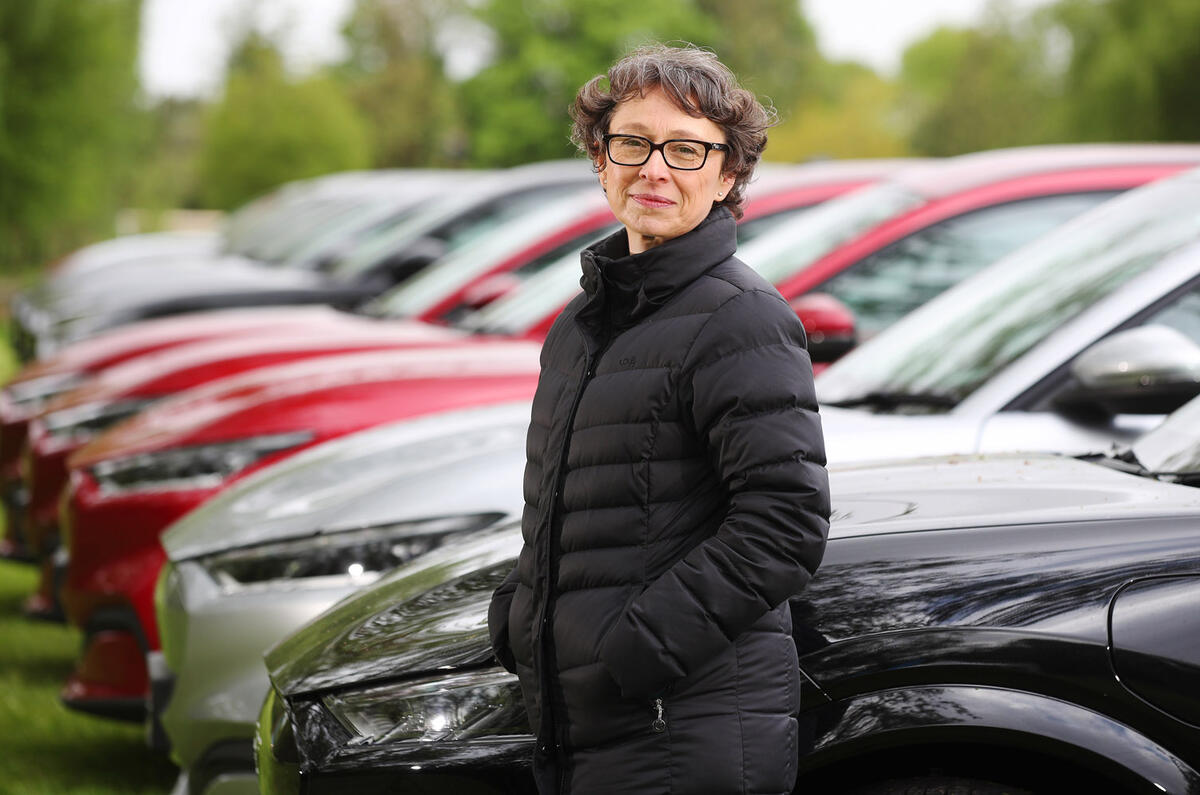




Lisa Brankin became managing director of Ford of Britain and Ireland last October, taking the helm of the best-selling car maker as the effects of the second coronavirus wave were starting to be felt. Since then, she and her team have navigated lockdown, emerging to the challenges of stock limitations in the wake of the semiconductor shortage.
Here, Brankin – who joined Ford as a graduate trainee in 1990 and has worked as the firm’s sales, marketing, dealer operations director, as well as holding managerial roles in its dealer and consumer marketing and communications, events and sponsorship departments – outlines how she intends to keep Ford at the top of the sales charts and her excitement at the opportunities presented by the changing automotive landscape.
To receive the latest industry news, please click here to sign up to the Autocar Business newsletter
Few people know Ford of Britain better than you. Does your previous experience make moving into this role easier?
“I’ve worked across a lot of departments at Ford, from being more in the field to working out of head office, so from that perspective, I feel well prepared for the role, even if I never expected it.
“There was no trepidation when I was asked to take it on, just excitement. I know the brand and I know what I have to do – and there’s no doubt in my mind about how exciting the opportunities are.”
What’s it like running a huge company in a crisis?
“It’s a lot of work and a lot of stress – not just for me, but the whole team and our partners. But I don’t think we’re any different to anyone else, in that we are focused on trying to do what’s right, for our colleagues’ safety first and foremost and then the business.
“There’s enough challenges out there to keep anyone busy, and we’ve all worked some long days, but we are all focused on what we can achieve. Everyone thought they knew the pace of change we were facing into – but it just keeps accelerating.”

Short term, you are facing challenges around stock, aren’t you?
“Like almost everyone, we’ve been hit by the global semiconductor shortage. Where we’d typically have plenty of cars in stock, we are now having to ask customers to wait a short time for their orders to be delivered.