

There’s an old motor trade saying that every used car started out as a new one. And with electric cars leaving forecourts in ever-larger numbers over the past few years, the supply of used examples is expanding quickly.
For buyers, it’s no longer a leap into the unknown. There’s an ever-increasing choice of long-range, fast-charging models for different needs and a growing network of specialist garages who can sell and work on them, and the surge in supply means there are some good deals available.
So, what do you need to know? Read on as we reveal all the tips to help bag a top used BEV.
What are the different types of electric car?
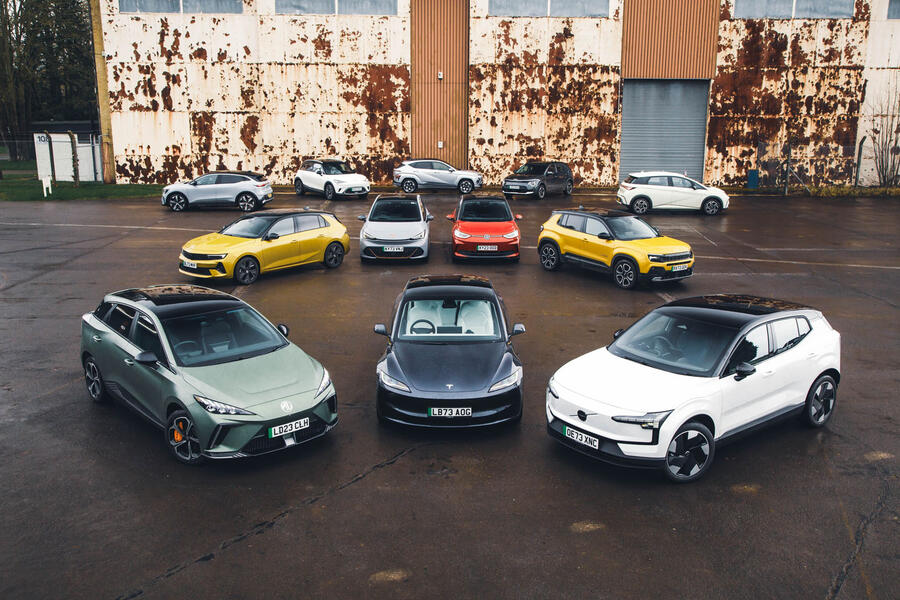
Plug-in cars come in a few different forms, so whether you’re all in on battery power or just looking to cut the cost and emissions out of your local journeys, there are several different ways to go electric. These are:
Battery-electric vehicles (or BEVs) are, as the name suggests, powered entirely by electricity. Advances in battery technology allied to the UK’s increasingly widespread public charging network are steadily eroding ‘range anxiety’, with some of the latest models offering in excess of 500 miles on a full charge with short mid-journey top-ups. Unless you’re shopping for a really early BEV, most offer a range of about 200-250 miles.
Plug-in hybrid electric vehicles (PHEVs) combine a combustion engine with a couple of electric motors and a battery that can be charged from the mains. Early cars offered a range of 20-30 miles, which is ideal for emission-free local trips, but 40-50 is the norm for more recent models. Once that range is depleted, it works like a regular hybrid, using the electric motors to assist the engine and boost efficiency.
Range-Extenders (E-REVs, or REX) are somewhere between a BEV and PHEV. They have an electric powertrain that is solely responsible for sending power to the wheels, but they also feature a combustion engine that works a generator to top up the battery after the plug-in range is depleted. Like a PHEV, this means you can just fill up with fuel if you need to go further.
Which type of electric car is right for me?
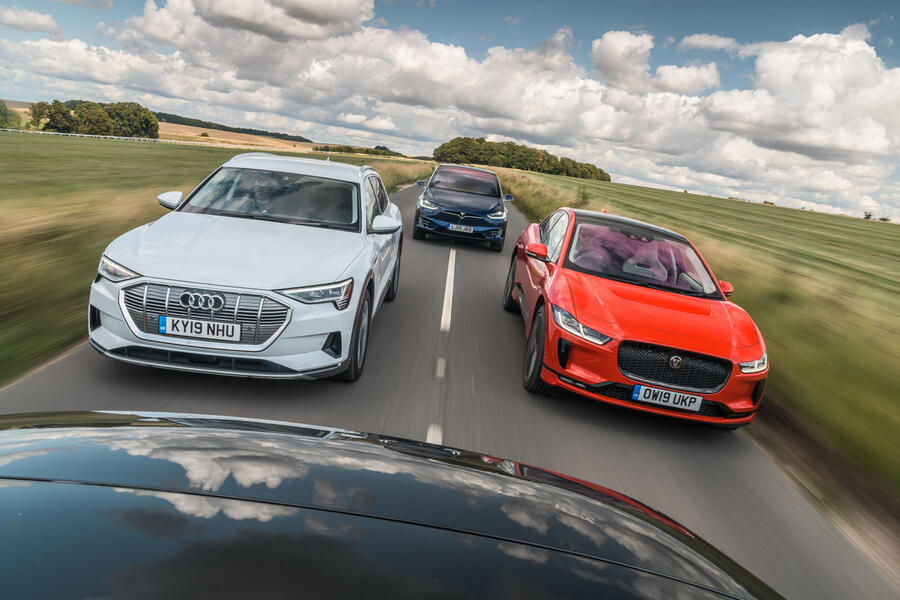
With the EU and UK looking to phase out new petrol and diesel cars within a decade, there has been a huge push for better EV technology over the past few years, and that means there is plenty of choice – from city cars to SUVs – to meet your practical needs. The biggest deciding factor is access to charging.
If you’ve got a driveway, a garage or an allocated parking space, then a home charging point turns it into your own personal fuel station. Most drivers would only need to plug in every few days to have enough range for commuting and local trips, and home chargers also offer access to the cheapest electricity rates – just 2p per mile, compared with around 15p for a typical petrol or diesel family car.
Home chargers are one of the few remaining incentives if you’re buying a second-hand EV. The government offers up to £500 towards the total cost, including installation, but that's only for drivers who live in flats, rented accommodation and houses without off-street parking. Otherwise, they’re priced between £700 and £1000, but even so, a charger is well worth the investment.