Access control:
Open
Include in Apple News:
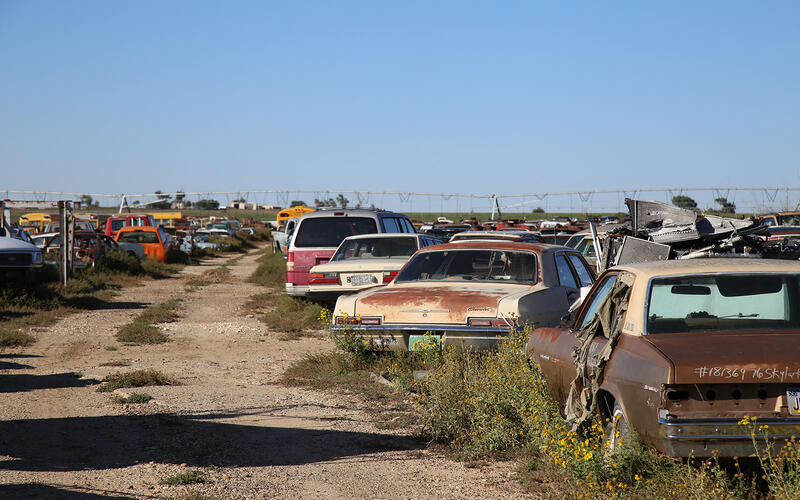

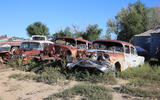
What began in 1968 as a modest body and repair shop has gradually expanded into one of the most extraordinary vehicle graveyards in the American West. Today the site stretches across around 80 acres of prairie, where thousands of cars and trucks sit beneath a vast sky, their paint bleached by decades of sunshine but their metal often remarkably solid thanks to the dry climate.
Behind it all is founder Don Woller, a lifelong car nut who grew up roaming scrapyards in Michigan before heading west in search of opportunity. That decision proved inspired. More than half a century later, Woller Auto Parts is still supplying classic components to enthusiasts around the world. Join us as we explore some of the remarkable vehicles hidden among the dusty rows.
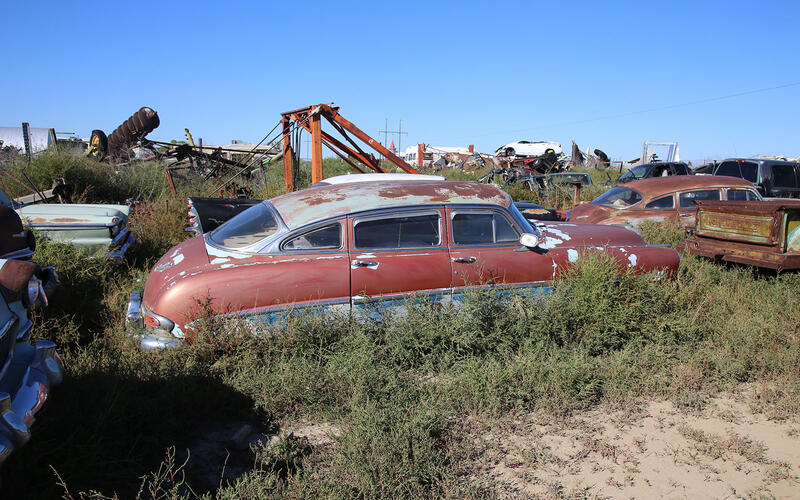
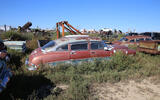
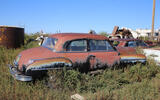
One of the joys of wandering through Woller Auto Parts is that almost every car seems to come with a story, and Don Woller usually knows it. Many of the vehicles here were bought for his own private collection, meaning their histories are rarely a mystery. Take this 1953 Hudson Hornet, fitted with the straight-six flathead engine and the desirable factory twin-carburetor setup, paired with an automatic transmission.
Time has not been especially kind to it, and the car still wears evidence of a long-ago respray and retrim that were, by all accounts, less than exemplary. It’s available as a project and comes with a pair of spare rocker panels. Look beyond it and there’s another prize, an extremely solid 1952 Hudson Wasp sitting quietly in the background.
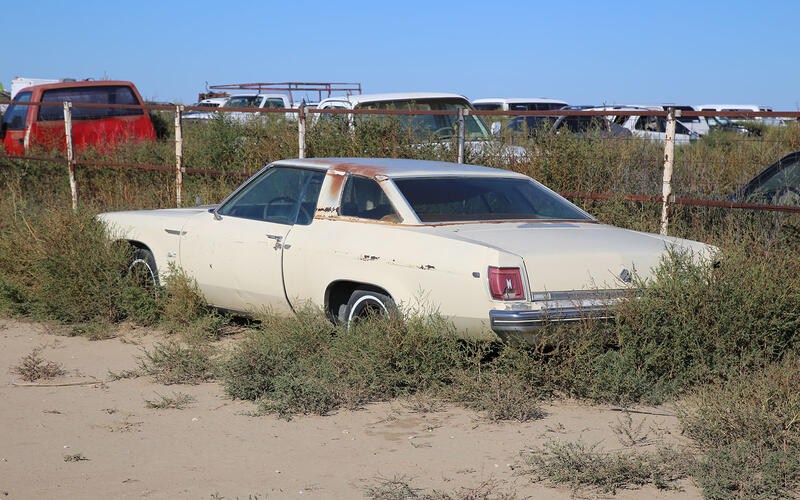
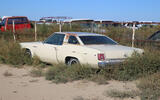
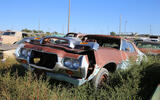
This 1977 Oldsmobile Delta 88 two-door coupe doesn’t appear on the Woller Auto Parts website as a project car, but it surely ought to be, as it looks far too good to part out.
We had a quick look around it and, as well as being largely complete, it also appears pleasingly solid.
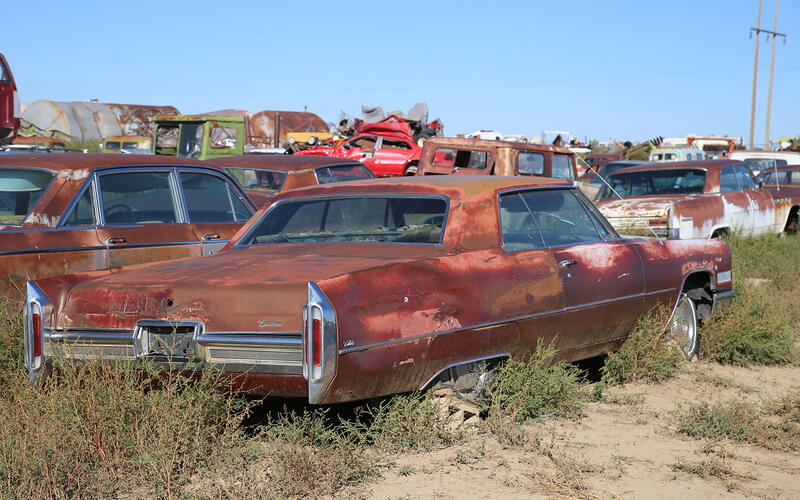
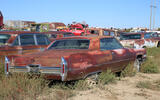
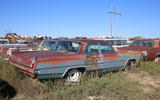
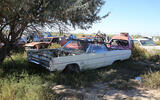
This 1966 Cadillac Calais two-door is listed by Woller Auto Parts as a project and, importantly, a remarkably rust-free one. Powered by Cadillac’s big V8 with a four-barrel carburetor, it came well equipped when new with power steering, power brakes, air conditioning, power windows, power locks, power seats and a Wonderbar radio.
According to Don Woller, the car was bought in 1971 after a minor accident that damaged the right and left rear quarters, but it did drive at the time.
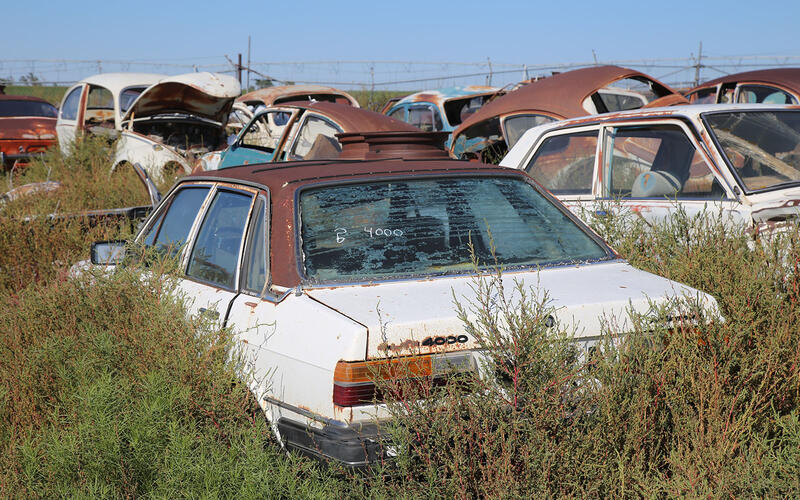
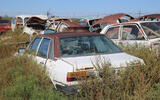
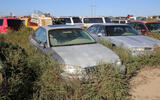
The yard has an abundance of European tin, including this Audi 4000. Introduced to the US in 1980 as the successor to the Fox, it was slightly larger and offered as a two- or four-door sedan, with no station wagon version.
Early cars used a modest 1.6-liter four-cylinder engine, usually paired with a five-speed manual gearbox. Sales were modest at first, with 14,681 sold in its debut year. This early-1980s four-door example now serves as a parts donor.
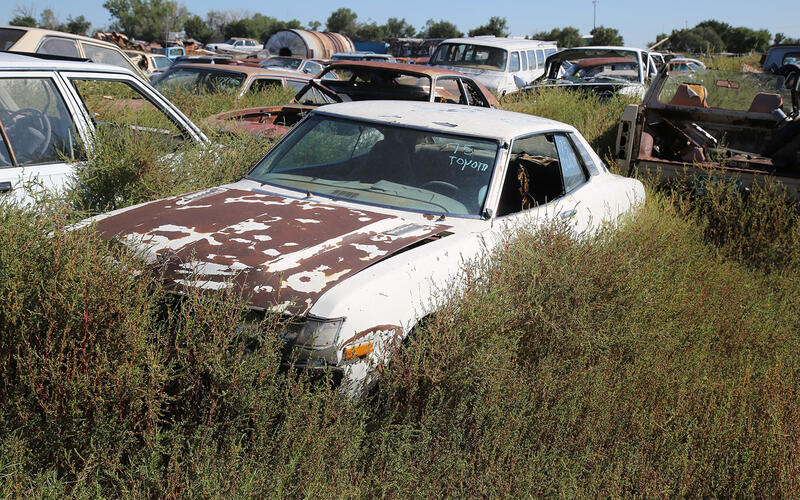
Japanese cars are well represented at Woller Auto Parts too, including this relatively desirable 1975 Toyota Celica. By this point the model had switched from the earlier 1968cc engine to Toyota’s larger 2189cc four-cylinder, introduced partly to offset the power losses caused by tightening US emissions rules.
The Celica’s sporty styling and good fuel economy helped make it a hit at just the right moment. In fact, 1975 proved to be Toyota’s best sales year in the US up to that point, with 346,920 vehicles sold.
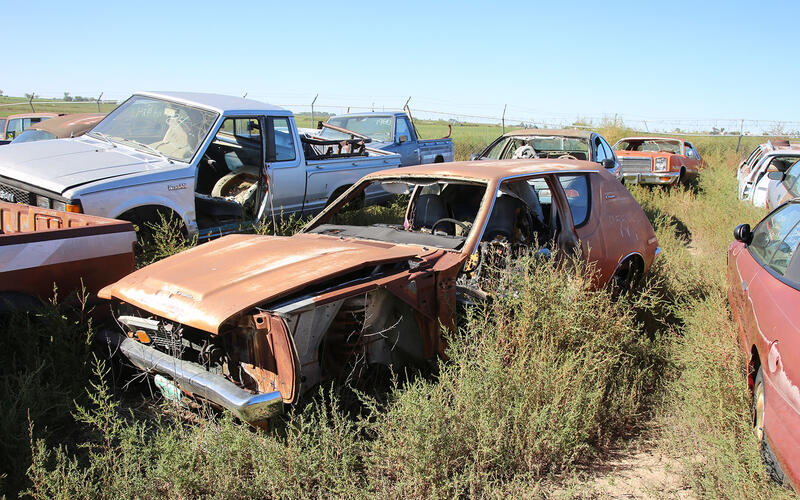
On the subject of fuel economy, here’s AMC’s answer to what was a growing wave of economical imports from Europe and Japan: the Gremlin. Introduced in 1970, this stubby compact was created by chopping the tail off the AMC Hornet to produce one of the first American-built subcompact cars.
It was cheap, simple and reasonably economical, but it never quite matched the efficiency or refinement of the competition it was meant to fend off. Even so, more than 670,000 Gremlins were built between 1970 and 1978, making it one of AMC’s more successful models. This one has clearly given up many of its most useful parts already.
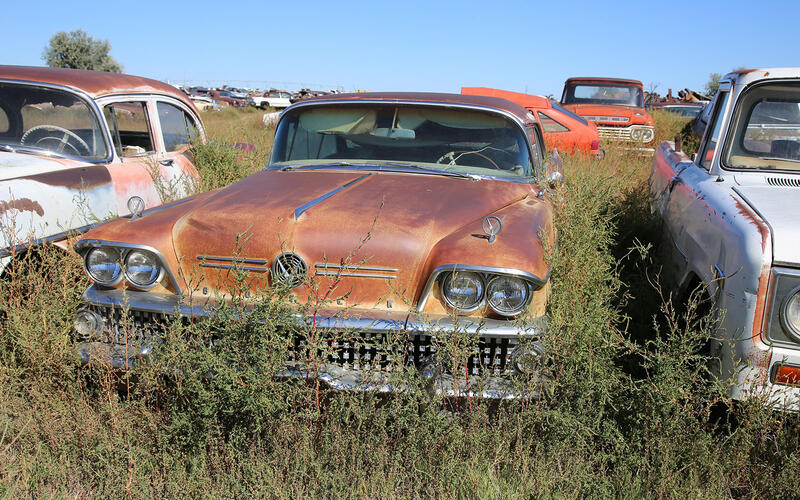
Here’s another car that doesn’t appear on the list of project cars on the Woller Auto Parts website. It’s a 1958 Buick Special and, at first glance, looks far too good to break. Buick’s entry-level model still carried plenty of chrome and presence, and this one appears largely complete and surprisingly straight considering how long it has been sitting out on the Colorado prairie.
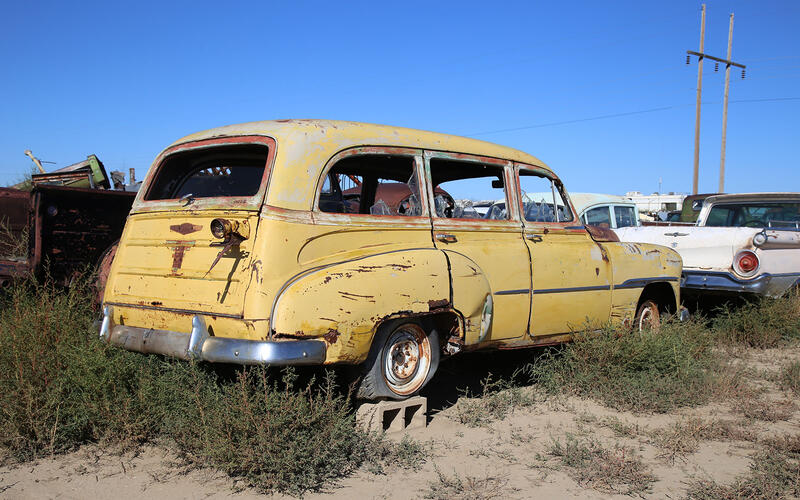
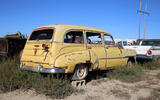
Don Woller doesn’t know the history of this one, but it’s a 1951 Chevrolet Deluxe four-door wagon and it’s for sale. It retains its six-cylinder engine and three-speed manual transmission, and with its faded yellow paint it certainly stands out. The body looks complete, but it will clearly require plenty of work, along with a good deal of replacement glass. Feeling brave?
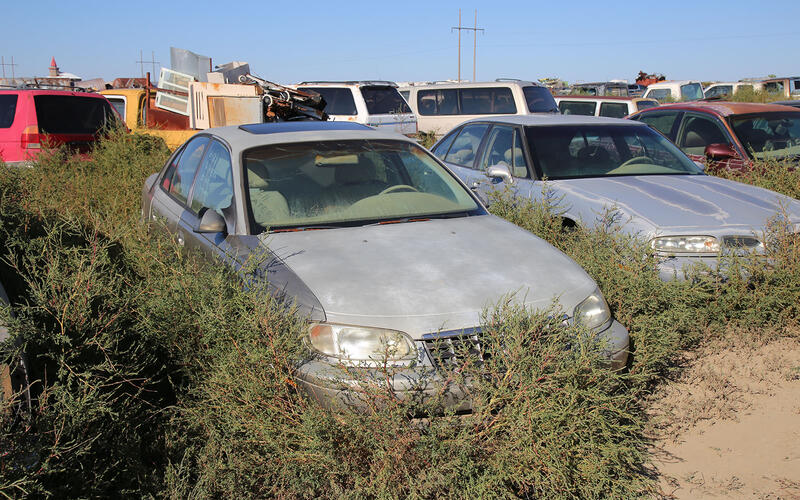
Where have all the Cadillac Cateras gone? In truth there were never that many to begin with, certainly nowhere near the numbers sold in Europe as the Opel Omega on which it was based. The Catera was Cadillac’s attempt to offer a smaller, more European-flavored executive sedan and was sold in the US from the 1997 to 2001 model years. Built in Germany, it was essentially a rebadged Opel, powered by a 3-liter V6.
This one has “96” written on the window, suggesting it’s one of the very earliest examples. Just 1676 Cateras were sold in the US in 1996 before the model’s first full year on sale in 1997, when volumes jumped to 25,411. The car was pulled from the market after just five years, in 2001; total US sales were 94,801 cars.
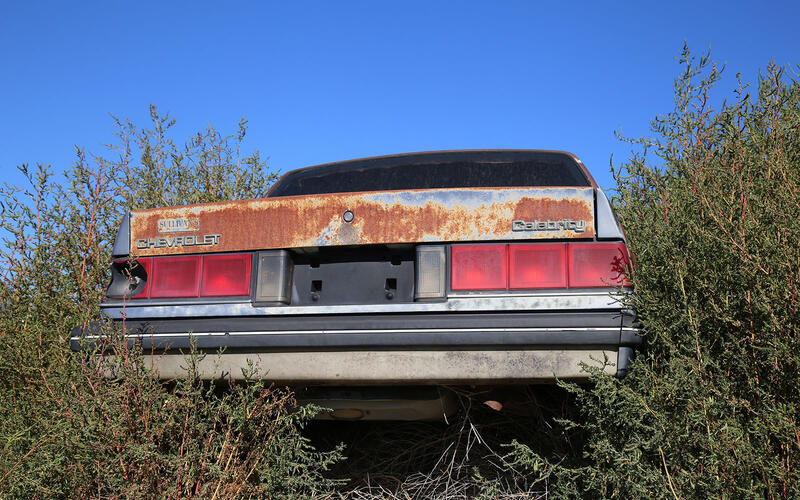
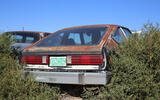
Once one of the most common cars on American roads, the Chevrolet Celebrity has almost completely disappeared. Introduced for 1982, it was part of GM’s front-wheel-drive A-body family and quickly became a huge seller, even topping the US sales charts in the mid-1980s.
Millions were built, but most were used hard and quietly scrapped once their value dropped to almost nothing. That makes survivors surprisingly scarce today. This one, sitting quietly among the weeds at Woller Auto Parts, is a reminder of a car that once seemed utterly ordinary but has now all but vanished from the roads.
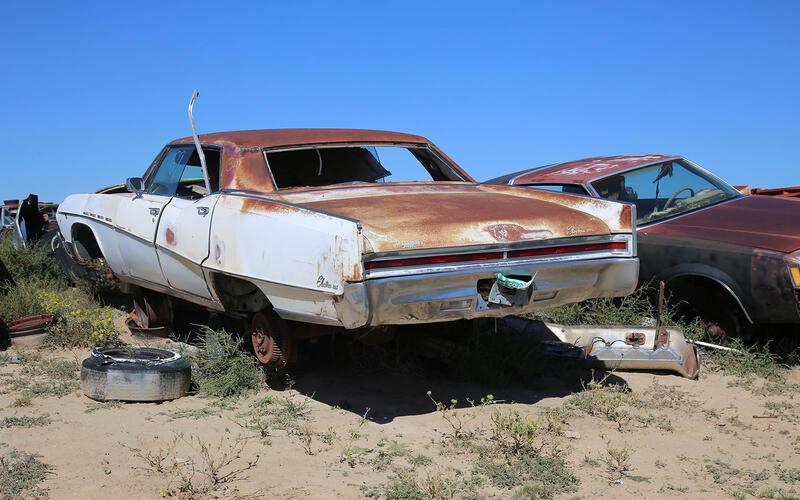
The 1974 Buick Electra 225 four-door hardtop sat near the top of Buick’s luxury lineup, powered by a 455cu in (7.45-litre) V8 and offering the kind of full-size comfort Detroit specialized in during the early 1970s. Despite the gathering energy crisis, Electras still sold in healthy numbers, with more than 90,000 built across all body styles for 1974.
This example has clearly been sitting here for years, but there are still plenty of usable parts left on it. At 4839 lbs (2200 kg), plenty of other yards would have weighed this in for scrap long ago. Fortunately, Woller Auto Parts is more astute.
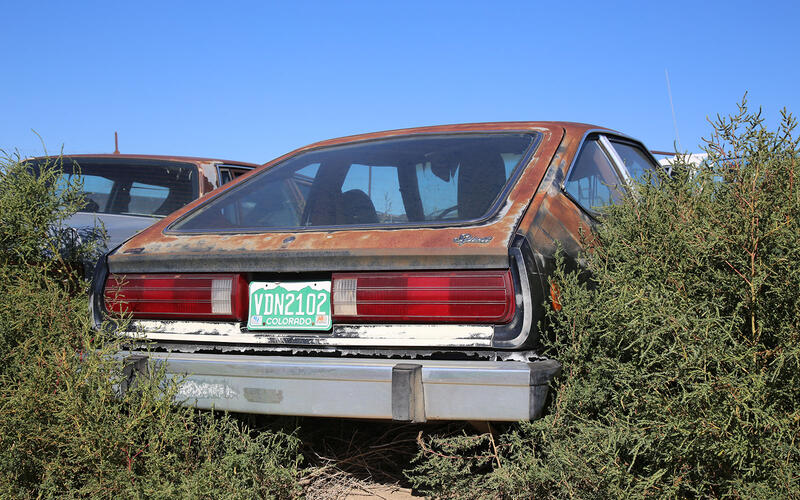
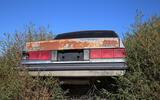
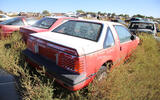
AMC’s Spirit was introduced for 1979 as a replacement for the Gremlin and formed part of American Motors’ effort to modernize its compact lineup. Offered in several body styles, the liftback version seen here was among the sportier-looking options, with a sloping rear hatch and wide tail lamps.
Engines ranged from a modest four-cylinder to AMC’s sturdy straight-six. This particular example appears to have been off the road since 1998, judging by the last registration sticker.
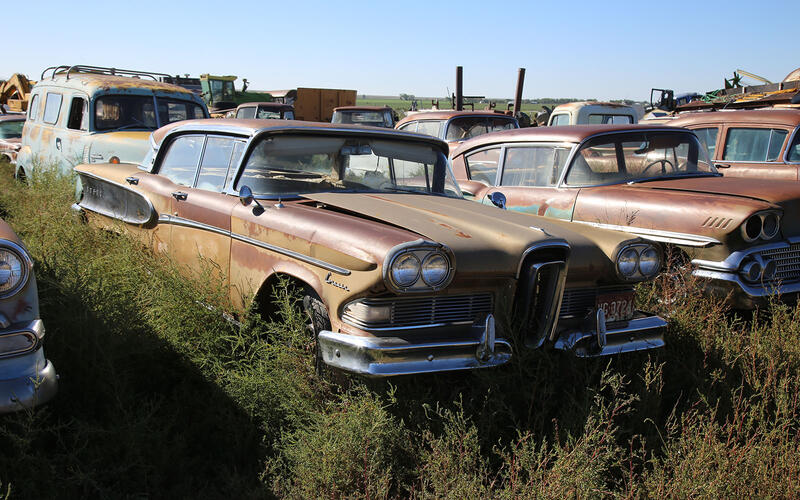
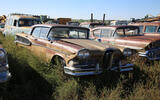
This Edsel Corsair comes with a story. According to Don Woller, the car’s owner once allowed his grandson to start restoring “Grandpa’s Edsel”. The young man began taking it apart, then promptly joined the Army and never returned to finish the job. The partially dismantled car eventually found its way to Woller Auto Parts, where Don says it has been sitting since around 1973.
Originally powered by a big V8 with a four-barrel carburetor and equipped with power steering, power brakes and even electric wipers, it’s another reminder that many classic cars end up in yards like this through little twists of fate rather than mechanical failure.
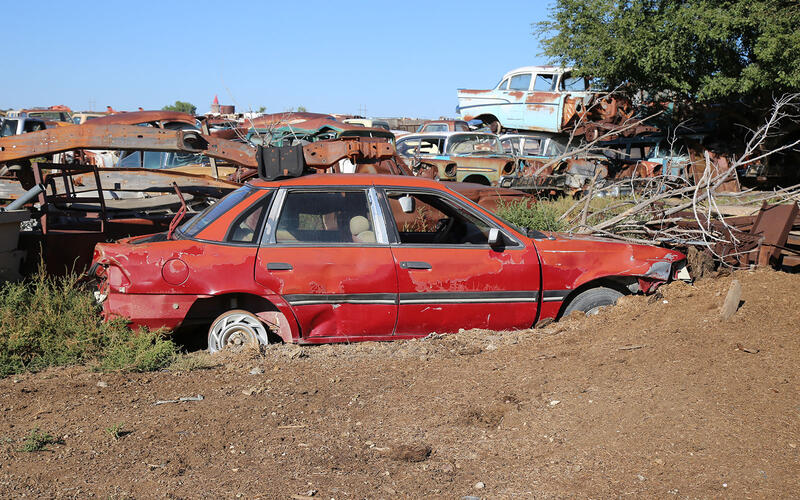
What a degrading end for a late-1980s Ford Tempo. As if being bashed, abused and partly stripped wasn’t enough, it now appears to have been partly buried in a mound of llama droppings courtesy of the yard’s resident guard llamas. When new, the Tempo was Ford’s dependable compact family sedan, a common sight on US roads until the early 2000s. One can only wonder what its original owner would think if they could see it now.
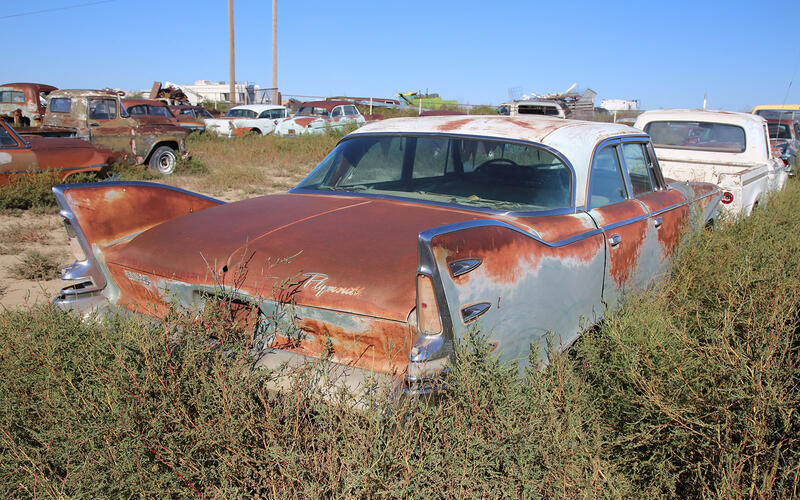
This 1960 Plymouth Belvedere has been with Don Woller since 1974. He drove it for a while before eventually parking it, where it has remained ever since. Power came from a V8 paired with a three-speed manual transmission, and the car was originally equipped with a push-button radio. It appears largely complete, although the air cleaner is missing.
According to Woller the body is solid underneath with no visible rust holes, showing just a few small rust spots on the quarter panels.
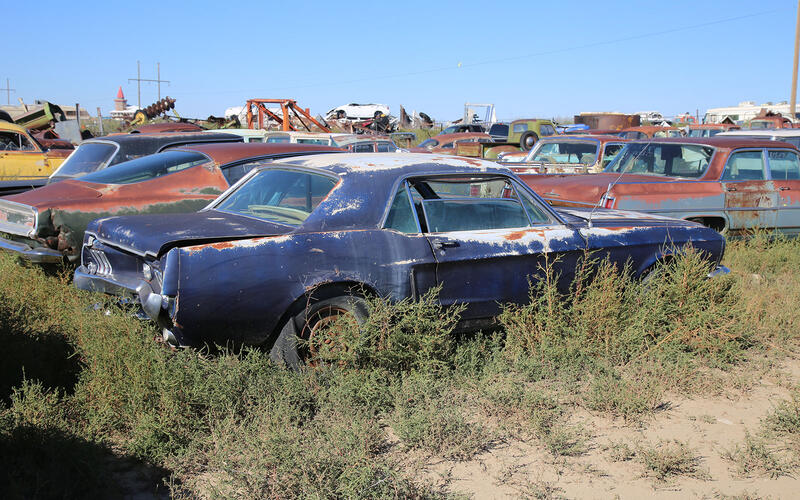
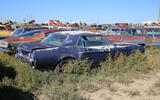
Like many of the project cars here, this 1968 Ford Mustang has had its interior removed, but it’s safely stored away. Don does this so prospective buyers can clearly see the condition of the floor. This example was hit in the rear, which prematurely ended its road-going days.
Originally a V8 automatic with air conditioning, it was offered for sale at $3800. According to the website it has now been sold, so it may yet get the chance to gallop again.
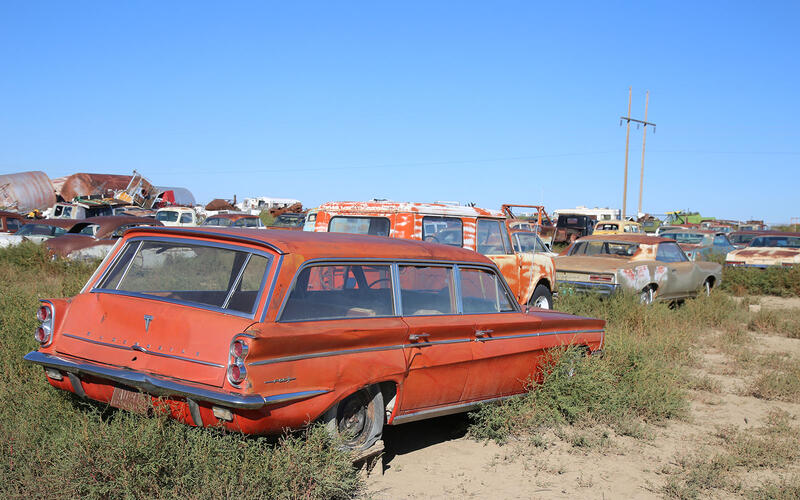
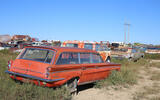
This 1962 Oldsmobile F-85 wagon certainly brightens up the high desert with its sun-faded orange paint. According to Don Woller it was running and driving when he bought it in the early 1970s after a minor accident. Power comes from Oldsmobile’s innovative 215cu in (3.5-litre) aluminium V8 with a two-barrel carburetor, paired with an automatic transmission.
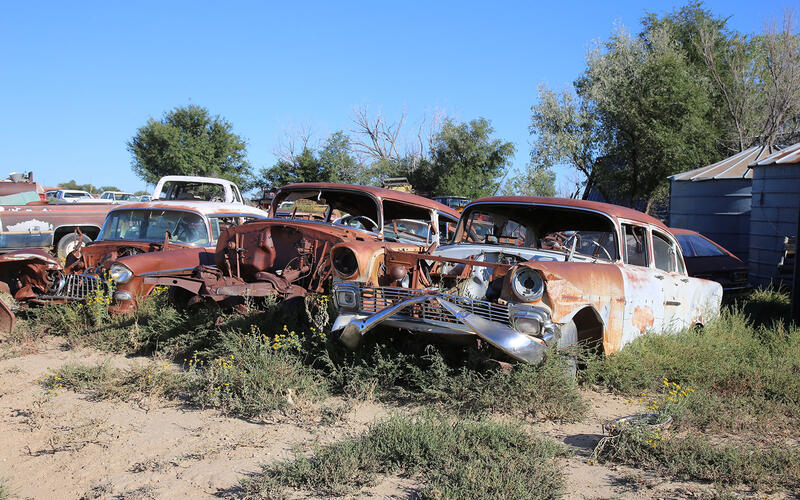
There are a handful of Tri-Five Chevrolets here for sale as projects, but if you’re visiting to pick one up, it would pay to check out the parts cars too. This trio may be well past saving, but there still appears to be plenty of useful components left on them. For anyone restoring a 1955, 1956 or 1957 Chevy, rows like this can prove just as valuable as the project cars themselves.
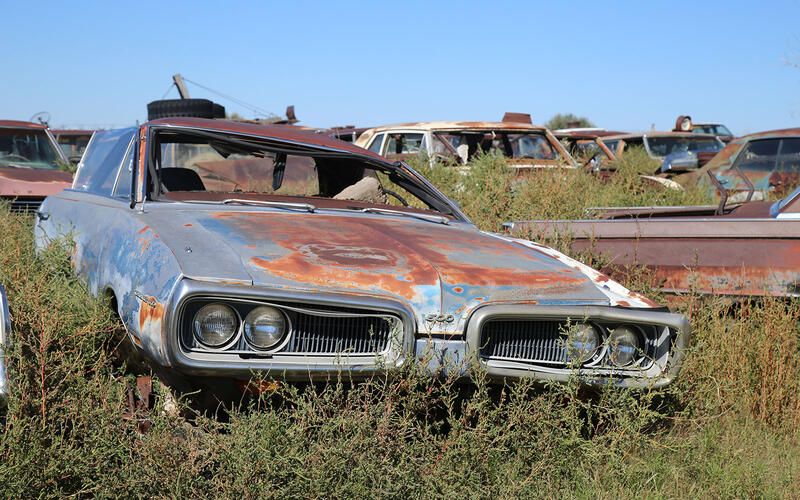
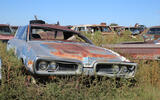
Don Woller tells us he recently sold a whole batch of Mopar muscle project cars, but there are still plenty of parts vehicles left to choose from. This 1970 Dodge Coronet 500 appears to have rolled at some point in its past, which would explain the rather unfortunate roofline. Even so, there are still plenty of usable components left for anyone restoring one of these big Mopar intermediates.
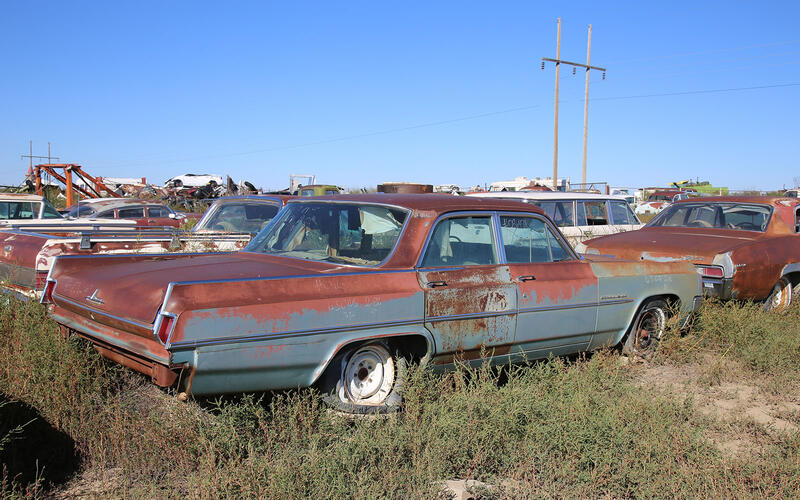
Showing just 45,791 miles, this 1963 Oldsmobile Dynamic 88 four-door sedan project car appears to retain its original engine. Power came from Oldsmobile’s 394cu in (6.5-litre) V8 paired with an automatic transmission, with power steering and air conditioning also listed among the car’s original equipment.
Don Woller describes it as a solid old car, with good glass and no visible rust holes underneath, although a few small rust spots have appeared on the quarter panels. The power brake unit is missing, and the interior has deteriorated, but the engine is said to run, and the transmission still works.
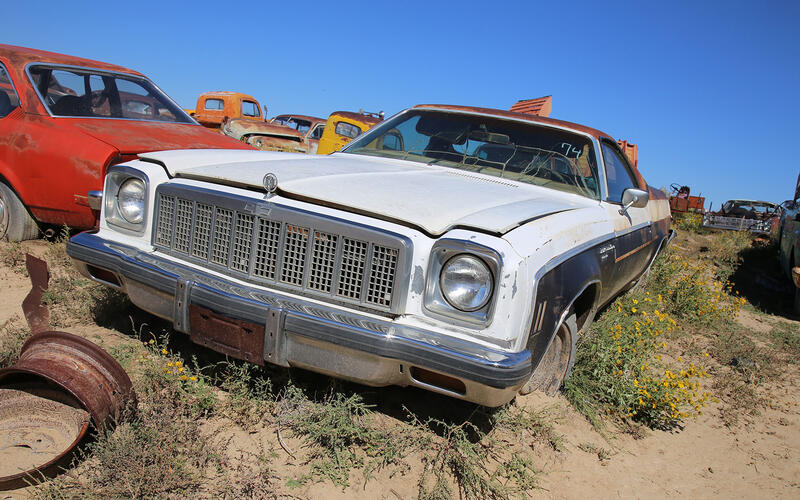
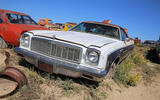
A 1974 Chevrolet El Camino, and one that looks remarkably complete for a yard find. This example comes from the fourth generation (1973–77), when the El Camino was still enjoying its heyday. Chevrolet’s car-based pickup had been around since 1959, offering buyers a curious blend of passenger car comfort and pickup practicality - a formula that proved surprisingly popular for decades.
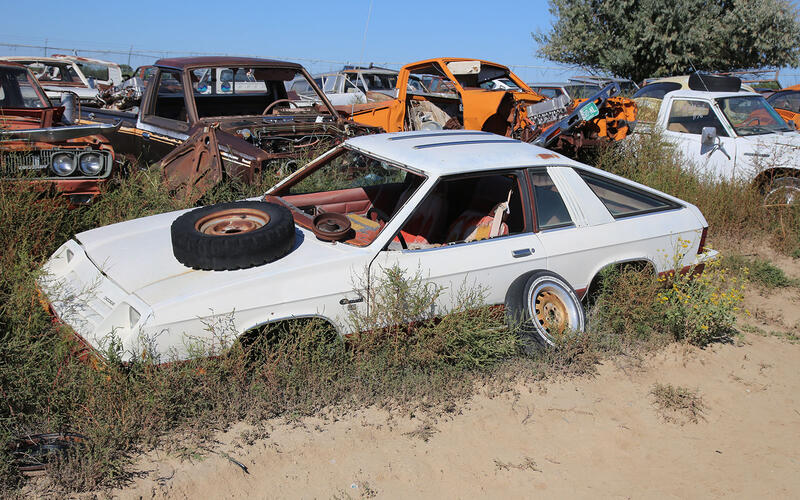
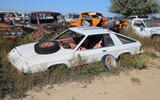
This is a Dodge Omni 024, the coupe version of Chrysler’s front-wheel-drive Omni. Unlike the regular Omni hatchback, which was closely related to the European Chrysler and Talbot Horizon, the 024 was a distinctly American design developed in-house at the urging of company boss Lee Iacocca. Introduced for 1979 as a sporty fastback coupe on Chrysler’s L-body platform, it never sold particularly well.
Chrysler tried to boost interest with a Charger 2.2 package from 1981 before eventually dropping the 024 name entirely and renaming the car Dodge Charger for the 1983 model year, although it was a far cry from the muscle car Chargers of old.
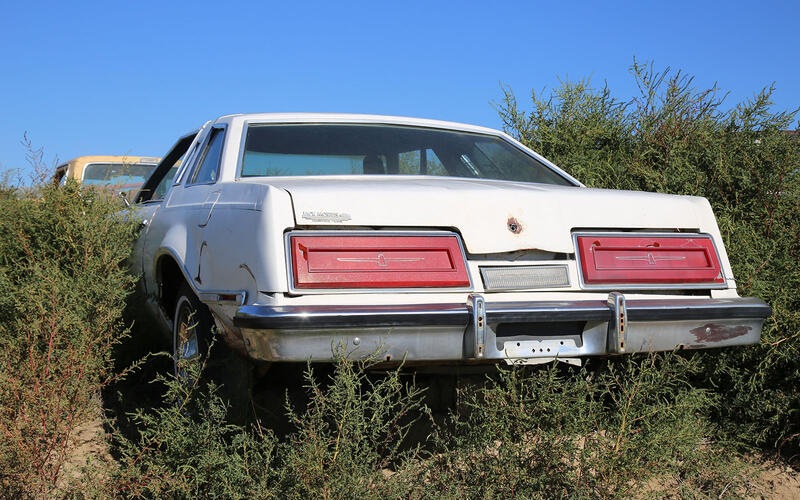
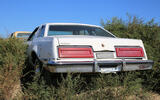
Here’s another car that evolved a long way from its original concept. When the Thunderbird was launched in 1955 it was a compact two-seat “personal car”, Ford’s answer to the Chevrolet Corvette. Over the years it steadily grew larger and more luxurious, eventually becoming a plush personal luxury coupe.
By 1979 it had reached its seventh generation, built from 1977 to 1979, when Ford repositioned the model from a full-size car to a slightly smaller intermediate platform. The move proved a smart one. This generation became the most successful Thunderbird of all, with more than 955,000 sold in just three years.
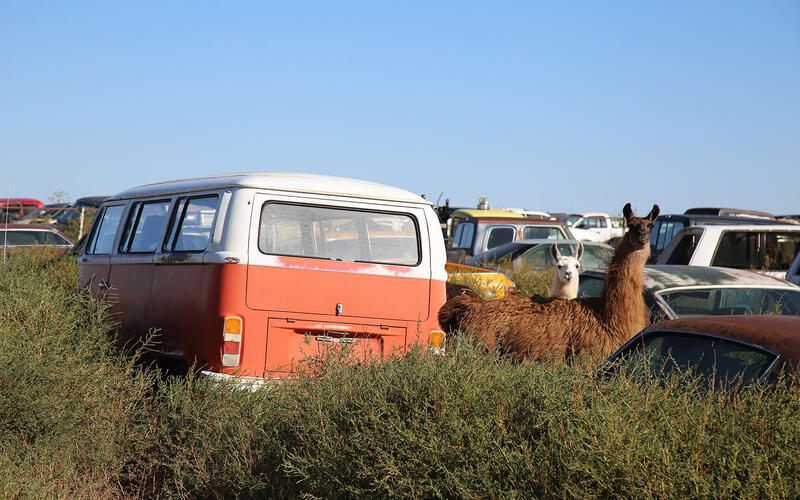
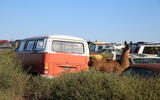
A 1973 Volkswagen Bus that looks incredibly solid. According to the yard’s website it retains its original paint, good glass and even has a factory sunroof, although the engine and manual transmission are long gone and only the driver’s seat remains inside. Still, it appears to be a decent starting point for a project. Just be warned, the resident yard llamas seem to have claimed it as their own and may object if you try to take it home.
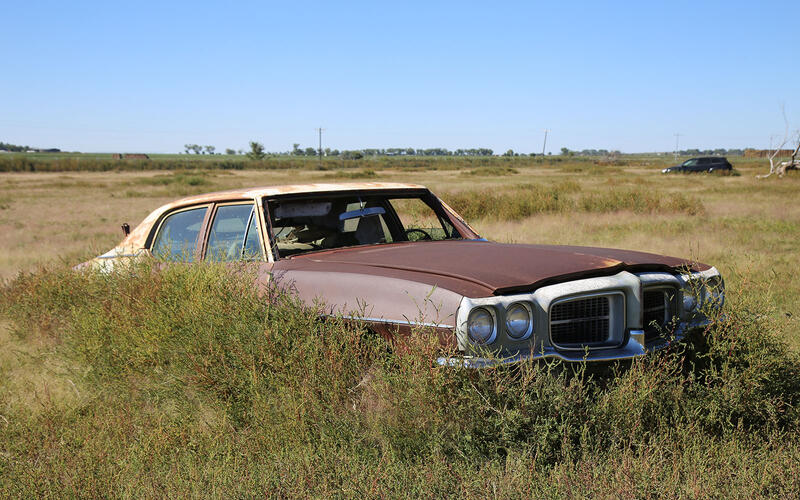
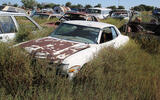
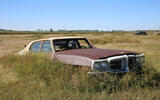
This four-door 1971 Pontiac LeMans is now serving as a useful source for parts. The missing windshield has allowed the elements inside and the interior is beginning to deteriorate, but the body panels remain impressively solid. Pontiac introduced the LeMans name in the early 1960s, borrowing it from the famous French endurance race at Le Mans.
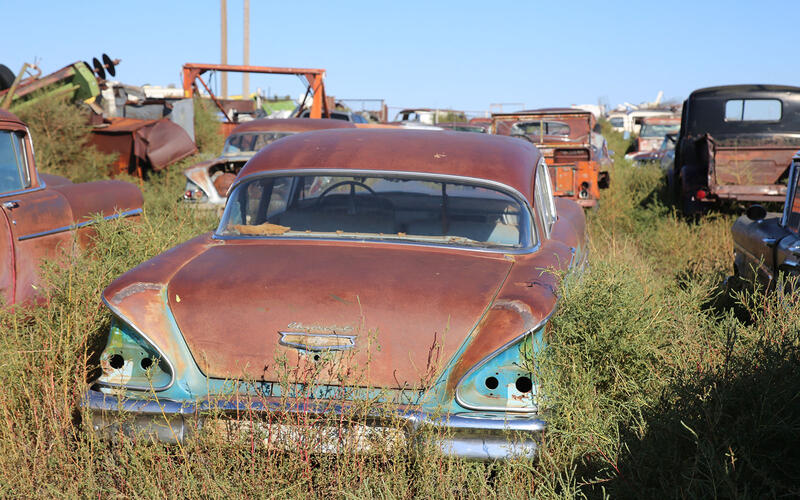
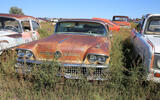
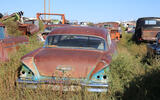
One of the things we like most about Woller Auto Parts is the sheer variety of machinery scattered across the yard. Within a few steps you can move from 1990s Japanese and European rot boxes to big slabs of 1950s Detroit steel. This 1958 Chevrolet firmly belongs in the latter category. Time hasn’t been especially kind to it, and it now appears destined to serve as a parts car rather than a restoration project.
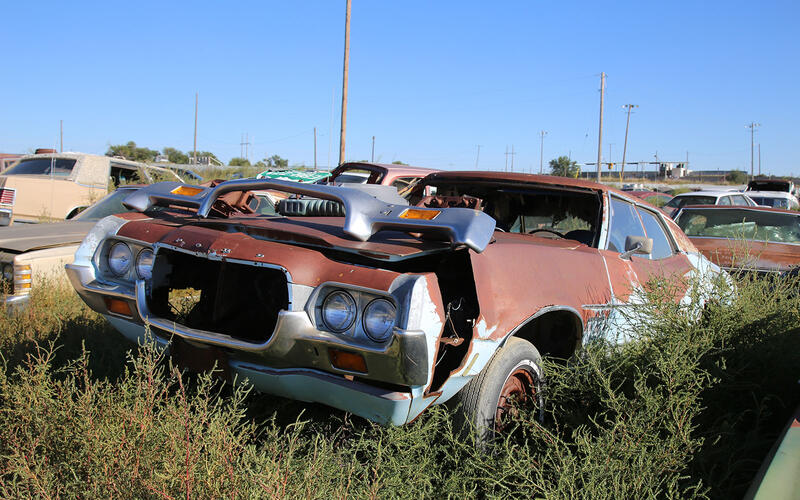
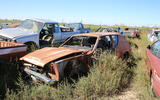
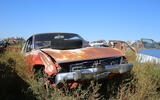
This 1971 Ford Gran Torino appears to have begun the process of donating its front end before someone apparently changed their mind. The front clip have been partly removed, although a spare bumper now rests on the hood. The Torino name was borrowed from the Italian city of Turin, long associated with the country’s car industry, while the “Gran” prefix was added in the early 1970s to give Ford’s mid-size model a slightly more upmarket feel.
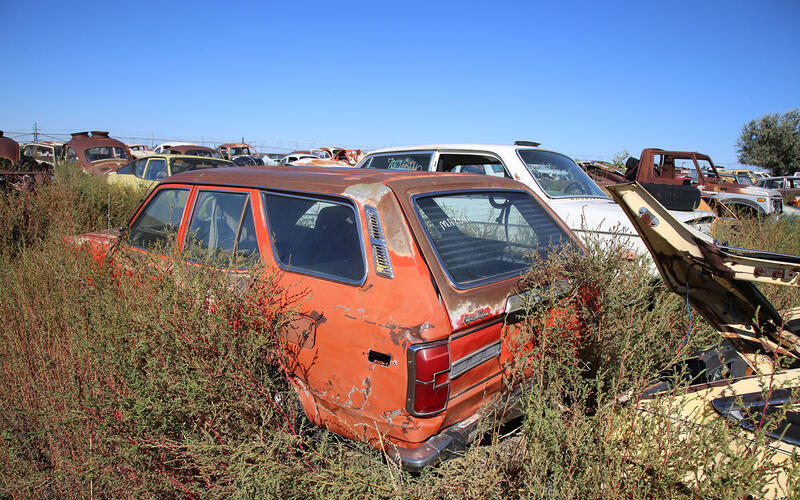
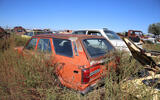
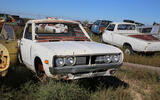
This Mazda RX-3 wagon was sold in the US as the Rotary Wagon, highlighting the Wankel engine that powered Mazda’s early rotary models. Compared with the better-known RX-3 coupes, the wagon version was produced in much smaller numbers. Even after decades residing at Woller Auto Parts, this one still appears remarkably complete, missing little more than a side marker light.
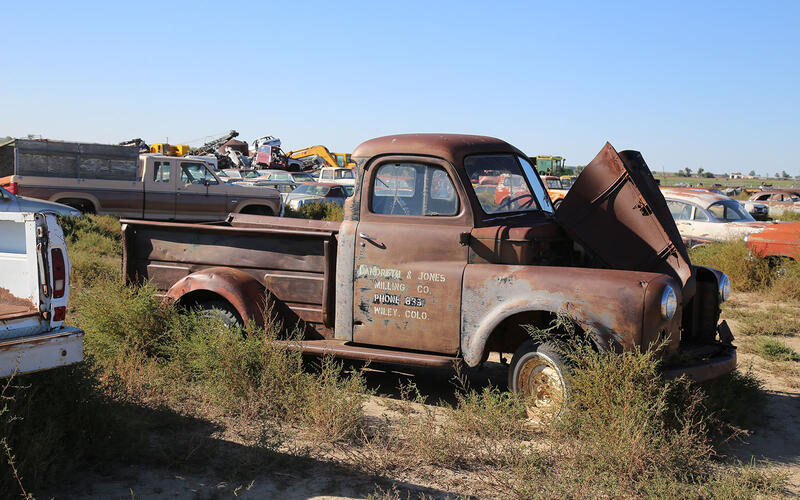
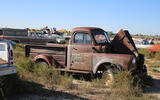
This 1950 Dodge half-ton pickup has been sitting here since Don Woller bought it in 1972, although it had already been off the road for a few years by then, its last license dating from 1966. At some point a would-be mechanic attempted to install a V8 engine but never finished the job.
The truck remains impressively solid underneath, with no visible rust holes and good glass all round, although the interior has clearly seen better days. According to Woller the engine runs and the transmission works, but the brakes currently do not.
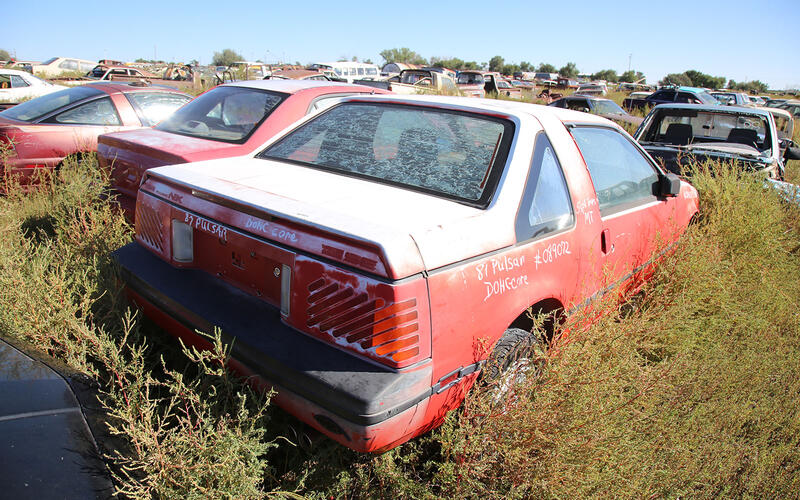
This 1987 Nissan Pulsar NX was one of the sportier offerings in Nissan’s compact lineup. It featured a distinctive coupe body and was aimed at buyers wanting something a little more stylish than a basic economy car. The writing on the window suggests this one was equipped with the twin-cam engine and a five-speed manual transmission, making it one of the more interesting versions.
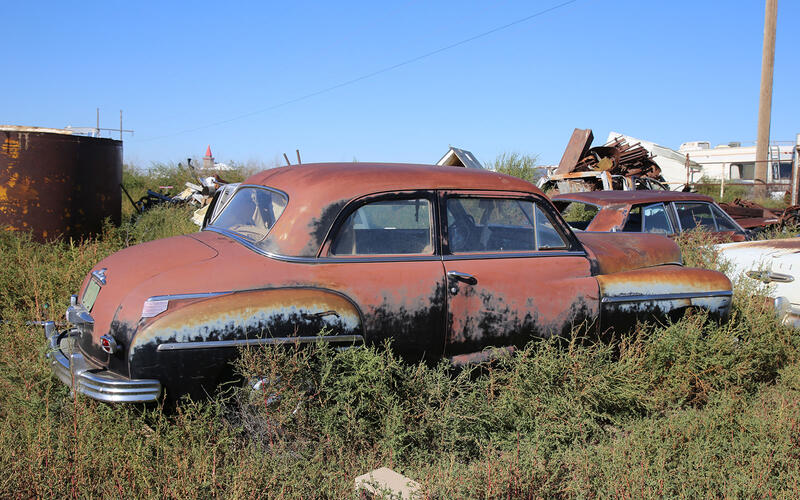
This 1950–51 Plymouth Special Deluxe two-door coupe appears on the Woller Auto Parts website. Apparently it retains its flathead six-cylinder engine and three-speed manual transmission and appears to be largely intact, even down to the owner’s manual still sitting in the glovebox.
Woller says he has had the car for around 40 years and suspects it may originally have been a one-owner vehicle. Despite decades sitting in the yard, the body is said to be solid underneath with no visible rust holes, showing only a few small rust spots on the quarter panels.
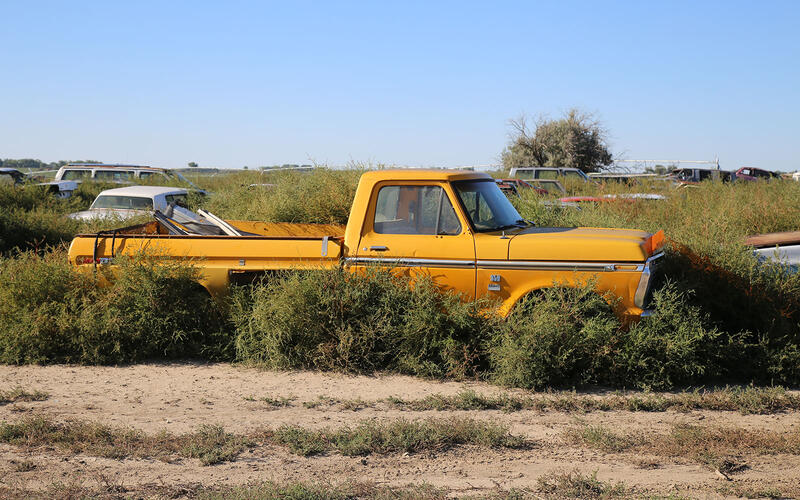
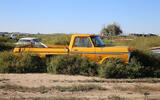
A 1973-ish Ford F-350 Super Camper Special, built at a time when slide-in pickup campers were hugely popular across the American West. Ford even moved the rear axle slightly rearward and fitted heavier-duty suspension to better cope with the extra weight of a camper body in the bed.
This one still wears its bright yellow paint well, although the camper it was designed to carry is long gone. Instead, the bed now appears to be doing what many old pickups in salvage yards end up doing - acting as a convenient storage spot for stray parts.
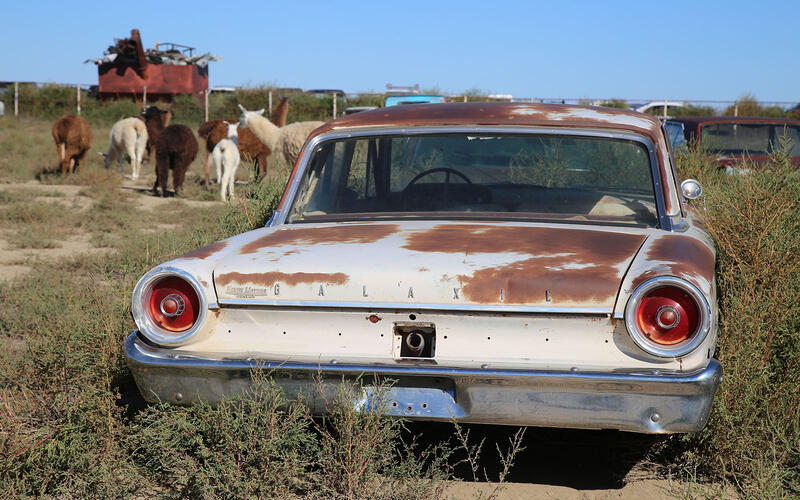
With just 44,807 miles showing on the odometer, this plain and simple 1963 Ford two-door sedan has clearly had a quiet life. Don Woller says he bought it many years ago after it had been involved in an accident, which inflicted damage to the driver’s door and front fender. Power came from a V8 with a two-barrel carburetor paired with an automatic transmission.
The glass is said to be good, and the car remains largely complete, although the interior has deteriorated over time. Beneath the surface the structure appears sound, with only a few small rust spots reported on the quarter panels.
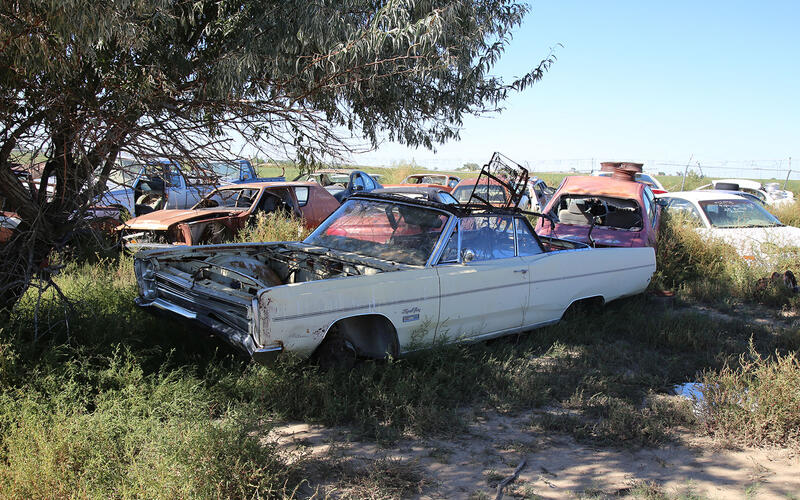
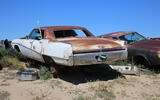
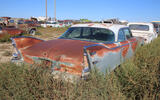
In decent condition, a 1968 Plymouth Sport Fury convertible can fetch respectable money today, but this one is a long way from that. The engine has vanished and the rear seat is little more than a rusted frame, leaving the interior of no use to man nor beast. Only 2489 were built.
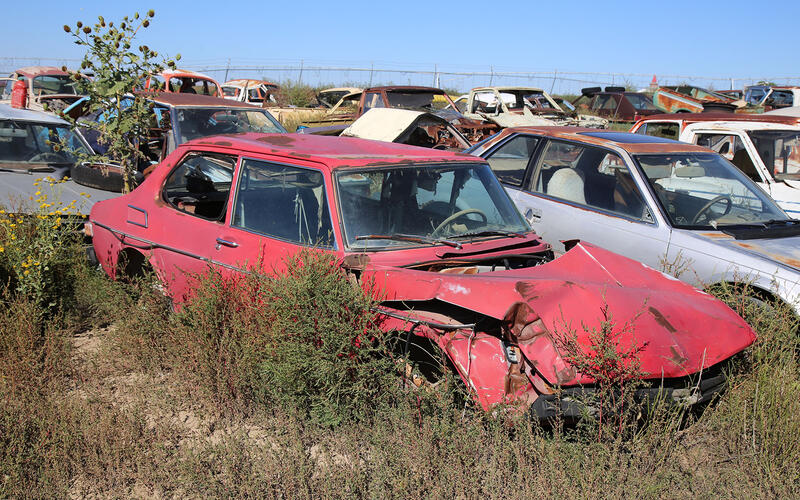
This Saab 99 two-door sedan represents the model that took the Swedish manufacturer into a larger class when it was introduced in 1968, replacing the smaller Saab 96 at the top of the range. Built in Sweden and Finland, the 99 remained in production until 1984 and eventually evolved into the closely related Saab 900.
While regarded as a large family car in Scandinavia, it was marketed elsewhere, particularly in the US, as a compact executive car and developed a loyal following among buyers looking for something a little different. Judging by the heavily crumpled front end, it is not hard to guess how this mid-1970s example found its way here.
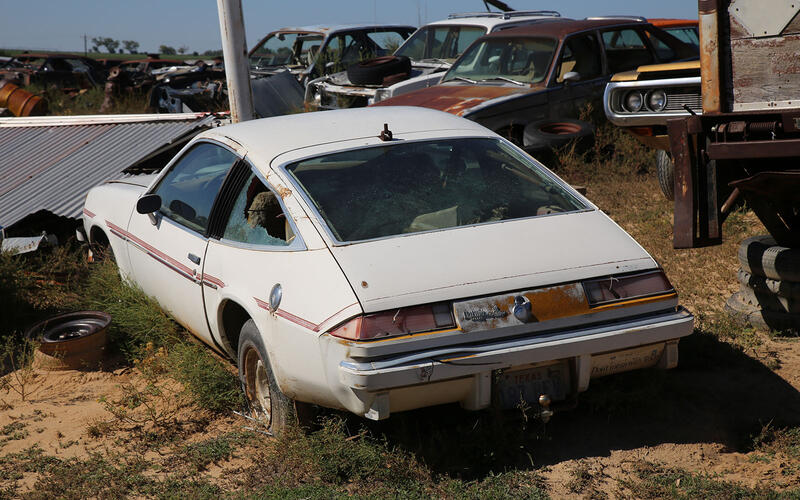
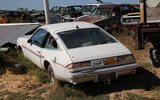
This Chevrolet Monza 2+2 hatchback still wears a dealer badge from Friendly Chevrolet of Dallas, a long-running Texas dealership that appears to date back to the 1950s. Introduced for 1975, the Monza was part of General Motors’ H-body family and was intended to offer sporty styling in a compact package during the post-oil crisis era.
Early versions could be ordered with surprisingly serious power, including Chevrolet’s small-block V8, although tighter emissions rules soon curtailed that option.
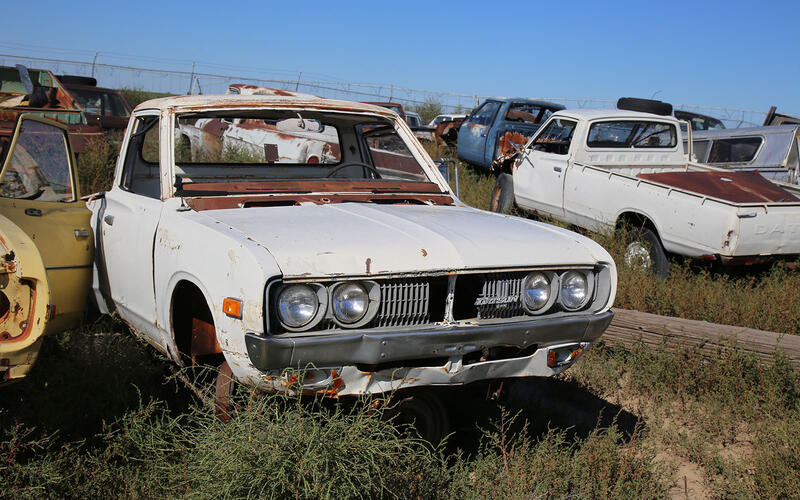
The Datsun 620 pickup played an important role in establishing Japanese trucks in the US market. Introduced for 1972, it was sold across North America with Nissan’s dependable L-series four-cylinder engines, beginning with the 1.6-liter L16 before later models gained 1.8- and 2.0-liter versions. Many buyers used them as everyday transportation rather than work trucks, helping Datsun build a strong reputation for durability in the US.
This example appears to be circa 1973 and is one of three 620s visible here. Like the others, it is far beyond saving, but there are still some hard-to-find rust-free panels and trim pieces up for grabs.
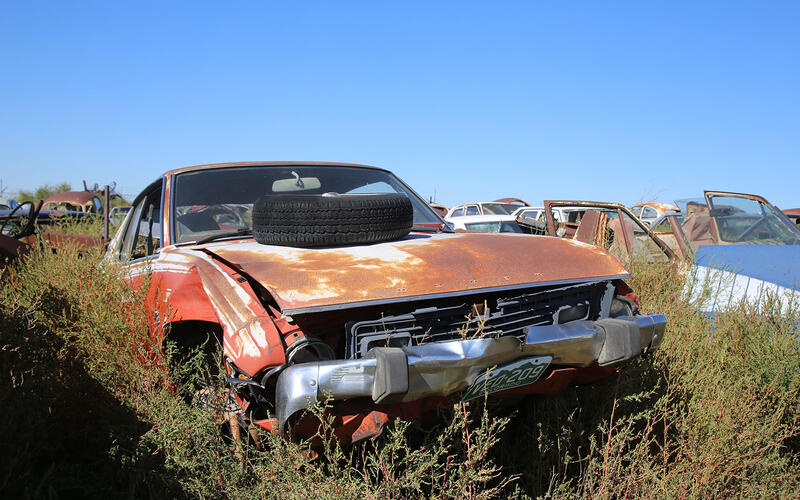
We wonder how many years this Dodge Colt has sat here without yielding a single part. Built by Mitsubishi and sold by Dodge as a captive import between 1971 and 1994, the Colt gave Chrysler dealers a much-needed small car during the fuel-crisis years. This example belongs to the second generation (1974–1977) and is essentially a rebadged Mitsubishi Galant.
Judging by the state of the front end, it likely arrived here after a fairly decisive encounter with something solid, and it appears to have been sitting exactly where it was dropped ever since.
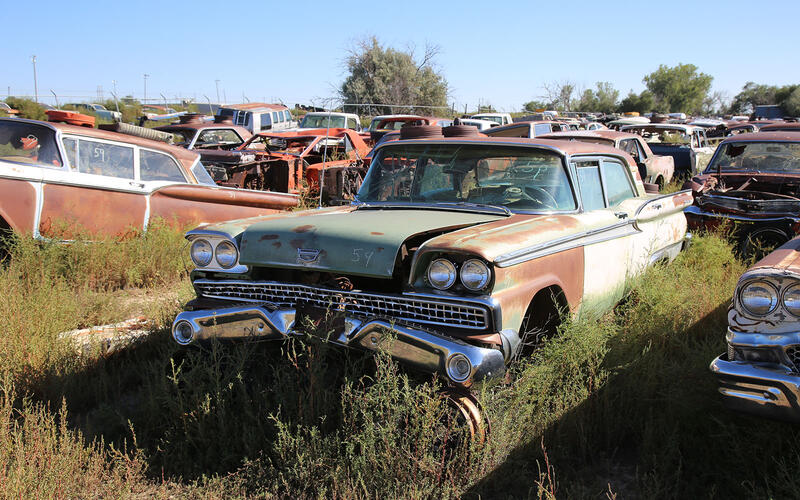
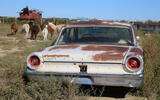
A 1959 Ford that neatly illustrates the quality of the parts cars at Woller Auto Parts. The dry High Plains climate is remarkably kind to sheet metal, and even vehicles that have clearly been sitting for decades often remain impressively solid.
Be sure to check out the Woller Auto Parts website to browse the full selection of project cars available.
If you enjoyed this story, please click the Follow button above to see more like it from Autocar