
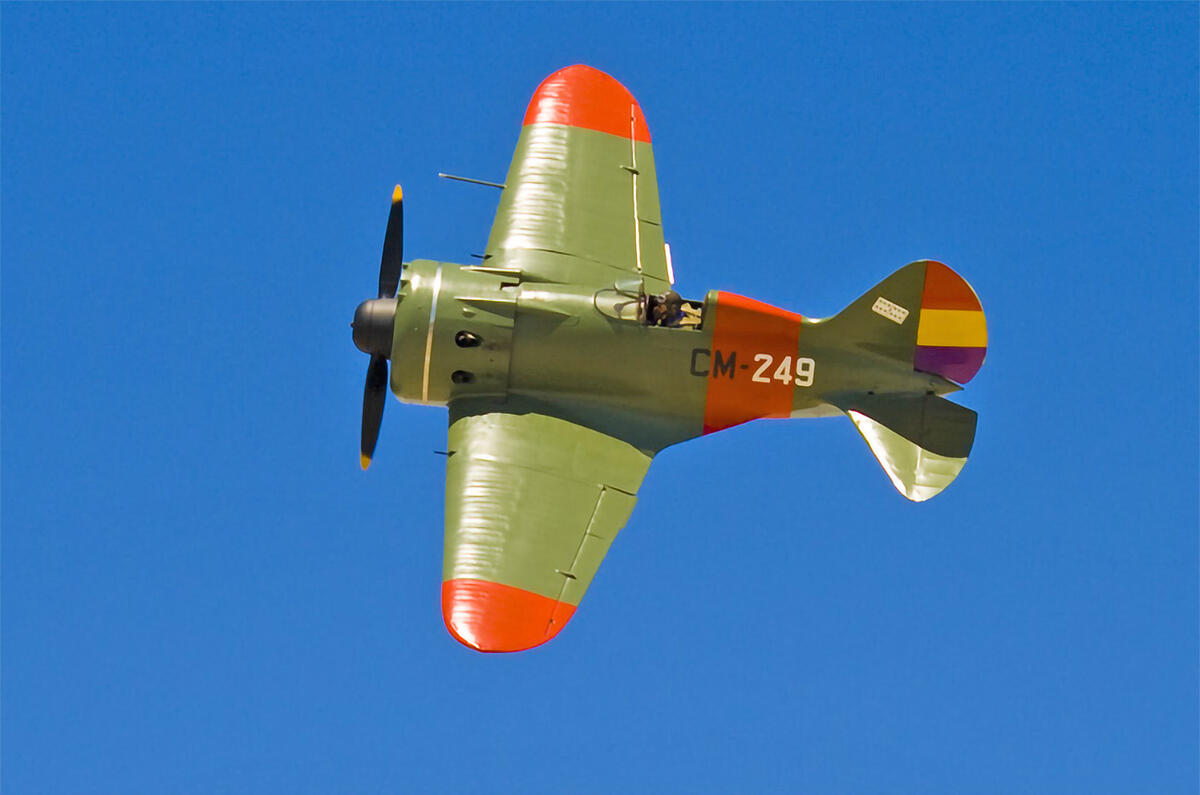

Despite being the world’s largest air force, the Soviet Air Force (Voenno-Vozdushnye Sily or VVS) was caught on the back foot by the German invasion on 22 June 1941.
On the first day alone, an astonishing 2000 Soviet aircraft were destroyed on the ground. Emerging from this calamity over the brutal years of the Great Patriotic War, the VVS returned with ever more potent aircraft in increasing numbers. Soviet combat aircraft tended to be tough, able to endure the roughest airfields and climatic extremes, and easy to manufacture in enormous numbers. Here are ten of them.
(A transport aircraft of critical importance to the Soviets was the American Douglas C-47, and the inferior Soviet copy, the Lisunov Li-2, and these certainly merit a passing mention.)
10: Bell P-39 Airacobra
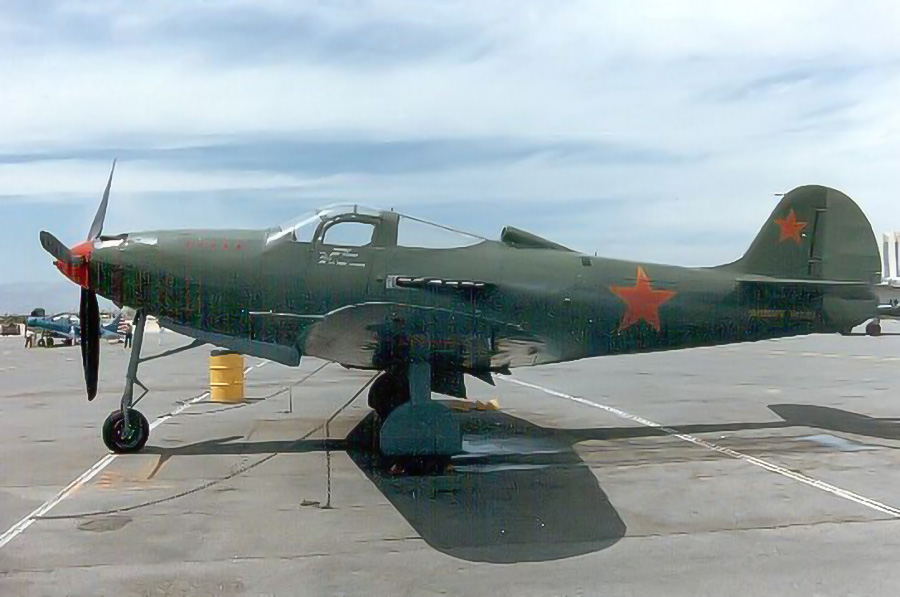
The radical Bell P-39 Airacobra was an American aircraft that proved unpopular in US and British hands but proved ideally suited to the Eastern Front, and was the most successful of the Land-Lease fighters serving with the USSR. It proved formidable and earned the affectionate nickname of Kobrushka (‘Little Cobra’).
The P-39 was unlike any other World War Two fighter in having the engine behind the pilot combined with another at time unconventional feature, a tricycle undercarriage. Today, all fighters have a tricycle undercarriage with the smaller central landing gear at the front, but in the war, the norm was to have it at the rear in the ‘tail-dragger’ configuration.
10: Bell P-39 Airacobra
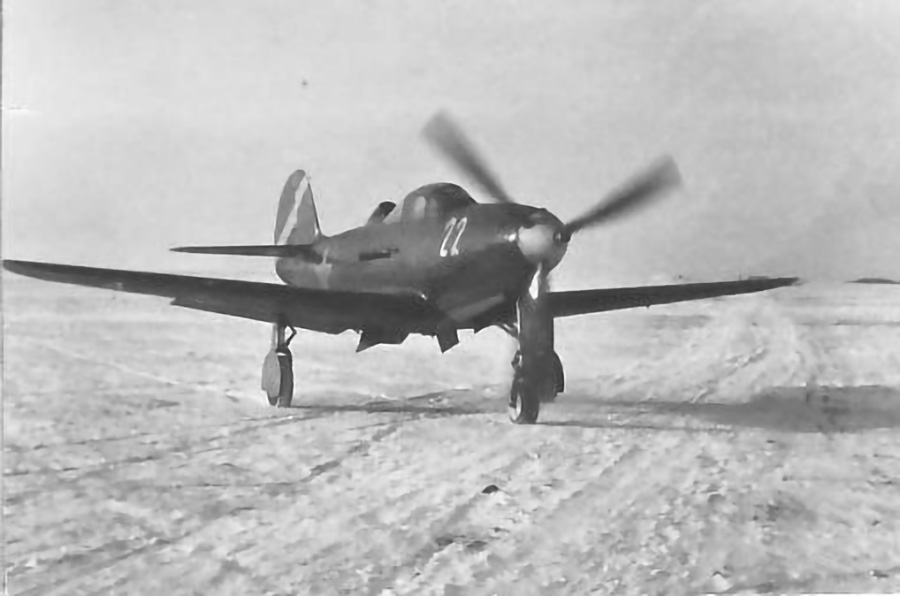
The sturdy P-39 had a combination of a heavy-hitting 37-mm cannon in the nose, forgiving take-off and landing characteristics from rough airfields and excellent manoeuvrability. Its lack of high-altitude performance was little issue on the Eastern Front, where most combat occurred at low altitudes.
As Soviet aircraft production facilities fled eastward, there was a temporary shortage of fighters, and the delivery of the P-39s was extremely timely. Ultimately, the P-39 story became largely a Soviet affair, with around half of all the P-39s produced serving in the USSR. Soviet fighter pilot Grigory Rechkalov (1920-1990) shot down 48 enemy aircraft while flying the P-39.
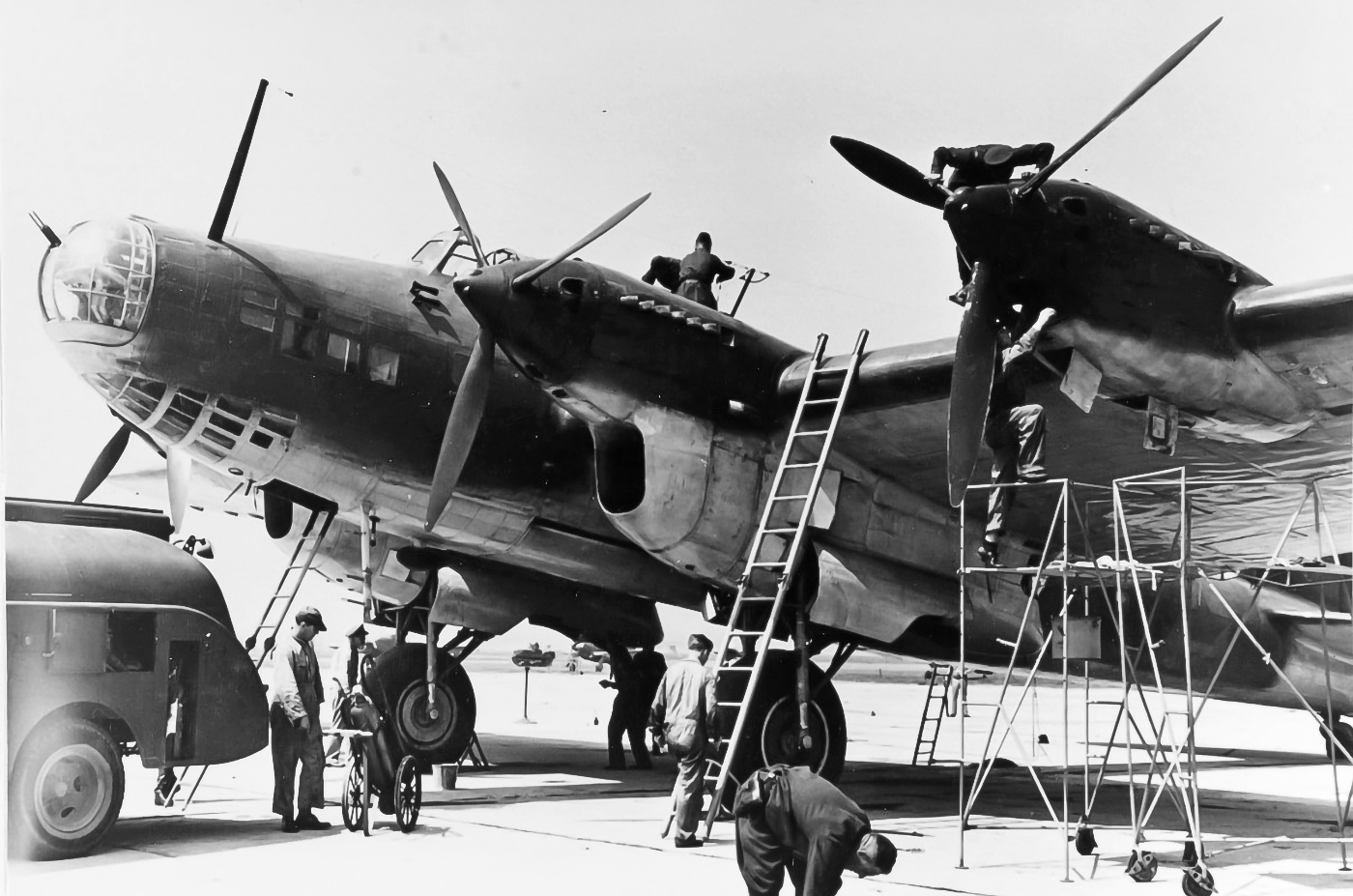
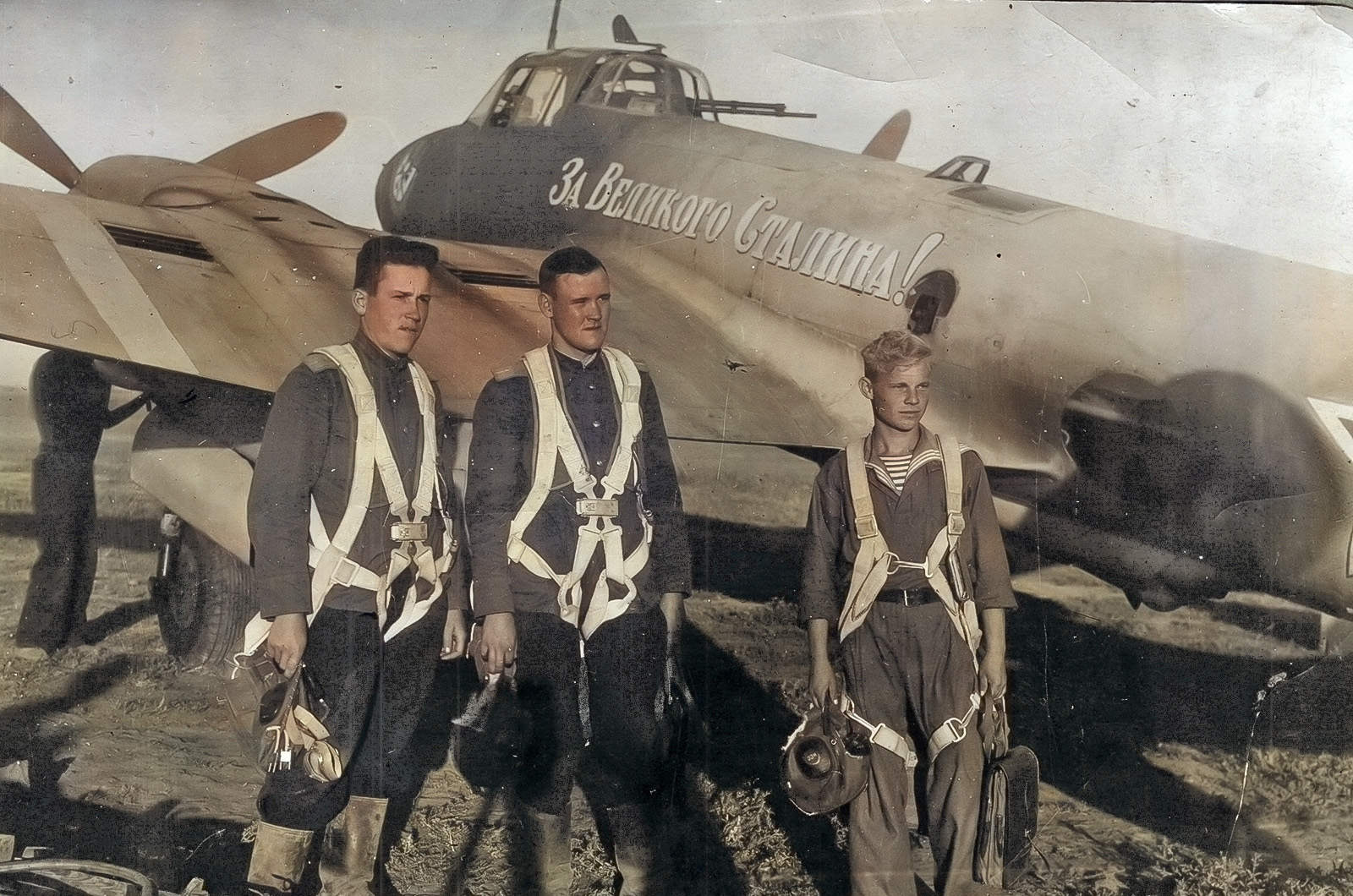
9: Ilyushin Il-4 (DB-3F)
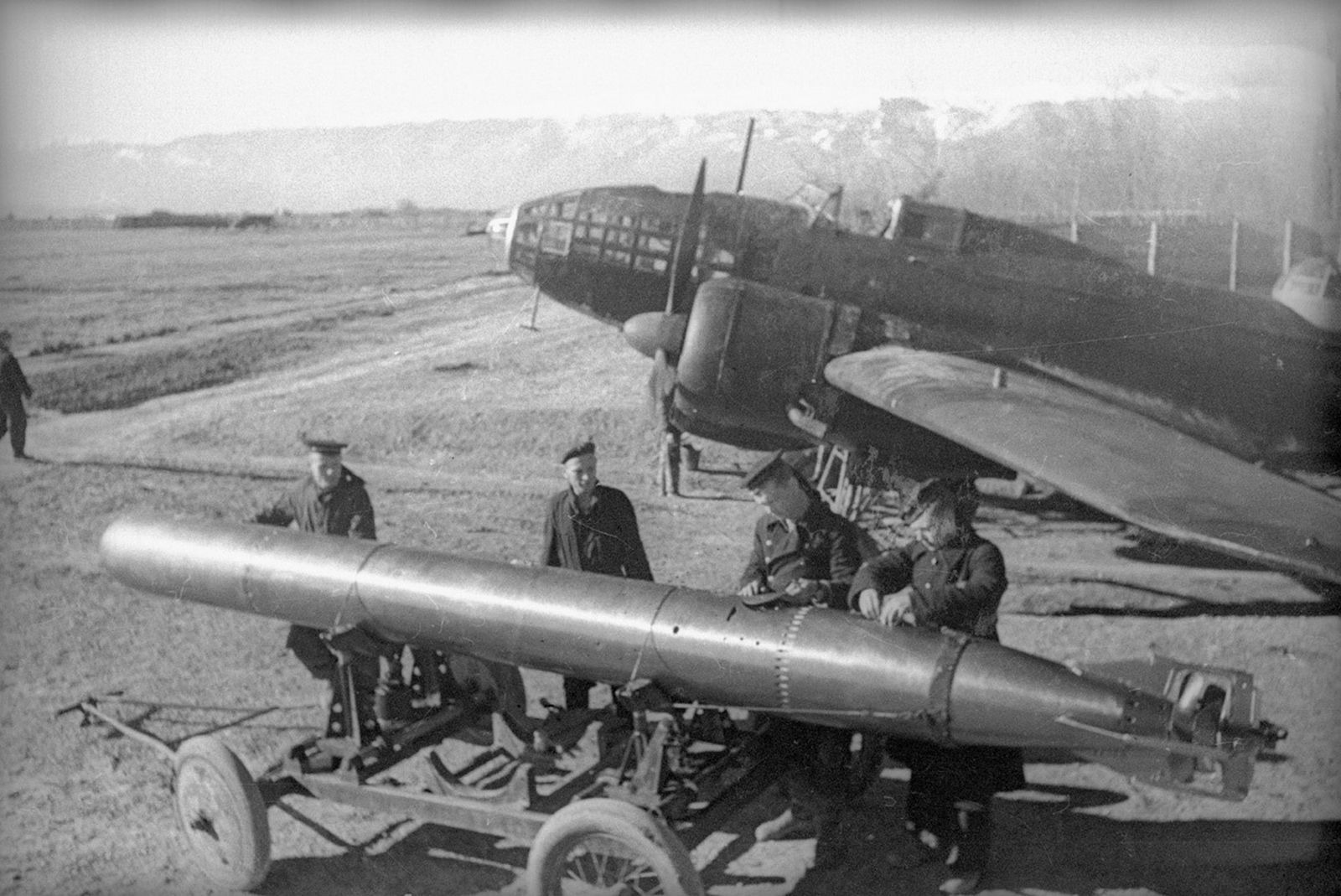
The DB-3 was the first all-metal long-range bomber used by the Soviet Air Force. Though impressive, it took an enormous effort to build: 30,301 man-hours per aircraft. To rectify this, and enhance performance and reliability, the DB-3F was created.
Embracing new construction techniques, learned from American designs, and a raft of other improvements, the F soon became a radically new design in its own right. The DB-3F took far less time to build, with man hours per aircraft more than halved to a figure of 14,331 (and later reduced even more dramatically).
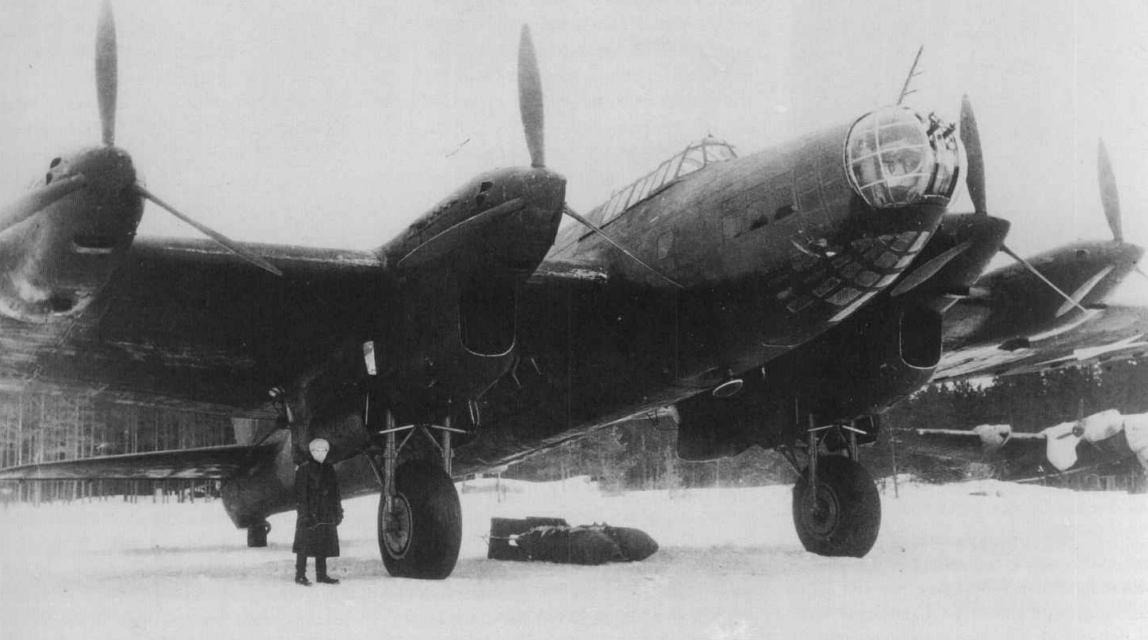
9: Ilyushin Il-4
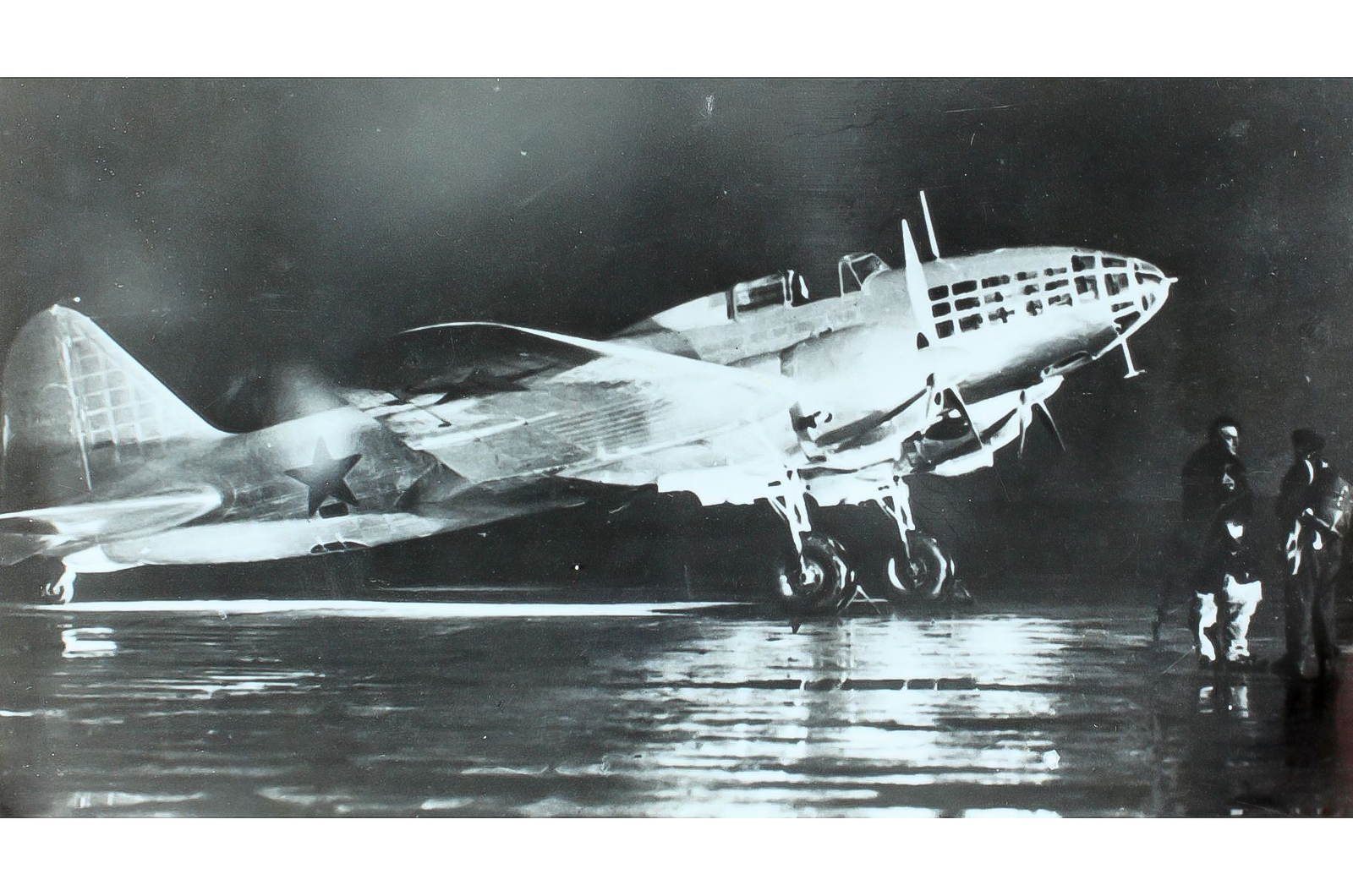
Pushed into an unsuitable emergency tactical role following the invasion, the DB-3F endured high losses. As a long-range bomber it was used to attack Berlin. The DB-3F was redesignated ‘Il-4’ in early 1942. The Il-4’s impressive range enabled it to be used for strategic missions.
The DB-3 and IL-4 both had torpedo bomber variants known as the DB-3T and Il-4T respectively. The Il-4T proved capable in both Western operations and fleeting (but frenetic) action in the Pacific in the closing days of the war. A total of 5256 IL-4s were manufactured.







Add your comment