
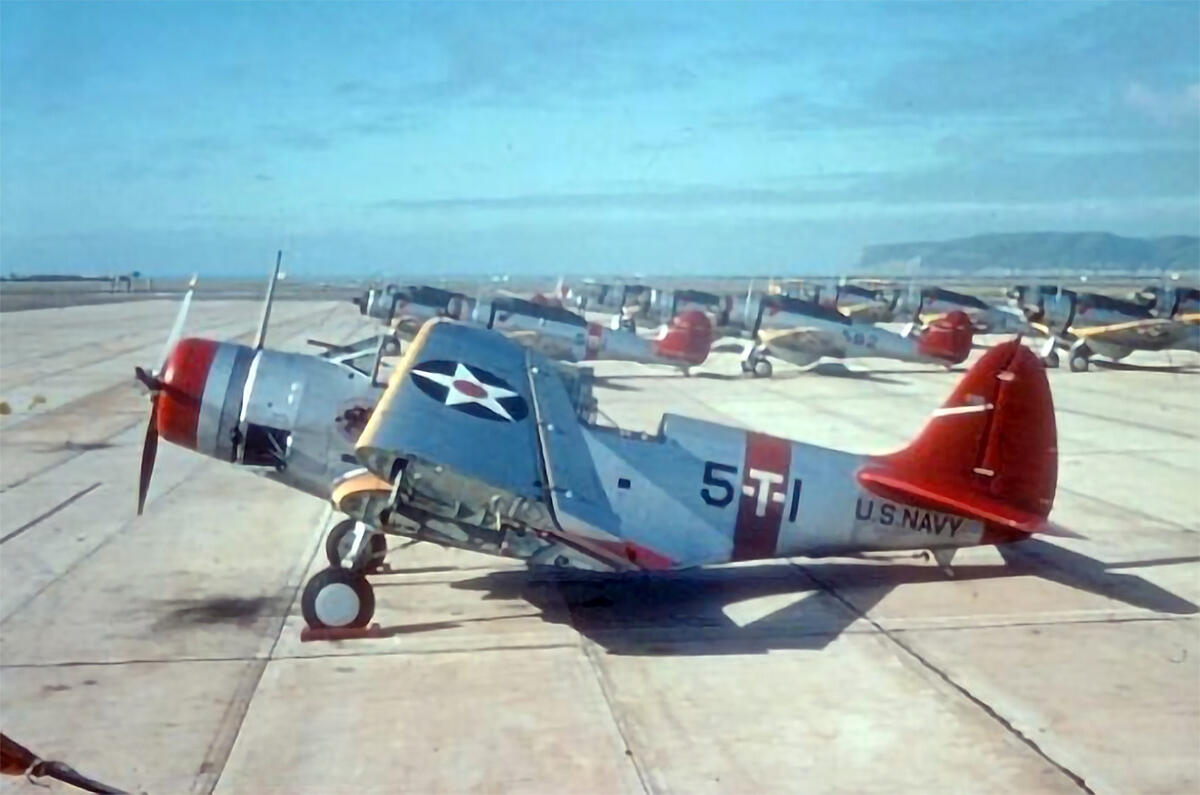

For every Spitfire, Mustang or Fw 190, there was a plane as terrible as these aeroplanes were fabulous.
Considering the pace of technology and the dire global situation, it is hardly surprising that more than a few downright diabolic machines found their way to the dangerous skies of the war. Here are 10 of them.
10: Blackburn Botha
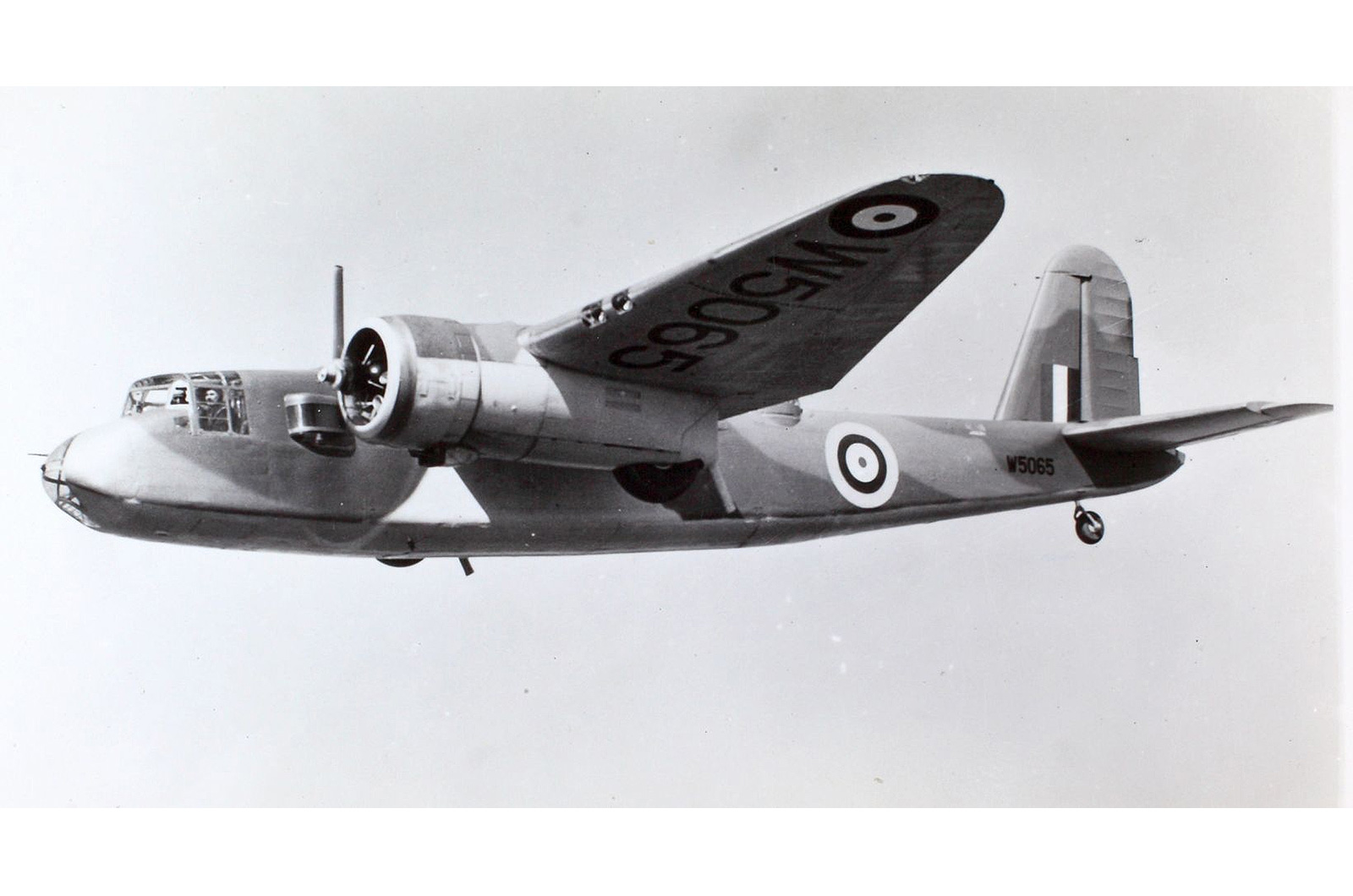
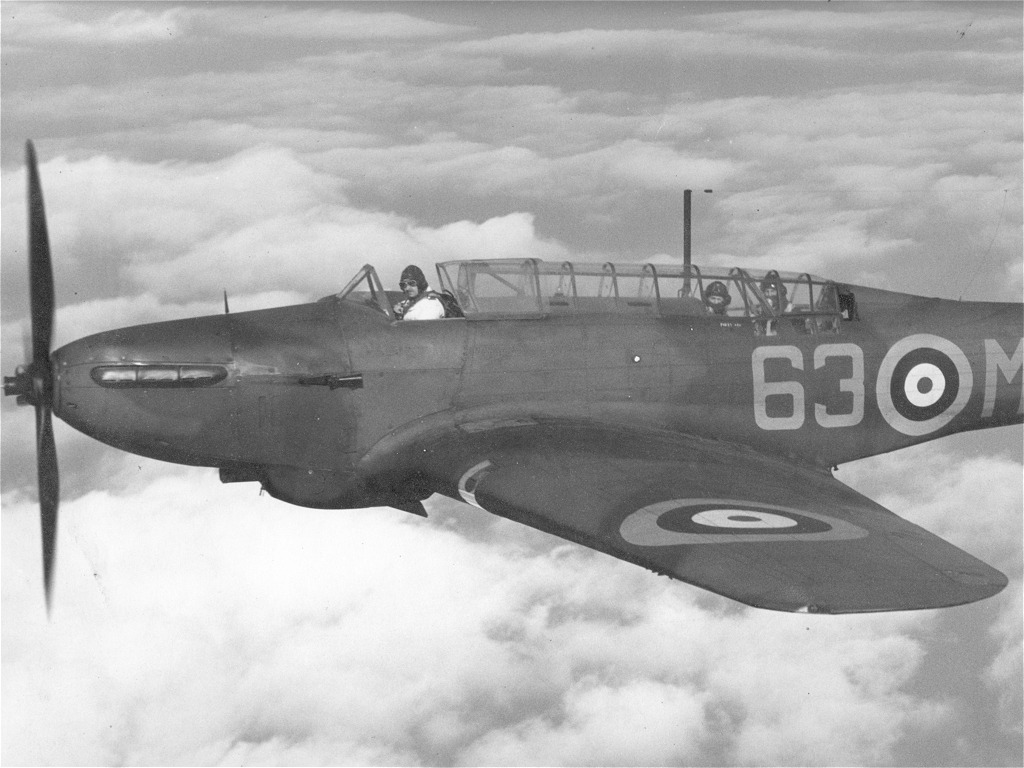
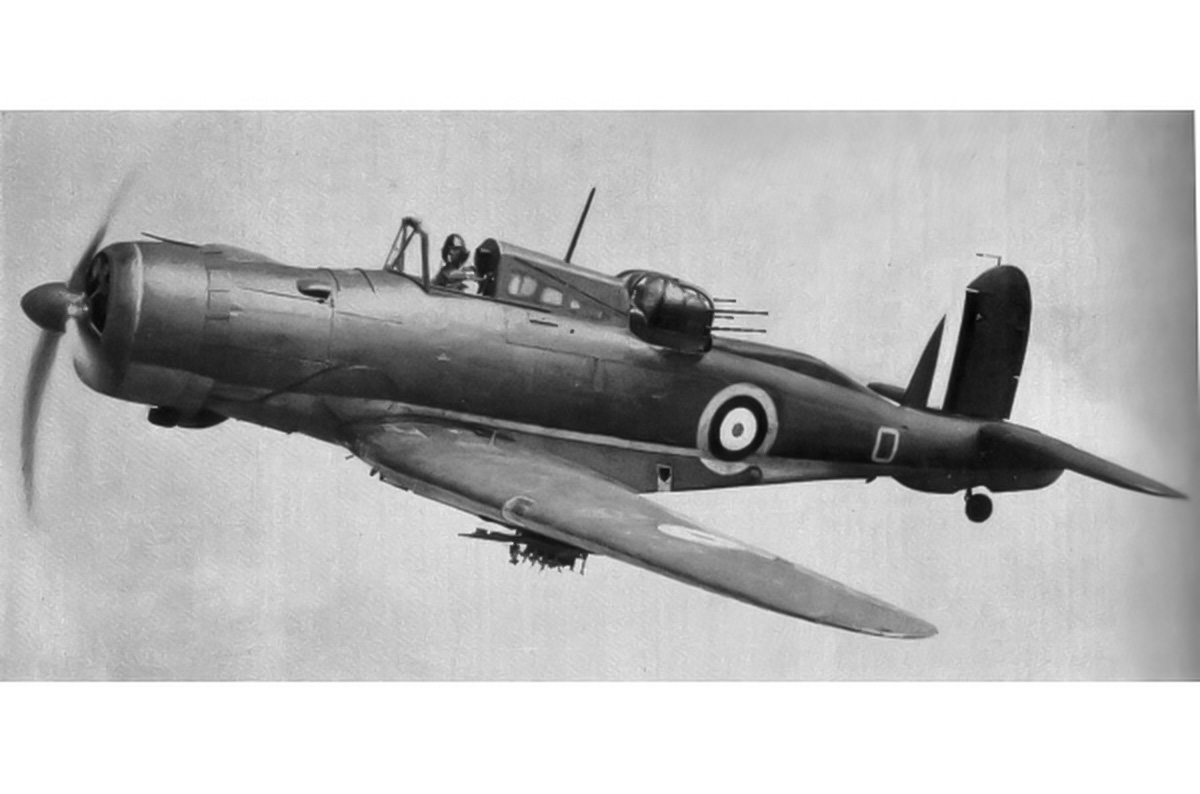
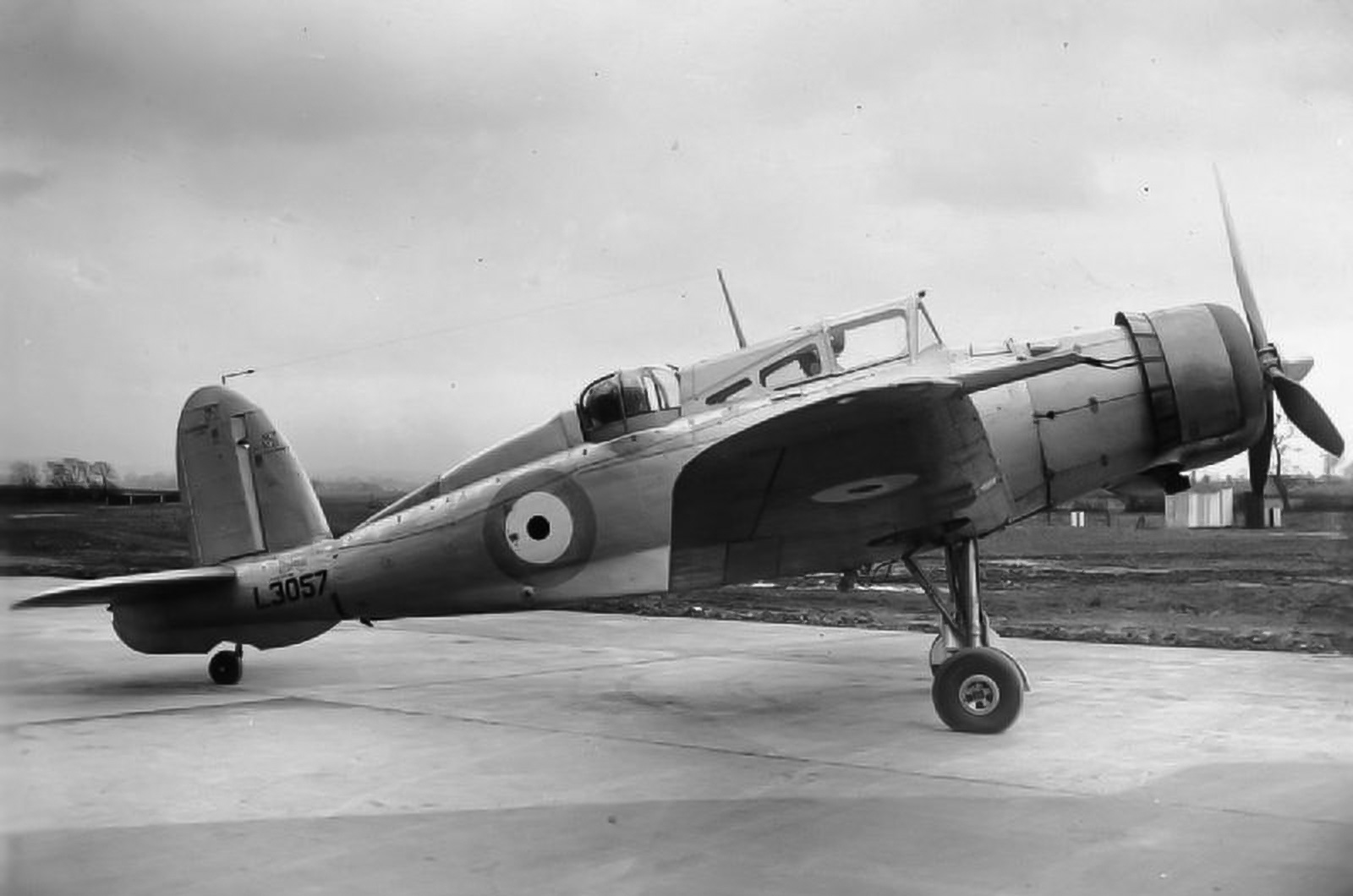
The British Blackburn company is always represented in any list of terrible aircraft, and the Botha is the first of two Blackburn entries on our list. The Botha was damned from a chronic lack of power. Its poor performance meant it was never to enter service in its primary role as a torpedo bomber.
The type first flew in 1938, entering service after the war had started, two weeks before Christmas in 1939. It suffered from poor lateral stability, and though a slew of crashes followed, this was not unusual for a new type entering service in the late 1930s.
10: Blackburn Botha
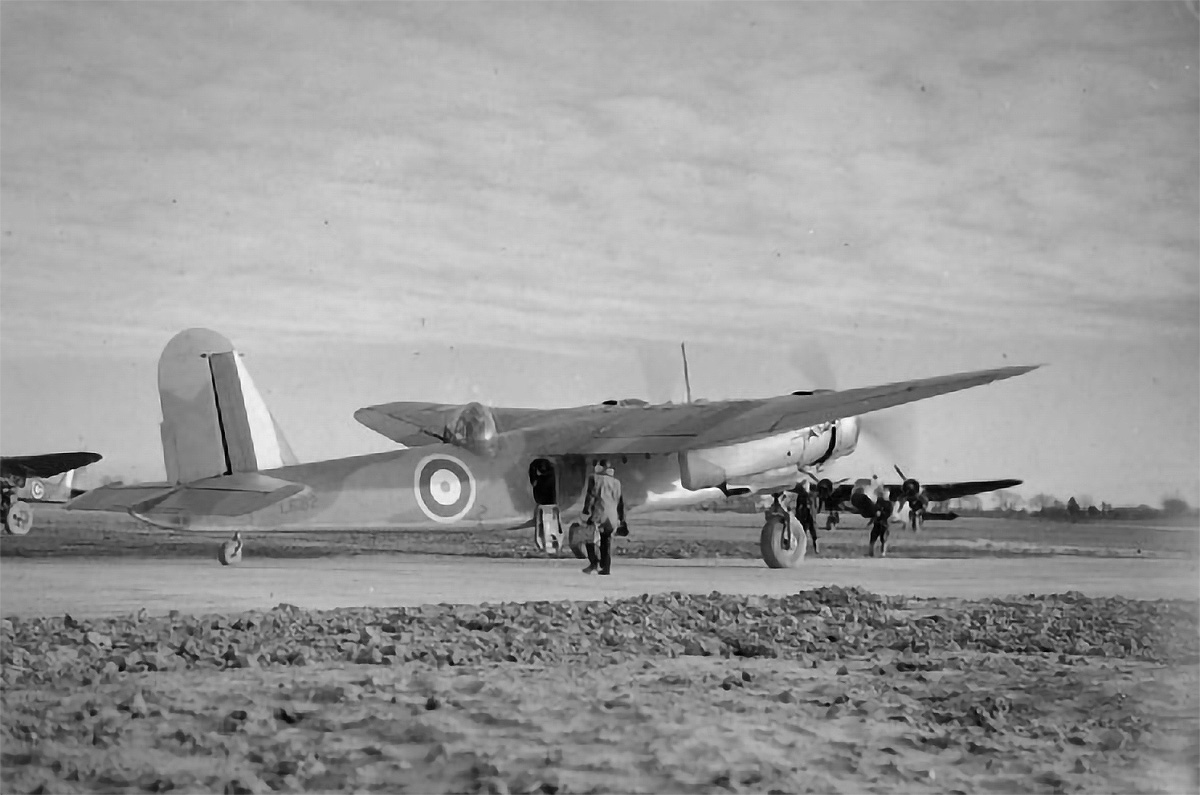
Had that been all, it would have been nothing worse than an obscure mediocrity, but Blackburn had also made it extremely difficult to see out of the aircraft in any direction except dead ahead due to the position of the engines. This was an untenable failing for an aircraft now intended for reconnaissance, and the Botha was supplanted by the Avro Anson, which it had been supposed to replace.
Passed to training units, the Botha’s vicious handling traits conspired with its underpowered nature to produce a fantastic amount of accidents, yet somehow a terrifying 580 were built, and the type soldiered on until 1944.
9: Breda Ba. 88 Lince (‘Lynx’)
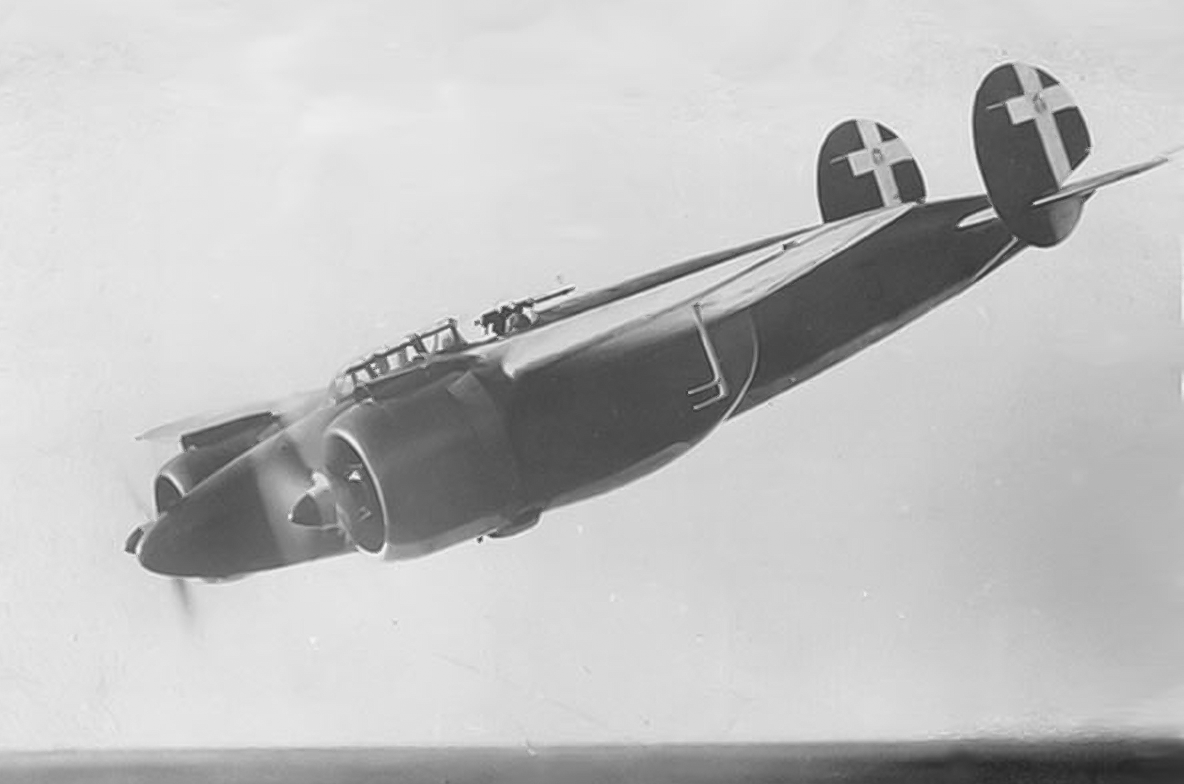
Do you like aircraft that can go round corners? Seemingly, Italian company Breda thought that was overrated. Proof that the adage ‘If it looks right, it’ll fly right’ is a load of old cobblers, the Lince looked fast and purposeful yet it was so overweight, draggy and underpowered that it sometimes refused to fly at all.
The early life of the Ba.88 appeared extremely promising. Appearing in 1937, the aircraft featured many advanced features, notably a sleek low-drag design and a retractable undercarriage. It even smashed several world speed records. But once fully adapted for its ground attack role its weight grew, and flaws became apparent.
9: Breda Ba. 88 Lince (‘Lynx’)
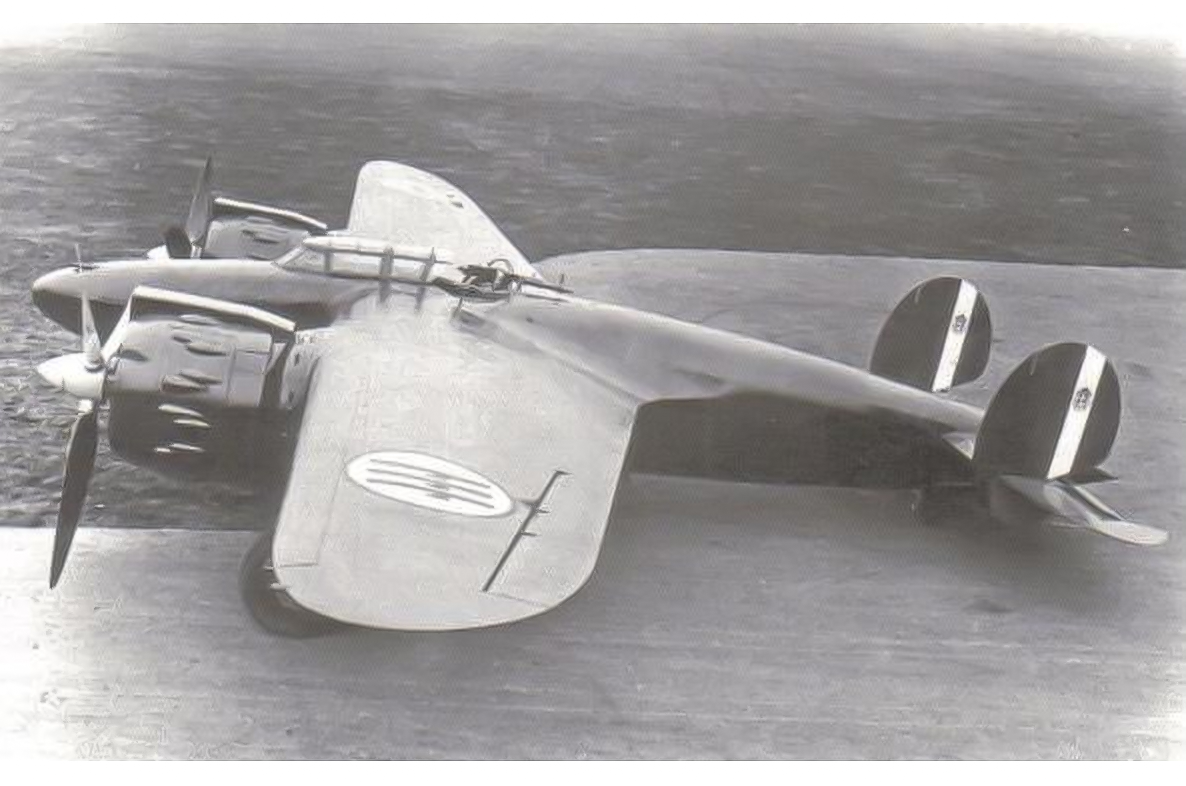
On the first day of the Italian offensive against British forces in Egypt, for example, three Bredas were committed from Sicily: one tried unsuccessfully to take off and another was found to be unable to turn and was therefore compelled to fly straight and level until it arrived at Sidi Rezegh airfield in Libya (which, fairly evidently, isn’t Egypt).
Later, once sand filters were fitted to the engines, the Lince could not exceed 155 mph (249 km/h) and there were occasions when entire units failed to take off. In an attempt to make the benighted craft viable, various items of equipment were left behind, including the rear machine gun, one of the crew (leaving the pilot all on his own), and half the fuel and bomb-load, but this never worked and the Lince was adapted to a role it fulfilled admirably – being parked on airfields to draw enemy fire. A noble task. 149 were built, until 1941.




Add your comment